Room Decor Ideas
Transform your living space into a sanctuary of style and comfort with our curated collection of room decor ideas. Whether you're looking to add a pop of personality with trendy accents or create a cozy ambiance with soft furnishings, we have everything you need to elevate your home decor game. From sleek and modern designs to rustic and eclectic pieces, explore a variety of options to suit your unique taste and create a space that truly reflects your personality. Dive into our assortment of decor inspiration and turn your house into a home that exudes warmth and charm.
Sort
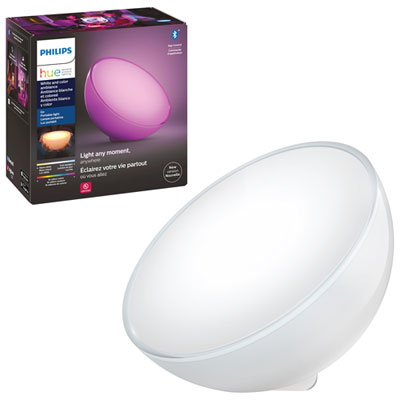
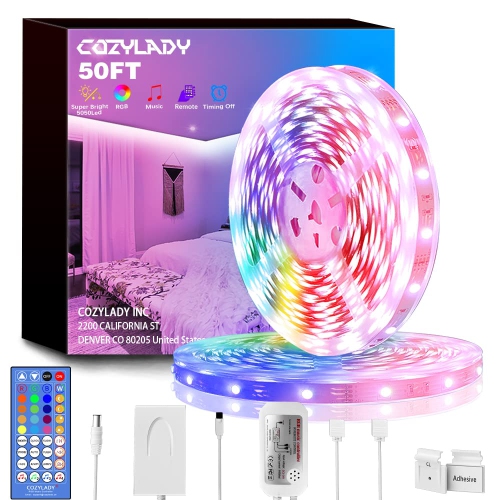



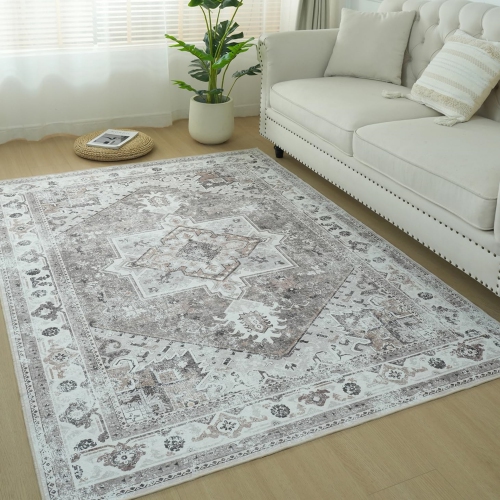


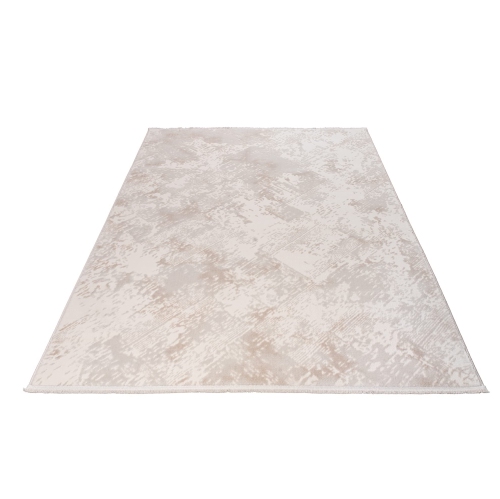



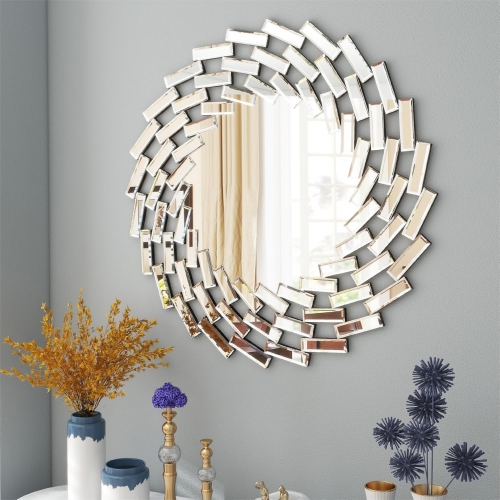
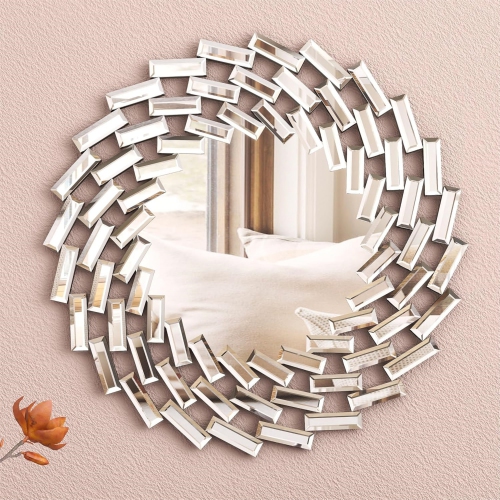
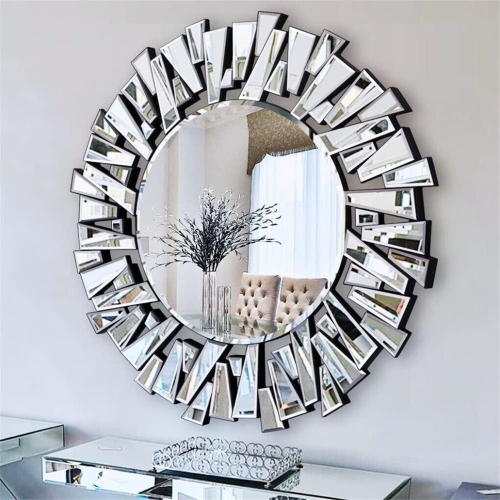



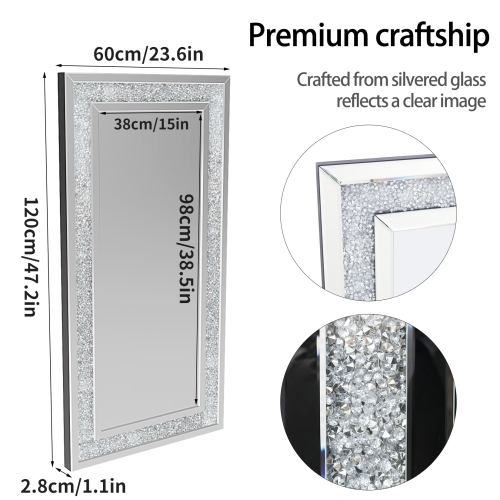




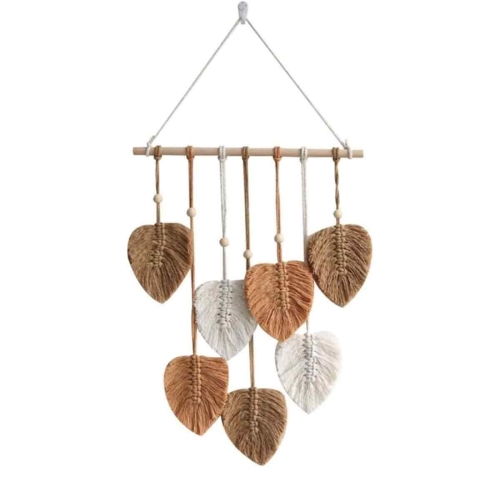

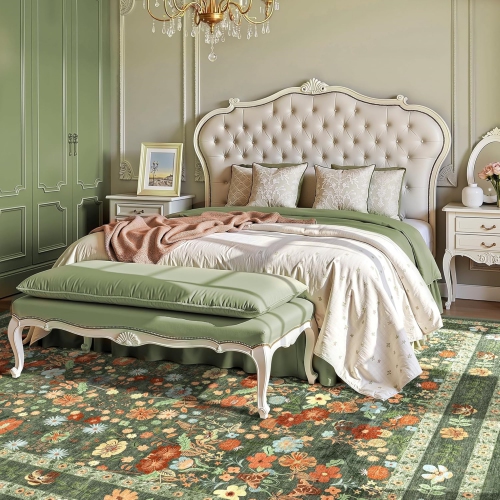

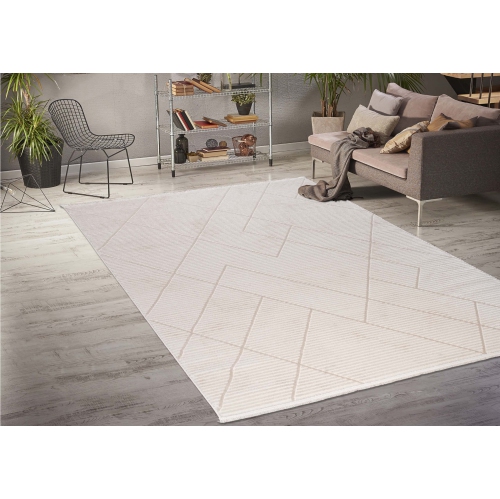
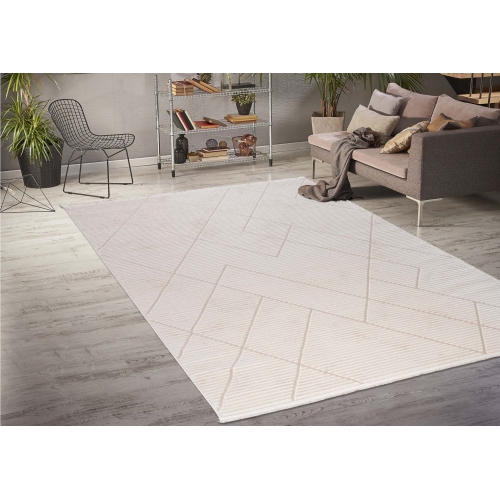
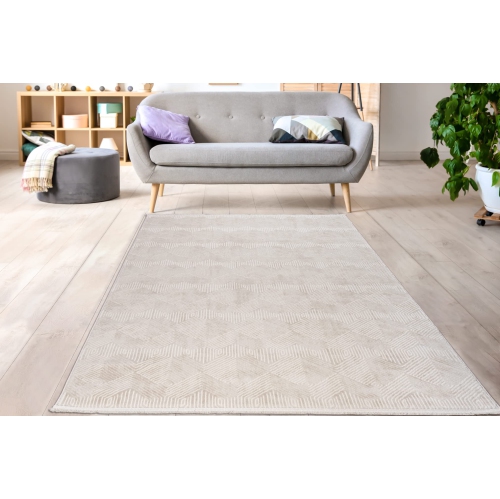
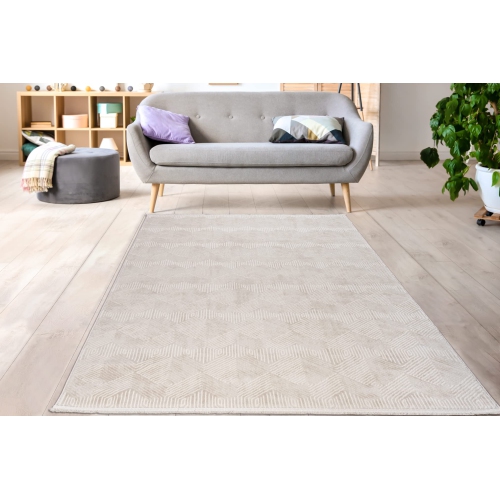
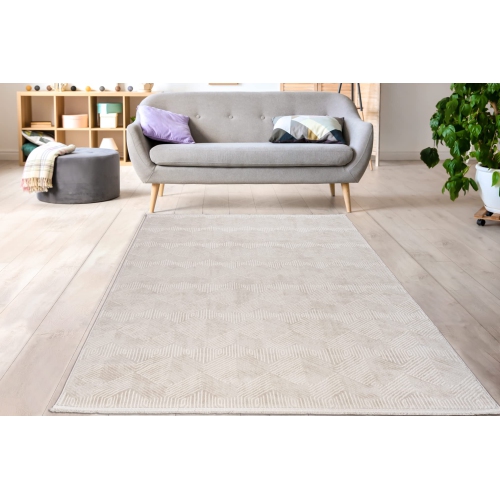


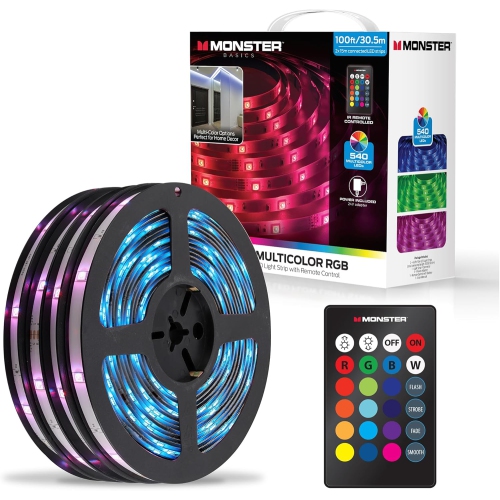

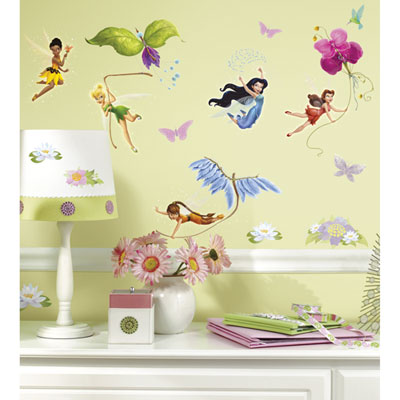
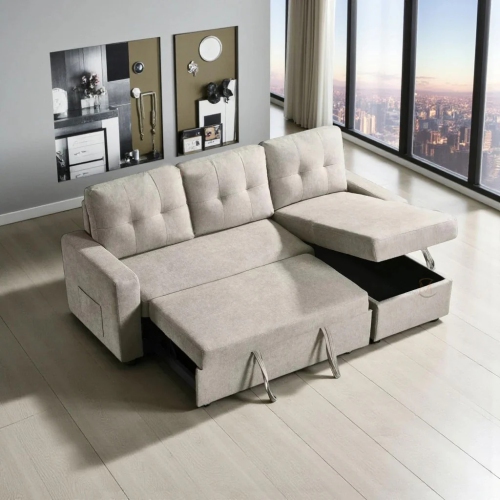




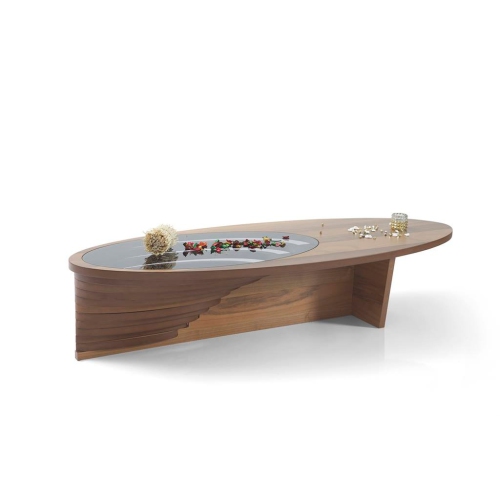




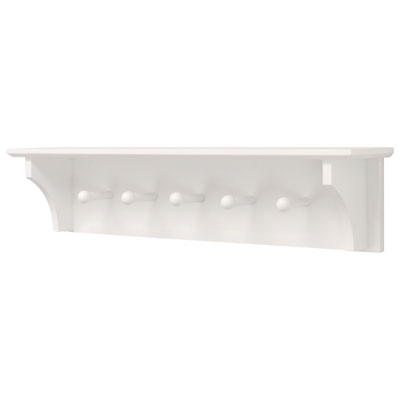






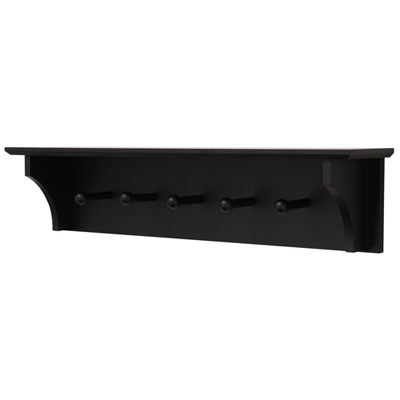




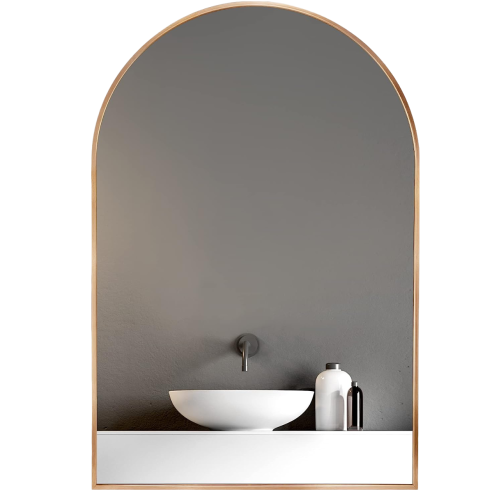





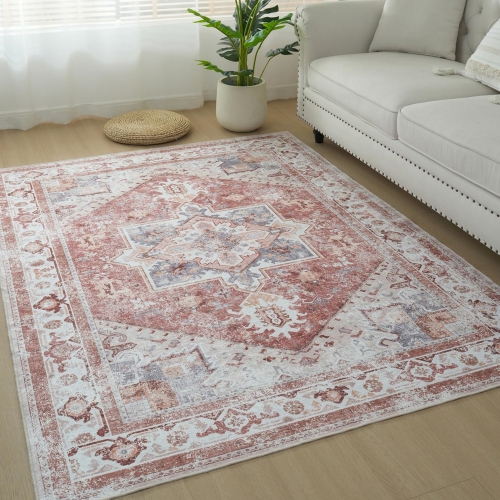
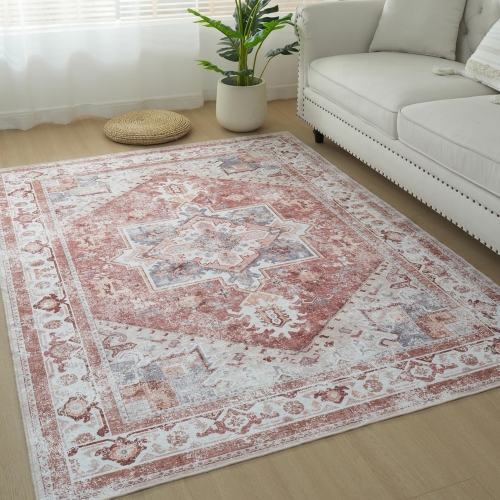
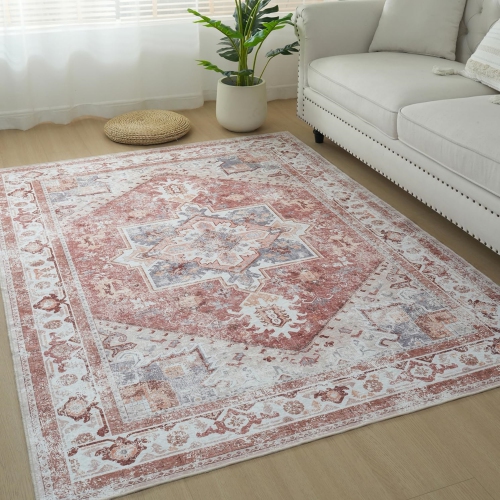
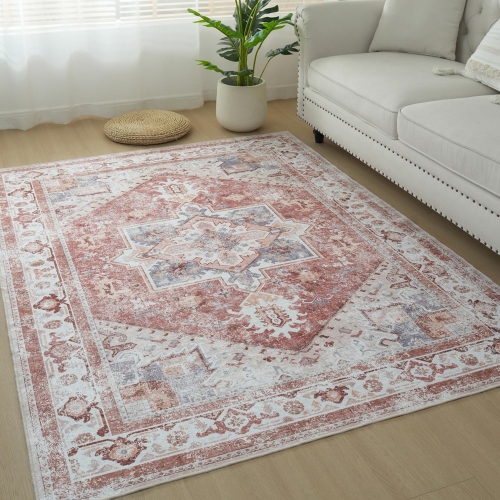
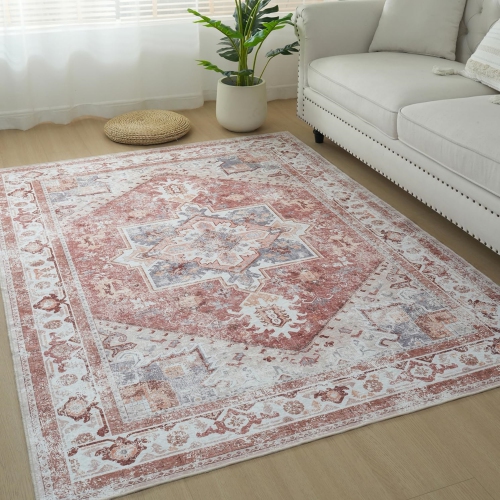

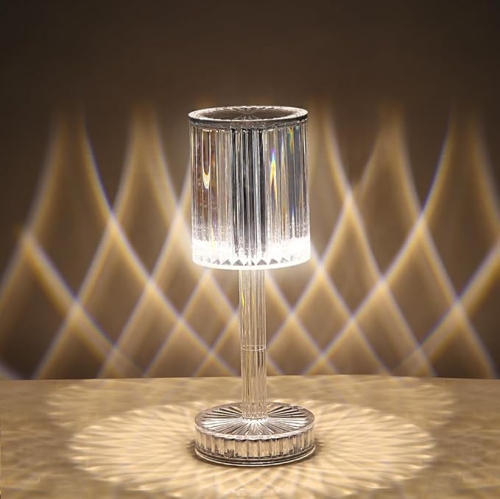
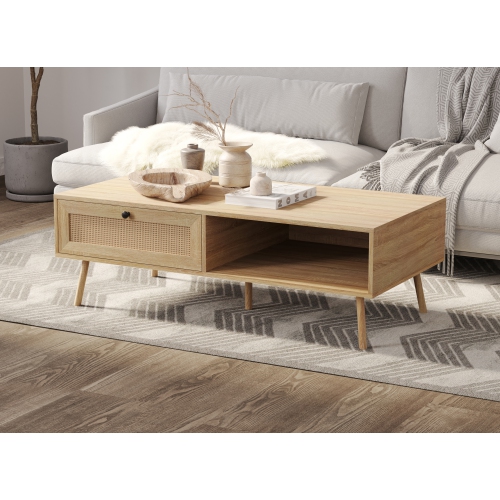
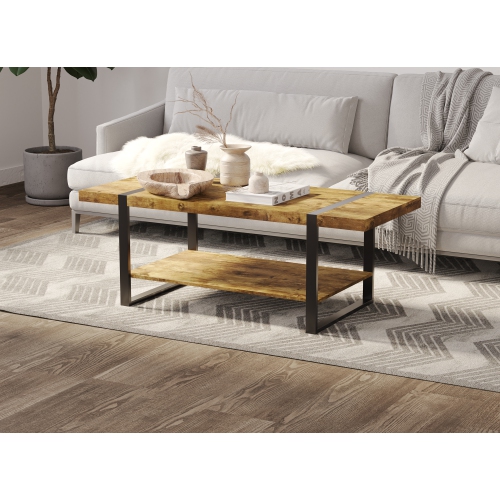

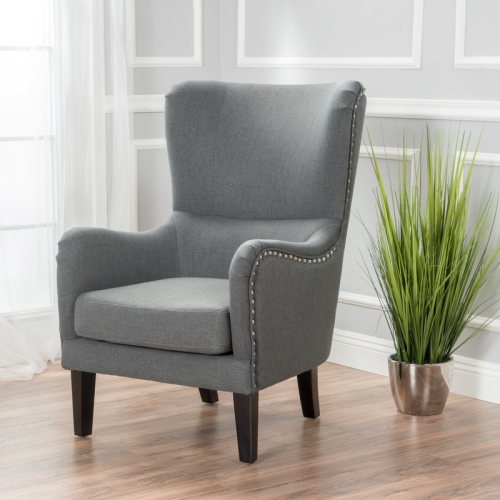





























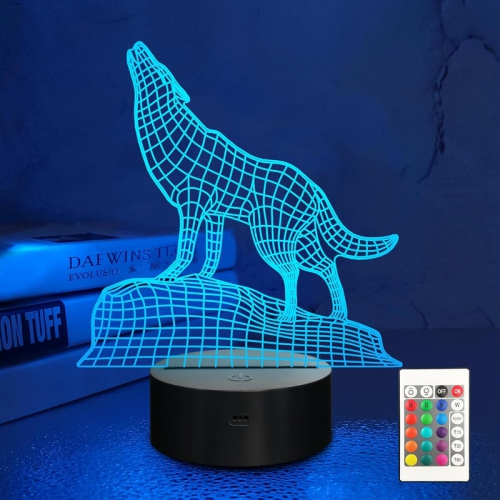

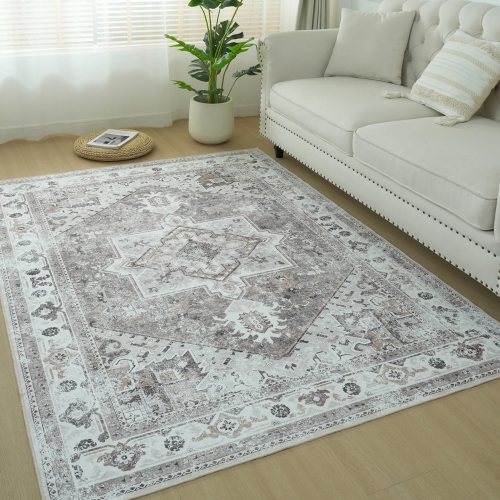
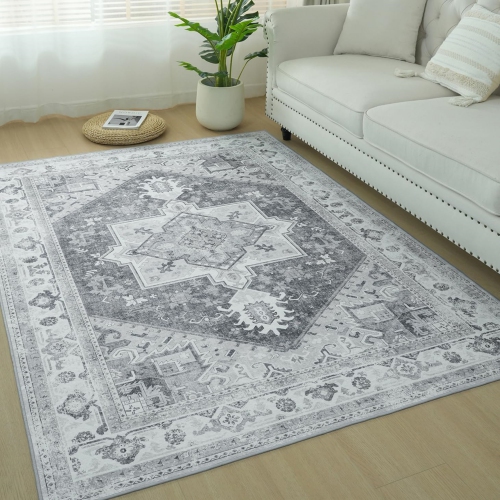
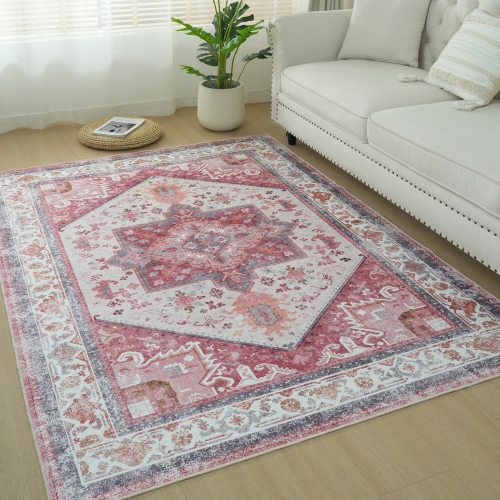
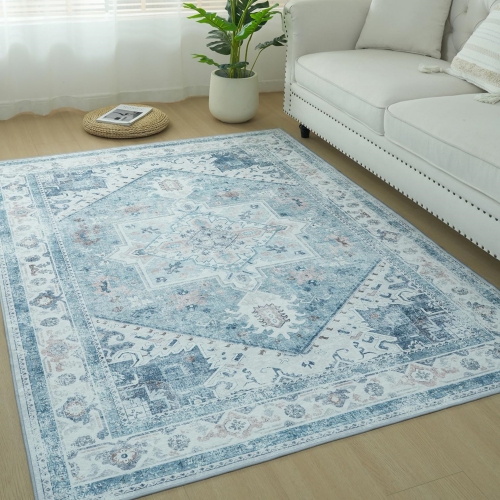
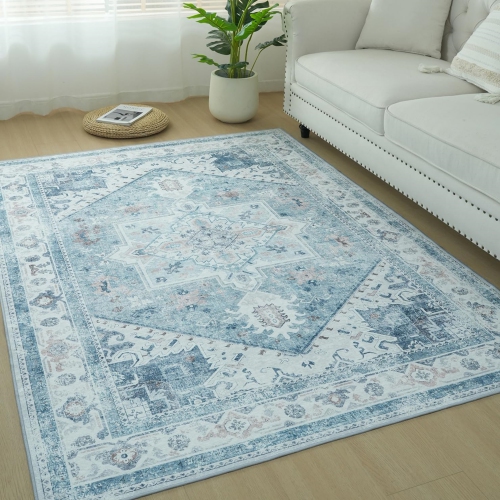
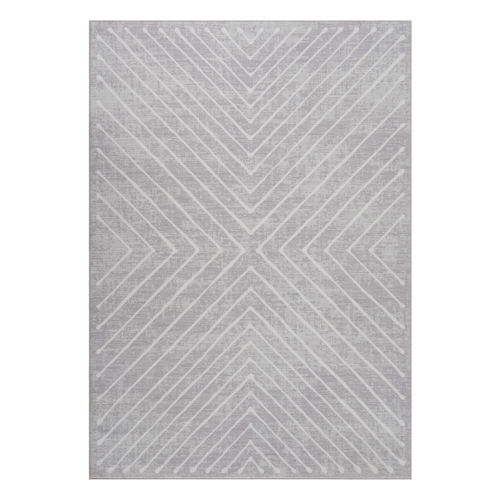

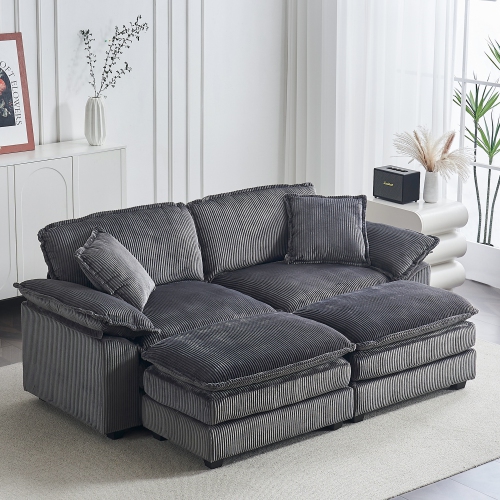

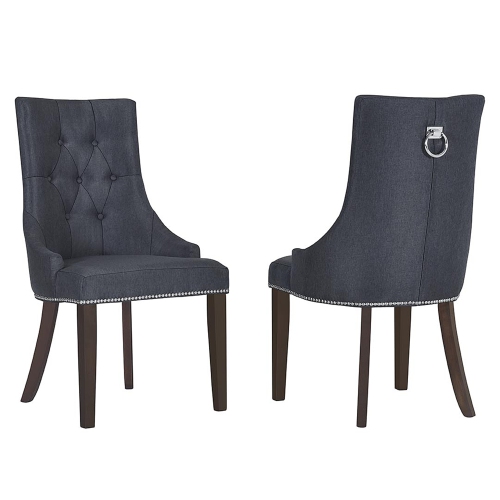
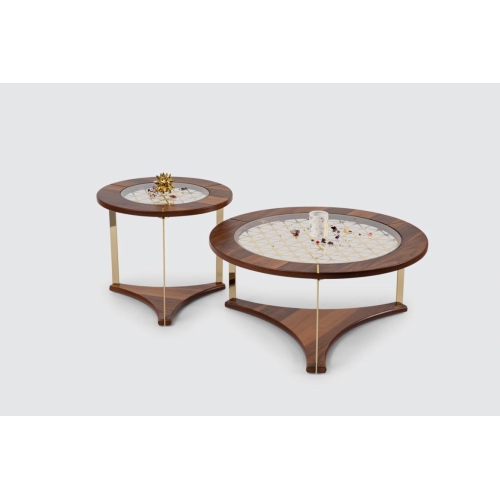
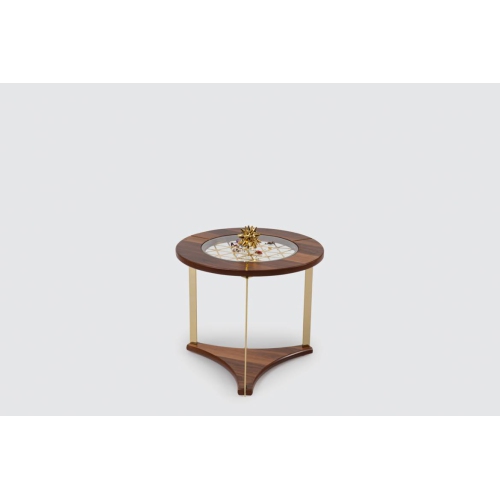


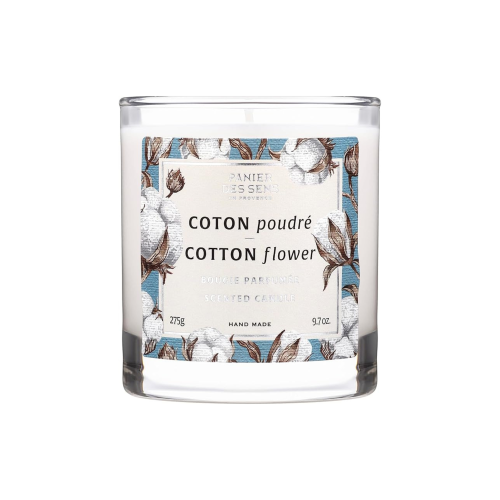


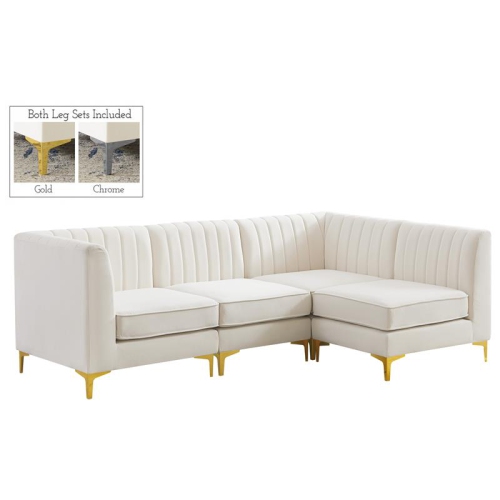

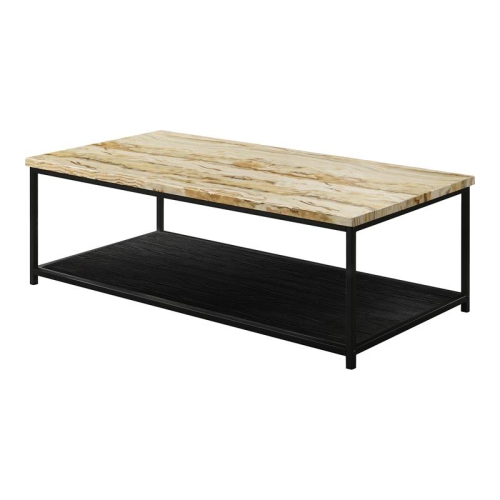
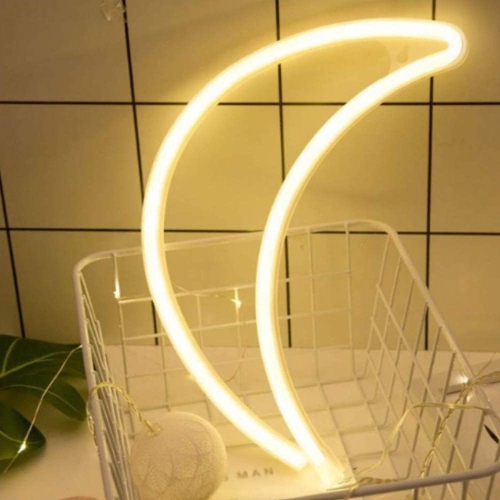

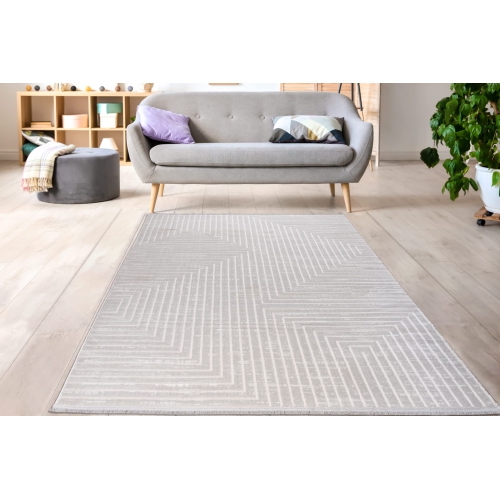
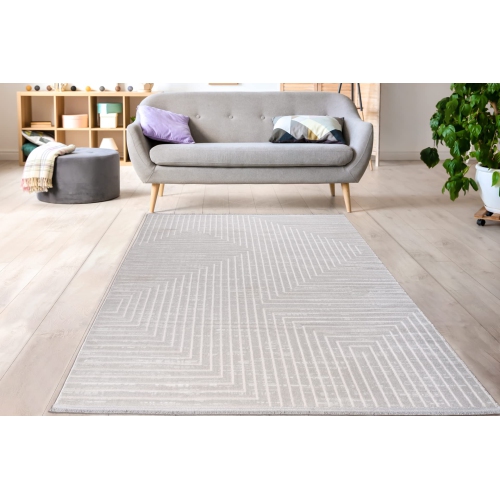
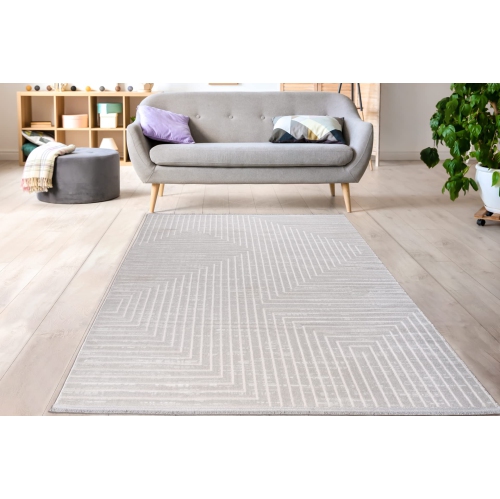

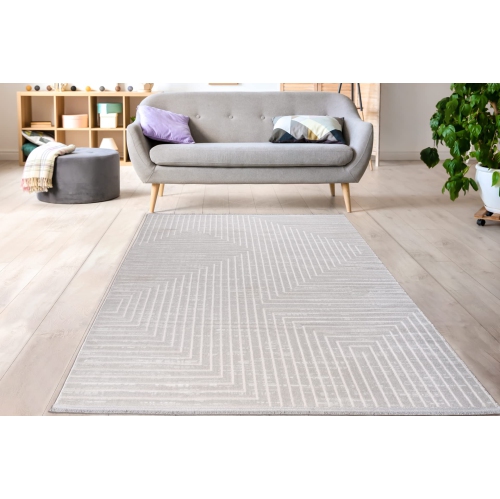
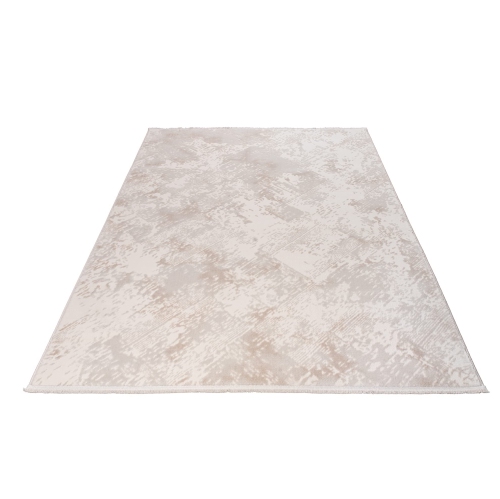
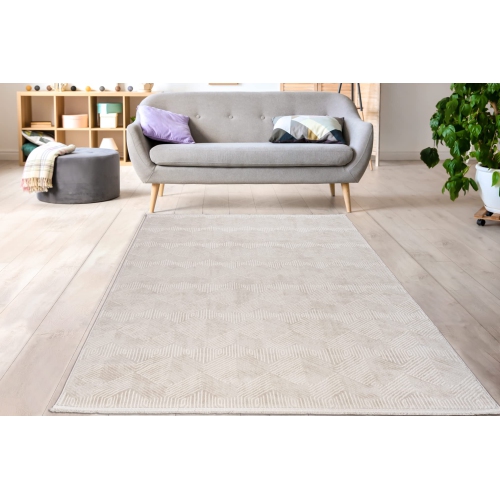



A cohesive room starts with a few shared details
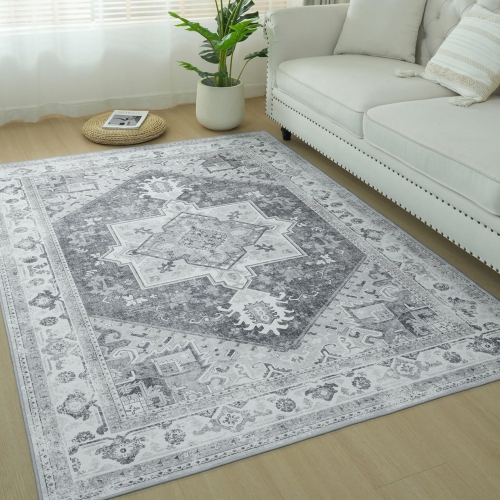
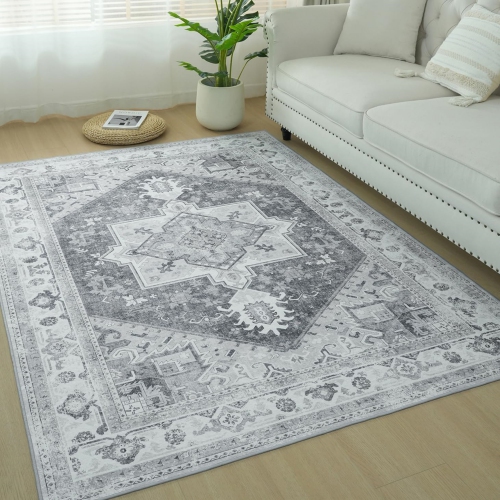
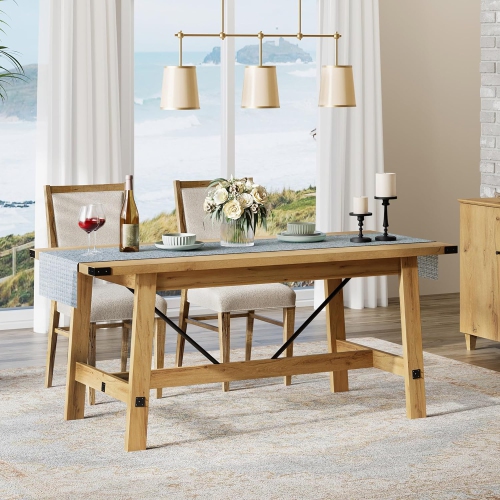
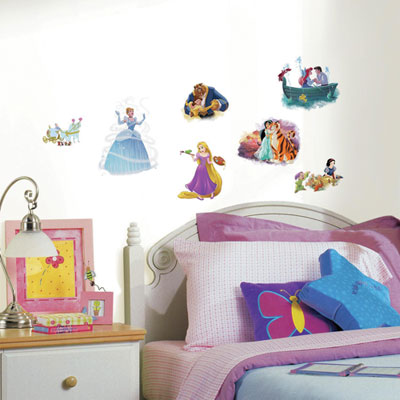
Room decor ideas bring together colour, texture, lighting, and proportion to make a space feel personal and comfortable without changing its basic layout. Decorative accents can give a bedroom a softer feel, add character to a living room, or help a home office sit comfortably alongside the rest of the home. The most cohesive arrangements usually share a few visual connections rather than matching every surface. A warm wood finish might repeat in a frame and a small accent table, while a muted blue appears in wall art and soft furnishings. Neutral foundations leave room for these details to stand out; richer colour combinations can feel just as balanced when larger surfaces remain relatively simple. Texture adds another layer of interest. Smooth ceramics contrast with the irregular weave of linen, brushed metal catches light differently from polished glass, and a knitted throw softens the straight lines of upholstered seating. These combinations give a room depth even when the palette stays within two or three colours. Scale matters as much as finish: a substantial piece of wall art can anchor a broad wall, while a smaller grouping often suits a narrow nook or the space above a compact desk. Leaving some open wall and surface space helps individual details remain visible rather than competing for attention. For a shared living area, colours drawn from existing upholstery or flooring can connect different tastes without making the room feel overly coordinated. In a bedroom, softer contrasts and tactile fabrics can create a restful setting, while a workspace may benefit from a more restrained arrangement that leaves room for everyday tasks. Room decor also offers a manageable way to personalize a first apartment, update a guest room, or make familiar furniture feel more intentional. For visual connections that extend beyond a single space, Home Decor Ideas brings the broader home into focus, from repeating finishes in adjoining rooms to carrying a favourite accent colour through an open-plan layout.
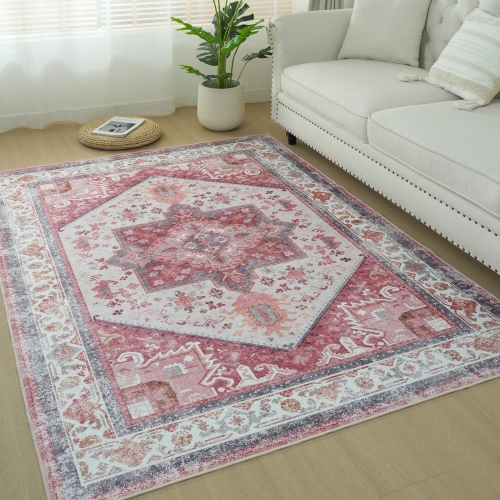
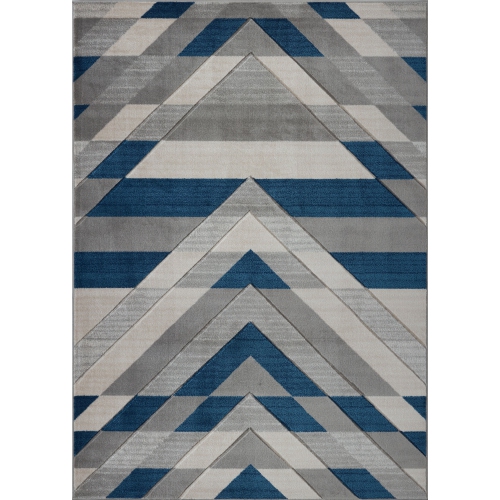
Materials and construction influence how decorative furnishings look, feel, and hold up to daily use. Cotton covers often have a relaxed appearance, linen brings visible texture, and velvet creates a deeper, more pronounced play of light across its pile. Fibre content alone does not determine care requirements, so washing instructions, removable covers, and suitability for spot cleaning are useful details to compare. A cushion used every evening on the sofa has different demands from one placed on an occasional chair; secure seams and a cover that can be cleaned easily may matter more in a busy family room. Rugs add colour and pattern while helping define seating or sleeping areas, but their size, pile height, and placement affect their practicality. A low pile can make it easier to move a desk chair, while a thicker surface may feel more comfortable beside a bed. Door clearance, floor compatibility, and an appropriately sized nonslip underlay deserve attention wherever a rug meets a walkway. Wood accents vary in grain and finish, and coated surfaces may have different cleaning needs from unfinished or oiled wood. Ceramic and glass bring crisp silhouettes but need stable placement away from crowded edges, especially in homes with children or pets. Woven storage adds texture while keeping everyday belongings together; its usefulness depends on dimensions, handle strength, and whether the weave could catch delicate fabric. Fit is equally important for window treatments. Panel width affects fullness, length changes the overall appearance, and the heading must work with the intended rod or track. Light-filtering fabrics soften incoming light, while room-darkening designs serve a different purpose, particularly in bedrooms or multipurpose spaces used for screen viewing. Positioning curtains above and beyond the window frame can give the opening a taller, broader appearance when wall space and mounting conditions allow. Across these categories, durability comes from matching the material and construction to the intended use, rather than choosing by appearance alone. A washable textile, a stable base, or a finish suited to frequent handling can make an attractive detail easier to live with.
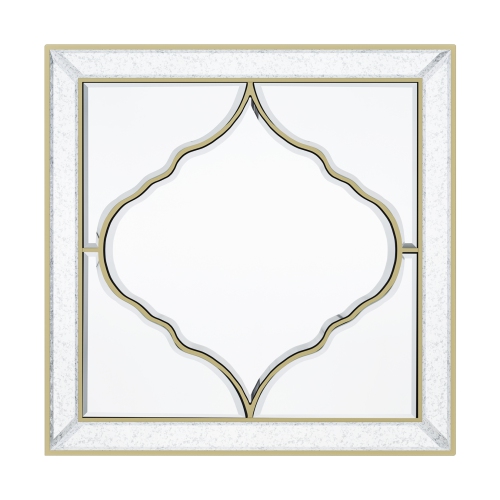
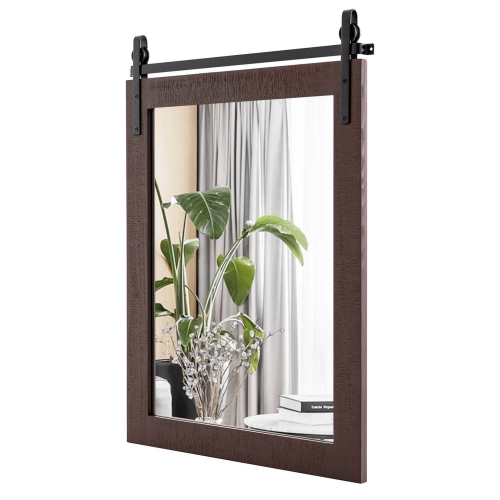
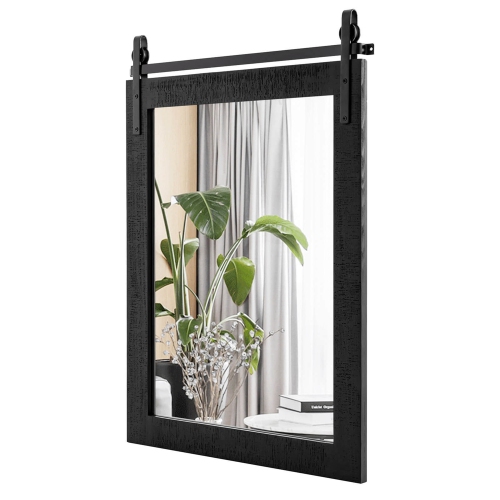
Lighting, wall accents, and thoughtful placement shape how a room feels throughout everyday activities. Layered lighting combines broad illumination with focused light for reading or desk work and gentler accent light for quieter moments. A shaded lamp can soften the area beside a sofa, while a directed light keeps a reading corner useful without flooding the whole room. Shade material, bulb compatibility, and light output all affect the result; a dark shade may concentrate light differently from a pale, translucent one. Cord length and outlet placement also influence where lighting can sit safely without crossing a walking route. Mirrors contribute both function and visual openness, particularly when they reflect a window, artwork, or an uncluttered part of the room. Their placement works best when the reflected view is considered alongside the frame style, since a mirror can repeat visual clutter just as readily as it reflects light. Wall-mounted pieces need hardware appropriate to their weight and the wall material, while renters may need to check lease conditions before drilling or using adhesives. Freestanding accents can offer flexibility, although tall or heavy pieces may still require anchoring according to their instructions. In smaller rooms, decor that serves more than one purpose can preserve valuable surface space: attractive storage keeps daily essentials close, and a well-proportioned mirror provides a useful finishing touch near an entryway. Shared spaces often benefit from a few personal details, such as displayed photographs or artwork that reflects the household’s interests, rather than a dense arrangement on every shelf. Decorative gifts can suit housewarmings, weddings, or a student’s first move away from home when the recipient’s taste and available space are familiar. Manageable dimensions and straightforward care requirements make such gifts easier to incorporate into an established room. Whether the setting is a compact condo, a family living room, or a quiet bedroom, well-chosen decor balances visual character with the realities of daily life: somewhere to set a book, enough light to read it, and clear space to move comfortably.
Materials and construction influence how decorative furnishings look, feel, and hold up to daily use. Cotton covers often have a relaxed appearance, linen brings visible texture, and velvet creates a deeper, more pronounced play of light across its pile. Fibre content alone does not determine care requirements, so washing instructions, removable covers, and suitability for spot cleaning are useful details to compare. A cushion used every evening on the sofa has different demands from one placed on an occasional chair; secure seams and a cover that can be cleaned easily may matter more in a busy family room. Rugs add colour and pattern while helping define seating or sleeping areas, but their size, pile height, and placement affect their practicality. A low pile can make it easier to move a desk chair, while a thicker surface may feel more comfortable beside a bed. Door clearance, floor compatibility, and an appropriately sized nonslip underlay deserve attention wherever a rug meets a walkway. Wood accents vary in grain and finish, and coated surfaces may have different cleaning needs from unfinished or oiled wood. Ceramic and glass bring crisp silhouettes but need stable placement away from crowded edges, especially in homes with children or pets. Woven storage adds texture while keeping everyday belongings together; its usefulness depends on dimensions, handle strength, and whether the weave could catch delicate fabric. Fit is equally important for window treatments. Panel width affects fullness, length changes the overall appearance, and the heading must work with the intended rod or track. Light-filtering fabrics soften incoming light, while room-darkening designs serve a different purpose, particularly in bedrooms or multipurpose spaces used for screen viewing. Positioning curtains above and beyond the window frame can give the opening a taller, broader appearance when wall space and mounting conditions allow. Across these categories, durability comes from matching the material and construction to the intended use, rather than choosing by appearance alone. A washable textile, a stable base, or a finish suited to frequent handling can make an attractive detail easier to live with.
Lighting, wall accents, and thoughtful placement shape how a room feels throughout everyday activities. Layered lighting combines broad illumination with focused light for reading or desk work and gentler accent light for quieter moments. A shaded lamp can soften the area beside a sofa, while a directed light keeps a reading corner useful without flooding the whole room. Shade material, bulb compatibility, and light output all affect the result; a dark shade may concentrate light differently from a pale, translucent one. Cord length and outlet placement also influence where lighting can sit safely without crossing a walking route. Mirrors contribute both function and visual openness, particularly when they reflect a window, artwork, or an uncluttered part of the room. Their placement works best when the reflected view is considered alongside the frame style, since a mirror can repeat visual clutter just as readily as it reflects light. Wall-mounted pieces need hardware appropriate to their weight and the wall material, while renters may need to check lease conditions before drilling or using adhesives. Freestanding accents can offer flexibility, although tall or heavy pieces may still require anchoring according to their instructions. In smaller rooms, decor that serves more than one purpose can preserve valuable surface space: attractive storage keeps daily essentials close, and a well-proportioned mirror provides a useful finishing touch near an entryway. Shared spaces often benefit from a few personal details, such as displayed photographs or artwork that reflects the household’s interests, rather than a dense arrangement on every shelf. Decorative gifts can suit housewarmings, weddings, or a student’s first move away from home when the recipient’s taste and available space are familiar. Manageable dimensions and straightforward care requirements make such gifts easier to incorporate into an established room. Whether the setting is a compact condo, a family living room, or a quiet bedroom, well-chosen decor balances visual character with the realities of daily life: somewhere to set a book, enough light to read it, and clear space to move comfortably.
Top selling and popular products
-
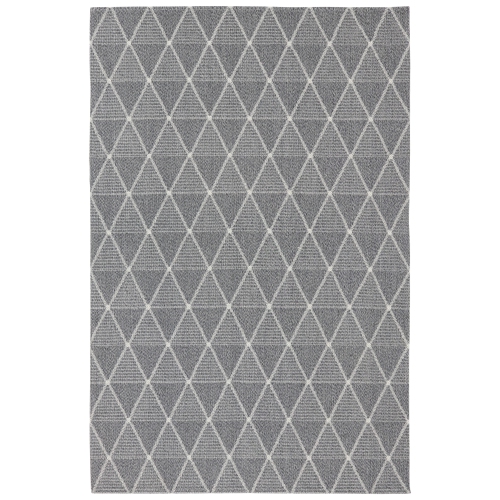 Your price for this item is $130.55
 -
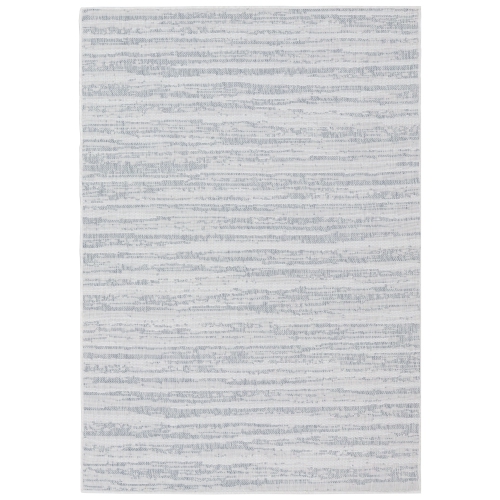 Your price for this item is $129.15
 -
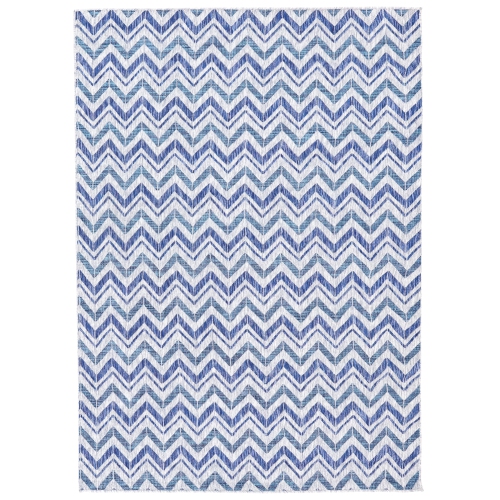 Your price for this item is $129.15
 -
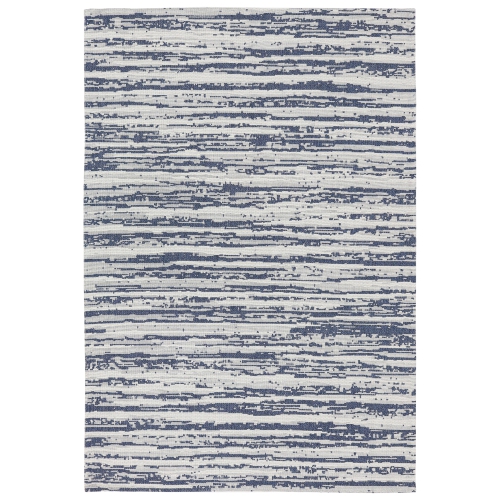 Your price for this item is $130.55
 -
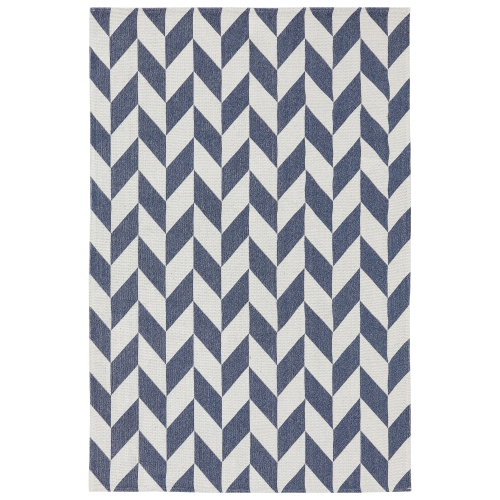 Your price for this item is $130.55
 -
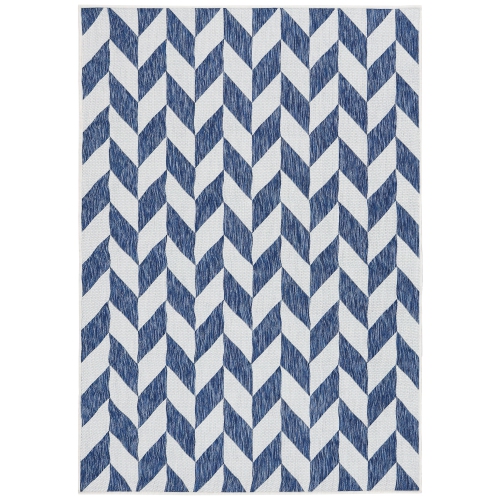 Your price for this item is $129.15
 -
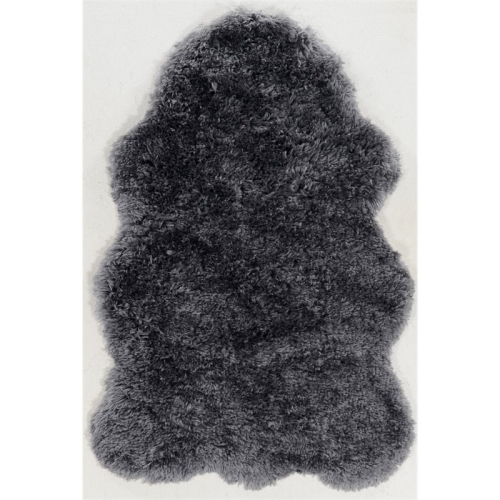 Your price for this item is $269.46
 -
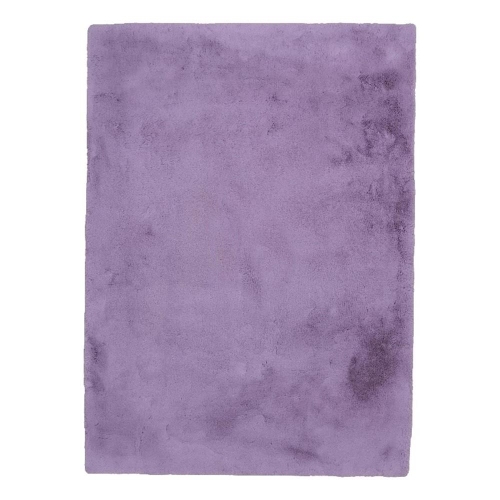 Your price for this item is $219.8
Discover more categories related to Room Decor Ideas
Top Collections:
Pokemon Centers, Kindle Devices, Best Budget Office Chairs, Apple iPhones 16, Best Laptops for Writers, iPhone 15 Apple, Canon G7X Cameras, Refurbished Apple Laptops, Alarm Clock, Motorola Razr Phones
Some products may be subject to Environmental Handling Fees
(EHF) depending on your province.
Learn more about EHFs.