Room Storage Cabinets
Looking to declutter your living space and maximize storage? Look no further than our selection of room storage cabinets. These versatile and stylish cabinets are designed to help you organize and store your belongings in a neat and efficient manner. Whether you need extra space for your books, clothing, or household essentials, our room storage cabinets offer the perfect solution. With a variety of sizes, styles, and finishes available, you can find the perfect cabinet to complement your home decor while keeping your belongings easily accessible. Transform your space into a clutter-free oasis with our range of room storage cabinets.
Sort
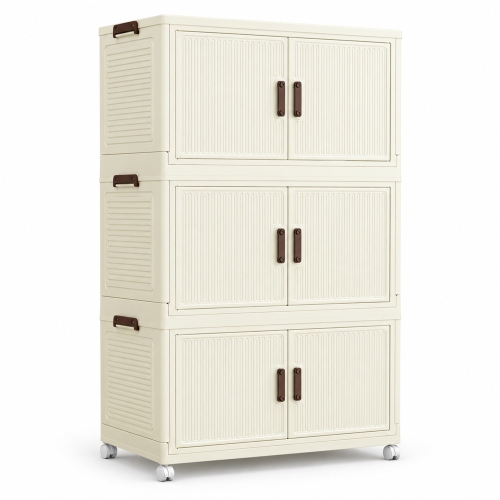
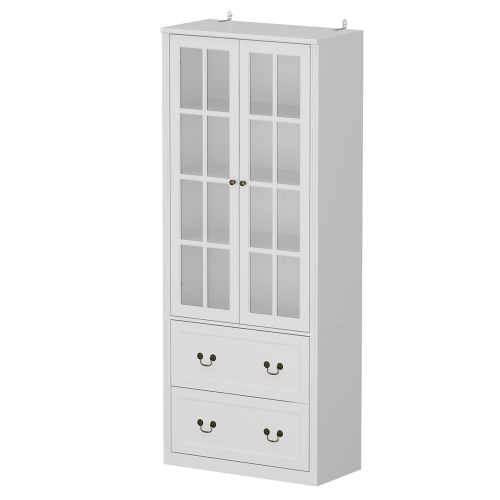
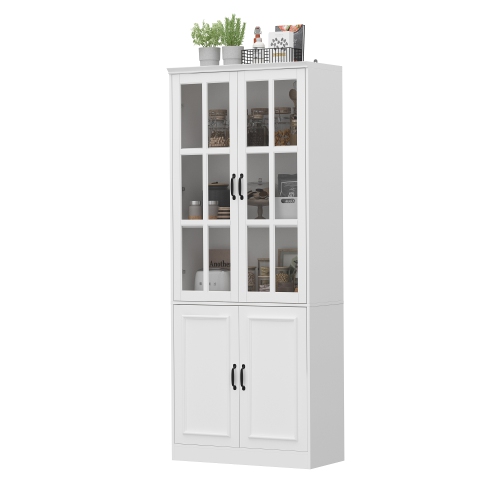
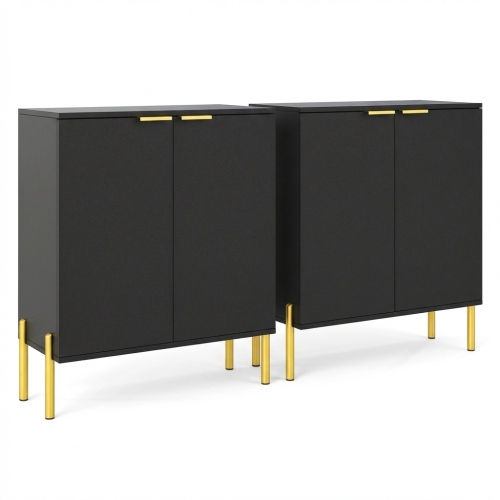
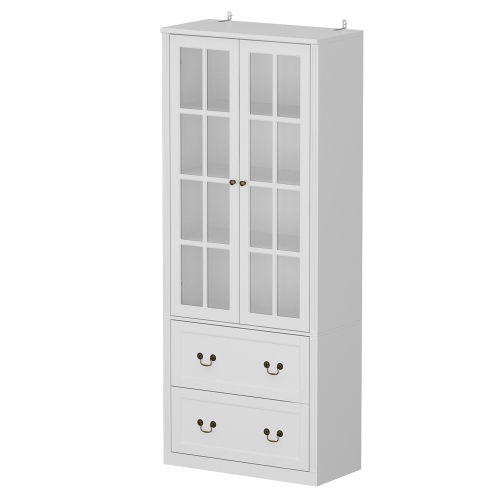
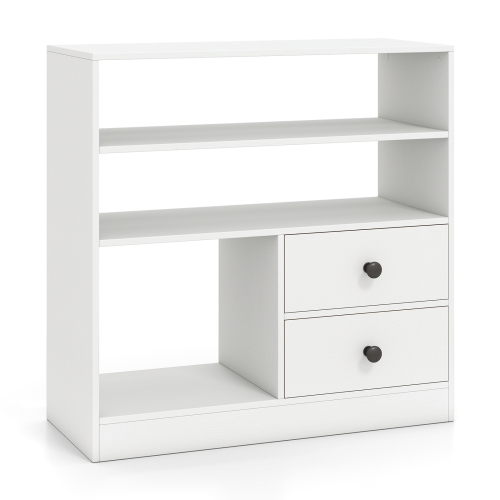
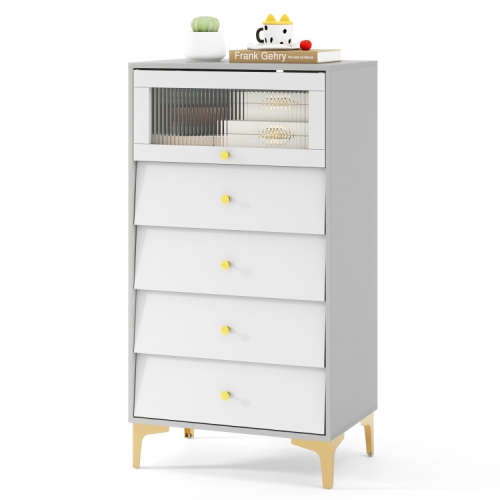

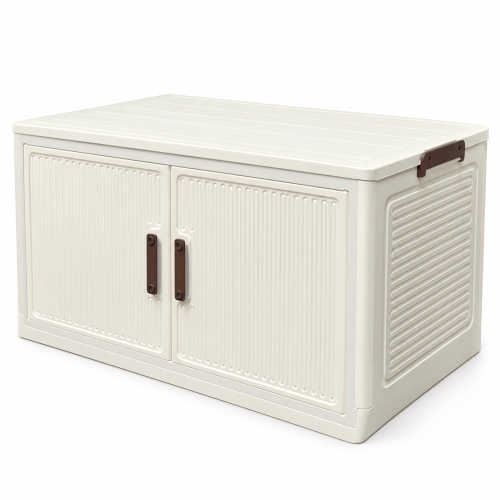
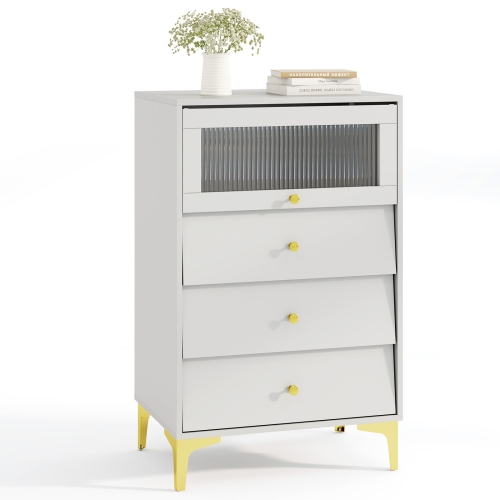
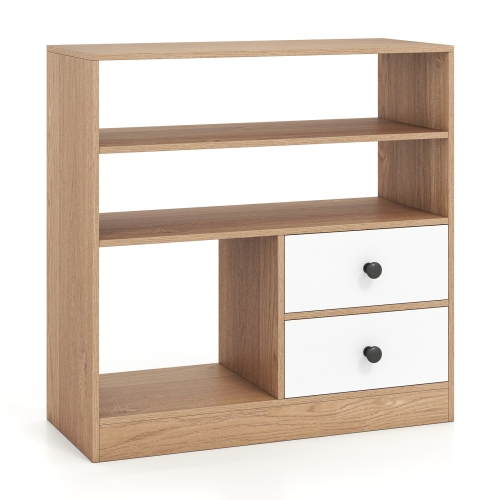
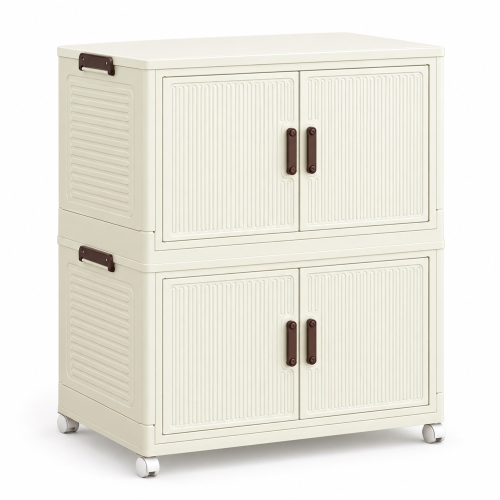
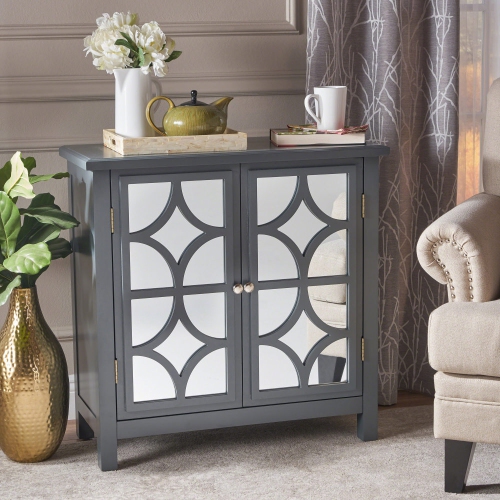
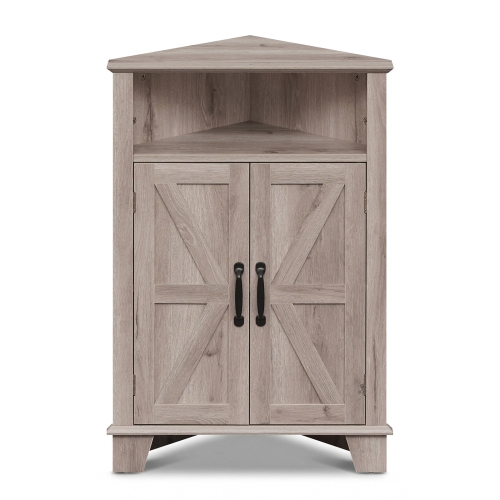
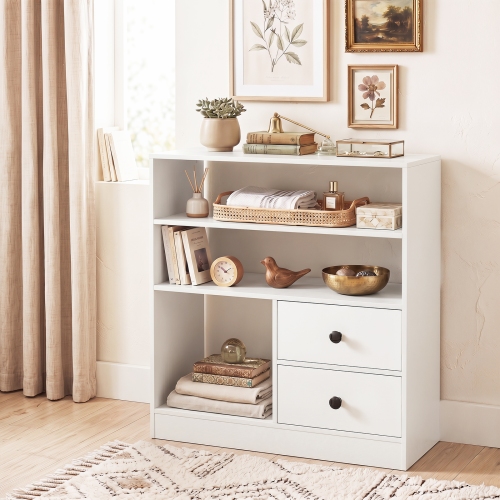
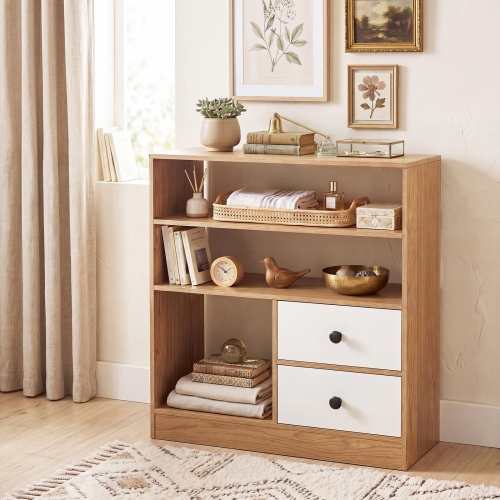
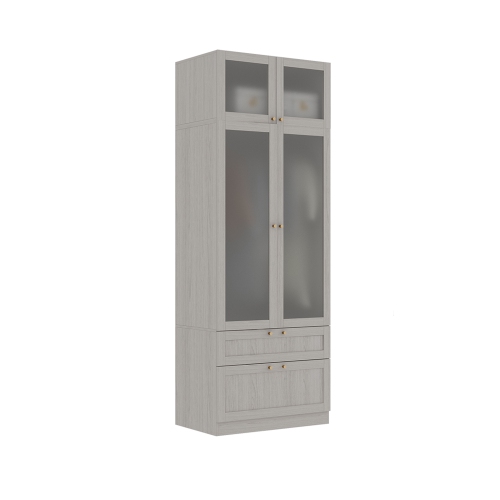
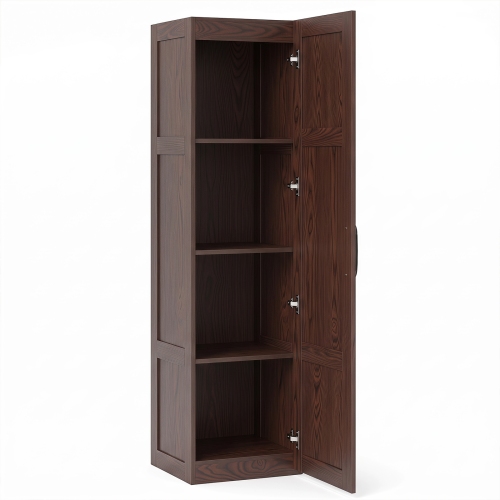
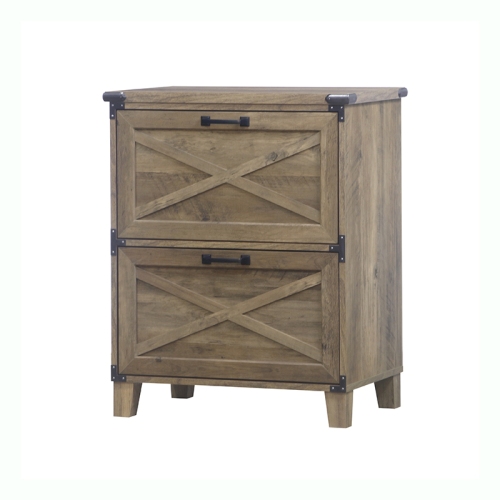


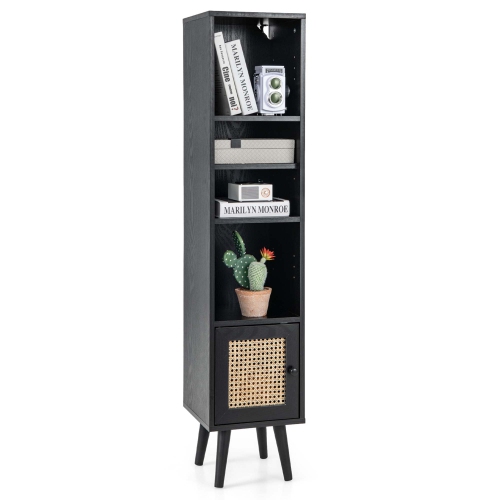
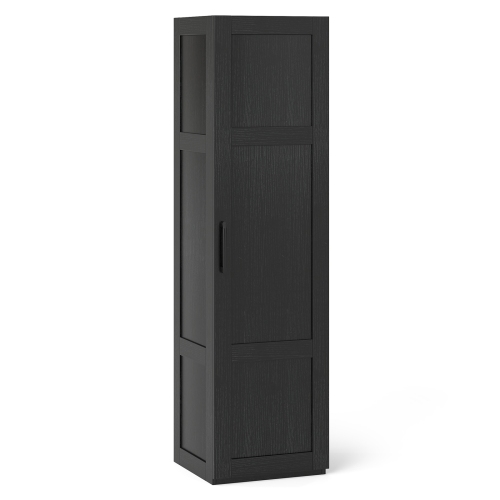
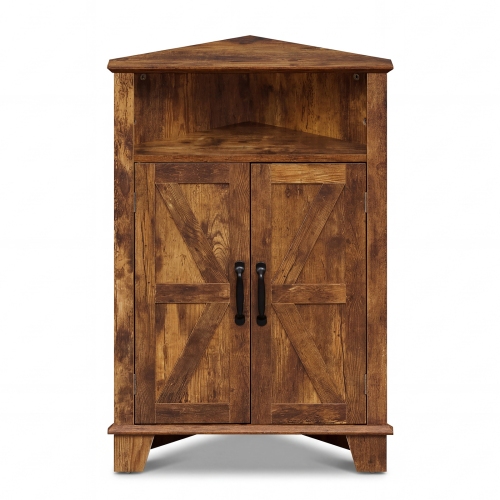
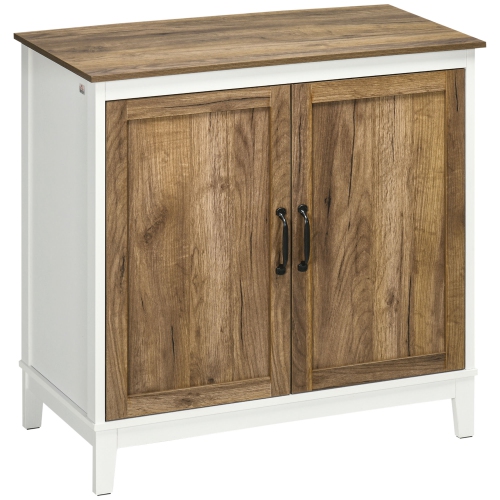
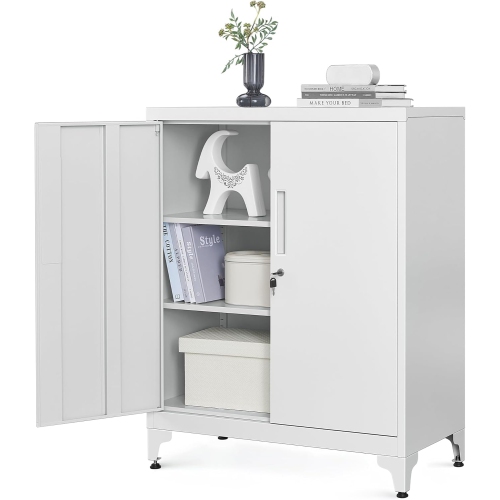

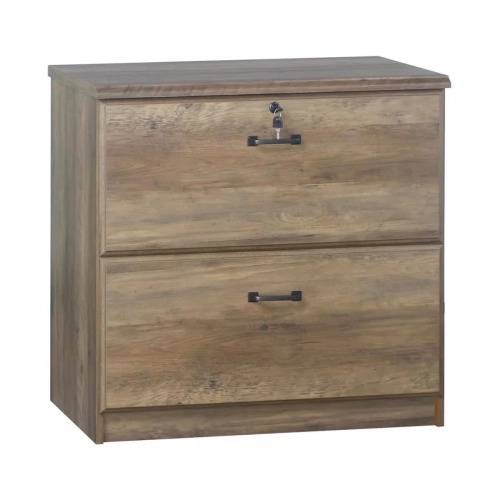

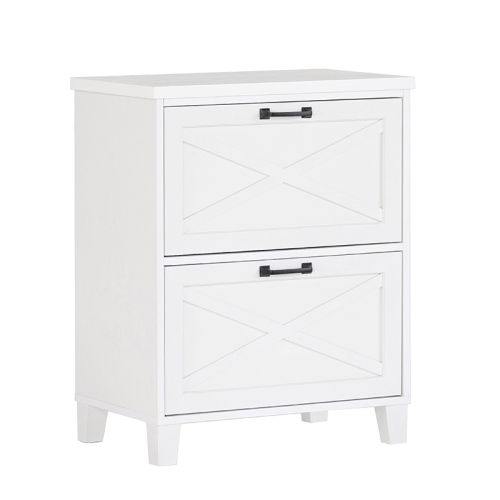
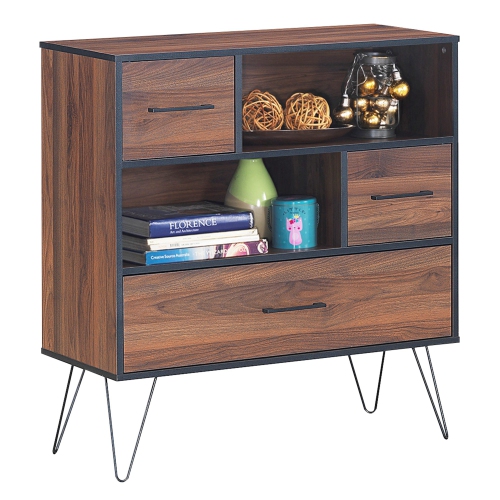
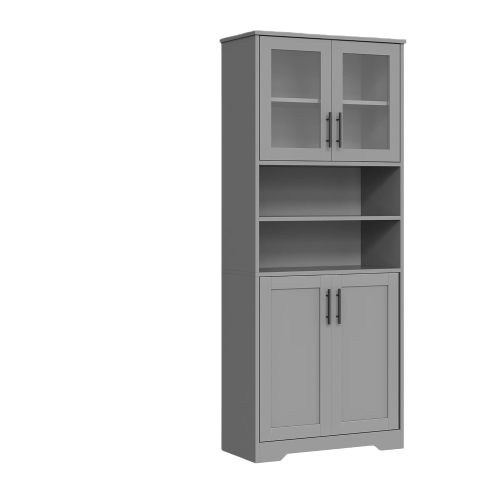

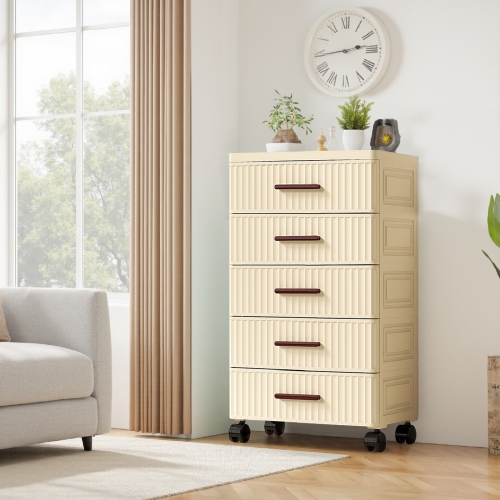
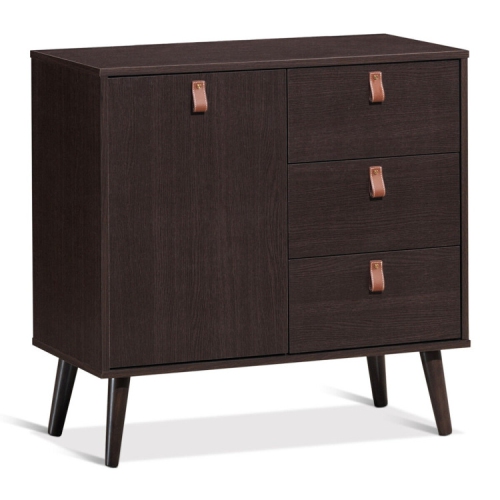
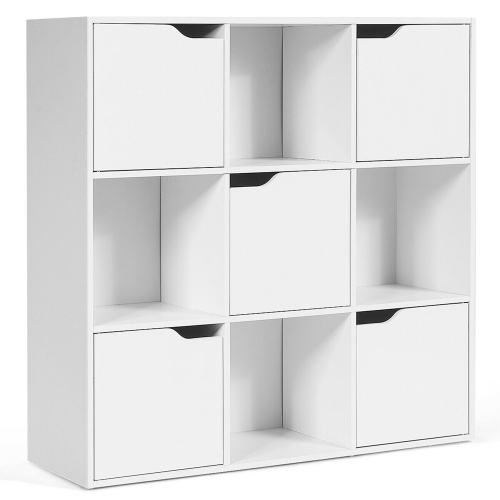
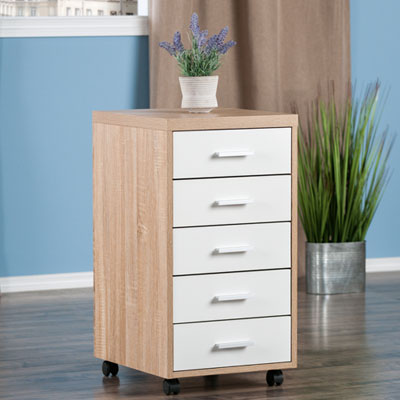
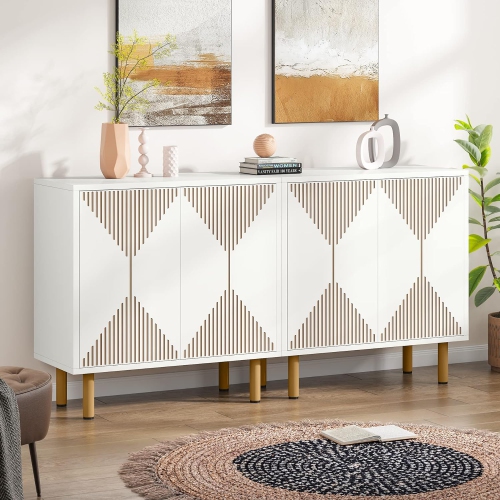
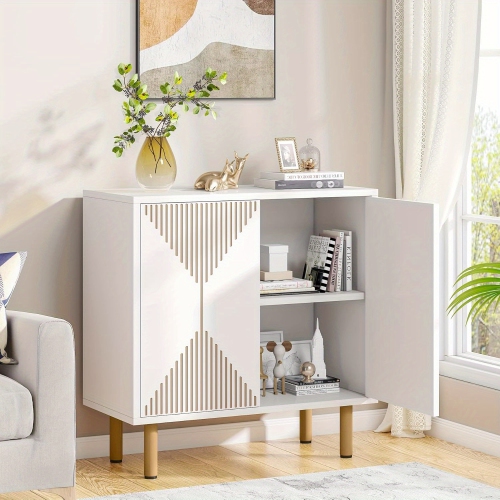
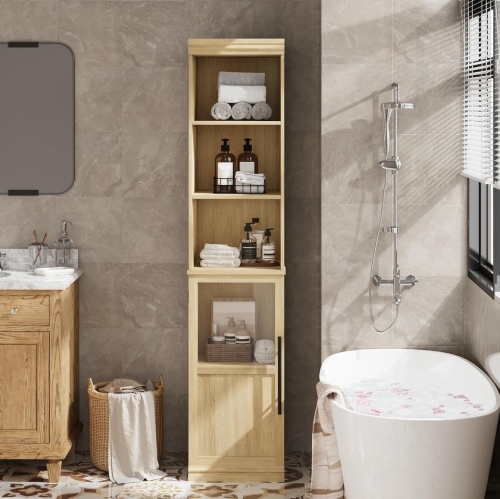

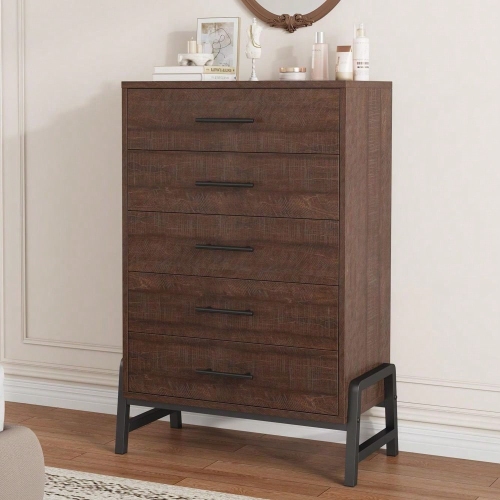
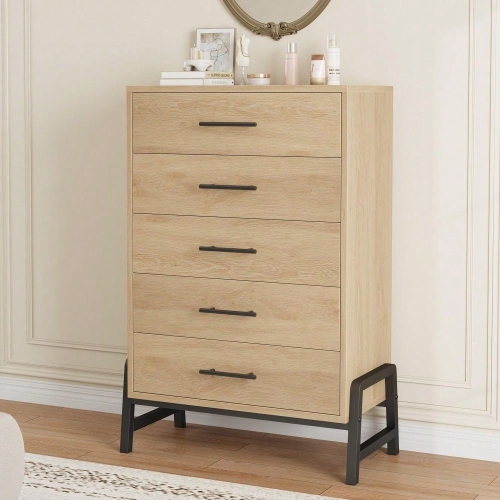
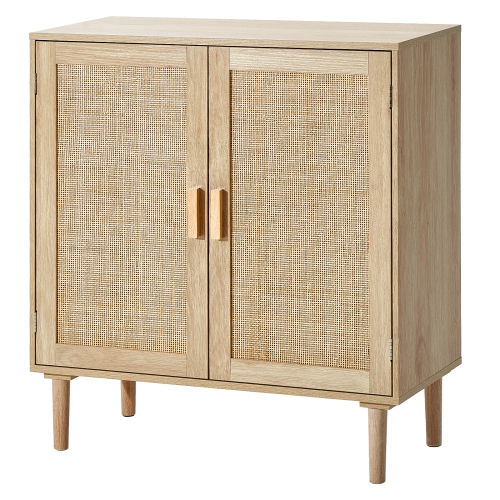

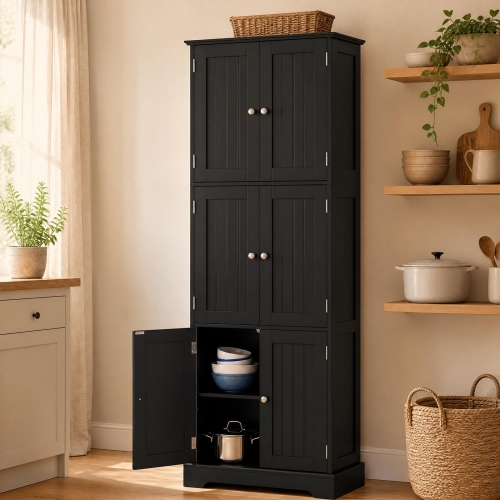
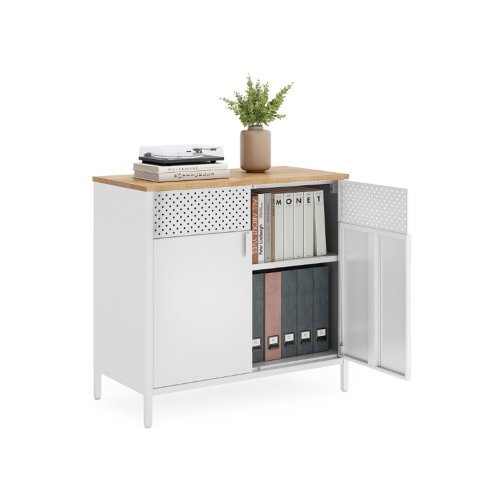
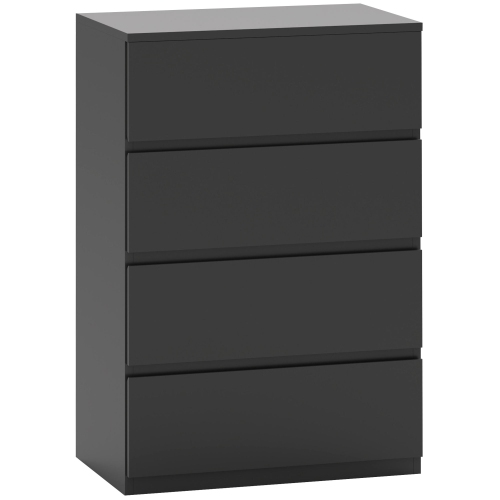
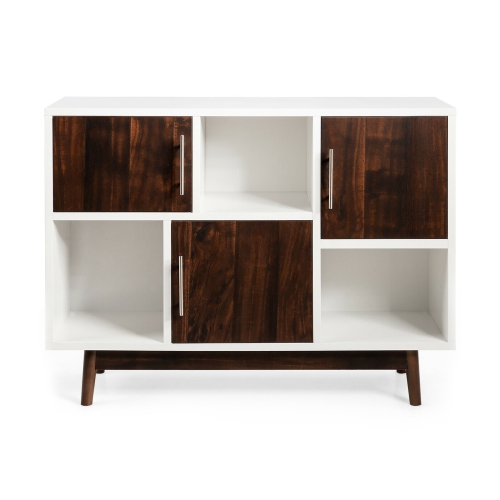


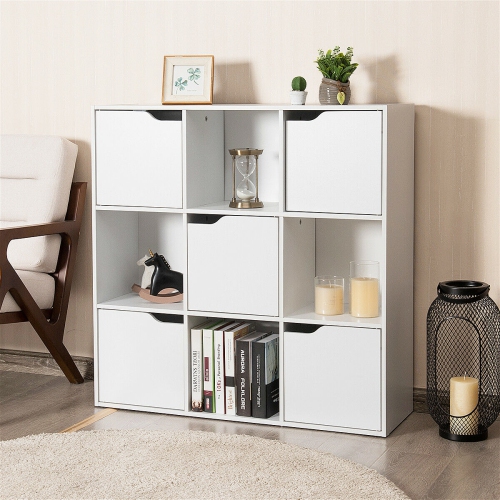
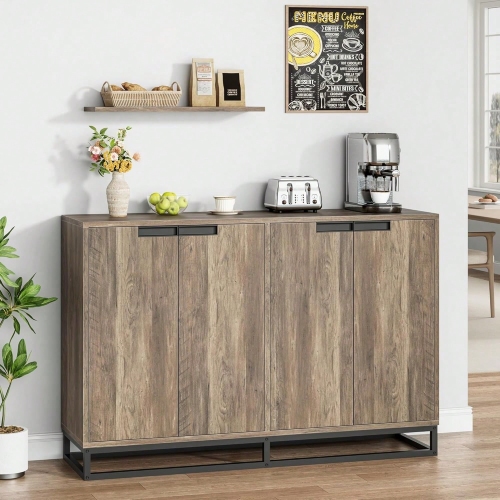
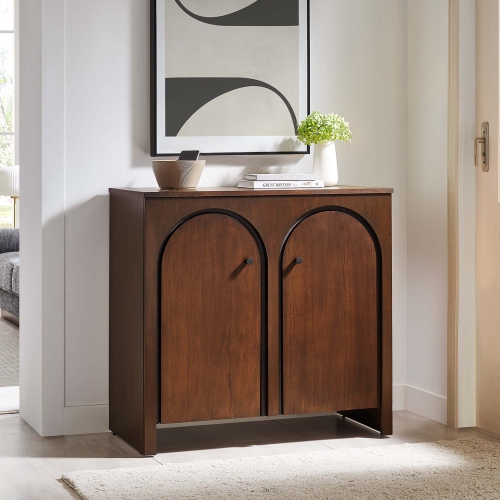

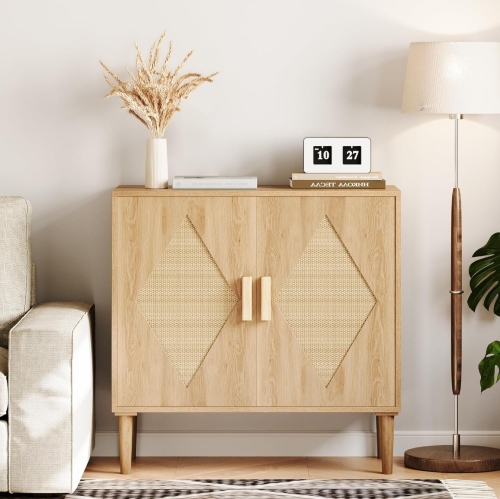

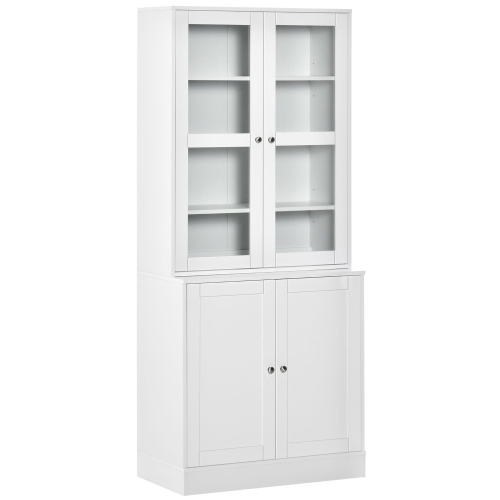
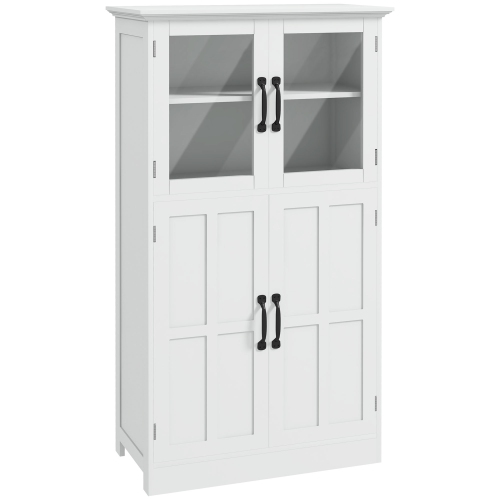
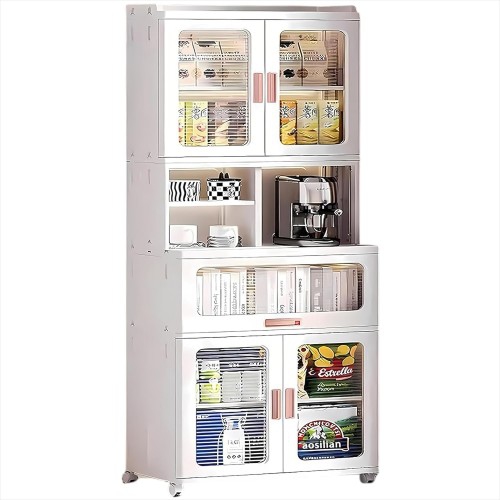
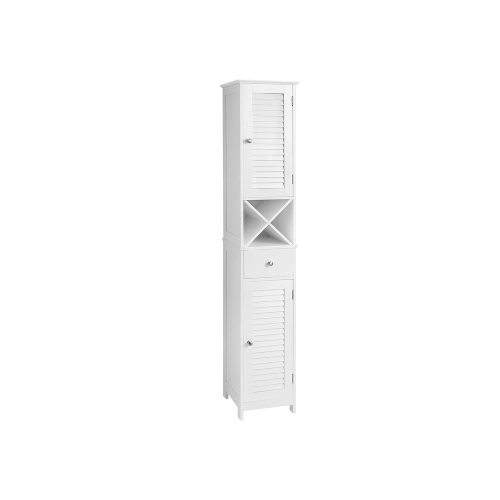
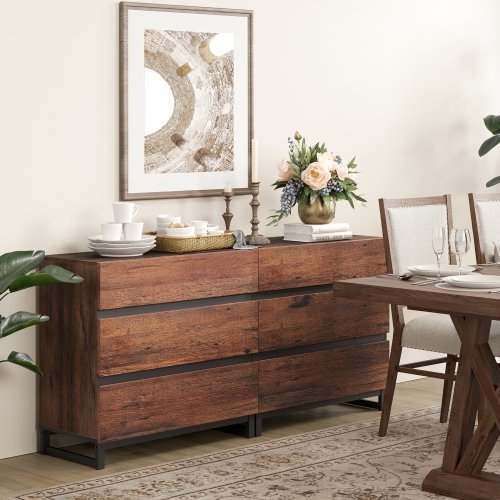
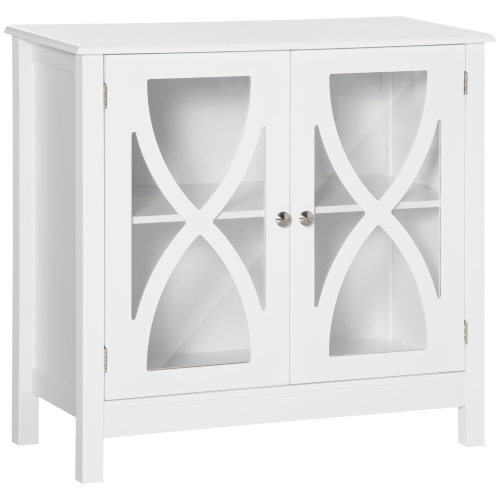

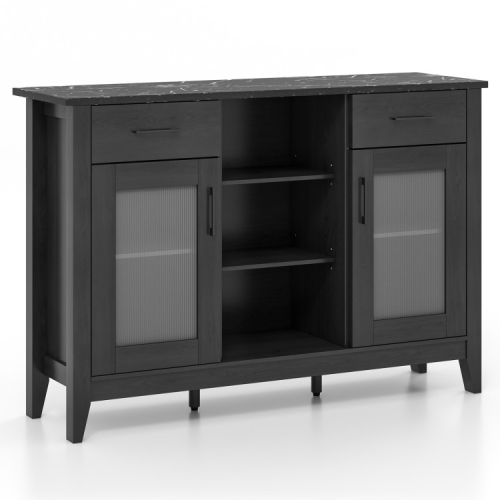
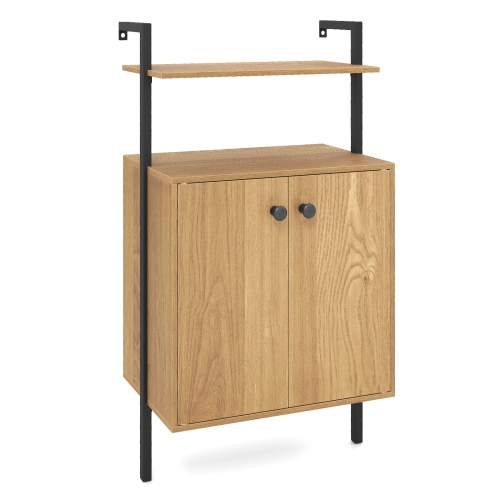
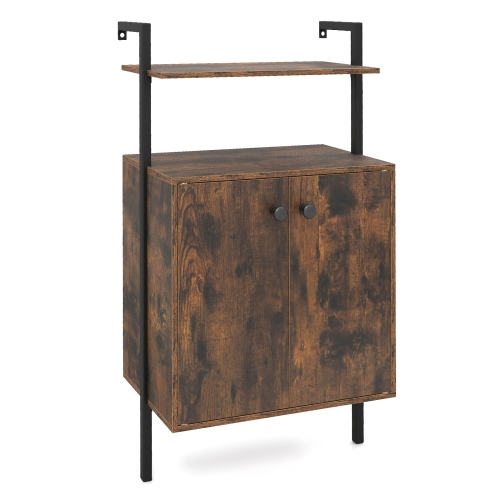

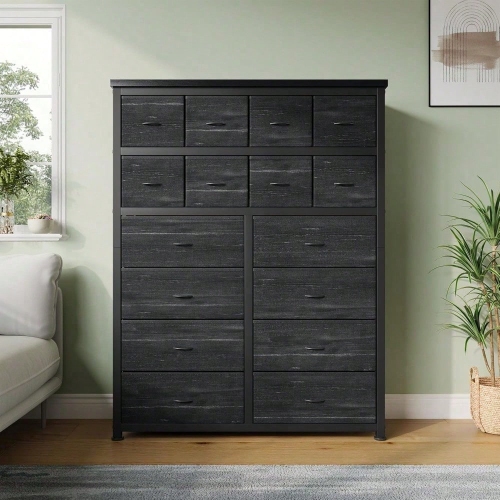
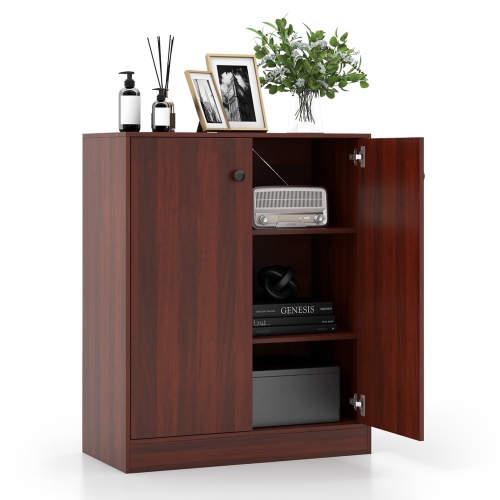
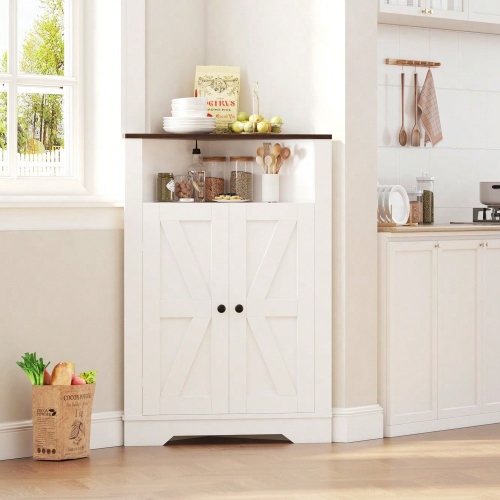
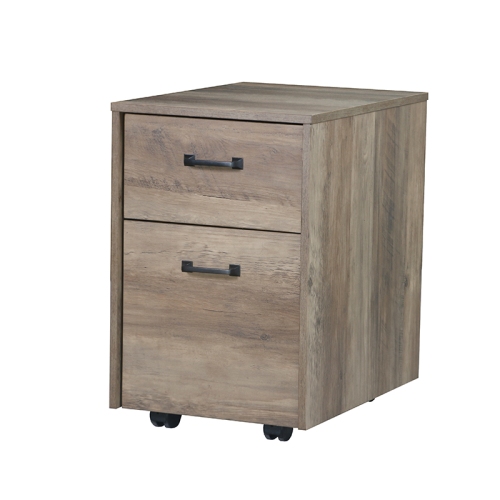
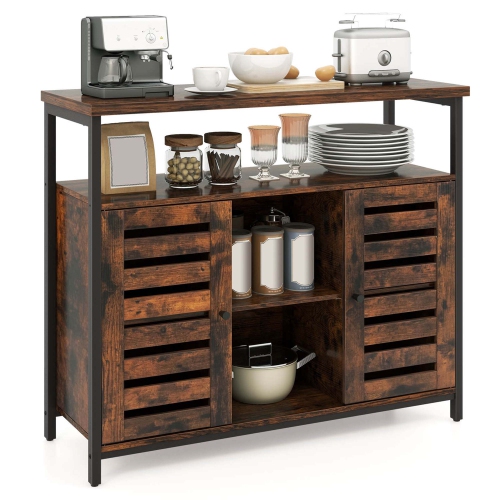
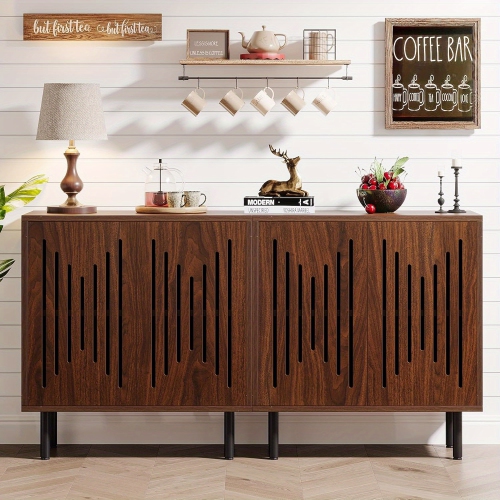

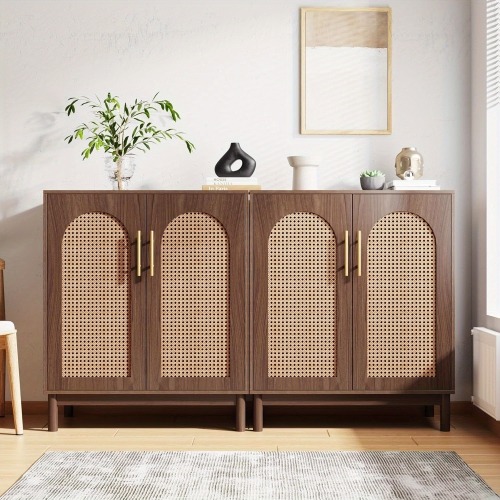

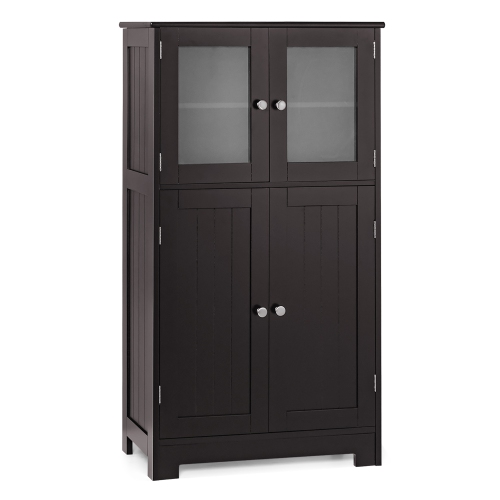


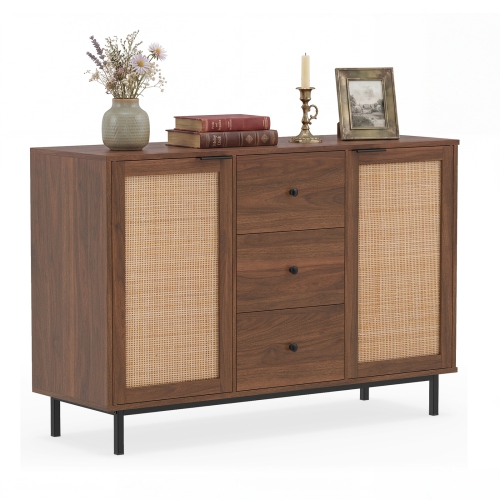
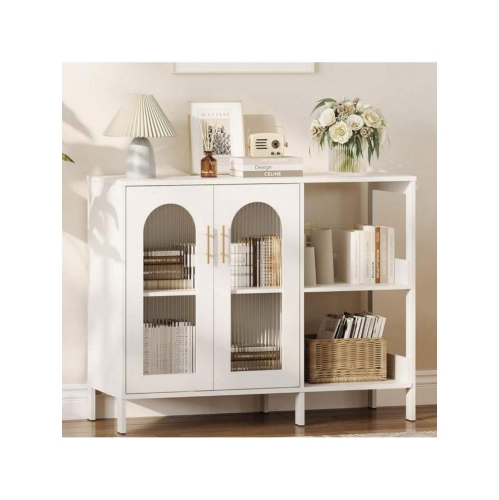
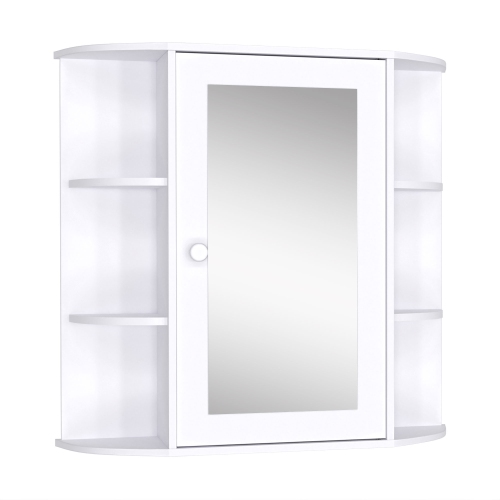

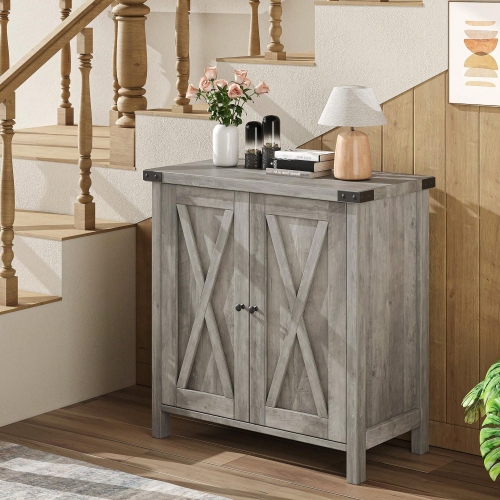
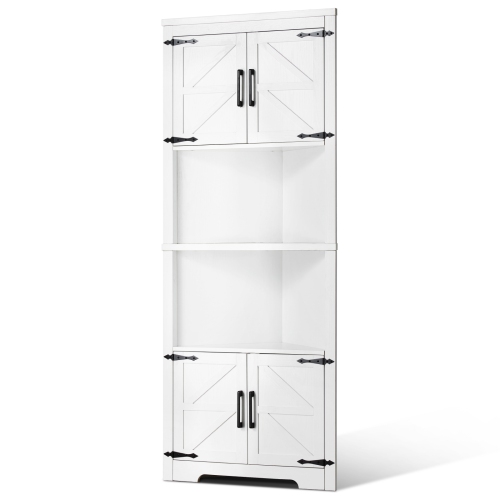

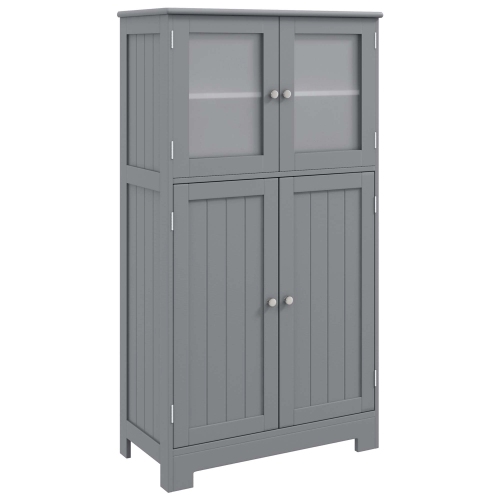
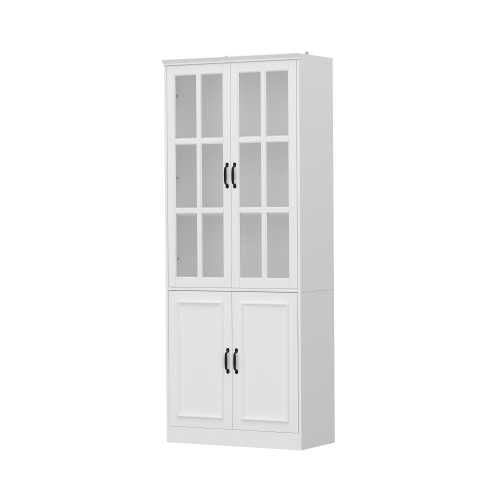


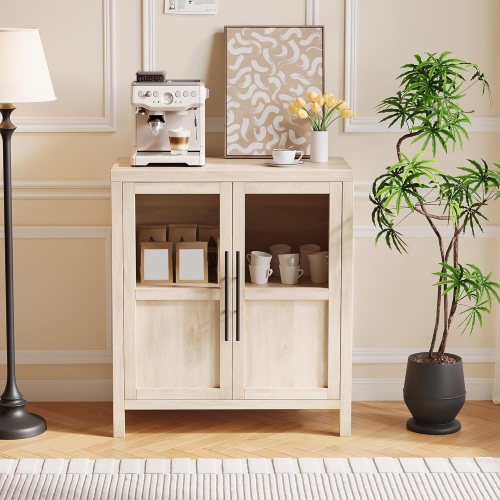


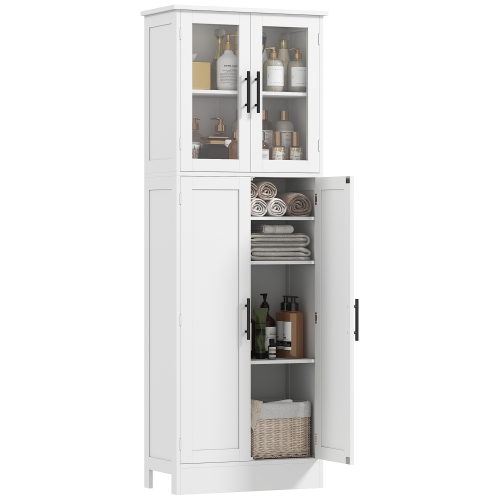
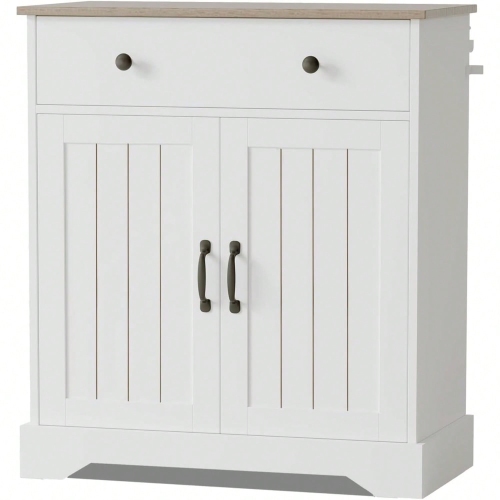


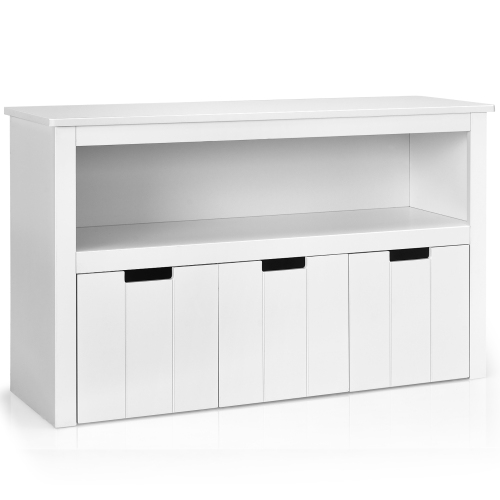
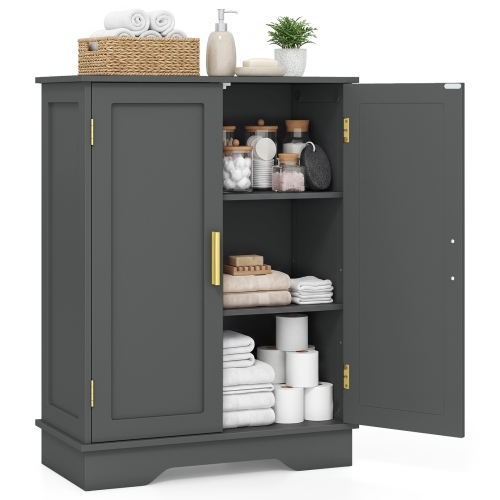
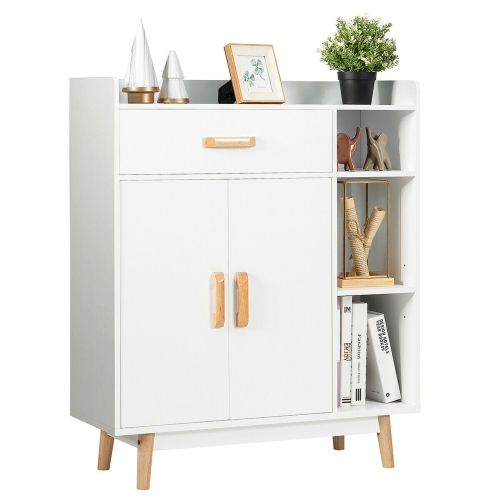

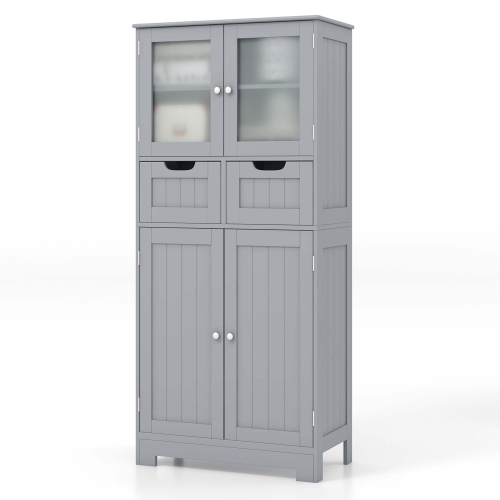
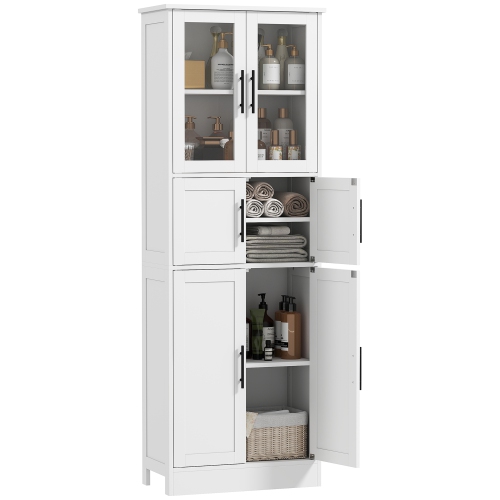
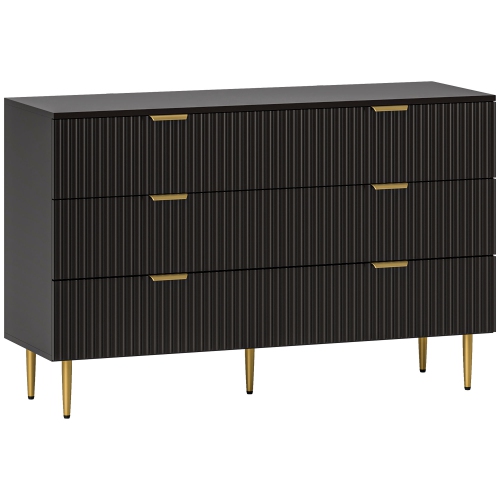
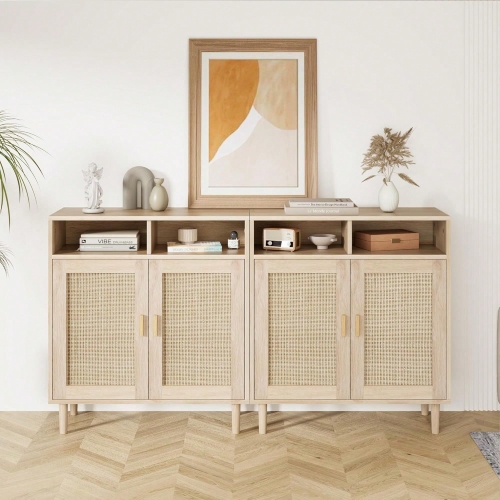
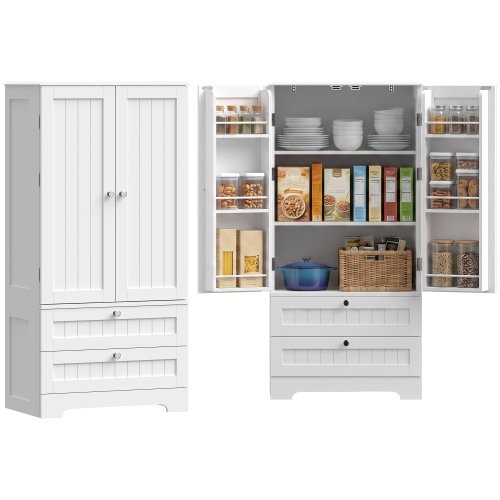
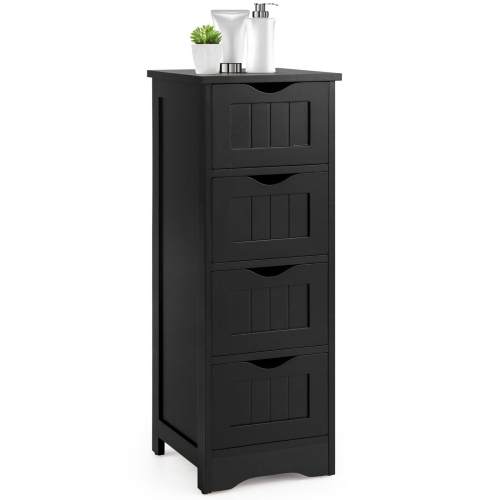

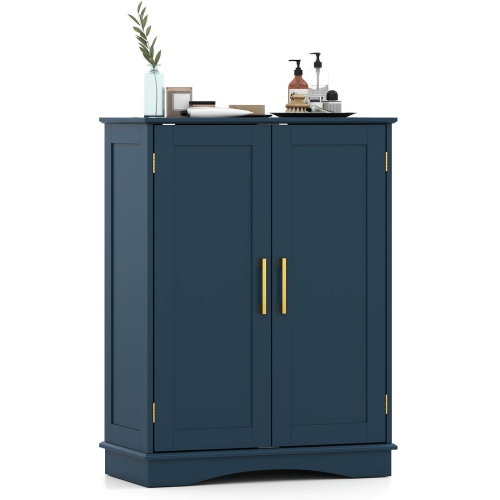
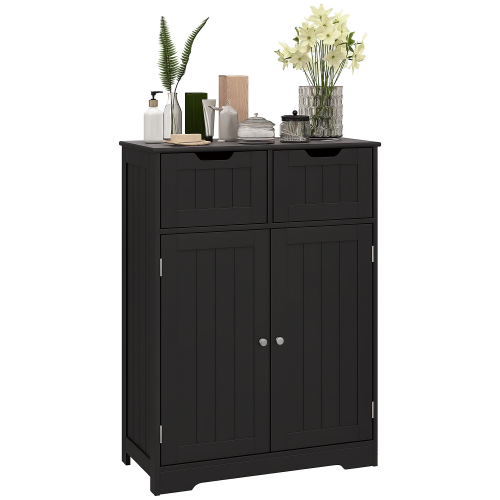

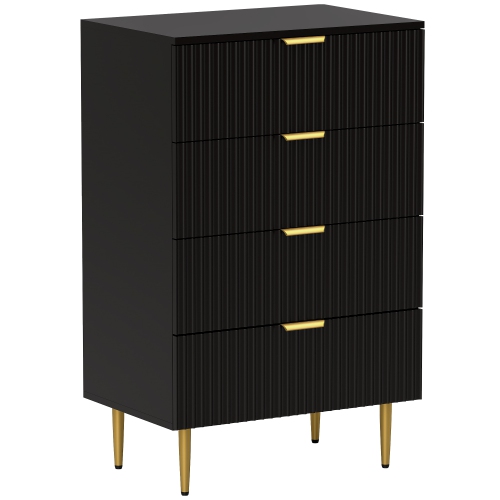

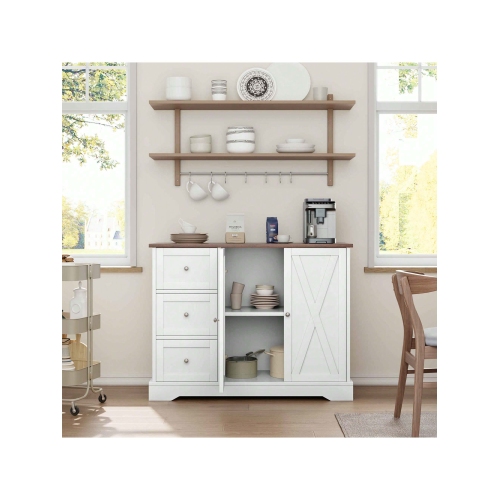
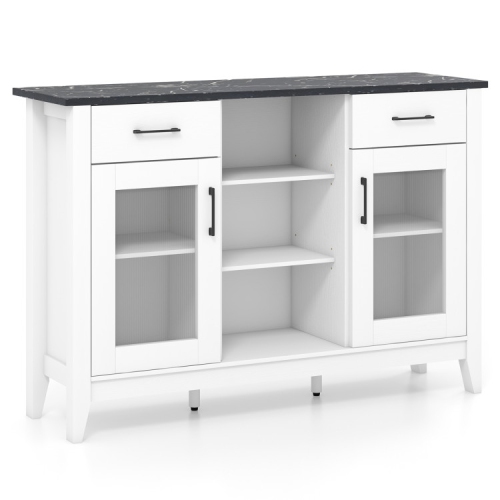
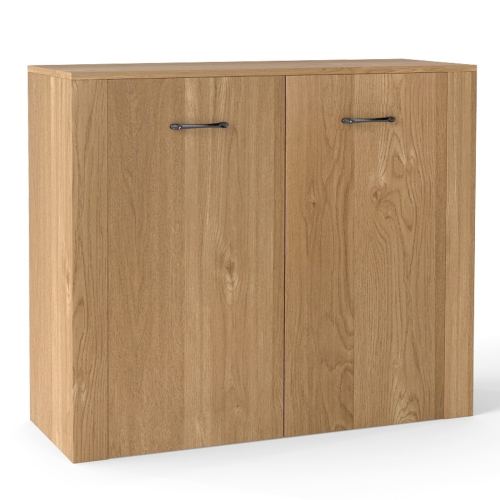
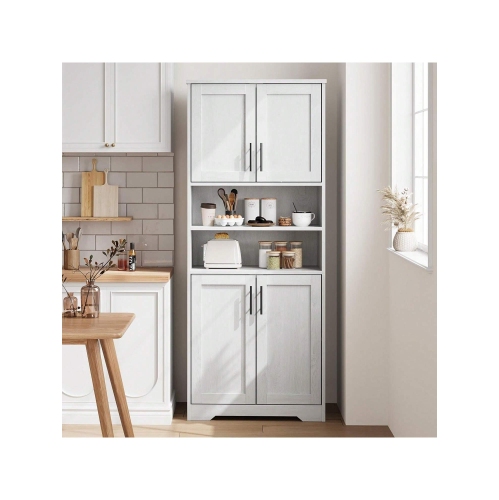
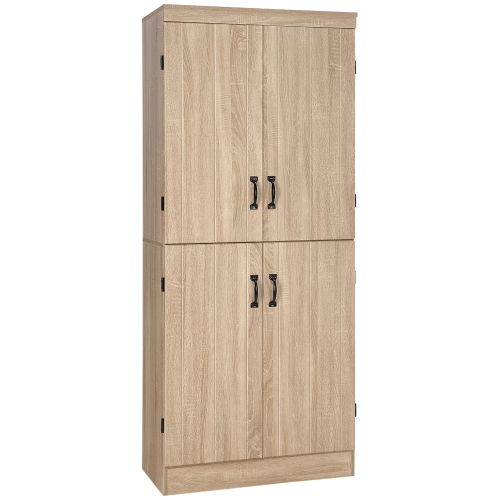
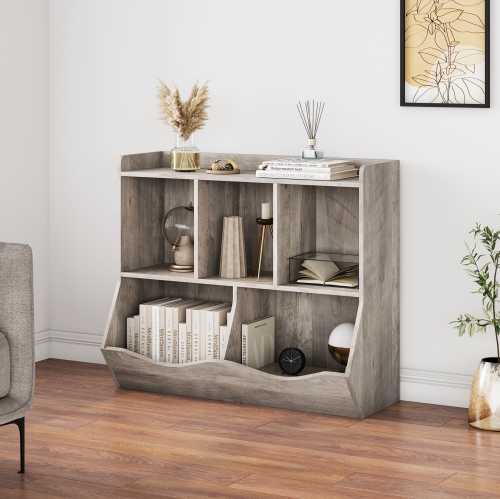
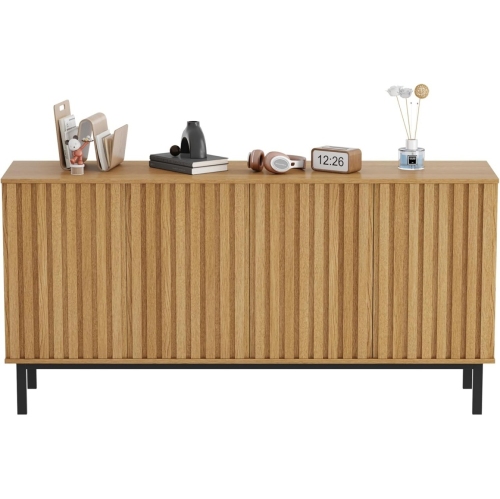
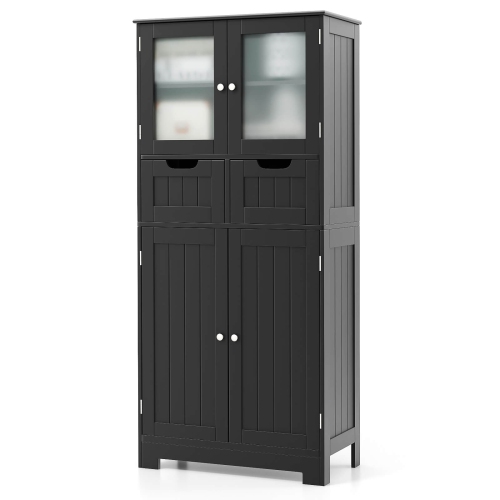

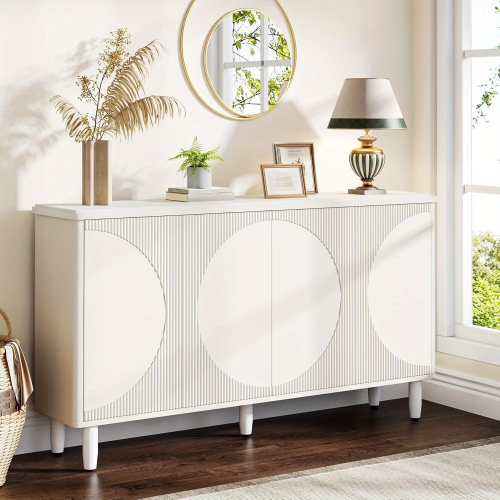
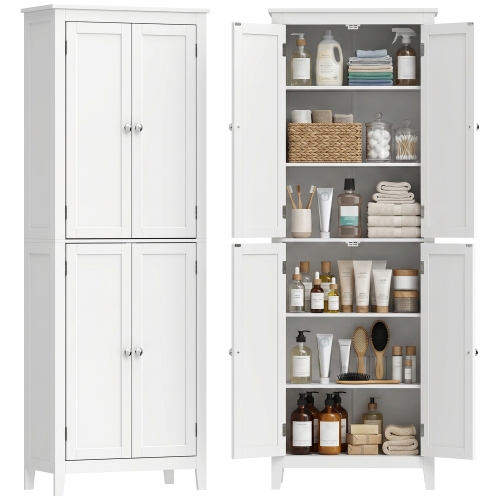


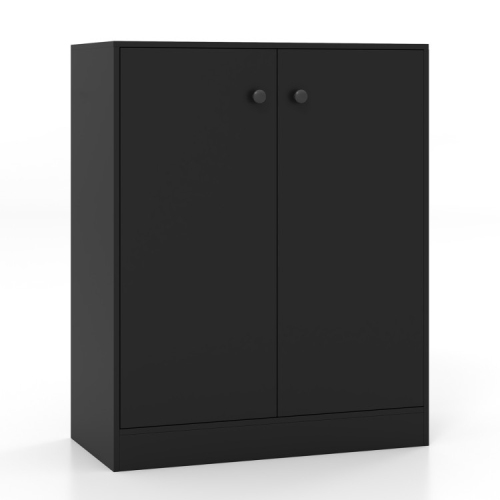
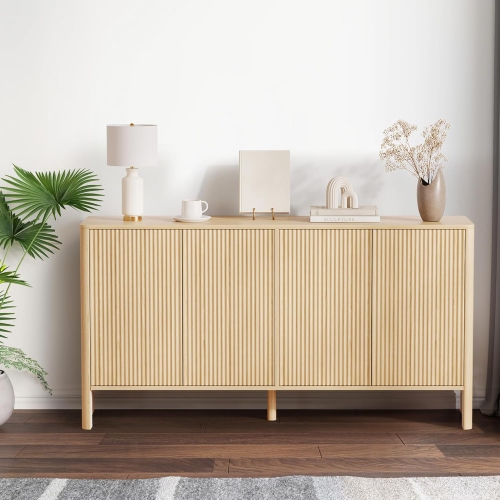



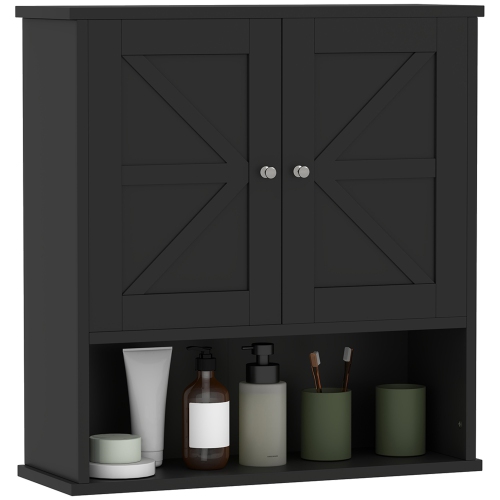
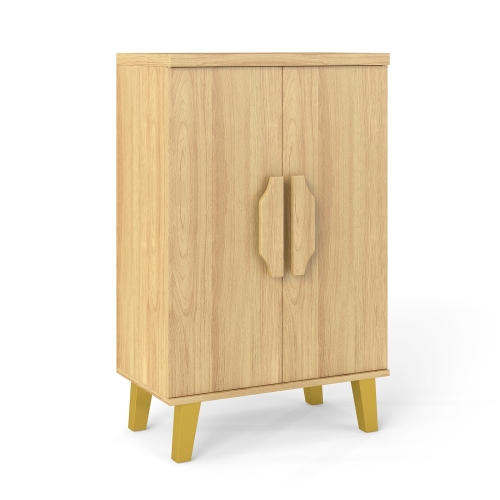
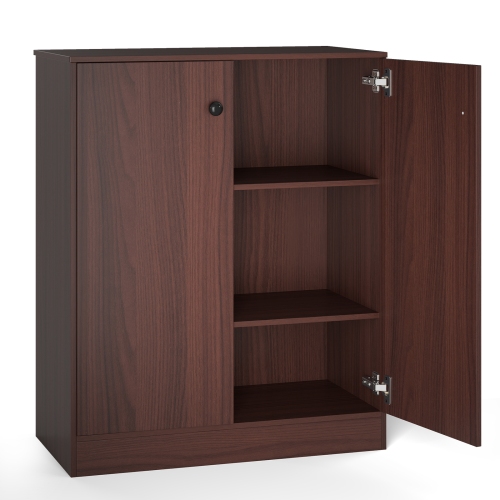

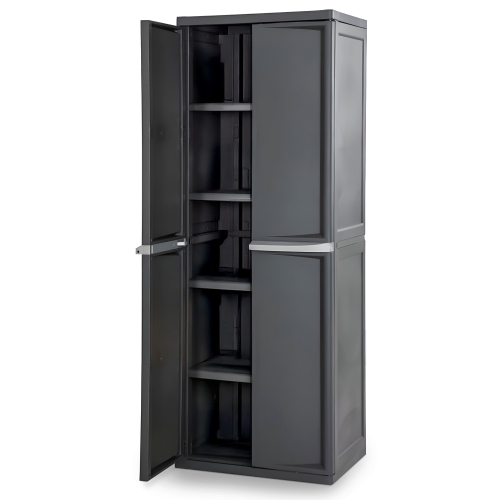
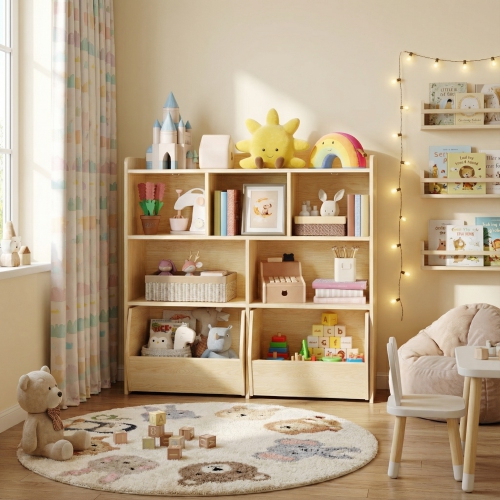
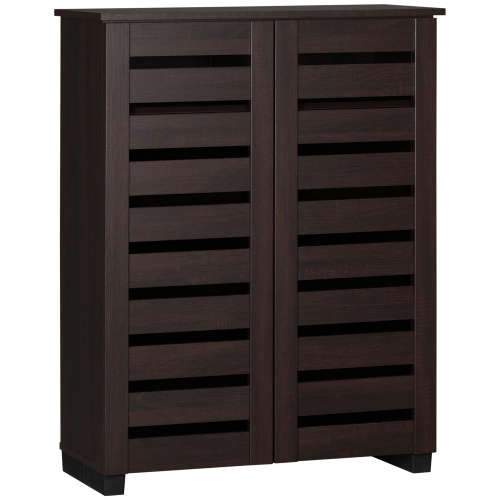
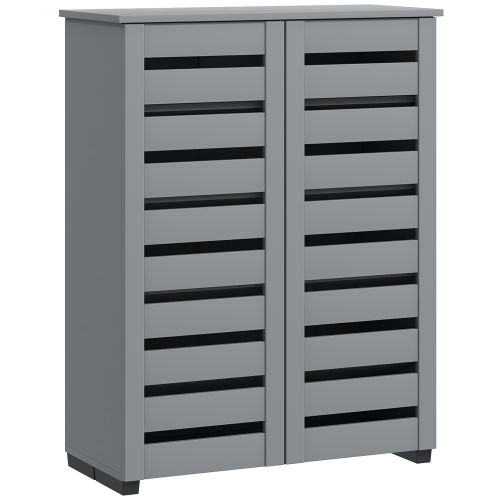
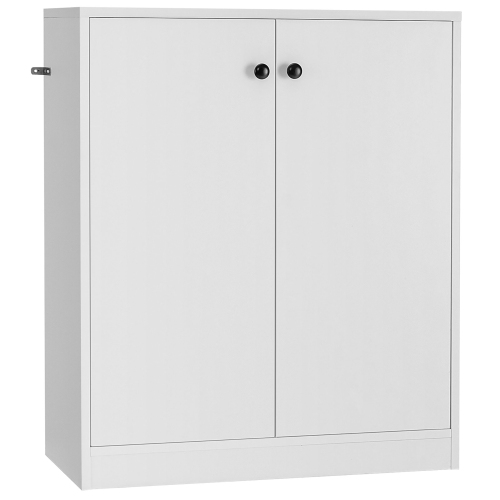
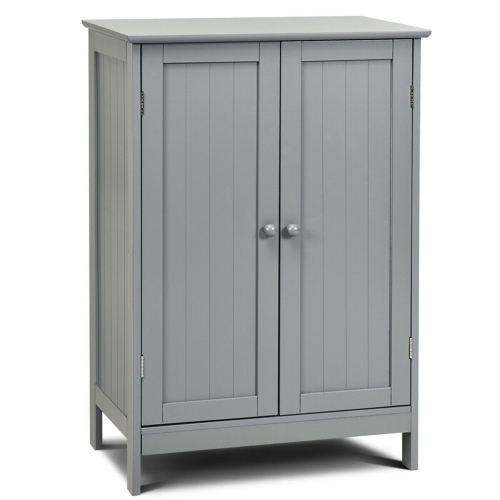

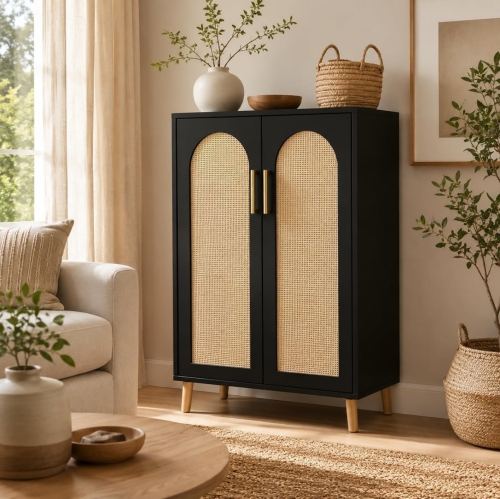
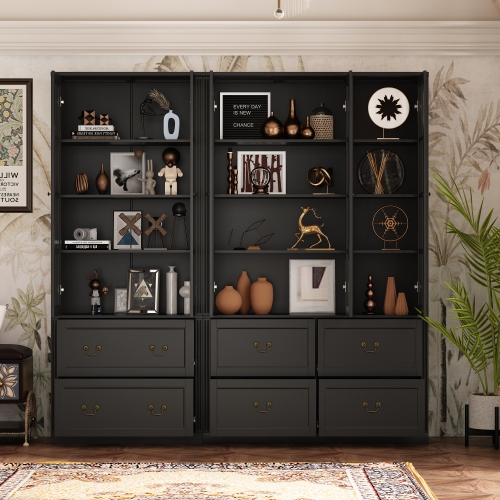

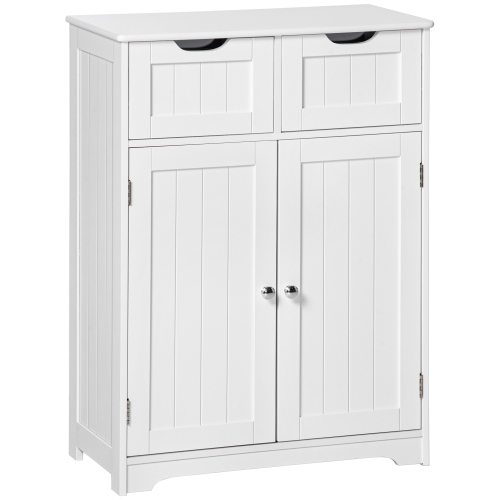
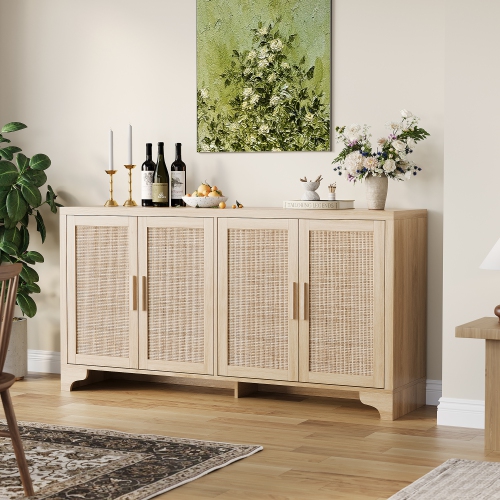
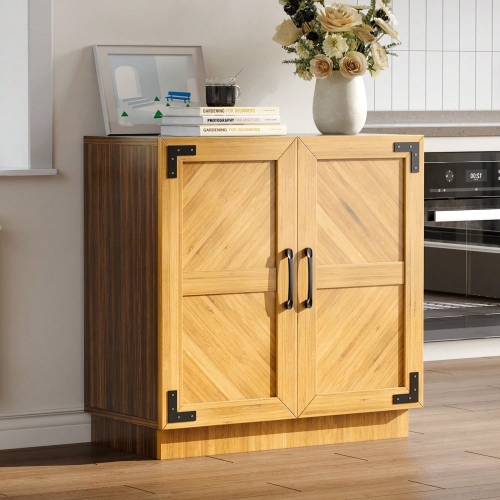
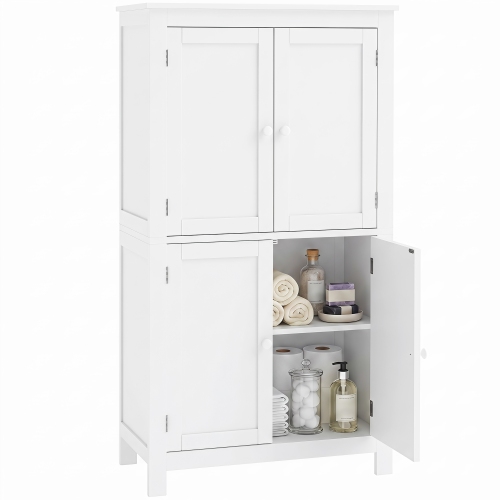

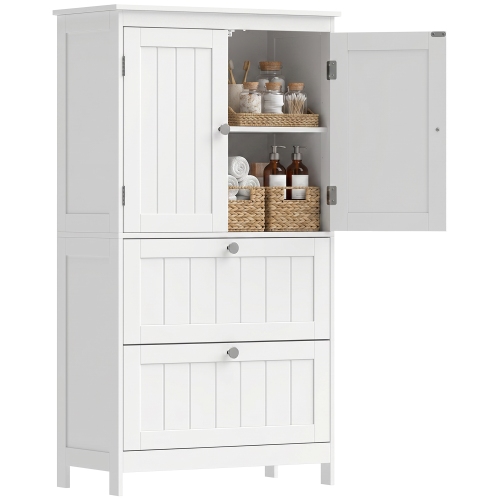


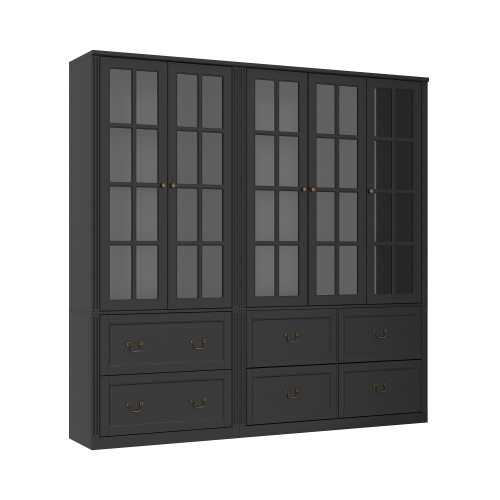
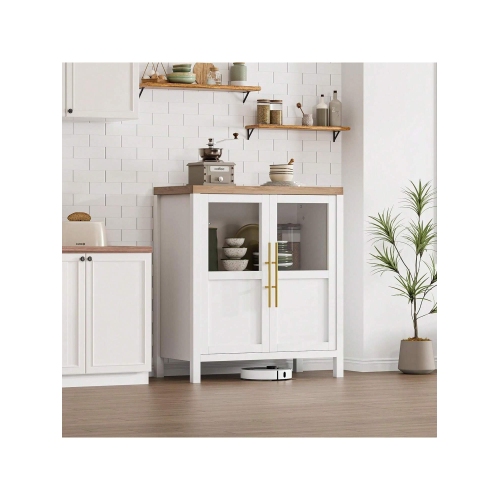
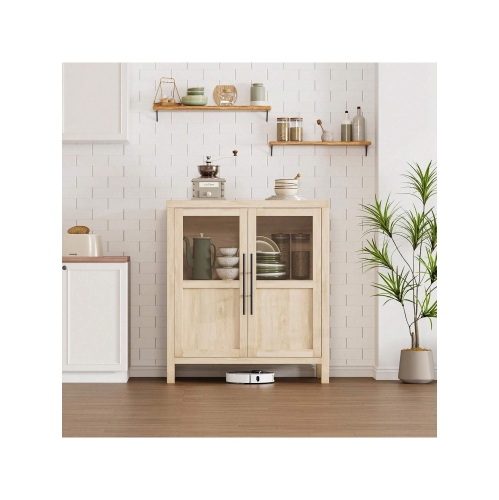
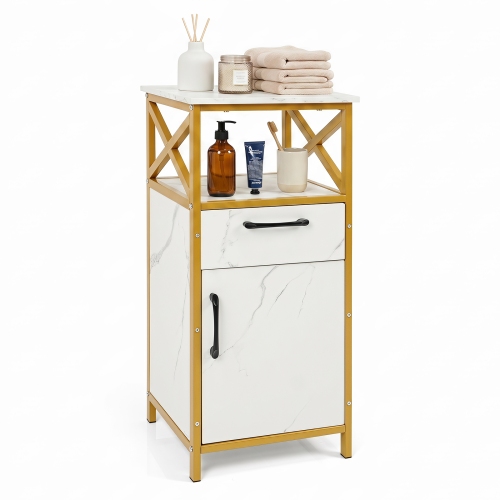
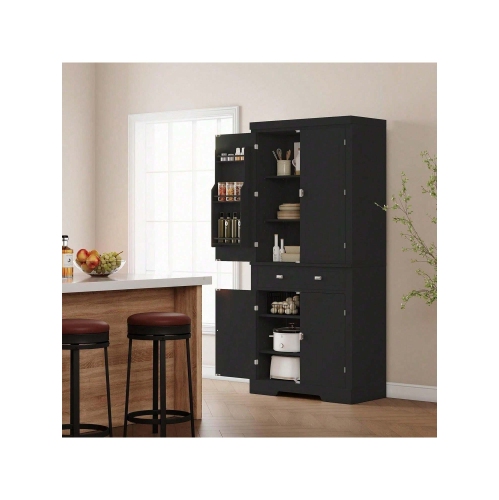
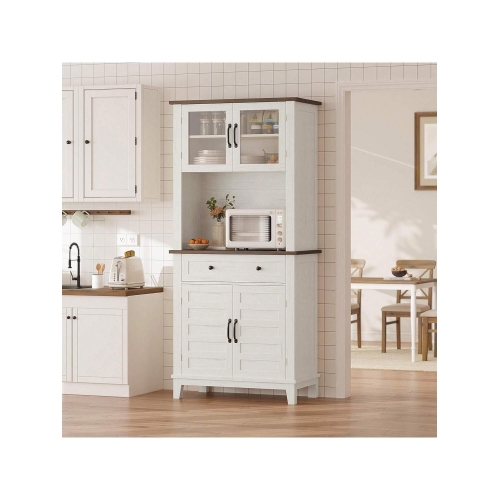
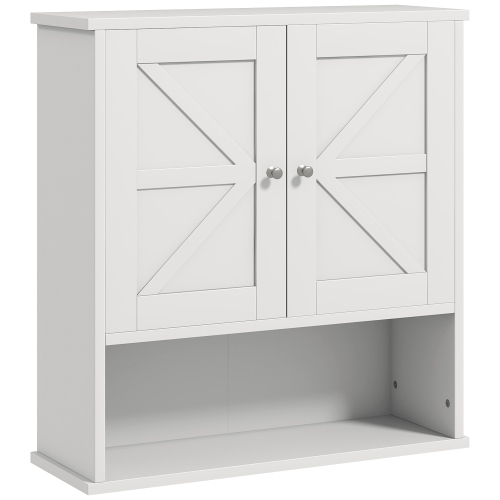
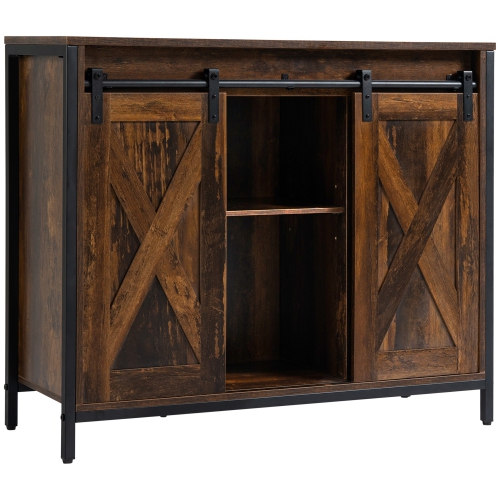
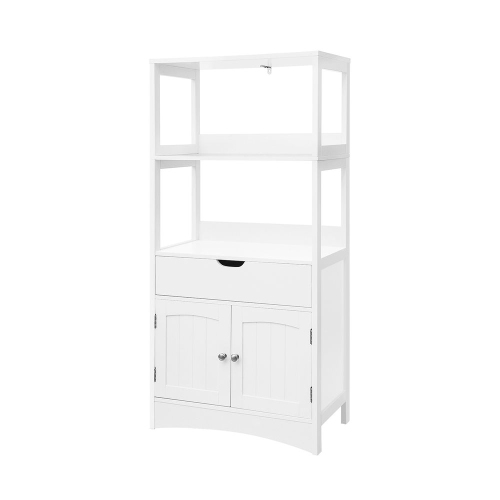
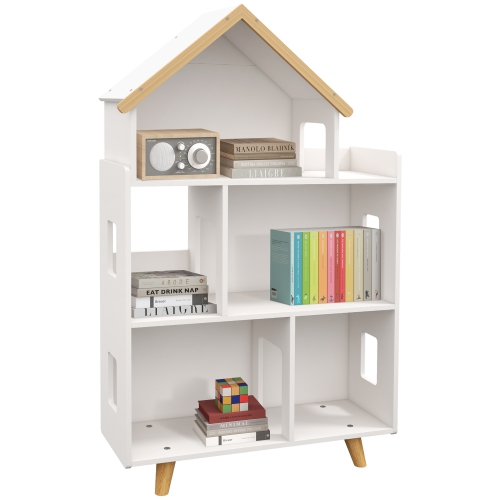
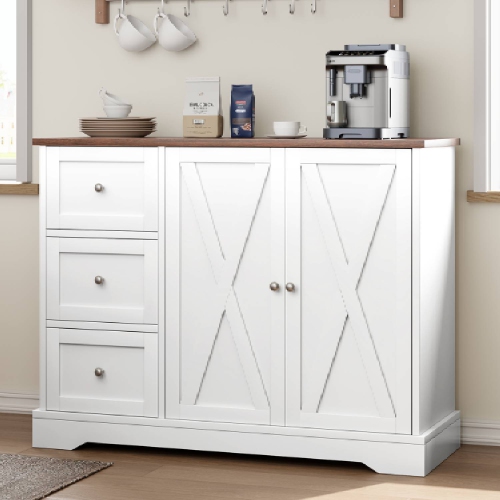
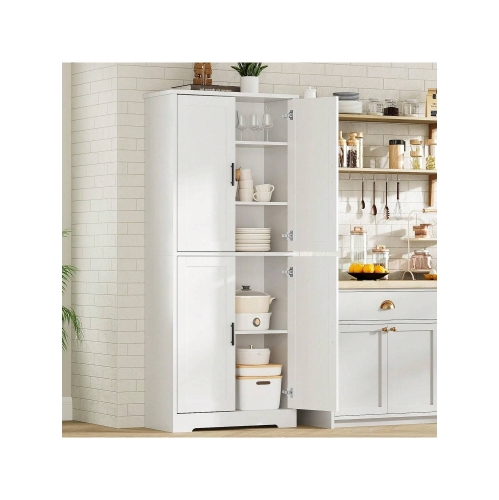
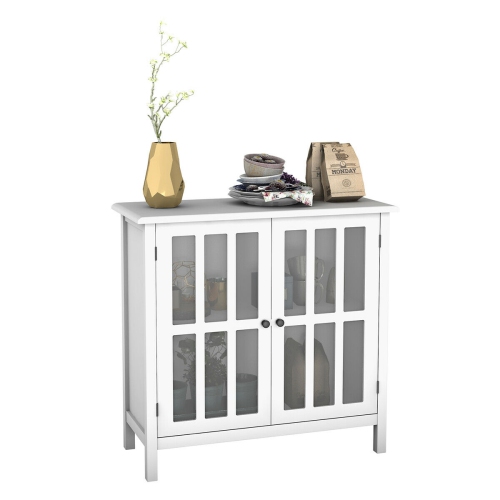

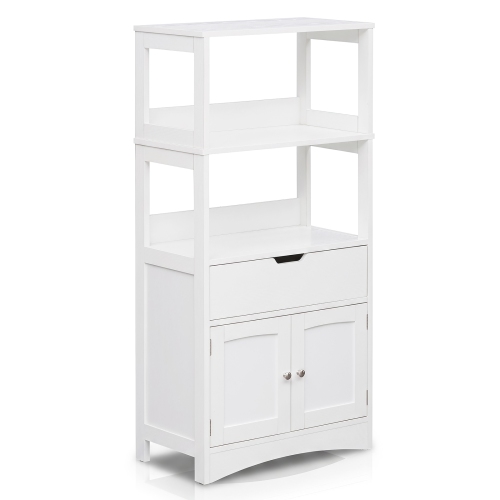
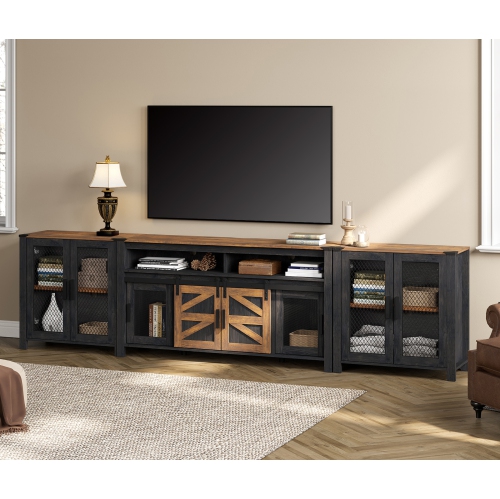

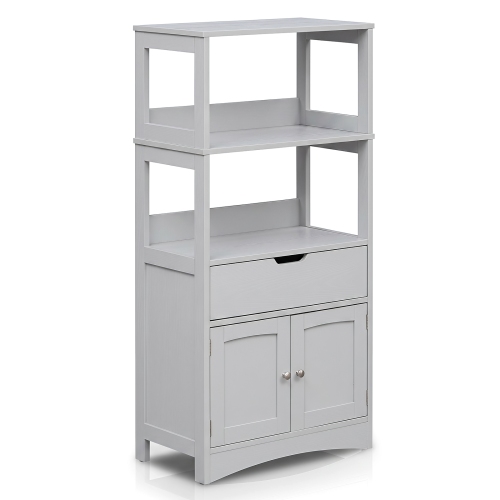
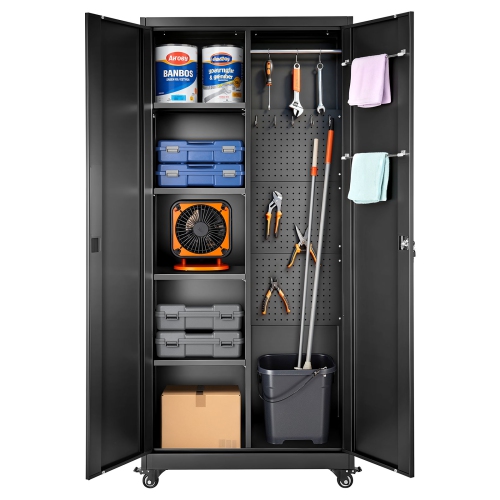
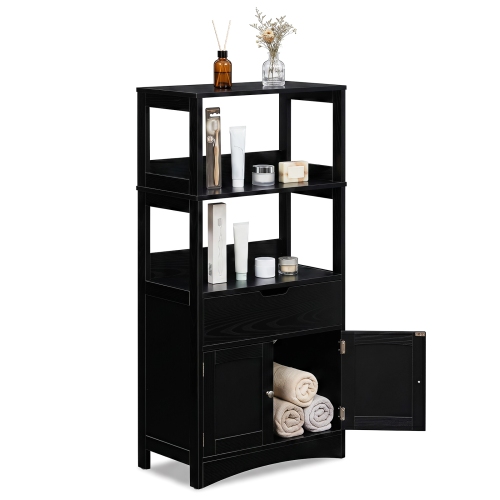
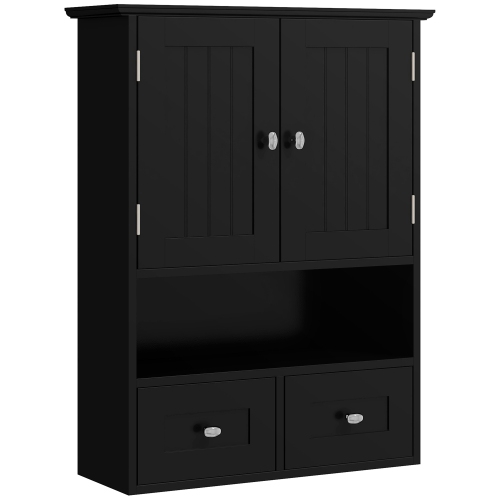
More storage where built-in cupboards fall short
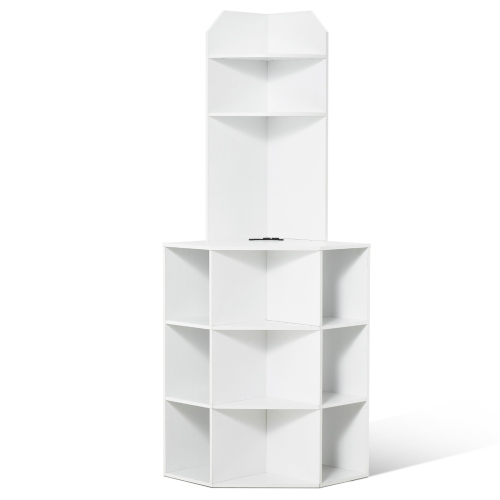
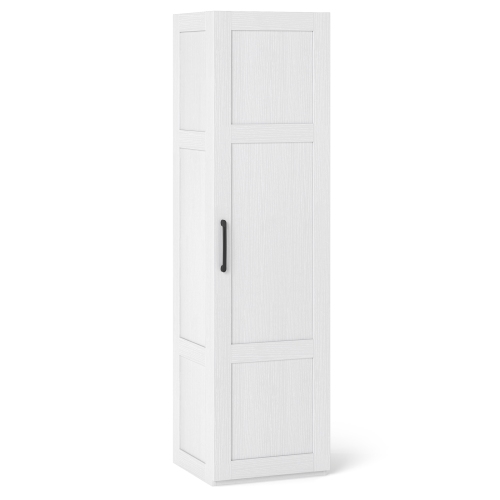
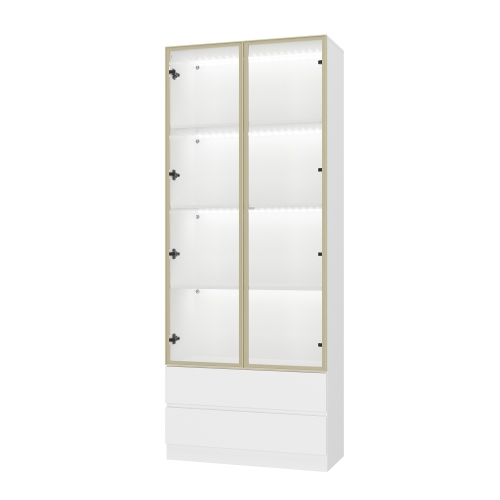
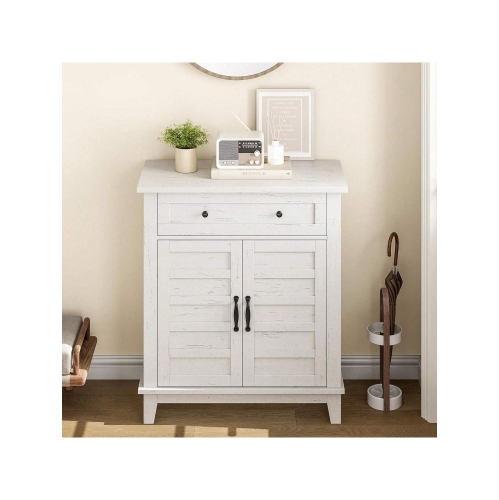
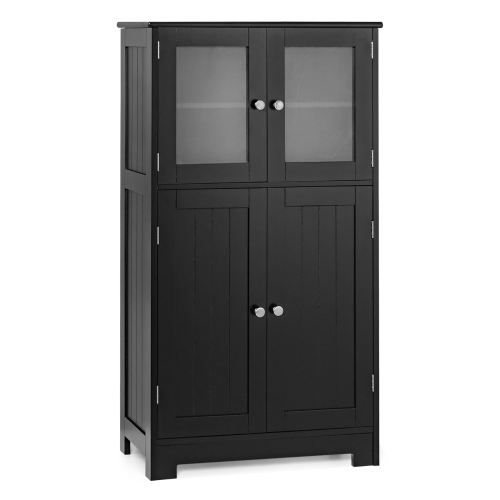
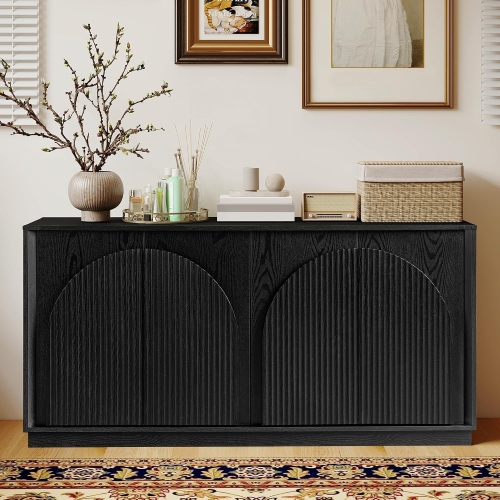
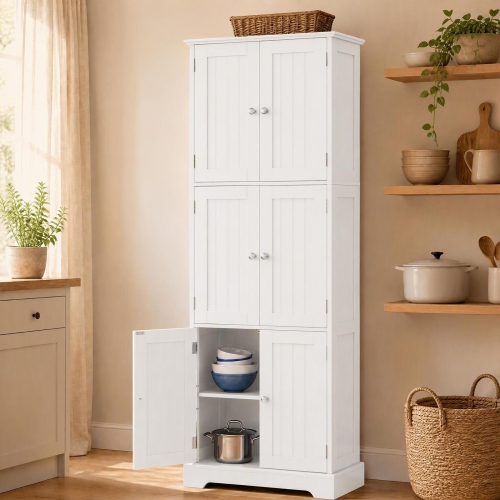
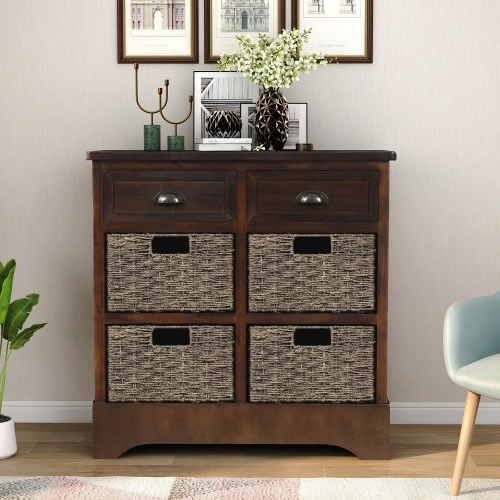
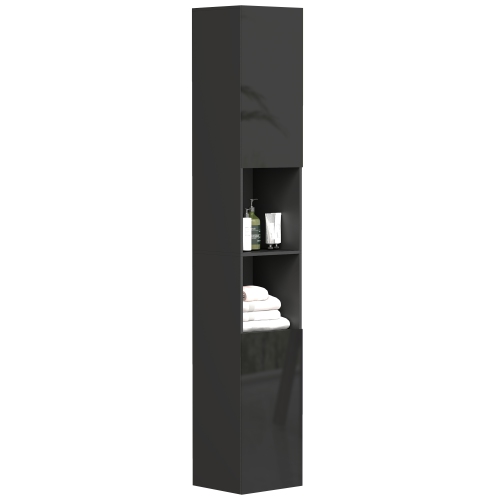
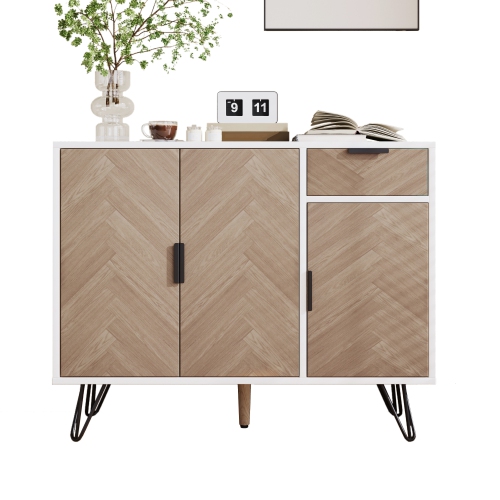
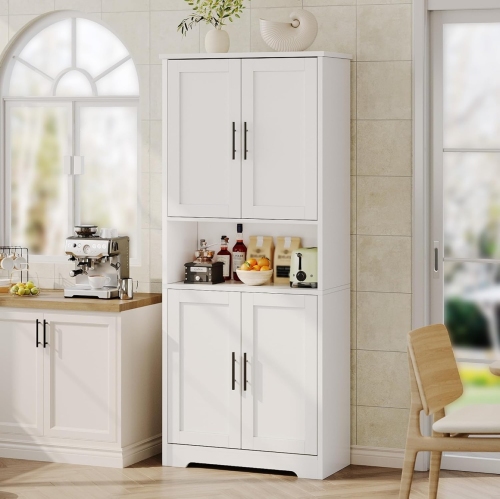
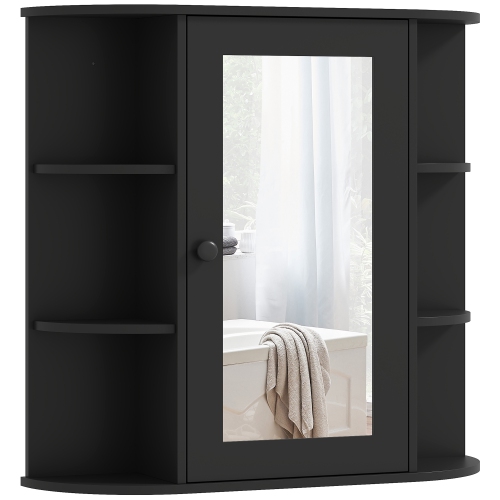
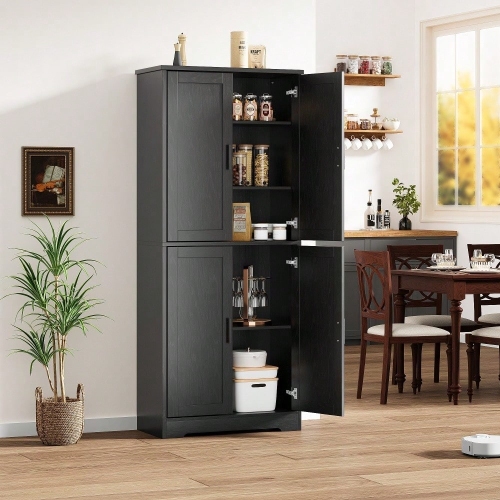
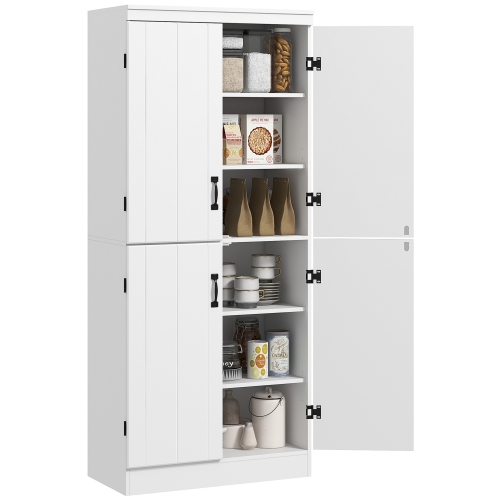
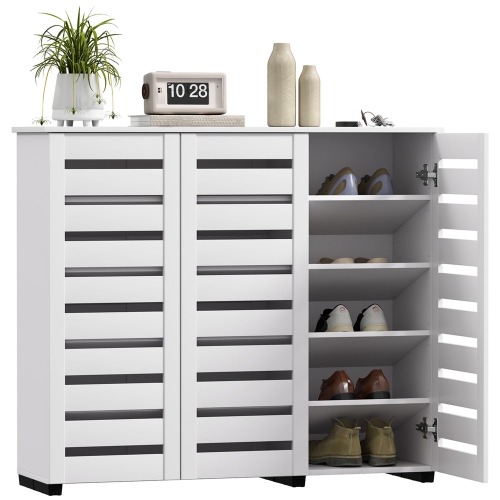
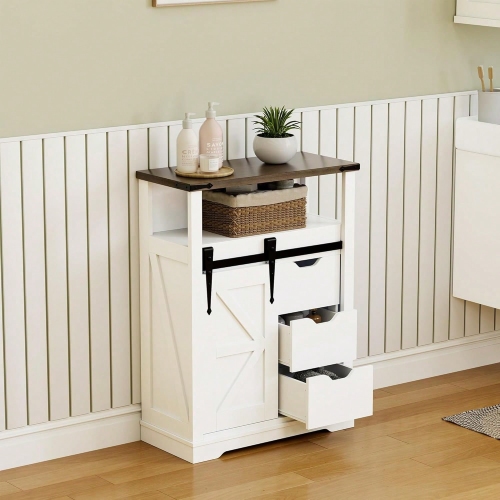
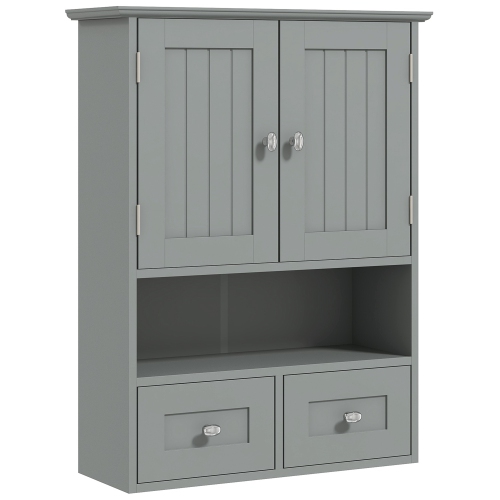
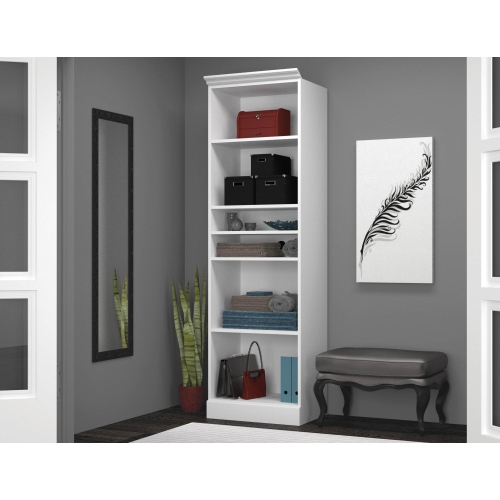
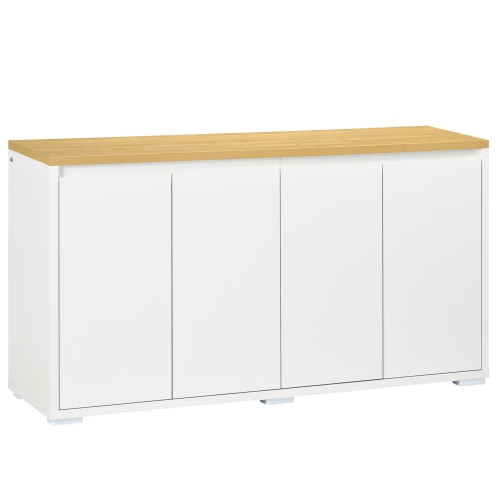
Room storage cabinets bring shelves, drawers, and enclosed compartments into spaces where built-in cupboards are limited or everyday belongings need a dedicated home. They can hold anything from folded linens and paperwork to board games and craft supplies, helping keep useful things close without leaving every surface covered. In a living room, a low cabinet can sit beneath artwork and keep entertainment accessories behind closed doors, while a taller unit makes use of vertical space beside a sofa or reading chair. Bedroom storage cabinets offer space for folded clothing, spare bedding, and accessories that do not fit comfortably in a dresser. In a home office, enclosed shelves can keep documents, stationery, and equipment organized without making the room feel like a filing area. Shared rooms often benefit from a mix of storage formats: doors conceal larger belongings, drawers separate smaller essentials, and open cubbies provide easy access to things used throughout the day. A cabinet with adjustable shelves can accommodate changing needs, from a row of document folders to a stack of bulky blankets. Fixed shelves offer a consistent layout when the contents are unlikely to change. The balance between open and closed storage also affects the room’s appearance. Mostly enclosed designs create a quieter backdrop, while a few open sections leave room for books, framed photographs, or a favourite bowl. For furniture that rests on the floor rather than attaching entirely to a wall, Floor Storage Cabinets provide another way to organize rooms without relying on built-in cabinetry. These pieces can be useful in apartments, family homes, guest rooms, and multipurpose spaces where one room serves several roles. A cabinet beside a dining table, for example, might hold table linens on one shelf and children’s art supplies on another, keeping both activities easy to set up and put away. Separate compartments make it easier for different household members to find and return their belongings.
A cabinet’s fit depends on more than its width against a wall. Height, depth, door movement, and the space needed to reach inside all influence how comfortably it works in a room. Shallow cabinets can suit narrow passages or compact bedrooms, where a deeper piece would interrupt the route between furniture. Deeper compartments are useful for folded blankets and larger storage baskets, but smaller belongings can disappear at the back unless the interior is divided thoughtfully. Tall, narrow designs use a modest footprint, while wide, low cabinets provide storage without covering as much wall space. A low profile can also leave room for artwork above, although a cabinet beneath a window should not obstruct access or interfere with window coverings. Hinged doors need enough clearance to open without striking a bed frame, desk, or nearby wall. Sliding doors reduce the need for outward clearance, though they generally expose only part of the interior at a time. Drawers need room to extend, particularly when a chair or another piece of furniture sits opposite them. Inside, shelf spacing matters as much as the overall dimensions. A generous gap may suit tall binders, while closely spaced shelves can make better use of space for folded towels or smaller containers. Adjustable shelves offer flexibility, but their supports and stated weight limits still determine what they can safely hold. Heavy books place different demands on a shelf than lightweight linens, so load ratings are more useful than appearance alone. Handles should be comfortable to grasp, and doors should move without scraping or requiring excessive force. For shared spaces, clearly separated compartments can reduce rummaging and make daily routines simpler. An accessible drawer for frequently used supplies, with less-used belongings on higher shelves, can be more practical than filling every compartment to the same depth. Delivery access also matters for larger cabinets, including doorway widths, stair turns, and whether the furniture arrives assembled or requires assembly in the room.
Materials and construction influence how a storage cabinet looks, feels, and holds up to regular use. Solid wood can show distinctive grain and natural variation, while engineered wood panels often provide a uniform surface beneath laminate, veneer, or painted finishes. A wood veneer supplies a thin layer of real wood over a core material; laminate offers a different surface treatment, with care requirements that depend on the finish. Metal cabinets bring a different character and can suit workspaces or utility areas, although their load capacity and resistance to moisture still depend on the particular construction and coating. Secure joints, properly supported shelves, and well-aligned doors contribute to a cabinet that feels steady in everyday use. Smooth drawer movement and firmly attached handles matter when a compartment is opened several times a day. Finish choice is both practical and visual: lighter colours can blend with pale walls, darker finishes create contrast, and visible wood grain can soften a room filled with smooth surfaces. Textured fronts and detailed handles may collect more dust than flat panels, while glossy surfaces can make fingerprints easier to notice. Routine care generally involves gentle dusting and a soft cloth, with cleaning methods matched to the manufacturer’s directions. Abrasive cleaners, excess water, and prolonged contact with spills can damage some surfaces or edges. In bathrooms or laundry areas, cabinets need to be intended for the moisture exposure they will encounter; a moisture-resistant finish does not make a piece waterproof. Stable placement and correct assembly are equally important, especially in homes with children or pets. Follow the supplied anchoring instructions and use wall fixings appropriate to the wall type, seeking help if the mounting surface is uncertain. Heavier belongings belong on lower shelves, and cabinet tops should stay within their stated load limits. A storage cabinet is not seating unless designed for that purpose. With suitable proportions, dependable hardware, and an interior arranged around daily habits, room storage cabinets can make everyday tidying easier without overwhelming the space they serve.
Top selling and popular products
-
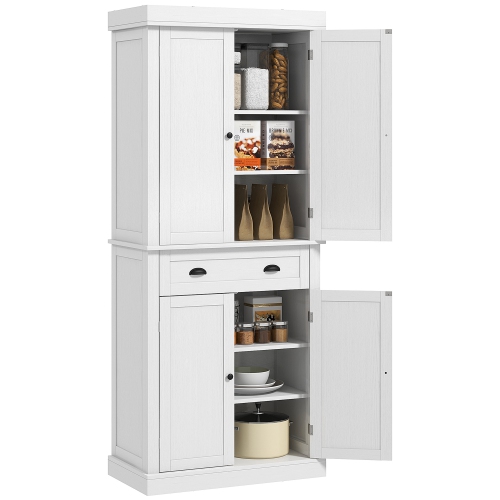 Your price for this item is $274.99
-
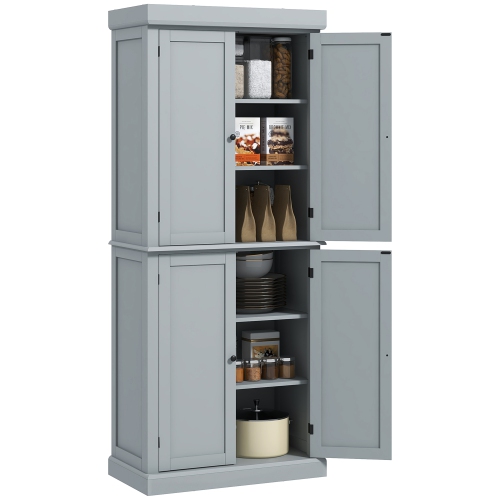 Your price for this item is $299.99
-
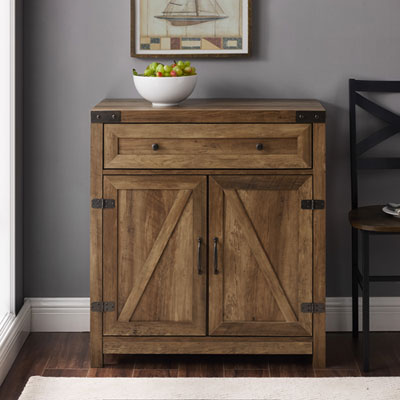 Your price for this item is $401.99
-
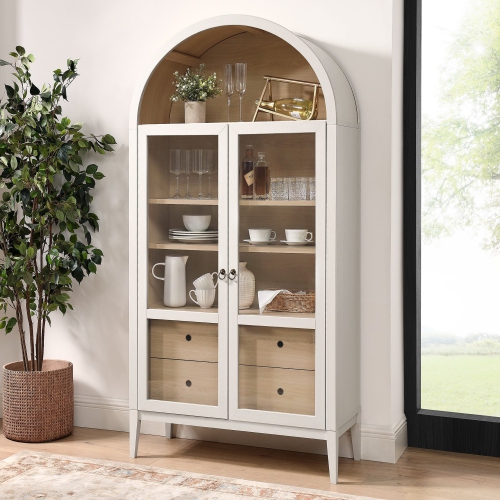 Your price for this item is $1155.71
-
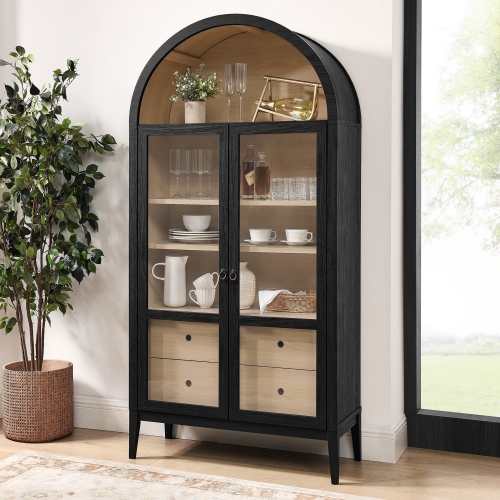 Your price for this item is $1155.71
-
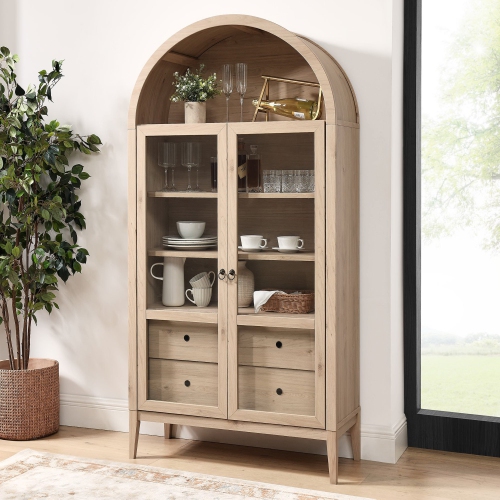 Your price for this item is $1155.71
-
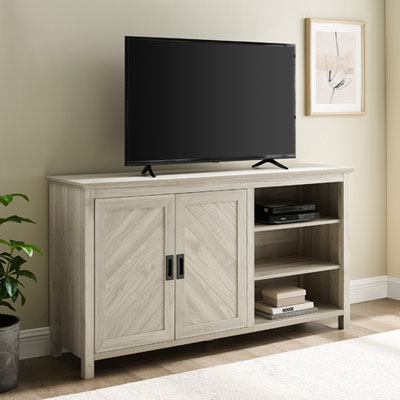 Your price for this item is $593.99
-
 Your price for this item is $144.99
Discover more categories related to Room Storage Cabinets
Top Collections:
Pokemon Centers, Kindle Devices, Best Cameras for Sports Photography, Pokémon 30th Celebration Cards, Apple iPhones 16, Canon G7X Cameras, iPhone 15 Apple, Flip Phones, Samsung Galaxy Phones, Alarm Clock
Some products may be subject to Environmental Handling Fees
(EHF) depending on your province.
Learn more about EHFs.