Rotisserie Burners
Searching for the perfect rotisserie burner to take your outdoor cooking to the next level? Look no further! Our selection of high-quality rotisserie burners offers a convenient and efficient way to roast meat, poultry, and more with delicious results every time. Whether you're a seasoned grill master or a novice looking to up your grilling game, these rotisserie burners are designed to enhance your outdoor cooking experience. Browse our range of options to find the ideal rotisserie burner for your needs and start creating mouthwatering meals with ease.
Sort


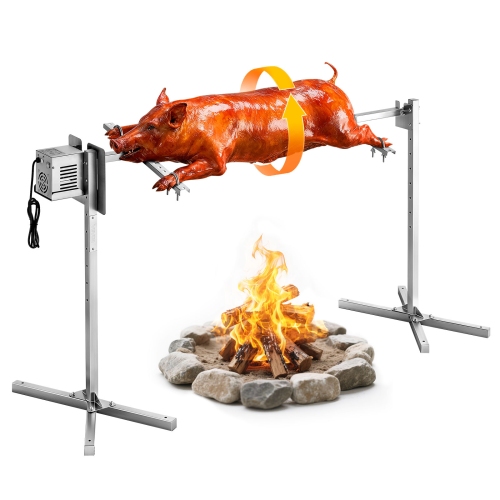
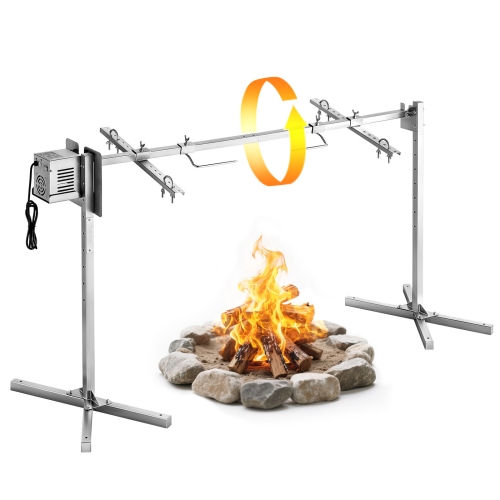
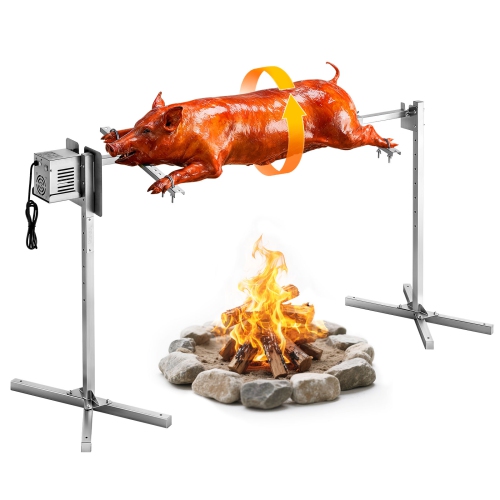
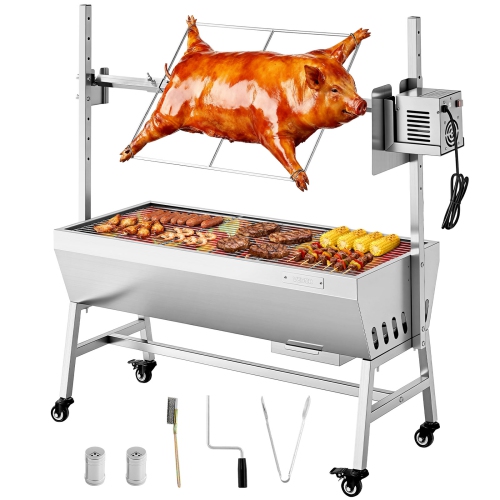
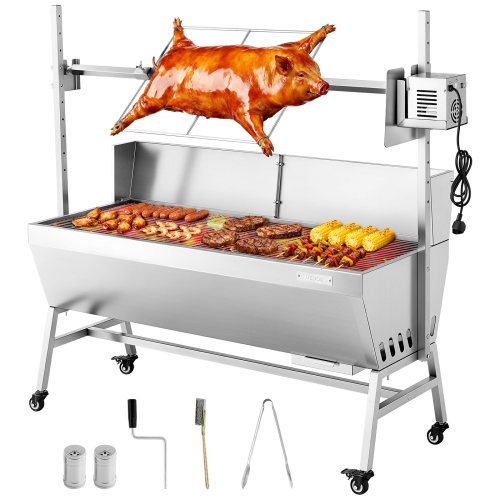
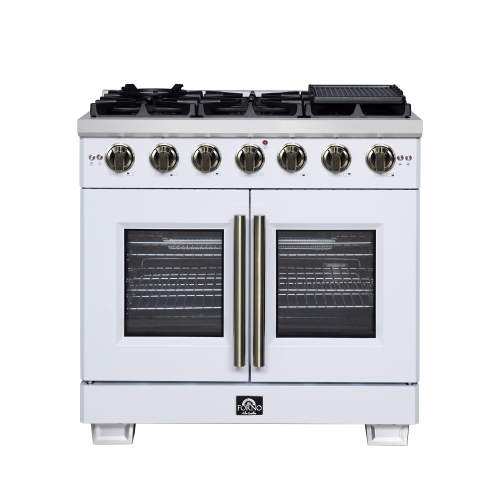
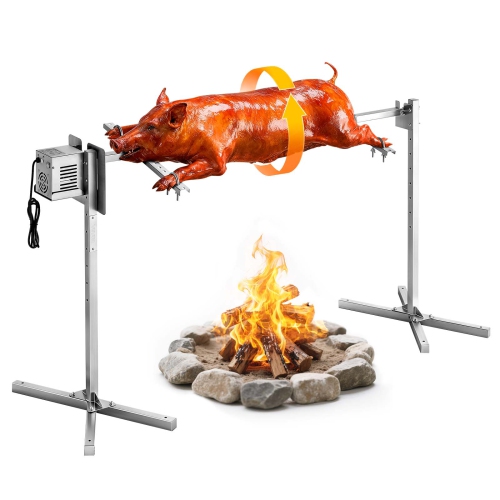
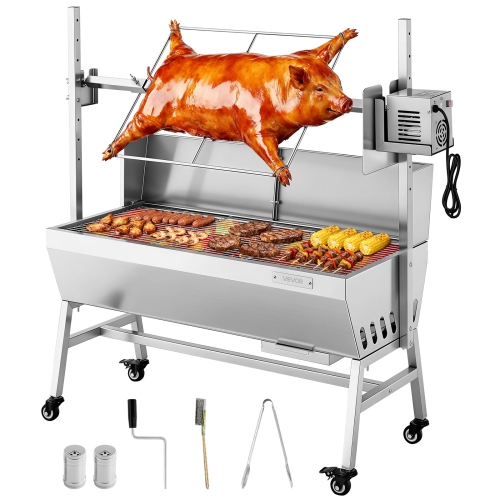


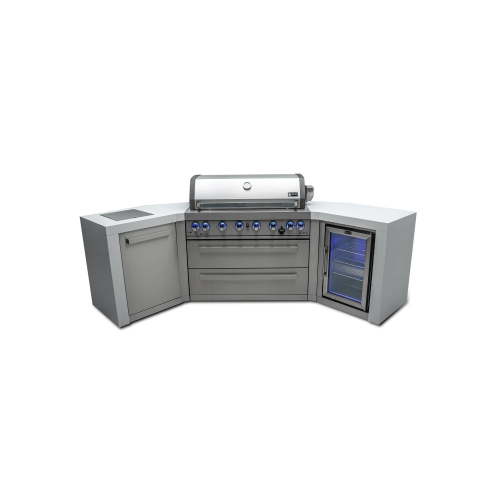
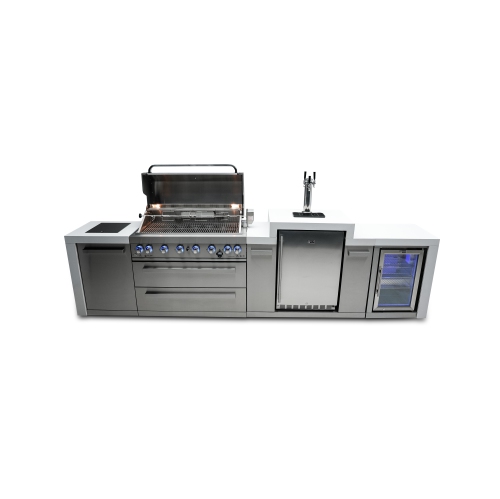

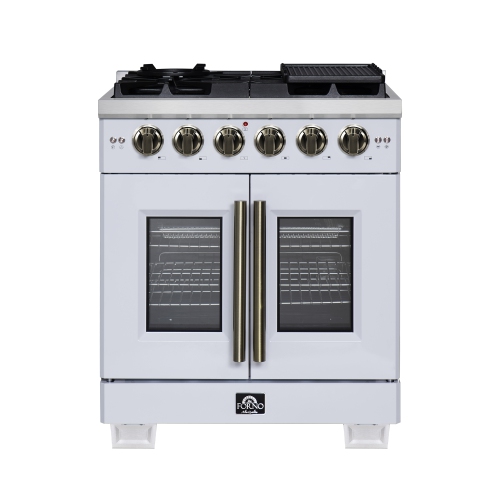
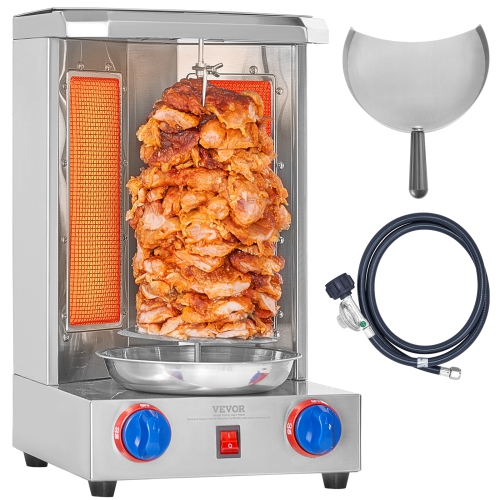
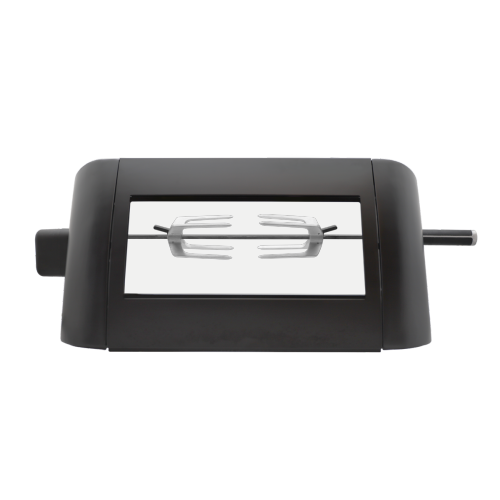


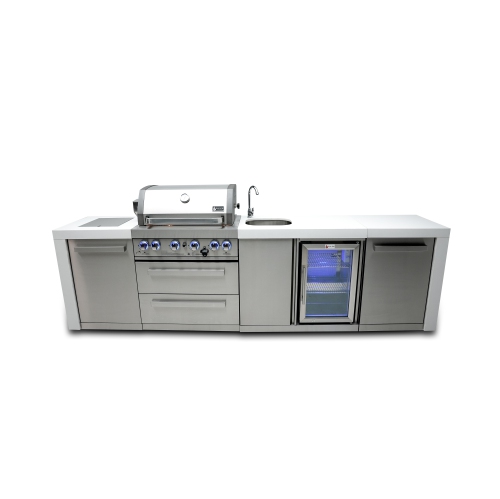
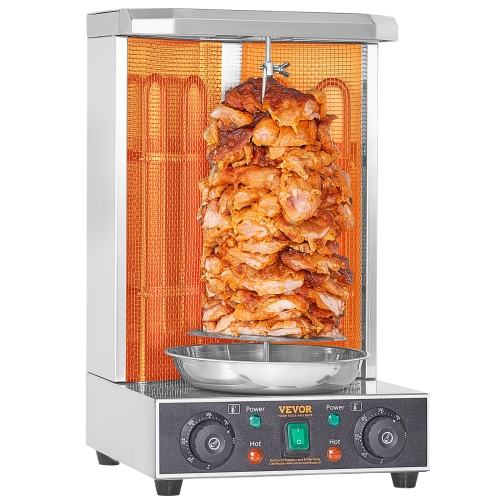
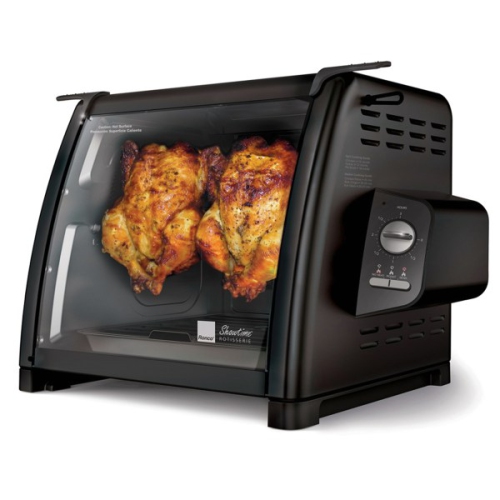
How rear heat helps roasts brown as they turn
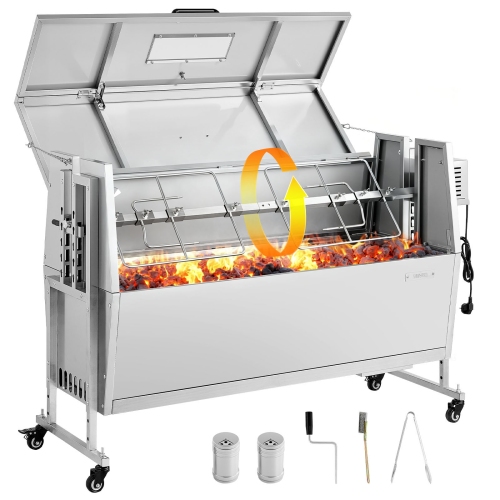
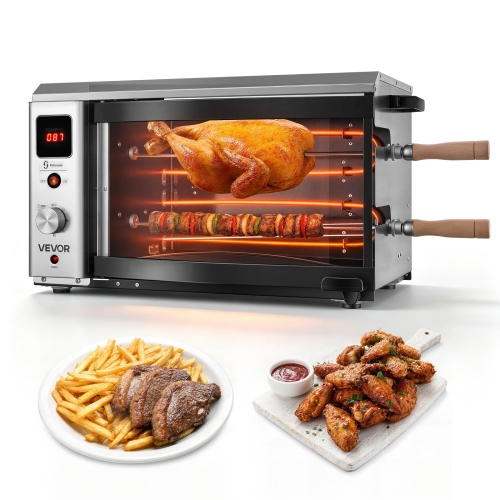
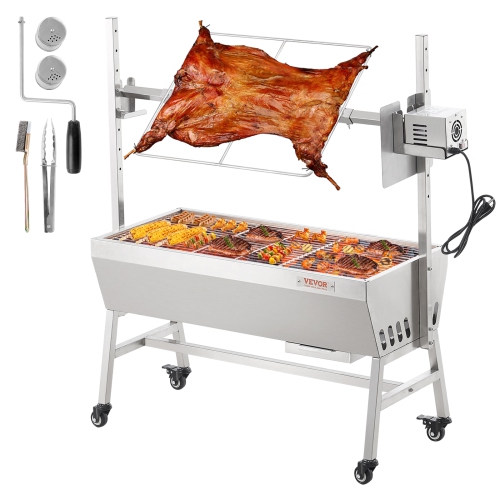
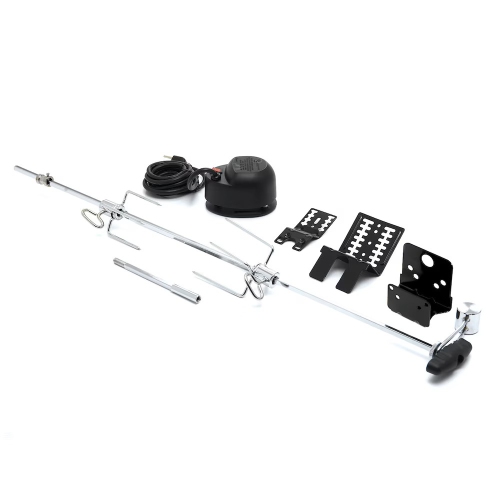
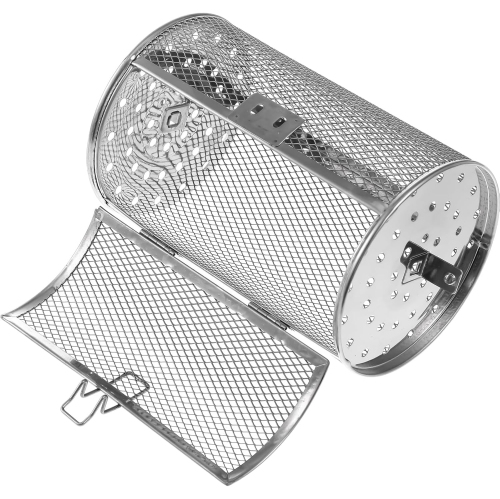
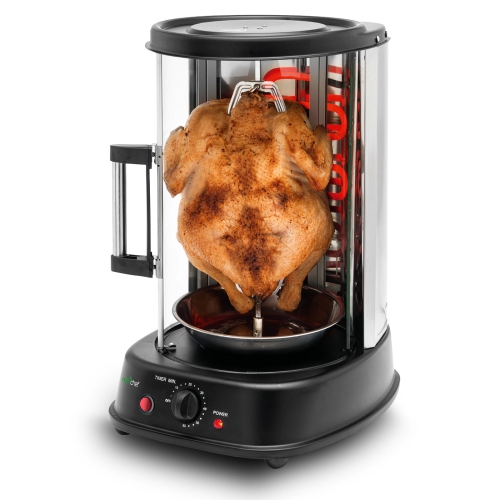
Rotisserie burners are dedicated barbecue heat sources designed to roast food as it turns on a motorized spit. Often mounted at the rear of a gas barbecue, they direct heat towards the rotating food rather than relying solely on the main burners beneath the cooking grates. Many use infrared technology, with a ceramic surface that radiates intense heat towards the roast; other designs use a metal burner arrangement. The slow rotation exposes different sides of the food to the heat, supporting even browning when the load is balanced and positioned correctly. This makes a rotisserie burner particularly useful for whole chickens, tied roasts, and other substantial cuts that suit steady turning. A chicken rotating in front of a rear burner, its skin gradually turning golden above a drip pan, illustrates the appeal: a dedicated cooking arrangement with room beneath the food to catch drippings. The burner supplies heat, while the spit, forks, brackets, and motor support and rotate the food. These components have separate jobs, so a replacement burner does not necessarily include the equipment needed for a complete rotisserie setup. For the rotating assembly itself, Barbecue Rotisseries are a related category. A rear burner can also create a different cooking arrangement from roasting over the main burners, although permitted burner combinations depend on the barbecue’s design. Heat output alone does not determine performance: burner placement, distance from the food, lid clearance, and the shape of the cooking chamber all influence how a roast cooks. Infrared heat can encourage surface browning, but it does not seal in juices or remove the need to monitor doneness. For someone who regularly prepares larger cuts for family meals or gatherings, the value lies in a heat source designed around rotating food rather than an accessory that simply adds another flame. The result still depends on the food’s size, preparation, and position within the barbecue.
Compatibility is the central consideration for rotisserie burners, especially when replacing a worn component in an existing barbecue. Similar-looking burners are not necessarily interchangeable, and overall length is only one part of the fit. Mounting points, gas connections, injector specifications, ignition components, and protective housings must match the appliance’s requirements. A rear burner also needs the correct relationship to the spit position so that food has adequate clearance from the heat source and the closed lid. A large roast may fit on a spit yet still sit too close to the burner or interfere with rotation, which is why usable cooking space matters as much as the nominal size of the barbecue. Fuel type is equally important: propane and natural gas systems have different requirements, and a replacement must be approved for the appliance and its fuel configuration. A burner should not be treated as a universal conversion part or fitted to a barbecue that was not designed to accept it. Materials vary by design. Stainless steel is common in burner bodies and protective components because it tolerates repeated heating and offers corrosion resistance, while ceramic infrared surfaces provide radiant heat but require protection from impacts and unsuitable cleaning methods. Stainless steel is not entirely resistant to staining or corrosion, and material thickness, construction quality, and proper care all contribute to service life. The condition of neighbouring parts matters, too. A new burner cannot correct a damaged mounting bracket, deteriorated gas connection, or faulty ignition system elsewhere in the appliance. Manufacturer documentation provides the appropriate basis for matching replacement parts, understanding included components, and identifying any additional hardware required. Where installation involves gas connections or the appliance requires servicing, a qualified gas technician is the appropriate resource. For shoppers comparing options, a clearly specified fit and an approved installation are more meaningful than a general promise of high heat. They help preserve the cooking arrangement the barbecue was designed to provide, including the spacing, shielding, and ventilation around the burner.
Everyday usability and care help distinguish a suitable rotisserie burner from one that merely fits the available space. An accessible rear assembly can make inspection and cleaning less awkward, while appropriately designed shielding helps protect surrounding components without obstructing the intended heat path. During cooking, drippings are usually managed with a suitable pan positioned according to the barbecue manufacturer’s directions, rather than allowed to collect around components or block ventilation. A properly positioned pan can catch rendered fat and make cleanup easier, but its dimensions and placement must leave room for the spit to turn freely. Care requirements depend on the burner’s construction: a ceramic emitter should not automatically receive the same brushing or washing treatment as a metal cooking grate. Harsh scraping, soaking, or spraying cleaners into burner openings can damage components or interfere with operation. Cleaning and inspection belong to a cooled appliance, using the methods specified for that barbecue and burner. Changes such as uneven heating, unreliable ignition, visible damage, or obstructed ports warrant attention rather than an assumption that longer preheating will solve the problem. The rotating equipment also affects the experience. An unbalanced roast places extra strain on the motor and may turn unevenly, while loose forks can allow food to shift as it cooks. For larger meals, matching the food load to the rotisserie assembly’s rated capacity is just as important as the burner’s output. Doneness is best assessed with a food thermometer appropriate to the food being cooked, not by browned skin alone. Rotisserie burners are most relevant to barbecue owners who enjoy roast-style cooking and want to maintain or restore that capability in a compatible appliance. They can also be a thoughtful gift for an enthusiastic home cook, provided the exact barbecue and approved part requirements are known in advance. With the correct fit, sound supporting hardware, and care suited to the materials, a dedicated burner can remain a useful part of a well-maintained outdoor cooking setup.
Top selling and popular products
-
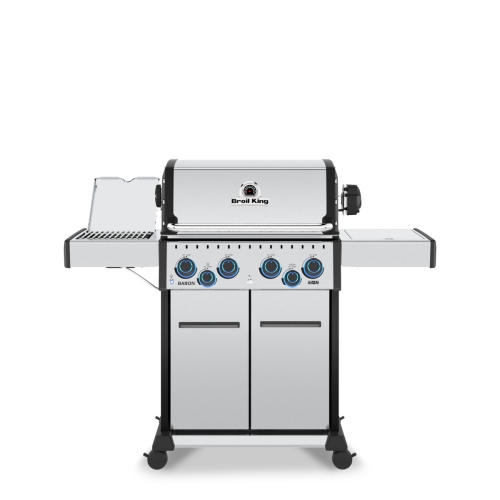 Your price for this item is $1559
-
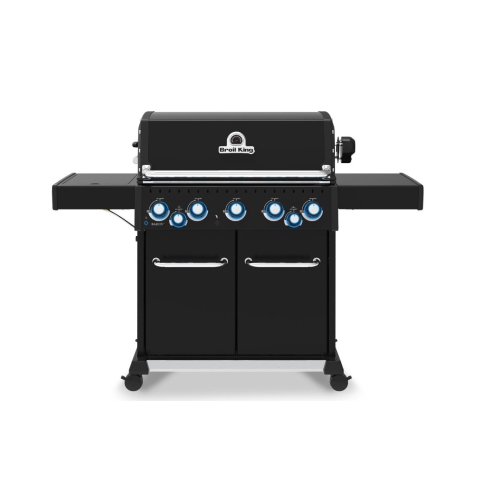 Your price for this item is $2374.99
-
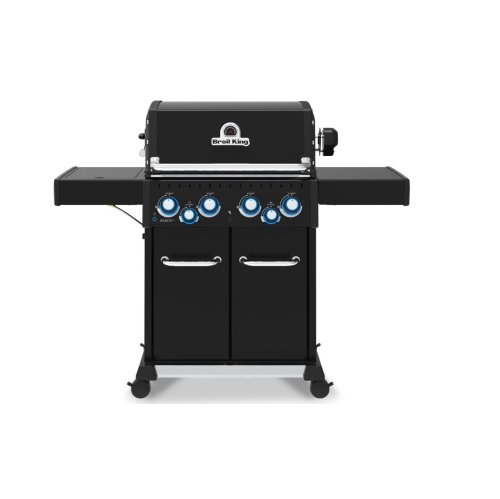 Your price for this item is $1299
-
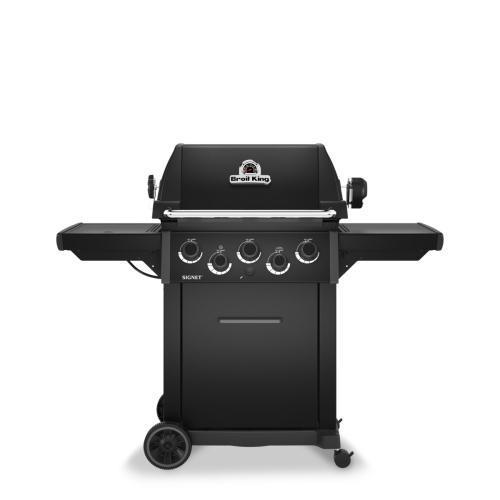 Your price for this item is $959
-
 Your price for this item is $899
-
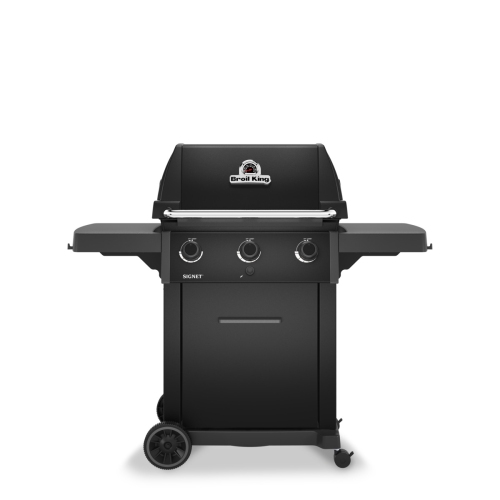 Your price for this item is $699
-
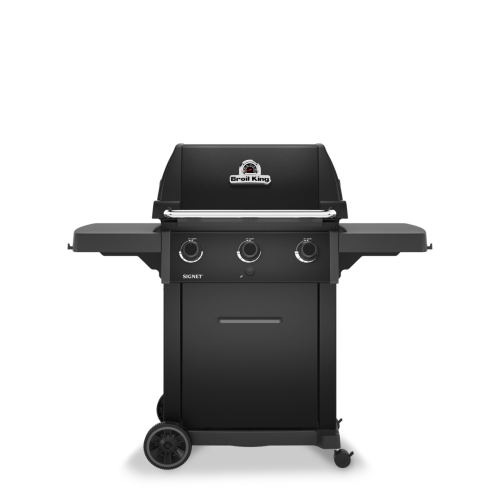 Your price for this item is $759
-
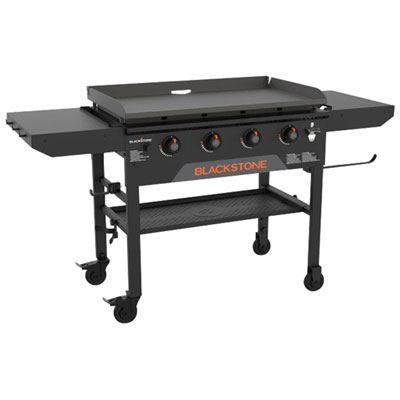 Your price for this item is $599.99
Discover more categories related to Rotisserie Burners
Top Collections:
Best Black Friday Deals This Year, Best Black Friday Deals On Electronics, Kindle Devices, Pokemon Centers, Best Black Friday Deals On Apple Products, Best Cameras for Sports Photography, Dyson Airwrap, Pokémon 30th Celebration Cards, Apple iPhone 17 Pro, Canon G7X Cameras
Some products may be subject to Environmental Handling Fees
(EHF) depending on your province.
Learn more about EHFs.