Round Bar Tables Outdoor
Create a stylish and inviting outdoor space with these round bar tables. Whether you're hosting a backyard gathering or simply enjoying a quiet evening outdoors, these round bar tables add a touch of sophistication to almost any patio or deck. With its sleek design and versatile functionality, these outdoor essentials are perfect for entertaining guests or enjoying a casual meal al fresco. Crafted with durable materials that can withstand the elements, our selection of round bar tables offers both style and durability. Explore our range of options and find the perfect addition to elevate your outdoor living area.
Sort


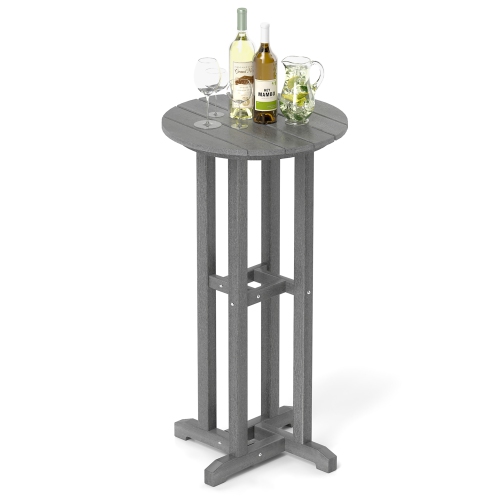

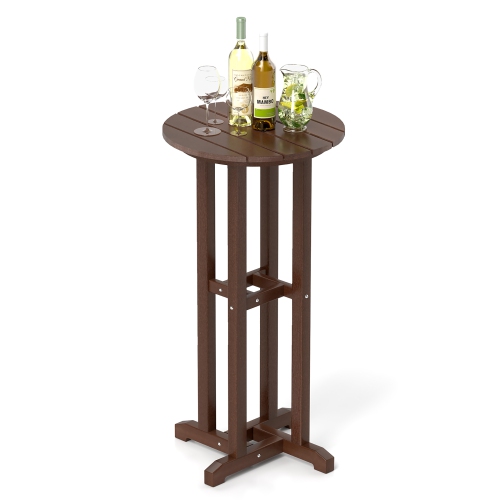


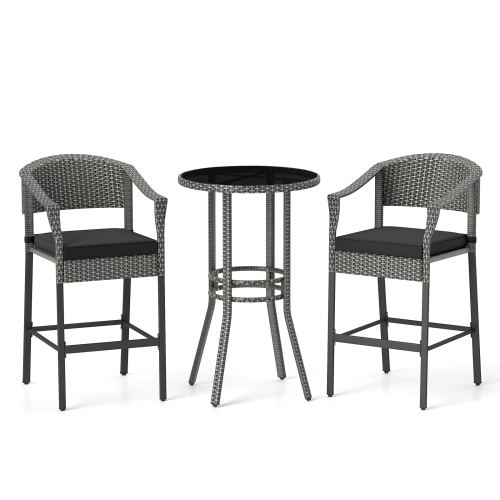

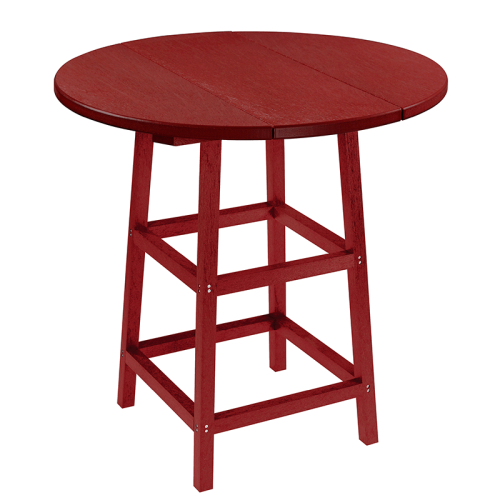

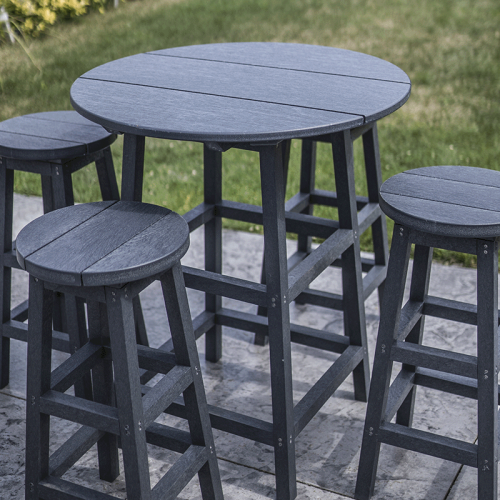


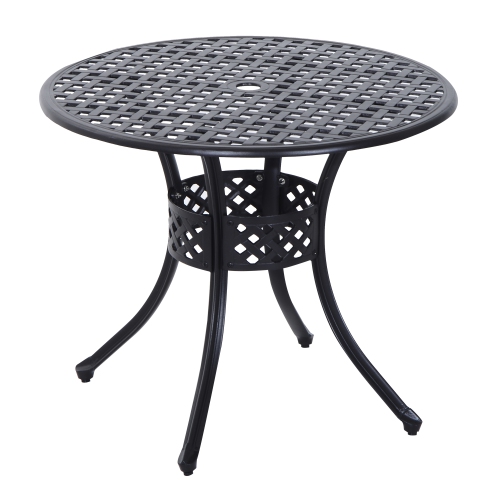

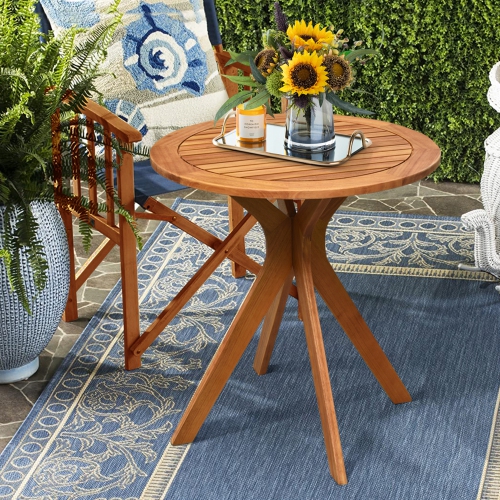


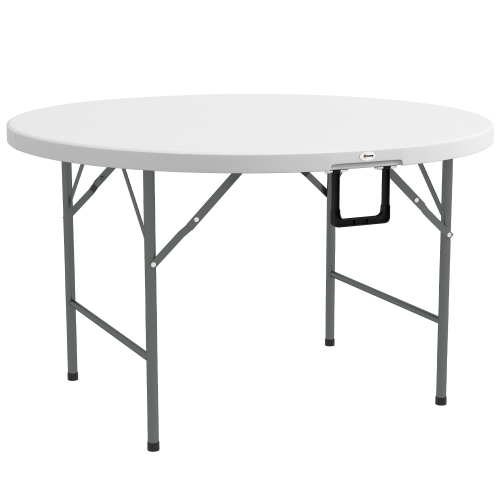

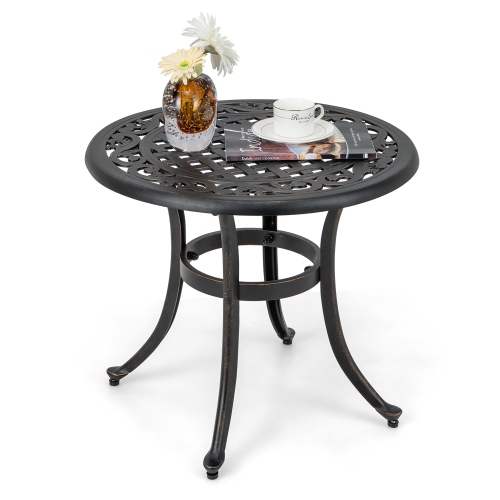
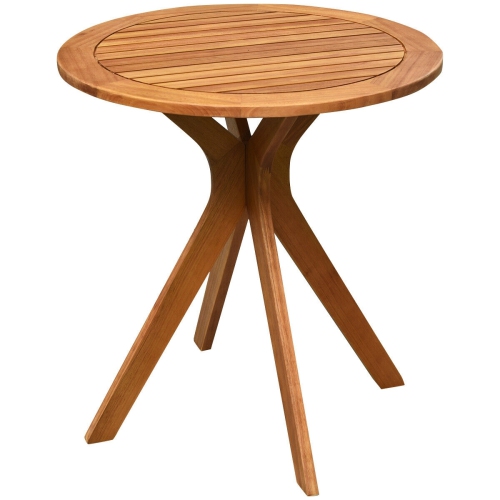

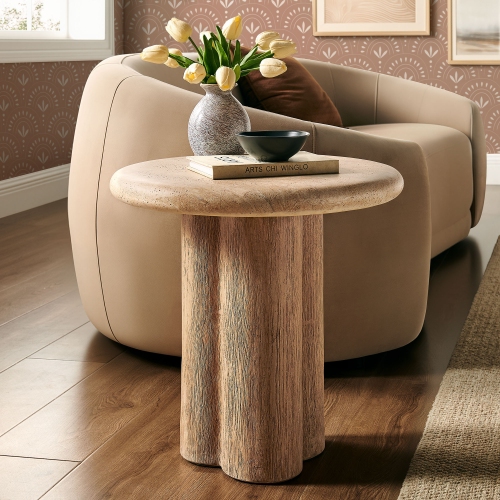
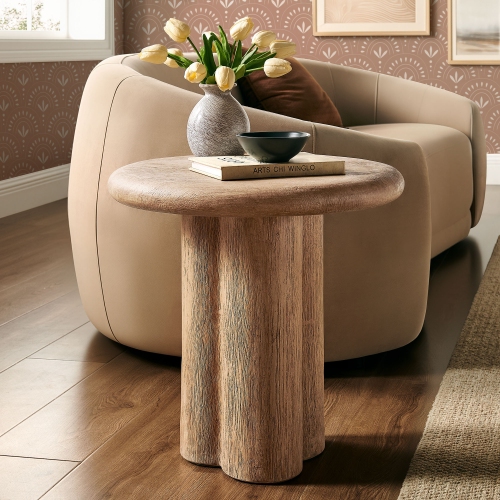
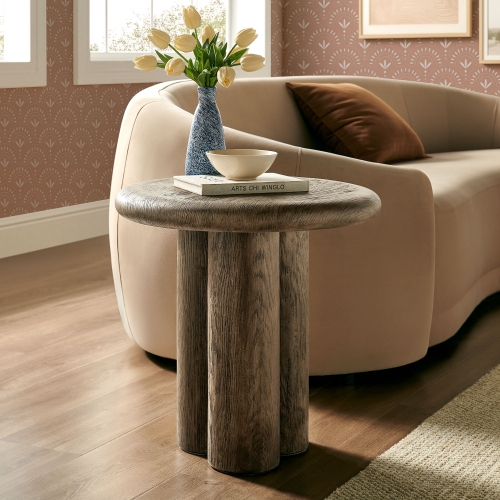

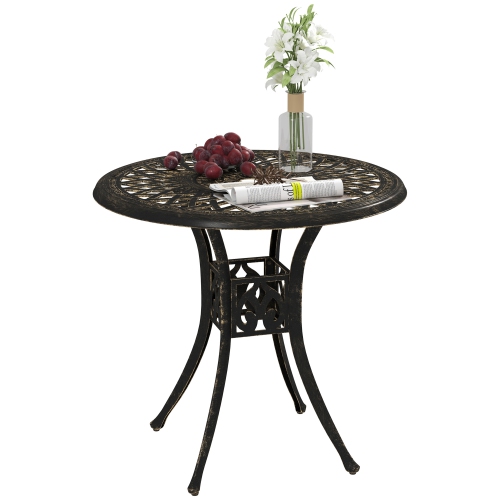
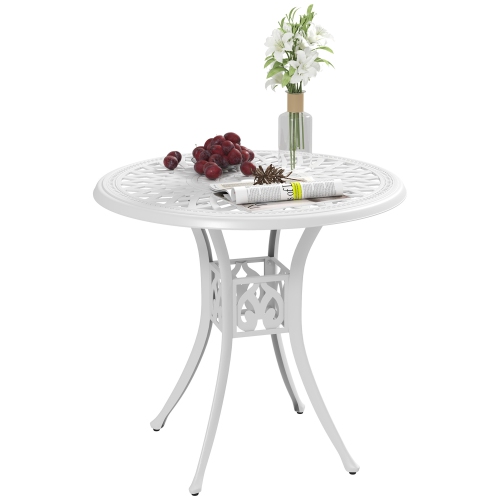
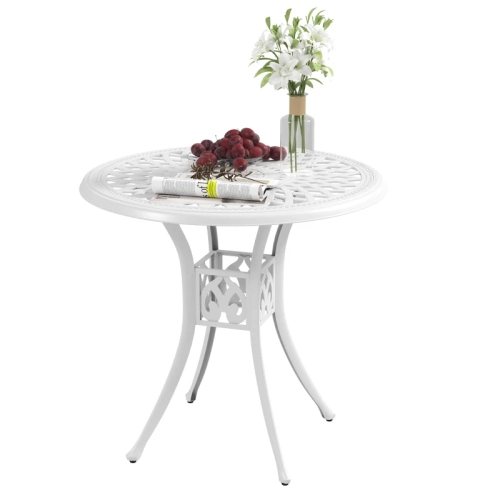
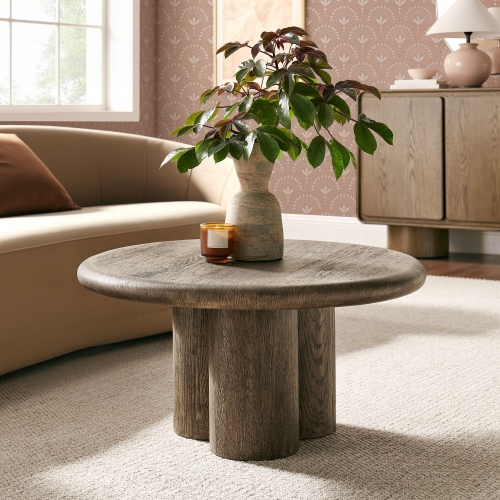


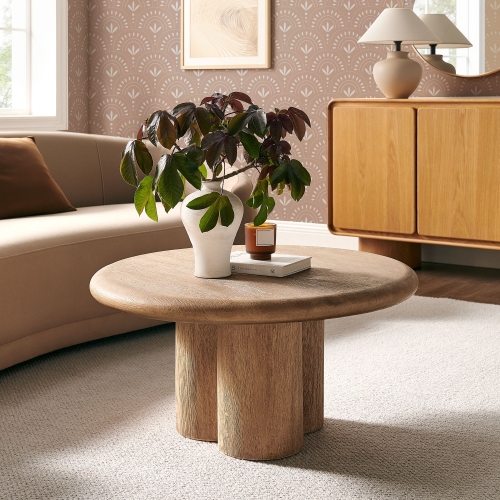
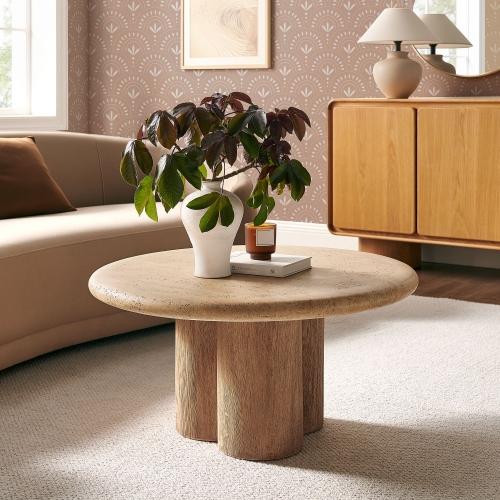
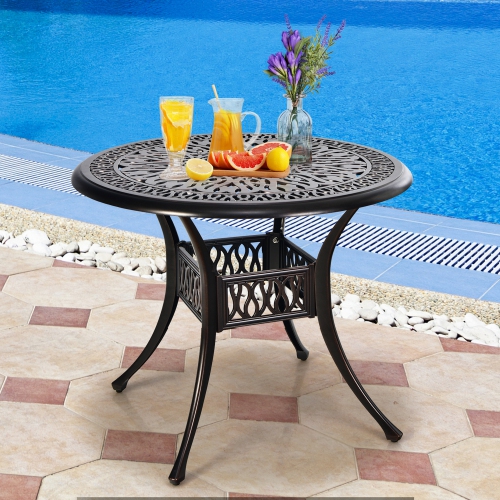
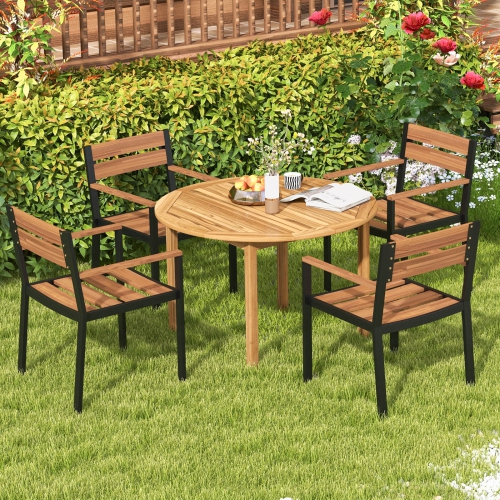
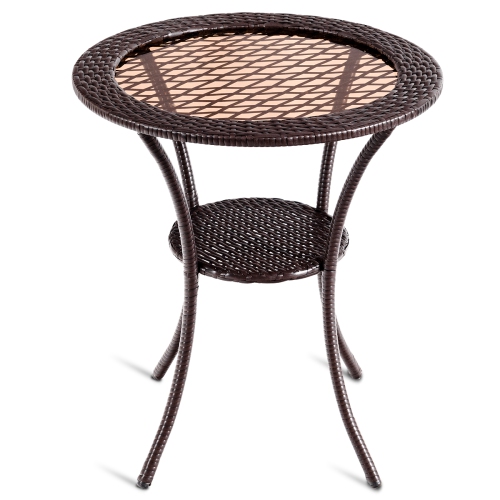

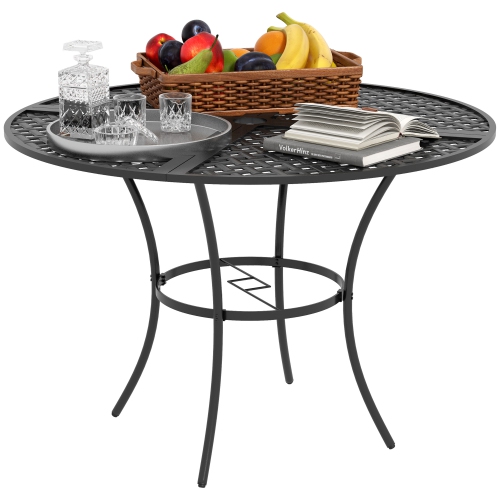


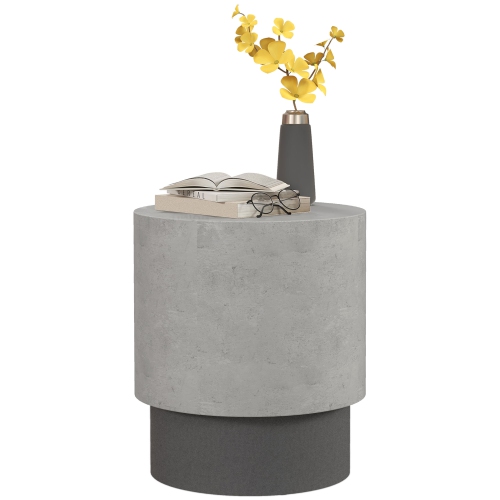

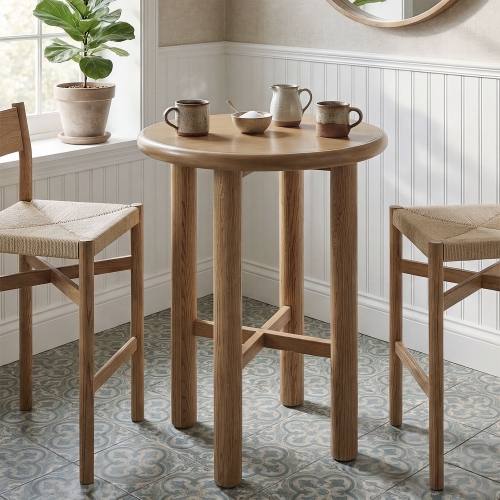


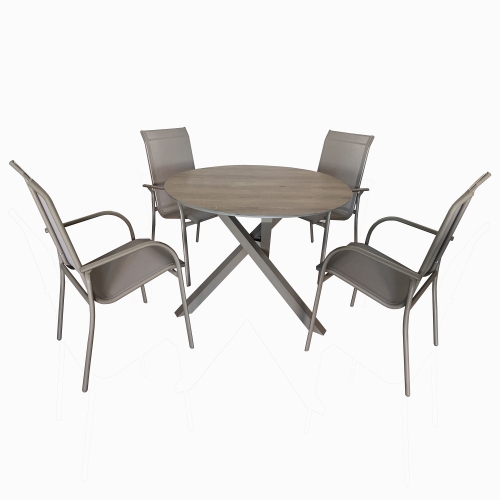


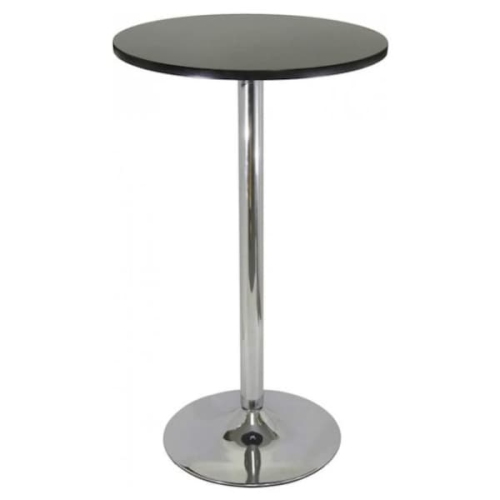


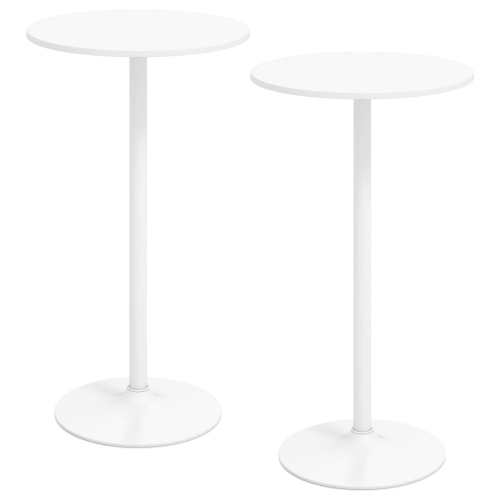

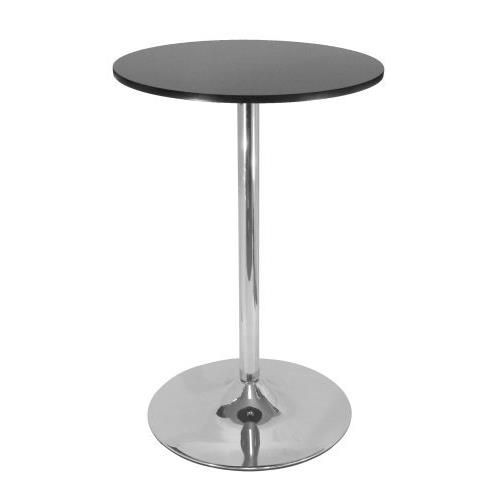


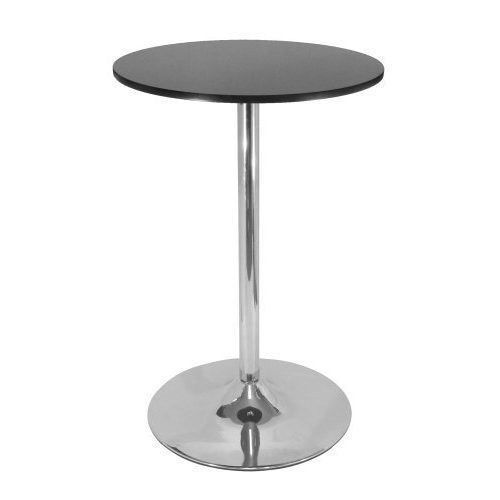
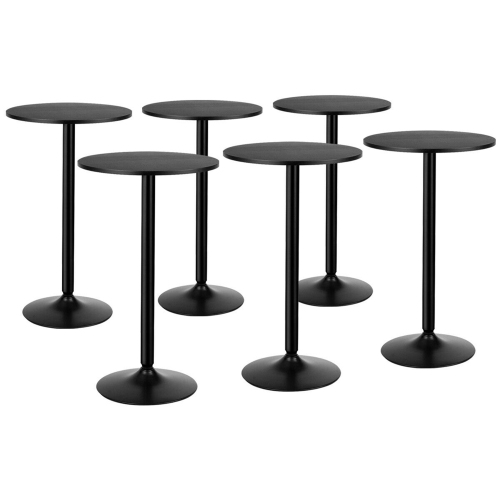
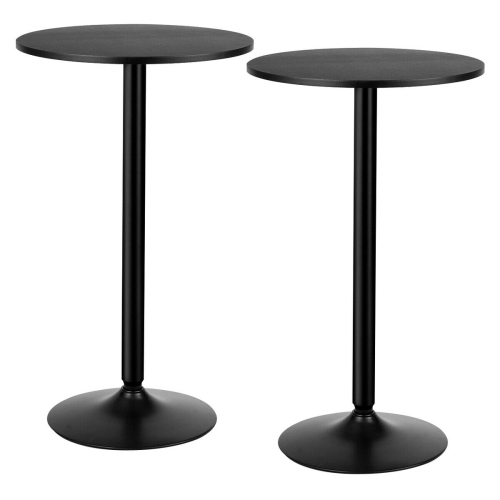
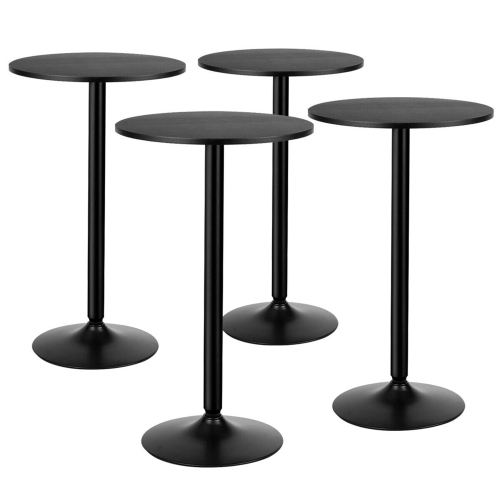


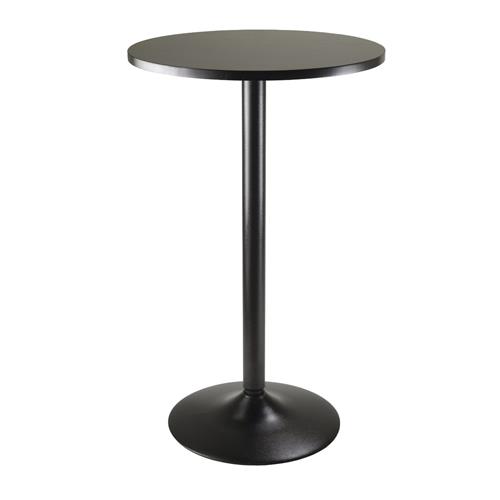
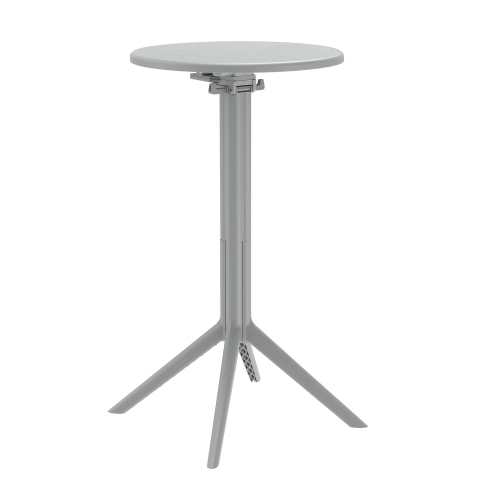


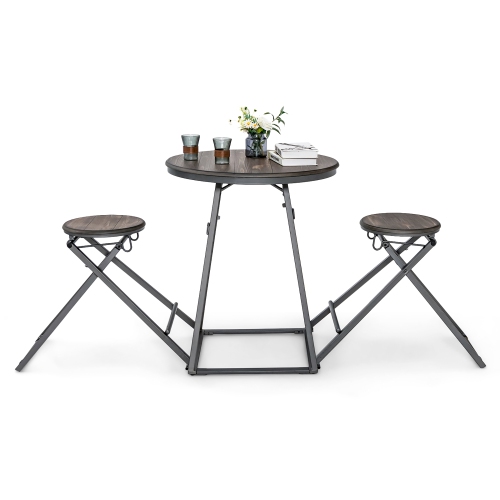


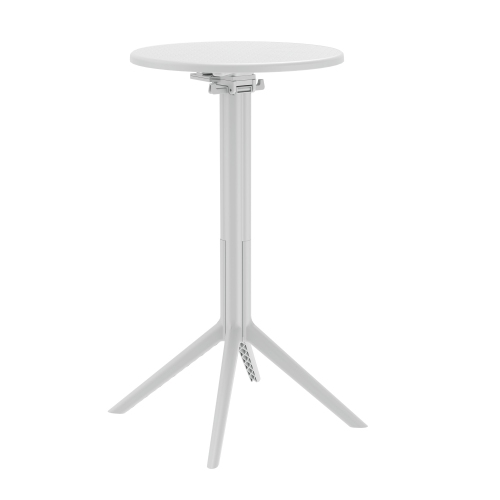
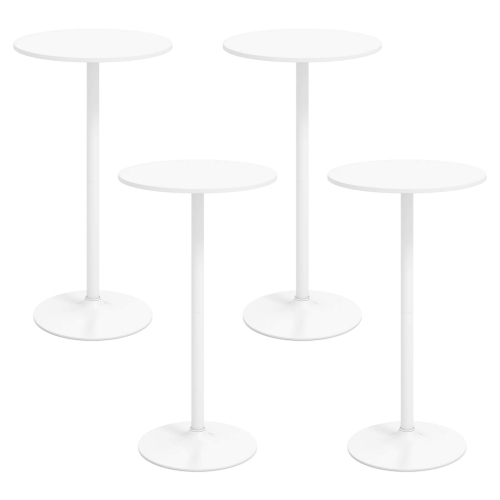


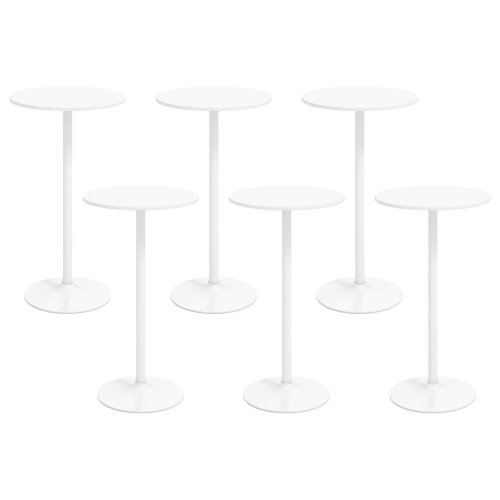


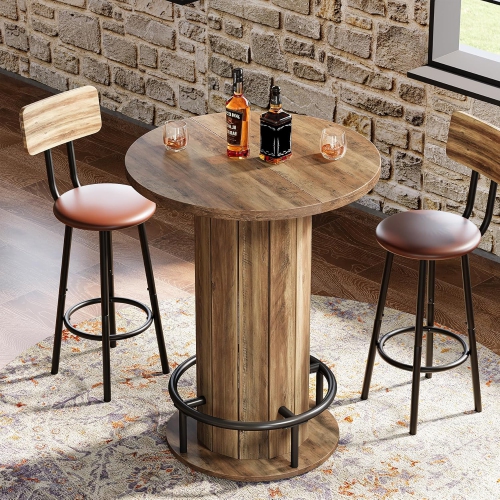


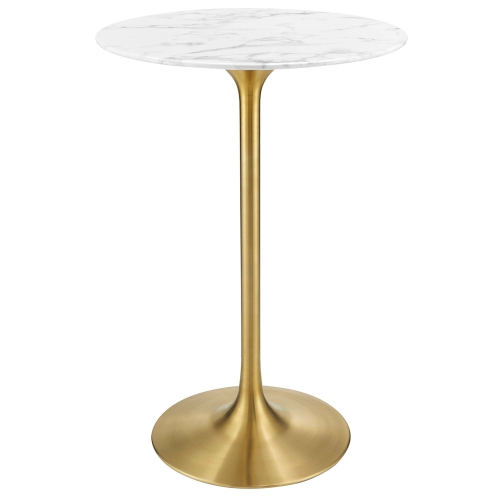


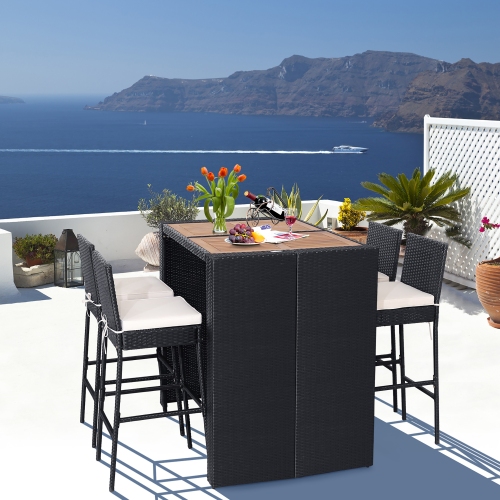
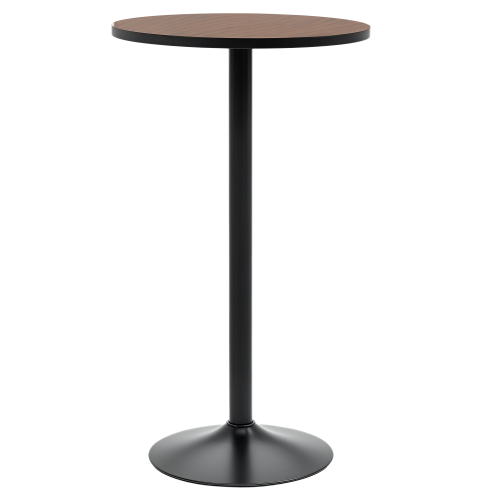

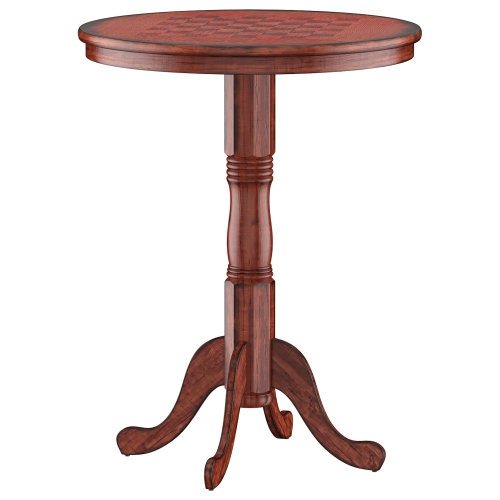


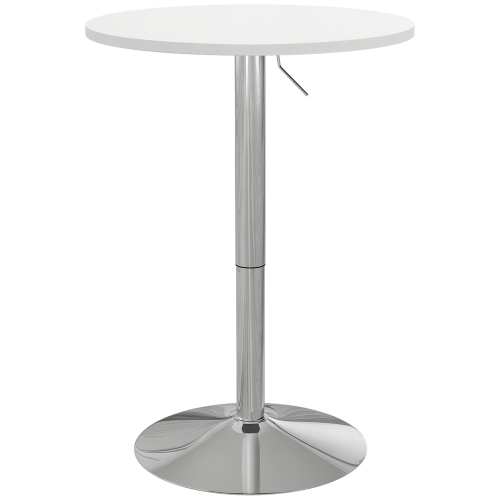


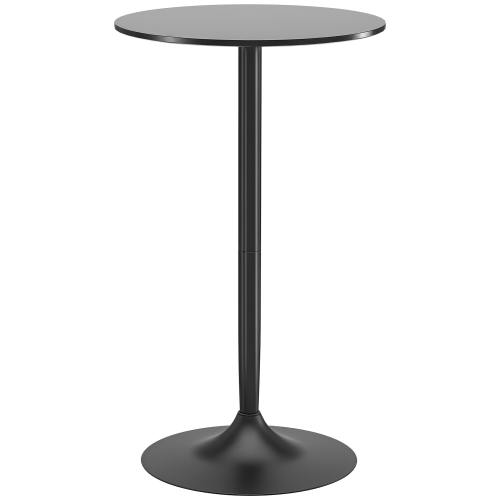


Comfortable patio gatherings start with the right table fit
Round outdoor bar tables are raised patio tables designed for bar-height stools, casual standing gatherings, or a mix of both. Their circular tops keep conversation centred and make it easy to reach shared snacks without a long stretch across the table. Most bar-height tables stand approximately 40 to 42 inches tall, although some designs measure closer to 38 inches. Counter-height tables are generally lower, at about 34 to 36 inches, so checking the actual dimensions matters when pairing a table with existing seating. Bar stools often have seat heights of 28 to 30 inches, while counter stools are commonly around 24 to 26 inches. The right combination leaves comfortable room for thighs and knees; roughly 10 to 12 inches between the seat and the underside of the tabletop is a useful starting point. Aprons, support rings, and thick tabletops can reduce that space. On a compact balcony, a round top can soften the layout and remove projecting corners from a narrow route to the door. A diameter of approximately 24 to 30 inches can suit drinks or a light meal for two, while a 36- to 42-inch top may accommodate three or four people, depending on the place settings, stool width, and base design. A pedestal can offer flexible stool placement, whereas several outward-facing legs may interrupt knee room. The table’s footprint includes more than the top: stools need space to pull out, and guests need a clear path past them. Around 36 inches between the table edge and a wall is a practical starting point, with additional clearance where people will walk behind occupied seats. For a small terrace, a slim table beside a pair of backless stools creates a relaxed spot for coffee without filling the whole seating area. On a larger patio, a round bar table can form a separate gathering point near an outdoor dining set, leaving the main table free for a full meal.
Materials influence a round outdoor bar table’s weight, surface feel, upkeep, and suitability for an exposed or sheltered location. Aluminum is relatively light and does not develop the red rust associated with steel, making it practical for furniture that needs to move between a patio and storage area. Cast aluminum often has a more substantial appearance, with shaped bases or decorative details, though the finished table’s weight still depends on its construction. Powder-coated steel can provide a sturdy frame, but scratches in the coating deserve attention because exposed steel can rust. Joints, fasteners, and the bottoms of legs are worth checking as closely as the tabletop. Resin and high-density polyethylene surfaces offer another approach, often with moulded shapes or a wood-like texture that does not require staining. For a closer look at that material category, Outdoor Resin Bar Tables brings the focus to resin-based designs. Solid wood adds visible grain and a warmer touch, although its care requirements depend on the species and finish. Some wood surfaces gradually change colour outdoors; maintaining an original finish may require periodic treatment according to the manufacturer’s directions. Tempered glass offers a smooth, wipeable surface and can make a small patio feel less visually crowded, but it still needs protection from hard impacts, especially along its edges. Stone, ceramic, and concrete-style tops can have a substantial presence, though their resistance to staining, freezing conditions, and surface damage varies by construction. Weight alone does not establish stability: the width of the base, the table’s height, and how securely its parts connect all matter. In an exposed setting, a light table may need to be moved to shelter rather than left unattended in strong wind. An umbrella opening can be useful, but the tabletop is not a substitute for a correctly sized umbrella base. Compatibility, permitted umbrella dimensions, and any restrictions on umbrella use should be checked before combining the two.
Everyday comfort also comes from details that are easy to overlook in a photograph. A foot ring or a well-positioned stool footrest gives seated guests somewhere to rest their feet, while rounded tabletop edges feel more comfortable against forearms. Adjustable feet can help level a table on slightly uneven paving, but they cannot compensate for a sloping or unstable surface. A broad, level position keeps glasses steadier and helps prevent the table from rocking when someone leans against an edge. On a deck, narrow feet should sit securely rather than slipping into gaps between boards. Taller furniture also benefits from thoughtful placement away from balcony railings and anywhere children could use it as a climbing aid. For households that rearrange the patio frequently, a manageable table weight can be more useful than an oversized top; for regular outdoor meals, room for plates, cutlery, and serving dishes may take priority. Folding designs can simplify storage, provided their locking mechanisms are fully engaged during use. A small round bar table also works well as an extra serving surface for a backyard gathering, keeping drinks separate from the dining area without requiring another full-size table. Routine care usually starts with removing crumbs and grit, then cleaning with a soft cloth, mild soap, and water where the surface instructions allow. Abrasive pads and harsh cleaners can damage coatings or leave marks on clear surfaces. Spills are best wiped up promptly, particularly on porous tops or near joints where moisture can collect. Breathable, properly fitted covers help limit dirt buildup, but furniture should be dry before covering, with enough airflow to avoid trapping moisture. Where freezing conditions are a concern, storage advice matters: water left inside hollow components or absorbed into an unsuitable surface can cause damage. Checking fasteners periodically and following material-specific care directions helps keep the table steady, comfortable, and ready for its next gathering.
Top selling and popular products
-
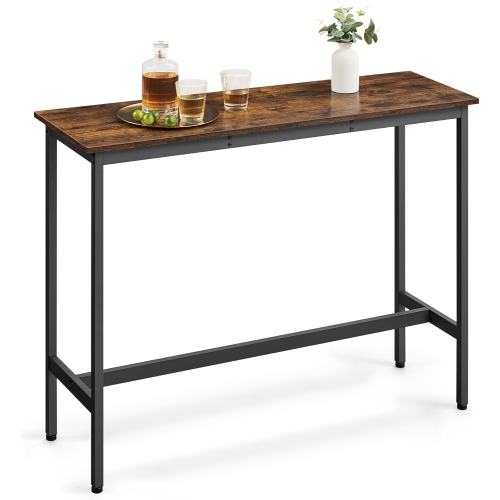 Your price for this item is $129.95
-
 Your price for this item is $62.16
-
 Your price for this item is $112.99
-
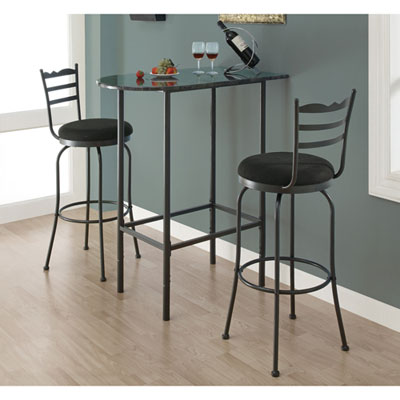 Your price for this item is $163.99
-
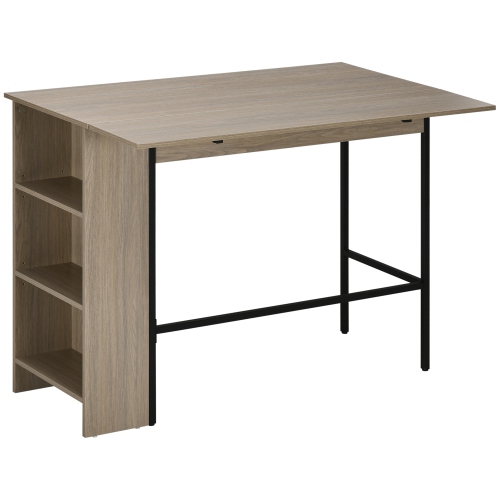 Your price for this item is $154.99
-
 Your price for this item is $177.49
-
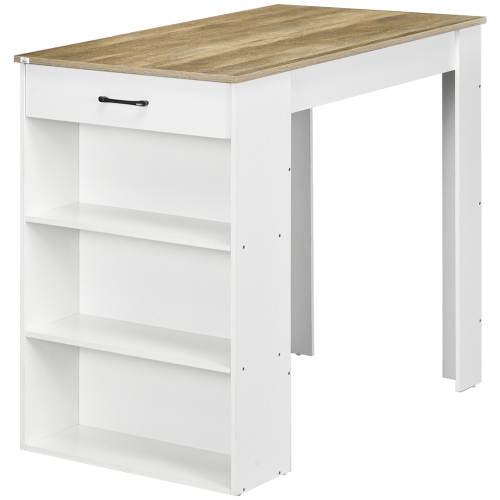 Your price for this item is $154.99
-
 Your price for this item is $135.99
Discover more categories related to Round Bar Tables Outdoor

Top Collections:
Pokemon Centers, Best Cameras for Sports Photography, Kindle Devices, Samsung Galaxy Phones, Canon G7X Cameras, Pokémon 30th Celebration Cards, Refurbished Apple Laptops, iPhone 15 Apple, Laptops for Students, Budget Smartphones
Some products may be subject to Environmental Handling Fees
(EHF) depending on your province.
Learn more about EHFs.