Round Dining Room Tables
Looking to add a touch of elegance and sophistication to your dining space? Look no further than our collection of round dining room tables. These versatile pieces not only provide a functional space for sharing meals with family and friends, but they also serve as a stylish centerpiece for your home. Whether you're hosting a formal dinner party or enjoying a casual meal with loved ones, our selection of round dining room tables offers a variety of sizes, finishes, and designs to suit every taste and decor style. From contemporary to traditional, find the perfect round dining room table that will elevate your dining experience and create lasting memories around the table.
Sort
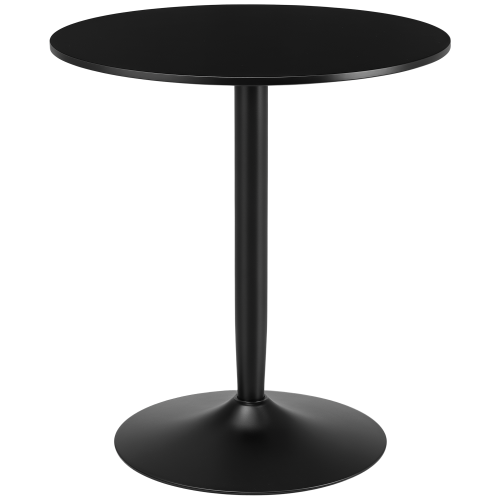
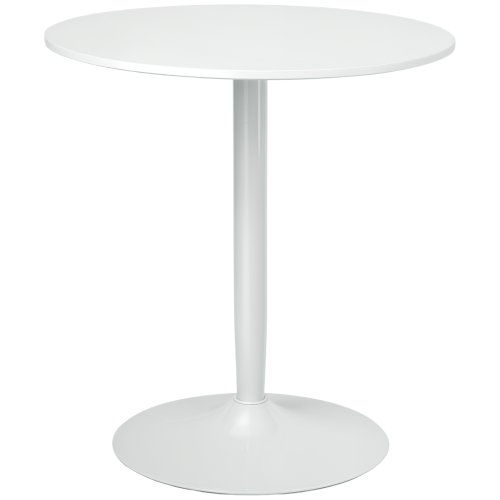
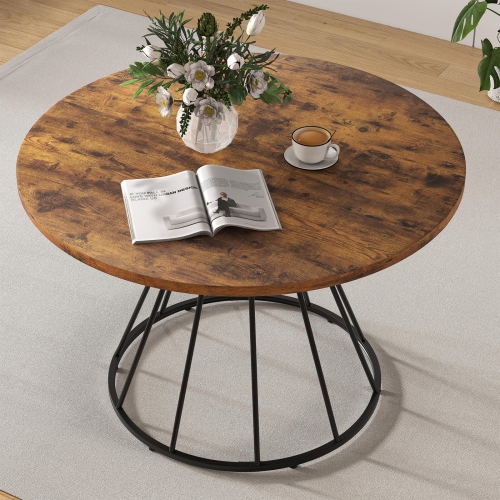
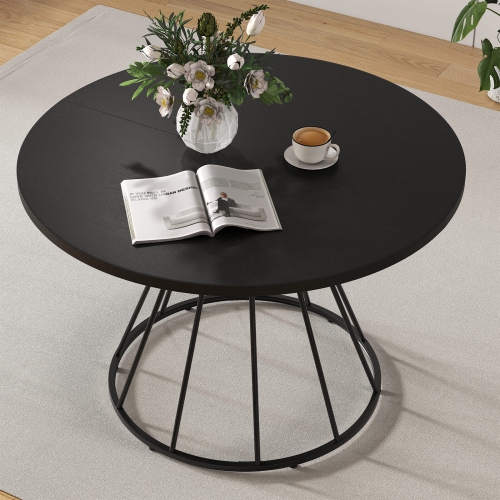
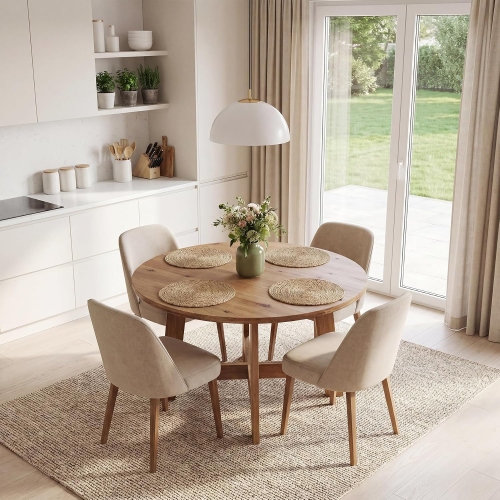
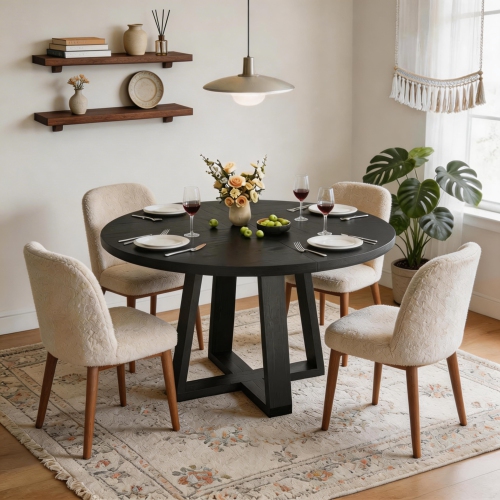
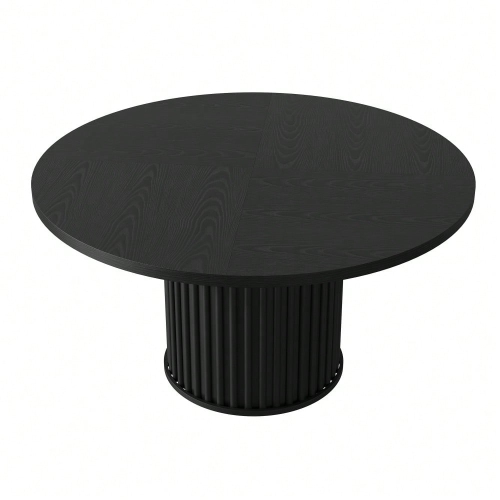
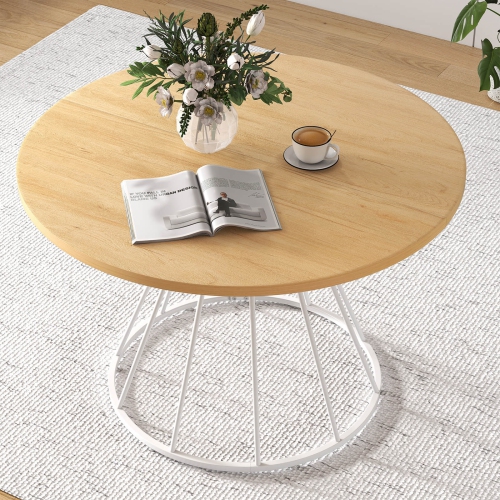
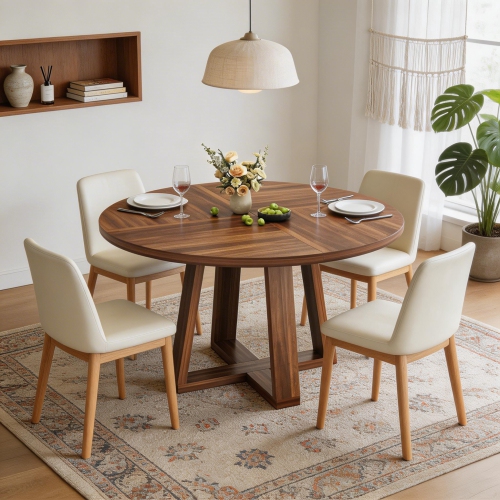
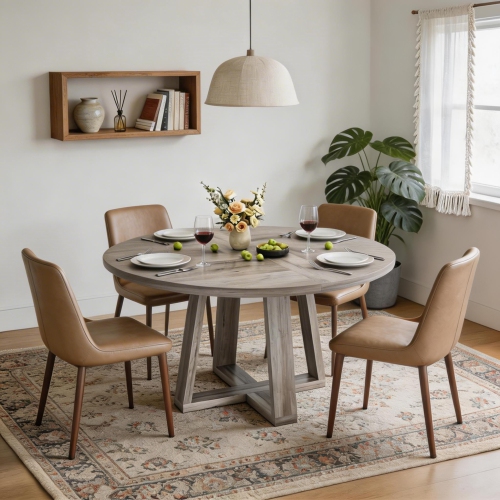
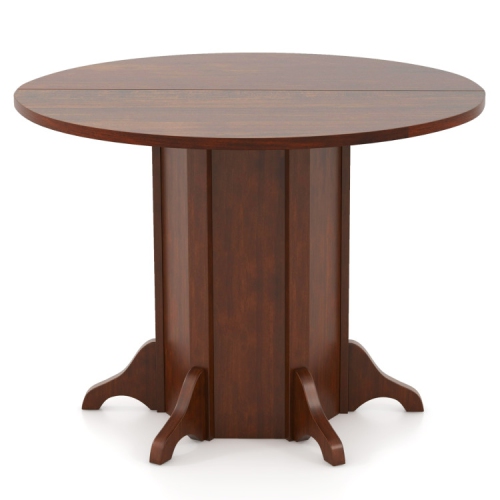
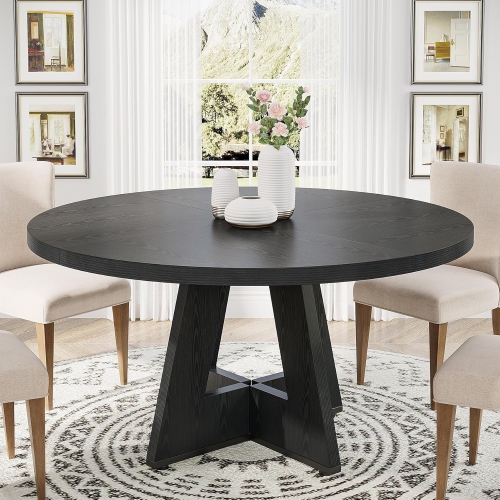
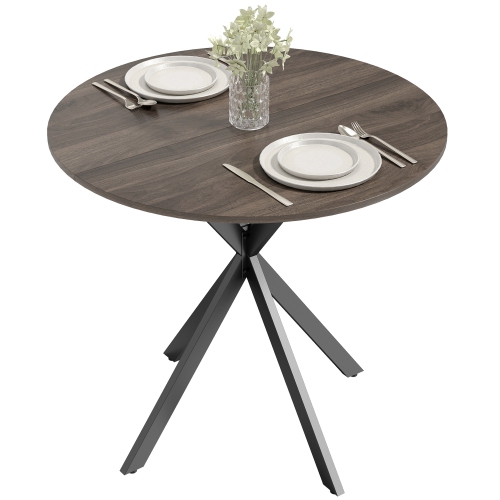
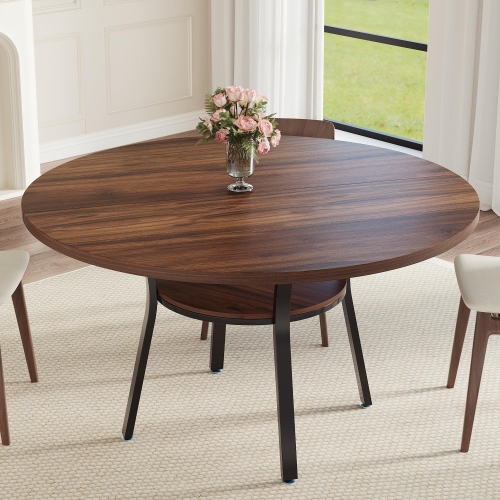
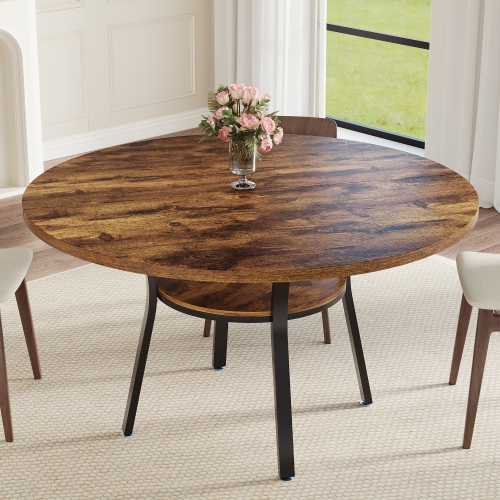
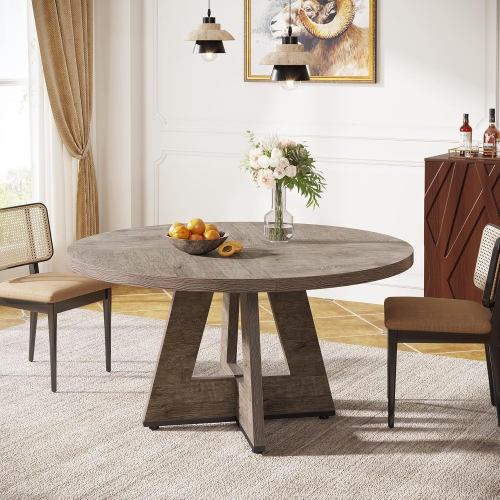
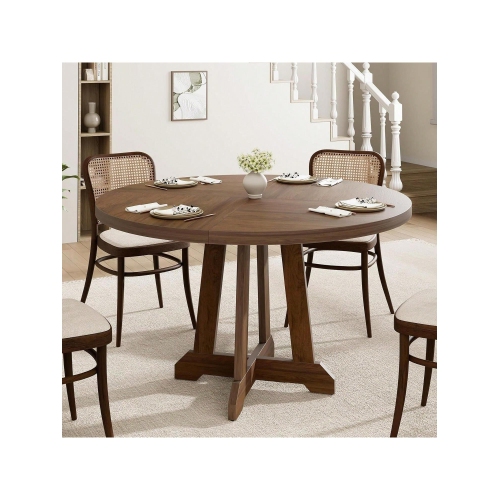
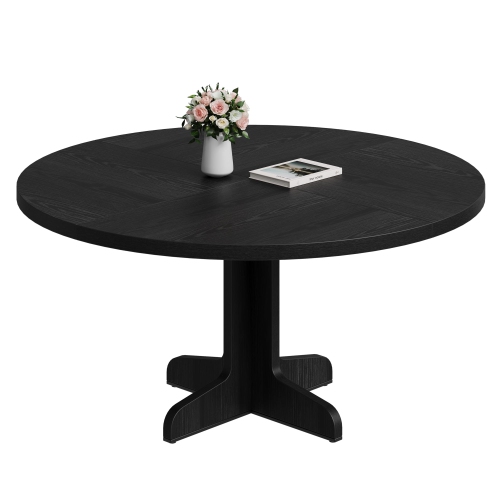
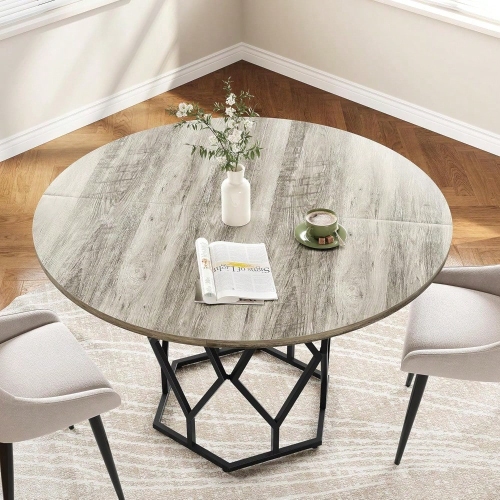
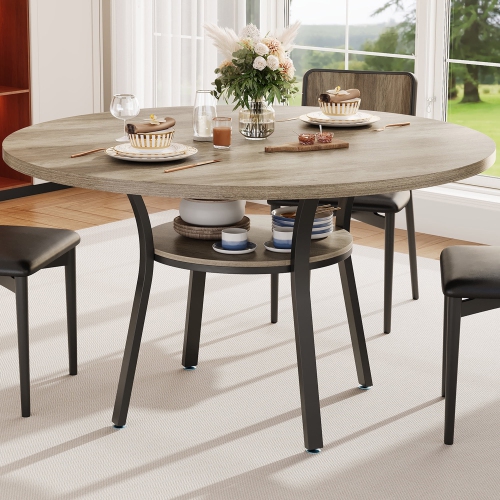
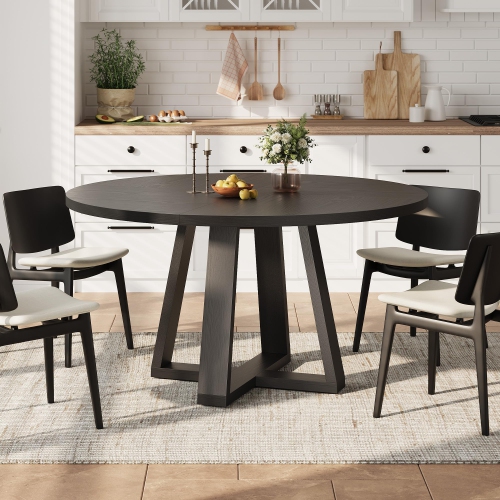
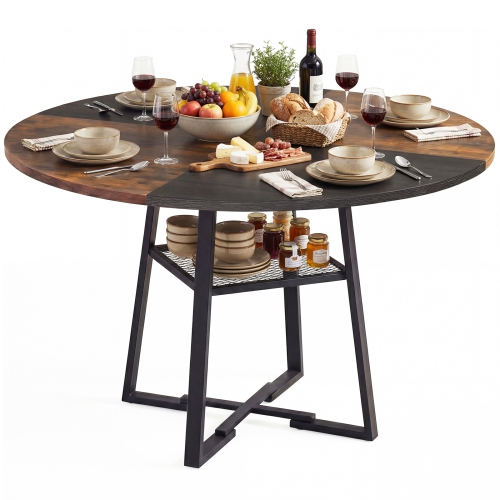
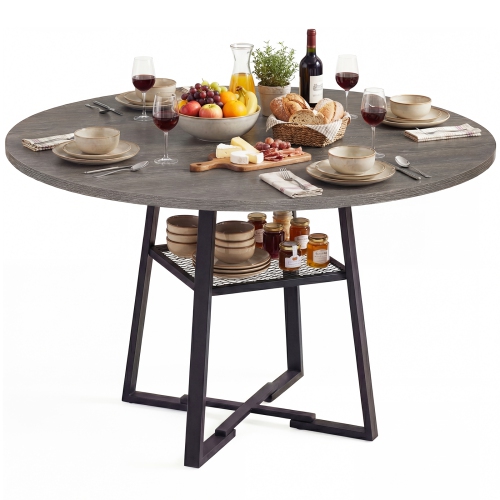
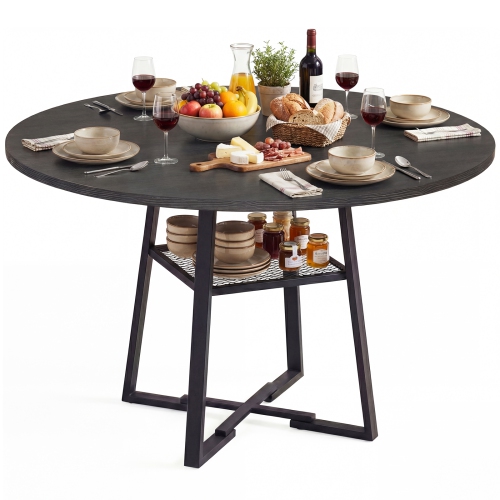
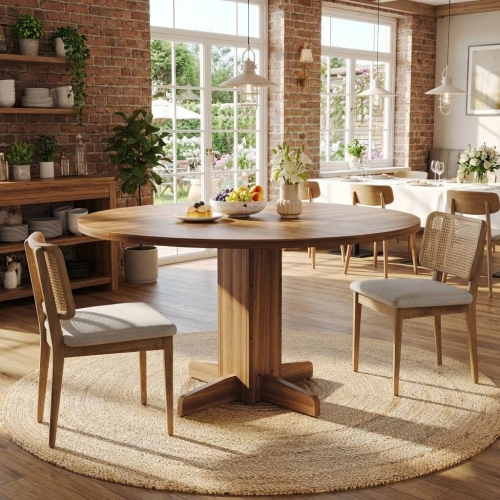
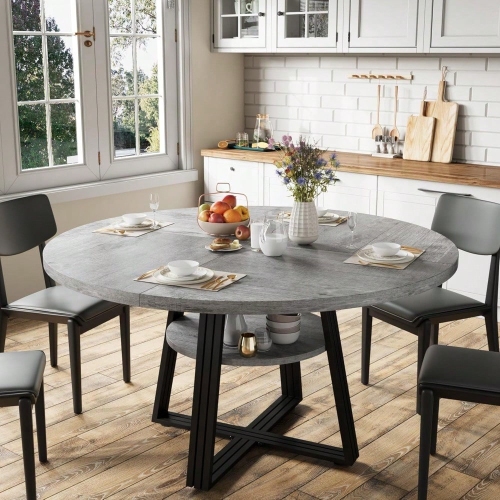
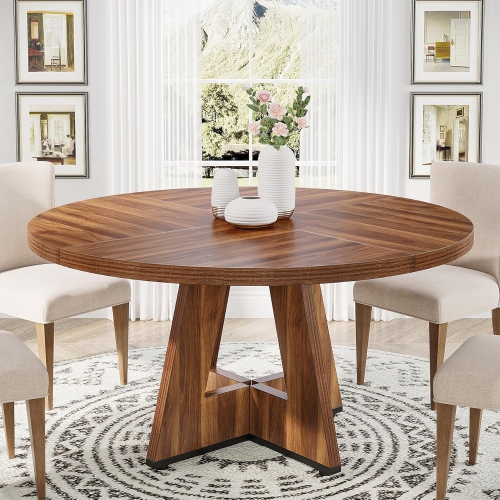
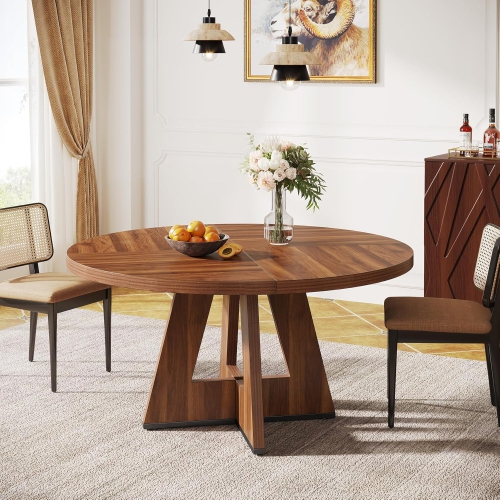
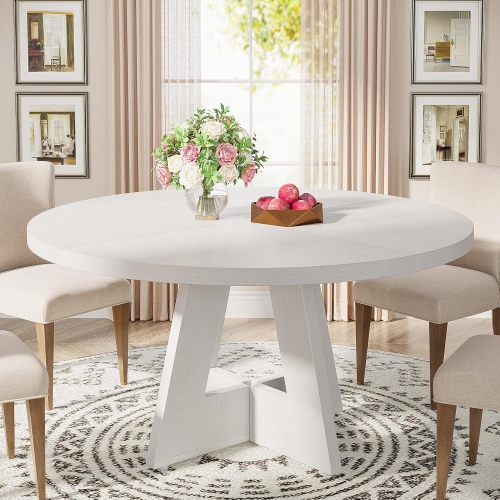
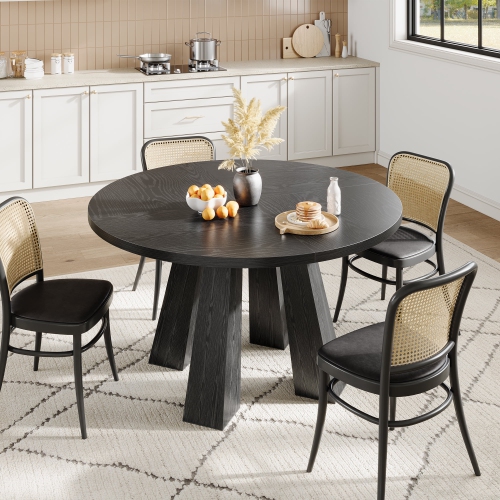
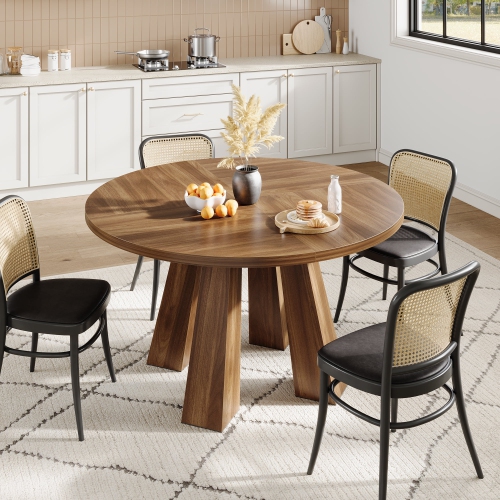
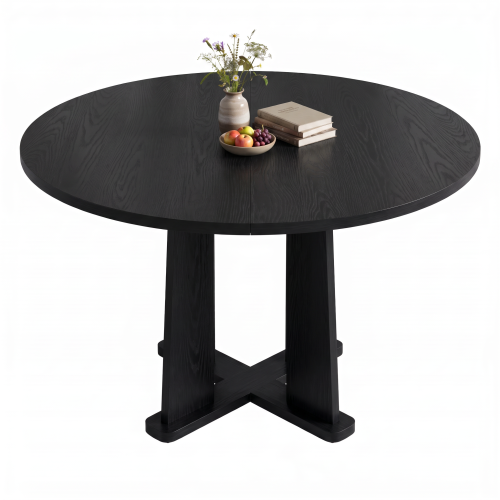
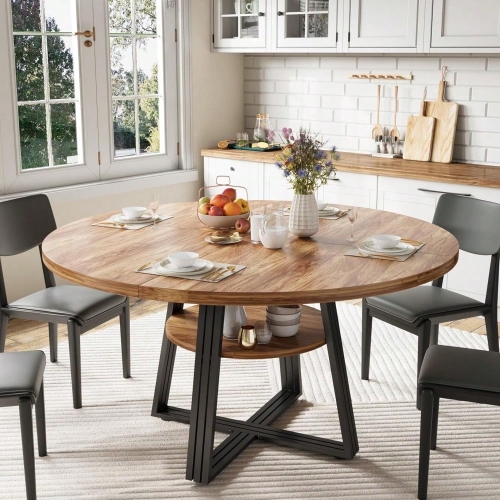
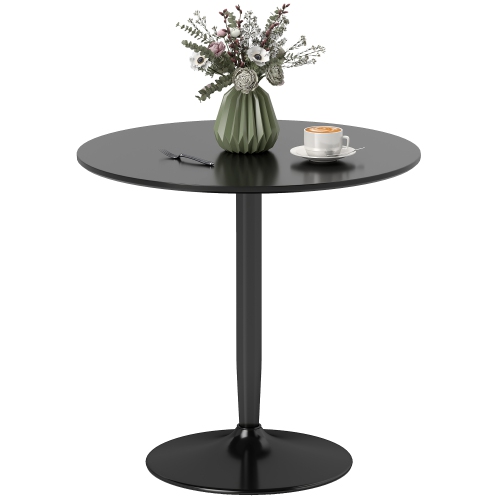
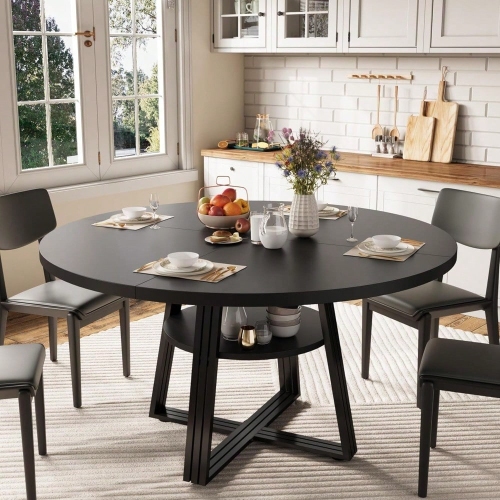
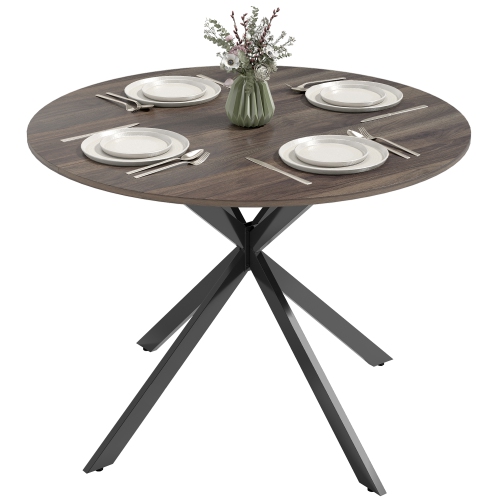
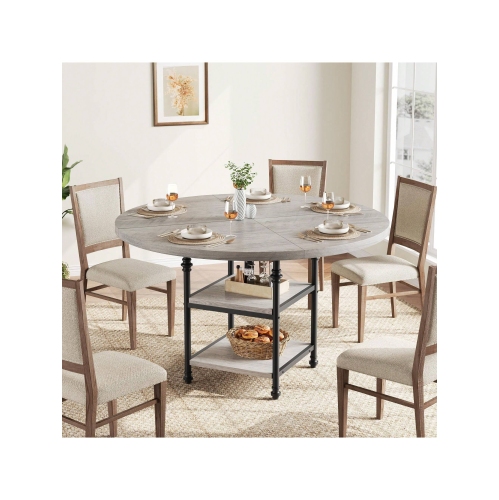
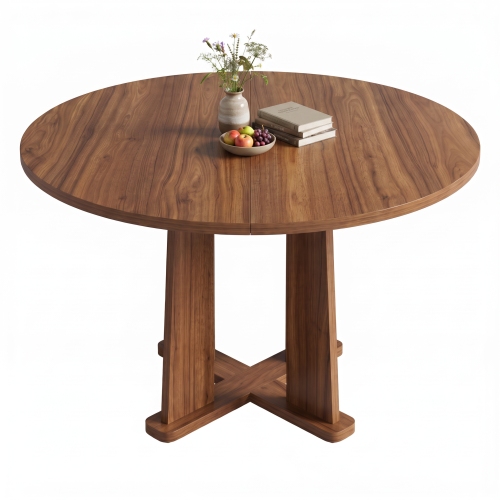
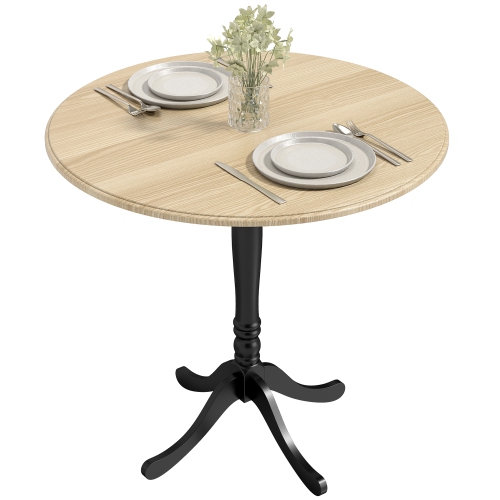
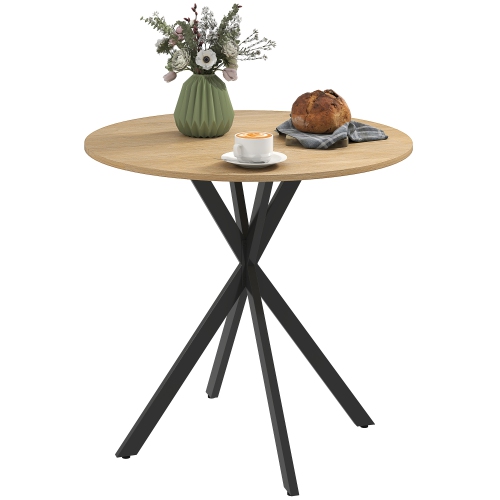
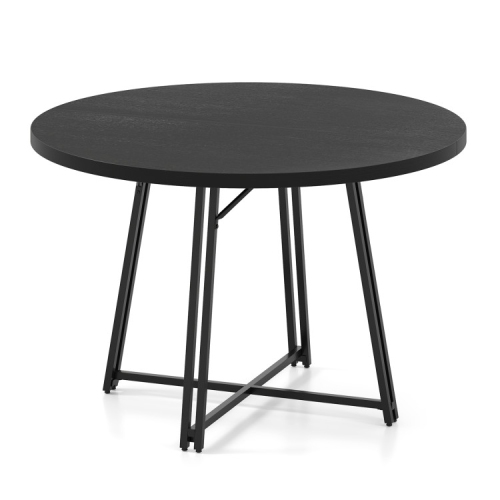
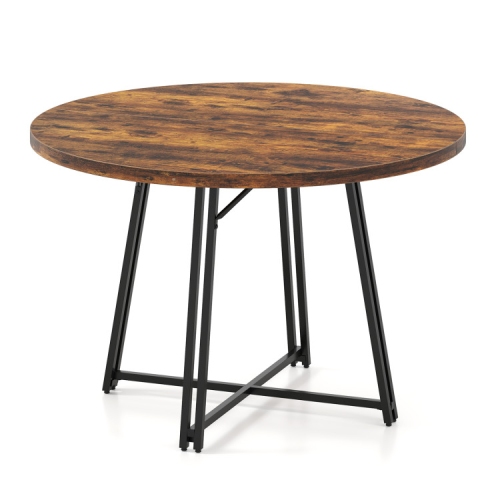
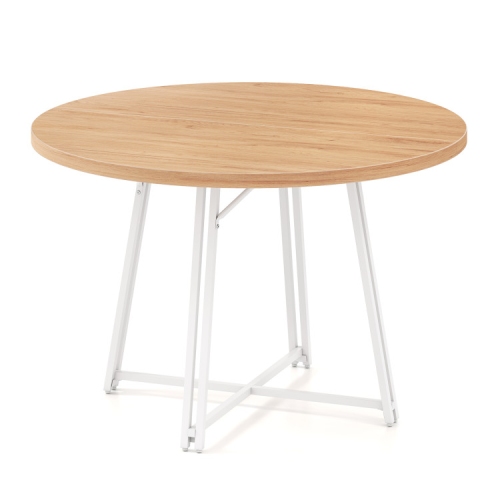
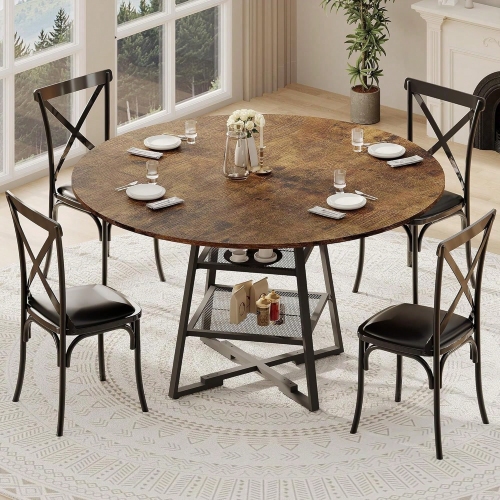
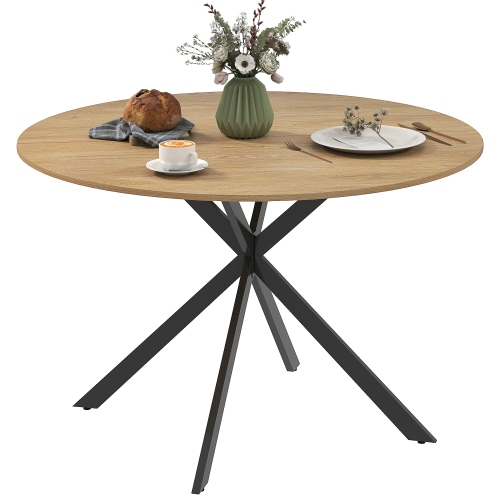
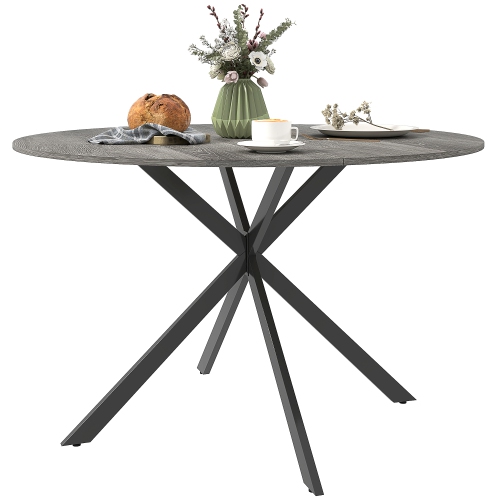
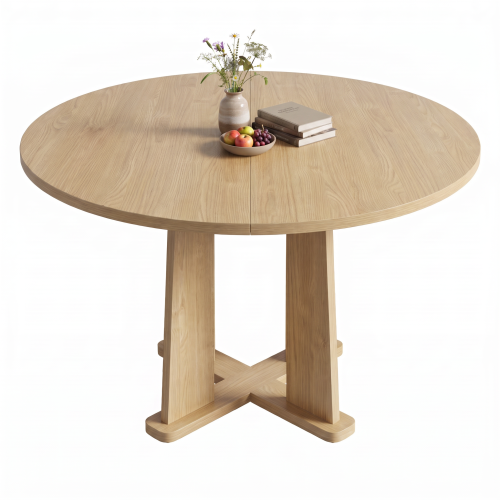
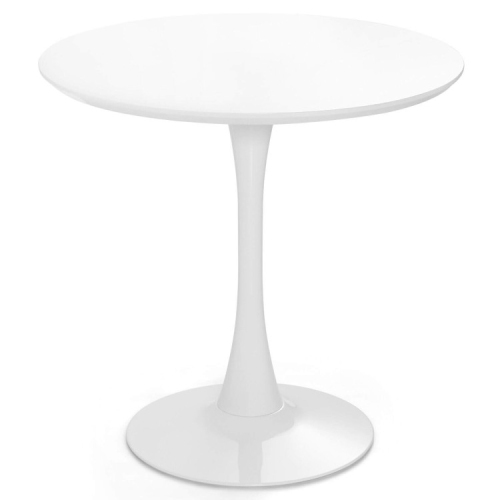
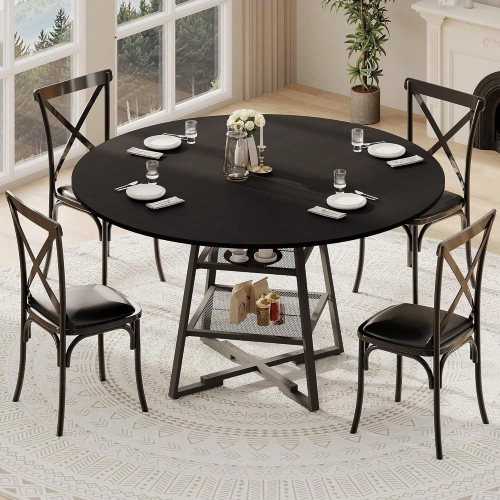
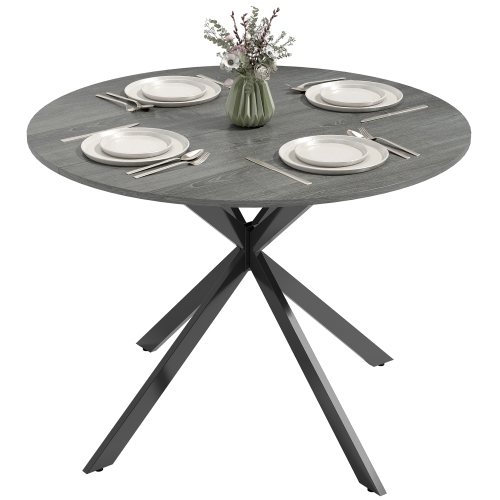
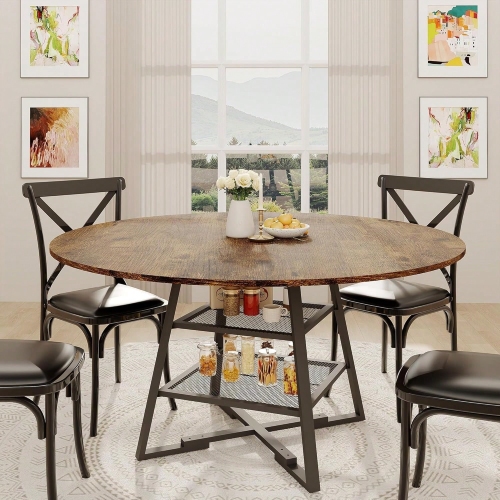

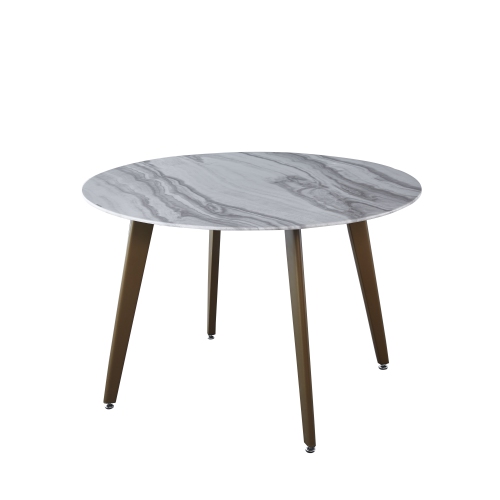
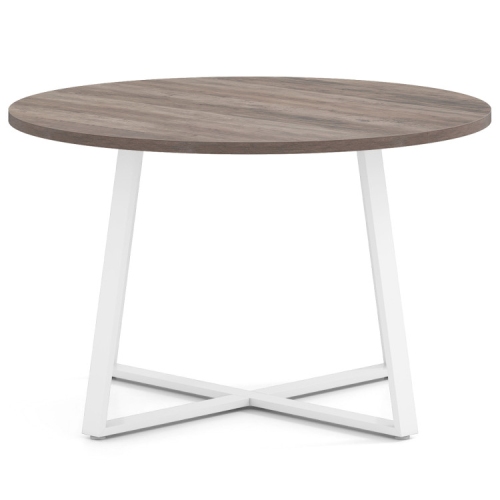
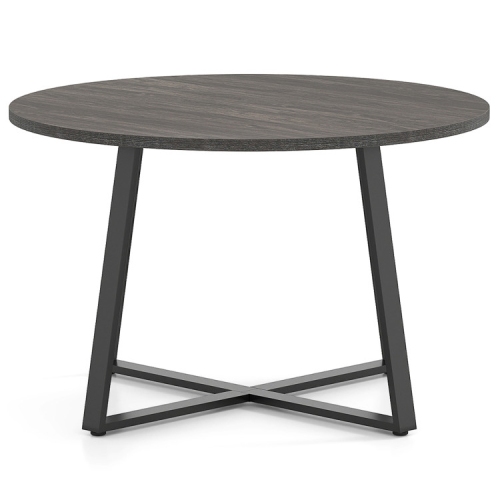
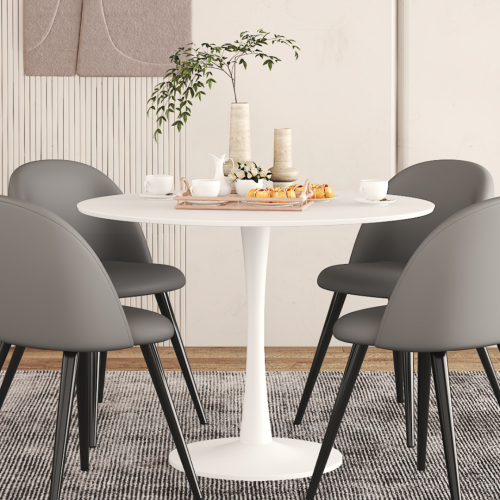
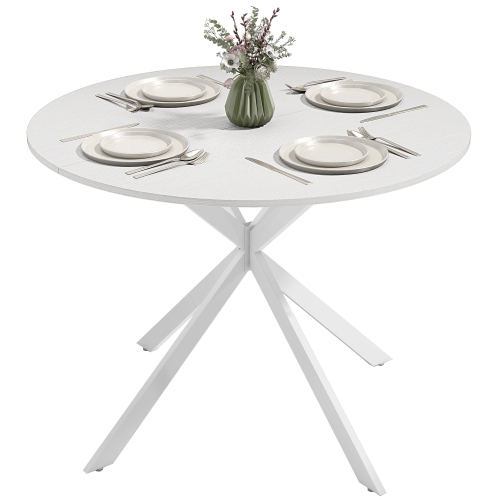
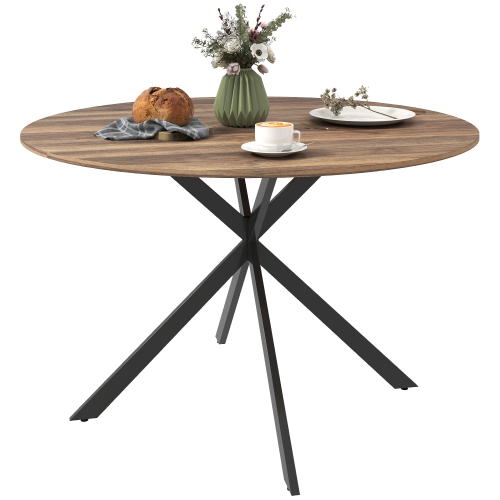
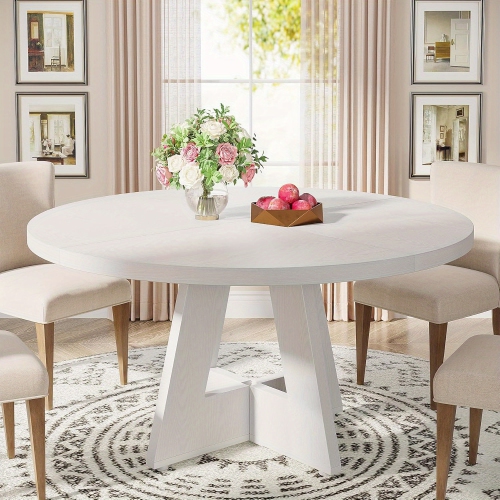
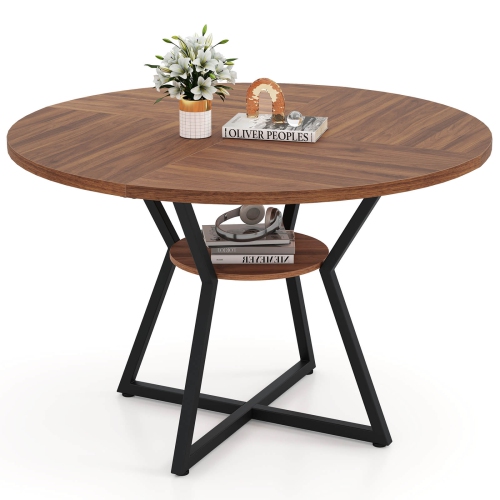
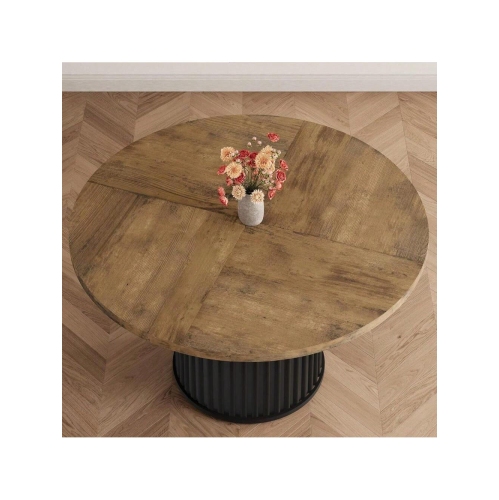
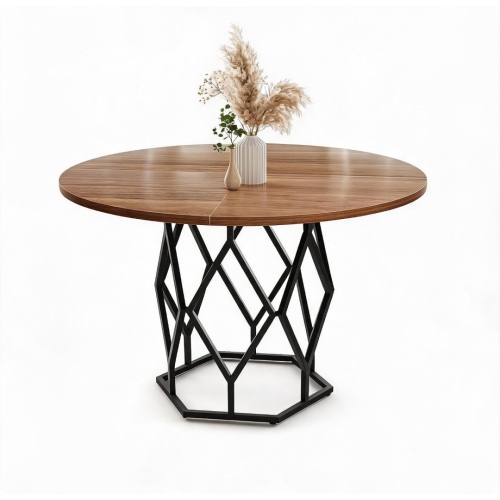
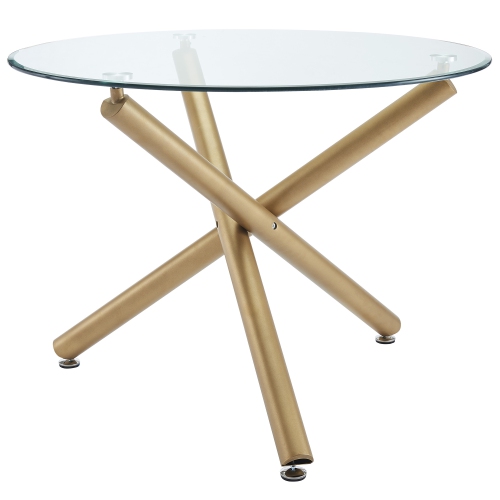
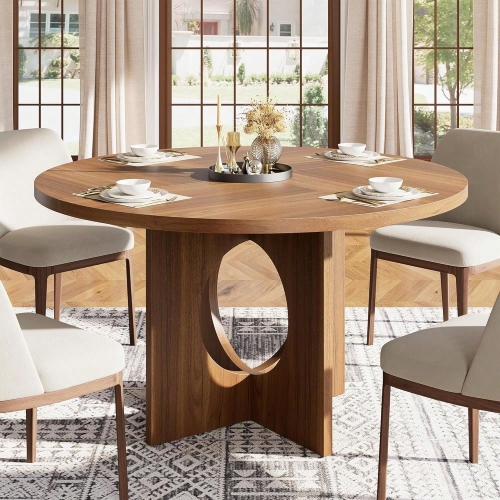
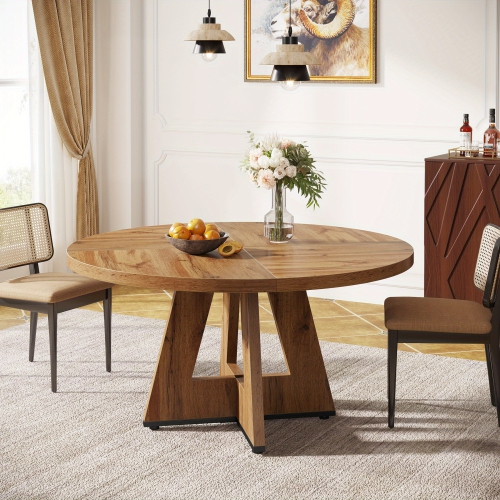
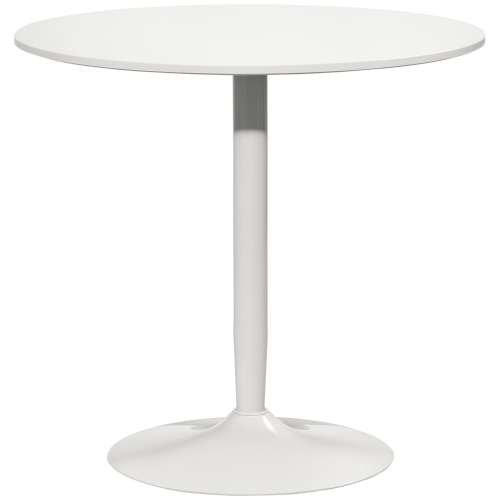
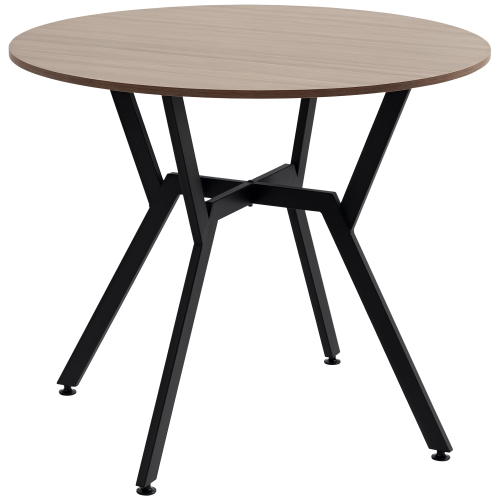
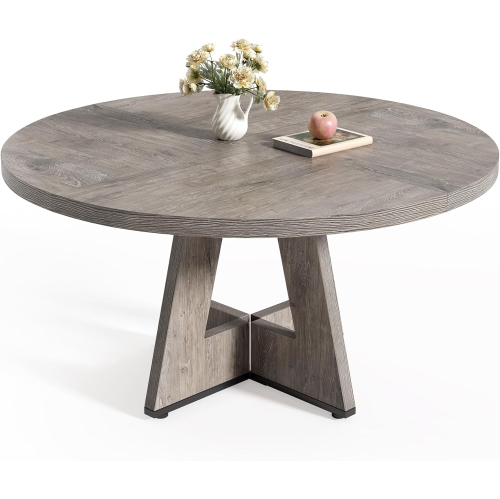
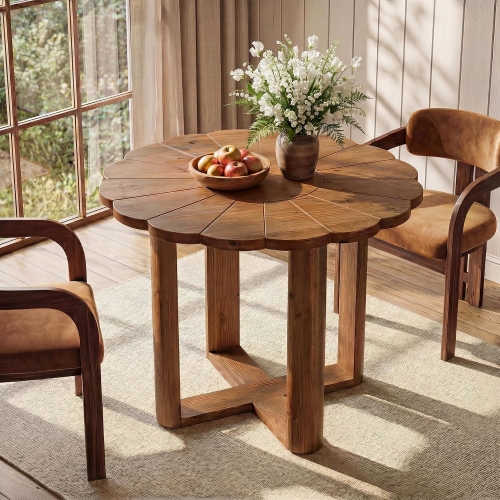
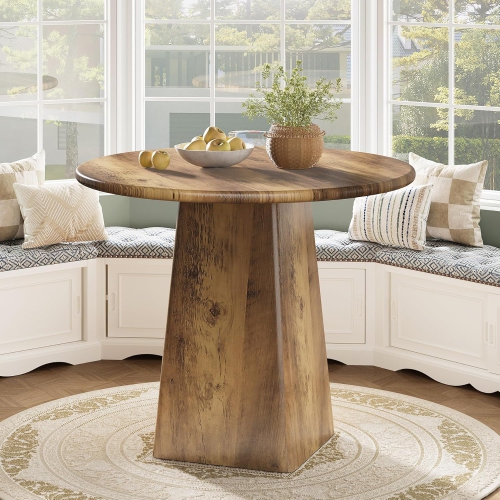
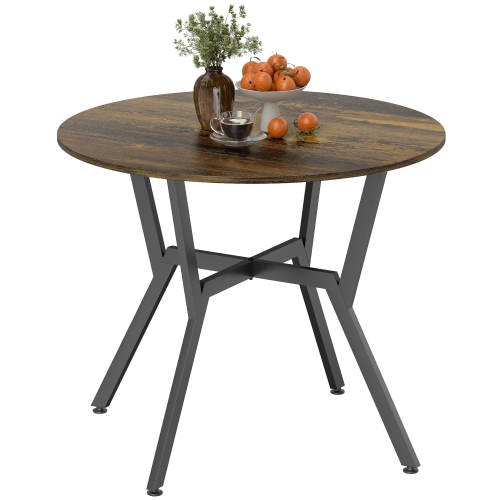
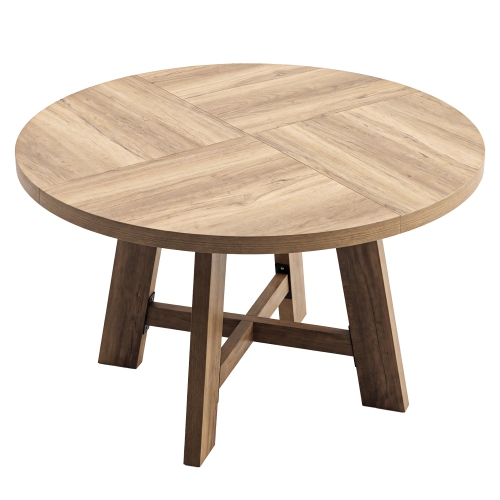
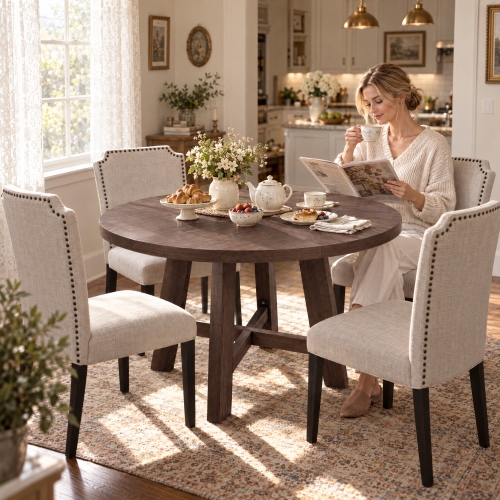
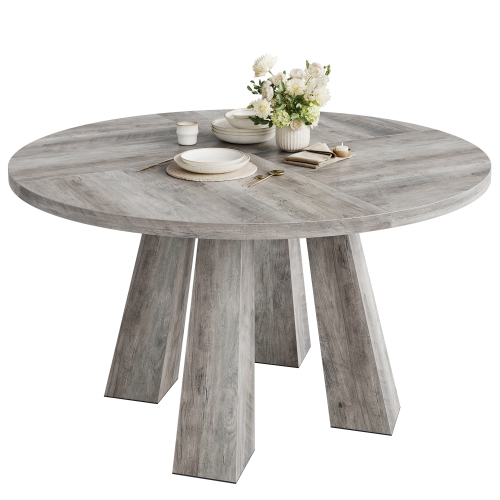
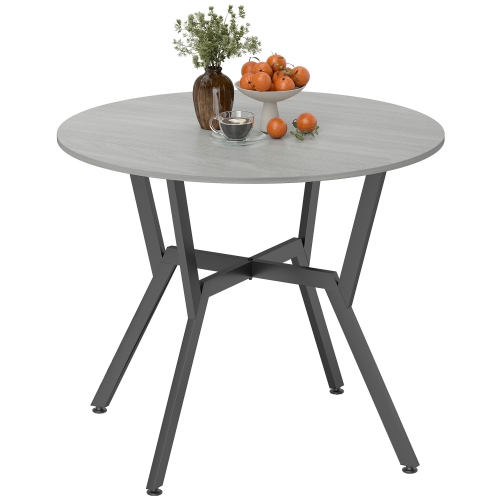
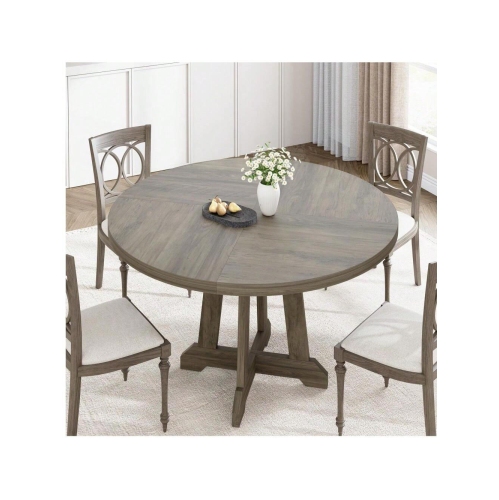
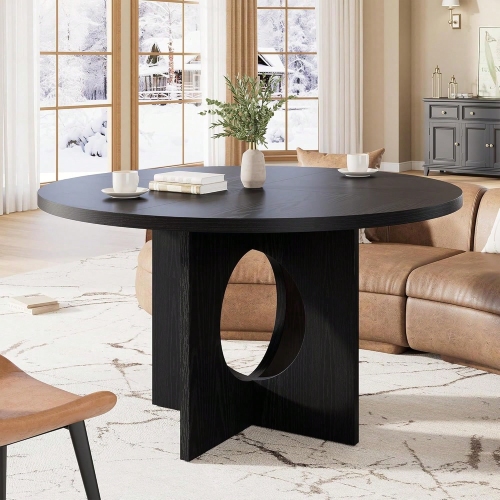
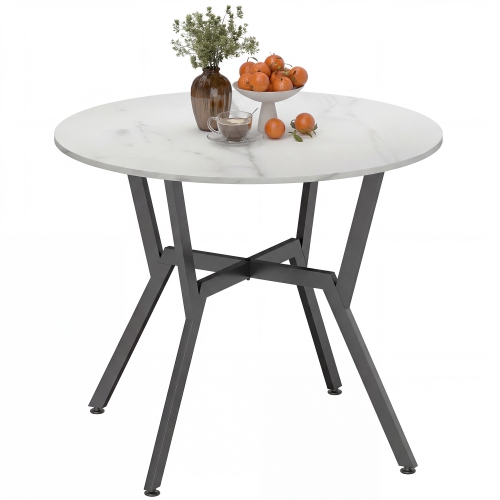
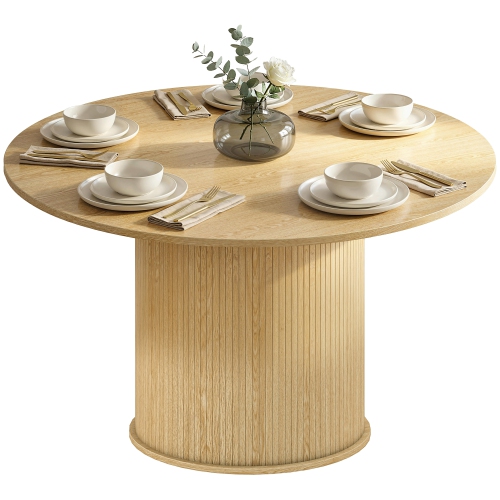
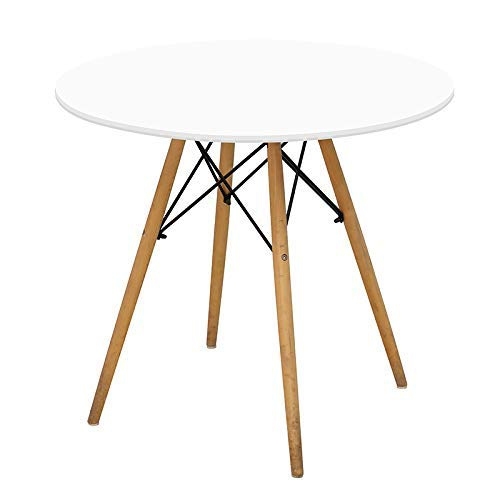
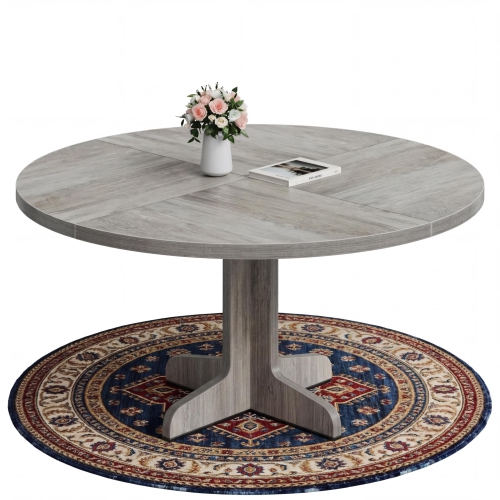
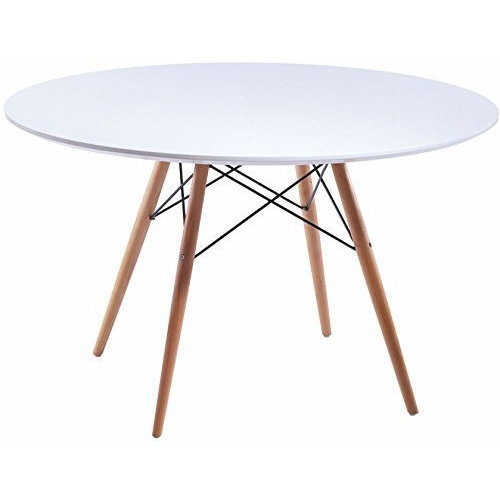
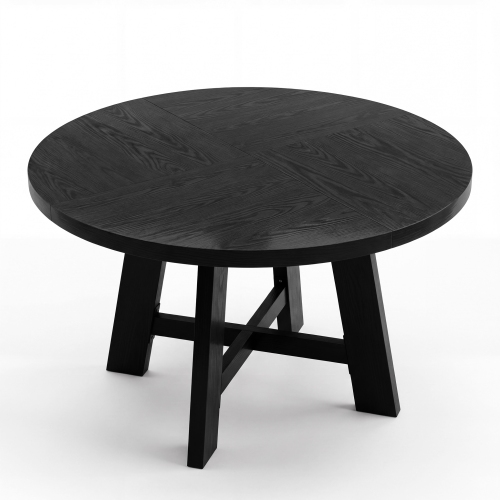
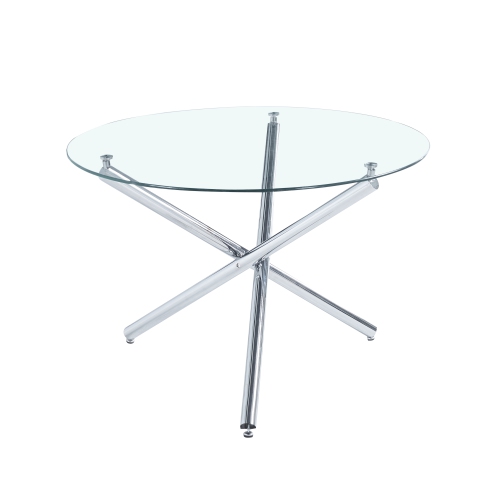

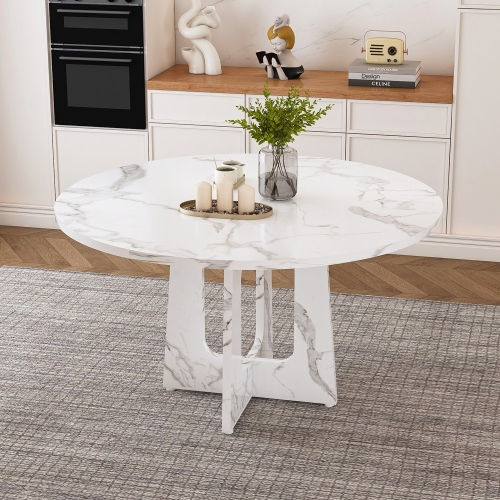
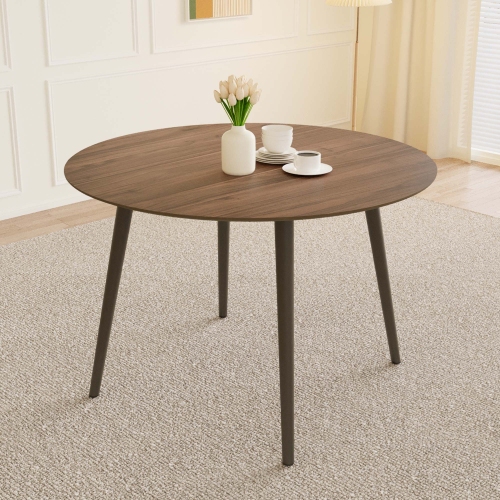
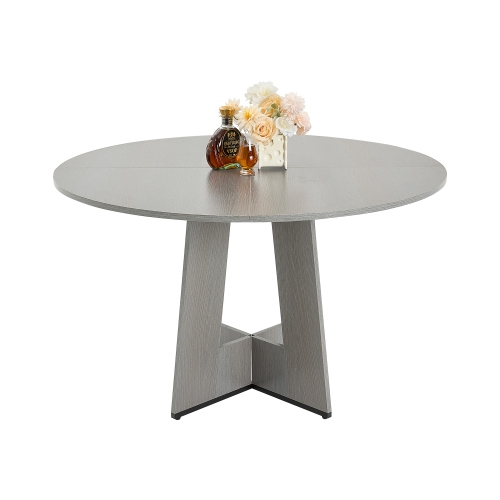
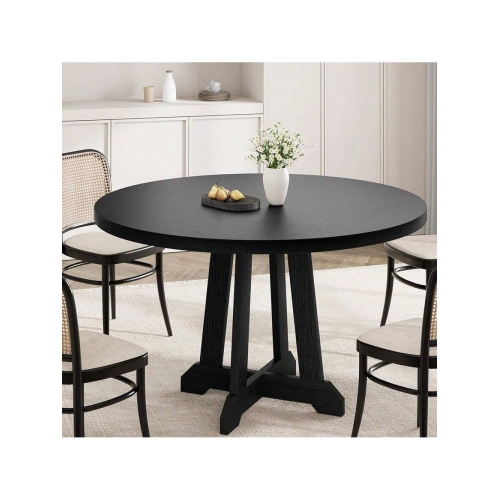
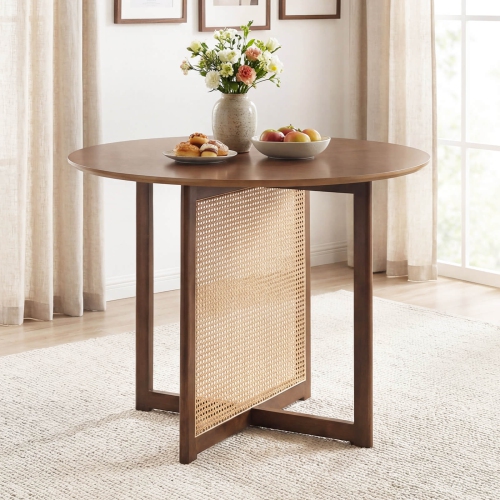
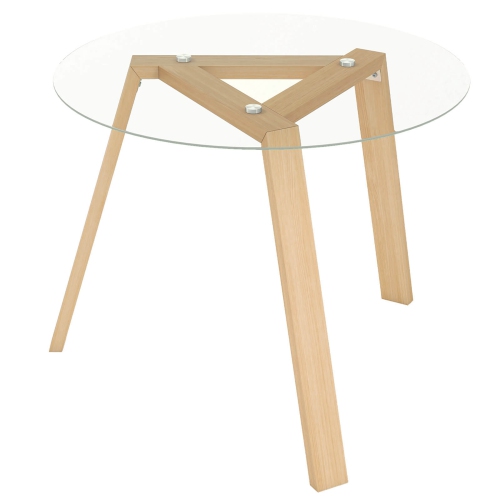
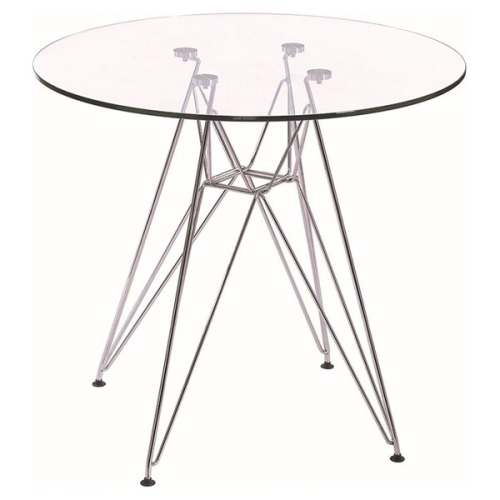
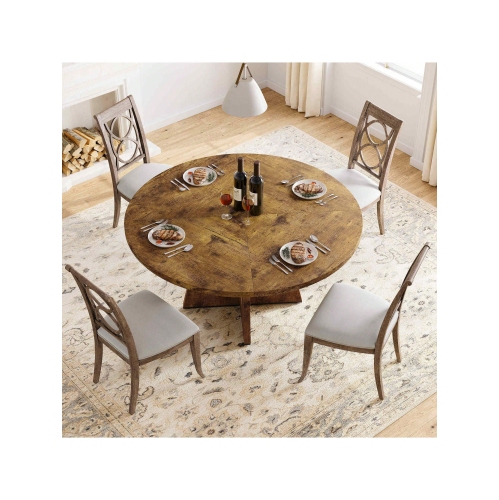
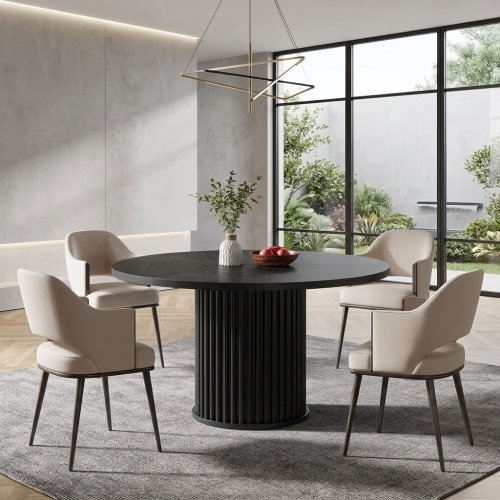
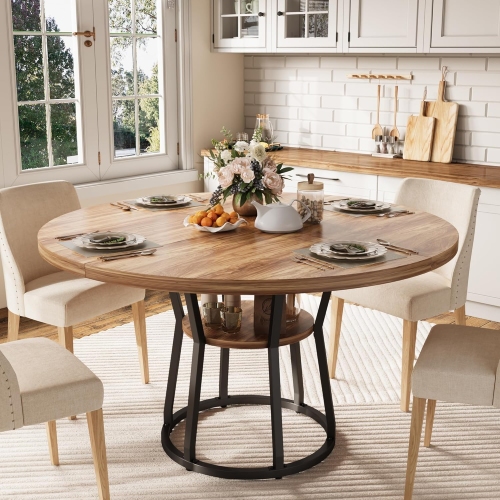
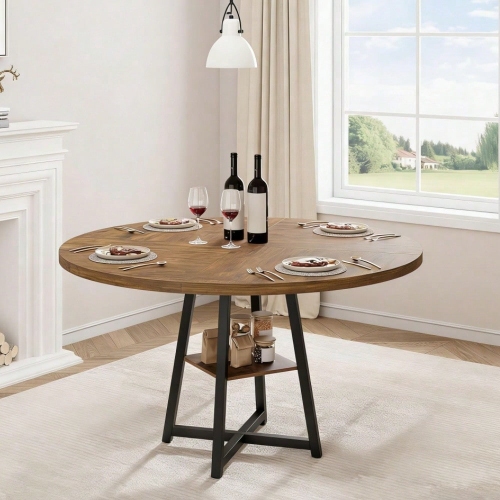
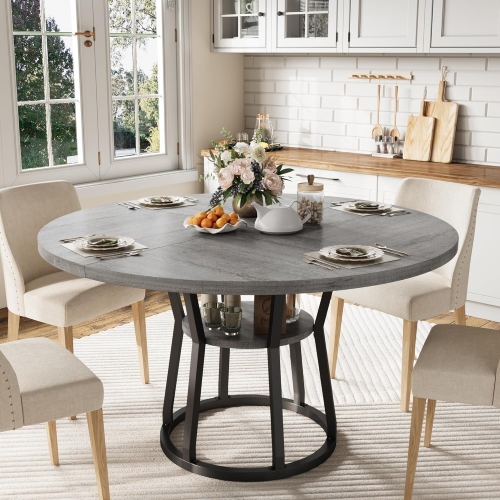
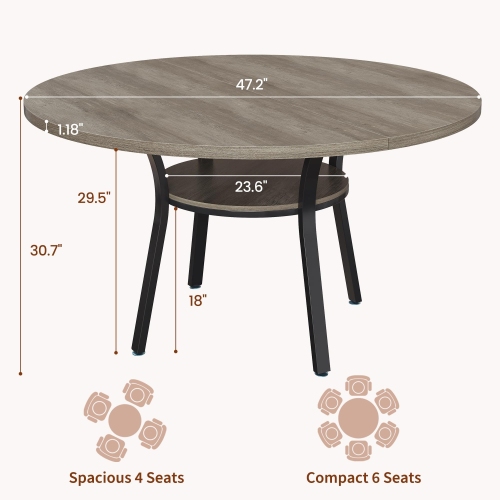
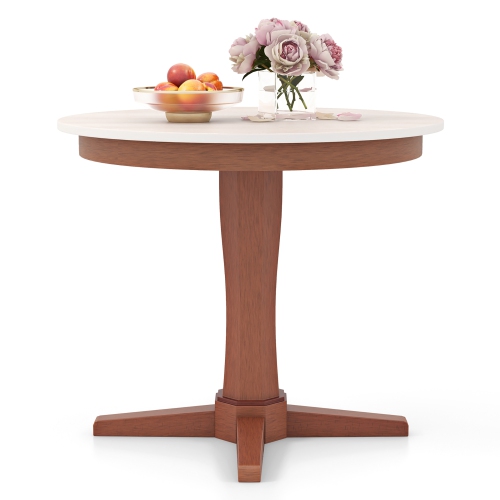
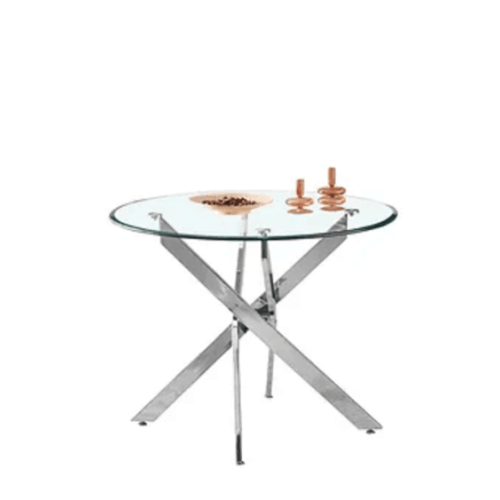
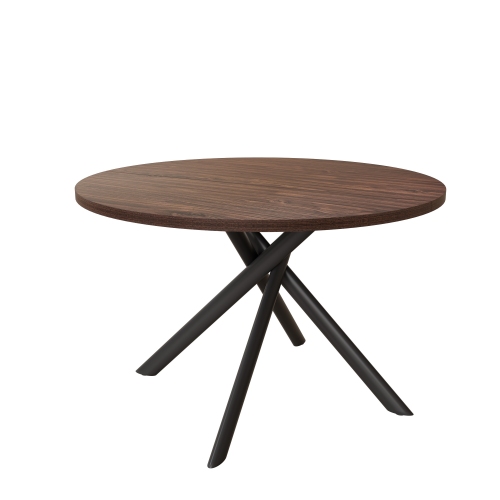
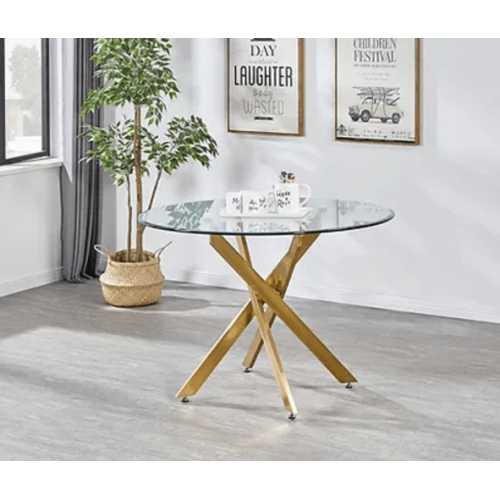
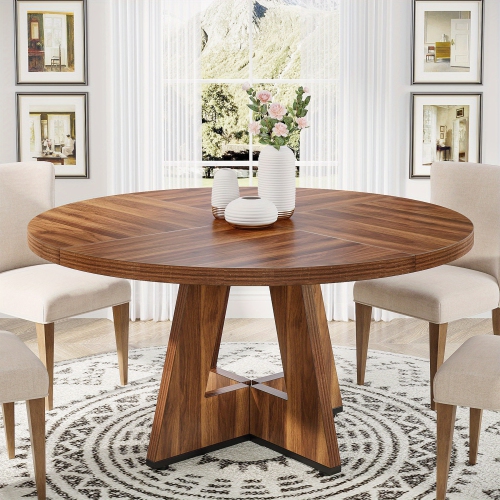
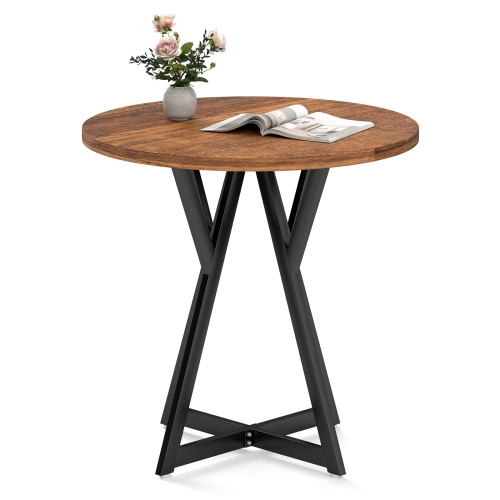
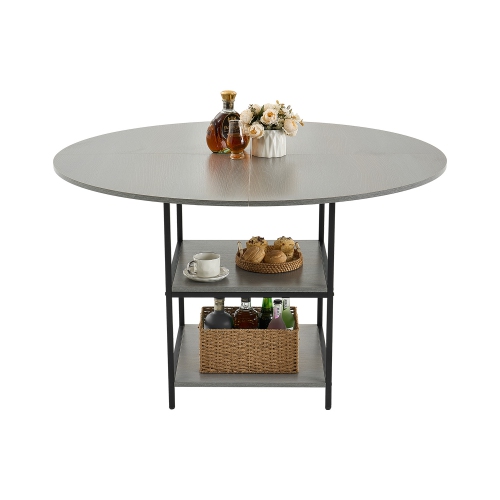
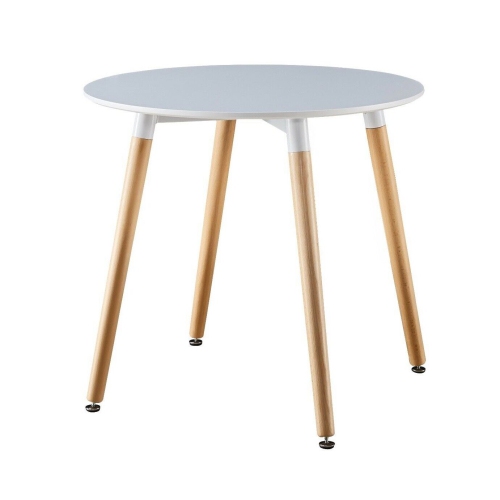
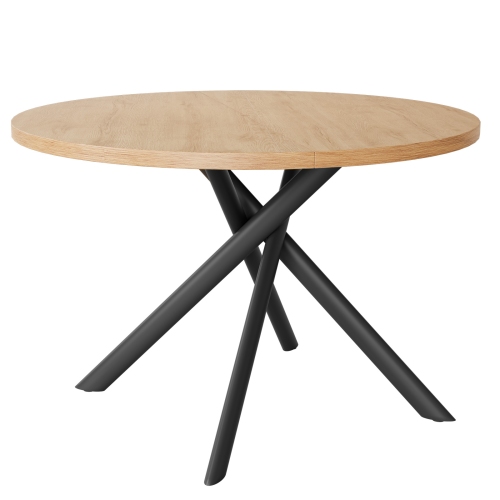
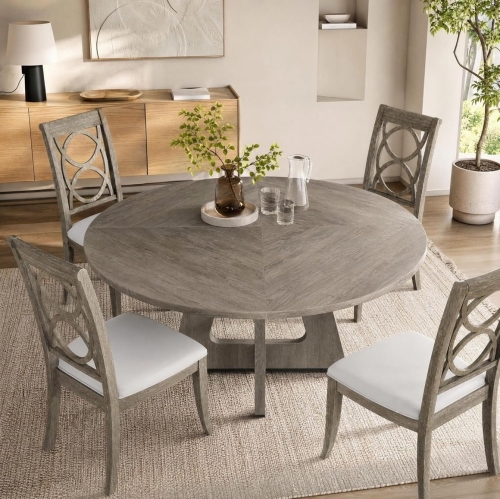
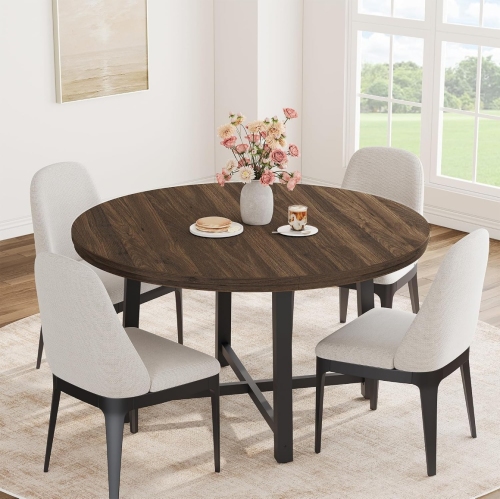
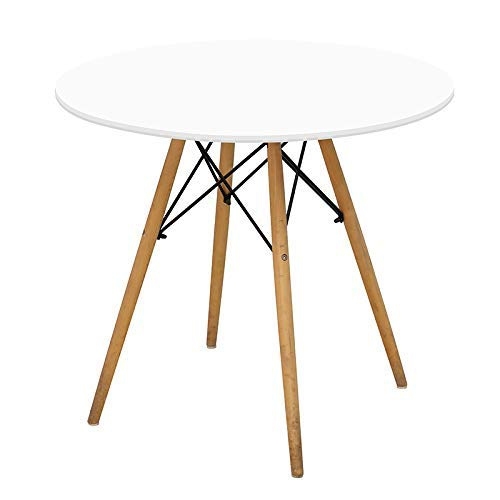
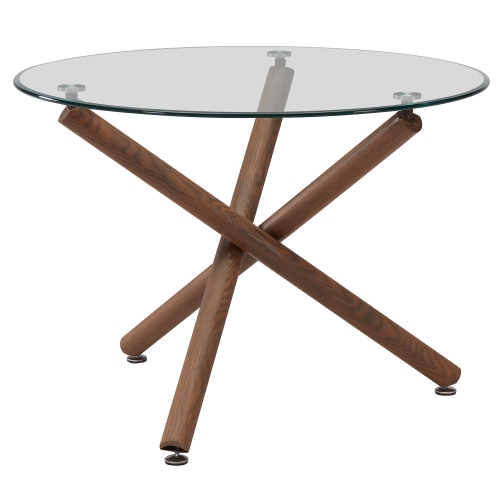
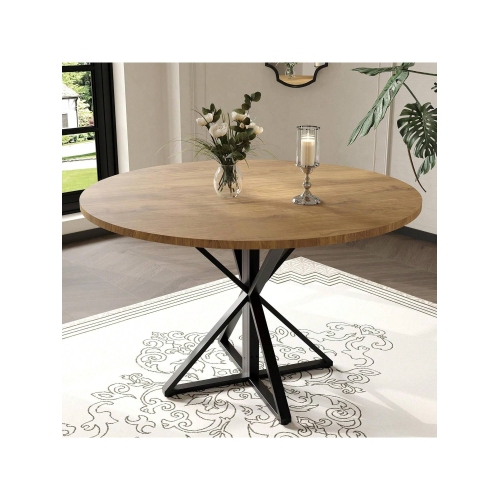
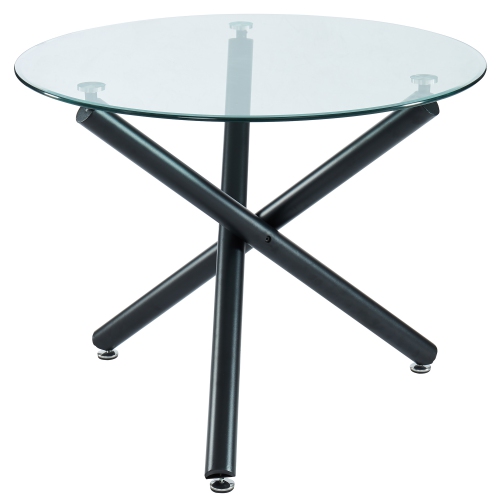
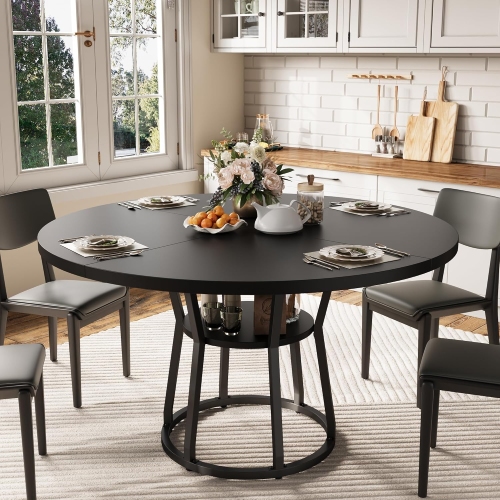
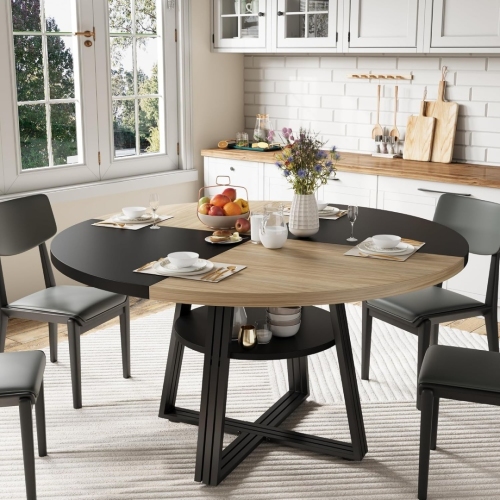
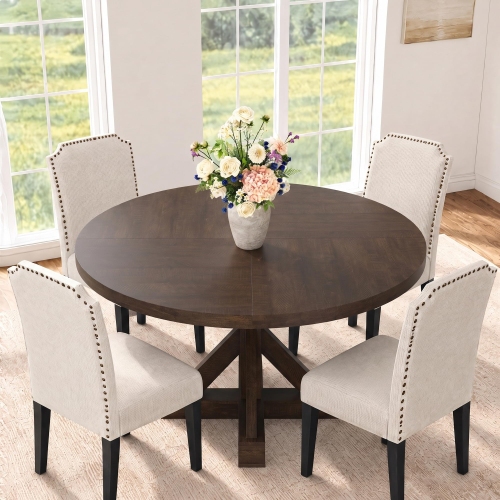
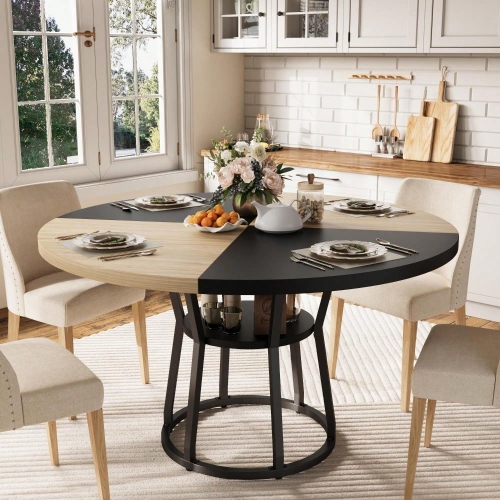
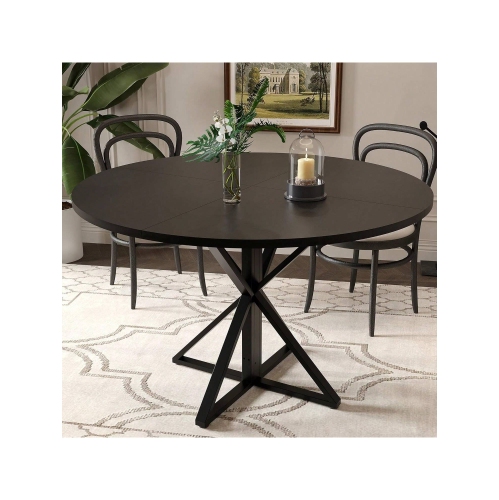
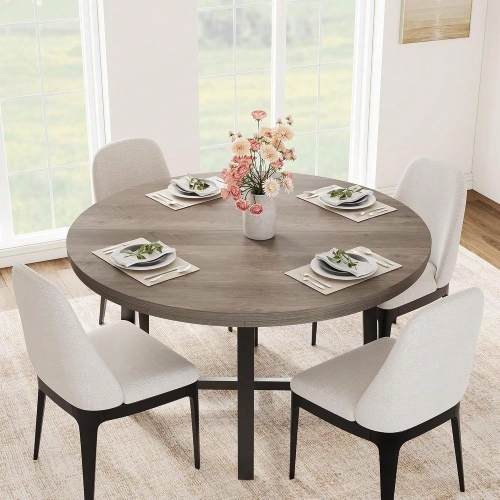
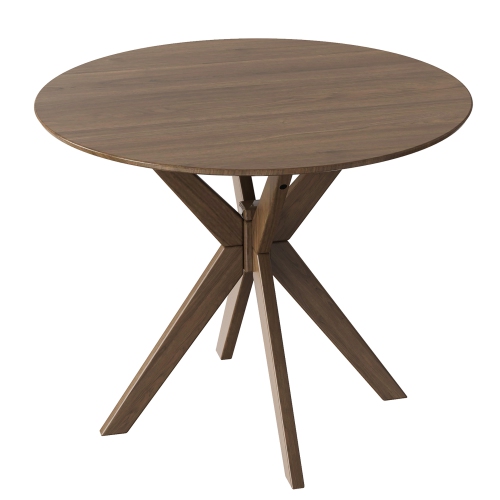
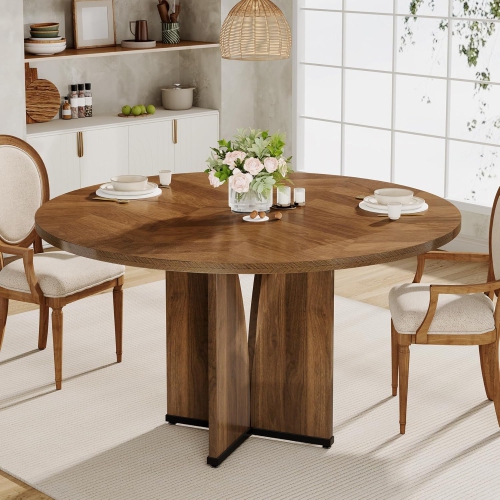
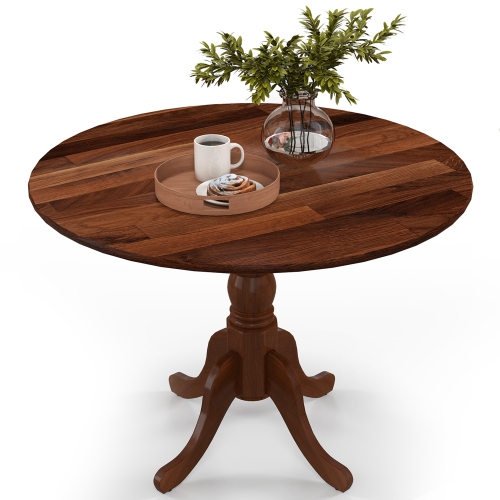
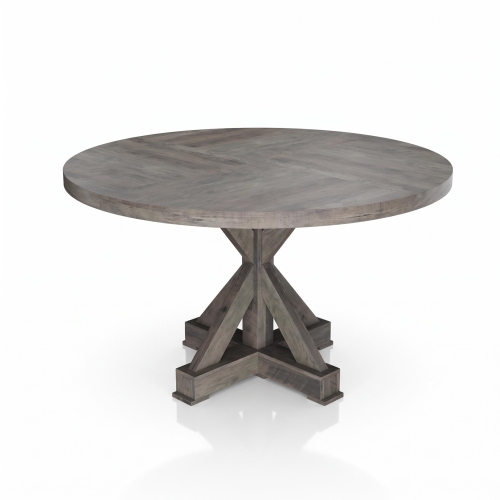
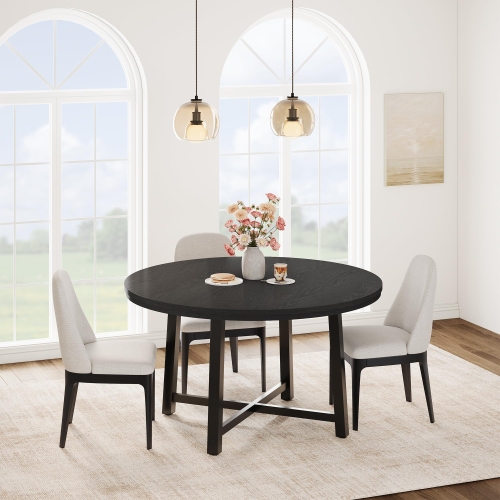
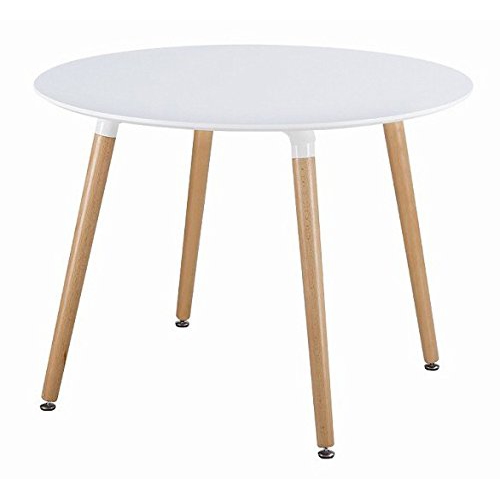
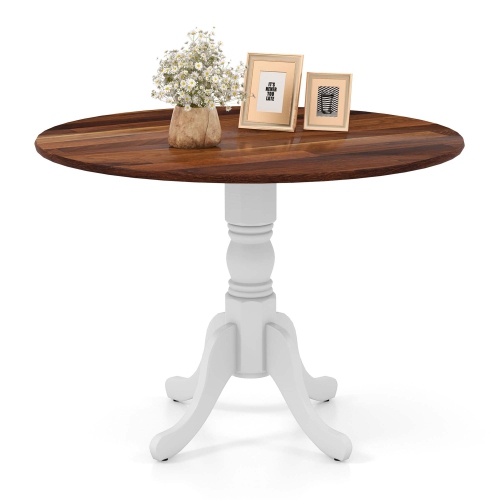
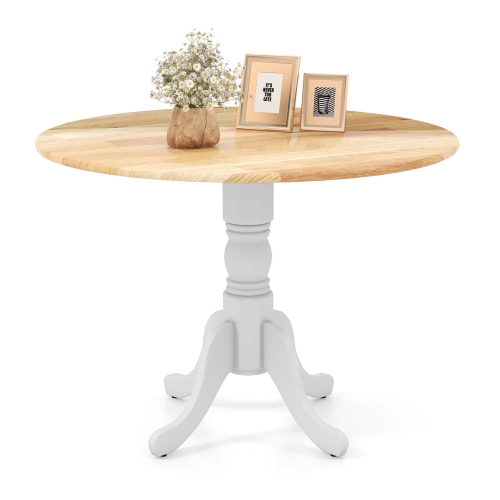

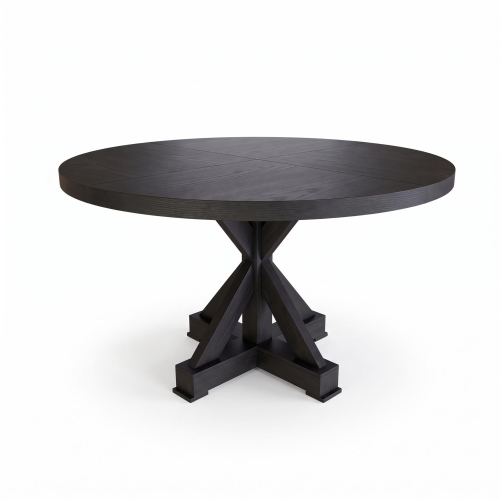
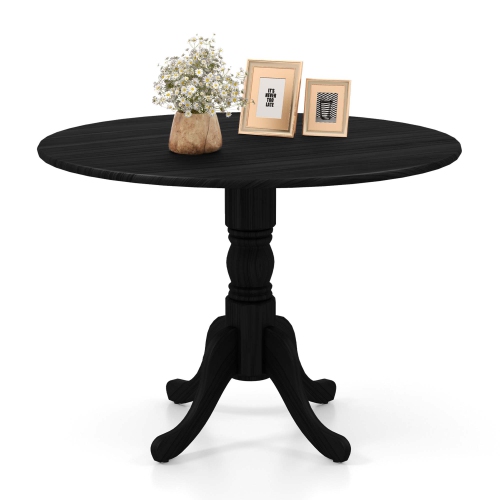
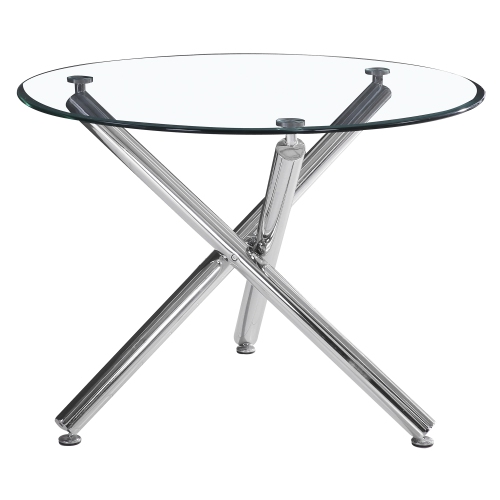

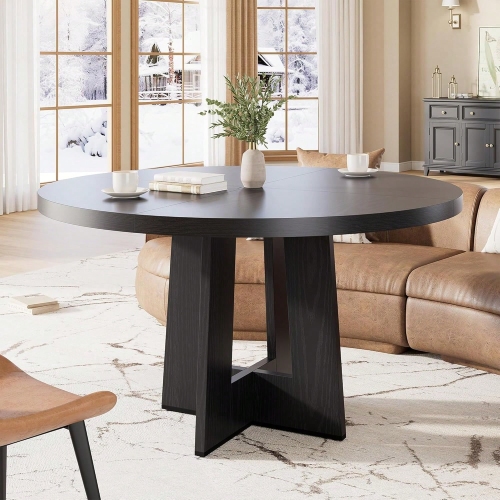
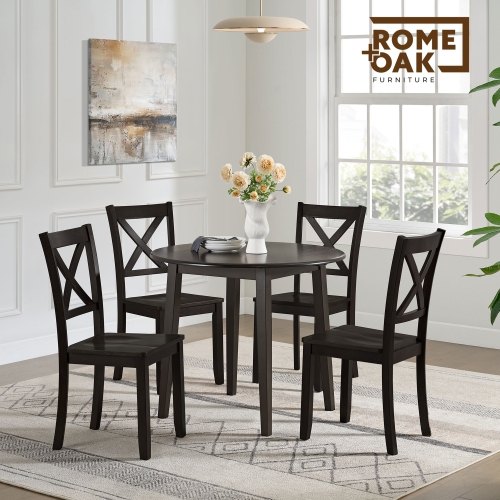
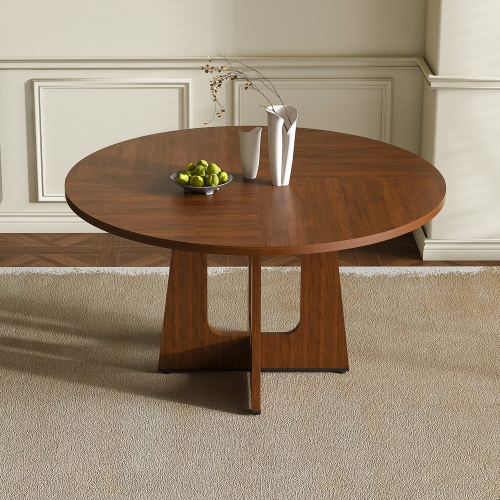
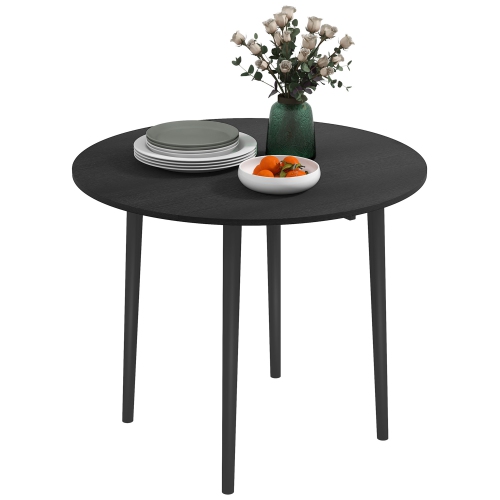
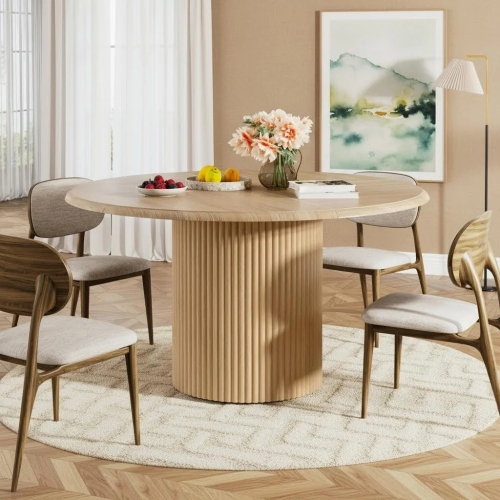
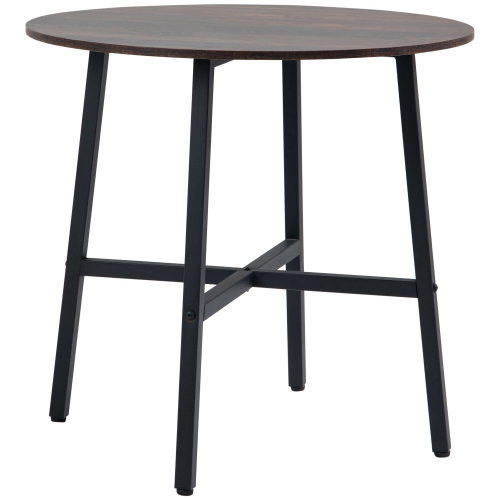
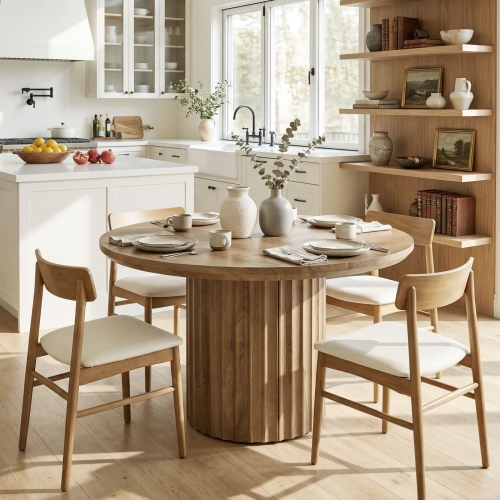
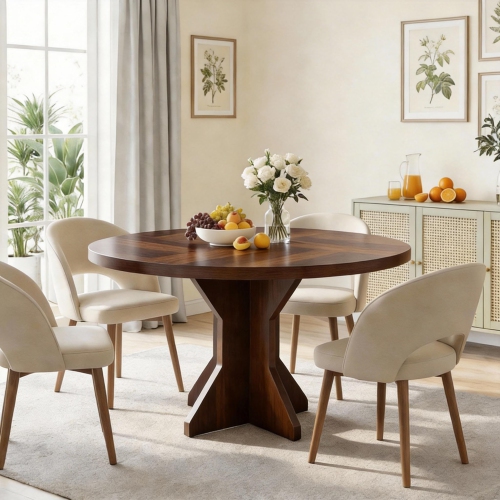
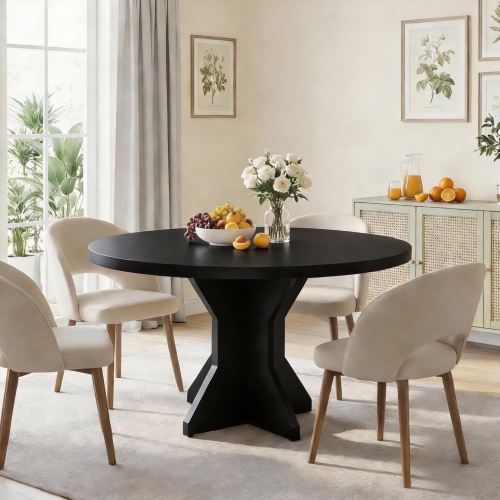
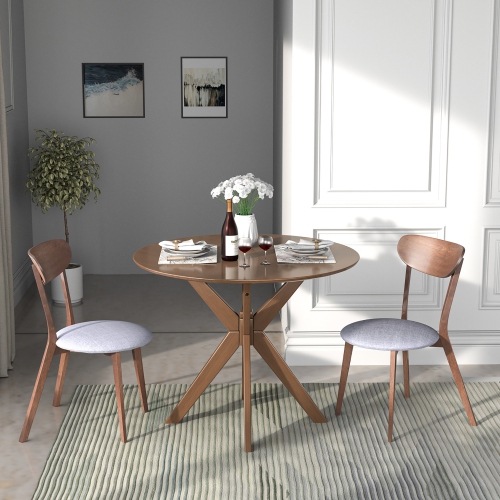
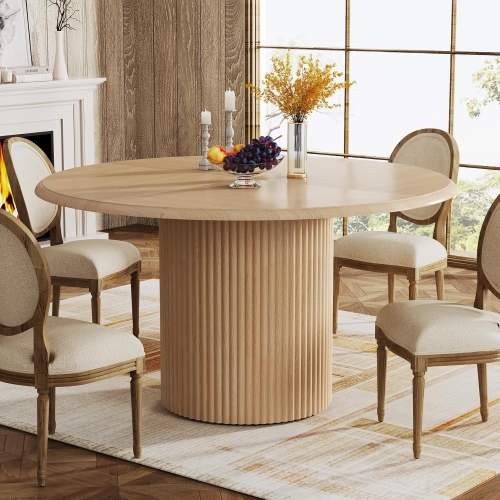
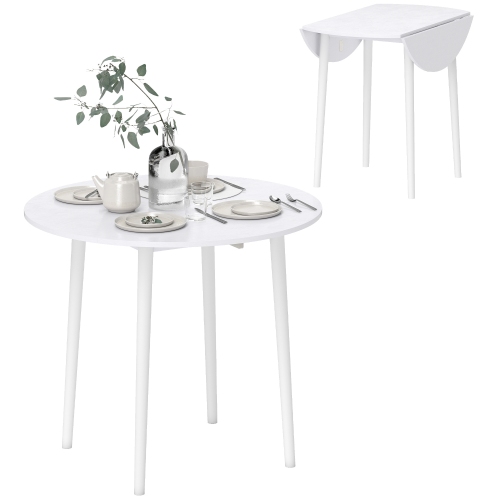
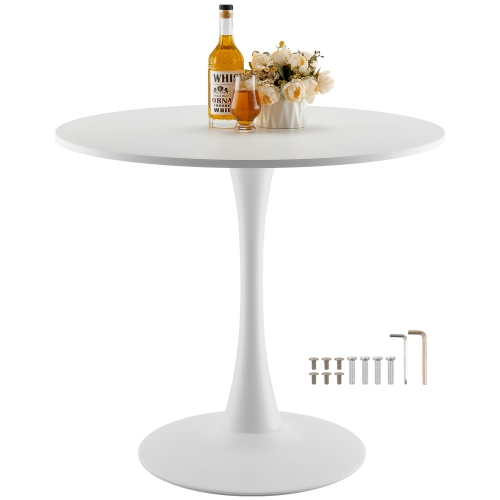
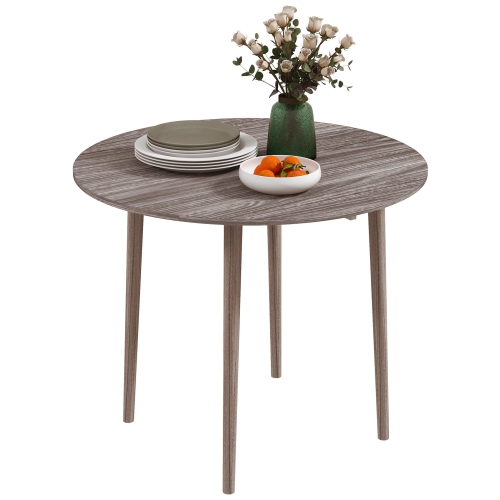
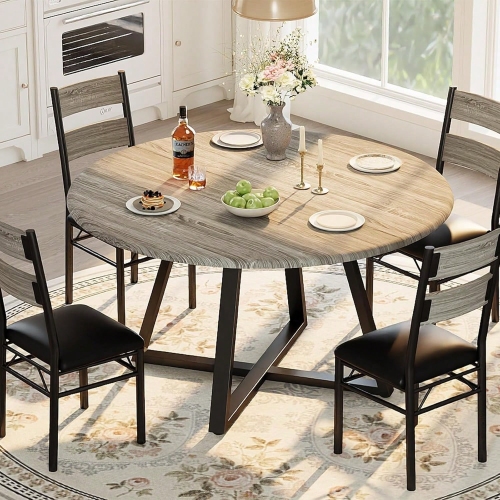
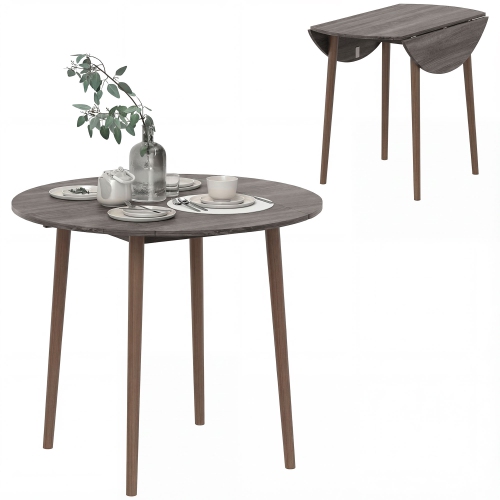
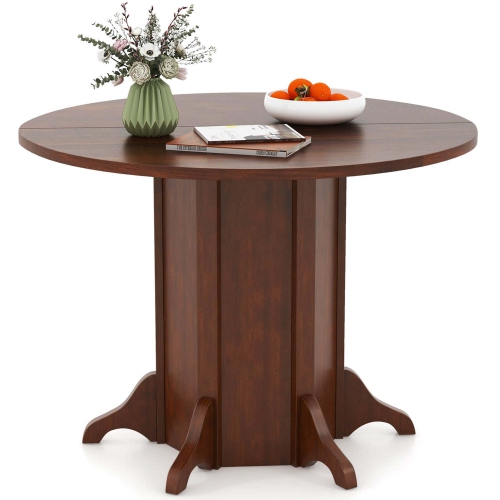
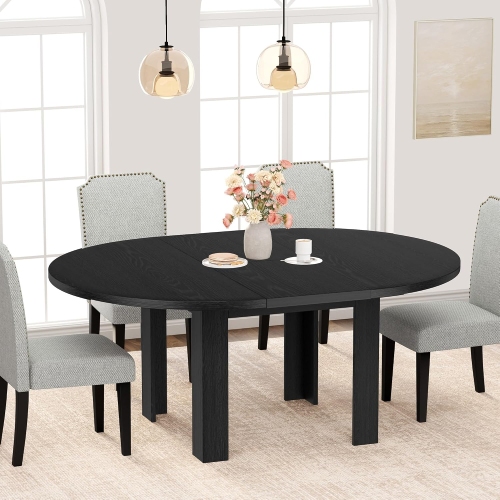
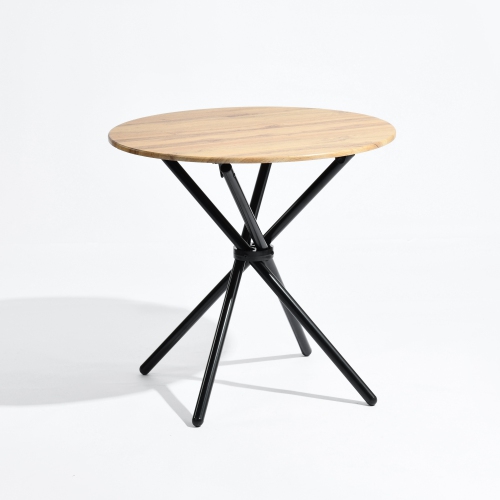
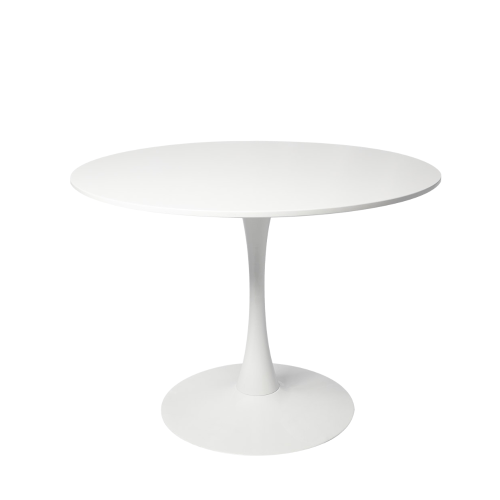
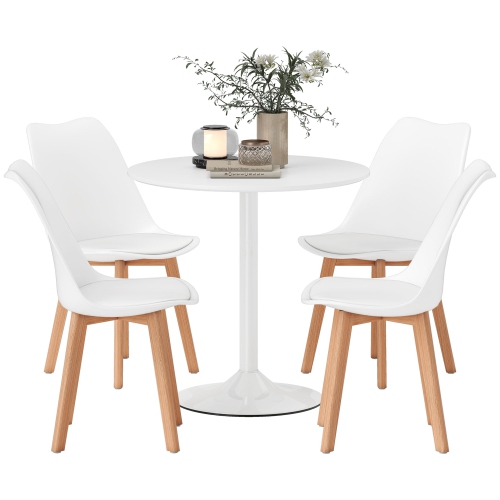
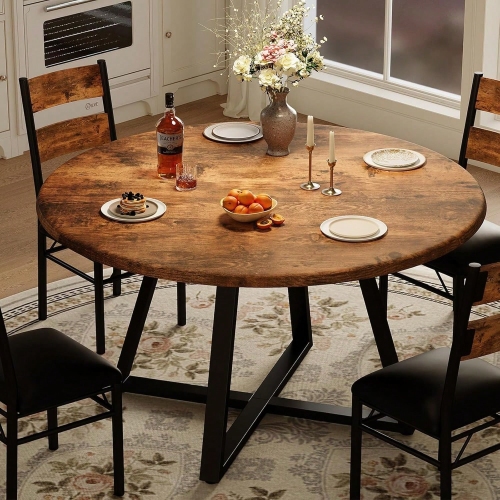
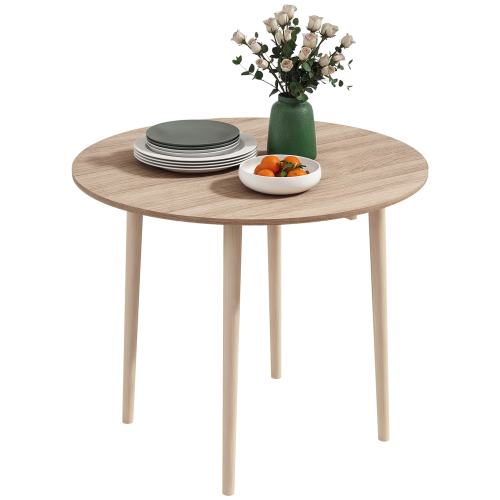

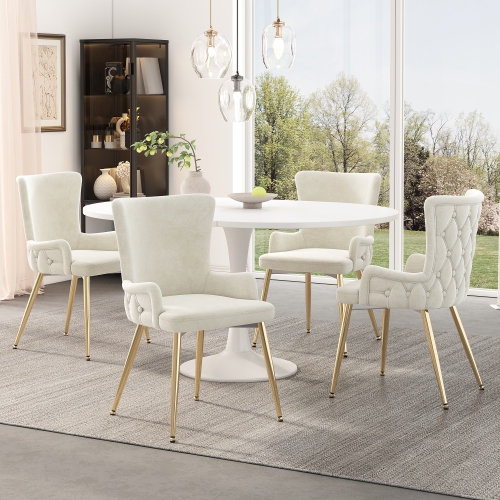
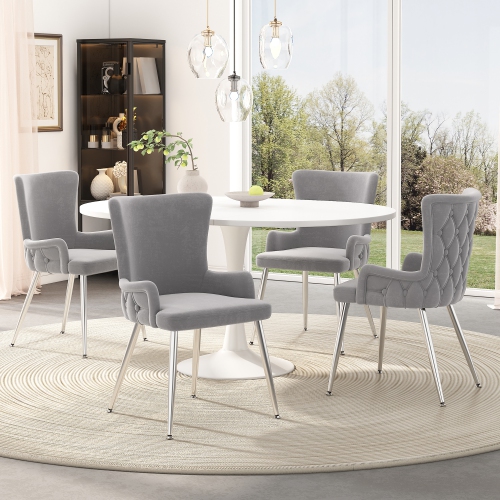
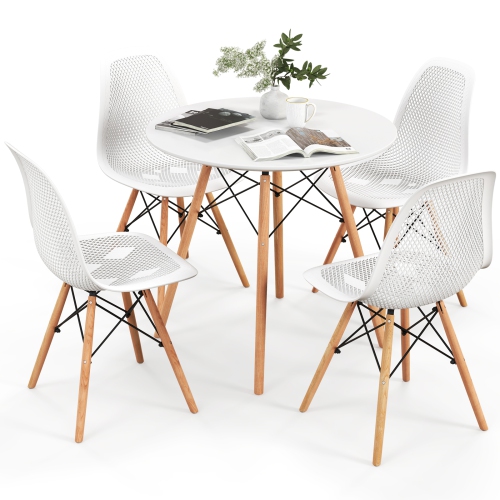
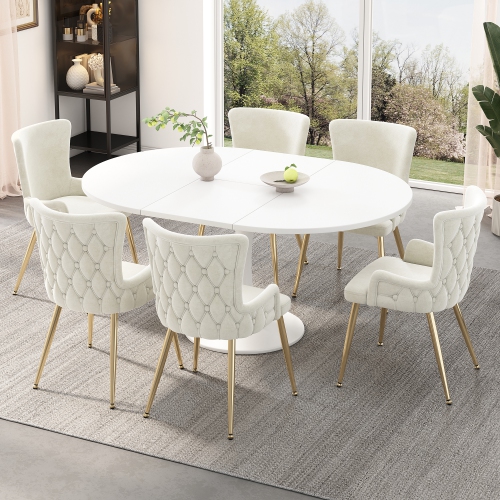
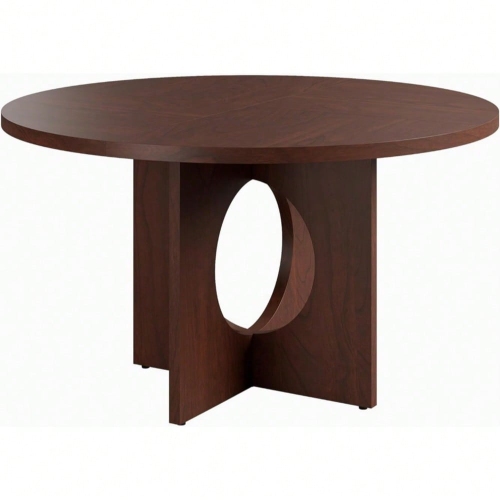

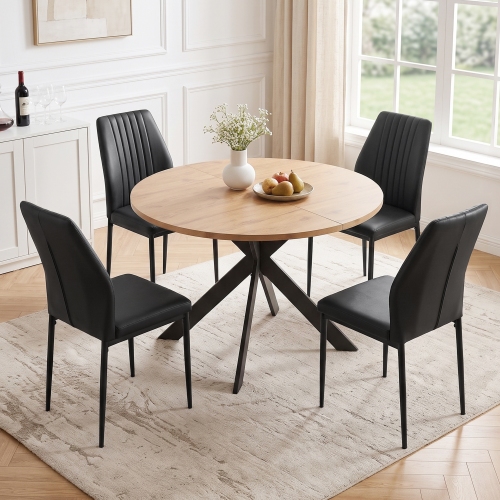
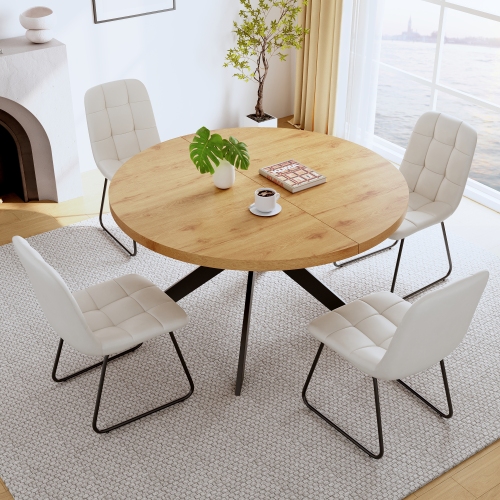
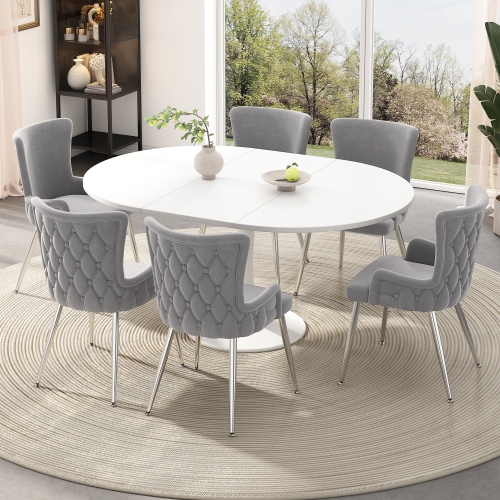
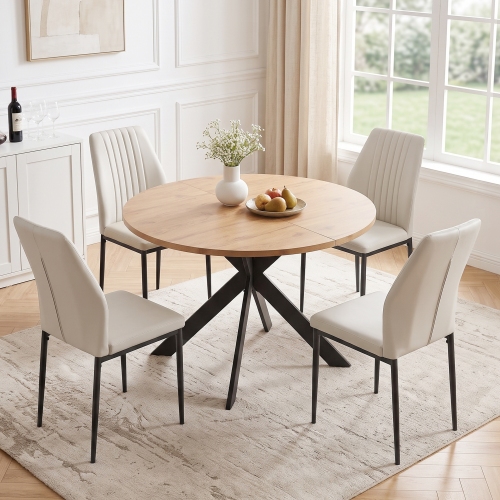
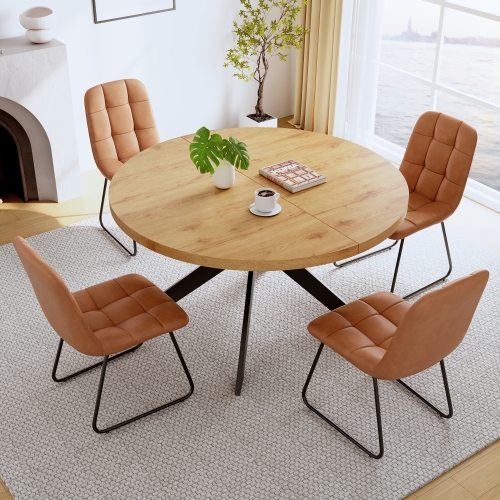
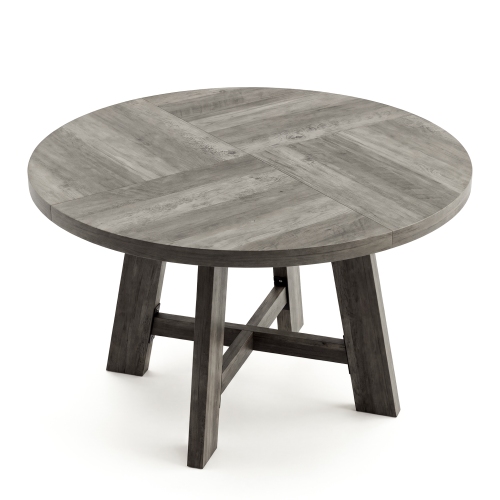
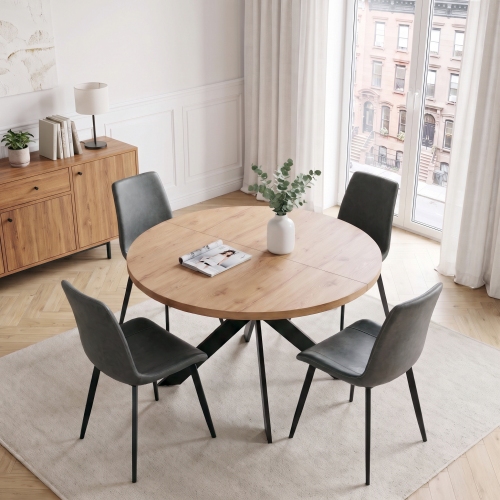
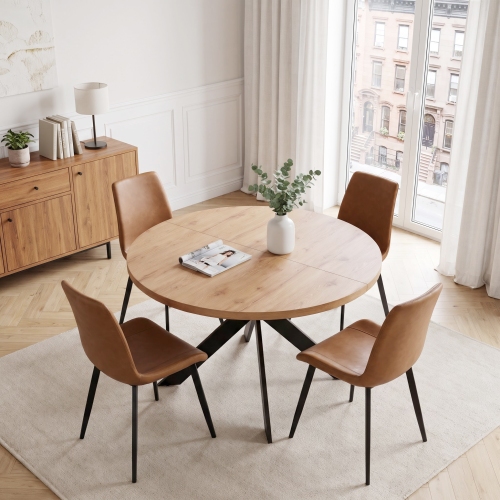
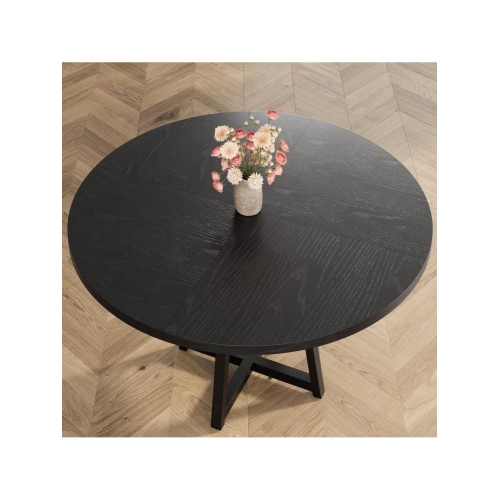
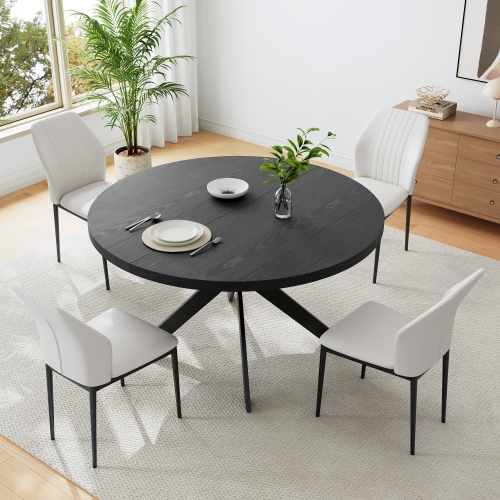
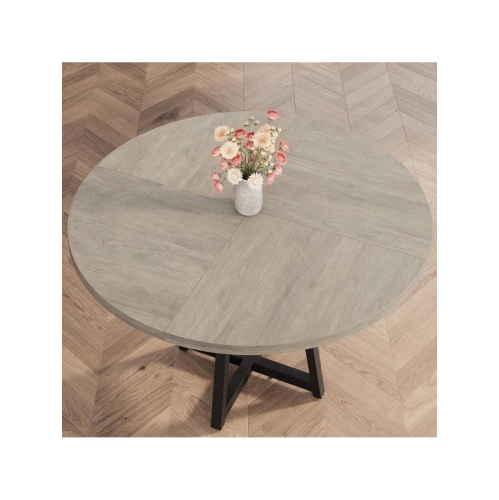
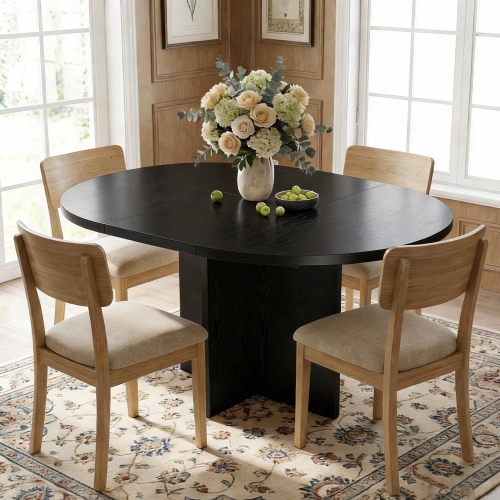
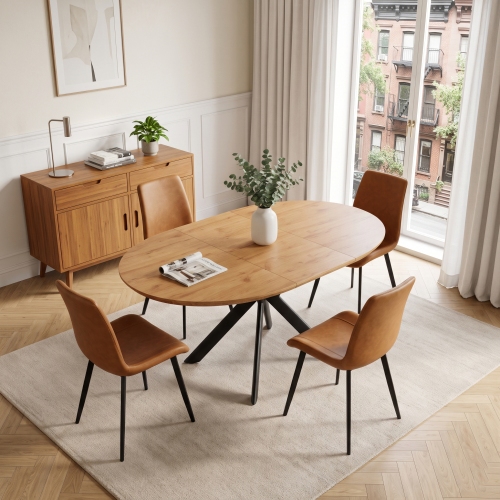
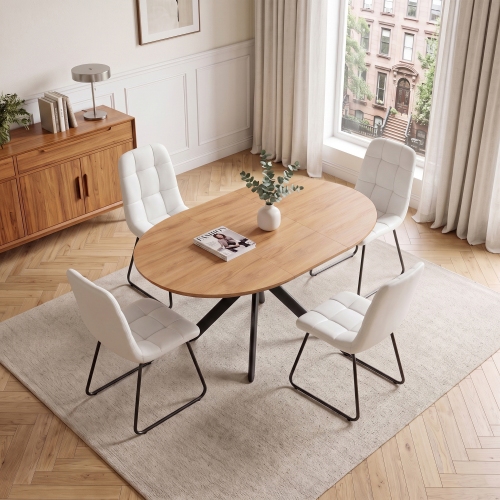
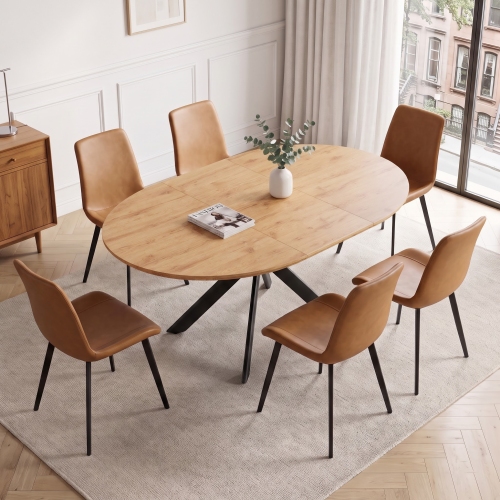
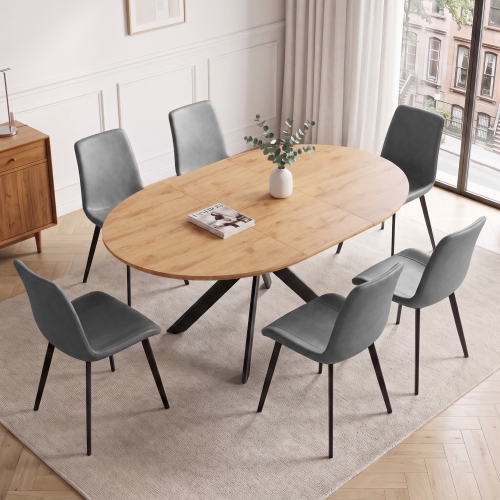
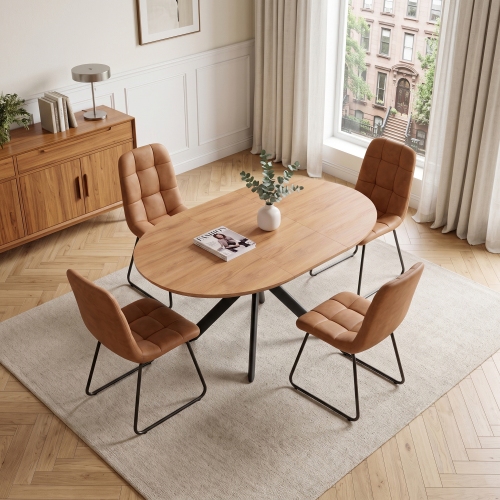
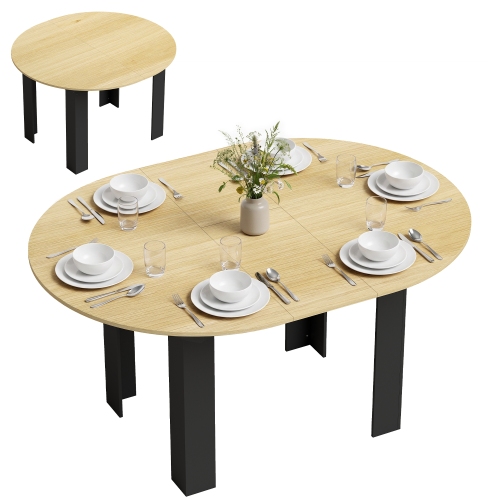
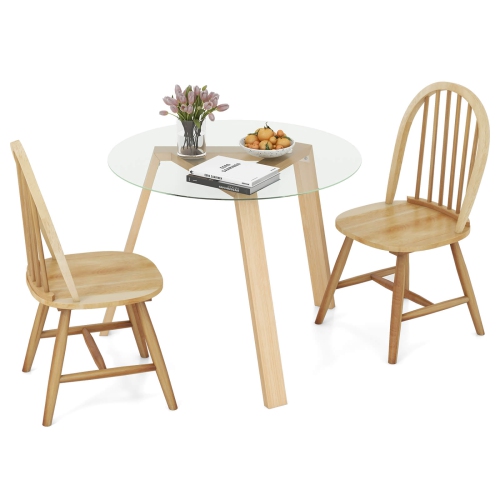
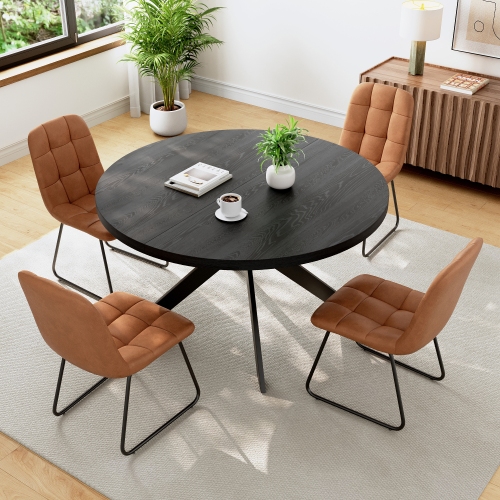
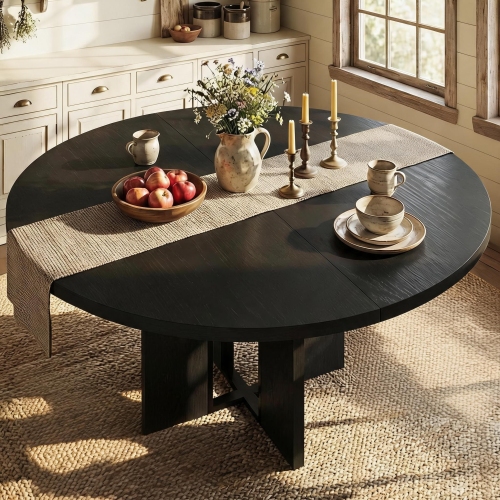
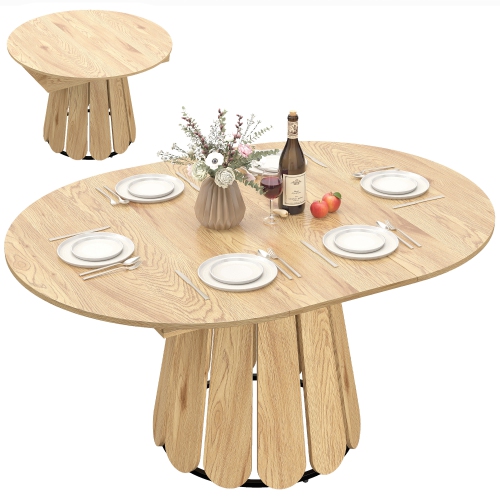
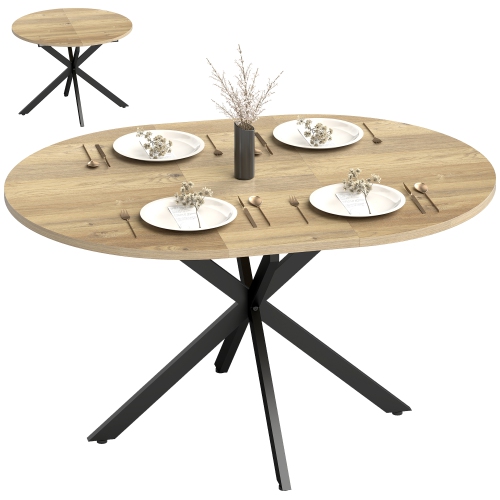
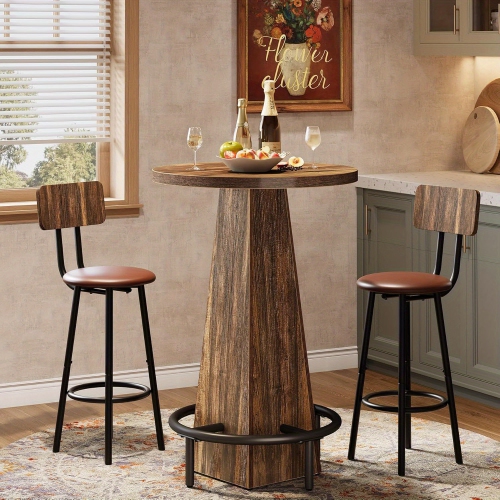
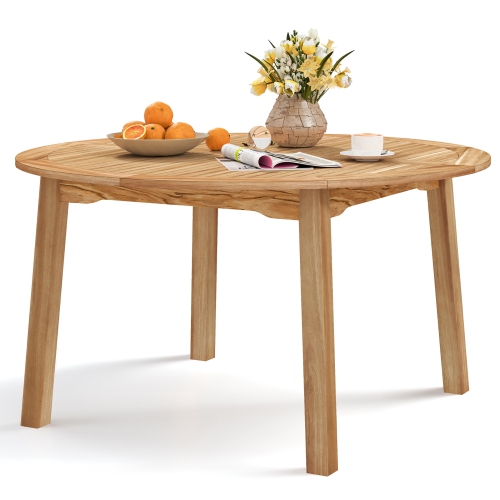
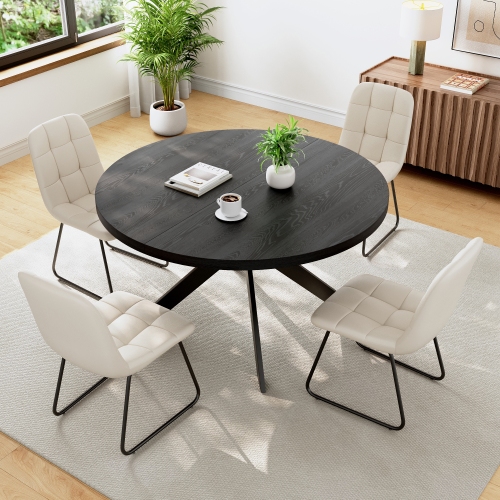
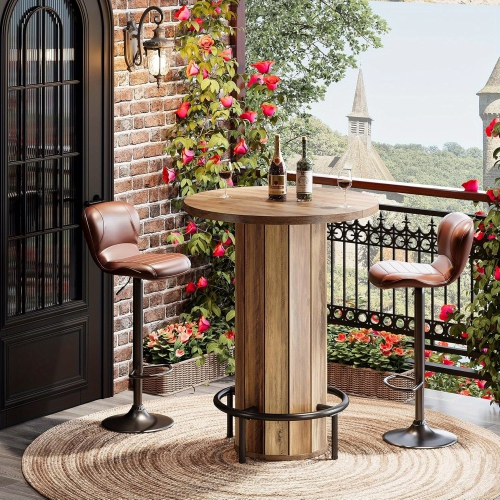
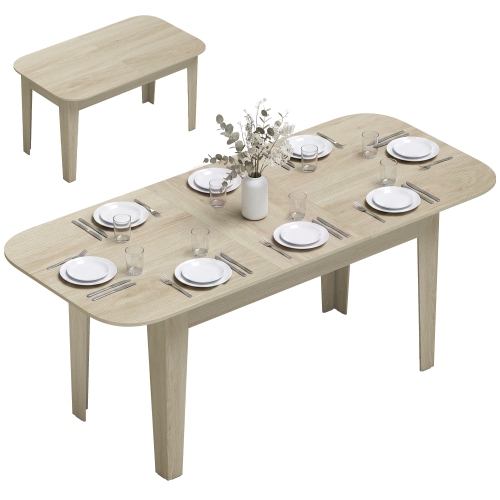
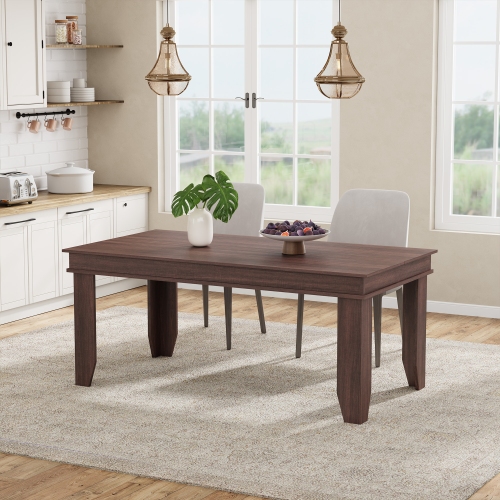
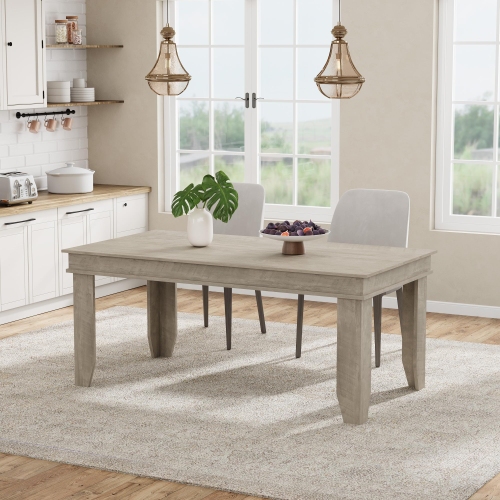
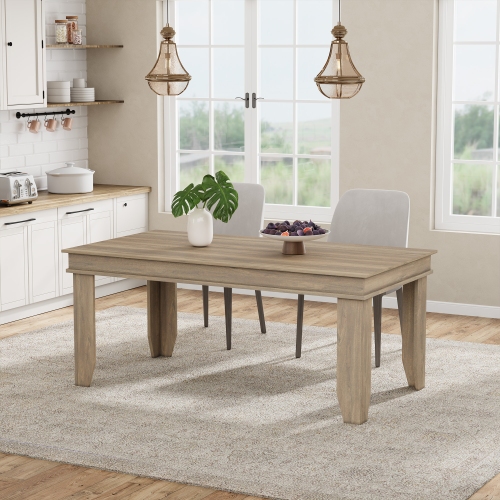
Room for conversation starts with the right fit
Round dining room tables create a shared centre for meals, with everyone facing into the conversation rather than sitting at opposite ends of a long surface. Their curved edges suit breakfast nooks, eat-in kitchens, compact dining rooms, and open living areas where people walk past the table throughout the day. Without projecting corners, a round tabletop can make movement around a small dining space feel less awkward, although the chairs still need room to pull out. Table diameter, seating capacity, and clearance work together when determining fit. A 36- to 40-inch round dining table can accommodate two to four people, with four place settings feeling more compact when wider chairs or serving dishes are involved. A 42- to 48-inch diameter generally gives four diners more elbow room, while a 54- to 60-inch table can often seat six, depending on the base, chair width, and size of each place setting. These are useful starting points rather than guarantees: upholstered armchairs take up more space than slim, armless dining chairs. Allowing about 24 inches of tabletop edge per person helps prevent crowded elbows. Around the table, approximately 36 inches between the tabletop edge and a wall or nearby furniture provides practical chair clearance, while 42 to 48 inches is more comfortable along a frequently used walkway. Measuring the full room also means accounting for sideboards, door swings, and the route between the kitchen and dining area. A circle marked on the floor with removable tape makes the footprint easier to picture, especially when chairs are placed around it and pulled back as they would be during a meal. Round shapes often sit naturally in square rooms or defined dining nooks. For layouts that benefit from straight edges and corner-based seating, Square Dining Tables offer a different way to organize the same dining area.
Materials influence how a round dining table looks, feels, and handles everyday use. Solid wood brings visible grain and a surface that develops character over time; some solid-wood tops can be refinished, depending on their construction and finish. Oak often has a pronounced grain pattern, while walnut typically brings deeper brown tones, though stains and finishes can change either appearance considerably. Wood veneer provides a real-wood surface over a supporting core, creating a consistent look without the same construction as a solid-wood top. Because the veneer layer is thin, deep sanding is generally unsuitable. Engineered wood with a laminate or other protective surface can be practical for frequent meals and homework, but exposed edges and seams deserve attention because standing water may cause damage. Glass tops give a clear view of the base and surrounding floor, making them visually lighter in a compact room. Fingerprints and crumbs tend to be noticeable on glass, and a transparent surface does not remove the need to check edge treatment, thickness, and the manufacturer's care directions. Stone, marble, and ceramic tabletops bring different textures and maintenance needs. Marble can stain or etch when exposed to acidic foods, even when sealed, while ceramic surfaces vary in their resistance to scratches, heat, and impact. Protective mats and trivets remain useful unless the care instructions clearly state otherwise. For everyday cleaning, a soft cloth and a cleaner suitable for the surface are more dependable than abrasive pads or strong multipurpose chemicals. Spills are best wiped up promptly, particularly around joins and unfinished edges. The finish also shapes the room's overall character: pale wood can soften dark flooring, a deep wood tone can anchor a bright dining area, and a painted base can connect the table with nearby cabinetry. A matte or textured finish may make small marks less noticeable, whereas a glossy surface reflects more light and can reveal smudges. Coordinating undertones often creates a more natural result than trying to match every piece of furniture exactly.
The base of a round dining room table matters just as much as the top, particularly when fitting several chairs around a modest diameter. A central pedestal leaves much of the perimeter free of table legs, allowing more flexibility in chair placement. Its foot or lower platform can still affect where feet rest, so the space beneath the tabletop deserves a close look. Four-legged tables create a different visual balance, but the distance between legs may limit how closely chairs can sit together. Splayed legs can also extend beyond the tabletop's footprint and occupy a walking path. A stable base, secure connections, and suitable assembly help the table handle regular use without unwanted movement. Most standard dining tables stand about 28 to 30 inches high and pair with chairs whose seats are roughly 17 to 19 inches from the floor. Around 10 to 12 inches between the seat and the underside of the tabletop is a useful comfort reference, though a deep apron can reduce usable thigh space. Armchairs need enough clearance to slide underneath if tucking them in is important. Round extendable dining tables suit households that need a smaller footprint for daily meals and extra seating for visitors. Many become oval when opened, so both the closed diameter and extended length affect the room layout. Extension mechanisms, leaf storage, and the position of the base after opening all influence everyday convenience. Beyond shared meals, a round table can become a place for a child's puzzle, an evening card game, or a laptop between appointments. A protective mat helps separate messy projects from the dining surface, while chairs with supportive backs make longer meals more comfortable. For a couple in a condo, a compact round table can define a dining spot without dominating the living area; for a larger household, a broader top or extension design can support daily routines and occasional gatherings. The most comfortable arrangement balances enough space for people, plates, and serving dishes with clear routes around the room.
Top selling and popular products
-
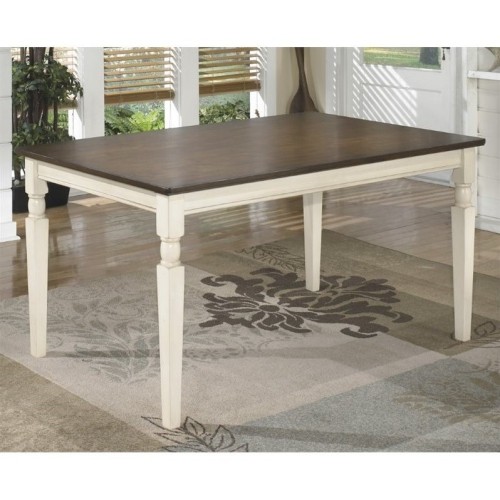 Your price for this item is $399
-
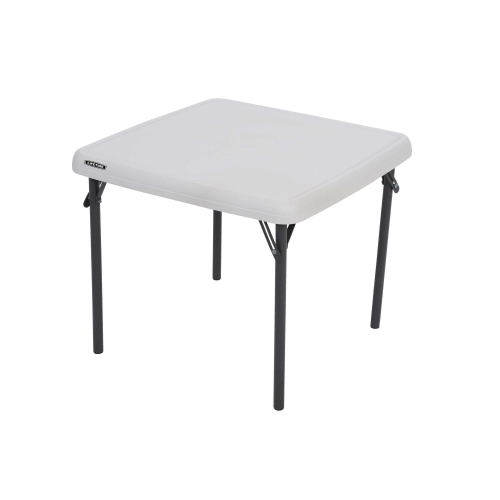 Your price for this item is $74.99
-
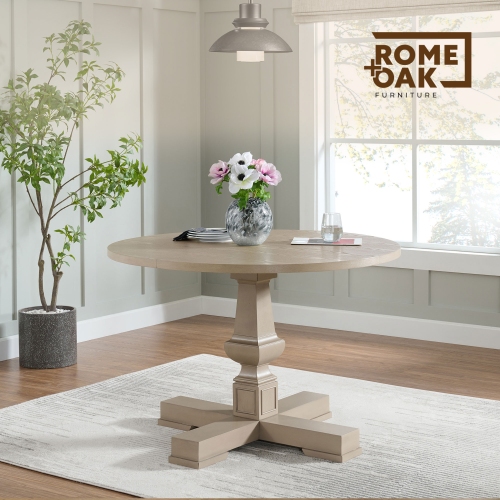 Your price for this item is $971.99
-
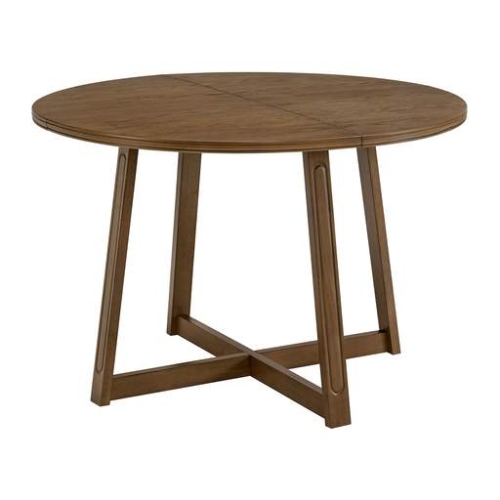 Your price for this item is $796.99
-
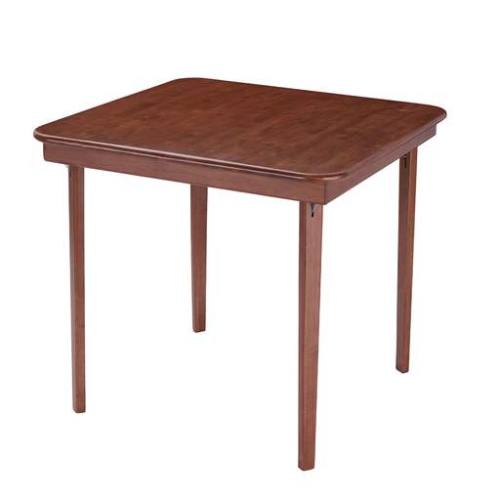 Your price for this item is $413.99
-
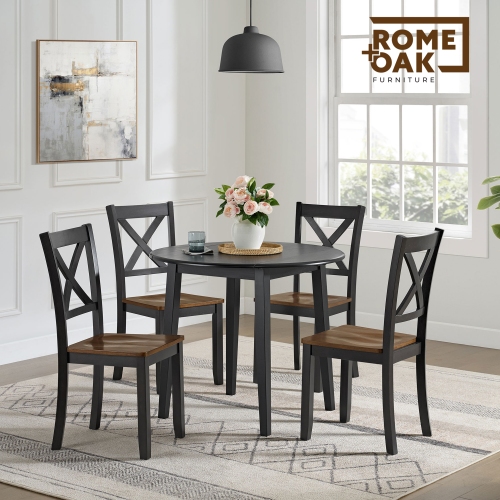 Your price for this item is $392.99
-
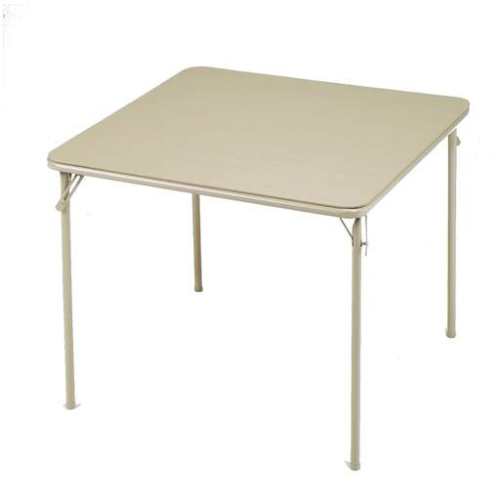 Your price for this item is $243.99
-
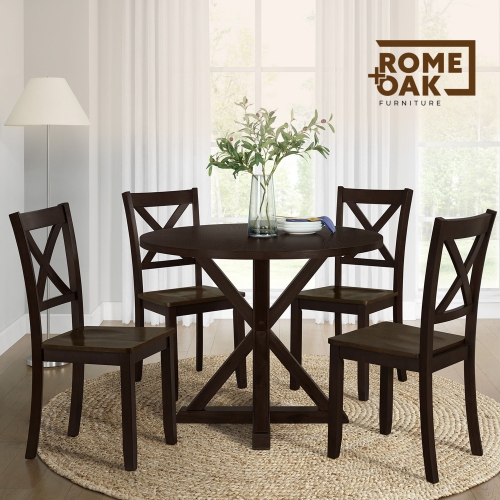 Your price for this item is $827.99
Discover more categories related to Round Dining Room Tables
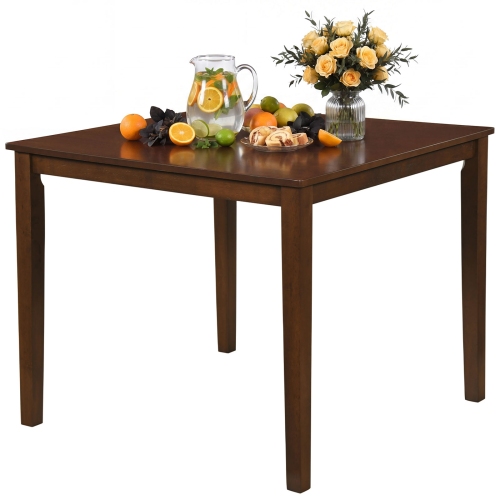
Top Collections:
Best Black Friday Deals This Year, Best Black Friday Deals On Electronics, Kindle Devices, Pokemon Centers, Best Black Friday Deals On Apple Products, Best Cameras for Sports Photography, Dyson Airwrap, Pokémon 30th Celebration Cards, Apple iPhone 17 Pro, Canon G7X Cameras
Some products may be subject to Environmental Handling Fees
(EHF) depending on your province.
Learn more about EHFs.