Round Leather Tufted Ottomans
Looking to add a touch of elegance and functionality to your living space? Our round leather tufted ottomans are the perfect addition to almost any home decor. With its sleek design and luxurious leather upholstery, these ottomans offer both style and comfort. Whether you're looking for a versatile footrest, extra seating, or a stylish coffee table alternative, our round leather tufted ottomans are sure to meet almost all your needs. Its tufted detailing adds a classic and sophisticated touch, making it a standout piece in almost any room. Explore our wide selection of round leather tufted ottomans and elevate your home's style today.
Sort
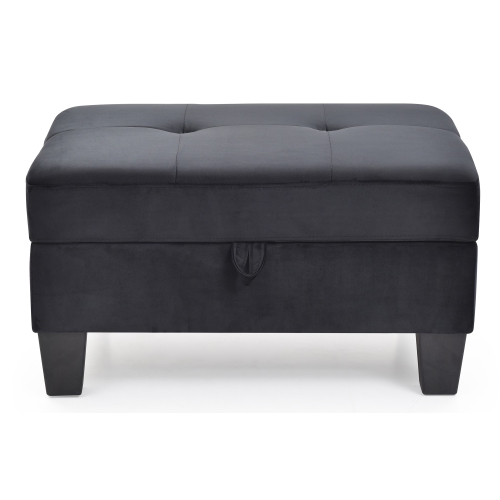
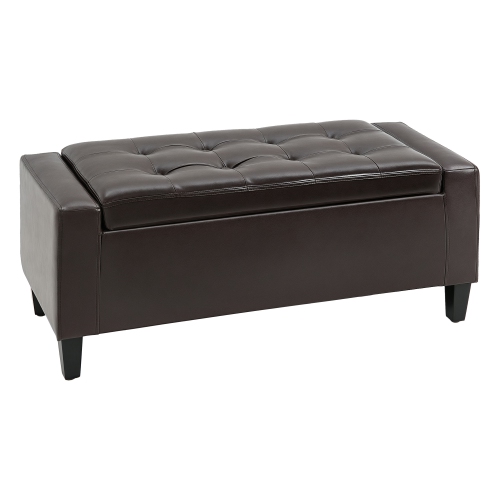
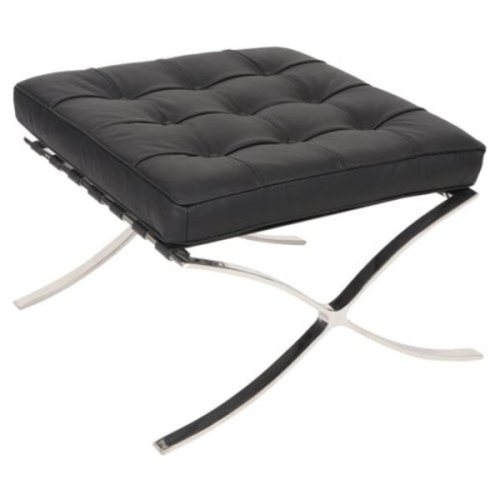
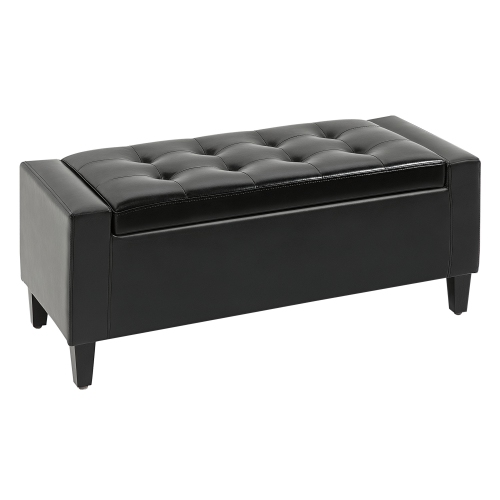

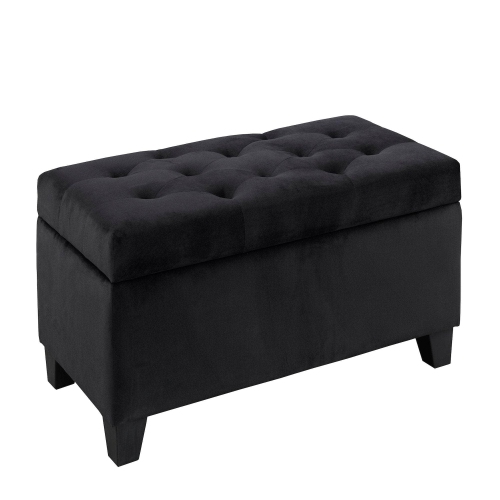
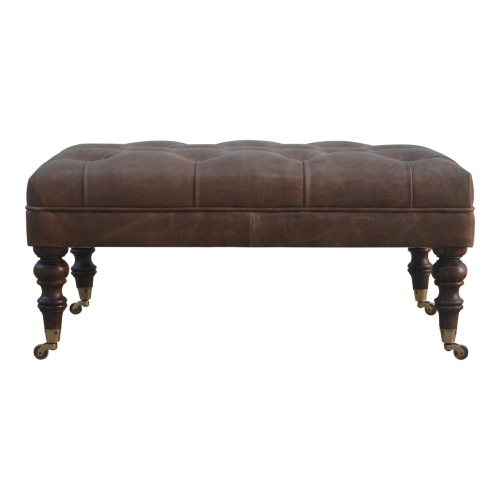
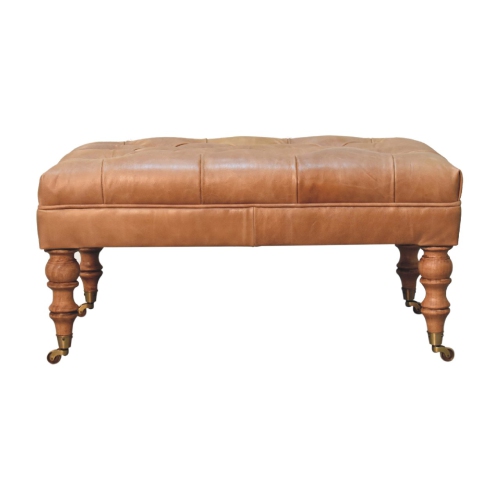
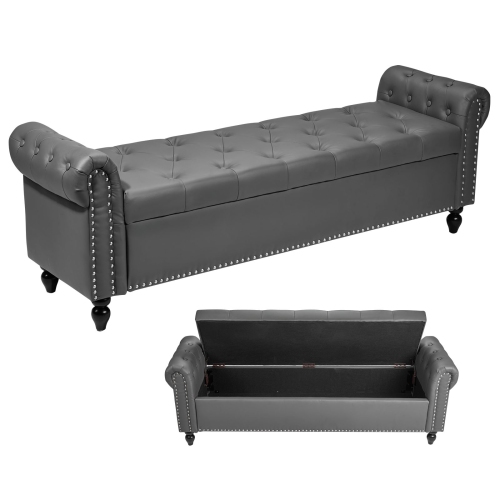


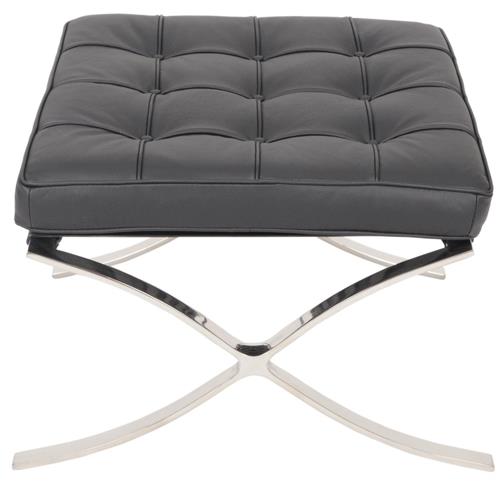
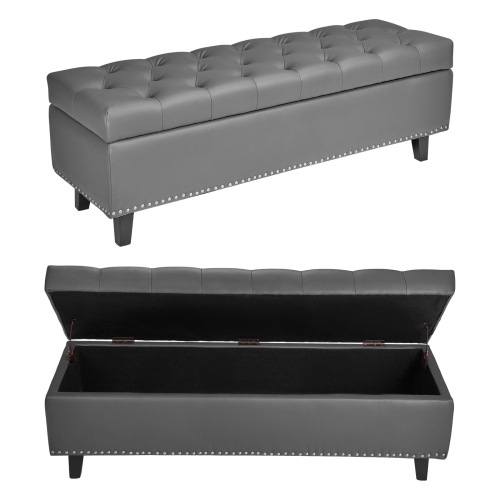
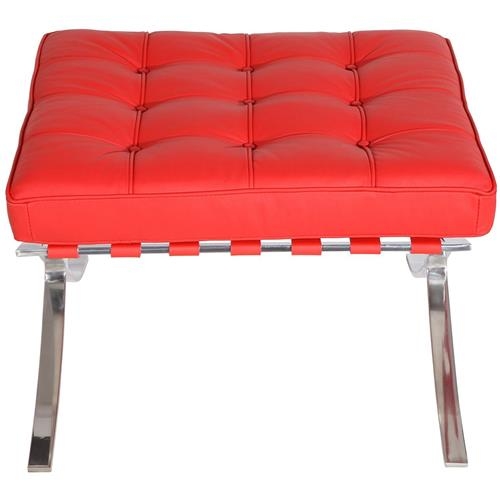
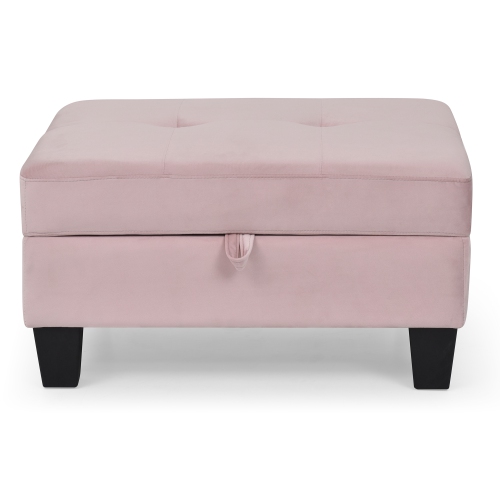
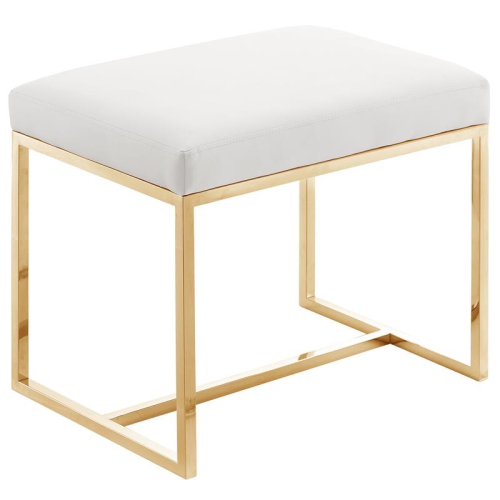
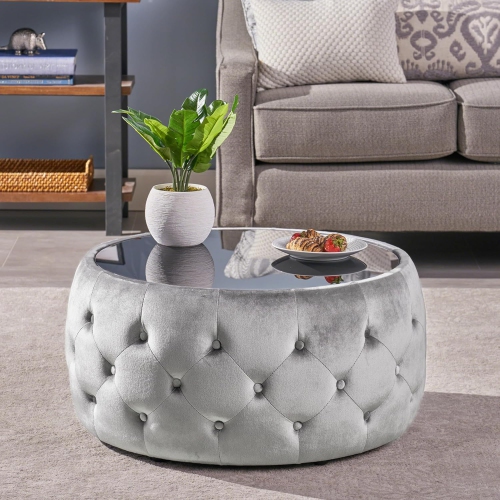
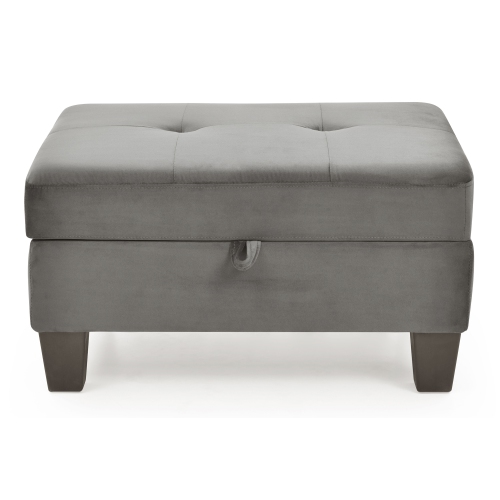
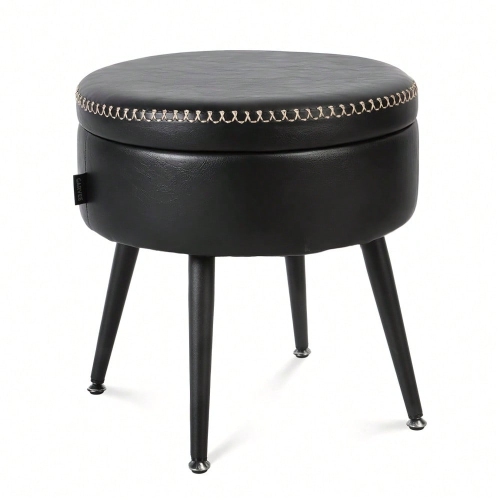


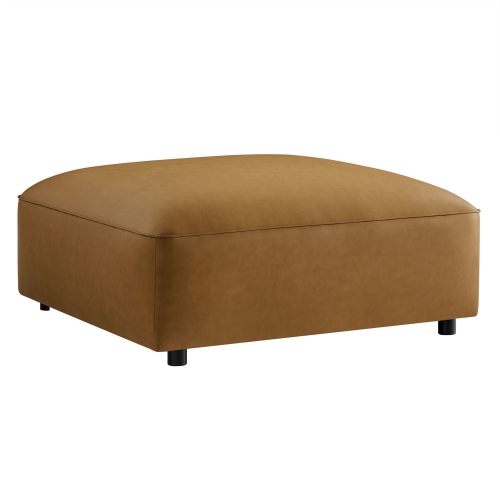
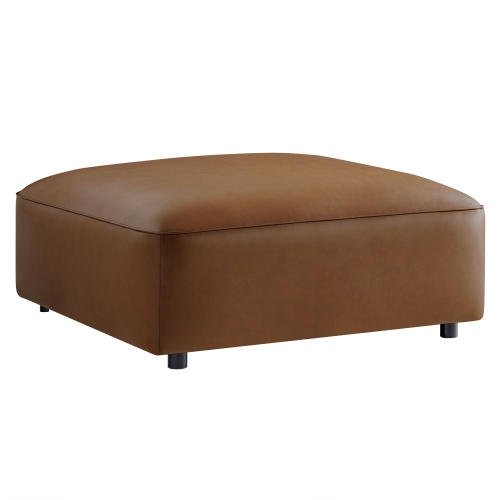

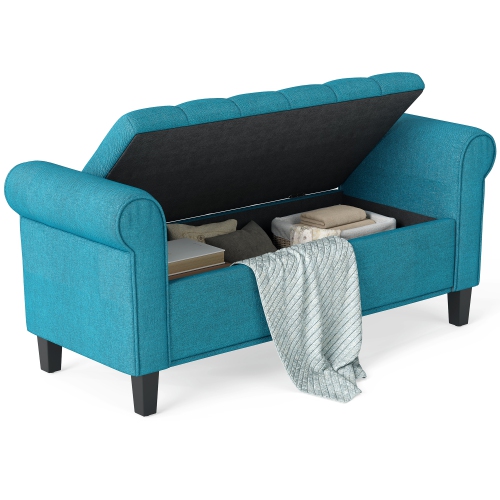
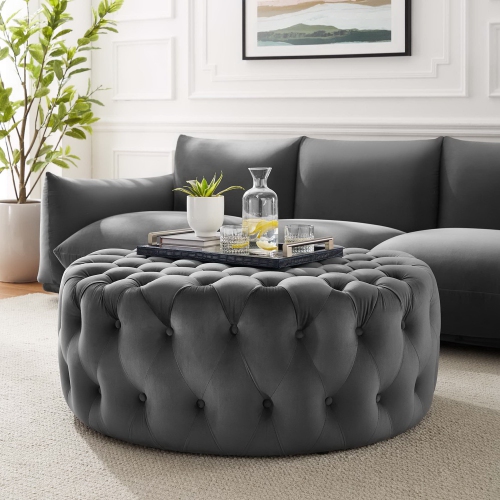
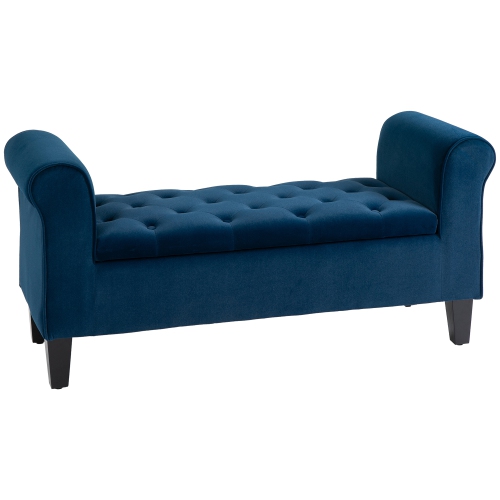
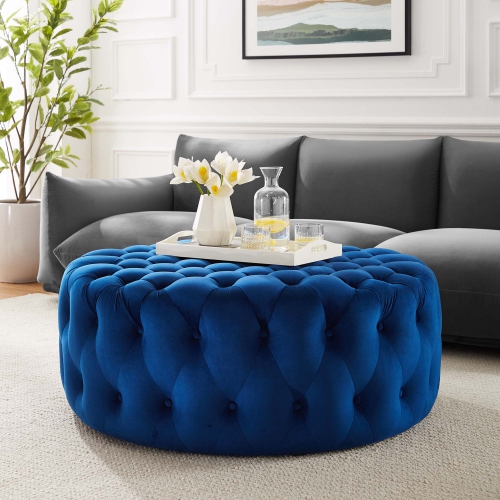
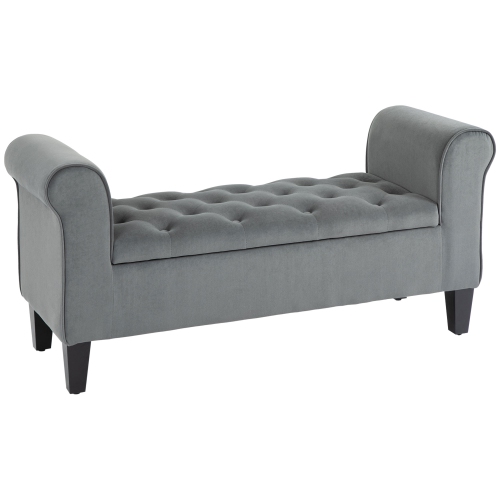
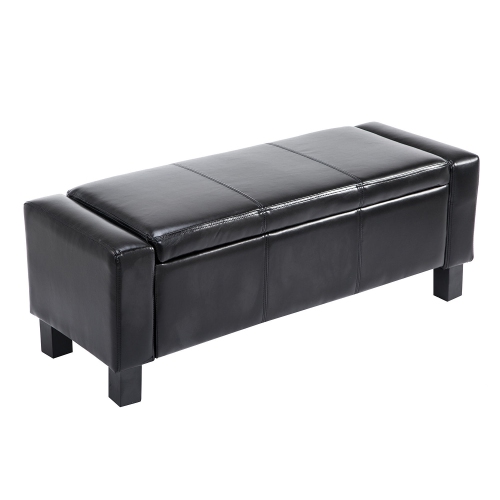
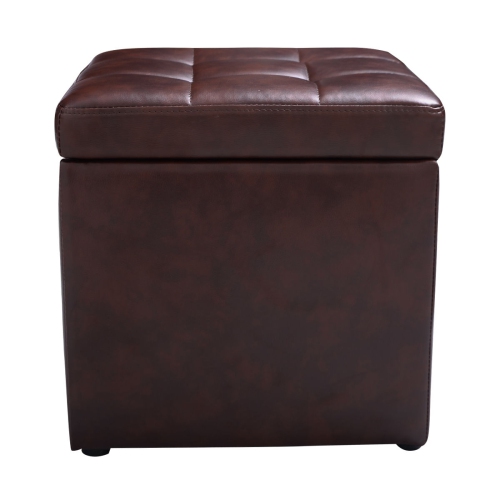

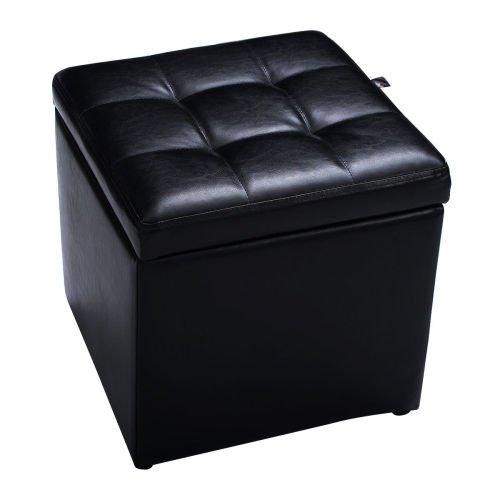
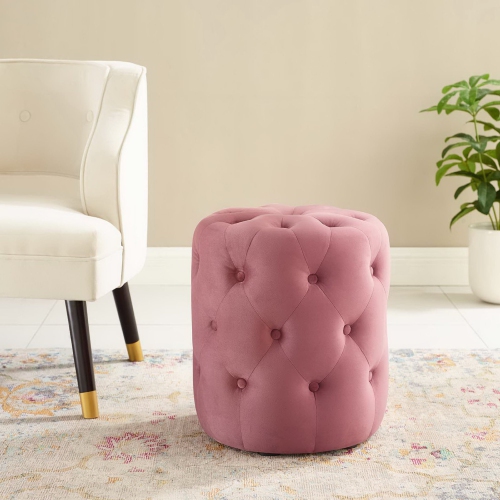
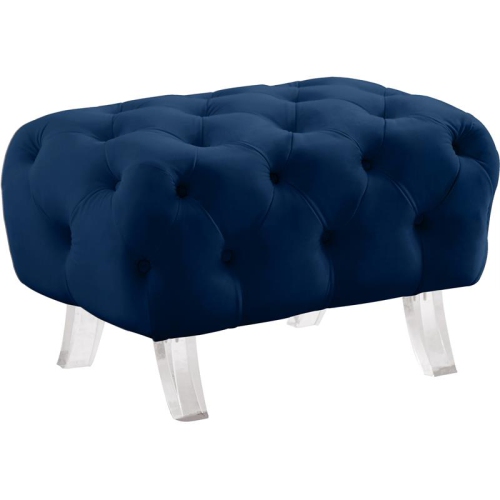
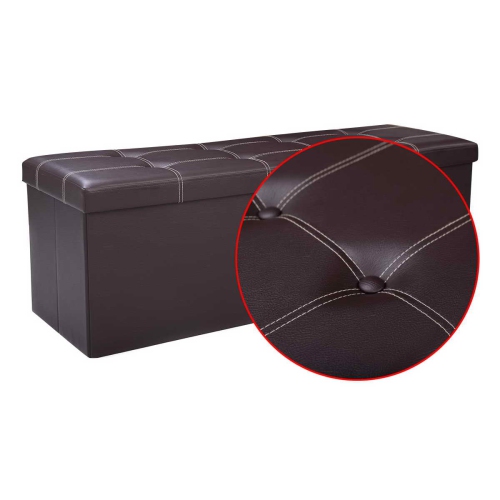
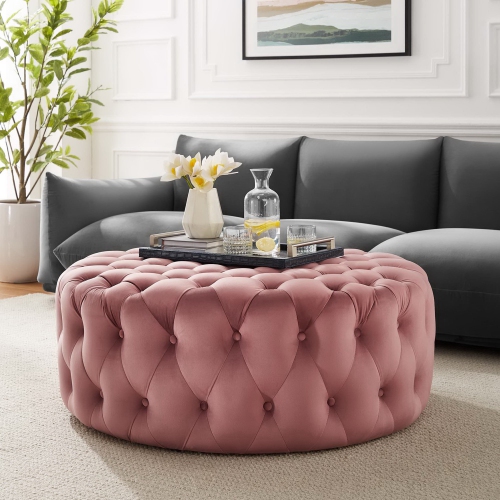
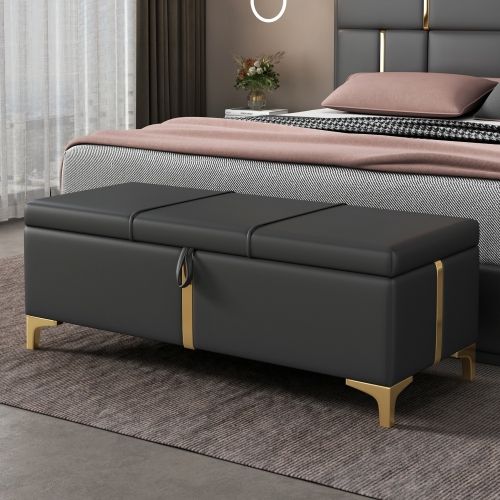
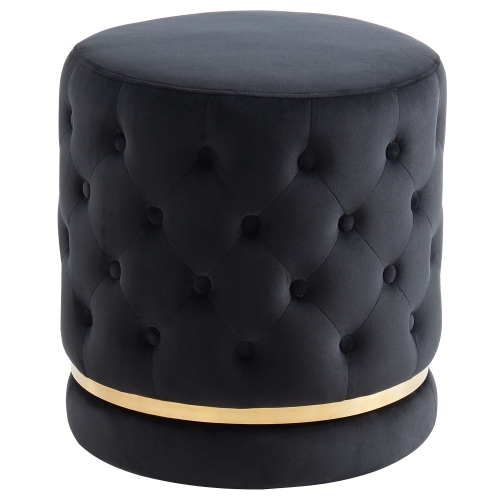
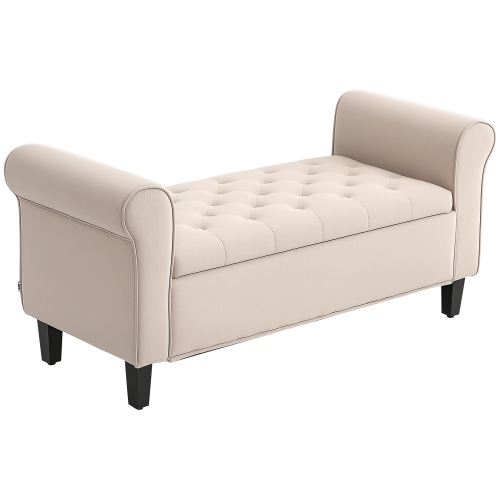

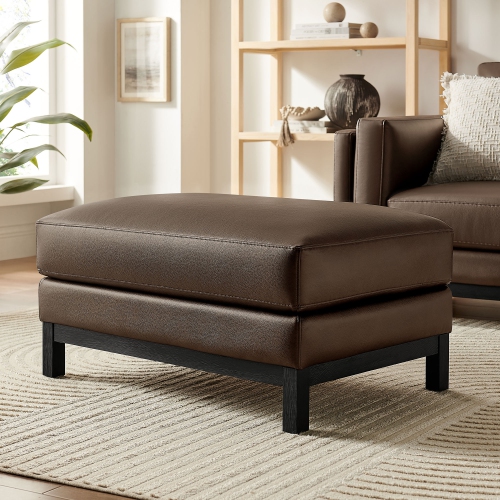
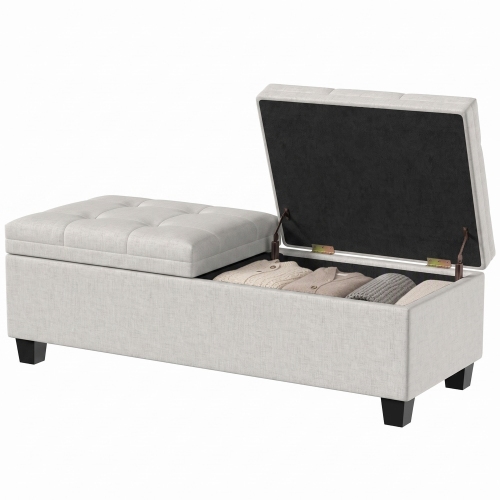
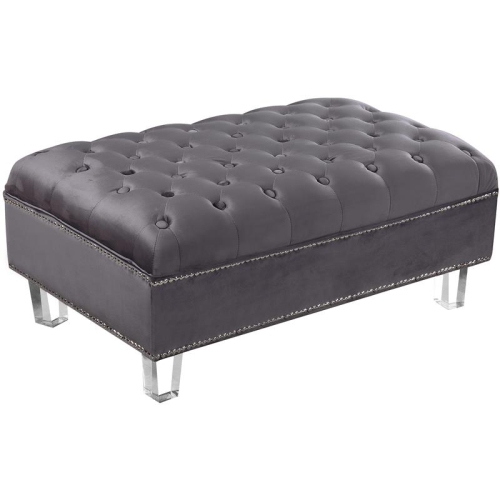
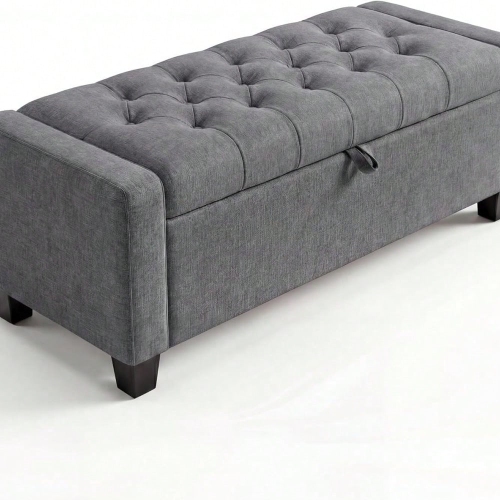
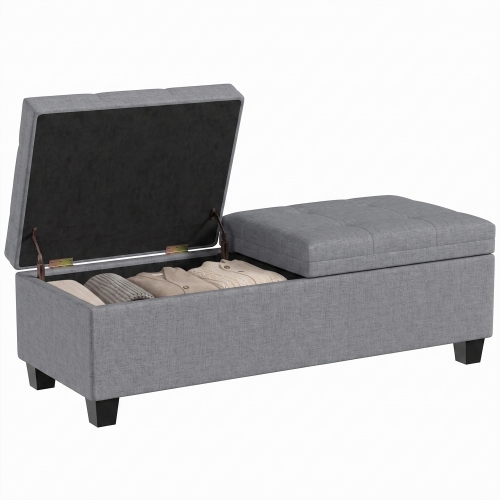
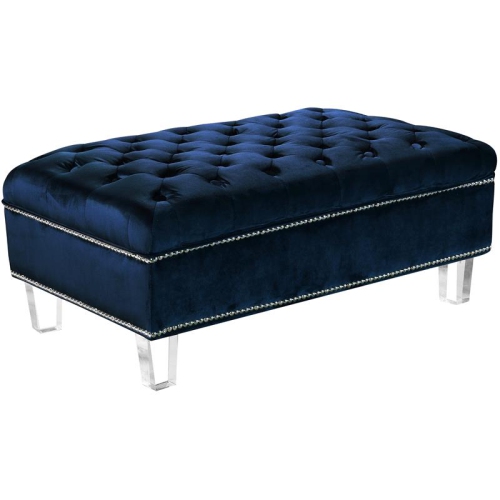
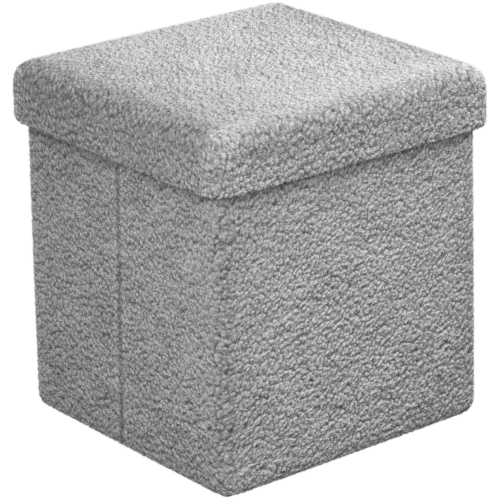
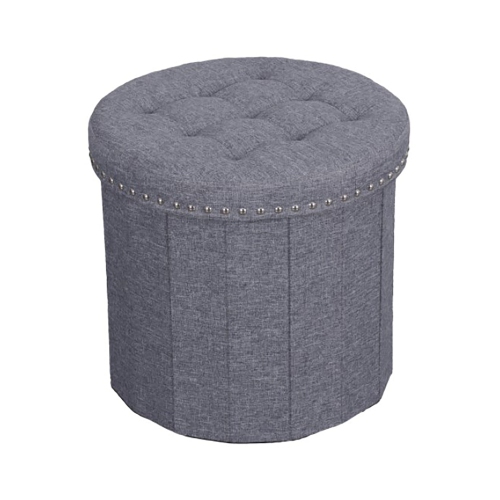
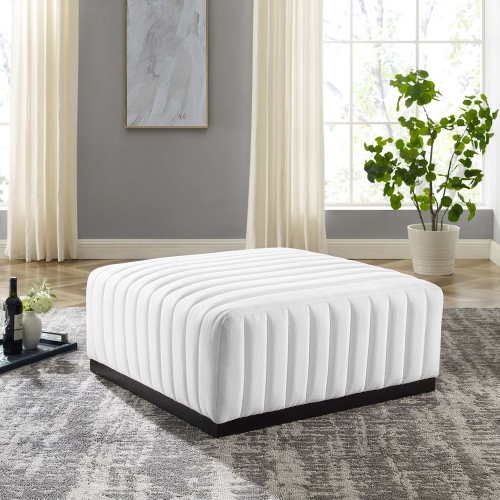
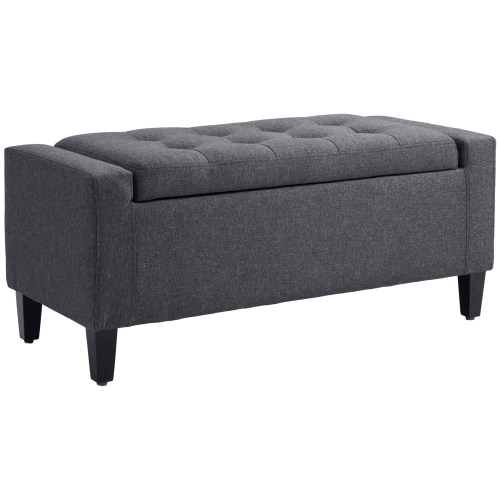
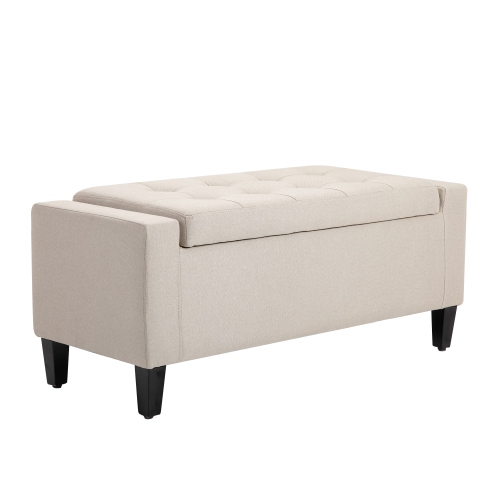
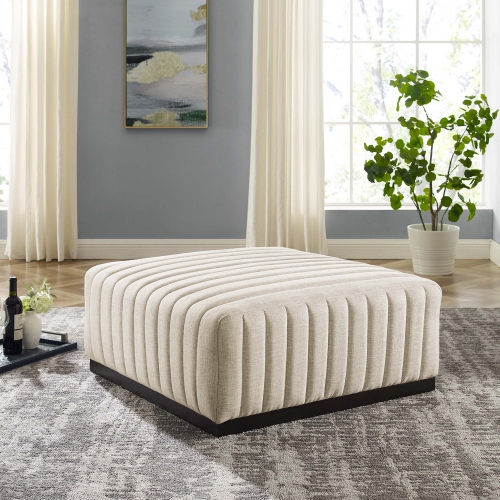

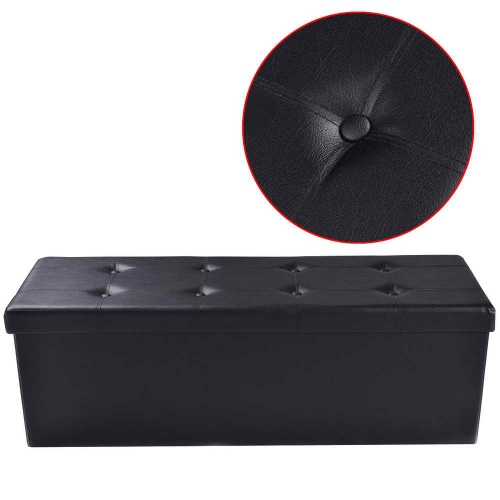
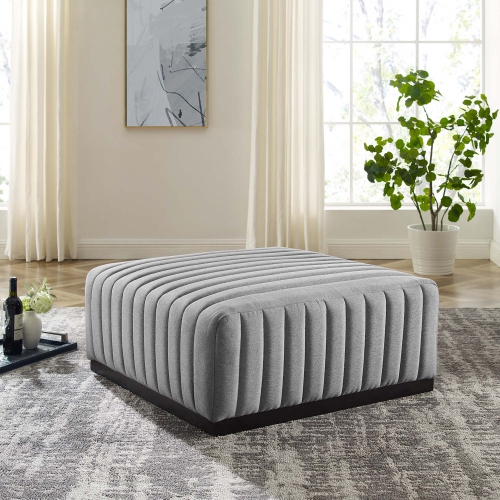

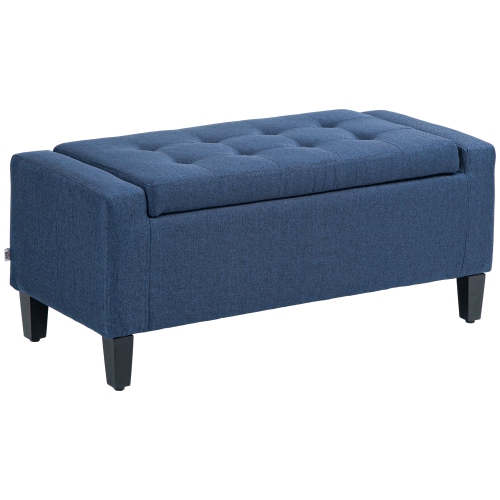
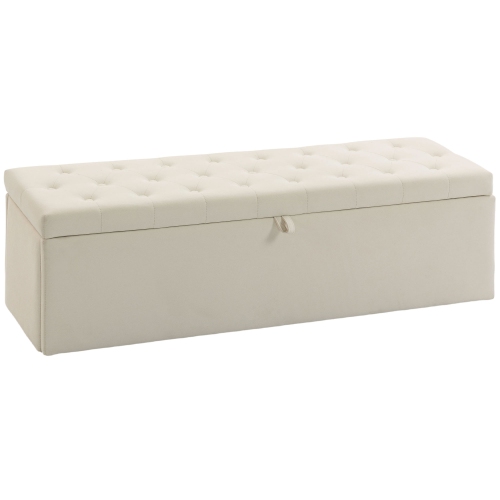
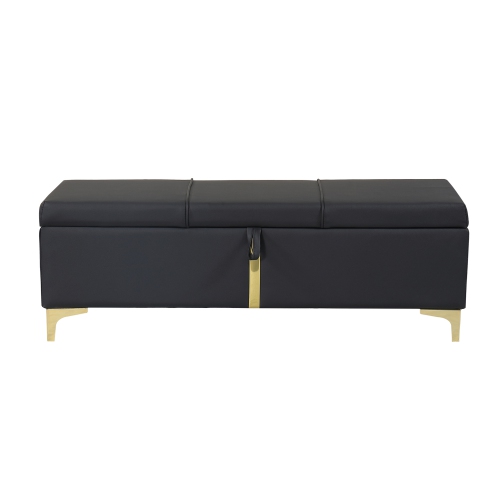
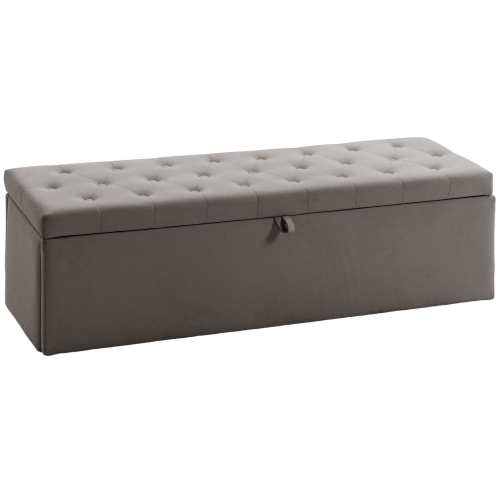
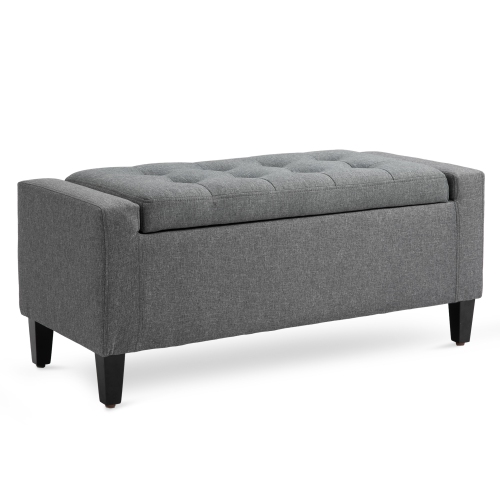
How rounded ottomans soften a room’s straight lines
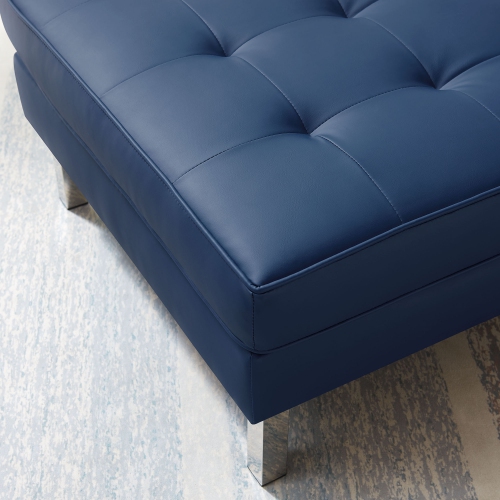
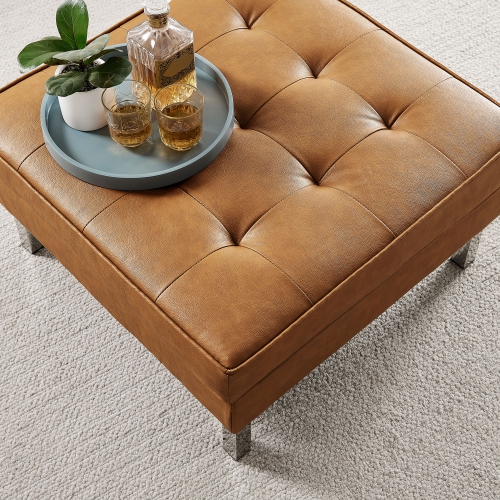
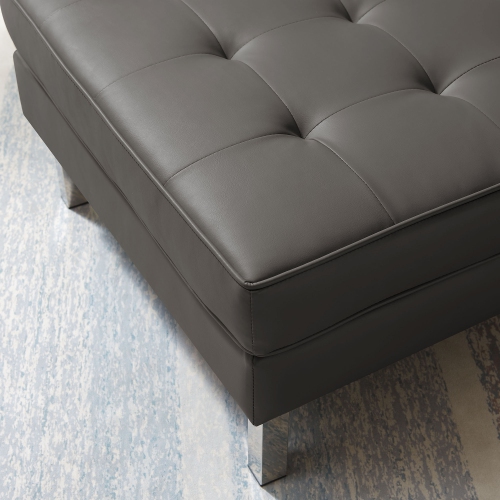
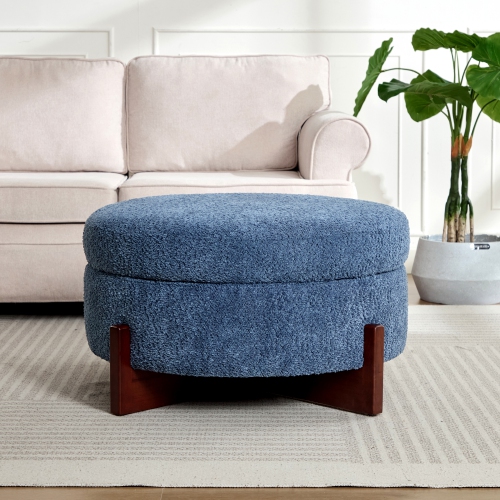
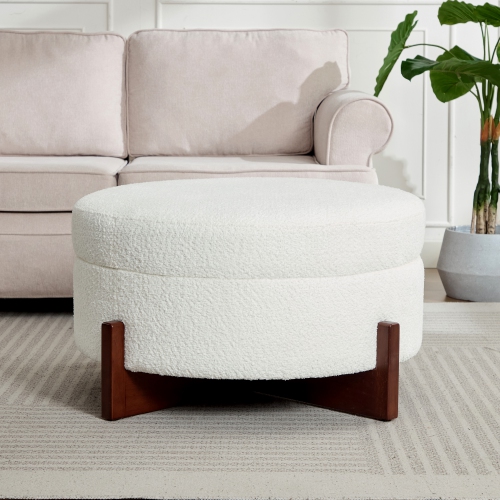
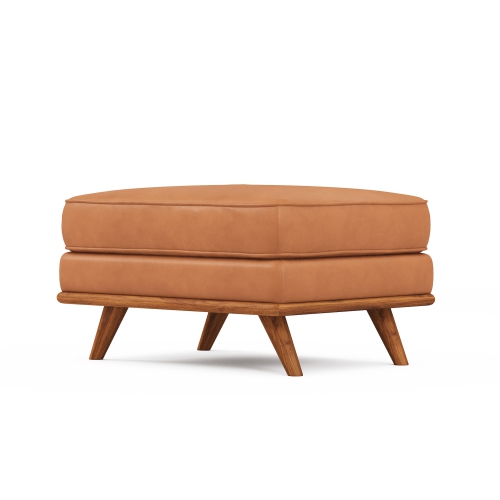
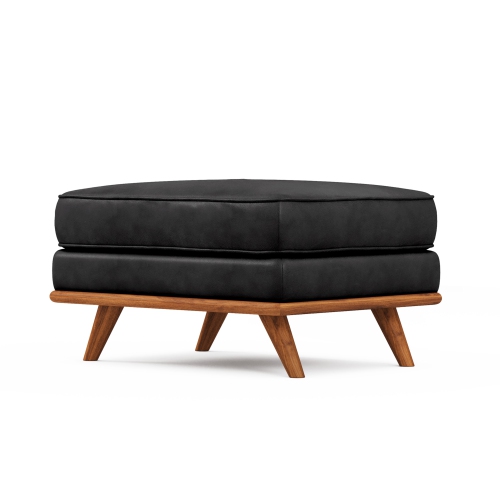
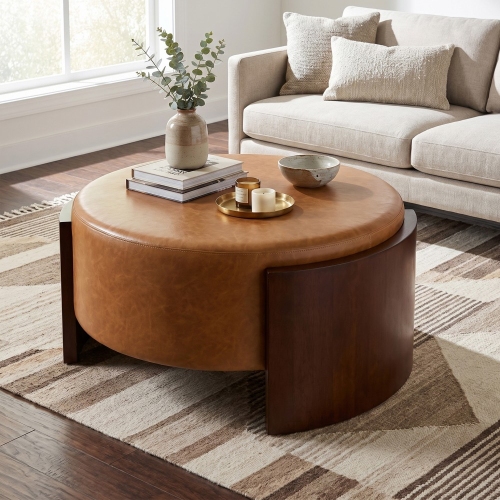
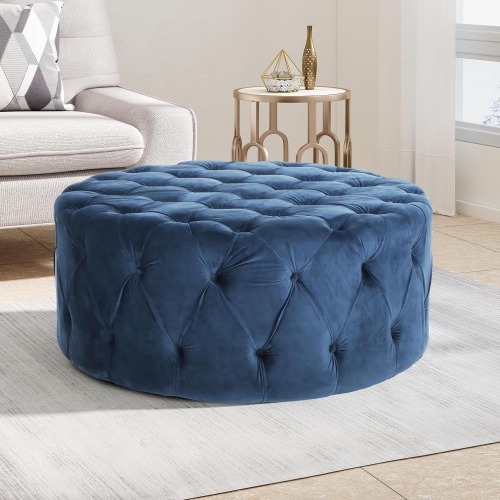
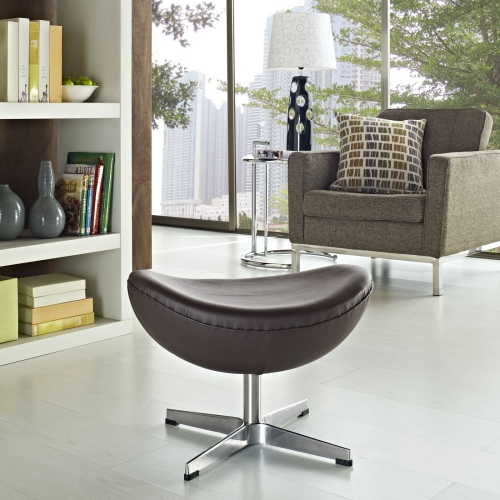
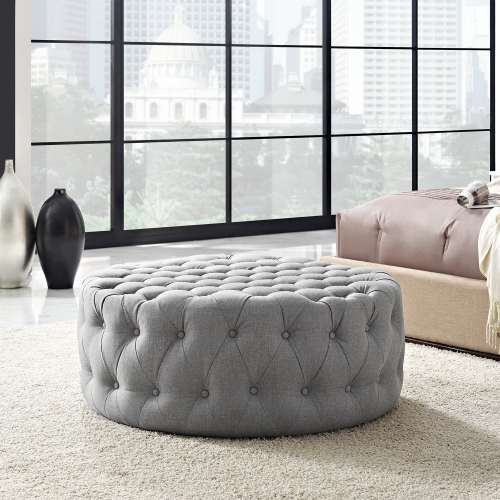
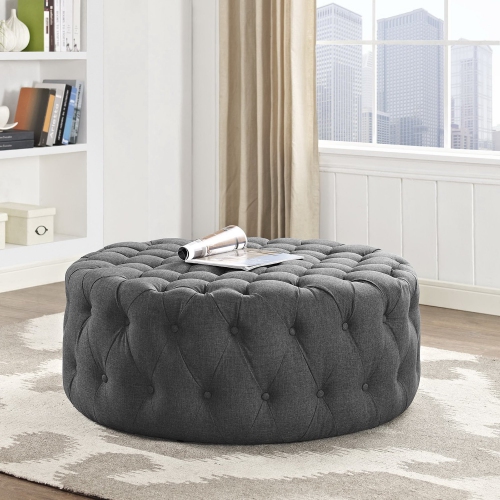
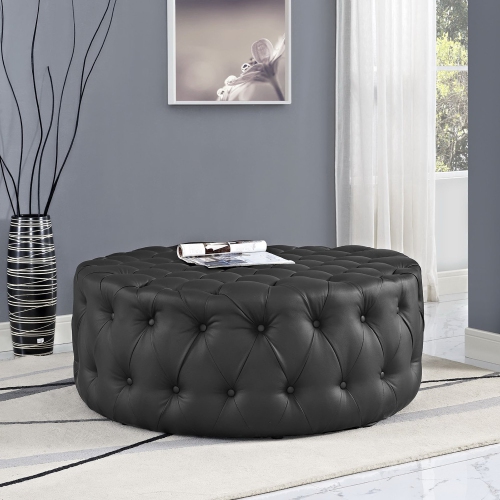
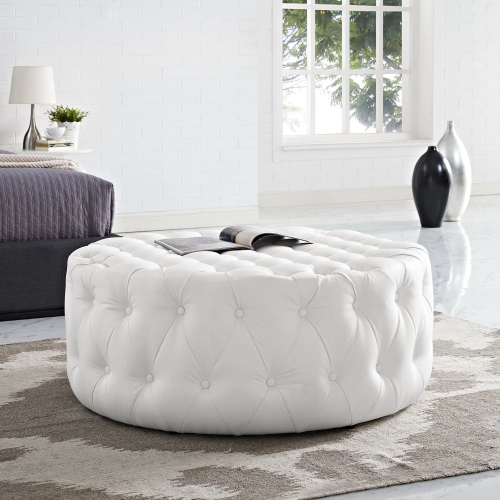
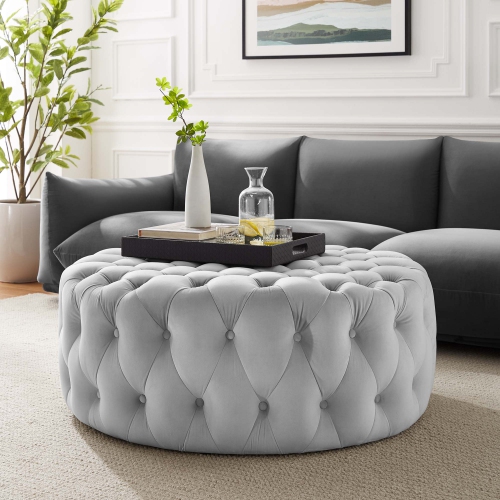
Round leather tufted ottomans are upholstered accent pieces that combine a circular shape, a leather-covered surface, and stitched or buttoned detailing. They can serve as footrests, occasional seating when designed for that purpose, or a central surface for a tray, depending on their construction. The rounded outline softens the straight lines of sofas, media consoles, and bookcases, while tufting adds depth through recessed seams, pulled buttons, or a repeating diamond pattern. In a living room, a generously sized round ottoman can anchor a seating arrangement without introducing the corners of a rectangular coffee table. A smaller version can sit beside an armchair, offering a comfortable place to stretch out while reading or watching a film. Leather colours make a noticeable difference to the overall effect: warm tan and cognac tones complement wood furniture, deep brown brings richness to neutral upholstery, and black creates a crisp contrast with lighter rugs and seating. The base also shapes the look. Turned wooden legs tend to suit traditional rooms, slim metal legs feel lighter and more contemporary, and a low, concealed base creates a substantial, grounded appearance. Deep button tufting has a more decorative character, whereas shallow tufting can blend into a simpler arrangement. For households that rearrange furniture for visitors, an ottoman that is manageable to move offers flexibility without requiring another large chair. In a bedroom or dressing area, a compact round design can provide a place to pause while getting ready, provided its height and weight capacity suit seated use. The appeal is not only visual: the padded surface and curved outline can make a seating area feel more relaxed, particularly where the furniture otherwise consists of firm lines and angular forms. Its usefulness depends on the details, including how firmly the top is padded, how securely the upholstery is attached, and whether the proportions work comfortably with the surrounding furniture. A well-proportioned ottoman feels connected to the room rather than like an extra piece squeezed into an open space.
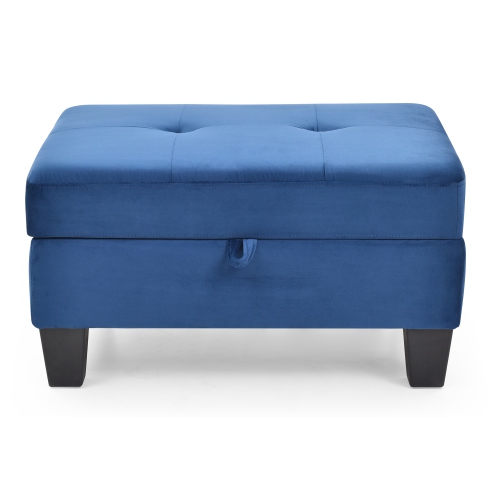
Leather type and upholstery construction are important distinctions within this category. Full-grain leather retains the hide’s natural surface, so variations in grain, small markings, and changes in tone can be part of its appearance. Top-grain leather has had some surface treatment and may offer a more uniform finish, although its feel and performance still depend on how it is processed and coated. The term genuine leather alone does not describe a particular quality level, so a fuller material description is more informative. Bonded leather contains leather fibres combined with binding materials and should not be confused with a continuous hide, while faux leather is a synthetic alternative rather than leather. Some upholstered furniture also combines leather on prominent surfaces with matching synthetic material elsewhere; that distinction matters when comparing feel, care requirements, and how different sections may wear. Surface finishes affect everyday use as well. More lightly protected leather can show oils, spills, and scratches readily, while a pigmented finish generally provides a more consistent colour and an additional protective layer. No finish makes an ottoman immune to damage from sharp objects or pet claws. Tufting introduces its own practical details: deep recesses create a plush, sculpted appearance but can collect crumbs, lint, and dust, especially in a busy family room. Tightly secured buttons, even stitching, and neatly finished seams contribute to a tidy appearance over time. Beneath the upholstery, a sound frame, secure leg attachments, and supportive padding help the piece retain its shape during regular use. A firmer top may work better beneath a serving tray, while softer cushioning may feel more inviting as a footrest. Neither automatically makes the piece suitable for standing or sitting; intended use and the stated weight limit remain important. Storage designs add another consideration, since the lid, hinges, and interior compartment affect both convenience and how the ottoman is handled. A lift-top version can hold throws or spare cushion covers, but the lid needs adequate clearance and should be operated according to its instructions.
Size and placement determine how naturally a round leather tufted ottoman fits into daily routines. Diameter matters as much as height: a broad ottoman may balance a large sectional, yet leave too little walking space in a compact sitting room. Allowing room to move between the ottoman, sofa, and nearby furniture keeps the seating area comfortable to use, including when drawers or cabinet doors are open. For use as a footrest, a top that sits close to the sofa’s seat height, or slightly below it, is often more comfortable than one that lifts the feet noticeably higher. The relationship can change once soft cushions compress, so the surrounding seating deserves attention alongside the ottoman’s listed measurements. A round shape works particularly well where people approach the seating area from several directions, although its widest point still needs to be accounted for. In layouts built around straight edges and aligned furniture, Square Leather Tufted Ottomans offer a different silhouette with the same upholstered character. For a round design used in place of a coffee table, a rigid tray can provide a more stable surface for everyday objects, but it should sit securely without rocking across raised buttons or soft padding. Drinks and hot dishes still require care, as spills and heat can mark the upholstery. Routine upkeep is usually straightforward when matched to the finish: a soft, dry cloth removes surface dust, and a soft brush attachment can lift debris from tufted recesses without pulling at buttons. Spills are best blotted promptly rather than rubbed, with cleaning products limited to those approved for the upholstery. Leather conditioner is not appropriate for every finish, and synthetic coverings may require a different approach entirely. Direct sunlight, nearby heating outlets, and repeated friction can affect appearance over time, making placement part of long-term care. For a shared home or a housewarming gift, the most useful choice reflects the recipient’s seating height, room dimensions, preferred leather finish, and everyday habits rather than appearance alone.
Top selling and popular products
-
 Your price for this item is $644.99
-
 Your price for this item is $978.99
-
 Your price for this item is $286.83
-
 Your price for this item is $765.09
-
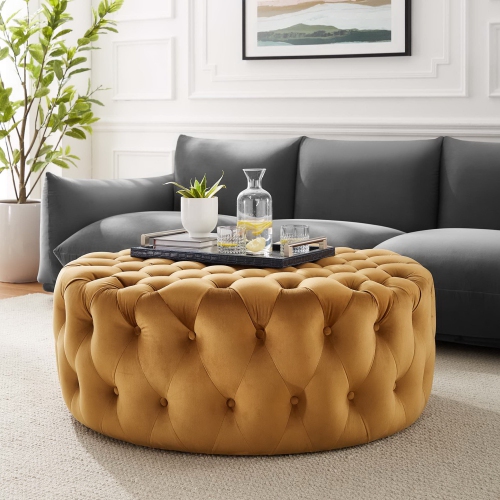 Your price for this item is $765.09
-
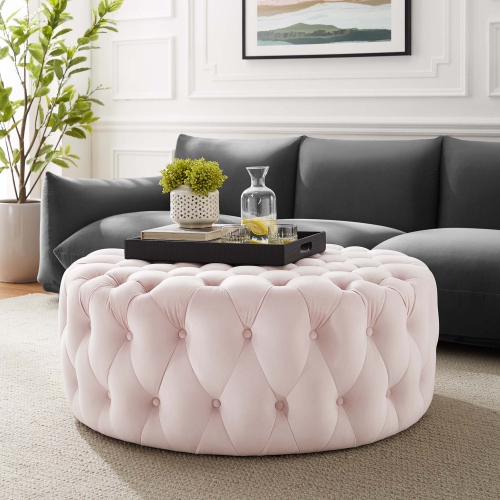 Your price for this item is $765.09
-
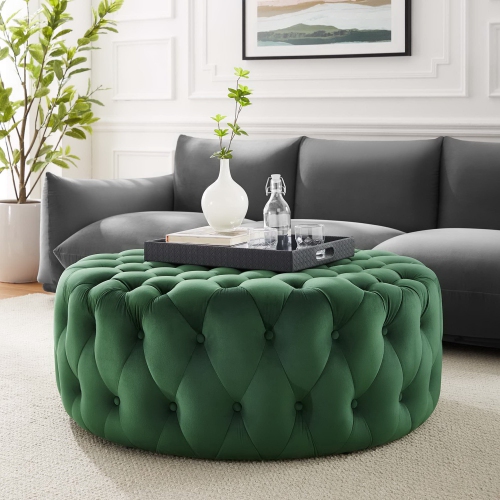 Your price for this item is $765.09
-
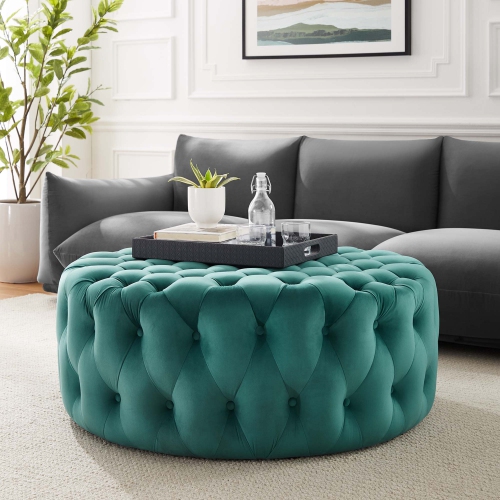 Your price for this item is $765.09
Discover more categories related to Round Leather Tufted Ottomans
Top Collections:
Best Black Friday Deals This Year, Best Black Friday Deals On Electronics, Kindle Devices, Dyson Airwrap, Best Cameras for Sports Photography, Best Budget Office Chairs, Canon G7X Cameras, PS5 Pro Consoles, Best Black Friday Deals On Apple Products, XBOX One S Consoles
Some products may be subject to Environmental Handling Fees
(EHF) depending on your province.
Learn more about EHFs.