Round Metal Tables
A round metal table is a great choice for almost any home. These tables can be used as an extra table in the kitchen or dining room, as a coffee table in the living room, or as a desk in the office. Here are some of the best round metal tables.
Sort
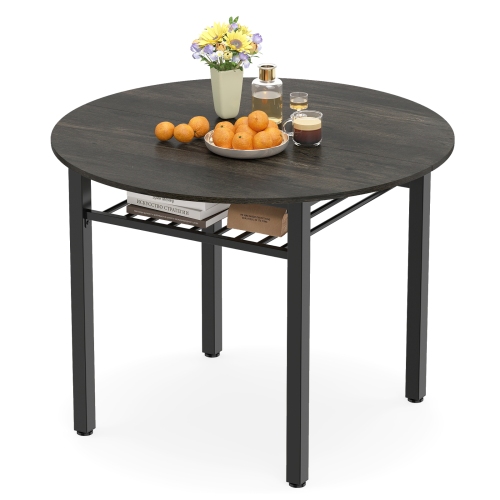
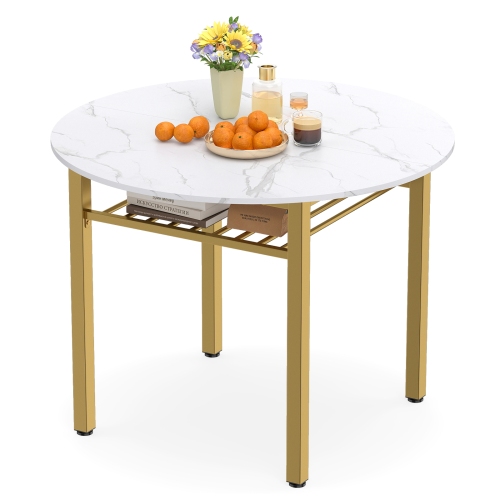
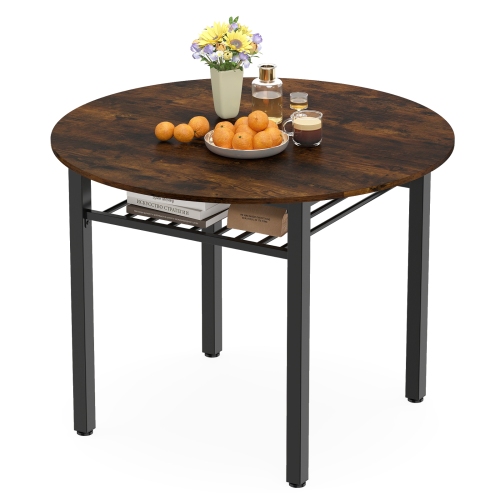


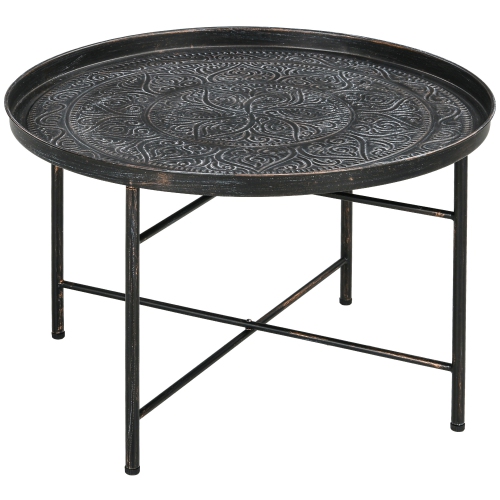


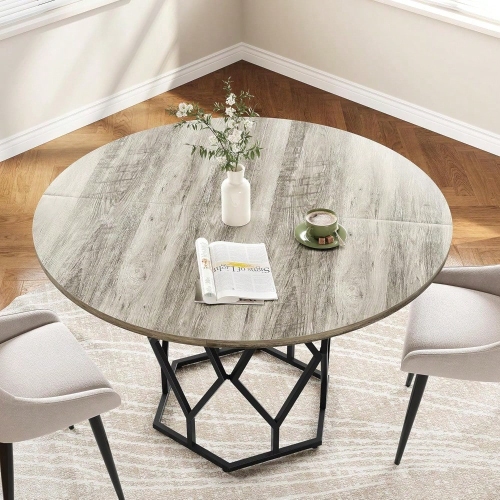
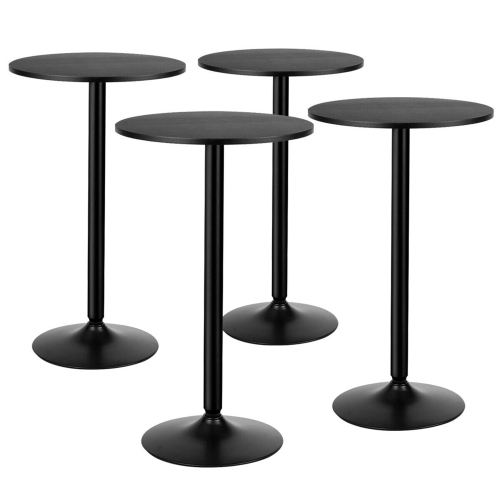
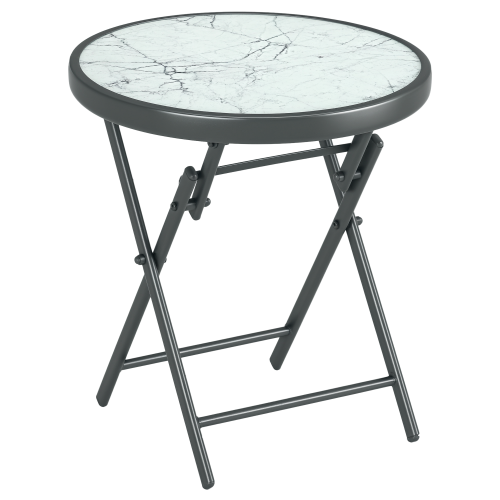
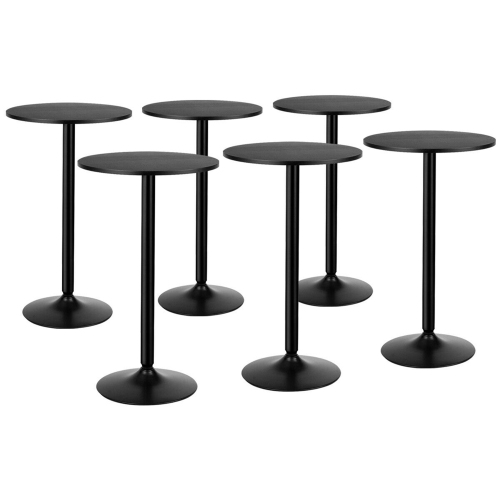










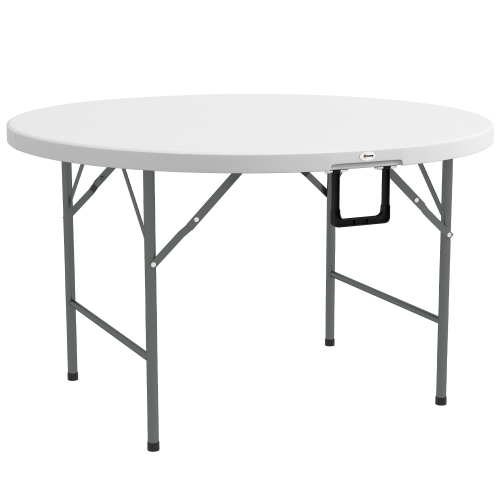
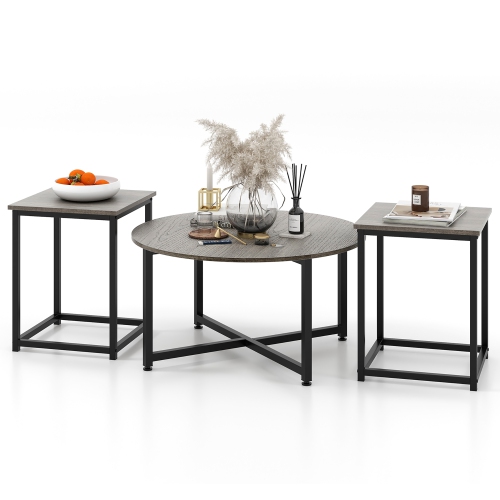
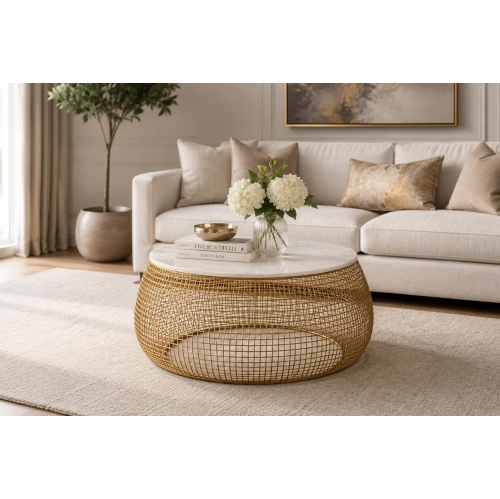

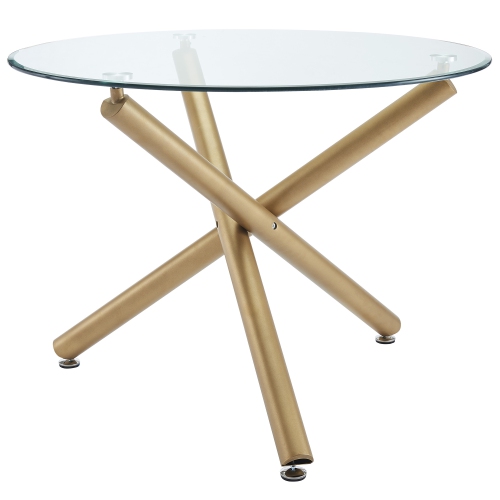
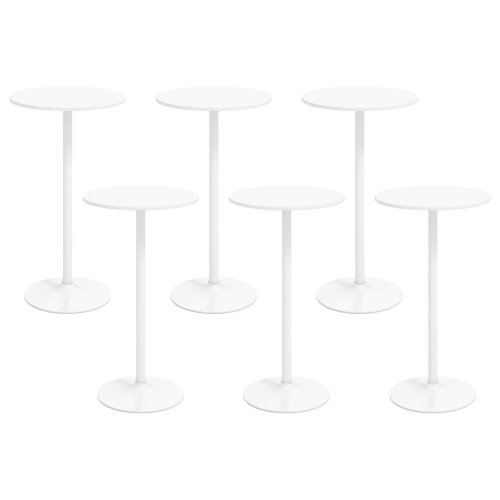
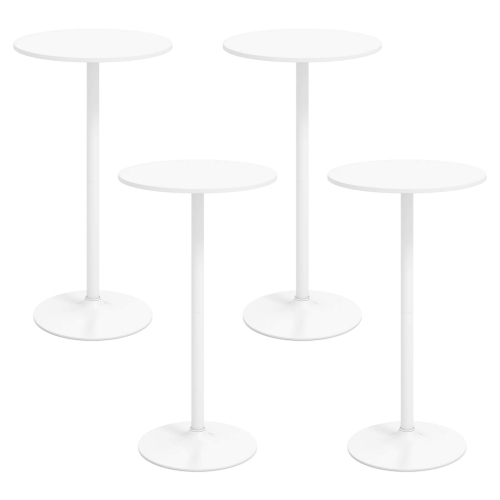
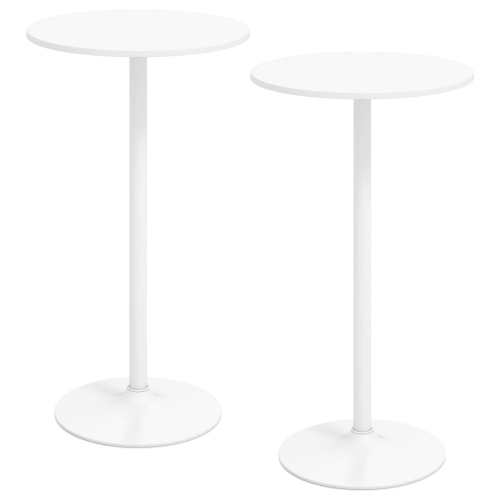

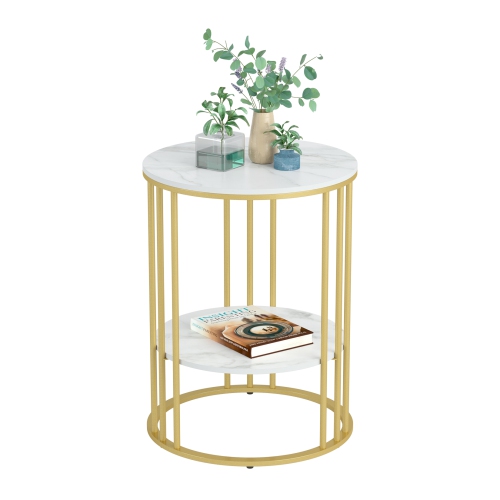
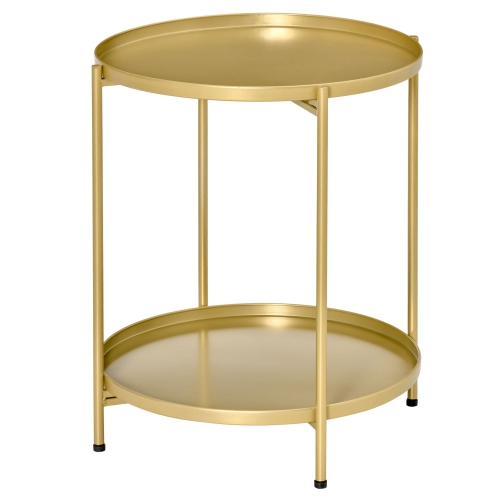

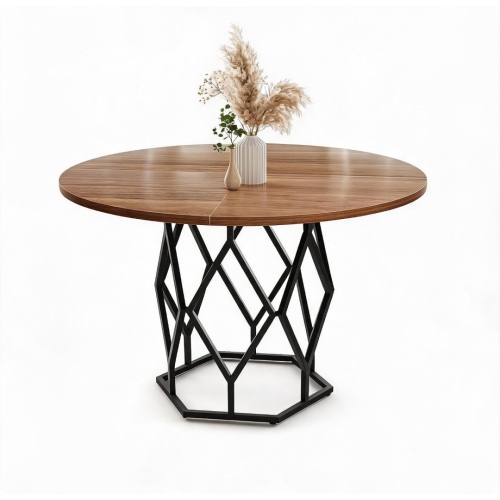
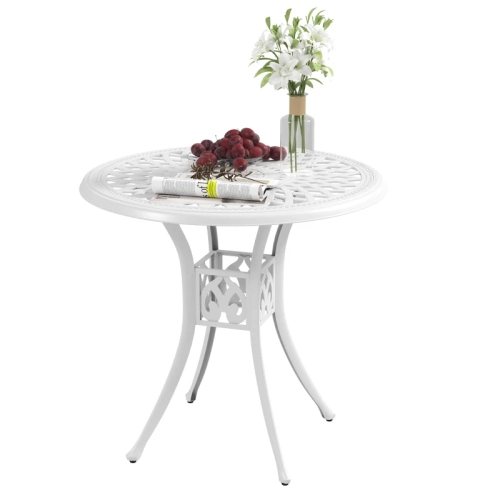

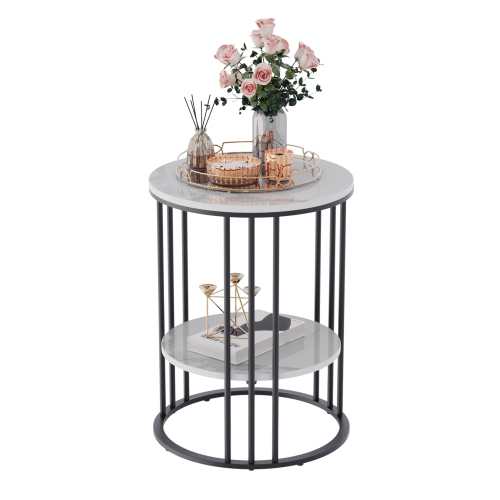
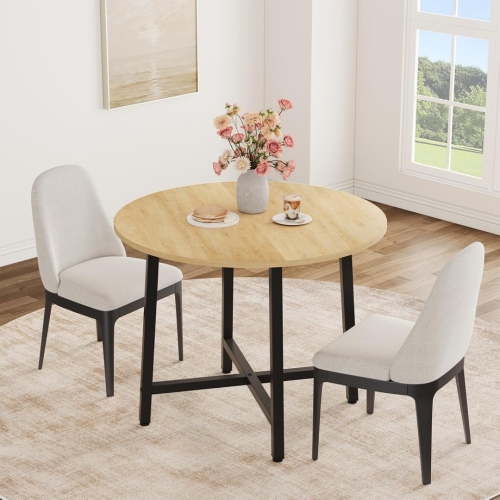
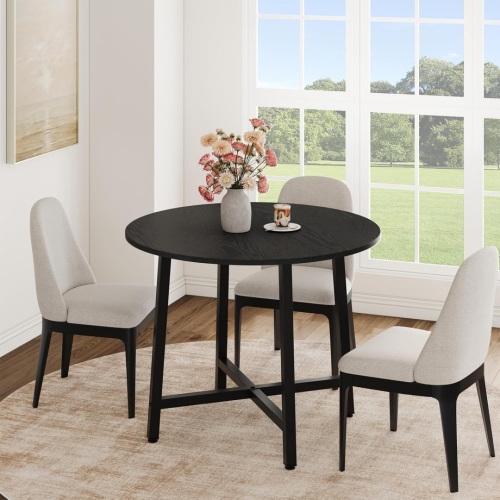
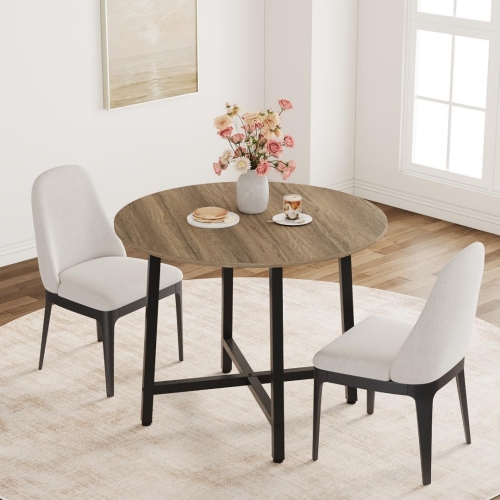
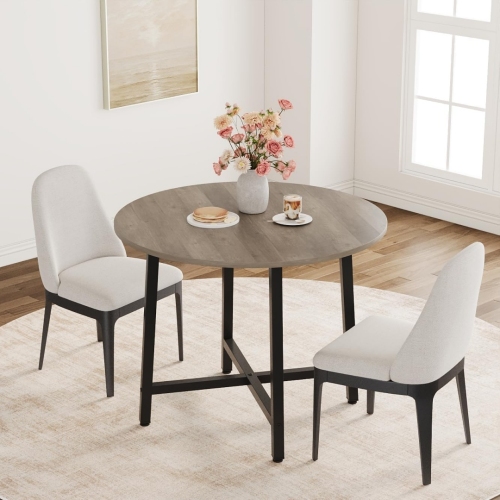
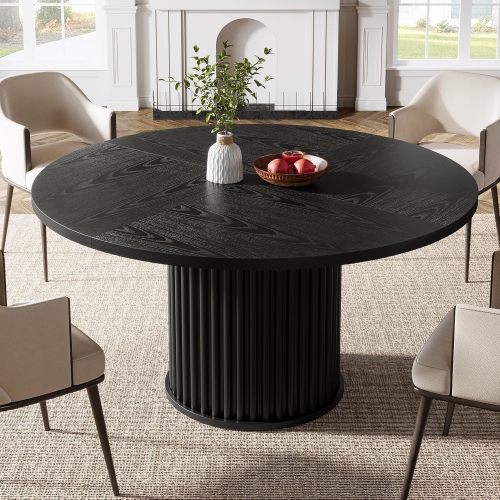
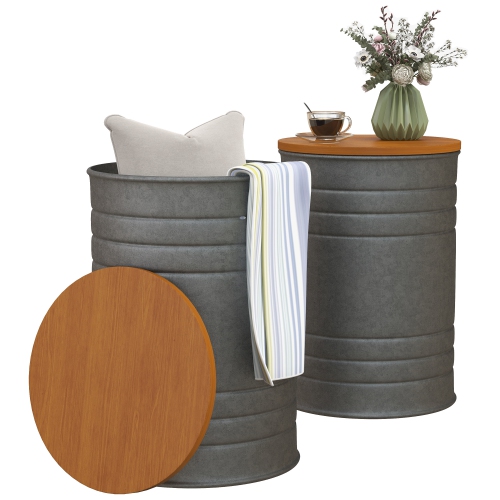
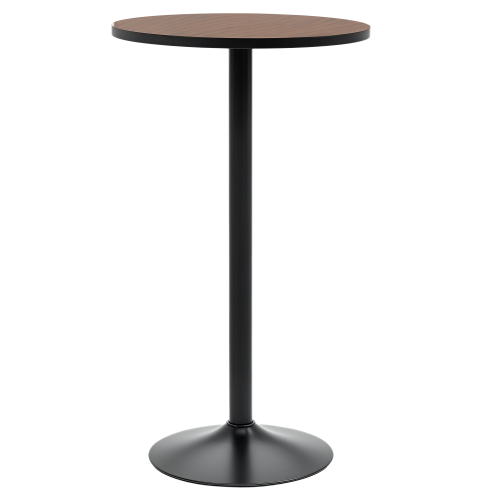


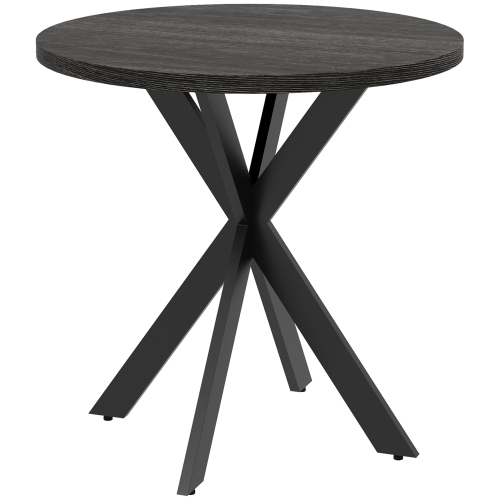
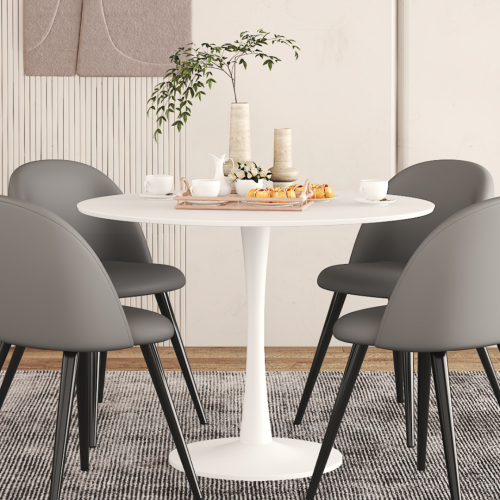
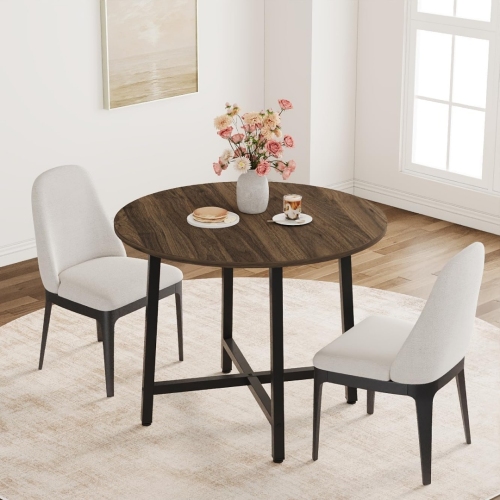


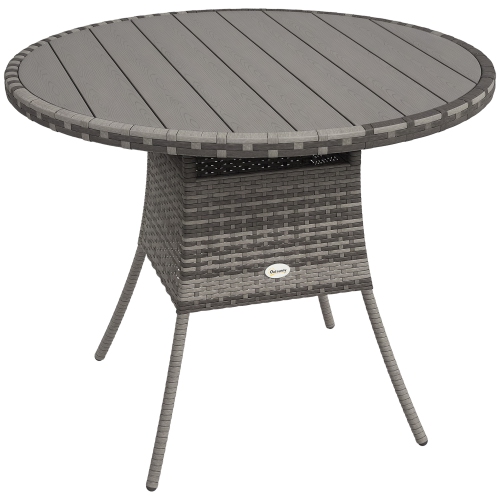


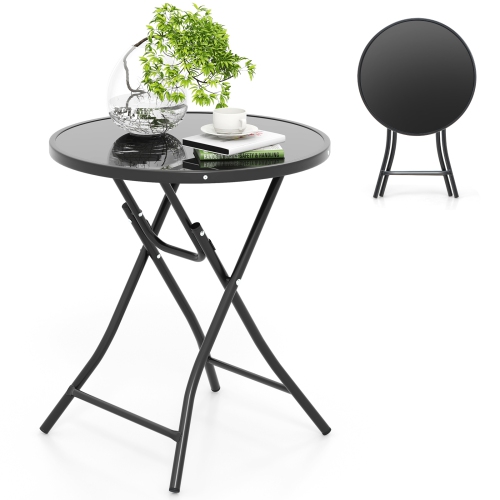
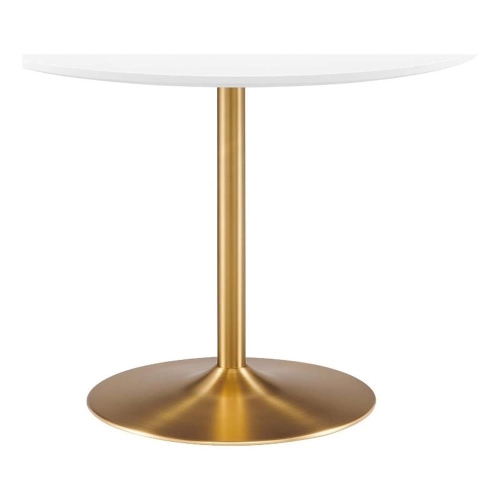

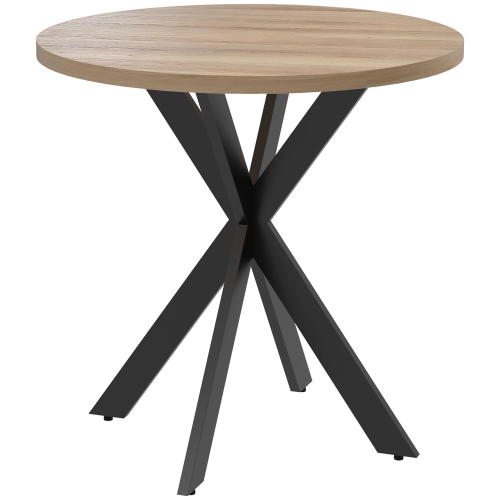

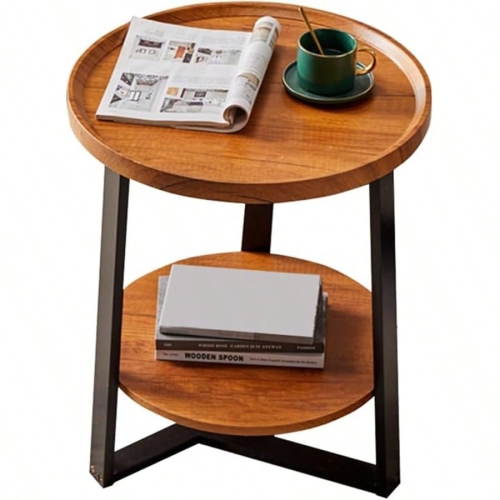

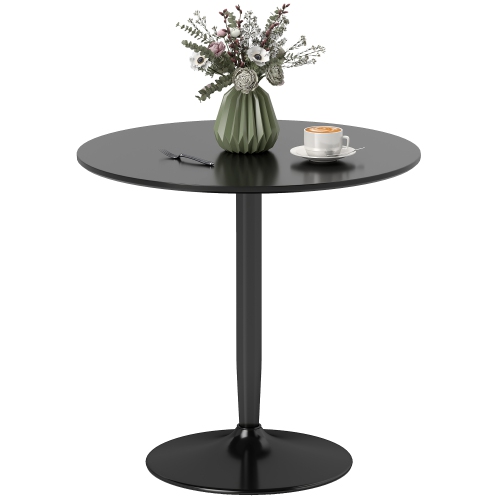
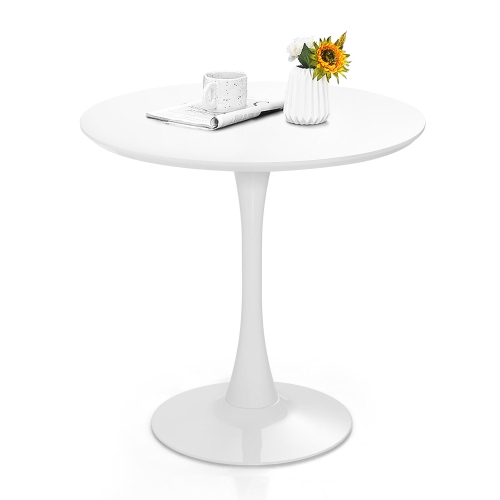

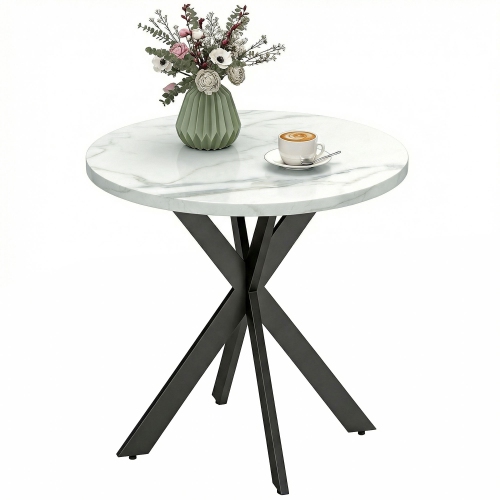
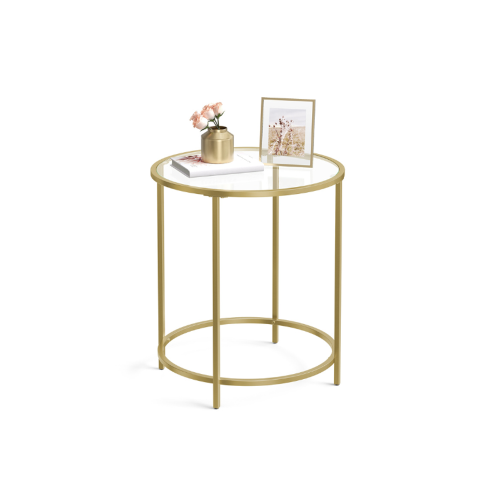


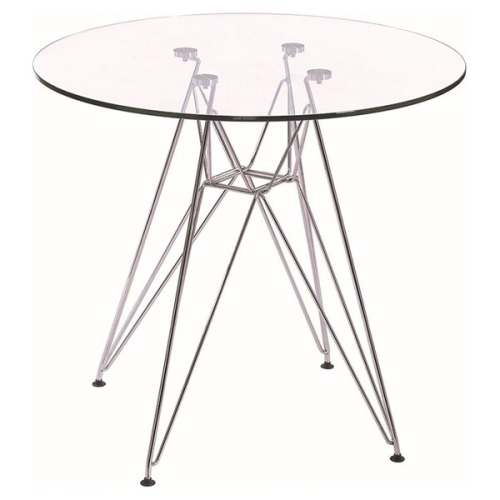

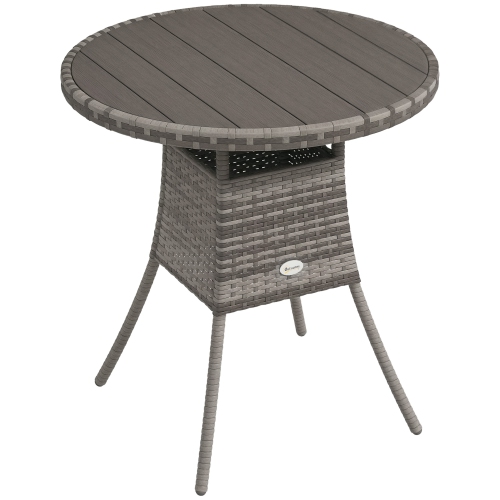
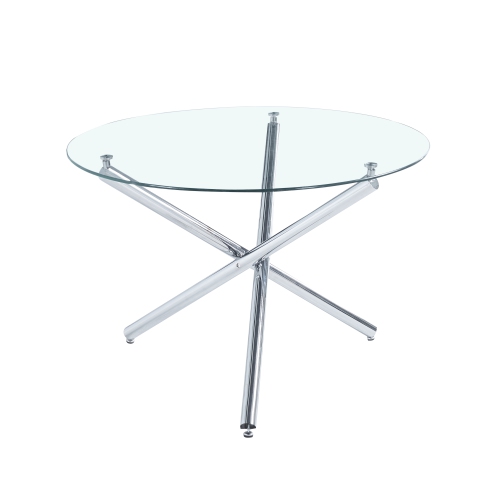
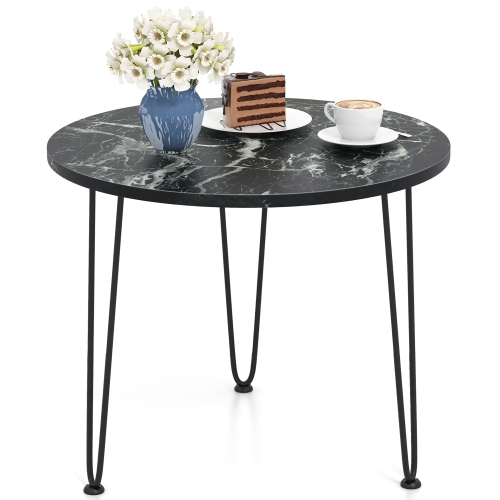

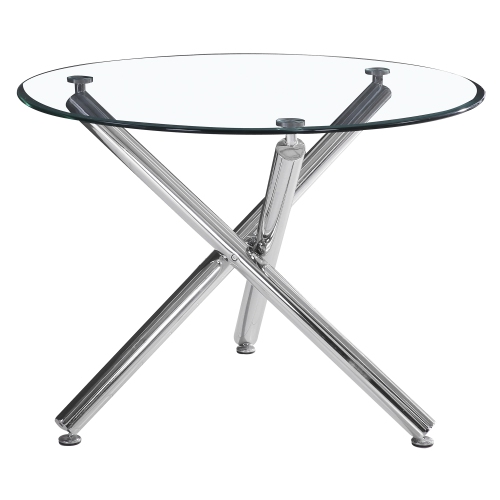

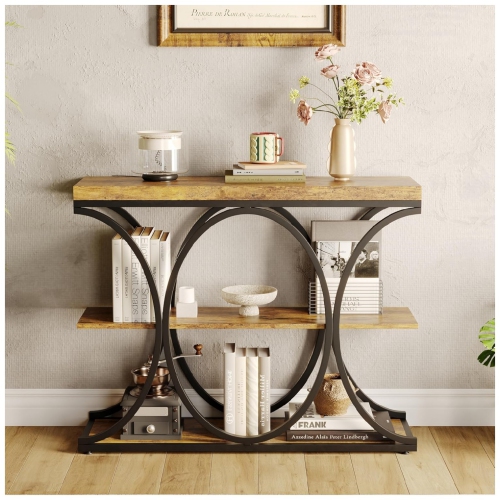
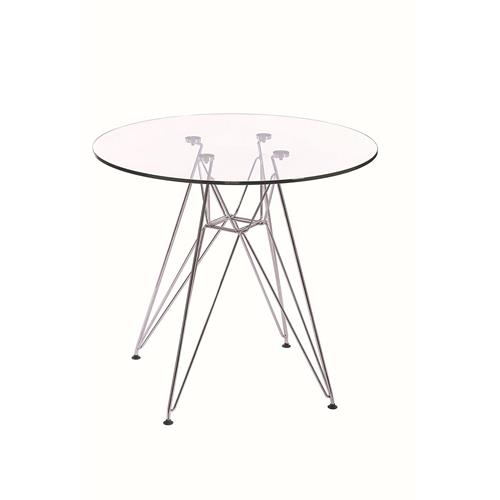
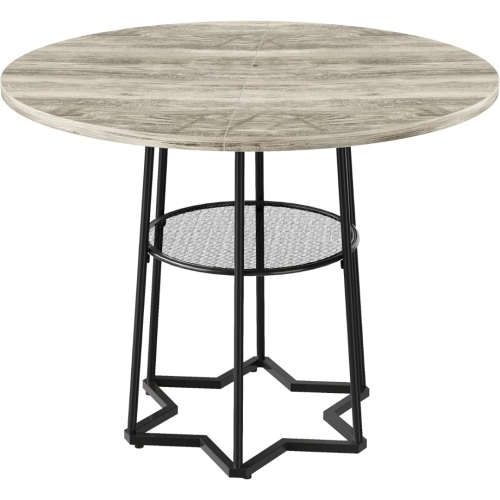

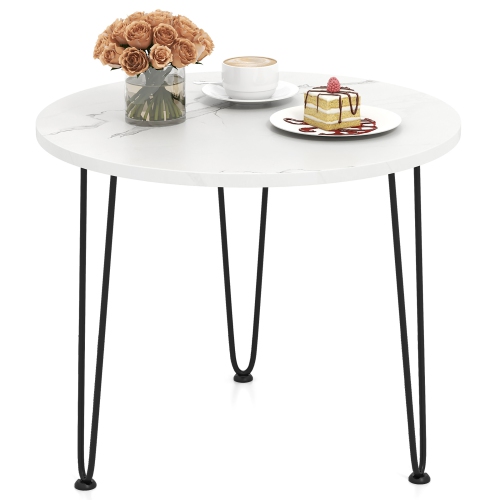


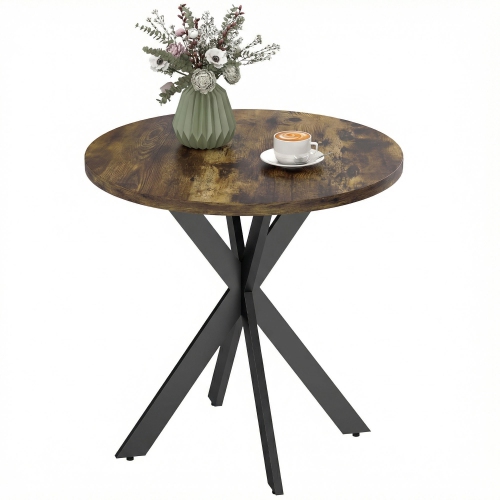
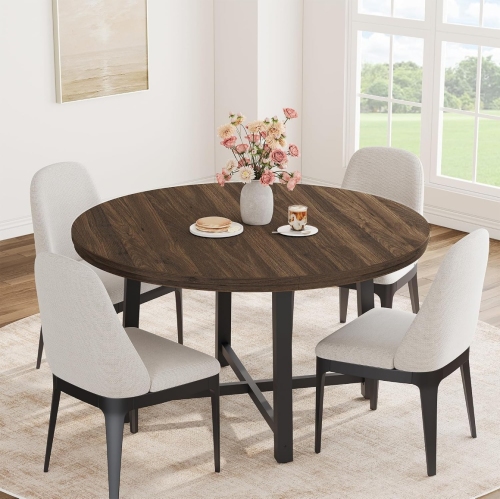


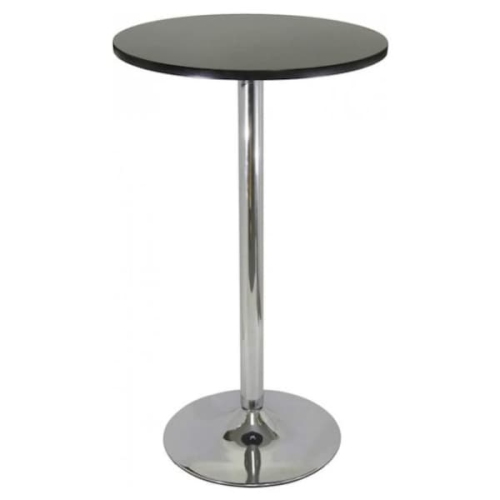

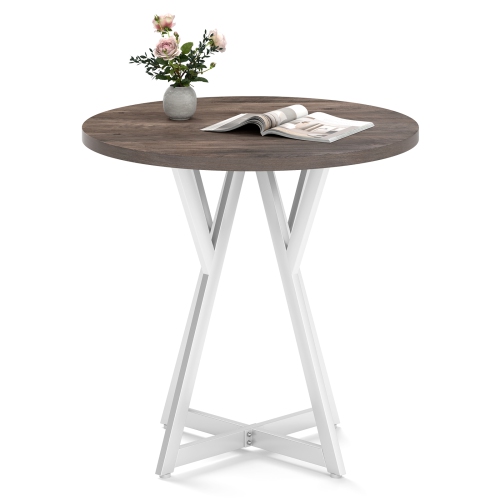
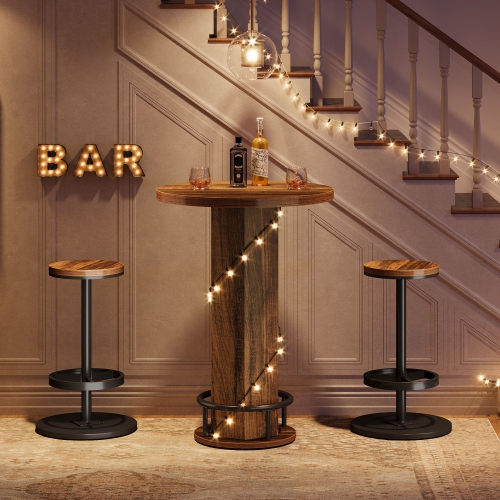
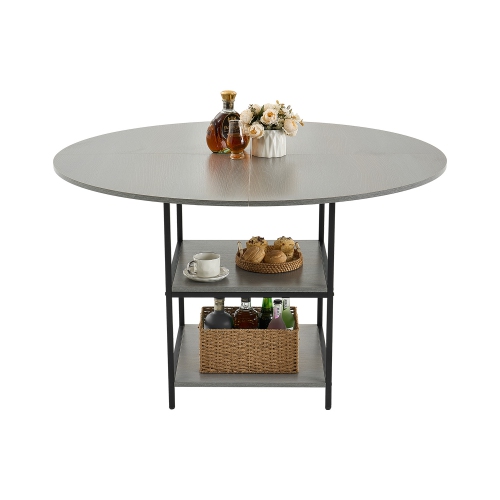
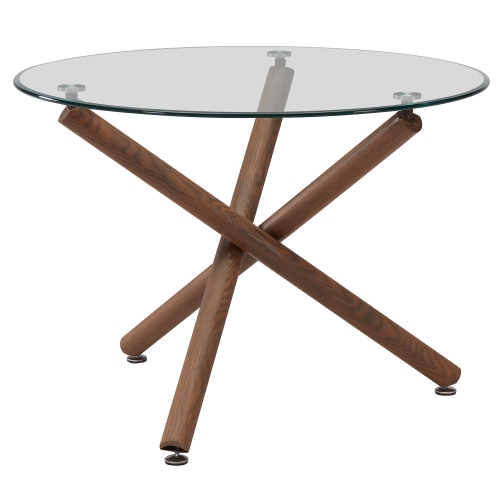
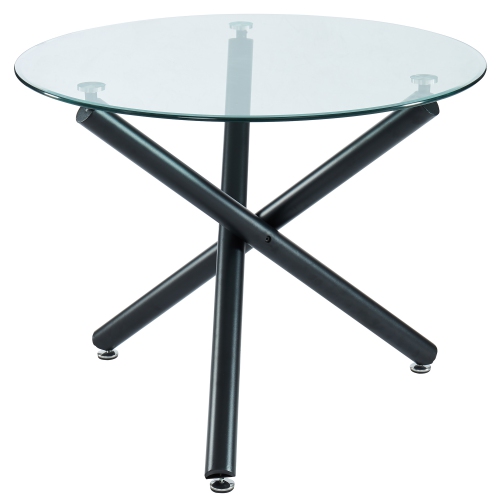






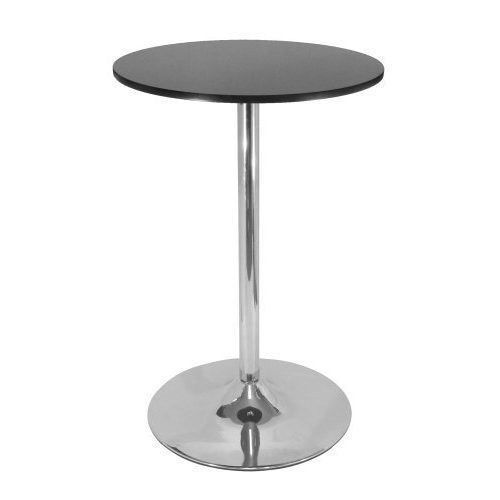


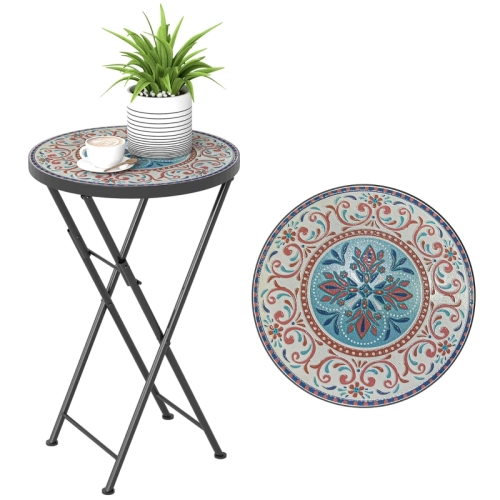


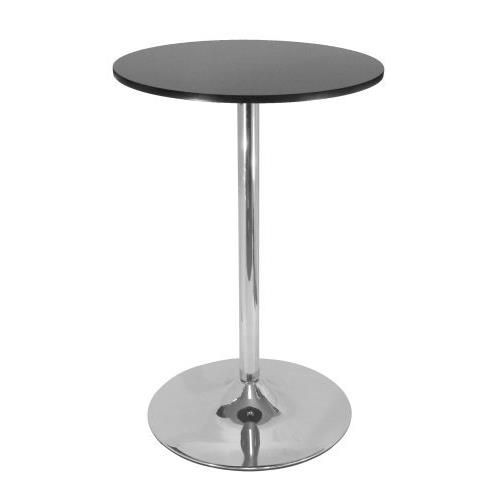
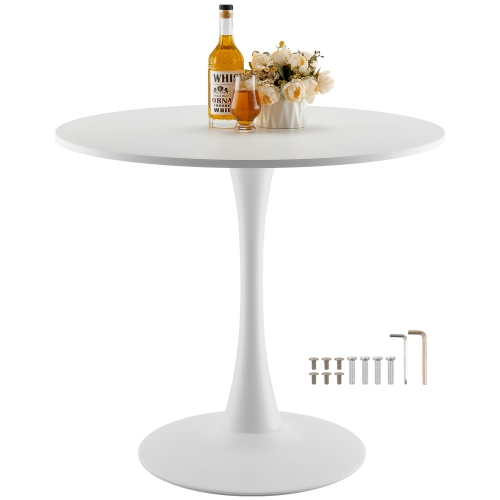







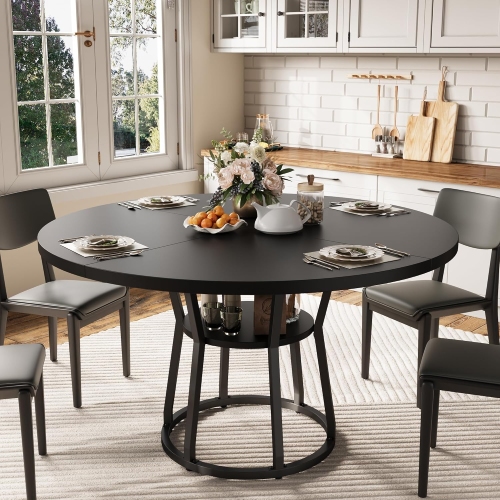
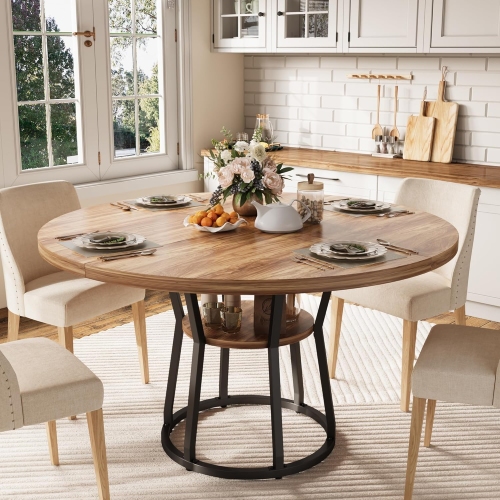


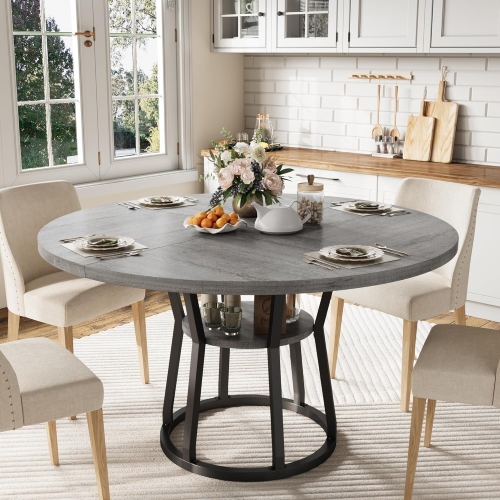


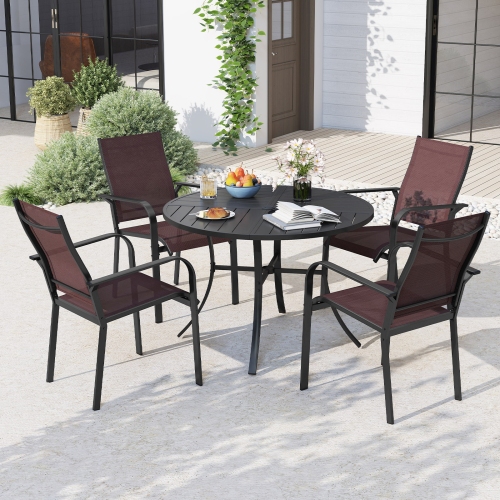
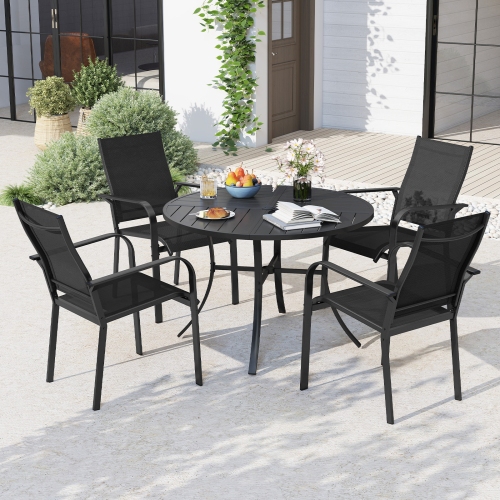
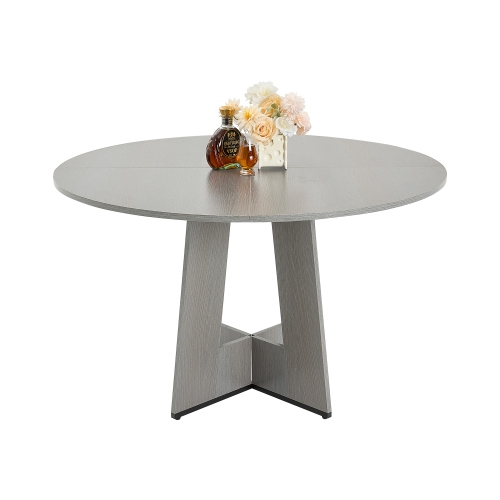

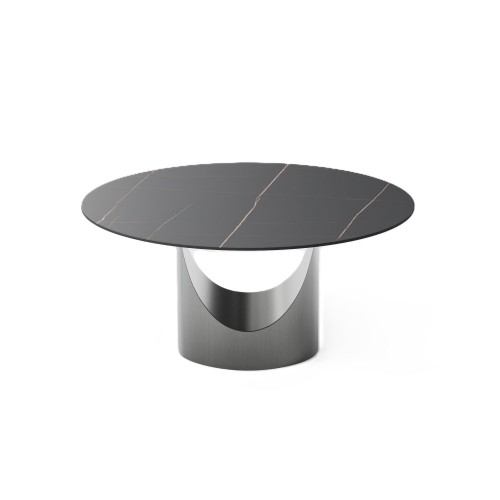

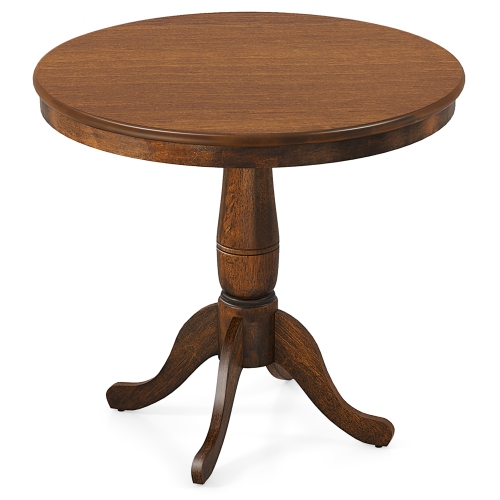
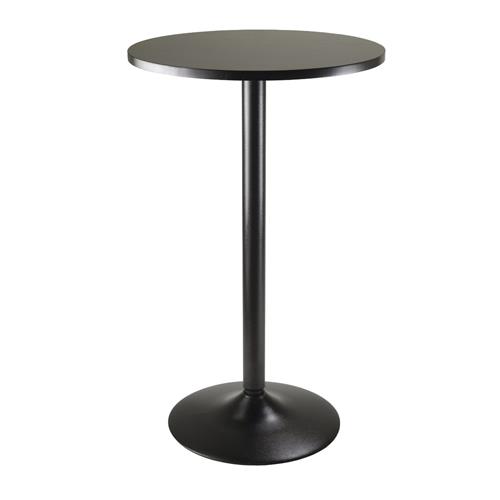
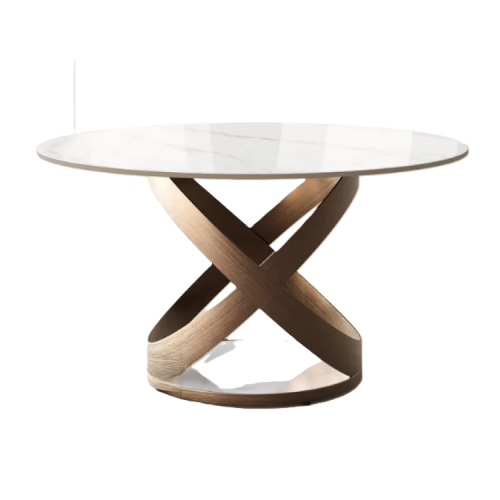
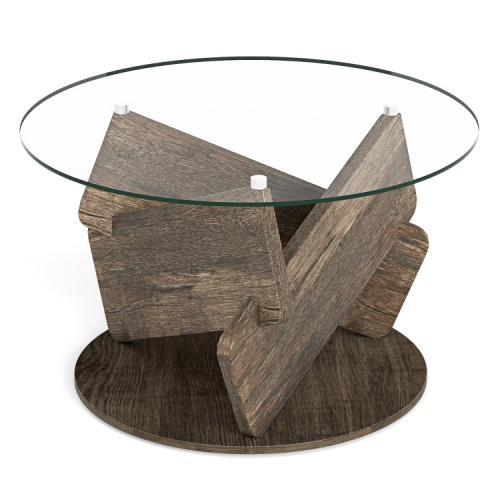
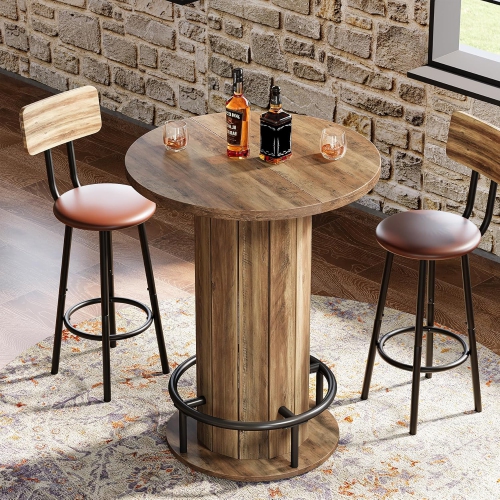
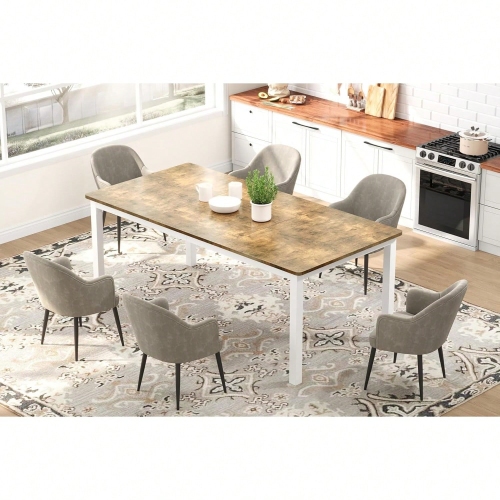
Softer room lines with the strength of metal
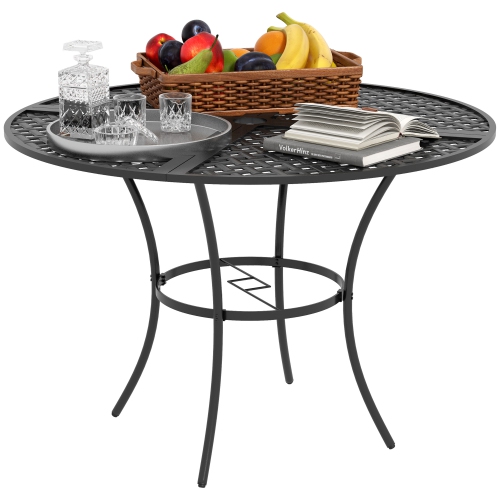
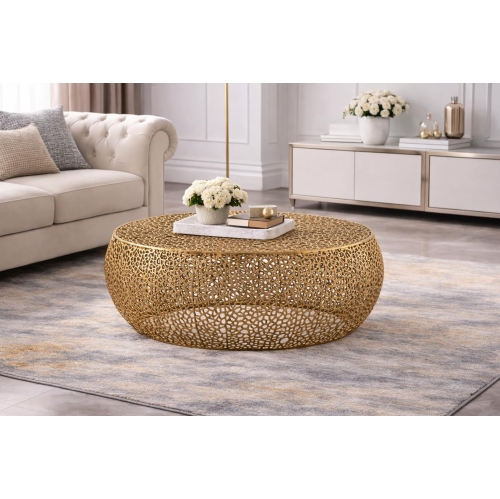
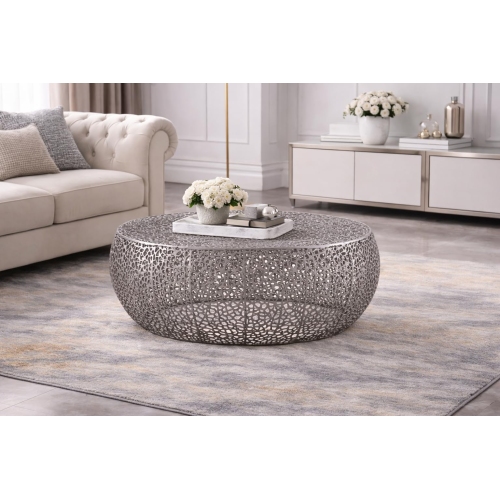
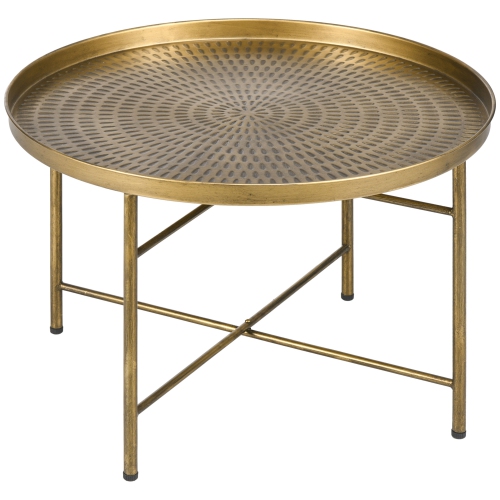
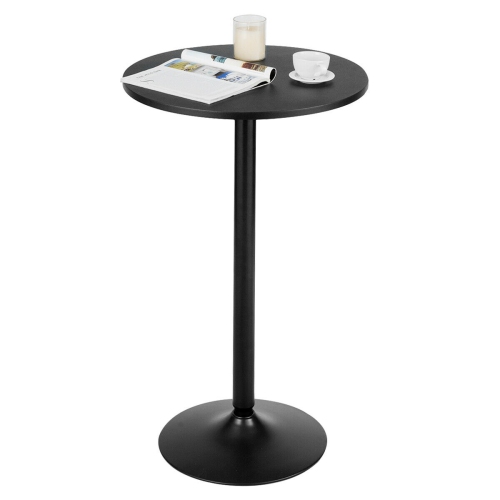
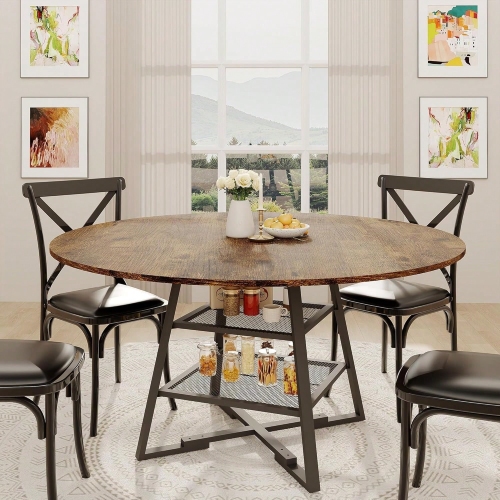
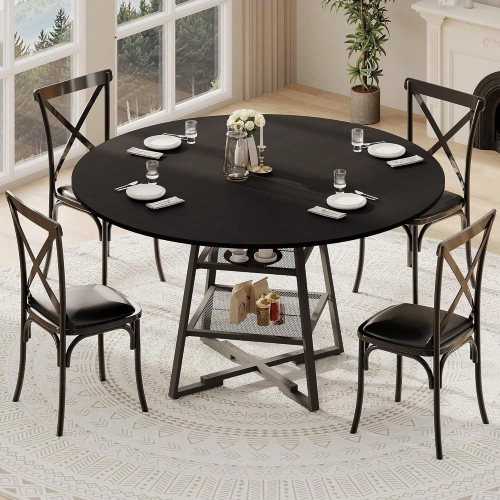
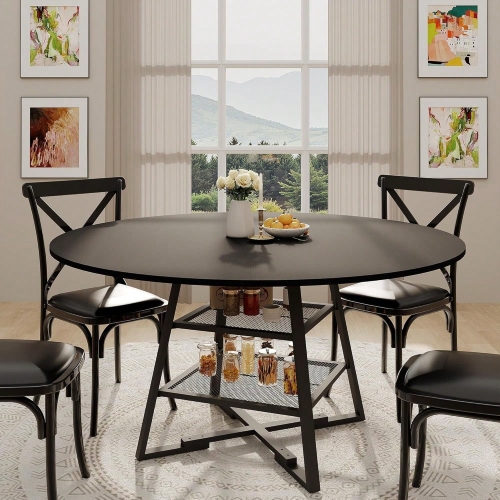
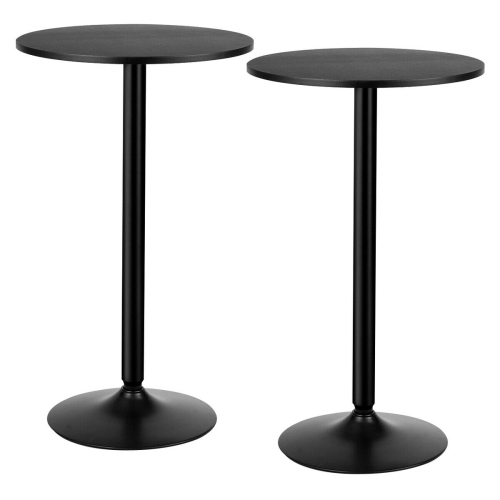
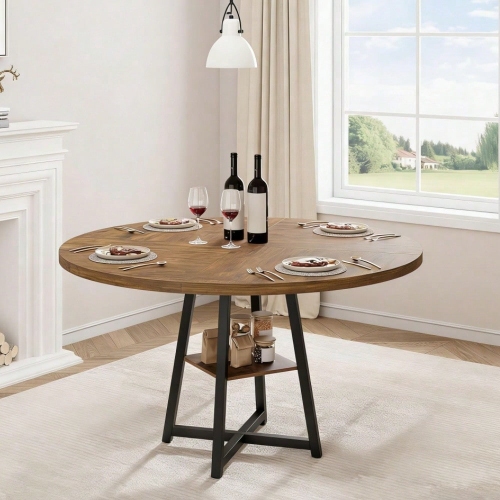
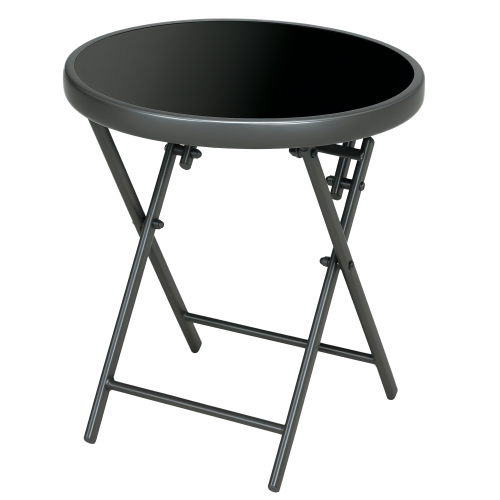
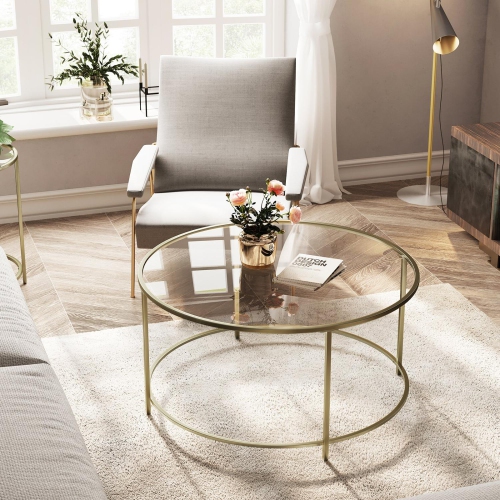
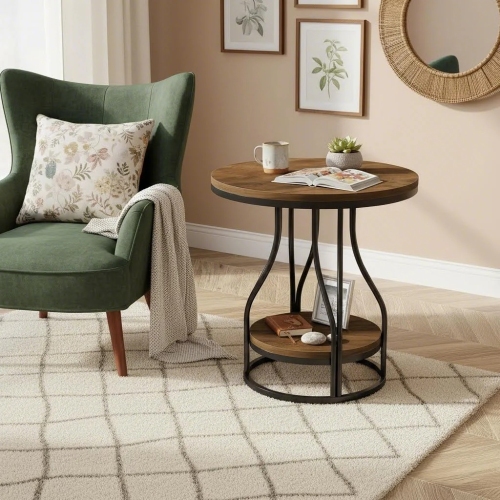
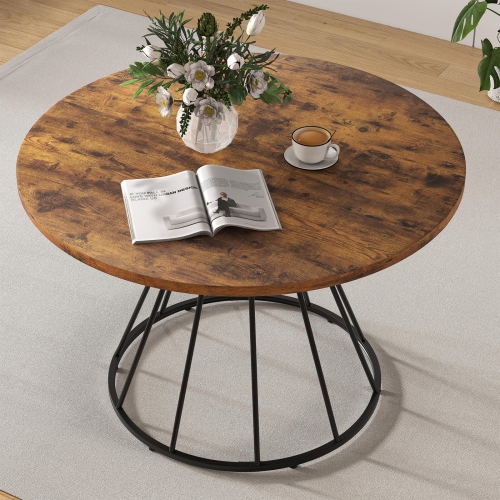
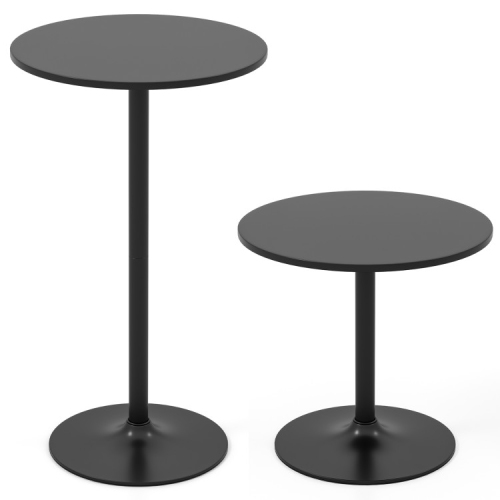
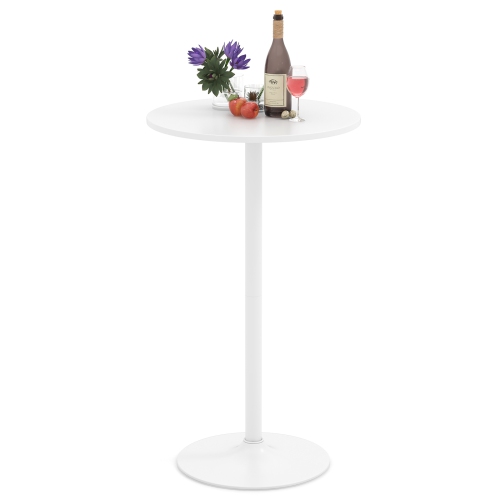
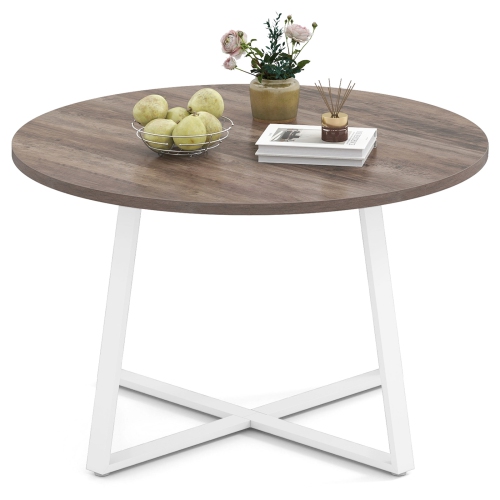
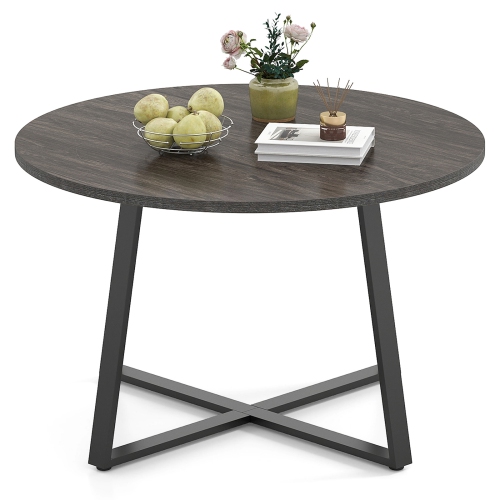
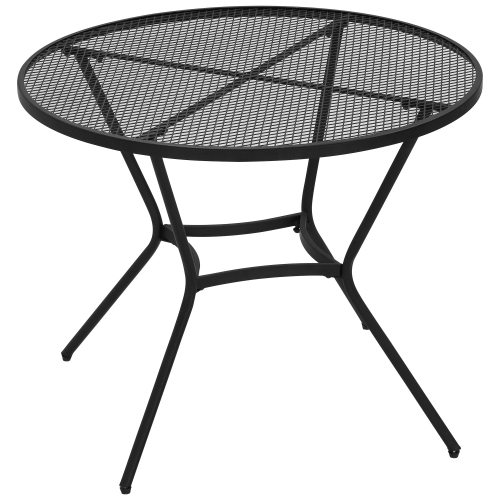
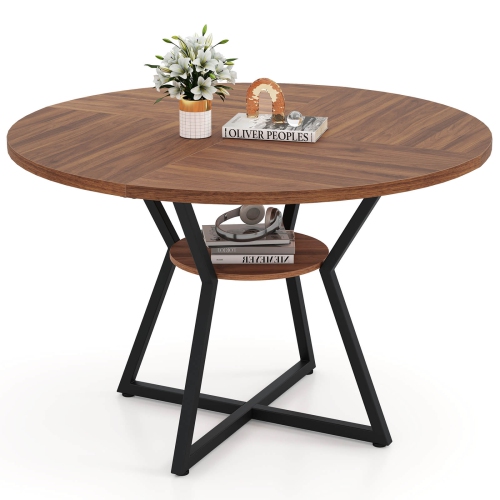
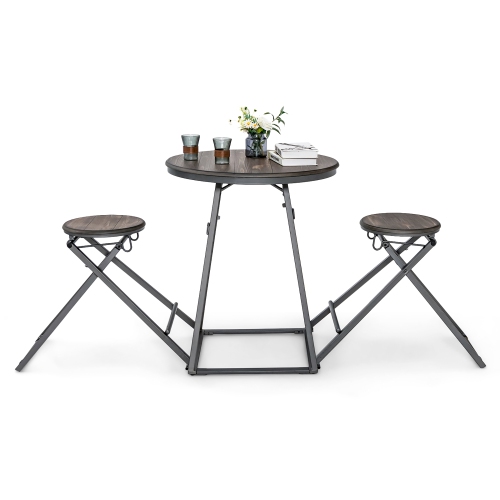
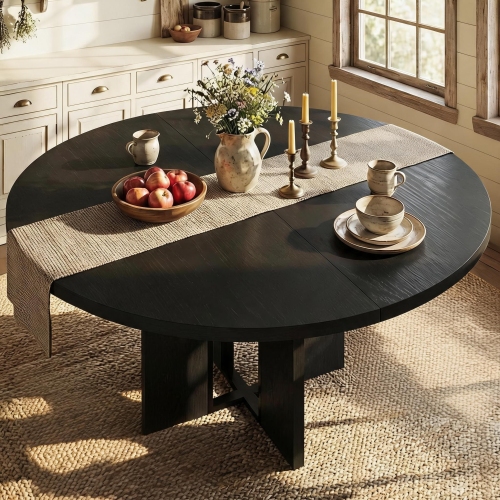
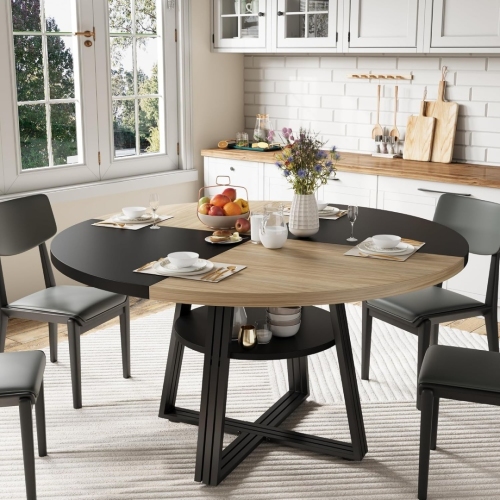
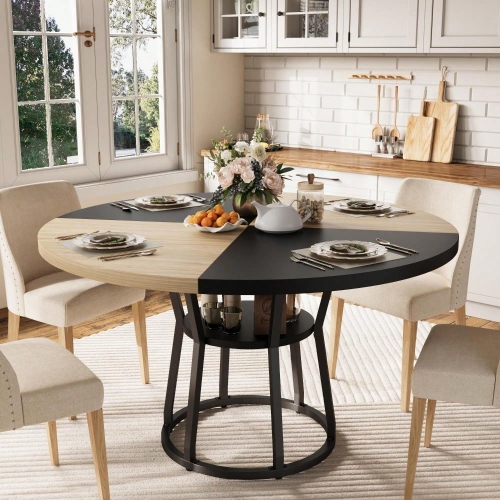
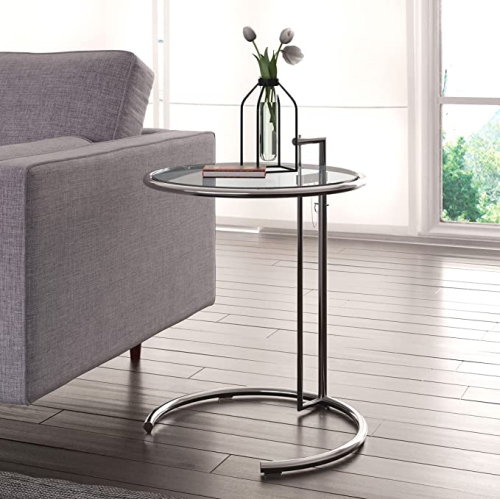
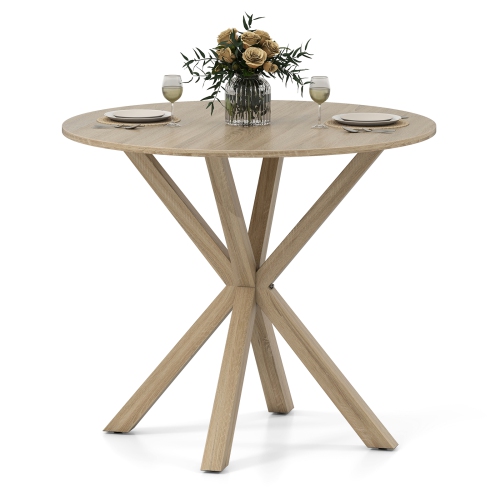
Round metal tables bring a circular surface and the strength of metal into dining areas, living rooms, and smaller spaces where a rectangular table may feel too angular. The category includes dining tables for shared meals, low coffee tables that sit within easy reach of a sofa, and compact side or accent tables for a lamp, a drink, or a stack of books. Some designs have both a metal top and a metal base, while others pair metal legs or frames with wood, glass, or stone surfaces. That distinction matters because the tabletop determines much of the table’s feel, appearance, and everyday care. A smooth metal top has a different character from a textured, hammered surface, just as a slender open frame feels visually lighter than a solid drum base. The round shape can soften a room filled with straight lines, from a sectional sofa to a bank of kitchen cabinets, and its lack of projecting corners can make movement around a seating arrangement feel less awkward. It still needs adequate clearance, especially where dining chairs pull out or a walkway passes behind a sofa. In a dining nook, a circular tabletop keeps everyone facing towards the centre and puts shared dishes within a similar reach. Beside an armchair, a smaller version creates a useful landing spot without taking over the seating area. Compact dining spaces also suit Round Metal Bistro Tables, a related style that works well for a quiet breakfast, a coffee break, or a meal for two when the dimensions allow. Larger round dining tables need more floor space than their simple outline might suggest, particularly once chairs are in use. For living rooms, coffee-table height and diameter should relate to the sofa rather than being chosen on appearance alone. A table that sits comfortably near seat height and leaves room to step between furnishings is generally more useful than one that fills every available gap.
The metal used in a table influences its weight, finish, maintenance, and suitability for different settings. Steel is commonly used for strong frames, legs, and tabletops, although the thickness of the material, the quality of the joints, and the overall construction matter as much as the metal itself. Powder-coated steel has a baked-on finish that adds colour and helps protect the underlying surface; chips or deep scratches can compromise that protection. Aluminium is relatively lightweight and naturally resists rust, making it practical when a table needs to be moved for cleaning or rearranging furniture. Stainless steel offers good corrosion resistance and a crisp appearance, though fingerprints and water marks may be noticeable on smoother finishes. Iron can give a table substantial weight and suits both simple profiles and more detailed metalwork. Brass and copper introduce warmer tones, but a brass-coloured or copper-coloured finish does not necessarily mean the table is made from solid brass or copper. Plated, painted, and lacquered surfaces can look similar while requiring different care. These metals may also develop a patina when left uncoated, so the stated finish helps clarify how the appearance may change with use. Matte black metal can anchor a room with pale upholstery, while brushed silver tones sit naturally alongside glass, light wood, and streamlined furniture. Hammered or embossed tops add texture and can make small marks less conspicuous, although a deeply uneven surface may be less convenient for writing or setting down narrow-based glassware. A metal table with a wood top introduces grain and a softer visual contrast; glass keeps the base visible, while stone can add considerable weight. For a cohesive room, the table does not need to match every other metal finish. Repeating its colour or shape in a lamp, chair frame, or cabinet handle is often enough to make it feel connected. Construction and function remain important beneath the finish: a striking silhouette should still provide a level surface and a stable base for its intended use.
Fit is especially important with round metal tables because the base can affect usable space as much as the tabletop diameter. A central pedestal may free up room around the edge for dining chairs, but a wide pedestal foot can interfere with feet or prevent chairs from tucking in fully. Tables with three or four legs distribute support differently, and the spacing between those legs determines where chairs can sit comfortably. Measuring the room, the chairs, and nearby furniture helps establish whether the arrangement will work beyond its footprint on paper. A cardboard circle or a few pieces of removable tape on the floor can make the proposed diameter easier to picture. For a side table, the surface should be easy to reach from the chair without an awkward stretch; if it will hold a lamp, allow space for the lamp base as well as everyday essentials. Coffee tables need enough clearance for knees and walking, while nesting designs require room to separate the smaller table when needed. Weight capacity, assembly requirements, levelling feet, and floor-protecting glides are useful details to check, particularly on uneven floors or surfaces that scratch easily. A round edge removes sharp corners from the outline, but it does not make a heavy table childproof, and tables should not be used as seats unless specifically designed for that purpose. Routine care is usually straightforward: wipe spills promptly with a soft cloth, use coasters beneath drinks, and protect the finish from hot dishes, abrasive objects, and rough-bottomed planters. Cleaning products should suit the particular metal and coating, since harsh cleaners or scouring pads can dull or scratch a surface. Following the manufacturer’s care directions is more reliable than treating all metal finishes alike. For tables assembled with bolts, occasional checks for loose fasteners can help maintain stability. An indoor metal table should not be assumed suitable for a patio simply because it is made of metal; outdoor use requires an appropriate designation. With the right dimensions, finish, and construction, a round metal table can serve as a practical everyday surface while giving the surrounding room a clear focal point.
Top selling and popular products
-
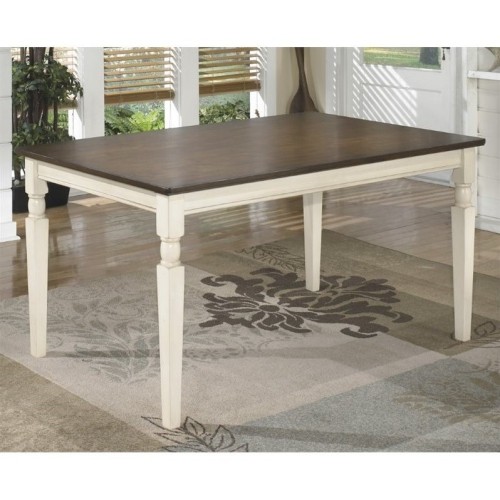 Your price for this item is $399
-
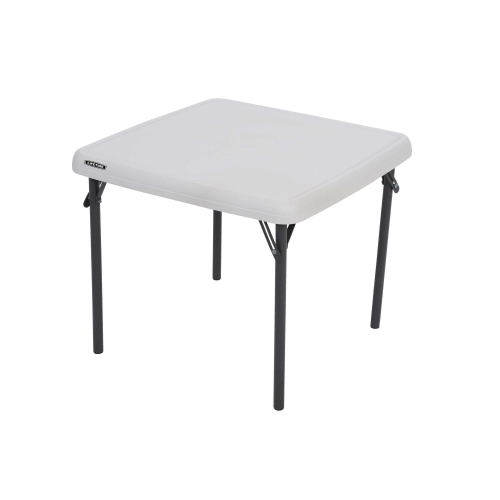 Your price for this item is $71.99
-
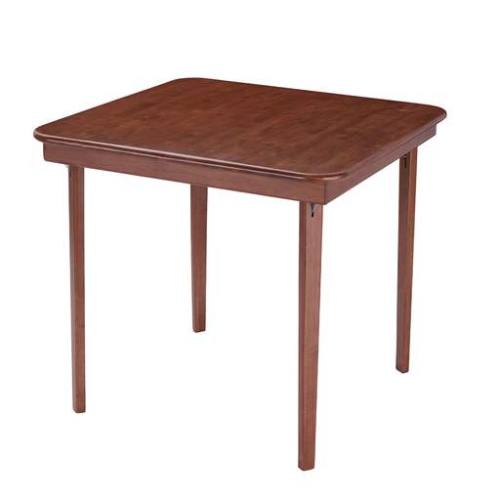 Your price for this item is $323.99
-
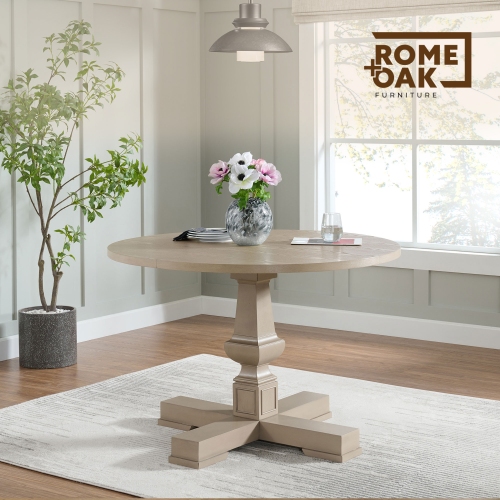 Your price for this item is $763.99
-
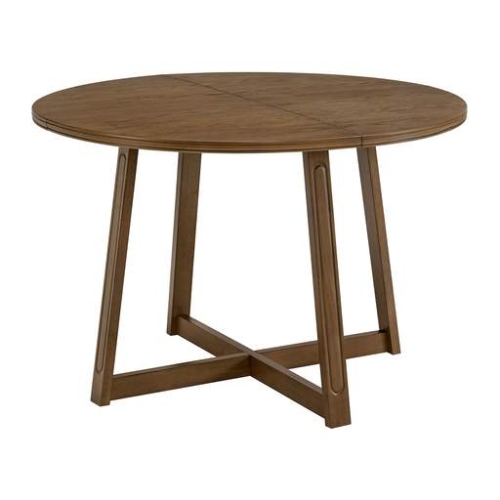 Your price for this item is $627.99
-
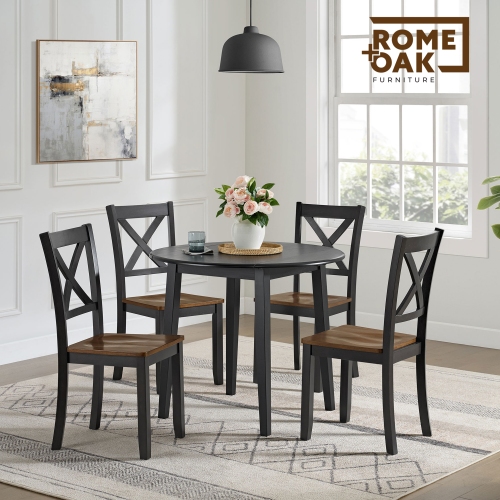 Your price for this item is $304.99
-
 Your price for this item is $190.99
-
 Your price for this item is $651.99
Discover more categories related to Round Metal Tables


Top Collections:
Pokemon Centers, Kindle Devices, Best Cameras for Sports Photography, Pokémon 30th Celebration Cards, Apple iPhones 16, Canon G7X Cameras, iPhone 15 Apple, Flip Phones, Samsung Galaxy Phones, Alarm Clock
Some products may be subject to Environmental Handling Fees
(EHF) depending on your province.
Learn more about EHFs.