Round Planter Pots
Create a vibrant and inviting display for your plants with our collection of round planter pots. Whether you're looking to add a touch of greenery to your home, office, or outdoor space, these versatile pots are the perfect solution. With their sleek and modern design, they effortlessly blend into any decor style while providing a stylish home for your favorite plants. Available in various sizes and materials, our round planter pots offer endless possibilities to showcase your botanical treasures. Elevate the beauty of your plants and bring a fresh and natural touch to any space with our selection of round planter pots.
Sort
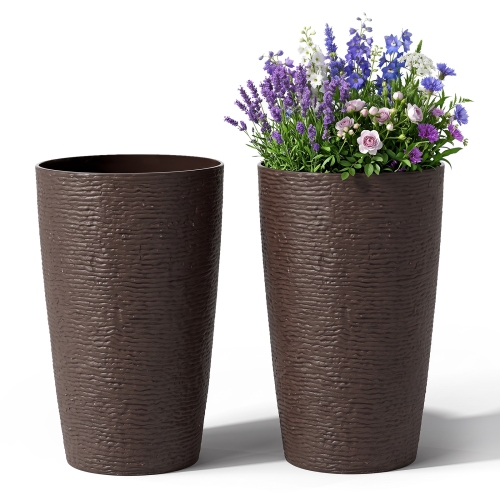
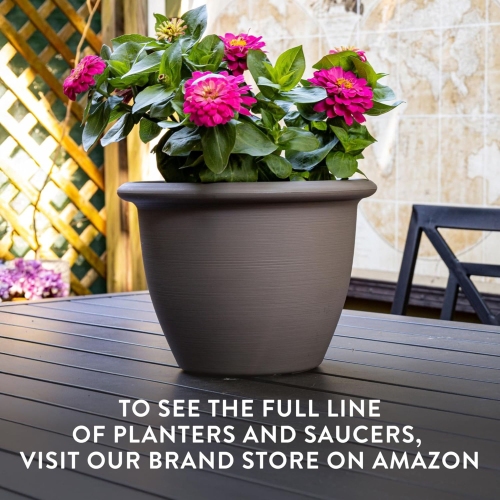
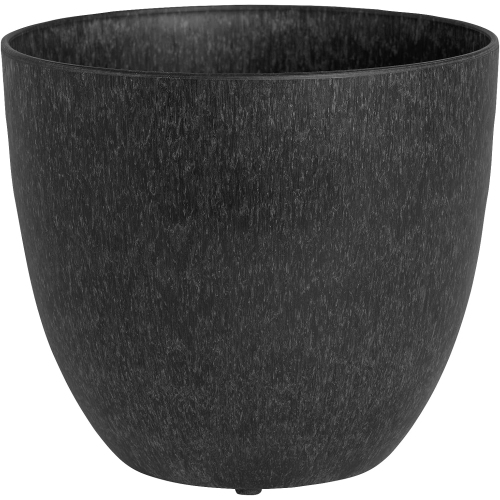
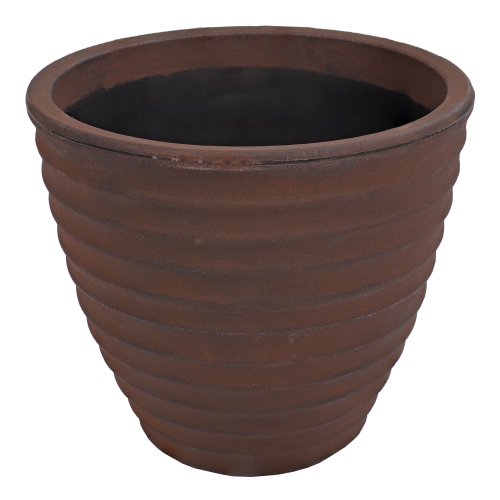









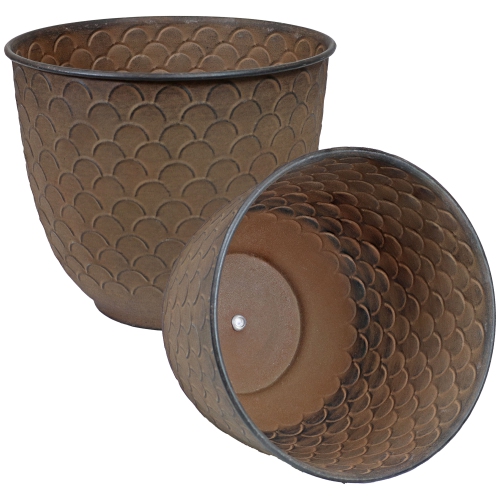
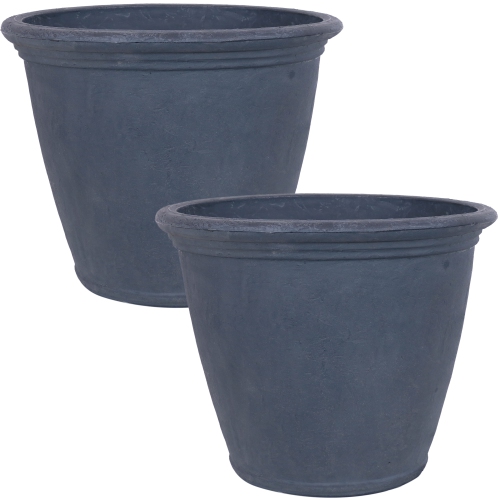
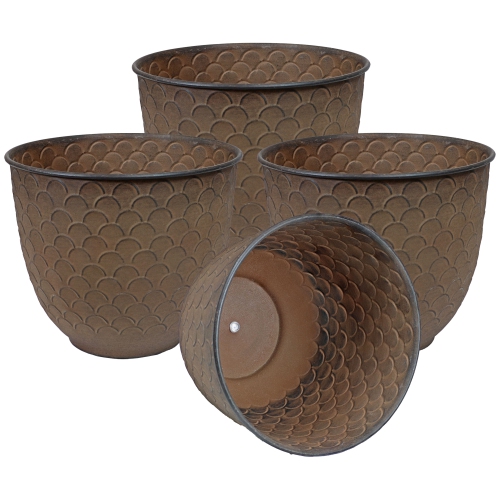
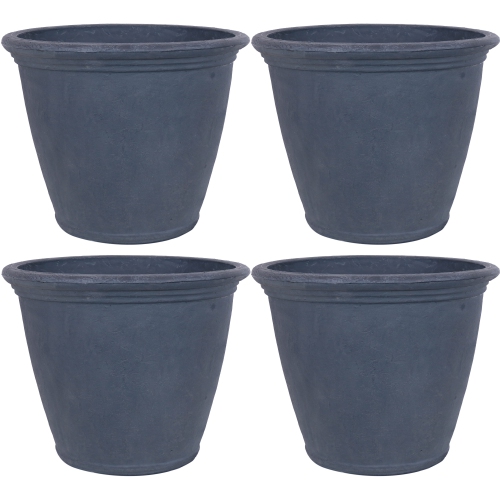



What a pot’s rim doesn’t tell you
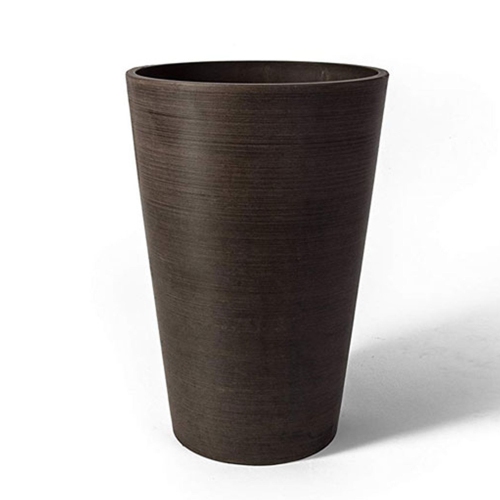
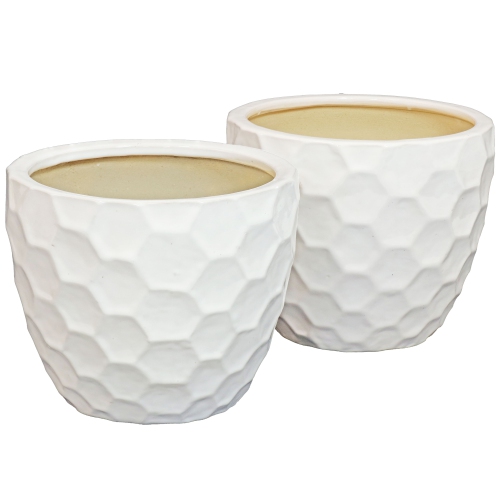
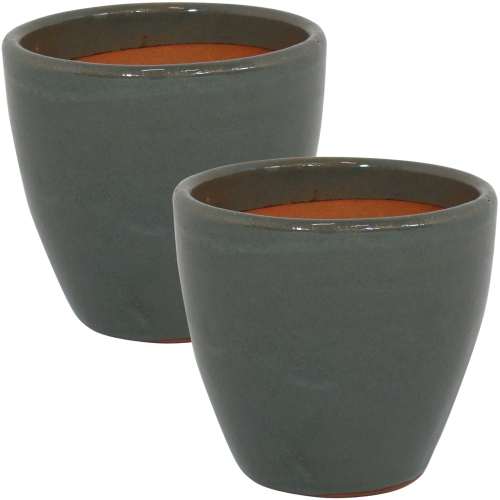
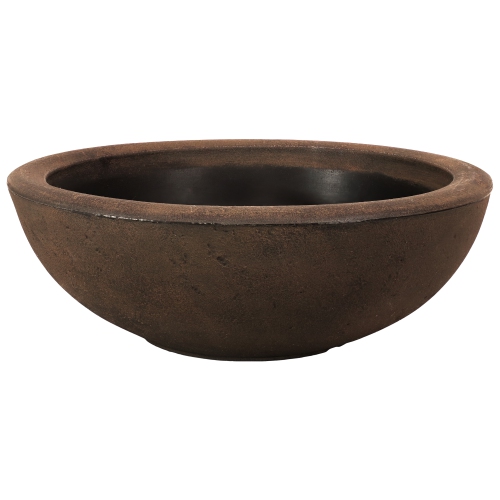
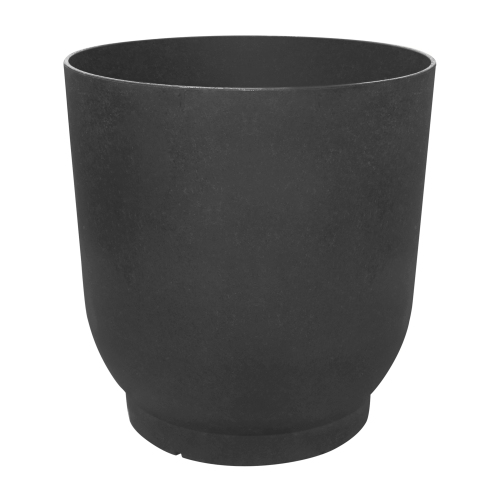
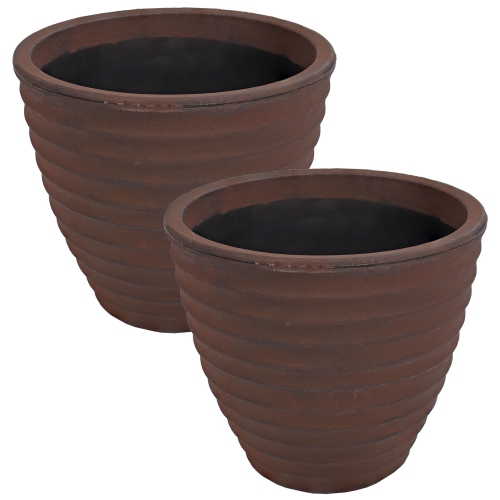
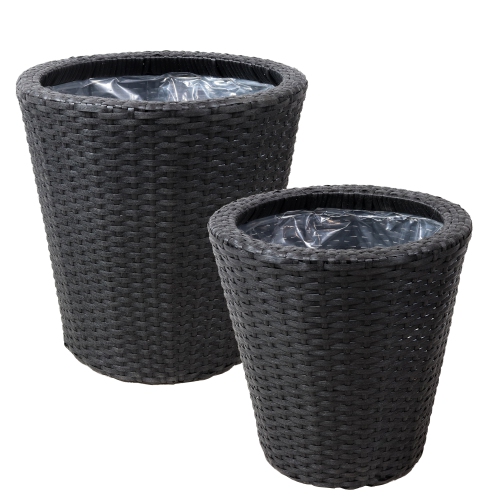
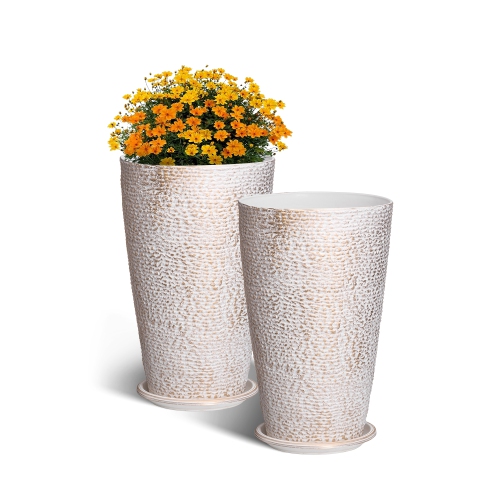
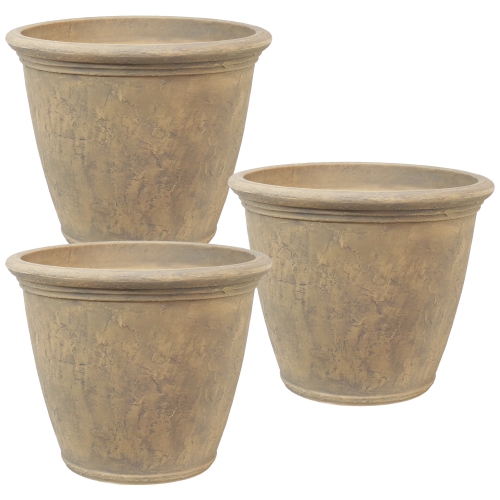
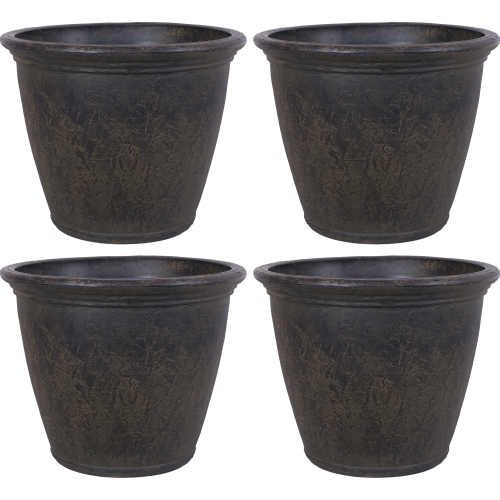
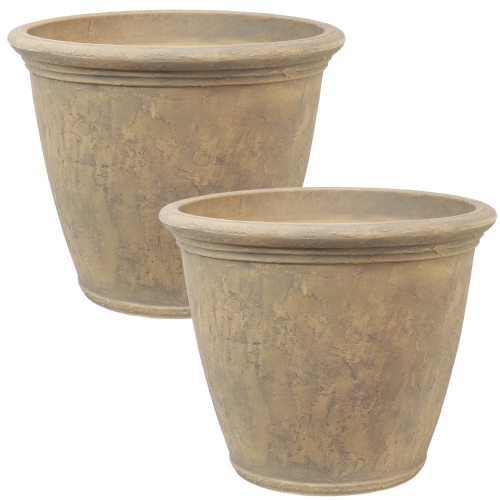
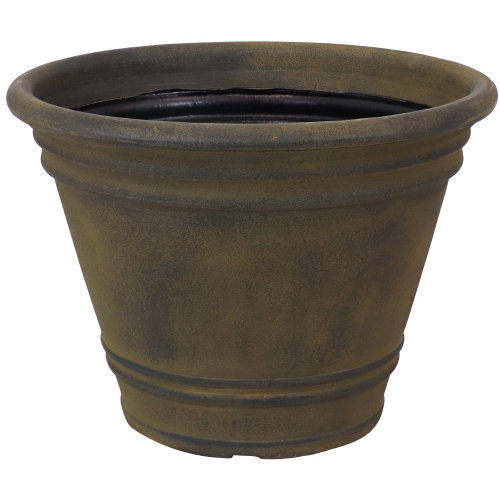
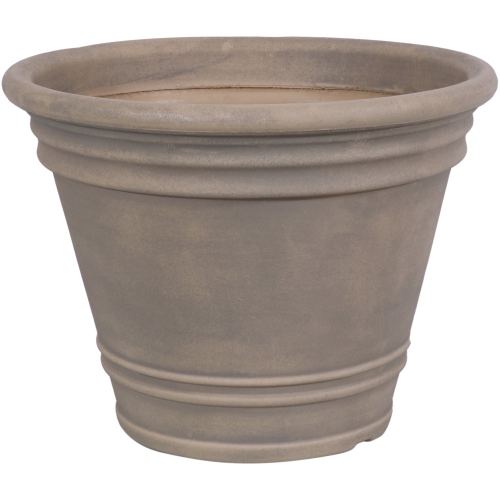
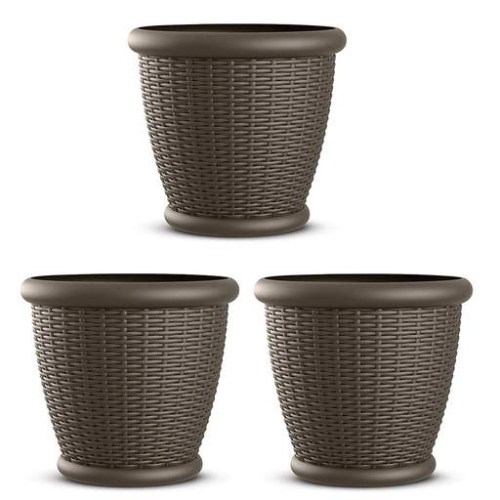
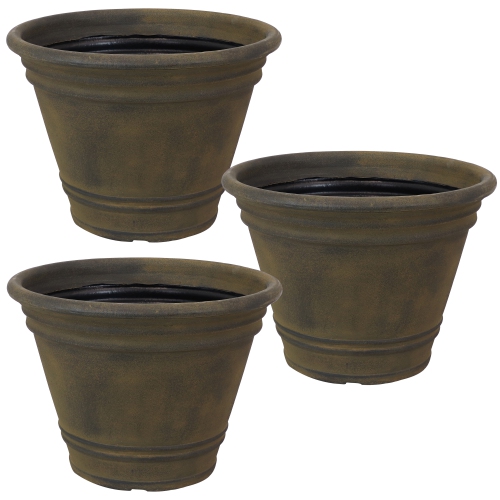
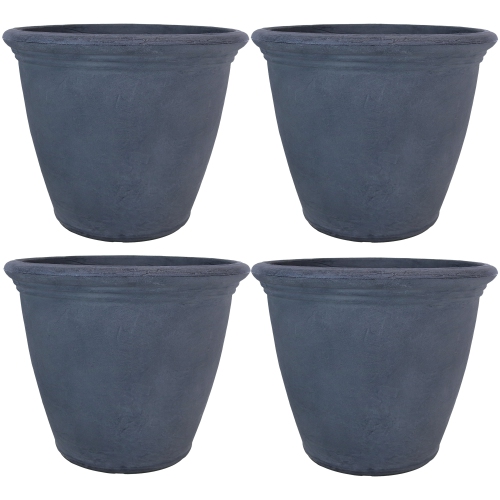
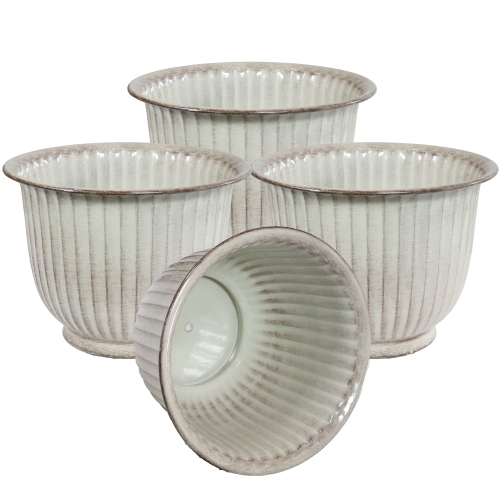
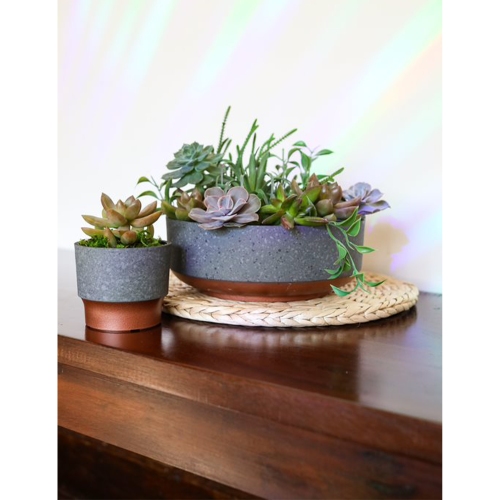
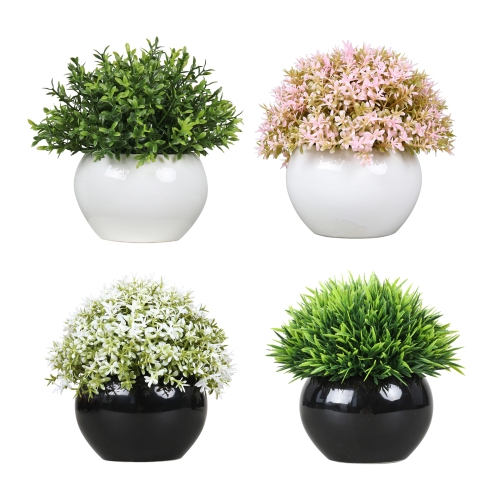
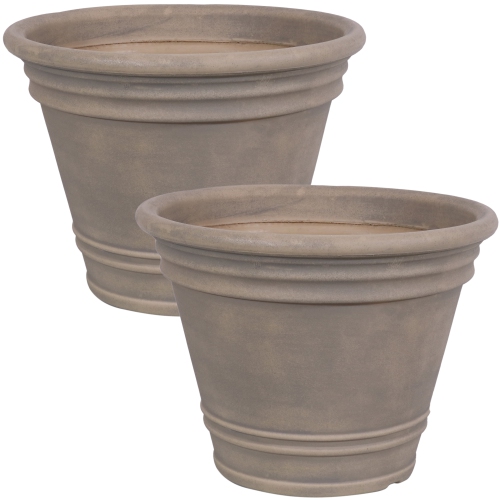
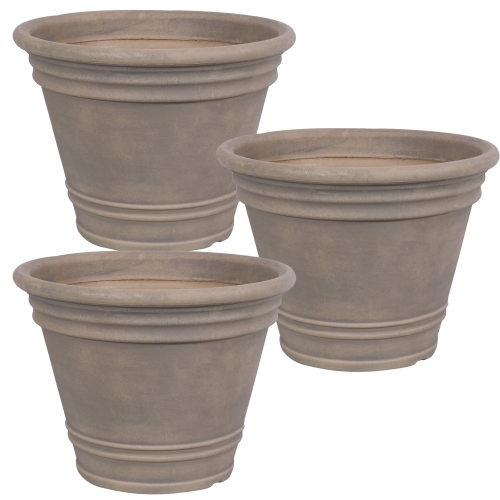
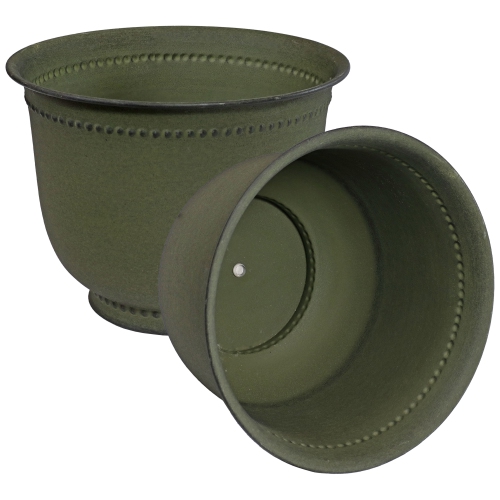
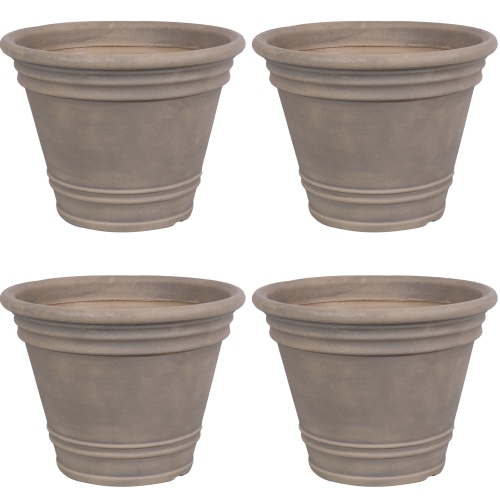
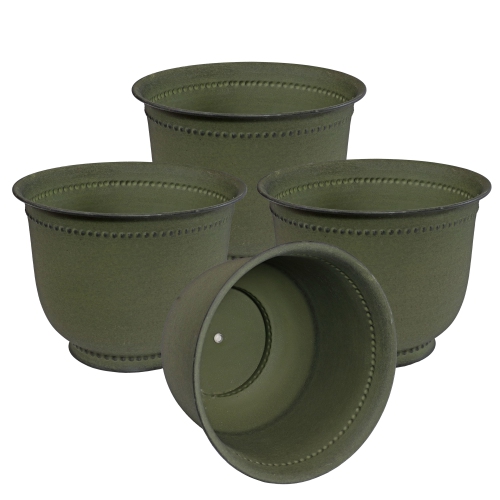
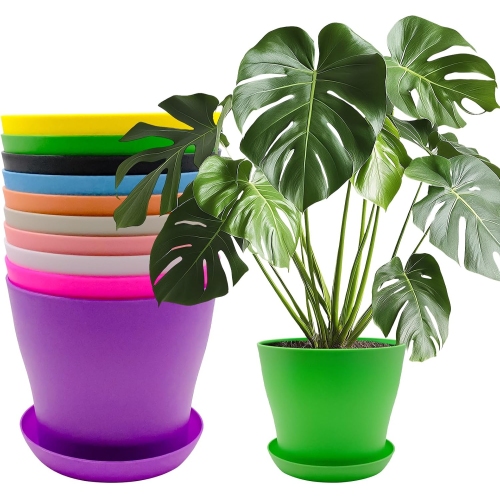
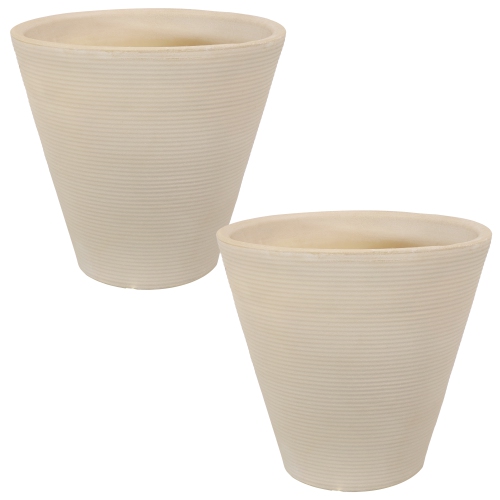
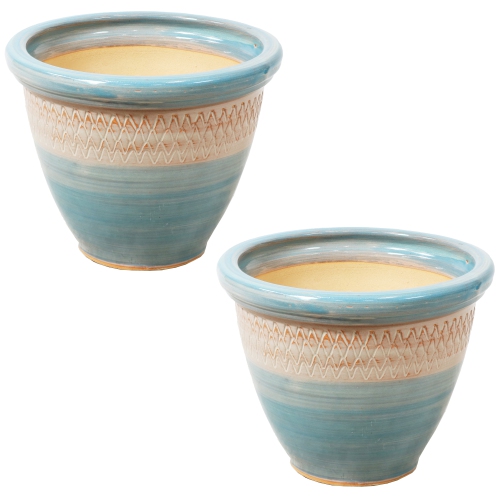
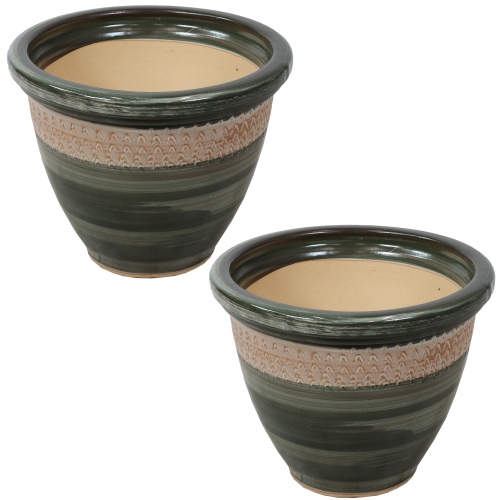
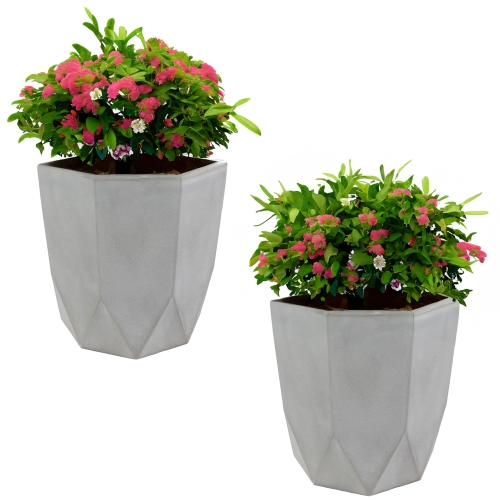
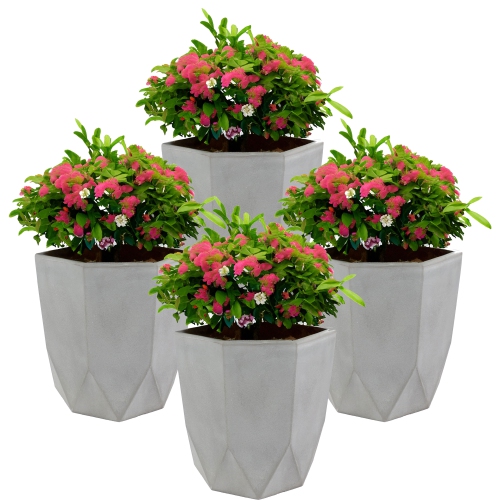
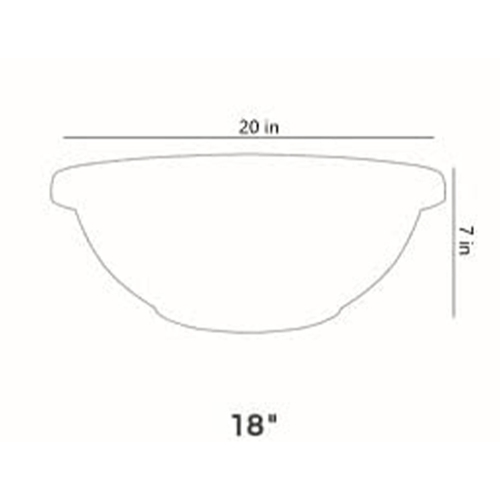
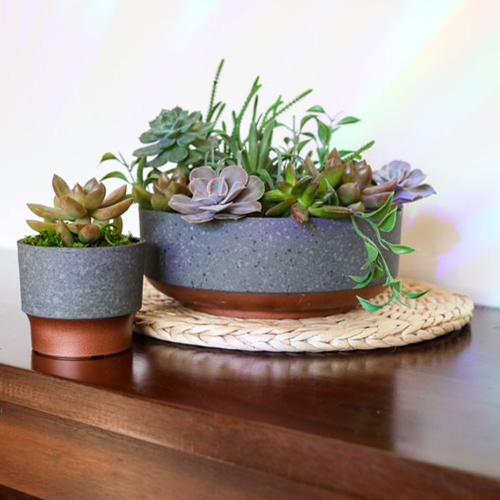
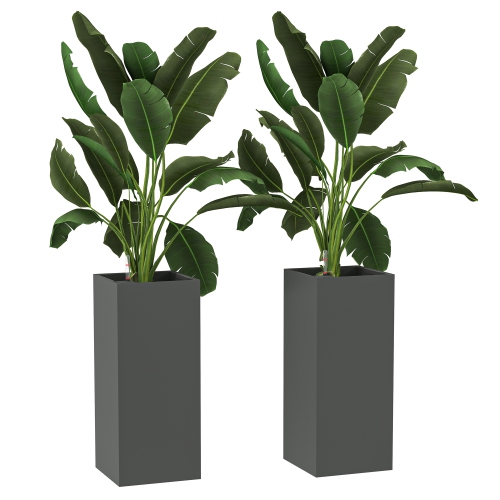
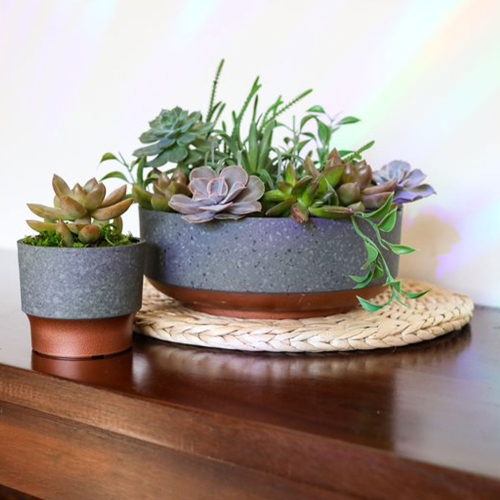
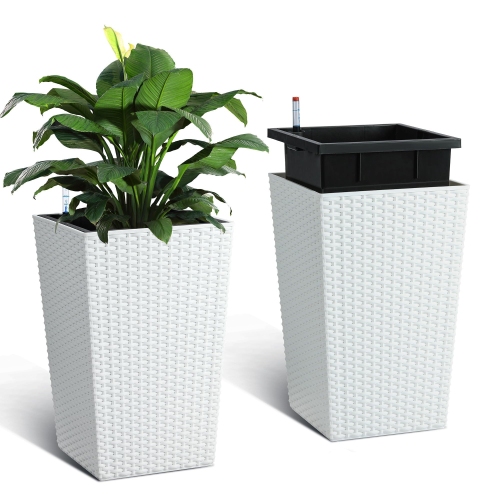
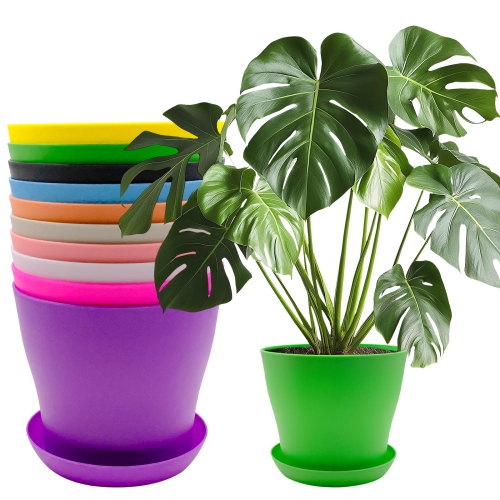
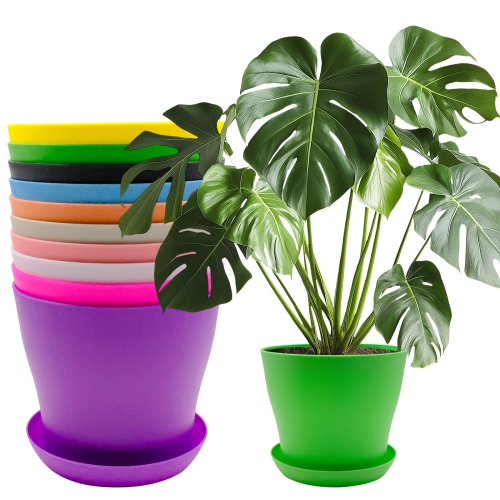
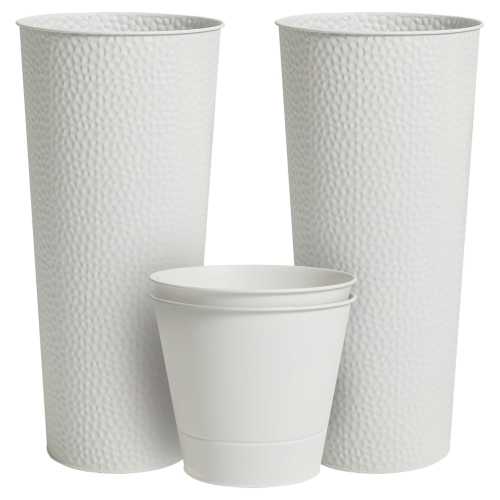
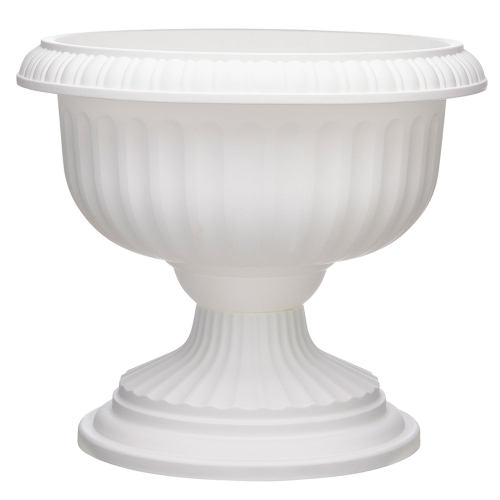
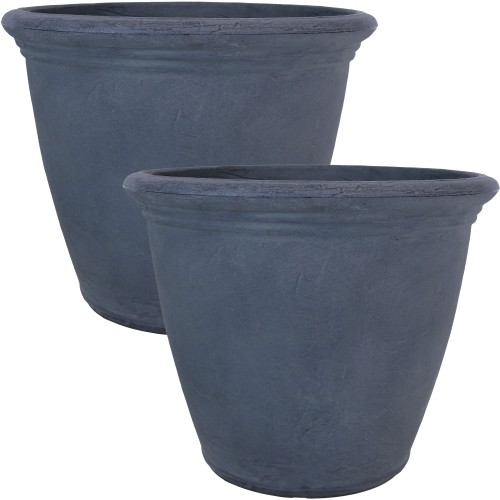
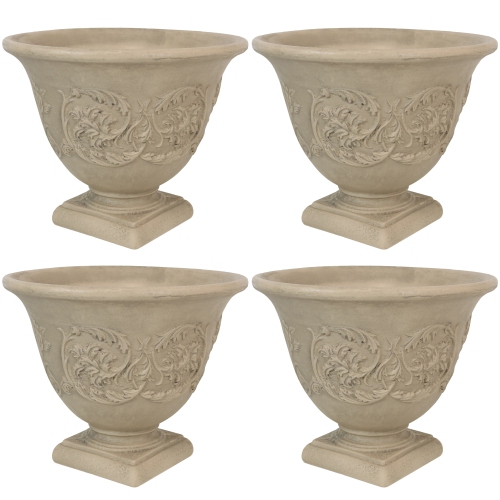
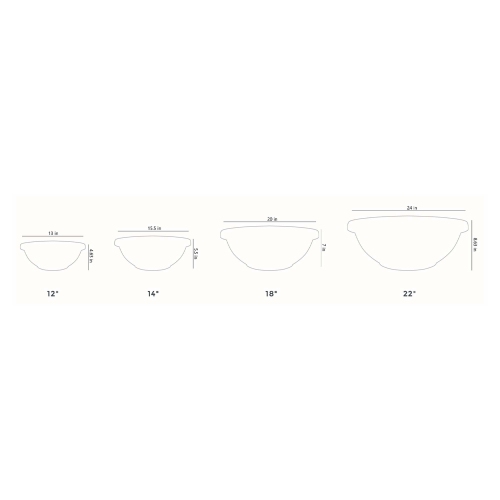
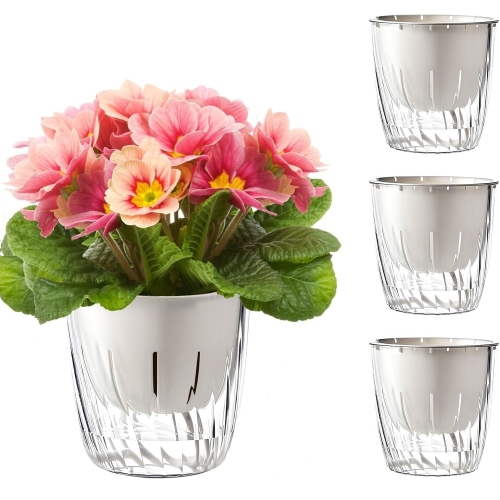
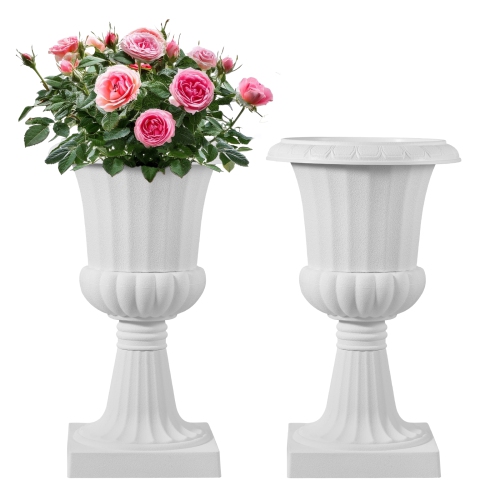
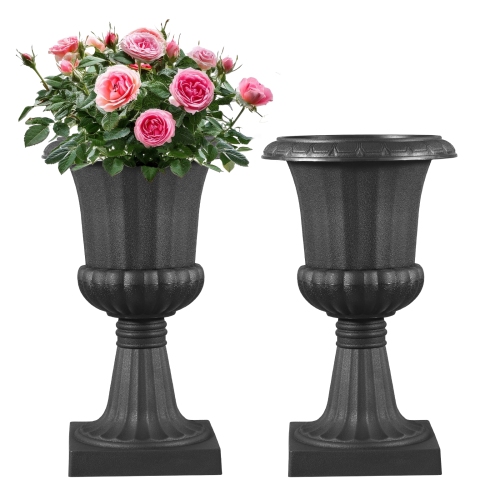
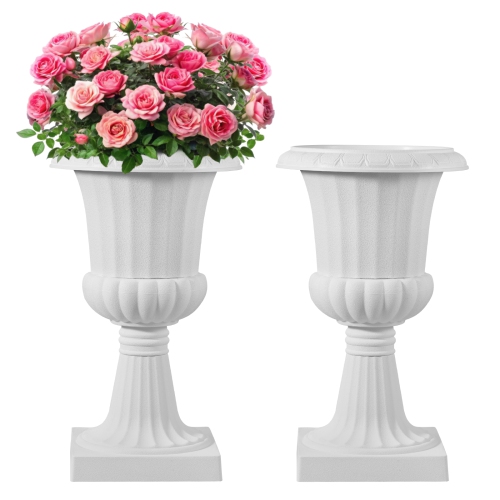
Round planter pots come in a range of sizes for indoor and outdoor plants, from compact pots that fit on a kitchen windowsill to wide floor planters that hold a plant with a spreading canopy. The curved profile gives leaves room to spill over the rim in any direction, so a trailing plant can look just as full from the side of a shelf as it does from the front. Round pots are easy to group without lining up corners, but the widest point matters in a tight space. A pot with a narrow foot might sit neatly on a ledge while its flared rim gets in the way of a window latch. On a plant stand, the base needs to sit flat and fully supported. For repotting, the inside dimensions matter more than the width across the outer rim: a thick wall or a sharply tapered base can leave less room for roots than the listed diameter suggests. For many houseplants, a pot about 2.5 to 5 cm wider than the existing root ball leaves room for growth without surrounding the roots with more potting mix than they can use. Depth matters as well. A shallow bowl suits many small succulents, while a tall foliage plant may need both a deeper pot for its roots and a broad base to keep it steady. Where several pots share a surface, a little space between the rims makes it easier to reach the soil with a watering can and to lift one plant without brushing past the others. Using a common finish is another way to bring different sizes together. A group of White Round Planters, for instance, can set off dark foliage and give plants of different heights a consistent look without making the arrangement feel too uniform.
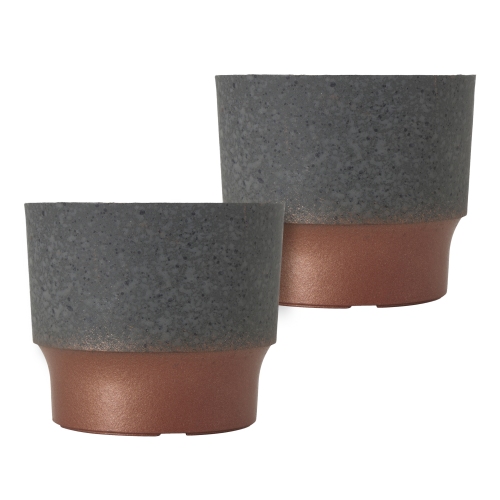
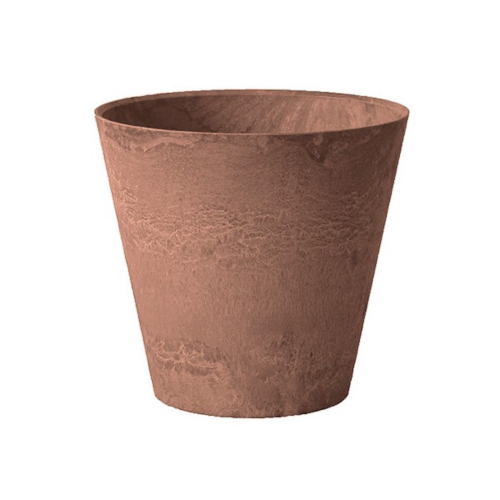
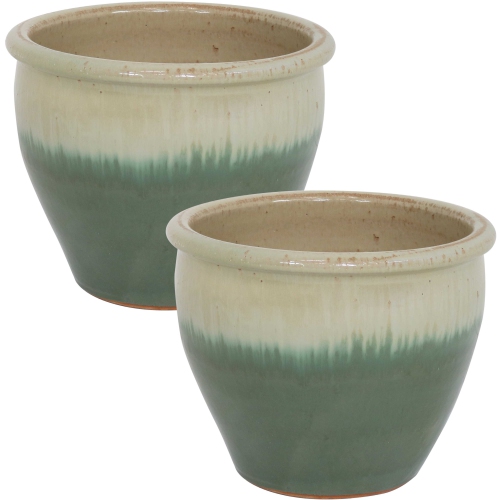
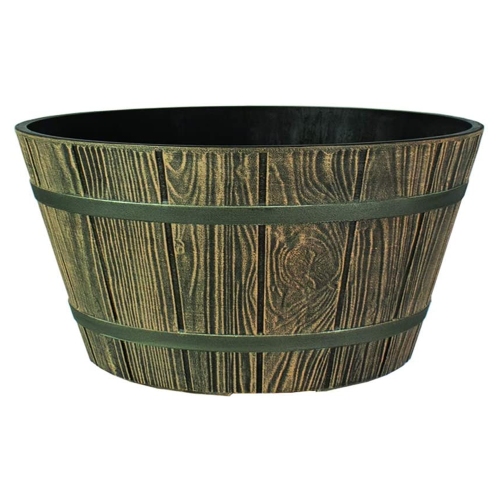
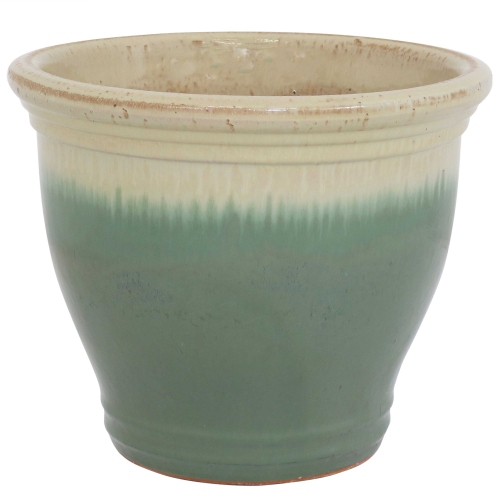
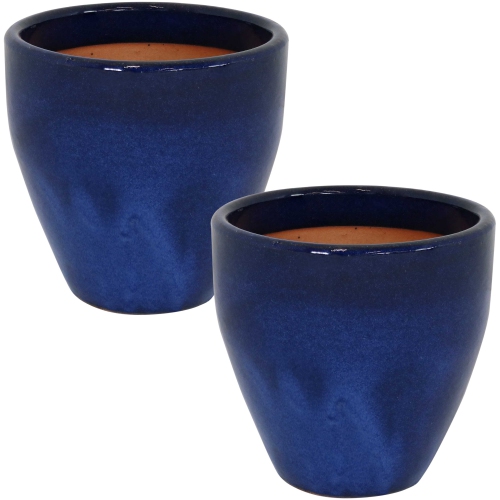
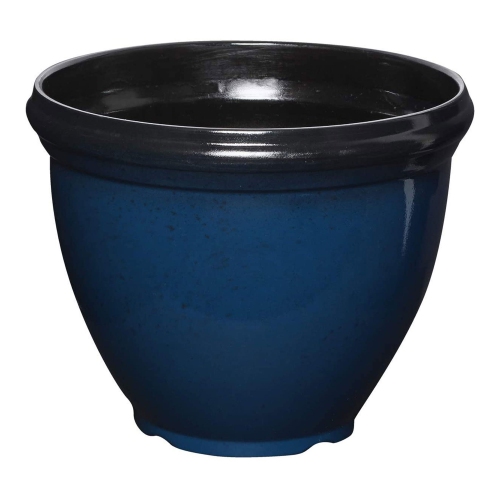
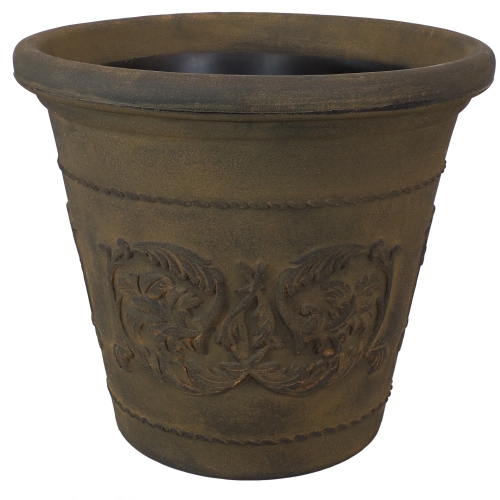
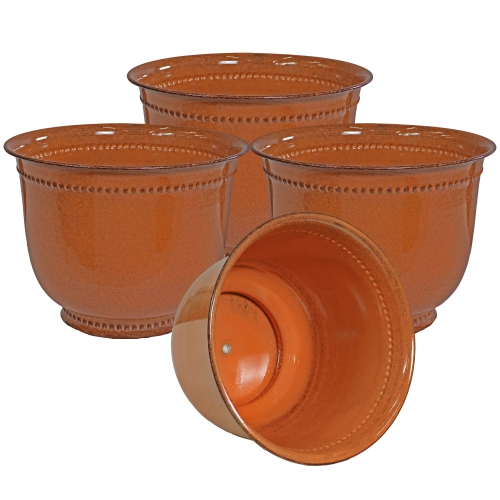
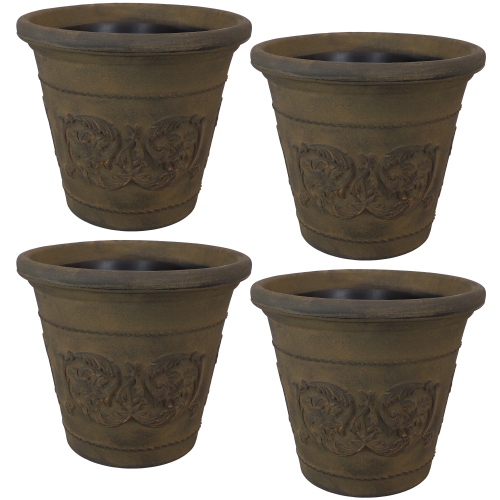
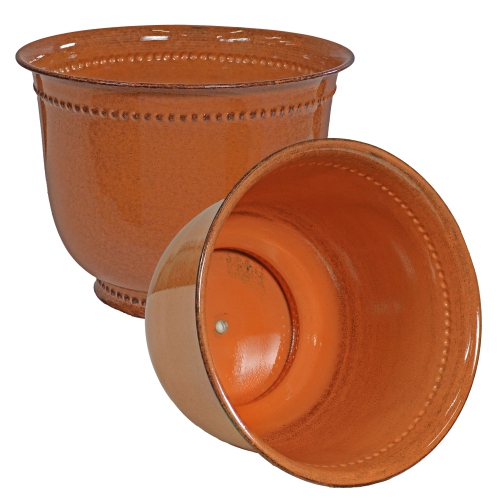
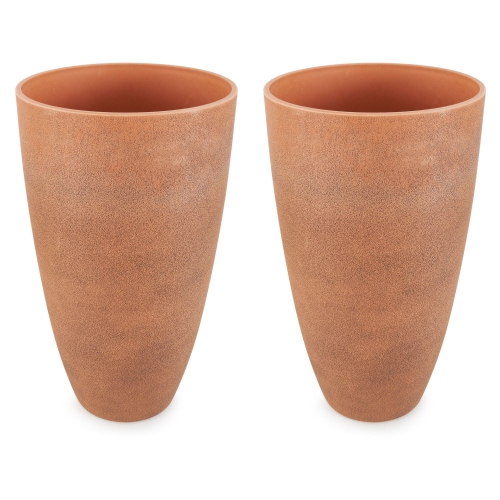
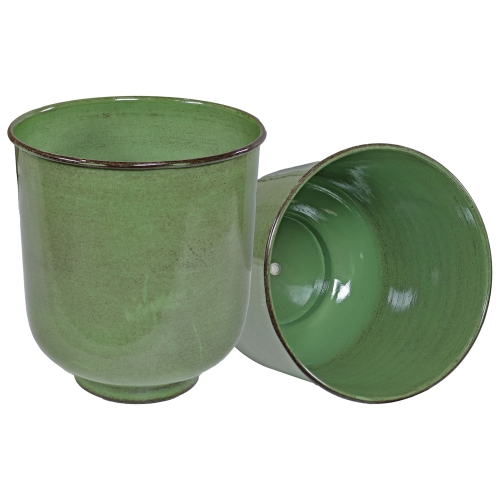
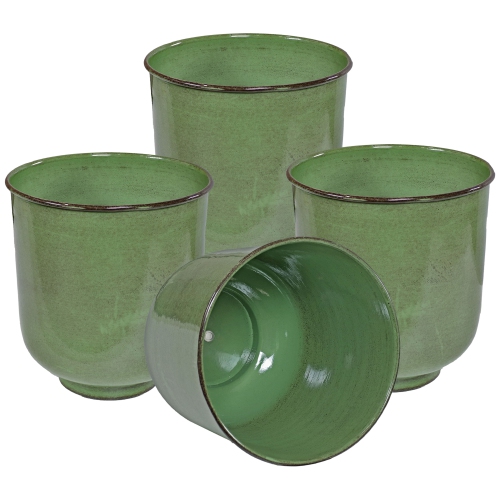
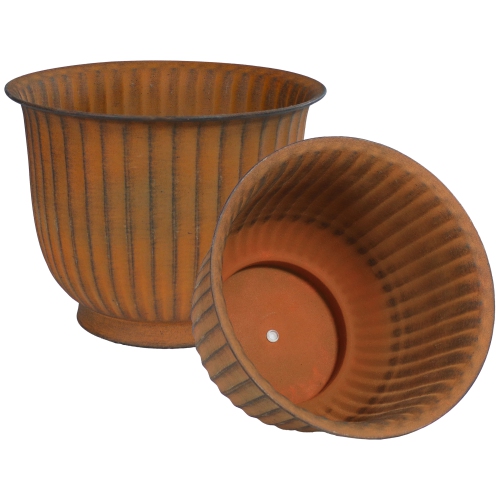
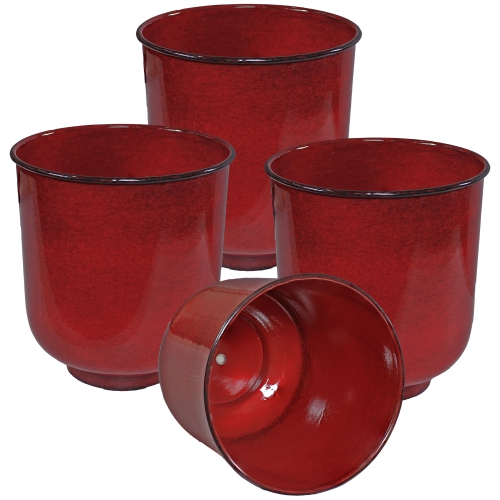
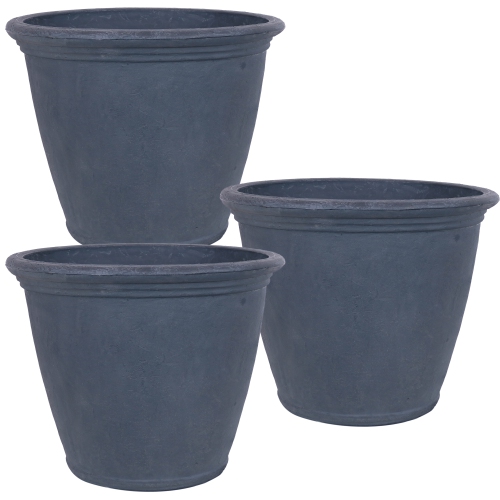
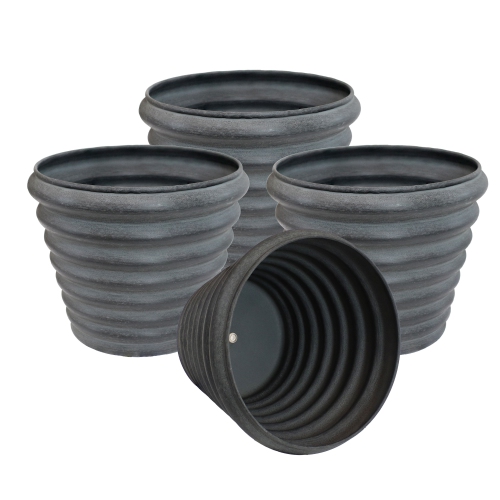
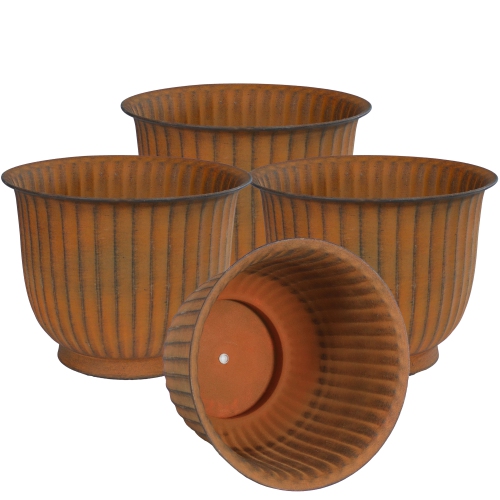
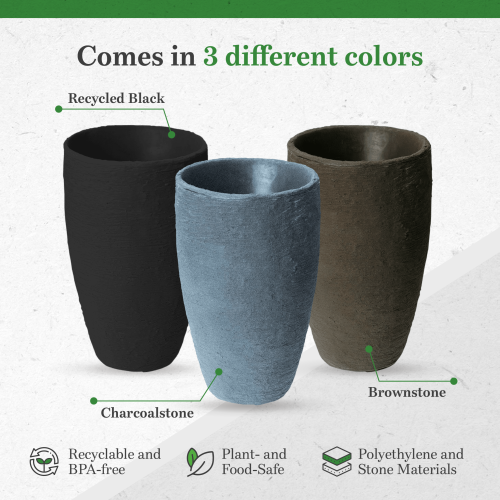
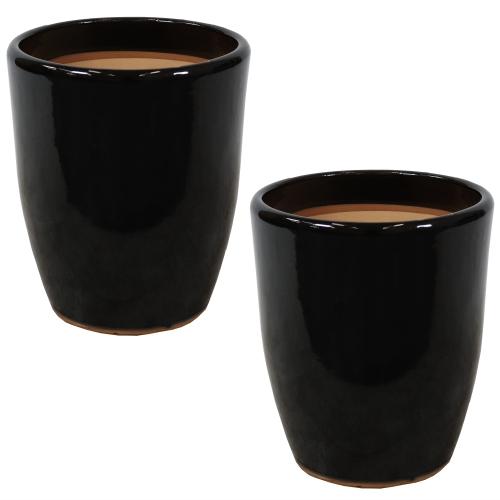
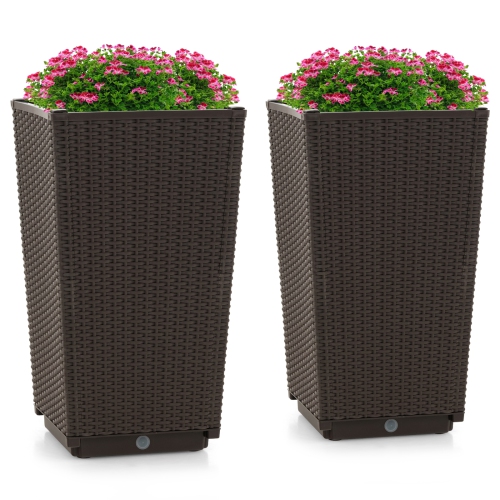
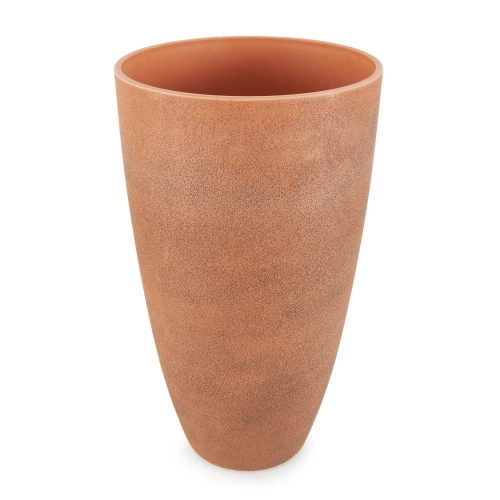
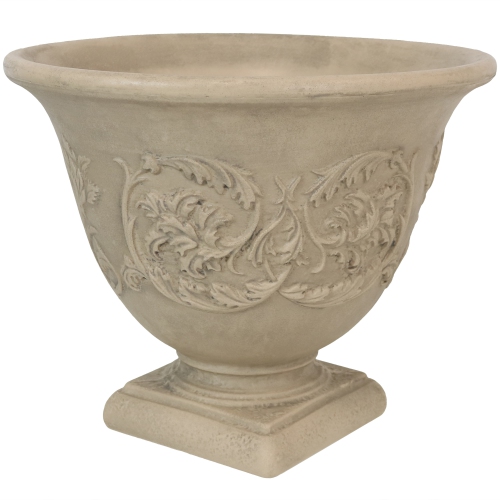
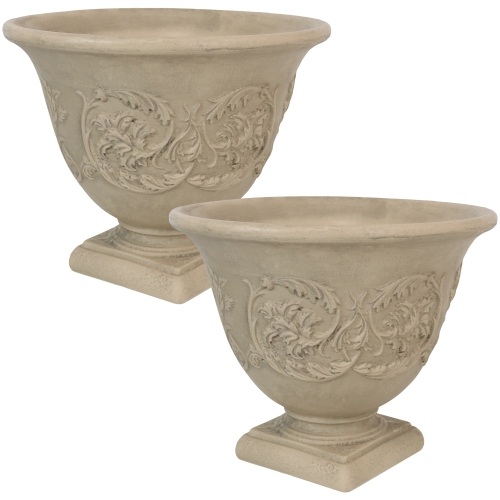
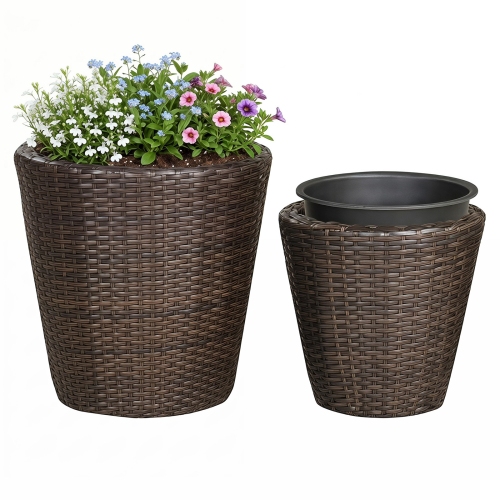
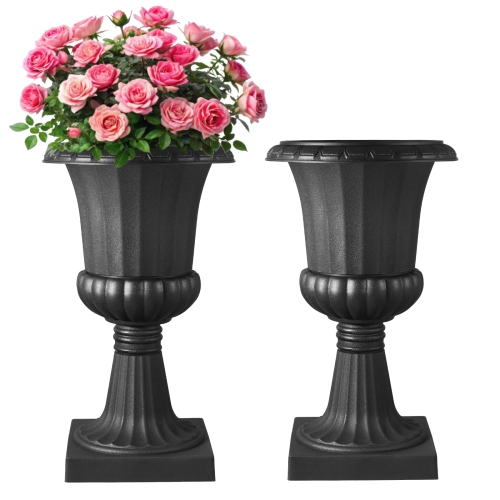
Material affects how a round planter looks and feels, how easily it can be moved, and how quickly the potting mix dries. Lightweight plastic and resin are practical for larger pots that need to be shifted for cleaning or turned so a plant gets light on both sides. Some outdoor models are made with UV-resistant materials to help limit fading in direct sunlight. A plastic and stone composite can give a pot the textured look of stone without the weight of a solid stone container, though a large planter still gets heavy once it holds a plant and damp mix. Unglazed terracotta has a matte finish and porous walls that let moisture escape more readily. That can suit plants that prefer the mix to dry between waterings, while herbs that like steadier moisture may need more frequent checks in the same pot. Glazed ceramic is less porous than unglazed terracotta and often has enough weight to steady a leafy plant that leans to one side. Both ceramic and terracotta can chip if a pot is knocked against a hard edge, which makes a lightweight material worth considering on a busy countertop or beside a frequently used door. Finish makes a difference in day-to-day care, too. A smooth surface is easy to wipe after watering, while a deeply textured rim can catch bits of potting mix. On wood furniture, a tray or padded base also helps keep a rough foot from scratching the surface when the pot is turned. For a floor planter, the weight when filled matters as much as the empty weight. A rounded pot that is easy to carry home may be awkward to lift once planted, especially if the sides are too wide to grip comfortably.
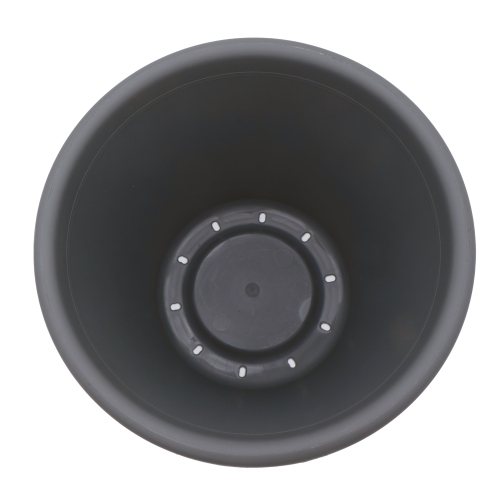
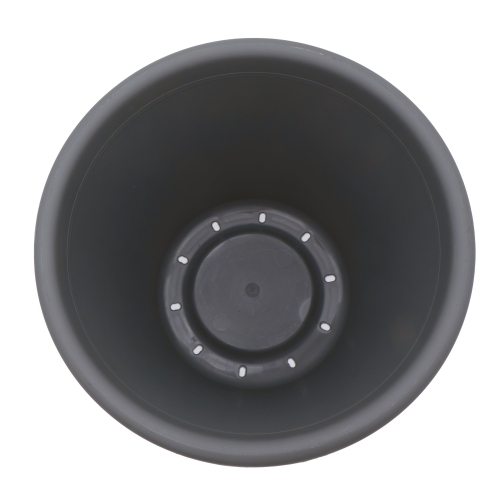
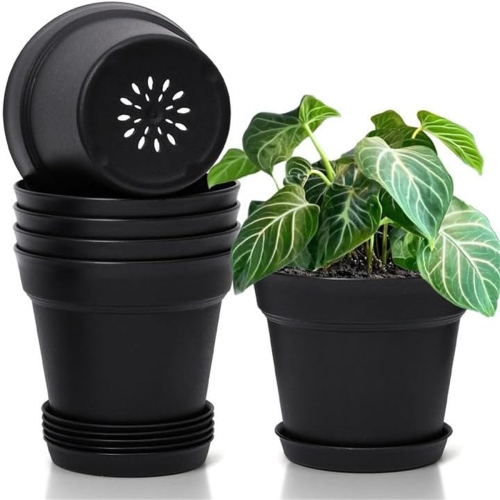
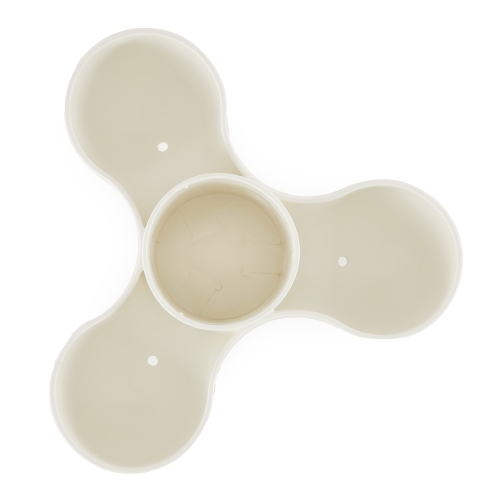
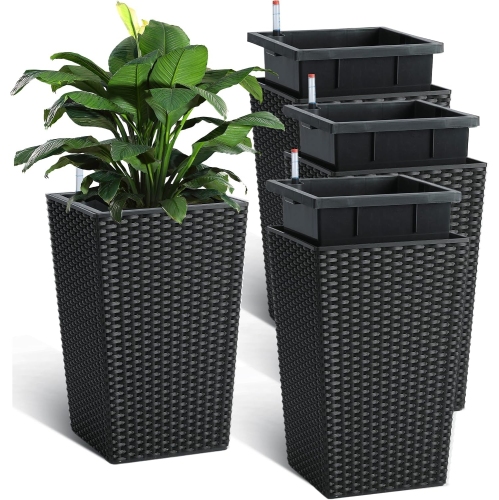
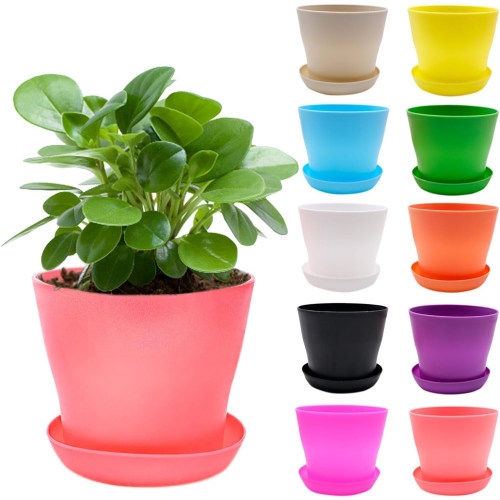
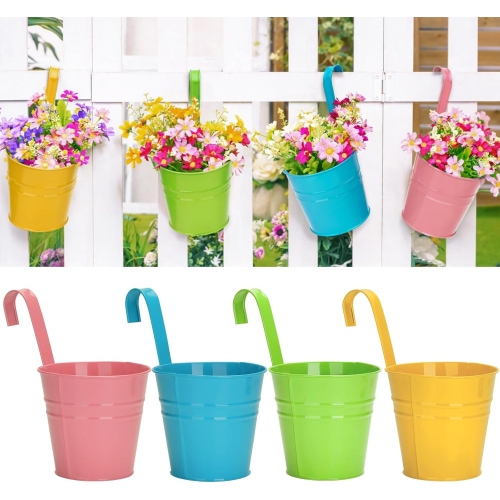
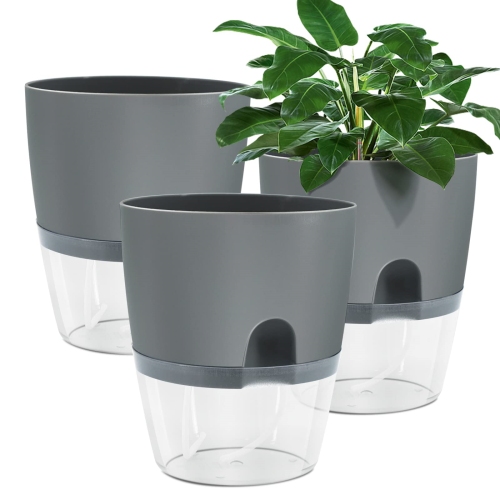
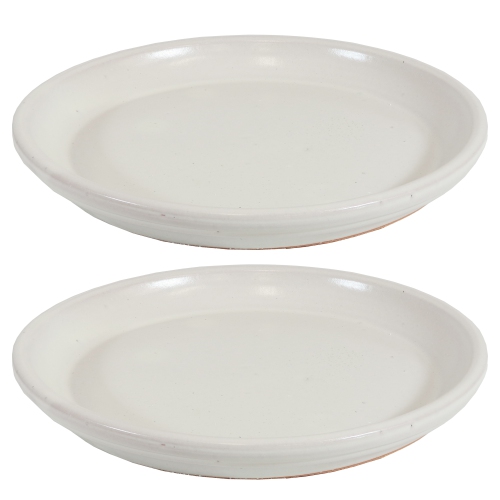
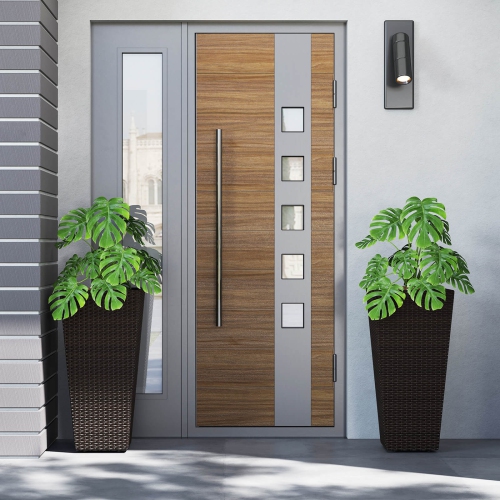
Drainage helps determine whether a round planter is best used for direct planting or as an outer pot for a plant that stays in its nursery container. Pre-drilled holes let excess water drain away, and a saucer catches drips on a shelf, tabletop, or plant stand. A removable saucer is easier to empty after watering; on a wood surface, a waterproof tray can help protect against moisture that might seep through an unglazed saucer. The base of the pot should not sit in collected water, since the mix can draw it back up and stay wet longer than intended. A solid pot without holes works well as an outer container if the inner pot lifts out easily. The plant can be watered at the sink and set back once it has drained. A little clearance around the inner rim makes that routine simpler, particularly when thick stems or low leaves make the container hard to grasp. Outdoors, a broad pot can anchor a cluster by a patio door, while a lighter one is easier to move when access to the area matters. Indoors, a compact round pot with a saucer can make a thoughtful housewarming gift for someone who grows herbs, and a slightly larger outer pot can suit a houseplant owner who already has a nursery pot to slip inside. If the plant is part of the gift, matching the inner container to the root ball and leaving enough room to lift it out makes the pairing useful from the start. For a first plant or a well-established collection, the most useful pots fit the roots and the space around them, stay steady where they are placed, and make watering manageable without having to clear the whole shelf.
Top selling and popular products
-
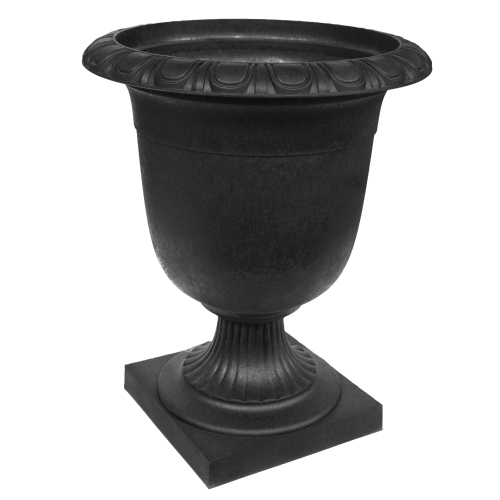 Your price for this item is $204.99
-
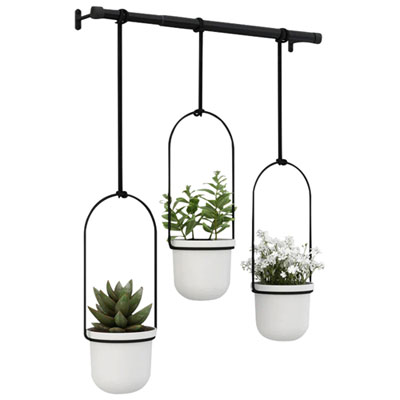 Your price for this item is $65.98
-
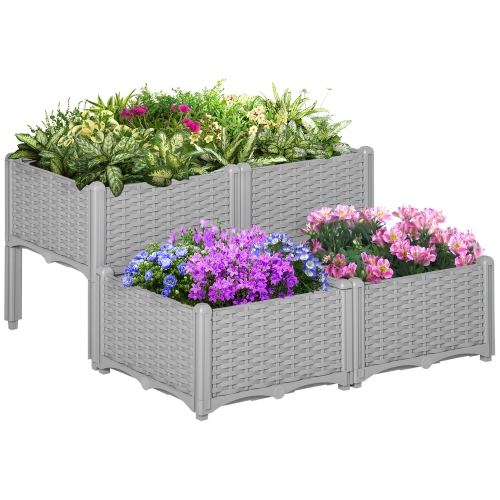 Your price for this item is $94.99
-
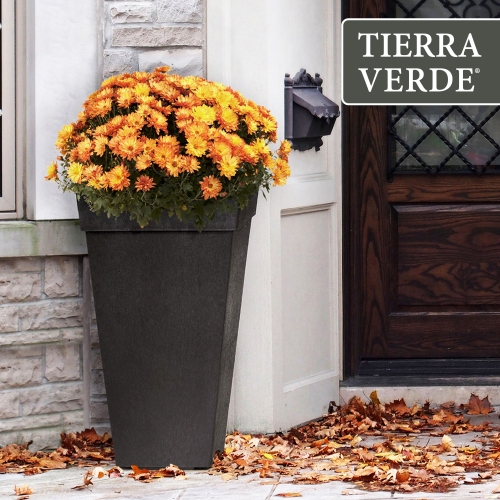 Your price for this item is $187.99
-
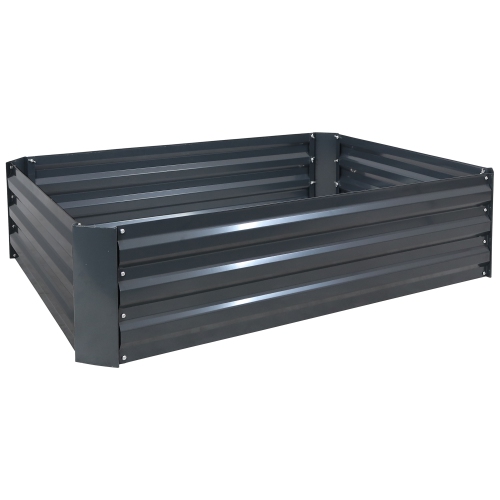 Your price for this item is $117.75
-
 Your price for this item is $117.75
-
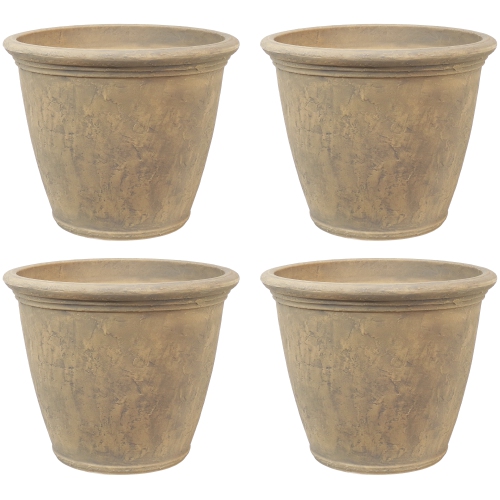 Your price for this item is $415.35
-
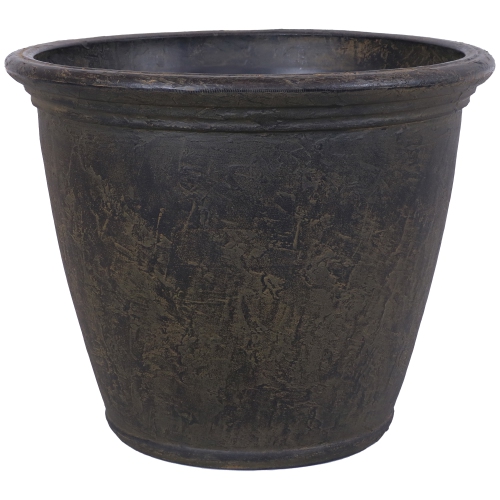 Your price for this item is $173.65
Discover more categories related to Round Planter Pots

Top Collections:
Best Black Friday Deals This Year, Best Black Friday Deals On Electronics, Kindle Devices, Pokemon Centers, Best Black Friday Deals On Apple Products, Best Cameras for Sports Photography, Dyson Airwrap, Pokémon 30th Celebration Cards, Apple iPhone 17 Pro, Canon G7X Cameras
Some products may be subject to Environmental Handling Fees
(EHF) depending on your province.
Learn more about EHFs.