Runner Rugs for High Traffic Areas
Runner Rugs For High Traffic Areas make a stylish and practical addition to any busy home or office space. Designed to handle the demands of frequent foot traffic, these rugs help protect your floors while adding a touch of comfort and visual appeal to hallways, entryways, kitchens, and more. Explore a wide selection of colors, patterns, and sizes to find the perfect runner rug that fits seamlessly with your décor and stands up to daily use. Refresh your space with runner rugs that combine durability and design for high-traffic zones.
Sort
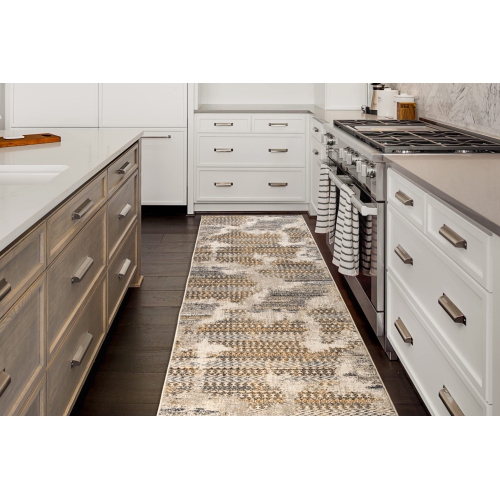
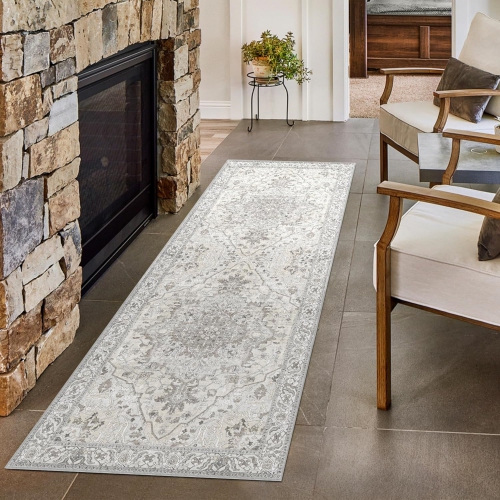
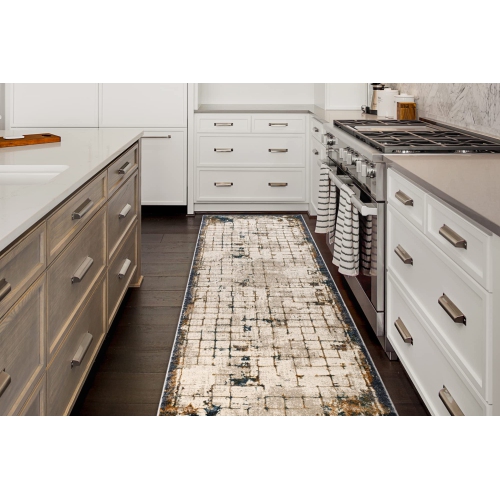
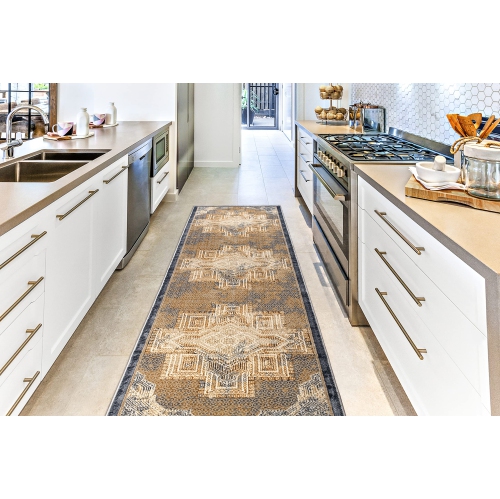
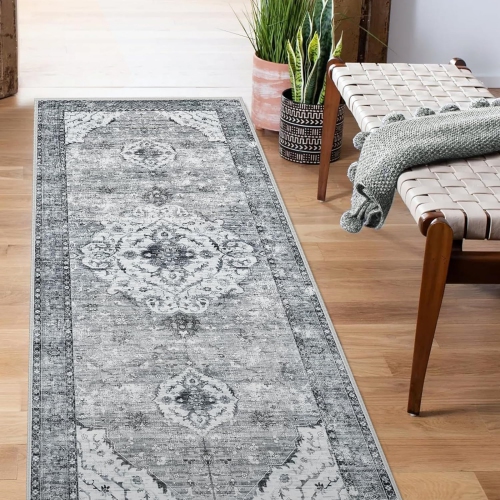
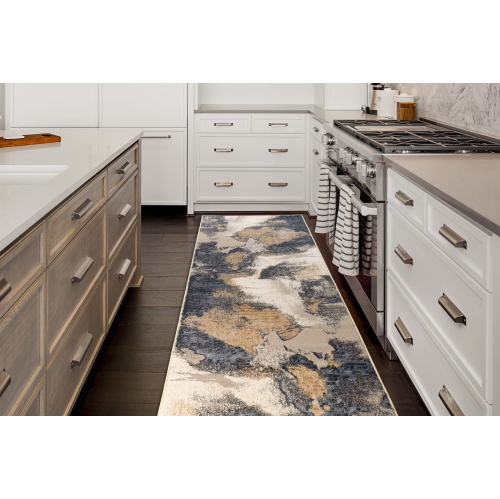
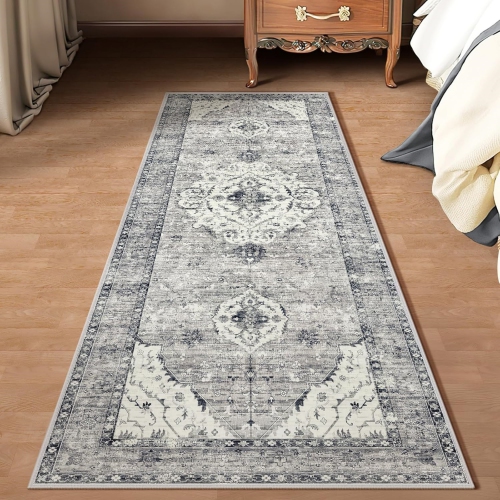


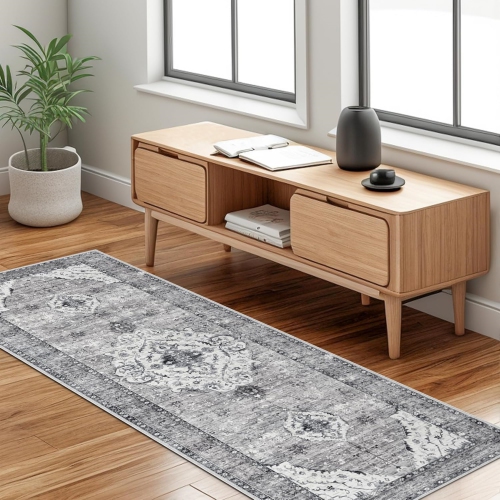
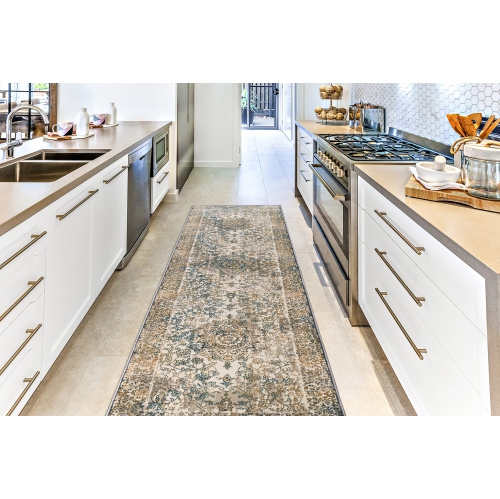


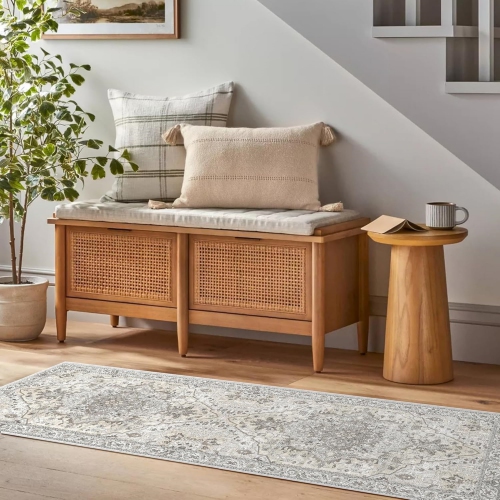

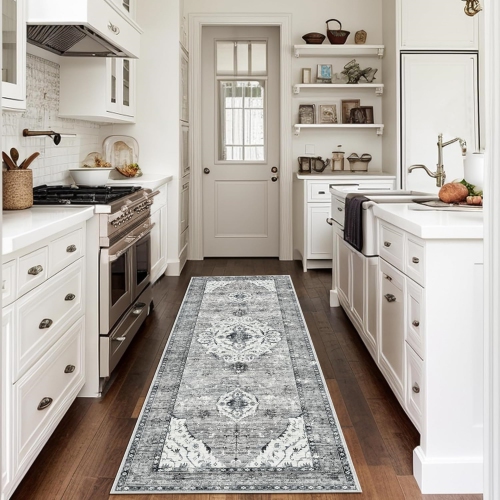
Why pile height and fit matter on busy walkways
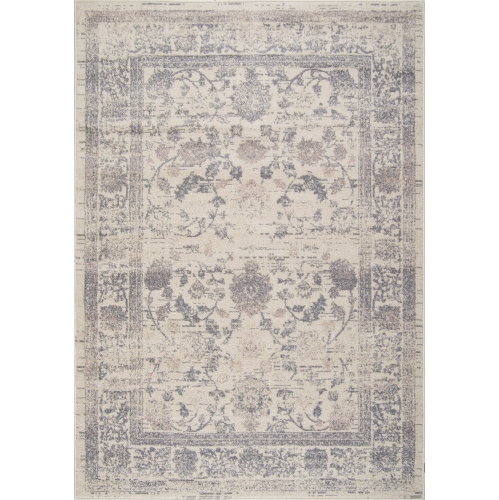
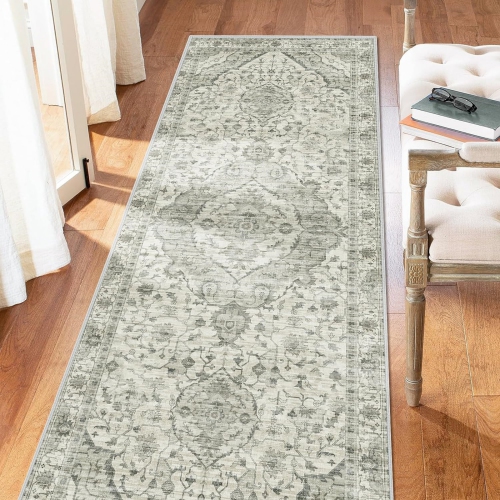
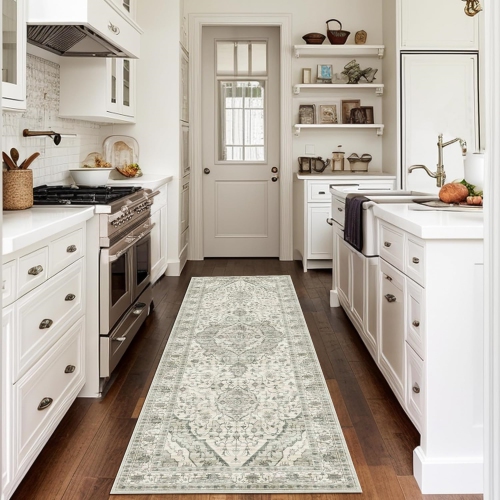
Runner rugs for high traffic areas are typically most practical in low-pile or flat-weave constructions made from durable fibres such as polypropylene or nylon, also known as polyamide. Their narrow, elongated shape suits hallways, entryways, kitchens, and other routes where people pass repeatedly throughout the day. A well-chosen runner adds softness underfoot, helps define a walkway, and introduces colour without covering the entire floor. In a busy household, that might mean a hallway connecting bedrooms to the living room, a passage beside the dining table, or the space between a kitchen island and the sink. Low-pile rugs have shorter surface fibres that are generally easier to vacuum and less likely to catch crumbs than a deep, shaggy pile. Flat-weave runners have little raised pile, giving them a relatively streamlined profile, although their edges and backing still affect how they sit on the floor. Polypropylene absorbs little moisture and resists many water-based stains, making it a practical option where small spills are common. Oily marks can be more persistent, so prompt cleaning still matters. Nylon offers strong abrasion resistance and good resilience under repeated foot traffic, while stain resistance depends partly on the rug’s treatment and construction. Wool can also work well in a frequently used hallway because its fibres are resilient, though it needs suitable cleaning methods and may shed, particularly when new. Cotton runners offer a softer, often more flexible feel, but their suitability for heavy use depends on the weave, thickness, and care instructions. Material alone does not determine performance: a firmly constructed rug with secure edges is better suited to constant movement than a loosely woven design that shifts or snags easily. For homes with children, pets, or frequent visitors, a short, dense surface can make everyday upkeep simpler while still giving a hard-floor passage a more comfortable finish.
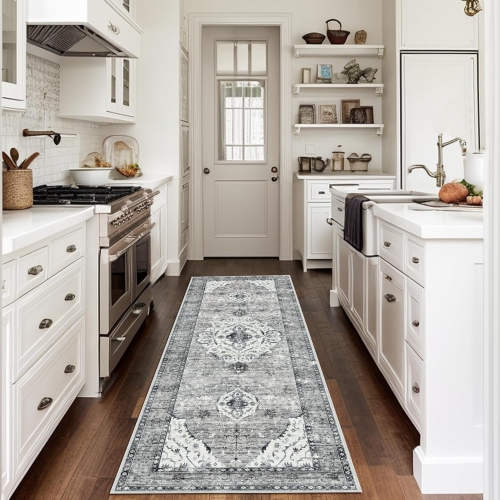
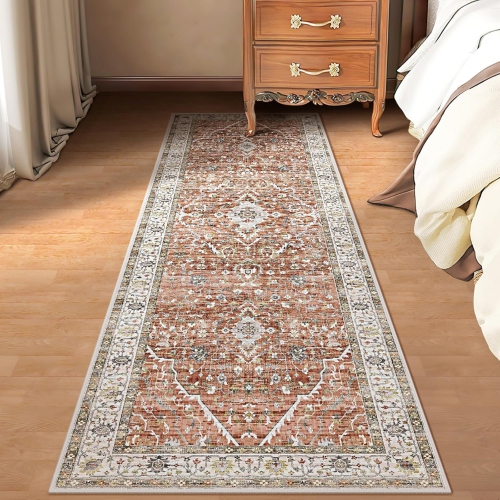
Fit matters just as much as fibre when a runner sits along a busy route. A runner should follow the natural walking path without crowding doorways, covering floor vents, or extending into places where its corners will be repeatedly kicked. Leaving a visible border of flooring on both sides gives a hallway definition and keeps the rug from looking wedged between the walls. The right border depends on the passage width, so measuring the open floor space is more useful than relying on the overall room dimensions. In an entryway, account for the full swing of the door and the combined thickness of the rug and any pad underneath. A low-profile runner may still interfere with a door that has very little clearance. In a kitchen, placement should allow comfortable movement between appliances, with edges clear of dishwasher doors and other moving parts. A runner beside a bed serves a different purpose from one in a main hallway: the former emphasizes a soft landing, while the latter needs to withstand repeated steps, turns, and tracked-in grit. Keeping the rug flat and stable is important in either setting. A compatible non-slip rug pad or a suitable backing can help reduce movement, but the rug and pad must both be appropriate for the flooring beneath them. Some backing materials can discolour or react with certain floor finishes, so checking the floor manufacturer’s recommendations is worthwhile. Corners should lie flat, and any pad should fit beneath the rug without protruding. For households using mobility aids, a smooth, secure surface with minimal edge height deserves particular attention. Colour and pattern also influence everyday practicality. A heathered finish, small repeating motif, or mixed-tone design can make scattered lint and minor marks less noticeable than a solid pale surface. Very dark rugs may highlight light pet hair, while pronounced raised textures can collect debris. Mid-tone colours and restrained patterns offer visual interest without making a narrow hallway feel overly busy.
Care requirements help distinguish a runner that suits everyday routines from one that demands more attention than the space allows. Regular vacuuming removes grit that can work into the fibres and contribute to wear, particularly along the centre of a hallway or at the point where people turn into a room. The vacuum setting should suit the rug’s construction; rotating brushes may be unsuitable for some woven surfaces, fringes, or loosely attached fibres. Lifting the runner periodically to clean the floor underneath also removes debris that can collect around the edges. For spills, blotting with a clean cloth is generally preferable to vigorous rubbing, followed by the cleaning method specified on the care label. Any cleaner should first be tested in an inconspicuous area, since dyes, fibres, and backing materials respond differently. Machine-washable construction can be useful in kitchens, dining passages, and pet-friendly households, but a washable label does not mean every runner will fit safely into a household washing machine. Rug dimensions, weight, machine capacity, wash settings, and drying instructions all need to match. For spaces where this cleaning method is a priority, Washable Rugs for High Traffic Areas offers a related category to consider. Some runners require spot cleaning or professional cleaning instead, and even washable designs may need to dry flat or air-dry completely before returning to the floor. Rotating a runner occasionally, where its shape and placement allow, can help distribute wear between the busiest ends. Checking for curling corners, loose binding, or a shifting pad is another useful part of regular care. The most suitable runner balances appearance with the demands of its location: a flat, easy-to-clean surface near food preparation, a resilient weave in a connecting hallway, or a softly textured design in a bedroom passage. When construction, dimensions, backing, and care requirements suit the household, a runner can add comfort and character without making a frequently used walkway harder to maintain.
Top selling and popular products
-
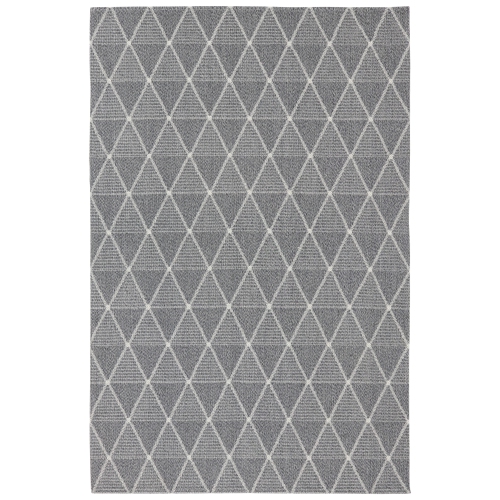 Your price for this item is $130.55
-
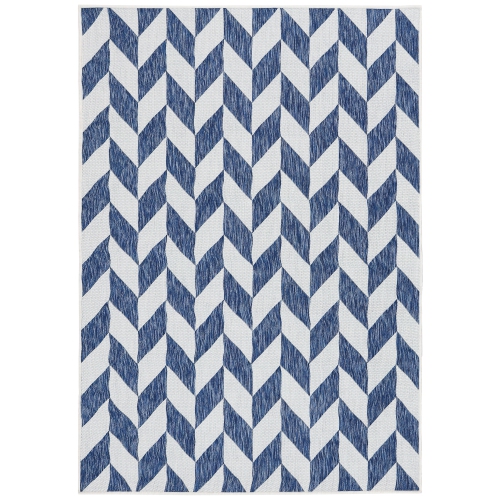 Your price for this item is $129.15
-
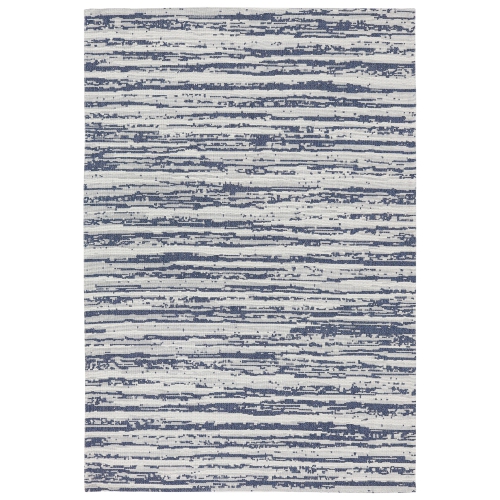 Your price for this item is $130.55
-
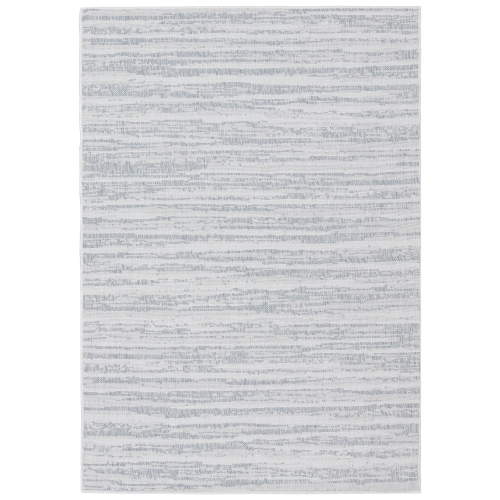 Your price for this item is $129.15
-
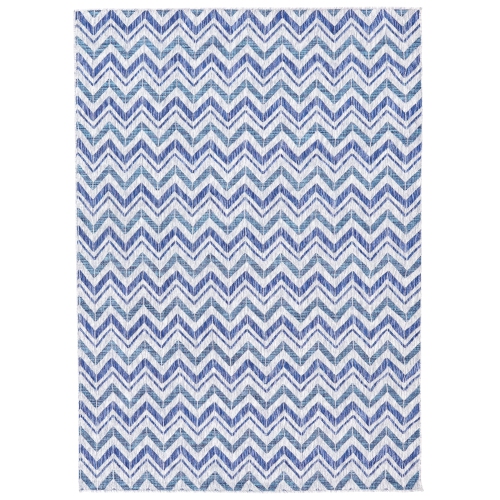 Your price for this item is $129.15
-
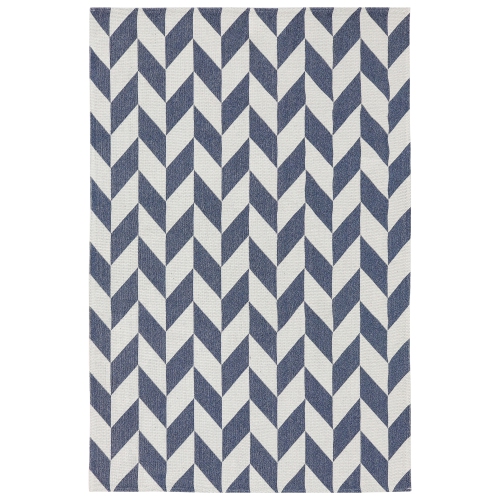 Your price for this item is $130.55
-
 Your price for this item is $144.99
-
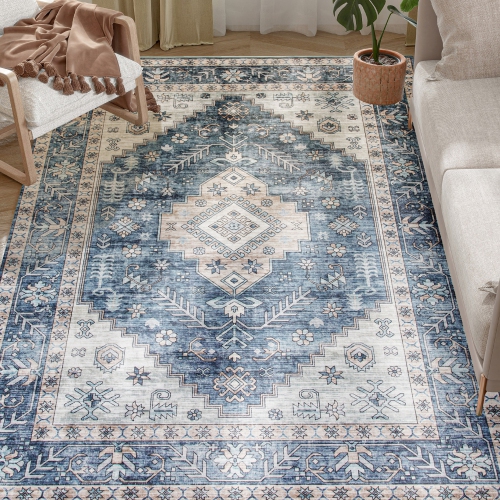 Your price for this item is $103.99
Discover more categories related to Runner Rugs for High Traffic Areas

Top Collections:
Best Black Friday Deals This Year, Best Black Friday Deals On Electronics, Kindle Devices, Dyson Airwrap, Best Cameras for Sports Photography, Best Budget Office Chairs, Canon G7X Cameras, PS5 Pro Consoles, Best Black Friday Deals On Apple Products, XBOX One S Consoles
Some products may be subject to Environmental Handling Fees
(EHF) depending on your province.
Learn more about EHFs.