Rustic Cabin Decor
Transform your space into a cozy retreat with our Rustic Cabin Decor collection. Embrace the warmth and charm of rustic living with a curated selection of decor pieces that bring the outdoors inside. From rugged wooden accents to earthy textures and timeless designs, our collection is designed to infuse your home with a touch of wilderness and relaxation. Explore our range of rustic cabin decor items to create a serene and inviting atmosphere that exudes natural beauty and comfort.
Sort



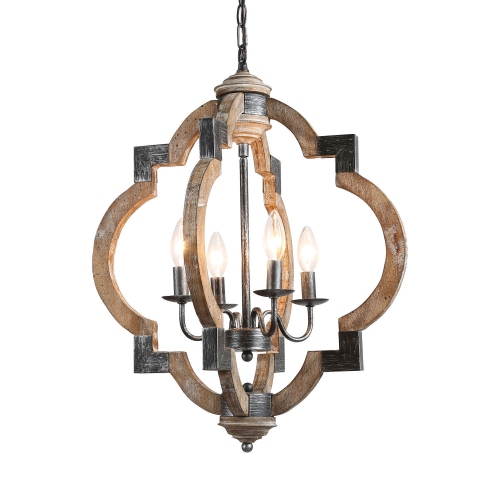
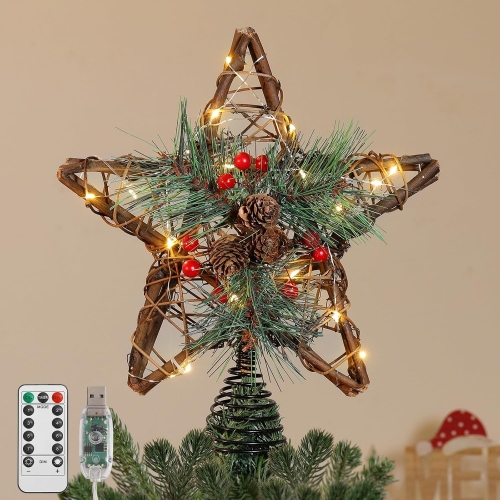

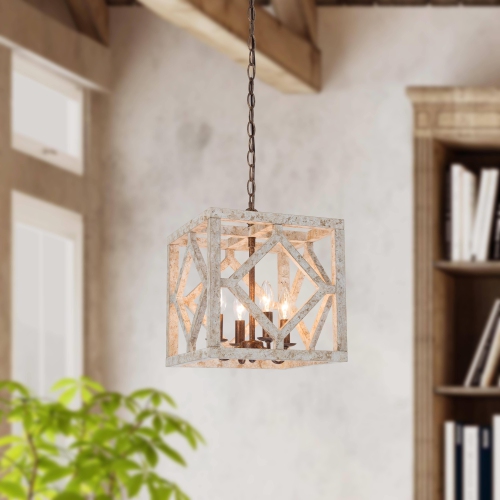
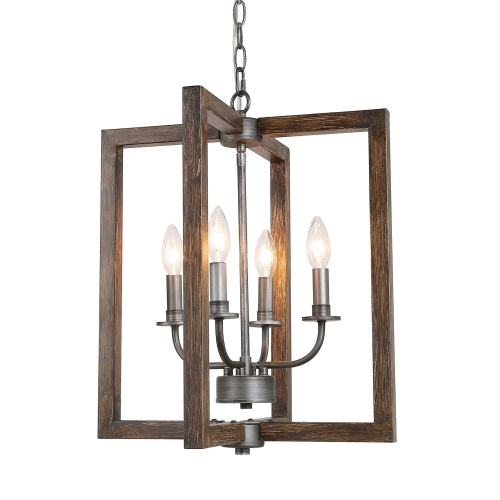


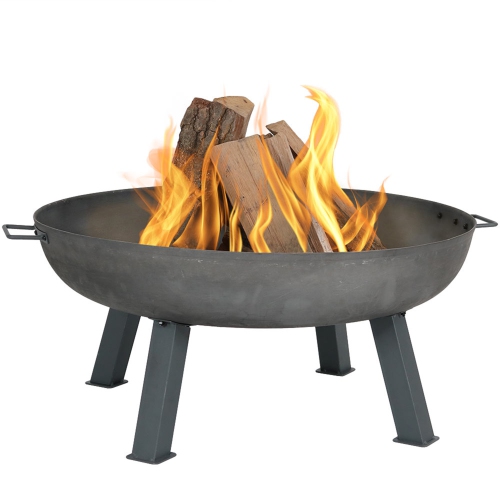
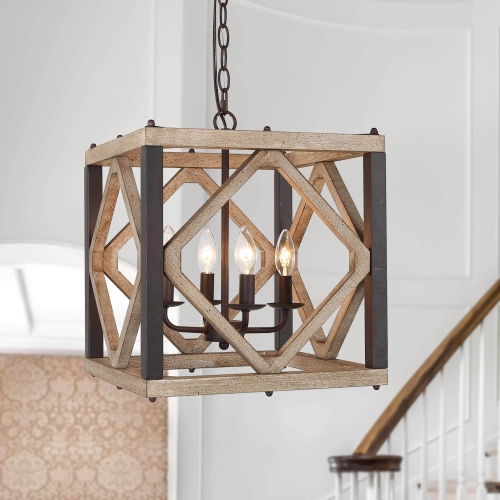

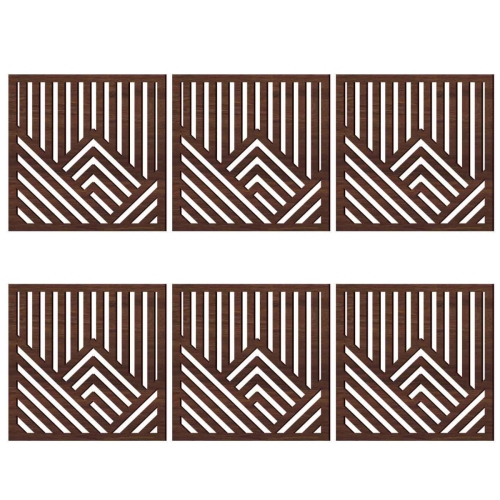
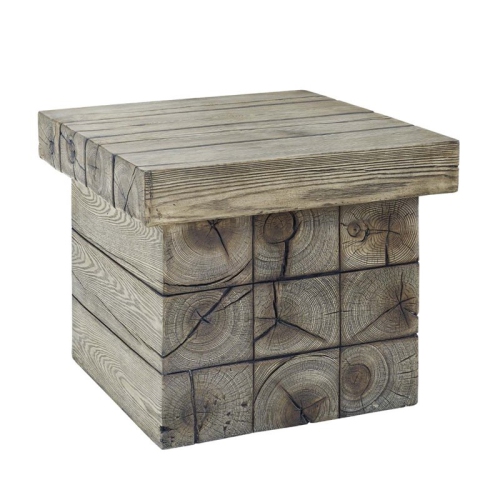
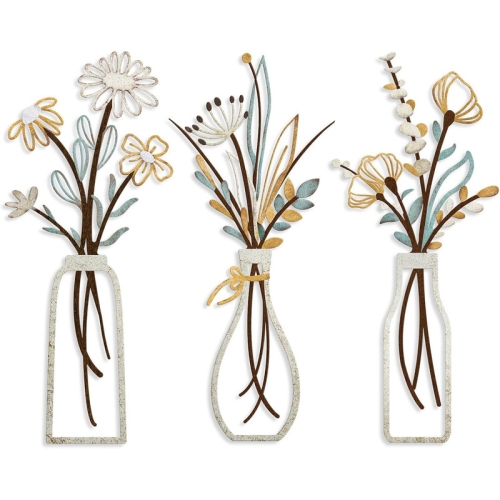
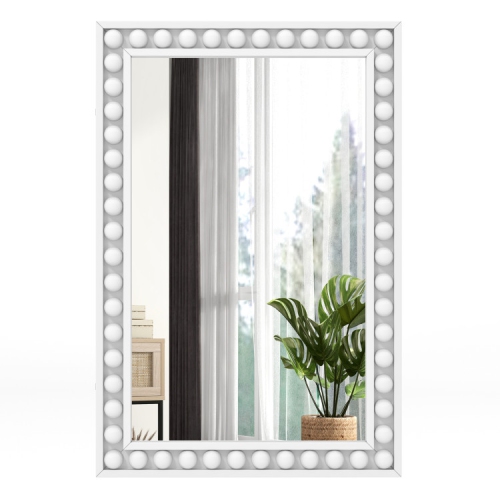
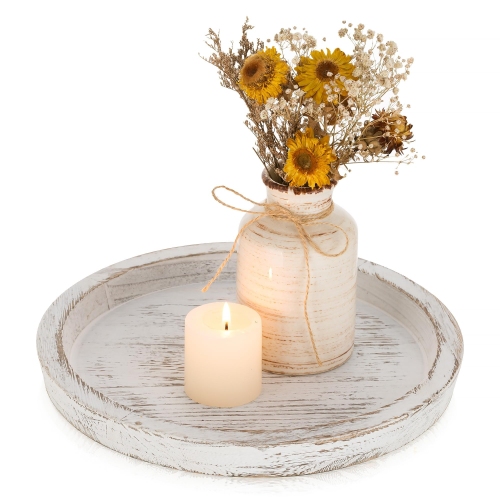
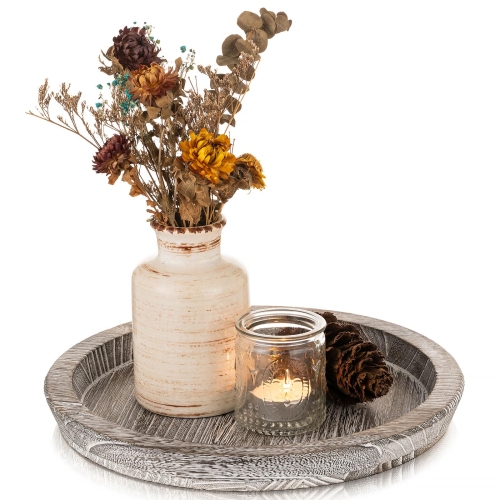
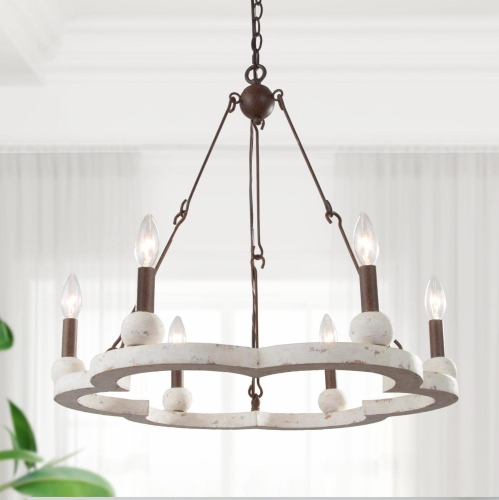
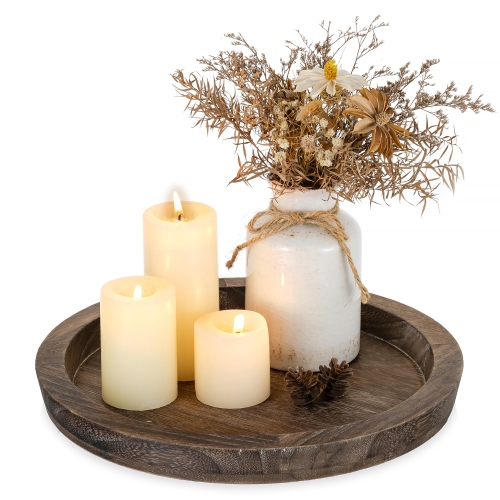
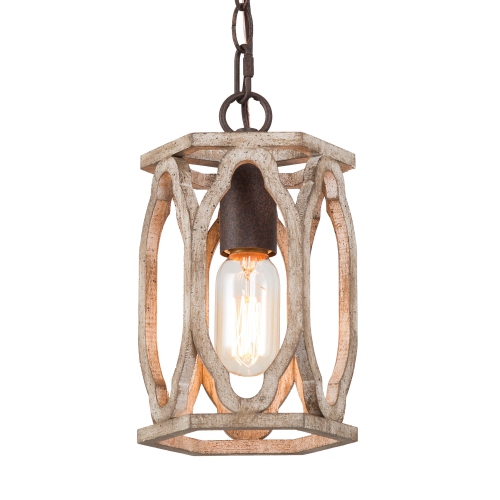
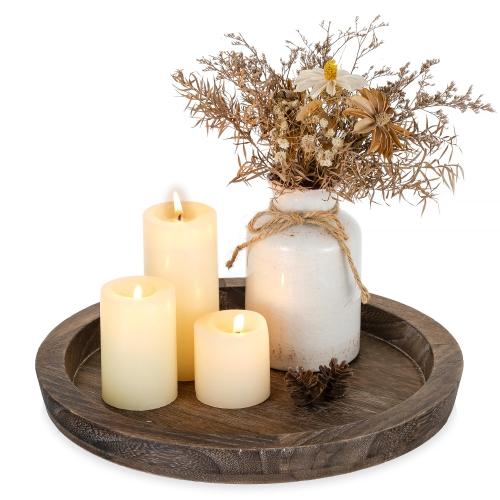
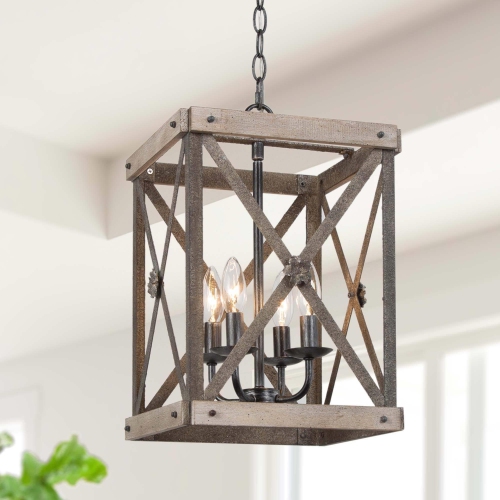
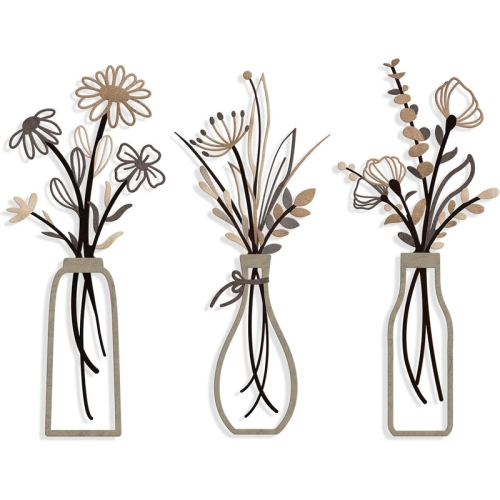
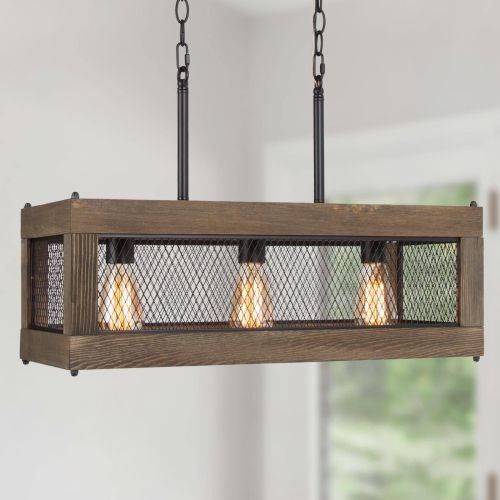
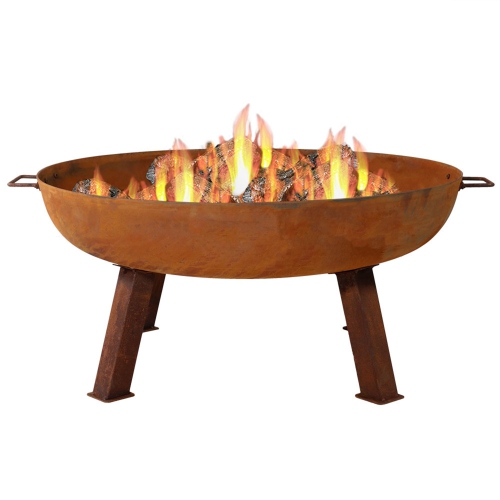
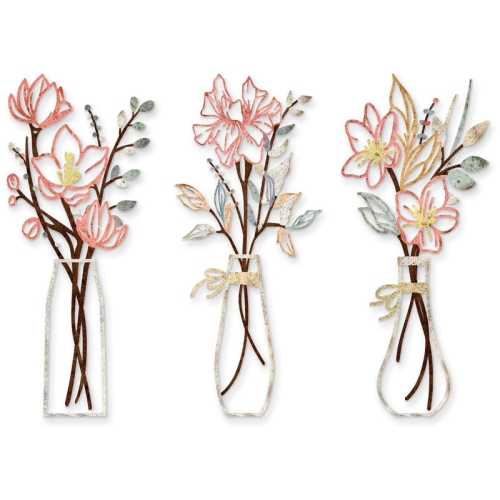
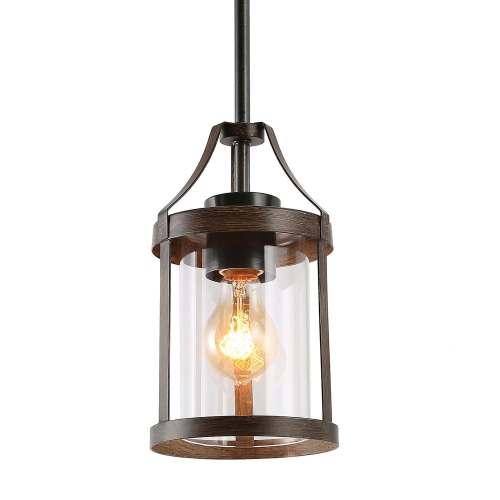
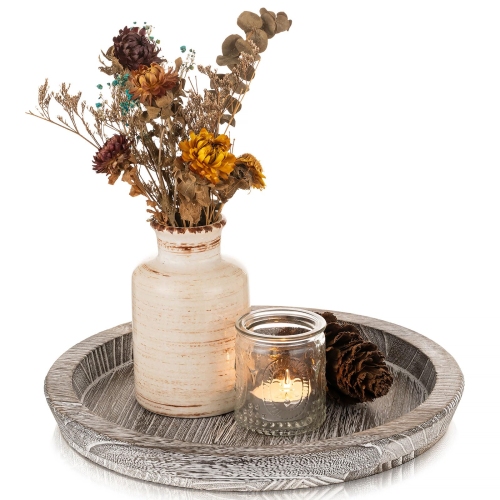



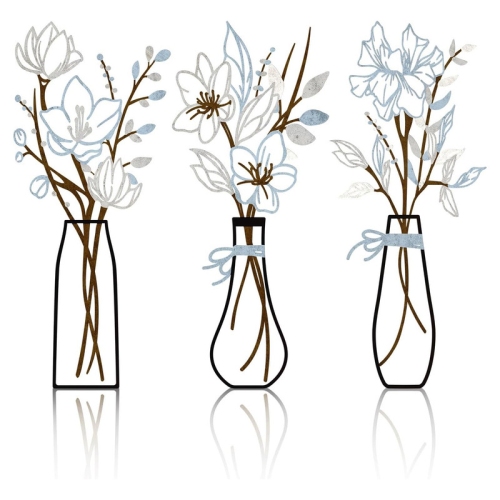
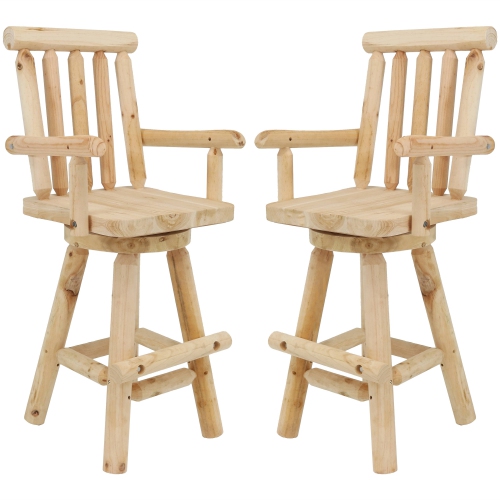
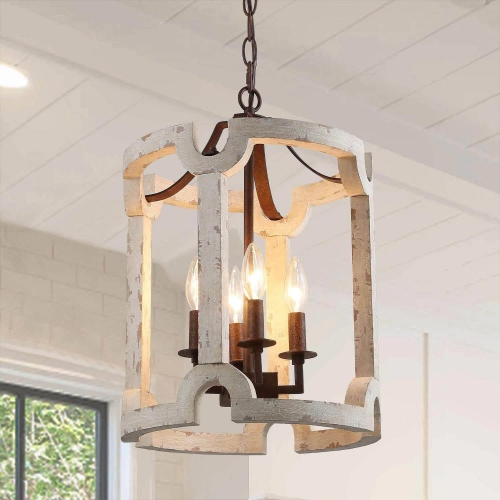
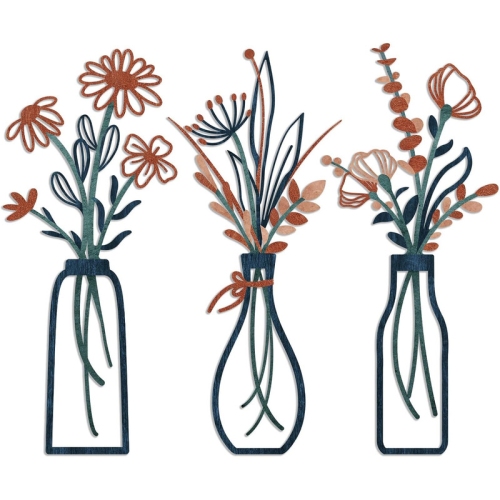
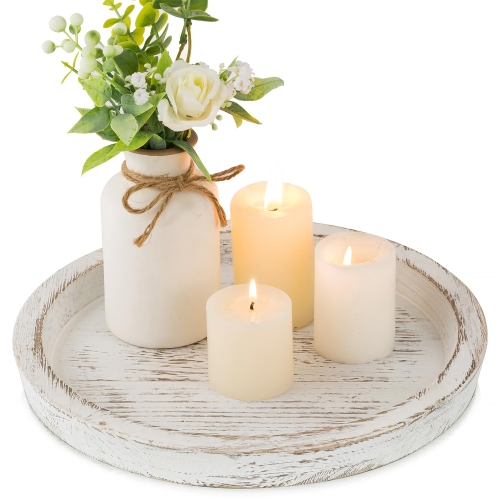
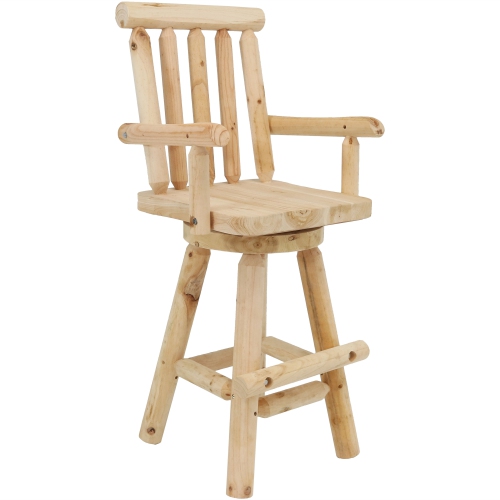


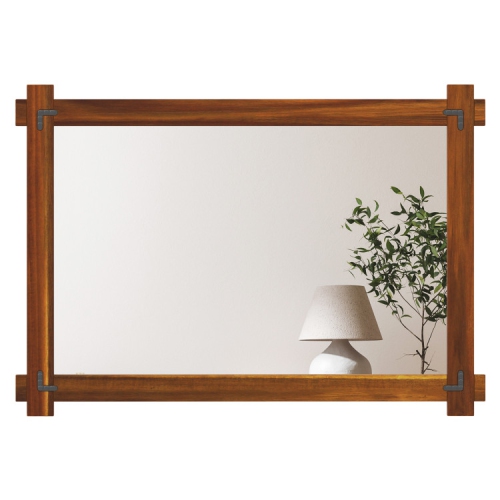
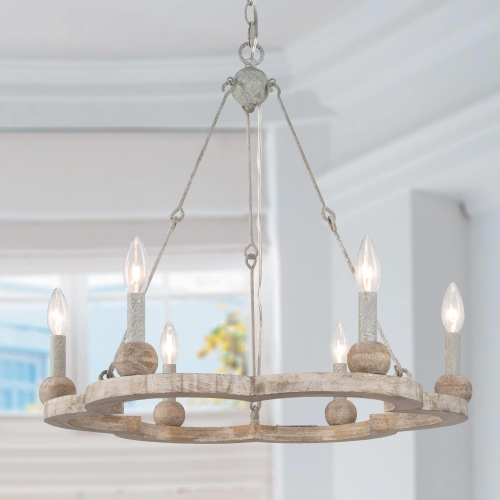
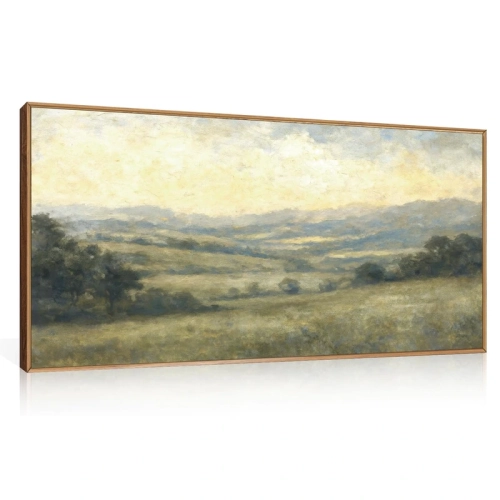

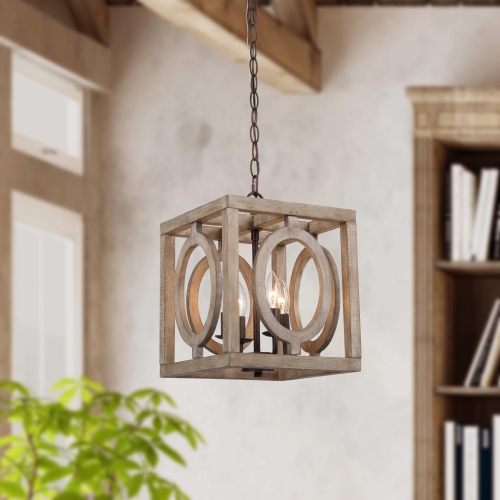

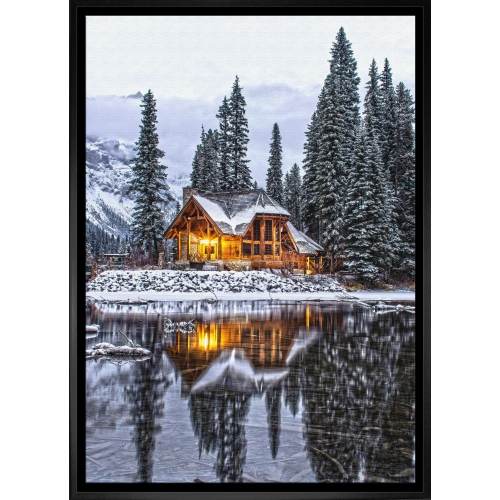
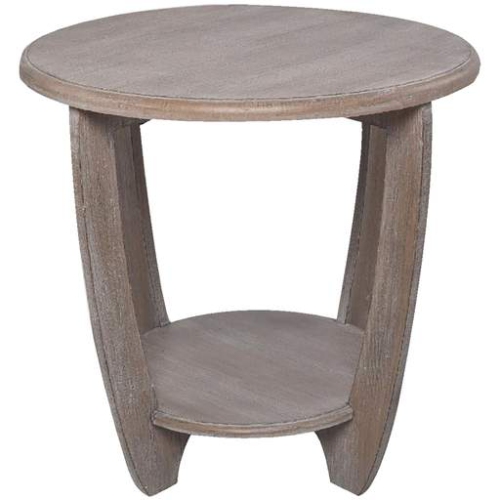
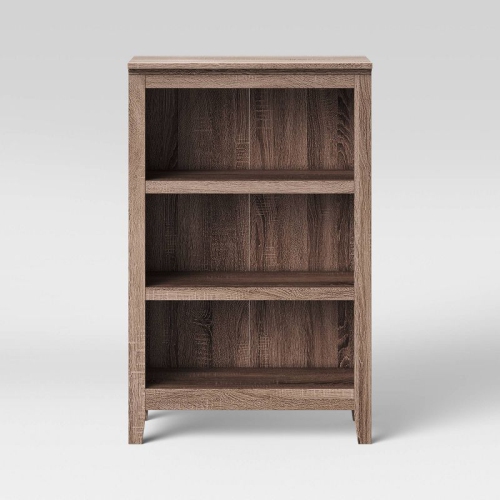
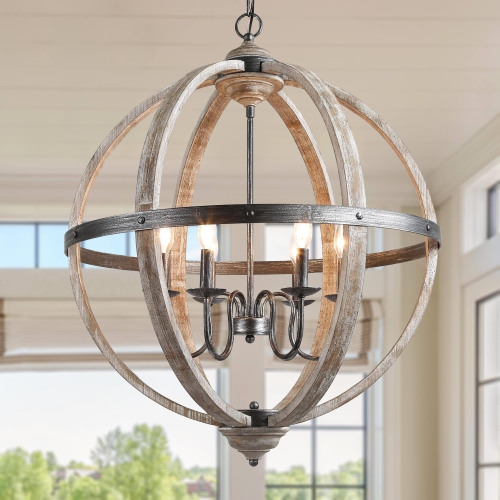
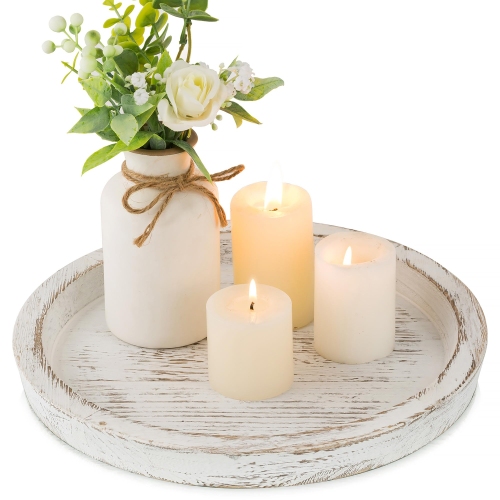

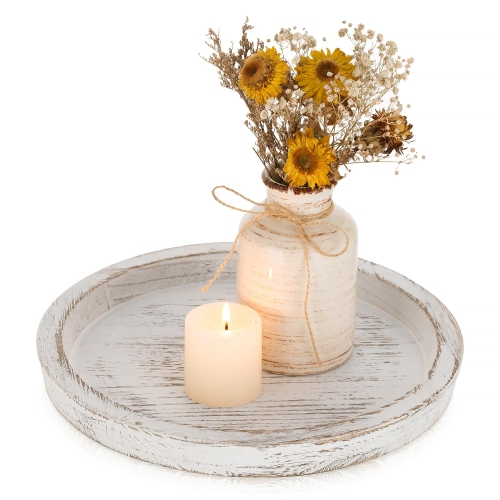
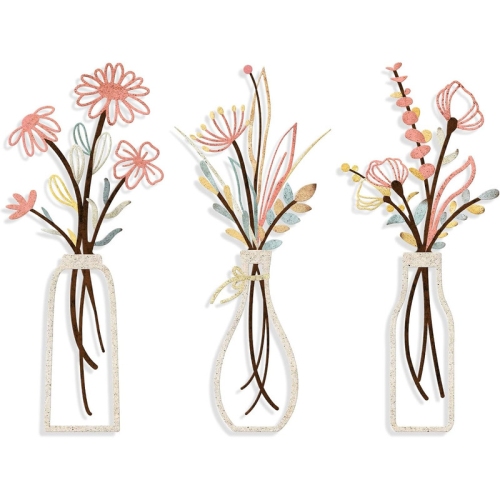
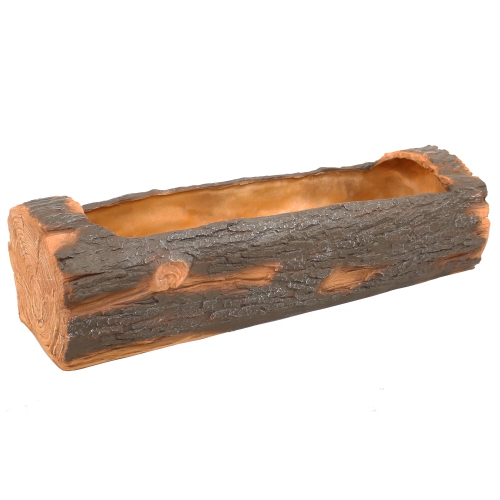
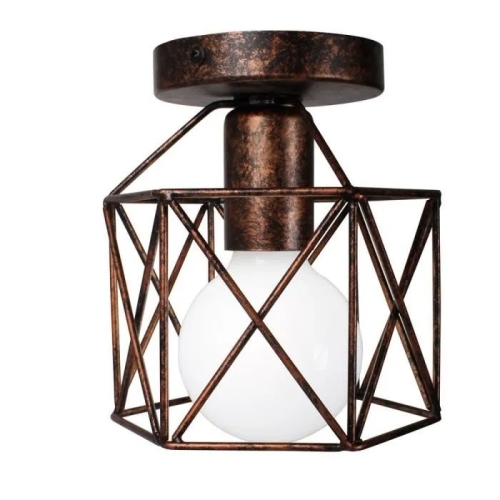
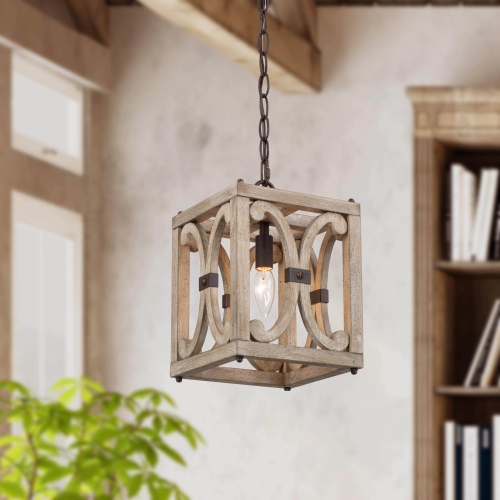

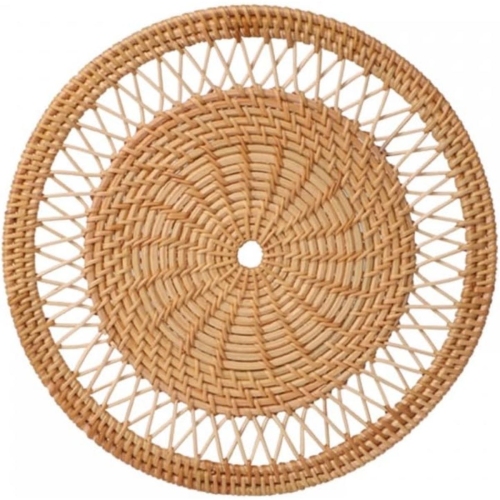

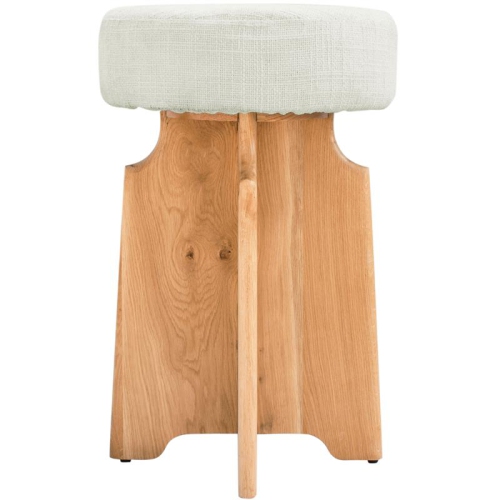

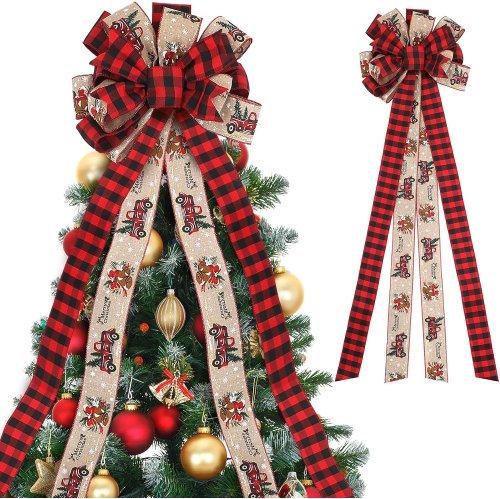
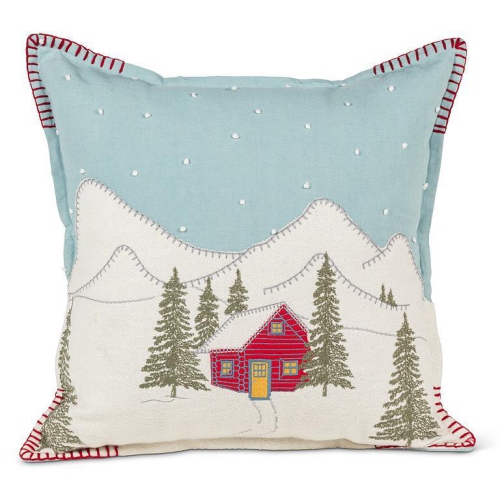
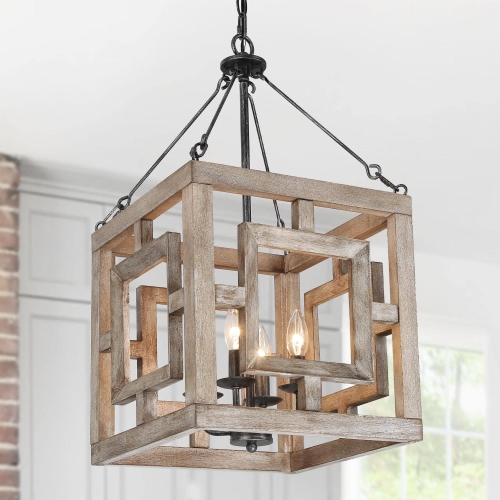
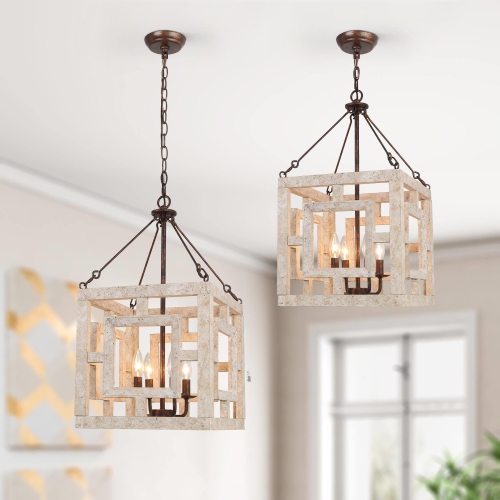

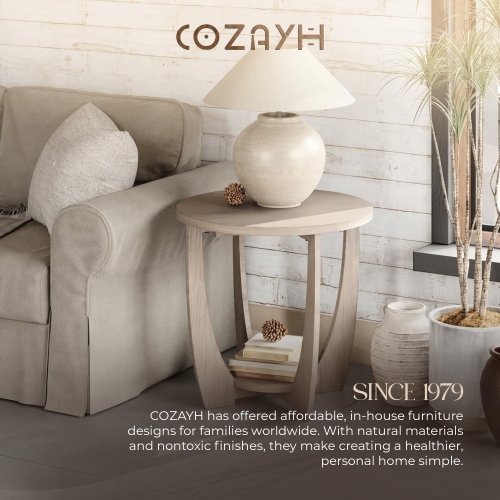
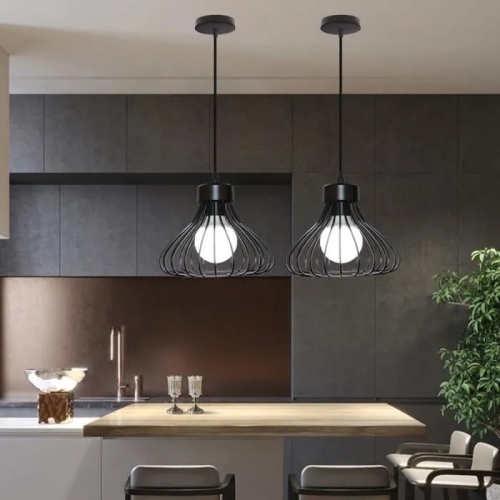
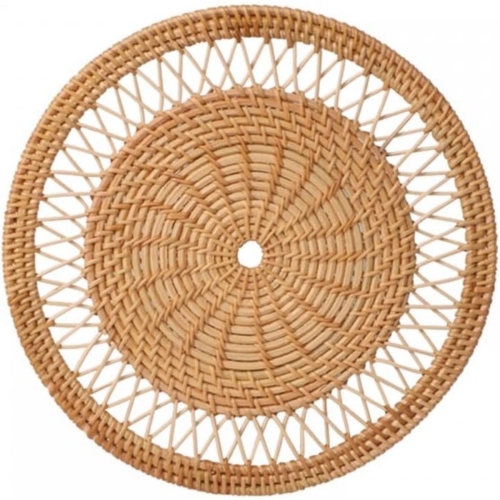

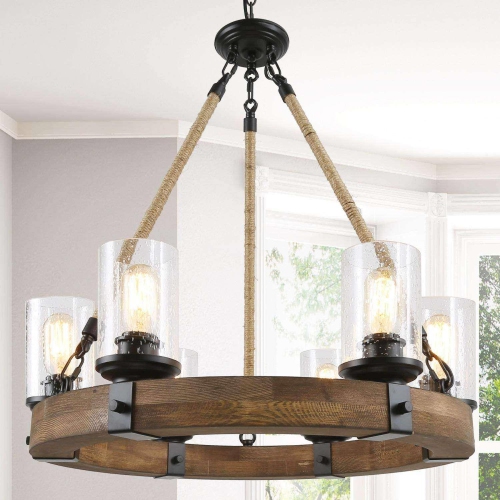
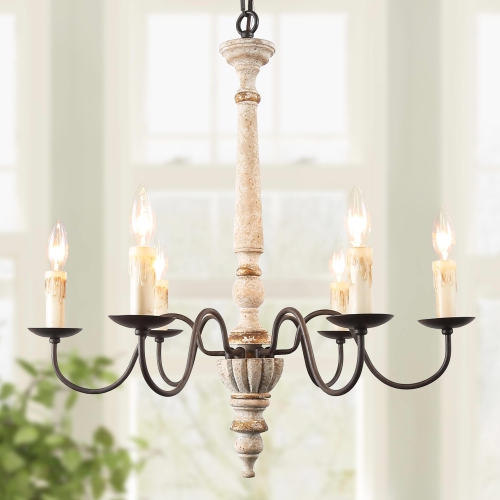
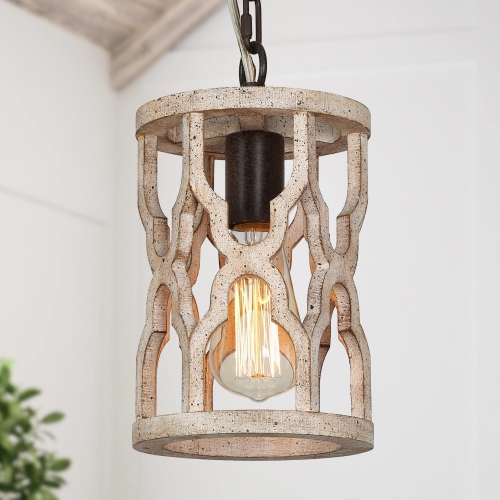

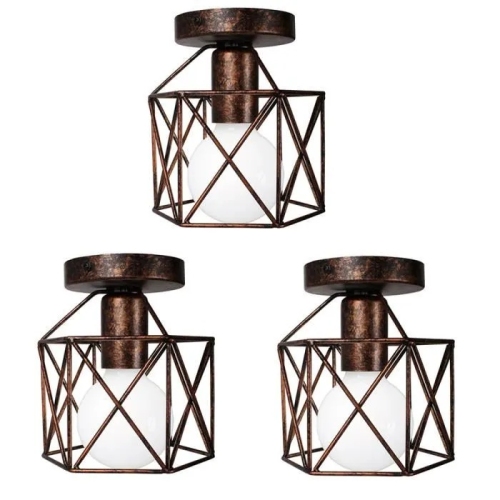
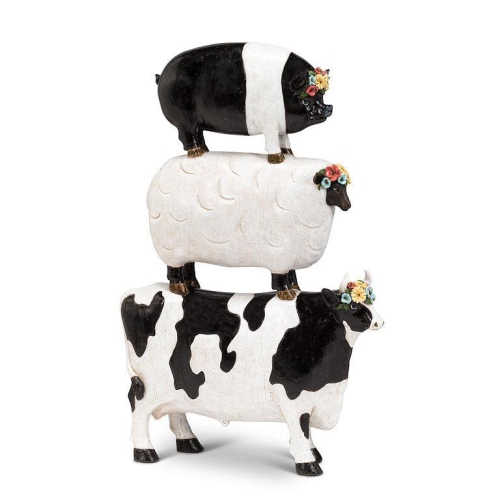
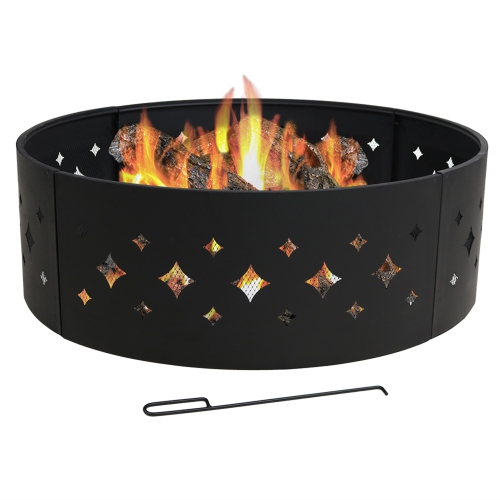

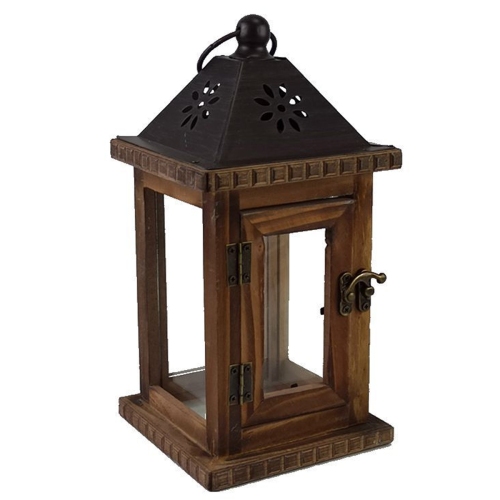
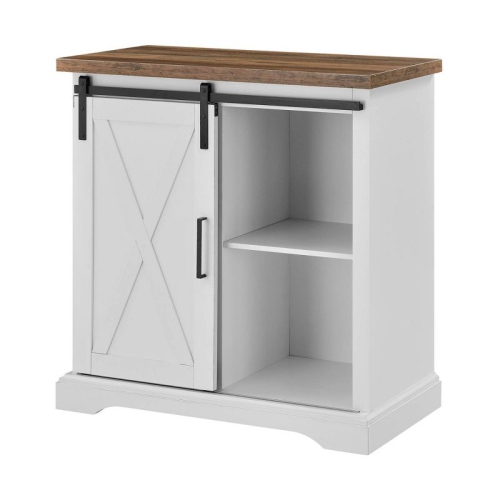
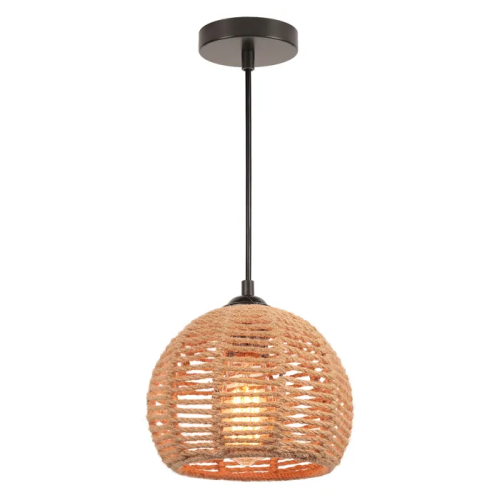
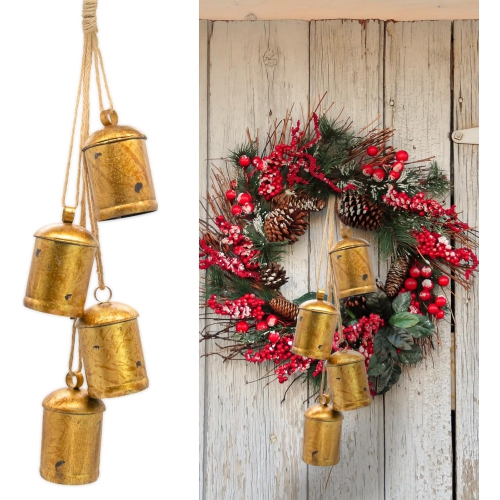
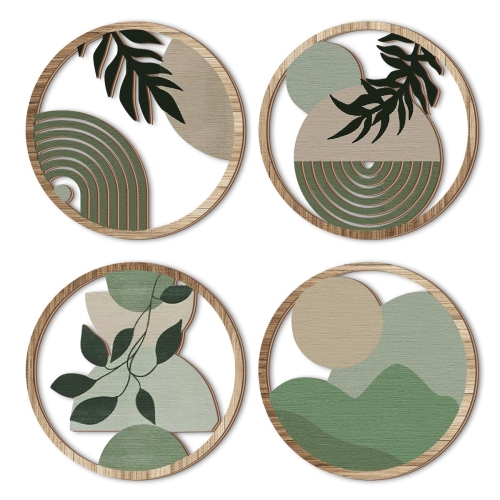
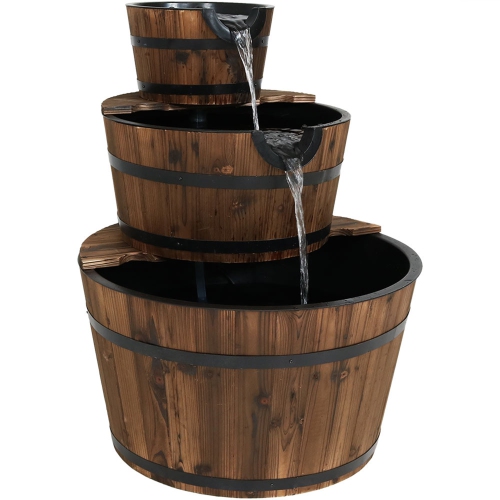
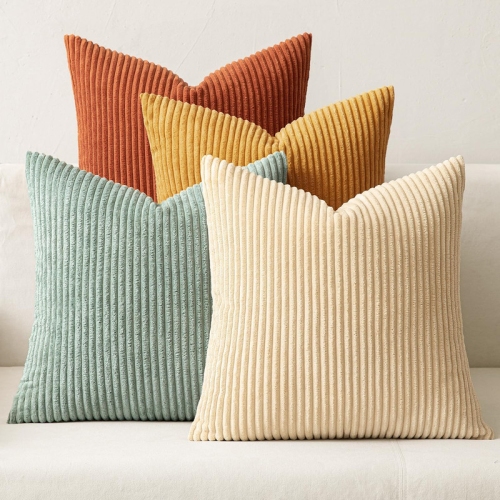

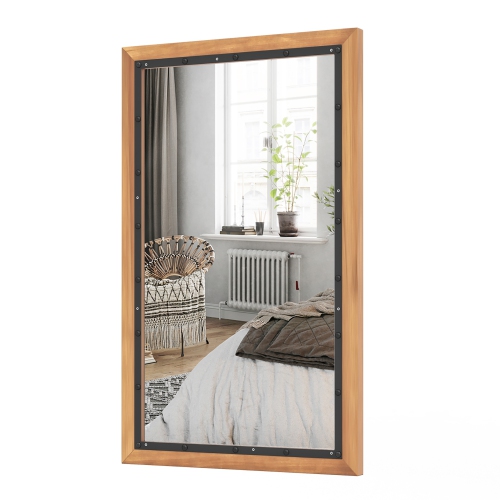
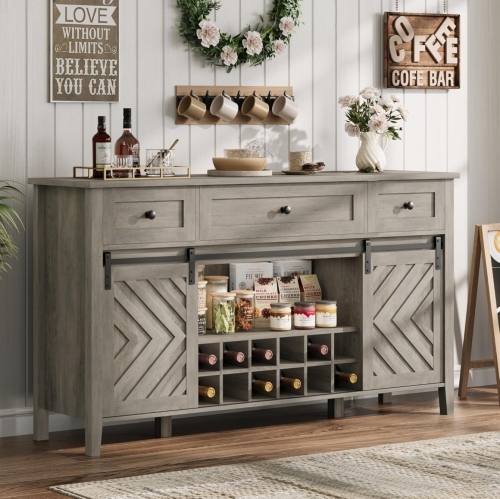
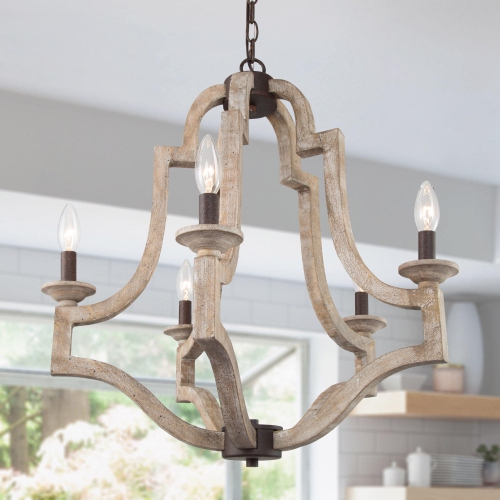
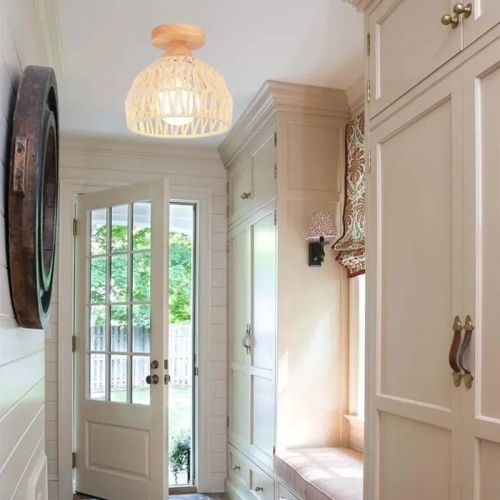
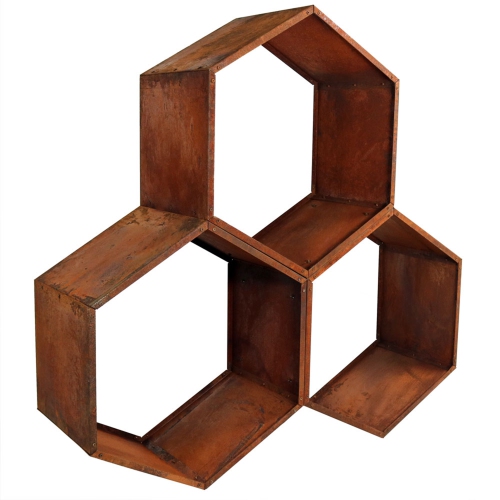
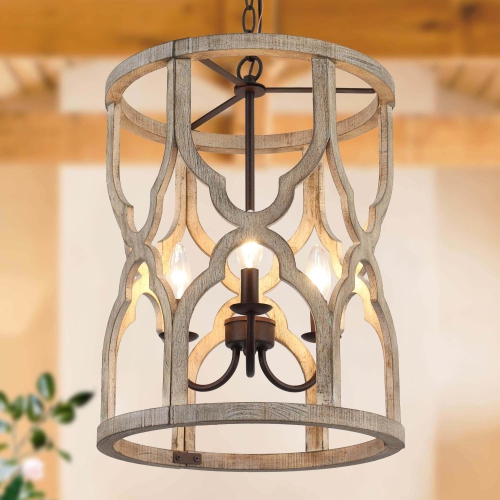
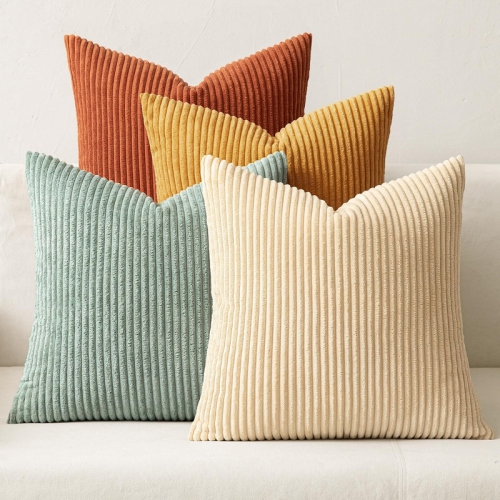
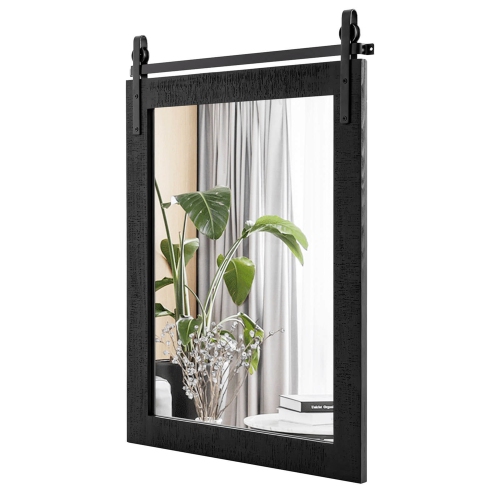
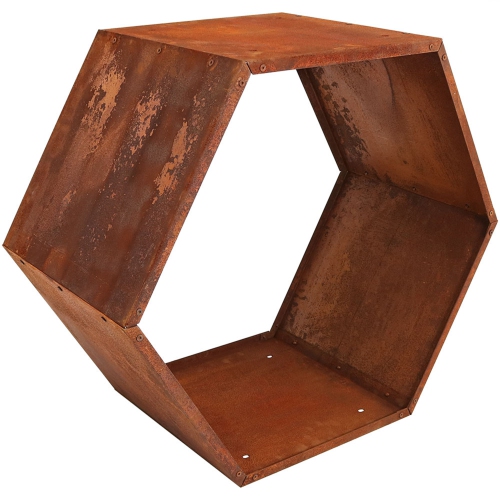
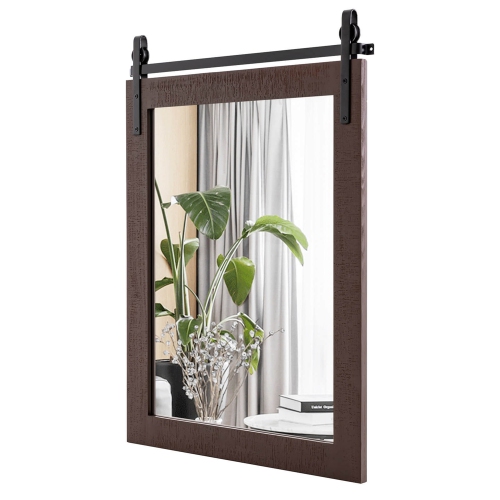
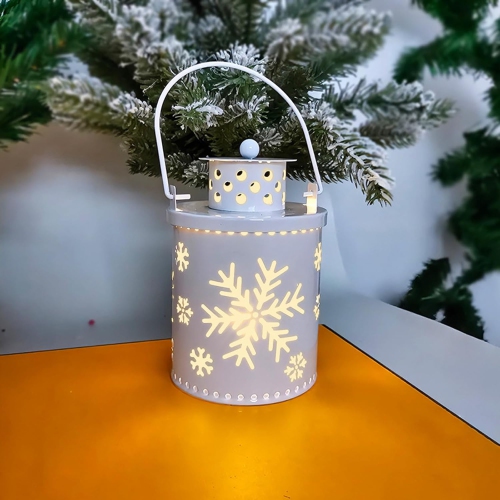
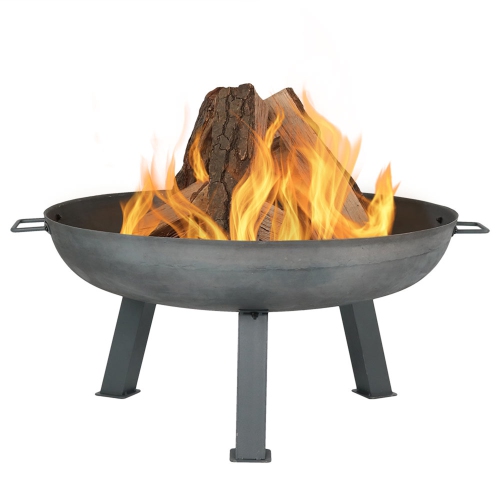

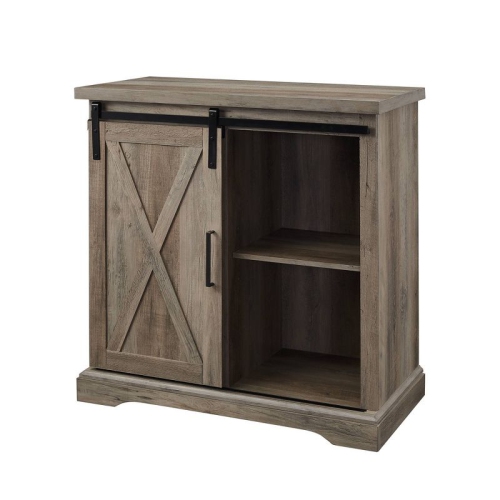
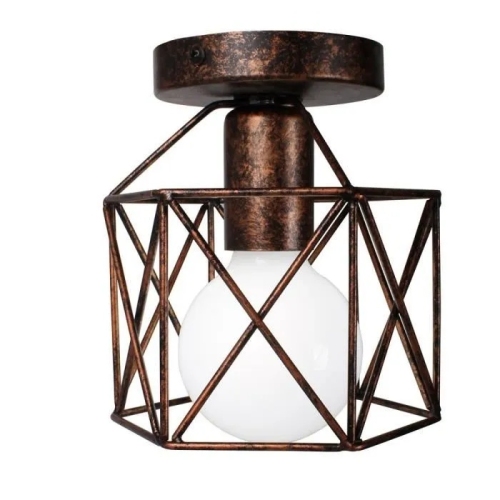
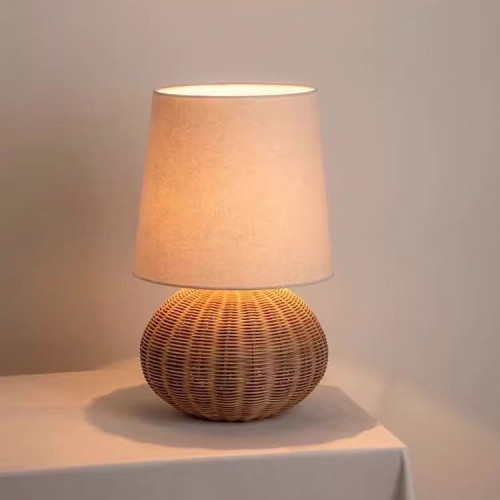
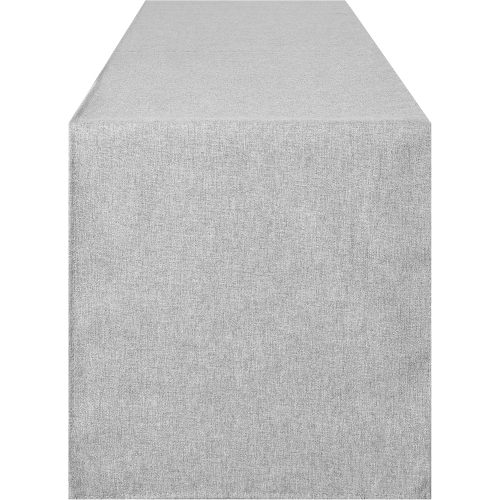
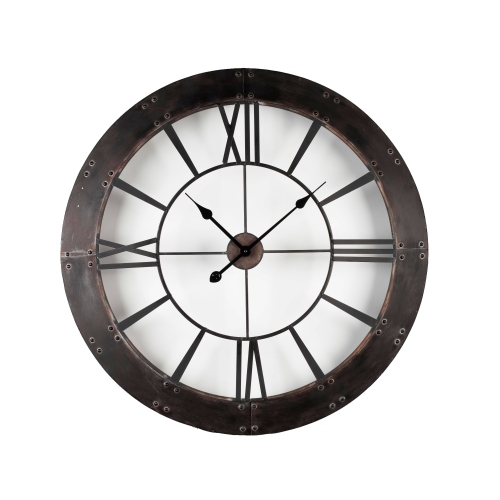
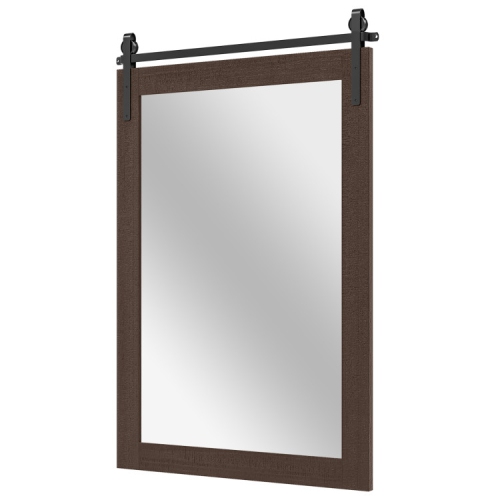
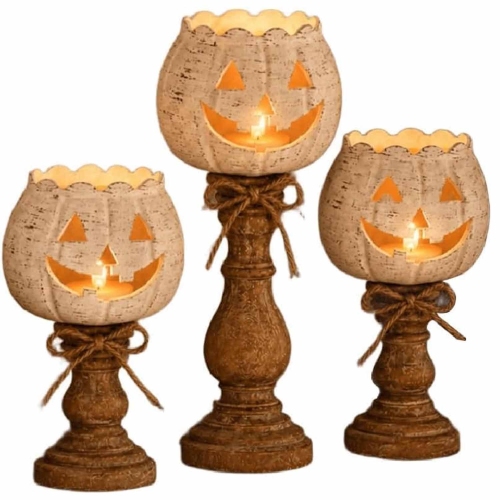

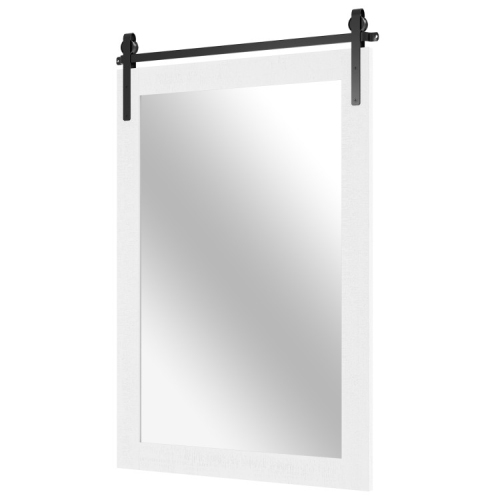
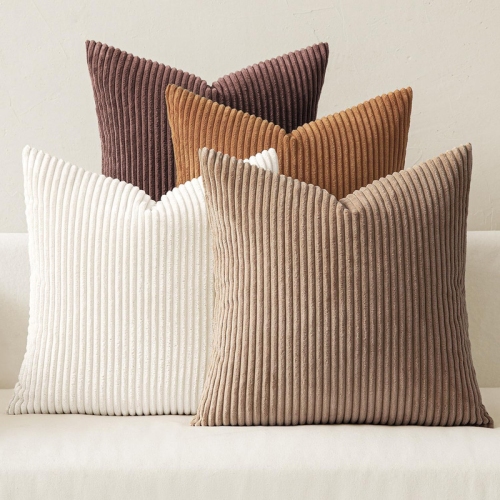
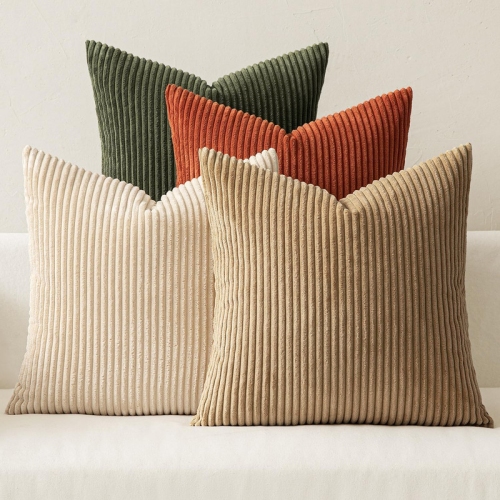
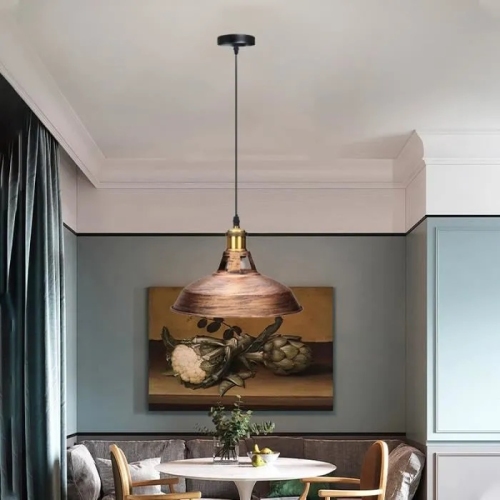
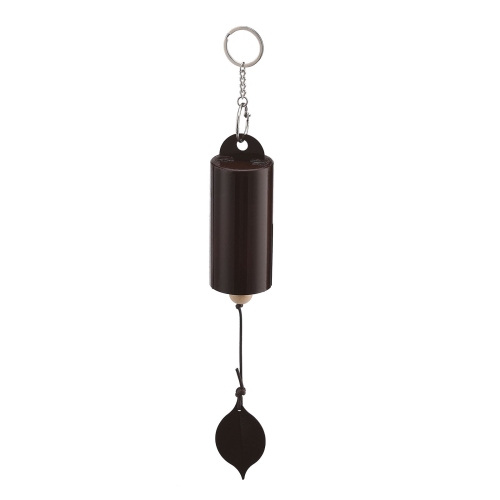
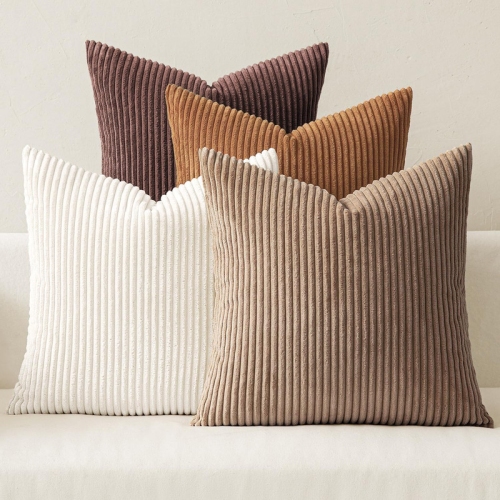
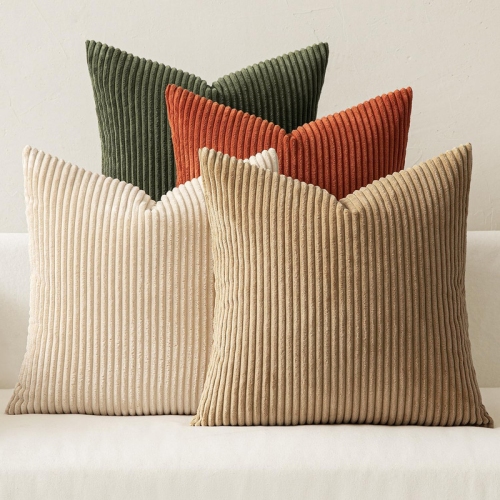

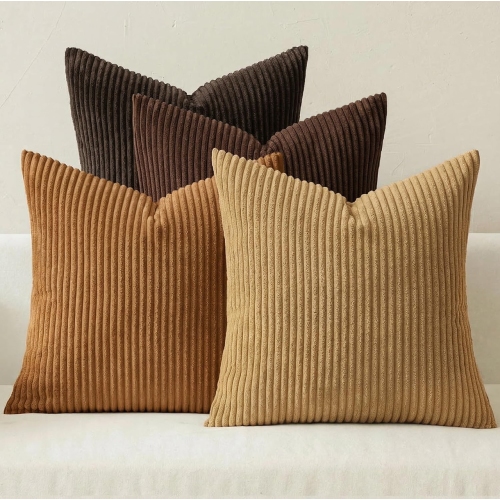
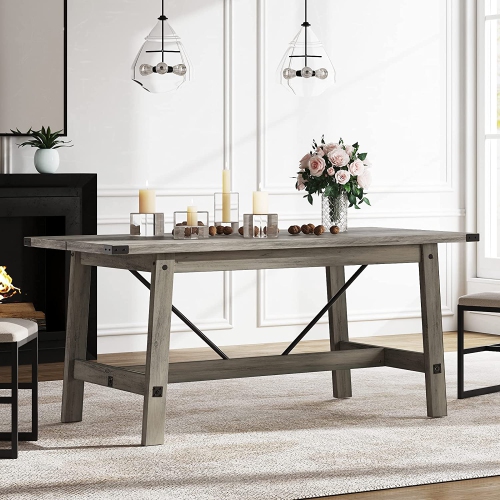
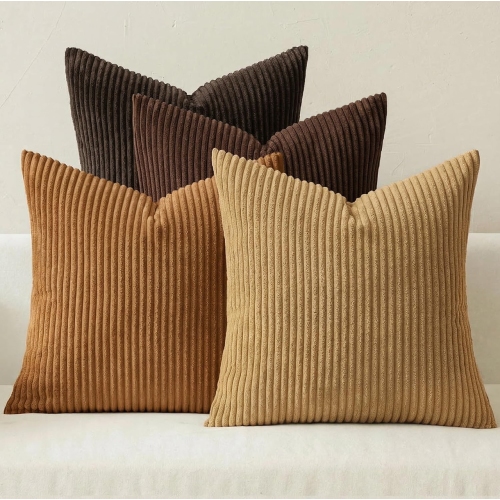
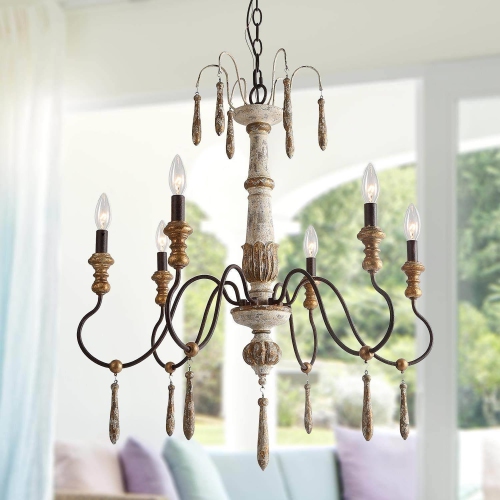

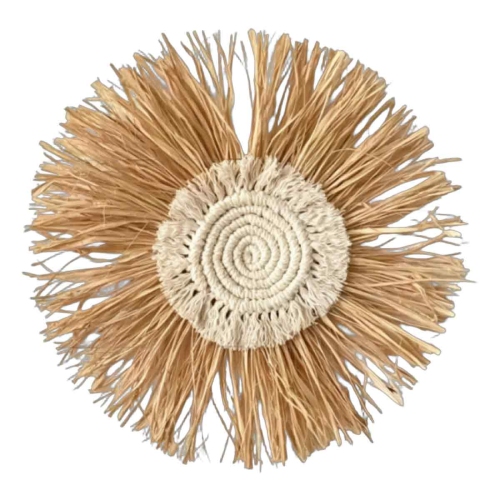
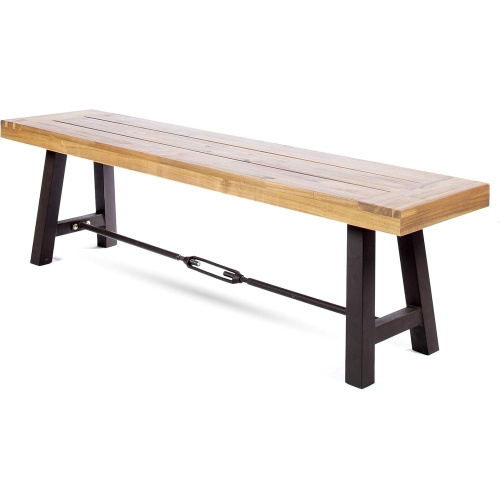
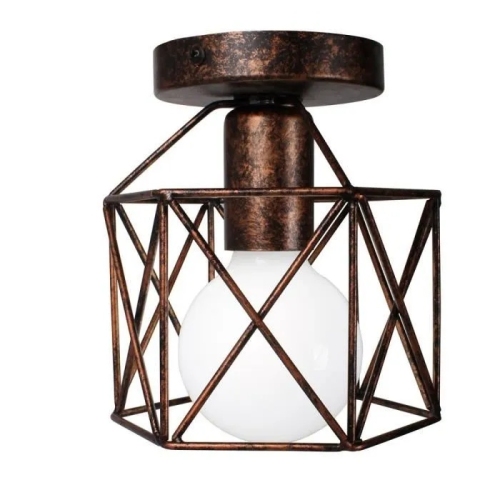
Where wood grain meets soft textures and everyday comfort
Rustic cabin decor brings the character of a woodland retreat into spaces used for relaxing, gathering, and everyday living. Its appeal comes from the contrast between substantial materials and comfortable, approachable details: visible wood grain beside softly woven fabric, dark metal against pale timber, or a textured rug beneath simple furniture. The look can suit a lakeside cabin, a family cottage, or an apartment where a few earthy accents add depth without changing the entire room. Unlike a tightly matched furniture scheme, cabin-inspired decorating leaves room for variations in finish, shape, and texture. Honey-toned wood, deep brown, charcoal, cream, muted green, and touches of brick red can sit comfortably together when a few colours repeat throughout the space. Wood knots and deliberately distressed finishes contribute character, while clean-lined silhouettes keep the setting from feeling overly themed. Landscape imagery, restrained woodland motifs, and woven patterns can suggest a connection to cabin life without covering every surface in the same design. Scale matters as much as style. A broad, substantial piece may feel balanced in an open living area but dominate a narrow room, where slimmer profiles and more visible floor space often work better. Furniture height also affects how comfortably a room functions, particularly when seating, nearby surfaces, and lighting need to work together. In shared spaces, a clear route between the entrance, seating area, and adjoining rooms helps preserve the easygoing quality associated with this style. A few contrasting surfaces can keep the overall effect interesting: smooth ceramic beside coarse fabric, for example, or a lightly brushed metal finish near wood with a pronounced grain. The result need not resemble a traditional log cabin. Rustic details can blend with painted walls, contemporary upholstery, and straightforward storage, giving the room a sense of history while keeping it practical for daily use. This flexibility makes the theme approachable for both a complete room refresh and a smaller change built around existing furnishings.
Materials and construction shape how rustic cabin decor feels, wears, and fits into a household. Solid wood has natural variation in grain and colour, while veneered surfaces can provide a wood appearance over a different core. Neither the word “rustic” nor a distressed finish explains how a piece is built, so details such as the surface coating, joinery, hardware, and intended use remain important. Deliberate markings are part of some finishes, but they are different from loose connections, unstable bases, or damage that affects function. Sealed surfaces are generally more suitable for areas where drinks, meals, or frequent handling are part of everyday life, provided care follows the manufacturer’s directions. Coasters, protective pads, and prompt attention to spills can help limit marks without hiding the material’s character. Wood finishes may respond differently to moisture and direct sunlight, making placement another consideration. Metal details introduce contrast and can reinforce the cabin aesthetic, though textured or dark finishes may still need gentle cleaning rather than abrasive scrubbing. Textiles bring softness to the heavier appearance of wood and metal. Cotton, wool, and blended fibres each have different care requirements, and a fabric’s weave and backing can be as relevant as its fibre content. Removable, washable covers may be practical in family spaces, while decorative fabrics with special cleaning requirements may be better suited to less frequently handled accents. In rooms shared with pets, tightly woven surfaces can be easier to manage than loose loops or long fringe, although no fabric is completely protected from claws or chewing. Floor coverings also need to suit their location. Low-profile textures can work well along busy routes, with an appropriate underlay helping reduce movement where recommended. Measuring door clearance, furniture footprints, and the space needed to open drawers helps prevent a good-looking addition from becoming awkward to live with. These practical details support the relaxed character of cabin decor, allowing texture and patina to feel welcoming rather than demanding.
Lighting, softness, and personal details give rustic cabin interiors their lived-in quality. A room filled only with dark timber and heavy shapes can feel visually dense, so lighter fabrics, open areas, and varied lighting help create balance. General lighting supports movement through the room, while more focused light makes reading, hobbies, and conversation areas comfortable to use. Shades and diffusers affect how light falls across textured surfaces; softer illumination can bring out wood grain without producing the glare of an exposed bulb. The placement of lighting matters, too, particularly beside seating where a shade should not interrupt a sightline or crowd a useful surface. Soft furnishings offer another way to adjust the look without replacing larger pieces. A mix of plain weaves and modest patterns usually gives distinctive textures more room to stand out than several competing prints. Consistent undertones can connect different materials, even when their finishes do not match exactly. For a gentler take on the cabin look, the painted finishes and farmhouse influences associated with Rustic Country Decor can complement wood grain, woven textures, and simple metal accents. Personal photographs, meaningful artwork, and a small number of familiar objects help the space feel individual rather than staged. Wall decor should also suit its setting: dimensions, weight, mounting requirements, and the wall surface all affect where it can be safely displayed. In a guest room or shared cottage, easy-care materials and useful storage can make the setting more welcoming than decorative detail alone. For gifting, rustic accents are often most successful when they reflect the recipient’s existing colours, available space, and daily habits. Someone furnishing a first cabin may appreciate a different style or scale than someone adding a subtle woodland touch to an established home. Versatile shapes and understated motifs leave more room for personal taste. Across these settings, the strongest cabin-inspired spaces balance character with comfort, using tactile materials and considered proportions to create rooms that feel inviting, useful, and distinctly personal.
Top selling and popular products
-
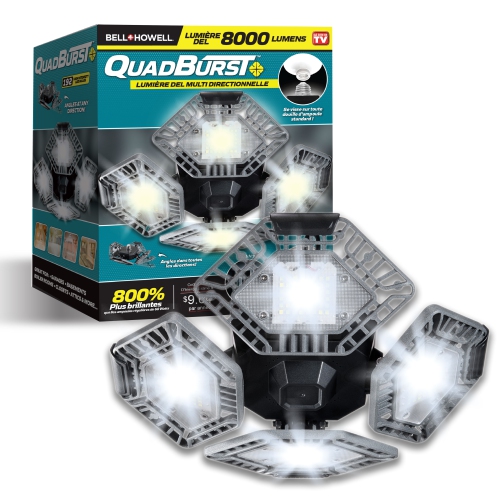 Your price for this item is $49.95
-
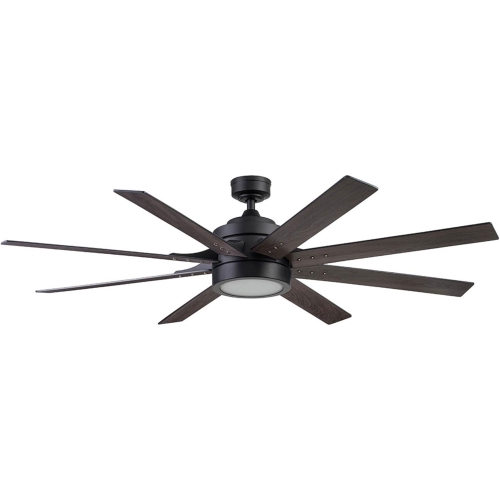 Your price for this item is $489.99
-
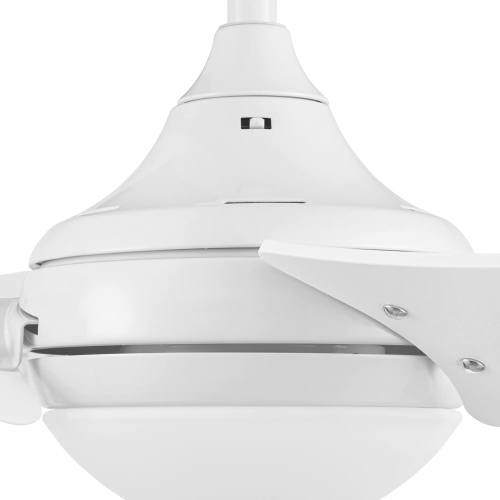 Your price for this item is $239.99
-
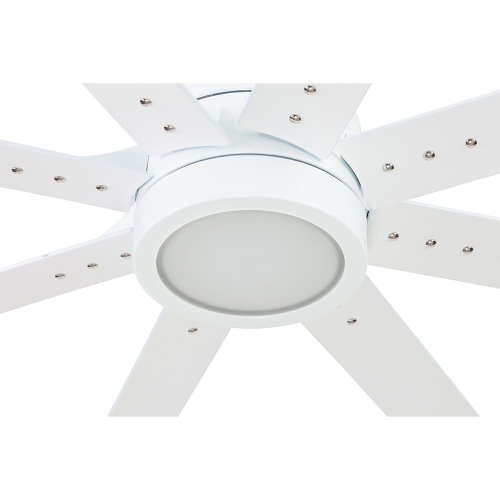 Your price for this item is $532.99
-
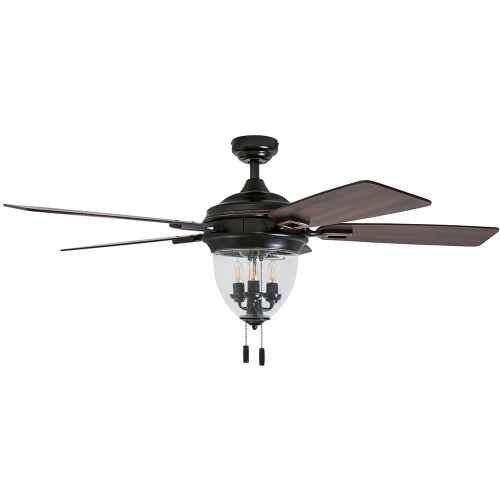 Your price for this item is $367.99
-
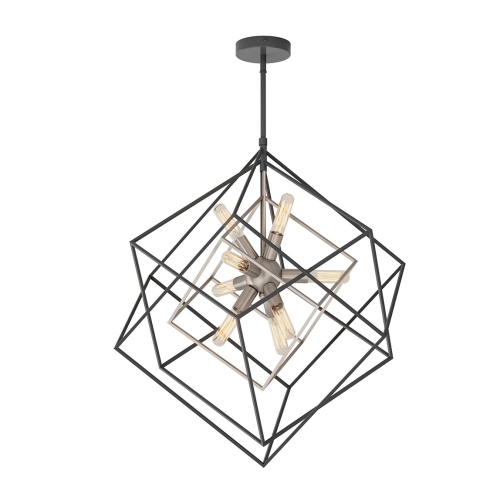 Your price for this item is $299
-
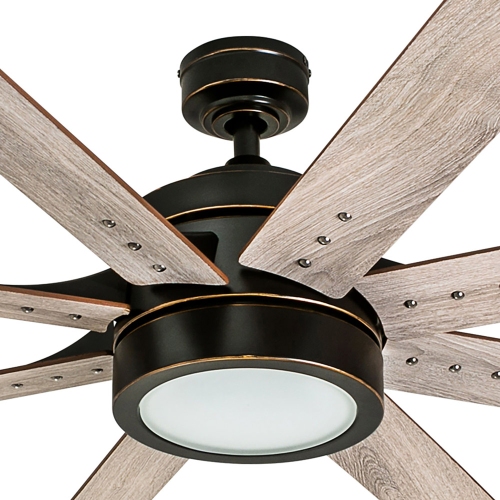 Your price for this item is $534.99
-
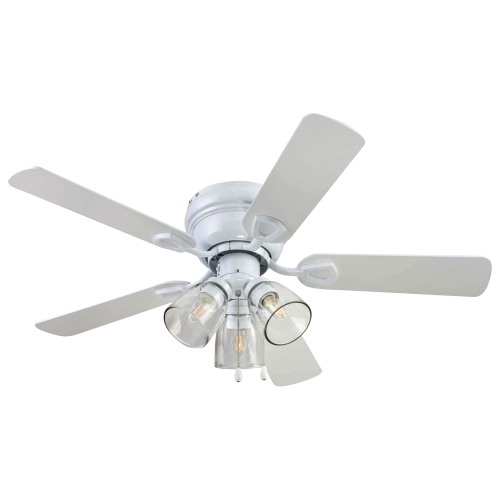 Your price for this item is $211.99
Discover more categories related to Rustic Cabin Decor
Top Collections:
Best Black Friday Deals This Year, Best Black Friday Deals On Electronics, Kindle Devices, Dyson Airwrap, Best Cameras for Sports Photography, Best Budget Office Chairs, Canon G7X Cameras, PS5 Pro Consoles, Best Black Friday Deals On Apple Products, XBOX One S Consoles
Some products may be subject to Environmental Handling Fees
(EHF) depending on your province.
Learn more about EHFs.