Rustic Pine Dining Tables
Rustic Pine Dining Tables bring timeless charm and warmth to any dining space, creating an inviting atmosphere for family meals and gatherings. The natural textures and distinctive grain patterns of pine wood add character and style, making each table a unique centerpiece. Whether you're updating your kitchen or designing a new dining area, Rustic Pine Dining Tables offer a classic look that pairs effortlessly with a variety of decor themes. Explore versatile options that blend durability and elegance, perfect for both everyday use and special occasions.
Sort
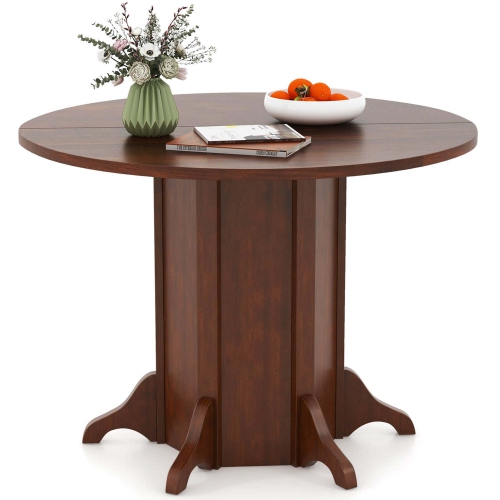
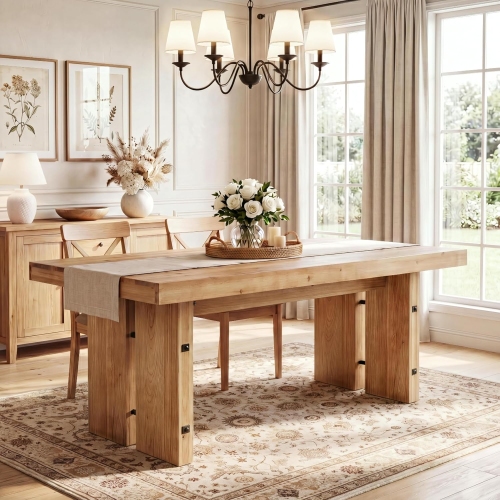
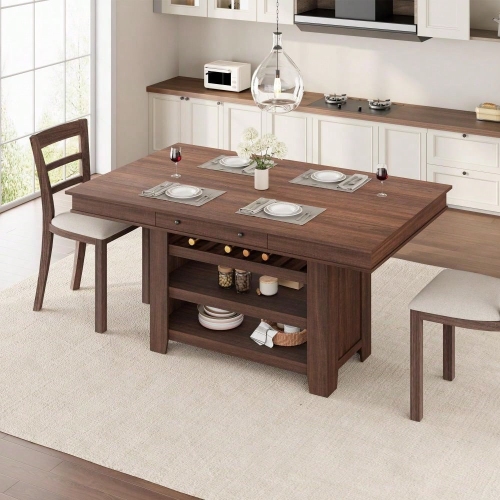
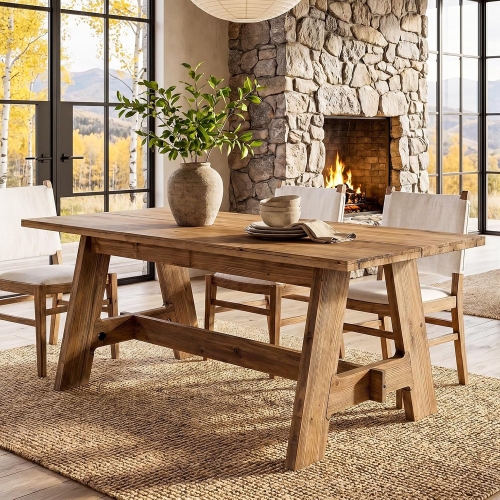
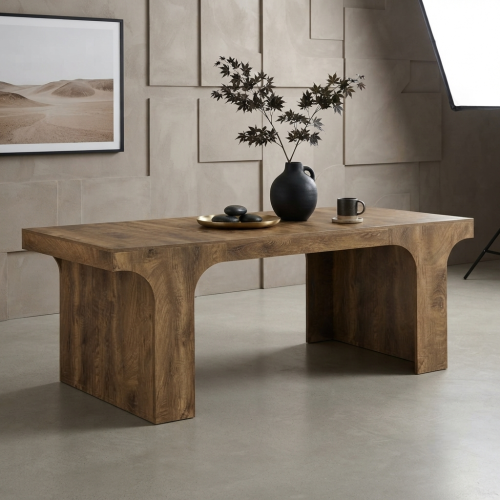
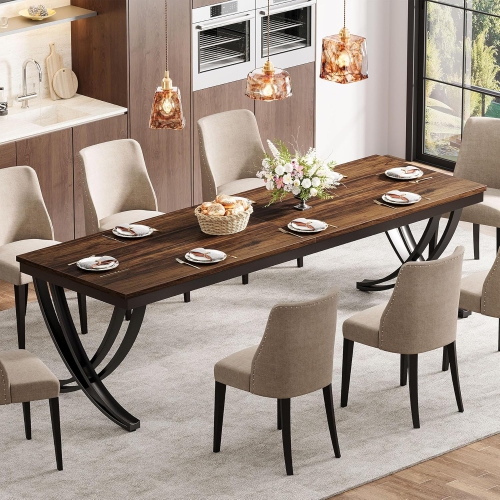
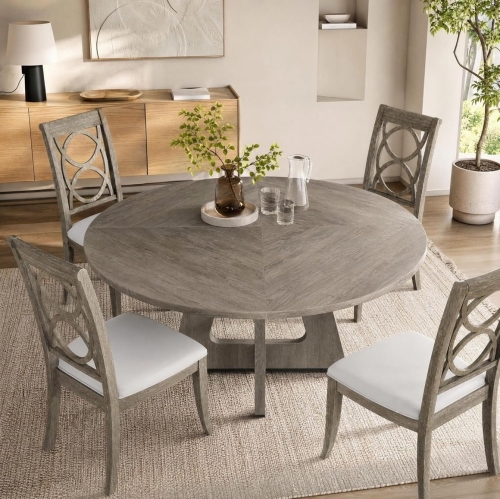
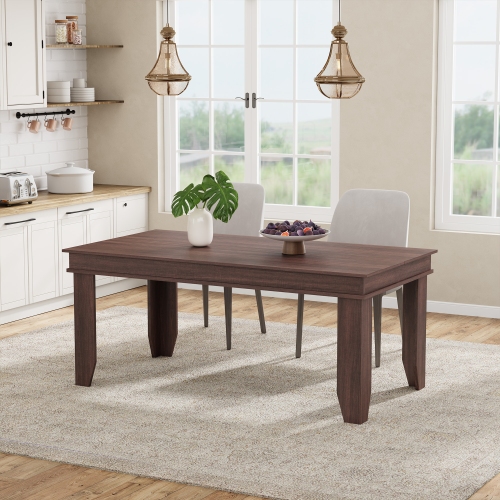
Expressive pine grain meets the demands of everyday dining
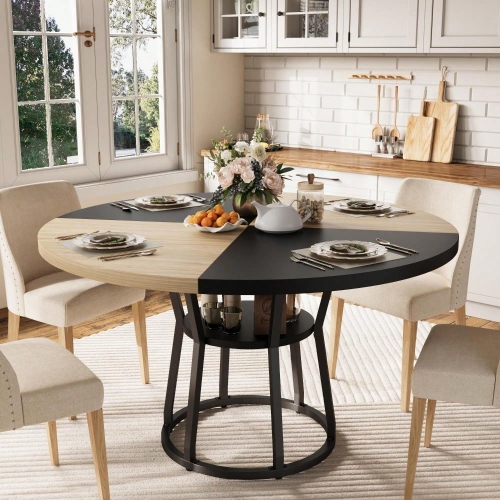
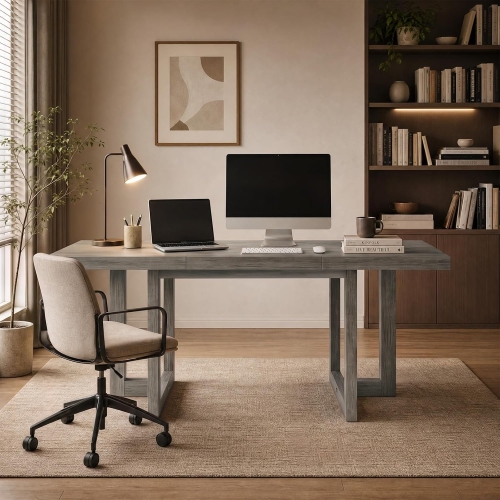
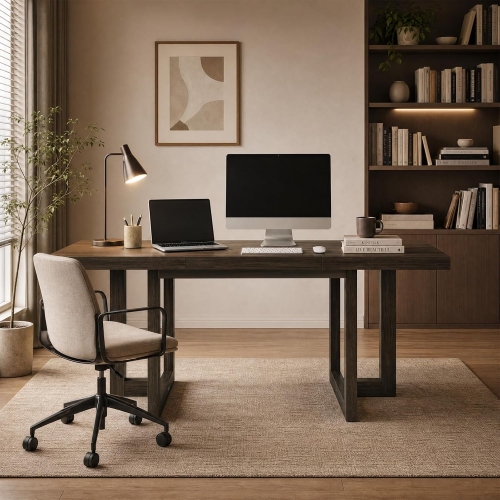
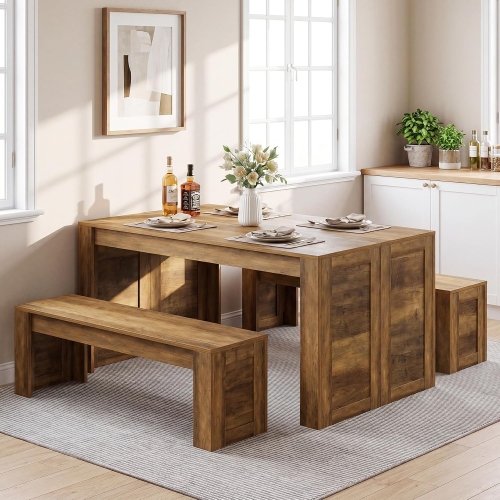
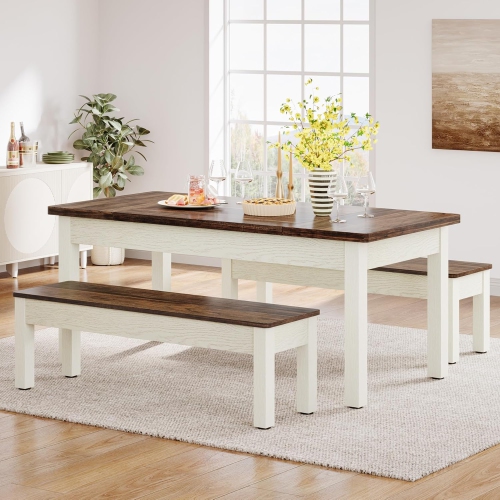
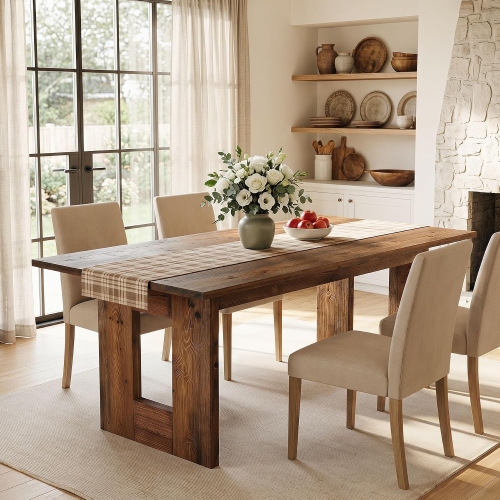
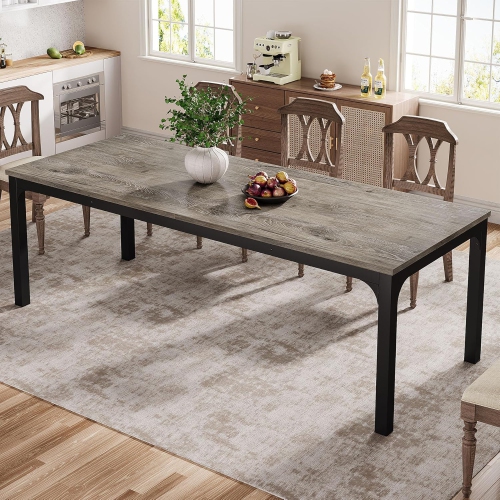
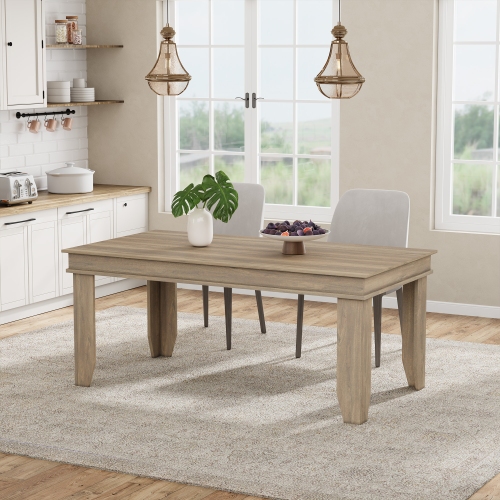
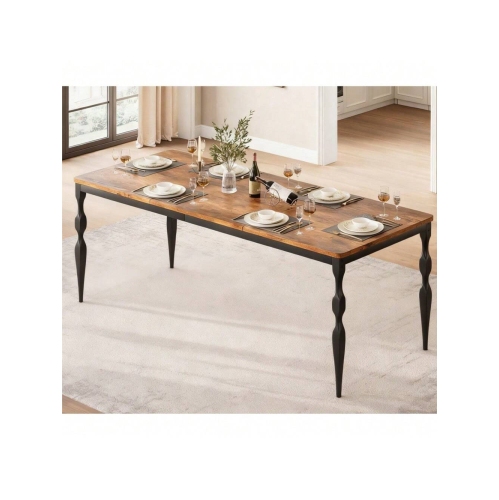
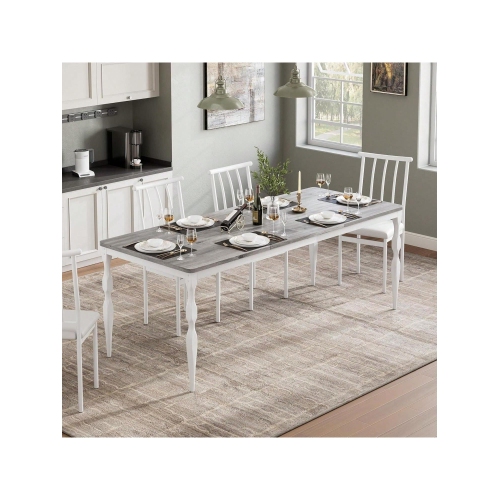
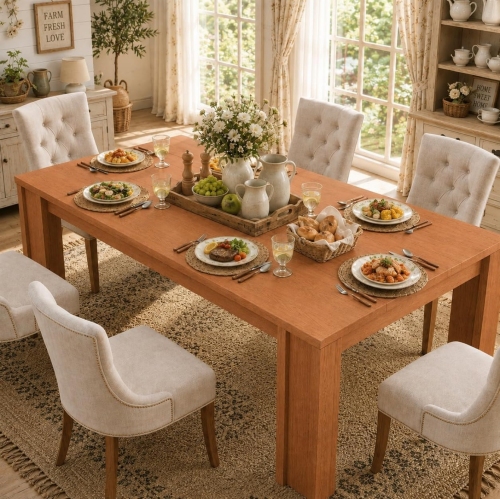
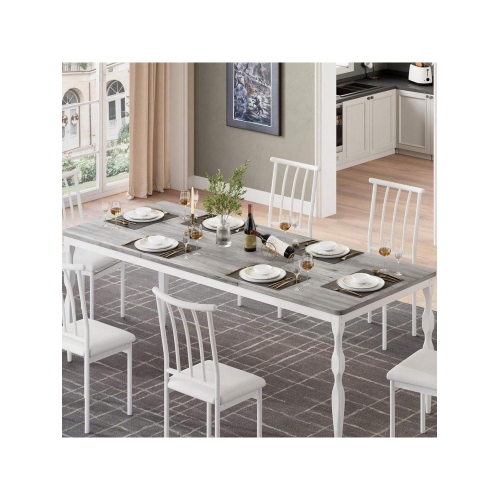
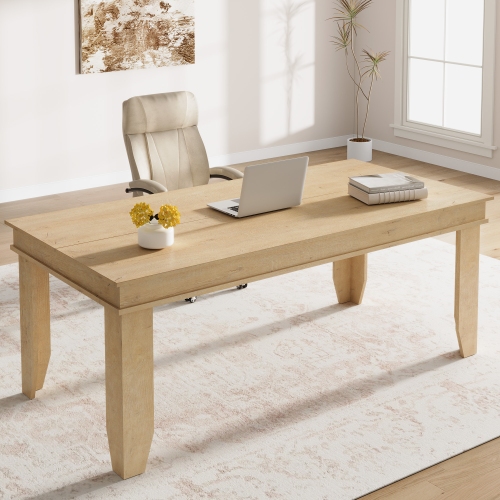
Rustic pine dining tables bring visible wood grain, distinctive knots, and a relaxed sense of character to the place where meals and everyday conversations happen. Their appeal comes from the contrast between useful, straightforward furniture and a surface that does not look perfectly uniform. Pale cream and honey tones can make a dining area feel lighter, while deeper brown stains give pine a richer appearance without hiding all its natural markings. A plank-style top, substantial legs, or a trestle base can reinforce the farmhouse look; a pine top paired with dark metal legs can suit an industrial-inspired room. These tables also work alongside painted cabinetry, upholstered chairs, and simple contemporary lighting, so a rustic finish does not require an entirely rustic home. Within the broader style of Rustic Dining Tables, pine stands out for its expressive grain and typically lighter weight compared with many hardwoods. The material description matters: solid pine, pine veneer over an engineered core, and a pine top combined with a different base material have different construction and care requirements. Solid pine can develop small dents and marks through use, and some surfaces can be refinished if their construction and finish allow it. Veneered surfaces need more caution because the visible wood layer is thin. Pine is a softwood, which describes its botanical classification rather than suggesting that every table is fragile, but it is generally more susceptible to dents than harder woods such as oak. Sound joinery, a stable base, and an appropriate protective finish are therefore important parts of everyday durability. A distressed finish may make minor wear less noticeable, while a smooth sealed top is often easier to wipe after meals. Deep grooves and heavily textured surfaces offer pronounced character but can catch crumbs. A dark stain described as an oak finish refers to colour, not necessarily the wood species, making the stated material more informative than the finish name alone.
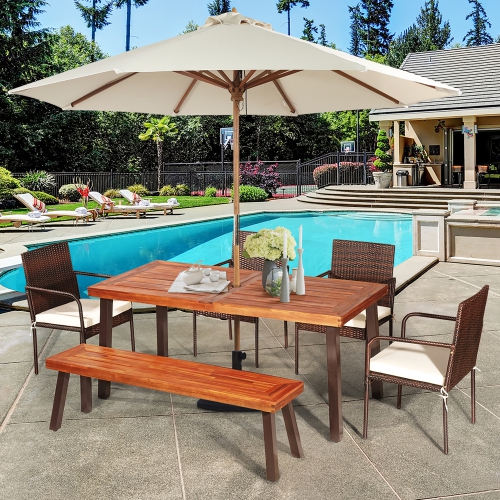
The right fit depends on both the tabletop dimensions and the space beneath it. A rectangular rustic pine dining table suits many dedicated dining rooms and long, narrow layouts, while a round table can make conversation easy in a compact dining nook. An oval top offers a similar flowing outline with more length for additional place settings. As a general planning allowance, about 24 inches of table edge per person provides basic seating space, and closer to 30 inches can feel more comfortable with wider chairs or generous place settings. Many 60- to 72-inch rectangular tables accommodate six people, including seats at the ends, while an 84- to 96-inch length often suits eight; the actual capacity depends on width, leg placement, and chair size. A 48-inch round top commonly works well for four, while a 60-inch round top can accommodate six with suitable seating. These dimensions are useful starting points rather than guarantees. A generous tabletop can still feel cramped if corner legs block chairs or a trestle foot occupies the space where someone needs to sit. Around 36 inches between the table edge and a wall or nearby furniture generally allows room to pull out a chair, with additional clearance helpful where people regularly walk behind seated diners. Buffets, open cabinet doors, and the route to the kitchen also affect how the room functions. Chair height deserves equal attention: roughly 10 to 12 inches between the seat and the underside of the tabletop is a common comfort allowance, although a deep apron may reduce usable space. Armchairs need enough clearance to tuck in without striking that apron. Benches can create a casual look and slide beneath some tables, but their length must fit between the legs if that is the intention. An extension design can serve households that need a smaller daily footprint and more seating for guests, provided there is space for the opened table and somewhere suitable to store any removable leaves.
A rustic pine dining table is often expected to do more than hold dinner plates. In a family kitchen, it may become the spot for homework, drawing, and shared meals; in an apartment, it may also support laptop work or a board game with friends. Those uses make surface protection worthwhile even when a few marks are part of the desired look. A writing mat can help prevent pen pressure from leaving impressions in softer pine, and a protective cover is useful beneath craft supplies. Coasters and placemats reduce direct contact with moisture, while heat-resistant trivets provide a barrier beneath hot serving dishes. Spills are best wiped up promptly with a soft cloth rather than left around plank joints or the edge of the top. Routine cleaning usually involves a lightly damp cloth followed by drying, but the care instructions for the particular finish take priority. Waxed, oiled, painted, and clear-coated surfaces do not all respond to the same cleaners or maintenance products. Excess water, abrasive pads, and unsuitable solvents can damage the finish, and furniture polish is not a substitute for the treatment an oiled or waxed surface requires. Wood also responds to changes in indoor humidity, so consistent room conditions and some distance from heating vents help limit unnecessary movement. Direct sunlight can gradually alter colour, sometimes creating uneven patches beneath objects that remain in one place. Moving a centrepiece occasionally can reduce a sharp contrast. For the overall room, a pine table can act as the connecting element between mixed chair styles rather than needing an exact matching set. Cream upholstery softens a darker stain, black chairs emphasize the outline of a lighter top, and a woven rug can add texture if it extends far enough for chairs to remain on it when pulled out. Households that appreciate a lived-in surface may welcome the gradual development of small marks, while those who prefer a consistently smooth finish may place more emphasis on protective habits. The most comfortable choice balances that preference with dependable construction, practical seating, and enough clear space to make everyday meals feel unhurried.
Top selling and popular products
-
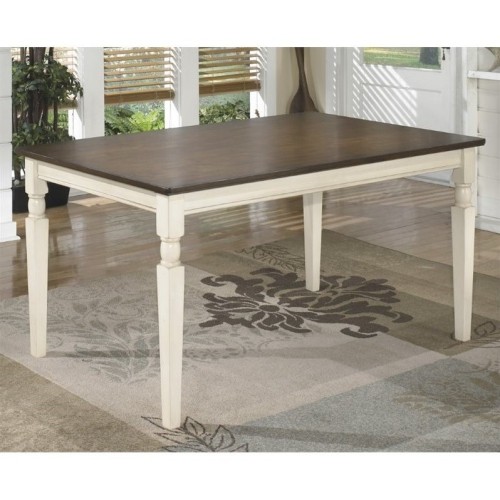 Your price for this item is $399
-
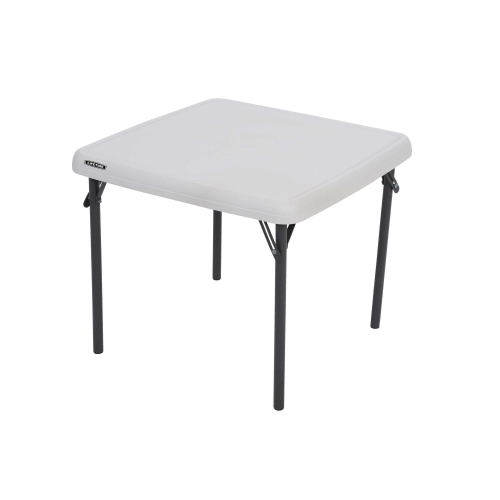 Your price for this item is $74.99
-
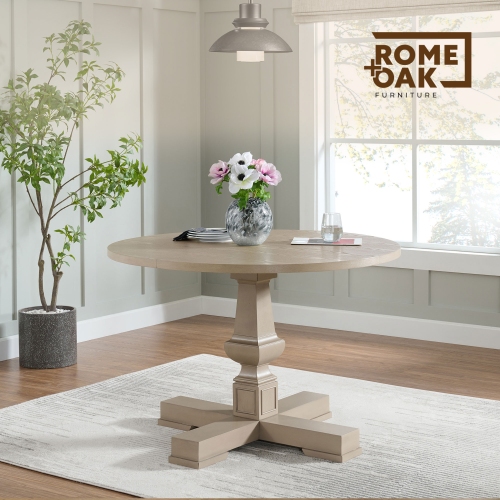 Your price for this item is $971.99
-
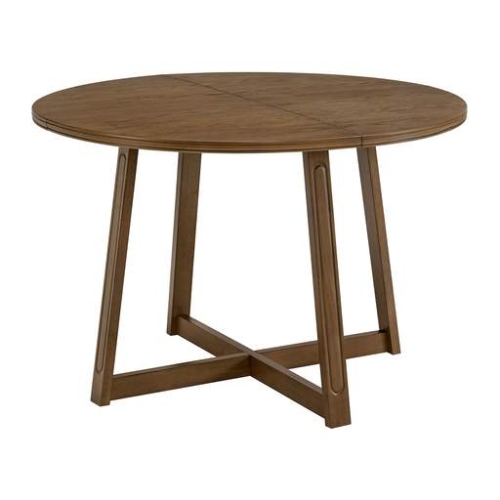 Your price for this item is $796.99
-
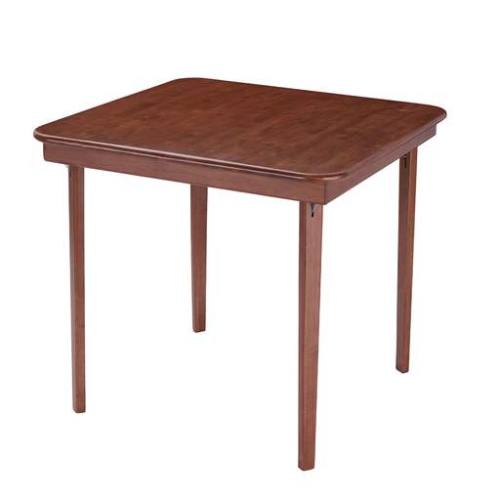 Your price for this item is $413.99
-
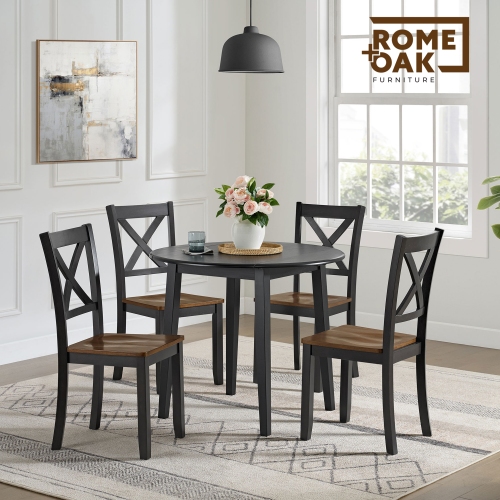 Your price for this item is $392.99
-
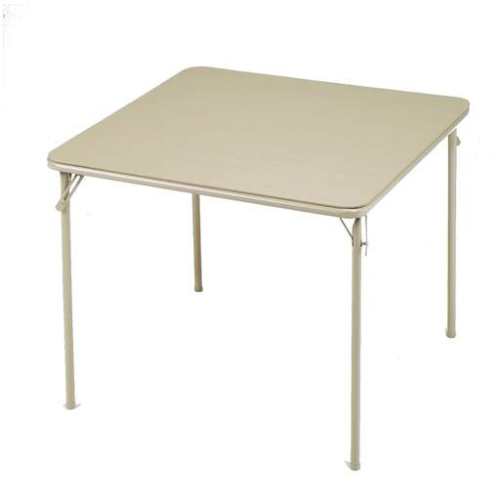 Your price for this item is $243.99
-
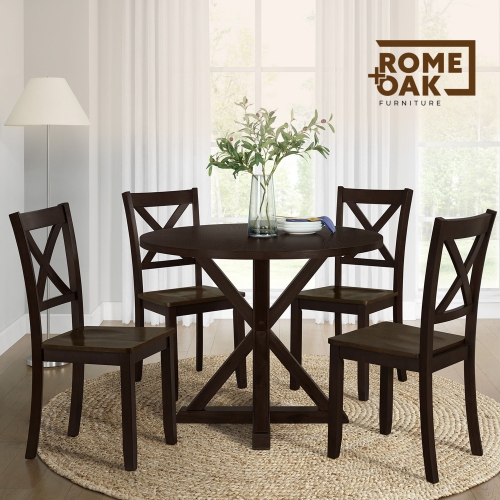 Your price for this item is $827.99
Discover more categories related to Rustic Pine Dining Tables

Top Collections:
Best Black Friday Deals This Year, Best Black Friday Deals On Electronics, Kindle Devices, Pokemon Centers, Best Black Friday Deals On Apple Products, Best Cameras for Sports Photography, Dyson Airwrap, Pokémon 30th Celebration Cards, Apple iPhone 17 Pro, Canon G7X Cameras
Some products may be subject to Environmental Handling Fees
(EHF) depending on your province.
Learn more about EHFs.