Rustic Wood Chairs
Rustic wood chairs are timeless pieces of furniture that can bring a sense of warmth and comfort to almost any home. Whether used as a dining room chair, a kitchen stool, or an accent piece in the living room, these chairs offer a classic look that is both inviting and stylish. Here are some great options available.
Sort
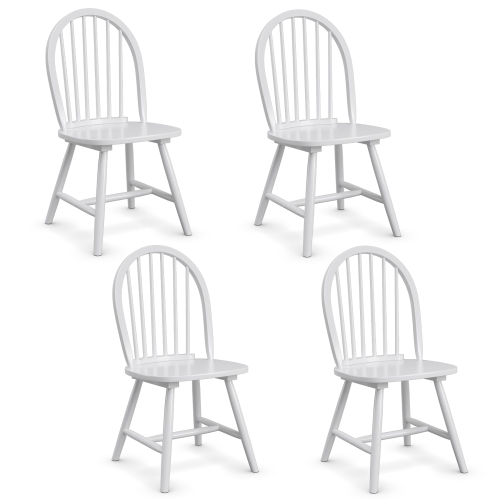
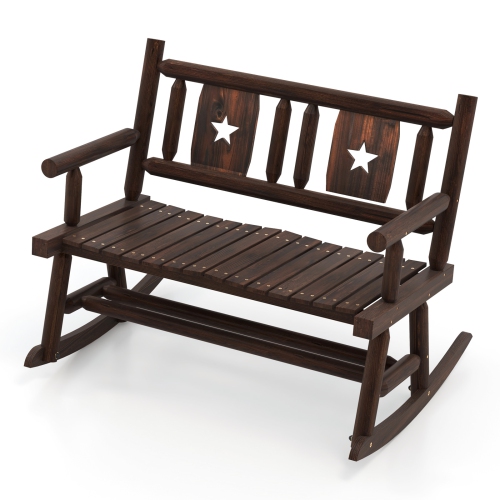
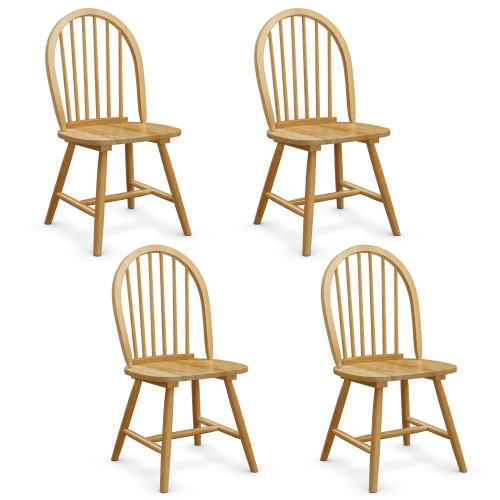
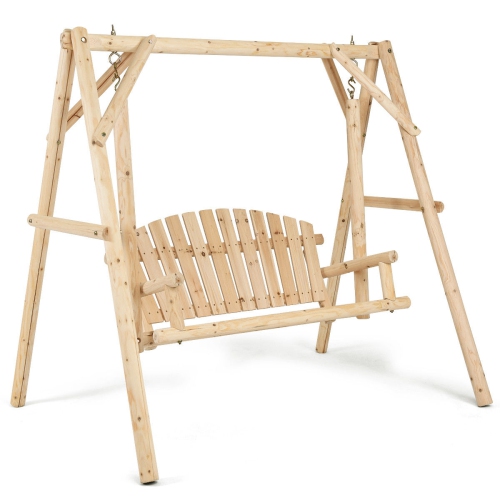
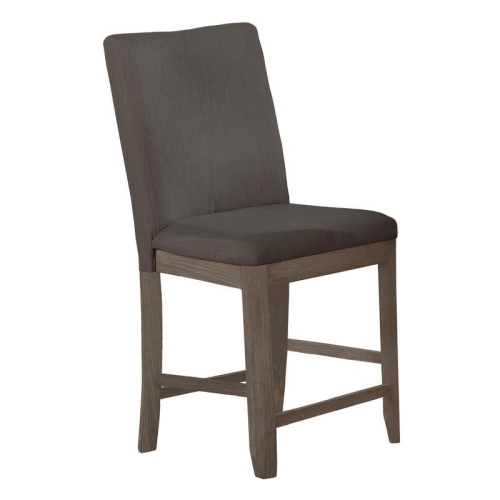
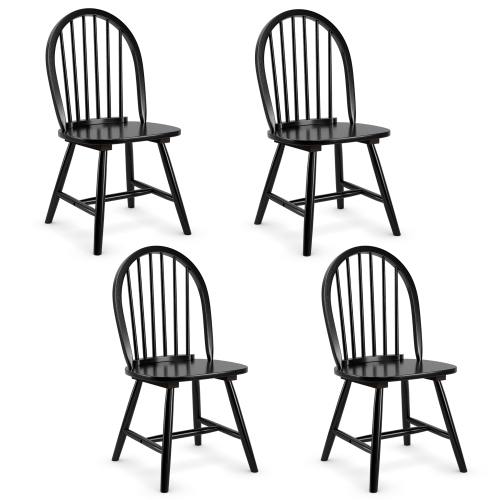
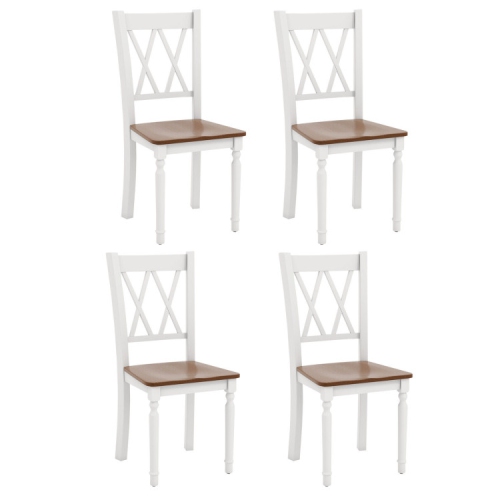
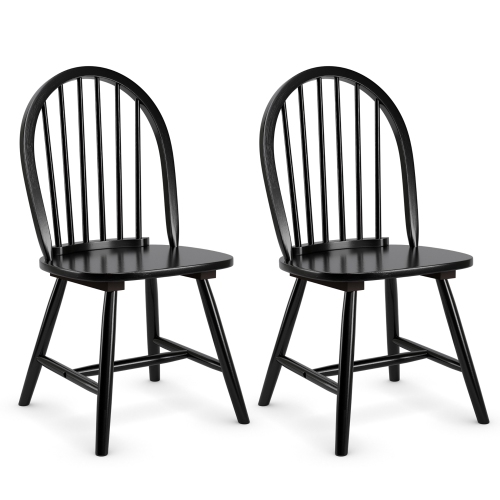
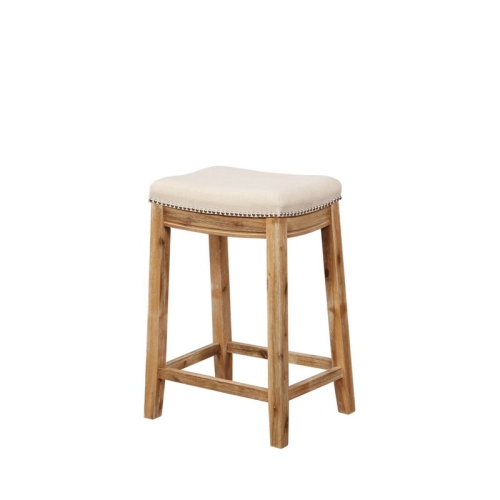
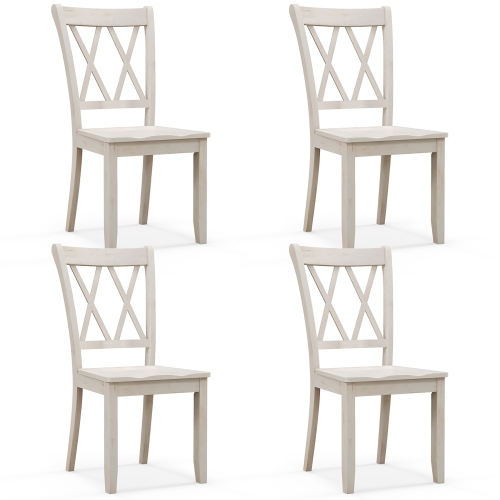

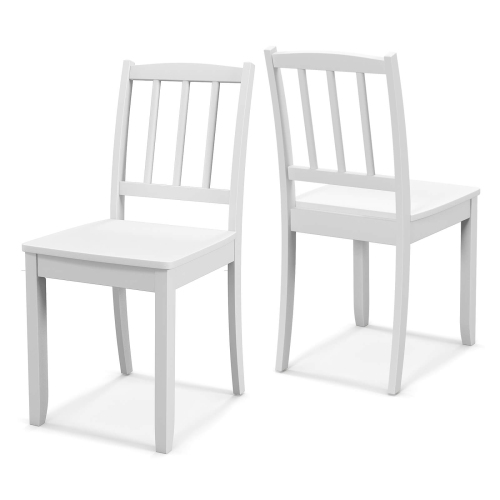
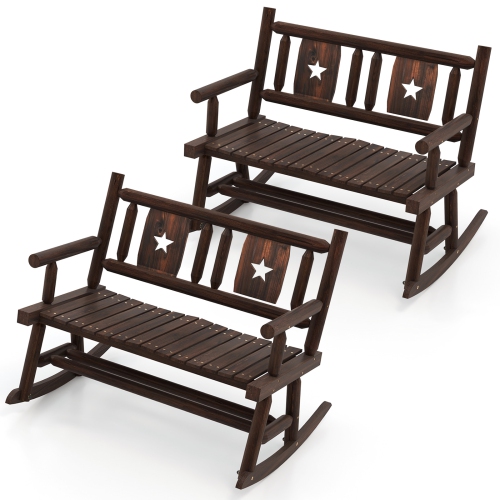
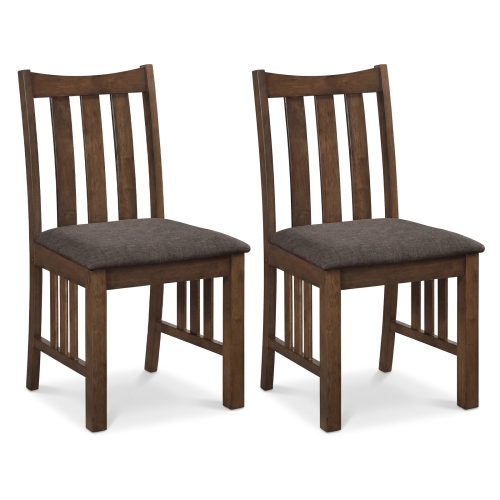
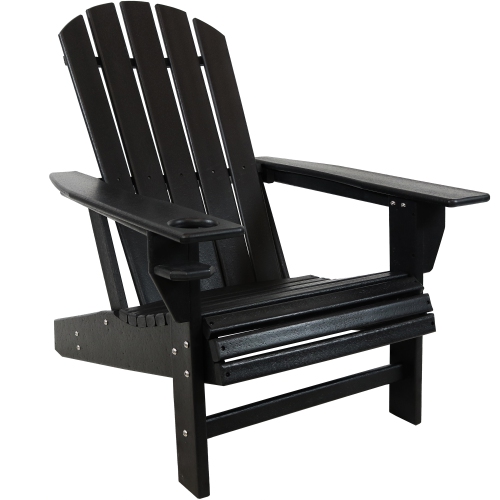
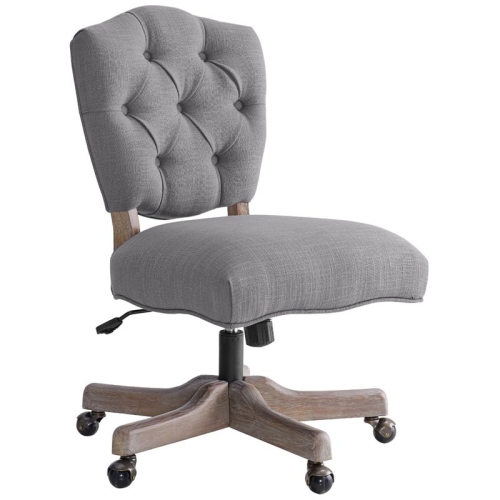
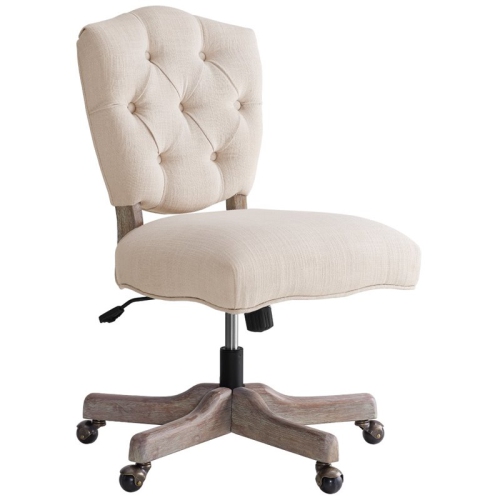
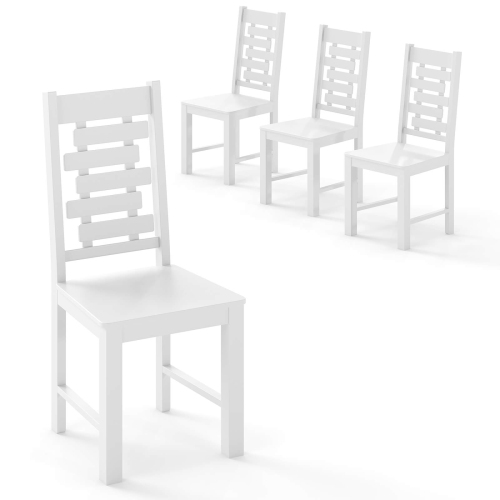
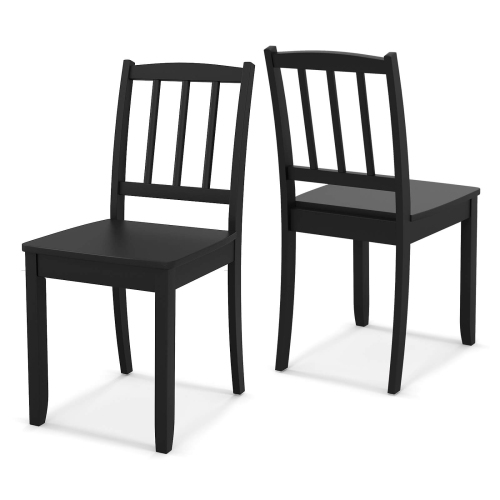
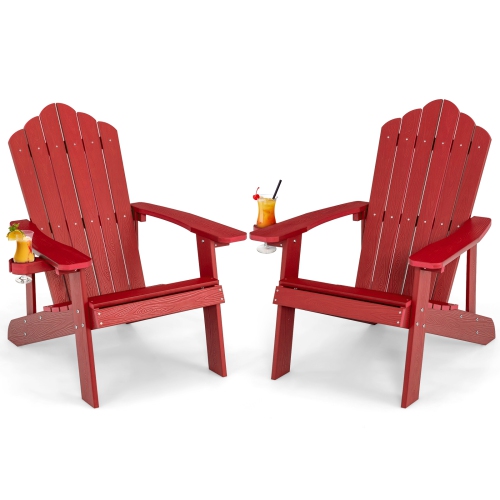
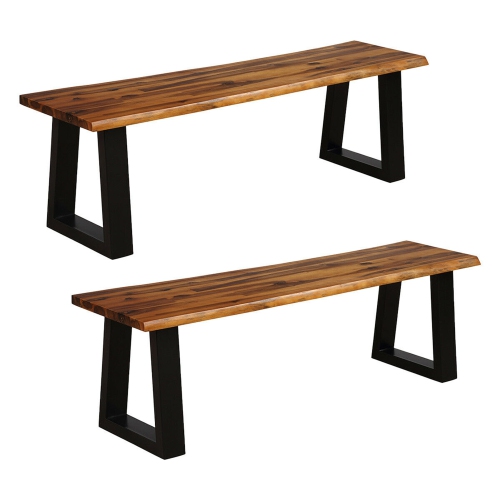
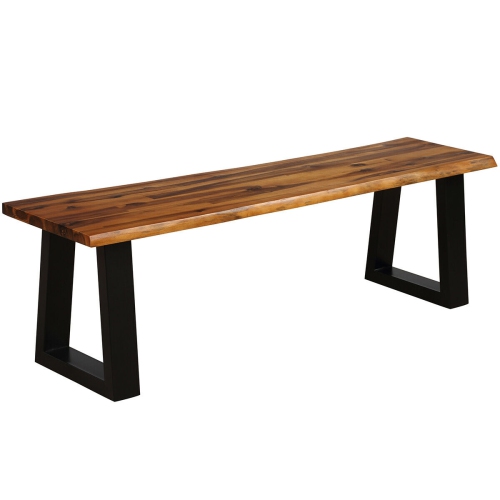
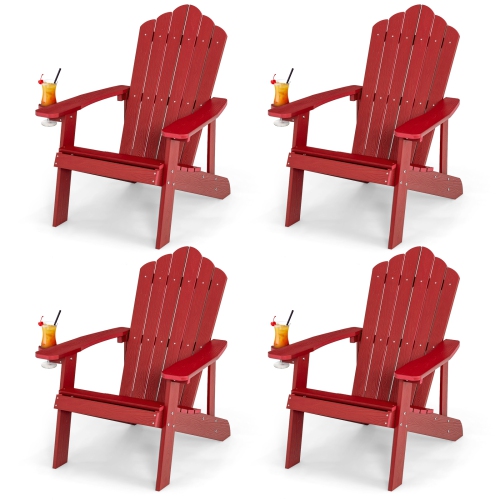

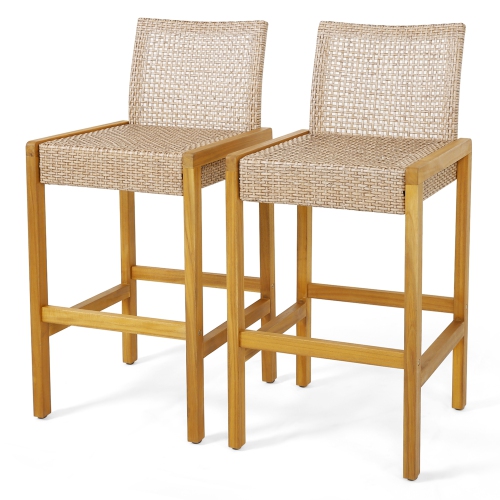
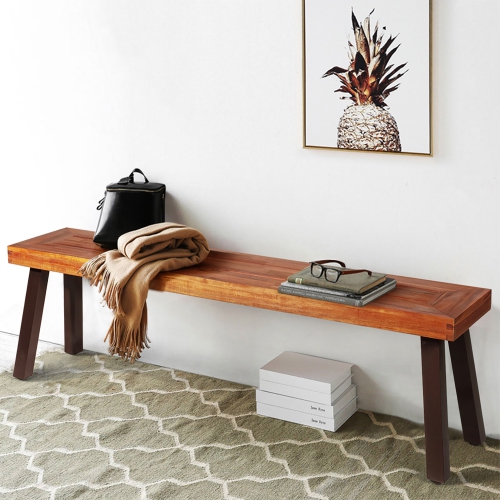
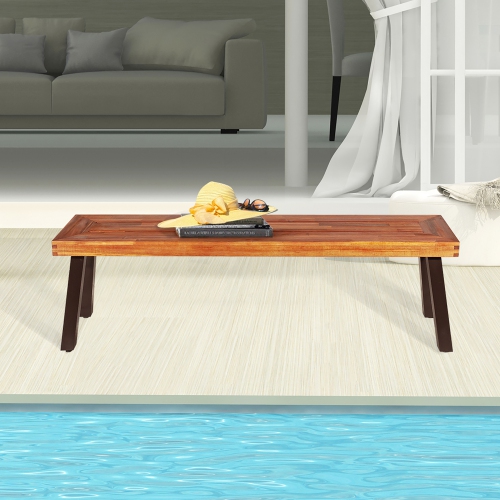
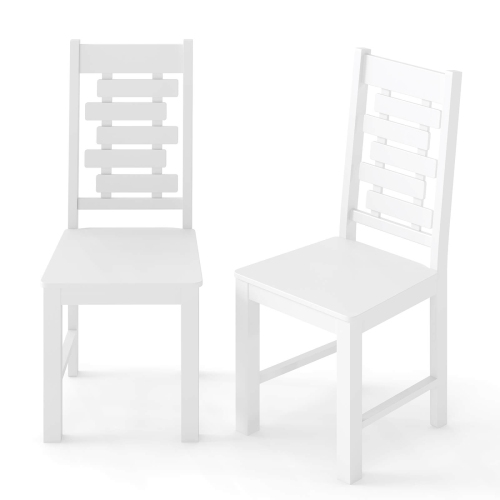
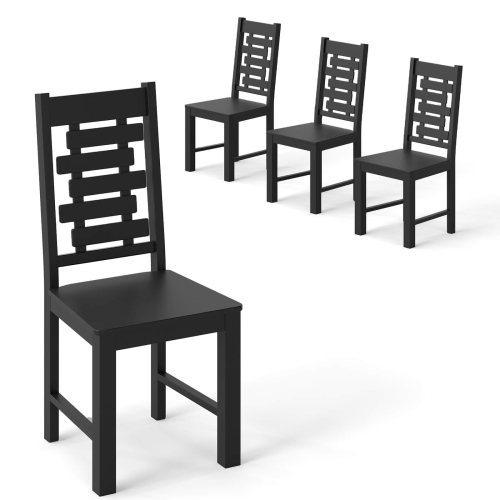
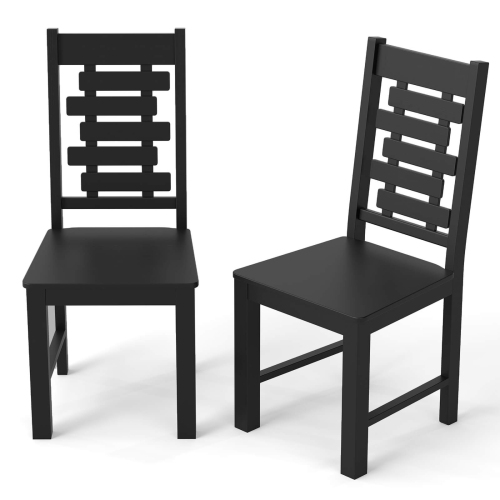
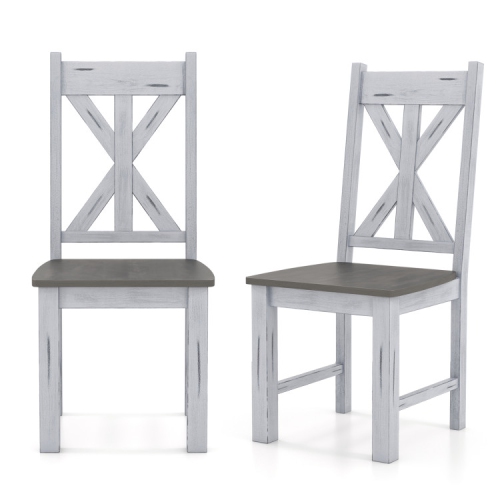
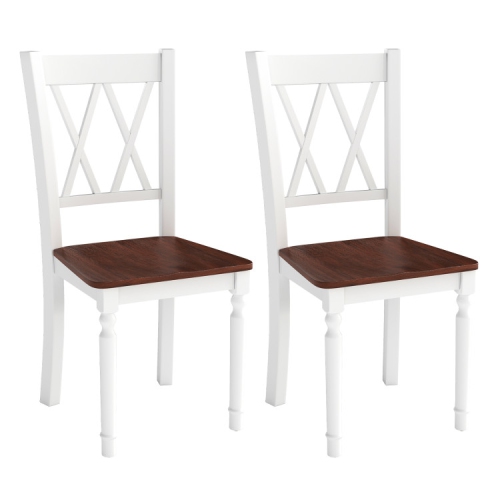
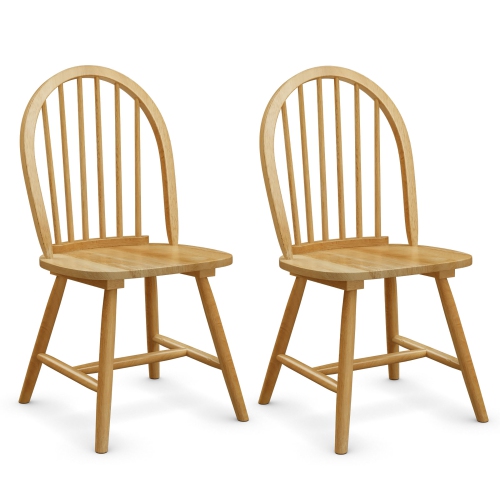
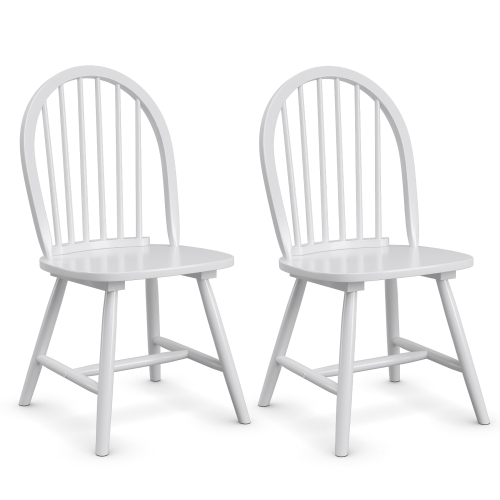
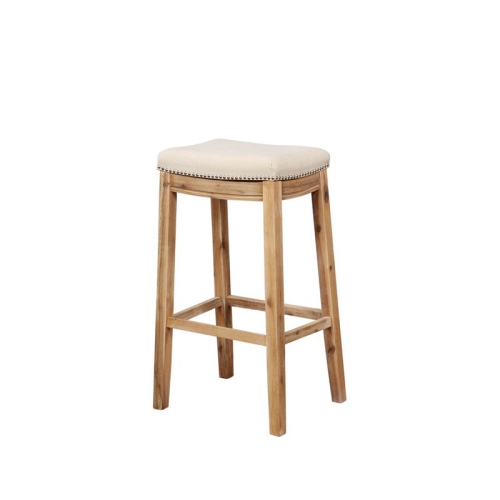
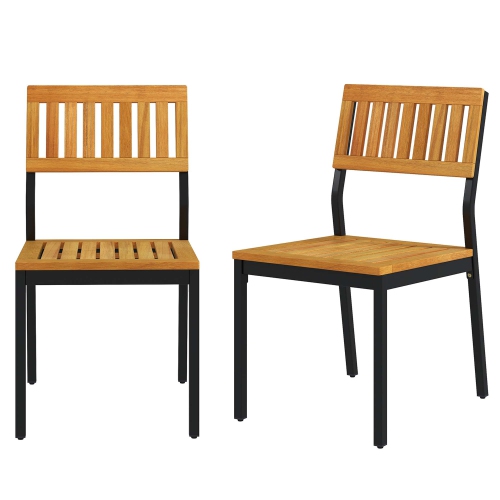
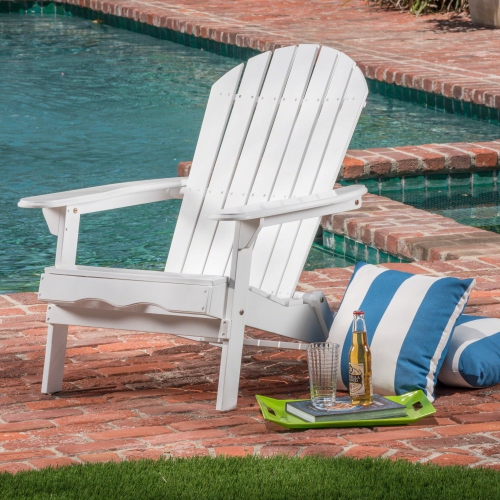

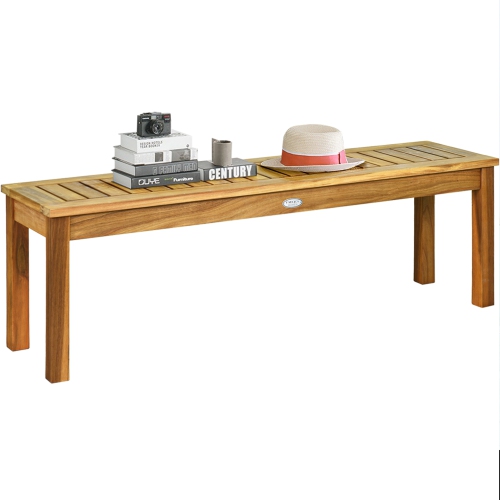
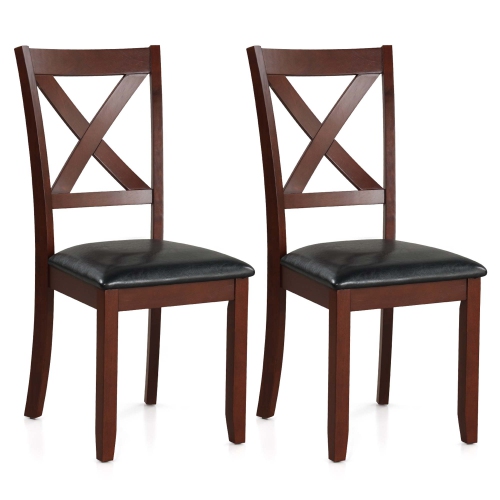
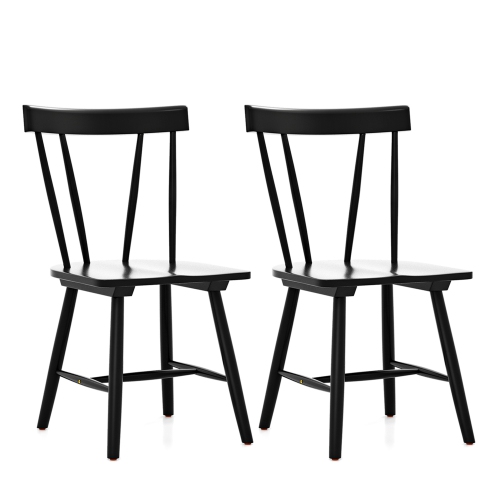
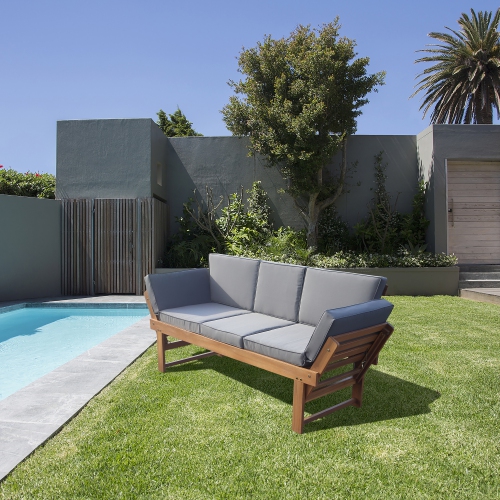
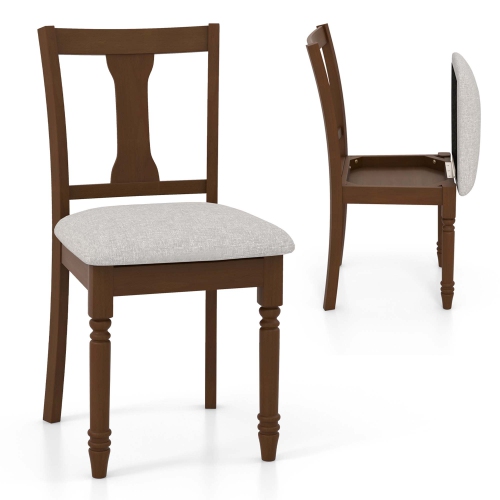
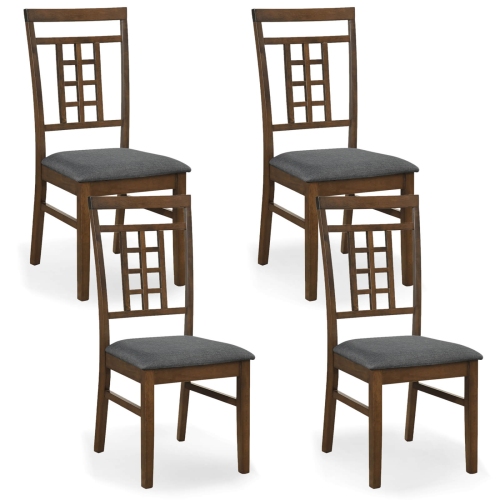
The grain and texture behind a lived-in look
Rustic wood chairs bring the warmth of visible wood grain, substantial shapes, and softly aged finishes to dining rooms, kitchens, and casual living spaces. Their defining quality is a sense of natural character: knots, variations in colour, and textured surfaces that make a room feel lived in rather than overly polished. The style spans simple country seating, farmhouse chairs with turned legs, and cleaner silhouettes that pair wood with dark metal. A rustic finish may be lightly brushed, distressed, or stained to suggest age, but that appearance does not necessarily mean a chair is antique or made from previously used timber. Materials and construction tell a more useful story. Solid oak often has prominent grain and good resistance to everyday wear, while maple usually offers a finer grain and a smoother visual effect. Pine has a softer surface that can pick up dents more readily, though those marks may blend naturally with a deliberately weathered finish. Wood veneers and engineered wood components can also appear in rustic seating, so a wood-look surface should not be mistaken for solid wood throughout. Warm honey, chestnut, and deep brown tones lend themselves to familiar farmhouse settings, while pale washes and muted grey finishes suit quieter, more contemporary rooms. These chairs do not need to match every wooden surface nearby. A shared undertone or a repeated detail, such as black hardware or gently rounded edges, can connect them to a table, sideboard, or shelving without making the room feel uniform. Against a smooth tabletop, a woven rug, or plain linen curtains, their grain and texture add interest without relying on elaborate ornament. For a busy household, that relaxed appearance is part of the appeal: a chair can look at home beside breakfast dishes, homework, and an evening meal alike. Rustic wood chairs also work well in a cottage dining area or a small apartment where a few tactile materials help give a compact room a welcoming feel.
Comfort and fit shape how rustic wood chairs function beyond their appearance. A broad seat can feel generous at a large dining table but crowd a narrow breakfast nook, while arms that look inviting may stop a chair from sliding beneath the tabletop. Seat height needs to work with the table’s underside as well as its top, particularly when an apron extends below the edge. For many dining arrangements, roughly 10 to 12 inches between the seat and the underside of the tabletop provides useful legroom, although the right clearance depends on the sitter and the table’s construction. Overall chair width matters just as much when several people sit together; room between seats makes it easier to reach for a serving dish or leave the table without shuffling everyone along. Backrest shape changes the experience, too. A gently curved back, a shaped wooden seat, or a little give from an upholstered cushion can make longer meals more comfortable than a flat seat and an upright back. Ladder-back and spindle-back designs keep the visual weight lighter, while broad panel backs create a more substantial presence. In an open-plan room, those differences are noticeable from the sofa as well as from the table. Armless chairs often suit tighter layouts, and chairs with supportive arms may appeal to people who prefer extra support when sitting down or getting up, provided the chair is stable and suitable for that use. For everyday dining spaces, rustic kitchen chairs offer a closely related look that sits naturally beside breakfast tables and family eating areas. Upholstered seats add softness, but fabric choice and cleaning instructions become important where spills are frequent. Removable cushions can introduce colour and make a bare wooden seat more inviting, as long as they fit securely. Dining-height seating and counter-height seating are not interchangeable, so the intended table or surface remains an essential part of choosing the right proportions. A chair that looks modest on its own can still occupy considerable space once someone pulls it out to sit.
Durability in rustic wood chairs depends on more than a thick leg or a weighty frame. Sound joints, secure fasteners, balanced legs, and an appropriate weight capacity all contribute to dependable daily seating. Traditional joinery, such as mortise-and-tenon connections, can provide strong support when well made, while bolted construction depends on correct assembly and occasional checks for looseness. A distressed surface should still feel suitable for regular contact; intentionally uneven colouring is different from rough edges, splinters, or a joint that moves under normal use. For households where chairs move constantly between meals, craft projects, and visiting guests, manageable weight is worth considering alongside strength. Felt pads can help protect indoor floors and reduce scraping, though they need to stay clean and be replaced as they wear. Routine care is usually straightforward: dust with a soft cloth, wipe up spills promptly, and follow the finish-specific instructions before applying a cleaner or polish. Excess water, harsh cleaners, and abrasive scrubbing can damage finishes or affect exposed wood. Grooves and textured grain may need a little more attention because crumbs and dust can settle into the recesses. Wood also responds to changes in indoor humidity, which makes placement away from radiators, fireplaces, and strong direct sunlight helpful for limiting unnecessary drying or uneven fading. During the cooler months, a dining space may see longer gatherings and more indoor activity, making comfortable seating and easy-to-maintain surfaces especially practical. Rustic styling alone does not make a chair suitable for a patio or garden; outdoor use requires materials, finishes, and hardware specifically intended for that exposure, along with the stated care and storage practices. Indoors, these chairs can serve as everyday dining seats, occasional seating near a bookcase, or a useful place to pause in a roomy entryway. They can also make a thoughtful housewarming gift when the recipient’s space, table height, and preferences are known. The most satisfying choice balances the wood’s character with the realities of the room: enough comfort to linger, enough clearance to move easily, and construction suited to how often the chair will be used.
Comfort and fit shape how rustic wood chairs function beyond their appearance. A broad seat can feel generous at a large dining table but crowd a narrow breakfast nook, while arms that look inviting may stop a chair from sliding beneath the tabletop. Seat height needs to work with the table’s underside as well as its top, particularly when an apron extends below the edge. For many dining arrangements, roughly 10 to 12 inches between the seat and the underside of the tabletop provides useful legroom, although the right clearance depends on the sitter and the table’s construction. Overall chair width matters just as much when several people sit together; room between seats makes it easier to reach for a serving dish or leave the table without shuffling everyone along. Backrest shape changes the experience, too. A gently curved back, a shaped wooden seat, or a little give from an upholstered cushion can make longer meals more comfortable than a flat seat and an upright back. Ladder-back and spindle-back designs keep the visual weight lighter, while broad panel backs create a more substantial presence. In an open-plan room, those differences are noticeable from the sofa as well as from the table. Armless chairs often suit tighter layouts, and chairs with supportive arms may appeal to people who prefer extra support when sitting down or getting up, provided the chair is stable and suitable for that use. For everyday dining spaces, rustic kitchen chairs offer a closely related look that sits naturally beside breakfast tables and family eating areas. Upholstered seats add softness, but fabric choice and cleaning instructions become important where spills are frequent. Removable cushions can introduce colour and make a bare wooden seat more inviting, as long as they fit securely. Dining-height seating and counter-height seating are not interchangeable, so the intended table or surface remains an essential part of choosing the right proportions. A chair that looks modest on its own can still occupy considerable space once someone pulls it out to sit.
Durability in rustic wood chairs depends on more than a thick leg or a weighty frame. Sound joints, secure fasteners, balanced legs, and an appropriate weight capacity all contribute to dependable daily seating. Traditional joinery, such as mortise-and-tenon connections, can provide strong support when well made, while bolted construction depends on correct assembly and occasional checks for looseness. A distressed surface should still feel suitable for regular contact; intentionally uneven colouring is different from rough edges, splinters, or a joint that moves under normal use. For households where chairs move constantly between meals, craft projects, and visiting guests, manageable weight is worth considering alongside strength. Felt pads can help protect indoor floors and reduce scraping, though they need to stay clean and be replaced as they wear. Routine care is usually straightforward: dust with a soft cloth, wipe up spills promptly, and follow the finish-specific instructions before applying a cleaner or polish. Excess water, harsh cleaners, and abrasive scrubbing can damage finishes or affect exposed wood. Grooves and textured grain may need a little more attention because crumbs and dust can settle into the recesses. Wood also responds to changes in indoor humidity, which makes placement away from radiators, fireplaces, and strong direct sunlight helpful for limiting unnecessary drying or uneven fading. During the cooler months, a dining space may see longer gatherings and more indoor activity, making comfortable seating and easy-to-maintain surfaces especially practical. Rustic styling alone does not make a chair suitable for a patio or garden; outdoor use requires materials, finishes, and hardware specifically intended for that exposure, along with the stated care and storage practices. Indoors, these chairs can serve as everyday dining seats, occasional seating near a bookcase, or a useful place to pause in a roomy entryway. They can also make a thoughtful housewarming gift when the recipient’s space, table height, and preferences are known. The most satisfying choice balances the wood’s character with the realities of the room: enough comfort to linger, enough clearance to move easily, and construction suited to how often the chair will be used.
Top selling and popular products
-
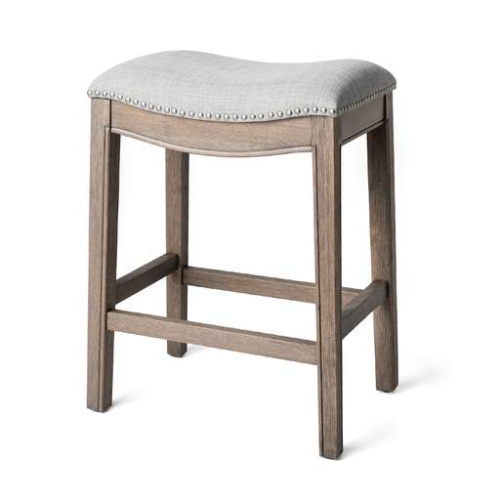 Your price for this item is $226.99
 -
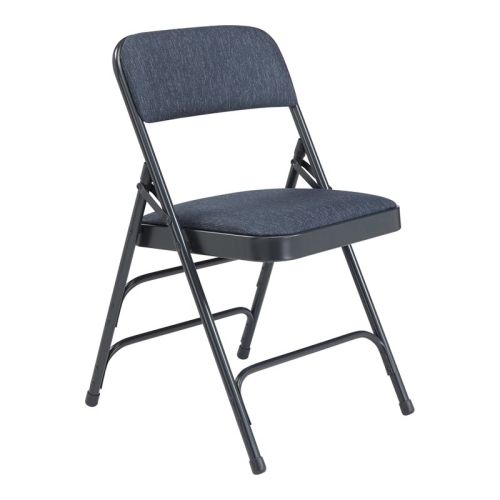 Your price for this item is $413.92
 -
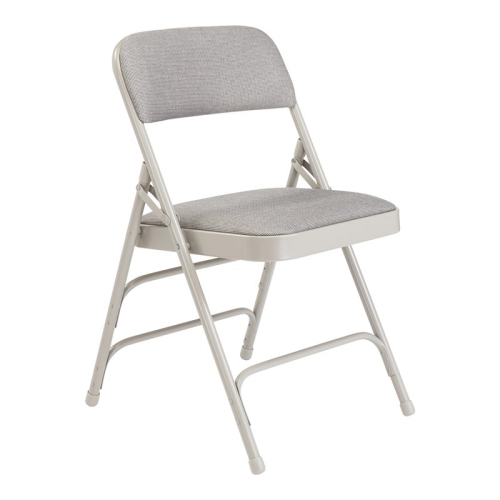 Your price for this item is $395.27
 -
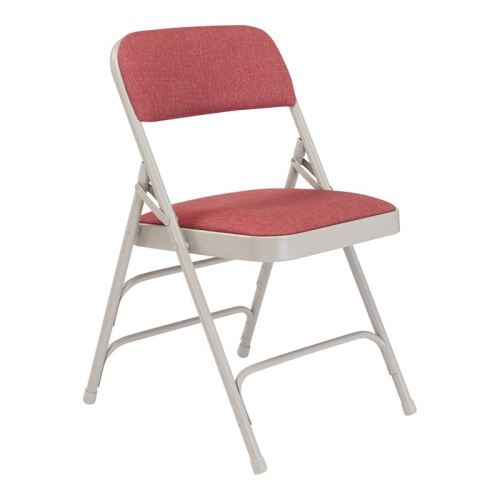 Your price for this item is $399.16
 -
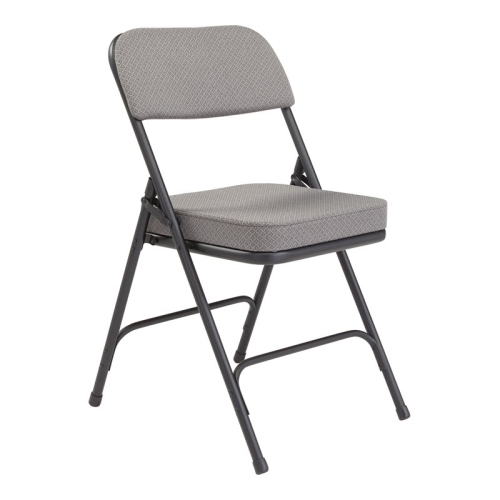 Your price for this item is $282.44
 -
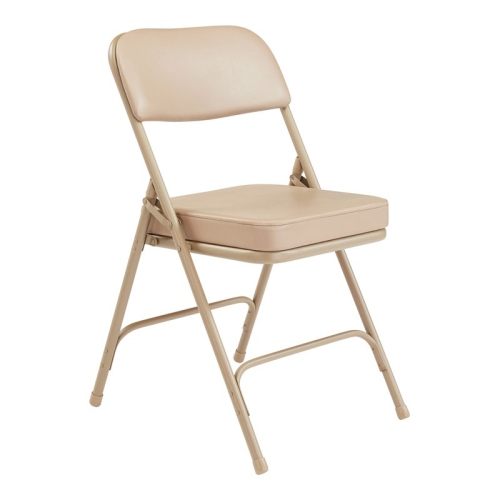 Your price for this item is $278.44
 -
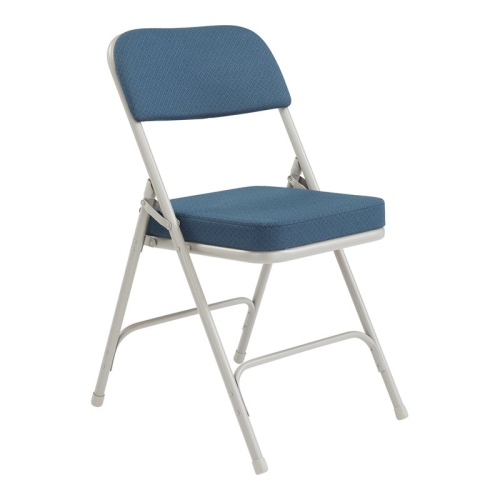 Your price for this item is $279.98
 -
 Your price for this item is $409.5
Discover more categories related to Rustic Wood Chairs
Top Collections:
Pokemon Centers, Budget 4K TVs, Best Budget Office Chairs, Kindle Devices, Canon G7X Cameras, Apple iPhones 16, iPhone 15 Apple, Laptops for Business Work, Xiaomi Phones, Flip Phones
Some products may be subject to Environmental Handling Fees
(EHF) depending on your province.
Learn more about EHFs.