Rustic Dining Chairs
If you're looking to add a touch of rustic charm to your dining area, a rustic dining chair is the perfect choice. These chairs offer a timeless, classic look that can easily be incorporated into almost any dining room décor. Whether you're looking for a classic wooden chair, a more modern take on the classic style, or something completely unique and eye-catching, there's a rustic dining chair to suit your needs. Here are some of the best options.
Sort
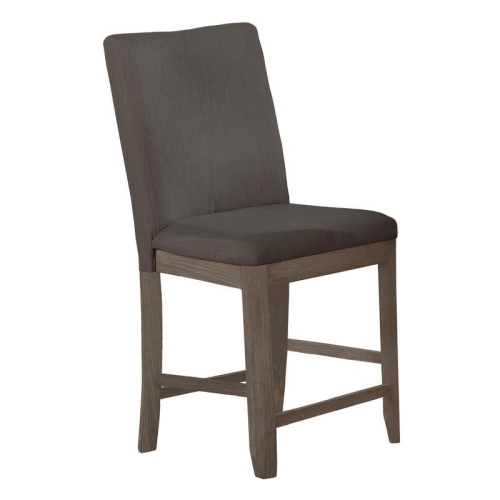

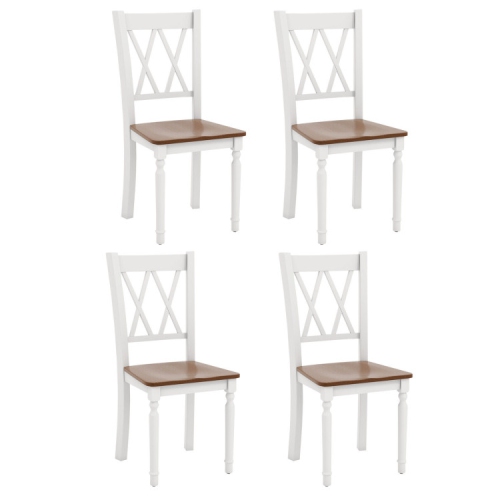
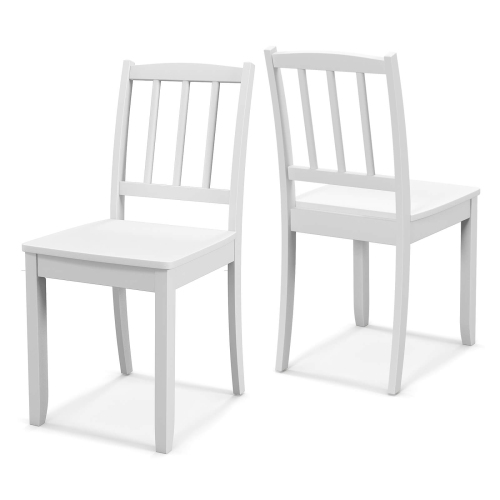
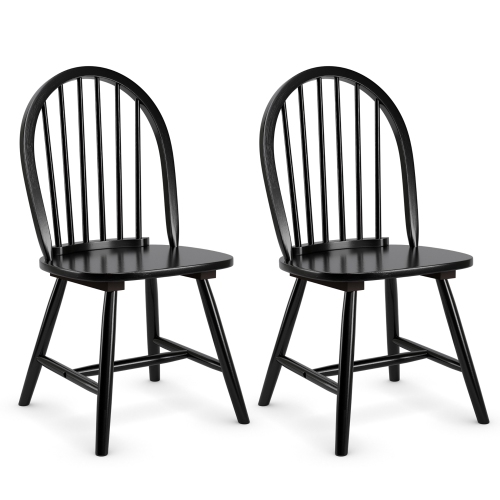
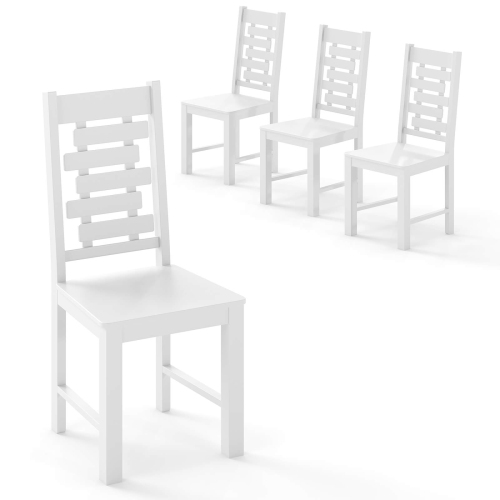
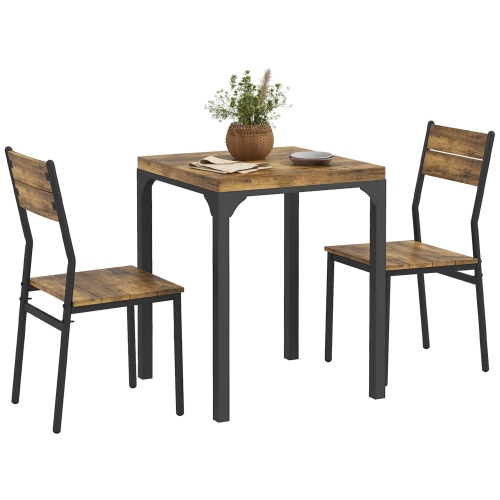
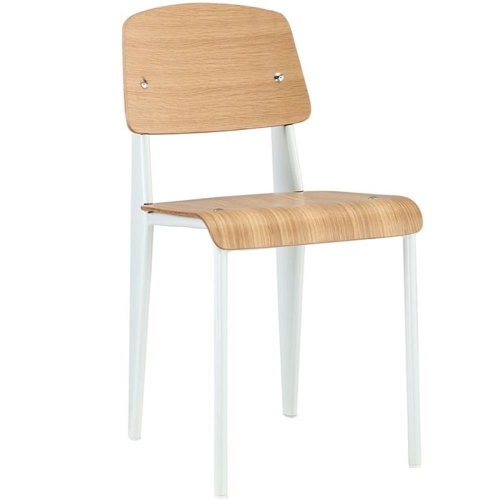
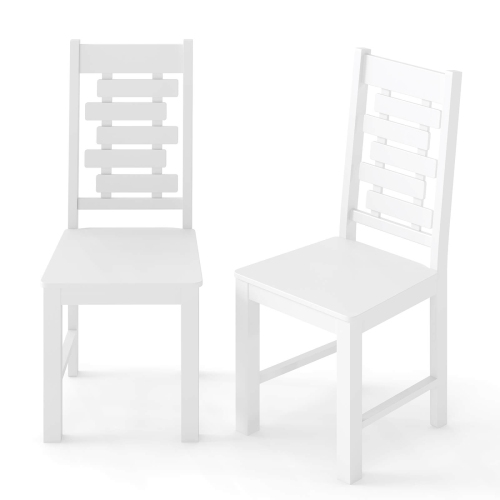
There’s more to relaxed seating than distressed wood
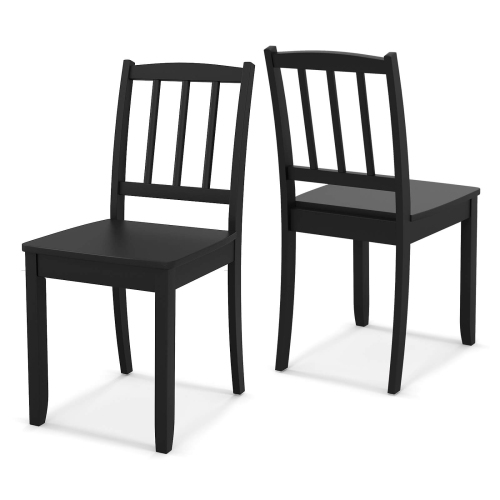
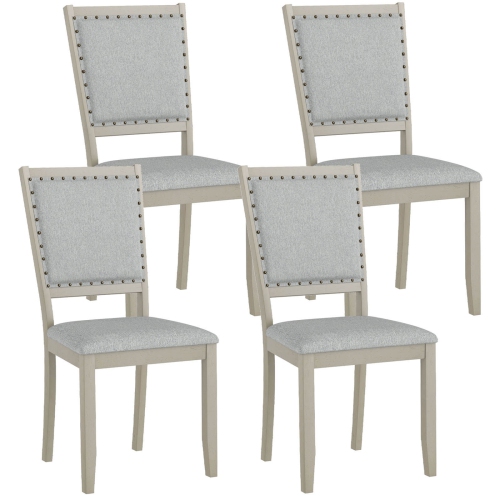
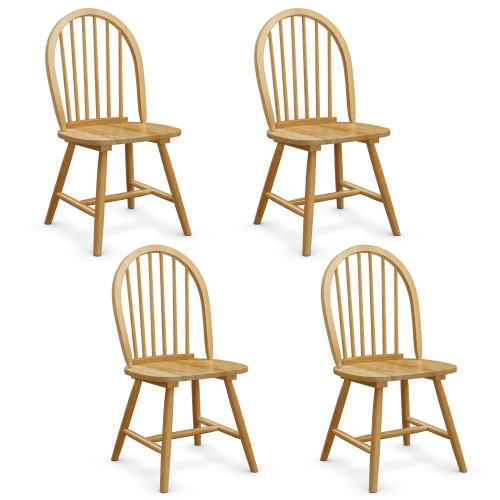
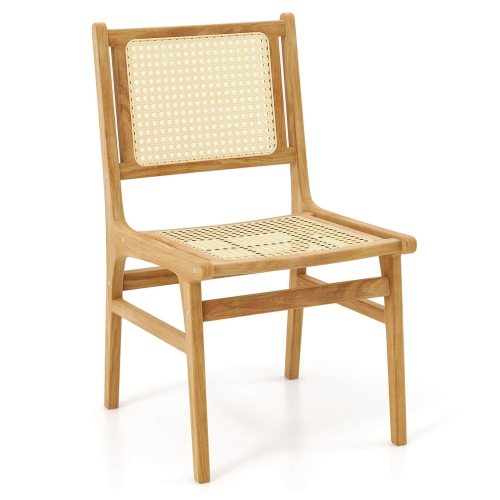
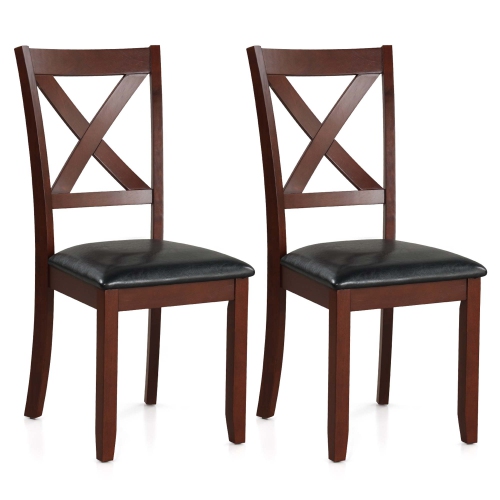
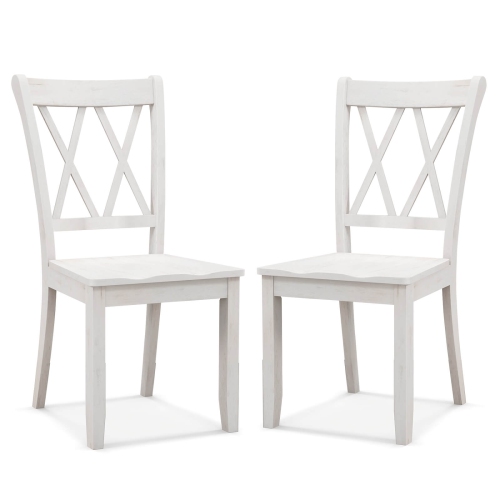
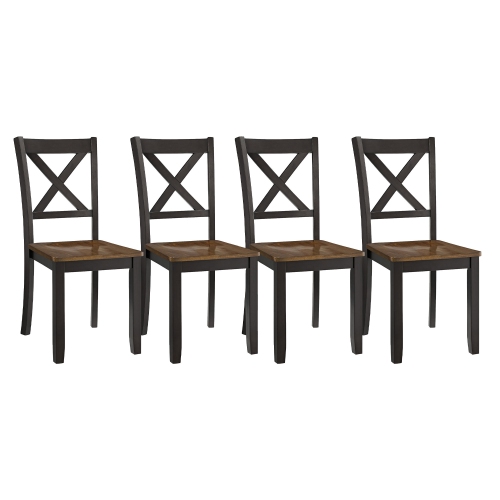
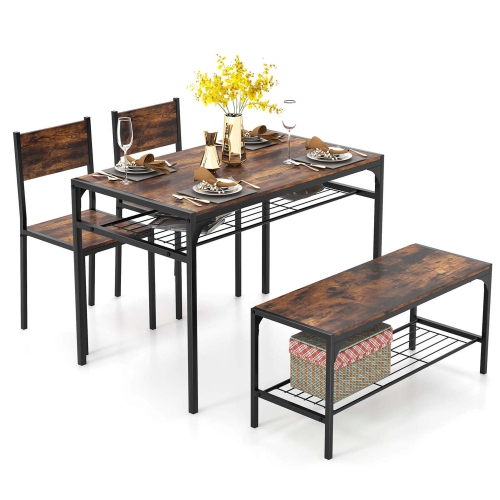
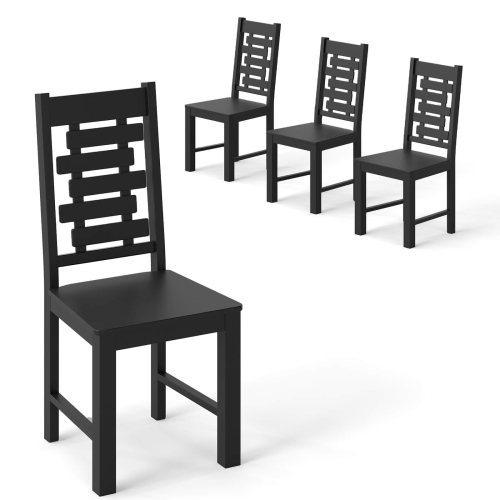
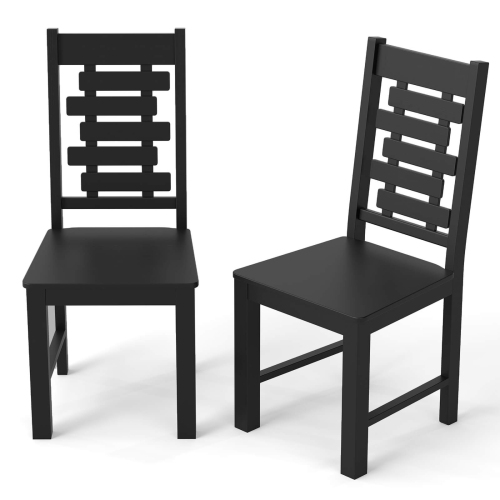
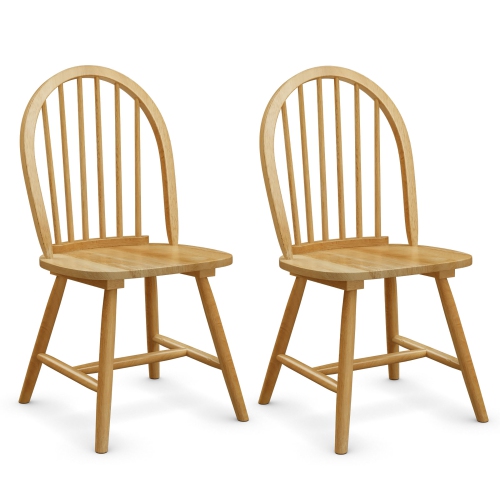
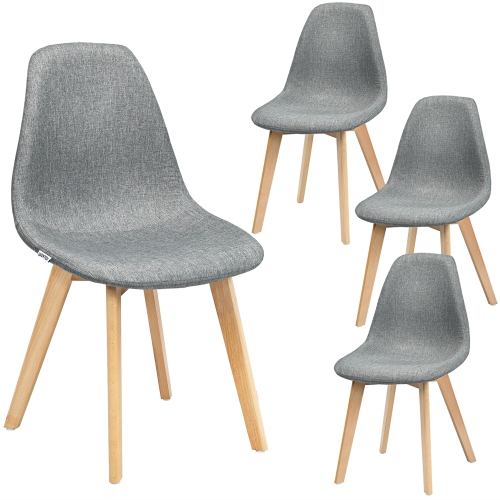
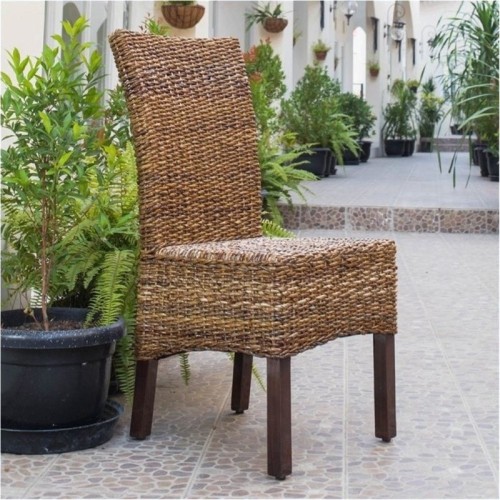
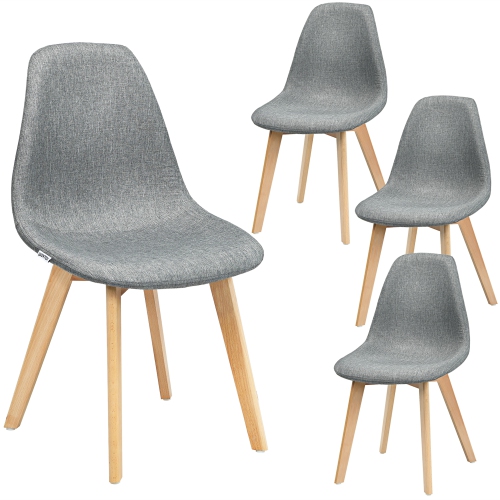
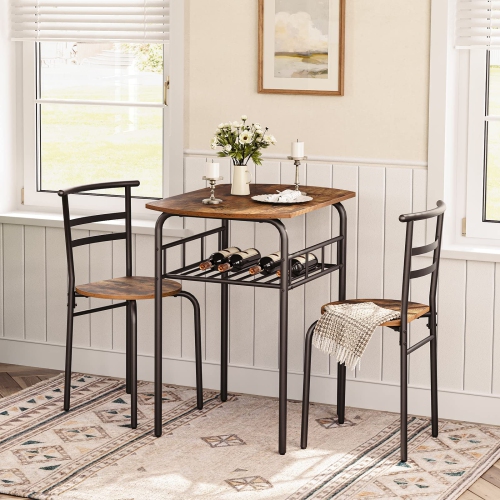
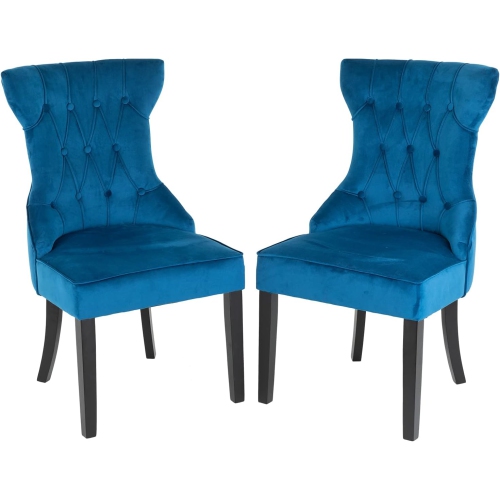
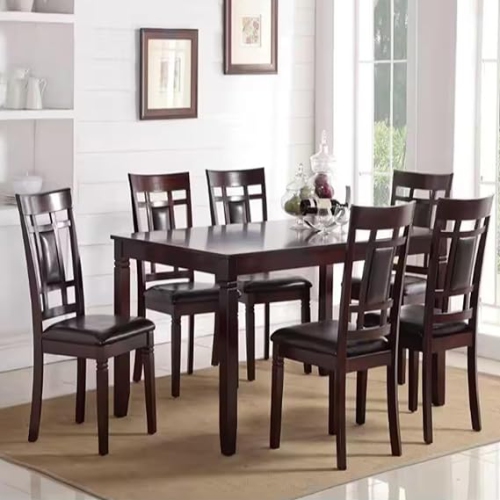
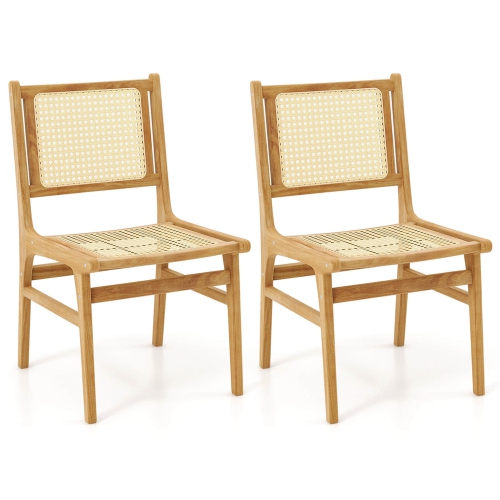
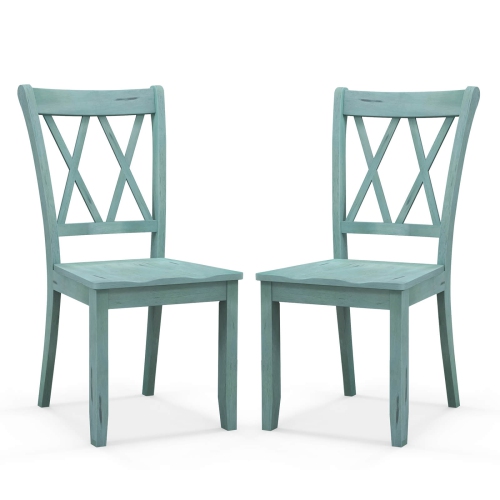
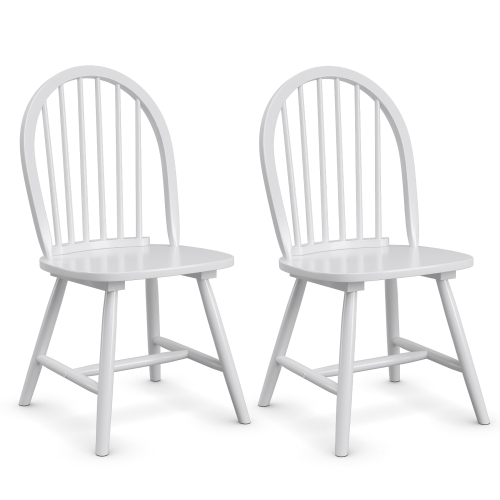
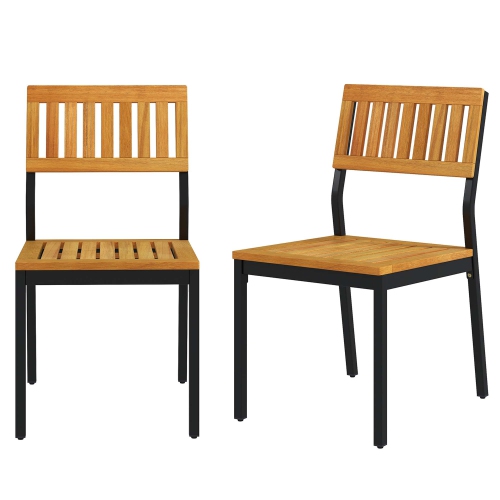
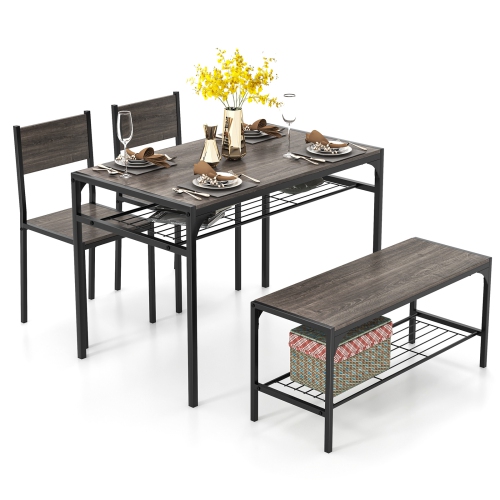
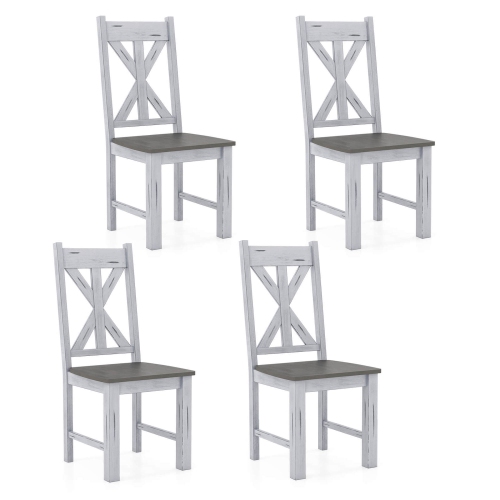
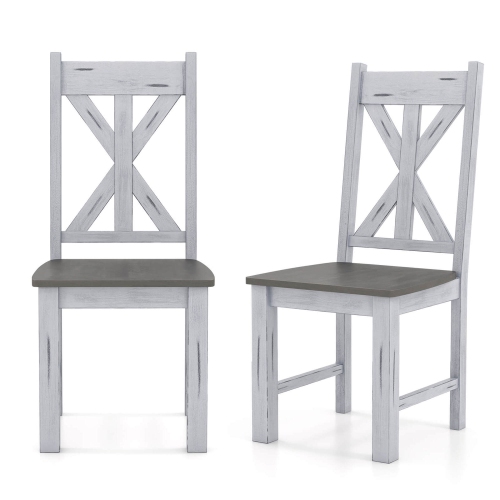
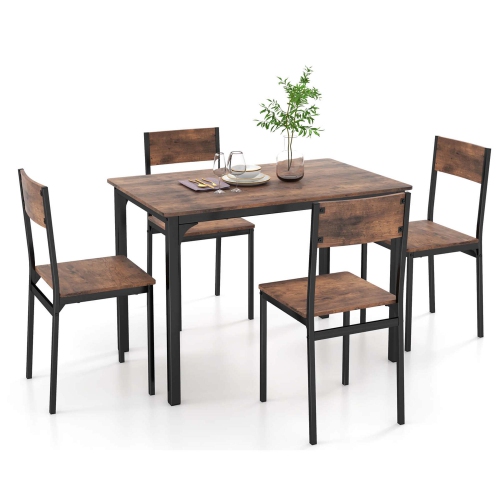
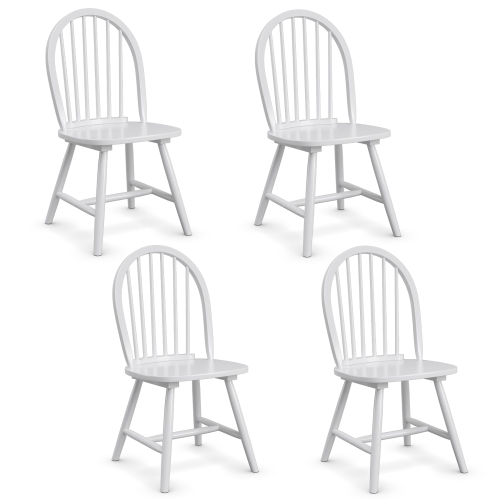
Rustic dining chairs bring texture and a sense of familiarity to the table, whether the room centres on a substantial wooden dining table or a compact breakfast nook. Their character often comes from visible grain, softly distressed finishes, straightforward shapes, and details that make the furniture feel less formal. A ladder back can lend a farmhouse feel, while a spindle back offers a lighter silhouette that leaves more of the room visible. Cross-back designs introduce a stronger pattern, and wooden seats paired with dark metal frames can bridge rustic and industrial styles. The effect does not have to be heavy or cabin-like: pale wood, a gently curved back, and a simple woven seat can feel equally at home in a bright condominium dining area. Materials play a large part in both appearance and everyday use. Solid wood brings natural variation, so grain patterns and colour may differ from chair to chair, even within a matching set. Oak often has a pronounced grain, while pine is generally softer and more likely to show dents from daily activity. Wood veneers can provide a real-wood surface over an engineered core, although the surface cannot necessarily be refinished in the same way as solid timber. A distressed finish may make small signs of wear less noticeable, but it is still a finish that needs suitable care. Upholstered seats add softness and introduce another layer of texture through linen-look weaves, smooth fabrics, or leather-look coverings. Woven seats offer a different kind of tactile detail, with care requirements that depend on the fibre and construction. For a broader look at seating with similar materials and finishes, rustic chairs can provide context beyond the dining room. Around the table, the most successful combination is usually one that repeats a few details without making every surface identical: a similar wood undertone, a shared black accent, or upholstery that picks up a colour already present in the room.
Fit matters just as much as finish, particularly when dining chairs are used several times a day. Seat height should suit the underside of the table, not simply its overall height. Many standard dining arrangements work well with roughly 10 to 12 inches between the seat surface and the tabletop, but a deep apron beneath the table can reduce usable legroom. Thick cushions also change the sitting position, so the full seat height deserves attention. Counter-height and bar-height seating serve different table heights and are not interchangeable with standard dining chairs. Width is another practical consideration: a chair that looks modest on its own may feel crowded once several are placed side by side. Allowing approximately 24 inches of table edge per person is a useful starting point, with extra room for wider frames or armrests. Table legs and pedestal bases can affect where each chair sits, especially at the corners. In a narrow dining space, armless chairs generally tuck in more easily, while chairs with arms may suit the ends of a longer table if there is enough clearance beneath the apron. Space behind the chairs matters, too. Around 36 inches between the table edge and a wall or nearby furniture is a common starting point for pulling chairs out, while a regular walking route behind seated diners usually needs more. Comfort depends on more than padding. A contoured wooden seat can feel supportive, a gently angled back can make lingering over a meal more pleasant, and a front edge without a sharp profile can reduce pressure beneath the thighs. Seat depth should allow the person sitting to reach the backrest without the front edge pressing behind the knees. For a household where the dining table also hosts homework, card games, or occasional laptop use, these small differences can matter more than an elaborate finish. Chair weight is worth considering as well: seating that moves easily can simplify daily use, while heavier construction may be less convenient for anyone who finds lifting or pulling furniture difficult.
Durability comes down to construction, intended use, and the care a chair receives over time. Well-fitted joints, secure hardware, and an even stance help seating feel steady through everyday meals and frequent movement. Stretchers between the legs can contribute to the structure, but they should not be treated as steps or footrests unless designed for that purpose. Where assembly is required, following the supplied sequence and tightening fasteners as directed helps the frame sit correctly; periodic checks can catch loosened hardware before it becomes a larger problem. Any stated weight capacity should be treated as a model-specific limit rather than assumed from the chair’s appearance. A thick-looking leg or broad seat alone does not establish how much weight the chair can support. Care is equally specific to the materials. Finished wood often benefits from regular dusting with a soft cloth and prompt attention to spills, followed by drying, but the manufacturer’s directions should determine which cleaners are suitable. Excess water, abrasive pads, and harsh cleaning solutions can damage surfaces. Upholstery may need vacuuming around seams and spot cleaning according to its care code, while woven seats can require a lighter touch to avoid loosening or damaging fibres. Removable cushions can make crumbs easier to clear, although removable does not automatically mean machine washable. For homes with children, frequent guests, or meals that tend to run from breakfast straight into craft time, accessible surfaces and uncomplicated shapes can make routine cleaning less demanding. Suitable floor protectors help reduce scraping and should be checked for trapped grit, especially on wood flooring. Rustic dining chairs are generally intended for indoor use unless expressly rated otherwise, so their relaxed appearance should not be mistaken for outdoor suitability. Beyond a dedicated dining room, they can serve a kitchen table, a small apartment eating area, or additional seating for shared meals. They may also make a thoughtful housewarming gift when the recipient’s table measurements, preferred finish, and seating needs are already known. Whether arranged as a matching set or combined through complementary shapes, rustic dining chairs feel most at home when their character supports the way the room is actually used.
Fit matters just as much as finish, particularly when dining chairs are used several times a day. Seat height should suit the underside of the table, not simply its overall height. Many standard dining arrangements work well with roughly 10 to 12 inches between the seat surface and the tabletop, but a deep apron beneath the table can reduce usable legroom. Thick cushions also change the sitting position, so the full seat height deserves attention. Counter-height and bar-height seating serve different table heights and are not interchangeable with standard dining chairs. Width is another practical consideration: a chair that looks modest on its own may feel crowded once several are placed side by side. Allowing approximately 24 inches of table edge per person is a useful starting point, with extra room for wider frames or armrests. Table legs and pedestal bases can affect where each chair sits, especially at the corners. In a narrow dining space, armless chairs generally tuck in more easily, while chairs with arms may suit the ends of a longer table if there is enough clearance beneath the apron. Space behind the chairs matters, too. Around 36 inches between the table edge and a wall or nearby furniture is a common starting point for pulling chairs out, while a regular walking route behind seated diners usually needs more. Comfort depends on more than padding. A contoured wooden seat can feel supportive, a gently angled back can make lingering over a meal more pleasant, and a front edge without a sharp profile can reduce pressure beneath the thighs. Seat depth should allow the person sitting to reach the backrest without the front edge pressing behind the knees. For a household where the dining table also hosts homework, card games, or occasional laptop use, these small differences can matter more than an elaborate finish. Chair weight is worth considering as well: seating that moves easily can simplify daily use, while heavier construction may be less convenient for anyone who finds lifting or pulling furniture difficult.
Durability comes down to construction, intended use, and the care a chair receives over time. Well-fitted joints, secure hardware, and an even stance help seating feel steady through everyday meals and frequent movement. Stretchers between the legs can contribute to the structure, but they should not be treated as steps or footrests unless designed for that purpose. Where assembly is required, following the supplied sequence and tightening fasteners as directed helps the frame sit correctly; periodic checks can catch loosened hardware before it becomes a larger problem. Any stated weight capacity should be treated as a model-specific limit rather than assumed from the chair’s appearance. A thick-looking leg or broad seat alone does not establish how much weight the chair can support. Care is equally specific to the materials. Finished wood often benefits from regular dusting with a soft cloth and prompt attention to spills, followed by drying, but the manufacturer’s directions should determine which cleaners are suitable. Excess water, abrasive pads, and harsh cleaning solutions can damage surfaces. Upholstery may need vacuuming around seams and spot cleaning according to its care code, while woven seats can require a lighter touch to avoid loosening or damaging fibres. Removable cushions can make crumbs easier to clear, although removable does not automatically mean machine washable. For homes with children, frequent guests, or meals that tend to run from breakfast straight into craft time, accessible surfaces and uncomplicated shapes can make routine cleaning less demanding. Suitable floor protectors help reduce scraping and should be checked for trapped grit, especially on wood flooring. Rustic dining chairs are generally intended for indoor use unless expressly rated otherwise, so their relaxed appearance should not be mistaken for outdoor suitability. Beyond a dedicated dining room, they can serve a kitchen table, a small apartment eating area, or additional seating for shared meals. They may also make a thoughtful housewarming gift when the recipient’s table measurements, preferred finish, and seating needs are already known. Whether arranged as a matching set or combined through complementary shapes, rustic dining chairs feel most at home when their character supports the way the room is actually used.
Top selling and popular products
-
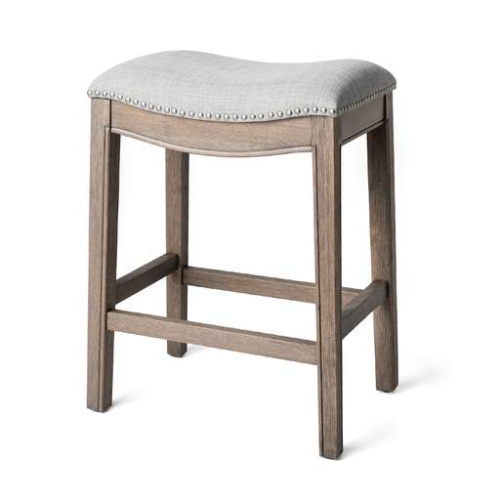 Your price for this item is $233.99
 -
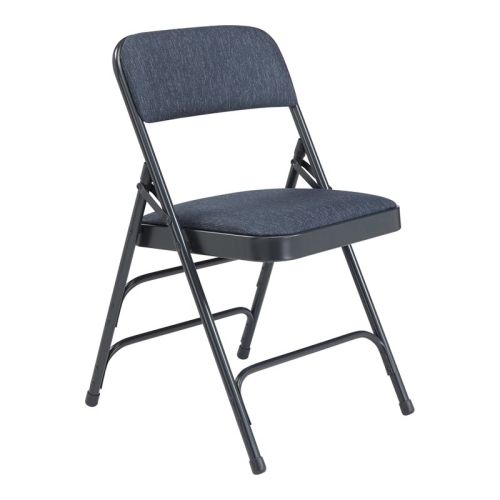 Your price for this item is $413.92
 -
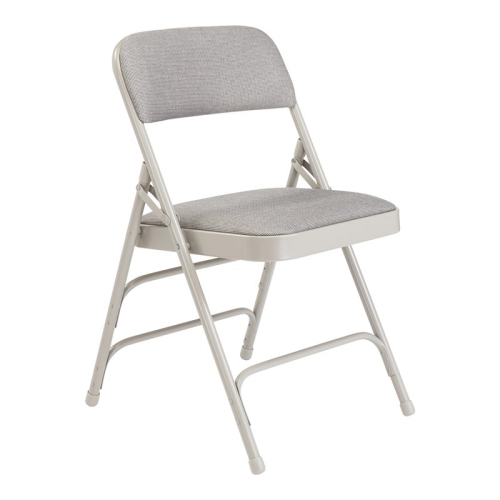 Your price for this item is $395.27
 -
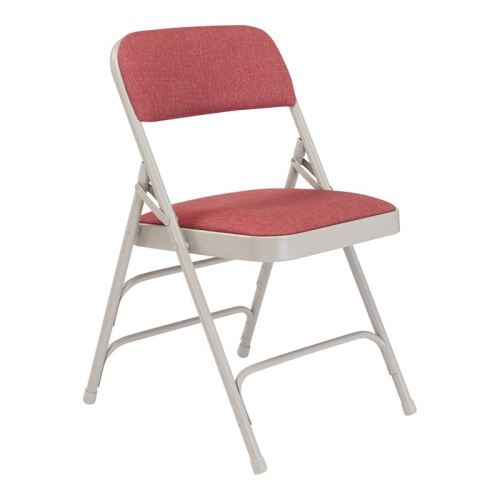 Your price for this item is $399.16
 -
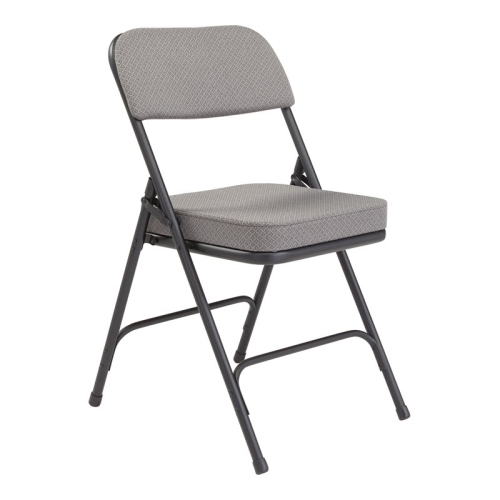 Your price for this item is $282.44
 -
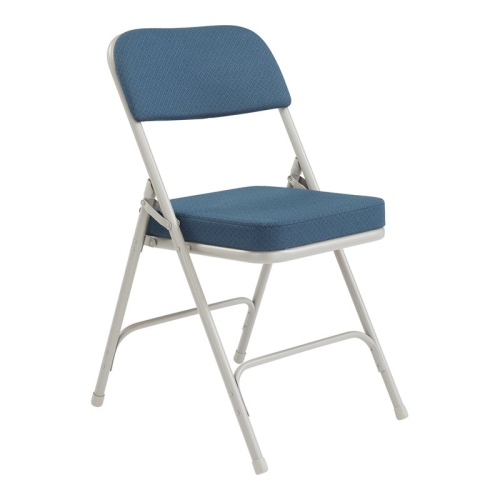 Your price for this item is $279.98
 -
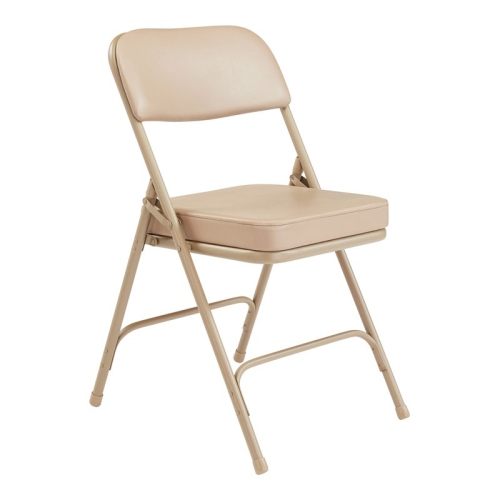 Your price for this item is $278.44
 -
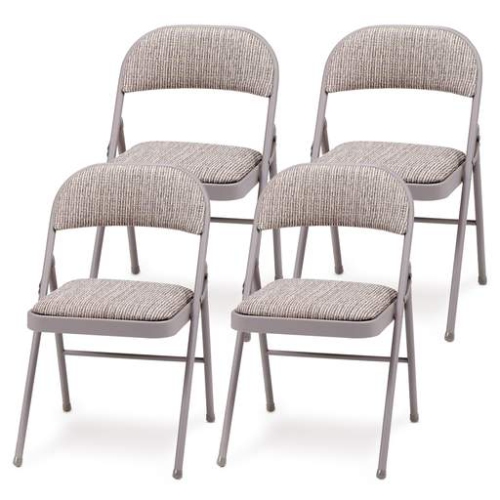 Your price for this item is $354.99
Discover more categories related to Rustic Dining Chairs
Top Collections:
Pokemon Centers, Budget 4K TVs, Kindle Devices, Canon G7X Cameras, Apple iPhones 16, iPhone 15 Apple, Laptops for Business Work, Flip Phones, Xiaomi Phones, Refurbished Apple Laptops
Some products may be subject to Environmental Handling Fees
(EHF) depending on your province.
Learn more about EHFs.