Rustic Wood Shelves
Rustic wood shelves are a great way to add character and style to your home. These can also be used in a variety of different ways, from displaying books and knickknacks to storing pots and pans. Here are some of the best rustic wood shelves on the market today.
Sort
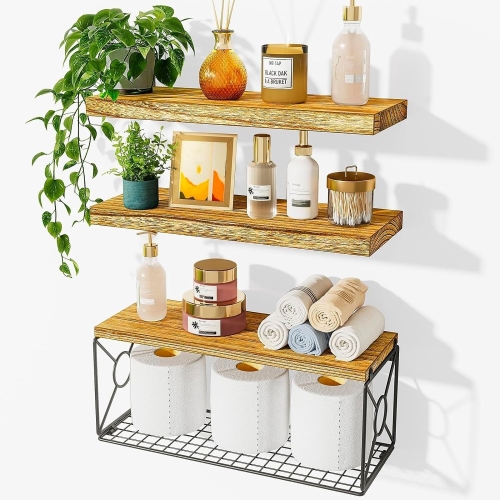
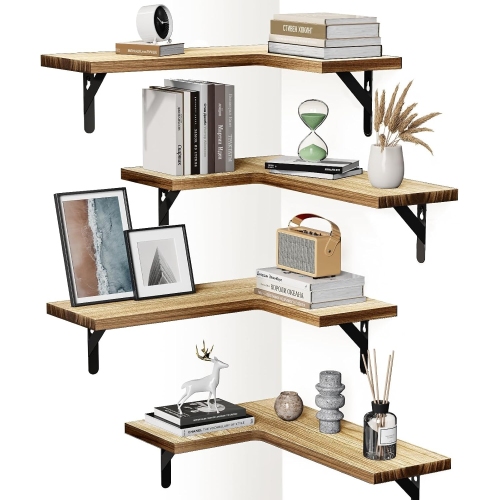
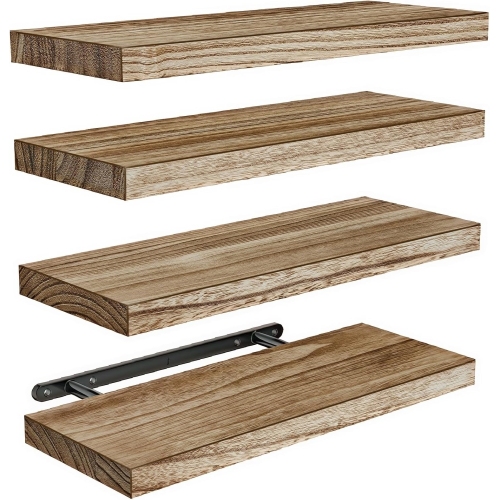
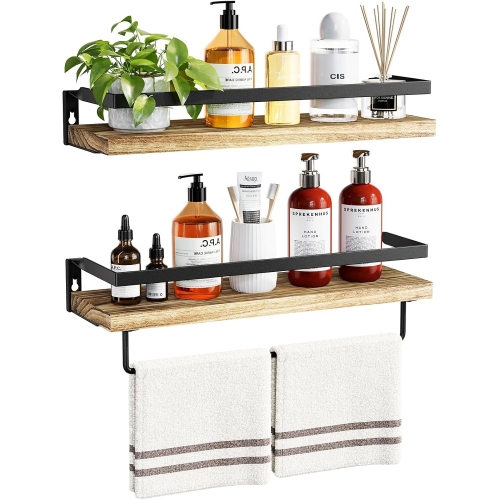
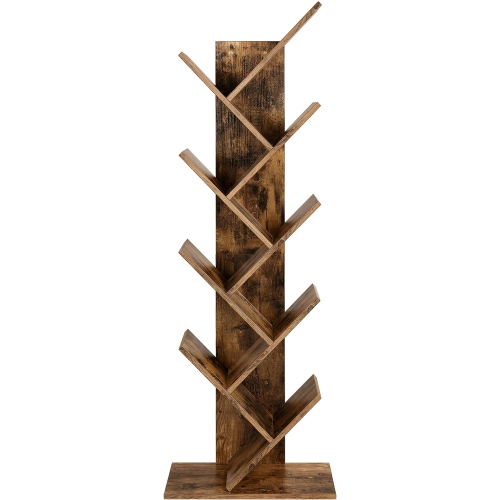
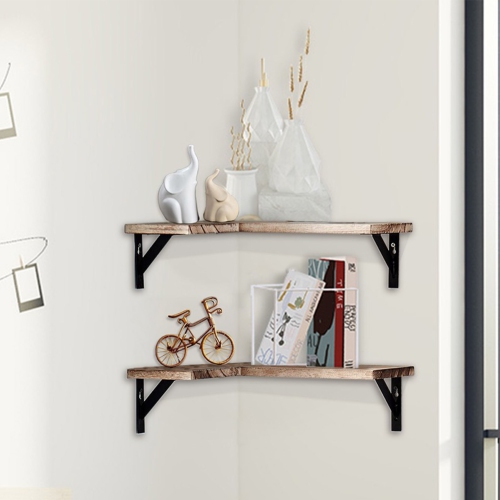
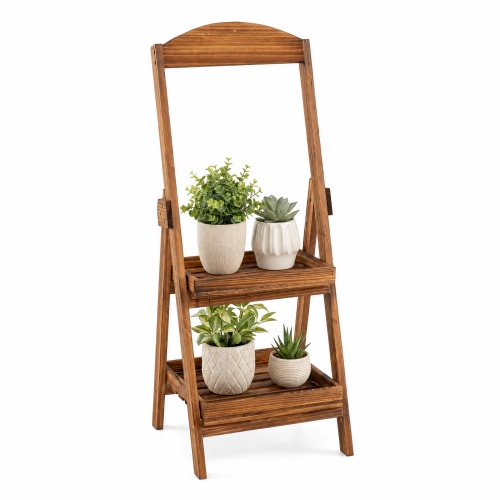
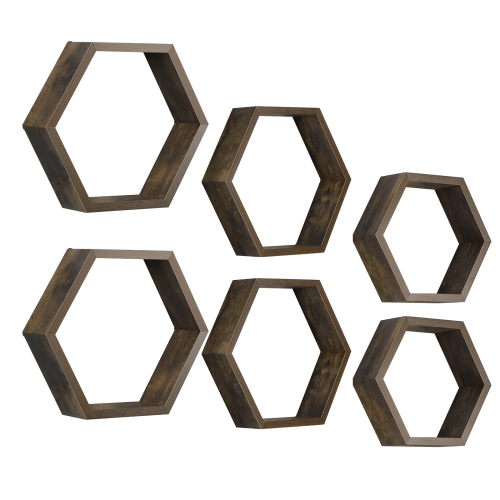
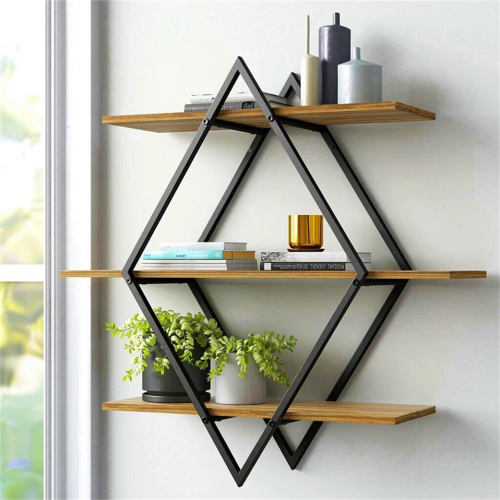
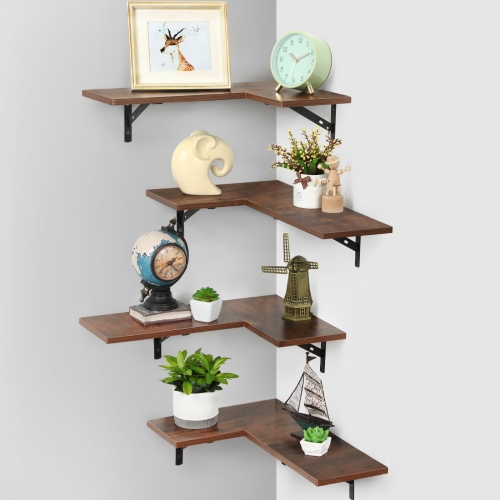

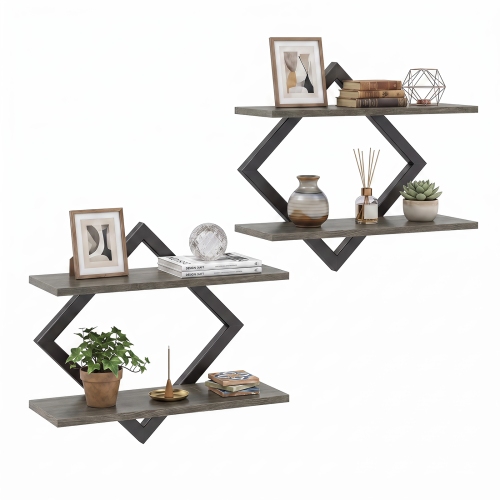

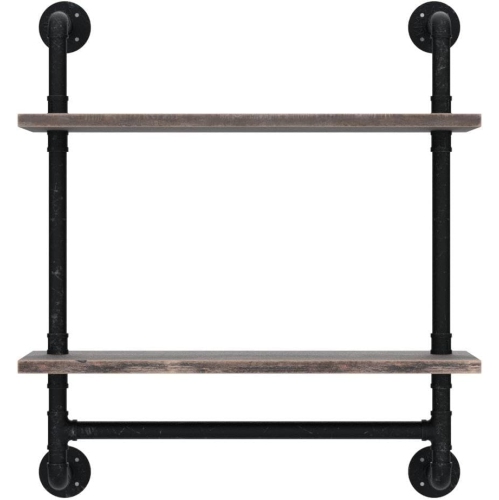
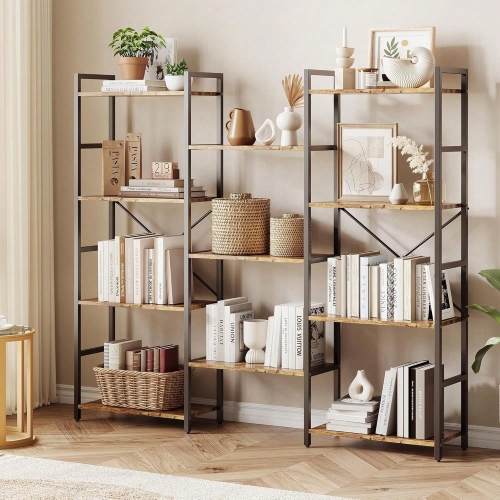
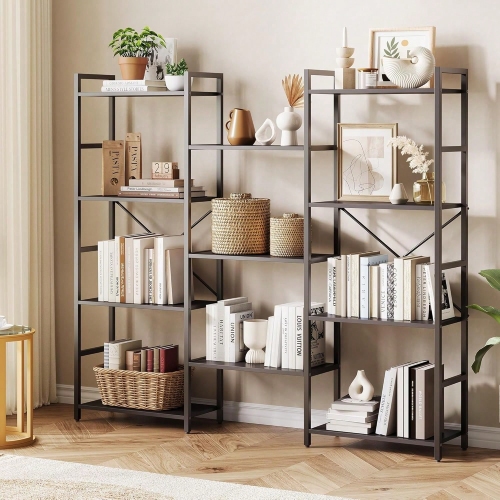
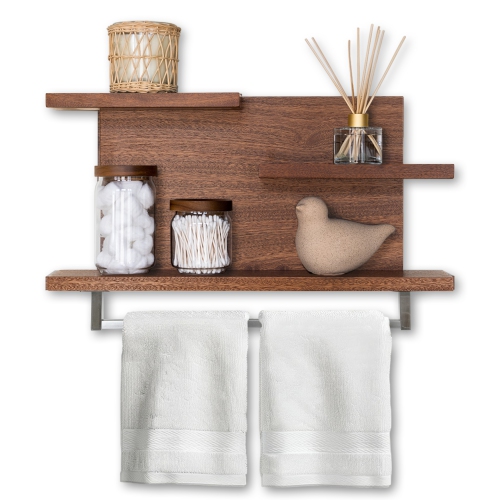
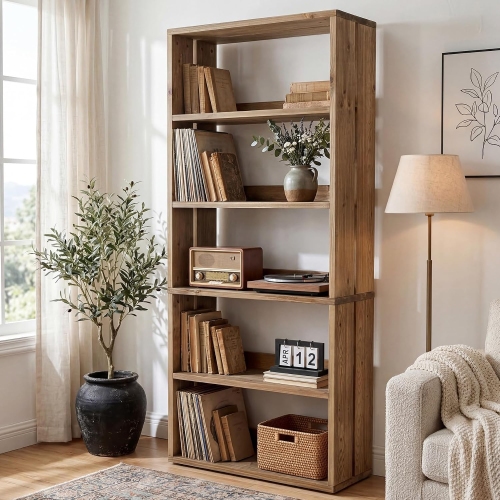

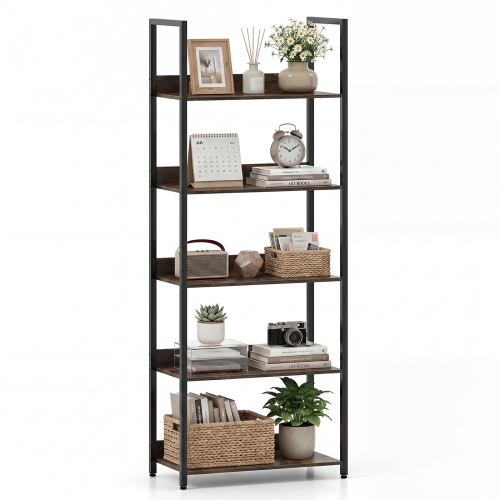
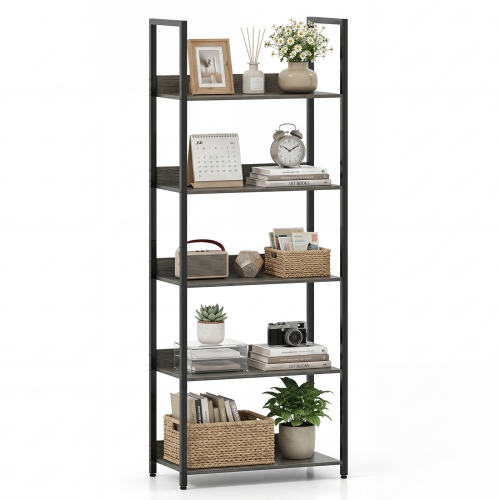
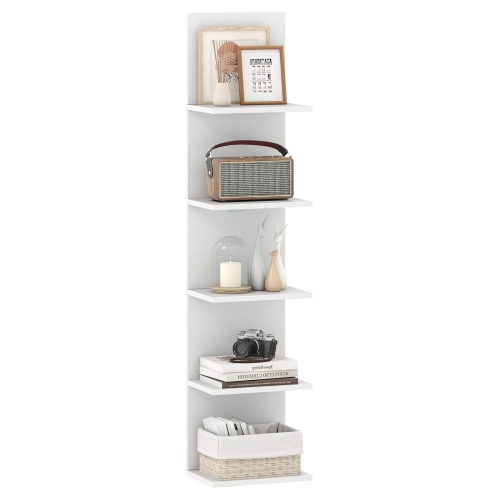
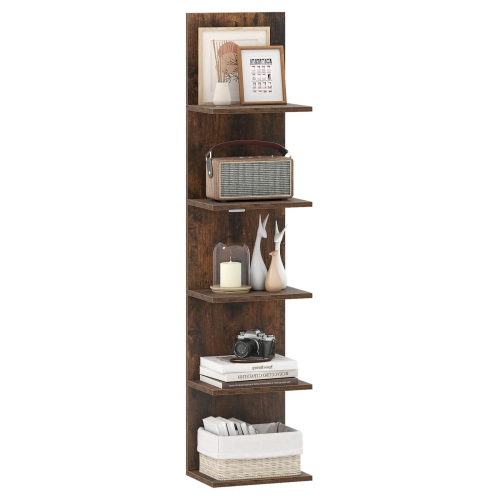
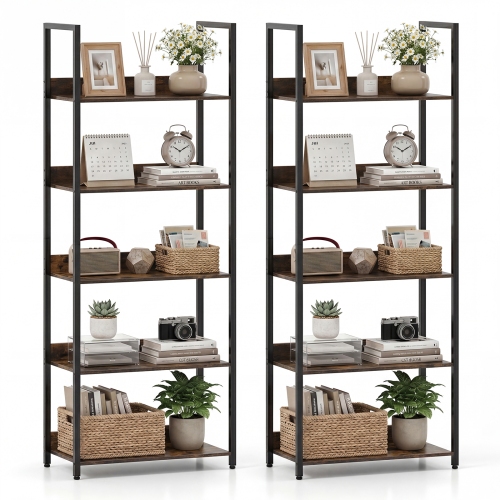
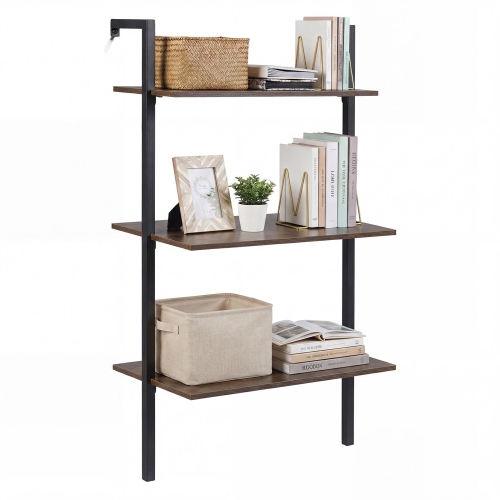
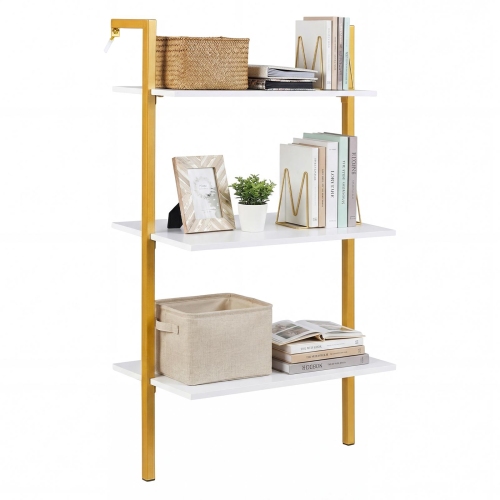
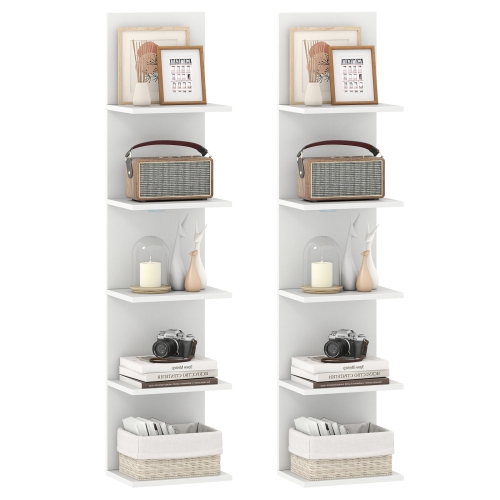
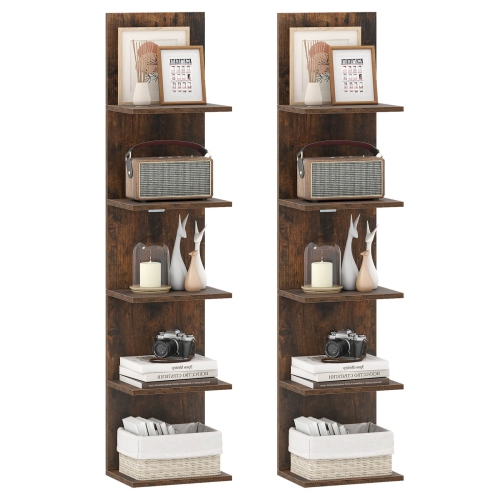
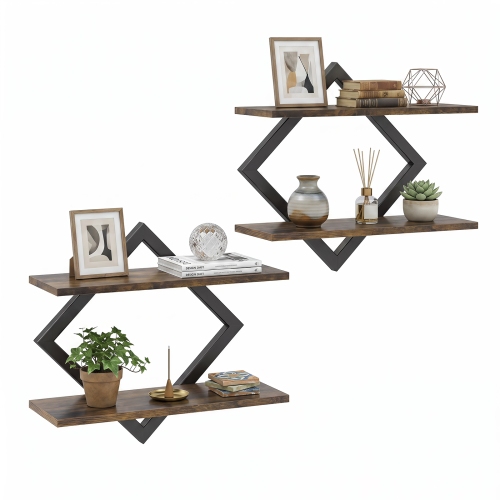
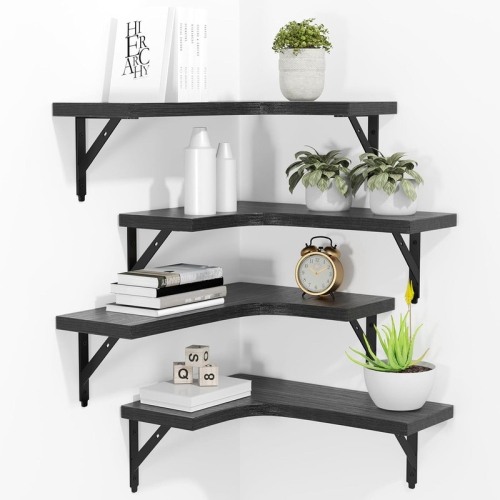
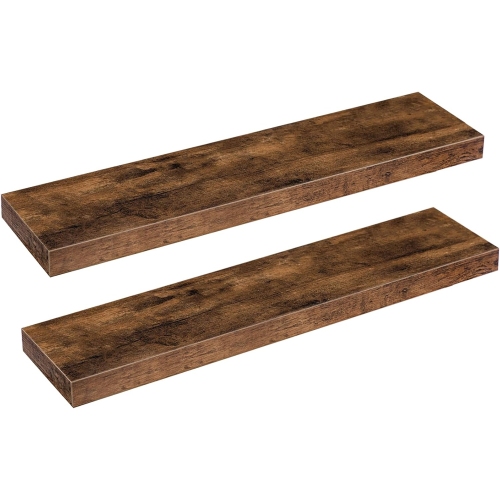
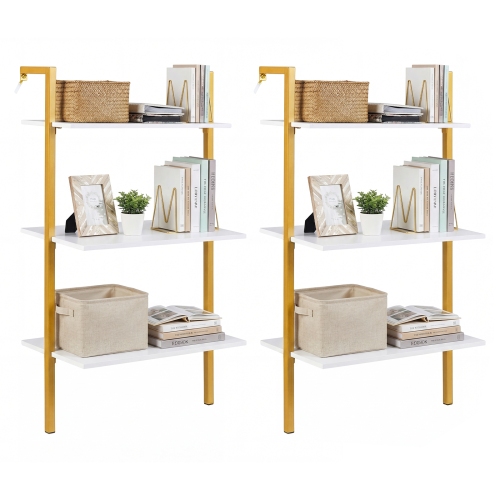
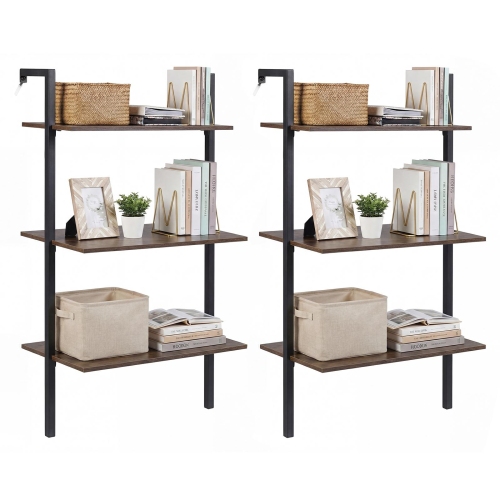
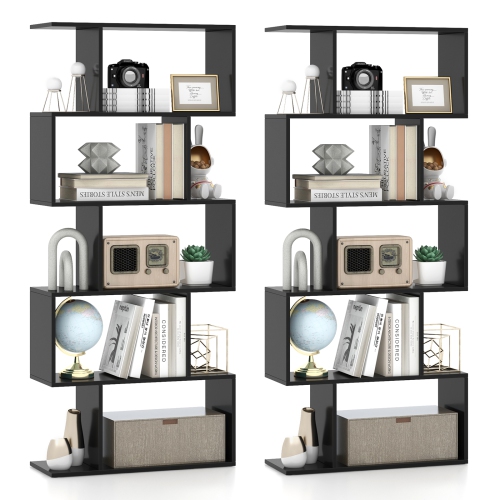
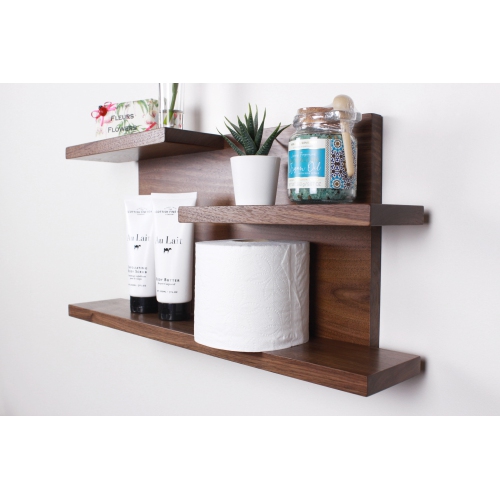
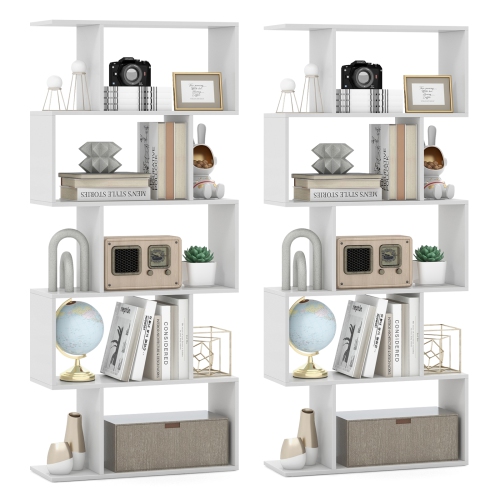
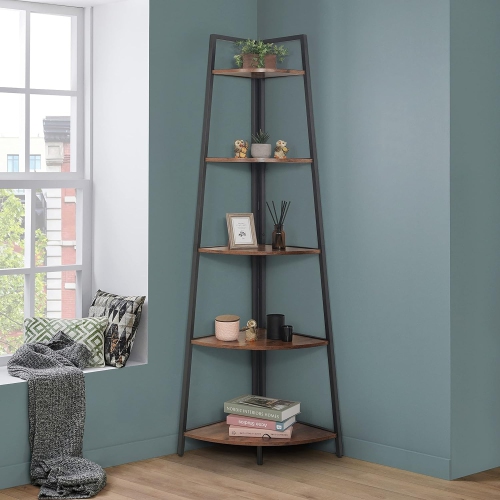
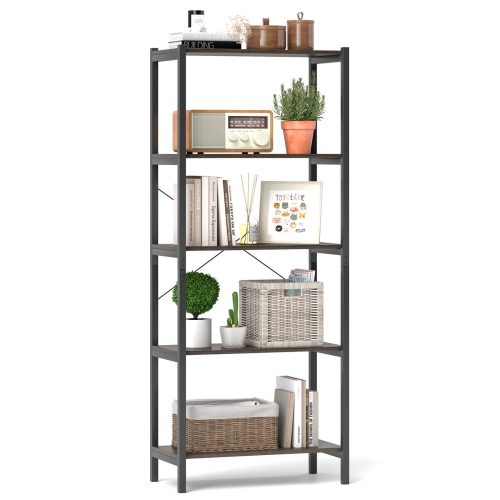
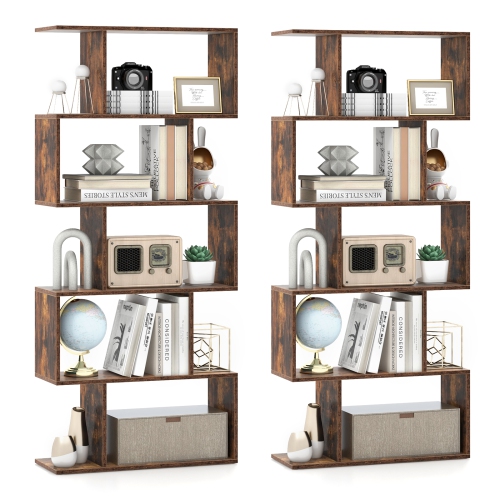
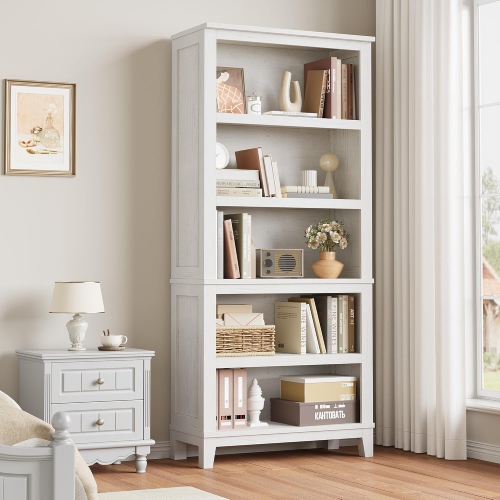

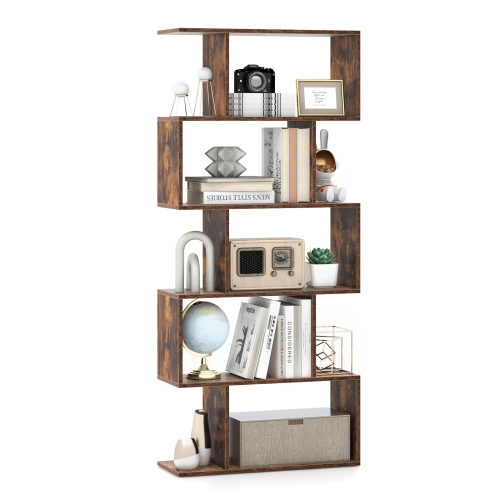
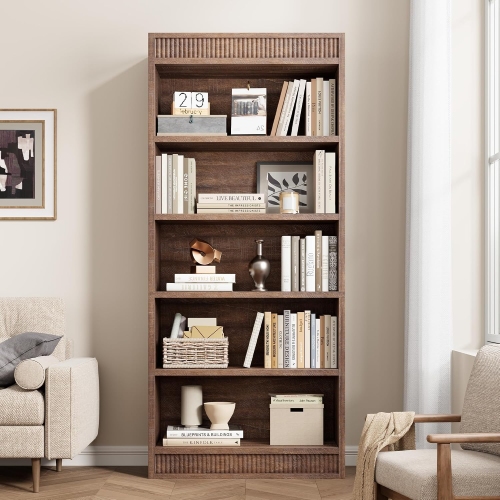
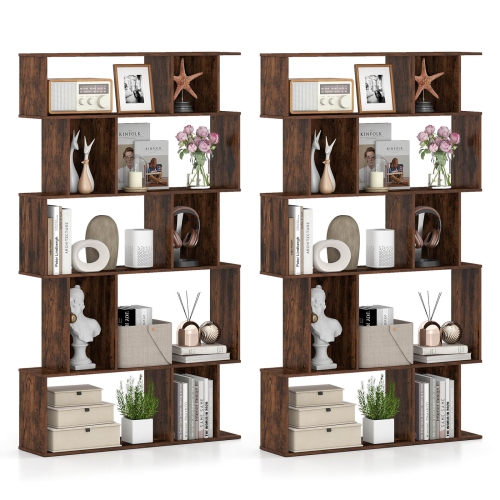
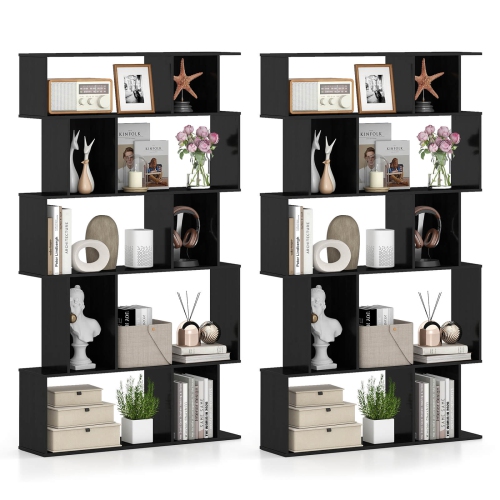
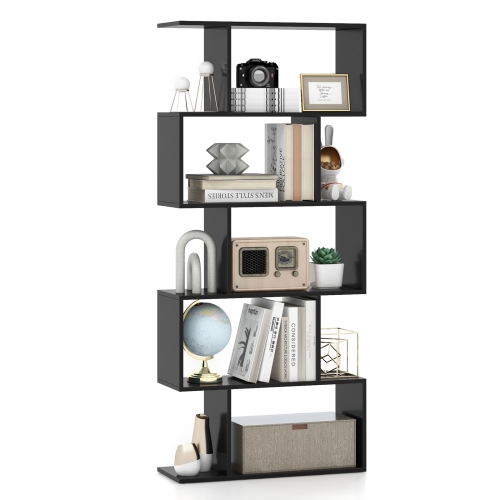
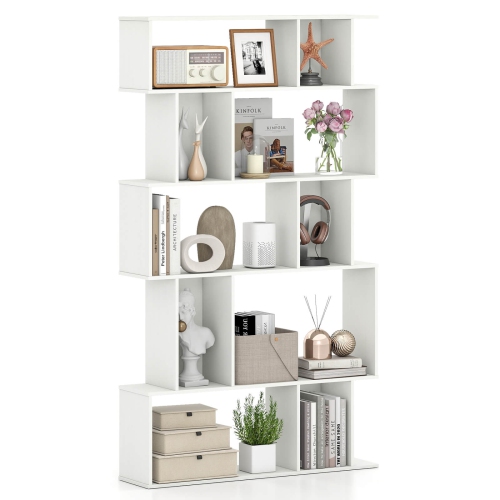
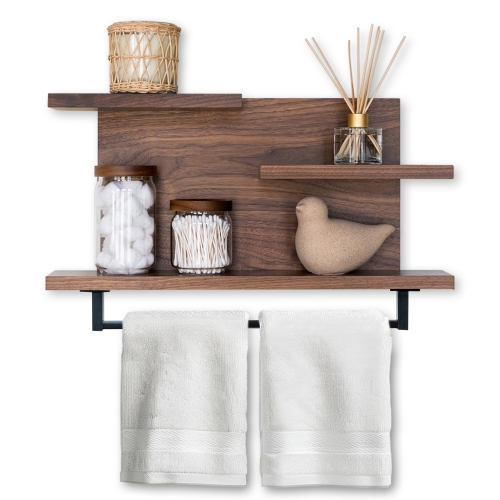
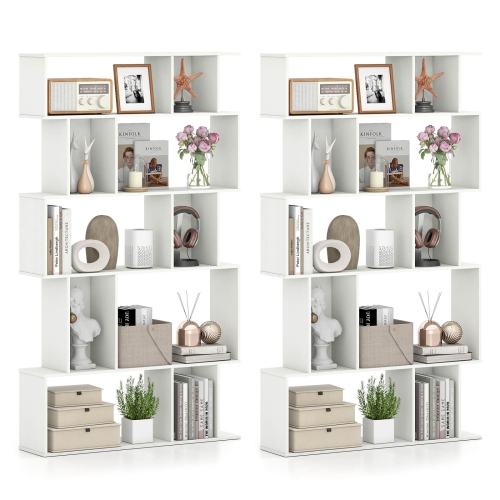
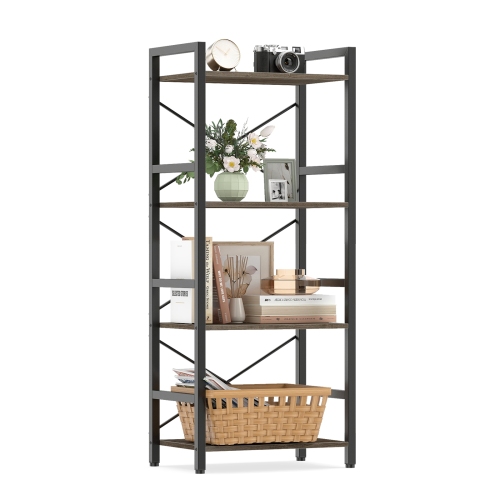
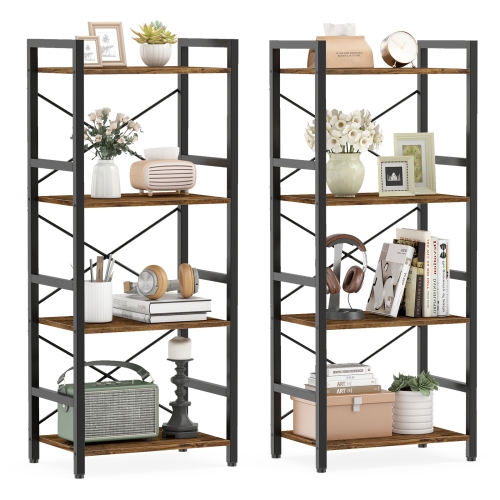
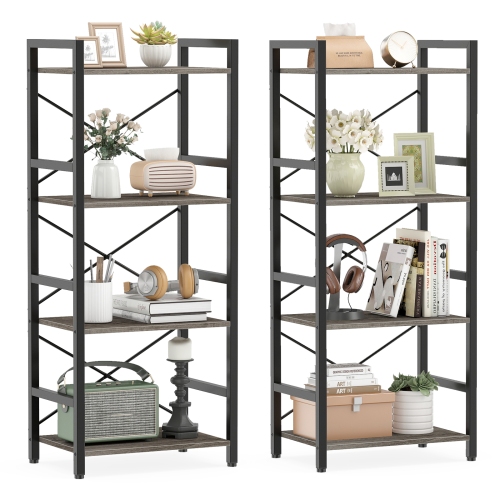
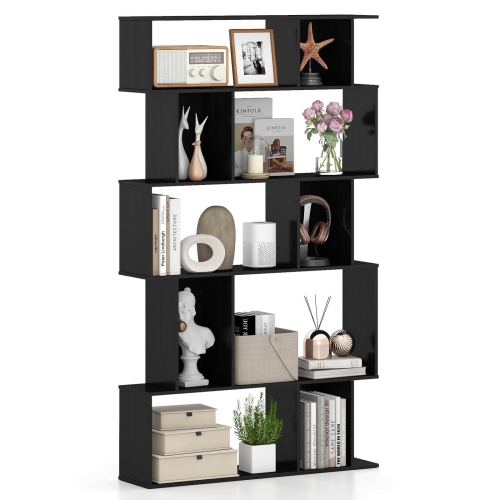
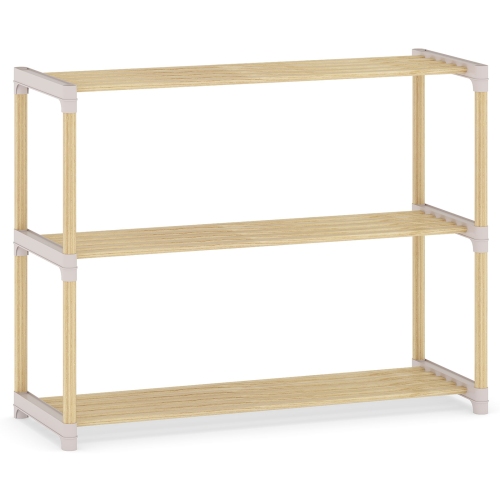
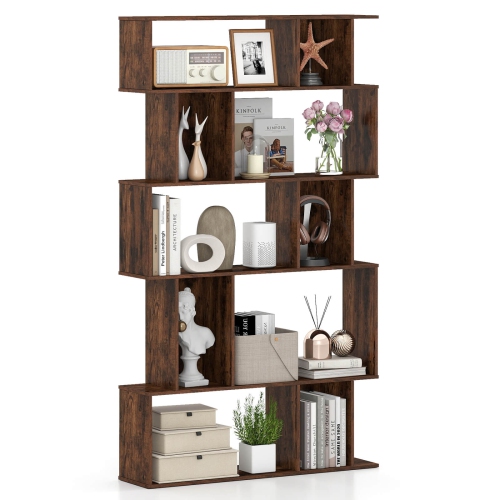
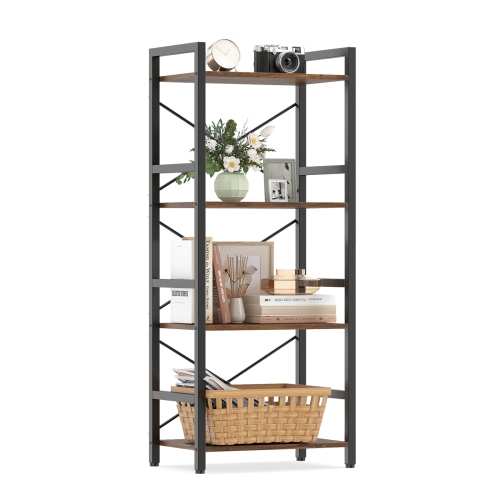
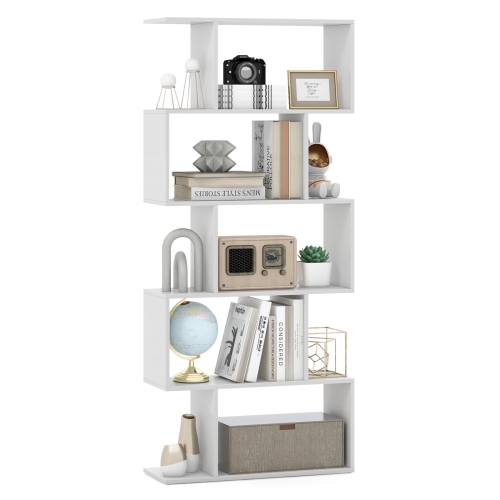
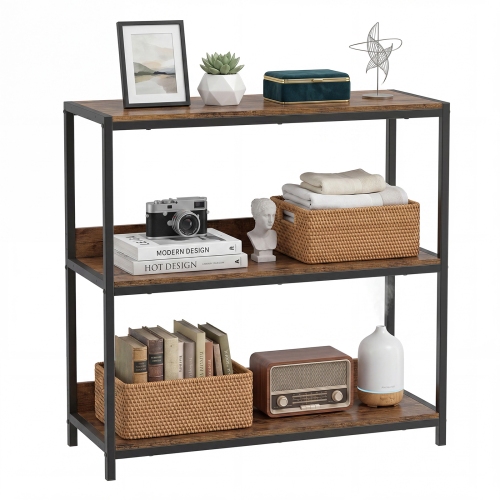
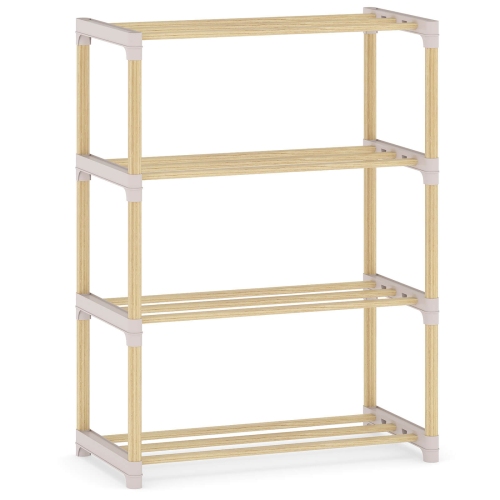
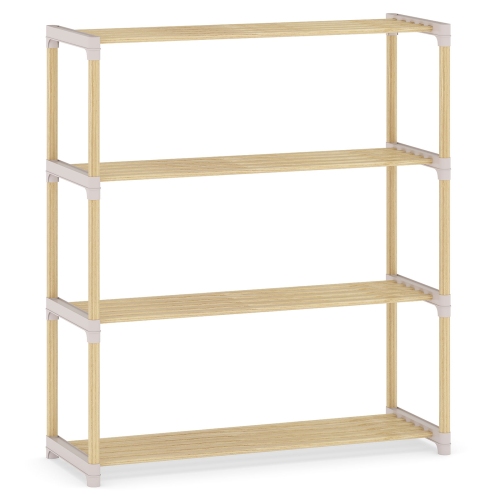
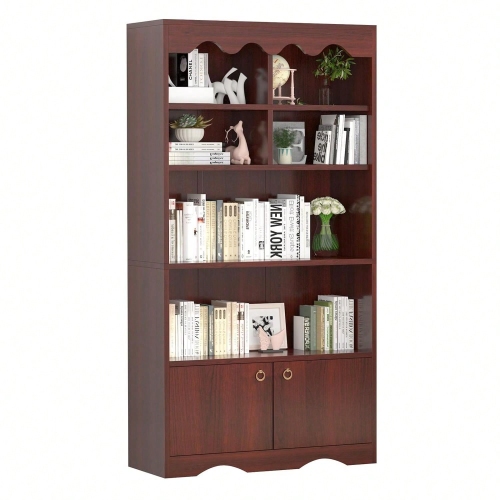
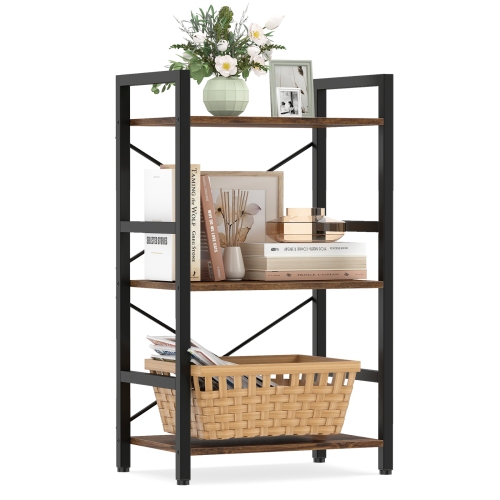
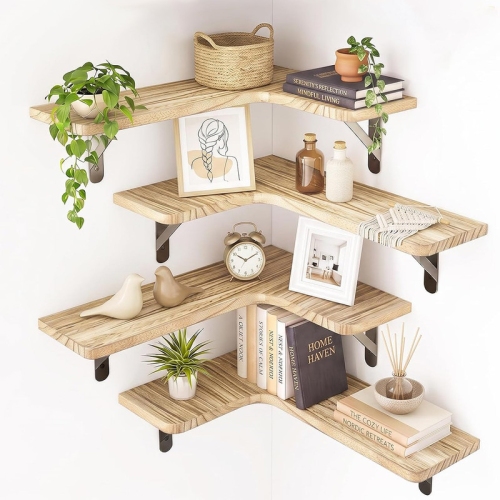
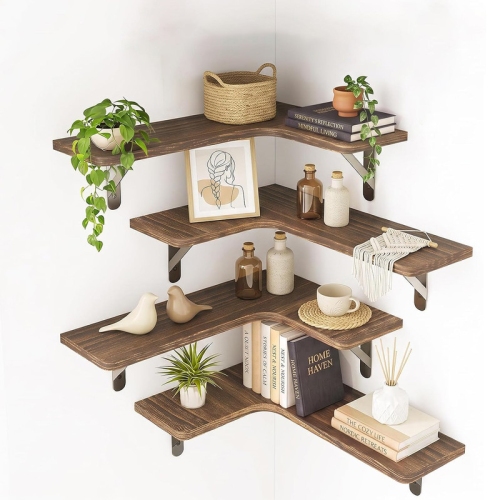
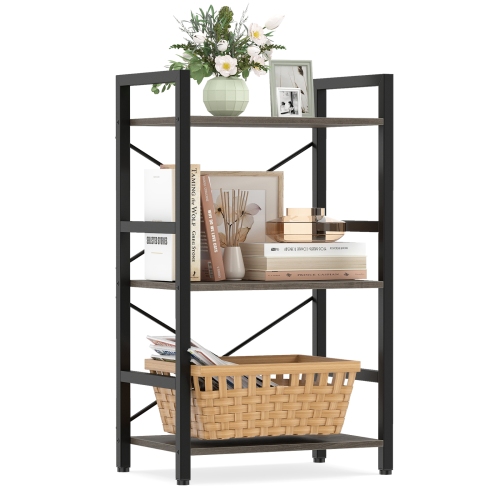
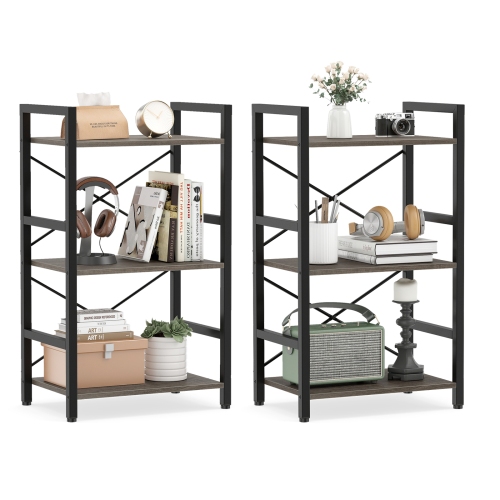
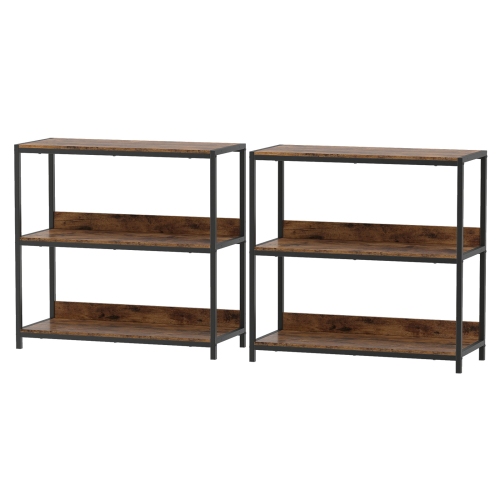
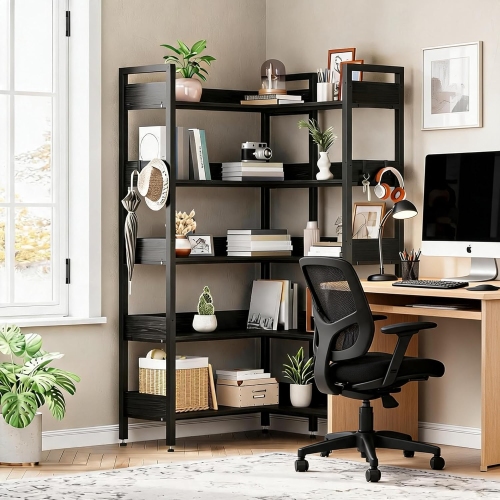

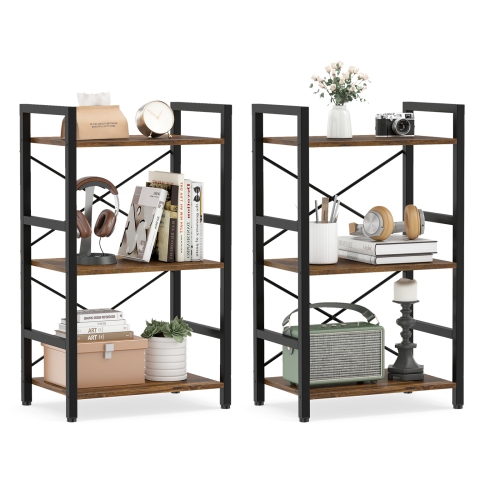
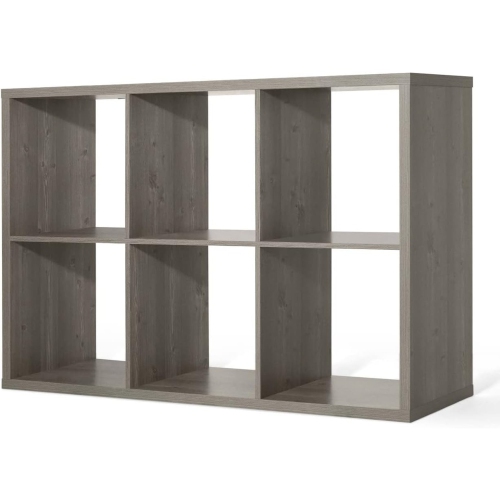
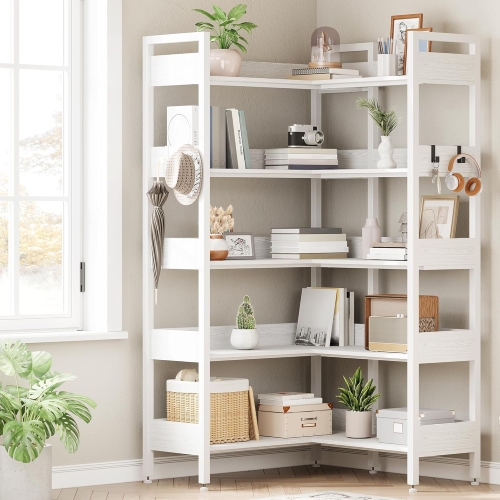
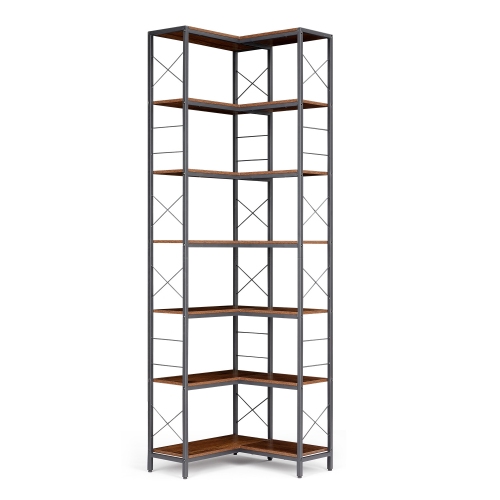
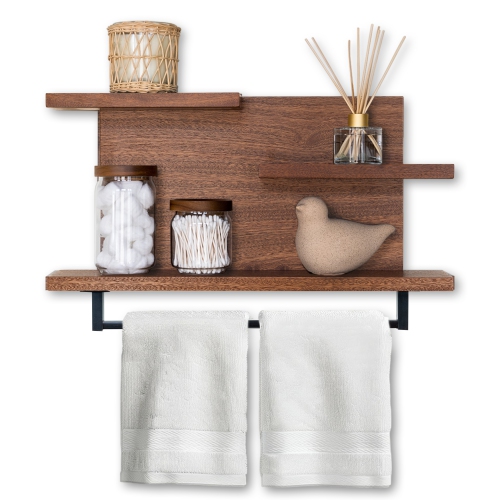
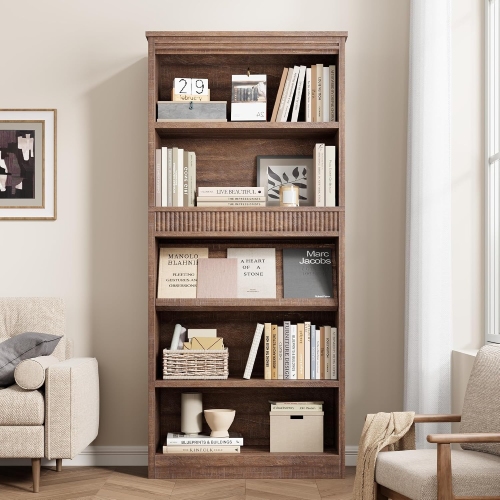
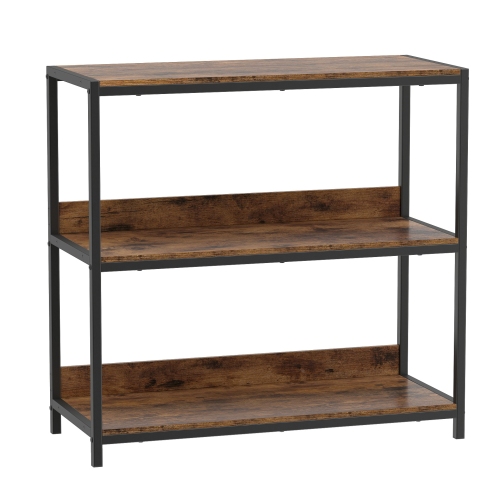
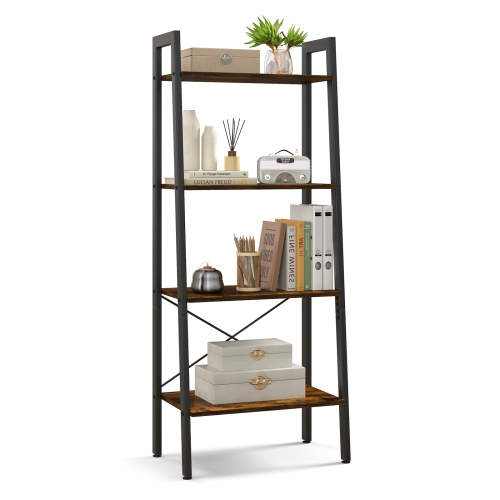
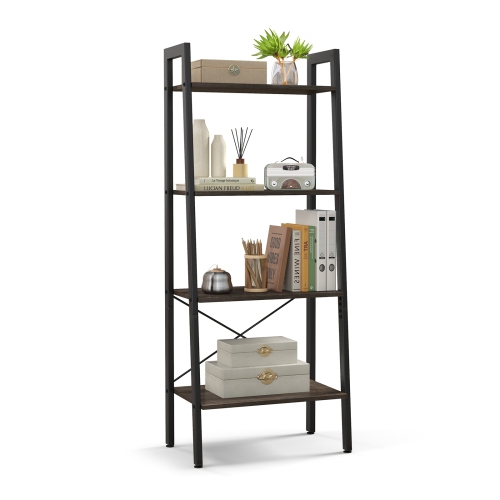
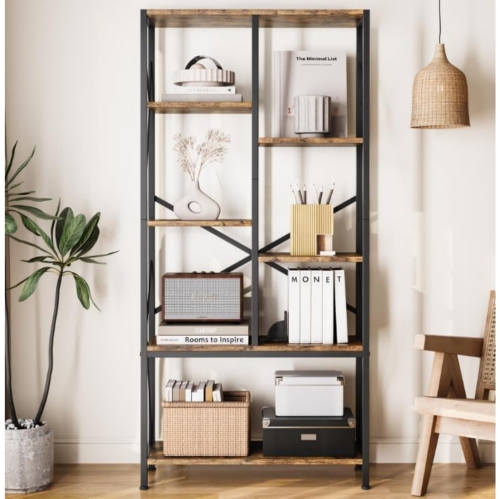
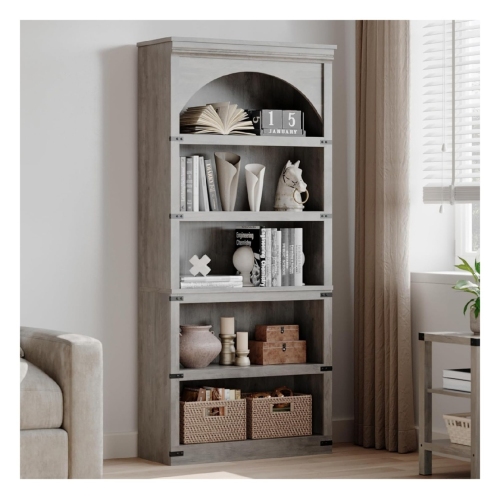
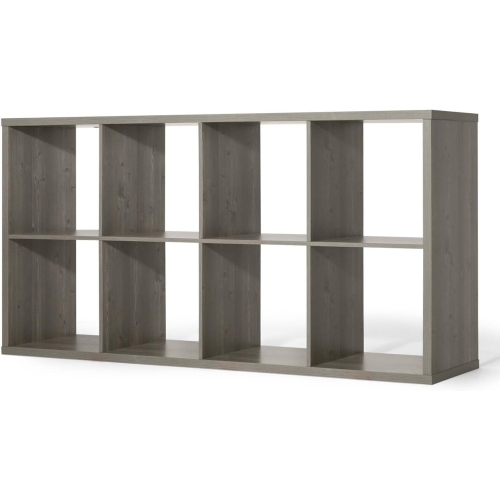

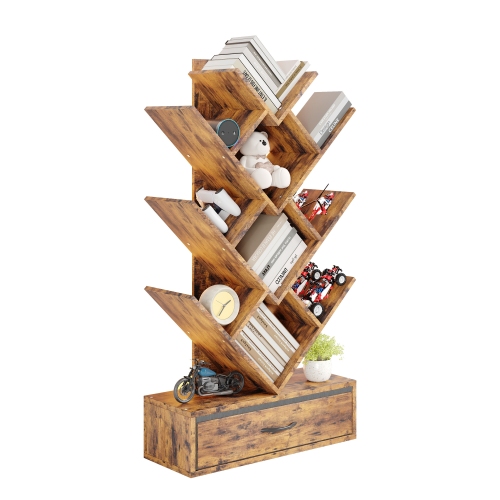
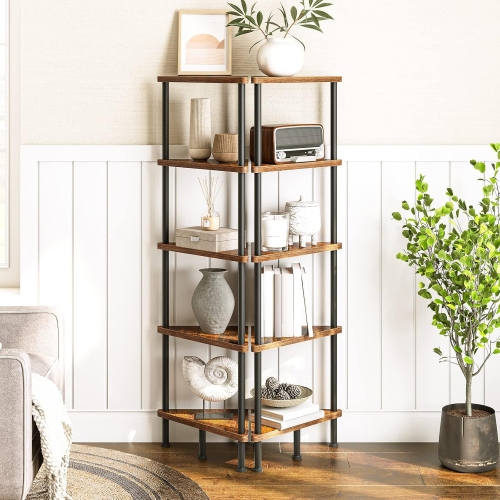
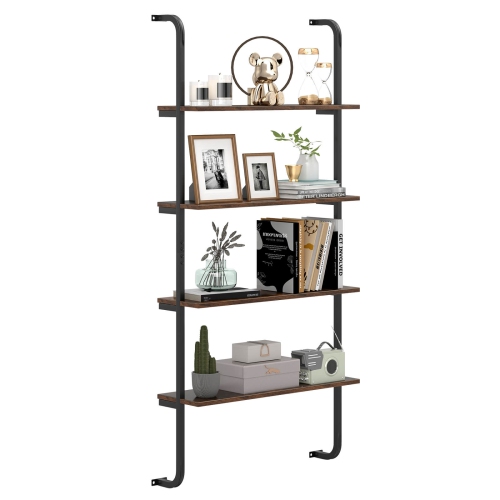
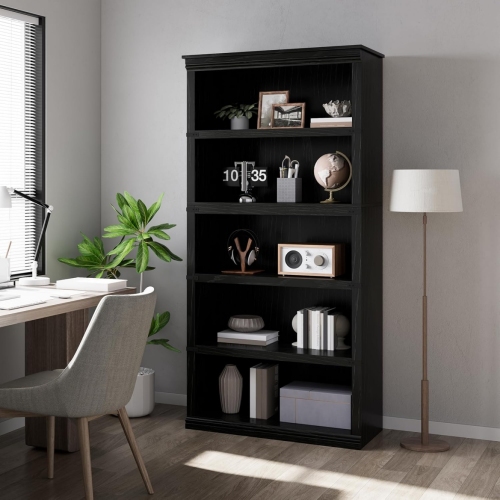
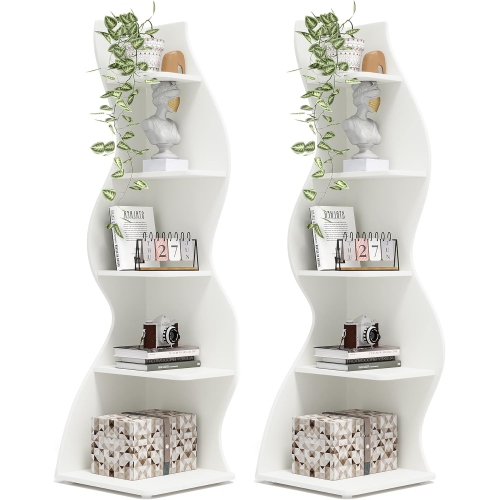
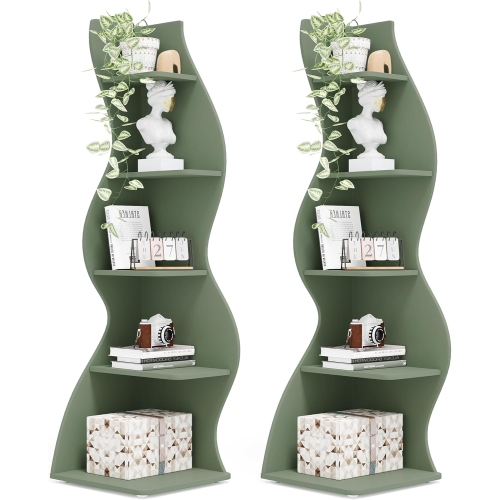
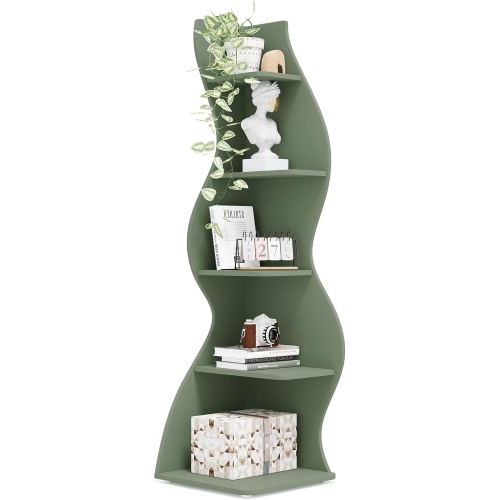
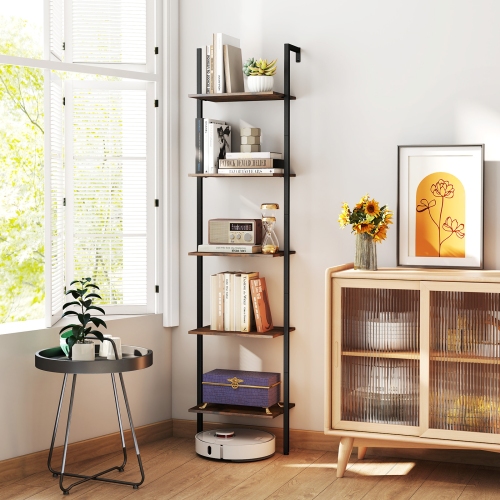
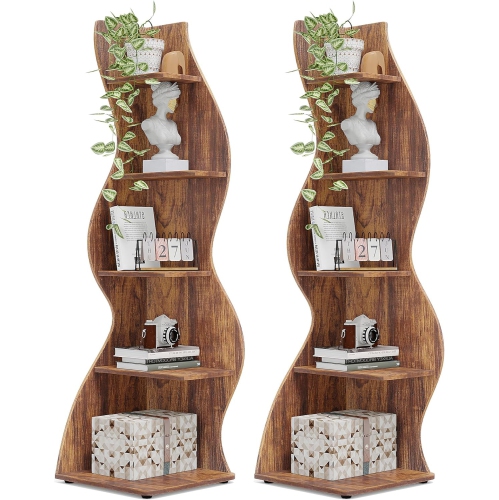
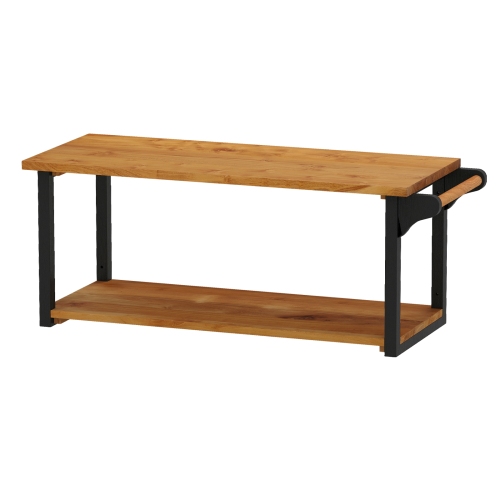
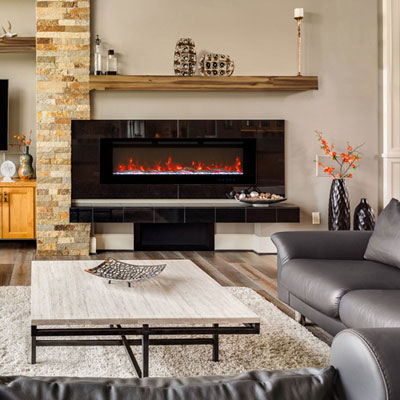
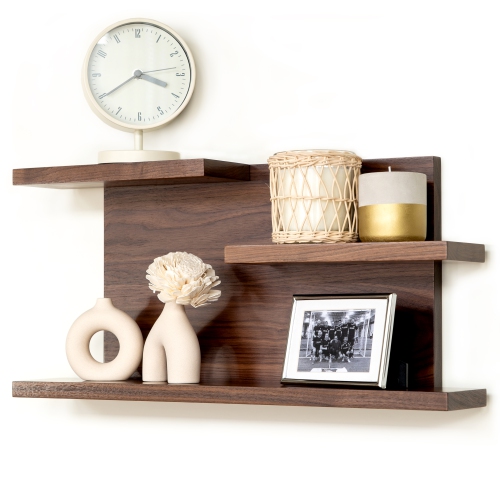
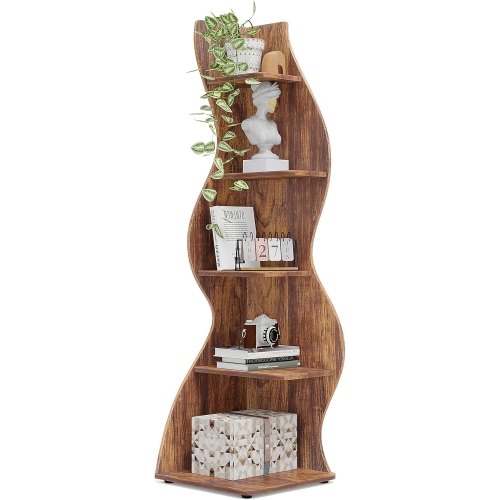
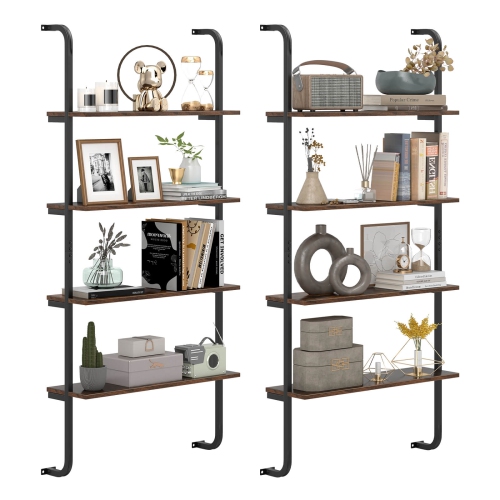
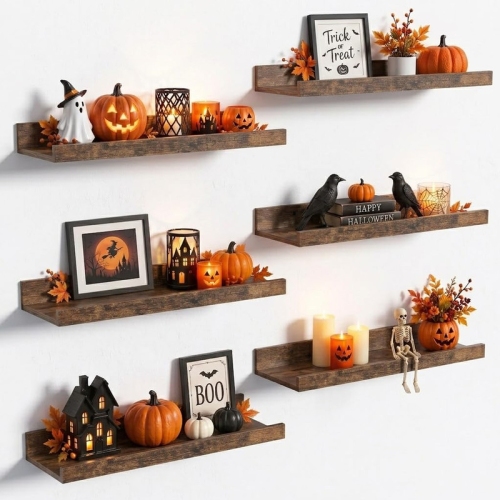
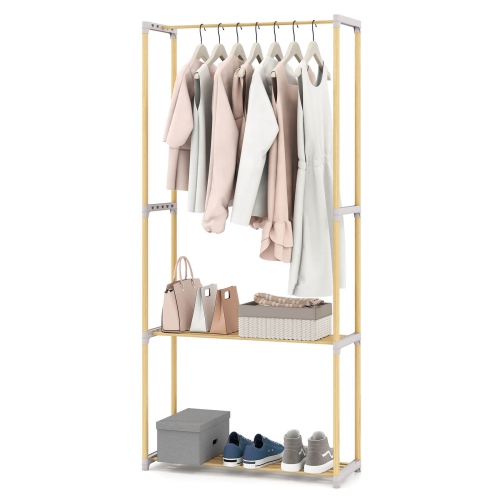
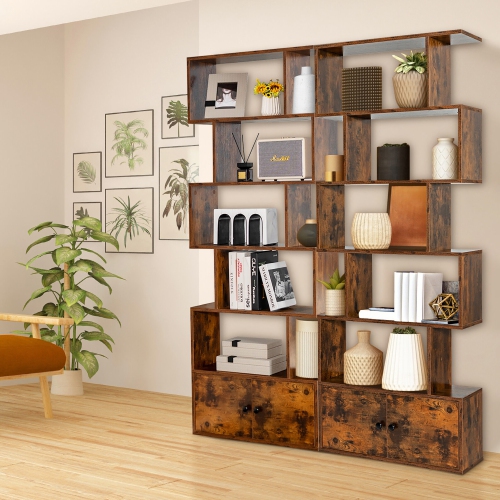
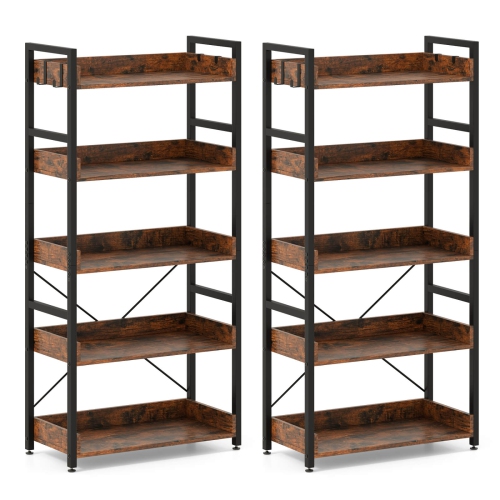
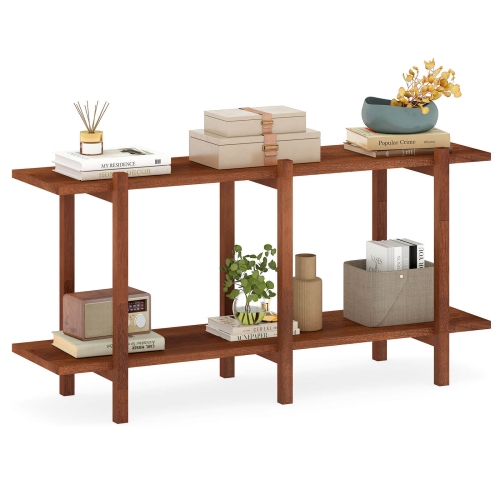
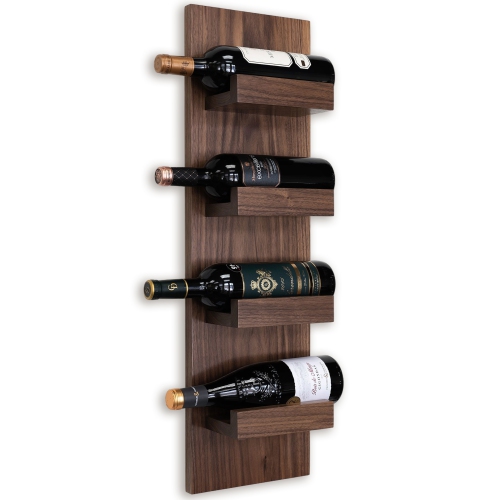

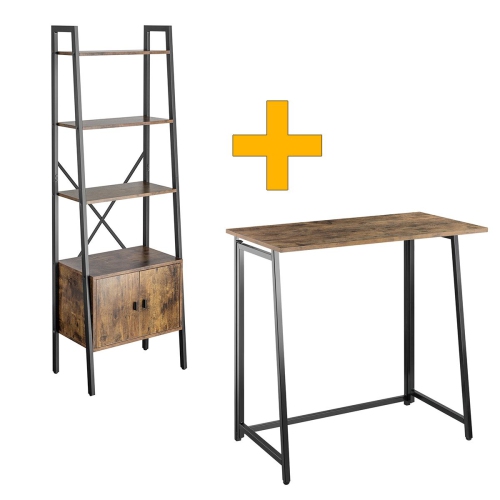
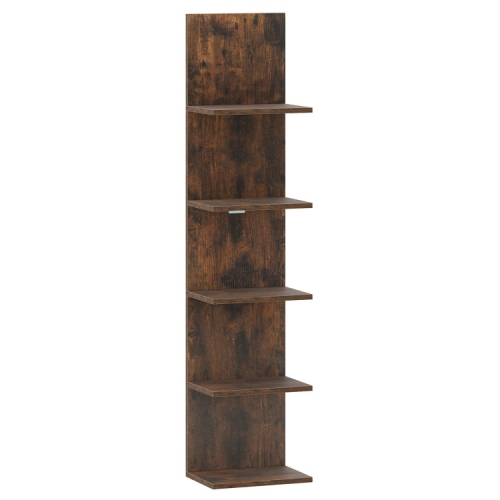
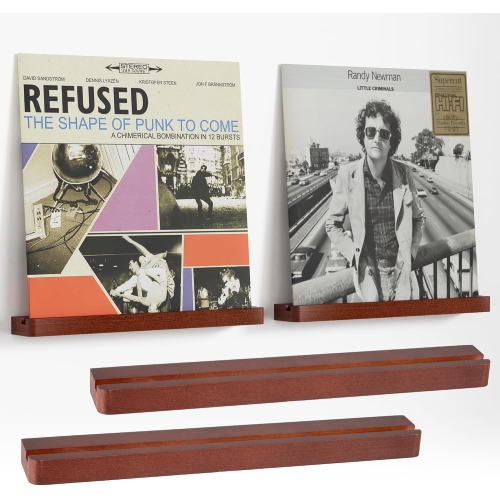

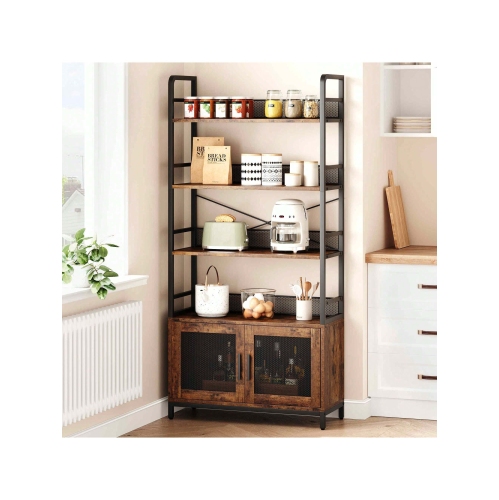
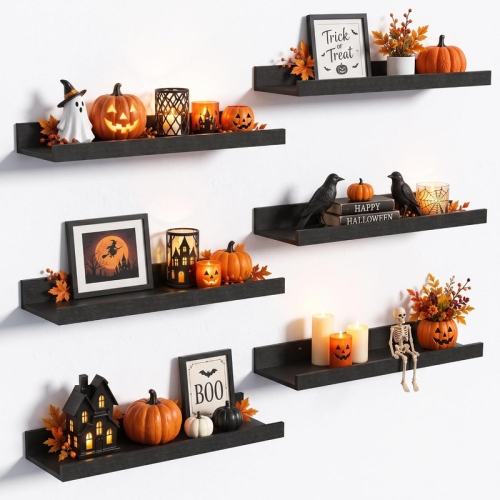
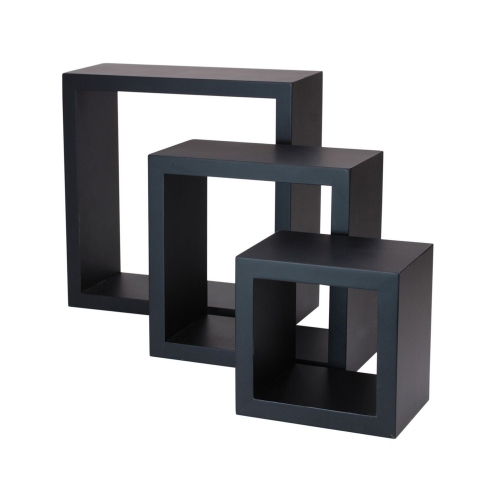
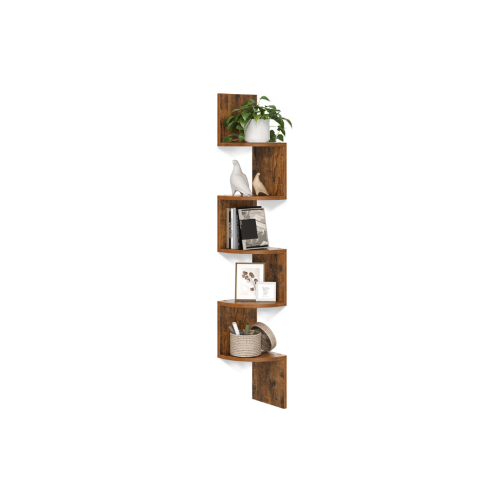
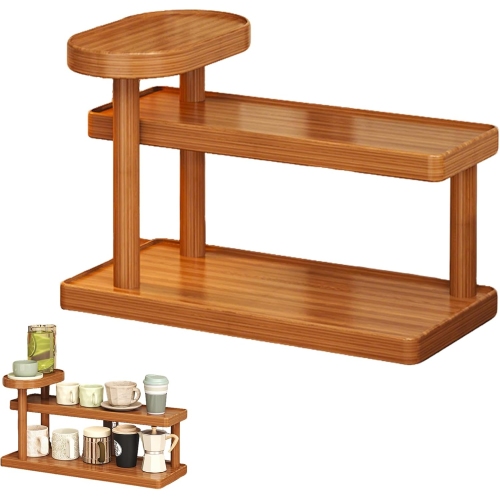

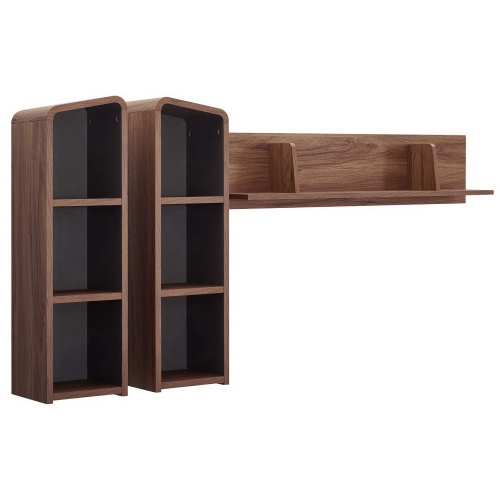

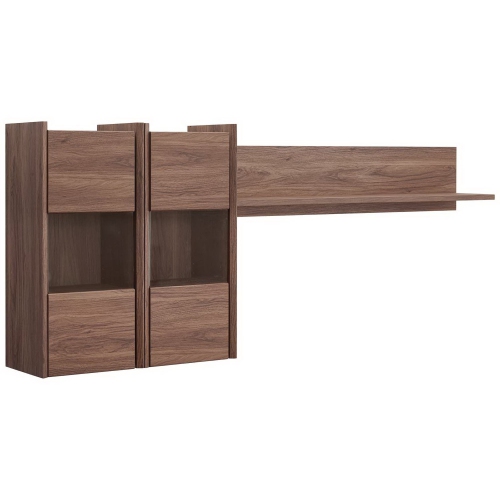
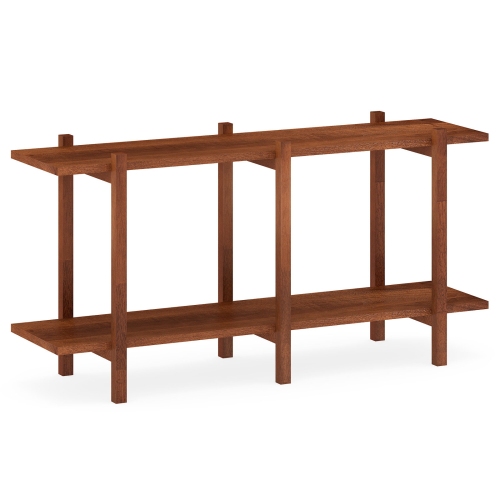
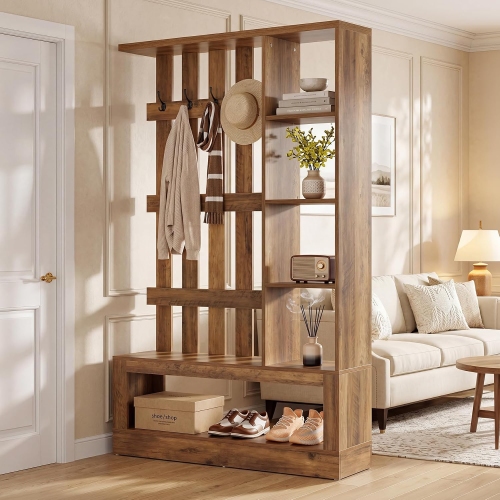
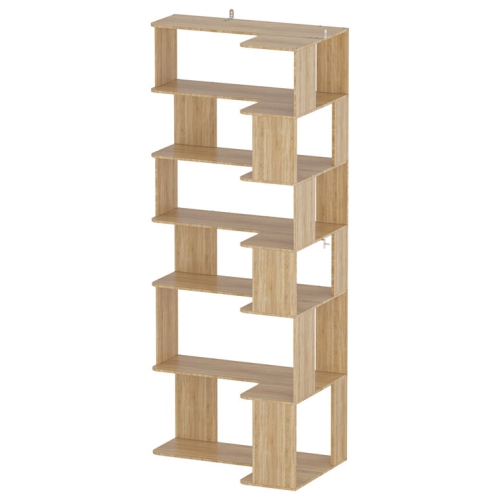
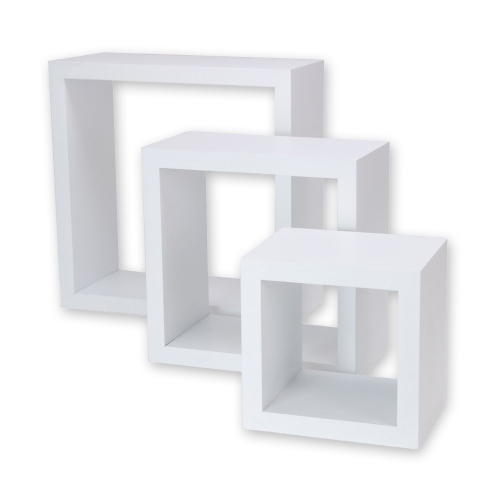

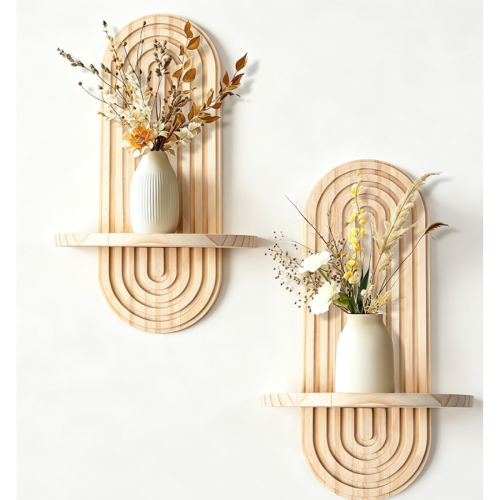

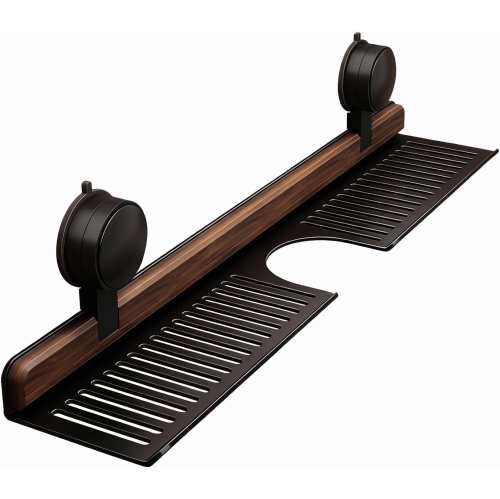
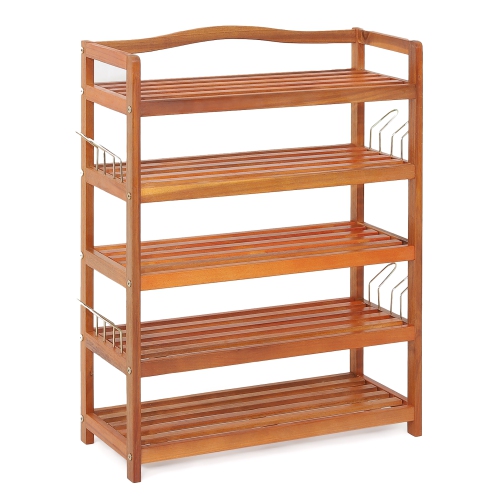
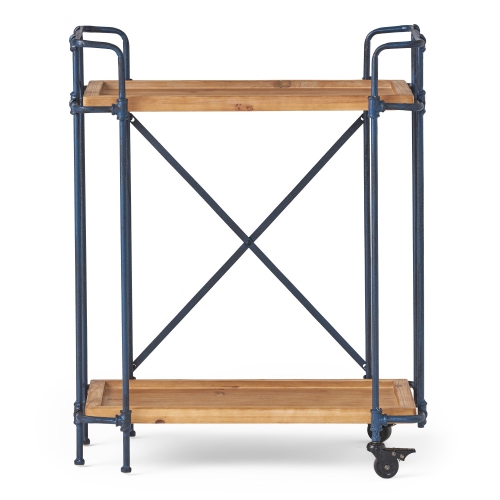
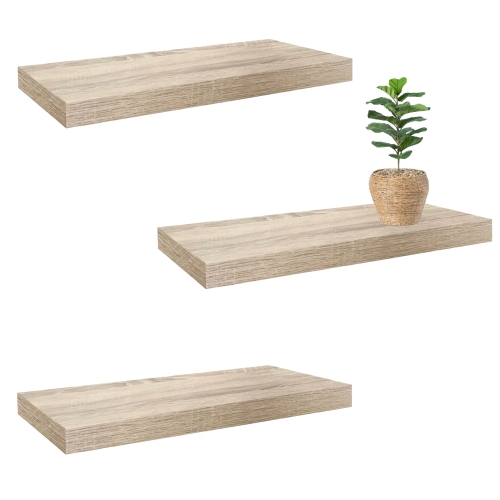
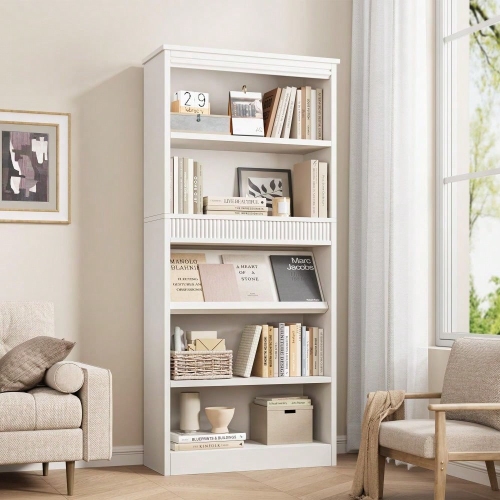
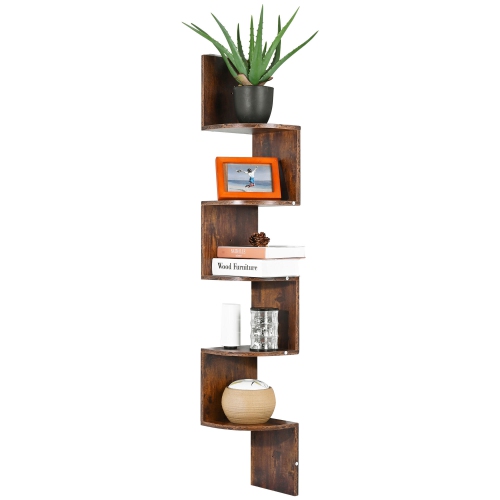


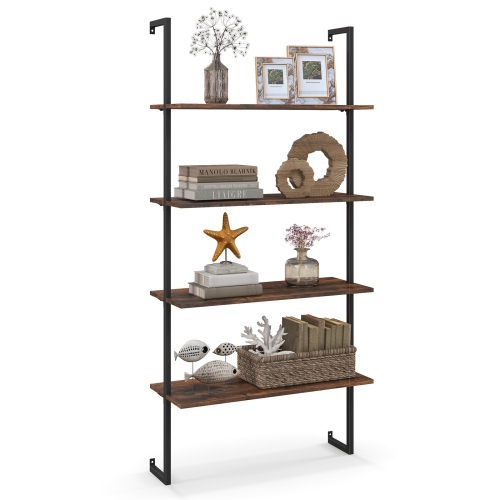
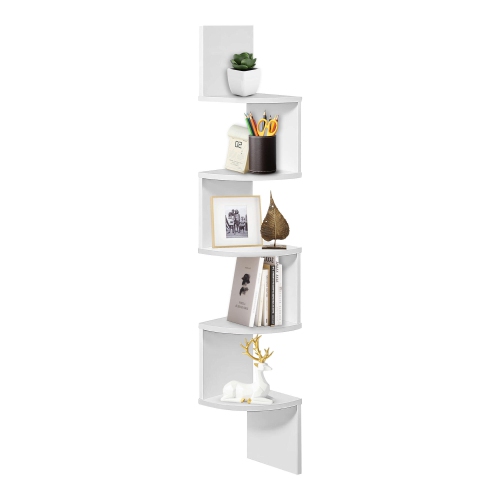
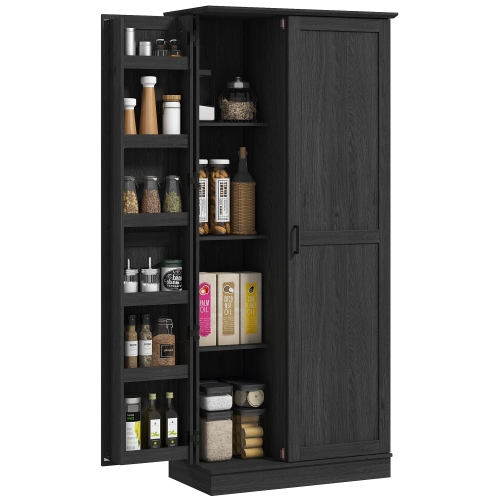

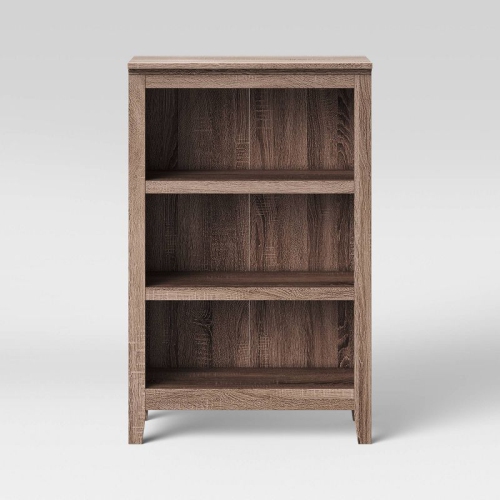

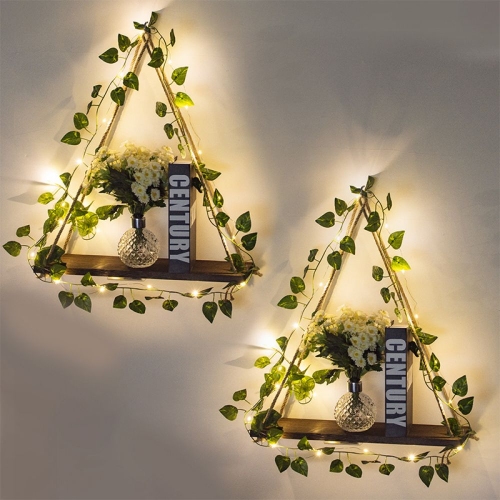
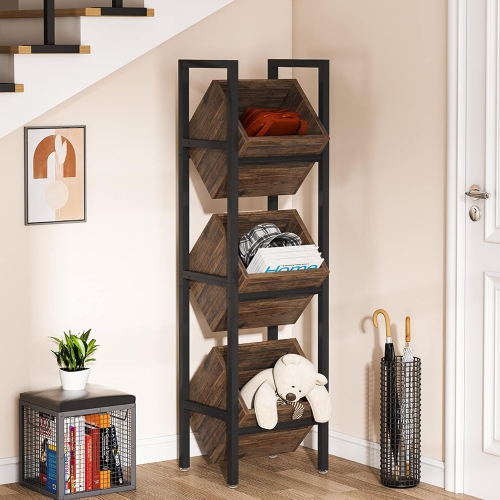
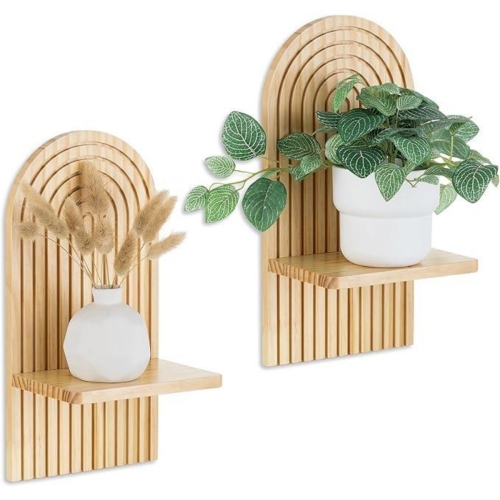
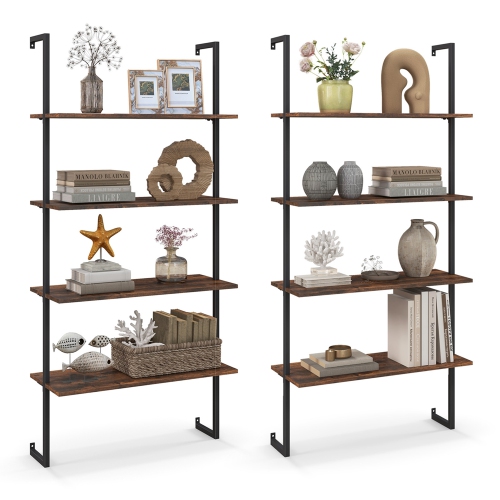
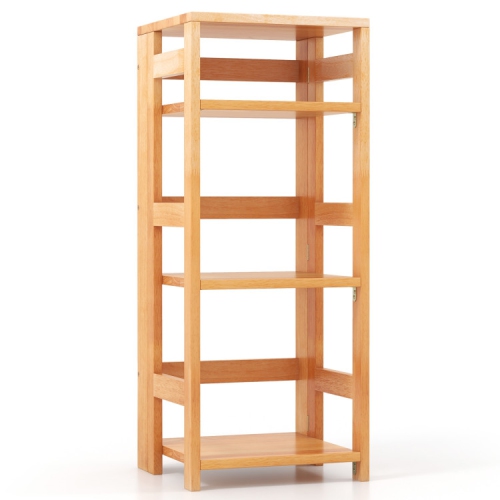
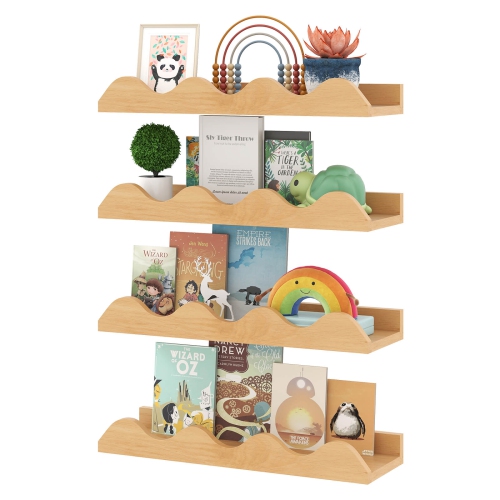
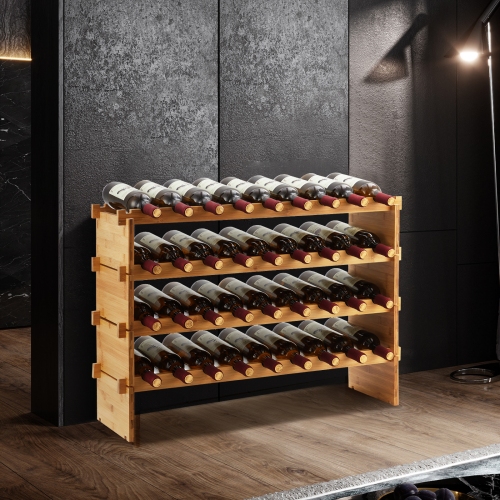
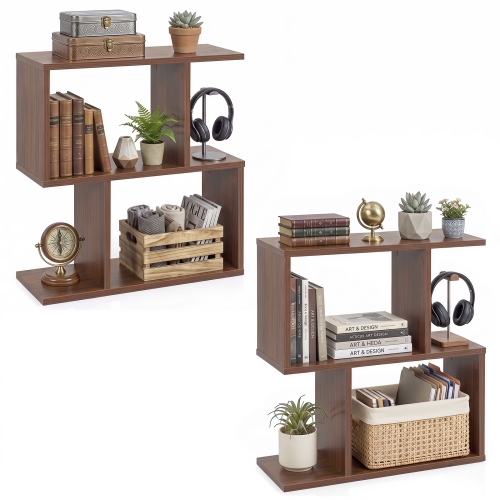


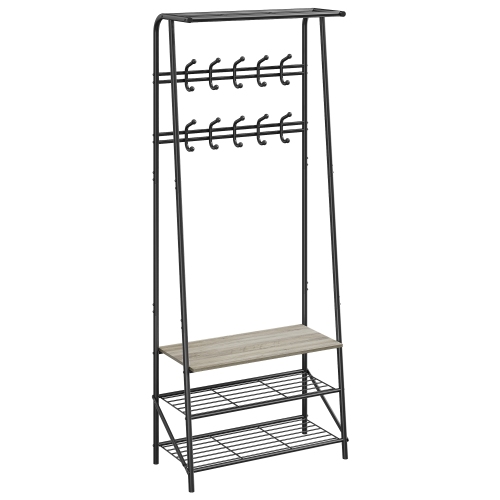
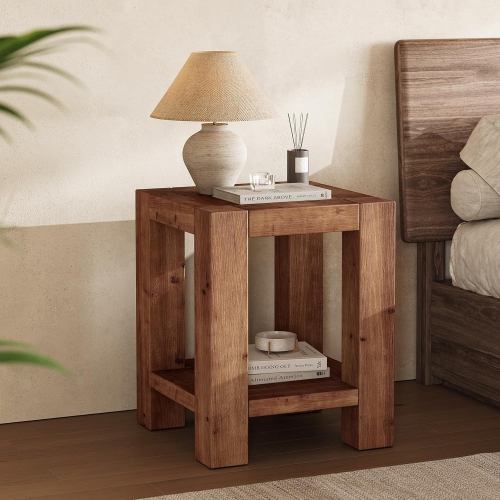
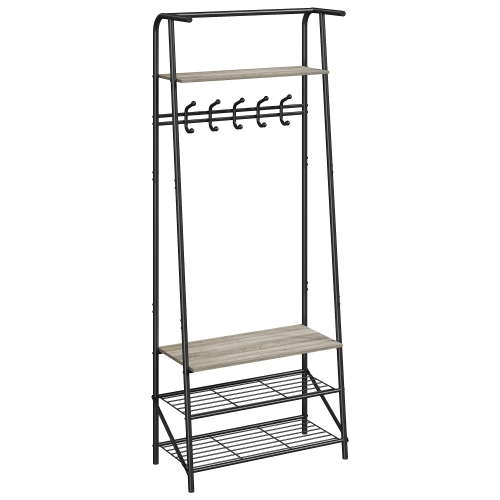
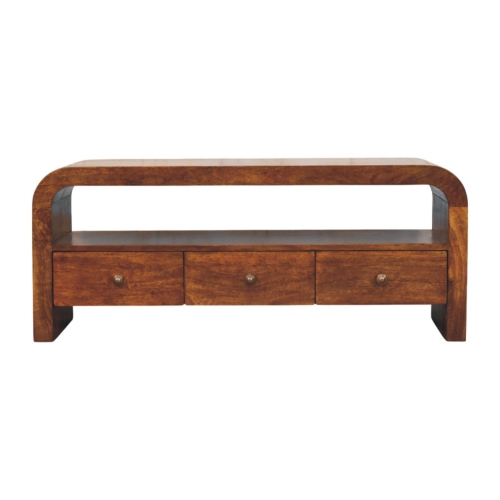
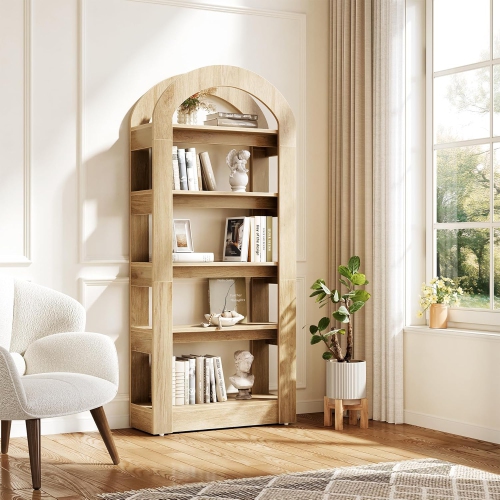
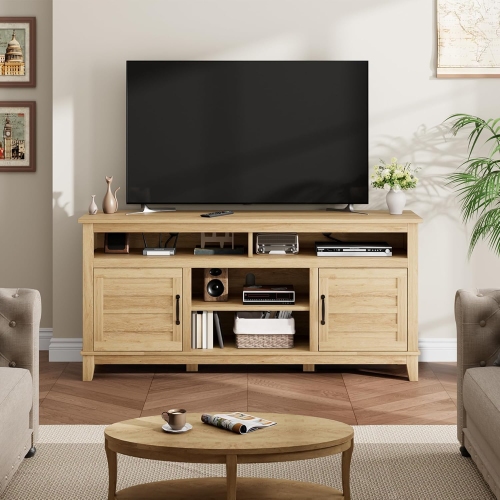
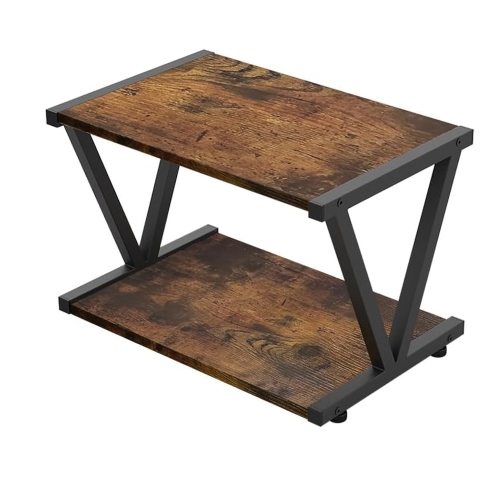
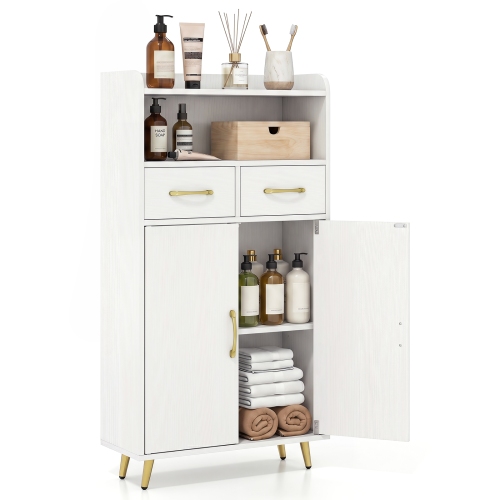
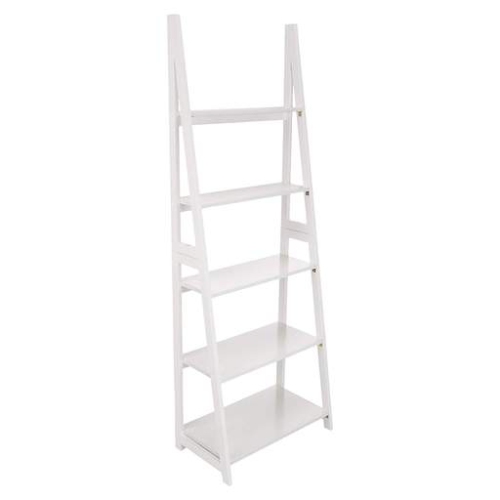
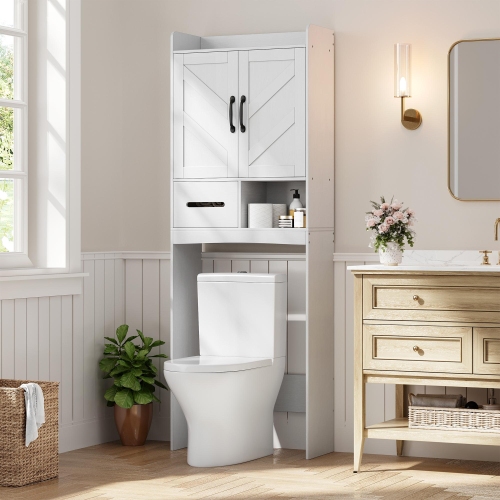
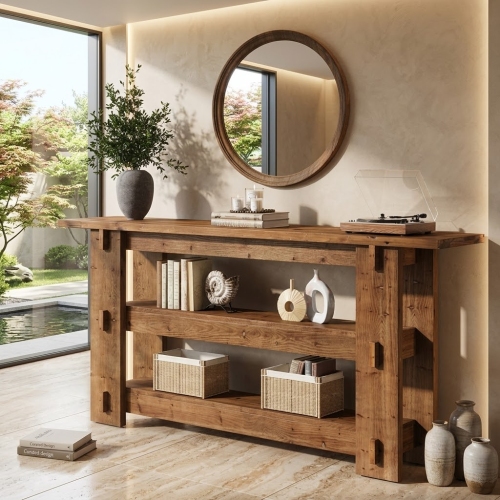
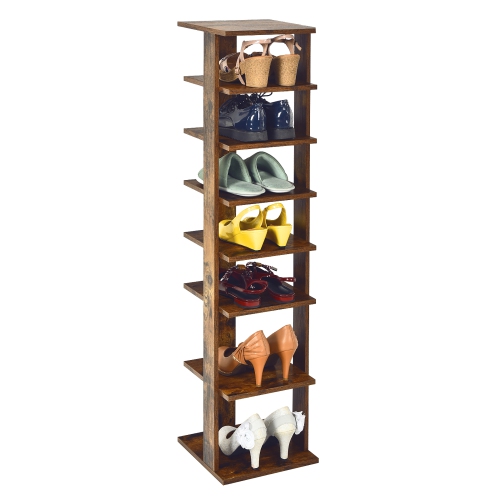


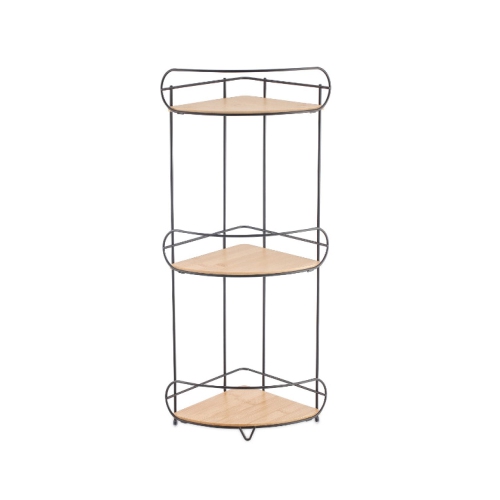
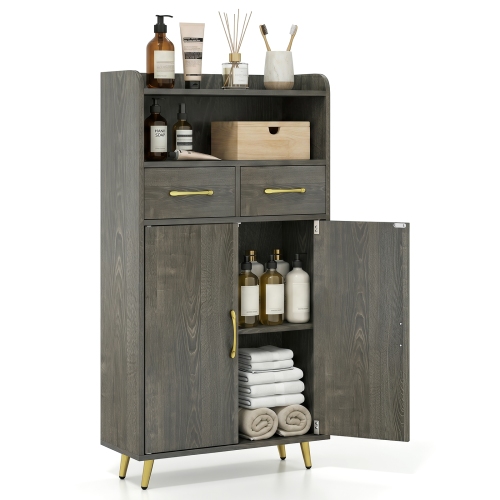
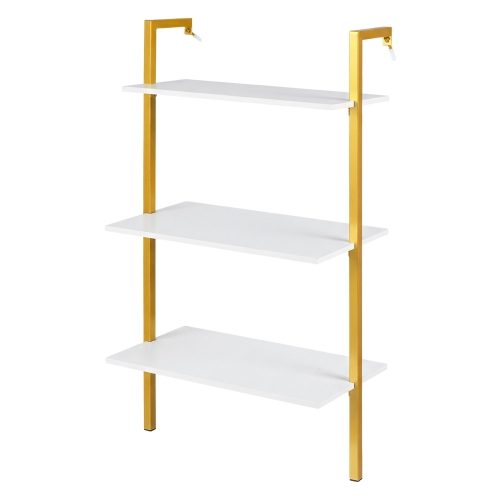
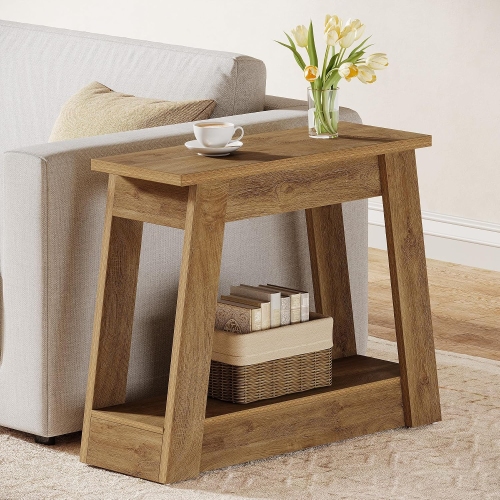
Warm wood character that puts walls to work
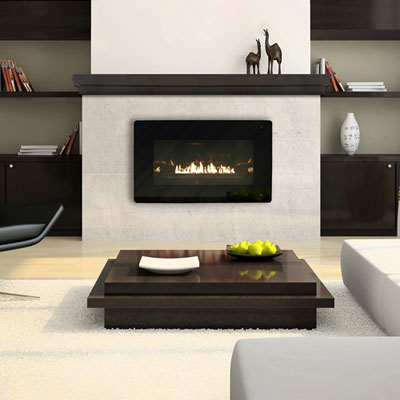
Rustic wood shelves combine practical storage with the grain, texture, and character of wood, bringing warmth to a room without taking up the floor space of a full cabinet. Their appeal often comes from visible knots, uneven grain patterns, lightly distressed finishes, and edges that feel less formal than polished cabinetry. The rustic look can be subtle, such as a smooth shelf with a warm stain, or more pronounced, with saw marks, a substantial profile, and exposed metal brackets. These details suit farmhouse interiors, but they also work alongside modern furniture, painted walls, and streamlined lighting. A simple wooden shelf can soften the look of a home office, give a kitchen a more relaxed feel, or make an empty stretch of living room wall useful. Materials influence both appearance and everyday performance. Solid wood has natural variation, so grain and colour may differ between boards, even when the shelves share the same finish. Wood veneer provides a real wood surface over another material, while wood-look finishes reproduce the appearance of grain on a manufactured base. Construction matters as much as the surface: shelf thickness, edge finishing, and the way the supports attach all affect how a shelf feels and functions. A rough-looking finish is not necessarily rough to the touch, and a smooth finish can still have plenty of rustic character. Lighter wood tones tend to blend easily with pale walls and woven textures, while deeper brown finishes create more contrast with white tile, light upholstery, or painted cabinetry. For a richer focal point, rustic dark wood shelves offer a grounded look that pairs naturally with black hardware and warm metal accents. The best visual fit depends on the surrounding space: matching every wood tone is not essential, but repeating a similar undertone can help shelving feel connected to nearby furniture rather than added as an afterthought.
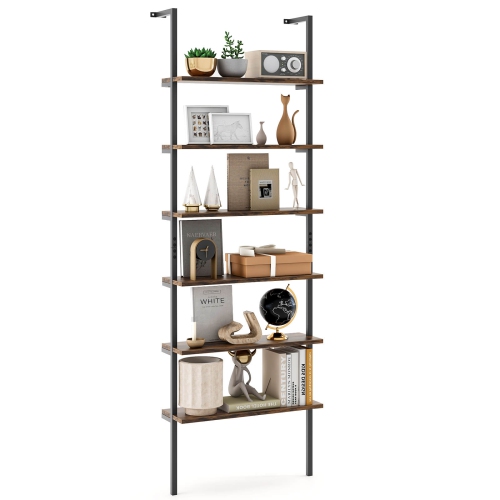
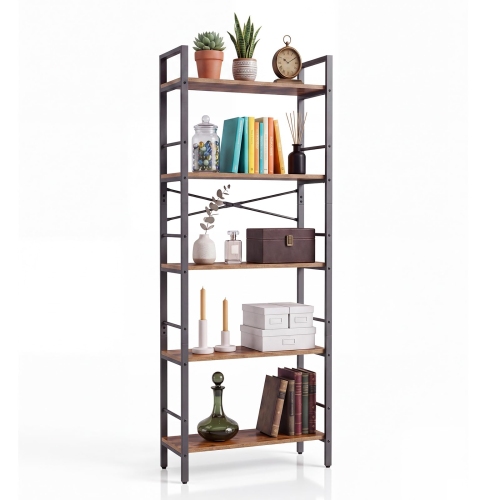
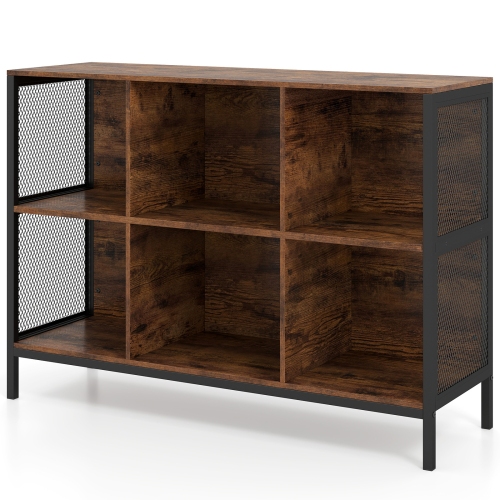
The usefulness of rustic wall shelves depends on their proportions, support system, and position as much as their finish. Length determines how much wall space a shelf occupies, while depth affects what can sit comfortably on it without projecting too far into the room. A narrow ledge may suit framed photographs and small accents, whereas deeper shelving can accommodate books, folded linens, or everyday kitchen essentials. In a hallway or beside a desk, a shallower profile helps preserve clearance; above a work surface, enough space beneath the shelf keeps the area practical to use. Floating shelves conceal their supports for a cleaner outline, while bracketed shelves make the hardware part of the design. Black metal brackets can emphasize an industrial influence, and simpler supports let the wood grain remain the main feature. Neither style alone determines strength. Load capacity depends on the complete shelf assembly, the mounting hardware, the wall construction, and correct installation. A shelf used for a few photographs has different demands from one holding a row of hardcover books or a stack of dishes. The stated weight limit applies to the installation conditions specified by the manufacturer, and evenly distributed weight is not the same as a heavy object concentrated at the front edge. Fastening into wall studs, where required, or using suitable anchors for the wall type is important for reliable support. Wider shelves may need additional support according to their design, and a shelf should not be assumed suitable for heavy storage simply because it looks thick. Freestanding rustic shelving offers another arrangement where wall mounting is unsuitable, though its footprint, stability, and any required anti-tip fastening still need attention. In a rental home, installation permissions can also influence the right format. Thoughtful spacing leaves room to lift objects off the shelf without scraping the surface above, and keeping frequently used belongings within comfortable reach makes the storage genuinely useful rather than purely decorative.
Rustic wood shelving works especially well when it has a clear role in daily life. In a kitchen, it can keep frequently used dishes close to hand while breaking up a wall of closed cupboards. In a living room, a small grouping of books, pottery, and photographs gives the wall a personal feel without requiring a large piece of furniture. An entryway shelf can provide a defined place for lightweight daily essentials, while shelving near a home office can separate reference materials from the desktop. In bedrooms, a compact shelf may provide display space where a conventional bedside table would feel crowded, provided its placement and weight capacity suit the intended use. Bathrooms require more attention to material and finish because splashes and lingering moisture can affect wood and manufactured wood cores; suitability for that setting should be confirmed rather than assumed from the rustic appearance. The same distinction matters when considering covered outdoor areas, since indoor shelving is not automatically designed for outdoor exposure. Care is generally straightforward, but it varies with the surface treatment. A soft, dry cloth removes loose dust, and a lightly damp cloth may be appropriate when permitted by the care instructions. Standing water, abrasive cleaners, and prolonged contact with damp plant pots can mark or damage a finish. Trays or protective pads beneath planters help separate moisture from the shelf, while felt pads under objects can reduce scratches when displays are rearranged. Unfinished or textured surfaces may collect dust differently from sealed, smooth ones, and oil or polish should only be used when recommended for that finish. For gifting, rustic shelves can be a thoughtful housewarming choice for someone furnishing a first apartment or personalizing a new home, especially when their preferred wood tone and mounting options are known. Their lasting appeal comes from combining an expressive material with a straightforward purpose: making room for useful belongings and meaningful objects while giving an otherwise bare wall a sense of character.
Top selling and popular products
-
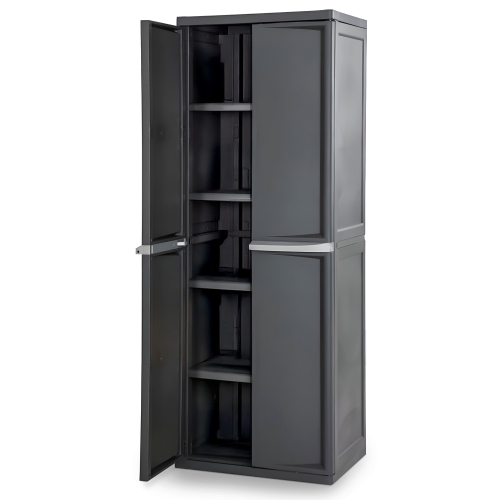 Your price for this item is $576.99
-
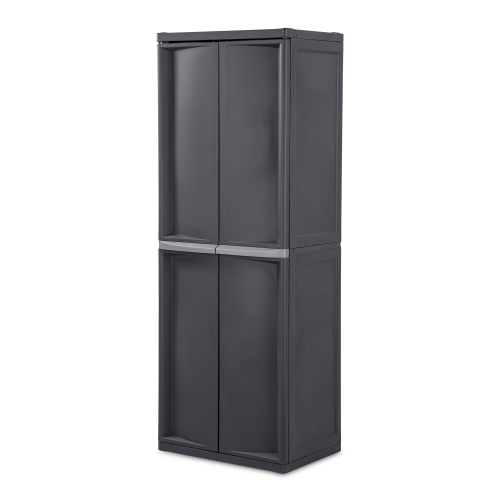 Your price for this item is $1132.99
-
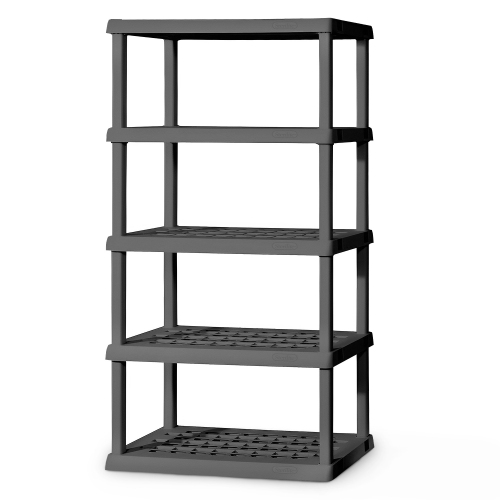 Your price for this item is $356.99
-
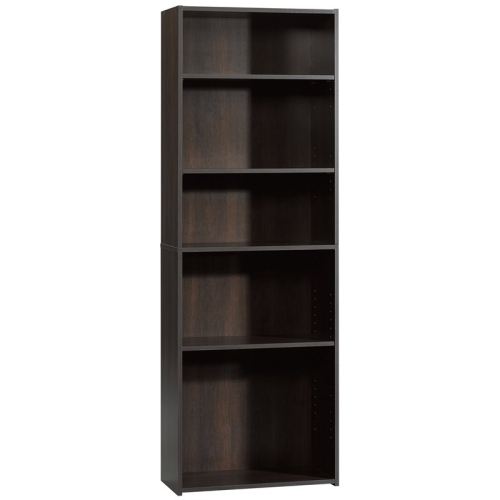 Your price for this item is $208.99
-
 Your price for this item is $169.99
-
 Your price for this item is $604.99
-
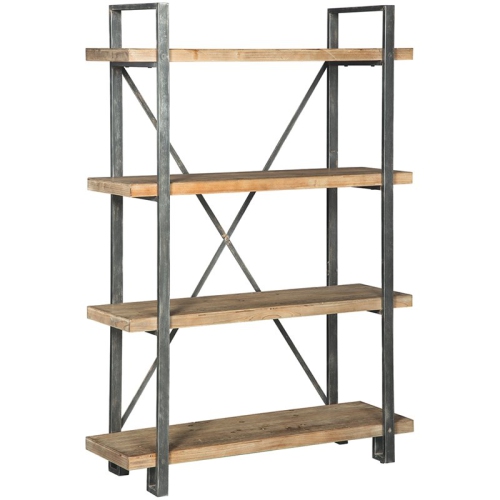 Your price for this item is $599
-
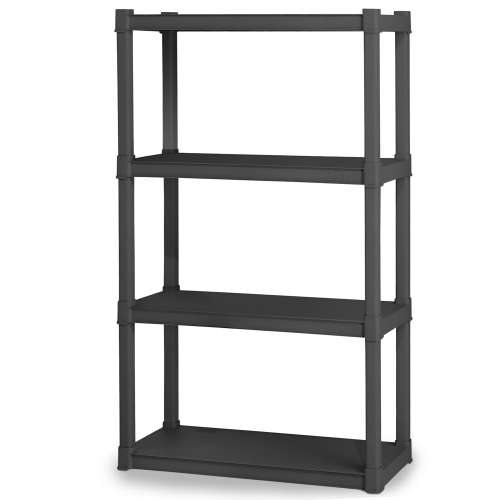 Your price for this item is $254.99
Discover more categories related to Rustic Wood Shelves
Top Collections:
Best Black Friday Deals This Year, Best Black Friday Deals On Electronics, Kindle Devices, Pokemon Centers, Best Black Friday Deals On Apple Products, Best Cameras for Sports Photography, Dyson Airwrap, Pokémon 30th Celebration Cards, Apple iPhone 17 Pro, Canon G7X Cameras
Some products may be subject to Environmental Handling Fees
(EHF) depending on your province.
Learn more about EHFs.