Rustic Wood Tables
Transform your living space with the timeless charm of these rustic wood tables. Crafted with beauty and sturdy craftsmanship, these tables bring a touch of warmth and character to almost any room. Whether you're looking to create a cozy dining area or add a focal point to your living room, our collection of rustic wood tables offers an array of styles and sizes to suit your unique taste and space requirements. From farmhouse-inspired designs to sleek modern interpretations, discover the perfect rustic wood table that effortlessly blends functionality with style.
Sort

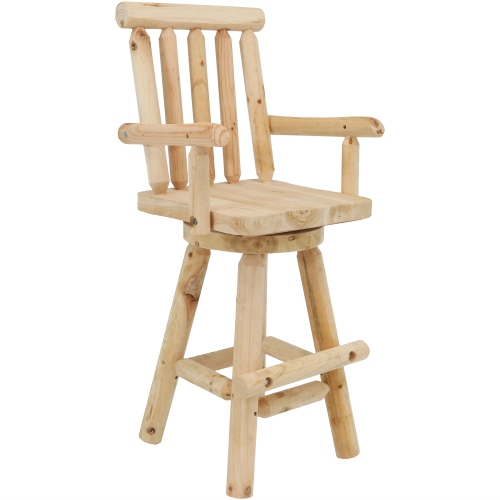
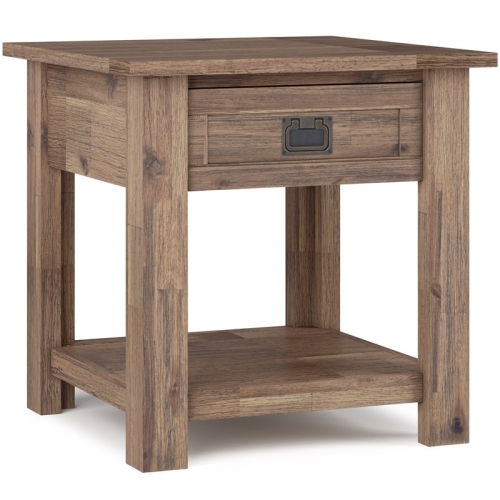
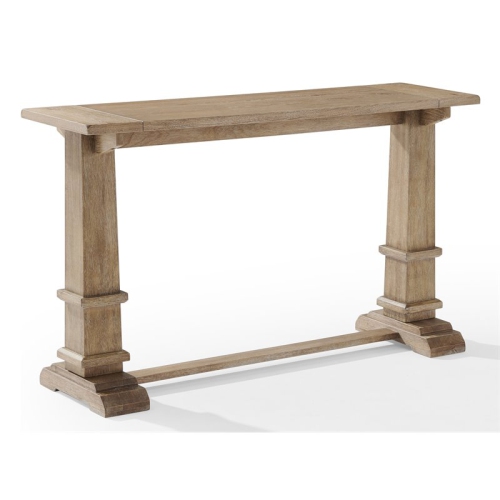
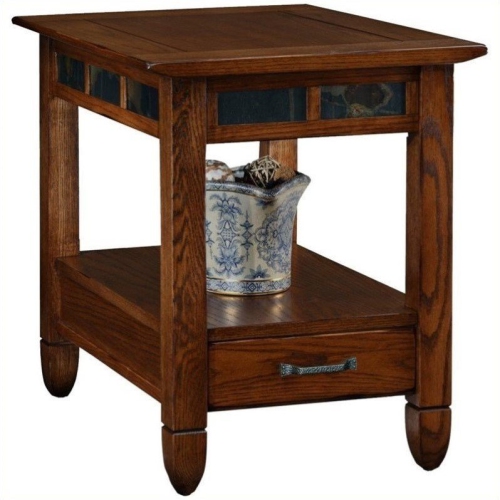

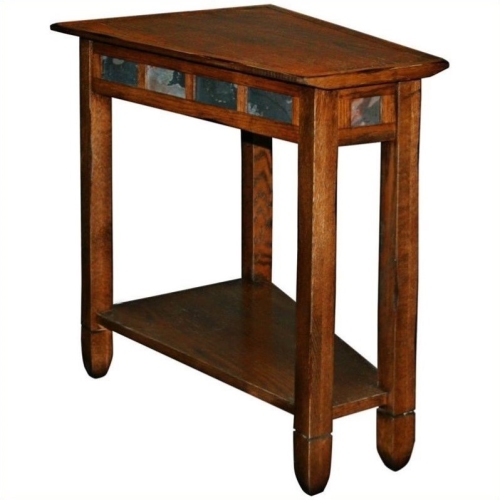
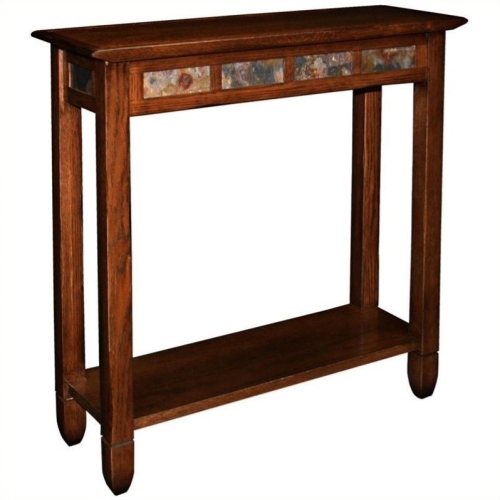

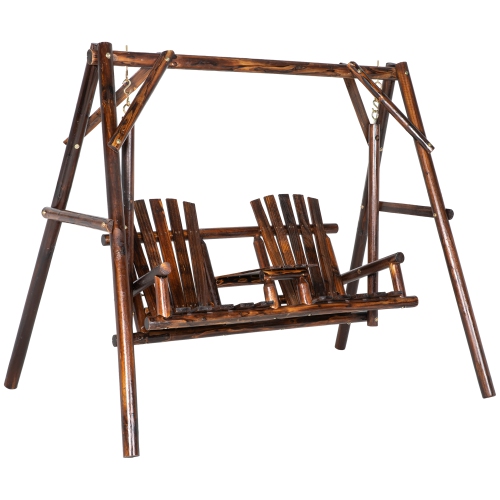
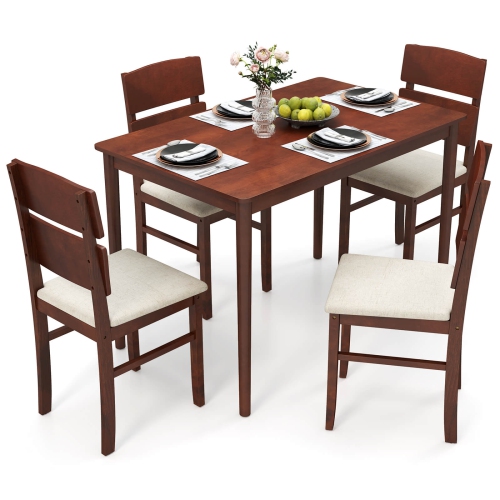
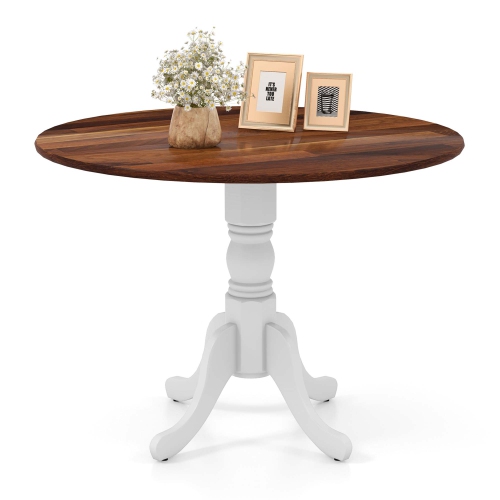
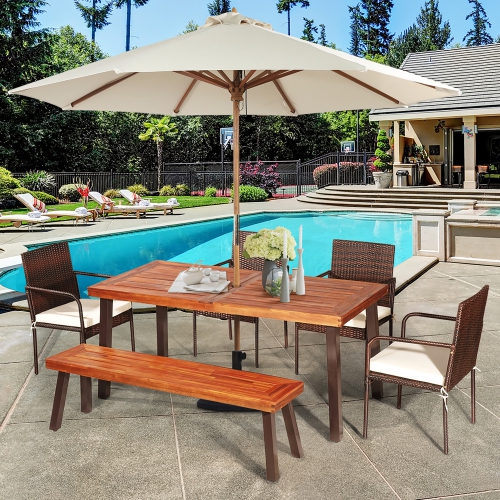

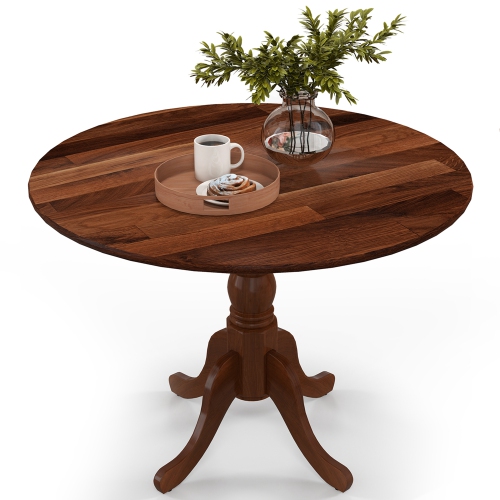

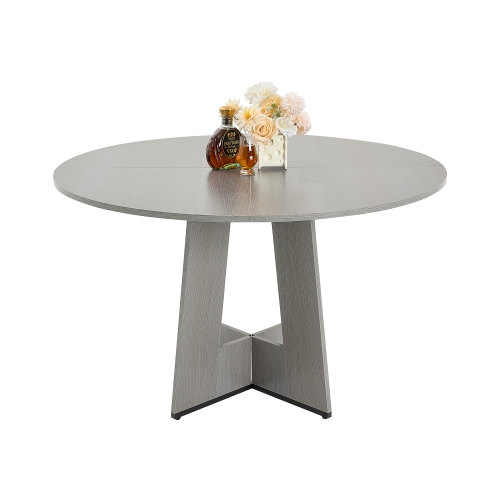

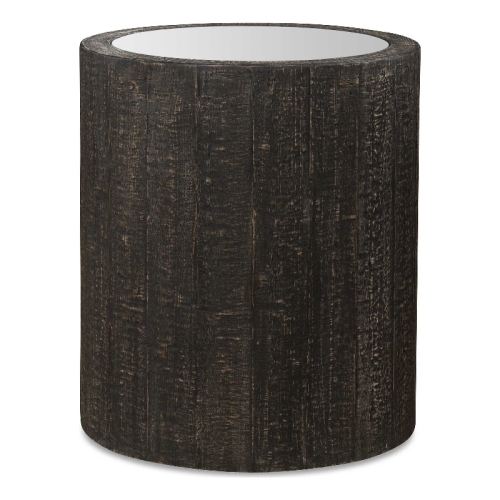
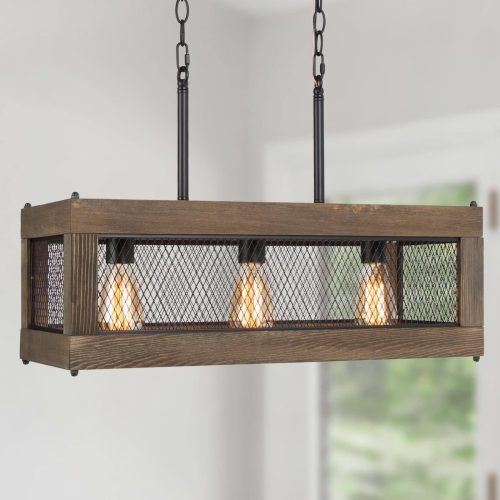
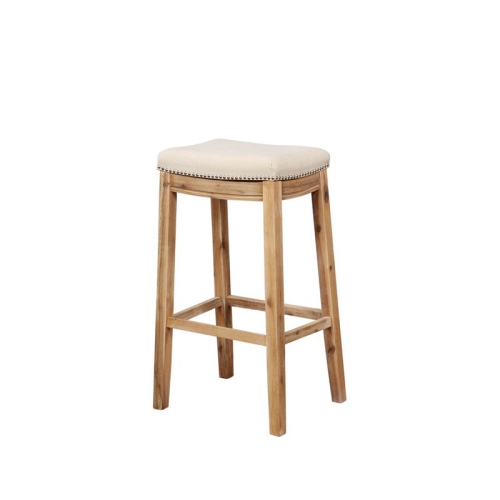
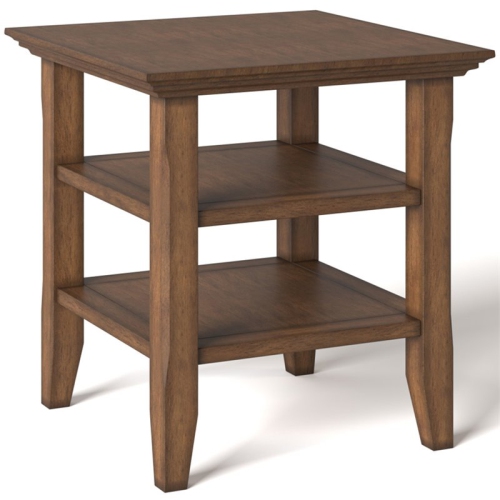
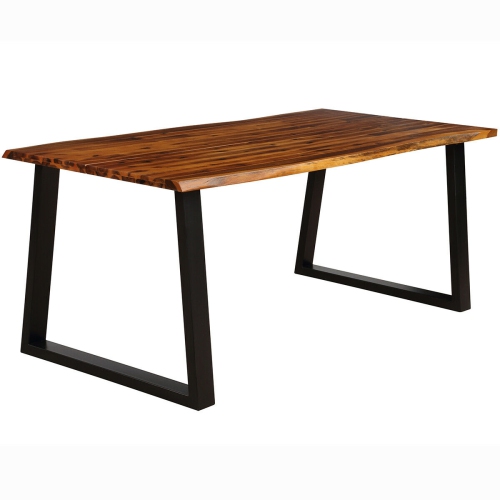
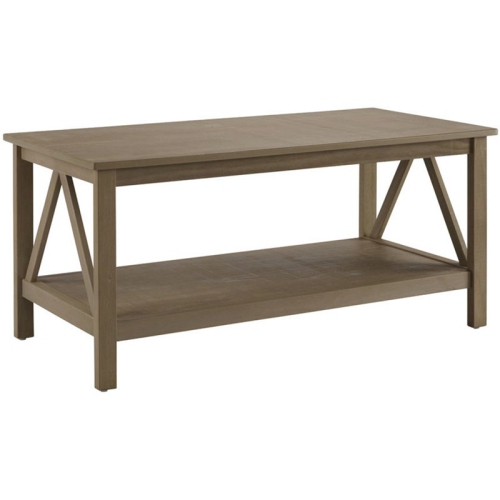
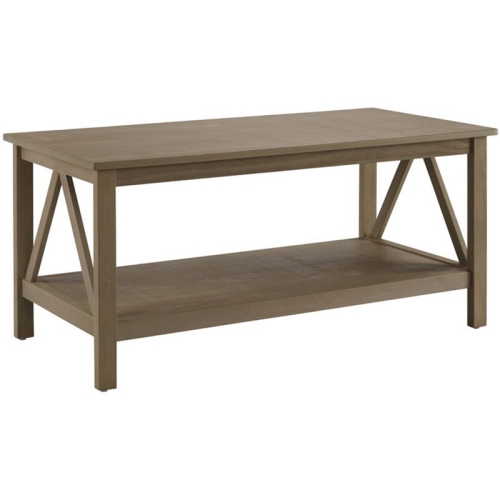
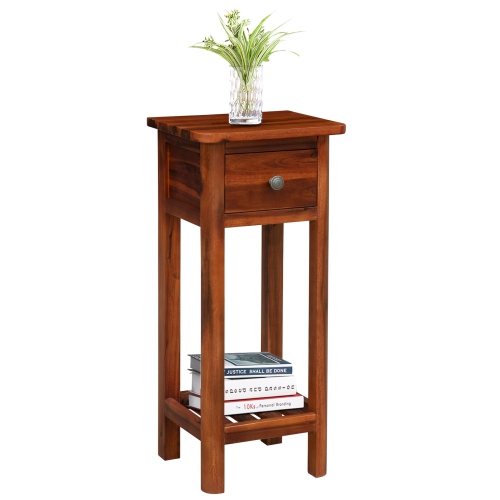
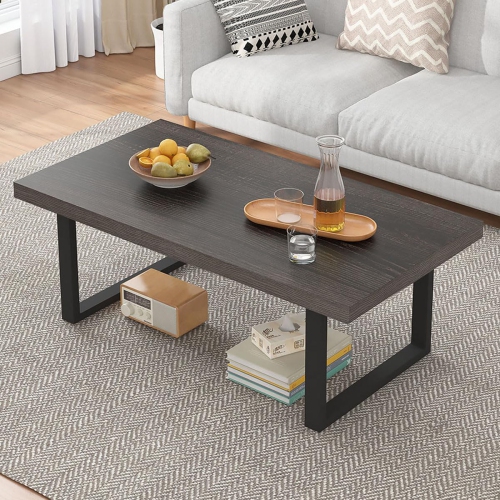
Rustic character doesn’t have to mean oversized furniture
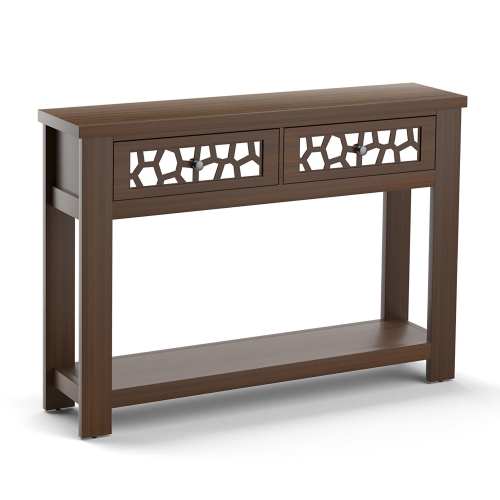
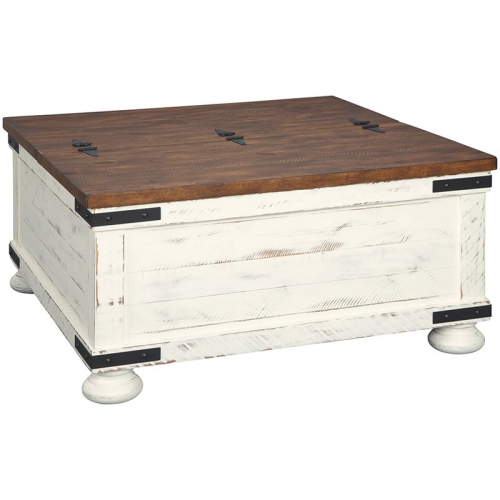
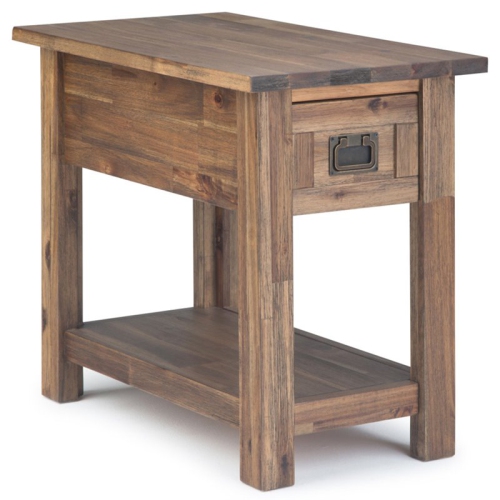
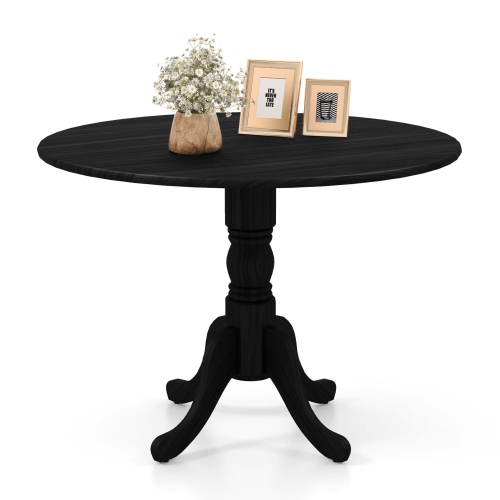
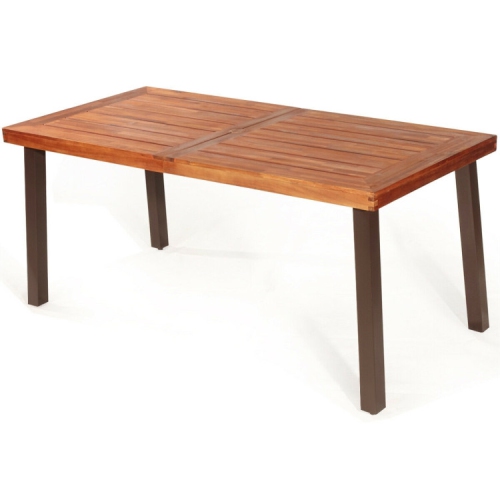
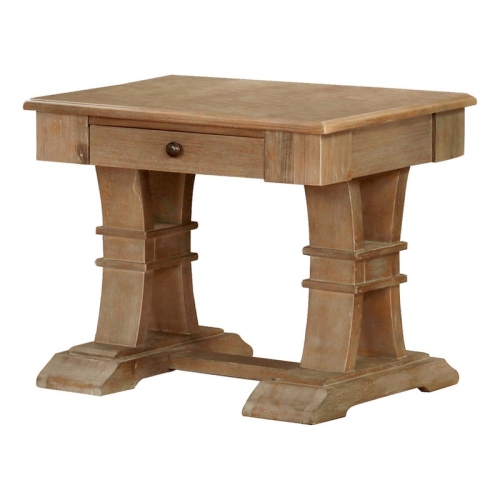
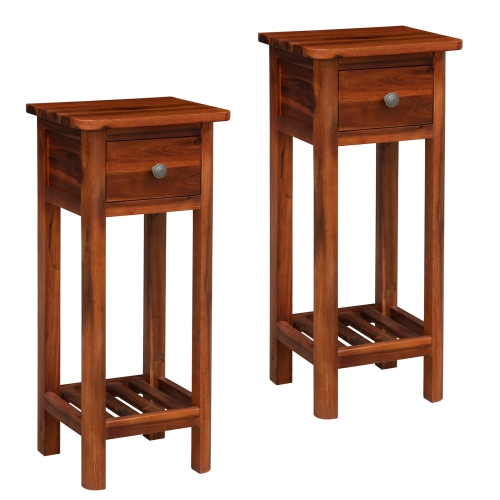
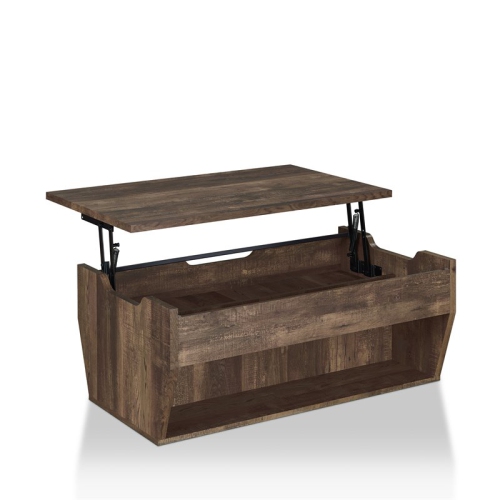
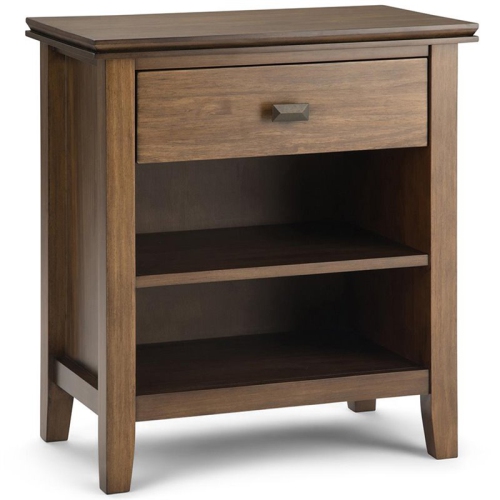
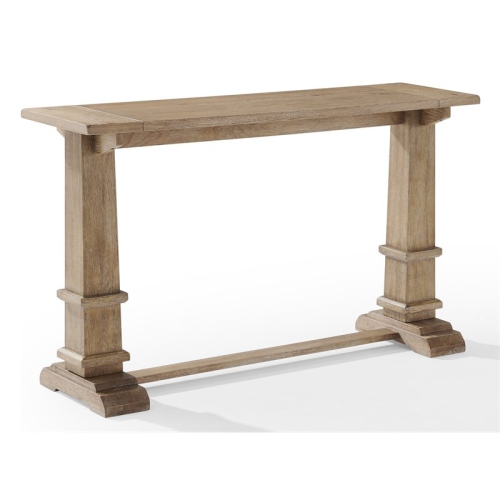
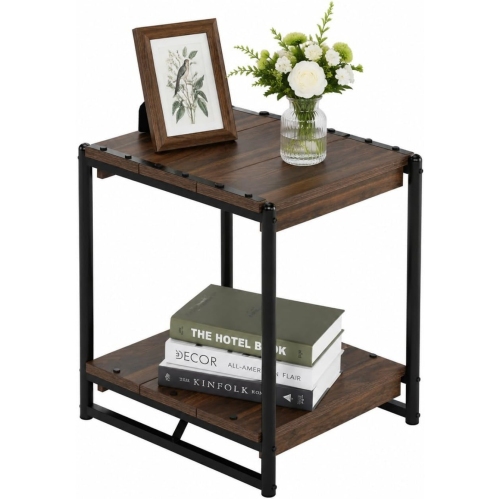
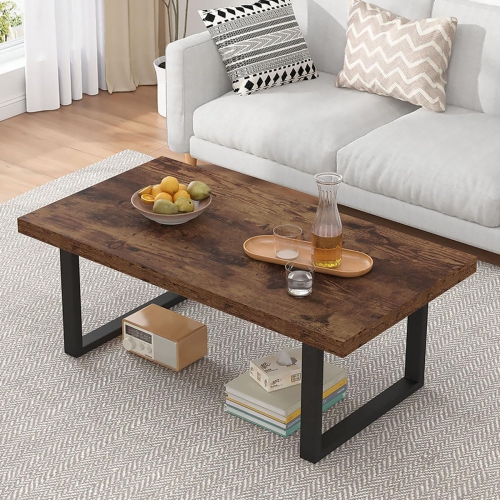
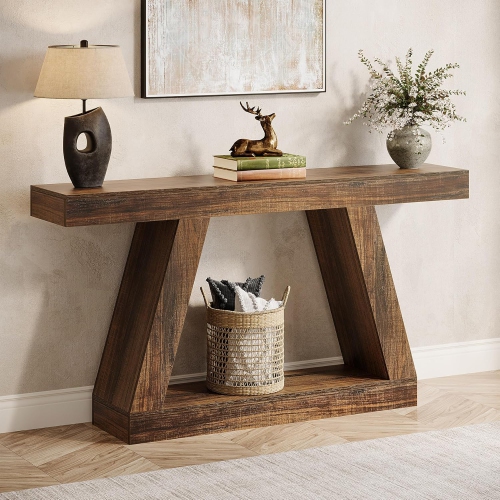
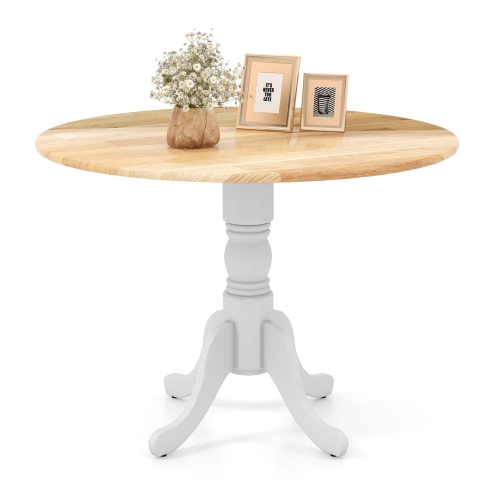
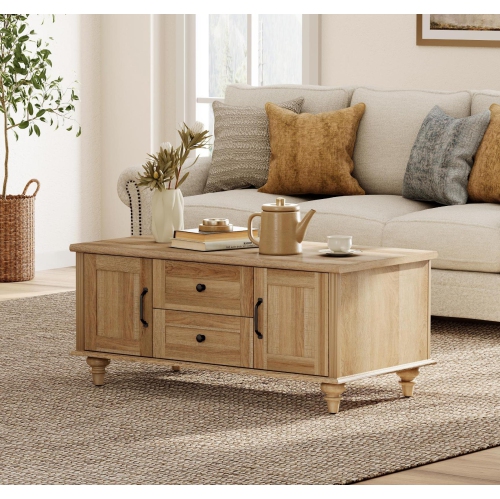
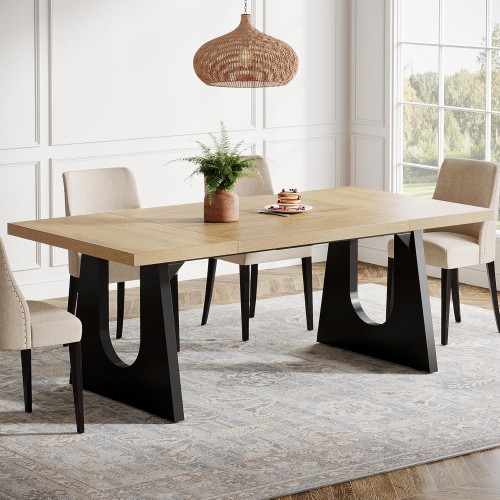
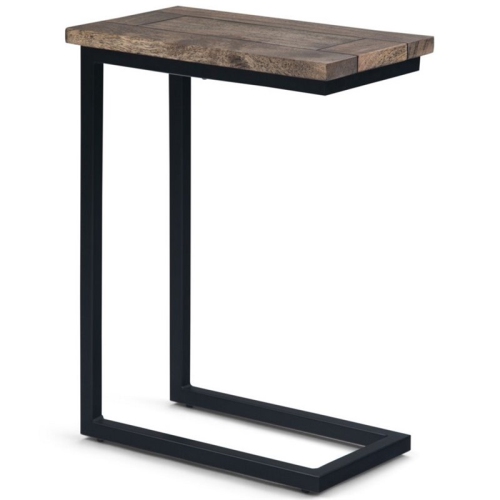
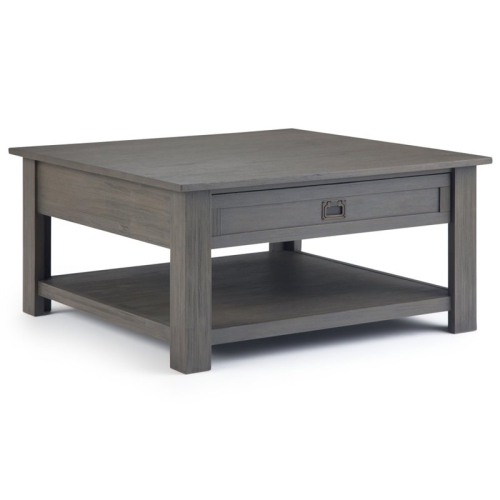
Rustic wood tables bring texture and a sense of ease to a room, with visible grain, varied tones, and surfaces that feel comfortably lived with rather than overly formal. The look can range from a substantial dining table with a plank-style top to a slim console with gently distressed edges, so rustic does not have to mean heavy or oversized. Some designs emphasize knots, saw marks, and uneven colour; others pair a smoother wood surface with simple legs for a quieter interpretation. A honey-toned table can soften a room filled with grey upholstery, while a deeper brown finish can give pale walls and woven fabrics more contrast. Wood paired with black metal often leans towards an industrial style, whereas turned legs and softened corners suggest a farmhouse influence. These details help rustic tables sit naturally alongside both traditional furniture and clean-lined contemporary pieces. In a dining area, a broad tabletop creates a place for shared meals, homework, and board games. In a living room, a coffee table gives everyday objects a practical home without making the space feel too polished to use. An entryway console can hold a tray for keys and a lamp, provided its depth leaves a comfortable route past the door. Smaller accent tables are useful where a full-size piece would crowd the room, particularly beside an armchair or at the end of a sofa. For a coordinated surface within reach of a seat, rustic wood side tables can carry the same warmth into a more compact footprint. Matching every wood tone is not essential: a shared undertone, similar leg shape, or repeated metal finish can tie different pieces together. The most convincing combinations leave room for contrast, allowing the table’s grain and proportions to contribute character without competing with everything around it. A rug, upholstered chair, or ceramic lamp can add a softer counterpoint to a strongly textured tabletop.
Materials and construction influence how a rustic wood table looks, feels, and stands up to daily use. Solid wood shows natural variation throughout the timber, and some solid wood surfaces can be refinished when their condition and finish allow. Different species have different characteristics: pine tends to mark more readily than many hardwoods, while oak often has a pronounced grain that remains visible through a stained finish. Neither a darker stain nor a thicker-looking top alone establishes durability. A wood veneer is a thin layer of real wood applied over a supporting core, offering natural grain with a different construction from solid timber. Veneered surfaces require care around edges and cannot generally tolerate the same depth of sanding as solid wood. Wood-look finishes on engineered panels provide another interpretation of the style, though their care and repair requirements differ from those of natural wood. Product descriptions should distinguish these materials rather than relying on the rustic appearance to tell the whole story. Surface texture matters just as much in everyday situations. Deep grooves and pronounced saw marks may suit a table used mainly for display, but a smoother top is often more practical for wiping up crumbs, writing a note, or setting down a glass. A distressed finish can make small signs of wear less conspicuous, but it does not make the surface resistant to scratches, moisture, or heat. Construction details also deserve attention: secure joints, properly fitted hardware, and a base suited to the size of the top all contribute to stability. A trestle base creates a substantial silhouette, although its crosspieces may affect where feet and chairs can sit. Metal legs can offer a more open appearance, but their placement still determines usable space underneath. For households with young children, rounded corners and a stable design may be especially useful considerations. Any stated load limits and assembly requirements remain important, whether the table will support dinnerware, a lamp, or a collection of oversized books.
A good fit depends on more than the tabletop dimensions. In a dining space, chairs need room to pull out, people need a clear route behind seated guests, and the table’s legs should not force place settings into awkward positions. An apron beneath the top can reduce thigh clearance, particularly with taller seats or armchairs, so the relationship between the chair and table matters as much as their separate measurements. Round tables can make conversation feel more immediate and remove sharp corners from a compact layout, while rectangular tables often follow the proportions of a longer room. Extension designs offer flexibility for shared meals and gatherings, with the additional practical question of where removable leaves will be stored. Beside a sofa, a coffee table should be comfortably reachable without blocking the path through the seating area; a side table works best when its surface is convenient to the adjacent seat and any lamp controls. Marking out the footprint on the floor can reveal whether a piece leaves enough space near a doorway, cabinet, or frequently used chair. Delivery access also matters, particularly in apartments with narrow hallways or stair landings. Once in place, straightforward care helps preserve both the finish and the details that give rustic wood its appeal. A soft cloth removes dust without scouring the surface, while spills are best blotted promptly rather than left around seams or edges. Coasters, placemats, and suitable protective pads help separate the finish from moisture, hot dishes, and rough-bottomed objects. Cleaning products should suit the manufacturer’s instructions; oils, waxes, and strong cleaners are not interchangeable across finishes. Felt pads beneath accessories can help prevent small scratches when a lamp or bowl is moved, and lifting objects rather than dragging them reduces unnecessary wear. With proportions that suit the room and a surface appropriate to its purpose, a rustic wood table can serve a busy family dining area, a first apartment, or a quiet reading corner with the same understated character. Its appeal rests in that balance of useful space, visible texture, and a style that feels at home in daily life.
Materials and construction influence how a rustic wood table looks, feels, and stands up to daily use. Solid wood shows natural variation throughout the timber, and some solid wood surfaces can be refinished when their condition and finish allow. Different species have different characteristics: pine tends to mark more readily than many hardwoods, while oak often has a pronounced grain that remains visible through a stained finish. Neither a darker stain nor a thicker-looking top alone establishes durability. A wood veneer is a thin layer of real wood applied over a supporting core, offering natural grain with a different construction from solid timber. Veneered surfaces require care around edges and cannot generally tolerate the same depth of sanding as solid wood. Wood-look finishes on engineered panels provide another interpretation of the style, though their care and repair requirements differ from those of natural wood. Product descriptions should distinguish these materials rather than relying on the rustic appearance to tell the whole story. Surface texture matters just as much in everyday situations. Deep grooves and pronounced saw marks may suit a table used mainly for display, but a smoother top is often more practical for wiping up crumbs, writing a note, or setting down a glass. A distressed finish can make small signs of wear less conspicuous, but it does not make the surface resistant to scratches, moisture, or heat. Construction details also deserve attention: secure joints, properly fitted hardware, and a base suited to the size of the top all contribute to stability. A trestle base creates a substantial silhouette, although its crosspieces may affect where feet and chairs can sit. Metal legs can offer a more open appearance, but their placement still determines usable space underneath. For households with young children, rounded corners and a stable design may be especially useful considerations. Any stated load limits and assembly requirements remain important, whether the table will support dinnerware, a lamp, or a collection of oversized books.
A good fit depends on more than the tabletop dimensions. In a dining space, chairs need room to pull out, people need a clear route behind seated guests, and the table’s legs should not force place settings into awkward positions. An apron beneath the top can reduce thigh clearance, particularly with taller seats or armchairs, so the relationship between the chair and table matters as much as their separate measurements. Round tables can make conversation feel more immediate and remove sharp corners from a compact layout, while rectangular tables often follow the proportions of a longer room. Extension designs offer flexibility for shared meals and gatherings, with the additional practical question of where removable leaves will be stored. Beside a sofa, a coffee table should be comfortably reachable without blocking the path through the seating area; a side table works best when its surface is convenient to the adjacent seat and any lamp controls. Marking out the footprint on the floor can reveal whether a piece leaves enough space near a doorway, cabinet, or frequently used chair. Delivery access also matters, particularly in apartments with narrow hallways or stair landings. Once in place, straightforward care helps preserve both the finish and the details that give rustic wood its appeal. A soft cloth removes dust without scouring the surface, while spills are best blotted promptly rather than left around seams or edges. Coasters, placemats, and suitable protective pads help separate the finish from moisture, hot dishes, and rough-bottomed objects. Cleaning products should suit the manufacturer’s instructions; oils, waxes, and strong cleaners are not interchangeable across finishes. Felt pads beneath accessories can help prevent small scratches when a lamp or bowl is moved, and lifting objects rather than dragging them reduces unnecessary wear. With proportions that suit the room and a surface appropriate to its purpose, a rustic wood table can serve a busy family dining area, a first apartment, or a quiet reading corner with the same understated character. Its appeal rests in that balance of useful space, visible texture, and a style that feels at home in daily life.
Top selling and popular products
-
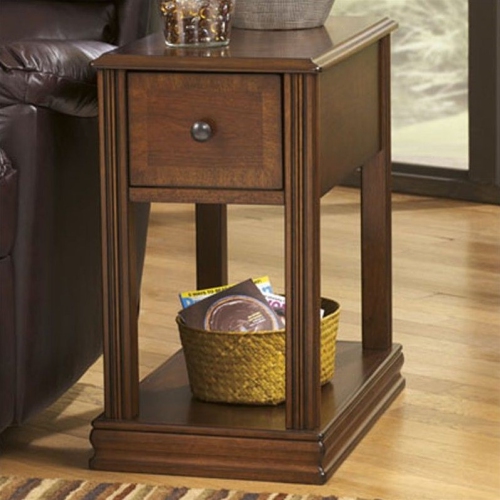 Your price for this item is $380.94
 -
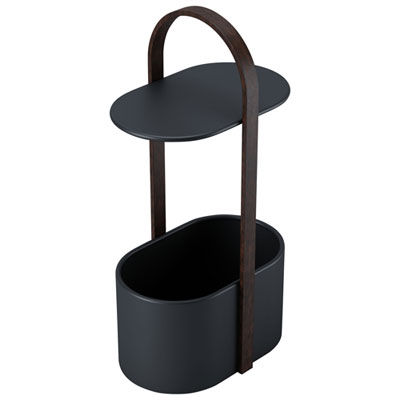 Your price for this item is $93.98
 -
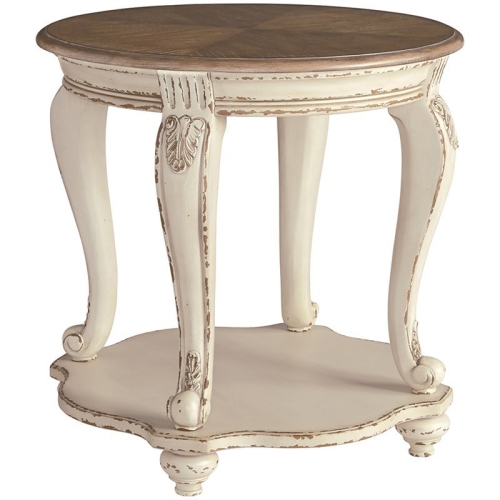 Your price for this item is $369
 -
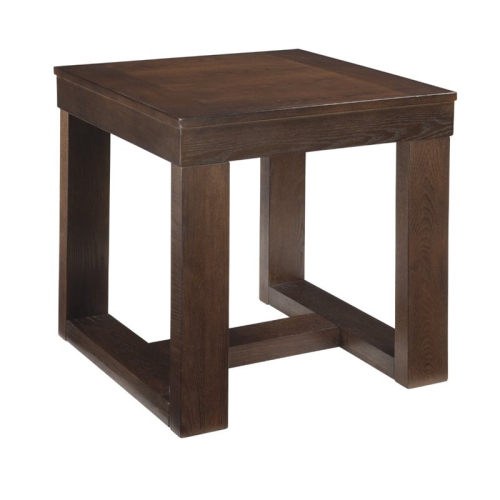 Your price for this item is $199
 -
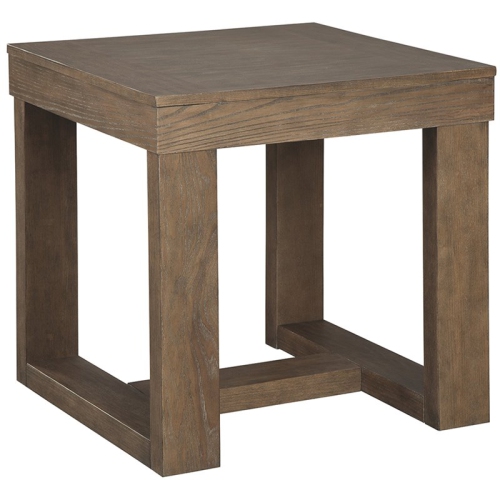 Your price for this item is $414.29
 -
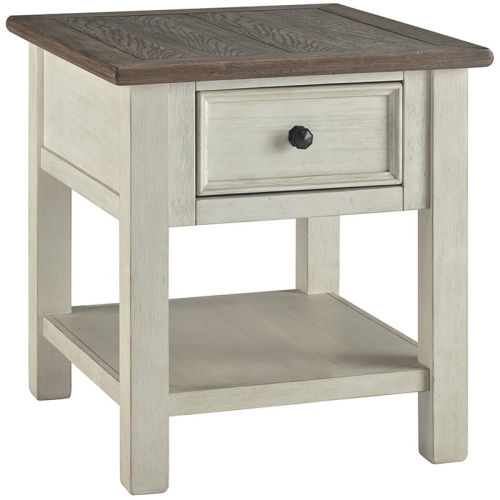 Your price for this item is $399
 -
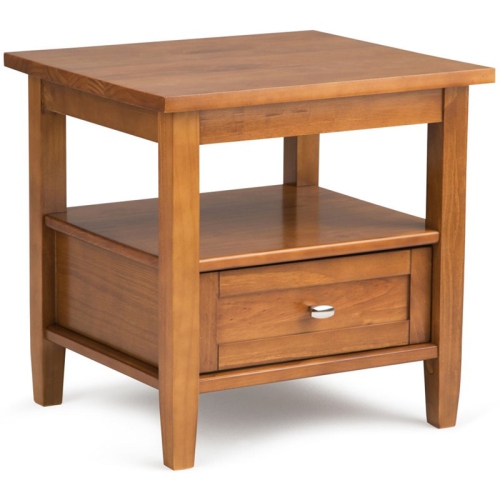 Your price for this item is $377.95
 -
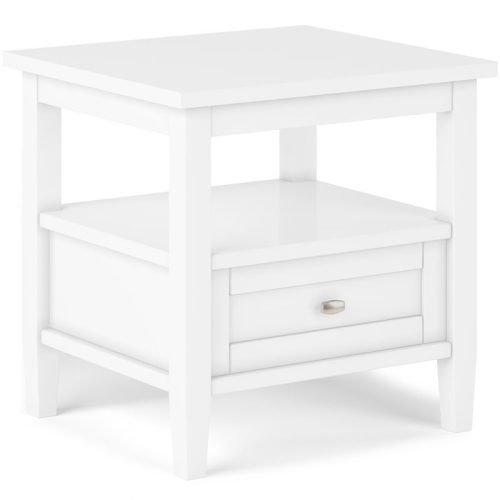 Your price for this item is $390.61
Discover more categories related to Rustic Wood Tables
Top Collections:
Pokemon Centers, Budget 4K TVs, Kindle Devices, Canon G7X Cameras, Apple iPhones 16, iPhone 15 Apple, Laptops for Business Work, Flip Phones, Xiaomi Phones, Refurbished Apple Laptops
Some products may be subject to Environmental Handling Fees
(EHF) depending on your province.
Learn more about EHFs.