Saddle Leather Chairs
Upgrade your living space with the timeless elegance of saddle leather chairs. Crafted with care and attention to detail, these chairs are designed to add a touch of sophistication to any room. Whether you're looking for a comfortable accent chair for your reading nook or a stylish addition to your dining area, our collection of saddle leather chairs offers a variety of options to suit your style and needs. From classic designs to modern twists, explore our range of saddle leather chairs and discover the perfect piece to elevate your home decor.
Sort

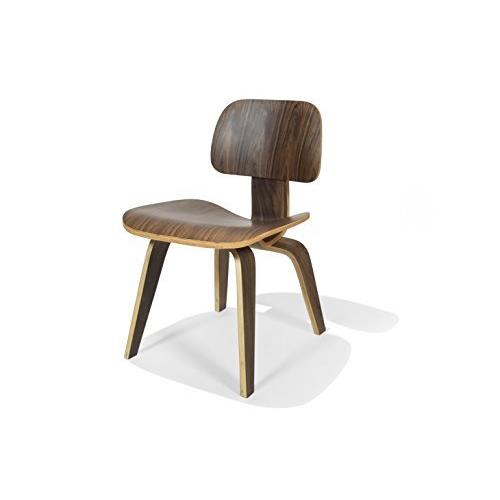
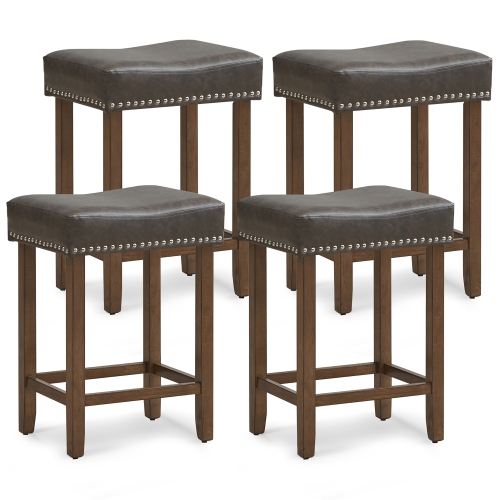
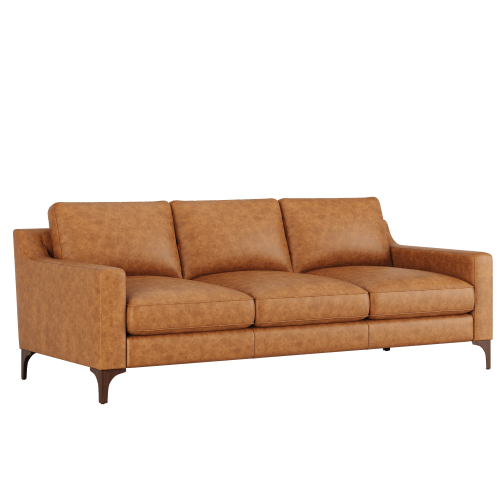
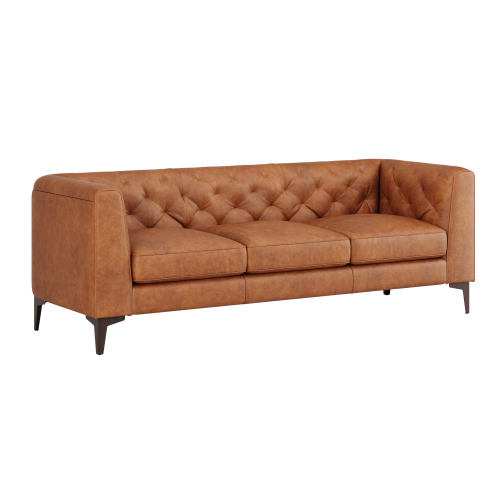
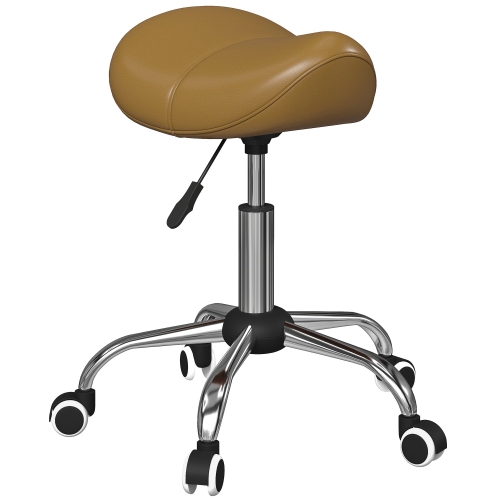
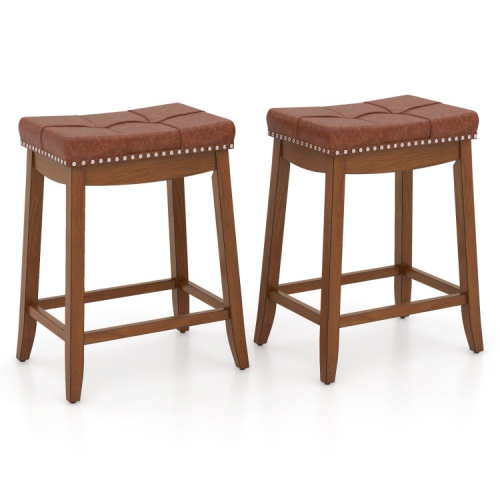
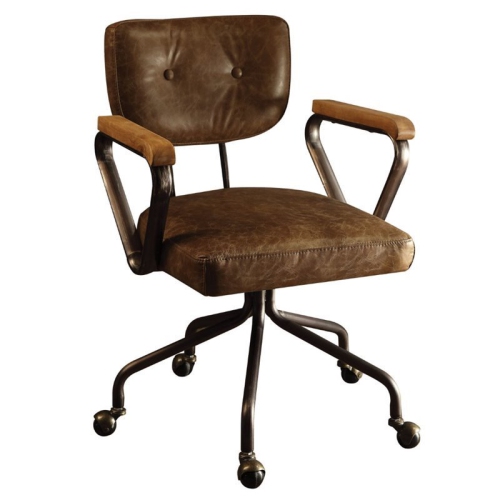

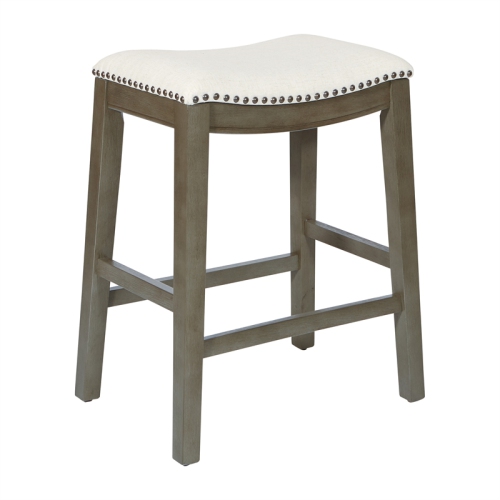
Saddle brown tells only part of a chair’s story
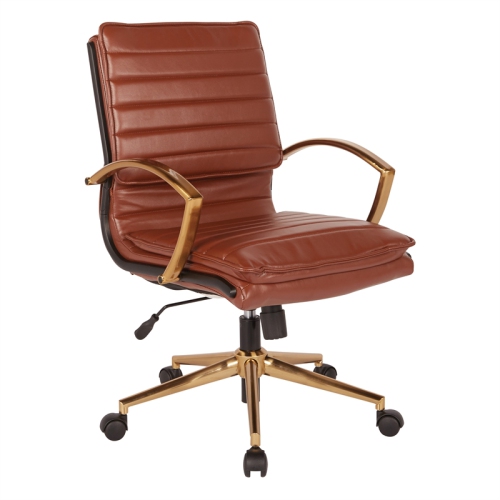
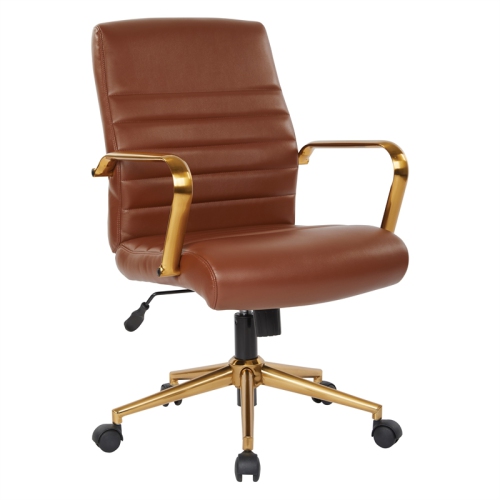
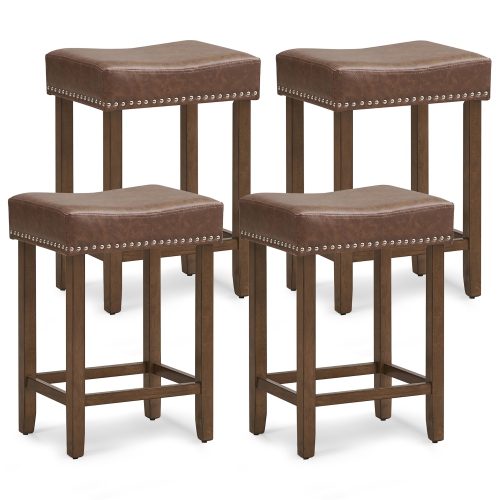
Saddle leather chairs bring warm colour, visible texture, and a substantial feel to dining areas, living rooms, and quieter corners of the home. The name can describe chairs made with firm, thick leather associated with saddlery, but it can also refer to a saddle-brown upholstery colour rather than a particular leather grade or construction. That distinction matters: a softly padded chair in a golden-brown finish may look quite different from a chair with taut leather panels stretched across an exposed frame, even when both share the same description. Saddle tones generally fall within a warm brown range, from honey and caramel to deeper cognac and chestnut, although colour names vary between manufacturers. Against a pale wall, these shades add definition without the stronger contrast of black upholstery; beside walnut furniture or a patterned rug, they can help tie together a room’s warmer accents. The character comes from more than colour alone. Broad leather panels give a chair a clean, architectural outline, while stitched edges, woven straps, and shaped wooden arms introduce detail that is noticeable up close. Some designs draw directly on equestrian styling, while others use saddle-coloured leather in understated modern forms. A low lounge chair can make a reading corner feel distinct from the main seating area, and a more upright dining chair can bring the same material into everyday meals. Leather also has natural variation: grain, subtle markings, and differences in how a finish takes colour can give genuine hides an individual appearance. With use, some leather finishes develop a patina, a gradual change in sheen and colour that adds depth to the surface. Others have protective coatings designed to maintain a more uniform look. Neither appearance is universal, so the stated upholstery type and finish are more useful than the word “saddle” alone when assessing how a chair may feel and age.
Comfort depends on the relationship between the leather, the frame, and the person sitting in the chair. Firm leather suspended between supports can offer a gently yielding seat without thick padding, while upholstered cushions create a different feel that depends on their filling and construction. A deep seat may suit someone who likes to lean back with a book, but it can leave a shorter person sitting forward without back support. For dining or conversation, a shallower seat and a more upright back often make it easier to sit with feet resting comfortably on the floor. Seat height should work with the table or desk, leaving enough clearance for legs, and armrests need to fit beneath the tabletop or apron if the chair is meant to tuck in. Overall width matters just as much as seat width: flared arms and angled legs can occupy more floor space than their seating surface suggests. Around a dining table, allow room to pull chairs out without blocking a doorway or pressing into neighbouring furniture. In a smaller apartment, an open frame can keep sightlines clear, though its footprint still needs to suit the room. Armless silhouettes, including Leather Side Chairs, can be useful where easy movement around a table is a priority. Construction details help distinguish seating intended for regular meals from pieces better suited to occasional use. Secure joints, appropriate seat support, neatly finished edges, and the manufacturer’s stated weight capacity all deserve attention. Solid wood and metal frames can both provide dependable support when well designed; a frame’s material alone does not establish its strength. Floor protectors are useful beneath either type, especially on hardwood. For someone furnishing a home office, a leather accent chair can provide visitor seating, but its appearance does not make it a substitute for an adjustable task chair during long desk sessions. As a housewarming or shared household gift, seating works best when the recipient’s room measurements, comfort preferences, and existing furniture are known.
The leather description offers important clues about durability and upkeep. Full-grain leather retains the hide’s outer grain surface, while top-grain leather is generally corrected or sanded to produce a more even appearance. These terms do not, on their own, determine softness, thickness, or resistance to staining. Aniline-dyed leather typically shows more natural variation and can be more sensitive to spills; semi-aniline and pigmented finishes usually add varying levels of surface protection. Bonded leather and synthetic leather alternatives have different compositions and wear patterns, so they should not be treated as interchangeable with full-grain or top-grain upholstery. For a chair used at every meal, the finish’s cleaning requirements may matter more than a richly varied surface. For a reading chair used away from food and drinks, a more expressive grain may be part of the appeal. In households with children or pets, no leather should be assumed scratchproof or stainproof, and exposed straps or edges may need particular care. Routine maintenance usually begins with gentle dusting using a soft, dry cloth and, where the construction allows, careful vacuuming around seams with a suitable soft attachment. Spills are best blotted promptly rather than rubbed, following the manufacturer’s care directions for that finish. Avoid soaking the leather or experimenting with household detergents, alcohol-based cleaners, furniture polish, or saddle soap; a product intended for riding equipment is not automatically suitable for furniture upholstery. Any approved cleaner or conditioner should first be tested in an inconspicuous area. Positioning also affects how the chair ages. Prolonged direct sunlight can alter colour, while placement beside a radiator, fireplace, or heating vent may dry the surface. Leather can soften and develop creases through ordinary use, but peeling, split seams, or loose supports are not simply patina. Matching the upholstery finish, dimensions, and care needs to the chair’s everyday role helps preserve both its comfort and its distinctive appearance, whether it anchors a quiet corner or takes a place at the dining table.
Comfort depends on the relationship between the leather, the frame, and the person sitting in the chair. Firm leather suspended between supports can offer a gently yielding seat without thick padding, while upholstered cushions create a different feel that depends on their filling and construction. A deep seat may suit someone who likes to lean back with a book, but it can leave a shorter person sitting forward without back support. For dining or conversation, a shallower seat and a more upright back often make it easier to sit with feet resting comfortably on the floor. Seat height should work with the table or desk, leaving enough clearance for legs, and armrests need to fit beneath the tabletop or apron if the chair is meant to tuck in. Overall width matters just as much as seat width: flared arms and angled legs can occupy more floor space than their seating surface suggests. Around a dining table, allow room to pull chairs out without blocking a doorway or pressing into neighbouring furniture. In a smaller apartment, an open frame can keep sightlines clear, though its footprint still needs to suit the room. Armless silhouettes, including Leather Side Chairs, can be useful where easy movement around a table is a priority. Construction details help distinguish seating intended for regular meals from pieces better suited to occasional use. Secure joints, appropriate seat support, neatly finished edges, and the manufacturer’s stated weight capacity all deserve attention. Solid wood and metal frames can both provide dependable support when well designed; a frame’s material alone does not establish its strength. Floor protectors are useful beneath either type, especially on hardwood. For someone furnishing a home office, a leather accent chair can provide visitor seating, but its appearance does not make it a substitute for an adjustable task chair during long desk sessions. As a housewarming or shared household gift, seating works best when the recipient’s room measurements, comfort preferences, and existing furniture are known.
The leather description offers important clues about durability and upkeep. Full-grain leather retains the hide’s outer grain surface, while top-grain leather is generally corrected or sanded to produce a more even appearance. These terms do not, on their own, determine softness, thickness, or resistance to staining. Aniline-dyed leather typically shows more natural variation and can be more sensitive to spills; semi-aniline and pigmented finishes usually add varying levels of surface protection. Bonded leather and synthetic leather alternatives have different compositions and wear patterns, so they should not be treated as interchangeable with full-grain or top-grain upholstery. For a chair used at every meal, the finish’s cleaning requirements may matter more than a richly varied surface. For a reading chair used away from food and drinks, a more expressive grain may be part of the appeal. In households with children or pets, no leather should be assumed scratchproof or stainproof, and exposed straps or edges may need particular care. Routine maintenance usually begins with gentle dusting using a soft, dry cloth and, where the construction allows, careful vacuuming around seams with a suitable soft attachment. Spills are best blotted promptly rather than rubbed, following the manufacturer’s care directions for that finish. Avoid soaking the leather or experimenting with household detergents, alcohol-based cleaners, furniture polish, or saddle soap; a product intended for riding equipment is not automatically suitable for furniture upholstery. Any approved cleaner or conditioner should first be tested in an inconspicuous area. Positioning also affects how the chair ages. Prolonged direct sunlight can alter colour, while placement beside a radiator, fireplace, or heating vent may dry the surface. Leather can soften and develop creases through ordinary use, but peeling, split seams, or loose supports are not simply patina. Matching the upholstery finish, dimensions, and care needs to the chair’s everyday role helps preserve both its comfort and its distinctive appearance, whether it anchors a quiet corner or takes a place at the dining table.
Top selling and popular products
-
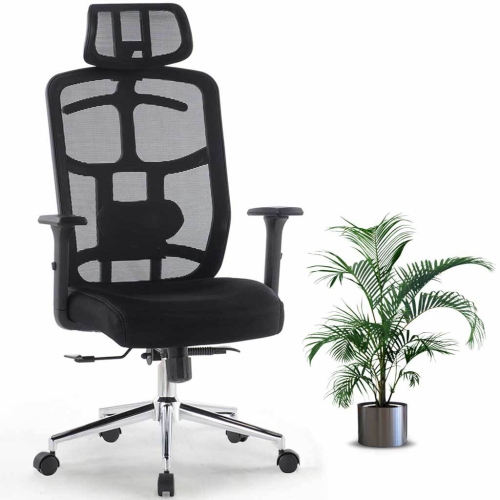 Your price for this item is $114.99
 -
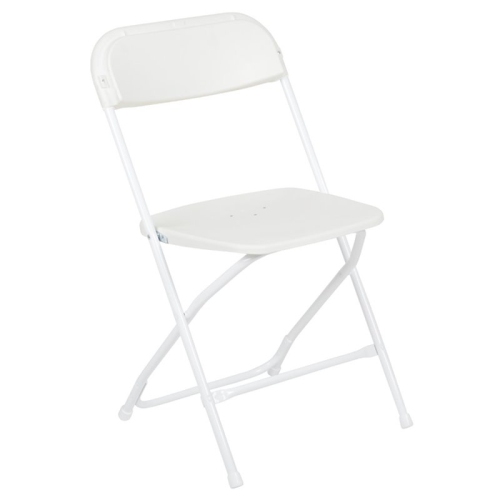 Your price for this item is $123
 -
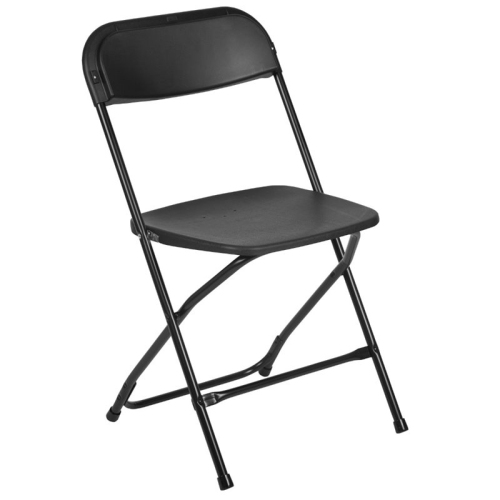 Your price for this item is $139.99
 -
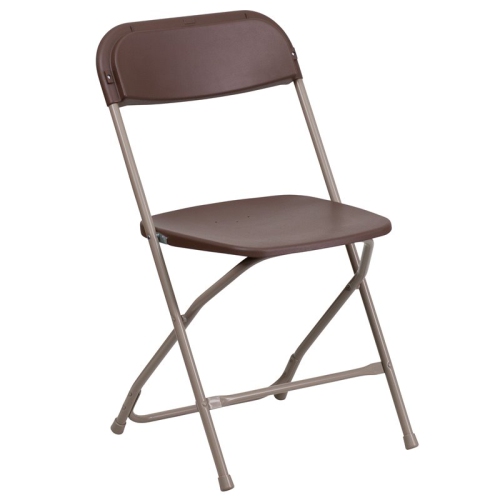 Your price for this item is $139.99
 -
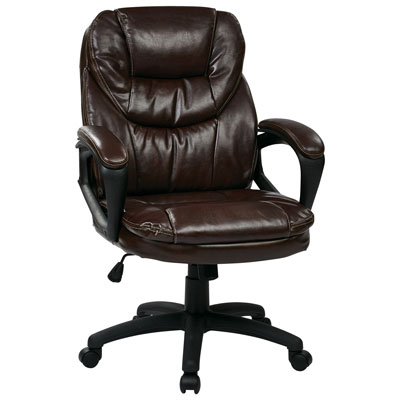 Your price for this item is $203.98
 -
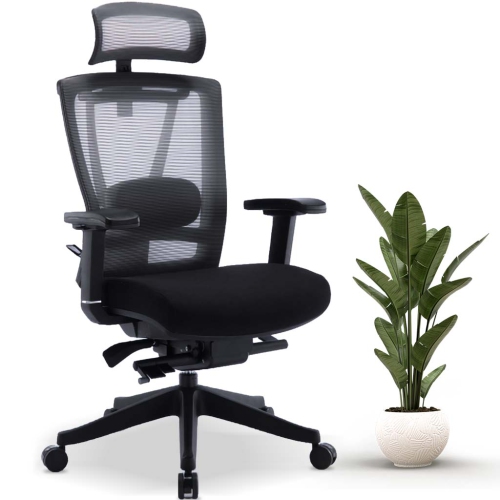 Your price for this item is $379.99
 -
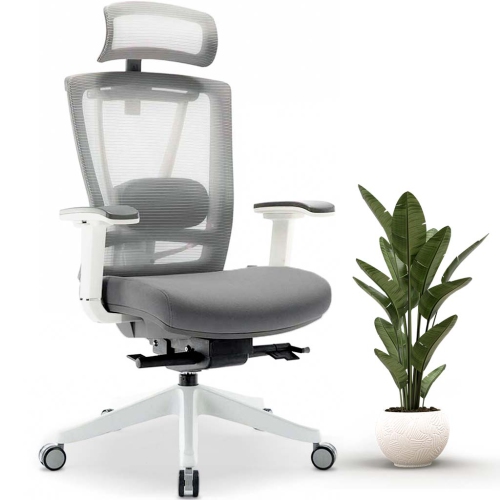 Your price for this item is $379.99
 -
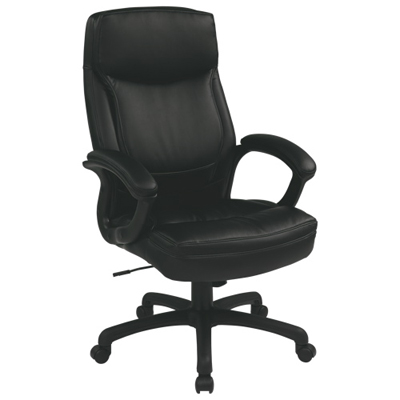 Your price for this item is $594.99
Discover more categories related to Saddle Leather Chairs


Top Collections:
Pokemon Centers, Kindle Devices, Best Budget Office Chairs, Apple iPhones 16, Best Laptops for Writers, iPhone 15 Apple, Canon G7X Cameras, Refurbished Apple Laptops, Alarm Clock, Motorola Razr Phones
Some products may be subject to Environmental Handling Fees
(EHF) depending on your province.
Learn more about EHFs.