Vintage Leather Chairs
Indulge in the timeless charm and sophistication of vintage leather chairs. Crafted with a blend of classic design and luxurious materials, these chairs exude elegance and character that can elevate any space in your home or office. Whether you're looking to add a touch of nostalgia to your decor or seeking a statement piece that stands the test of time, our collection of vintage leather chairs offers a range of styles, colors, and finishes to suit your personal taste and interior aesthetic. Discover the perfect blend of comfort and style with these exquisite pieces that are sure to become cherished additions to your living space.
Sort



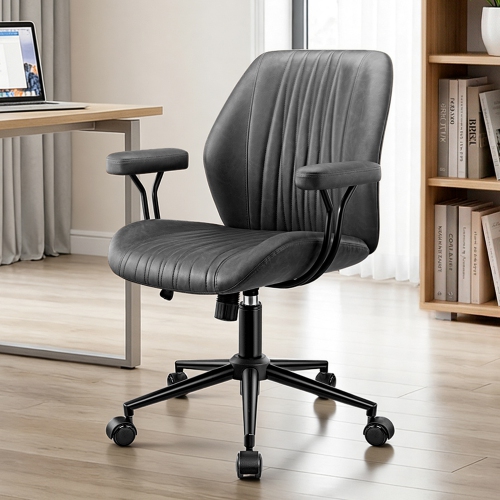
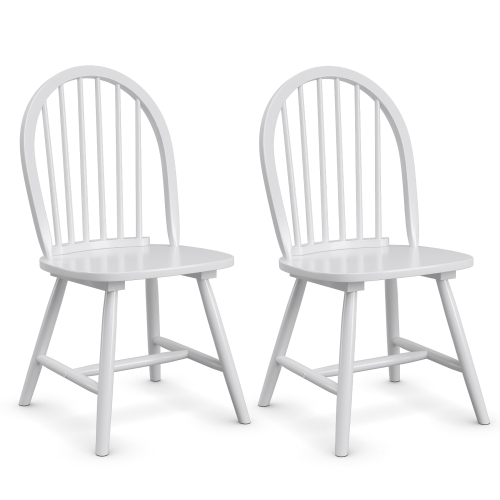
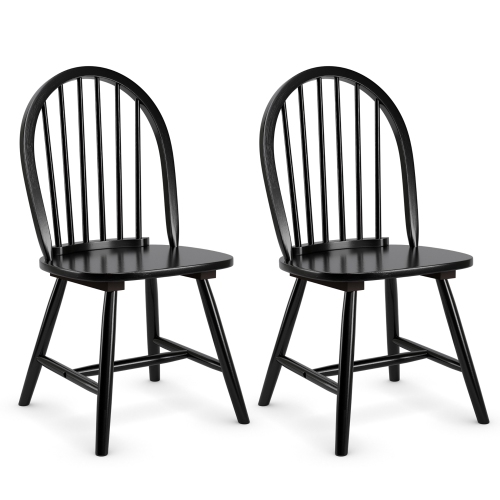
Craftsmanship and care shape lasting comfort and character
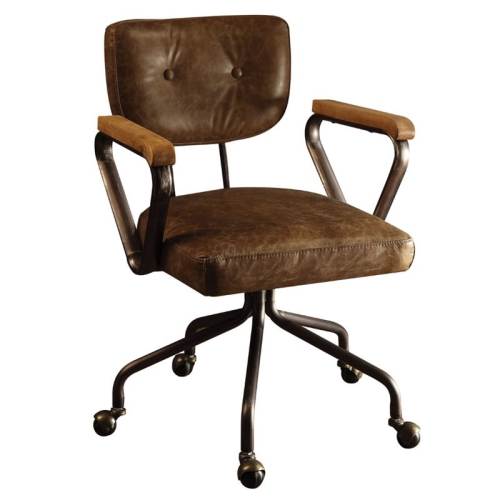
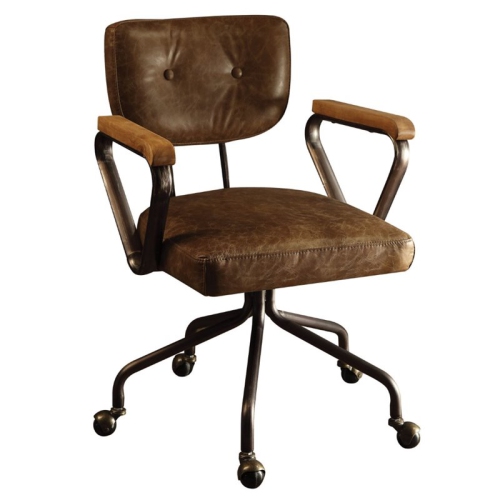
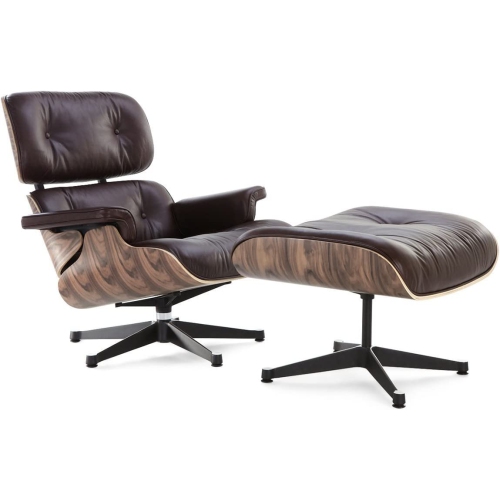
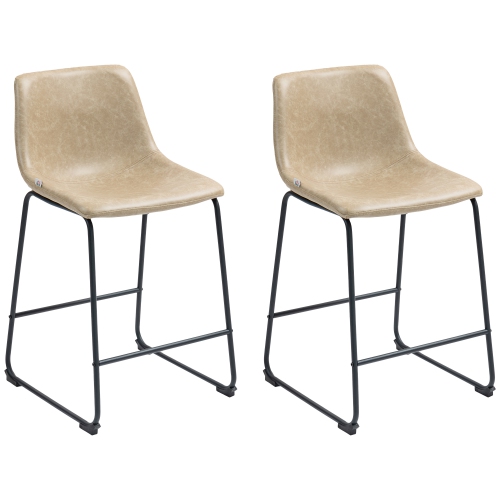
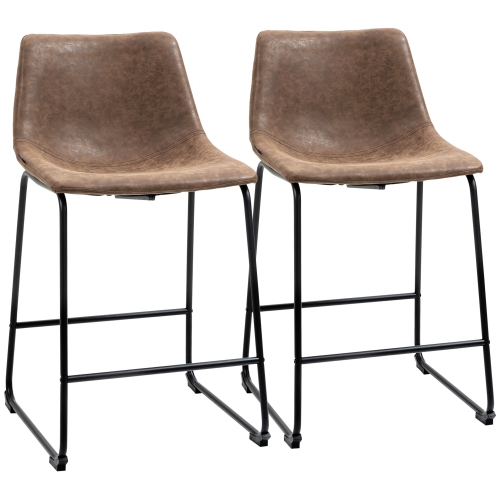
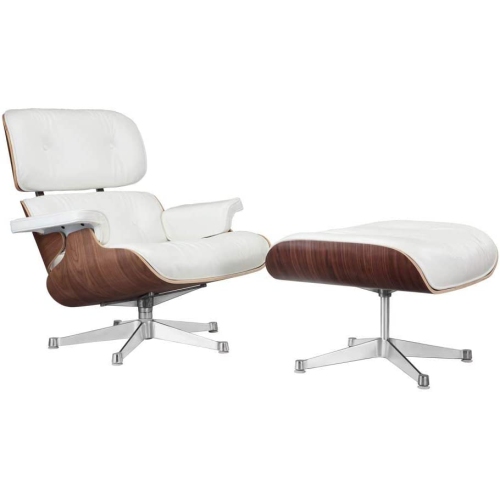
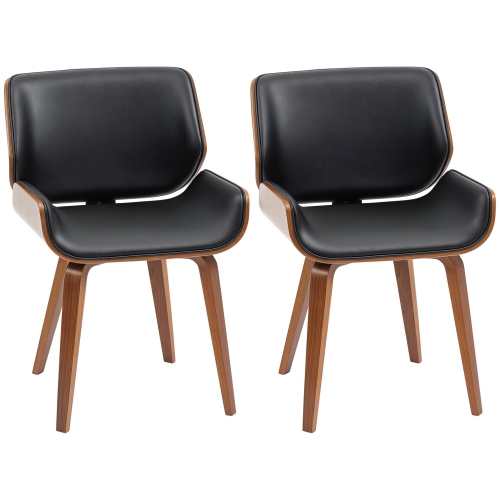
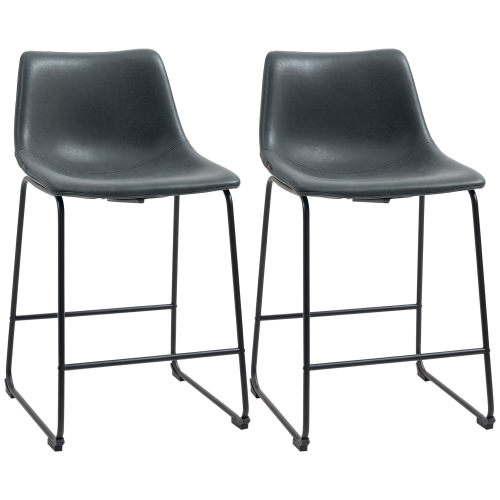
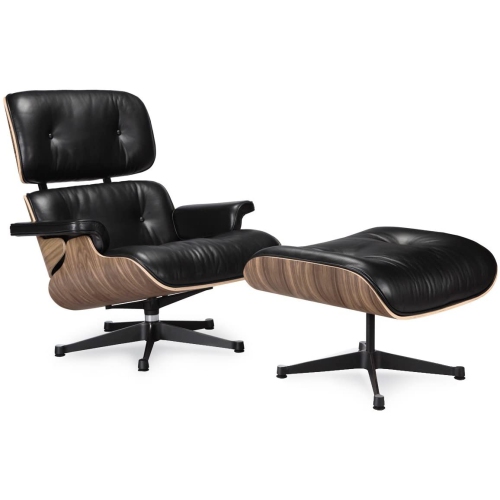
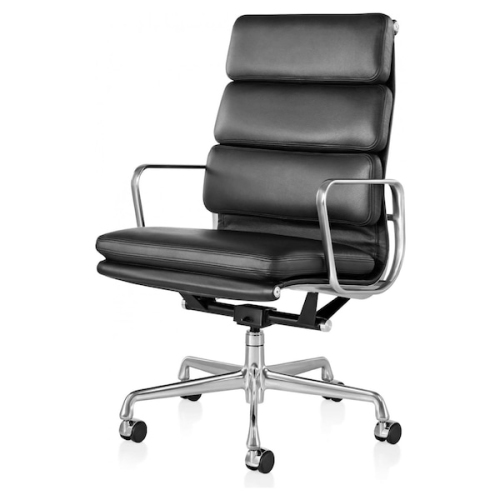
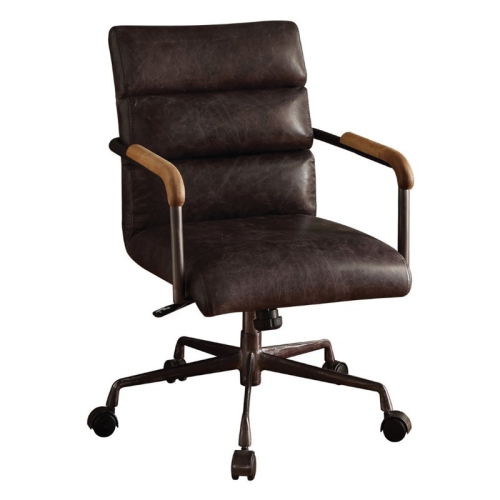
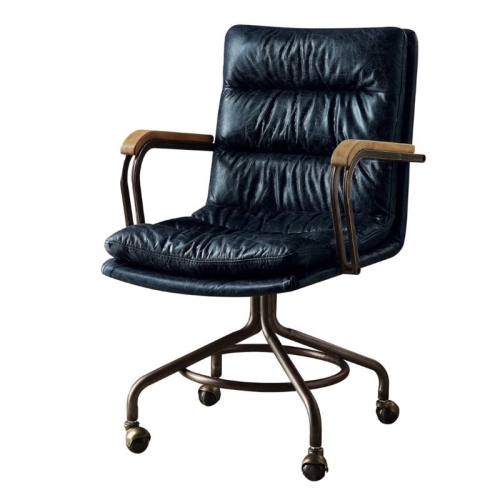
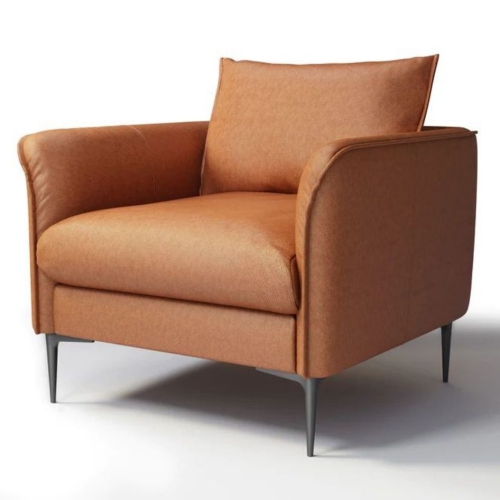
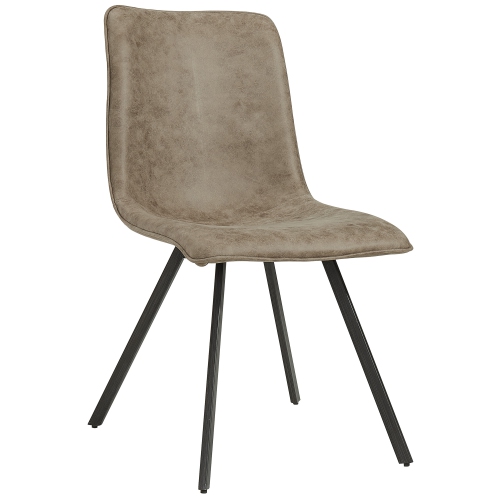
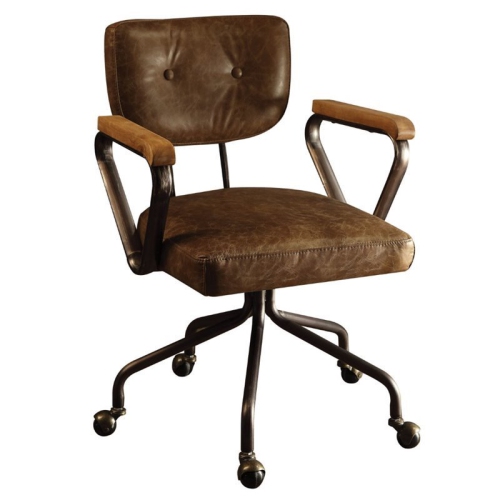
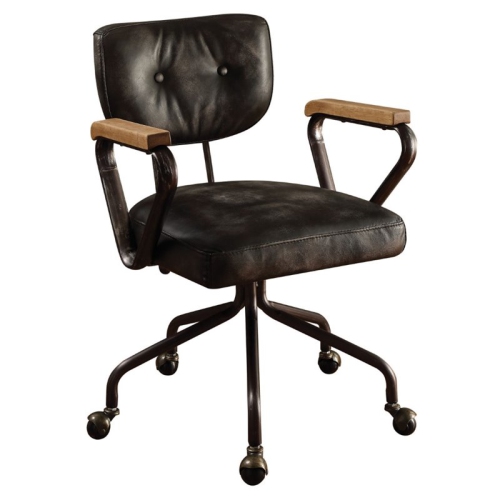
Vintage leather chairs bring a sense of history, comfort, and quiet character to a room. Their appeal comes from the way traditional furniture details work together: generously padded seats, supportive armrests, rounded or squared silhouettes, visible wood framing, deep button tufting, and carefully placed nailhead trim. A classic club chair can create a relaxed reading spot in a living room or study, while a Chesterfield-style armchair can give a den, library, or office a more formal presence. Mid-century-inspired executive chairs offer another interpretation of the vintage look, often with lower profiles, tapered legs, and a tailored shape suited to a home office or boardroom-style workspace. Genuine vintage leather gradually changes with use, developing a patina that may become softer, lighter, and more varied over time as the material responds to natural oils and everyday contact. New chairs can also deliver a vintage-inspired appearance through distressed, waxed, or antiqued finishes that reproduce the visual depth of aged leather without having already spent decades in another home. As you compare styles, consider the chair’s overall scale as carefully as its appearance. A deep, low club chair may feel wonderfully inviting but can take up more floor space than expected, particularly when positioned beside a coffee table or near a bookcase. Measure the available area, including room for the seat to recline slightly, for doors and drawers to open, and for people to walk comfortably around it. Seat height, cushion firmness, armrest width, and back support all affect how the chair feels during long reading sessions, conversations, or work periods. A high back and substantial arms can create a cosy, enclosed feeling, whereas a slimmer frame may suit a smaller room or a more open arrangement.
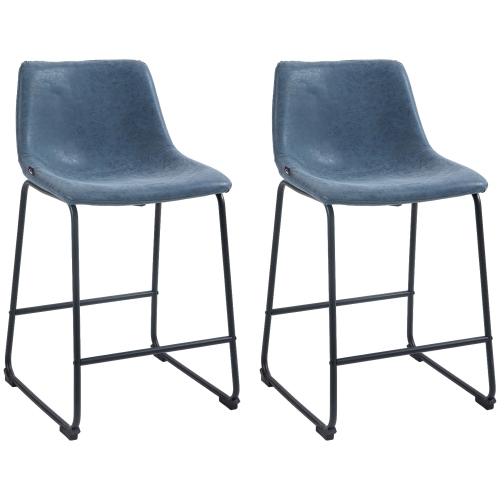
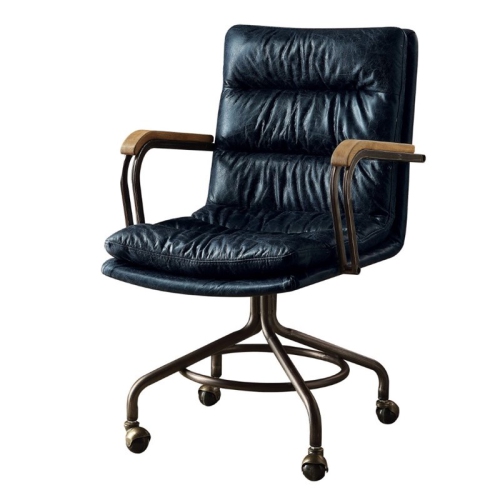
Construction is especially important when shopping for vintage leather chairs because their style is rooted in lasting craftsmanship. Look for a sturdy frame with reinforced joints and corner blocks, commonly made from hardwood or pine, and pay attention to how the legs, arms, and back connect. A well-built frame should feel stable when someone sits down or shifts position, without excessive rocking, creaking, or flexing. Upholstery should appear evenly fitted, with seams that are straight and securely finished. On tufted designs, buttons should sit firmly and maintain a consistent pattern, while nailhead trim should be neatly aligned rather than loosely attached. Leather itself can vary considerably in texture and finish. Full-grain and top-grain options generally retain more of the hide’s natural markings, while corrected or coated finishes may offer a more uniform appearance and easier cleaning. In a newly manufactured chair, an aged look may come from hand-applied waxes, colour variation, or deliberate distressing. These effects can make a chair feel established from the first day, but they are different from the naturally developed patina found on an authentic older piece. Colour also influences how the chair fits into a room. Brown and cognac tones pair naturally with wood, cream, charcoal, and warm neutrals; black leather adds definition to a modern or industrial setting; and Blue Leather Chairs can introduce a richer accent while retaining the tailored character associated with vintage furniture. Before choosing a finish, consider the room’s lighting, flooring, wall colour, and nearby textiles. A lighter leather may show surface variation more readily, while darker colours can create a weightier visual effect. If the chair will be used at a desk, confirm that the arms can slide beneath the work surface and that the seat height works with the desk or table. For a lounge chair, give greater attention to the depth and angle of the seat, since a chair that looks attractive online may feel less comfortable if it encourages slouching or leaves the feet unsupported.
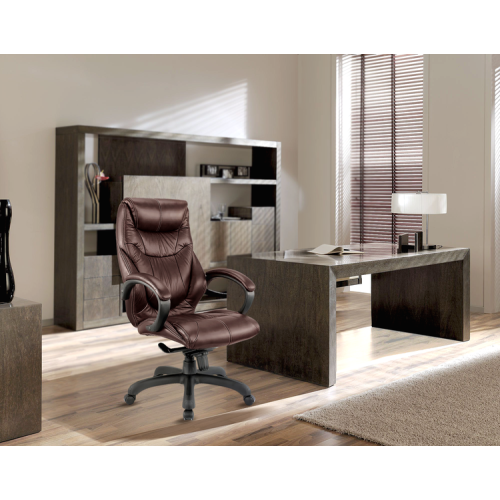
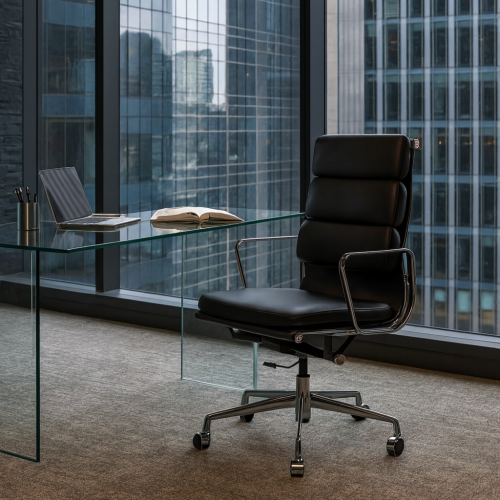
Vintage leather chairs can serve as practical seating and as defining pieces that anchor a room. Place one beside a floor lamp with a small side table for a personal reading corner, or arrange two facing a sofa to create a welcoming conversation area. In a home office, an executive-style chair can lend a composed, traditional feel while providing a dedicated place for writing, planning, video calls, or focused computer work. In a bedroom, hallway, or dressing area, a single chair can offer a convenient spot for putting on shoes, setting down a folded blanket, or pausing with a book. These chairs can also make thoughtful gifts for someone moving into a new home, setting up a study, furnishing a first office, or building a collection of classic furniture. A chair with a substantial frame and a timeless silhouette can feel personal without requiring knowledge of a recipient’s exact decorating style, especially when its colour complements existing furnishings. During the cooler months, the visual warmth of leather pairs naturally with woven throws, textured cushions, wood accents, and soft lighting, making the chair an inviting place to settle in after a busy day. Good care helps preserve both comfort and appearance. Vacuum the seat, back, seams, and crevices regularly using a soft brush attachment to remove dust, crumbs, and loose debris before they become embedded. Wipe small spills promptly with a clean, lightly damp cloth, following the upholstery maker’s care instructions for the specific leather finish. Avoid harsh detergents, household polishes, abrasive cleaners, and saddle soap unless the manufacturer expressly recommends them, since unsuitable products can strip natural oils, alter the colour, or leave the surface dry and brittle. Keep the chair away from direct sunlight, radiators, fireplaces, heating vents, and other strong heat sources, which may cause fading, shrinking, or cracking over time. Allowing a little space around the chair also protects the upholstery from repeated rubbing against walls or furniture. With thoughtful placement, solid construction, and routine care, a vintage leather chair can become the comfortable, distinctive seat that gives a living room, office, den, or reading nook its finishing character.
Construction is especially important when shopping for vintage leather chairs because their style is rooted in lasting craftsmanship. Look for a sturdy frame with reinforced joints and corner blocks, commonly made from hardwood or pine, and pay attention to how the legs, arms, and back connect. A well-built frame should feel stable when someone sits down or shifts position, without excessive rocking, creaking, or flexing. Upholstery should appear evenly fitted, with seams that are straight and securely finished. On tufted designs, buttons should sit firmly and maintain a consistent pattern, while nailhead trim should be neatly aligned rather than loosely attached. Leather itself can vary considerably in texture and finish. Full-grain and top-grain options generally retain more of the hide’s natural markings, while corrected or coated finishes may offer a more uniform appearance and easier cleaning. In a newly manufactured chair, an aged look may come from hand-applied waxes, colour variation, or deliberate distressing. These effects can make a chair feel established from the first day, but they are different from the naturally developed patina found on an authentic older piece. Colour also influences how the chair fits into a room. Brown and cognac tones pair naturally with wood, cream, charcoal, and warm neutrals; black leather adds definition to a modern or industrial setting; and Blue Leather Chairs can introduce a richer accent while retaining the tailored character associated with vintage furniture. Before choosing a finish, consider the room’s lighting, flooring, wall colour, and nearby textiles. A lighter leather may show surface variation more readily, while darker colours can create a weightier visual effect. If the chair will be used at a desk, confirm that the arms can slide beneath the work surface and that the seat height works with the desk or table. For a lounge chair, give greater attention to the depth and angle of the seat, since a chair that looks attractive online may feel less comfortable if it encourages slouching or leaves the feet unsupported.
Vintage leather chairs can serve as practical seating and as defining pieces that anchor a room. Place one beside a floor lamp with a small side table for a personal reading corner, or arrange two facing a sofa to create a welcoming conversation area. In a home office, an executive-style chair can lend a composed, traditional feel while providing a dedicated place for writing, planning, video calls, or focused computer work. In a bedroom, hallway, or dressing area, a single chair can offer a convenient spot for putting on shoes, setting down a folded blanket, or pausing with a book. These chairs can also make thoughtful gifts for someone moving into a new home, setting up a study, furnishing a first office, or building a collection of classic furniture. A chair with a substantial frame and a timeless silhouette can feel personal without requiring knowledge of a recipient’s exact decorating style, especially when its colour complements existing furnishings. During the cooler months, the visual warmth of leather pairs naturally with woven throws, textured cushions, wood accents, and soft lighting, making the chair an inviting place to settle in after a busy day. Good care helps preserve both comfort and appearance. Vacuum the seat, back, seams, and crevices regularly using a soft brush attachment to remove dust, crumbs, and loose debris before they become embedded. Wipe small spills promptly with a clean, lightly damp cloth, following the upholstery maker’s care instructions for the specific leather finish. Avoid harsh detergents, household polishes, abrasive cleaners, and saddle soap unless the manufacturer expressly recommends them, since unsuitable products can strip natural oils, alter the colour, or leave the surface dry and brittle. Keep the chair away from direct sunlight, radiators, fireplaces, heating vents, and other strong heat sources, which may cause fading, shrinking, or cracking over time. Allowing a little space around the chair also protects the upholstery from repeated rubbing against walls or furniture. With thoughtful placement, solid construction, and routine care, a vintage leather chair can become the comfortable, distinctive seat that gives a living room, office, den, or reading nook its finishing character.
Top selling and popular products
-
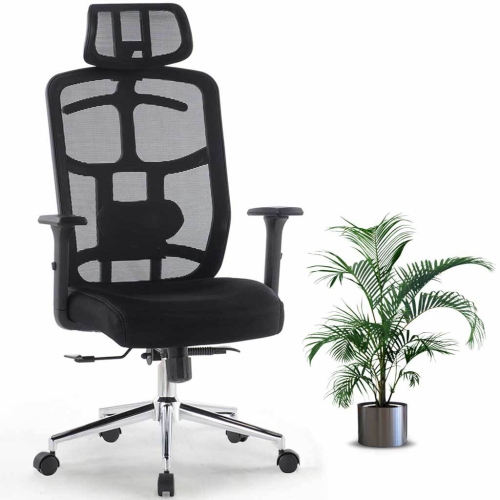 Your price for this item is $114.99
 -
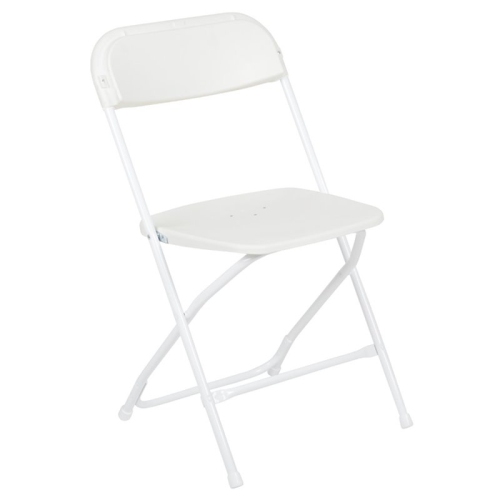 Your price for this item is $123
 -
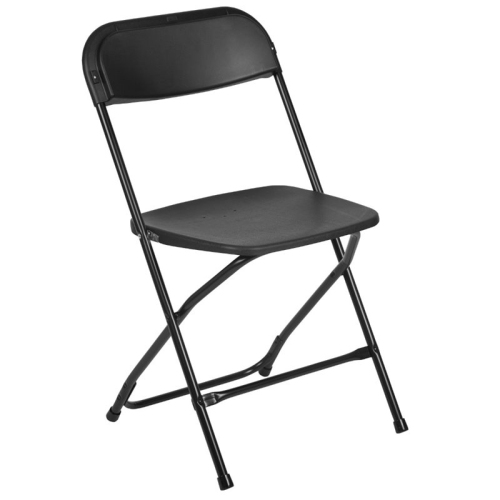 Your price for this item is $139.99
 -
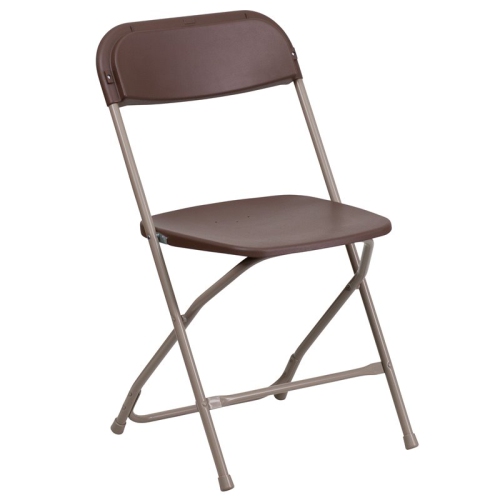 Your price for this item is $139.99
 -
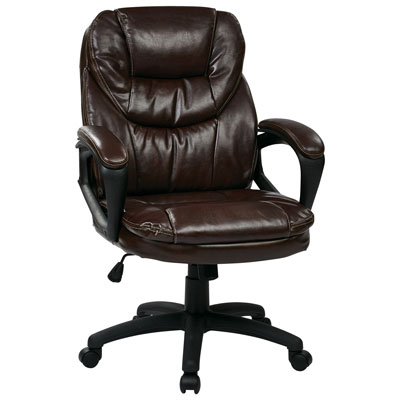 Your price for this item is $203.98
 -
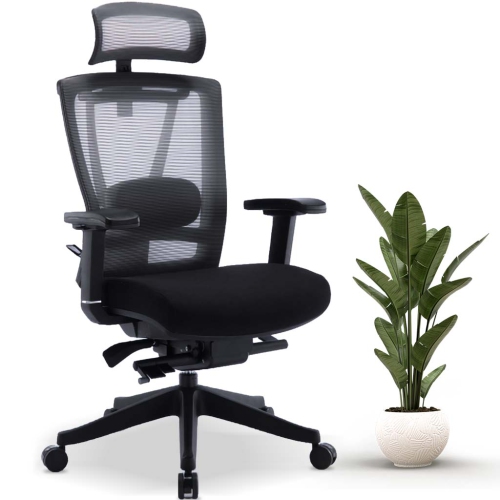 Your price for this item is $379.99
 -
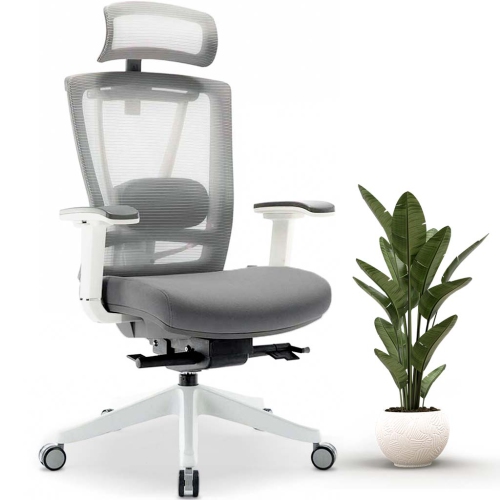 Your price for this item is $379.99
 -
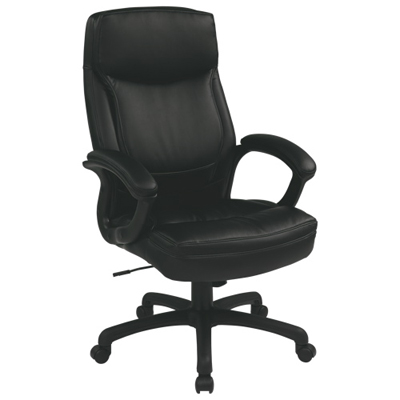 Your price for this item is $594.99
Discover more categories related to Vintage Leather Chairs
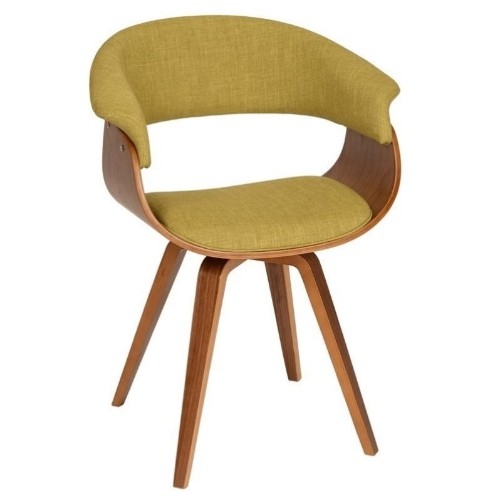


Top Collections:
Pokemon Centers, Kindle Devices, Best Budget Office Chairs, Apple iPhones 16, Best Laptops for Writers, iPhone 15 Apple, Canon G7X Cameras, Refurbished Apple Laptops, Alarm Clock, Motorola Razr Phones
Some products may be subject to Environmental Handling Fees
(EHF) depending on your province.
Learn more about EHFs.