Safe Grill Brushes
Achieving the perfect grilled meal starts with a clean grill, and safe grill brushes are essential tools for maintaining your barbecue in pristine condition. Designed to effectively remove residue while prioritizing your safety, these brushes help ensure that every grilling session is as enjoyable as it is delicious. Whether you're a seasoned grill master or a weekend enthusiast, investing in the right cleaning tools can make all the difference. Explore our selection of safe grill brushes to find the ideal match for your grilling needs, ensuring both your equipment and culinary creations remain top-notch.
Sort
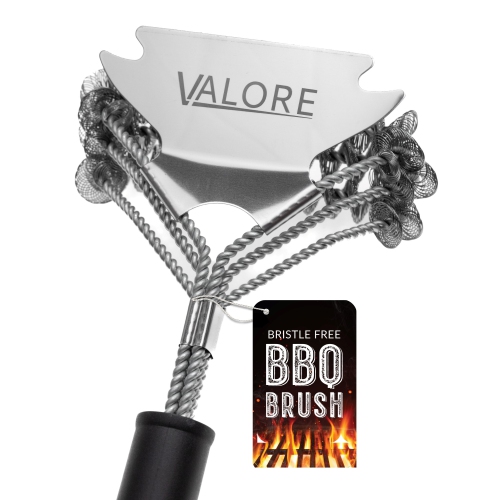
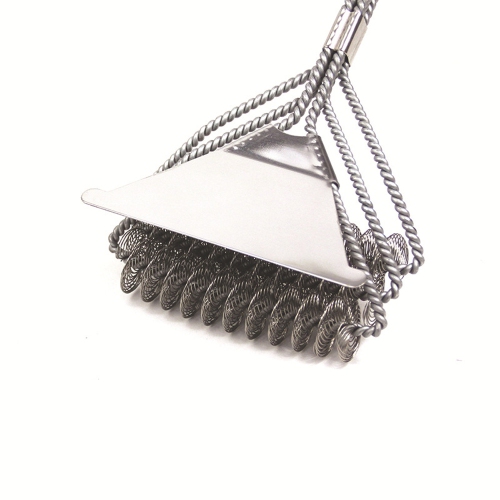
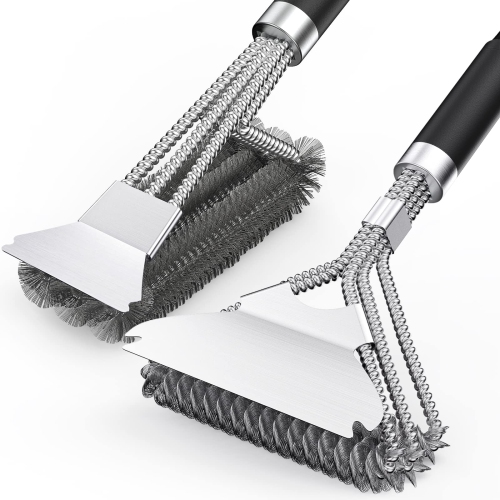
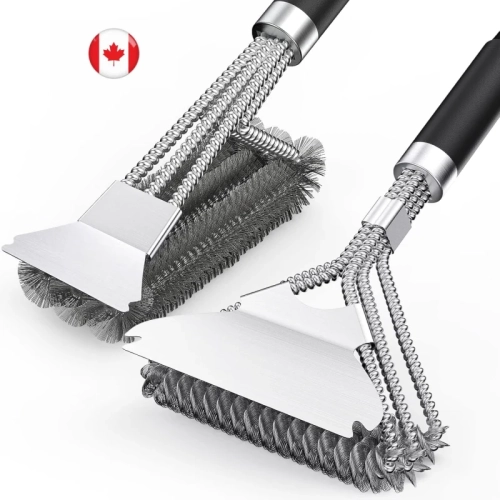
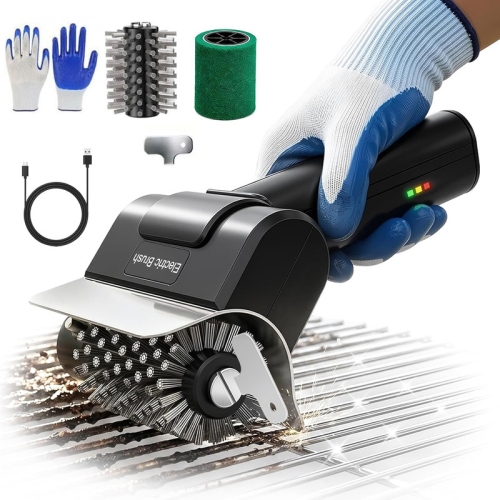
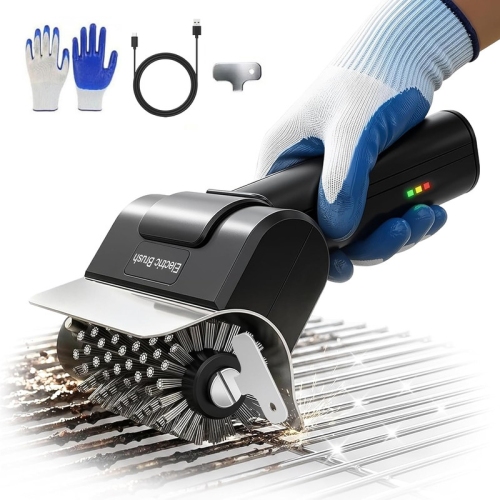
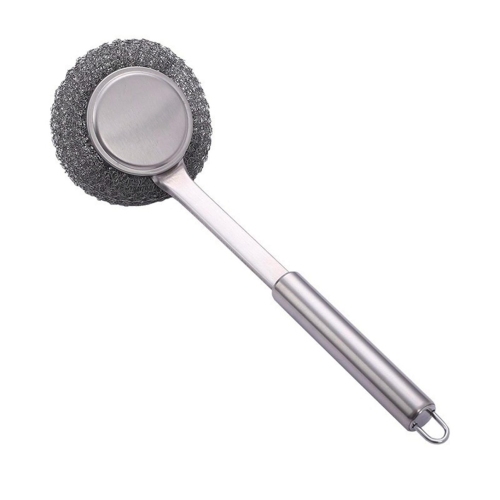
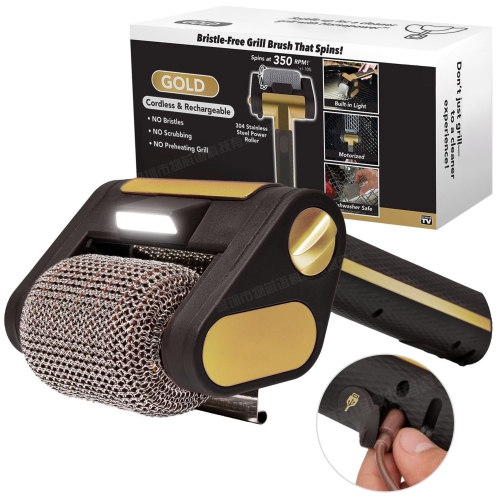
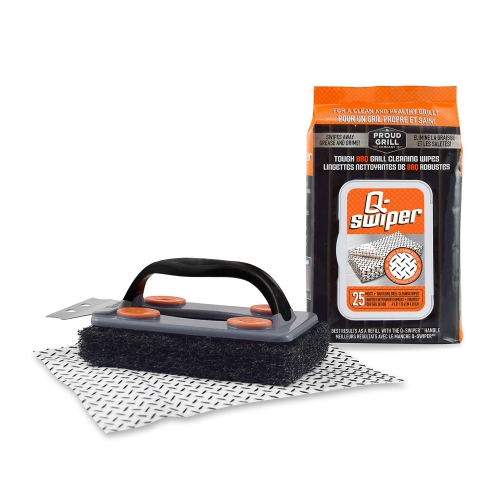
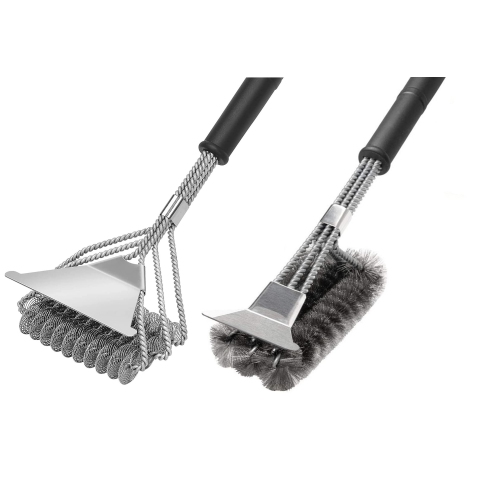
Bristle-free designs help reduce loose-wire concerns
Keeping a grill clean is an important part of preparing food with confidence, but the tool used to remove cooked-on residue deserves just as much attention as the brush itself. Traditional wire-bristle brushes can shed individual metal wires when they are bent, worn, or pulled across a grate. Those loose wires may remain on the cooking surface and could be transferred to food, creating a serious injury hazard if swallowed. Safe grill brushes are designed to reduce or eliminate that concern through bristle-free construction, non-metal scrubbing surfaces, steam-cleaning textures, or natural-fibre alternatives. When choosing among them, look closely at how the cleaning head is made, whether any parts can loosen, and which temperatures the manufacturer permits. A bristle-free grill brush made with tightly wound stainless steel coils or spring-like helixes uses a continuous structure rather than many short, cut wires, helping lift grease and char without conventional metal bristles. These tools are often paired with a scraper edge for tackling heavier buildup around the bars of the grate. A scrubber or pad made from heat-resistant synthetic material can offer another practical option, particularly for people who prefer a broad cleaning surface that works across several grate bars at once. Some textured pads are activated with water and can create steam when used on warm grates, helping soften grease before the surface is scrubbed. Natural wooden scrapers and brushes made with stiff plant fibres are also available, offering a traditional feel and a shape that can gradually conform to the grate. No brush should be treated as completely risk-free, however; inspect the head and handle before each use, and replace the tool if it becomes cracked, loose, excessively worn, or damaged.
The right safe grill brush depends on the grill, the cooking habits, and the preferred cleaning routine. Someone who cooks several times a week may appreciate a sturdy bristle-free coil design with a long handle, an integrated scraper, and a comfortable grip for clearing residue while the grate is still warm. A longer handle can help keep hands away from heat, although it should never be used as a substitute for heat-resistant gloves or careful handling. For households that clean the grill only after it has fully cooled, a nylon-infused brush or textured scour pad may be suitable, but temperature instructions are essential: nylon and other synthetic materials can soften, warp, or melt on hot surfaces. These tools should be used only on cool or completely cooled grates unless the manufacturer specifically states otherwise. Steam-style scrubbers may suit cooks who like to loosen deposits with water, while wooden scrapers can be useful for people who prefer a firm, simple tool that follows the shape of the cooking bars. Consider the grate material as well. Cast iron, stainless steel, porcelain-coated, and specialty grates can each have different care requirements, and an overly aggressive scraper or abrasive surface may cause damage. A tool with a combination of scraping and scrubbing functions can reduce the need to press hard, but gentler pressure and several passes are often better than forcing a cleaning head into the grate. Before and after use, check for trapped food particles, rinse or wipe the tool according to its care instructions, and allow it to dry thoroughly. Store it somewhere clean and dry rather than leaving it in a damp grill cabinet, where grease and moisture can shorten its useful life. A quick inspection becomes especially worthwhile during the cooler months, when outdoor cooking equipment may be used less often and a brush can sit undisturbed between sessions.
Safe grill brushes can be a thoughtful choice for anyone who enjoys outdoor cooking, including a new homeowner setting up a first barbecue area, a frequent host who prepares meals for family and friends, or a home cook who wants more confidence in the cleaning step. They can also make a practical gift alongside other grilling essentials, particularly when the recipient already has a favourite grill but needs a safer replacement for an old wire-bristle brush. To narrow the selection, compare the cleaning method, recommended grate temperature, handle length, head shape, storage features, and ease of washing. A compact design may be convenient for a small balcony grill or a portable barbecue, while a wide head may save time on a larger cooking surface. A scraper profile can help with baked-on marinades and carbonized food, whereas a flexible pad may reach between closely spaced bars. If several people share cleaning duties, clear temperature guidance and an easy-to-grip handle can make the routine more consistent. Cleaning is most effective when large pieces are removed first, the grate is treated at the temperature recommended for the tool, and the surface is checked carefully before food is added. Run a clean cloth or paper towel over the grate after brushing to help catch any remaining particles, then examine the cooking surface in good light. If you notice a loose wire, fragment, damaged coating, or unexplained wear, stop using the brush and replace it. For shoppers comparing different styles, Bristle Free Grill Brushes can make it easier to focus on options that avoid traditional loose wire bristles. With the appropriate tool and a consistent inspection routine, cleaning can become a straightforward part of preparing the grill for everything from a casual late-summer supper to a hearty meal during cooler outdoor-cooking days.
The right safe grill brush depends on the grill, the cooking habits, and the preferred cleaning routine. Someone who cooks several times a week may appreciate a sturdy bristle-free coil design with a long handle, an integrated scraper, and a comfortable grip for clearing residue while the grate is still warm. A longer handle can help keep hands away from heat, although it should never be used as a substitute for heat-resistant gloves or careful handling. For households that clean the grill only after it has fully cooled, a nylon-infused brush or textured scour pad may be suitable, but temperature instructions are essential: nylon and other synthetic materials can soften, warp, or melt on hot surfaces. These tools should be used only on cool or completely cooled grates unless the manufacturer specifically states otherwise. Steam-style scrubbers may suit cooks who like to loosen deposits with water, while wooden scrapers can be useful for people who prefer a firm, simple tool that follows the shape of the cooking bars. Consider the grate material as well. Cast iron, stainless steel, porcelain-coated, and specialty grates can each have different care requirements, and an overly aggressive scraper or abrasive surface may cause damage. A tool with a combination of scraping and scrubbing functions can reduce the need to press hard, but gentler pressure and several passes are often better than forcing a cleaning head into the grate. Before and after use, check for trapped food particles, rinse or wipe the tool according to its care instructions, and allow it to dry thoroughly. Store it somewhere clean and dry rather than leaving it in a damp grill cabinet, where grease and moisture can shorten its useful life. A quick inspection becomes especially worthwhile during the cooler months, when outdoor cooking equipment may be used less often and a brush can sit undisturbed between sessions.
Safe grill brushes can be a thoughtful choice for anyone who enjoys outdoor cooking, including a new homeowner setting up a first barbecue area, a frequent host who prepares meals for family and friends, or a home cook who wants more confidence in the cleaning step. They can also make a practical gift alongside other grilling essentials, particularly when the recipient already has a favourite grill but needs a safer replacement for an old wire-bristle brush. To narrow the selection, compare the cleaning method, recommended grate temperature, handle length, head shape, storage features, and ease of washing. A compact design may be convenient for a small balcony grill or a portable barbecue, while a wide head may save time on a larger cooking surface. A scraper profile can help with baked-on marinades and carbonized food, whereas a flexible pad may reach between closely spaced bars. If several people share cleaning duties, clear temperature guidance and an easy-to-grip handle can make the routine more consistent. Cleaning is most effective when large pieces are removed first, the grate is treated at the temperature recommended for the tool, and the surface is checked carefully before food is added. Run a clean cloth or paper towel over the grate after brushing to help catch any remaining particles, then examine the cooking surface in good light. If you notice a loose wire, fragment, damaged coating, or unexplained wear, stop using the brush and replace it. For shoppers comparing different styles, Bristle Free Grill Brushes can make it easier to focus on options that avoid traditional loose wire bristles. With the appropriate tool and a consistent inspection routine, cleaning can become a straightforward part of preparing the grill for everything from a casual late-summer supper to a hearty meal during cooler outdoor-cooking days.
Top selling and popular products
-
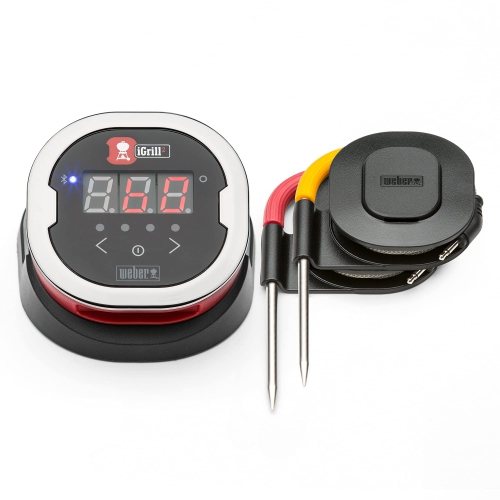 Your price for this item is $124.99
 -
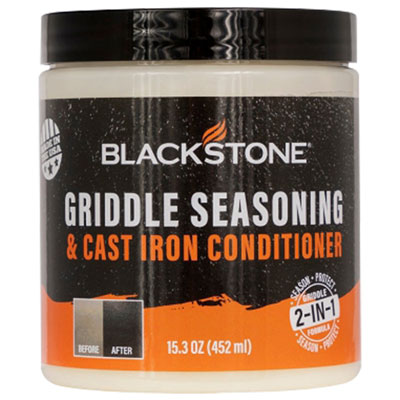 Your price for this item is $49.99
 -
 Your price for this item is $96.98
 -
 Your price for this item is $119.99
 -
 Your price for this item is $7979.99
 -
 Your price for this item is $34.99
 -
 Your price for this item is $59.99
 -
 Your price for this item is $2889.99
Discover more categories related to Safe Grill Brushes
Top Collections:
Pokemon Centers, Kindle Devices, Best Budget Office Chairs, Apple iPhones 16, Best Laptops for Writers, iPhone 15 Apple, Canon G7X Cameras, Refurbished Apple Laptops, Alarm Clock, Motorola Razr Phones
Some products may be subject to Environmental Handling Fees
(EHF) depending on your province.
Learn more about EHFs.