Salad Tongs
If you're looking to add a touch of elegance and convenience to your salad preparation, look no further than this wide selection of salad tongs. These versatile kitchen utensils are designed to make serving and tossing salads a breeze. With their sturdy construction and ergonomic handles, our salad tongs provide the perfect balance of style and functionality. Whether you prefer classic stainless steel or modern silicone, we have the perfect pair of salad tongs to suit your needs.
Sort
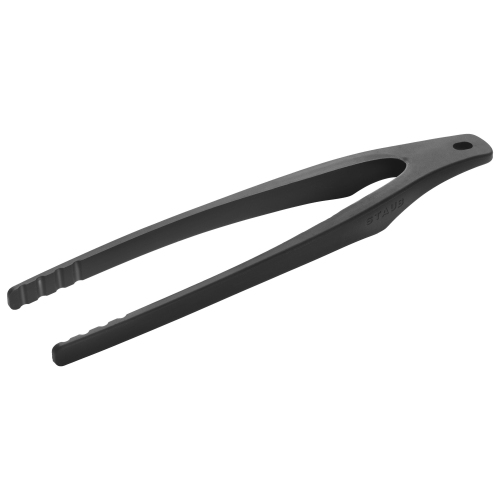

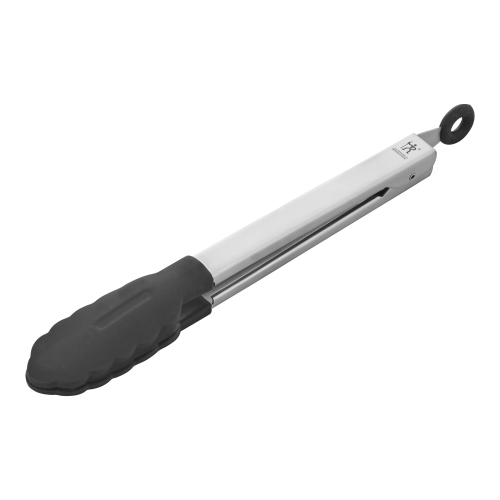
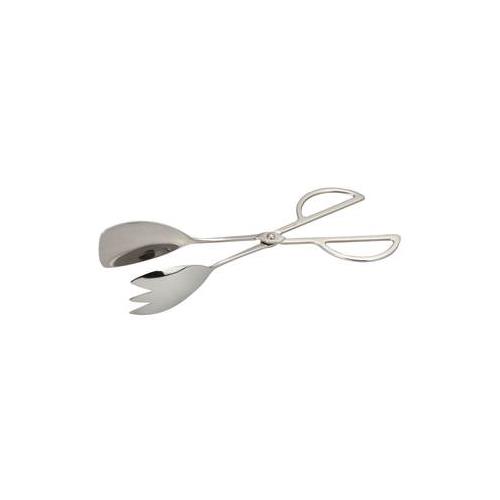
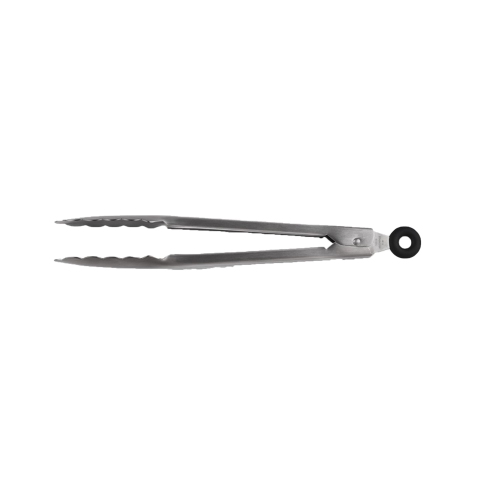
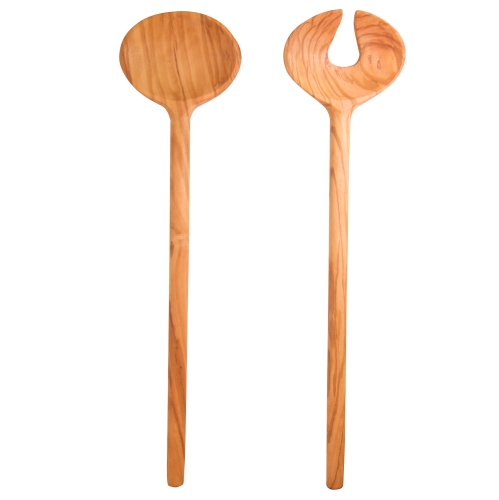
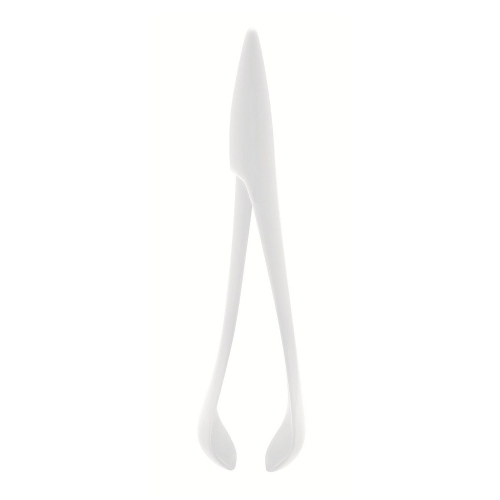
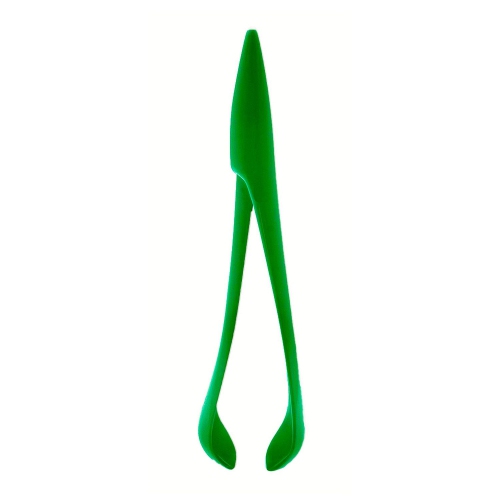
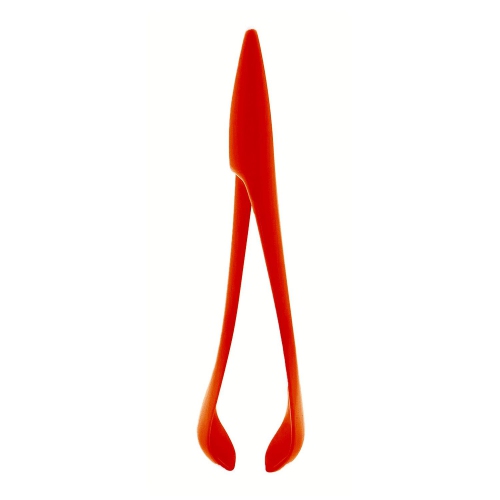
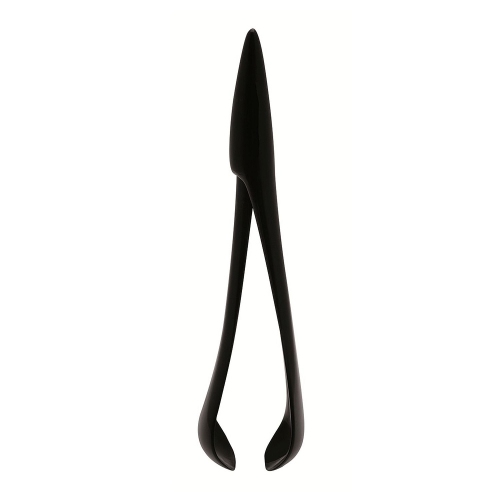
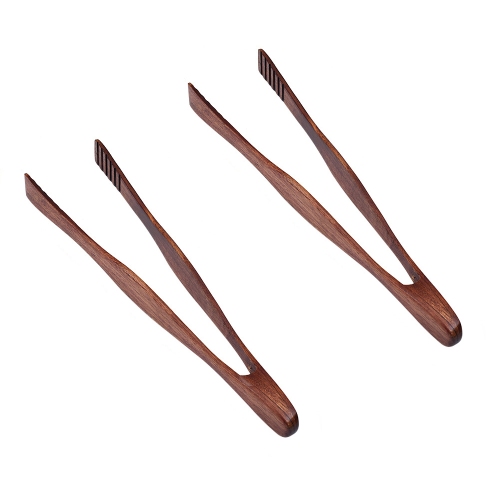
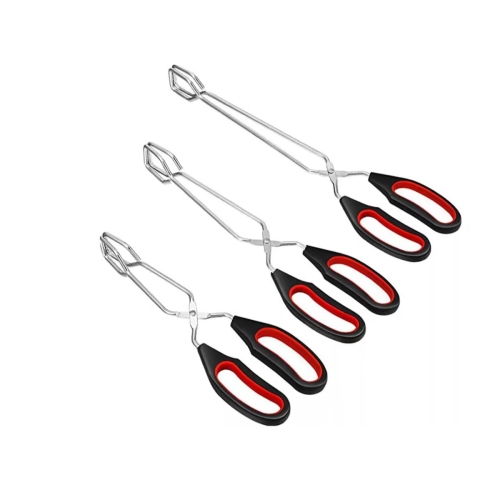
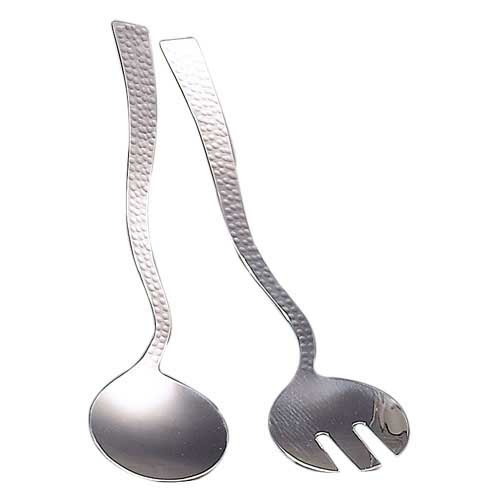
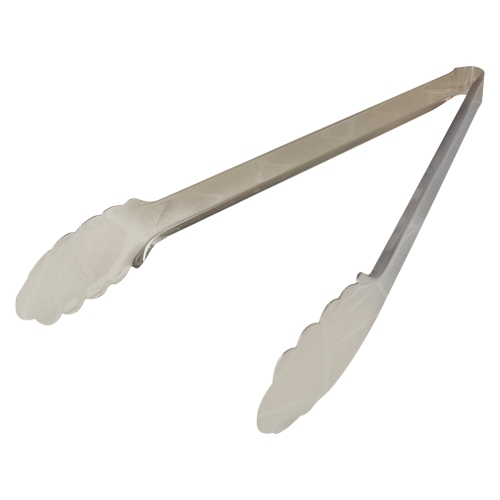
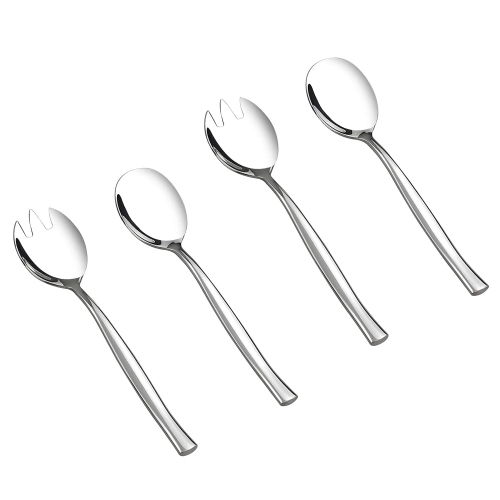
A gentler grip for leafy greens and slippery vegetables
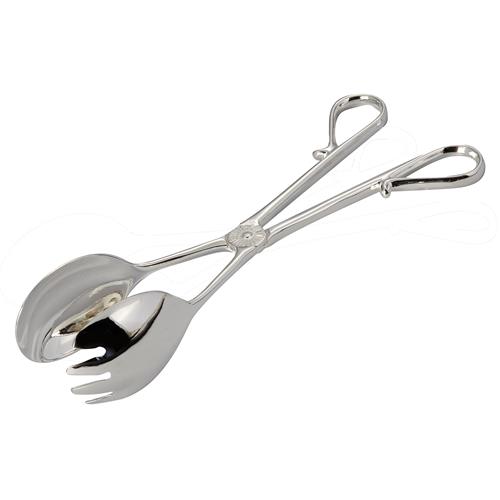
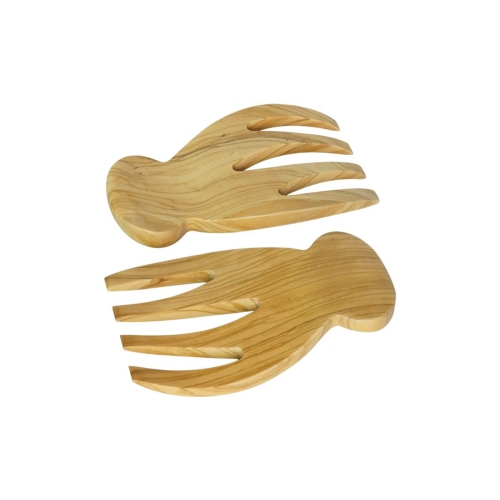
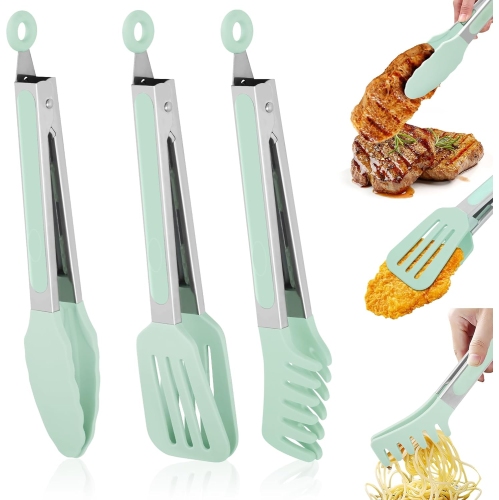
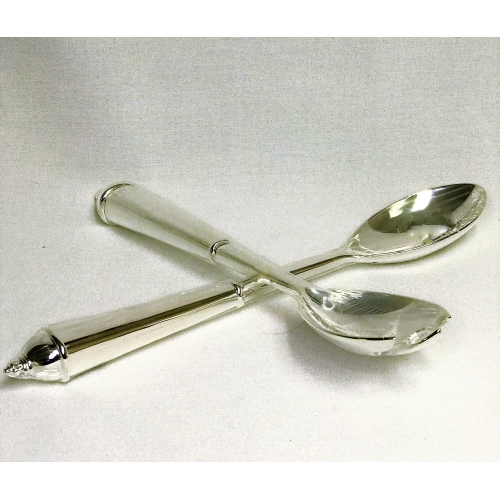
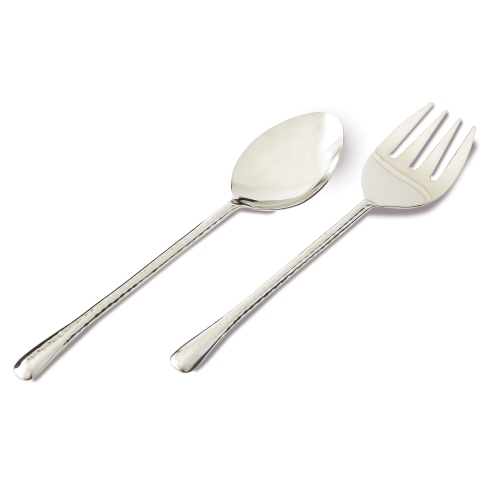
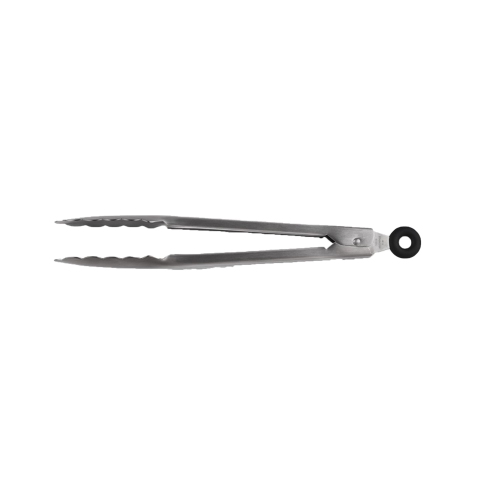
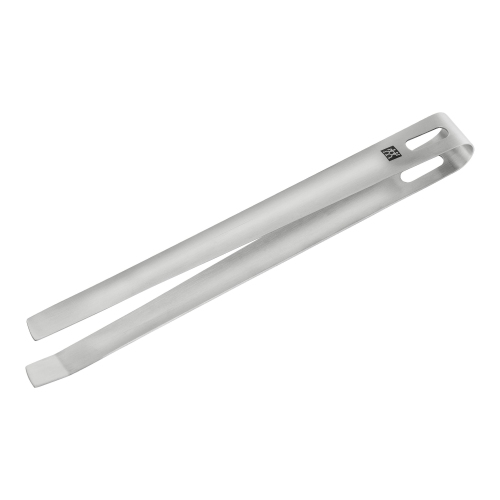
Salad tongs are serving utensils designed to grip, lift, and transfer greens, vegetables, and other salad ingredients from a bowl to a plate. Their paired ends bring food together with a squeezing motion, making it easier to serve a balanced portion without chasing loose leaves around the bowl. Broad, gently curved heads support delicate lettuce, while textured or scalloped edges help hold slippery cucumber slices, ribbons of carrot, and dressing-coated vegetables. Different styles suit different serving habits. Spring-action tongs open when pressure is released and close when the handles are squeezed, allowing one-handed serving at the dinner table. Fork-and-spoon tongs combine a solid, spoon-like side with a pronged side to cradle ingredients while catching leafy greens. Scissor-style tongs use ring handles and a pivoting joint, offering a familiar opening-and-closing motion that some people find comfortable for lifting fuller portions. The shape of the serving ends matters as much as the handle mechanism: shallow heads work well for leafy mixtures, while deeper, cupped ends can help gather chopped vegetables, pasta, or larger pieces of roasted beet. Small grains and loose seeds may still need a serving spoon alongside the tongs, especially when they settle at the bottom of the bowl. For a green salad with cherry tomatoes and crumbled cheese, a broad gripping surface can help carry several ingredients together rather than lifting only the leaves. At a family meal, tongs make it simple to pass a bowl and serve with one hand; on a buffet, they give guests a dedicated utensil that can rest beside the dish between portions. Salad tongs belong to the wider family of Serving Tongs, with designs that emphasize controlled handling rather than the firm grip needed for turning heavier foods. They are useful for people who prepare lunches, share dishes at the table, or serve generous bowls of vegetables when entertaining.
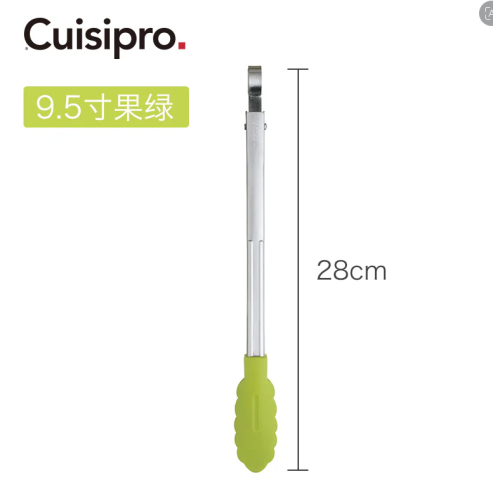
Material affects the weight, feel, appearance, and care of salad tongs. Stainless steel is a common choice for its strength and resistance to corrosion, with slim profiles that can feel sturdy without taking up much room in a utensil drawer. A polished finish has a bright appearance beside cutlery and serving platters, while a brushed finish offers a more muted look. Bare metal ends can make contact with a bowl quite noticeably, so gentle handling is helpful with glass, ceramic, and other surfaces that may mark or chip. Silicone-tipped tongs provide a softer point of contact and a flexible gripping surface that can hold tender leaves without requiring a tight squeeze. The firmness of the tips varies by design: very flexible ends may feel comfortable with lettuce but bend under a substantial serving of potato salad. Nylon and other food-safe plastic designs are often lightweight, making them practical for passing around the table or using with casual serving bowls. Their care requirements and suitability for hot food depend on the material and construction, rather than appearance alone. Wooden and bamboo salad tongs bring a natural grain and a different hand feel to the table, with smooth, well-finished edges helping them move through greens without snagging. These materials generally need handwashing and prompt drying, and they should not be left soaking in a bowl or sink. Some wooden utensils also benefit from occasional treatment with a food-safe conditioner when the manufacturer advises it. For any material, durability depends on more than the serving ends. A firmly fitted hinge, a spring that moves smoothly, and securely attached tips all contribute to dependable daily use. Smooth seams are easier to wipe clean than narrow crevices that catch dressing. Colour can also serve a practical purpose: contrasting handles are easier to spot beside a crowded spread, and different colours can help distinguish utensils assigned to separate dishes. Matching the material to both the serving bowl and the usual washing routine makes the tongs easier to use regularly.
The right size and handle shape help salad tongs feel like a natural extension of the hand. Shorter tongs offer close control for individual bowls and compact side dishes, while longer handles provide reach into deep salad bowls and across larger platters. Length alone does not guarantee an easier grip, though; the handle spread, spring tension, and overall weight influence how much effort each squeeze requires. Someone with limited hand strength may find a light utensil with gentle resistance more comfortable than a stiff spring-action design. Ring handles need enough room for fingers to move freely, and rounded handle edges can make repeated serving more pleasant. Bowl proportions deserve equal attention. Handles that are too short can slip into the salad, while oversized heads may struggle to open inside a narrow bowl. A locking mechanism can keep spring-action tongs closed for storage, particularly in a shallow drawer shared with spatulas and serving spoons. The lock should move easily without interfering with the grip during use. For care, the manufacturer's instructions remain the best reference, especially for utensils that combine metal bodies with removable or attached tips. Dishwasher-safe construction is convenient for frequent use, but it should be confirmed rather than assumed. Opening the tongs during washing helps expose the inner faces and hinge area, where oil, herbs, and small food particles can collect. Thorough drying is especially useful around joints before the utensil goes back into storage. Salad tongs used for serving should be kept separate from utensils that have handled raw meat, and separate servers for different dishes can help limit unintended mixing of ingredients. Beyond everyday meals, a thoughtfully chosen pair can make a useful housewarming or wedding gift, particularly alongside a serving bowl that leaves enough room for the heads to open. For a keen home cook, frequent host, or someone furnishing a first kitchen, the appeal is straightforward: a comfortable, easy-to-clean utensil that lifts a satisfying portion and leaves the rest of the salad neatly in the bowl.
Material affects the weight, feel, appearance, and care of salad tongs. Stainless steel is a common choice for its strength and resistance to corrosion, with slim profiles that can feel sturdy without taking up much room in a utensil drawer. A polished finish has a bright appearance beside cutlery and serving platters, while a brushed finish offers a more muted look. Bare metal ends can make contact with a bowl quite noticeably, so gentle handling is helpful with glass, ceramic, and other surfaces that may mark or chip. Silicone-tipped tongs provide a softer point of contact and a flexible gripping surface that can hold tender leaves without requiring a tight squeeze. The firmness of the tips varies by design: very flexible ends may feel comfortable with lettuce but bend under a substantial serving of potato salad. Nylon and other food-safe plastic designs are often lightweight, making them practical for passing around the table or using with casual serving bowls. Their care requirements and suitability for hot food depend on the material and construction, rather than appearance alone. Wooden and bamboo salad tongs bring a natural grain and a different hand feel to the table, with smooth, well-finished edges helping them move through greens without snagging. These materials generally need handwashing and prompt drying, and they should not be left soaking in a bowl or sink. Some wooden utensils also benefit from occasional treatment with a food-safe conditioner when the manufacturer advises it. For any material, durability depends on more than the serving ends. A firmly fitted hinge, a spring that moves smoothly, and securely attached tips all contribute to dependable daily use. Smooth seams are easier to wipe clean than narrow crevices that catch dressing. Colour can also serve a practical purpose: contrasting handles are easier to spot beside a crowded spread, and different colours can help distinguish utensils assigned to separate dishes. Matching the material to both the serving bowl and the usual washing routine makes the tongs easier to use regularly.
The right size and handle shape help salad tongs feel like a natural extension of the hand. Shorter tongs offer close control for individual bowls and compact side dishes, while longer handles provide reach into deep salad bowls and across larger platters. Length alone does not guarantee an easier grip, though; the handle spread, spring tension, and overall weight influence how much effort each squeeze requires. Someone with limited hand strength may find a light utensil with gentle resistance more comfortable than a stiff spring-action design. Ring handles need enough room for fingers to move freely, and rounded handle edges can make repeated serving more pleasant. Bowl proportions deserve equal attention. Handles that are too short can slip into the salad, while oversized heads may struggle to open inside a narrow bowl. A locking mechanism can keep spring-action tongs closed for storage, particularly in a shallow drawer shared with spatulas and serving spoons. The lock should move easily without interfering with the grip during use. For care, the manufacturer's instructions remain the best reference, especially for utensils that combine metal bodies with removable or attached tips. Dishwasher-safe construction is convenient for frequent use, but it should be confirmed rather than assumed. Opening the tongs during washing helps expose the inner faces and hinge area, where oil, herbs, and small food particles can collect. Thorough drying is especially useful around joints before the utensil goes back into storage. Salad tongs used for serving should be kept separate from utensils that have handled raw meat, and separate servers for different dishes can help limit unintended mixing of ingredients. Beyond everyday meals, a thoughtfully chosen pair can make a useful housewarming or wedding gift, particularly alongside a serving bowl that leaves enough room for the heads to open. For a keen home cook, frequent host, or someone furnishing a first kitchen, the appeal is straightforward: a comfortable, easy-to-clean utensil that lifts a satisfying portion and leaves the rest of the salad neatly in the bowl.
Top selling and popular products
-
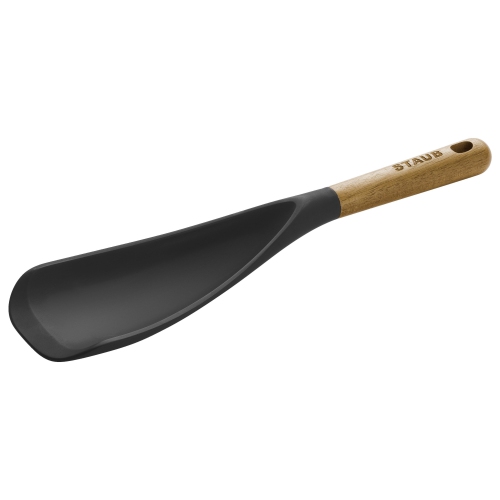 Your price for this item is $24.99
 -
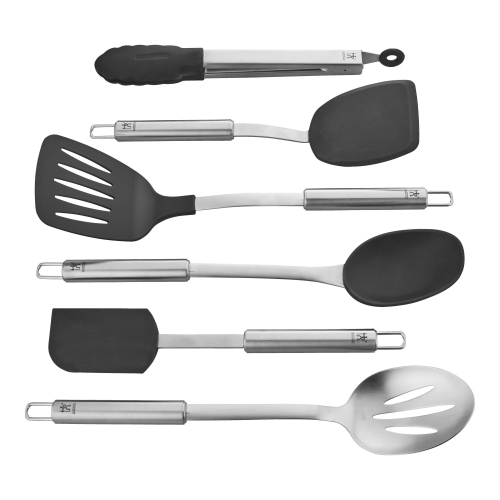 Your price for this item is $159.99
 -
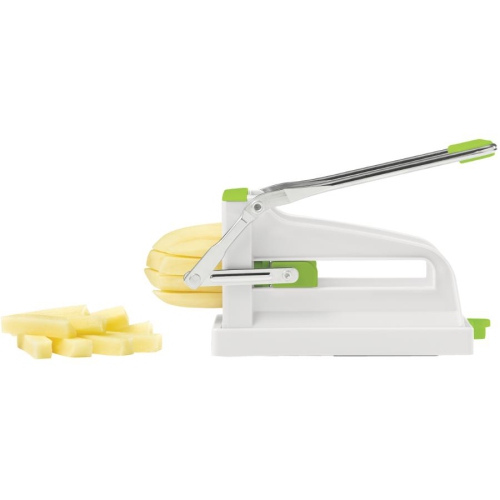 Your price for this item is $29.97
 -
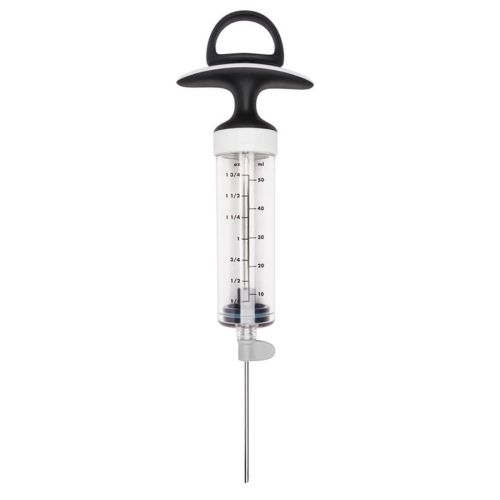 Your price for this item is $14.7
 -
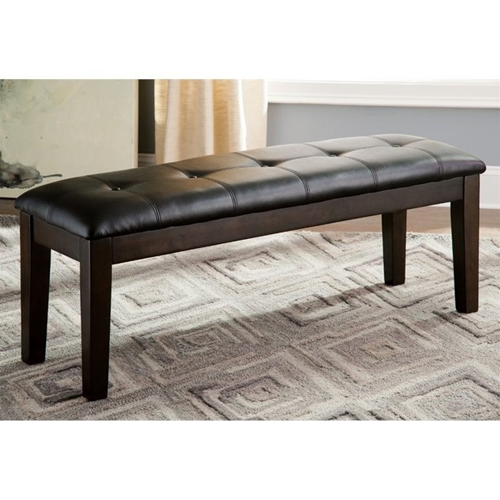 Your price for this item is $459.85
 -
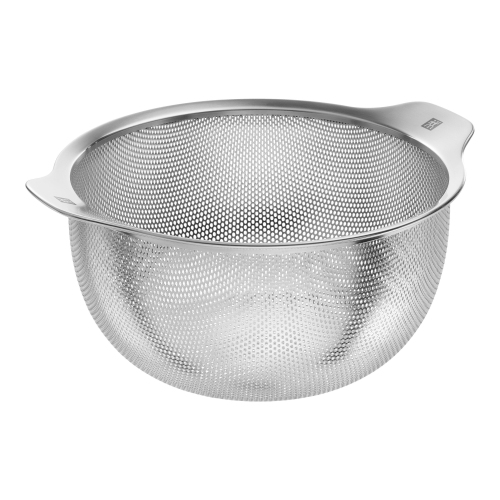 Your price for this item is $44.99
 -
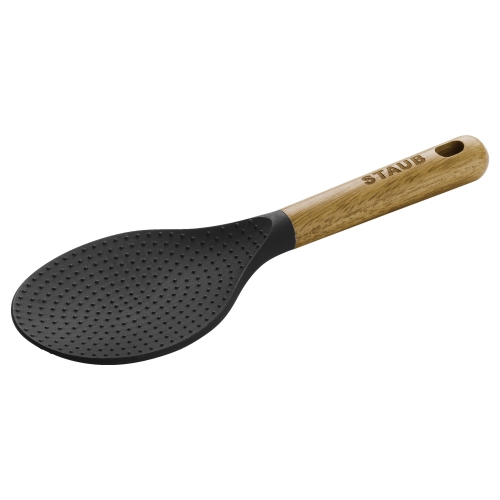 Your price for this item is $24.99
 -
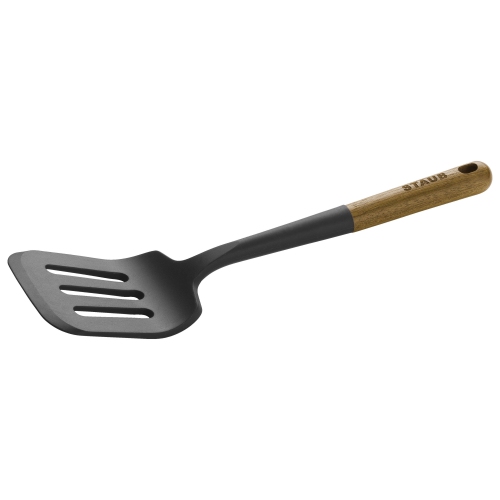 Your price for this item is $24.99
Discover more categories related to Salad Tongs
Top Collections:
Pokemon Centers, Kindle Devices, Budget 4K TVs, Canon G7X Cameras, Apple iPhones 16, iPhone 15 Apple, Refurbished Apple Laptops, Motorola Razr Phones, Flip Phones, Needoh Sale
Some products may be subject to Environmental Handling Fees
(EHF) depending on your province.
Learn more about EHFs.