Satin Pillowcase
Elevate your sleep experience with the luxurious touch of satin pillowcases, a must-have addition to any bedroom. Known for their smooth and silky texture, satin pillowcases offer a gentle surface that can help reduce friction on your skin and hair, promoting a more restful night’s sleep. Whether you're looking to enhance your beauty routine or simply want to indulge in a bit of everyday luxury, these pillowcases are an excellent choice. Available in a variety of colors and sizes, they seamlessly blend with any décor while adding a touch of elegance to your bedding ensemble. Explore the benefits of satin pillowcases and transform your sleep sanctuary into a haven of comfort and style.
Sort


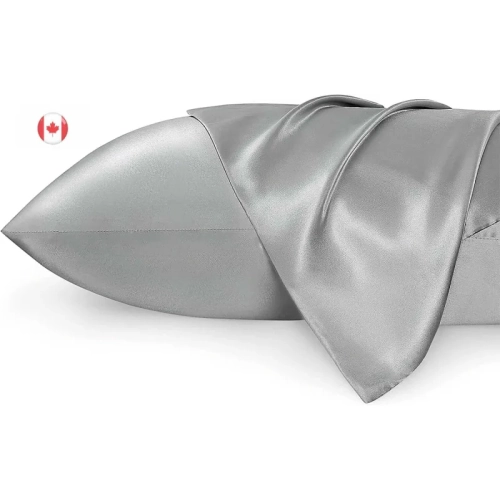
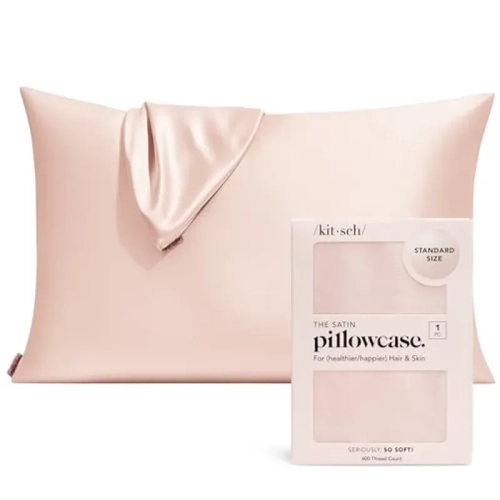
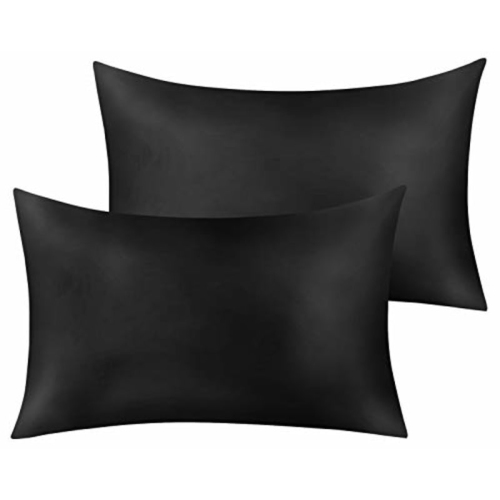

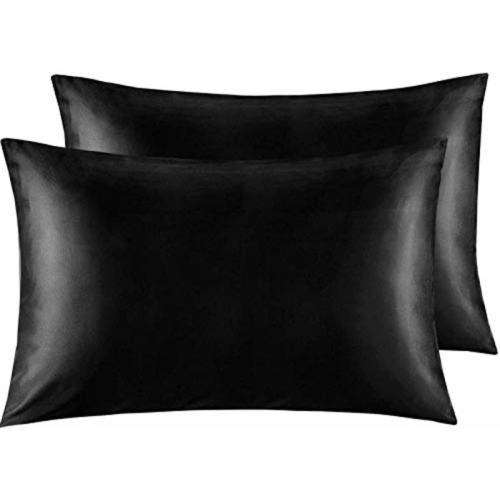

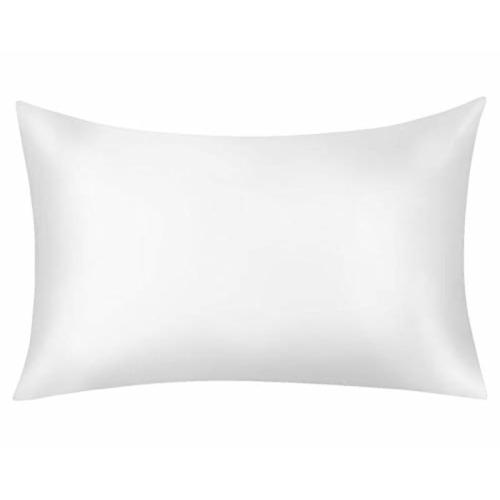
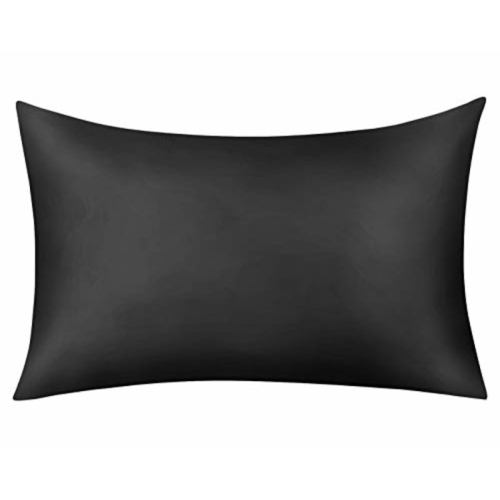


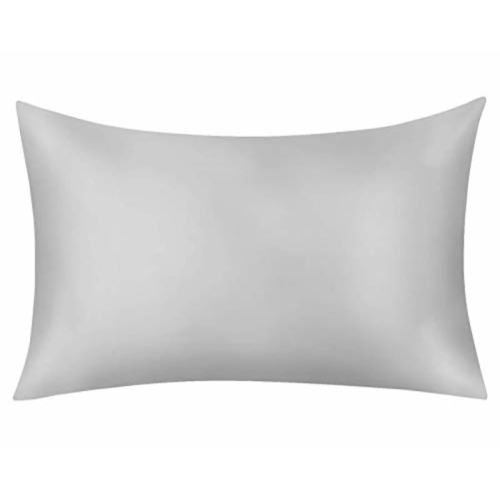

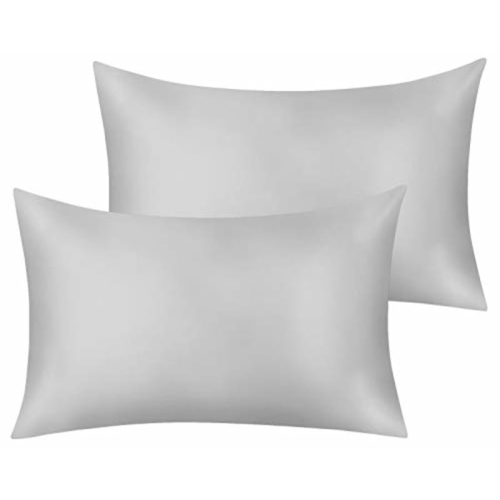
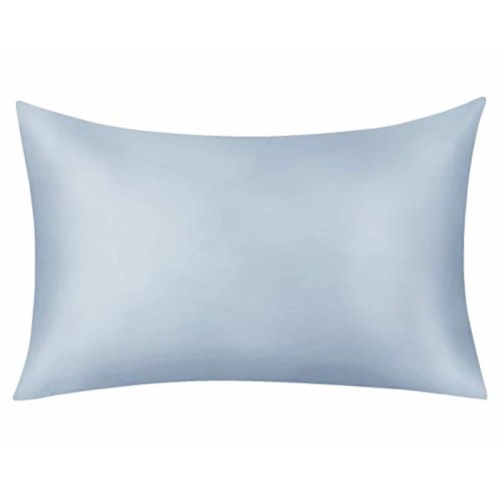


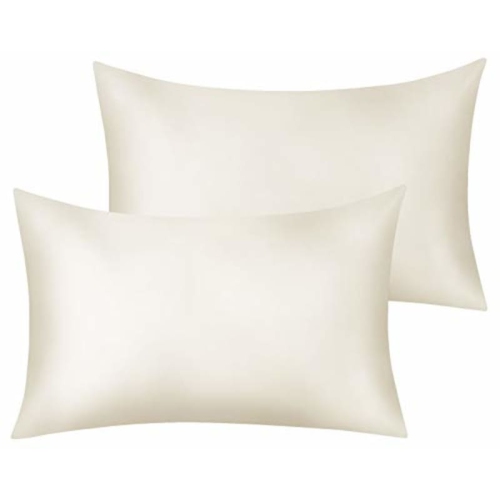
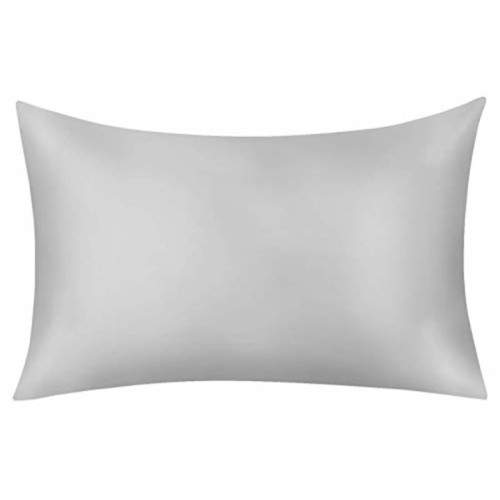
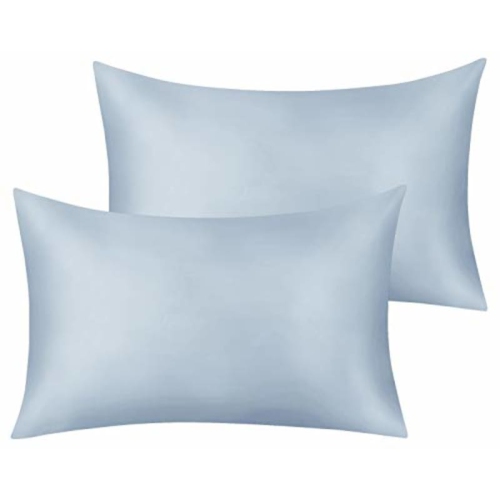


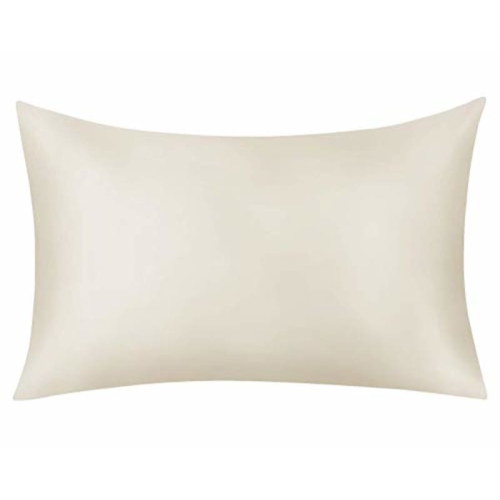


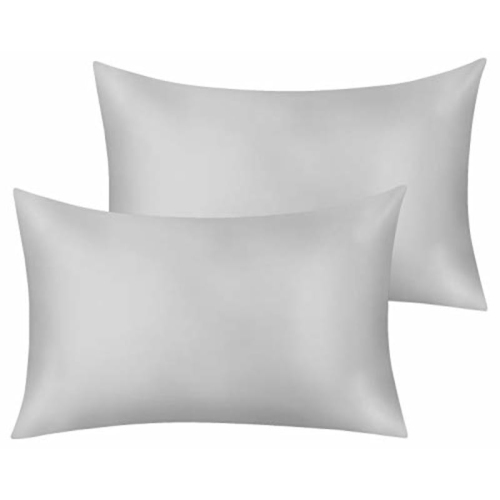
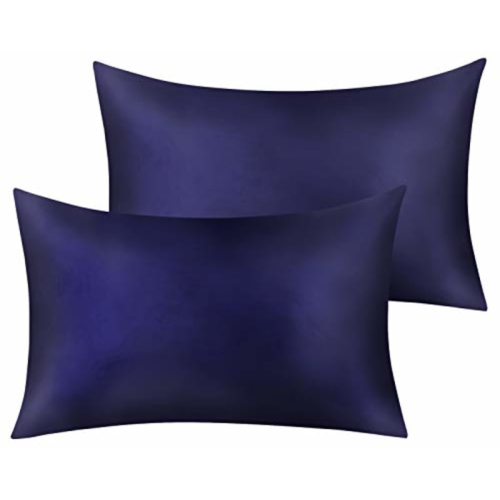
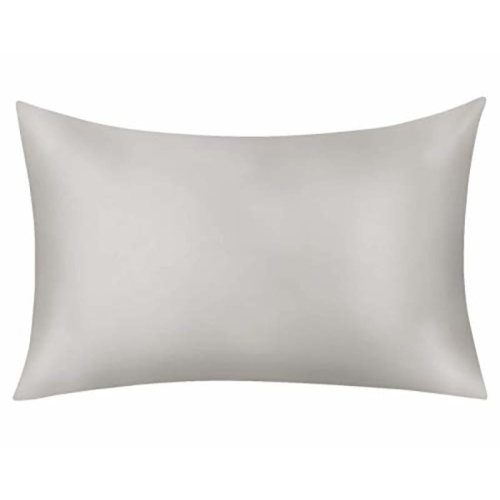
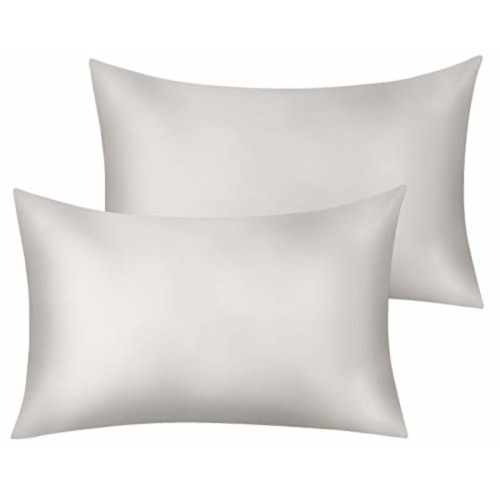
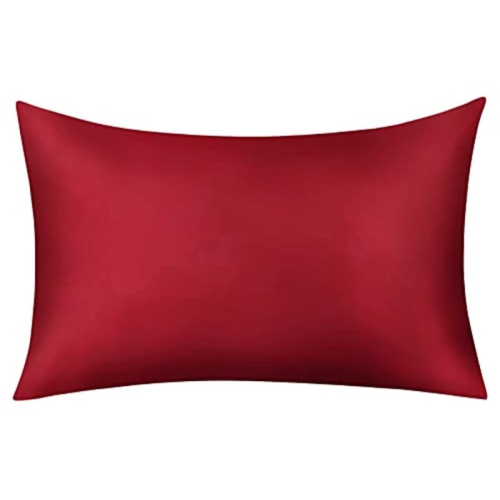
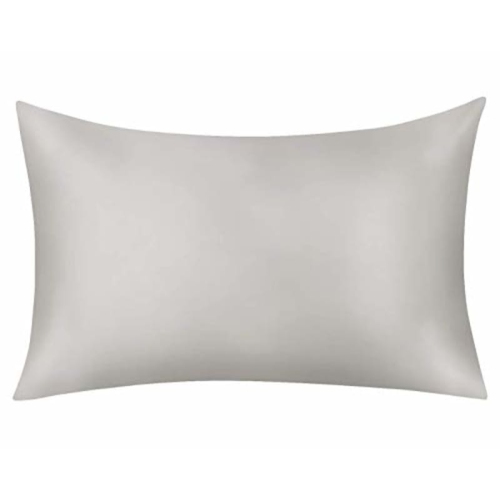
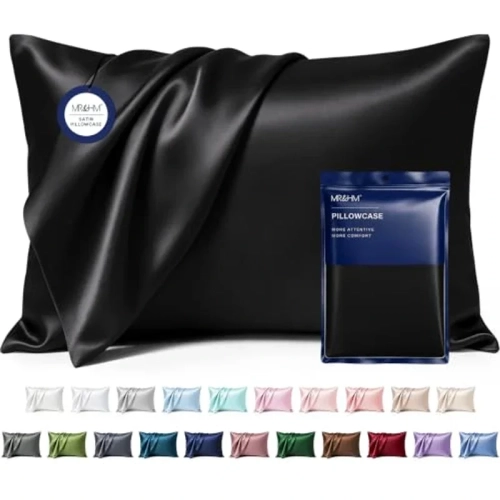
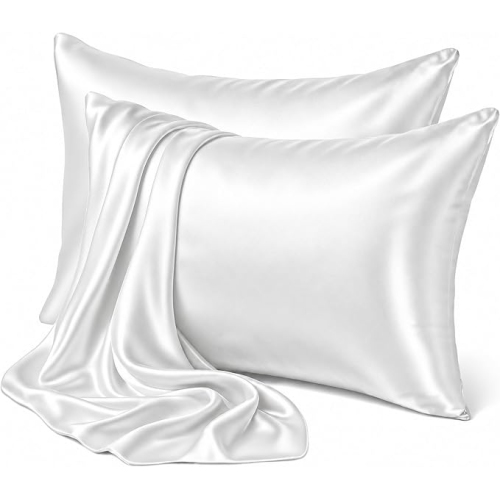
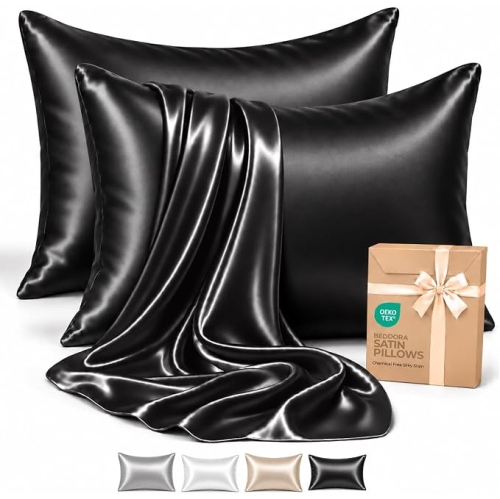
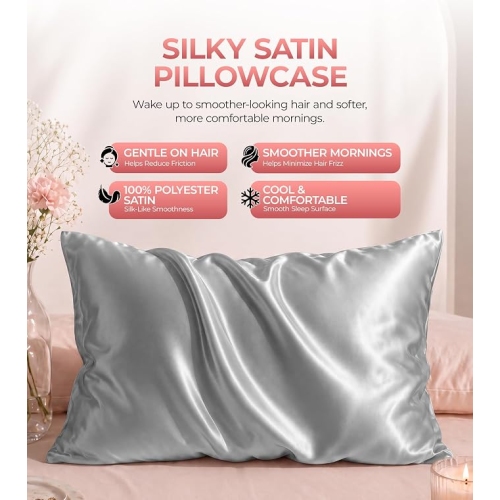
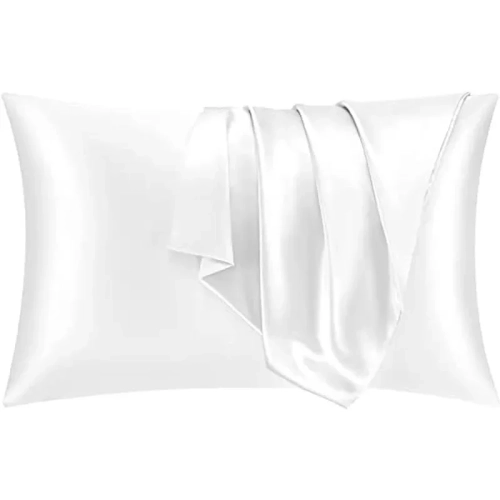
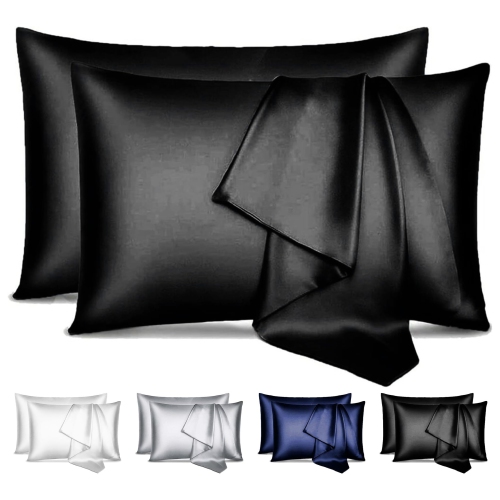


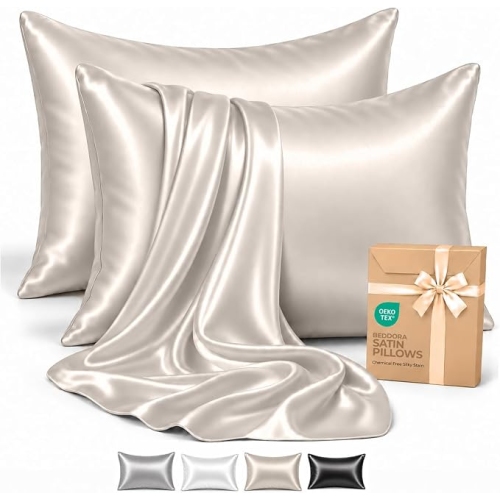

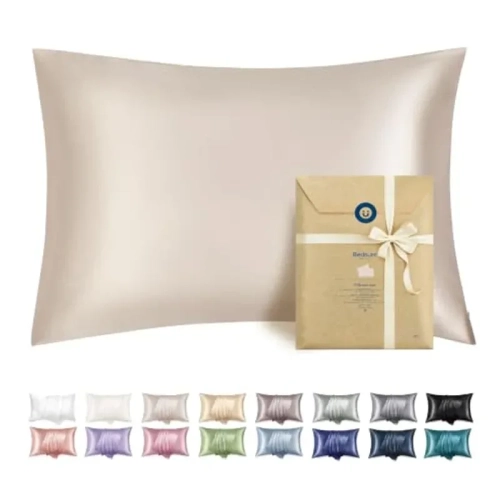
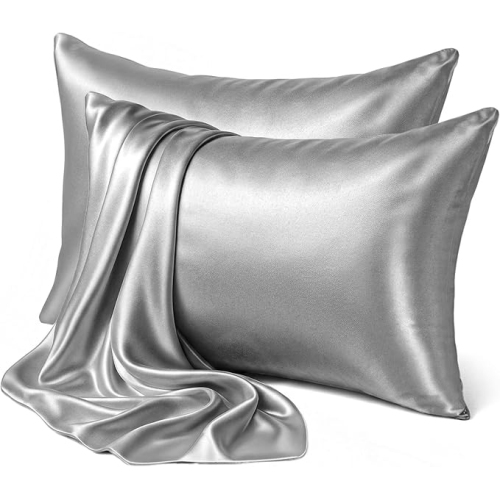


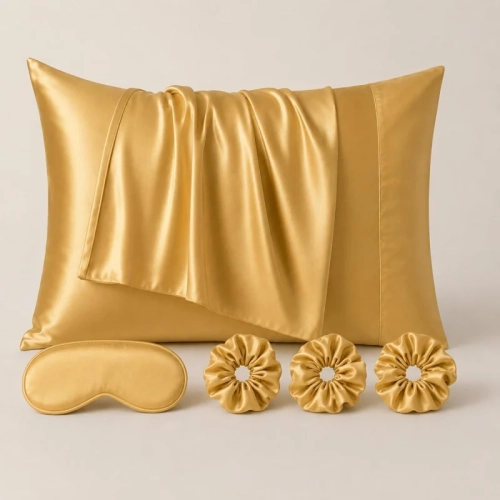
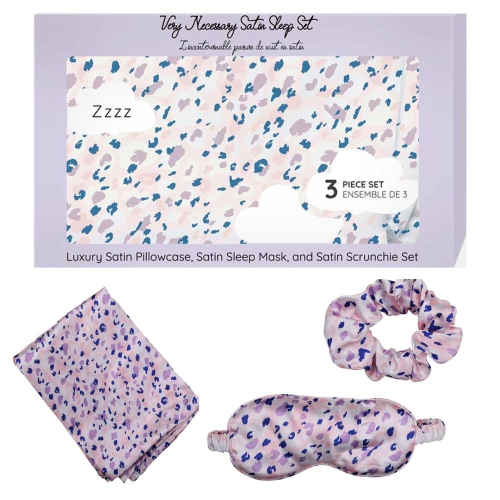
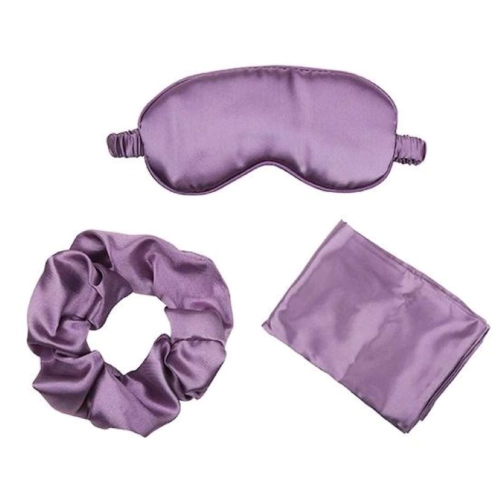
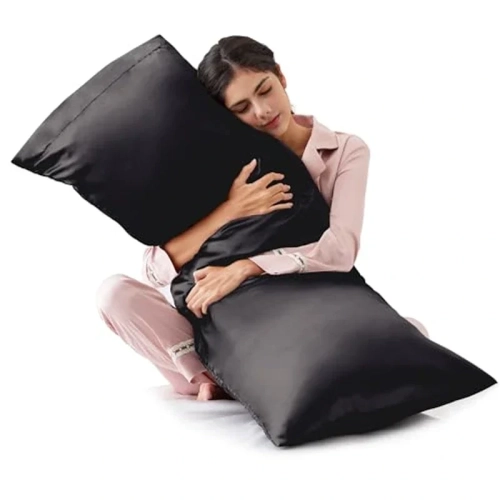
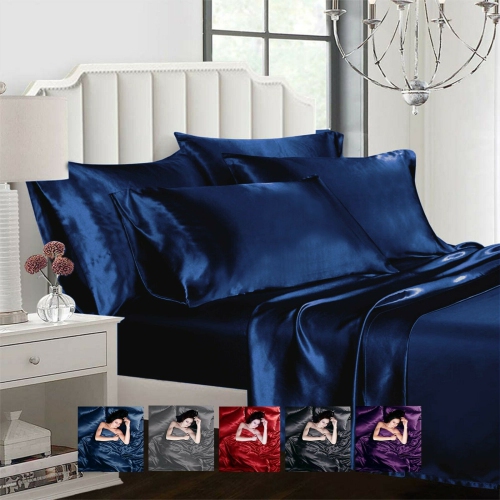
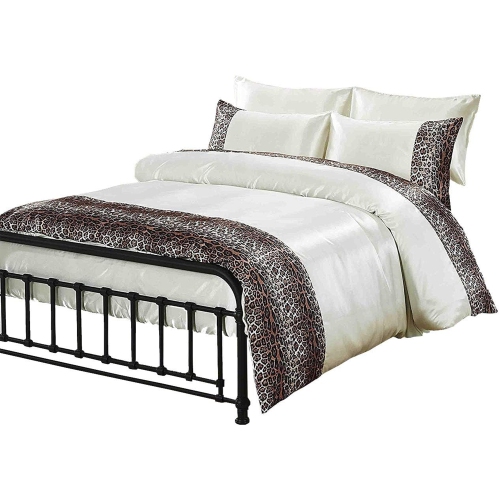

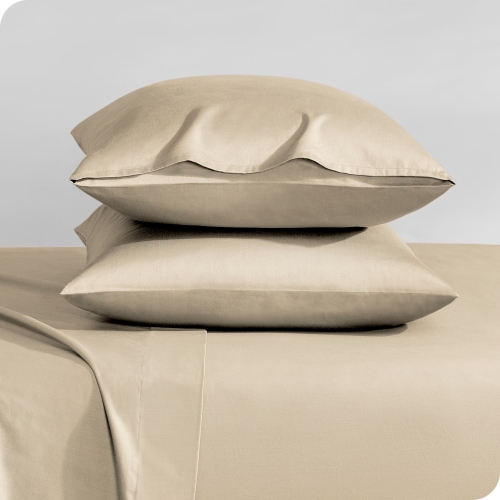
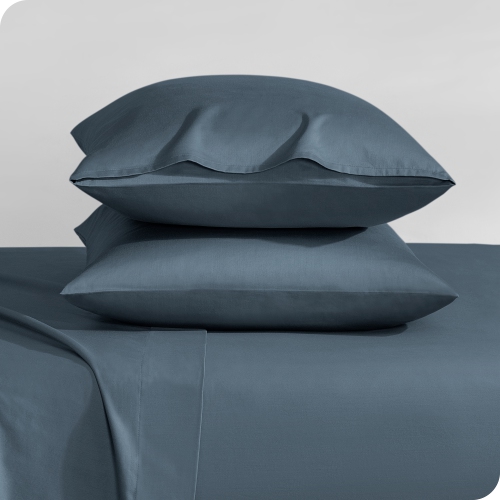
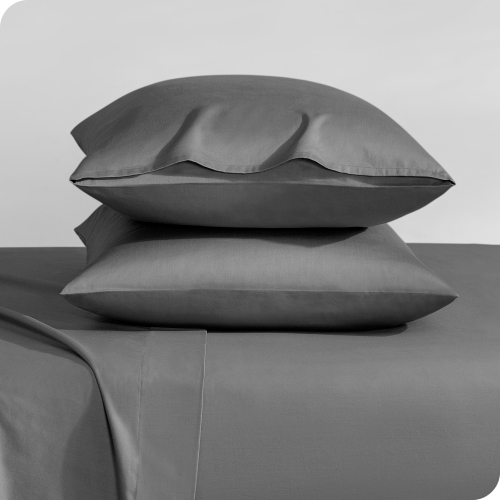
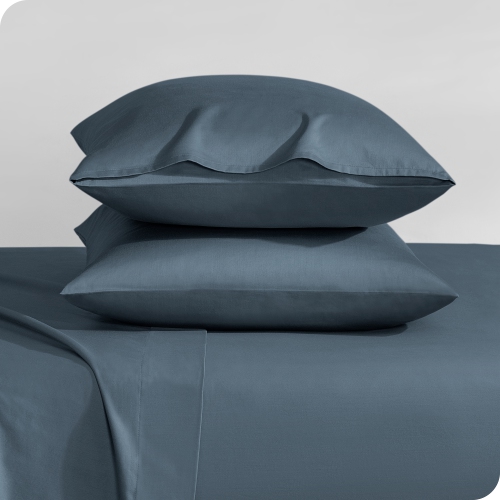
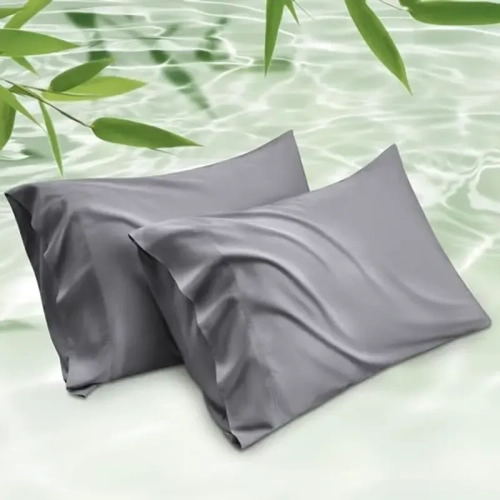
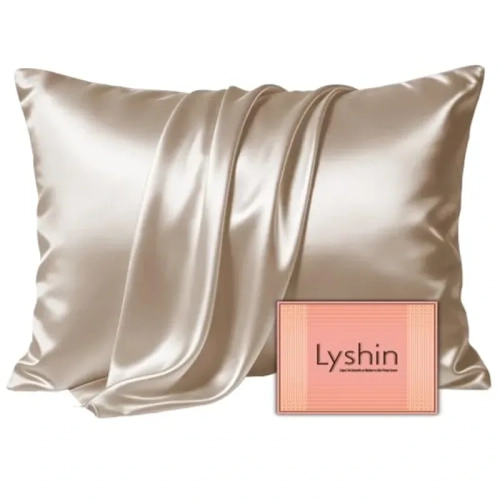
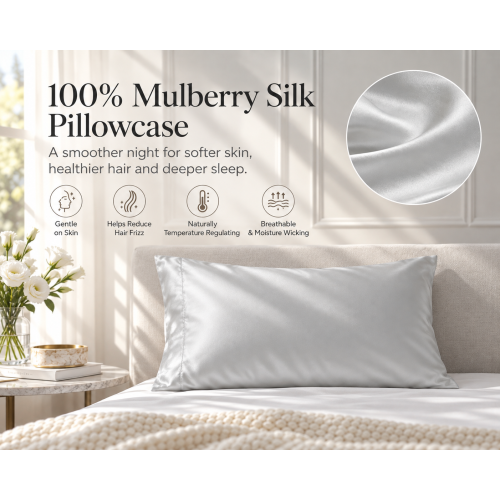
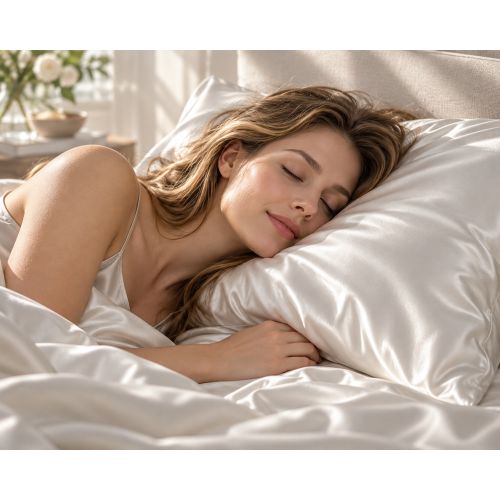
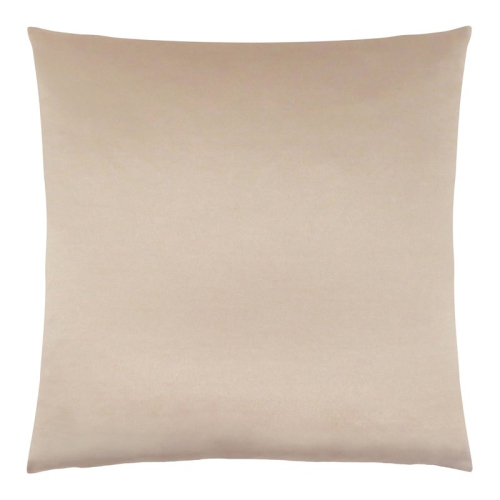



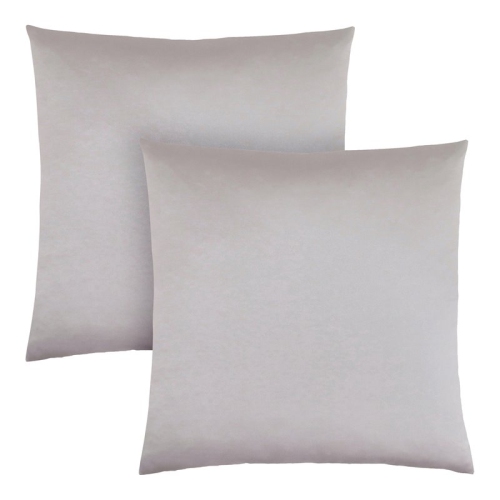

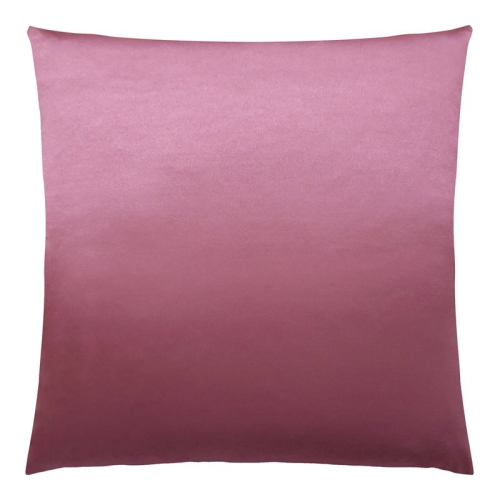
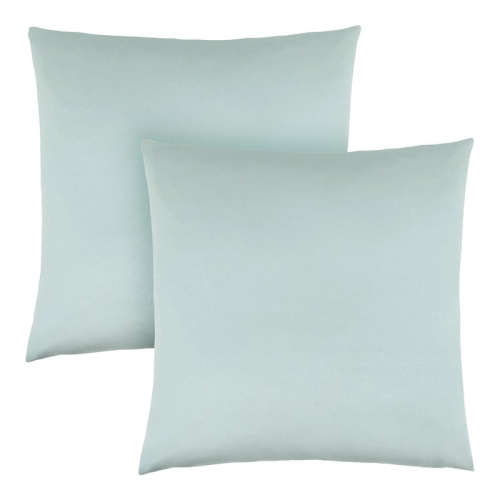
A smoother surface for hair and skin at night
A satin pillowcase is a pillow cover made with a satin weave, which gives the fabric a smooth surface and a soft sheen. That finish lets hair and skin move across the pillow with less friction than they may experience against a coarser fabric. For hair, less rubbing can mean fewer tangles, less surface frizz, and less pulling as the head moves during sleep. These qualities can be useful for curly, coily, wavy, or straight hair, especially when preserving a hairstyle between washes is part of a bedtime routine. A satin surface may also feel gentler against the face and reduce the dragging sensation some people notice with textured bedding. Results vary with the fabric, hair type, sleeping position, and personal routine; a pillowcase does not prevent all breakage or replace hair and skin care. The distinction between satin and silk matters when comparing materials. Satin describes a weave, while silk is a fibre, so a satin pillowcase may be made from polyester, silk, or a blend rather than silk alone. Polyester satin generally absorbs less water than cotton, although that does not guarantee that hair or skin will stay more hydrated overnight. Facial products and hair oils can still transfer onto the fabric. Silk satin has its own feel and care requirements, while blended fabrics take on characteristics of their component fibres. The fibre-content label gives a clearer picture of what touches the face than words such as “silky” or “luxurious,” which describe an impression rather than a material. The finish can vary, too: some satin fabrics have a pronounced gloss and a very slippery hand, while others have a quieter sheen and a more substantial drape. A comfortable choice balances that smoothness with a texture that feels pleasant through a full night of sleep, not just when brushed with a hand.
Fit influences how a satin pillowcase feels and how neatly it sits on the bed. Standard, queen, and king labels are useful starting points, but actual dimensions deserve attention because pillow shapes and fullness vary. A generously filled pillow needs enough room for the cover to close without stretching the seams, while excess fabric on a flatter pillow can bunch beneath the cheek. Length and width measurements are more dependable than judging by appearance, particularly for contoured, extra-long, or unusually shaped pillows. Closure style also makes a practical difference. An envelope opening uses an overlapping fabric flap to help contain the pillow without exposed hardware, while a zippered closure can provide a more enclosed fit. With a zipper, a covered pull and neatly finished edges help keep hard parts away from the face. Open-ended cases are straightforward to remove for washing, though a particularly slick cover may shift more readily on some pillows. Construction details such as even stitching, secure seams, and tidy edges matter as much as shine. Snags, loose threads, or puckered seams can interrupt an otherwise smooth surface, and a glossy finish alone is not a measure of durability. Some pillowcases have satin on both sides; others combine a satin face with a different backing, which changes the feel when the pillow is turned over. Colour and finish offer another way to make bedding feel personal. A soft neutral can blend into an existing sheet set, while a richer shade adds contrast against a plain duvet. Coordinating options in Pillow Covers can carry a colour through to accent pillows without requiring every fabric to match. For a birthday or housewarming gift, satin pillowcases can suit someone who enjoys comfortable bedding or takes care with a hair routine. Knowing the recipient’s pillow size, preferred colours, and willingness to follow the care instructions makes the gift more useful.
Care requirements depend on the fibre content and construction, so the sewn-in label should determine how a satin pillowcase is washed and dried. Some polyester satin fabrics tolerate machine washing on a gentle cycle, while silk and certain blends may need handwashing or another specified method. Where machine washing is permitted, a mesh laundry bag can help limit contact with zippers, hooks, and rough fabrics in the same load. A mild detergent and the recommended water setting help protect the finish; bleach, fabric softener, and stain treatments should only be used if the care instructions allow them. Satin is not automatically wrinkle-free or resistant to marks. Hair oils, leave-in conditioners, makeup, and facial products can leave residue, making regular laundering important even when the fabric still looks tidy. Stains are best addressed promptly with a method suited to the material, without vigorous scrubbing that could disturb the smooth face. Drying instructions deserve equal attention because excessive heat can damage some fibres or alter their finish. Air-drying or a permitted low-heat setting may be appropriate, depending on the label. If pressing is allowed, the specified iron setting and a protective cloth can help avoid unwanted shine marks or damage. Jewellery, rough fingernails, and hook-and-loop fasteners can catch the longer threads on a satin surface, so careful handling helps preserve its feel. Keeping a second clean case in rotation makes washing less disruptive and gives each cover time to dry fully before reuse. A satin pillowcase works with the pillow already suited to the sleeper’s preferred support; it changes the contact surface, not the firmness or shape underneath. It can complement a loose braid, a protective hairstyle, or a simple evening face-washing routine without making those steps unnecessary. The most satisfying choice is one that fits securely, feels comfortable against both hair and skin, and can be cared for consistently as part of everyday bedding.
Top selling and popular products
-
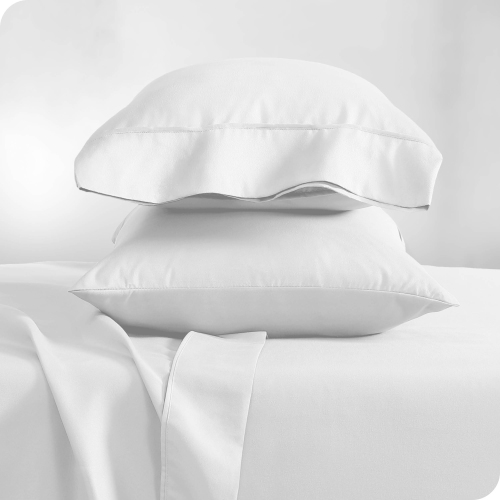 Your price for this item is $64.99
-
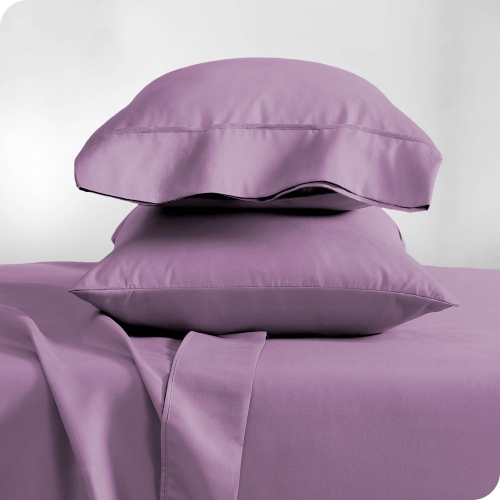 Your price for this item is $64.99
-
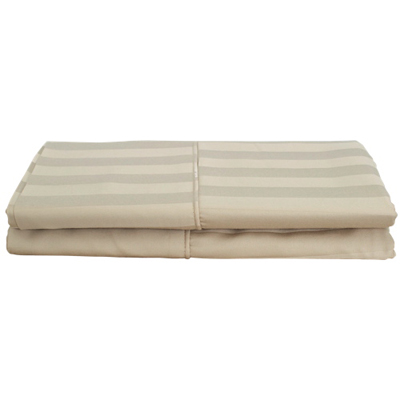 Your price for this item is $59.99
-
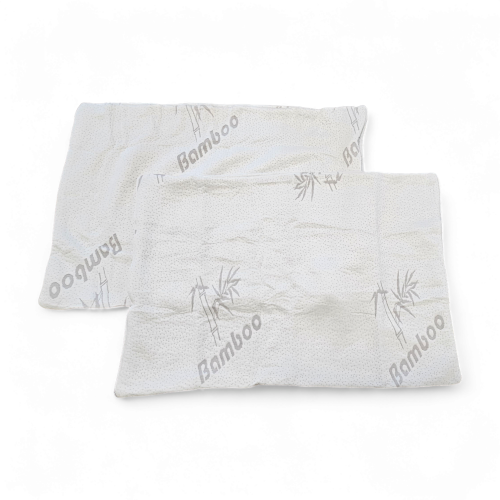 Your price for this item is $18.97
-
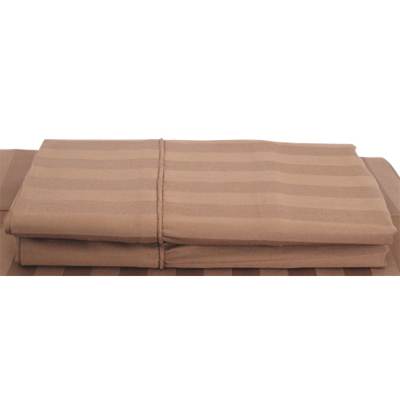 Your price for this item is $59.99
-
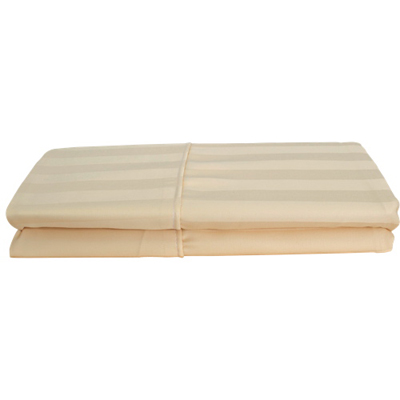 Your price for this item is $59.99
-
 Your price for this item is $11.98
-
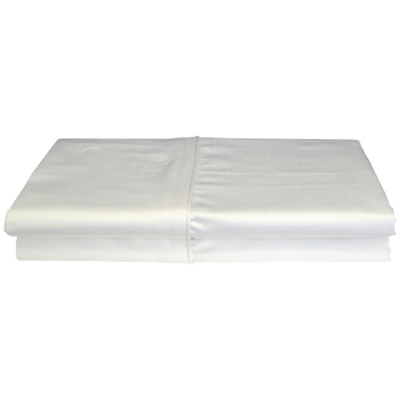 Your price for this item is $59.99
Discover more categories related to Satin Pillowcase
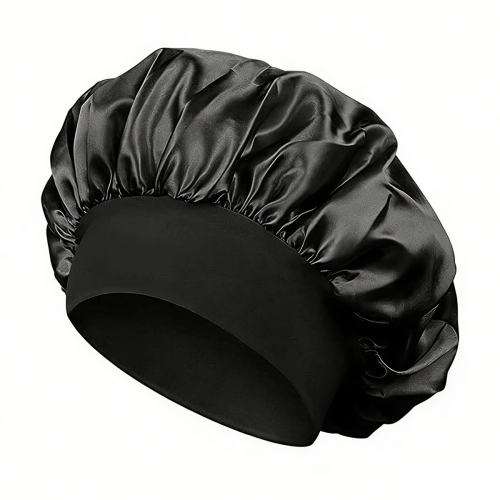
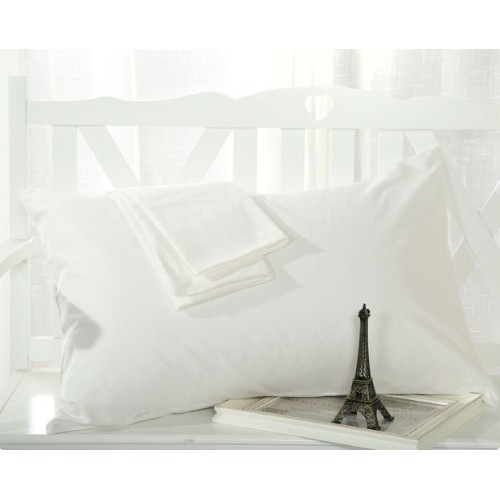
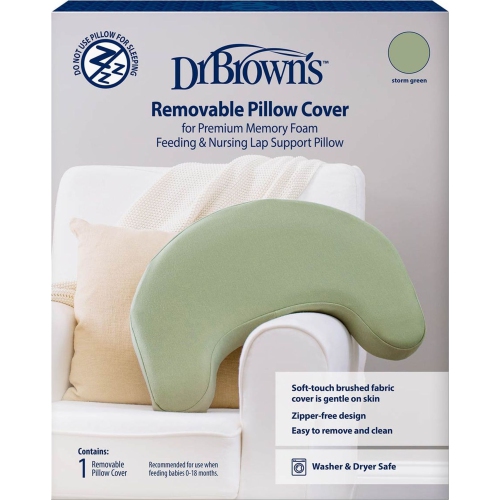

Top Collections:
Best Black Friday Deals This Year, Best Black Friday Deals On Electronics, Kindle Devices, Pokemon Centers, Best Black Friday Deals On Apple Products, Best Cameras for Sports Photography, Dyson Airwrap, Pokémon 30th Celebration Cards, Apple iPhone 17 Pro, Canon G7X Cameras
Some products may be subject to Environmental Handling Fees
(EHF) depending on your province.
Learn more about EHFs.