Scented Oils
Enhance the ambiance of your home with our selection of scented oils, designed to uplift your space with delightful fragrances. Whether you prefer calming lavender, rejuvenating eucalyptus, or invigorating citrus scents, we have a variety of options to suit your preferences. Transform any room into a tranquil oasis or a vibrant paradise with these aromatic oils, perfect for creating a soothing atmosphere for relaxation or adding a touch of luxury to your surroundings. Explore our range of scented oils and discover the perfect scent to elevate your living space today.
Sort
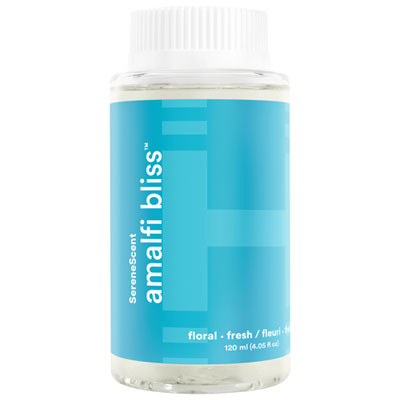
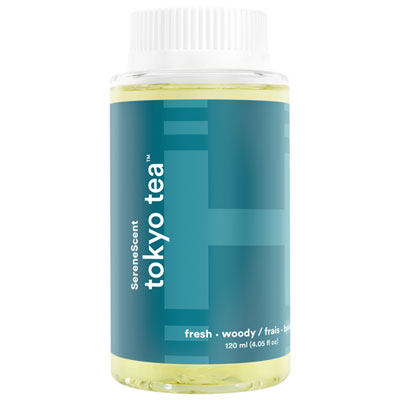

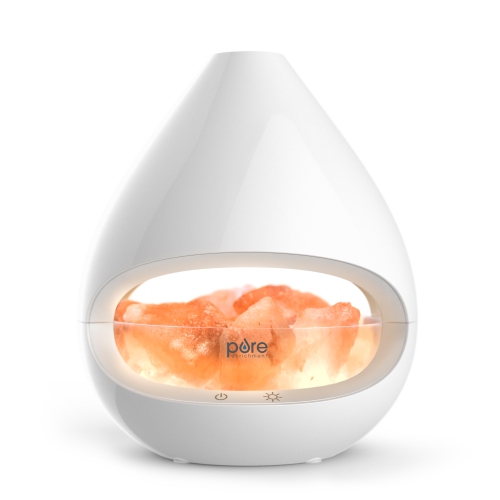
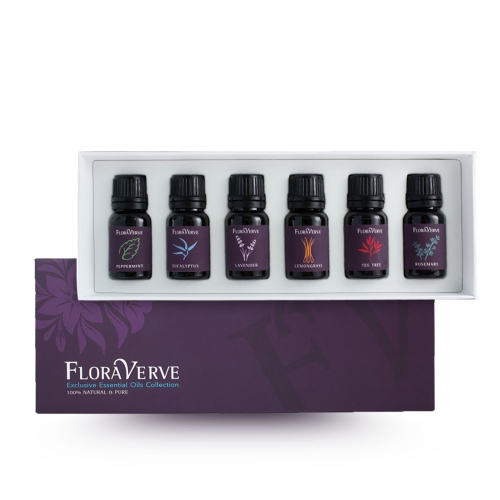
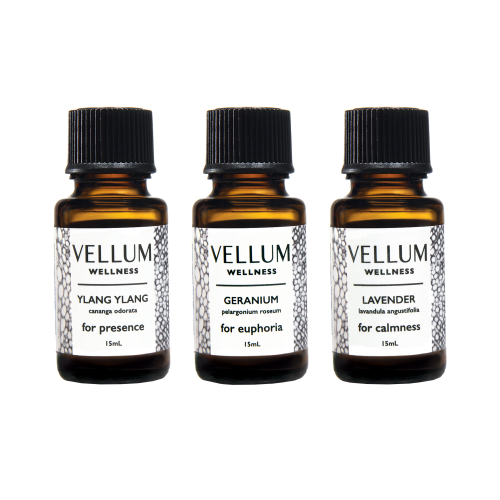
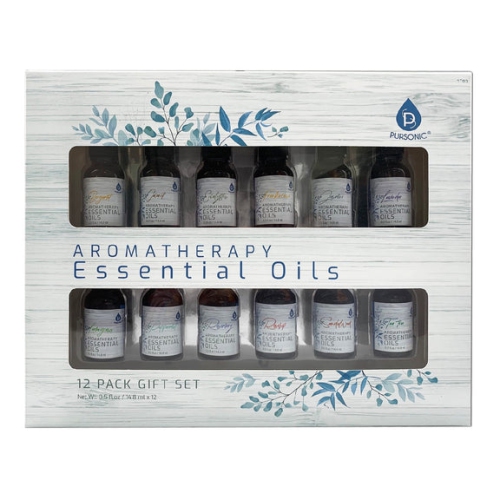
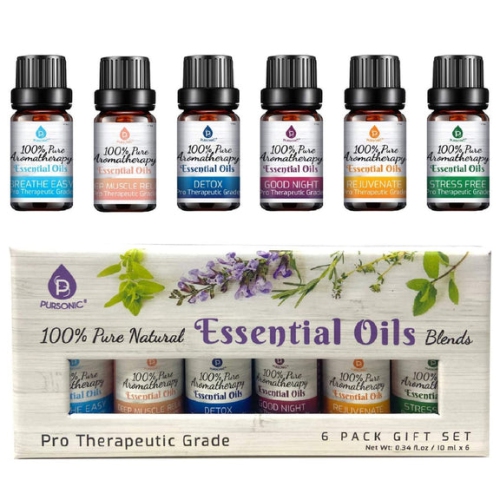
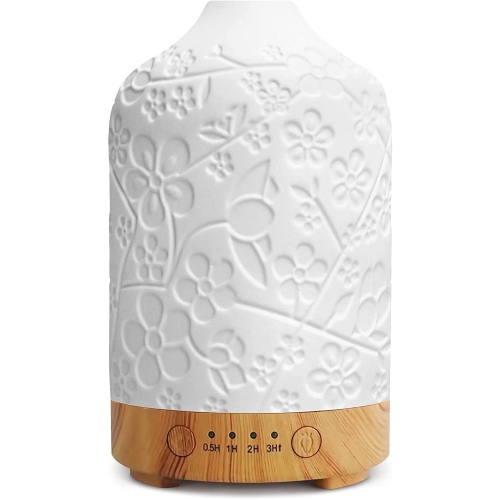
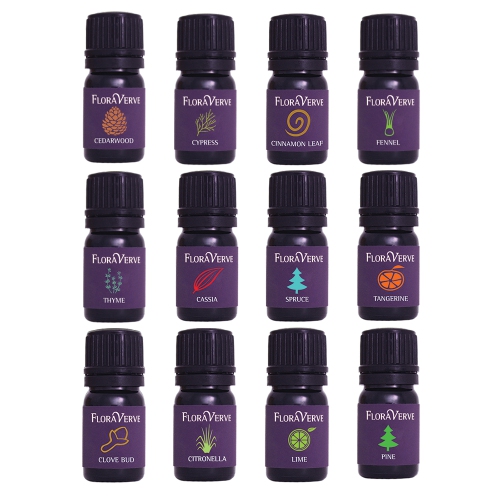
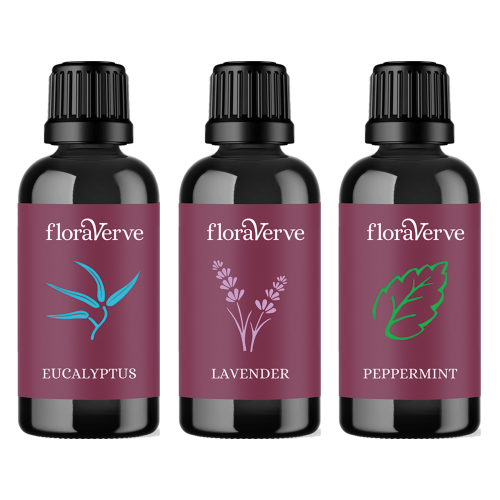
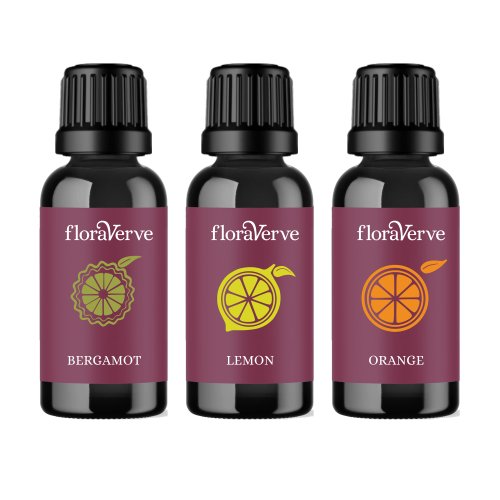
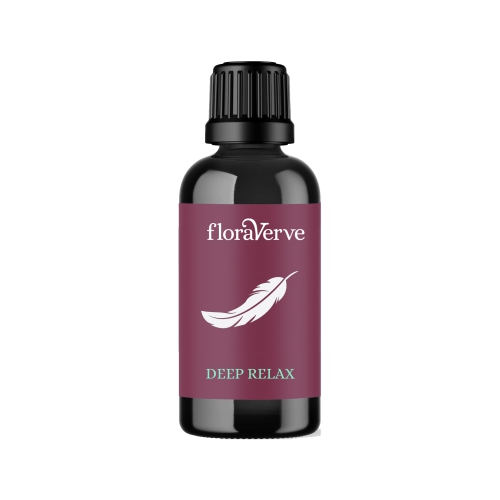
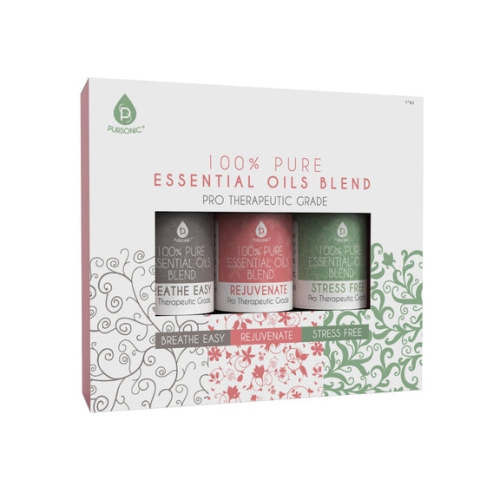
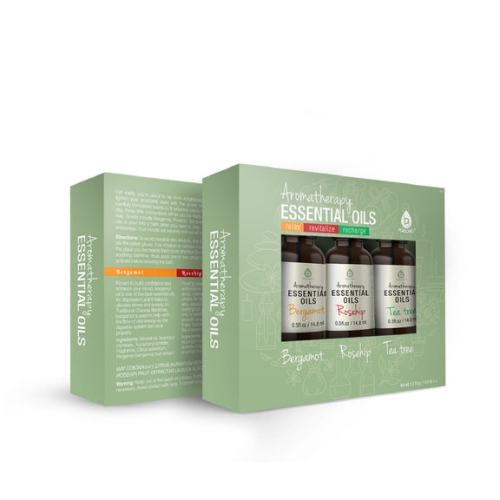
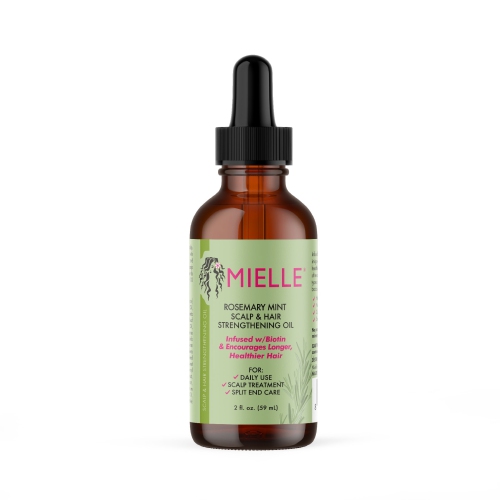
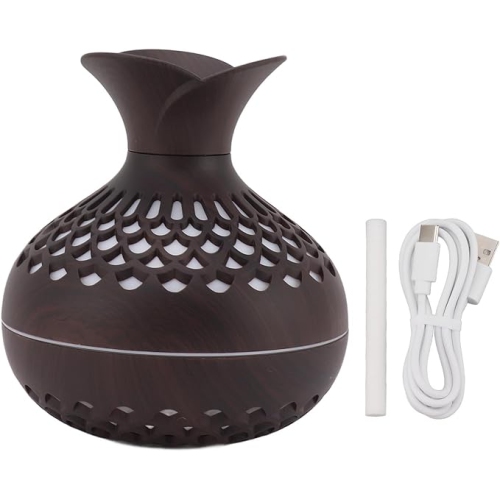

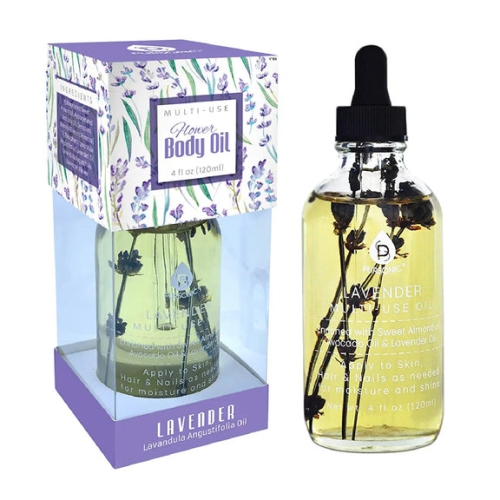
Explore oils for diffusers, crafts, cosmetics, and routines
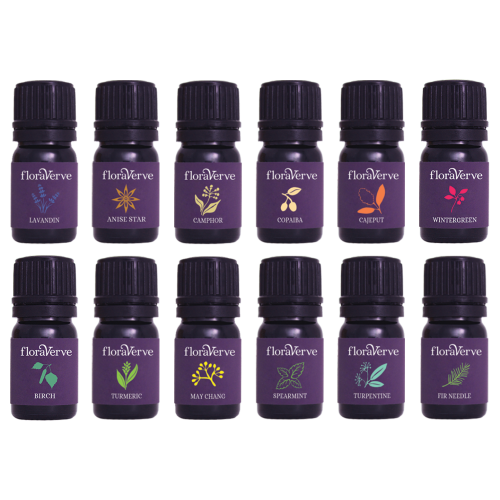
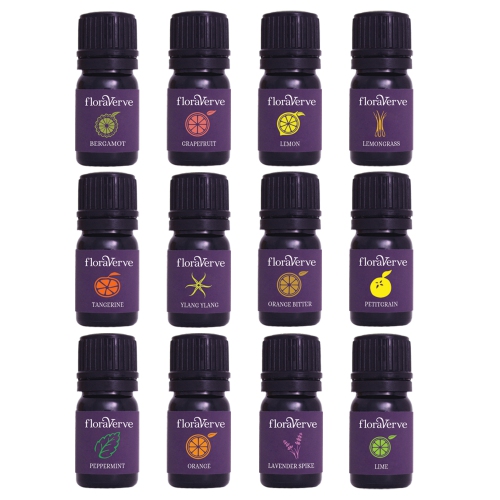
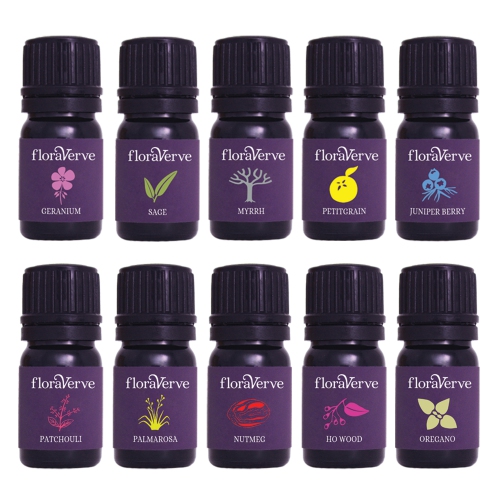
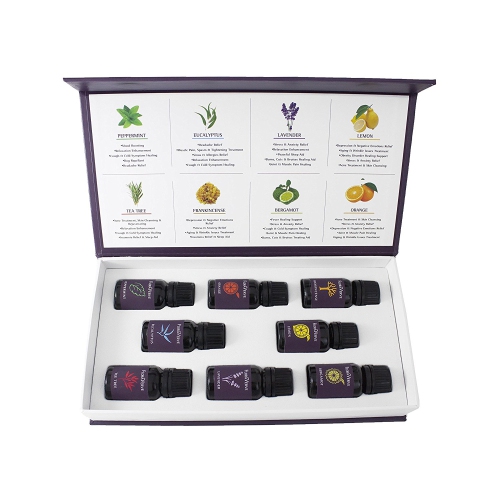
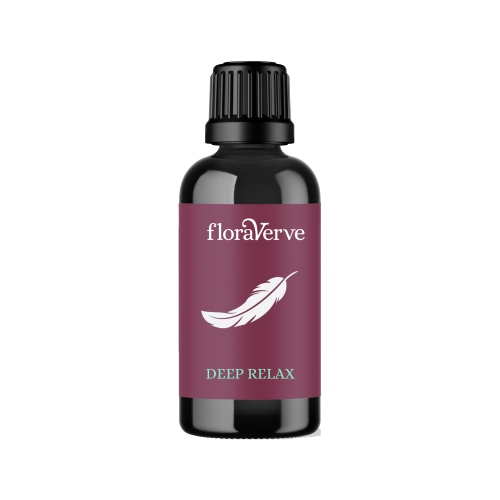
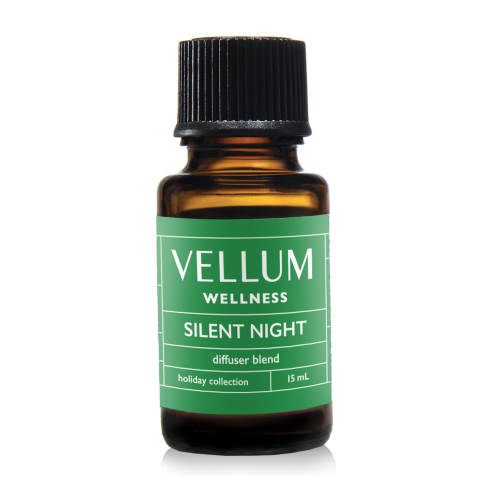
Scented oils can add a distinctive layer of atmosphere to a room, personal routine, or creative project, with options ranging from plant-derived essential oils to fragrance oils made for consistent scent and lasting performance. Essential oils are concentrated aromatic extracts obtained from plants through processes such as distillation or cold pressing, while fragrance oils may contain synthetic or blended aromatic compounds designed for uses such as candles, soaps, lotions, wax melts, and home fragrance. Diffuser blends are another category, often combining several notes to create a ready-to-use profile for a compatible diffuser. As you browse scented oils, start by identifying how you plan to use them. Oils intended for a water-tank diffuser may not be suitable for a waterless or nebulizing diffuser, and fragrance oils designed for candle making should not automatically be used on the skin or in a humidifier. Product descriptions can help clarify whether an oil is intended for diffusion, crafting, cosmetics, or another application. This distinction is especially important because concentrated oils can be potent, and the right format makes a noticeable difference to both performance and ease of use. For a quiet reading corner, a soft floral or powdery blend can create a gentle backdrop, while citrus, herbaceous, or mint-inspired notes may feel crisp and invigorating in a kitchen or home office. Woody, amber, resinous, and spice notes can bring warmth and depth to living areas during the cooler months, creating the kind of welcoming scent that lingers lightly after the lights are dimmed. If you are exploring a broader selection for personal routines or room fragrance, Aromatherapy Oils can also help you compare scent families and formats in one place.
When choosing scented oils, consider fragrance profile, concentration, bottle size, and the equipment or project you have in mind. A single-note oil, such as lavender, vanilla, eucalyptus, rose, lemon, or cedarwood, can be useful when you already know the aroma you enjoy and want to build a simple routine around it. A blended oil combines multiple notes, often creating a more rounded impression with a top note that appears first, a heart note that shapes the main character, and a base note that remains after the lighter aromas fade. Sets containing several smaller bottles are practical for sampling floral, fruity, fresh, sweet, earthy, or woody profiles without committing to one large bottle, and they can be helpful for anyone learning how different notes work together. For diffuser use, check the manufacturer’s guidance regarding the number of drops, water capacity, operating time, and ventilation. Stronger is not always better; a subtle scent can feel more comfortable over an extended period than an overpowering cloud of fragrance. For candle making, soap making, bath products, or other crafts, look for oils labelled for that specific application and follow the recommended fragrance load, handling instructions, and curing requirements. Oils used in cosmetics may require additional dilution in a suitable carrier oil, and essential oils should not be applied directly to skin unless the product directions and appropriate dilution guidance specifically support that use. Keep concentrated oils away from eyes, food, and children, and store bottles closed in a cool, dry place. It is also wise to check household considerations, including sensitivities, allergies, ventilation needs, and whether certain aromas may be unsuitable around pets or anyone with respiratory concerns. These small checks can help make scented oil use more enjoyable and predictable.
Scented oils suit a wide range of people, from someone creating a calmer evening ritual to a hobbyist experimenting with handmade candles, soaps, bath bombs, or wax melts. They can also make thoughtful gifts because scent is personal, compact, and easy to tailor to someone’s tastes. A set with several fragrance families may appeal to a friend who enjoys changing the mood of a space, while a single bottle in a familiar floral, citrus, or wood-inspired profile can feel more considered for someone whose preferences you know well. They are useful for housewarmings, birthdays, host gifts, and seasonal care packages, particularly when paired with a compatible diffuser or craft supplies. During the transition from warmer days to cooler months, fresh bergamot, orange, or herbal aromas can keep a room feeling bright, while cinnamon-inspired, vanilla, sandalwood, or amber-like notes can lend a cosy character to a den, bedroom, or entryway. For a more layered effect, begin with one or two drops or the lowest recommended amount, allow the aroma to circulate, and adjust gradually rather than adding a large quantity at once. In a diffuser, placement matters: an open area with gentle airflow can distribute fragrance more evenly than a crowded shelf or enclosed corner. For creative projects, keep notes of the oils and amounts used, since a blend that smells balanced in the bottle can develop differently once mixed with wax, soap base, or a carrier oil. Whether you prefer clean and airy aromas, sweet gourmand notes, green botanicals, rich woods, or expressive blends, the best scented oil is one that matches its intended use, works with your equipment or recipe, and complements the people and spaces around you.
When choosing scented oils, consider fragrance profile, concentration, bottle size, and the equipment or project you have in mind. A single-note oil, such as lavender, vanilla, eucalyptus, rose, lemon, or cedarwood, can be useful when you already know the aroma you enjoy and want to build a simple routine around it. A blended oil combines multiple notes, often creating a more rounded impression with a top note that appears first, a heart note that shapes the main character, and a base note that remains after the lighter aromas fade. Sets containing several smaller bottles are practical for sampling floral, fruity, fresh, sweet, earthy, or woody profiles without committing to one large bottle, and they can be helpful for anyone learning how different notes work together. For diffuser use, check the manufacturer’s guidance regarding the number of drops, water capacity, operating time, and ventilation. Stronger is not always better; a subtle scent can feel more comfortable over an extended period than an overpowering cloud of fragrance. For candle making, soap making, bath products, or other crafts, look for oils labelled for that specific application and follow the recommended fragrance load, handling instructions, and curing requirements. Oils used in cosmetics may require additional dilution in a suitable carrier oil, and essential oils should not be applied directly to skin unless the product directions and appropriate dilution guidance specifically support that use. Keep concentrated oils away from eyes, food, and children, and store bottles closed in a cool, dry place. It is also wise to check household considerations, including sensitivities, allergies, ventilation needs, and whether certain aromas may be unsuitable around pets or anyone with respiratory concerns. These small checks can help make scented oil use more enjoyable and predictable.
Scented oils suit a wide range of people, from someone creating a calmer evening ritual to a hobbyist experimenting with handmade candles, soaps, bath bombs, or wax melts. They can also make thoughtful gifts because scent is personal, compact, and easy to tailor to someone’s tastes. A set with several fragrance families may appeal to a friend who enjoys changing the mood of a space, while a single bottle in a familiar floral, citrus, or wood-inspired profile can feel more considered for someone whose preferences you know well. They are useful for housewarmings, birthdays, host gifts, and seasonal care packages, particularly when paired with a compatible diffuser or craft supplies. During the transition from warmer days to cooler months, fresh bergamot, orange, or herbal aromas can keep a room feeling bright, while cinnamon-inspired, vanilla, sandalwood, or amber-like notes can lend a cosy character to a den, bedroom, or entryway. For a more layered effect, begin with one or two drops or the lowest recommended amount, allow the aroma to circulate, and adjust gradually rather than adding a large quantity at once. In a diffuser, placement matters: an open area with gentle airflow can distribute fragrance more evenly than a crowded shelf or enclosed corner. For creative projects, keep notes of the oils and amounts used, since a blend that smells balanced in the bottle can develop differently once mixed with wax, soap base, or a carrier oil. Whether you prefer clean and airy aromas, sweet gourmand notes, green botanicals, rich woods, or expressive blends, the best scented oil is one that matches its intended use, works with your equipment or recipe, and complements the people and spaces around you.
Top selling and popular products
-
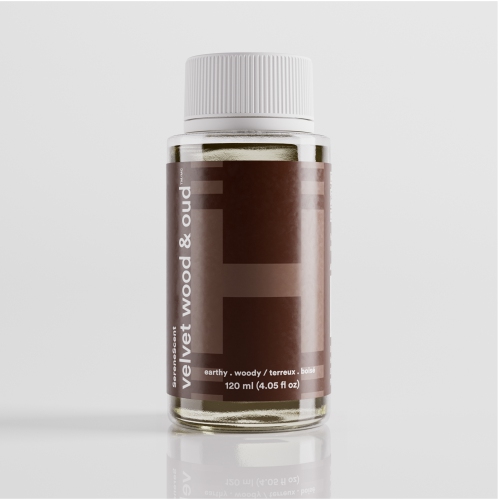 Your price for this item is $59.99
 -
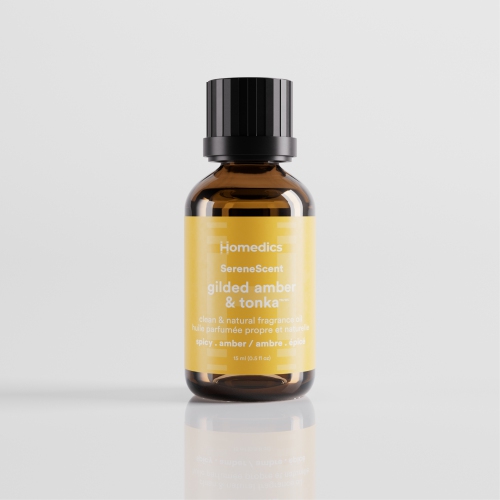 Your price for this item is $14.99
 -
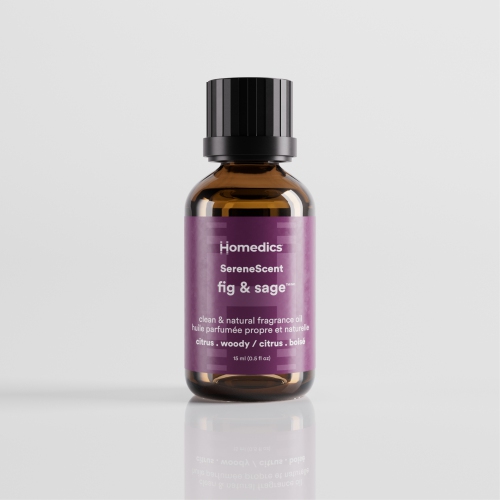 Your price for this item is $14.99
 -
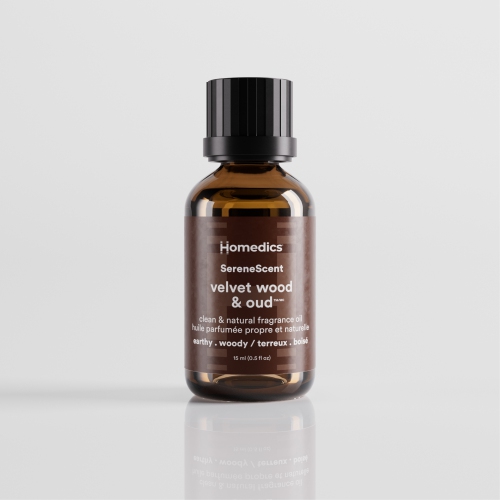 Your price for this item is $14.99
 -
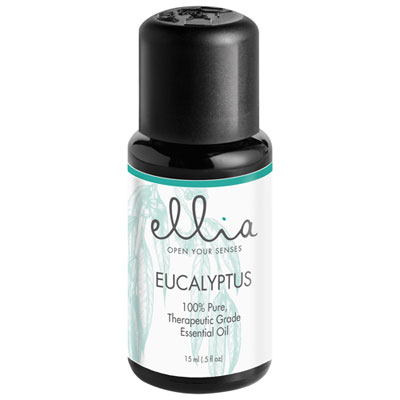 Your price for this item is $8.98
 -
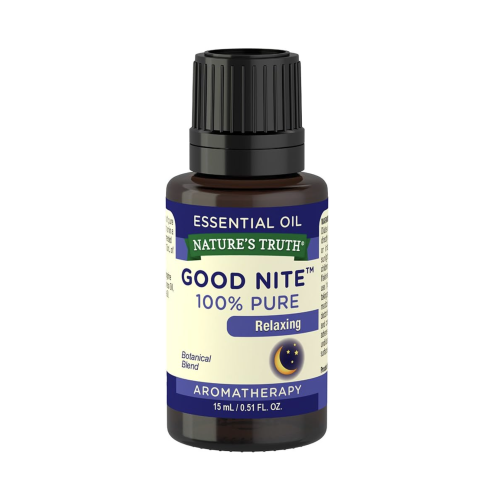 Your price for this item is $30.79
 -
 Your price for this item is $35.95
 -
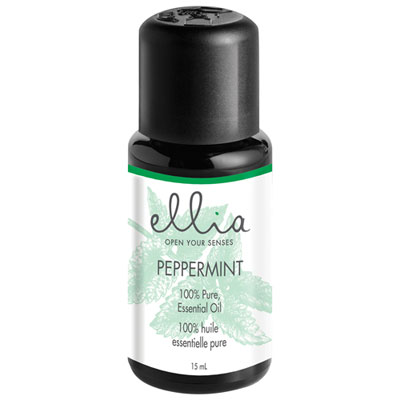 Your price for this item is $19.99
Discover more categories related to Scented Oils
Top Collections:
Pokemon Centers, Kindle Devices, Best Budget Office Chairs, Apple iPhones 16, Best Laptops for Writers, iPhone 15 Apple, Canon G7X Cameras, Refurbished Apple Laptops, Alarm Clock, Motorola Razr Phones
Some products may be subject to Environmental Handling Fees
(EHF) depending on your province.
Learn more about EHFs.