School Office Chair
Find the right support for focused study sessions and productive workdays with a School Office Chair. Designed to fit seamlessly into classrooms, dorm rooms, or home offices, these chairs offer comfort and functionality for students and professionals alike. Explore a variety of styles and finishes to match your workspace while enjoying options that suit different seating preferences. With a School Office Chair, you can create a space that encourages learning and efficiency throughout the day.
Sort
Why chair fit matters more than appearance
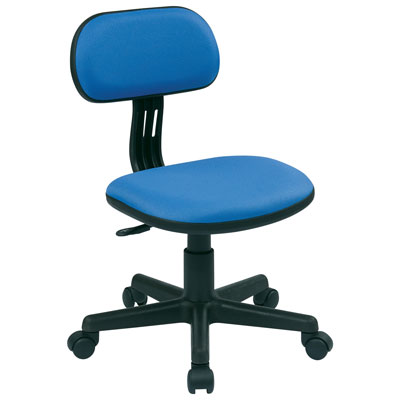
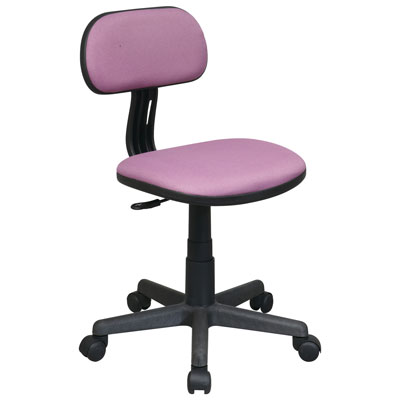
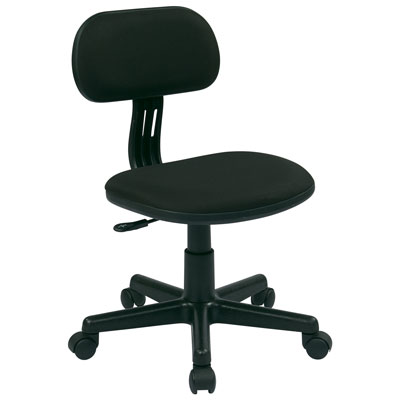
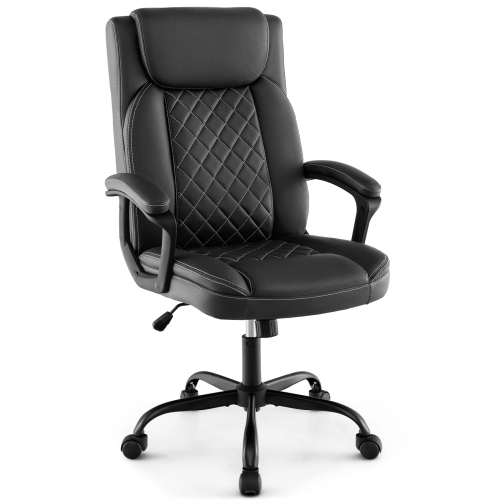
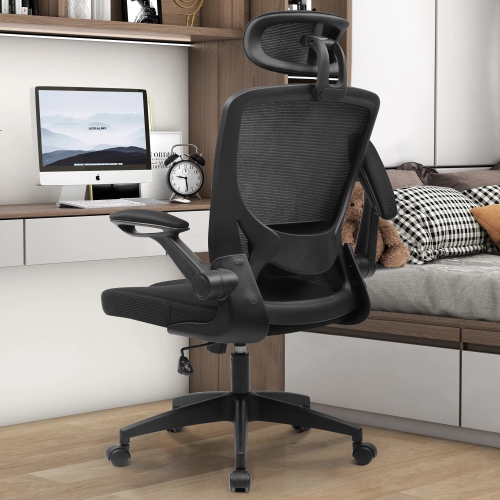
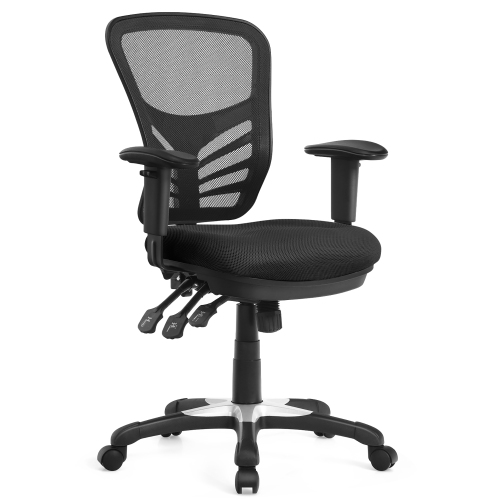
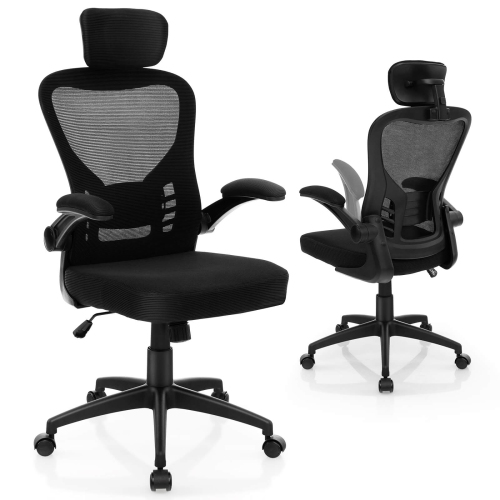
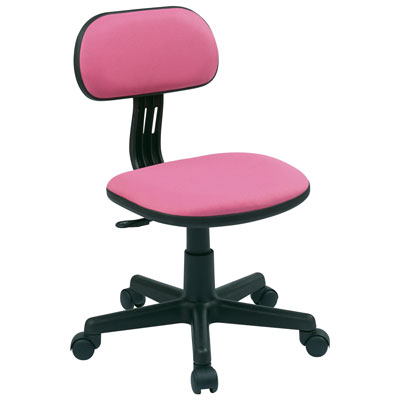
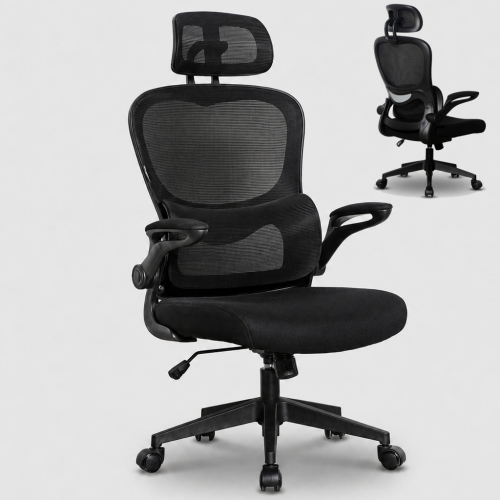
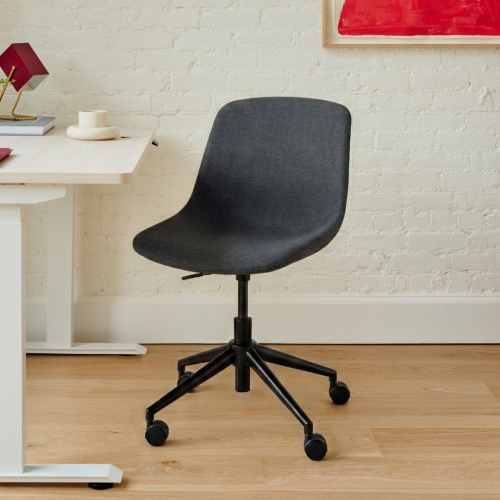
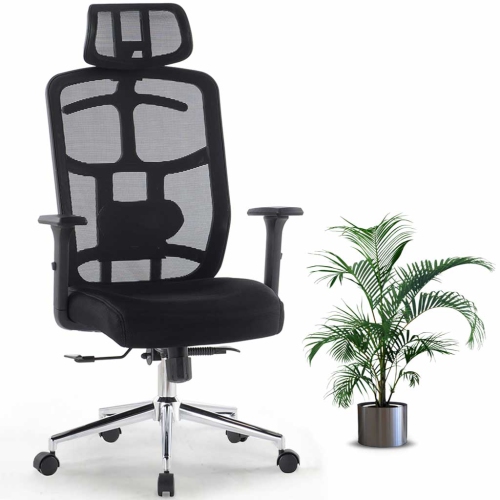
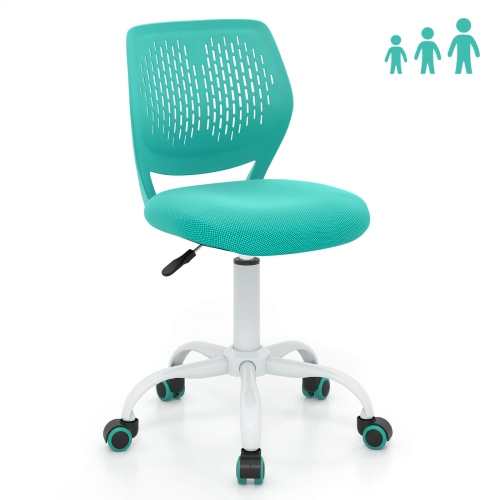
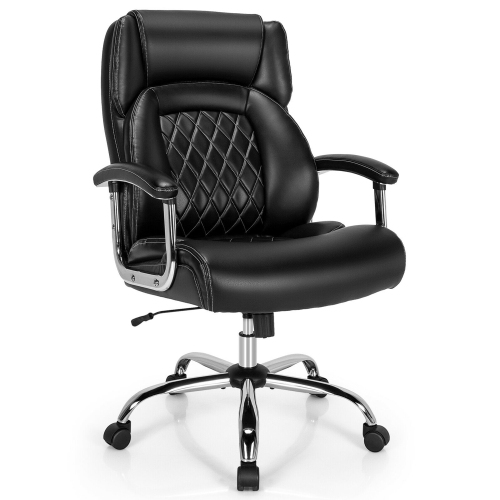
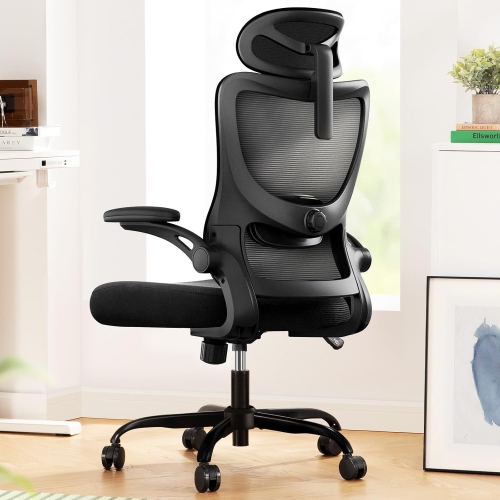
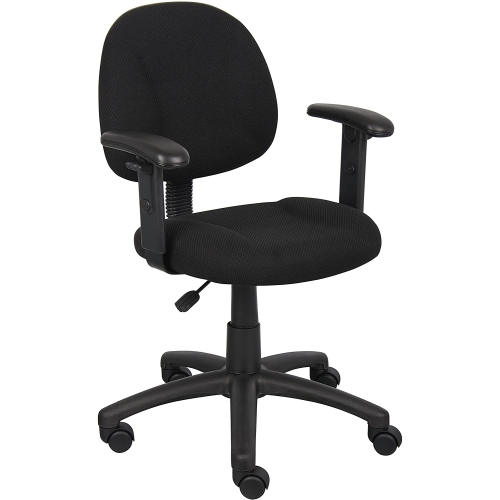
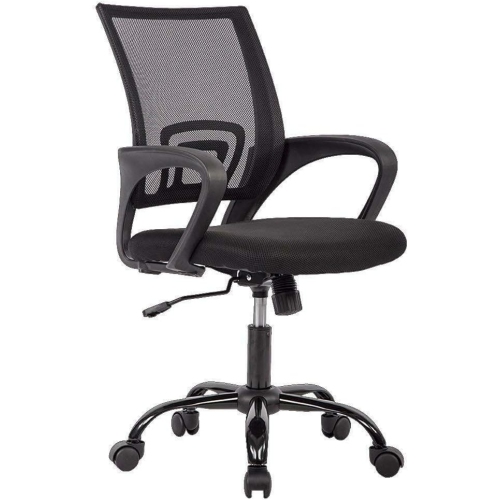
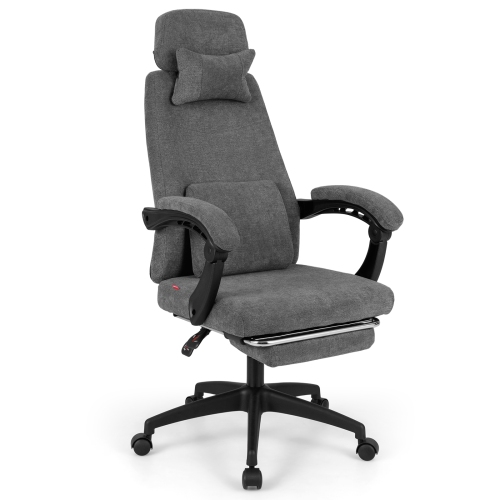
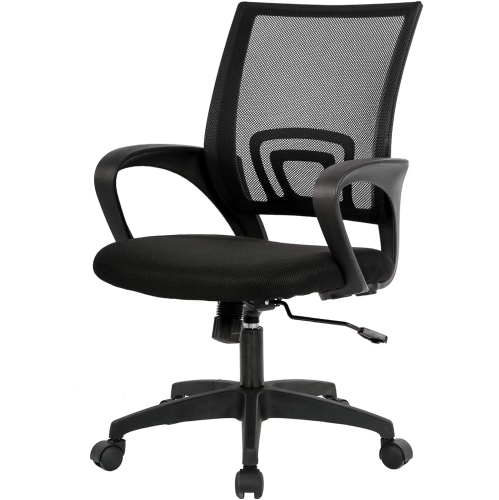
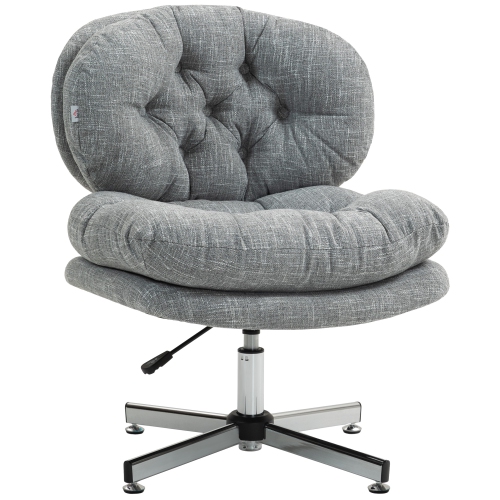
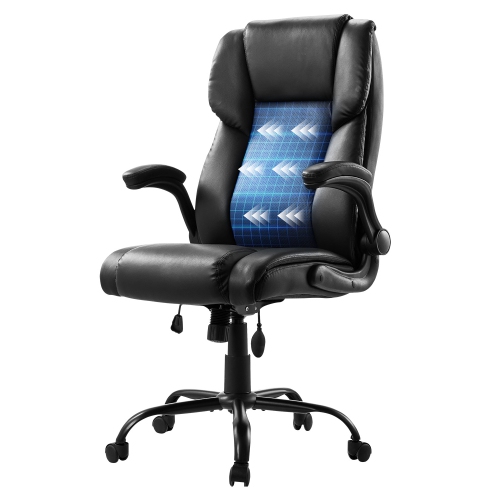
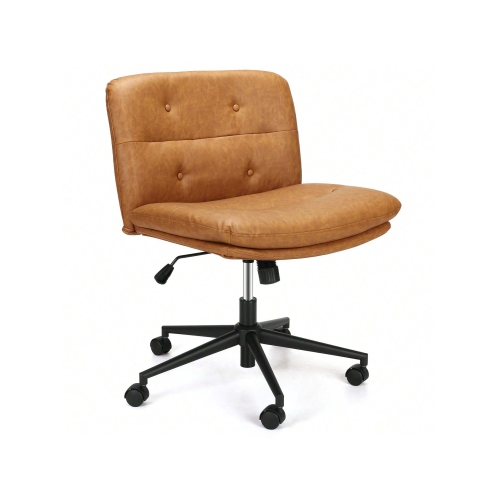
School office chairs provide seating for desk-based tasks in classrooms, computer labs, school offices, and home study spaces. The category includes adjustable task chairs for students, supportive desk chairs for teachers, and seating suited to administrative work. A teacher reviewing assignments may need room to move between a keyboard, lesson notes, and a stack of papers, while a student working at a computer needs a chair that fits both their body and the desktop. Those differences make fit more important than appearance alone. Seat height should allow feet to rest securely on the floor or on a suitable footrest, with enough clearance beneath the desk for comfortable leg movement. Seat depth matters just as much: a seat that extends too far forward can press behind the knees, while one that is too shallow may leave the thighs insufficiently supported. An adjustable backrest or lumbar support can help accommodate different users, although the position and shape of that support need to suit the person sitting in the chair. For younger students, an adult-sized office chair may remain too large even at its lowest setting, so the stated dimensions and intended user range deserve close attention. Armrests can provide a resting place between typing or writing tasks, but their height and width affect how closely the chair can approach a desk. Armless designs offer more freedom at narrow workstations and can slide beneath desks without catching on the underside. Adjustable armrests offer flexibility where a chair is shared or used for several activities. In shared learning spaces, clearly marked, easy-to-reach controls make it simpler to restore a comfortable position after another person has used the chair. A useful school desk chair supports the task without forcing its user to reach forward, perch on the seat edge, or raise their shoulders to work.
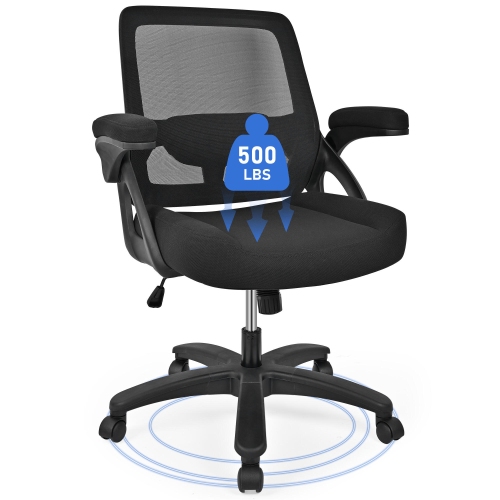
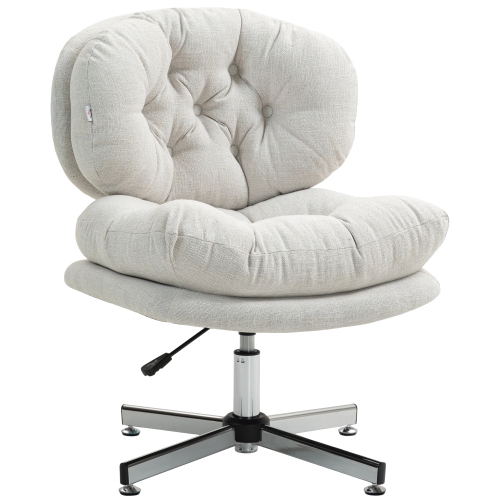
Materials influence how a school office chair feels throughout the day and how it stands up to repeated use. Woven fabric upholstery offers a soft surface and comes in colours that can blend with classroom furniture or a home study area. Its texture can make dust and crumbs less obvious, but spills generally need prompt attention according to the care instructions. Mesh backrests allow airflow and provide a lighter visual profile, though the tension, edge construction, and support behind the mesh all affect comfort. Padded seats vary in firmness and thickness; generous cushioning is not automatically a better fit if it compresses unevenly or makes the seat too high for the user. Vinyl and other wipeable upholstery can suit shared spaces where straightforward cleaning is a priority, provided the material is compatible with the cleaning products being used. Moulded plastic surfaces offer another practical option for some educational settings, especially where chairs need frequent wiping, although their feel differs from upholstered seating during longer desk sessions. Strong seams, securely attached armrests, and a stable base are useful details in chairs that move between users throughout the day. The stated weight capacity and intended setting are important, too, since a chair designed for occasional home use may not be intended for the demands of a busy school workstation. Cleaning requirements extend beyond the seat and back: dust can collect around adjustment levers, and hair or threads can interfere with caster movement. Routine care may include vacuuming upholstery with a suitable attachment, wiping approved surfaces, and checking accessible fasteners as directed by the manufacturer. Harsh cleaners or excess moisture can damage some finishes and fabrics, so compatibility matters more than a one-size-fits-all cleaning routine. In a shared classroom or staff office, simple surfaces and accessible components can make regular upkeep easier without adding unnecessary steps to the working day.
The way a chair moves also shapes its usefulness in a school workspace. Swivel task chairs can make it easier to turn between a computer screen and nearby reference materials without repeatedly twisting the upper body. Casters allow a chair to move back from a desk, but they need to suit the floor surface; a wheel intended for carpet may behave differently on a smooth floor. Where unexpected rolling would interfere with the activity, stationary seating or an appropriately specified glide base may be a better match. Chair movement should also leave clear routes around desks, storage cabinets, and classroom entrances. A wide base can provide stability but may take up more room than expected beneath a compact desk, while projecting armrests can catch on neighbouring furniture. These details become especially noticeable in computer labs with closely spaced workstations or in a bedroom study corner that shares space with other furniture. Tilt and recline functions add another consideration: some users appreciate a little movement between tasks, while others prefer a more upright position for handwriting or detailed work. Clearly understood tension and locking controls help those functions remain useful rather than distracting. For a home study area or a teacher’s private office, style can sit alongside these practical requirements. Neutral upholstery, simple frames, and restrained detailing can coordinate with existing desks and shelving; Modern Office Chairs offer a related direction for workspaces where appearance is also a consideration. A compact silhouette, however, should still leave enough usable seat space and back support for the intended user. Chairs used for extended planning, tutoring, or homework sessions need to work with the rest of the setup, including desk height, screen position, and access to frequently used materials. Even well-fitted seating benefits from changes of position and regular opportunities to stand or move. The most suitable school office chairs balance body fit, manageable adjustments, appropriate materials, and the practical demands of the space they serve.
Top selling and popular products
-
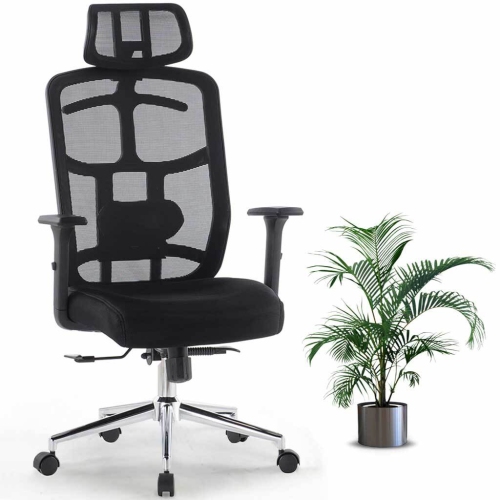 Your price for this item is $129.99
-
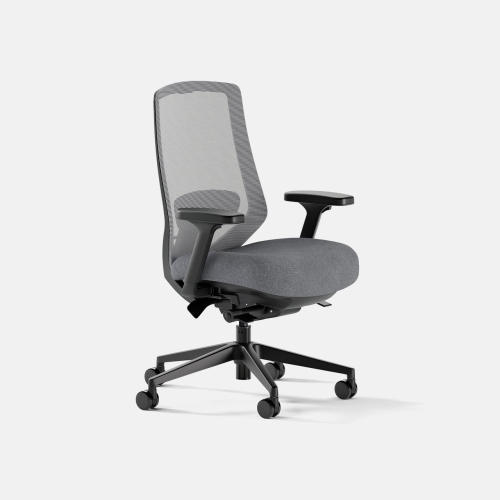 Your price for this item is $539.1
-
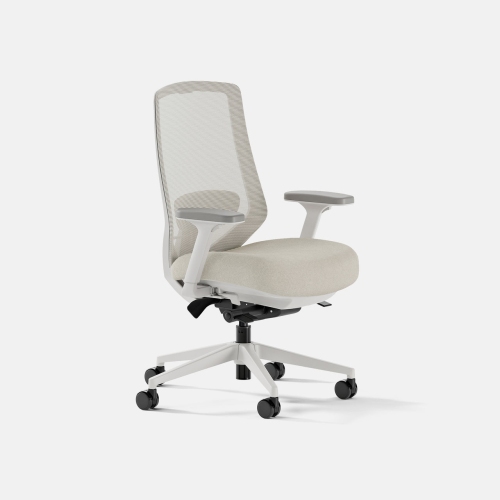 Your price for this item is $539.1
-
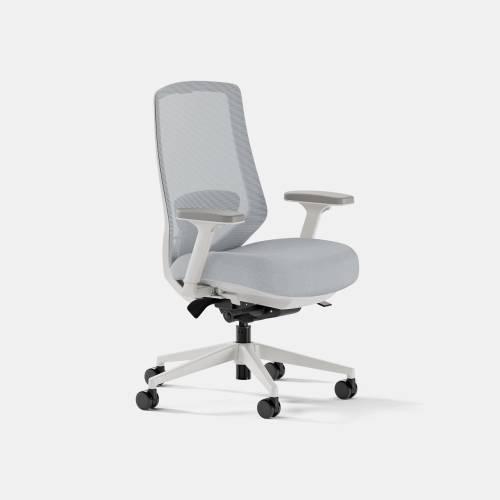 Your price for this item is $539.1
-
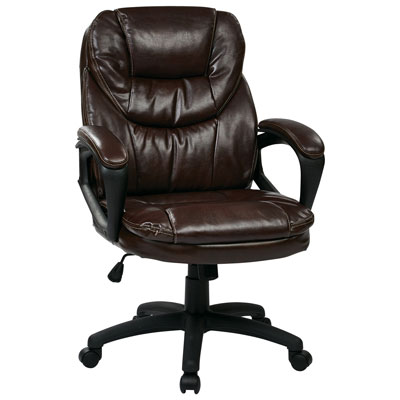 Your price for this item is $459.99
-
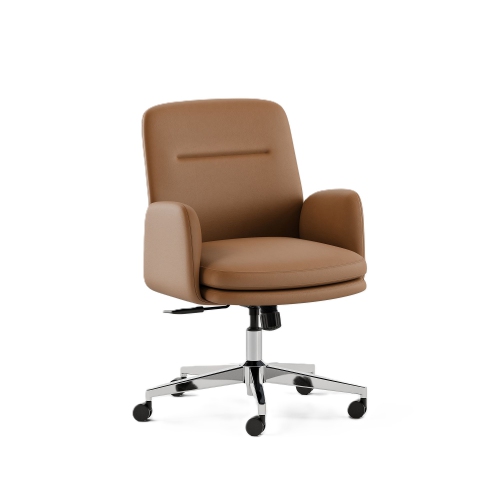 Your price for this item is $343.2
-
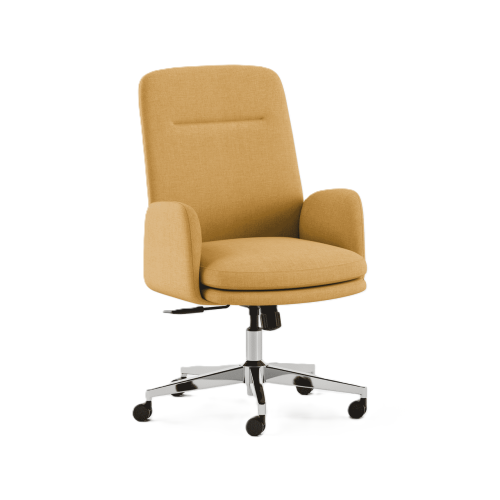 Your price for this item is $343.2
-
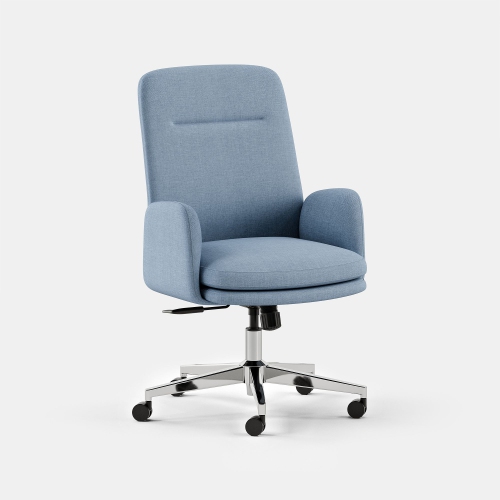 Your price for this item is $343.2
Discover more categories related to School Office Chair
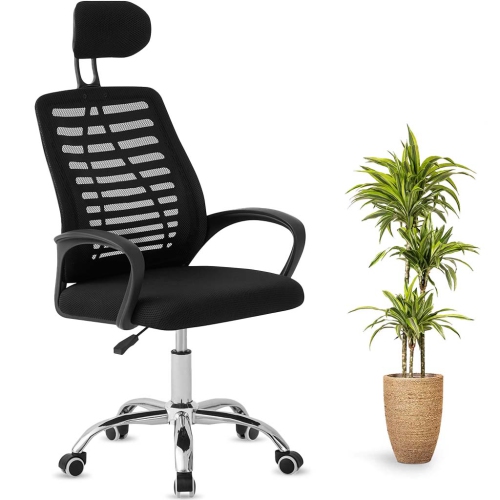
Top Collections:
Best Black Friday Deals This Year, Best Black Friday Deals On Electronics, Kindle Devices, Dyson Airwrap, Best Cameras for Sports Photography, Best Budget Office Chairs, Canon G7X Cameras, PS5 Pro Consoles, Best Black Friday Deals On Apple Products, XBOX One S Consoles
Some products may be subject to Environmental Handling Fees
(EHF) depending on your province.
Learn more about EHFs.