Serrated Knives
Serrated knives are a versatile addition to any kitchen, offering precision and ease when slicing through foods with tough exteriors and soft interiors. Ideal for cutting bread, tomatoes, and other delicate produce, these knives feature a unique saw-like edge that effortlessly glides through without crushing or tearing. Whether you're an experienced chef or a home cook looking to elevate your culinary skills, serrated knives provide the perfect balance of control and efficiency. Explore our range to find the perfect tool that meets your slicing needs and complements your kitchen setup.
Sort
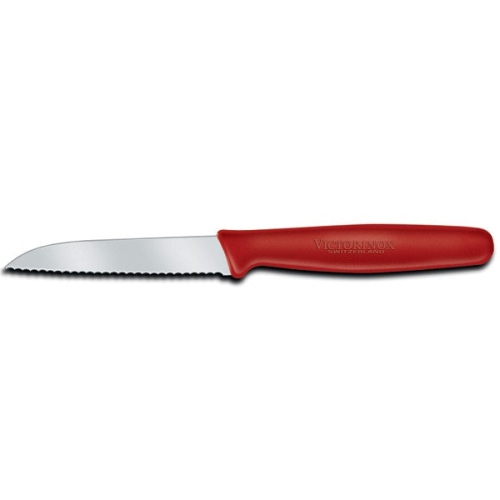
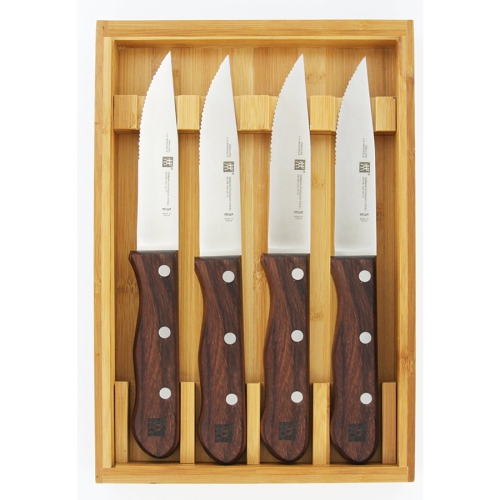
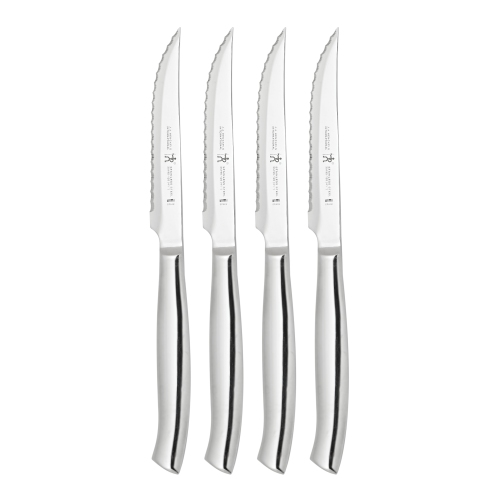
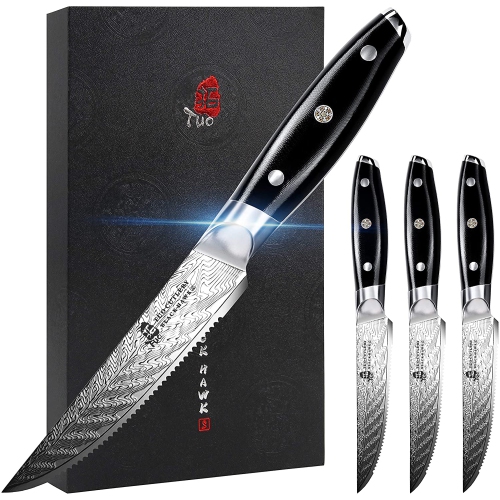
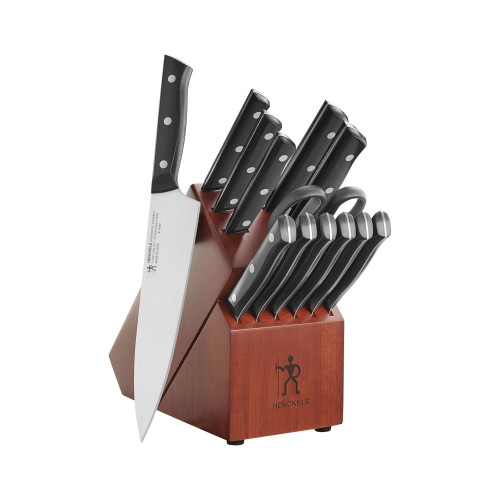
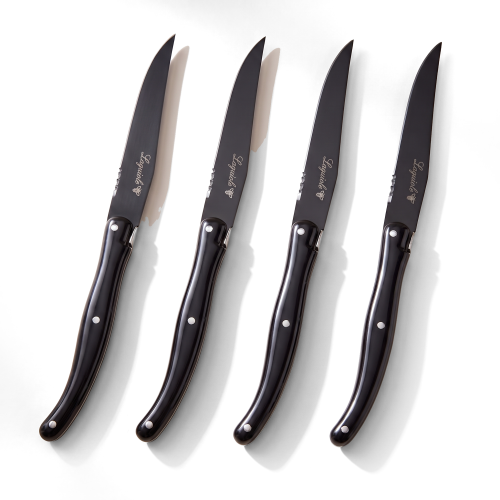
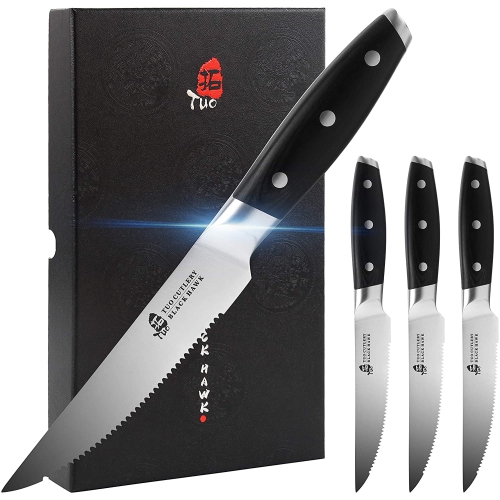
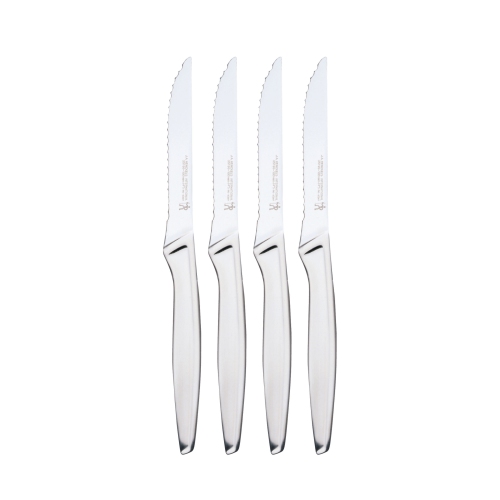
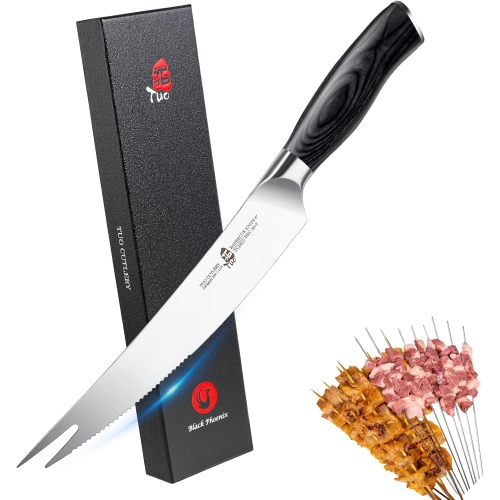
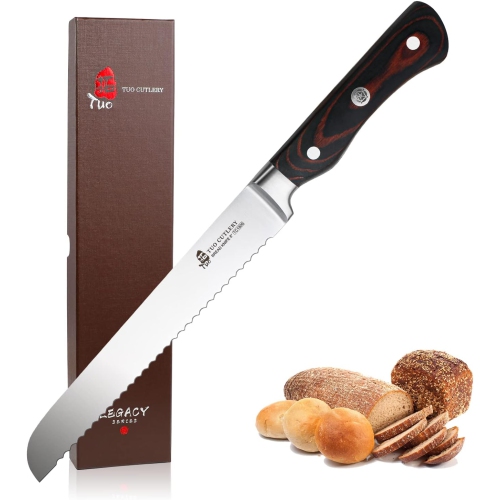
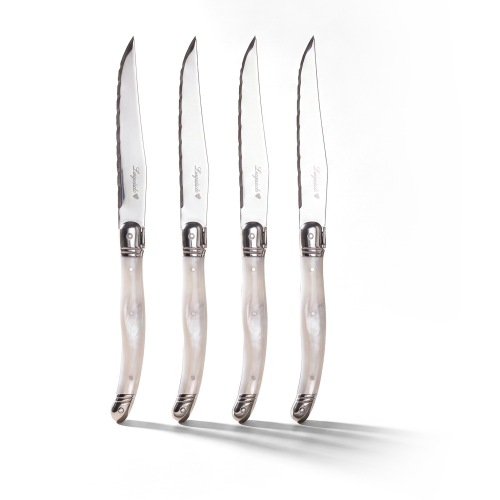

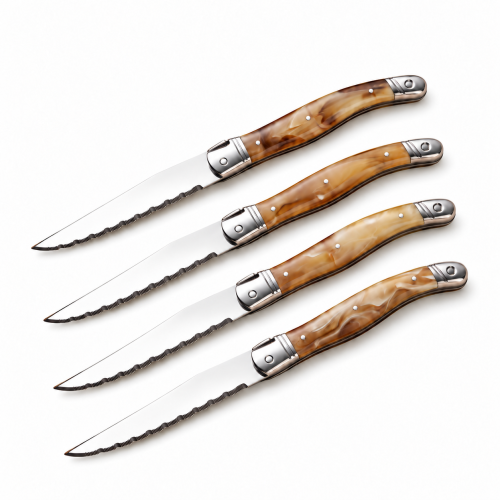
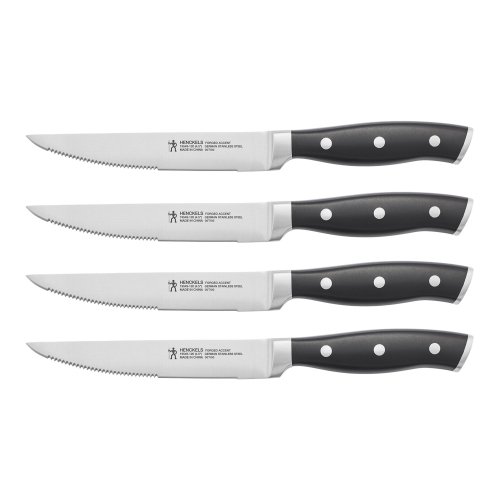
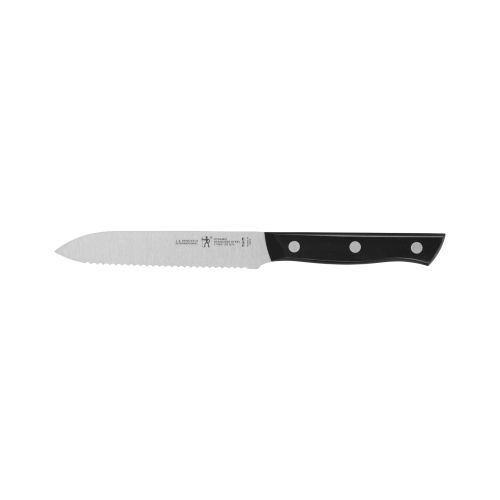
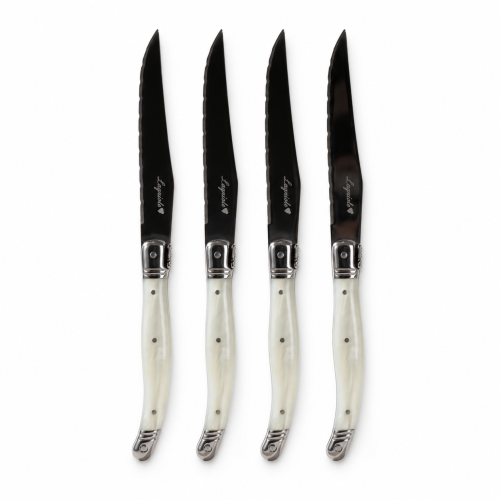
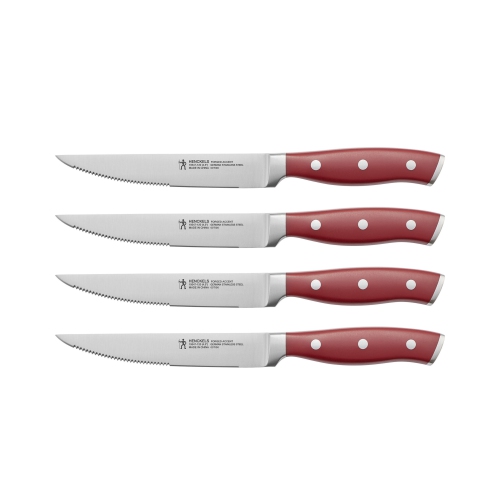

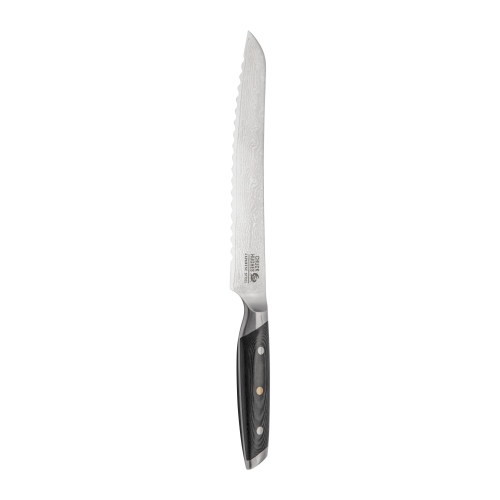
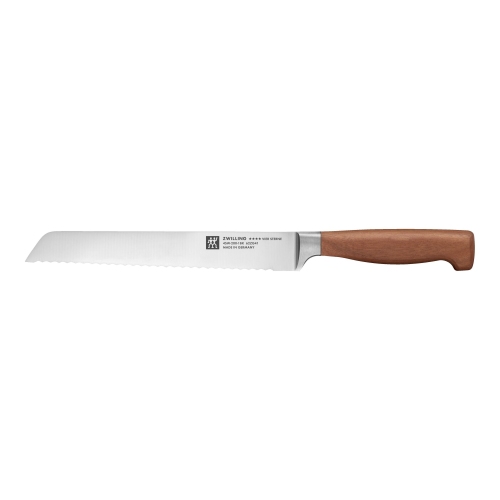
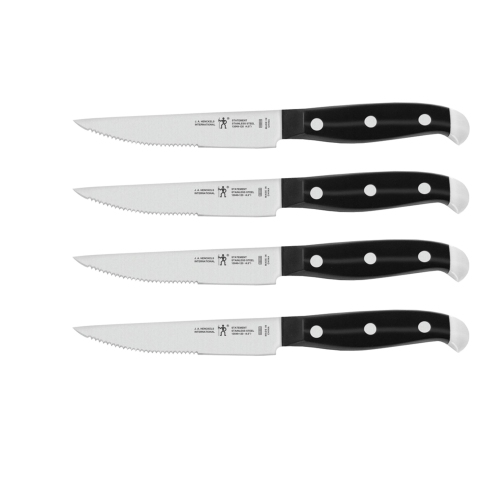
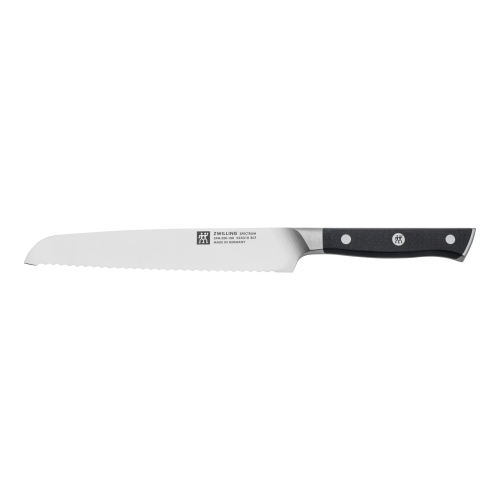
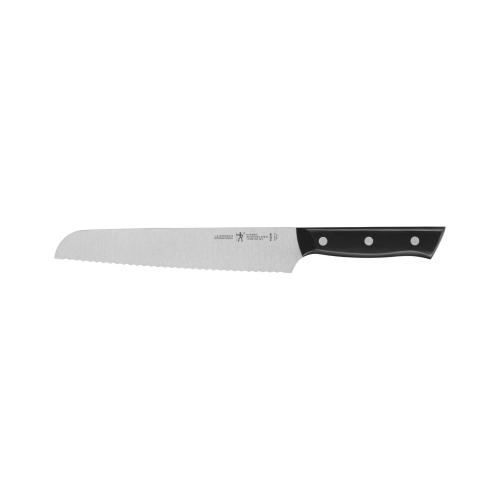
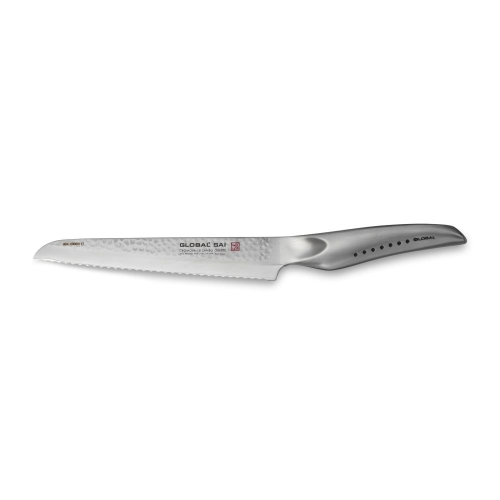
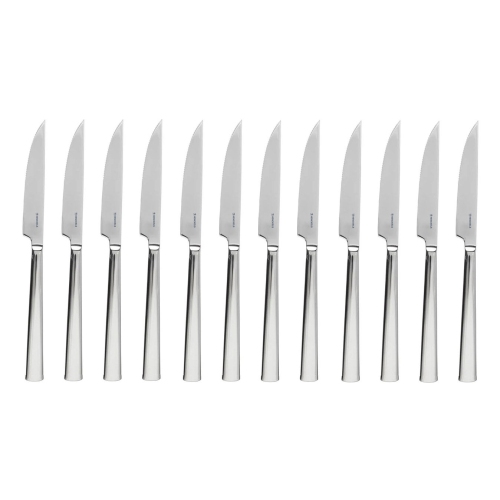
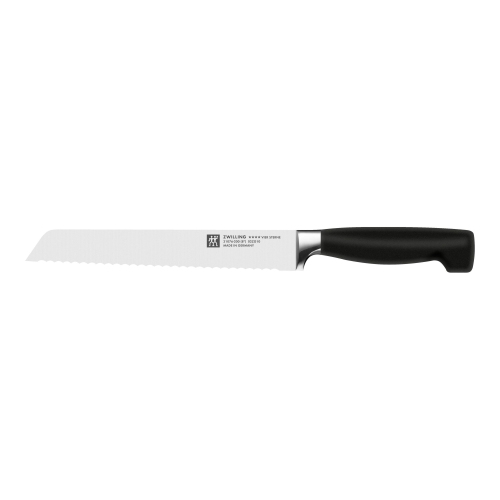
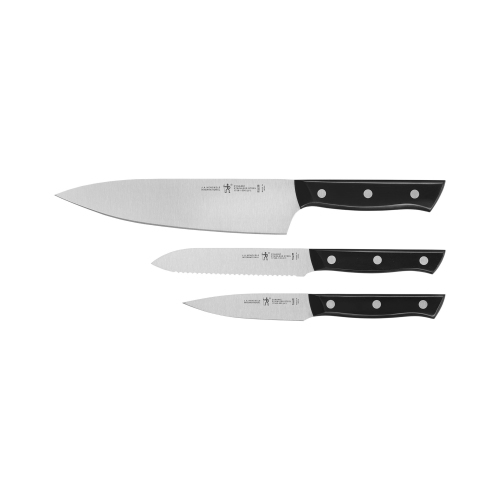

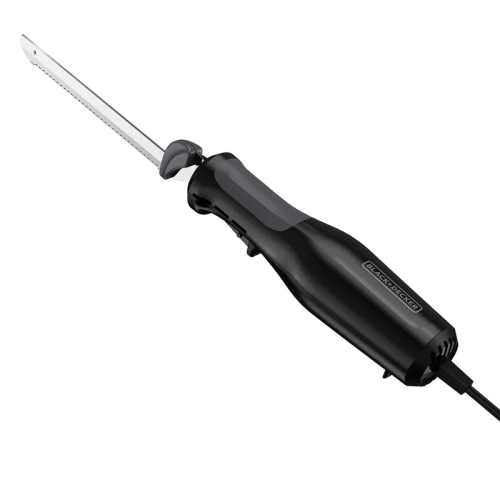
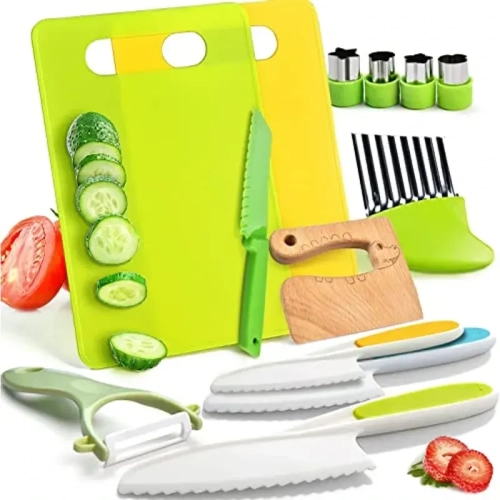
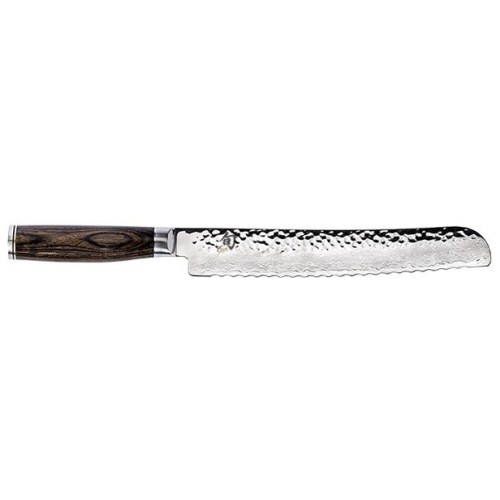

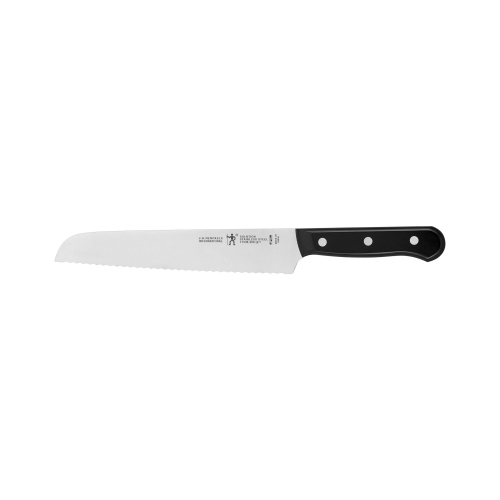
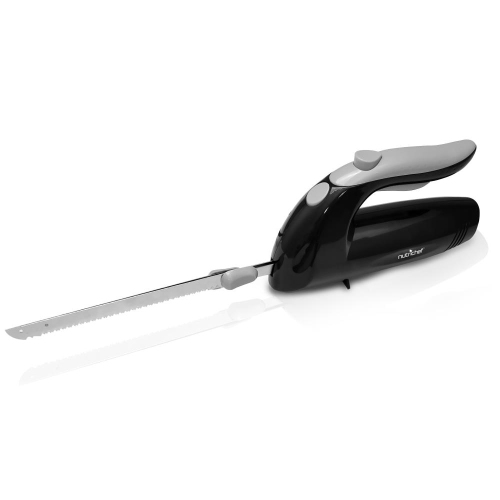

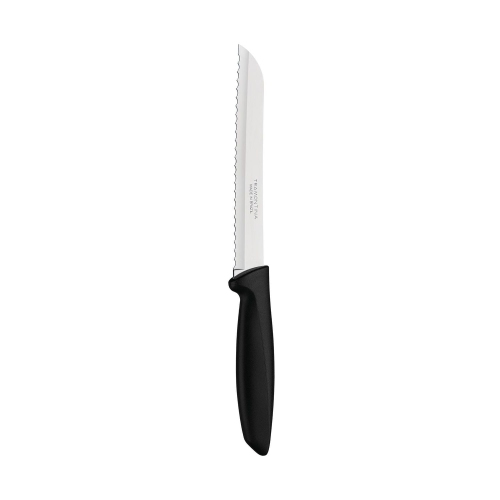
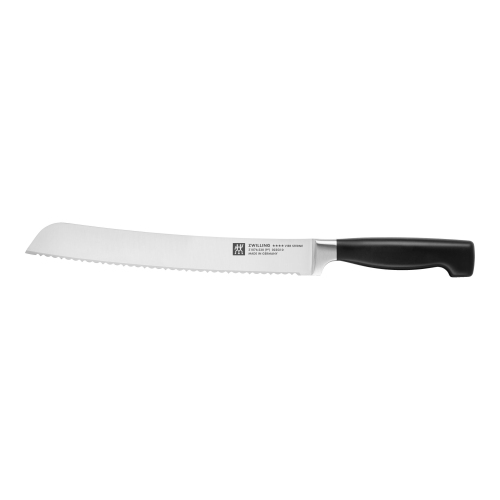
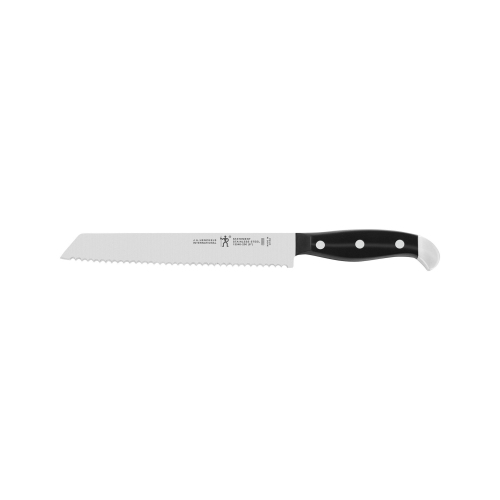
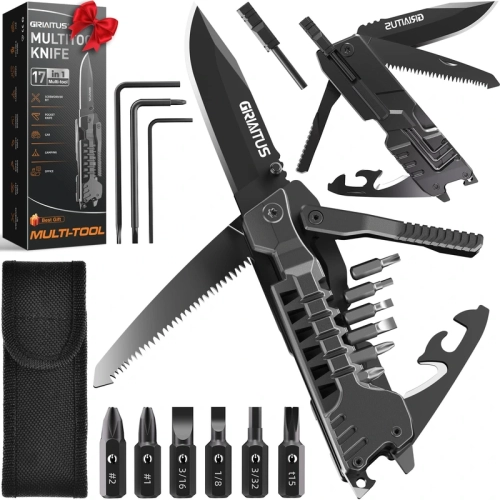
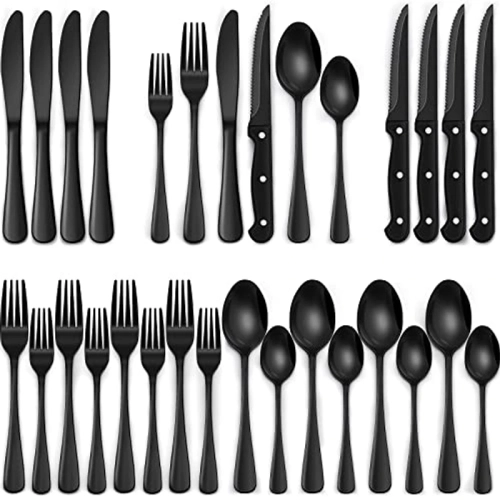
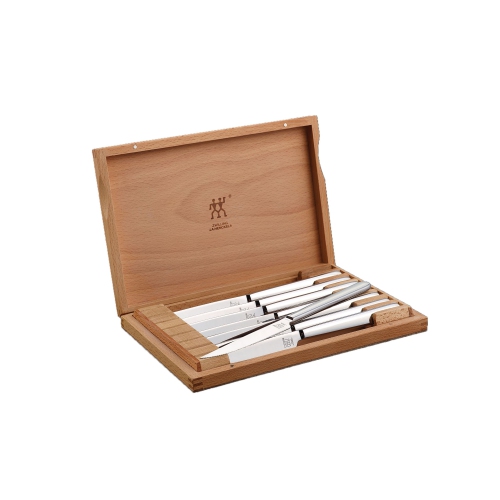
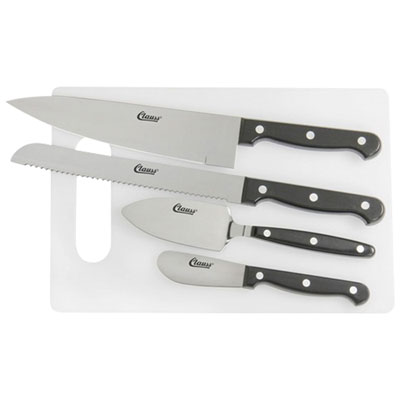
How toothed edges handle crusts and delicate centres
Serrated knives are kitchen knives with a toothed, saw-like edge designed to cut foods with firm or slippery exteriors and softer interiors. Their pointed teeth concentrate cutting force into small areas, helping the blade catch a bread crust or tomato skin before the recessed sections of the edge move through the food. A gentle back-and-forth motion does much of the work, reducing the need for downward pressure that can flatten a sandwich loaf or squeeze a ripe tomato. This makes a serrated edge particularly useful for bread, bagels, tomatoes, citrus fruit, and other foods that resist a straight blade at first contact. On a crusty loaf, the difference is easy to picture: the edge breaks through the browned exterior while leaving the tender crumb beneath it relatively intact. Longer bread knives provide room for extended slicing strokes across a wide sourdough boule, while shorter serrated utility knives suit smaller tasks such as cutting a sandwich roll or portioning a tomato for lunch. Length matters because a blade that spans the food comfortably generally requires fewer short, repeated strokes. A serrated knife can also be useful for dividing a filled sandwich without pushing all the filling out, trimming the rind from citrus on a cutting board, or slicing certain cakes with a light touch. For delicate baking, the blade’s length, tooth pattern, and thickness affect how neatly it passes through the crumb. Some serrated styles work well on cooked foods with a crisp exterior, although a smooth slicing knife may leave a cleaner surface on tender, boneless roasts. Serrations are not a substitute for every kitchen edge: fine chopping, precise dicing, and peeling usually suit other blade shapes better. Their particular strength is controlled slicing through contrasting textures, whether that means a crackling crust over soft bread or a taut skin around juicy flesh. For households that regularly prepare toast, packed lunches, fresh salads, or baked goods, that combination makes a serrated knife a practical companion to a chef’s knife rather than a replacement for it.
Materials, blade shape, and handle fit all influence how a serrated knife feels over repeated use. Stainless steel is common because it offers useful resistance to corrosion and is relatively straightforward to maintain, though it still benefits from prompt cleaning and drying. Steel composition and heat treatment both affect hardness, toughness, and edge retention; a material label alone does not tell the whole story. A thinner blade can move through soft bread with less resistance, while a more substantial blade may feel steadier when working through a dense crust. Neither thickness nor weight automatically indicates better quality, and the most comfortable balance depends on the task and the person holding the knife. Serration patterns vary as well. Some have pronounced pointed teeth, while others use broader, rounded scallops, with differences in how they catch, glide, and leave a cut surface. Tooth spacing and blade geometry matter together, so an aggressive-looking edge is not necessarily the best match for delicate pastries or soft sandwich bread. For size, an 8- to 10-inch blade is a familiar range for bread, while a shorter utility blade offers a more compact feel for small fruit and lunch preparation. The listed measurement usually refers to the blade rather than the knife’s full length, an important distinction when considering drawer or block storage. Handle materials may include wood, moulded polymers, or composite materials, each with a different texture and care needs. A comfortable handle gives the fingers adequate room without sharp pressure points, and a secure grip matters more than decorative detailing. Clearance beneath the handle can also affect whether knuckles contact the board before the blade finishes a slice. Some serrated blades have an asymmetrical bevel, so suitability for left- or right-handed use can be worth checking. For frequent baking or daily sandwich preparation, comfortable proportions and predictable control often matter more than an oversized blade or an unusually heavy handle.
Everyday care helps preserve both the cutting edge and the handle. Handwashing with mild dish soap, followed by thorough drying, is generally preferable to leaving a serrated knife soaking in the sink or putting it through a dishwasher. Prolonged moisture can affect steel and handle materials, while contact with other utensils can damage the edge. Acidic fruit juice, salty food residue, and sticky fillings are easier to remove before they dry onto the blade. A stable wood or suitable plastic cutting board provides a more forgiving surface than glass, stone, or a ceramic plate, which can dull or damage the teeth. Serrated knives are intended for slicing, not for prying, twisting through resistant food, or cutting bones and solidly frozen ingredients. Safe storage also supports durability: a properly fitted blade guard, a suitable knife block, or a secure storage system keeps the edge from knocking against other utensils and helps prevent accidental contact. The protected curves between the teeth tend to receive less direct contact with the board, which can help a serrated edge retain useful cutting performance, but it will still become dull with use. Increasing pressure, frequent slipping, or persistent tearing may indicate that the edge needs attention. Sharpening differs from maintaining a straight-edged knife because the serrations need an approach suited to their shape; a general pull-through sharpener may not be compatible. Manufacturer guidance or a qualified sharpening service can help preserve the original tooth pattern. Serrated styles complement other Sharp Knives by handling slicing tasks that benefit from a toothed edge, while leaving detailed preparation to more suitable blades. As a gift, a well-proportioned serrated knife can be useful for a home baker, a keen sandwich maker, or someone setting up a kitchen. Matching its size and care requirements to the recipient’s habits makes it more practical, especially when there is a safe place to store it. The lasting appeal is straightforward: dependable slices, comfortable handling, and less unnecessary crushing of the food being served.
Top selling and popular products
-
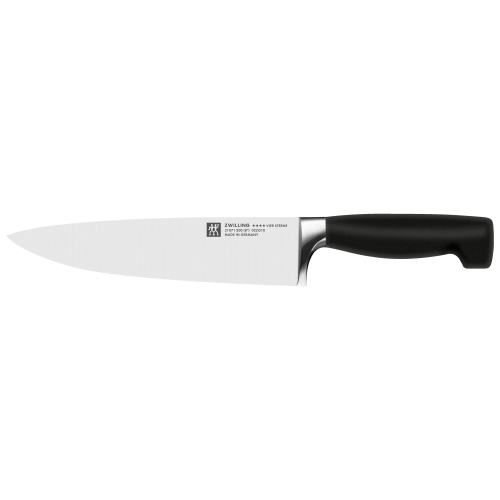 Your price for this item is $129.99
-
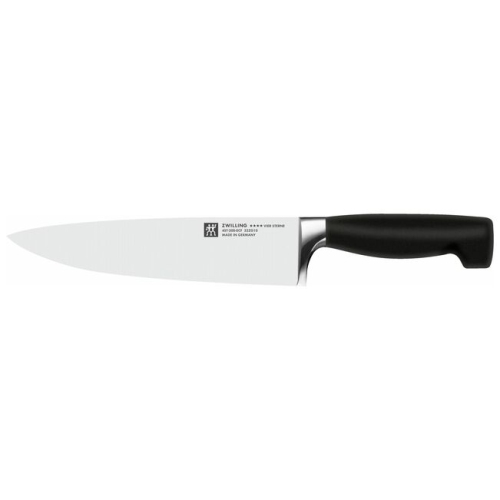 Your price for this item is $199.99
-
 Your price for this item is $139.99
-
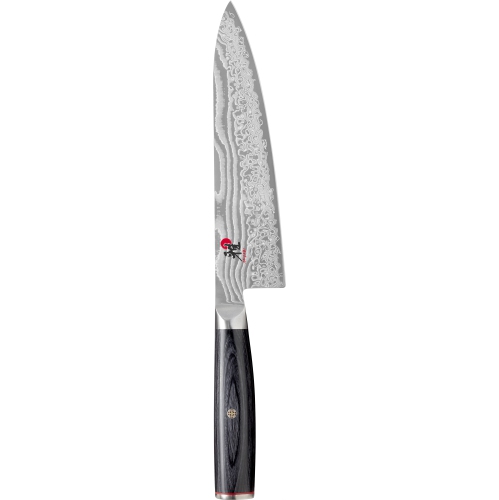 Your price for this item is $229.99
-
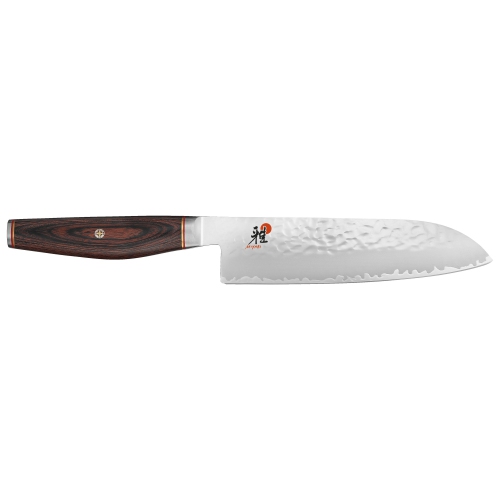 Your price for this item is $329.99
-
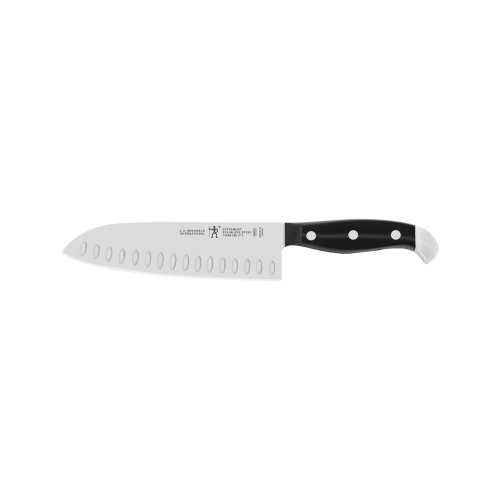 Your price for this item is $29.99
-
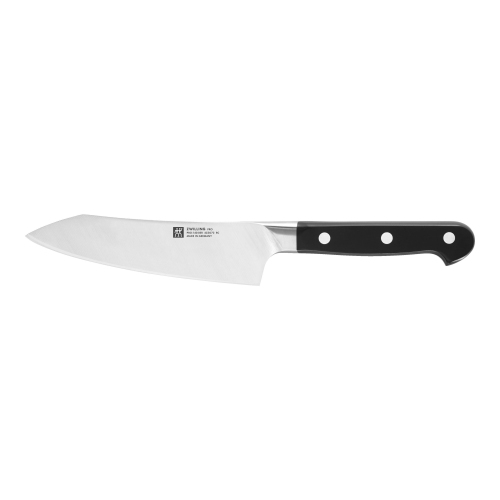 Your price for this item is $79.99
-
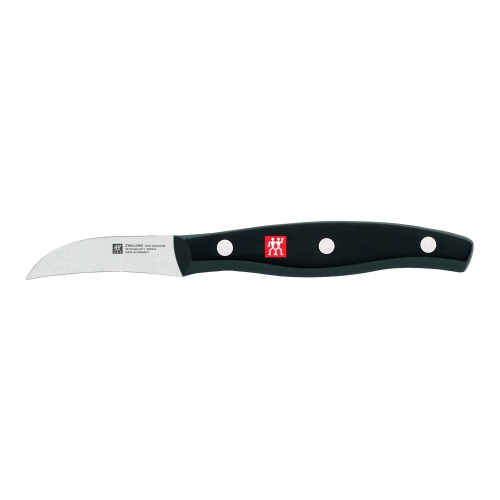 Your price for this item is $49.99
Discover more categories related to Serrated Knives
Top Collections:
Best Black Friday Deals This Year, Best Black Friday Deals On Electronics, Kindle Devices, Pokemon Centers, Best Black Friday Deals On Apple Products, Best Cameras for Sports Photography, Dyson Airwrap, Pokémon 30th Celebration Cards, Apple iPhone 17 Pro, Canon G7X Cameras
Some products may be subject to Environmental Handling Fees
(EHF) depending on your province.
Learn more about EHFs.