Serving Spoons
When it comes to serving up delicious meals for family and friends, having the right tools on hand can make all the difference. Explore our selection of serving spoons designed to complement any dining occasion. From elegant stainless steel options to versatile wooden designs, we offer a variety of styles to suit your serving needs. Whether you're hosting a formal dinner party or simply enjoying a casual meal at home, these essential utensils are perfect for dishing out everything from salads to side dishes with ease and style.
Sort

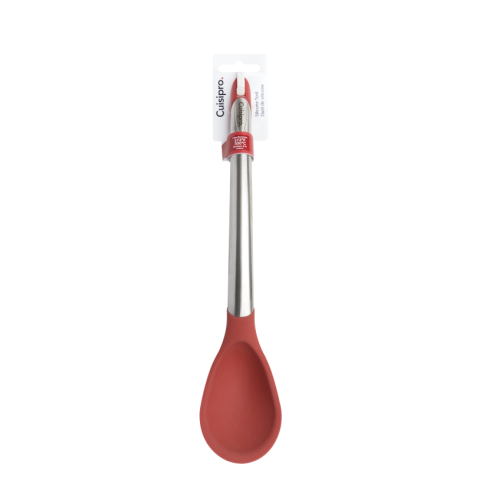

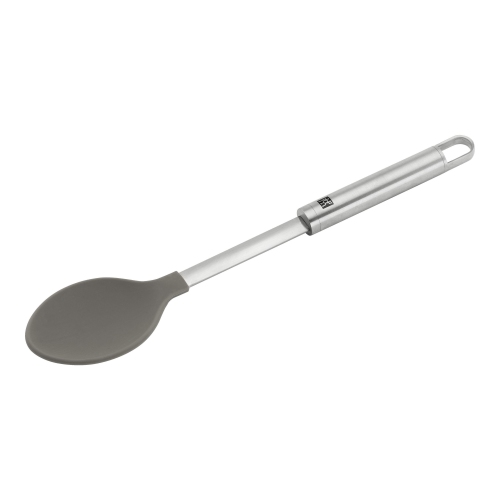
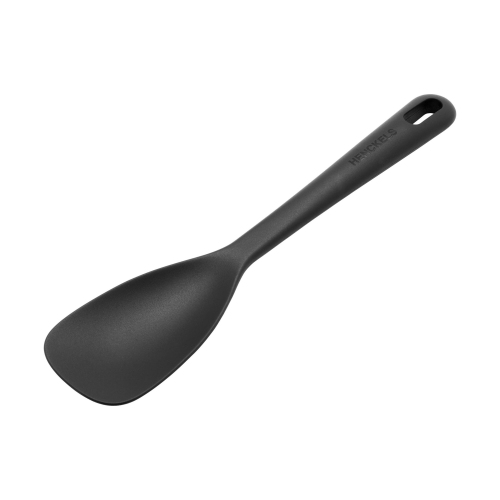
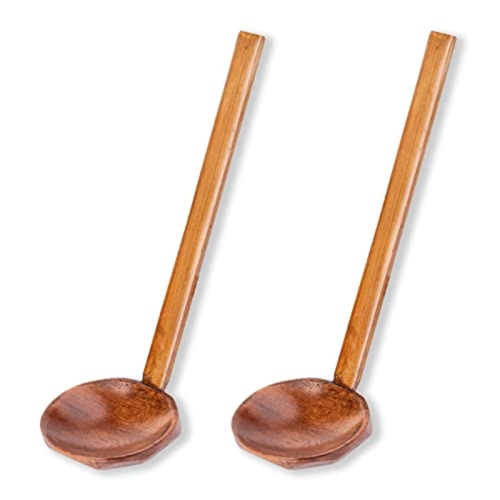
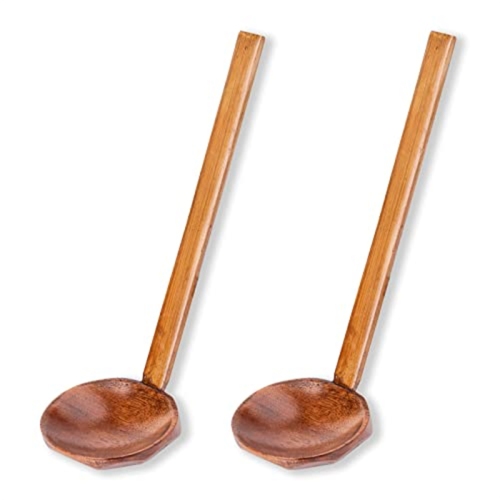
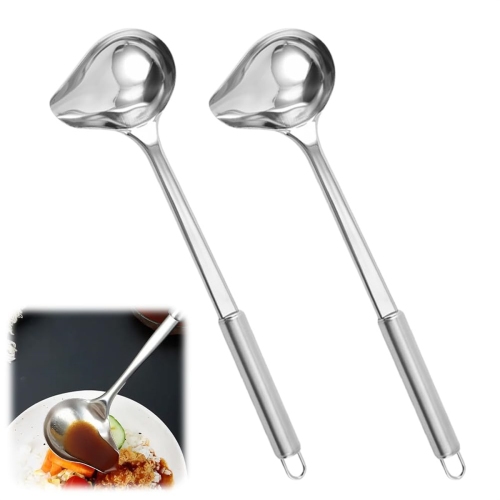
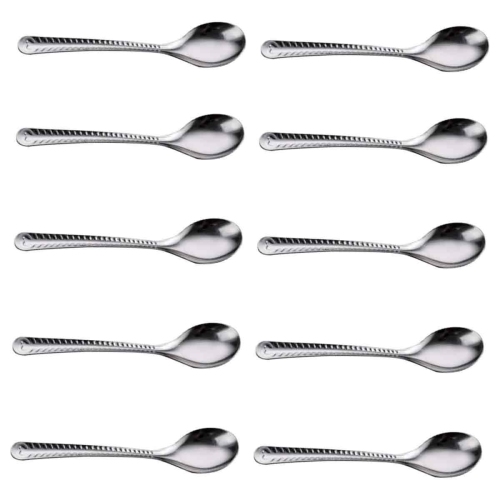
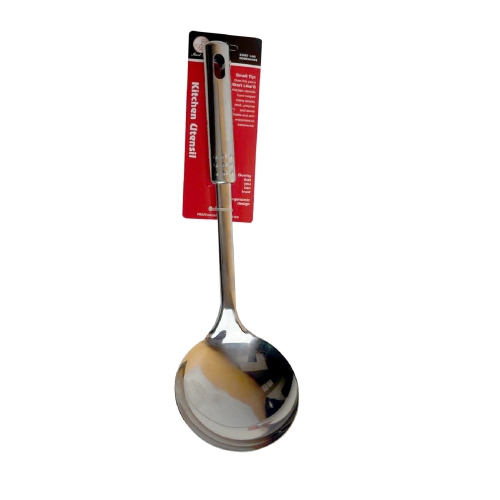

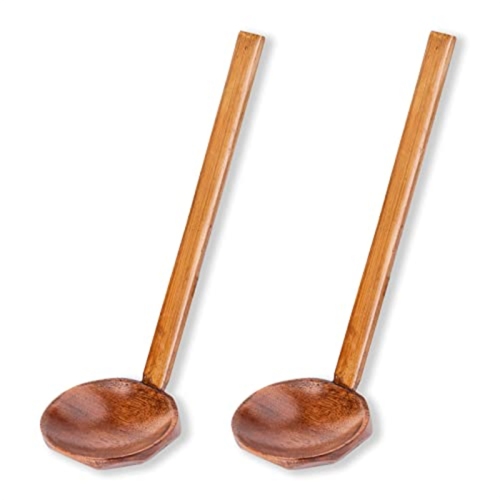
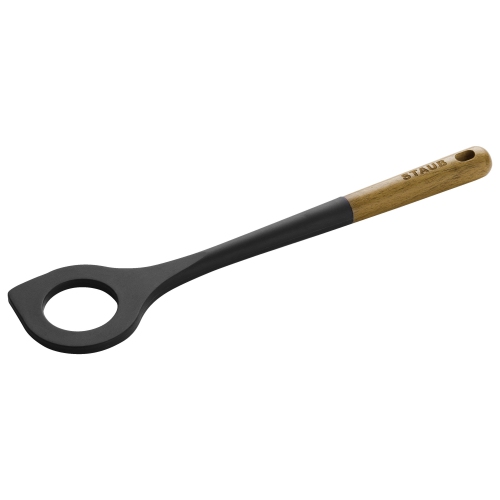
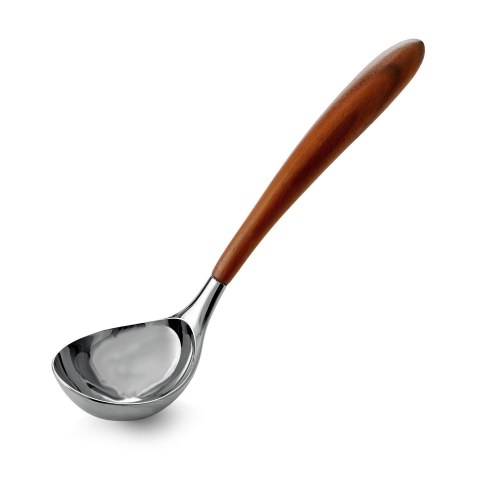
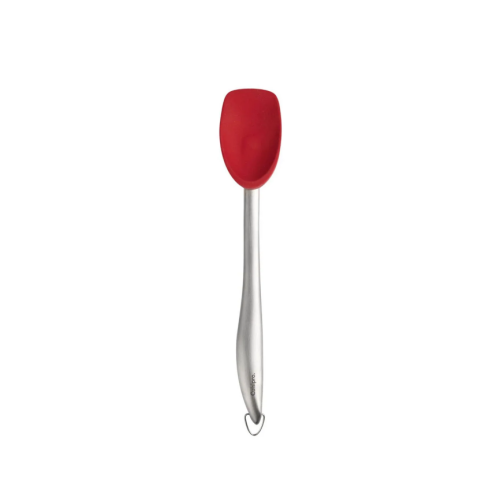
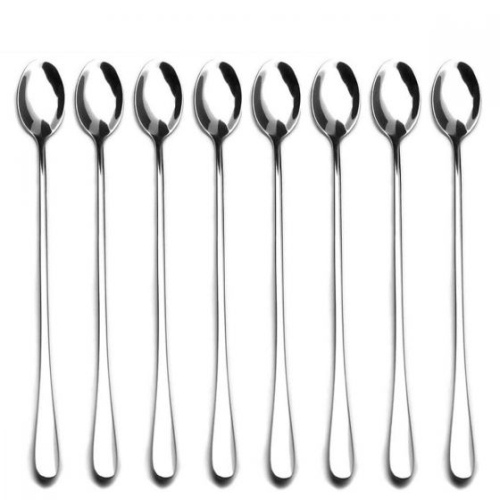
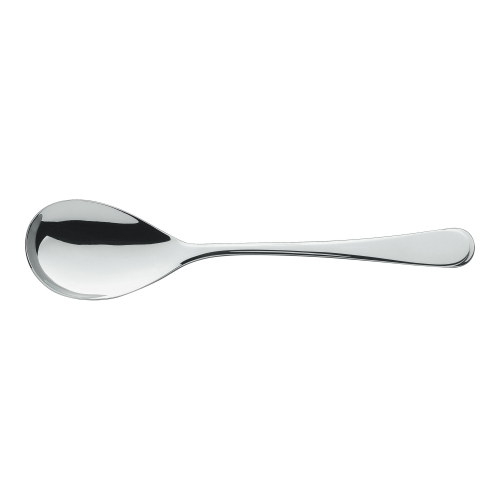

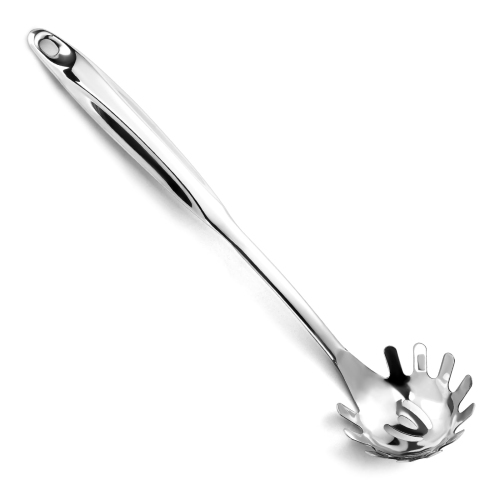
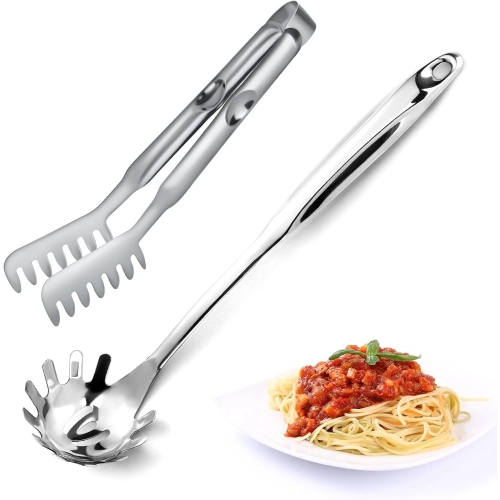
Practical serving options for hearty dishes and delicate foods
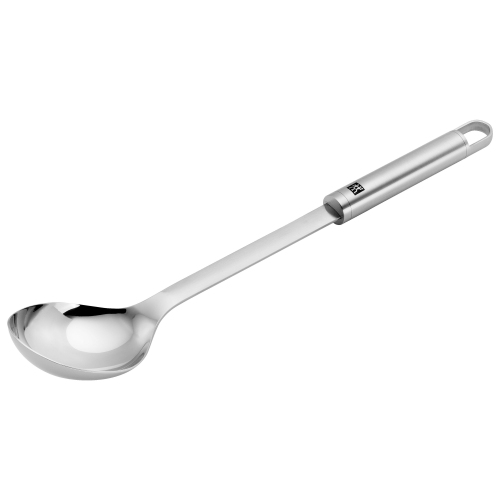
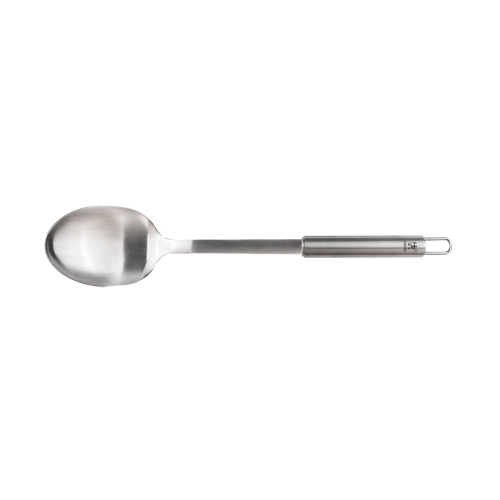
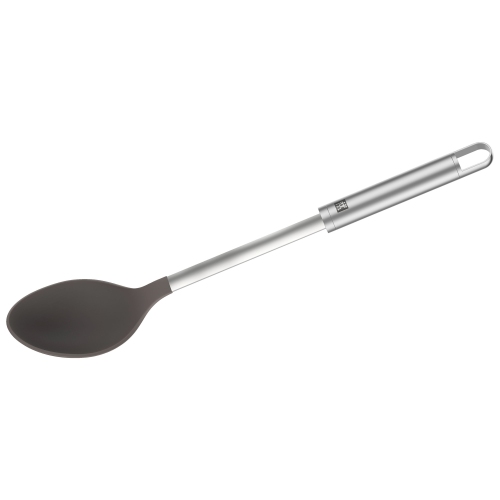
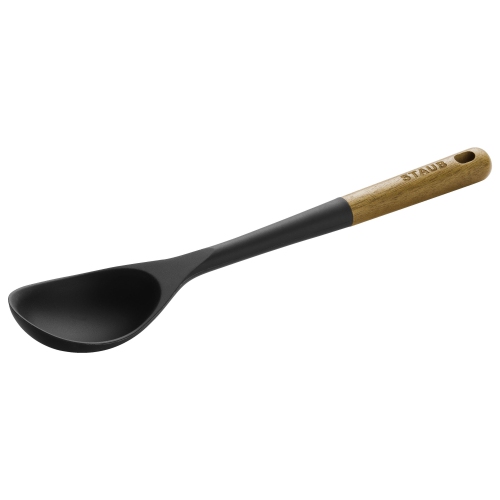
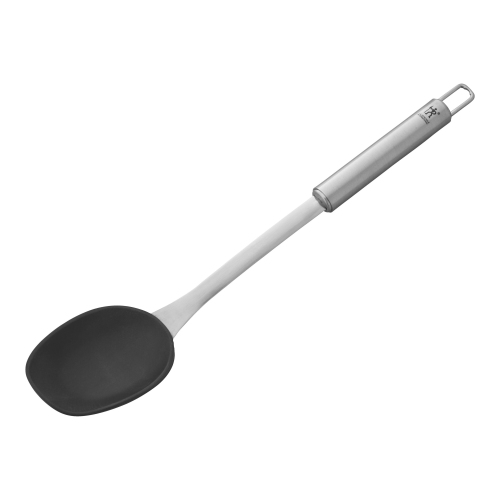
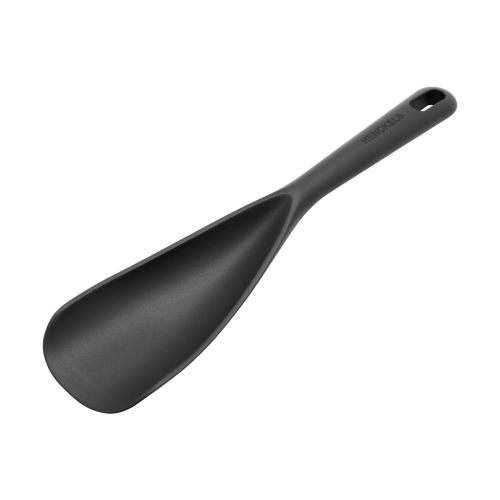
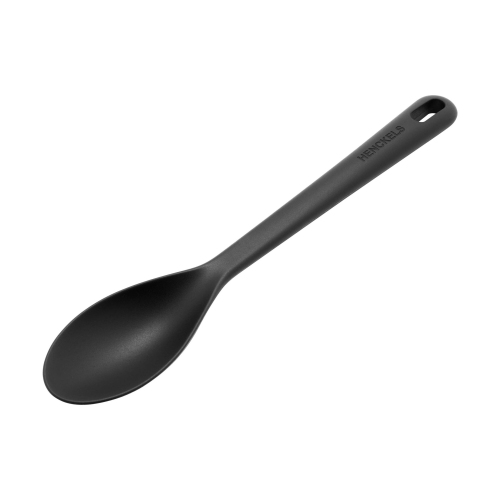
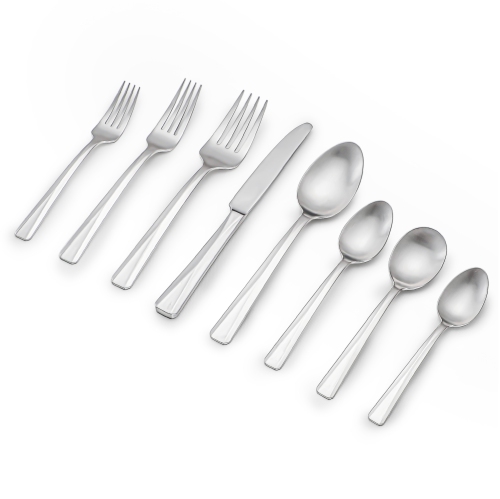
Serving spoons are practical kitchen essentials for transferring food from cookware or serving dishes to each person’s plate with less mess and more control. Unlike a standard eating spoon, a serving spoon typically has a broader bowl and a longer handle, making it easier to reach into a deep casserole, large salad bowl, stockpot, or serving platter. A solid serving spoon is a dependable choice for foods that need to be lifted in generous portions, including rice, pasta, roasted vegetables, mashed potatoes, stuffing, grains, beans, stews, and saucy mains. Its broad surface can help scoop food neatly without crushing softer ingredients, while a well-shaped handle provides a comfortable grip when serving a full table. Slotted and perforated serving spoons are designed to let excess liquid drain away as you lift food, which makes them useful for dressed salads, steamed vegetables, poached foods, olives, fruit, and dishes served with broth or sauce. Many kitchens benefit from keeping both styles close at hand: a solid spoon for hearty foods and a slotted option for ingredients where retaining less liquid is helpful. When browsing Kitchen Spoons, consider how the spoon will be used alongside existing cookware, utensils, and tableware. A longer handle is helpful for deep pots and large bowls, while a shorter or medium-length handle may feel more balanced when serving from a low platter. The shape of the bowl also matters. A wide, shallow bowl can spread food neatly across a plate, while a deeper bowl is useful for scooping generous portions of vegetables, grains, or thick sauces. Some serving spoons have gently curved edges that follow the sides of a bowl, helping collect the last spoonful without scraping aggressively against the surface.
Material is another important consideration when choosing serving spoons. Stainless steel is popular for its strength, polished appearance, and ability to coordinate with both everyday place settings and more formal dining. It is well suited to frequent use and can be a sensible choice for households that want utensils that feel substantial in the hand. Silicone and nylon serving spoons are useful when protecting non-stick cookware is a priority, since softer utensil heads are less likely to scratch coated surfaces during stirring or serving. Heat-resistant designs can also be handy when moving food directly from a pan on the stovetop, although it is always wise to check the manufacturer’s care and temperature guidance. Wood serving spoons bring a warm, familiar look to casual meals and are often comfortable for stirring and serving, while their natural appearance pairs easily with ceramic dishes, stoneware, and rustic table settings. Look for smooth finishes, secure joins between the handle and spoon head, and a shape that feels stable rather than top-heavy. If the serving spoon will be used with heavier foods such as thick stew or a dense casserole, a rigid construction can provide better control. For lighter foods, a more delicate profile may be enough. Cleaning and storage are worth considering as well. Dishwasher-safe options can make after-dinner clean-up simpler, especially when several dishes are served at once, while hand-wash care may be recommended for certain finishes or materials. A hanging loop, nesting shape, or compact profile can help keep serving utensils organized in a crowded drawer. For open shelving or a utensil crock, the handle design and finish may be just as important as the spoon itself, since the piece remains visible between meals.
Serving spoons are useful for nearly every household, from someone preparing simple weeknight dinners to a host who regularly puts several dishes on the table. They make shared meals feel more orderly by giving guests a dedicated utensil for each dish and reducing the need to pass cookware around the table. During the cooler months, they are especially handy for family-style meals built around soups, stews, roasted vegetables, baked pasta, rice dishes, and comforting casseroles. They can also be used for weekend breakfasts, buffet-style lunches, potlucks, and gatherings where guests serve themselves at their own pace. In a smaller kitchen, a versatile solid serving spoon may cover several jobs, from lifting pasta out of a serving bowl to portioning vegetables or spooning sauce over a main dish. In a larger kitchen, a combination of solid, slotted, and perforated spoons allows each food to be served in the way that best preserves its texture and presentation. Serving spoons can also make thoughtful gifts for new homeowners, newlyweds, students setting up their first kitchen, or anyone building a collection of reliable entertaining pieces. A coordinated set can complement existing cutlery, while a single well-made spoon can fill a practical gap without taking up much storage space. For a polished table, match the finish with other serving utensils or choose a contrasting material to add visual interest. For relaxed gatherings, prioritize comfort, durability, and easy care over decorative details. The best serving spoon is one that feels natural to hold, suits the foods you prepare most often, and remains useful whether dinner is served on a quiet evening or shared around a full table.
Material is another important consideration when choosing serving spoons. Stainless steel is popular for its strength, polished appearance, and ability to coordinate with both everyday place settings and more formal dining. It is well suited to frequent use and can be a sensible choice for households that want utensils that feel substantial in the hand. Silicone and nylon serving spoons are useful when protecting non-stick cookware is a priority, since softer utensil heads are less likely to scratch coated surfaces during stirring or serving. Heat-resistant designs can also be handy when moving food directly from a pan on the stovetop, although it is always wise to check the manufacturer’s care and temperature guidance. Wood serving spoons bring a warm, familiar look to casual meals and are often comfortable for stirring and serving, while their natural appearance pairs easily with ceramic dishes, stoneware, and rustic table settings. Look for smooth finishes, secure joins between the handle and spoon head, and a shape that feels stable rather than top-heavy. If the serving spoon will be used with heavier foods such as thick stew or a dense casserole, a rigid construction can provide better control. For lighter foods, a more delicate profile may be enough. Cleaning and storage are worth considering as well. Dishwasher-safe options can make after-dinner clean-up simpler, especially when several dishes are served at once, while hand-wash care may be recommended for certain finishes or materials. A hanging loop, nesting shape, or compact profile can help keep serving utensils organized in a crowded drawer. For open shelving or a utensil crock, the handle design and finish may be just as important as the spoon itself, since the piece remains visible between meals.
Serving spoons are useful for nearly every household, from someone preparing simple weeknight dinners to a host who regularly puts several dishes on the table. They make shared meals feel more orderly by giving guests a dedicated utensil for each dish and reducing the need to pass cookware around the table. During the cooler months, they are especially handy for family-style meals built around soups, stews, roasted vegetables, baked pasta, rice dishes, and comforting casseroles. They can also be used for weekend breakfasts, buffet-style lunches, potlucks, and gatherings where guests serve themselves at their own pace. In a smaller kitchen, a versatile solid serving spoon may cover several jobs, from lifting pasta out of a serving bowl to portioning vegetables or spooning sauce over a main dish. In a larger kitchen, a combination of solid, slotted, and perforated spoons allows each food to be served in the way that best preserves its texture and presentation. Serving spoons can also make thoughtful gifts for new homeowners, newlyweds, students setting up their first kitchen, or anyone building a collection of reliable entertaining pieces. A coordinated set can complement existing cutlery, while a single well-made spoon can fill a practical gap without taking up much storage space. For a polished table, match the finish with other serving utensils or choose a contrasting material to add visual interest. For relaxed gatherings, prioritize comfort, durability, and easy care over decorative details. The best serving spoon is one that feels natural to hold, suits the foods you prepare most often, and remains useful whether dinner is served on a quiet evening or shared around a full table.
Top selling and popular products
-
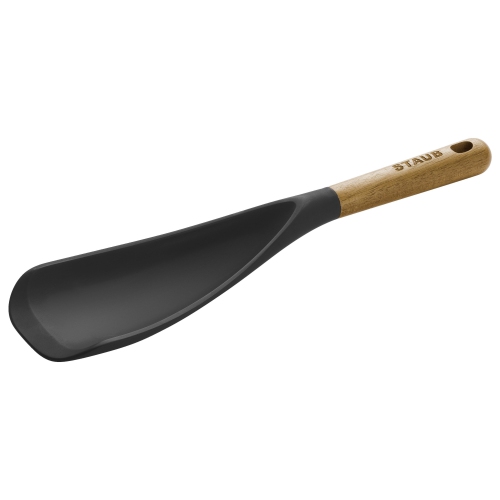 Your price for this item is $24.99
 -
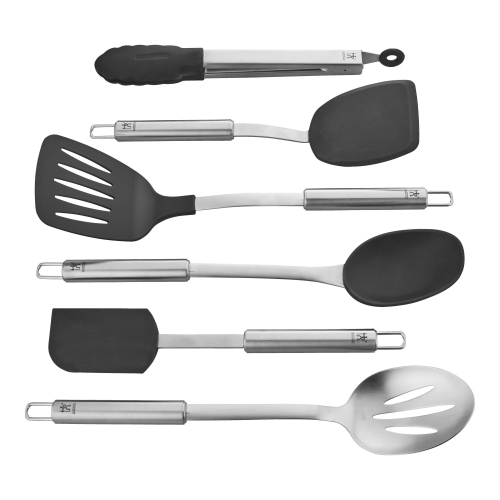 Your price for this item is $159.99
 -
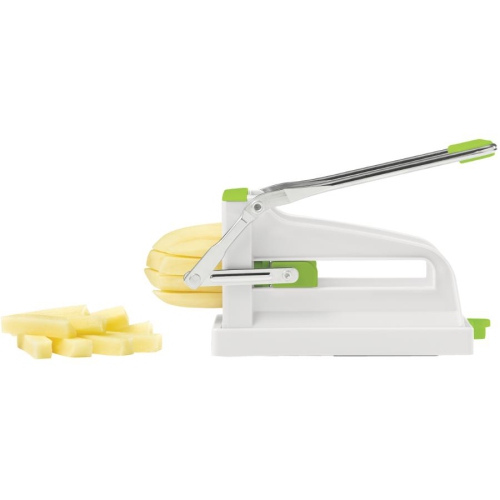 Your price for this item is $29.97
 -
 Your price for this item is $14.7
 -
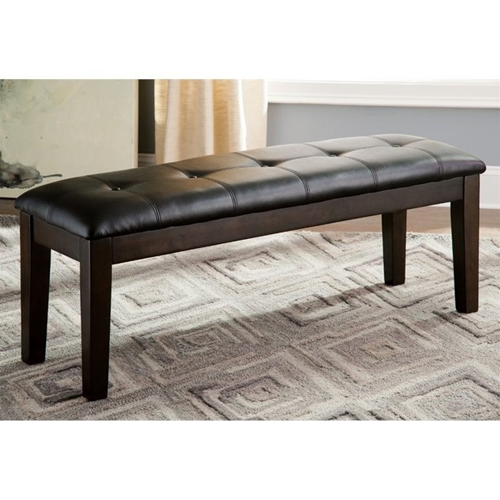 Your price for this item is $456.7
 -
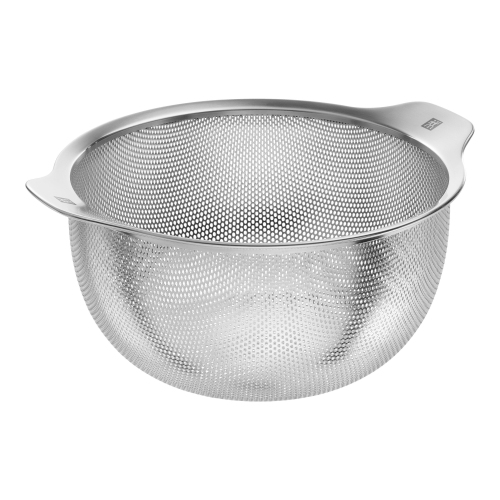 Your price for this item is $34.99
 -
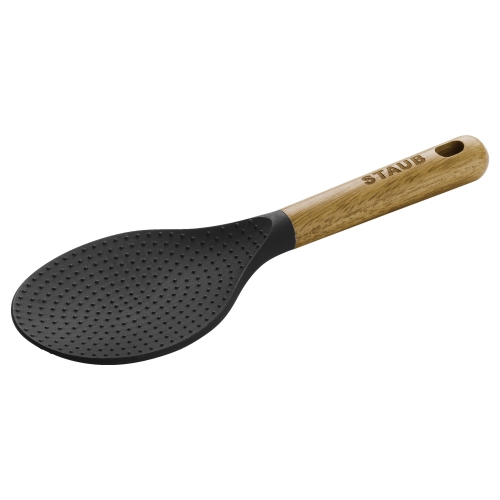 Your price for this item is $24.99
 -
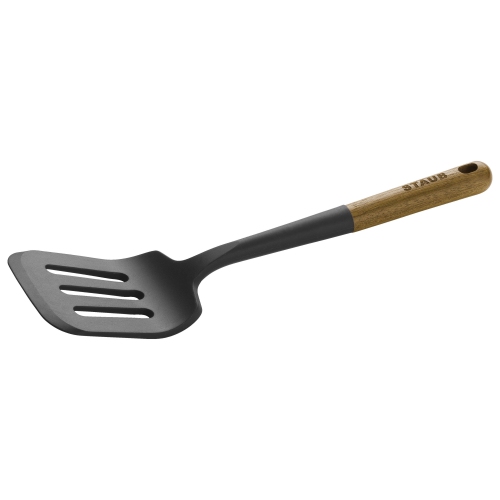 Your price for this item is $24.99
Discover more categories related to Serving Spoons
Top Collections:
Pokemon Centers, Kindle Devices, Best Budget Office Chairs, Apple iPhones 16, Canon G7X Cameras, iPhone 15 Apple, Alarm Clock, Refurbished Apple Laptops, Flip Phones, Best Laptops for Writers
Some products may be subject to Environmental Handling Fees
(EHF) depending on your province.
Learn more about EHFs.