Shelves Green
Add a touch of nature to your home while maximizing storage space with our collection of green shelves. Whether you're a minimalist seeking a sleek and modern design or a nature enthusiast looking to bring the outdoors in, our green shelves offer both functionality and style. Explore our wide selection of green shelves and discover the perfect storage solution for your home.
Sort
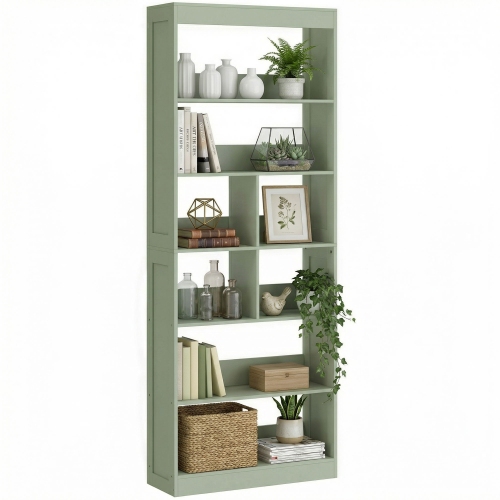
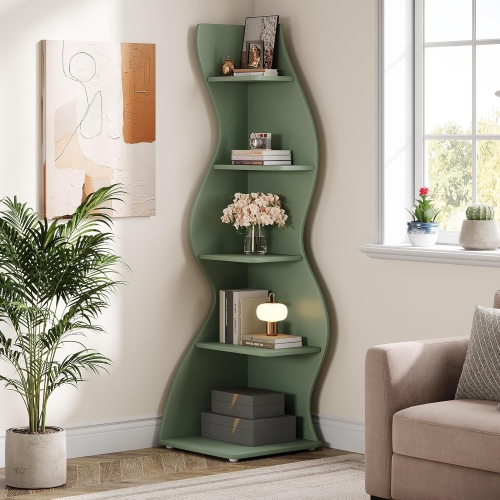
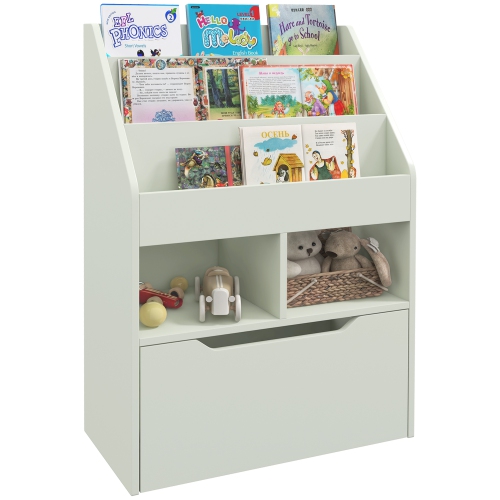
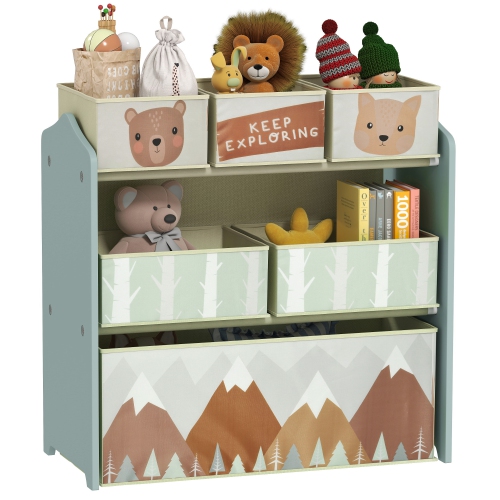
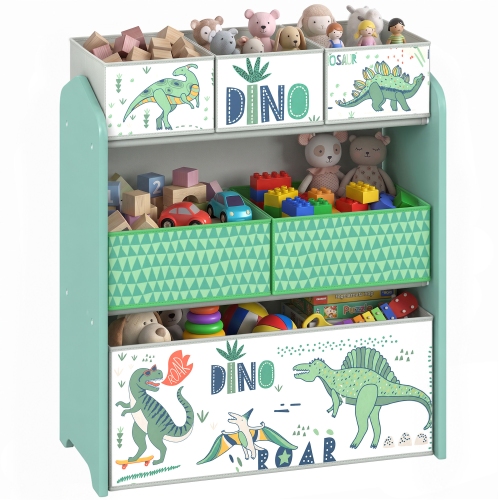
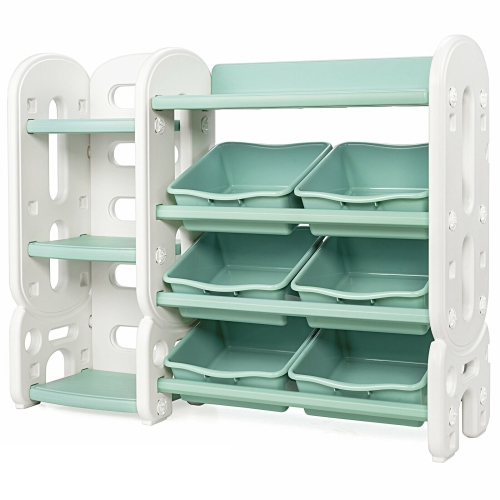
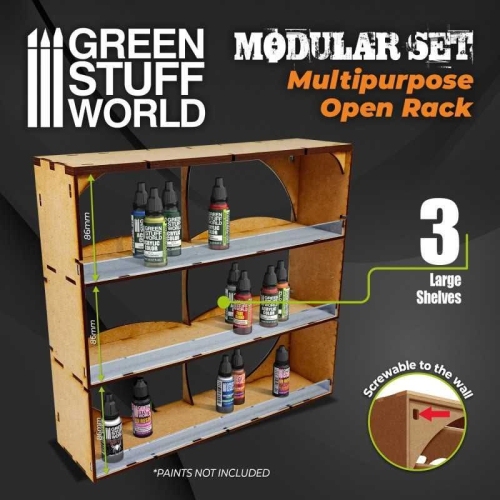
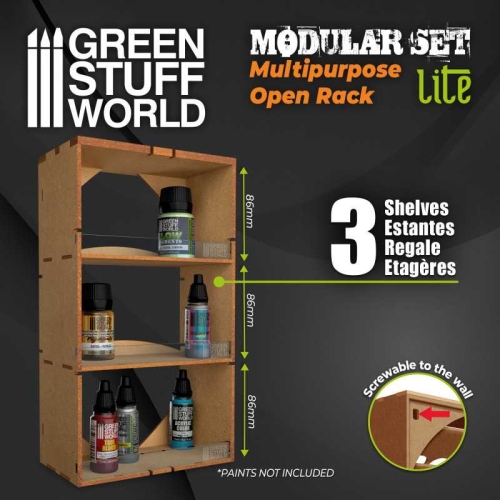
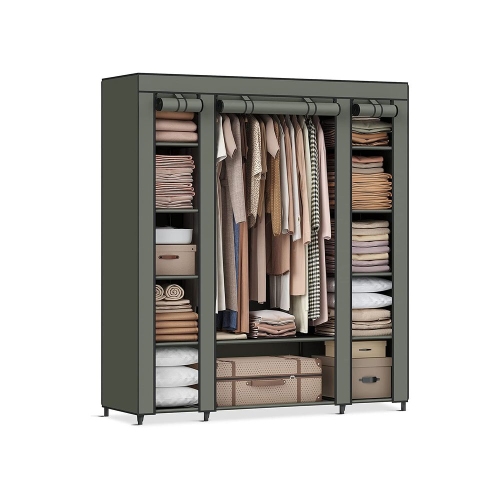
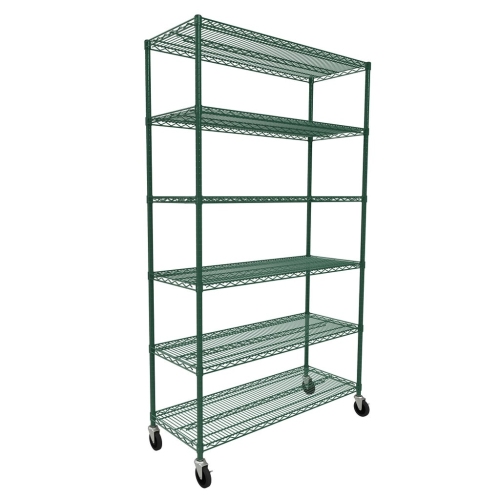
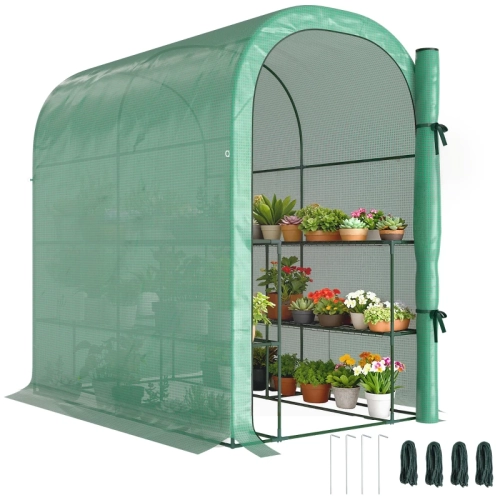
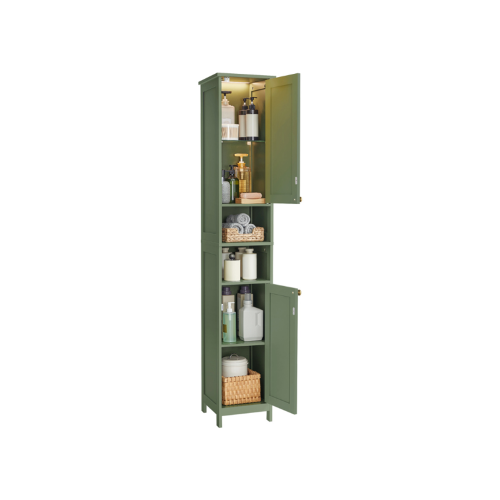
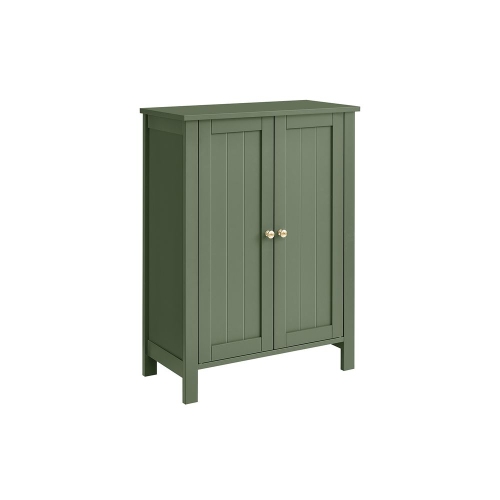
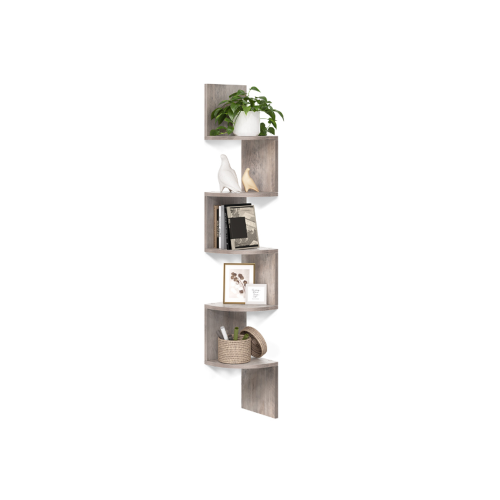
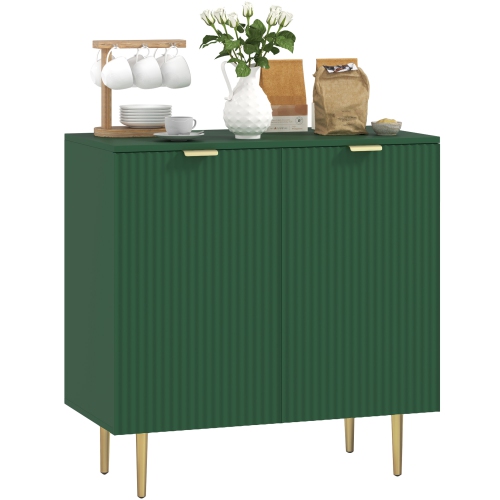
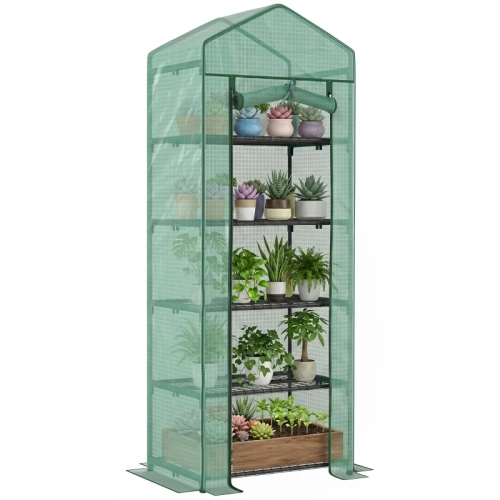
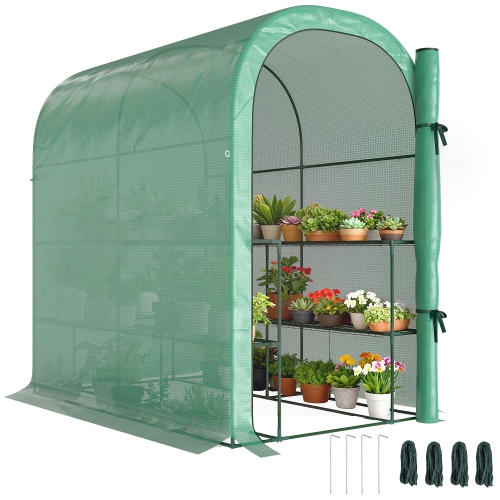
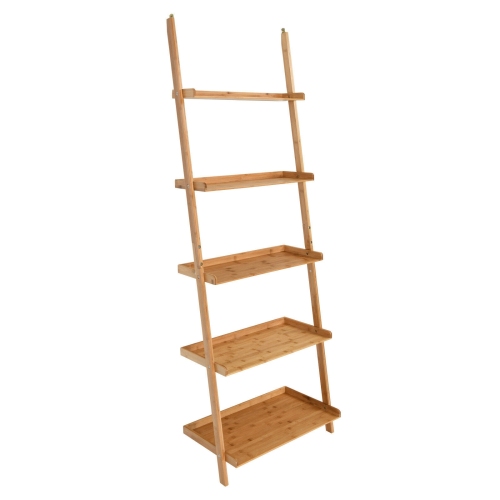
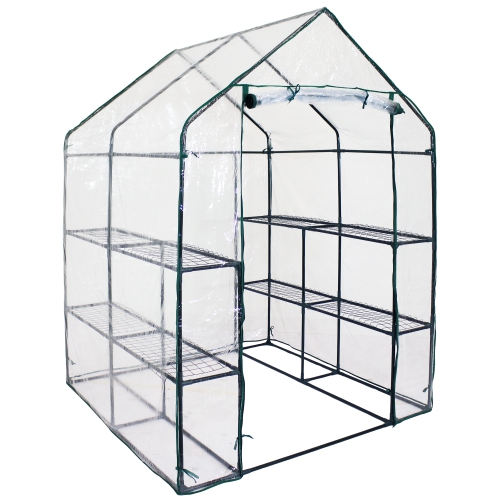
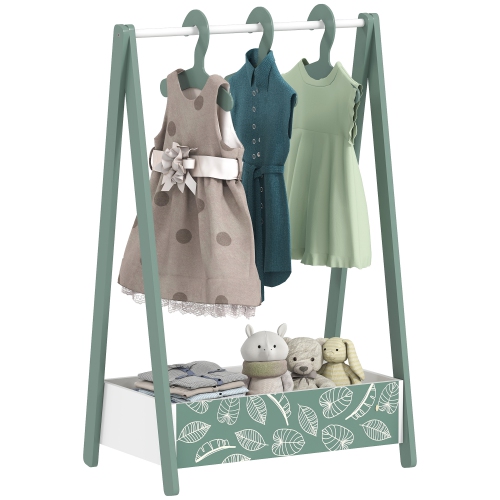


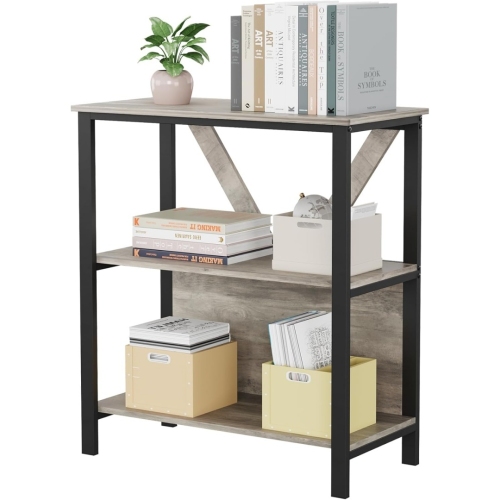
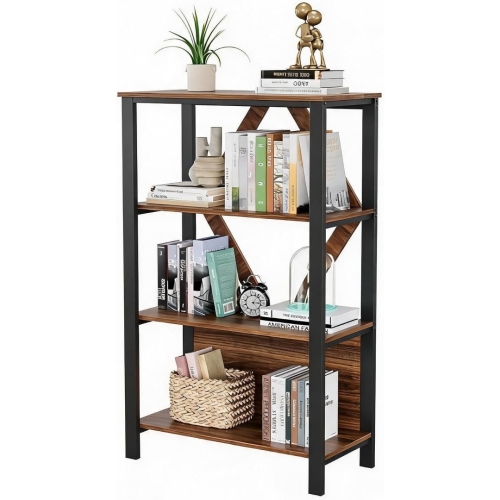
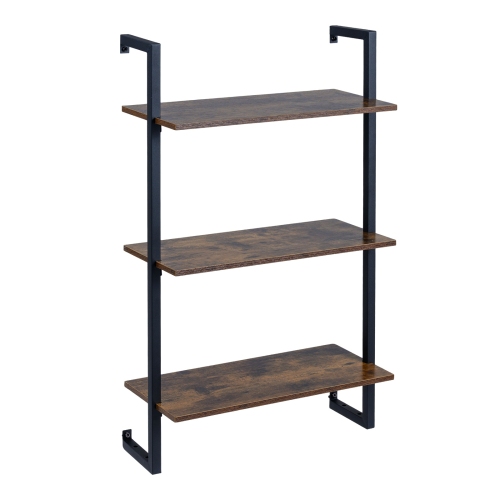
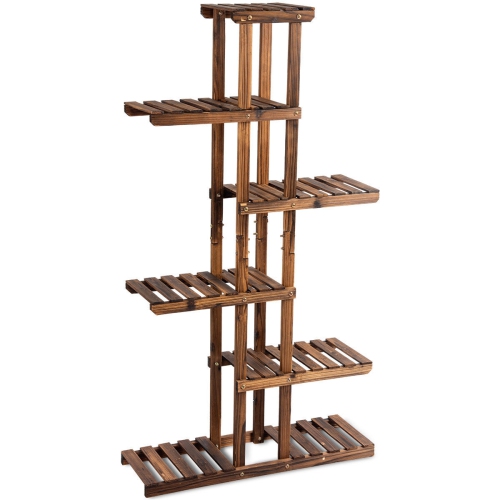
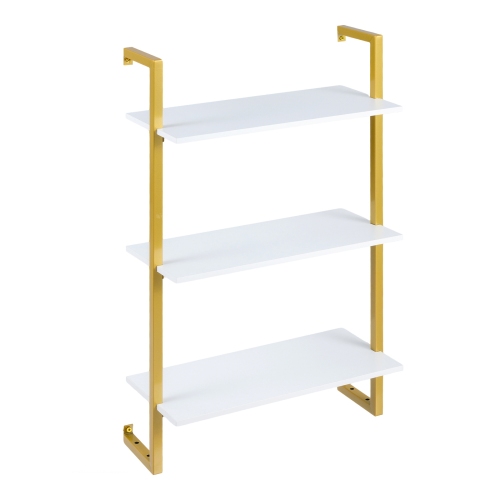
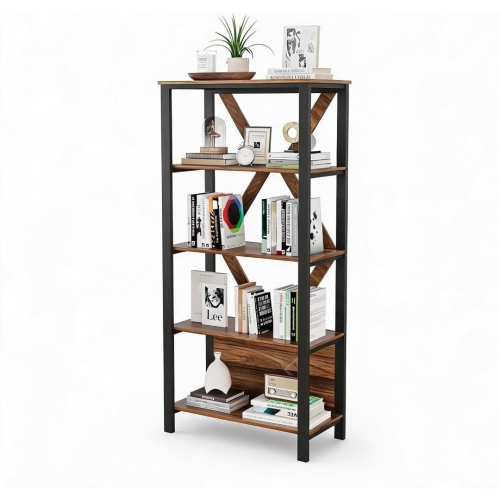
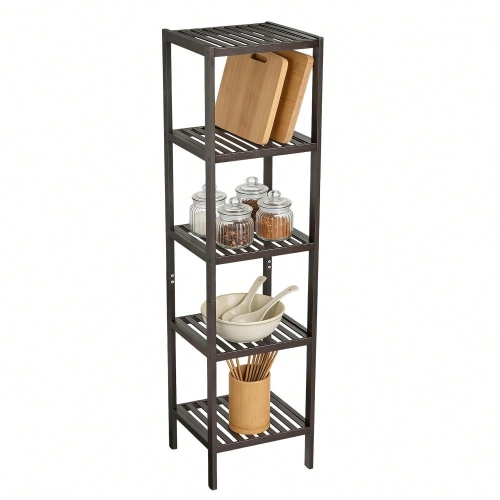
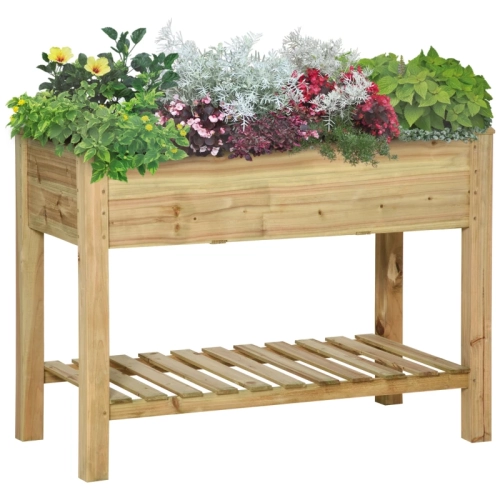
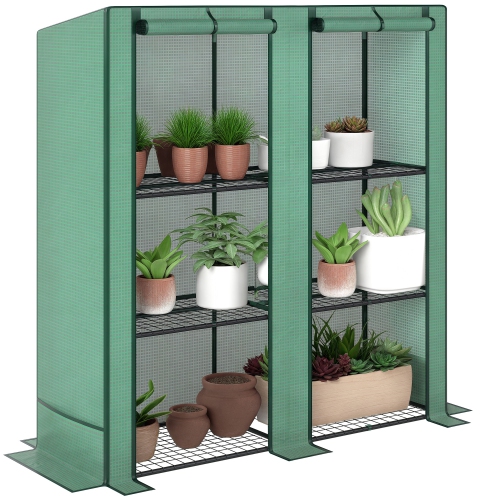
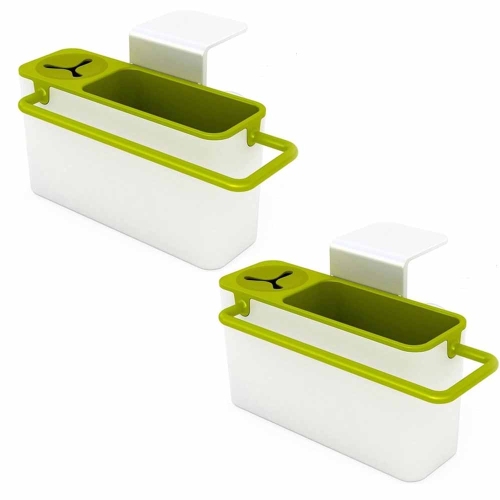
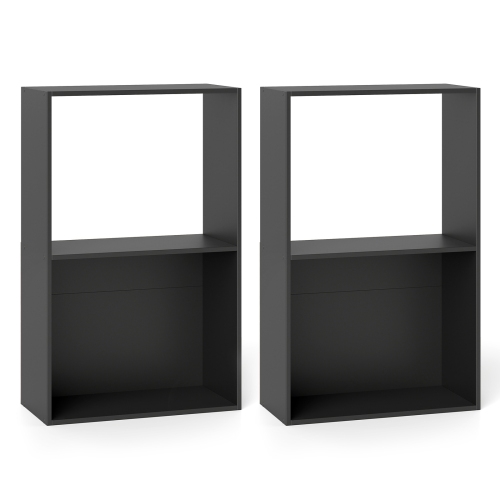
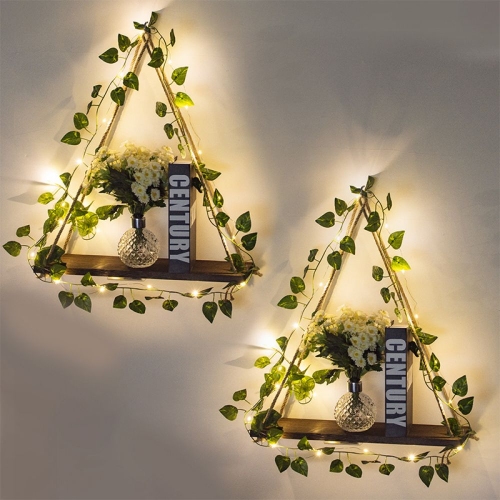
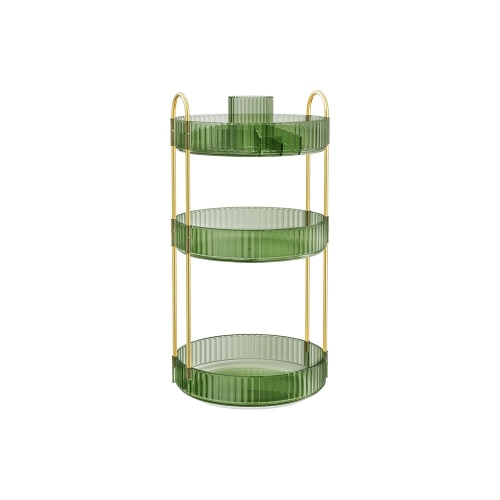
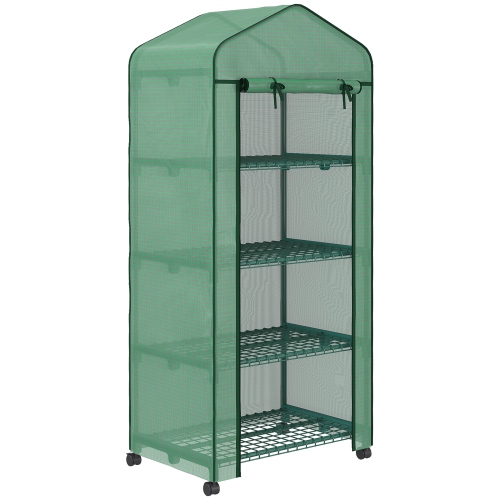
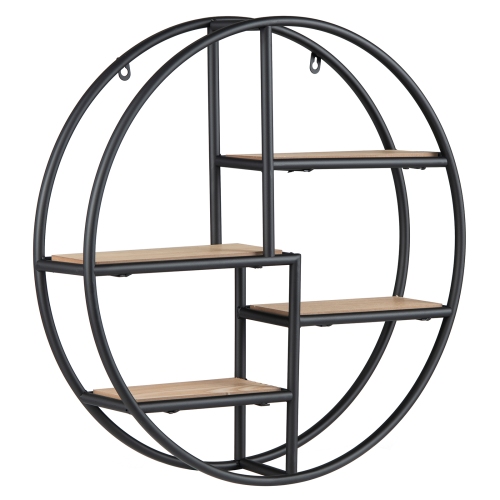
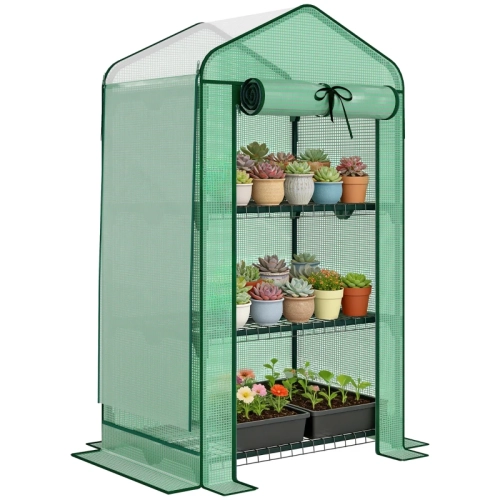
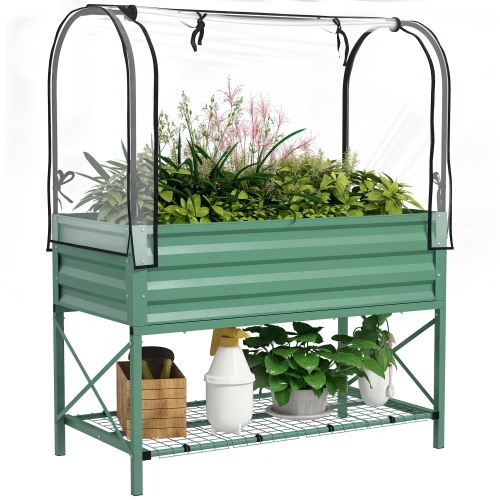
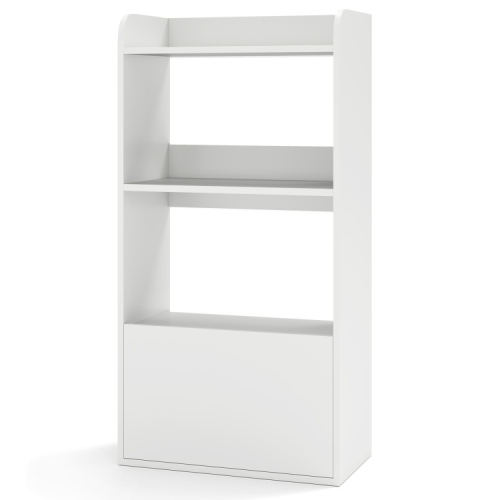
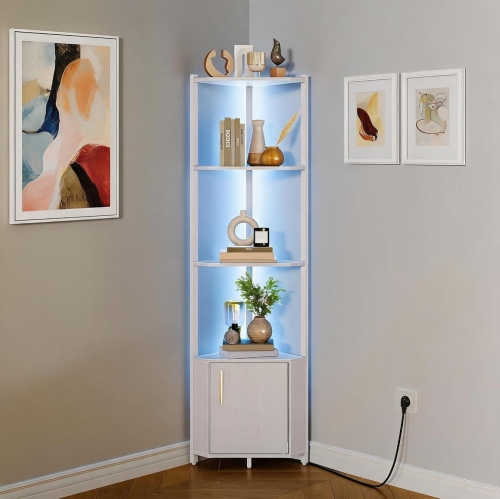
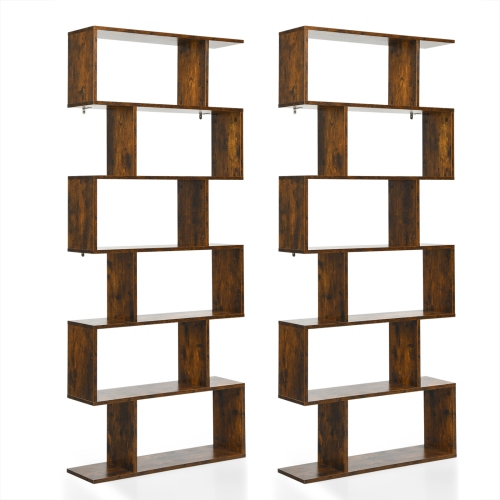
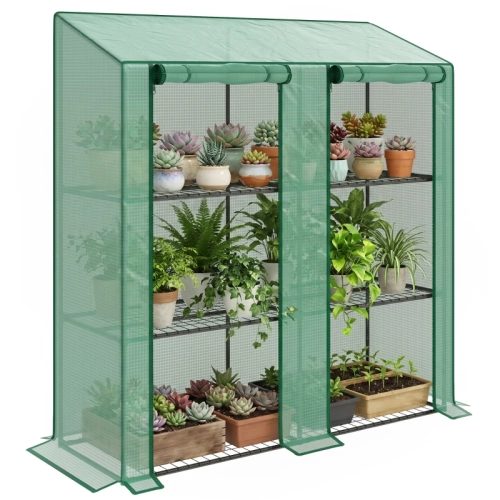
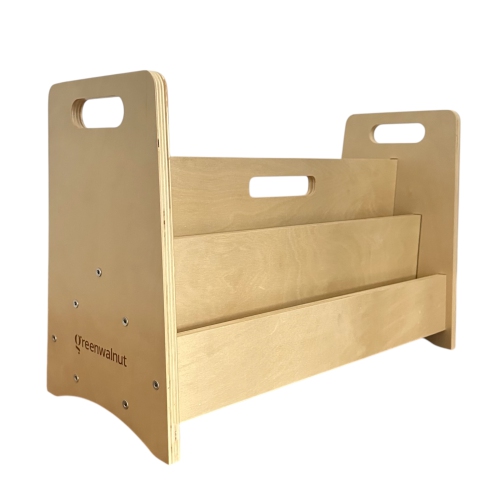
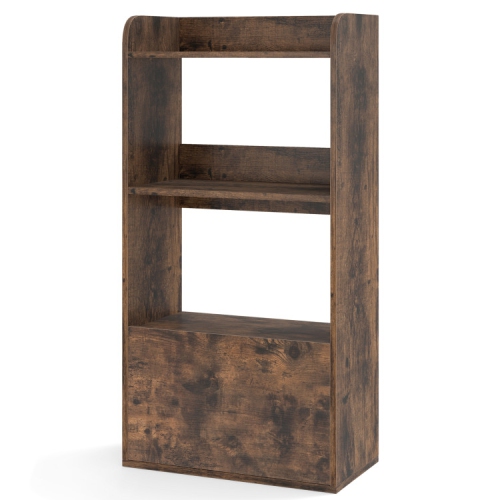
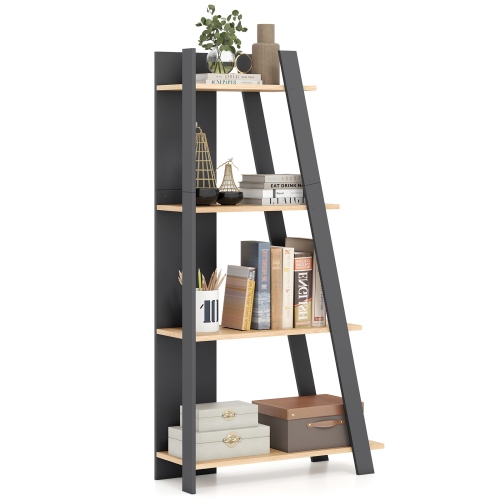
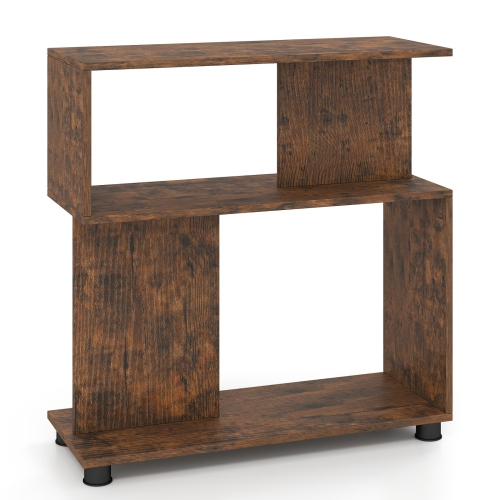
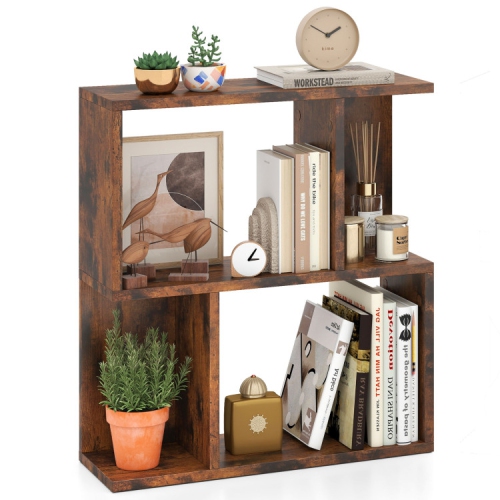
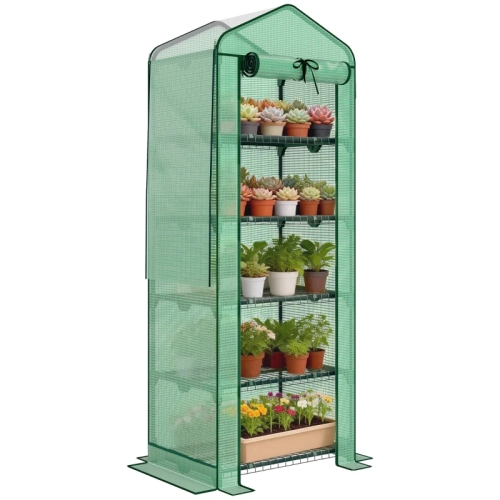
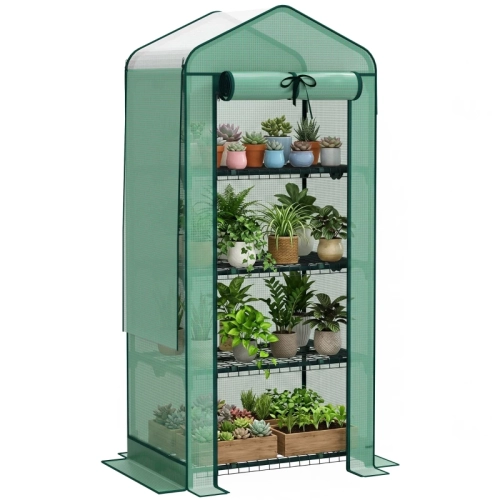
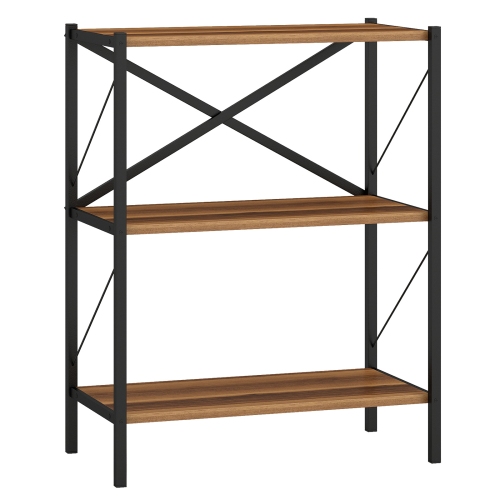
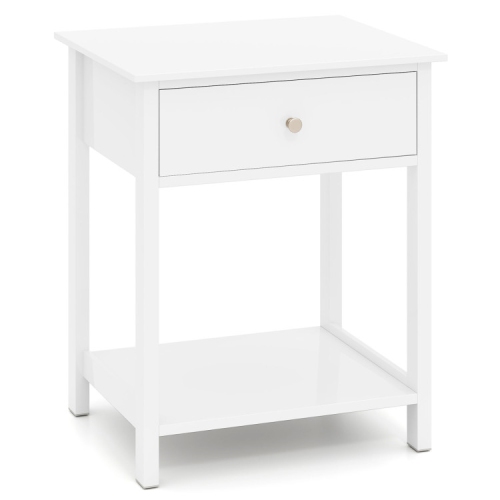
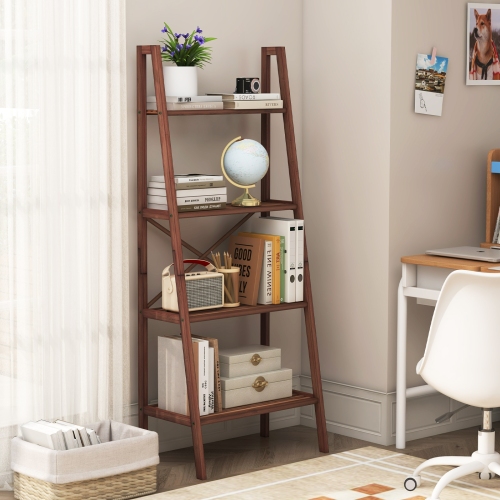
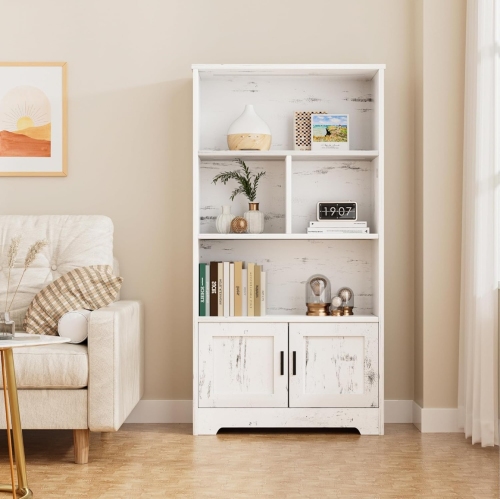
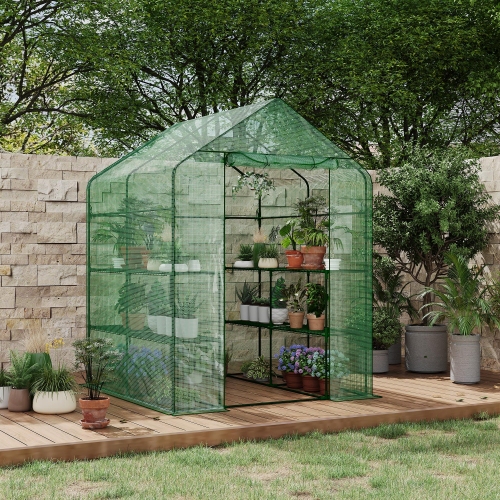
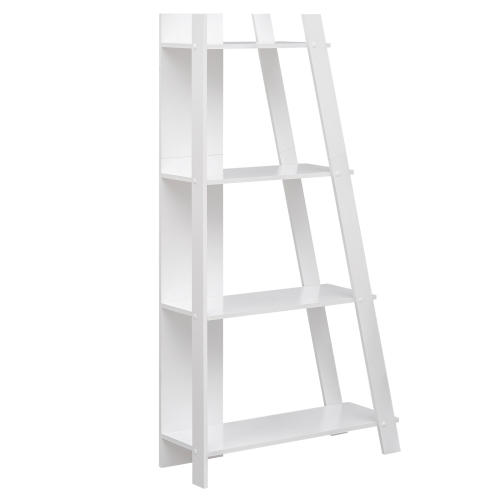
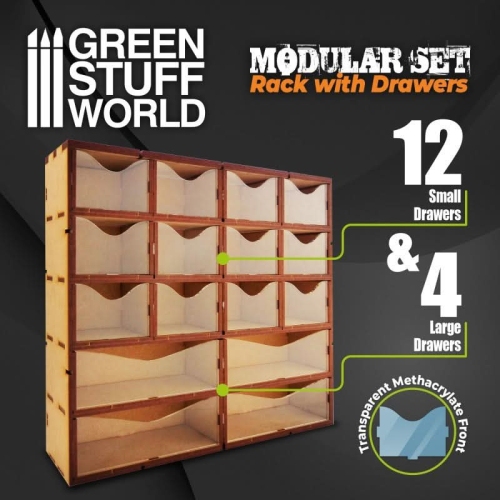
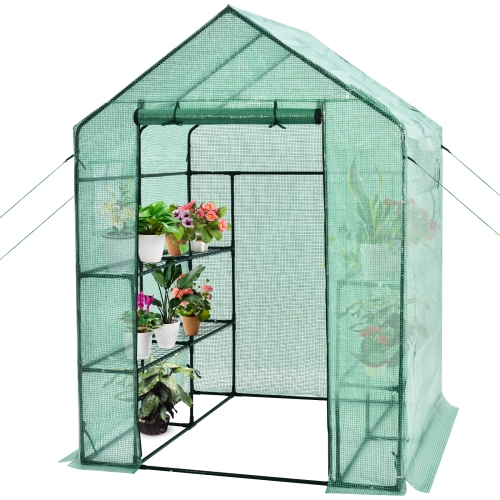
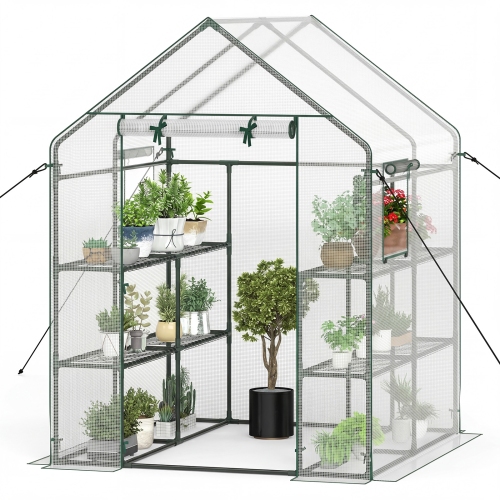
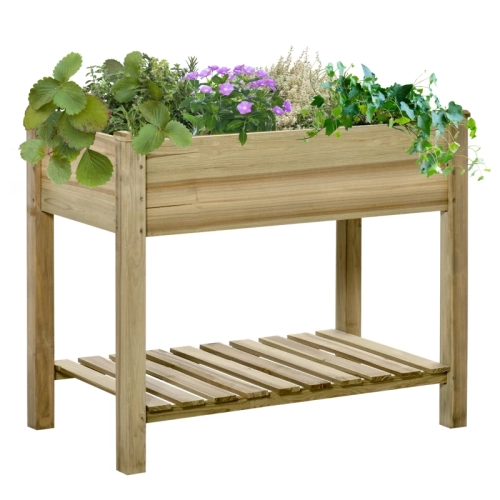
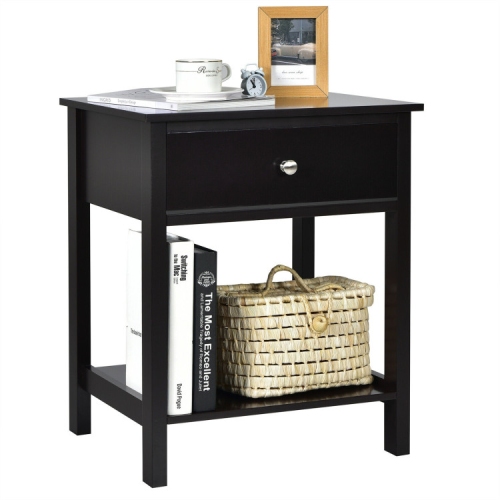
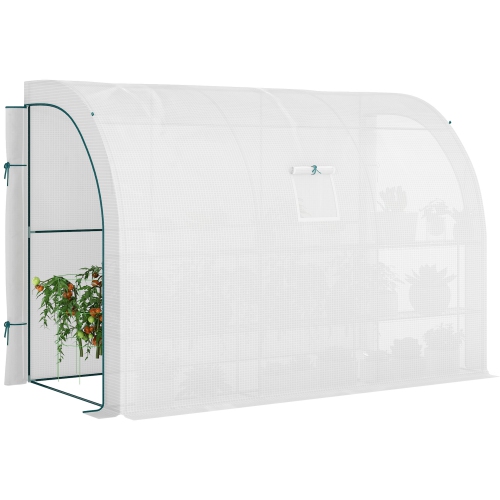
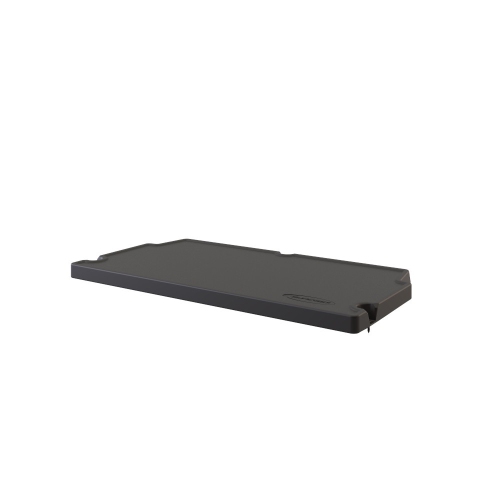
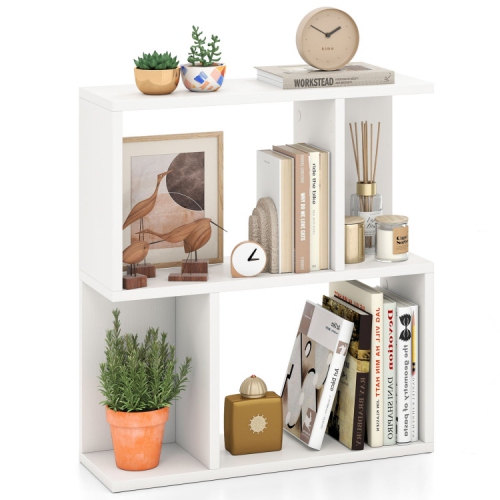

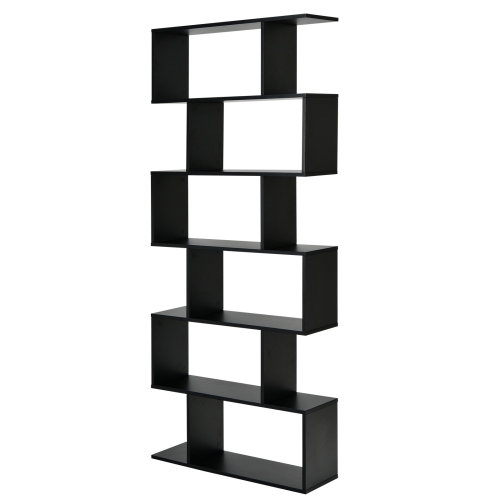
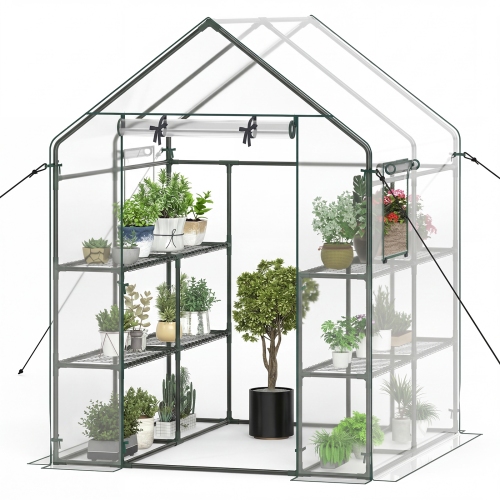
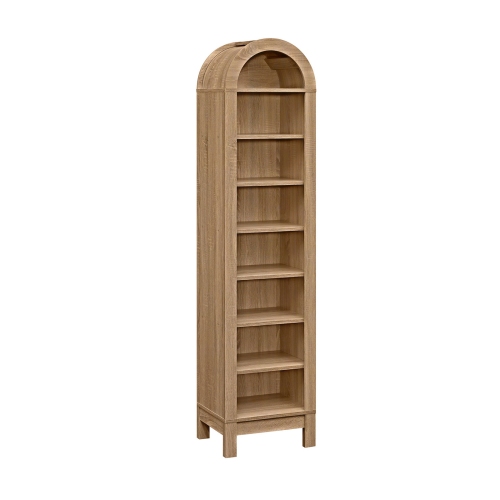
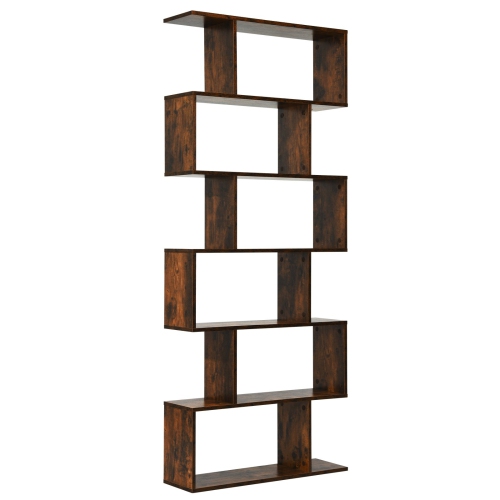
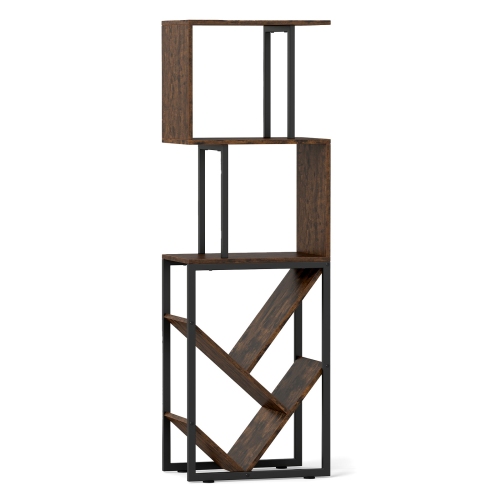
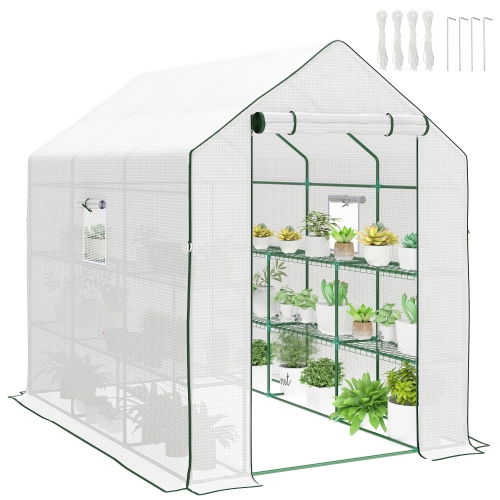
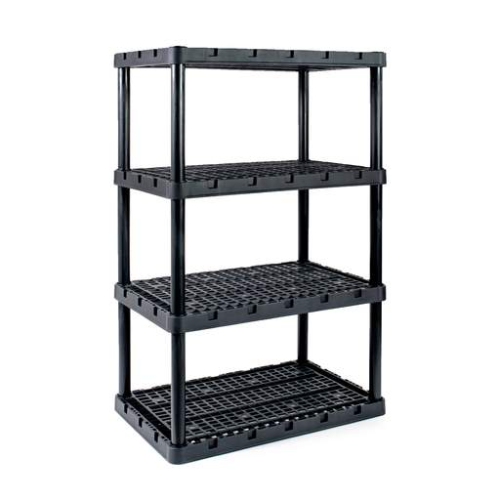
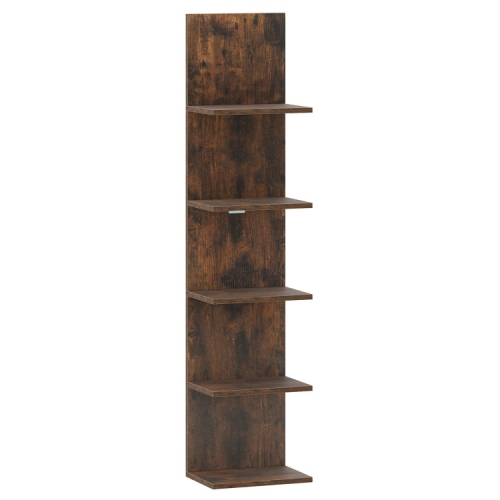
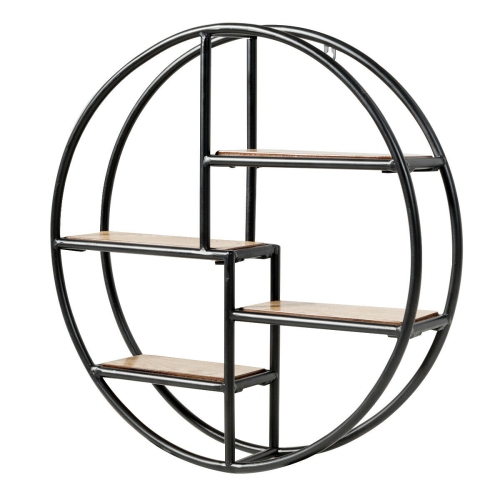
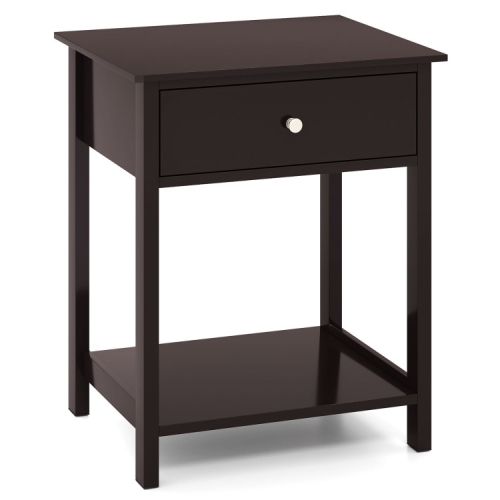
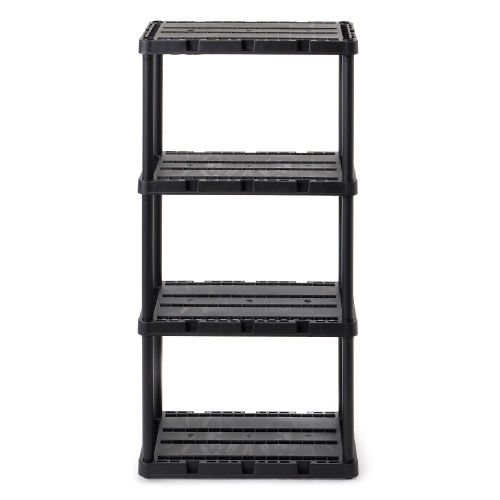
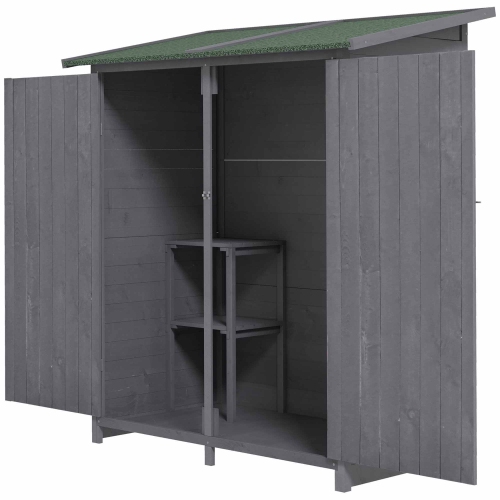
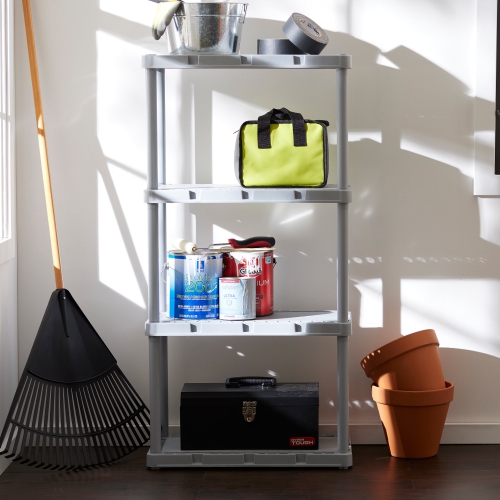
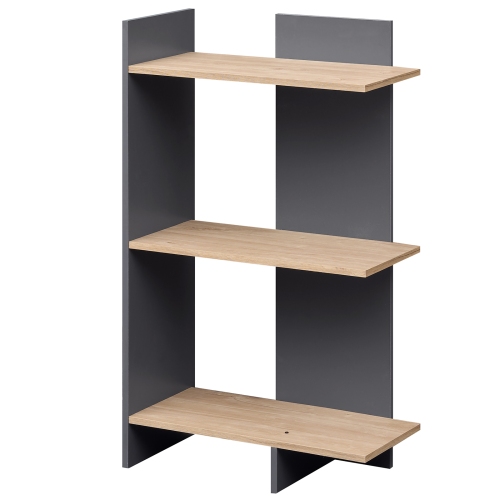
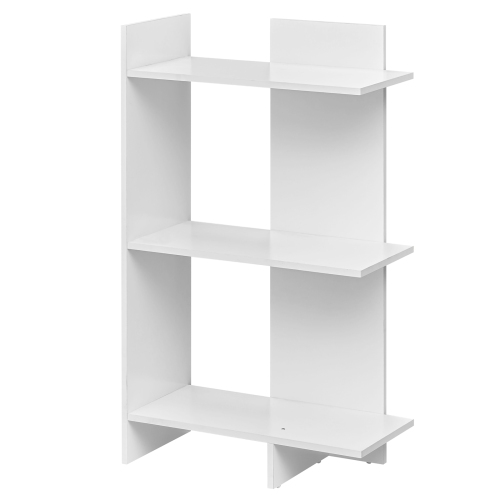
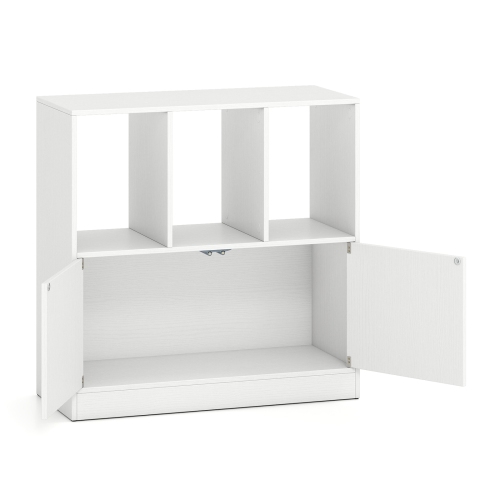
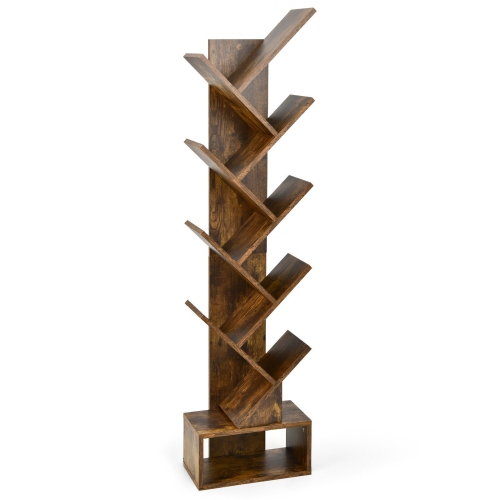
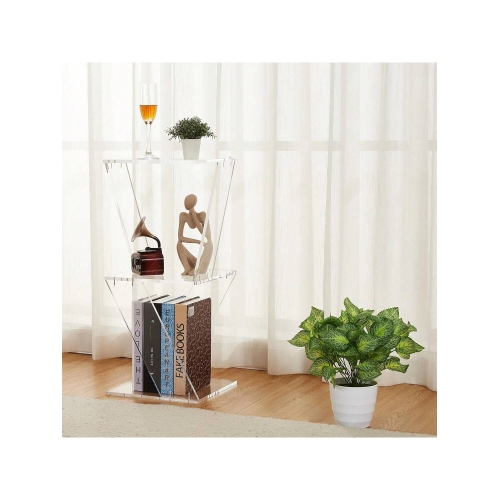
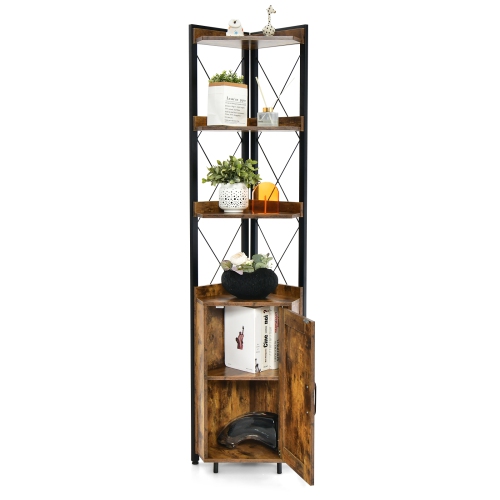
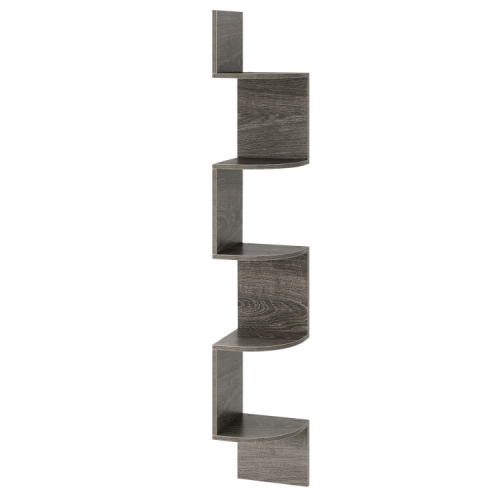
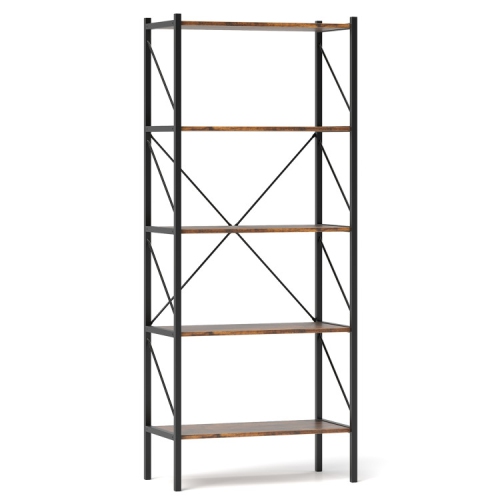
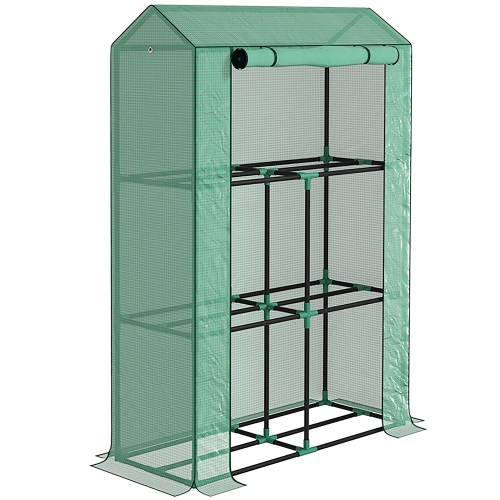
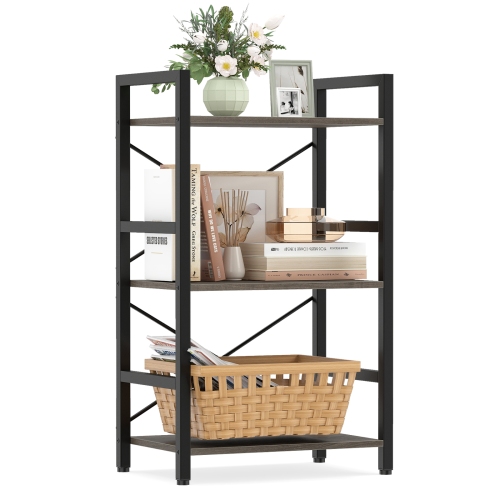
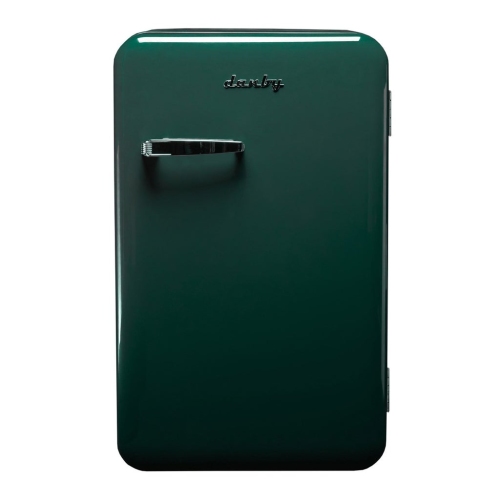
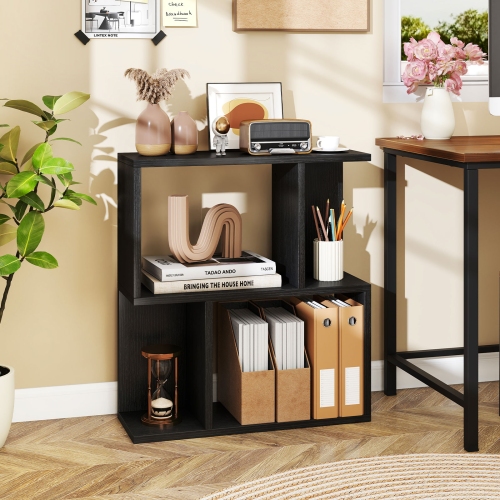
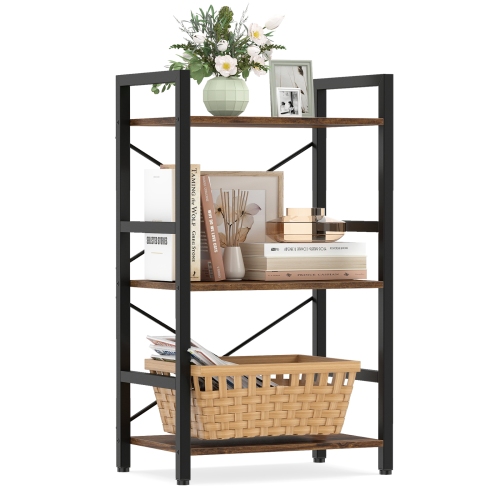
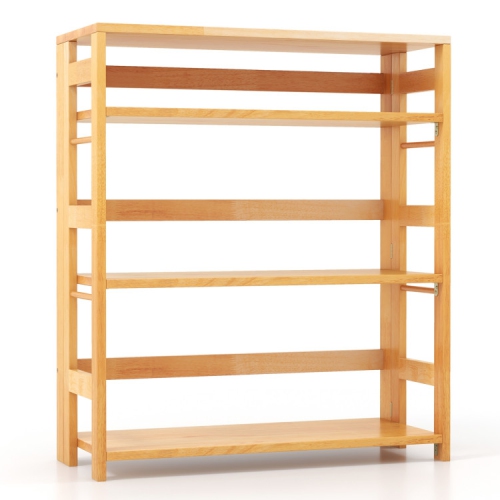
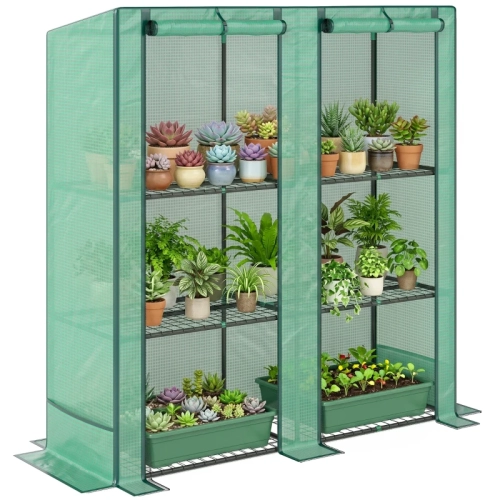
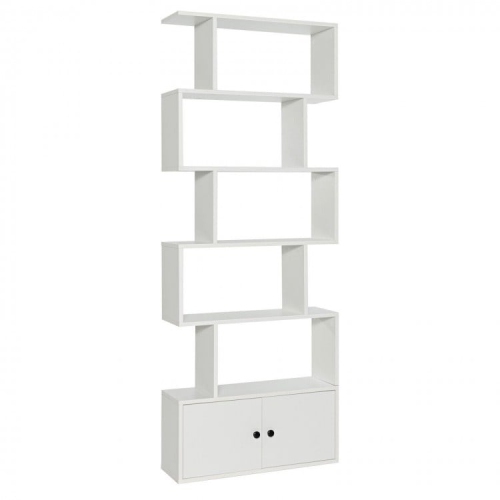
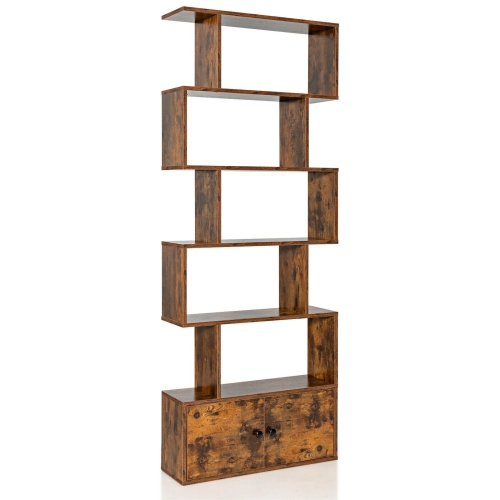
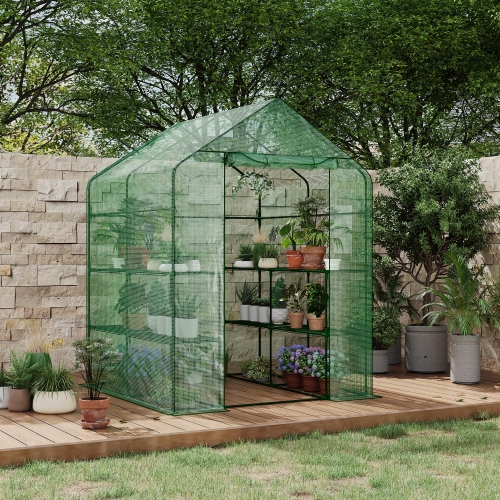
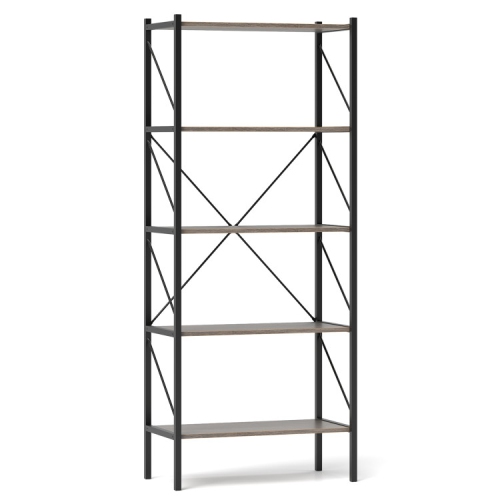
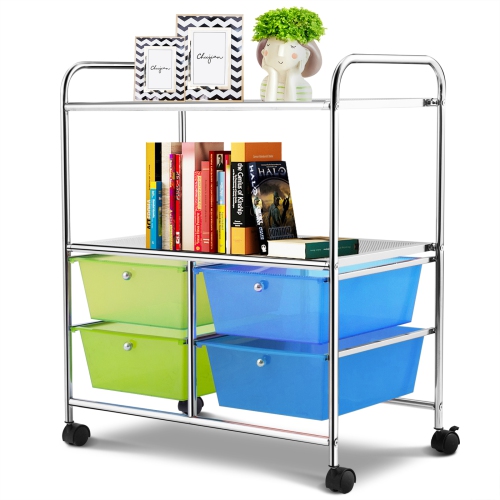
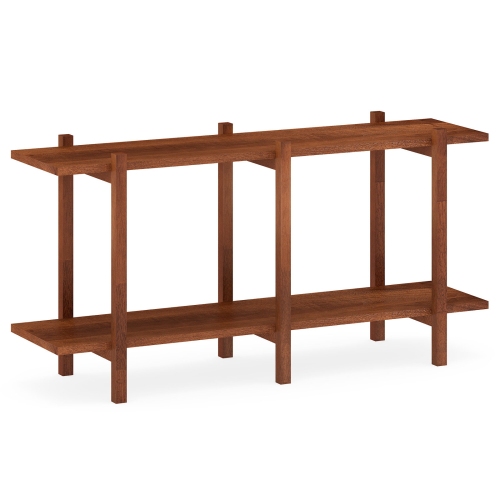
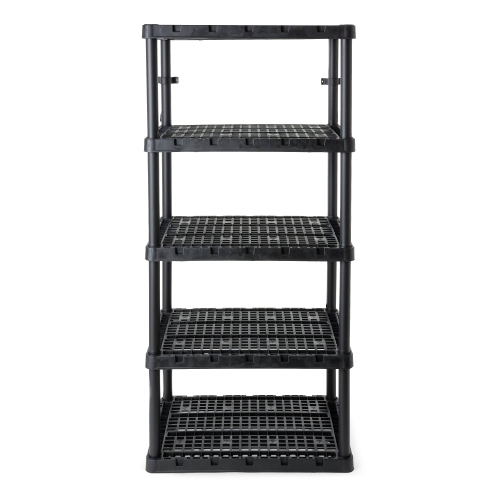
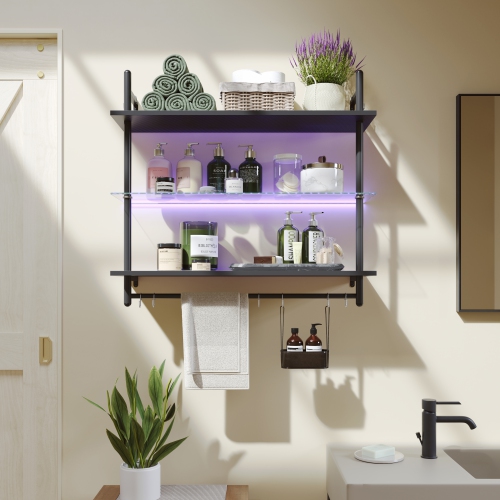
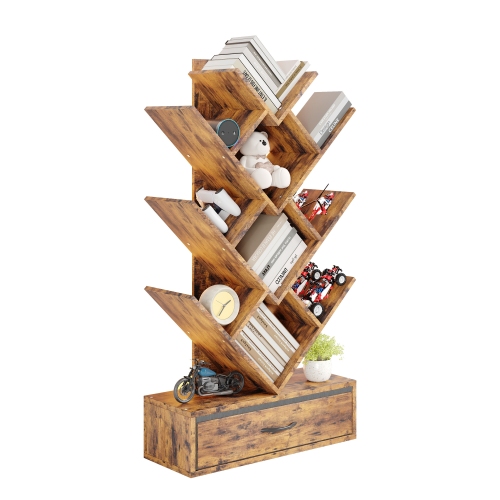
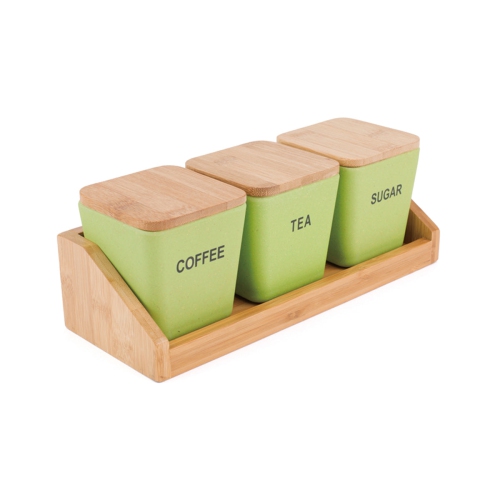

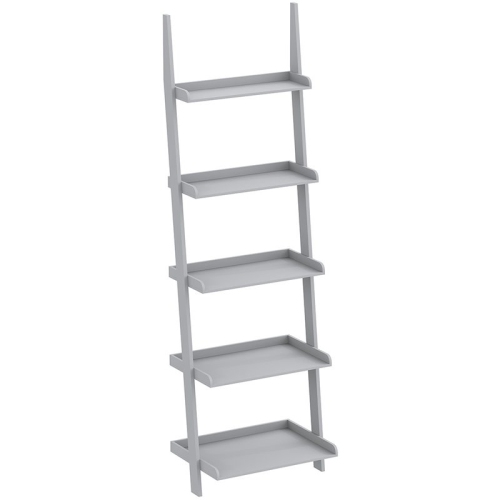
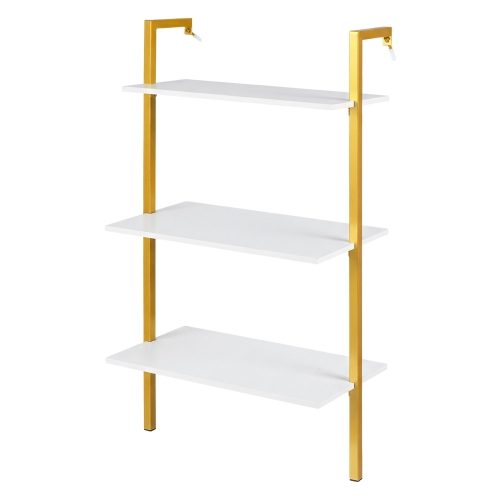
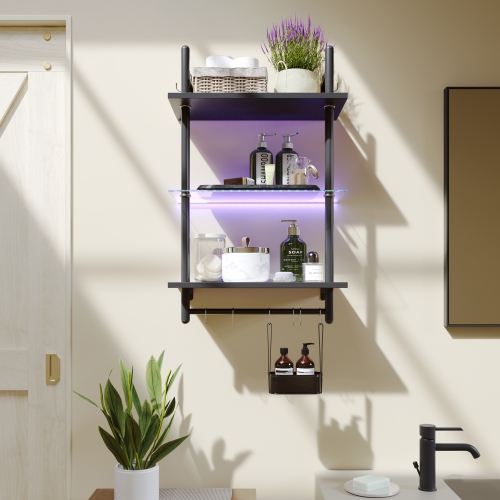
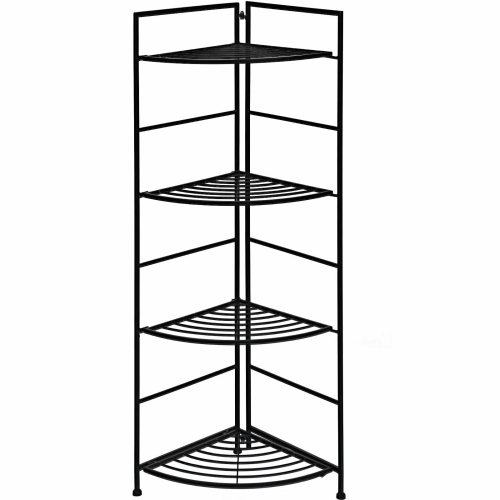
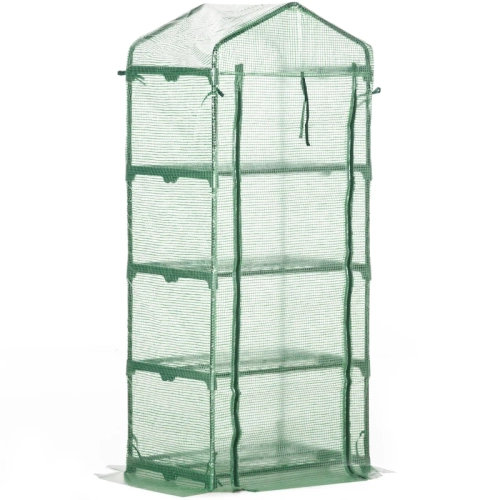

How shade and scale shape everyday storage
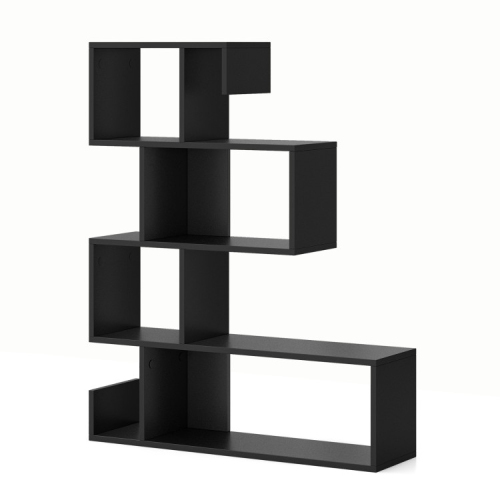
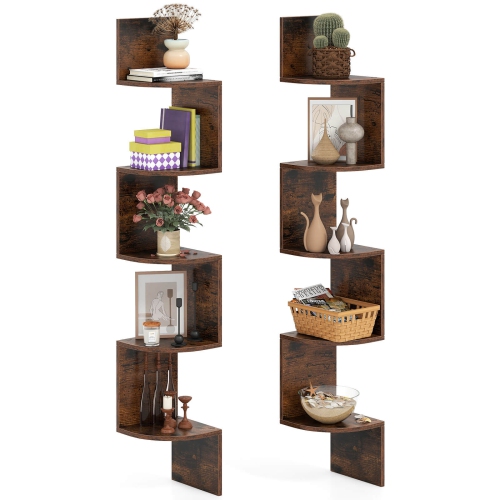
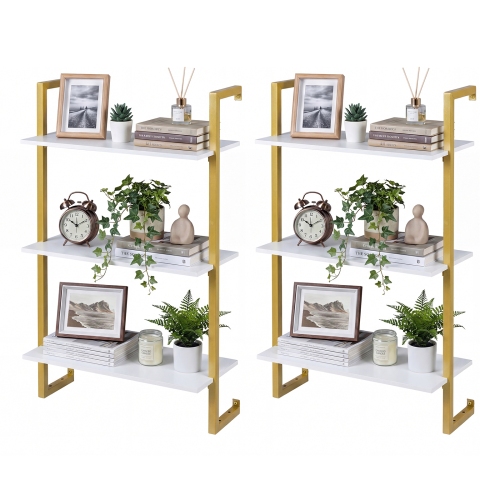
Green shelves bring colour into a room while giving books, everyday essentials, and favourite display pieces a defined place. Their effect can be subtle or expressive: pale sage sits gently against cream walls, muted olive adds depth beside warm wood, and a rich forest green creates a stronger contrast with light upholstery or pale flooring. The same colour can look quite different across a broad bookcase and a narrow wall shelf, so the amount of visible shelving matters as much as the shade itself. A slim green ledge offers a small accent above a desk, while a tall shelving unit can become a substantial part of a living room’s colour palette. For a softer, earthier variation, Olive Green Shelves pair naturally with beige textiles, terracotta accents, and wood grain. Green also works alongside black metal, brushed hardware, and crisp white surfaces, making it adaptable to both clean-lined and more layered interiors. Open shelves keep their contents visible and within reach, which suits a reading corner, a home office, or a living area where storage also contributes to the room’s appearance. Wall-mounted shelves can leave the floor clear beneath them, while freestanding designs provide storage without placing the full shelving load on a wall. In compact rooms, a narrow footprint can be useful beside a desk or armchair; in a larger space, wider shelving can give a collection room to breathe. The relationship between the shelf colour and its contents makes a difference, too. Light-coloured ceramics stand out against darker green surfaces, while book spines and woven baskets can soften a more vivid finish. A green shelf need not match every other green accent exactly. Similar undertones often create a more comfortable connection than attempting a perfect match across paint, fabric, and furniture. Repeating the colour in just one or two nearby details, such as a cushion or framed print, can make the shelving feel connected to the room without overwhelming it.
Materials and construction shape how green shelves look, feel, and hold up to daily use. Painted solid wood may retain visible grain or small variations beneath its finish, while engineered wood can provide a smooth, consistent surface. Metal shelving tends to have a slimmer visual profile, although its strength depends on the design, supports, and stated load limits rather than appearance alone. Some designs combine green structural elements with wood-toned shelves, creating a different balance of colour and texture from an entirely green unit. Finish matters in practical terms as well: a matte surface gives colour a softer appearance, while a smoother satin finish may reflect more light and make certain marks easier to notice. Dimensions deserve equal attention. Overall height and width determine whether a unit fits the room, but shelf depth and the clear space between levels determine what it can actually hold. Paperbacks, large reference books, storage baskets, and framed photographs have different space requirements. Adjustable shelves offer flexibility when storage needs change, whereas fixed shelves establish a consistent layout. Measuring the intended contents alongside the available floor or wall space helps avoid a shelf that fits its corner but not its purpose. Door swings, baseboards, electrical outlets, and nearby seating also affect placement. In a home office, a shelf should not force a chair into a narrow path; beside a bed, its corners should leave comfortable clearance for movement. For wall-mounted designs, the wall type, bracket arrangement, suitable fixings, and manufacturer’s installation requirements are essential considerations. Weight limits apply to the complete installation, not simply to the shelf board. Heavy books are generally better placed on lower levels of a freestanding unit, with weight distributed as directed. Tall furniture may require anchoring, particularly in homes with children or pets. A shelf is a storage surface, not a step, and keeping tempting objects away from high levels can help discourage climbing. These practical details are especially important when shelving will be used in a shared room where several people reach for its contents throughout the day.
Everyday use is where a well-chosen shelf earns its place. In a living room, a few sections for books, a basket for small accessories, and some open space around a framed photograph can keep the arrangement useful rather than crowded. A home office may benefit from clearly separated areas for reference material and supplies, with frequently used pieces positioned at an easy reach. In an entryway, compact shelving can give small belongings a consistent landing place, provided it does not obstruct the route through the room. Shelves used in a kitchen, bathroom, or laundry area need materials and finishes suited to the expected moisture and cleaning conditions; a green finish alone does not indicate that a surface can tolerate splashes or dampness. Plant pots need particular care, since trapped water beneath a saucer can leave marks or damage some finishes. Protective pads and a waterproof tray can reduce direct contact, but spills still need prompt attention. Routine care usually begins with gentle dusting and the cleaning method specified for the material. Abrasive pads, strong solvents, and excess water can damage painted or coated surfaces, so a soft cloth and an appropriate mild cleaner are often a more suitable approach when permitted by the care instructions. Lifting objects instead of dragging them helps limit scratches, while checking accessible fasteners and supports can reveal loosening before it affects everyday use. Green shelving can also make a thoughtful housewarming gift or a useful addition for someone setting up a study space, though furniture is easiest to give when the recipient’s measurements, preferred shade, and installation needs are known. For shared households, flexible storage arrangements leave room for different routines without requiring every shelf to look identical. A little empty space makes contents easier to remove and return, and allows the green finish to remain visible. The result can be storage that feels purposeful and personal: colour with a practical role, rather than another surface that needs filling.
Top selling and popular products
-
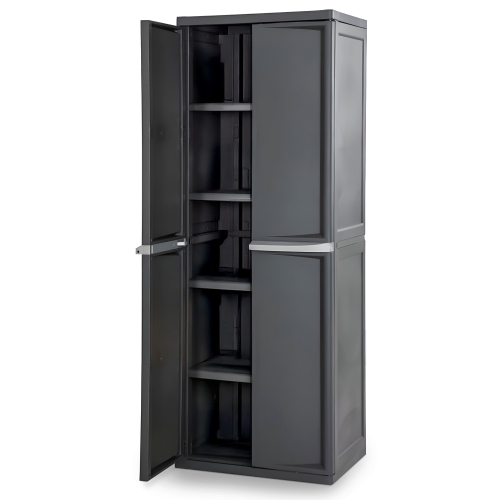 Your price for this item is $576.99
-
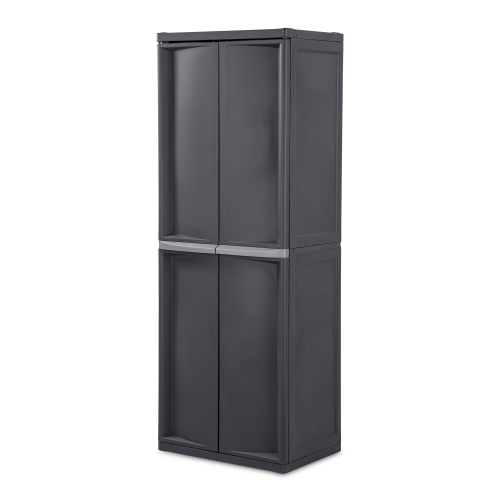 Your price for this item is $1132.99
-
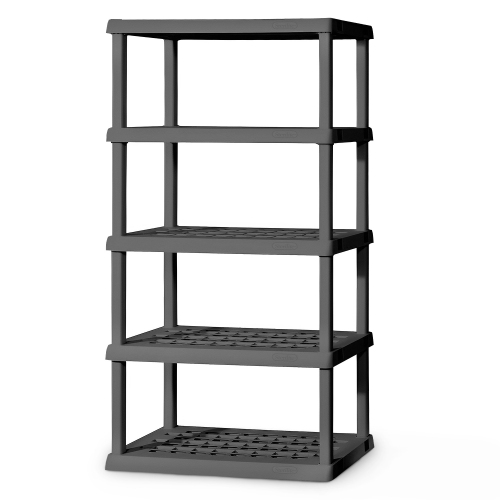 Your price for this item is $356.99
-
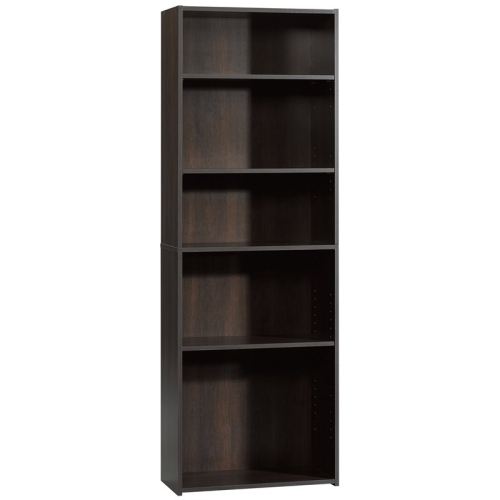 Your price for this item is $208.99
-
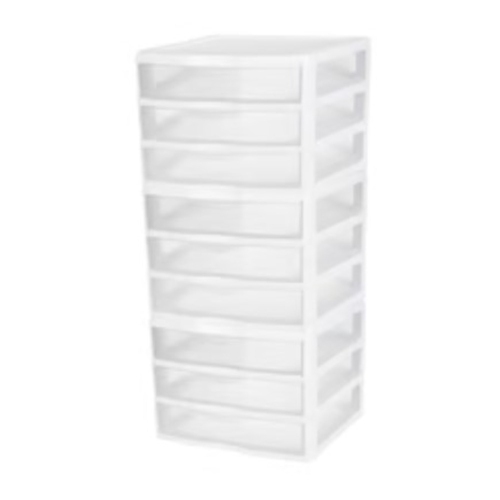 Your price for this item is $169.99
-
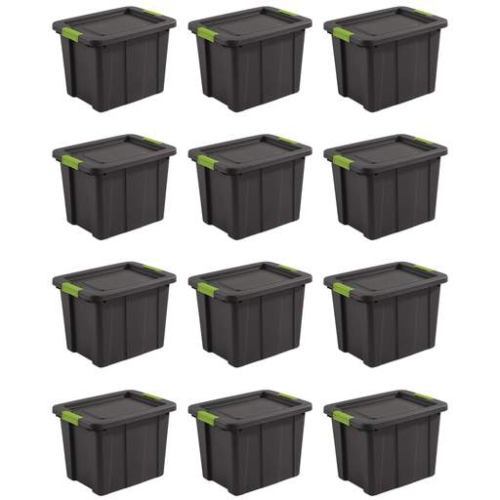 Your price for this item is $604.99
-
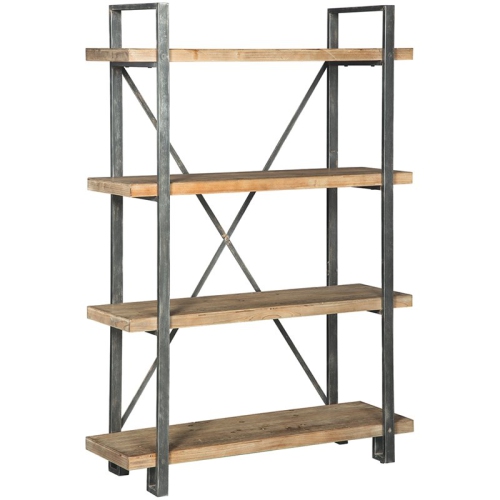 Your price for this item is $599
-
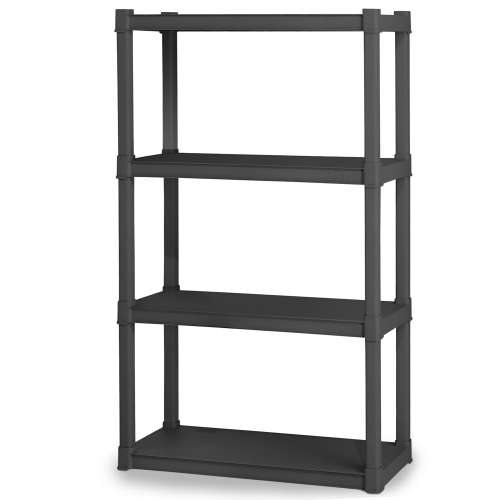 Your price for this item is $254.99
Discover more categories related to Shelves Green
Top Collections:
Best Black Friday Deals This Year, Best Black Friday Deals On Electronics, Kindle Devices, Pokemon Centers, Best Black Friday Deals On Apple Products, Best Cameras for Sports Photography, Dyson Airwrap, Pokémon 30th Celebration Cards, Apple iPhone 17 Pro, Canon G7X Cameras
Some products may be subject to Environmental Handling Fees
(EHF) depending on your province.
Learn more about EHFs.