Shoe Racks White
Organize your footwear collection in style with our selection of white shoe racks. Keep your entryway, closet, or bedroom neat and tidy while adding a touch of elegance to your decor with these versatile storage solutions. Whether you're a sneakerhead with an extensive collection or simply looking to streamline your space, our range of white shoe racks offers both functionality and fashion-forward design. Explore different sizes, styles, and materials to find the perfect fit for your home and step up your organization game today!
Sort
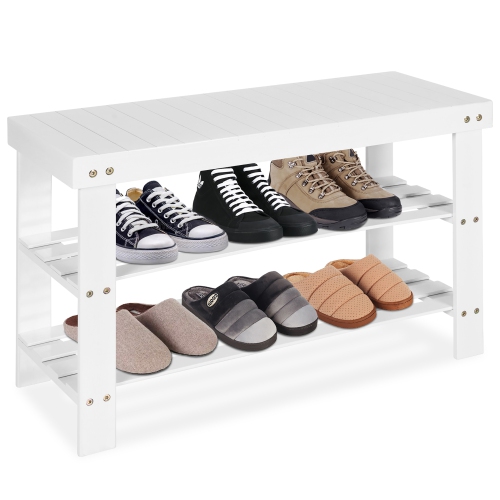
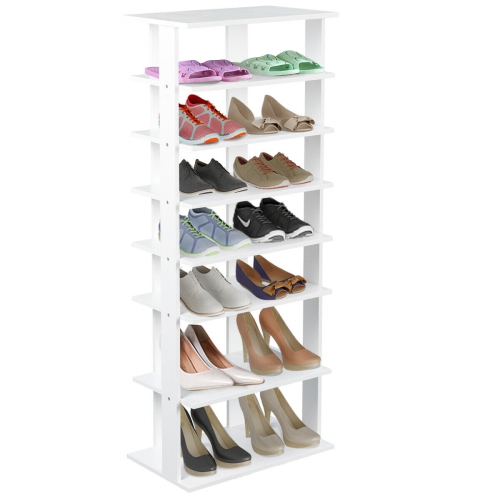
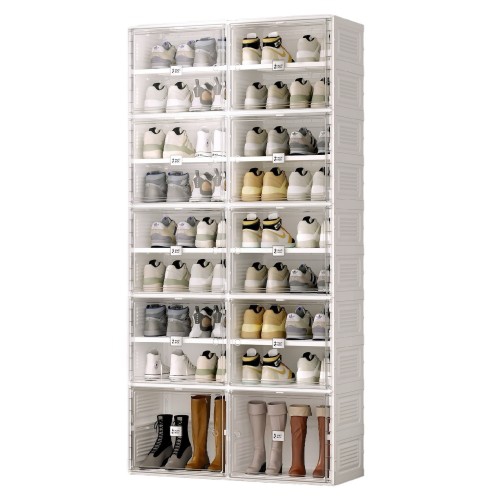

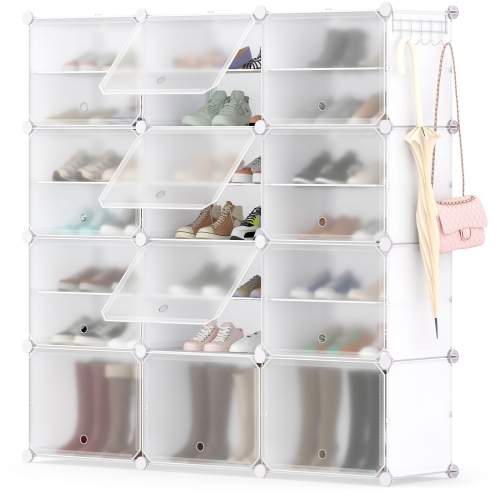
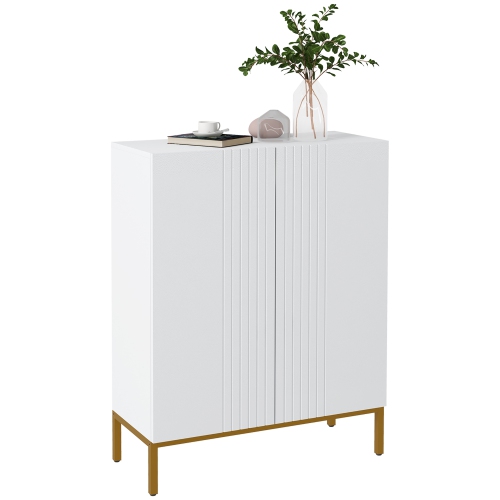
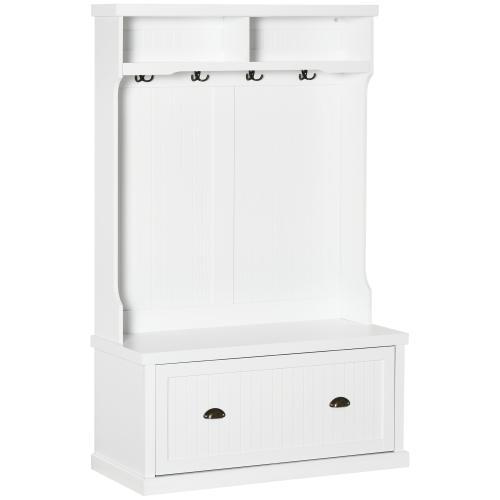
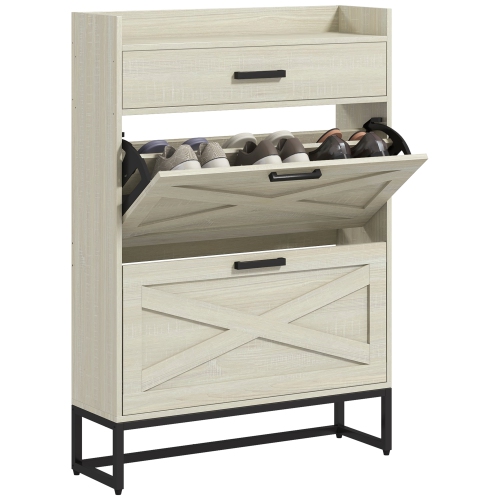
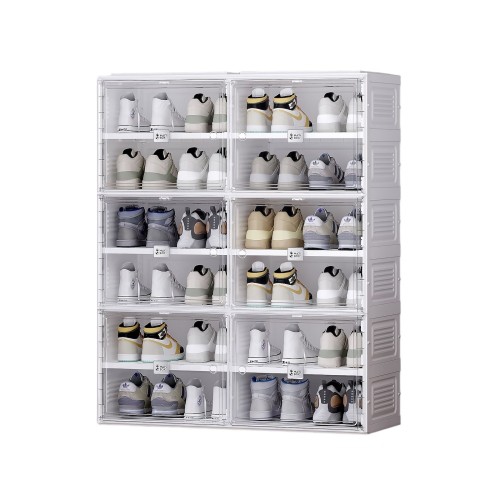
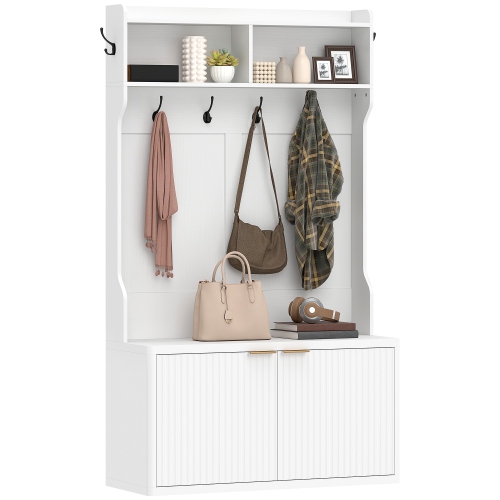
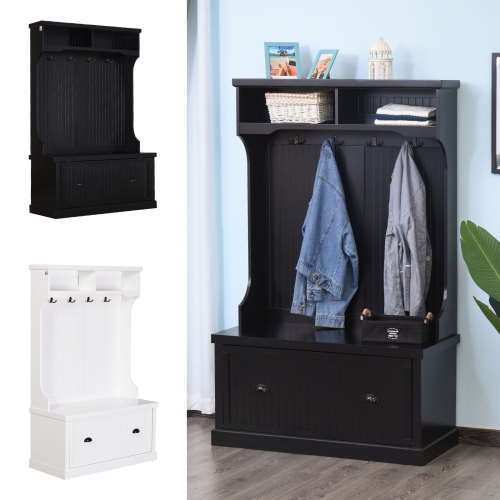
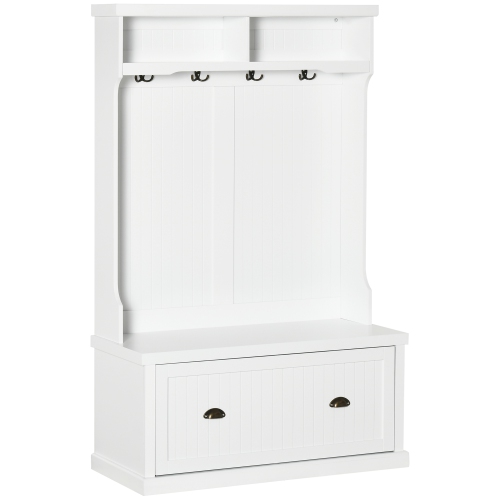
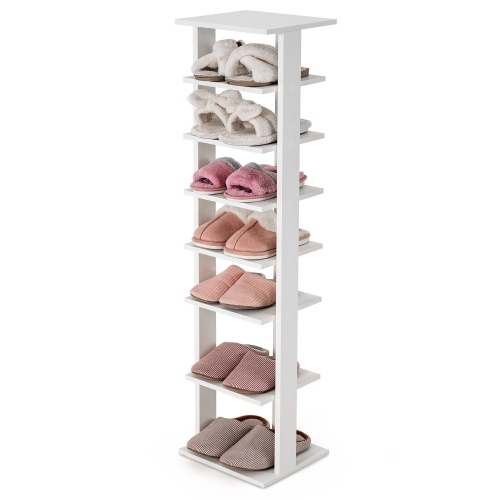
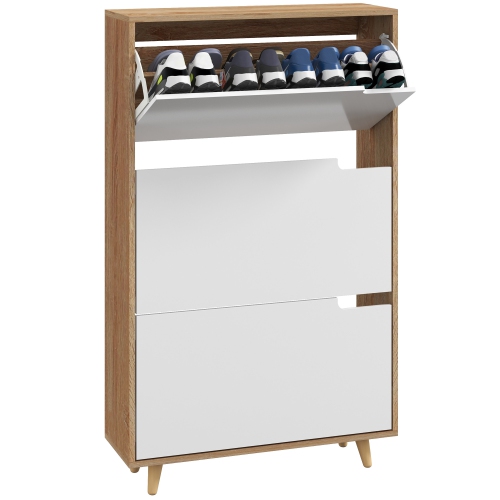
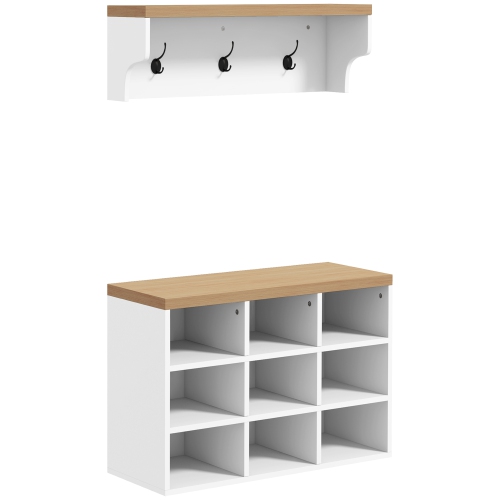
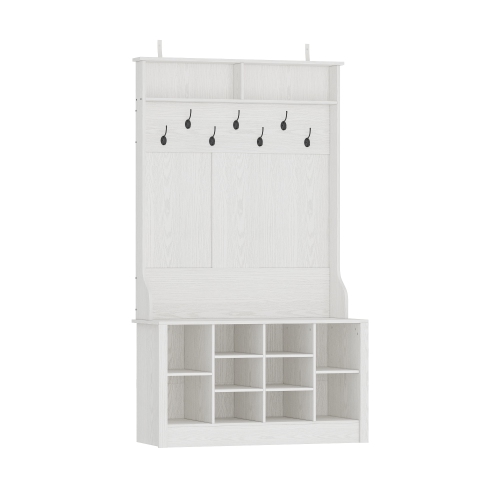
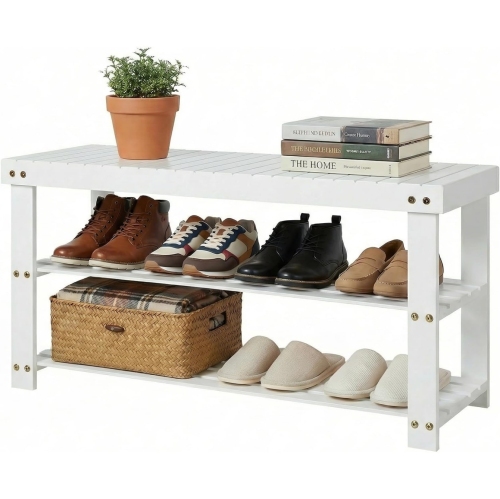
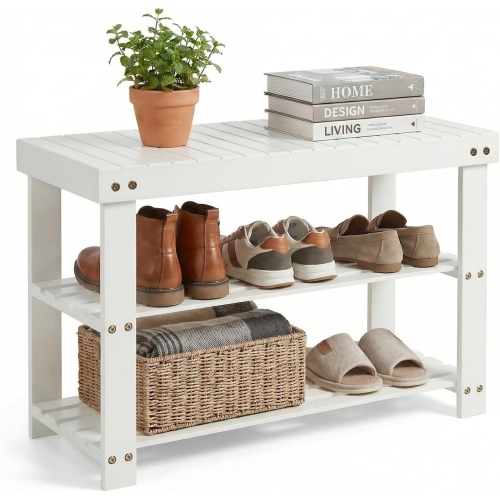
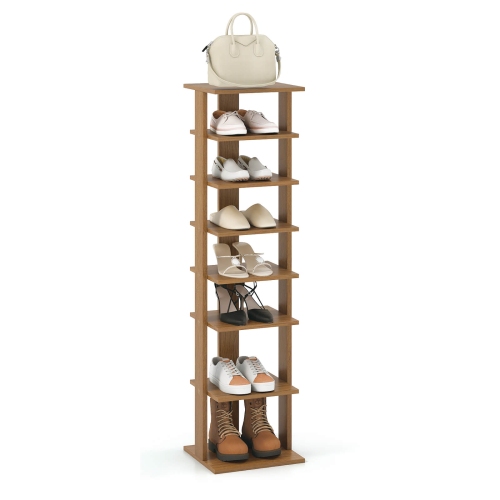
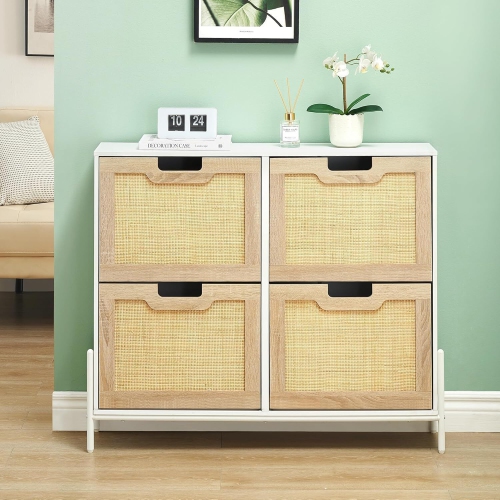
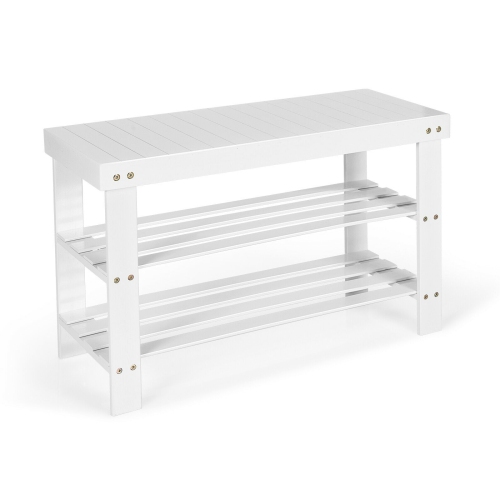
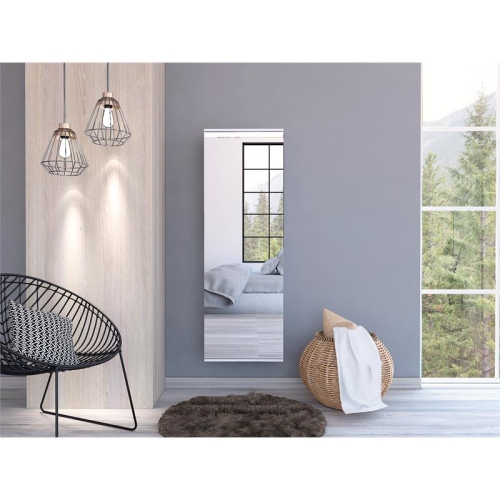
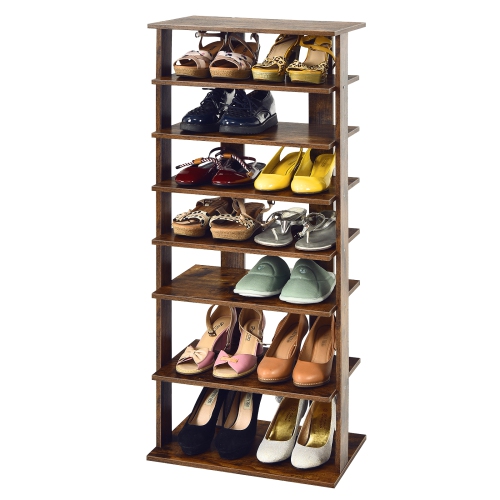
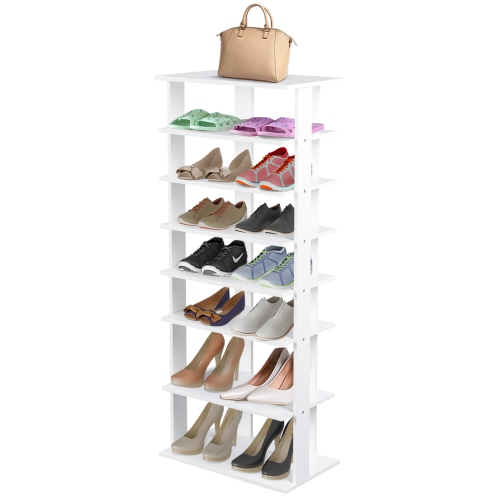
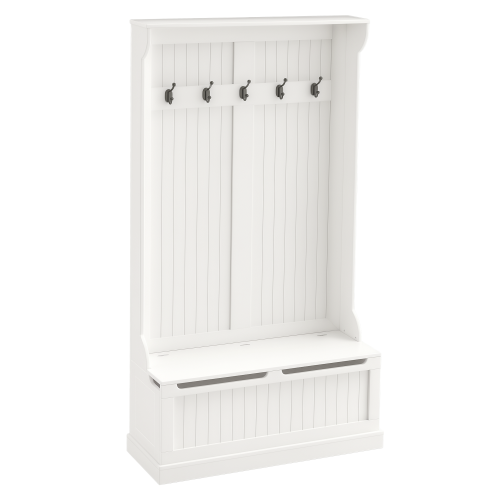
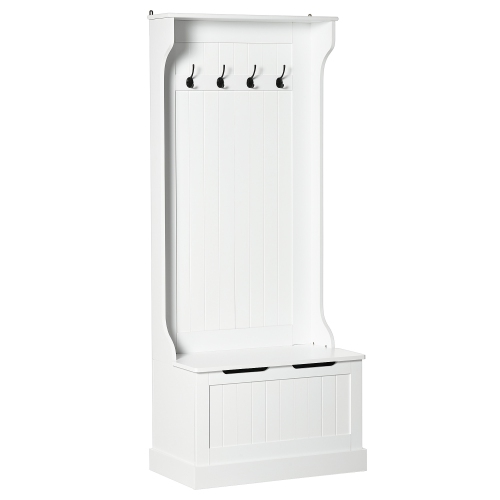
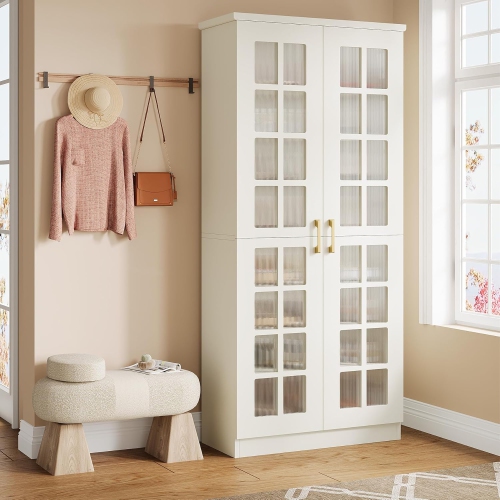
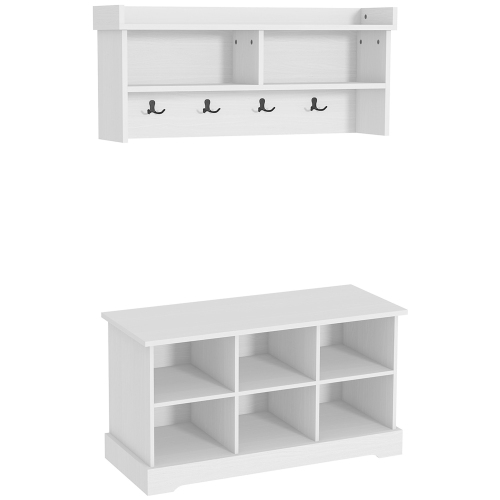
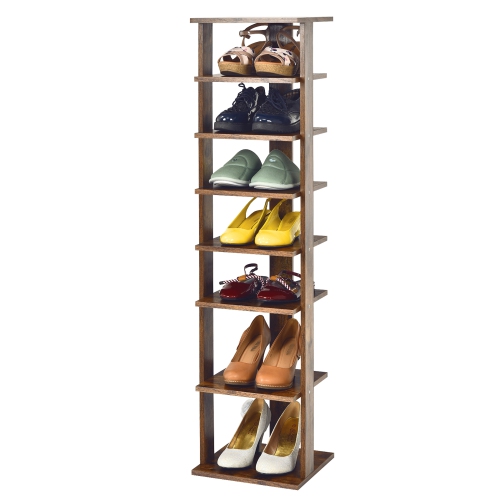
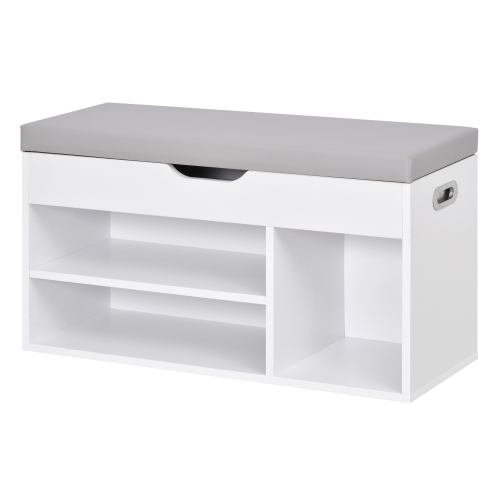
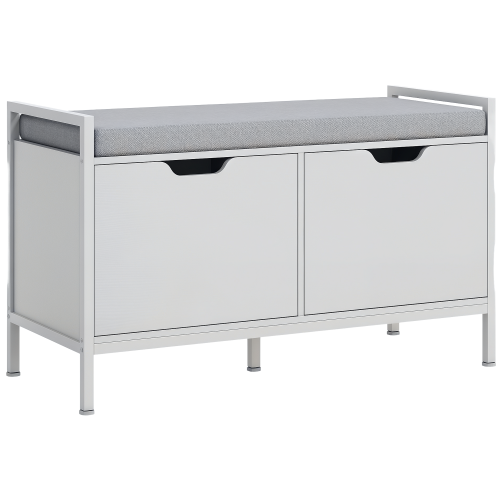
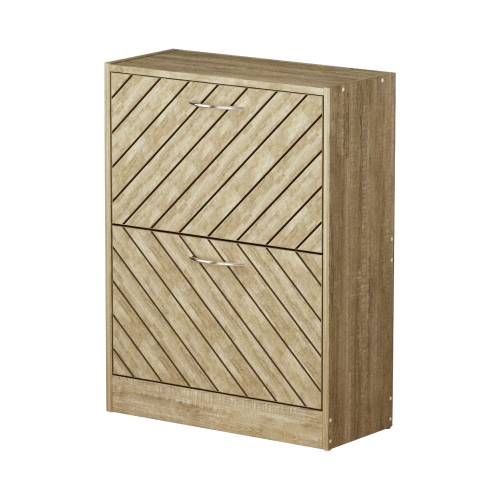
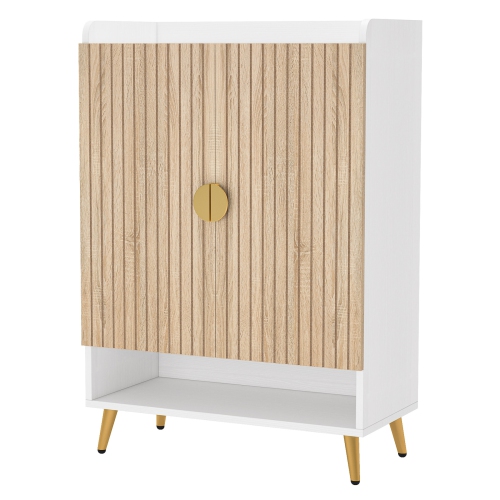
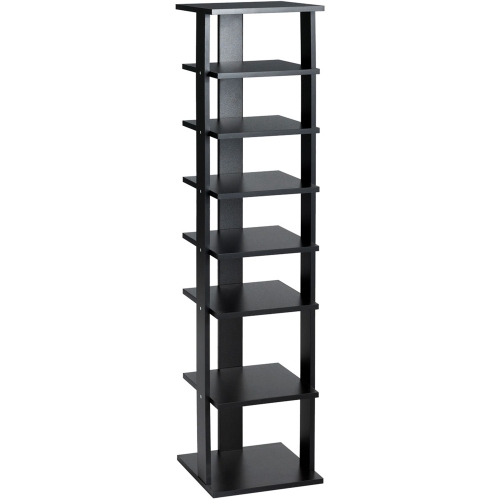
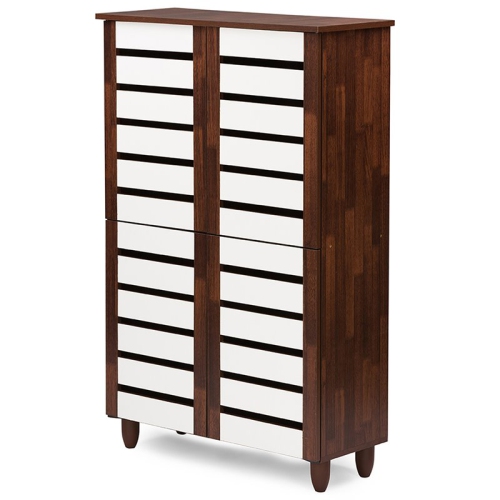
Everyday shoe storage without the bulky cabinet look
White shoe racks bring a clean, light finish to one of the busiest parts of a home: the spot where footwear comes off and daily routines begin. In an entryway, a neatly arranged rack gives everyday shoes a place to land without leaving a trail across the floor. Inside a bedroom closet, it can turn the space beneath hanging clothes into useful storage, keeping pairs together and easier to see. White works comfortably alongside pale wood, grey tile, dark flooring, and colourful walls, so a rack can blend into an existing room rather than become its main feature. The overall shape matters as much as the colour. Slim, open frames tend to look less imposing in a narrow hallway, while wider shelving can help define a storage area along an otherwise empty wall. A low rack leaves wall space free for a mirror or coat hooks; a taller design makes greater use of vertical space where floor space is limited. Across the broader range of Shoe Racks, open shelves, cubbies, stackable designs, and bench-style storage serve different household routines. Open shelves make it easy to spot the pair needed before heading out, while separate cubbies help keep smaller shoes from drifting into neighbouring spaces. A shoe bench adds a place to sit while fastening boots or helping a child with laces, provided it is designed and rated for seating. For a household with several people coming and going, dividing the shelves by person can be more useful than arranging everything by footwear type. Someone living alone might prefer a compact rack beside the door for frequently worn pairs, with occasional footwear stored elsewhere. White shoe storage is especially useful when the aim is a tidy, coordinated entryway without the visual weight of a large cabinet, although the right proportions still depend on the room and the shoes it needs to hold.
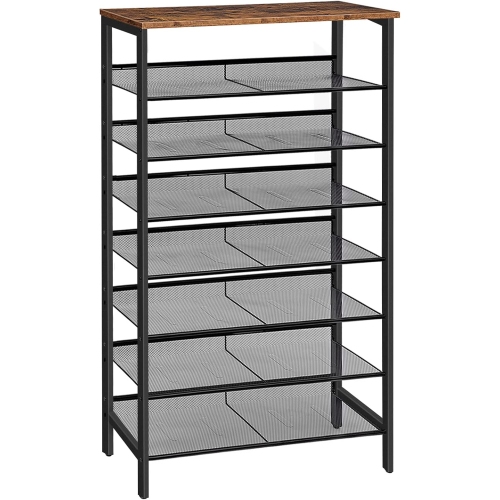
Materials and construction influence how a white shoe rack feels, how much weight it can support, and how it handles everyday use. Painted solid wood can offer a substantial feel, with the character of the wood sometimes visible beneath the finish. Engineered wood with a laminate or painted surface often creates a smooth, uniform appearance that suits simple, straight-lined furniture. White-finished metal frames can look lighter and leave more open space around footwear, while moulded plastic designs may be practical where a lightweight rack is easier to move for cleaning. No material is automatically the best choice for every location: the quality of the joints, shelf supports, coating, and assembly all affect durability. A rack that holds trainers in a bedroom closet faces different demands from one beside a front door where damp boots arrive during the cooler months. Slatted or wire shelves allow air to circulate around shoes, but narrow heels and small children's footwear may sit more securely on a flat, continuous surface. Fabric shelves can suit lighter shoes, though their care requirements and load limits deserve attention, particularly when heavier footwear is involved. White finishes also vary, from a crisp bright white to a softer warm white, and that difference can be noticeable beside existing cabinetry or trim. Smooth surfaces are generally straightforward to wipe down, while grooves, mesh, and closely spaced rails can take more time to clean. Grit brought indoors can scratch a finish when shoes are slid across it, and prolonged contact with moisture may damage some wood-based materials or exposed metal. Letting wet footwear drain on a suitable boot tray before moving it onto a rack can help protect both the storage surface and the floor below. Routine care usually means removing loose dirt and wiping suitable surfaces with a soft cloth, following the manufacturer's cleaning directions rather than assuming every white finish tolerates the same cleaner. Drying the surface afterwards helps prevent moisture from lingering around seams, fittings, and shelf edges.
A comfortable fit starts with more than the rack's outside measurements. Its width, depth, and height need to work with nearby doors, baseboards, heating vents, and the route people take through the room. A rack may fit against a wall yet still feel awkward if shoes project into the walkway or a closet door cannot close. Usable shelf depth is particularly important for larger footwear, and the distance between shelves determines whether high-top trainers, ankle boots, or taller winter boots can stand without being bent. Listed pair capacities are useful as a starting point, but actual capacity varies with shoe size and shape; a row of compact flats takes up less room than the same number of broad work boots. Adjustable shelves can make a rack more adaptable when footwear changes with the season, while removable shelves may create room for taller pairs if the design allows it. Stackable or expandable storage can suit a changing household, but compatible parts, secure connections, and the stated load limits remain important. Tall units may require anchoring, and any included anti-tip hardware should be fitted according to the manufacturer's instructions, especially in homes with children or pets. For families, a low, accessible shelf gives children a manageable place to put away their own shoes. For shared homes, clearly divided spaces can keep one person's footwear from taking over the entryway. In a small apartment, a narrow white rack can provide a dedicated landing place without requiring a full-size storage unit, while a larger household may benefit from keeping daily footwear near the entrance and less-used pairs in a closet. A white shoe rack can also make a thoughtful housewarming gift when the recipient's space, measurements, and style preferences are known. The most useful design is one that supports an ordinary day: enough clearance to lift out boots easily, shelves that keep pairs visible, and a footprint that leaves room to carry bags through the door. Those practical details help white shoe racks look settled in the home while making busy entrances and crowded closets easier to use.
Materials and construction influence how a white shoe rack feels, how much weight it can support, and how it handles everyday use. Painted solid wood can offer a substantial feel, with the character of the wood sometimes visible beneath the finish. Engineered wood with a laminate or painted surface often creates a smooth, uniform appearance that suits simple, straight-lined furniture. White-finished metal frames can look lighter and leave more open space around footwear, while moulded plastic designs may be practical where a lightweight rack is easier to move for cleaning. No material is automatically the best choice for every location: the quality of the joints, shelf supports, coating, and assembly all affect durability. A rack that holds trainers in a bedroom closet faces different demands from one beside a front door where damp boots arrive during the cooler months. Slatted or wire shelves allow air to circulate around shoes, but narrow heels and small children's footwear may sit more securely on a flat, continuous surface. Fabric shelves can suit lighter shoes, though their care requirements and load limits deserve attention, particularly when heavier footwear is involved. White finishes also vary, from a crisp bright white to a softer warm white, and that difference can be noticeable beside existing cabinetry or trim. Smooth surfaces are generally straightforward to wipe down, while grooves, mesh, and closely spaced rails can take more time to clean. Grit brought indoors can scratch a finish when shoes are slid across it, and prolonged contact with moisture may damage some wood-based materials or exposed metal. Letting wet footwear drain on a suitable boot tray before moving it onto a rack can help protect both the storage surface and the floor below. Routine care usually means removing loose dirt and wiping suitable surfaces with a soft cloth, following the manufacturer's cleaning directions rather than assuming every white finish tolerates the same cleaner. Drying the surface afterwards helps prevent moisture from lingering around seams, fittings, and shelf edges.
A comfortable fit starts with more than the rack's outside measurements. Its width, depth, and height need to work with nearby doors, baseboards, heating vents, and the route people take through the room. A rack may fit against a wall yet still feel awkward if shoes project into the walkway or a closet door cannot close. Usable shelf depth is particularly important for larger footwear, and the distance between shelves determines whether high-top trainers, ankle boots, or taller winter boots can stand without being bent. Listed pair capacities are useful as a starting point, but actual capacity varies with shoe size and shape; a row of compact flats takes up less room than the same number of broad work boots. Adjustable shelves can make a rack more adaptable when footwear changes with the season, while removable shelves may create room for taller pairs if the design allows it. Stackable or expandable storage can suit a changing household, but compatible parts, secure connections, and the stated load limits remain important. Tall units may require anchoring, and any included anti-tip hardware should be fitted according to the manufacturer's instructions, especially in homes with children or pets. For families, a low, accessible shelf gives children a manageable place to put away their own shoes. For shared homes, clearly divided spaces can keep one person's footwear from taking over the entryway. In a small apartment, a narrow white rack can provide a dedicated landing place without requiring a full-size storage unit, while a larger household may benefit from keeping daily footwear near the entrance and less-used pairs in a closet. A white shoe rack can also make a thoughtful housewarming gift when the recipient's space, measurements, and style preferences are known. The most useful design is one that supports an ordinary day: enough clearance to lift out boots easily, shelves that keep pairs visible, and a footprint that leaves room to carry bags through the door. Those practical details help white shoe racks look settled in the home while making busy entrances and crowded closets easier to use.
Top selling and popular products
-
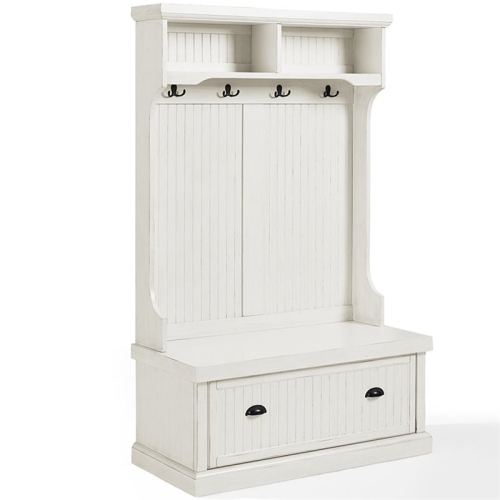 Your price for this item is $788.91
 -
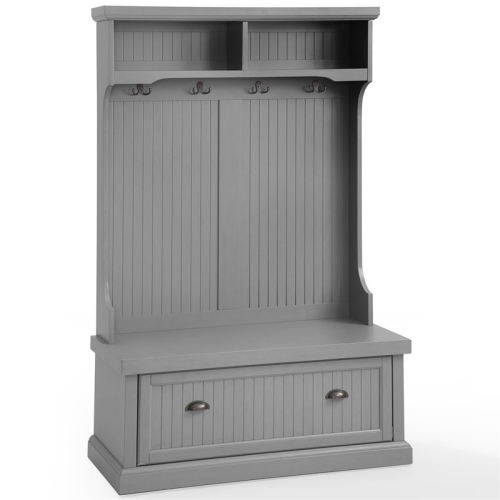 Your price for this item is $738.12
 -
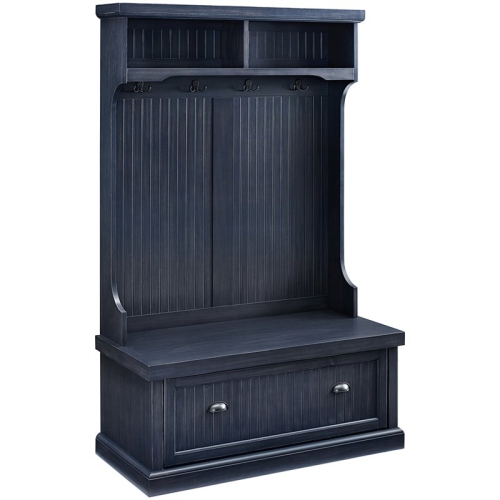 Your price for this item is $917.95
 -
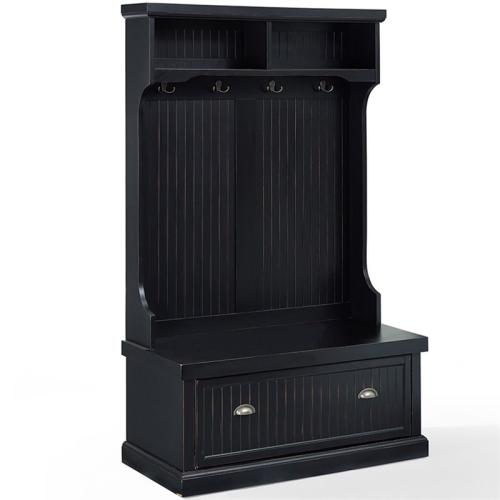 Your price for this item is $753.04
 -
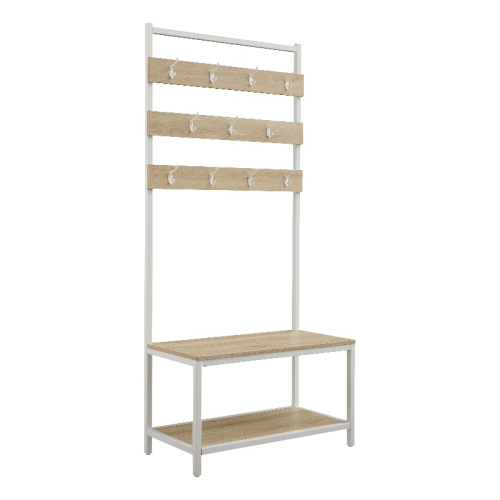 Your price for this item is $335.55
 -
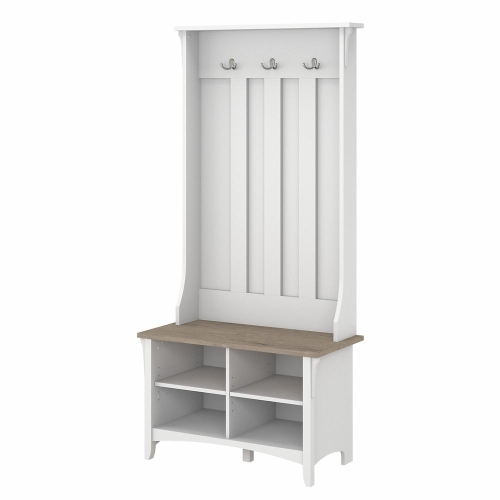 Your price for this item is $511.95
 -
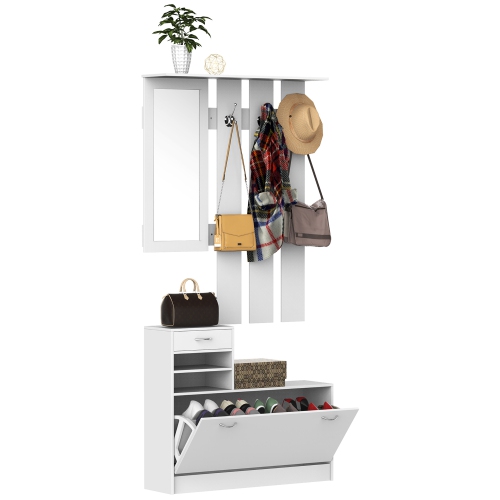 Your price for this item is $159.99
 -
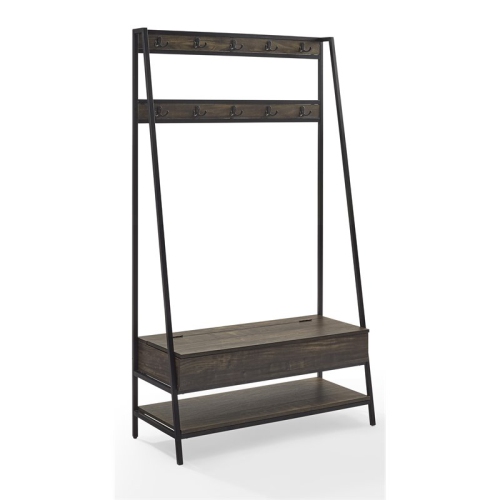 Your price for this item is $530.19
Discover more categories related to Shoe Racks White
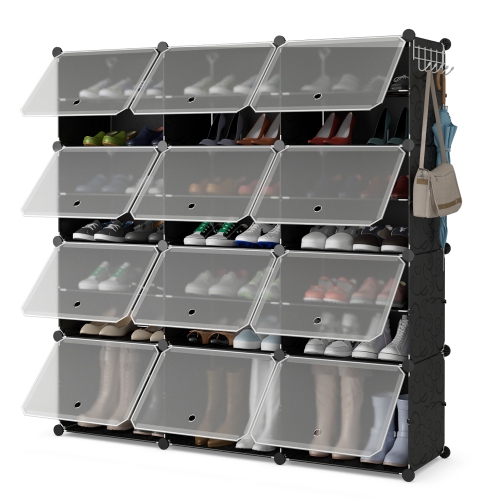
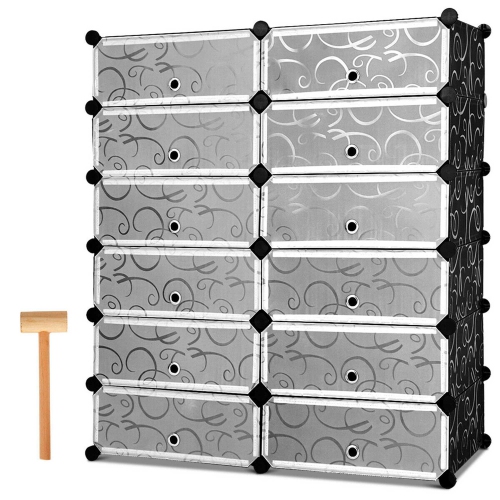
Top Collections:
Pokemon Centers, Kindle Devices, Best Budget Office Chairs, Apple iPhones 16, Best Laptops for Writers, iPhone 15 Apple, Canon G7X Cameras, Refurbished Apple Laptops, Alarm Clock, Motorola Razr Phones
Some products may be subject to Environmental Handling Fees
(EHF) depending on your province.
Learn more about EHFs.