Black Shoe Racks
Organize your footwear collection in style with our selection of black shoe racks. Perfect for keeping your entryway, closet, or bedroom neat and tidy, these sleek and practical storage solutions offer a chic way to display and access your favorite pairs of shoes. Whether you prefer a minimalist design or a more elaborate organizer, our range of black shoe racks provides options to suit any space and decor aesthetic. Say goodbye to clutter and hello to effortless organization with these versatile storage units.
Sort
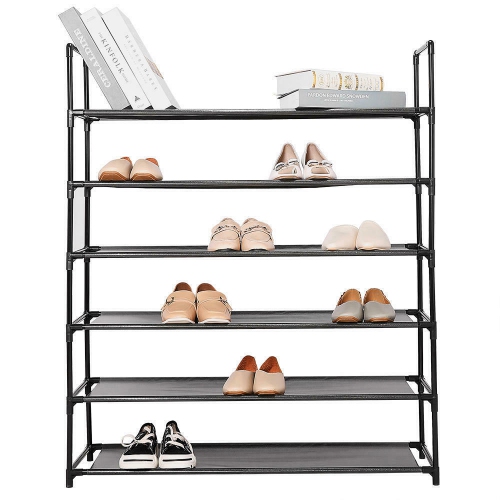
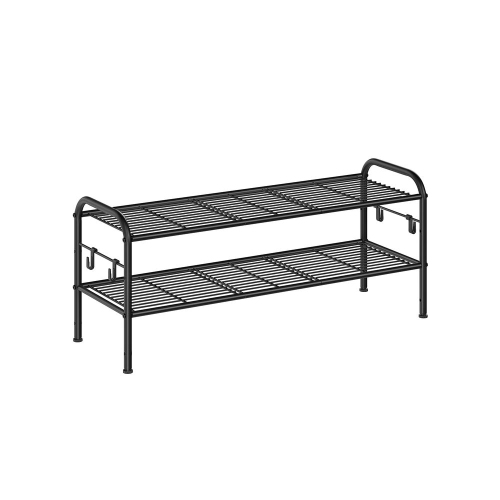
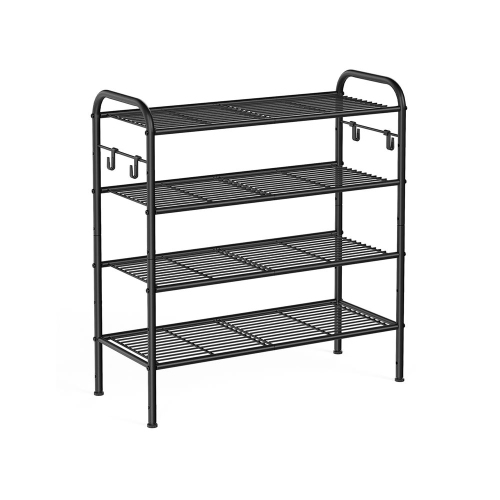
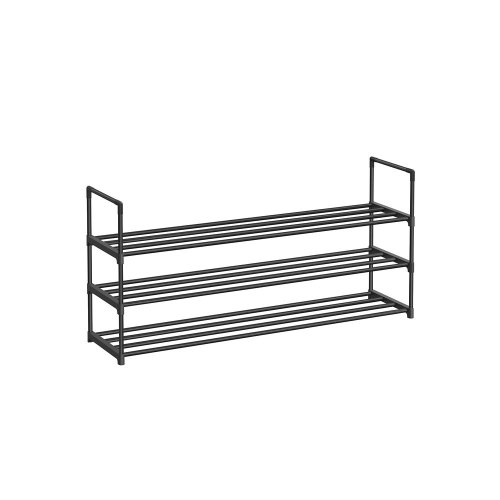
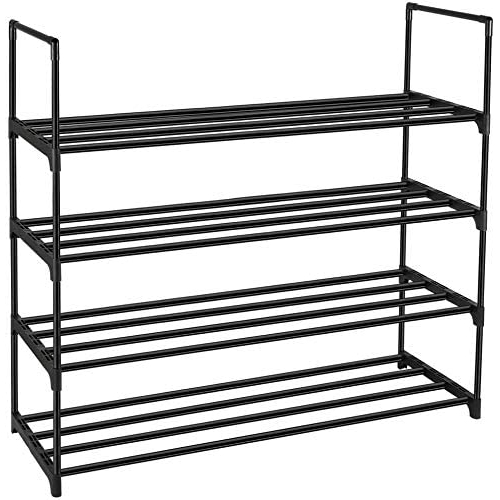
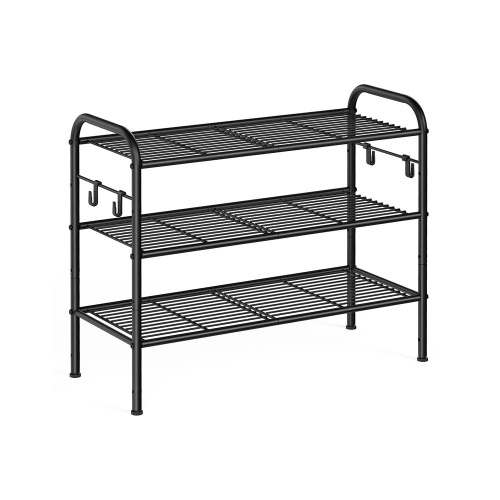
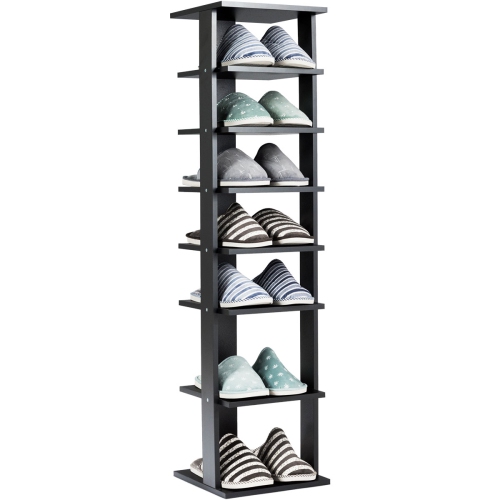
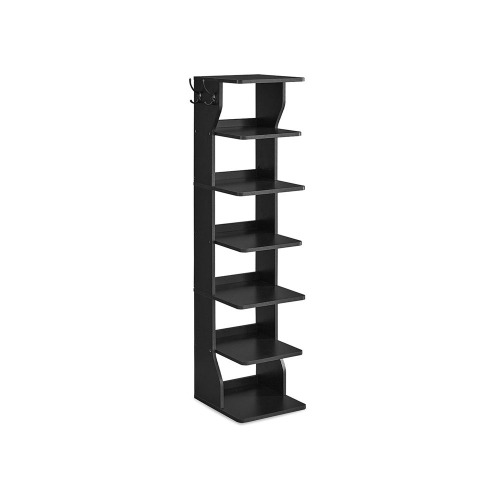
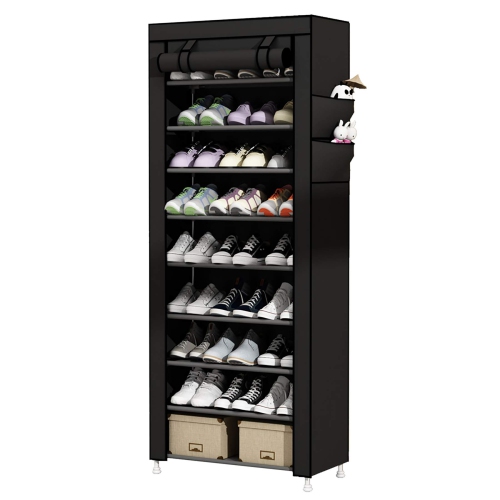
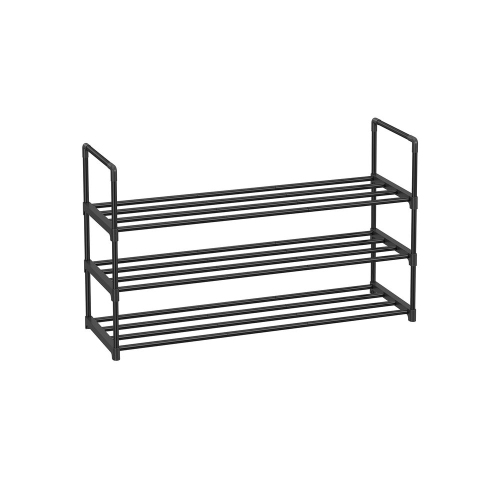
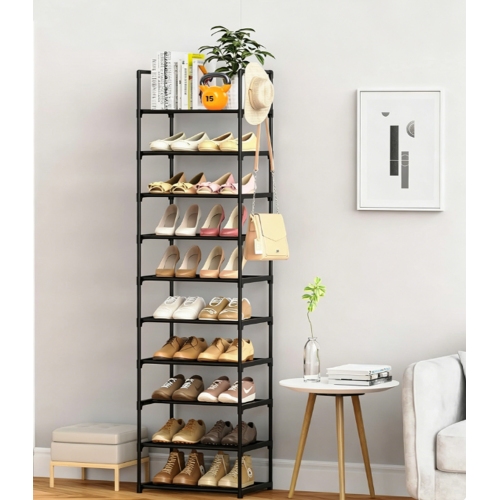
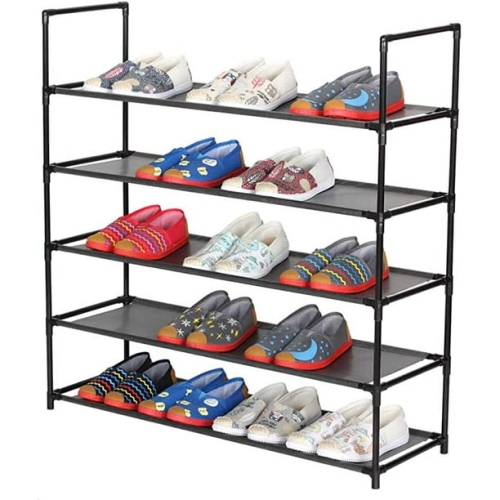
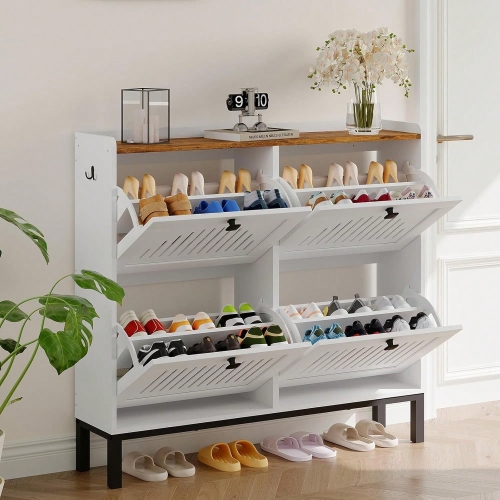
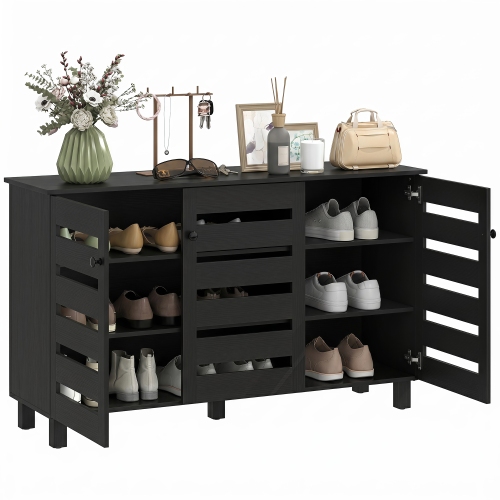
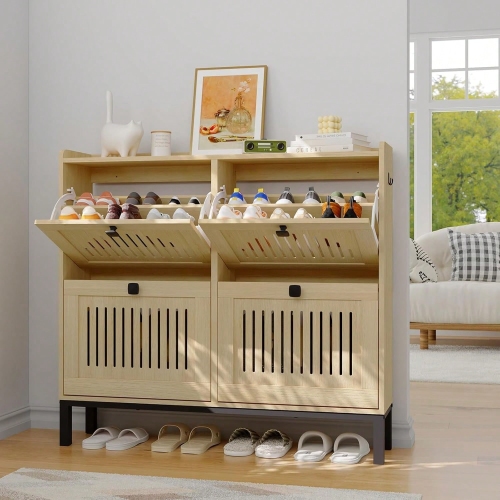
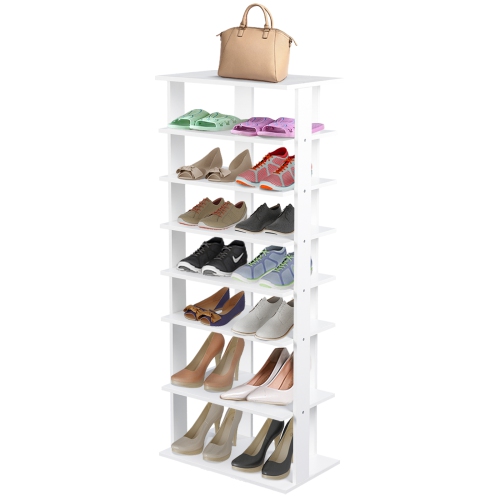
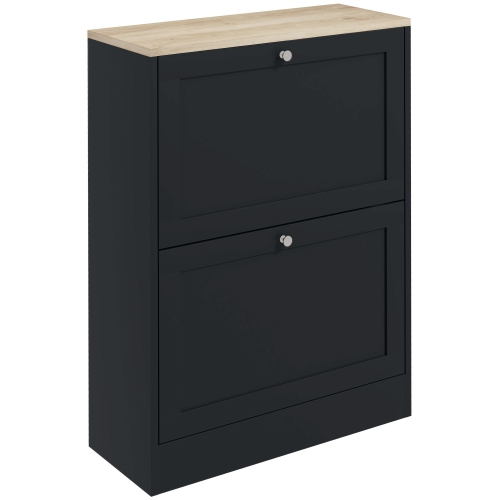
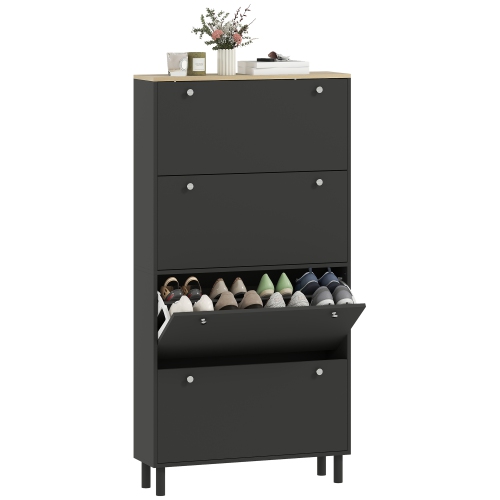
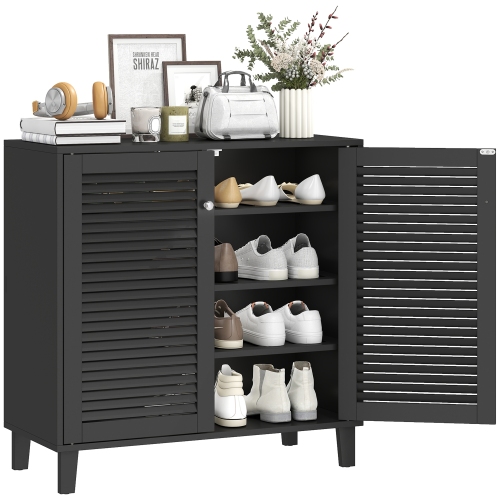
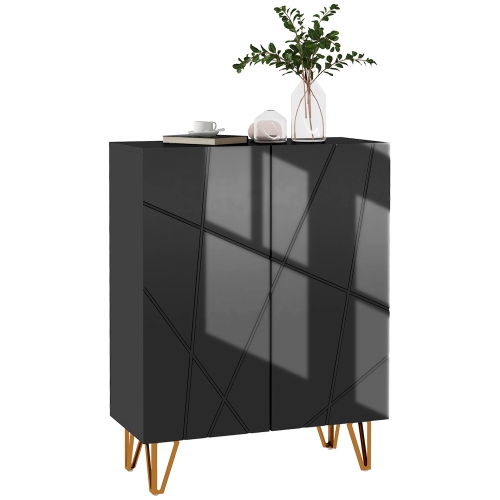
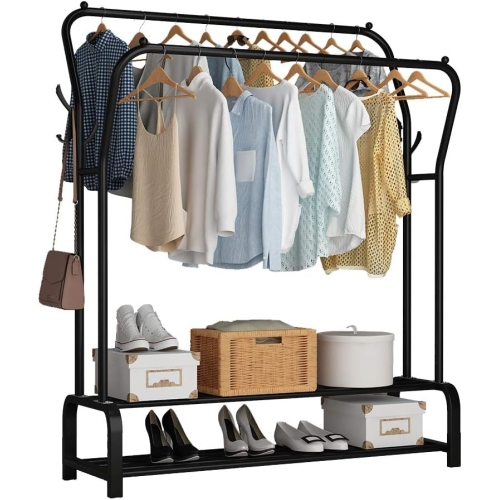
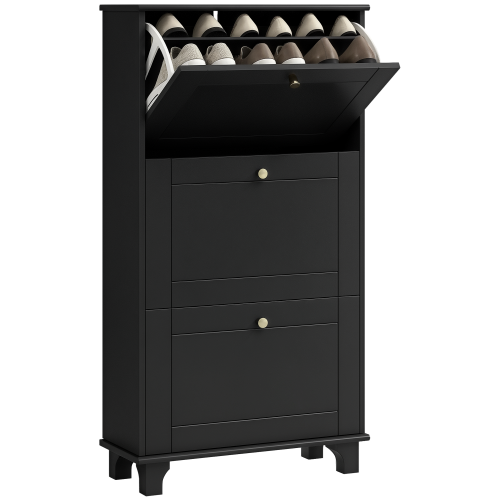

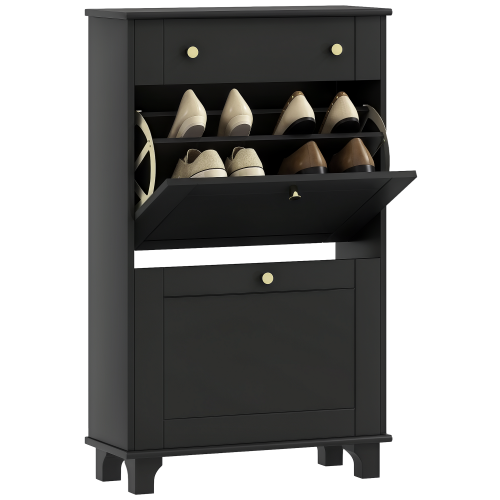
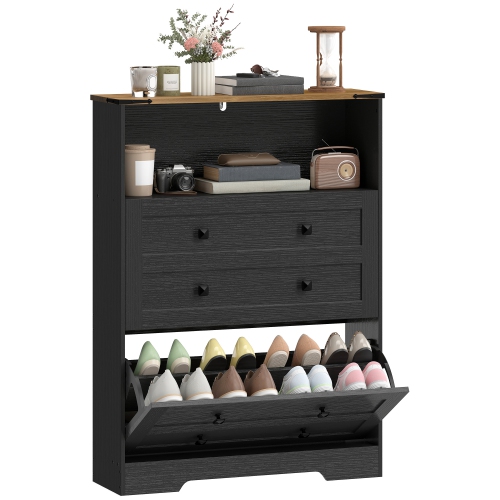

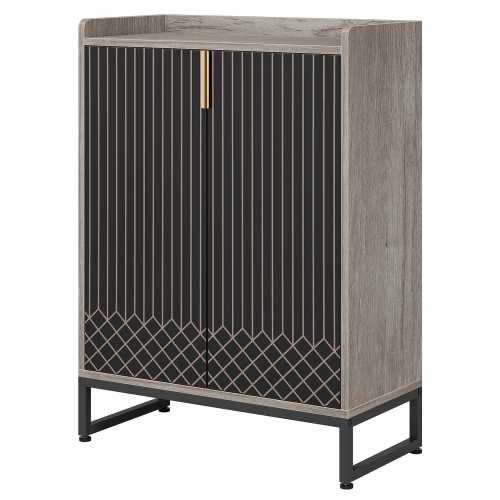
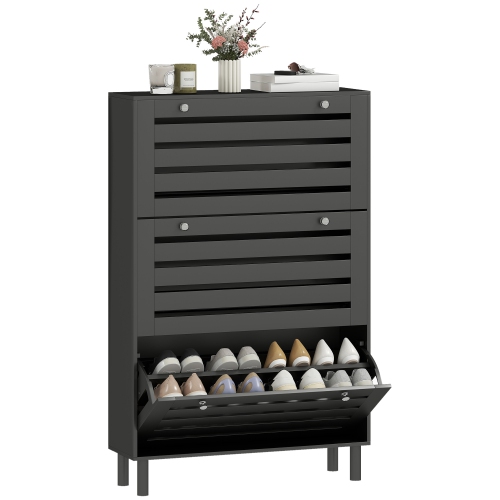
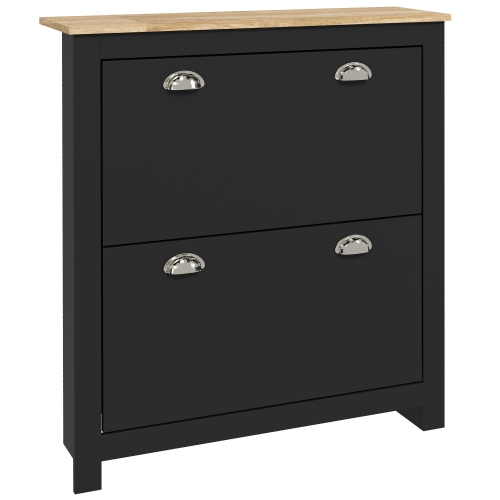
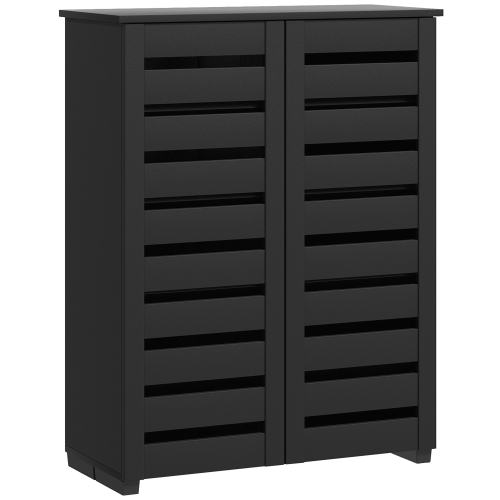

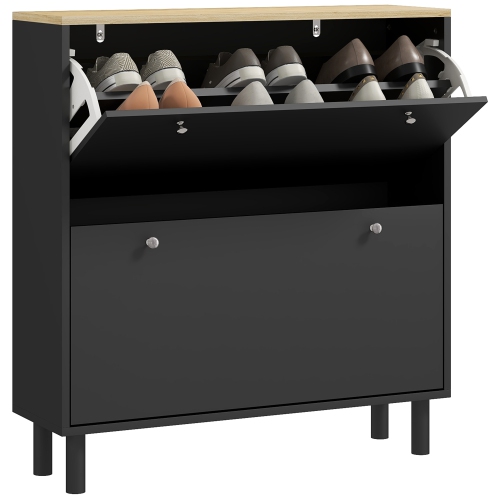
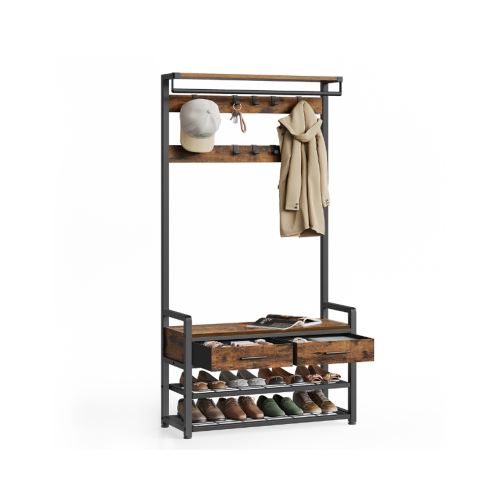
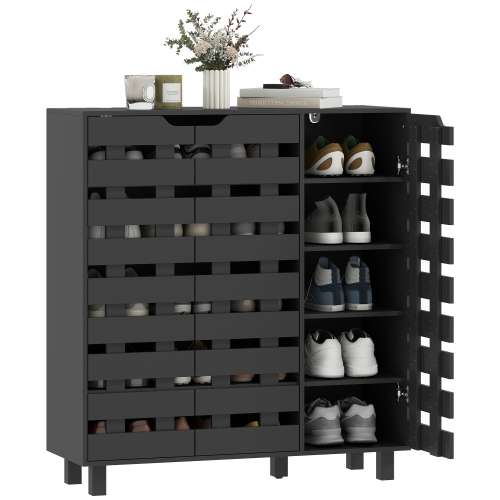
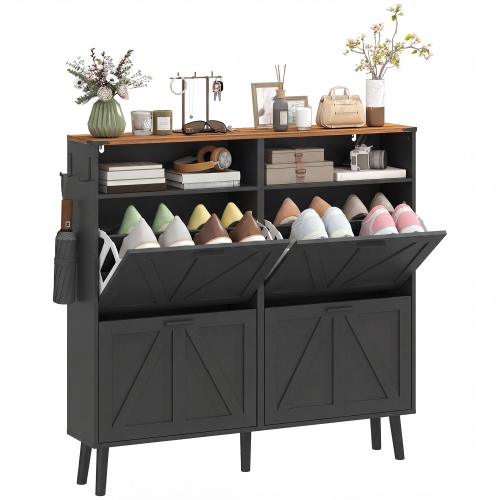
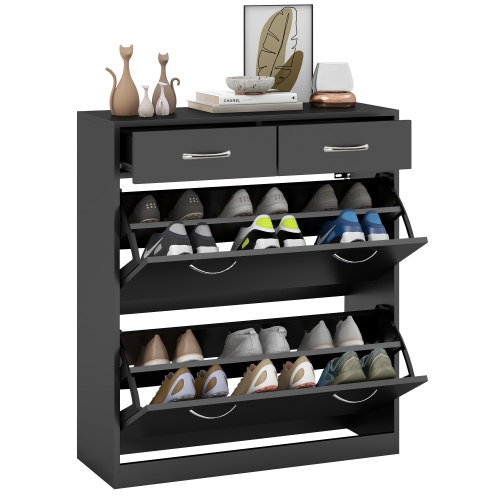
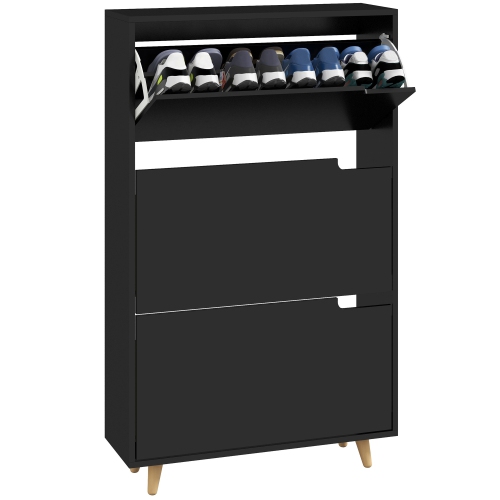
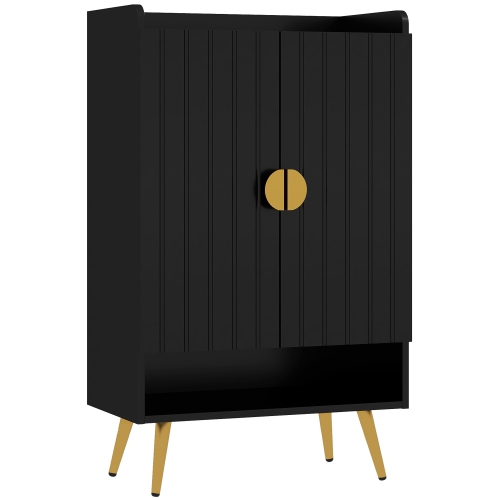
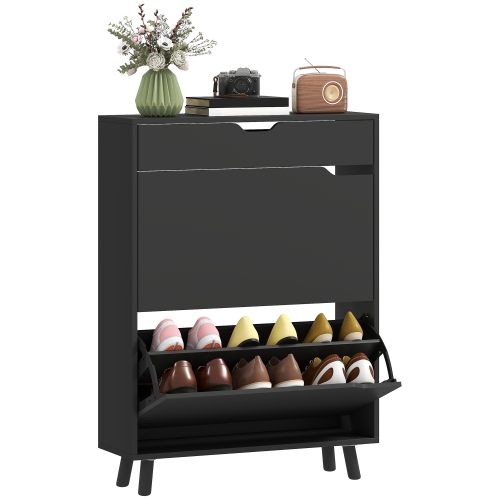
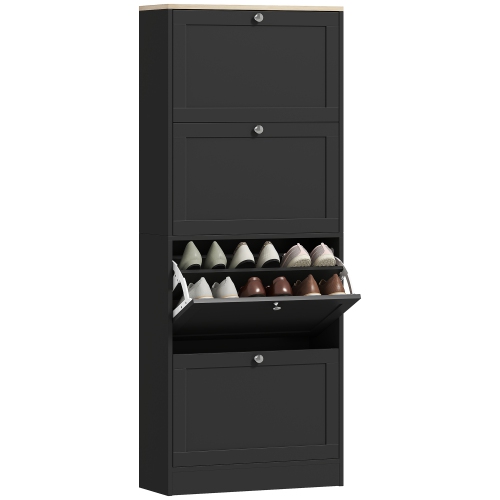
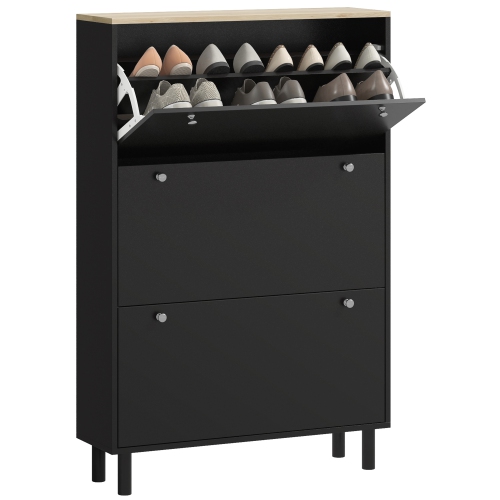

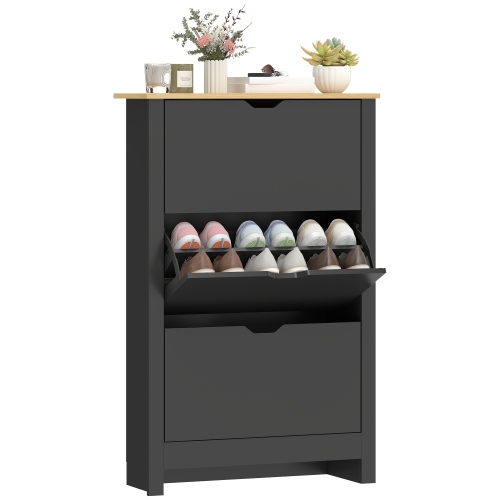
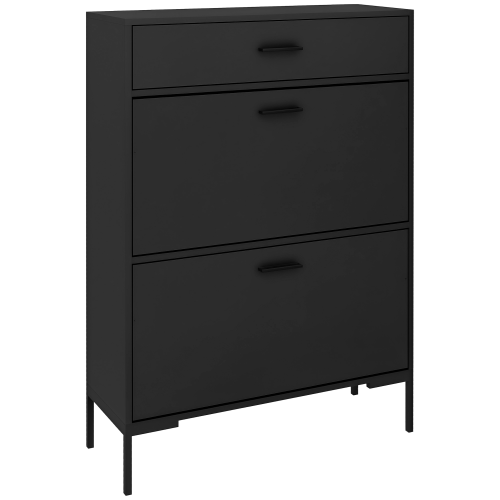
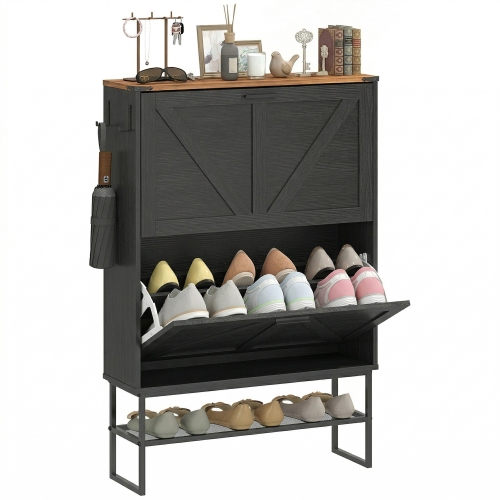
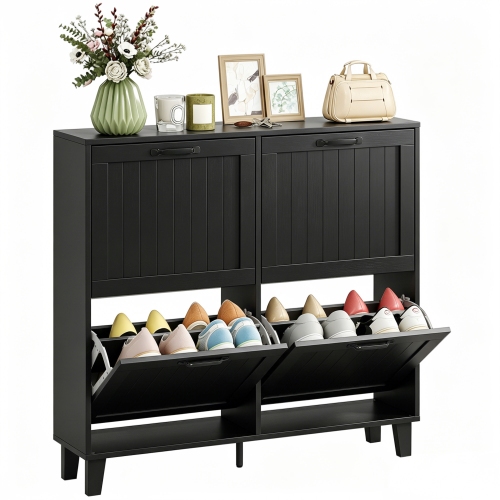
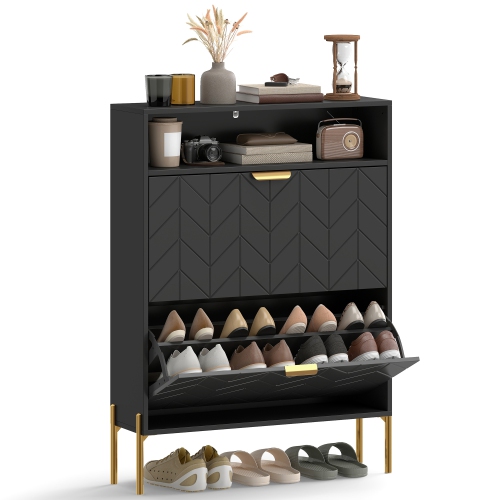
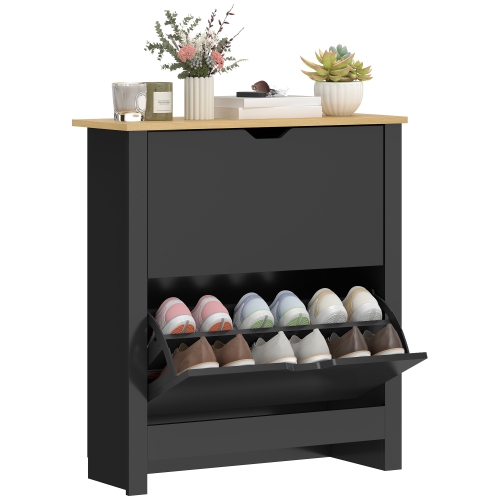

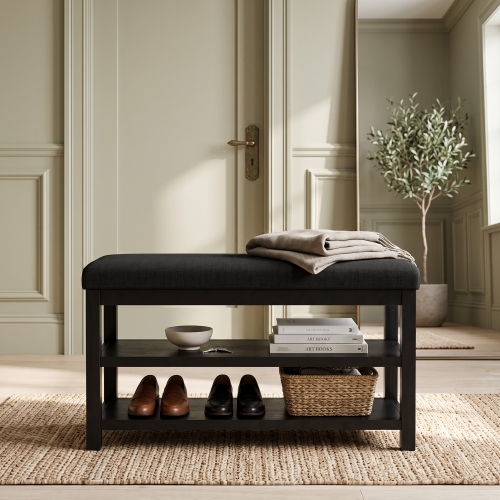
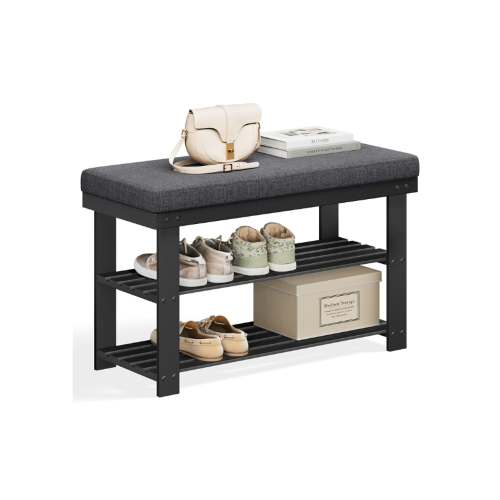
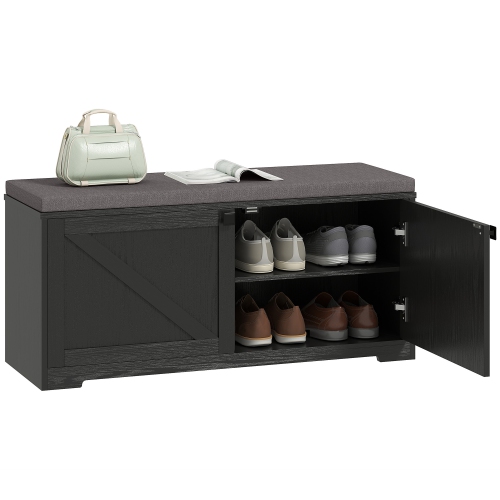
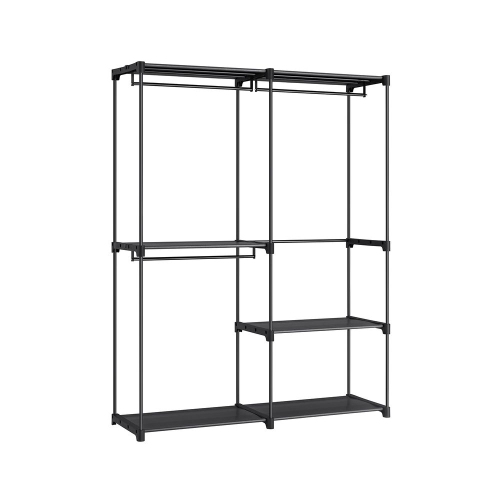
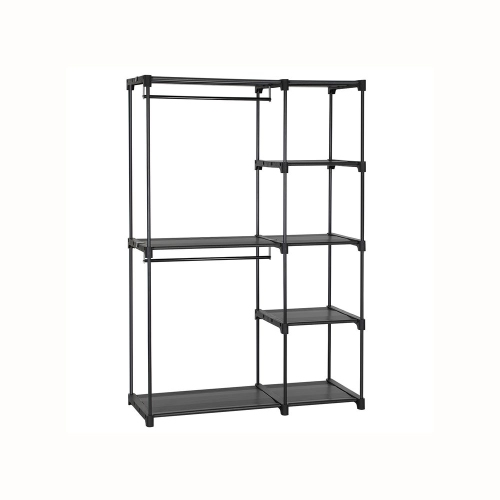

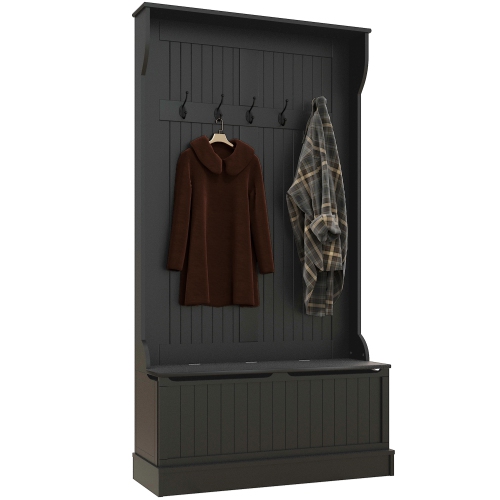
Shoe storage that fits your space and routine
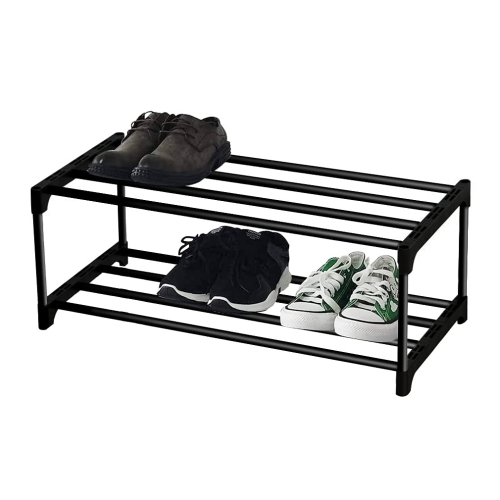
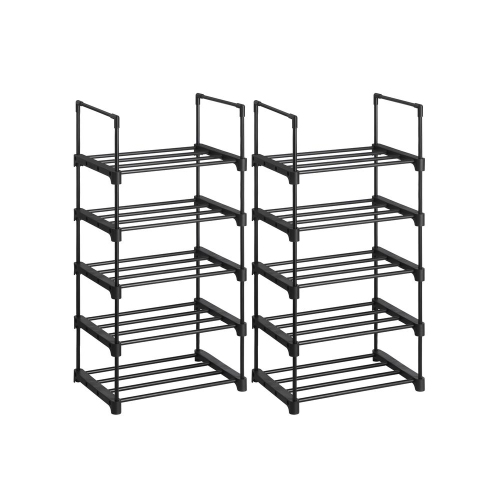
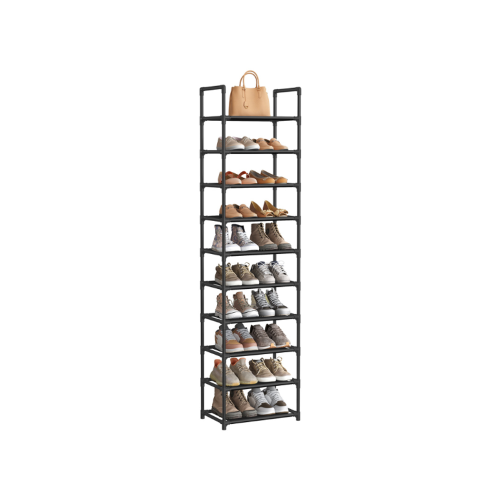
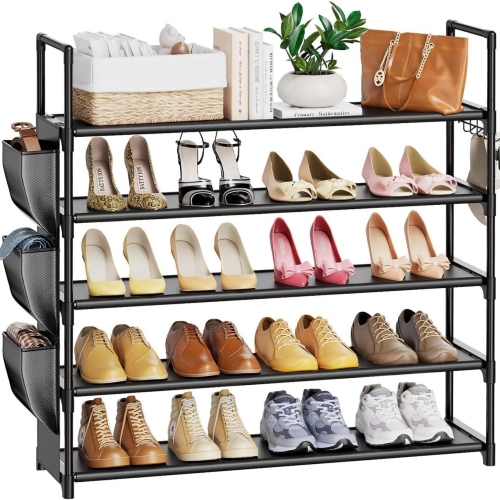
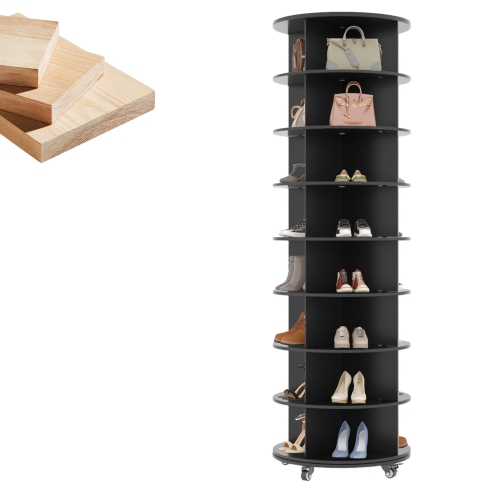
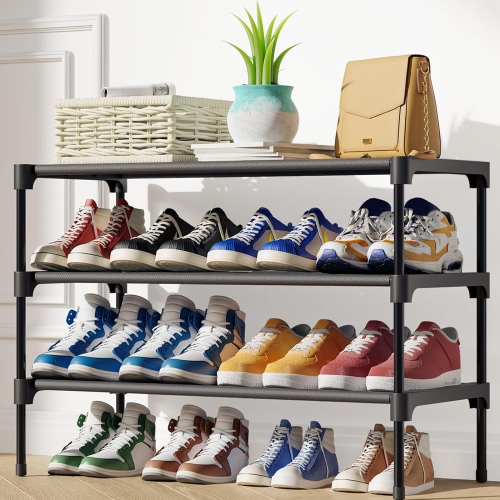
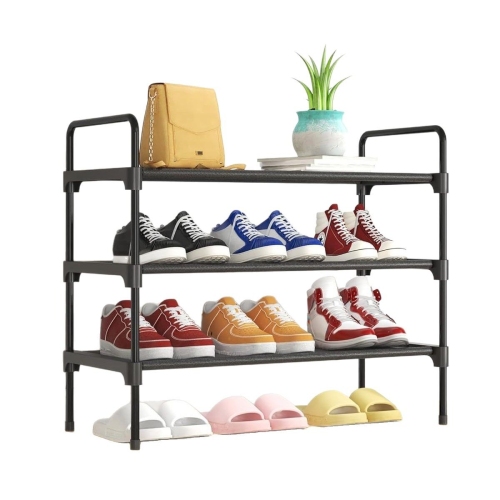
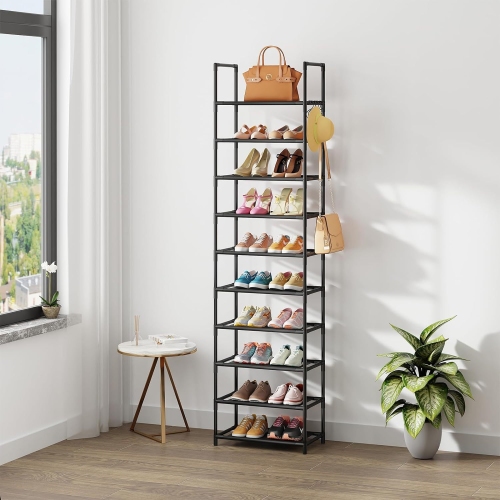
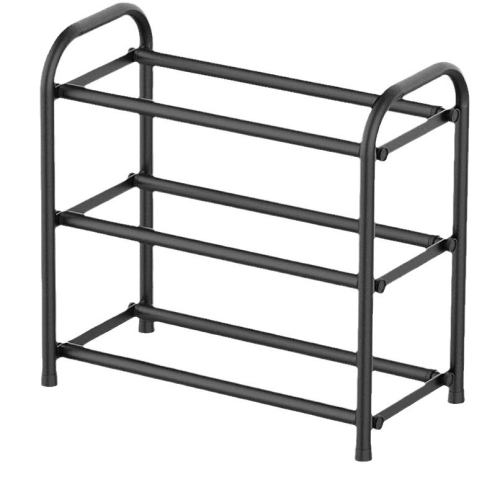
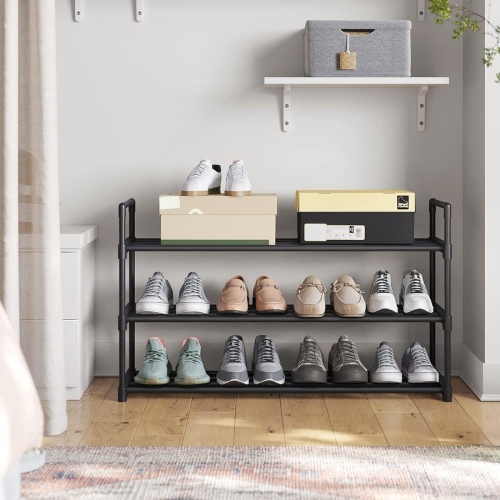
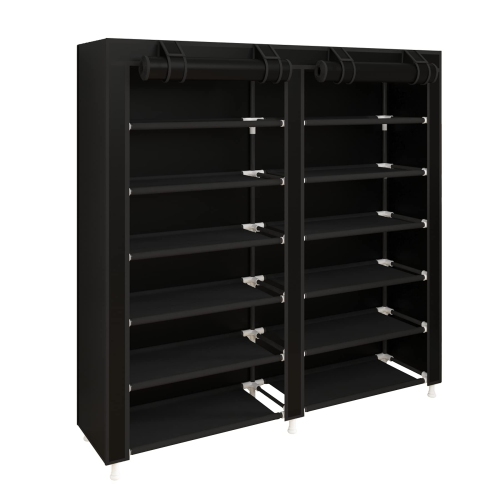
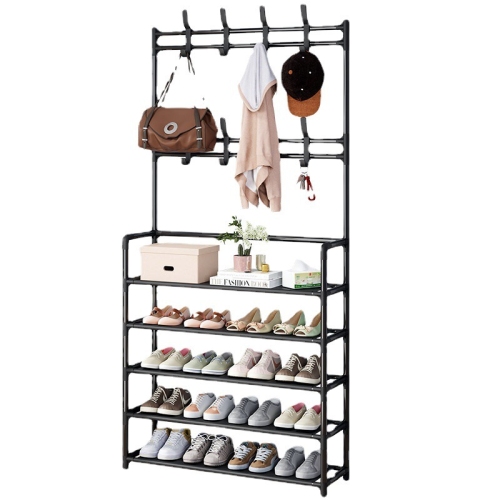
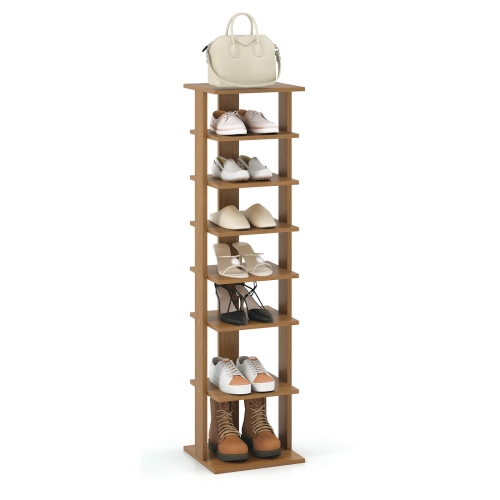
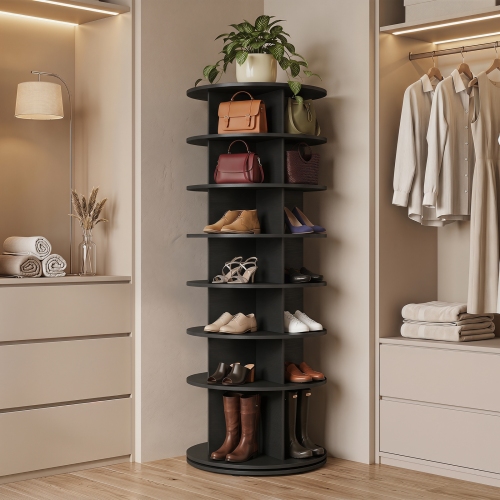
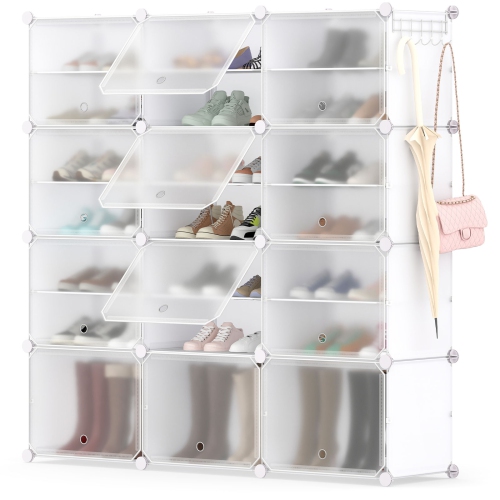
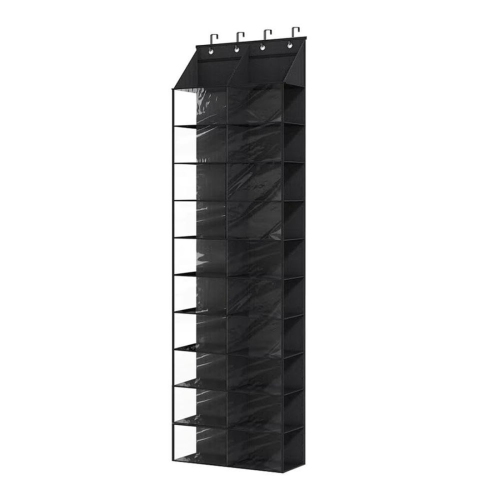
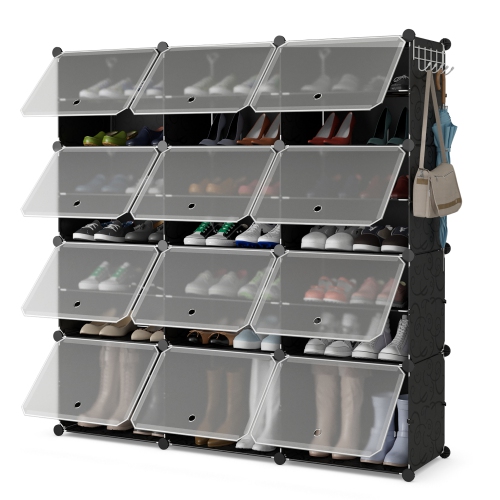
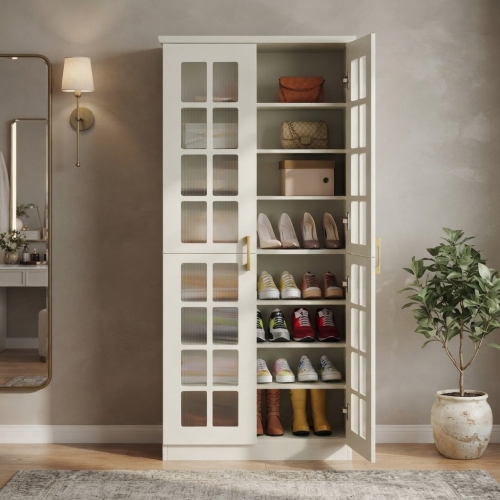
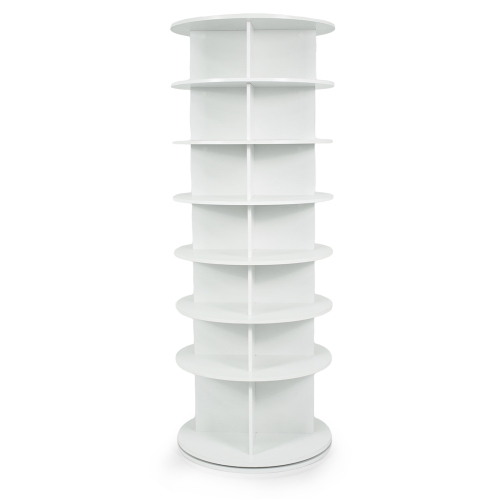
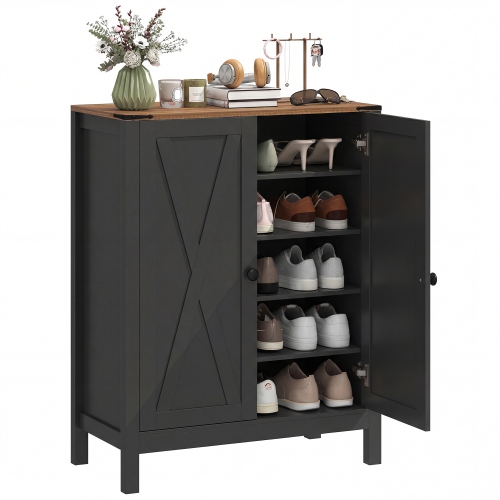
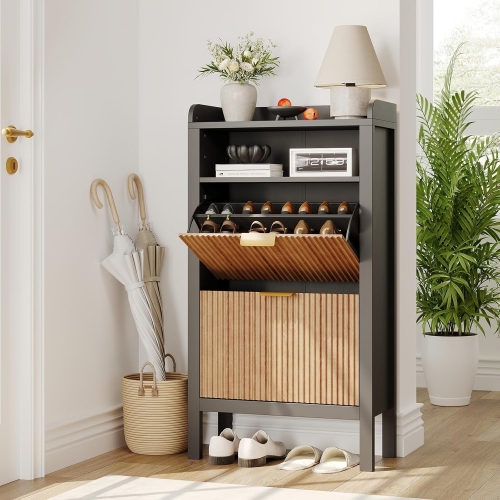
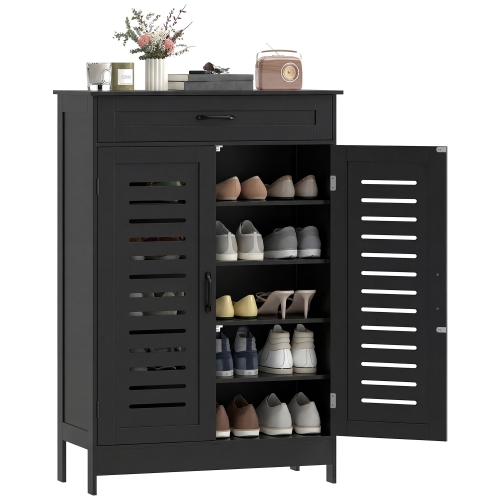
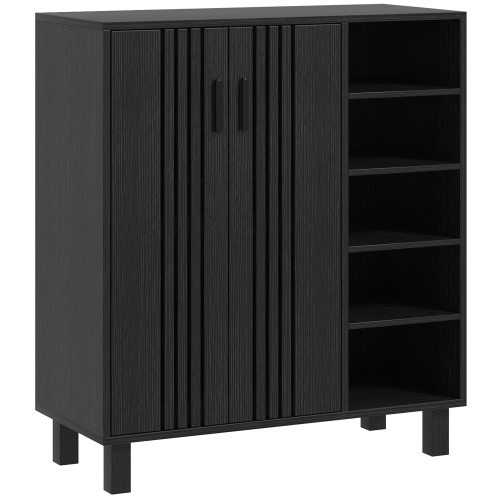
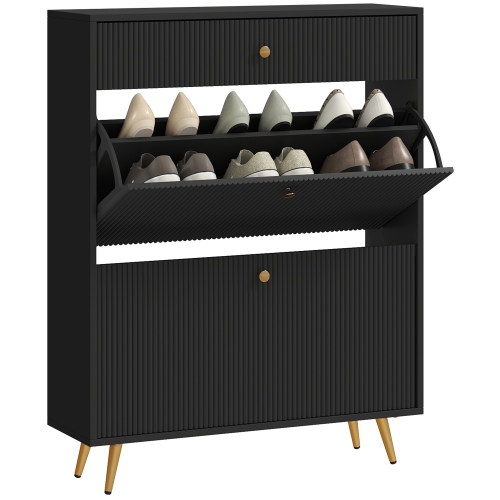
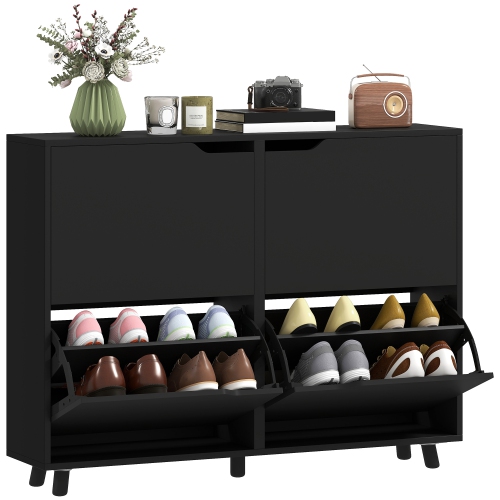
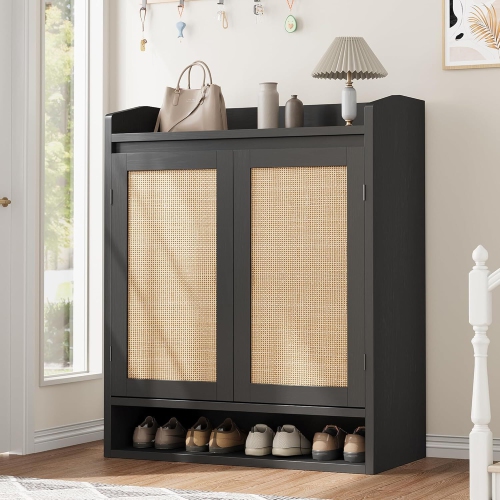
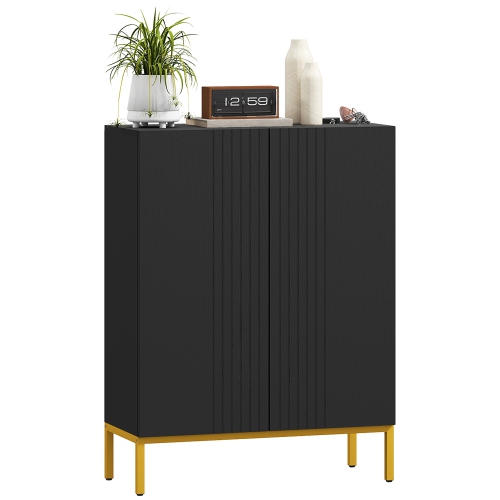
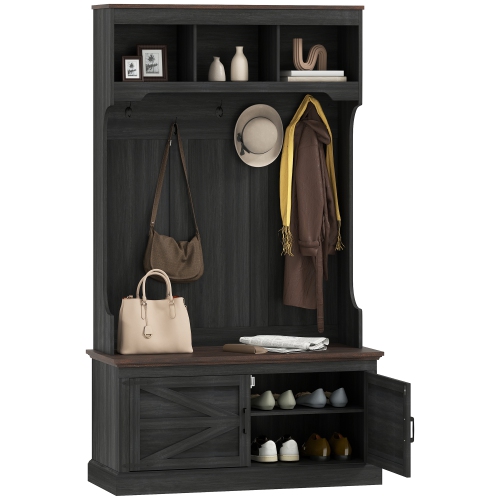
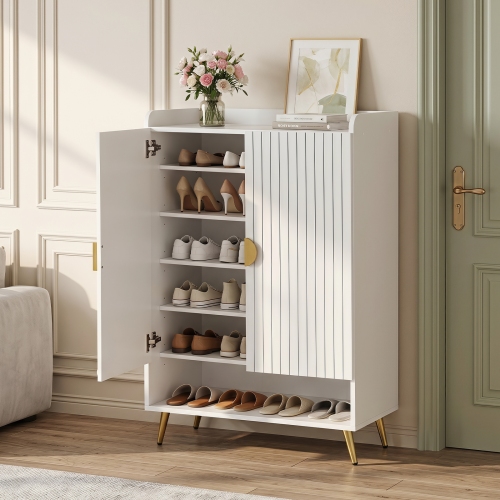
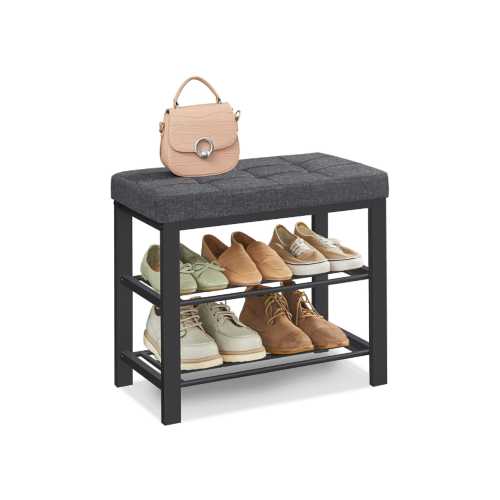
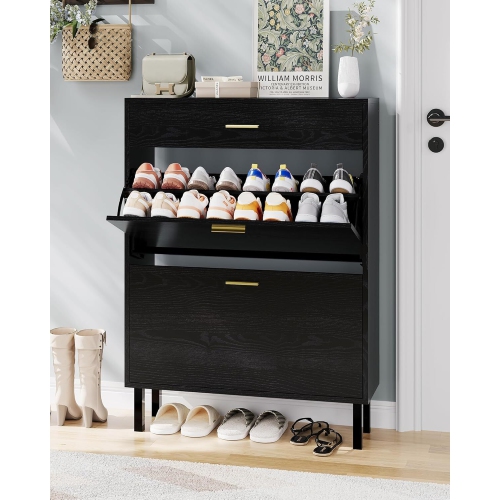
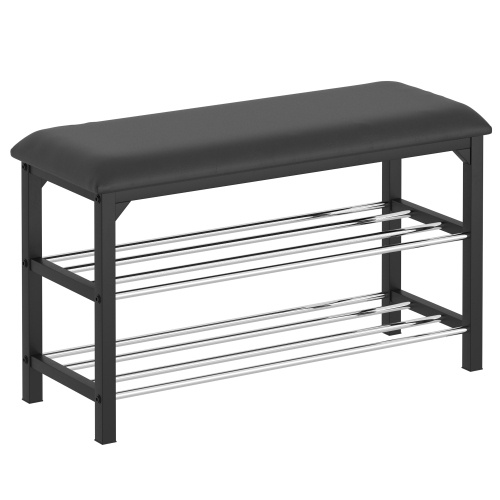
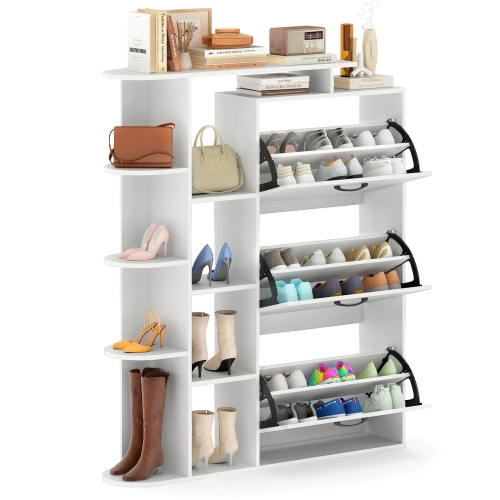
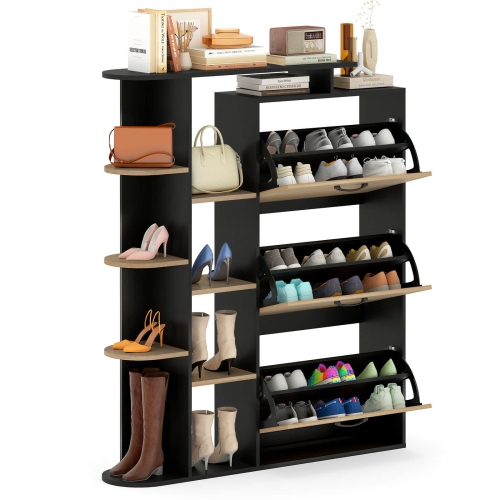
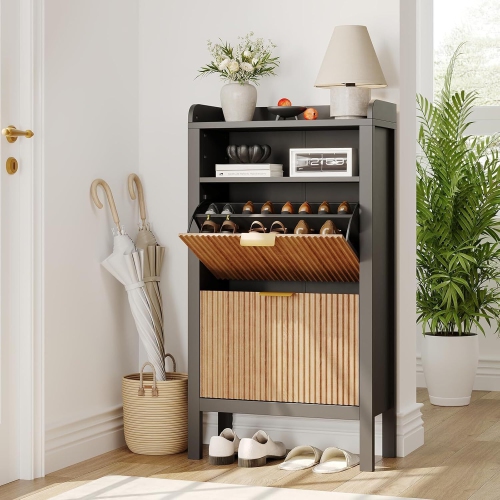
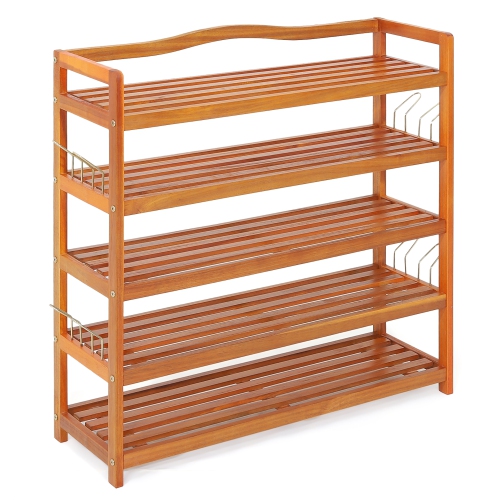
Black shoe racks keep footwear organized on shelves or tiers, making pairs easier to see, reach, and put away. Common styles include compact metal racks, freestanding wooden shelves, expandable designs, and taller units that make use of vertical space. The right shape depends as much on the room as on the number of shoes: a low rack can sit beneath a coat rail, while a narrow, upright design can help organize a small entryway without spreading footwear across the floor. In a bedroom or walk-in closet, multiple tiers give everyday shoes a dedicated place alongside clothing and accessories. Black finishes provide a consistent backdrop for footwear in different colours and can coordinate with dark door hardware, metal coat hooks, or other furniture. A slim frame leaves more of the surrounding wall visible, while wider shelves and solid side panels have a more substantial presence. For households where several people share an entrance, clearly separated tiers can make it easier to keep each person’s footwear together. Open storage is especially practical for frequently worn pairs because there are no doors to open before leaving or after arriving home. For a more concealed storage style, Black Shoe Cabinets offer an alternative that keeps footwear behind doors or tilting fronts. Open racks and enclosed cabinets serve different routines, so the choice often comes down to easy access, visual preference, and the space needed around the furniture. An open rack needs room to reach the shoes, while an enclosed design also needs clearance for its doors or compartments. In a busy hallway, a rack that stays within the depth of nearby furniture can help preserve a comfortable walking path. Door swings, closet doors, and nearby drawers also affect placement. A unit that fits against a wall may still be awkward if shoes project beyond its front edge or if the top tier blocks access to hanging coats. Those everyday clearances matter more than the rack’s footprint alone.
Materials and construction influence how a black shoe rack looks, feels, and stands up to regular use. Metal frames can provide a relatively slender structure, making them well suited to spaces where bulky furniture would feel crowded. Powder-coated or painted metal has a finished surface that should be handled carefully to avoid chips and scratches, particularly during assembly or when moving the rack. Wooden racks bring visible grain or a more furniture-like appearance, depending on the finish, while engineered wood can create smooth panels and uniform edges. With either type, the quality of the joints, the stability of the frame, and the support beneath each shelf contribute to durability. Shelf design matters just as much as the frame material. Solid shelves support small shoes, narrow heels, and accessories without gaps, whereas slatted or wire shelves allow more airflow around footwear. Widely spaced bars may suit larger, flat-soled shoes but can be less convenient for small children’s footwear or slender heels. A shelf liner may help with some designs, provided it is compatible with the rack and does not interfere with stability. Adjustable shelves offer flexibility when a collection includes ankle boots, high-top trainers, and low-profile flats. Expandable racks can adapt to different widths, although their usable space and load limits depend on the design. Listed pair capacity is only an estimate: broad running shoes take up more shelf width than slim flats, and larger shoe sizes may extend past shallow shelves. The most useful comparison is between the rack’s internal shelf dimensions and the footwear that will actually sit on it. Stated weight limits also deserve attention, especially when several heavier pairs share one tier. Matte black finishes tend to look understated, while glossier surfaces reflect more light and create a sharper contrast with nearby textures. Neither finish eliminates maintenance; pale dust, lint, and surface marks can still be noticeable against black.
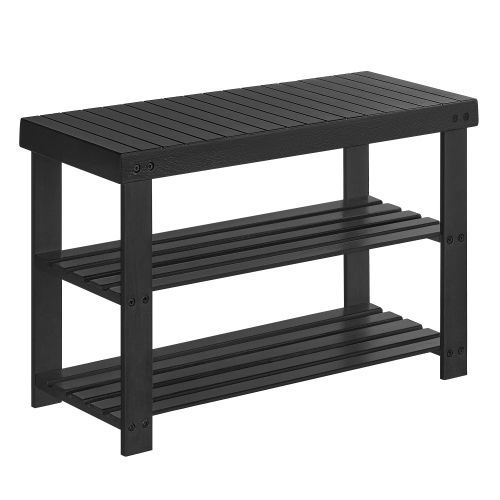
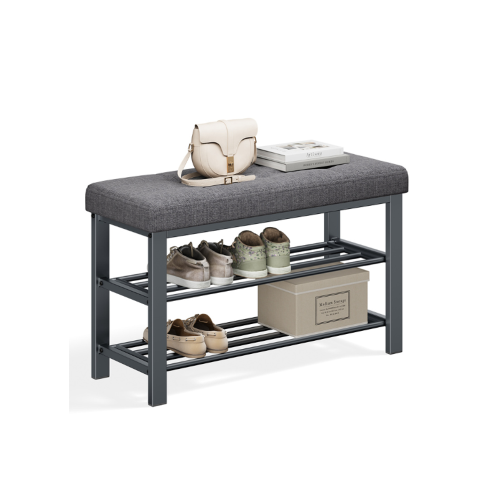
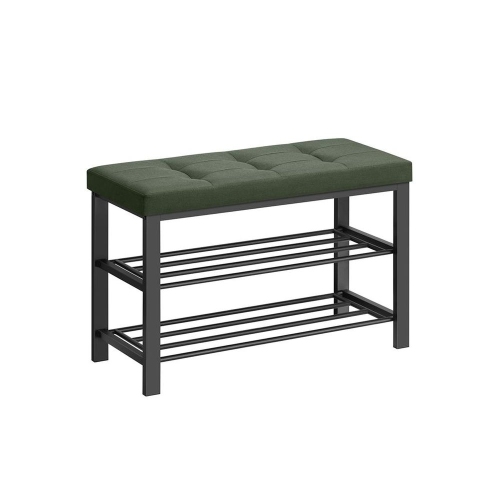
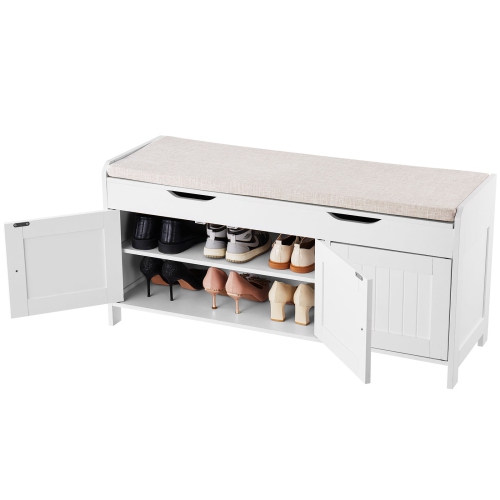
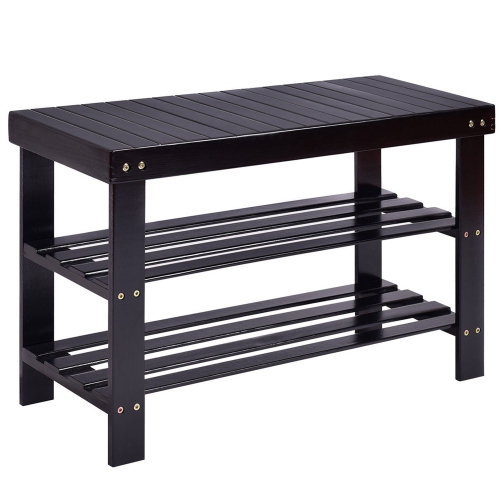
A useful shoe rack fits the household’s habits rather than simply holding the largest possible number of pairs. Someone who rotates between a few everyday shoes may find a compact two- or three-tier layout easier to use than a tall rack with difficult-to-reach shelves. A larger household may benefit from more tiers, with lower shelves assigned to children who can put away their own footwear. In a shared apartment, separate sections can keep similar-looking shoes from getting mixed together. Bench-style shoe storage combines shelving with a place to sit, but only furniture specifically designed and rated for seating should be used that way; an ordinary rack is not a substitute for a bench or step stool. Tall or narrow units need particular attention to balance, and any supplied anchoring hardware should be installed according to the manufacturer’s directions. Heavier footwear generally belongs on lower shelves, within the stated load limits, rather than concentrated at the top. Care is usually straightforward but should match the materials and finish. A soft cloth removes dust from frames and shelves, while a lightly dampened cloth may be suitable for routine wiping if the care instructions permit it. Abrasive pads and harsh cleaners can damage painted, coated, or laminated surfaces. Footwear should be clean and dry before storage, and shelf surfaces should be allowed to dry after cleaning. Removable trays can make loose dirt easier to contain, provided they fit securely and do not obstruct access. Periodic checks of screws, connectors, and levelling feet can help keep a frequently used rack steady. Leaving enough room between pairs makes shoes easier to lift out without catching buckles, crushing uppers, or knocking neighbouring footwear onto the floor. With suitable dimensions, supportive shelves, and a finish that works with the room, a black shoe rack can make an entrance, closet, or dressing area more orderly while keeping the shoes used most often within easy reach.
Top selling and popular products
-
 Your price for this item is $194.98
-
 Your price for this item is $289.99
-
 Your price for this item is $269.99
-
 Your price for this item is $109.99
-
 Your price for this item is $119.99
-
 Your price for this item is $59.99
-
 Your price for this item is $119.99
-
 Your price for this item is $119.99
Discover more categories related to Black Shoe Racks
Top Collections:
Best Black Friday Deals This Year, Best Black Friday Deals On Electronics, Kindle Devices, Dyson Airwrap, Best Cameras for Sports Photography, Best Budget Office Chairs, Canon G7X Cameras, PS5 Pro Consoles, Best Black Friday Deals On Apple Products, XBOX One S Consoles
Some products may be subject to Environmental Handling Fees
(EHF) depending on your province.
Learn more about EHFs.