Shoulder Support Pillows
Discover the ultimate comfort and support with our selection of shoulder support pillows, designed to enhance your sleep experience and promote better posture. Whether you're dealing with shoulder discomfort or simply seeking a more restful night's sleep, these pillows offer the perfect blend of cushioning and stability. Crafted with innovative materials and thoughtful designs, they cater to various sleeping positions and preferences. Elevate your relaxation routine and wake up feeling refreshed and rejuvenated by exploring our range of shoulder support pillows today.
Sort

Why pillow shape matters as much as softness
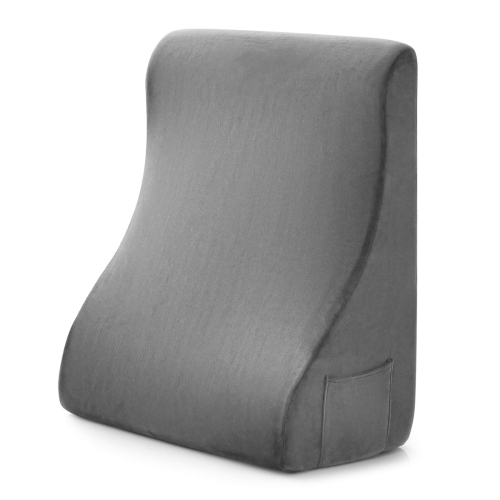
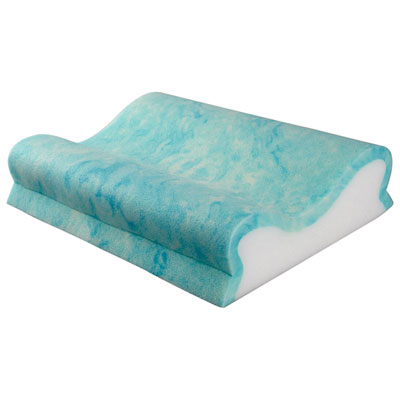
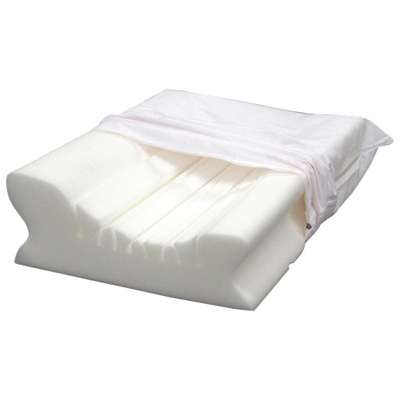
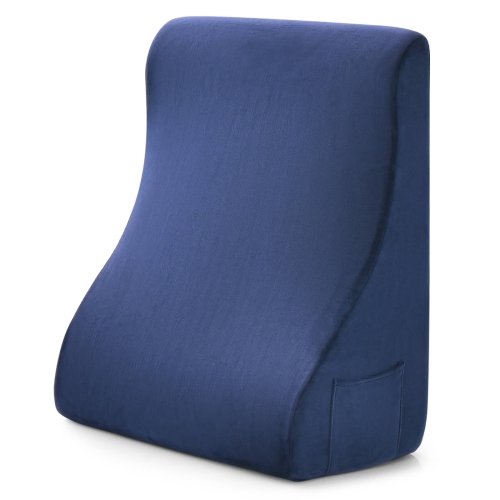
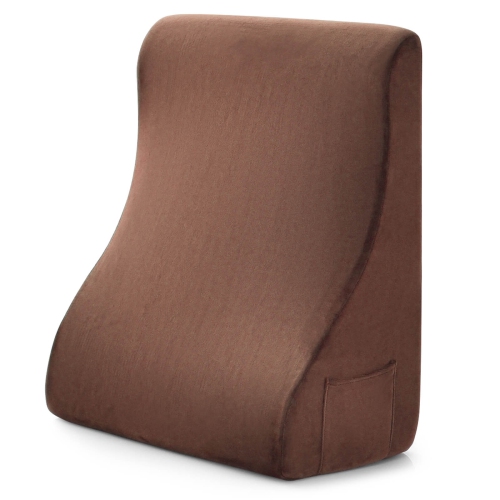
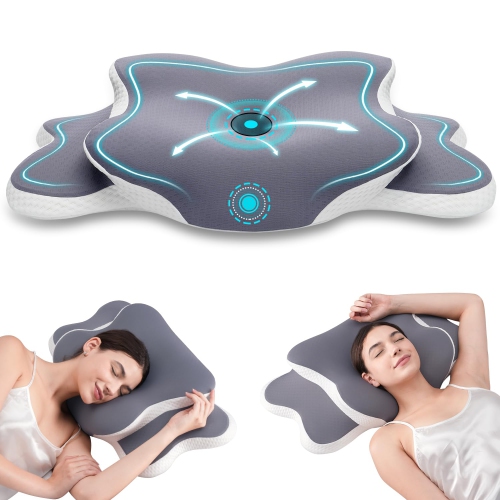
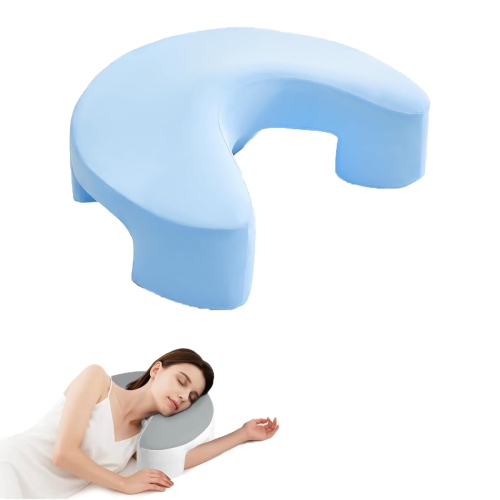
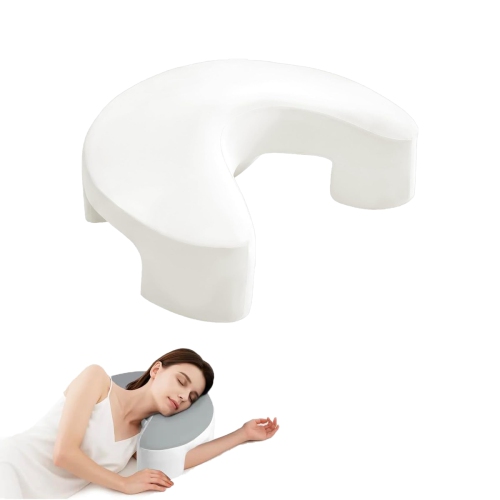
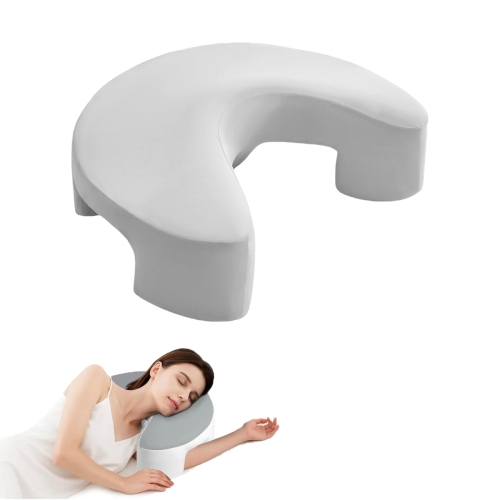
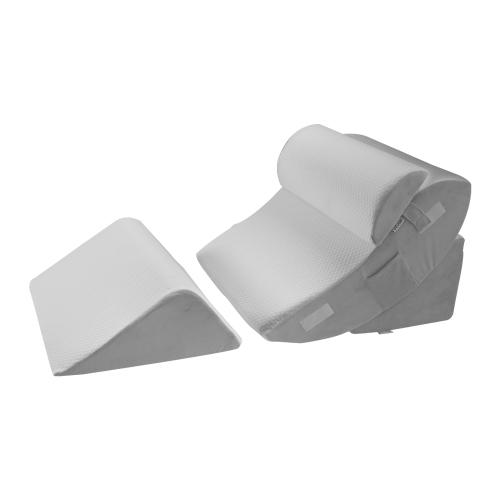
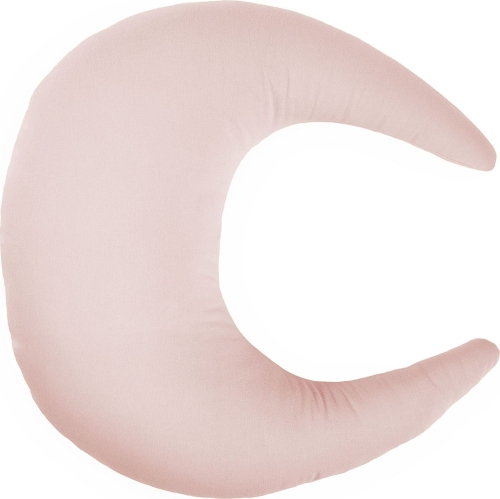
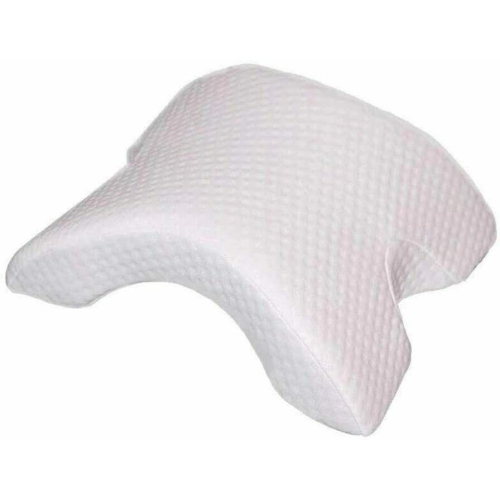
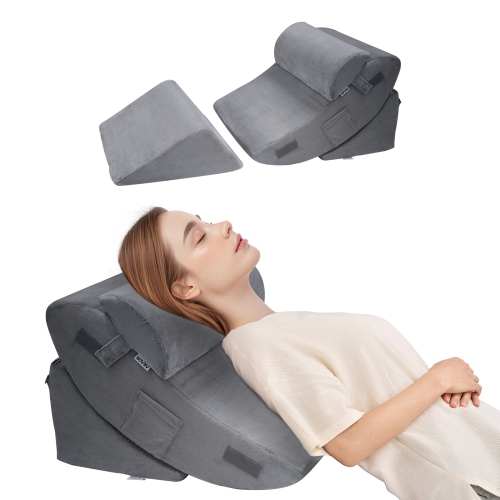
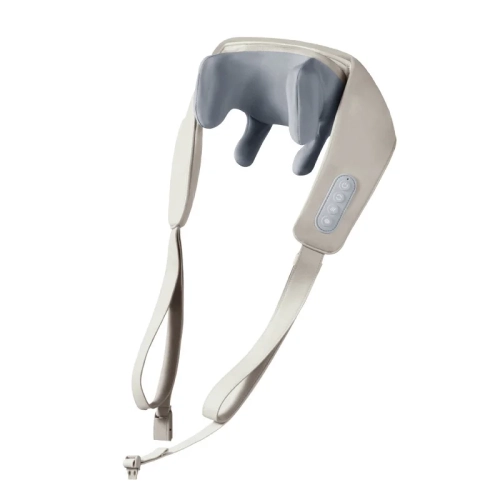
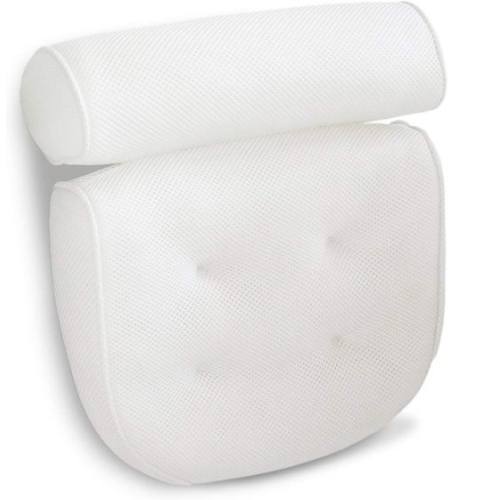
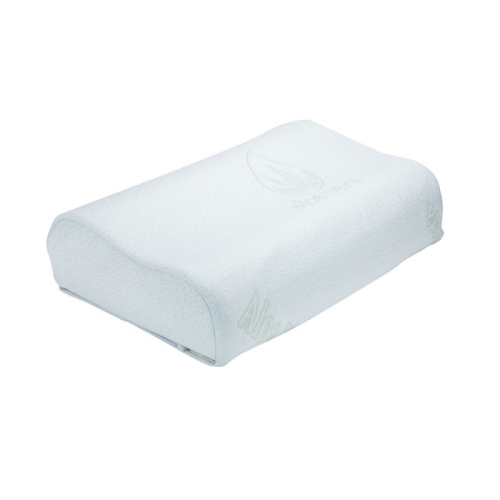
Shoulder support pillows are shaped cushions designed to support the arm, neck, or upper body and help reduce pressure around the shoulder while resting. Unlike a standard bed pillow, which mainly cushions the head, a shoulder support pillow may include a curved edge, an arm opening, a raised section, or an extended surface for the forearm. These features serve different purposes, so the shape matters as much as the softness. For a side sleeper, space for the lower arm can make it easier to settle without tucking that arm beneath the head. Support in front of the chest can give the upper arm somewhere to rest rather than letting it hang forward. Someone who sleeps on their back may prefer a smaller cushion beneath the forearm, while a person resting upright may need support that follows the arm from elbow to wrist. Arm-tunnel pillows have an opening or channel intended to accommodate the lower arm, although how comfortably that opening works depends on body size and sleeping position. Contoured pillows use changes in height to cradle the head and neck, and wedge-shaped supports raise part of the upper body. A wedge alone does not necessarily cushion the shoulder or support the arm; its slope and the placement of additional cushions affect the overall resting position. Larger body pillows offer another approach, providing a surface to hold against the chest while resting on one side. The distinction is between cushioning a contact point and supporting the weight of a limb: a pillow can feel plush without providing enough height or stability to do both. Shoulder support pillows may appeal to side sleepers, people who find their upper arm feels unsupported at night, or anyone seeking a more comfortable position for reading in bed. They are comfort aids rather than a diagnosis or treatment for shoulder pain, and no single shape suits every shoulder, mattress, or sleeping habit.
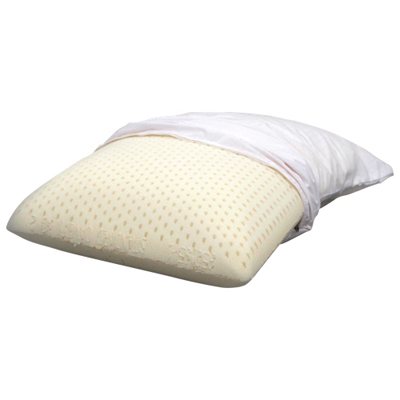
Fit starts with the relationship between shoulder width, pillow height, and mattress firmness. When lying on one side, the head pillow needs to fill the space between the head and mattress without pushing the neck sharply upward or allowing it to drop downward. Broader shoulders often create a larger gap, but a softer mattress lets the shoulder sink farther into the surface, changing how much pillow height is needed. The listed height is only part of the picture because fill compresses under weight. A tall, soft cushion can settle lower than a shorter, firmer one. For more context on this fit consideration, pillows for side sleepers with wide shoulders focus on the space that needs support between the head and the bed. With an arm-support design, check the usable length as well as the overall dimensions: an elbow perched on an edge or a wrist left dangling may feel awkward even when the shoulder seems well cushioned. An arm opening should leave room to change position without trapping the limb or creating pressure against its edges. Materials influence these details. Solid memory foam typically contours gradually and offers a relatively consistent shape, while shredded foam allows more movement within the cushion and may permit fill adjustment when the design includes access to the interior. Latex generally has a springier feel, and fibre fill tends to feel softer and more compressible. None of these materials is automatically the best choice; the useful balance is enough cushioning at contact points with enough support to avoid collapsing beneath the arm or head. Cover fabric also affects everyday comfort. Cotton can feel familiar and breathable, while smooth knit fabrics stretch around curves and contours. People who tend to feel warm at night may prefer breathable covers or ventilated construction, keeping in mind that bedding and room temperature also affect warmth. Adjustable fill can be helpful when small changes in loft make a noticeable difference, particularly for someone who alternates between side and back sleeping.
Day-to-day practicality becomes especially important with a pillow that is used every night or moved between the bed and a reading chair. A broad wedge or full-length support occupies considerably more space than a small arm cushion, so its footprint should leave enough room to turn, get out of bed, and share the sleeping surface comfortably. A shaped pillow also needs a cover that follows its contours without pulling tight across an arm channel or bunching beneath the neck. Removable, washable covers make routine care simpler, but the cover and inner cushion may have different washing requirements. Many foam cores require spot cleaning rather than machine washing, and thorough drying is important before replacing the cover. Care labels should determine washing methods, water temperature, and whether tumble drying is suitable. An additional compatible cover can be useful when one is in the wash, particularly for a pillow used during both daytime rest and overnight sleep. Durability depends on more than a firm feel at first use. Resilient fill, well-finished seams, a secure zipper, and a cover that retains its shape after washing all contribute to consistent support. Persistent flattening, uneven lumps, or foam that no longer regains its shape can change the way the pillow holds the arm and head. For someone resting after a shoulder procedure, positioning needs are more specific than ordinary bedtime comfort. A general shoulder support pillow is not interchangeable with a prescribed sling, immobilizer, or post-surgical positioning device. The treating clinician should advise on suitable angles, arm placement, and whether a wedge or strapped support is appropriate. New or worsening pain, numbness, or tingling should not be managed simply by adding more cushioning. As a gift, a shoulder pillow is most thoughtful when the recipient has expressed a preference for its shape, firmness, and intended use; personal fit matters more than an elaborate design. Whether used for a quiet evening with a book or a full night's rest, a well-matched support should suit the person's usual position, remain manageable to clean, and provide cushioning where it is actually needed.
Fit starts with the relationship between shoulder width, pillow height, and mattress firmness. When lying on one side, the head pillow needs to fill the space between the head and mattress without pushing the neck sharply upward or allowing it to drop downward. Broader shoulders often create a larger gap, but a softer mattress lets the shoulder sink farther into the surface, changing how much pillow height is needed. The listed height is only part of the picture because fill compresses under weight. A tall, soft cushion can settle lower than a shorter, firmer one. For more context on this fit consideration, pillows for side sleepers with wide shoulders focus on the space that needs support between the head and the bed. With an arm-support design, check the usable length as well as the overall dimensions: an elbow perched on an edge or a wrist left dangling may feel awkward even when the shoulder seems well cushioned. An arm opening should leave room to change position without trapping the limb or creating pressure against its edges. Materials influence these details. Solid memory foam typically contours gradually and offers a relatively consistent shape, while shredded foam allows more movement within the cushion and may permit fill adjustment when the design includes access to the interior. Latex generally has a springier feel, and fibre fill tends to feel softer and more compressible. None of these materials is automatically the best choice; the useful balance is enough cushioning at contact points with enough support to avoid collapsing beneath the arm or head. Cover fabric also affects everyday comfort. Cotton can feel familiar and breathable, while smooth knit fabrics stretch around curves and contours. People who tend to feel warm at night may prefer breathable covers or ventilated construction, keeping in mind that bedding and room temperature also affect warmth. Adjustable fill can be helpful when small changes in loft make a noticeable difference, particularly for someone who alternates between side and back sleeping.
Day-to-day practicality becomes especially important with a pillow that is used every night or moved between the bed and a reading chair. A broad wedge or full-length support occupies considerably more space than a small arm cushion, so its footprint should leave enough room to turn, get out of bed, and share the sleeping surface comfortably. A shaped pillow also needs a cover that follows its contours without pulling tight across an arm channel or bunching beneath the neck. Removable, washable covers make routine care simpler, but the cover and inner cushion may have different washing requirements. Many foam cores require spot cleaning rather than machine washing, and thorough drying is important before replacing the cover. Care labels should determine washing methods, water temperature, and whether tumble drying is suitable. An additional compatible cover can be useful when one is in the wash, particularly for a pillow used during both daytime rest and overnight sleep. Durability depends on more than a firm feel at first use. Resilient fill, well-finished seams, a secure zipper, and a cover that retains its shape after washing all contribute to consistent support. Persistent flattening, uneven lumps, or foam that no longer regains its shape can change the way the pillow holds the arm and head. For someone resting after a shoulder procedure, positioning needs are more specific than ordinary bedtime comfort. A general shoulder support pillow is not interchangeable with a prescribed sling, immobilizer, or post-surgical positioning device. The treating clinician should advise on suitable angles, arm placement, and whether a wedge or strapped support is appropriate. New or worsening pain, numbness, or tingling should not be managed simply by adding more cushioning. As a gift, a shoulder pillow is most thoughtful when the recipient has expressed a preference for its shape, firmness, and intended use; personal fit matters more than an elaborate design. Whether used for a quiet evening with a book or a full night's rest, a well-matched support should suit the person's usual position, remain manageable to clean, and provide cushioning where it is actually needed.
Top selling and popular products
-
 Your price for this item is $300
 -
 Your price for this item is $350
 -
 Your price for this item is $175
 -
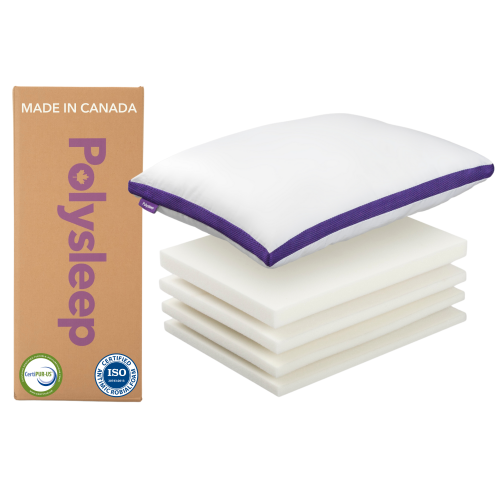 Your price for this item is $150
 -
 Your price for this item is $295
 -
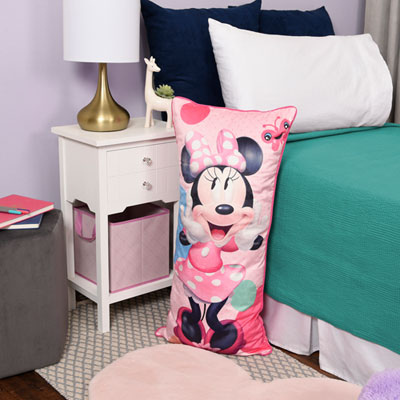 Your price for this item is $24.99
 -
 Your price for this item is $19.99
 -
 Your price for this item is $24.98
Discover more categories related to Shoulder Support Pillows

Top Collections:
Pokemon Centers, Kindle Devices, Best Budget Office Chairs, Apple iPhones 16, Canon G7X Cameras, iPhone 15 Apple, Alarm Clock, Refurbished Apple Laptops, Flip Phones, Best Laptops for Writers
Some products may be subject to Environmental Handling Fees
(EHF) depending on your province.
Learn more about EHFs.