Shoulder Support Brace
Shoulder support braces are designed to provide comfort and stability during daily activities or recovery periods. Whether you're managing discomfort, seeking extra support for workouts, or looking for a reliable solution after an injury, a shoulder support brace can help you stay active. Explore a range of options to find the right fit for your needs and enjoy added confidence as you move through your day.
Sort




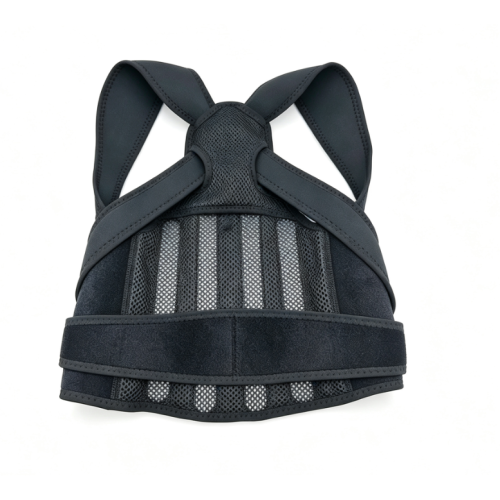

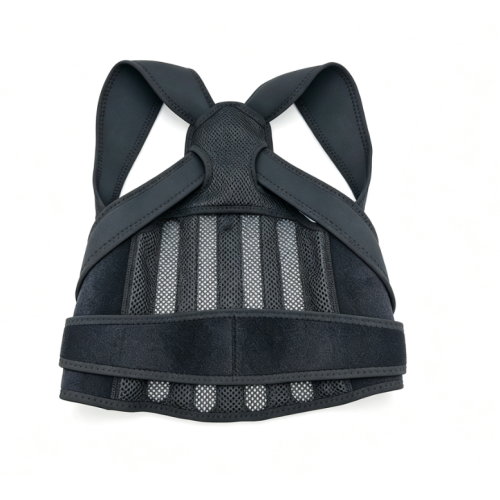
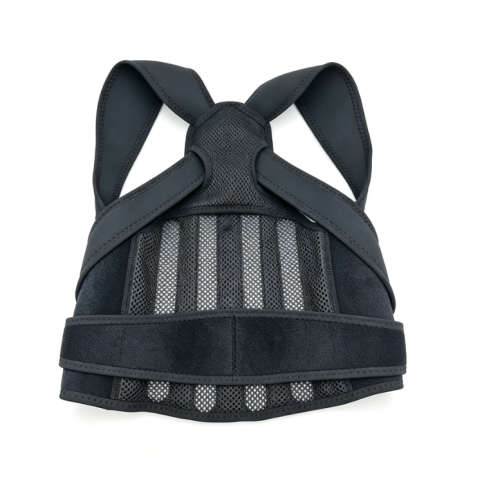
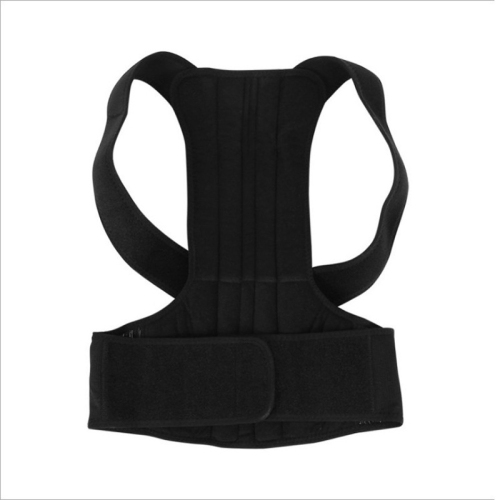

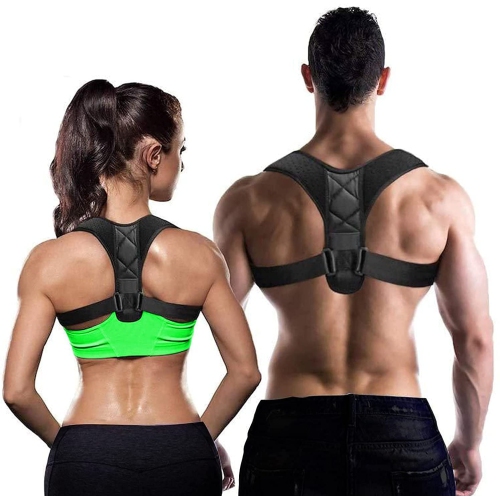
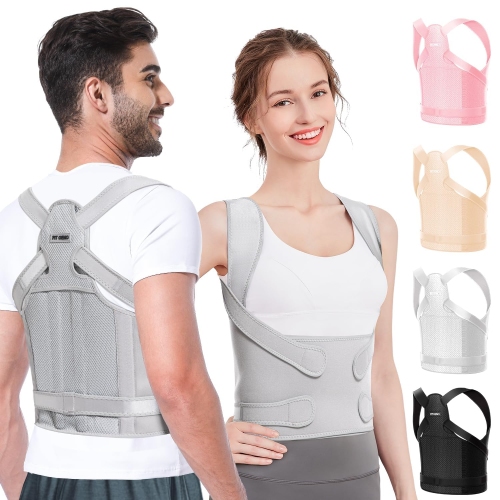
Why more compression isn’t always better for your shoulder
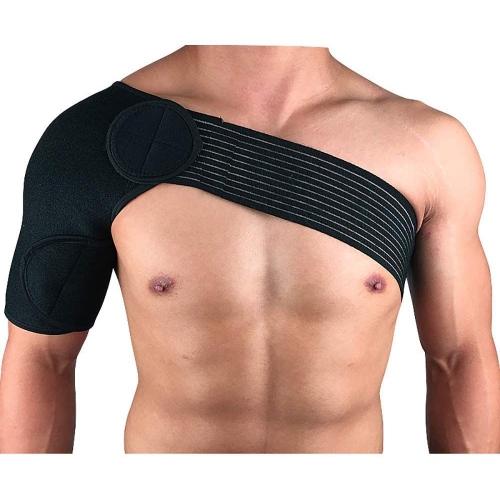
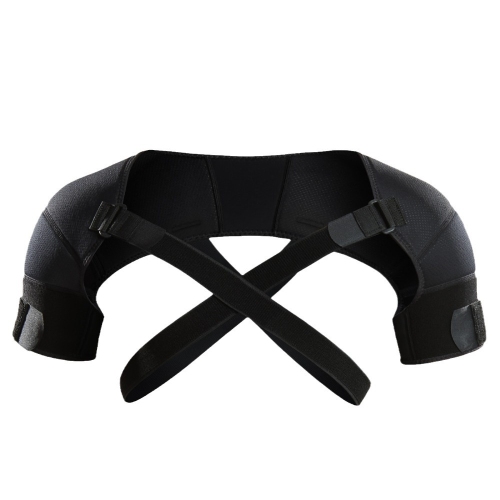
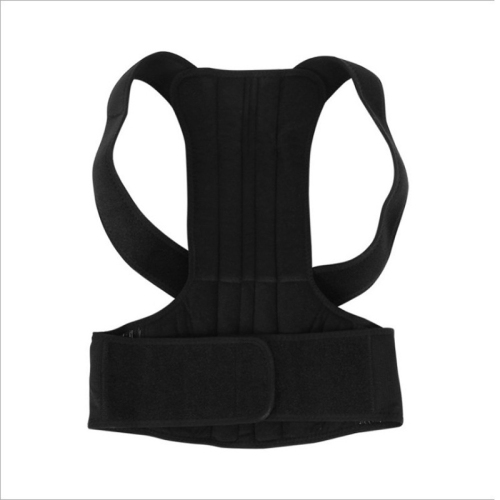
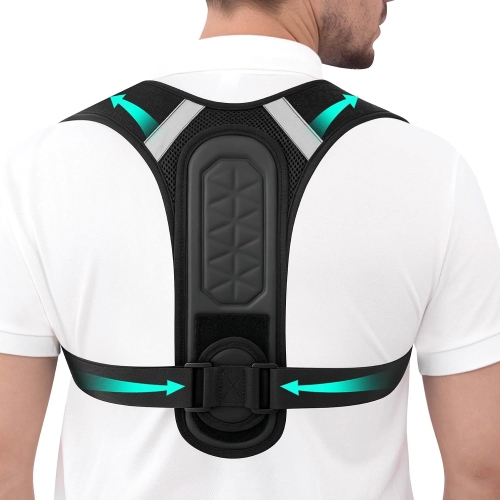
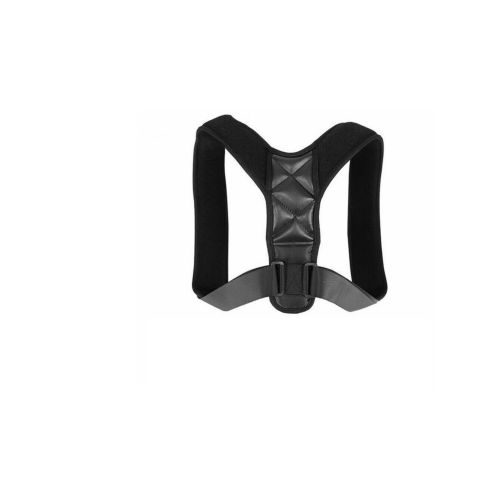
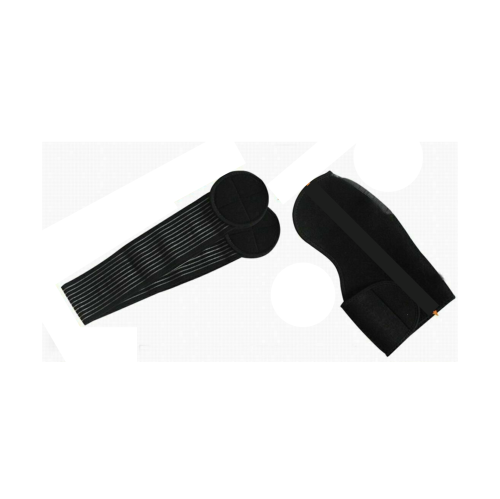
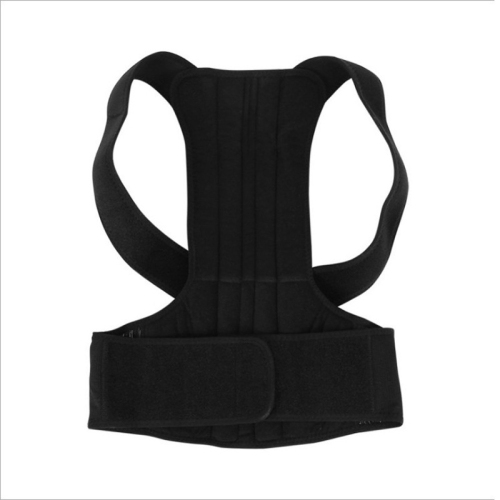
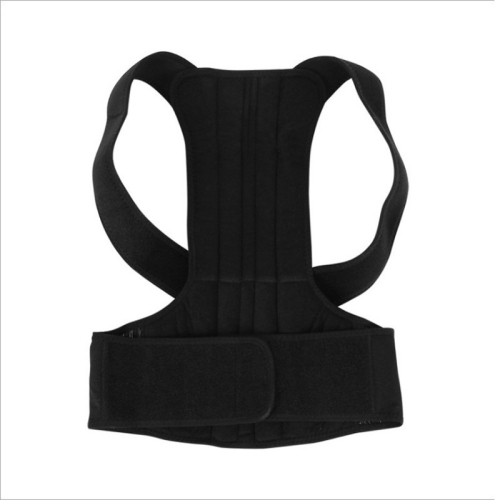
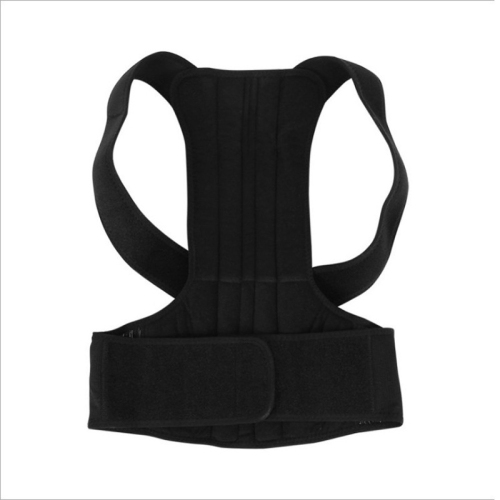
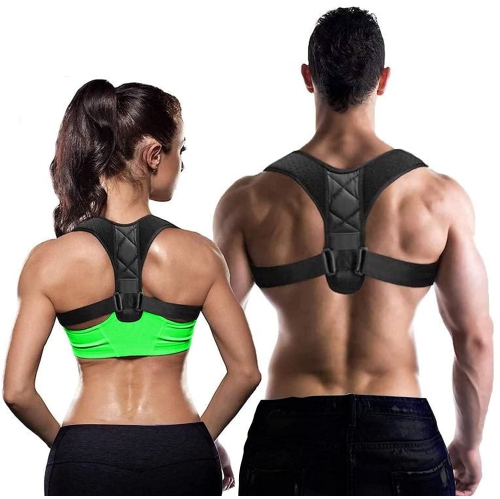
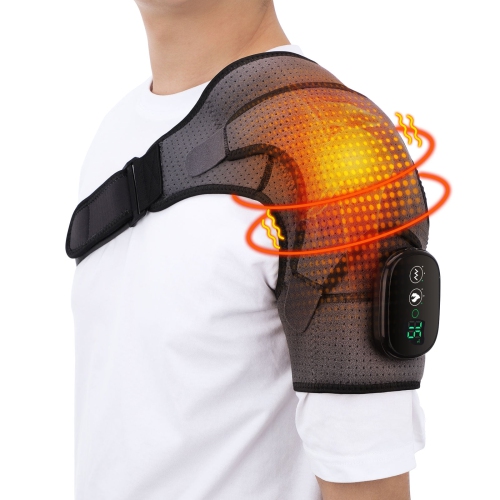
A shoulder support brace is a wearable support designed to help stabilize the shoulder, provide compression, or limit certain movements, depending on its construction. Adjustable straps typically secure it around the upper arm and torso, keeping support close to the joint while allowing a degree of movement suited to its intended use. Some people use shoulder supports for comfort during everyday activities; others wear them as part of a recovery plan recommended by a healthcare professional. Rotator cuff strains, arthritis, bursitis, and shoulder instability can involve different symptoms and support needs, so the condition matters as much as the shape of the brace. A soft compression wrap is not interchangeable with a sling or an immobilizer, which may hold the arm in a prescribed position after an injury or procedure. Lightweight supports generally allow more movement, while more structured designs may restrict particular motions. Neither approach is automatically better: the right level of support depends on the purpose and any clinical instructions. Someone working at a keyboard may need a design that stays comfortable with the elbow bent and the forearm supported. Someone returning to an approved exercise program may need a brace that remains secure through the movements their clinician has permitted. A brace should not be used to push through pain, resume heavy lifting before clearance, or replace prescribed rehabilitation. It also cannot confirm the cause of shoulder pain or correct a dislocated joint. A suspected dislocation, visible deformity, sudden weakness, or severe pain after an injury needs prompt medical assessment rather than a tighter strap. For ongoing discomfort, understanding which movements trigger symptoms helps clarify whether compression, movement restriction, activity changes, or another approach is appropriate. The most useful shoulder support is one that matches the wearer’s actual needs without making ordinary tasks unnecessarily difficult.
Fit determines how well a shoulder brace stays in position and how comfortable it feels over several hours. Sizing may depend on chest circumference, upper-arm circumference, or a combination of measurements, rather than the clothing size someone usually wears. Check the relevant measurement points and whether the design fits the left shoulder, right shoulder, or either side. An adjustable strap offers room to fine-tune tension, but it does not make every size suitable for every body shape. The upper-arm opening should sit securely without digging in, and a strap across the torso should allow comfortable breathing. Around the underarm, smooth edges and well-placed seams can make a noticeable difference when reaching for a mouse, fastening a seat belt, or putting on a shirt. If permitted by the care and fitting instructions, a thin, close-fitting layer underneath may reduce rubbing; bulky fabric can bunch beneath the straps and change the fit. Materials also affect the wearing experience. Neoprene and foam-backed fabrics can provide a close, cushioned feel, while elastic textiles offer stretch and mesh panels may improve airflow. Nylon or polyester blends are often used for strength and shape retention, though the complete fabric composition matters for anyone with sensitivities. Anyone with a known latex allergy should verify the material information rather than assume a fabric support is latex-free. Fasteners deserve attention, too. Broad hook-and-loop tabs may be easier to adjust, while strap placement can determine whether the brace is manageable with one hand. A design that requires awkward reaching behind the back may be impractical for someone whose shoulder movement is limited. Once fitted, the brace should remain secure without sliding, pinching, or requiring constant retightening. More compression is not necessarily more helpful. Numbness, tingling, changes in skin colour, increased swelling, or worsening pain are reasons to remove the support and seek advice. Check the fit again whenever clothing layers or strap settings change.
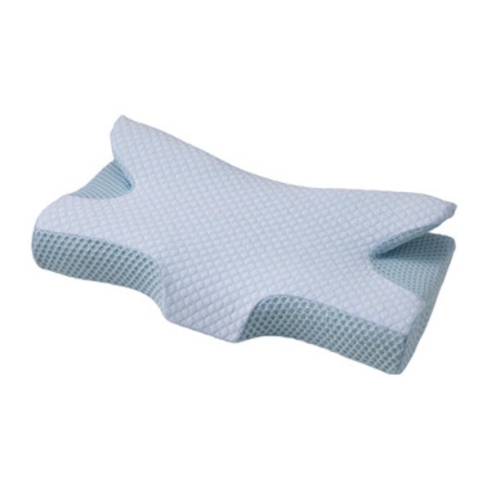
Care and construction influence how reliably a shoulder support brace performs over repeated wear. Reinforced stitching, securely attached fasteners, and straps that retain their shape are useful details, especially when a support will be put on and removed frequently. Inspect the areas where straps join the main panel, along with the edges that contact the underarm and chest. Fraying seams, stretched elastic, cracked padding, or hook-and-loop tabs that no longer hold can change the fit and reduce the support provided. Cleaning should follow the manufacturer’s instructions, since some fabrics and fasteners tolerate only handwashing or a gentle wash process. Closing hook-and-loop tabs before washing can help prevent snagging, and thorough drying before wear helps keep damp fabric against the skin to a minimum. Avoid tumble drying, bleach, or other treatments unless the care label allows them, as these may damage elastic fibres, adhesives, or padding. Regularly checking the skin beneath the brace is important, particularly for anyone with reduced sensation, fragile skin, or difficulty adjusting the straps independently. Wearing time should follow the intended use and any healthcare advice; a brace suited to a short activity session is not automatically suitable for continuous wear. Sleeping in a shoulder brace also requires specific guidance, especially if the support limits movement or was prescribed after surgery. For a different kind of resting support, Shoulder Support Pillows may help position the arm comfortably, but they serve a different purpose from a wearable brace and do not replace prescribed immobilization. When choosing support for another person, their measurements, shoulder side, ability to manage closures, and treatment instructions matter more than appearance. A practical choice should be straightforward to put on, comfortable within its intended wearing period, and easy to maintain. Those everyday details help make shoulder support a manageable part of an appropriate care routine rather than another source of strain.
Top selling and popular products
-
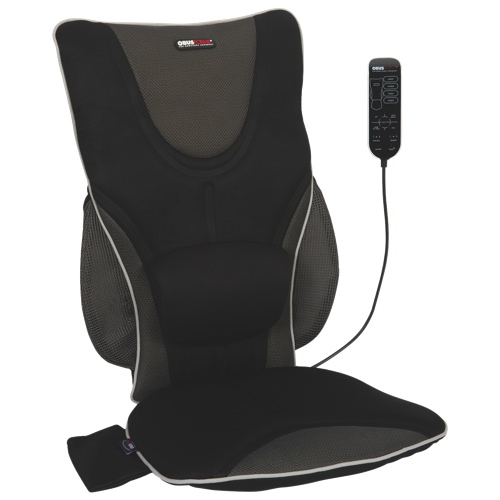 Your price for this item is $79.99
-
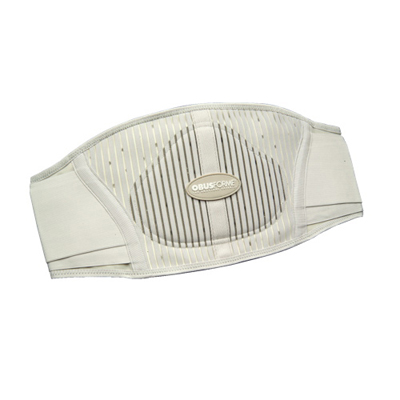 Your price for this item is $44.99
-
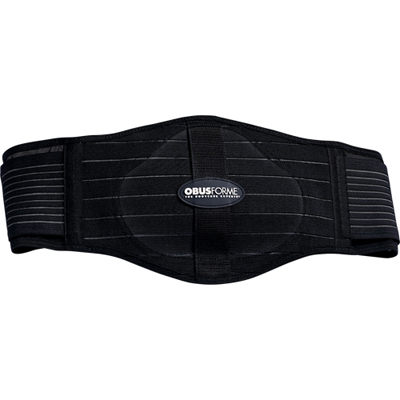 Your price for this item is $44.99
-
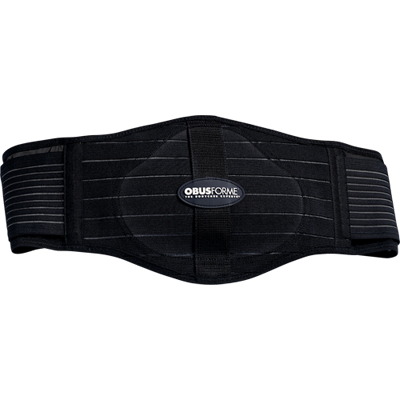 Your price for this item is $44.99
-
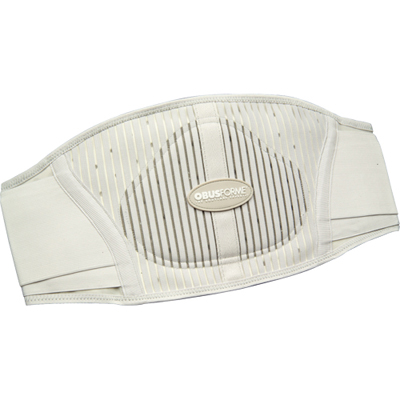 Your price for this item is $44.99
-
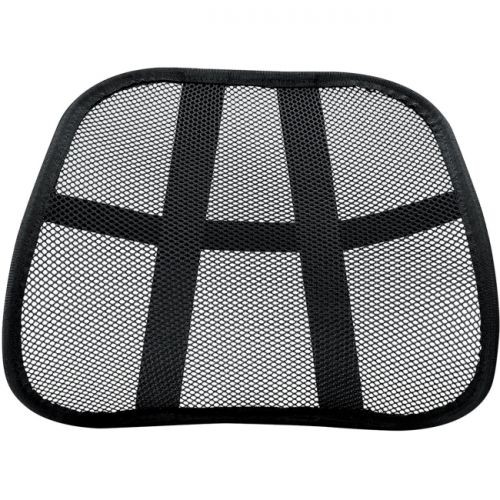 Your price for this item is $110.68
-
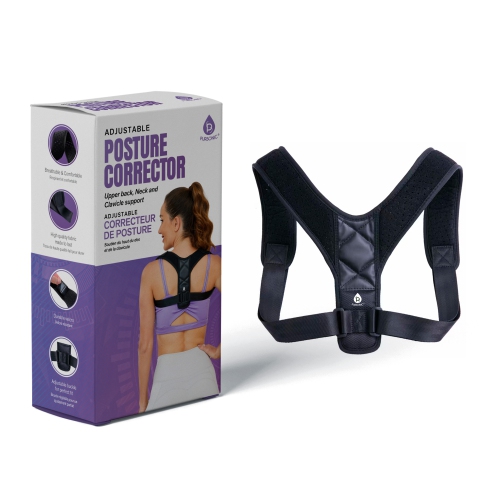 Your price for this item is $24.99
-
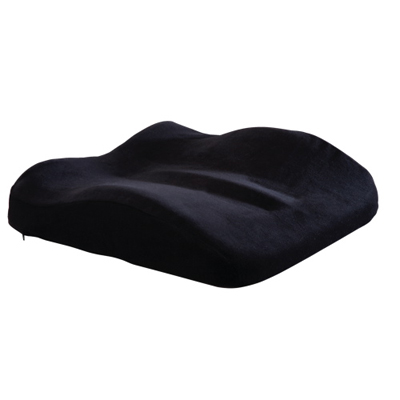 Your price for this item is $49.99
Discover more categories related to Shoulder Support Brace

Top Collections:
Best Black Friday Deals This Year, Best Black Friday Deals On Electronics, Kindle Devices, Best Black Friday Deals On Apple Products, Best Budget Office Chairs, Best Cameras for Sports Photography, Dyson Airwrap, Canon G7X Cameras, Best Laptops for Writers, Samsung Galaxy Phones
Some products may be subject to Environmental Handling Fees
(EHF) depending on your province.
Learn more about EHFs.