Shower Bench Canada
Transform your bathroom into a sanctuary of comfort and safety with a shower bench, an essential addition for those seeking enhanced convenience and support. Whether you're looking to accommodate mobility needs or simply add a touch of luxury to your daily routine, the right shower bench can make all the difference. Explore a variety of styles and materials designed to complement any bathroom décor while providing stability and ease during your shower experience. With options that cater to various preferences and requirements, finding the perfect shower bench has never been easier.
Sort
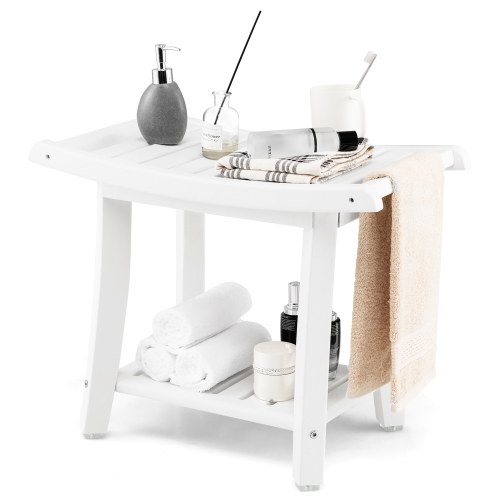
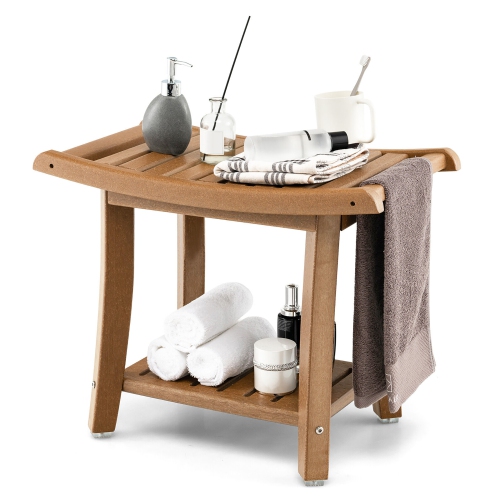
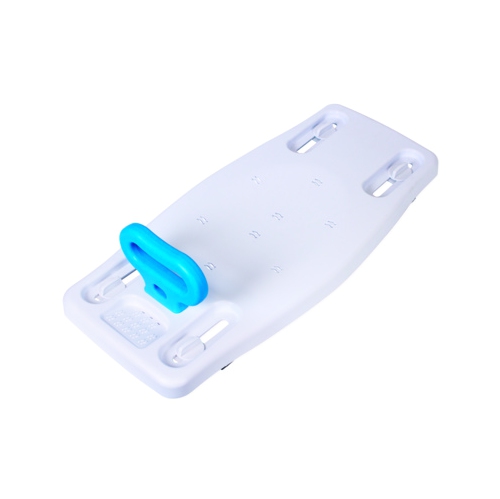


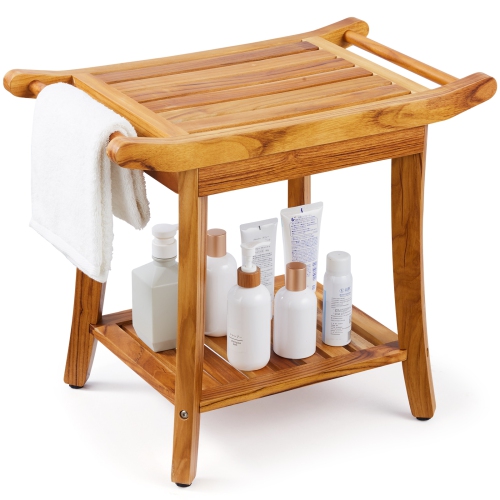


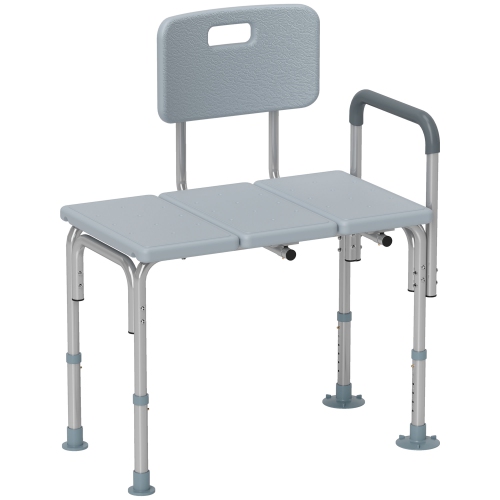
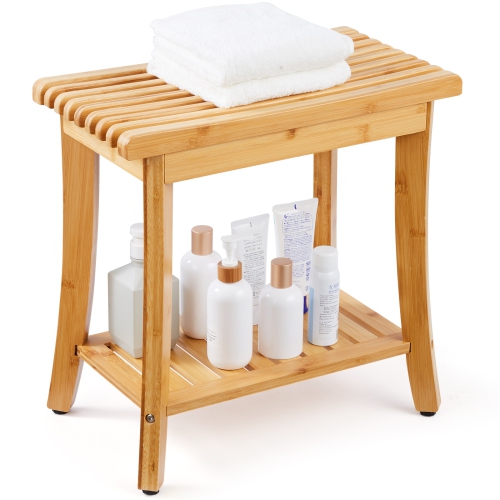
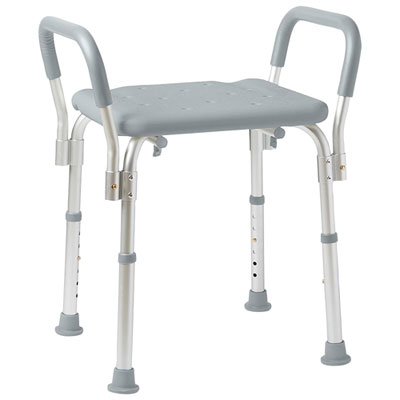
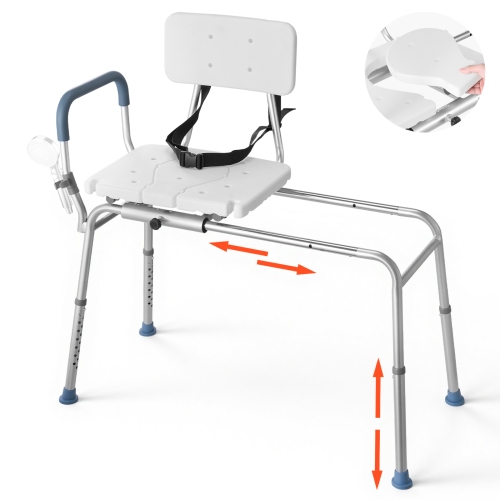



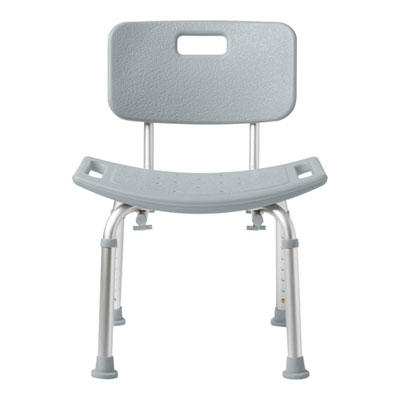
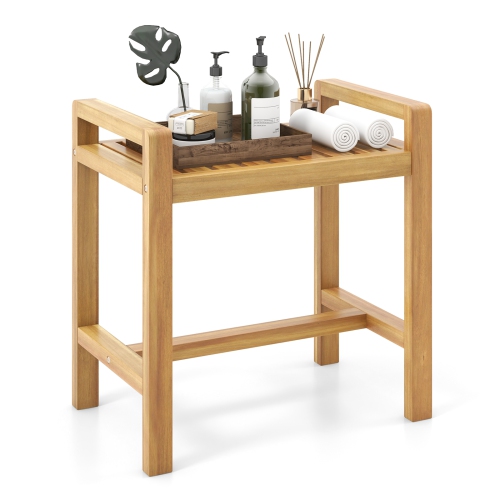
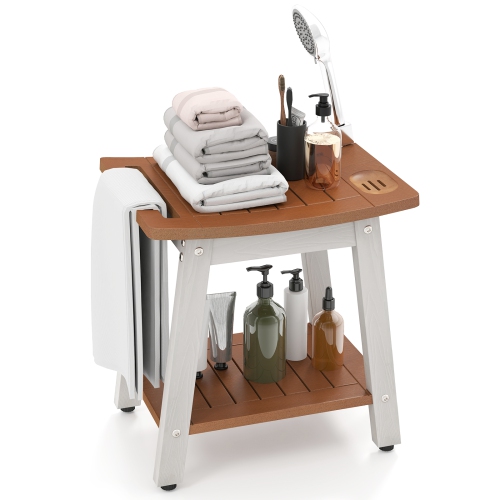
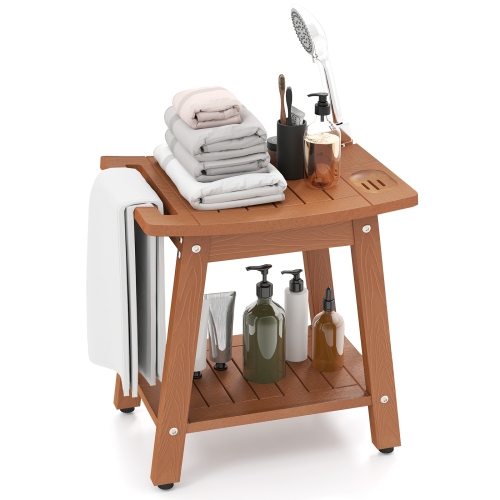




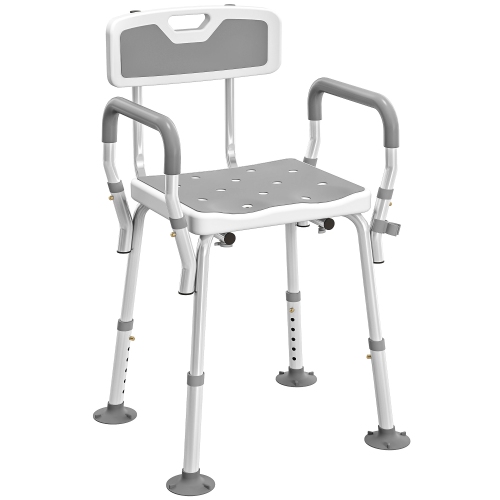


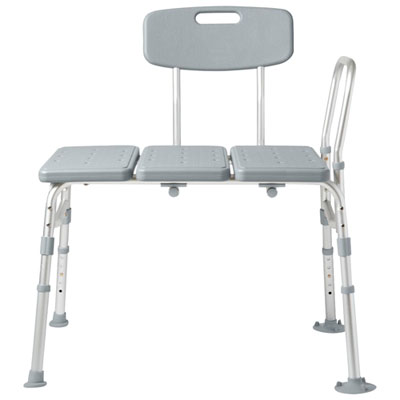

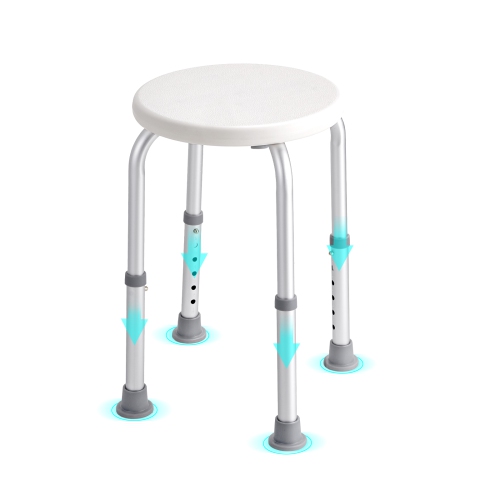


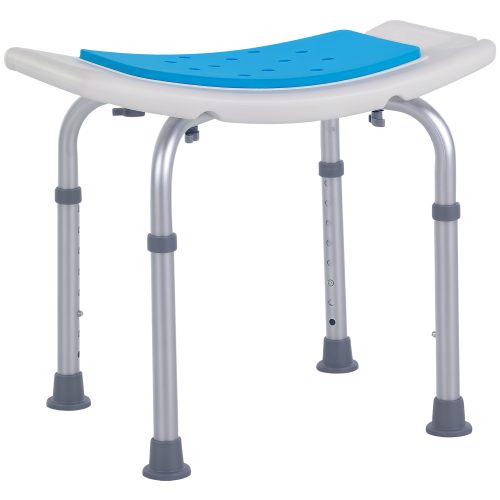





Why shower seat design matters for everyday comfort
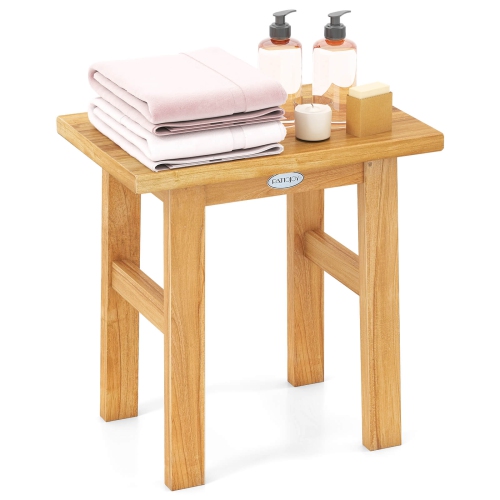
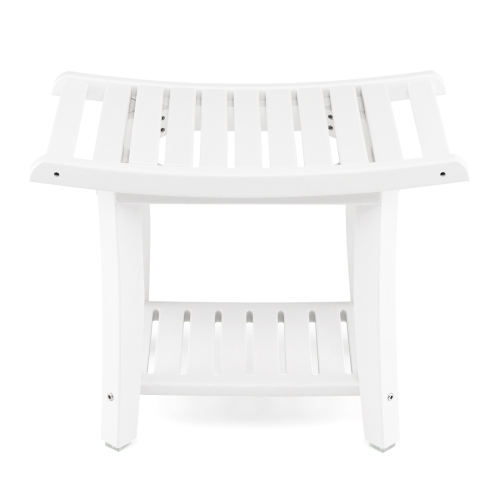
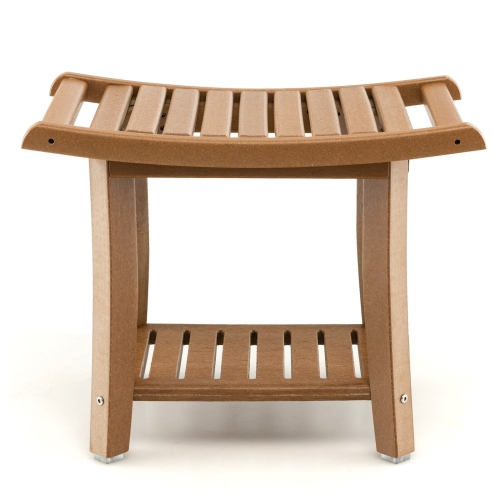
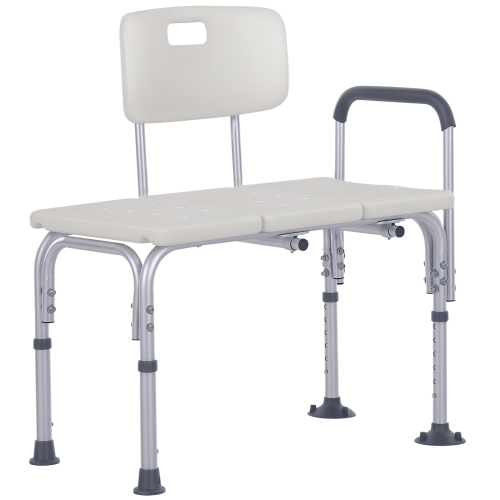
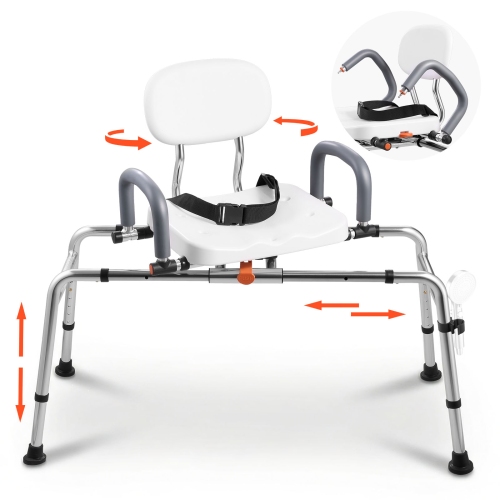
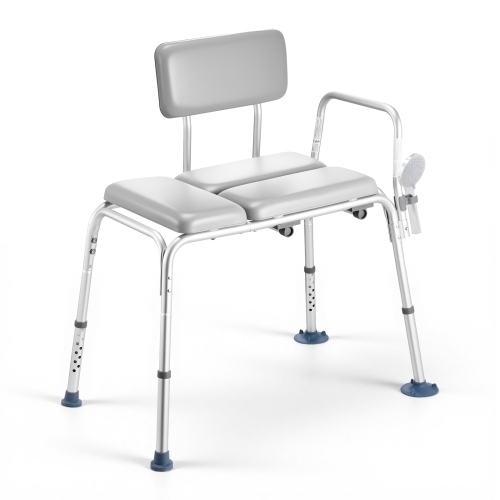
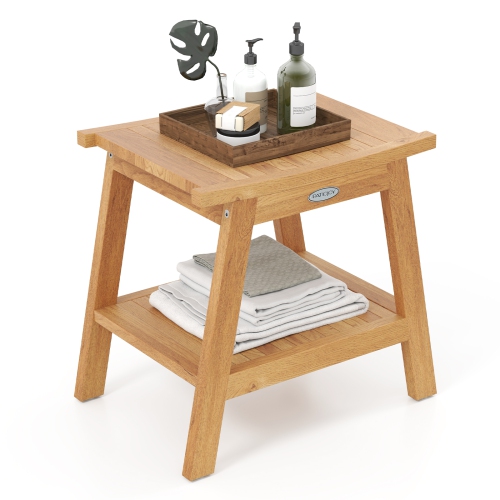
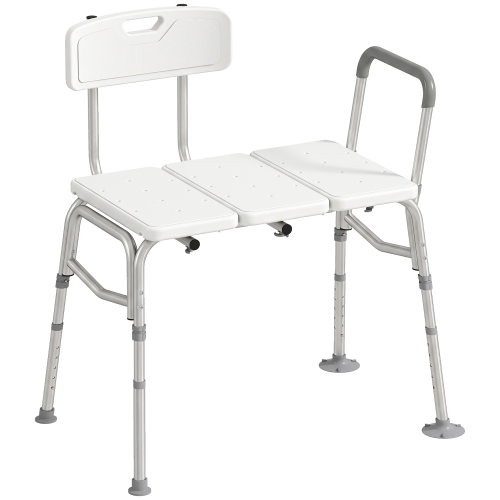
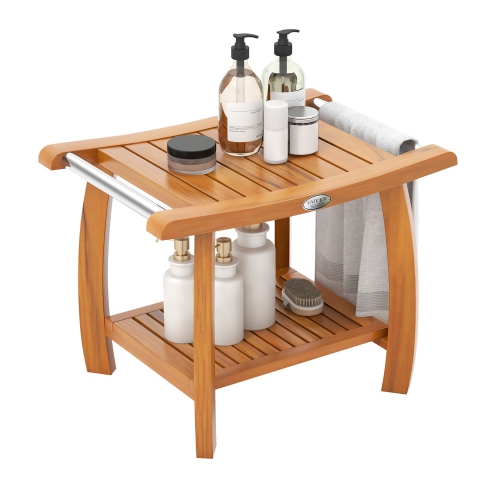
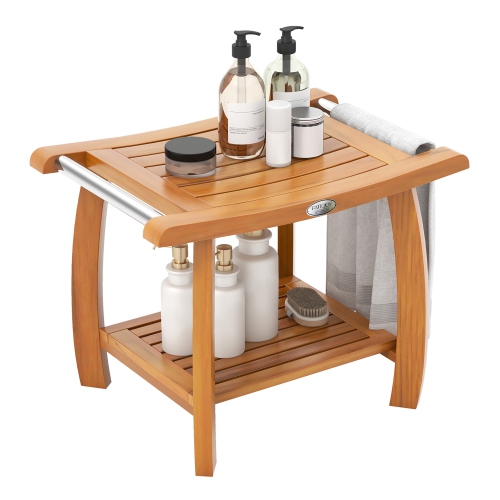
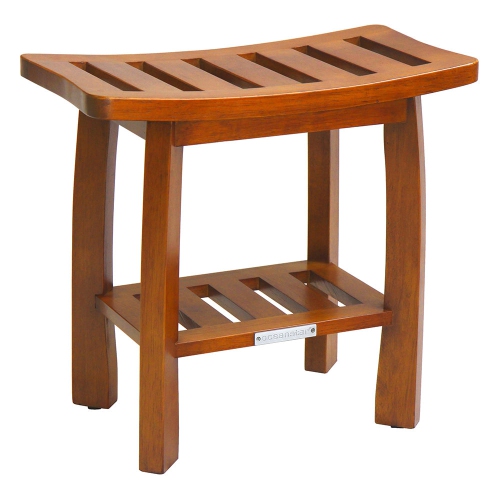
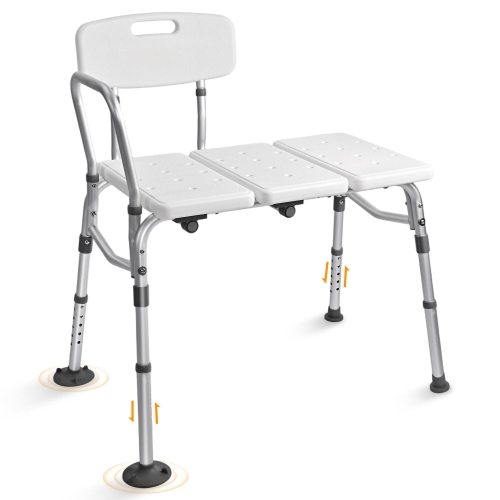
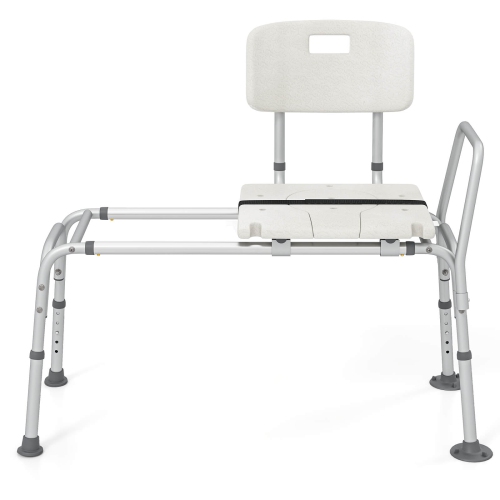
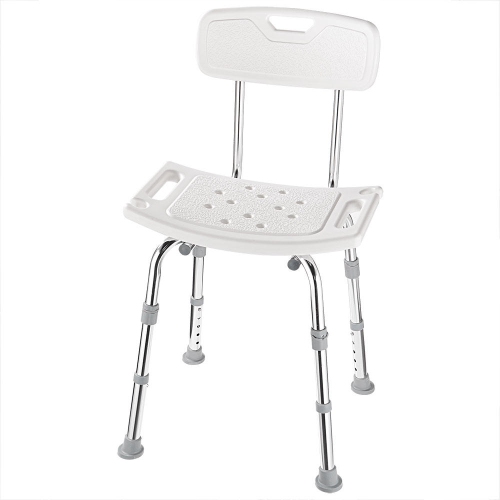
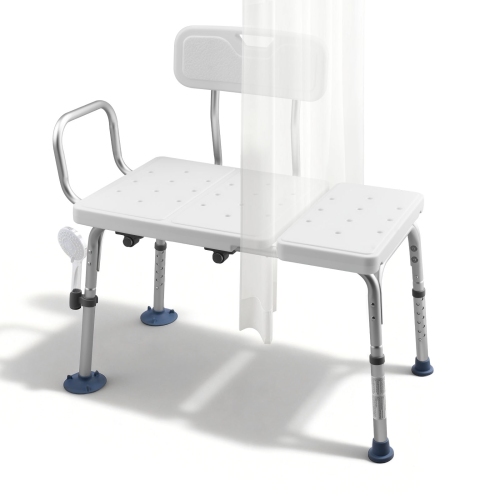
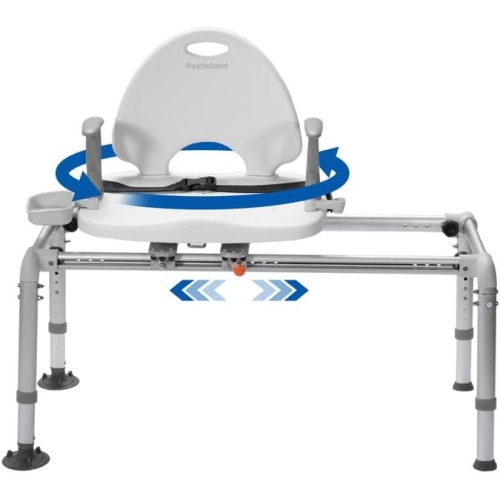
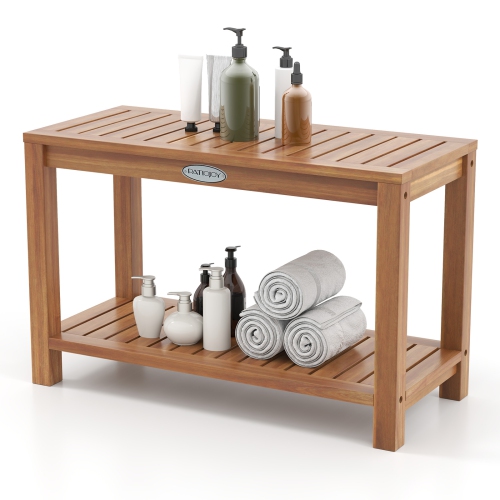
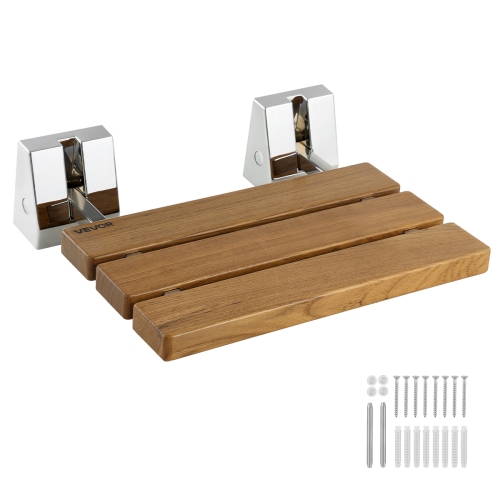
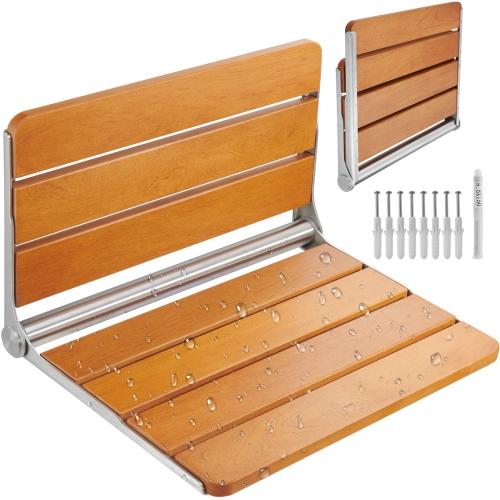
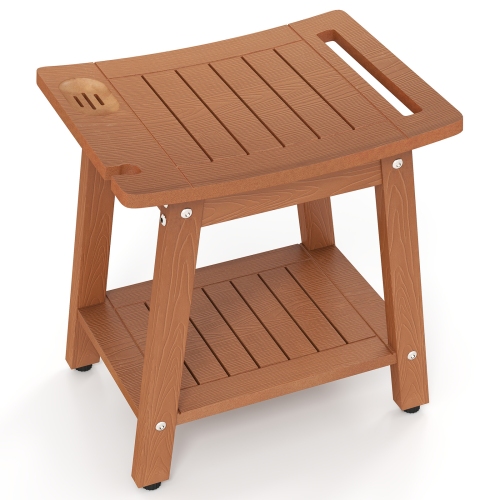
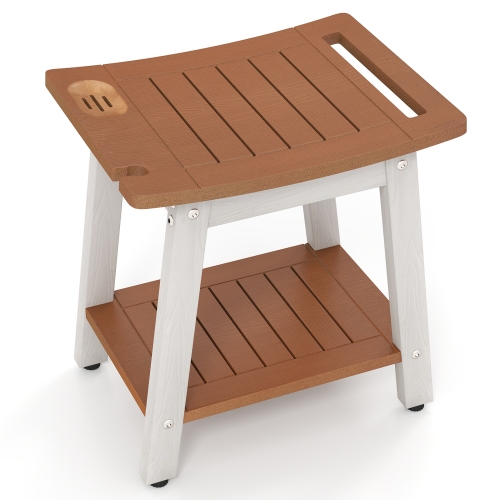
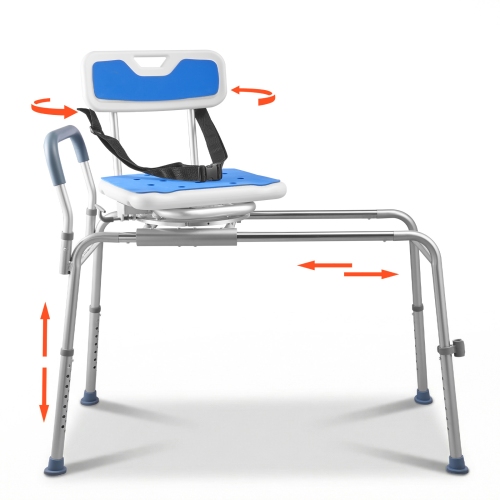
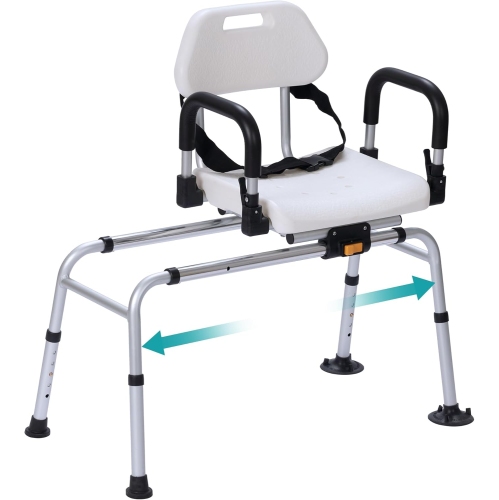
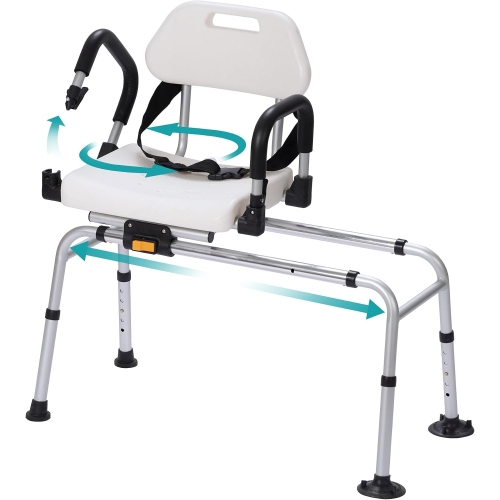
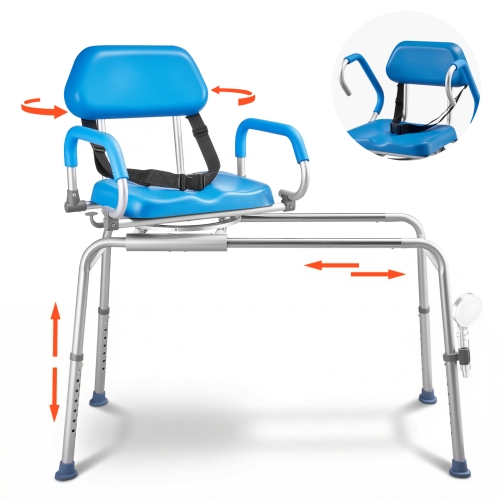
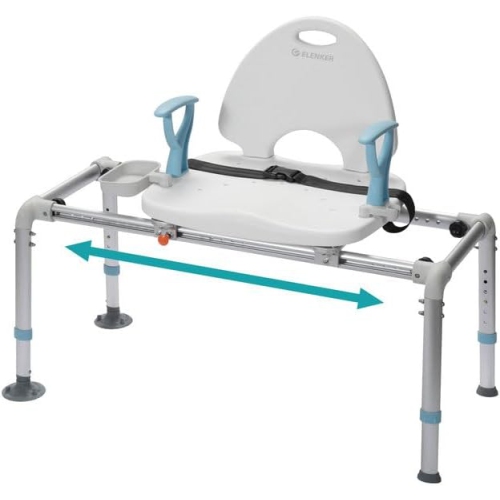
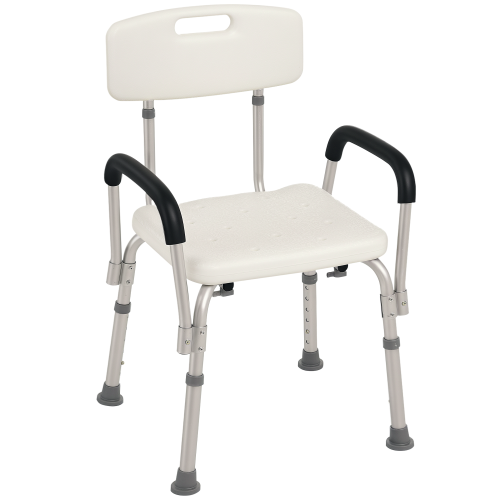
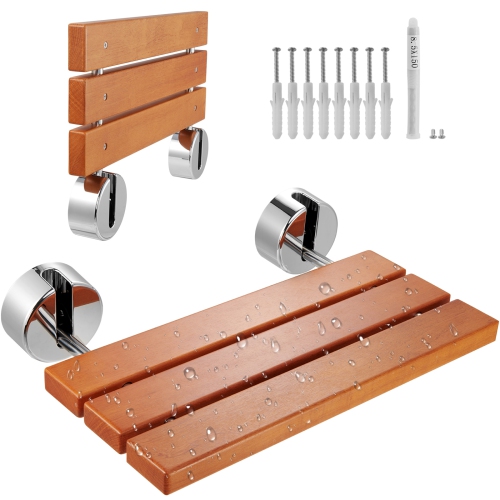
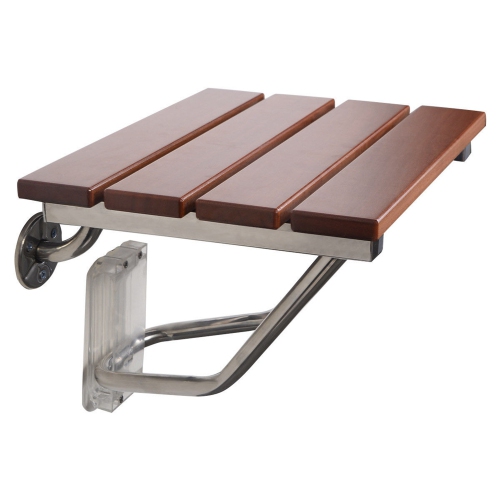
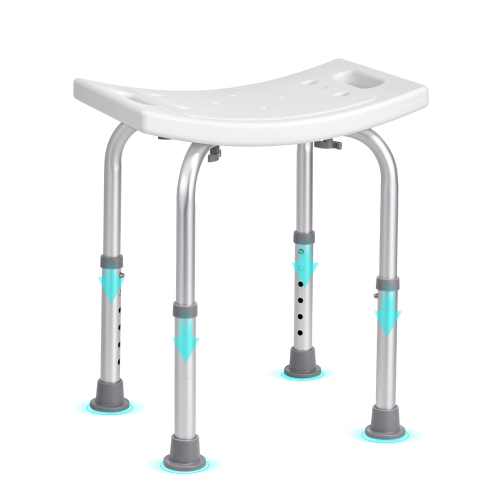
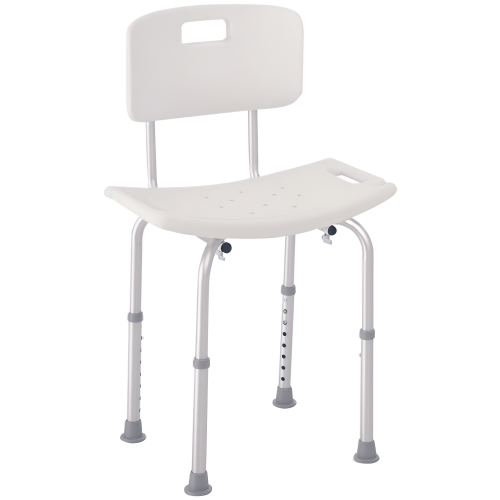
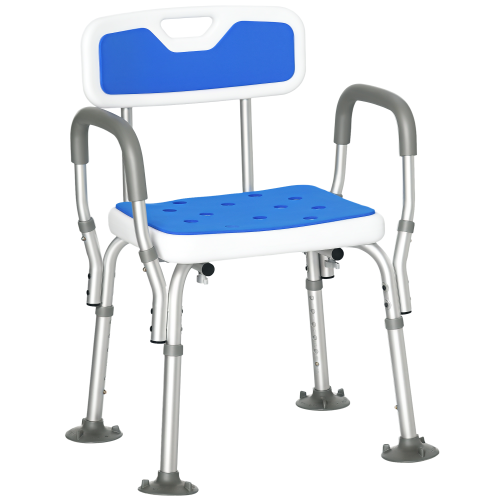
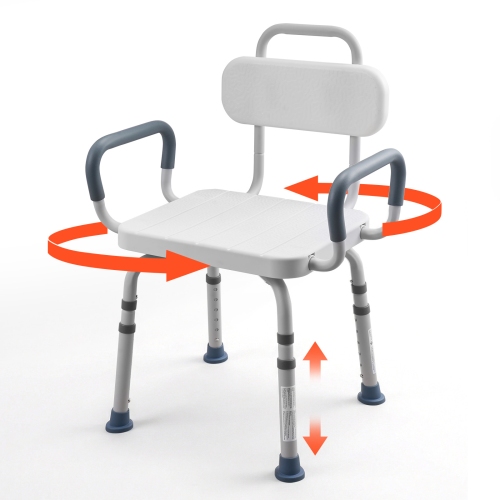
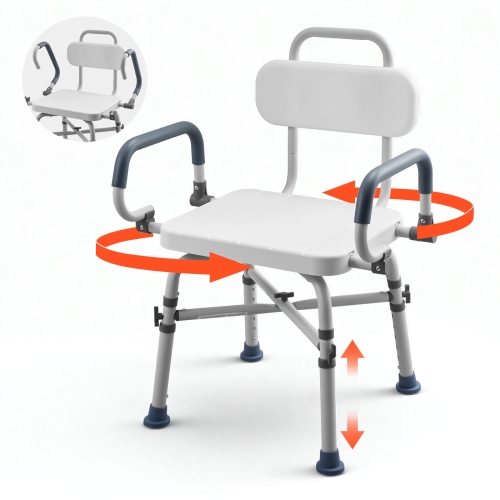
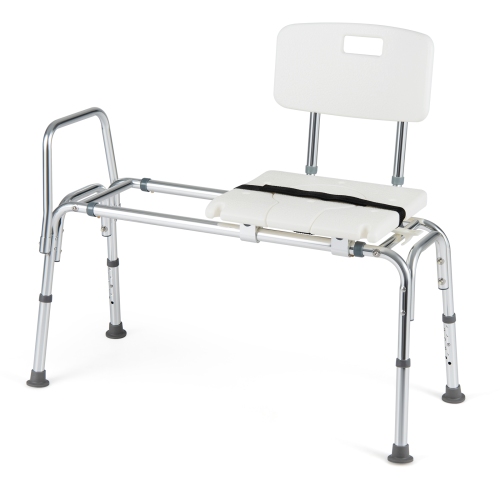
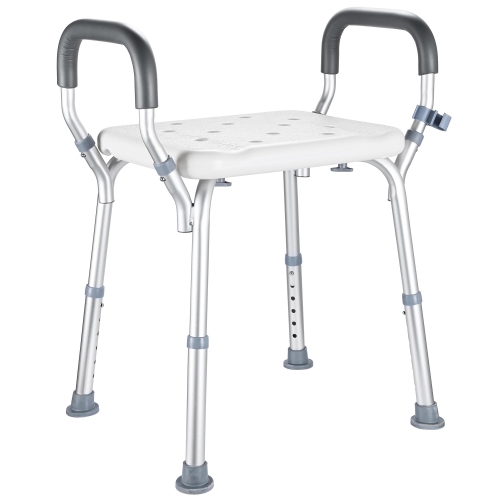
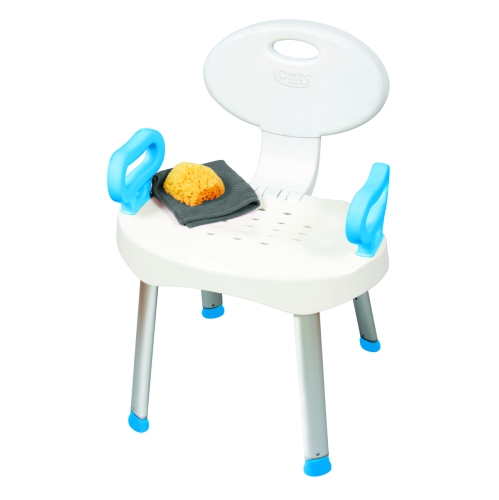
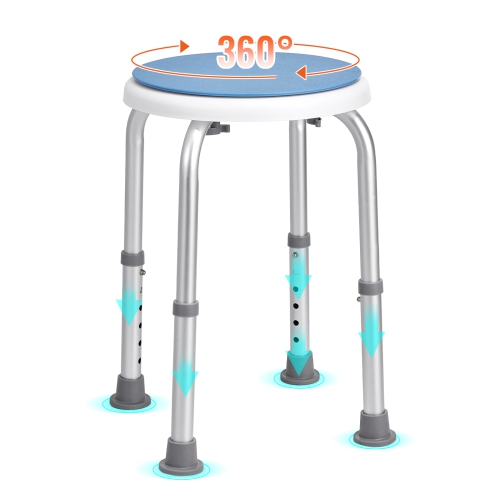
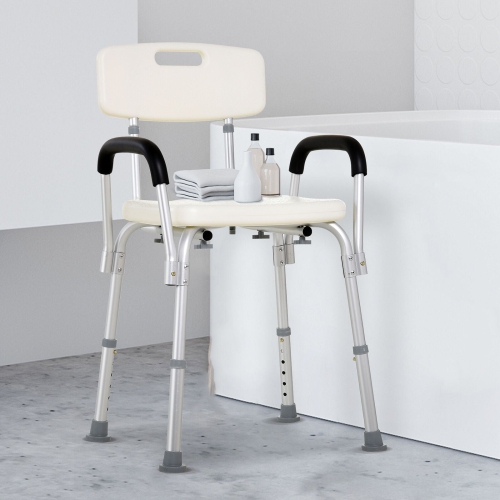
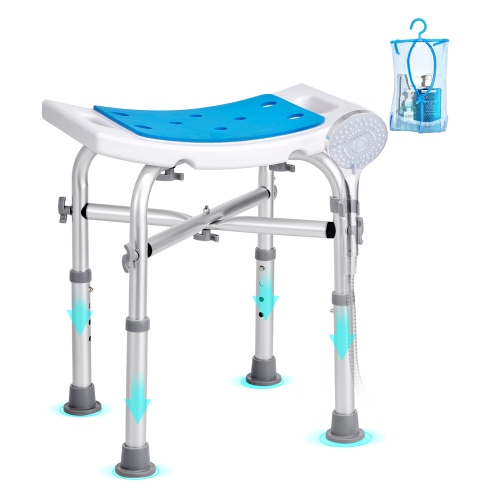
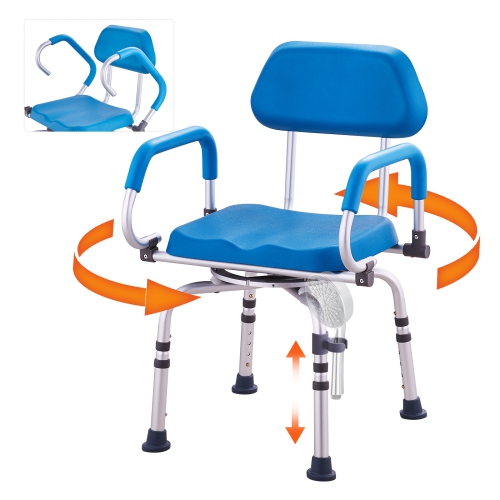
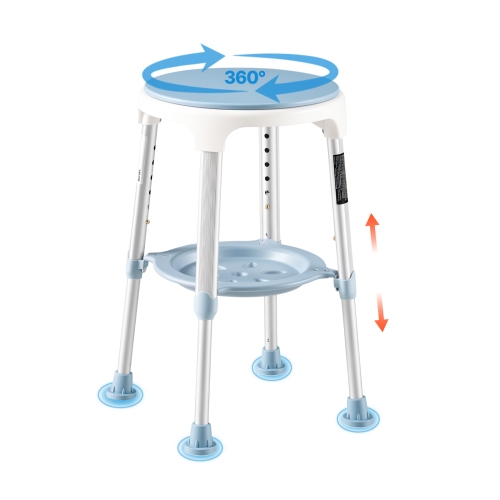
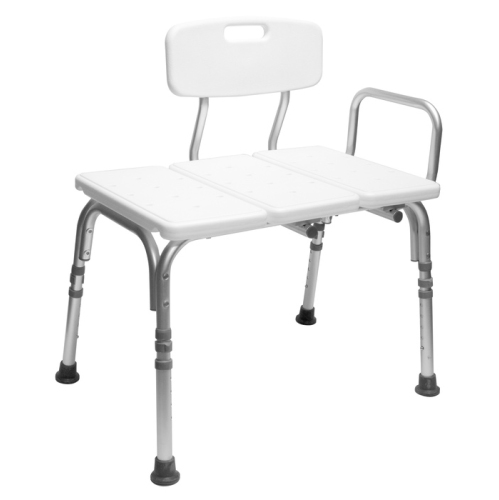
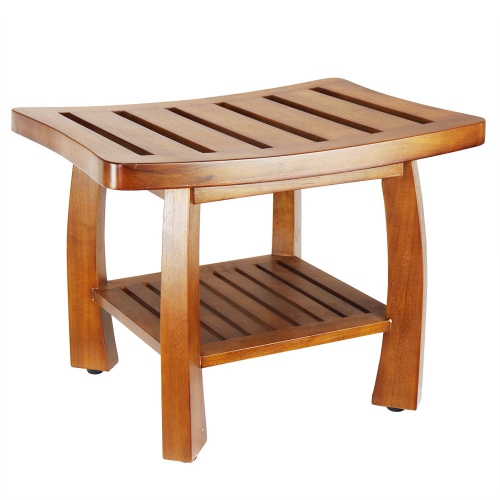
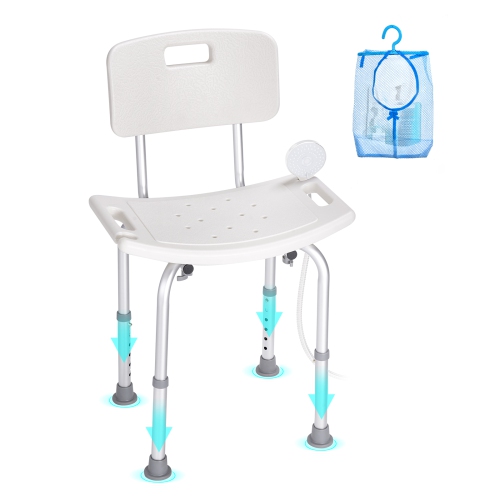
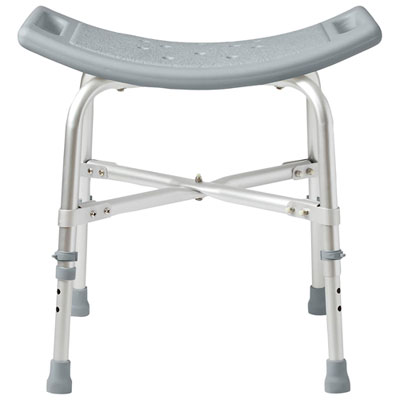
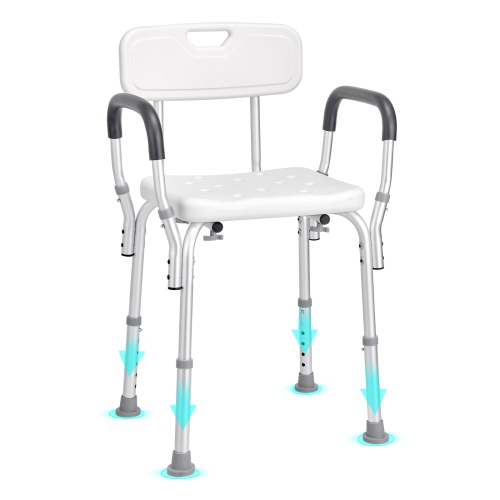
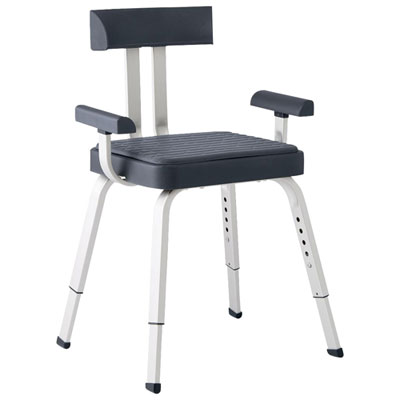
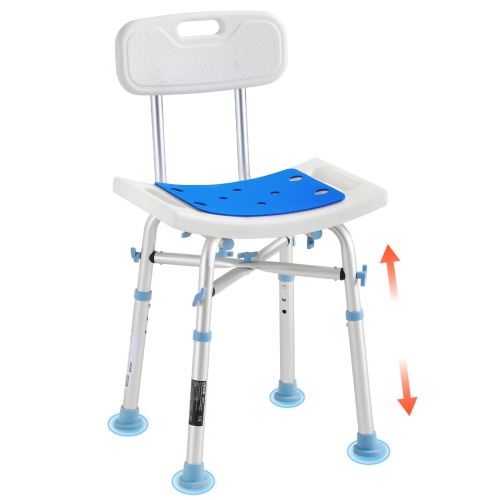
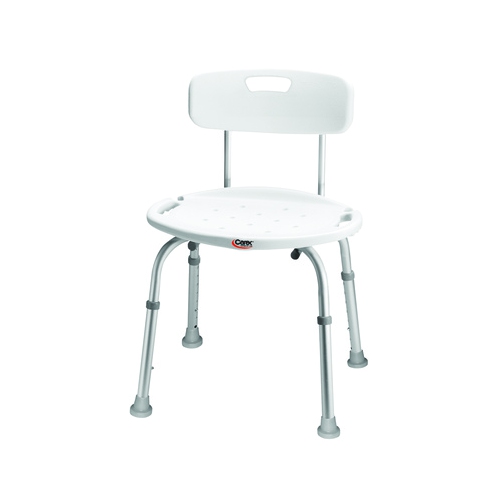
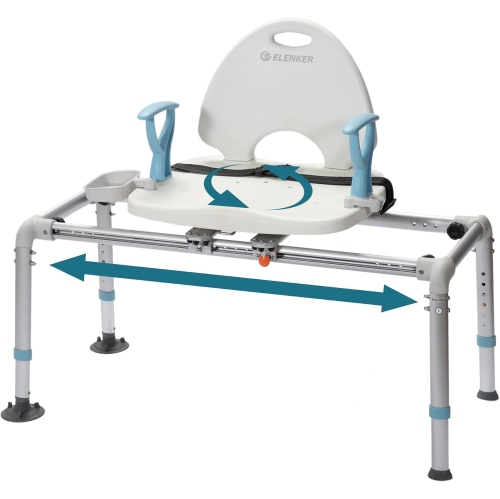
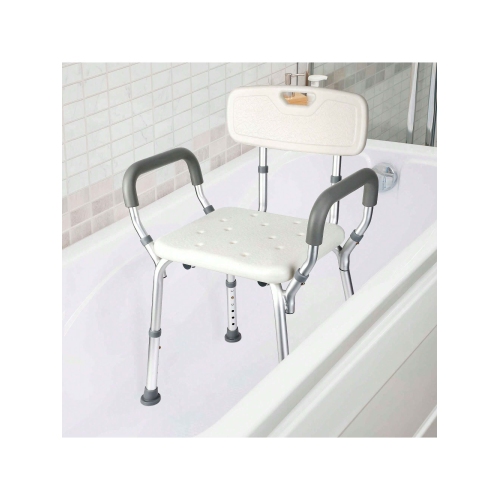
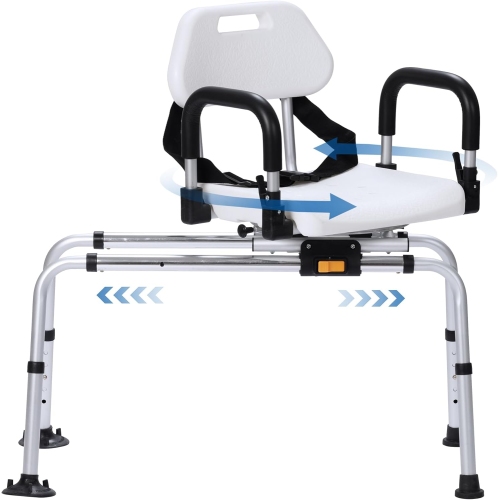
Shower benches provide a seated surface inside a shower, making everyday bathing more comfortable for people who prefer not to stand for the entire routine. In Canadian homes, they can serve several different purposes: a compact seat in a walk-in shower, a place to rest while washing, or a practical addition to a bathroom shared by people with different mobility needs. The main categories include freestanding wooden benches, lightweight bath seats with metal frames, moulded plastic seating, and wall-mounted designs that fold away between uses. These styles are not interchangeable in every setting. A bench chosen mainly for its appearance may have a fixed height and no backrest, while a bathing seat designed for seated washing may include adjustable legs, drainage holes, and handholds. Someone who tires easily may value a supportive backrest and armrests more than a shelf beneath the seat. A person who simply wants a comfortable place to sit during a longer shower may prefer a smooth, gently contoured surface with open space around it. Shower benches can also be useful for older adults, people with limited stamina, and those adapting their bathing routine after an injury or procedure, provided the seating suits their individual needs. A transfer bench has a different purpose: it typically extends across the edge of a bathtub so a person can sit outside the tub and move across while seated. An ordinary shower bench should not be assumed to offer that function. For anyone who needs help entering the shower or moving between seated and standing positions, the bench is only one part of the setup. Properly installed grab bars, accessible controls, and suitable assistance may also matter. Seating intended for bathing should have a stated weight capacity and clear instructions for its intended placement and use. A bathroom accent bench or household stool is not necessarily built to support a person safely on a wet shower floor.
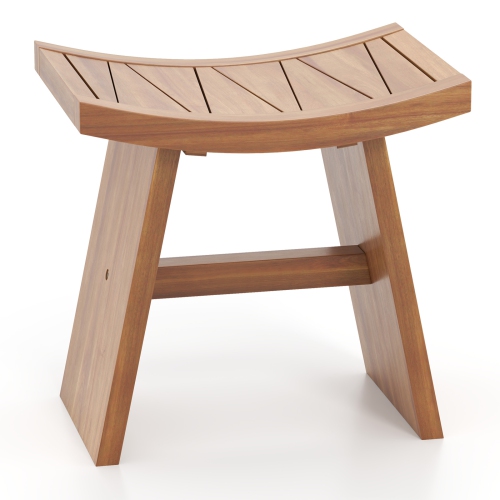
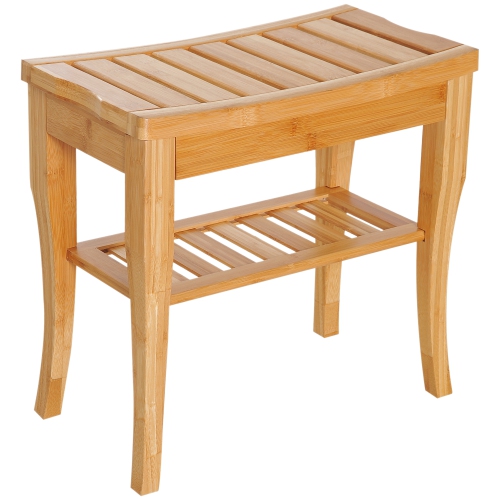
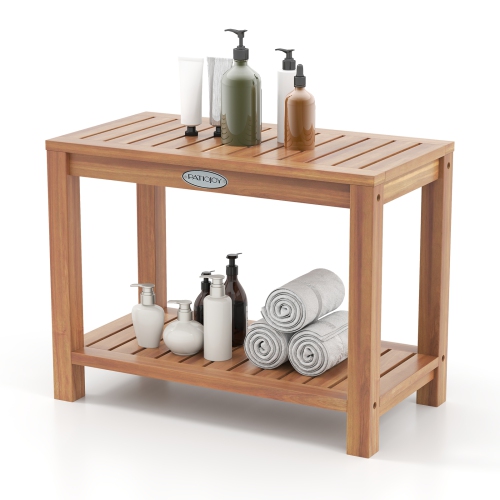
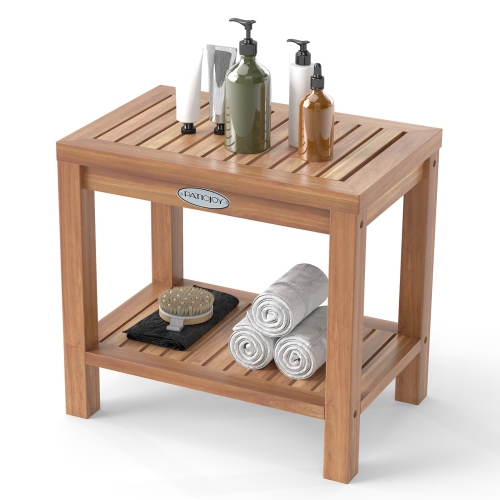
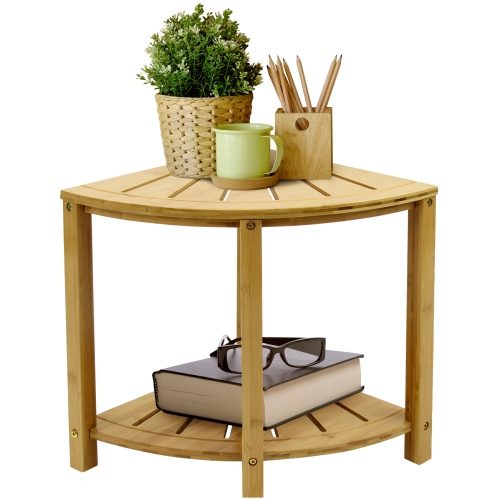
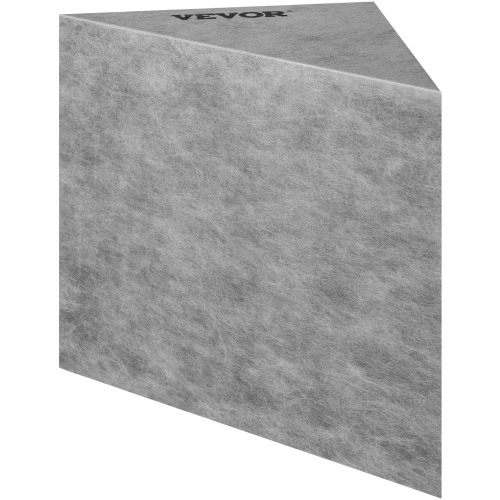
Materials affect how a shower bench feels, how much it weighs, and what care it needs after repeated exposure to water. Teak is valued for its natural oils, warm appearance, and resistance to moisture, although it still needs cleaning and time to dry. Slatted wooden seats let water pass through rather than collecting across a broad surface, and their rounded edges can feel comfortable against bare skin. Bamboo brings a similar warm look, but its suitability for regular shower use depends on the construction, finish, and manufacturer’s instructions; not every bamboo bathroom bench is intended for direct, repeated soaking. Wood can change colour with use, and joints or finishes may need attention over time. Moulded plastic and high-density polyethylene seating generally offer smooth surfaces that are straightforward to wipe clean. Drainage openings help limit pooling, while textured areas can improve grip without adding a separate cushion. Metal-framed bath seats often combine an aluminium frame with a plastic seat, keeping the overall weight manageable when the seating needs to be moved for cleaning. Corrosion resistance is important, but fasteners, adjustment buttons, and connections still deserve periodic inspection. Solid-surface seating can offer a clean-lined appearance and fewer surface joints, while concrete designs bring more substantial weight and may require sealing or other material-specific care. Heavier construction does not automatically mean a bench is better suited to mobility support. Seat shape, stability, assembly quality, and the stated load limit remain important regardless of material. Day-to-day care usually centres on removing soap residue, rinsing as directed, and allowing the bench to dry with good airflow. Mild cleaning products are often appropriate, but the care instructions should determine which cleaners and tools are suitable. Abrasive pads, strong chemicals, or prolonged soaking can damage certain finishes and components. Rubber feet also need attention: hair and soap can collect around them, and worn or loose tips can affect how firmly the legs sit. A bench that develops cracks, loose joints, or movement during use needs assessment before it is used again.
Fit is about more than whether the bench can pass through the shower door. Its footprint needs to leave enough room for feet, knees, the door’s swing, and a comfortable path in and out. A corner design may preserve floor space in a smaller enclosure, but a narrow or triangular seat may not provide the same sitting area as a rectangular bench. Seat depth and width influence comfort, especially for someone who spends more time seated, while seat height affects how easily they can sit down and stand up. Adjustable legs can accommodate different users, but they must be set and secured according to the manufacturer’s directions so the bench does not rock. Shower floors often slope towards a drain, and all feet need stable contact on a surface compatible with the bench’s design. Slip-resistant feet can help with grip, but they do not make a wet floor slip-proof. The position of the seat should also keep the handheld showerhead, tap controls, and washing supplies within comfortable reach, without requiring a deep bend or an awkward twist. A lower shelf can be handy for bottles, though it is less useful if reaching it feels difficult or blocks space needed for the user’s feet. Wall-mounted fold-down seating can leave the enclosure more open when not in use, but installation requires suitable structural support and the specified mounting hardware; tile alone is not enough. In a shared bathroom, a removable bench may be more practical when different people prefer different layouts. Keeping dry towels and spare toiletries outside the splash area can further reduce clutter around the bathing seat. For separate storage elsewhere in the home, Storage Bench Canada brings together another type of seating, distinct from benches intended for shower use. The most useful shower seating fits both the enclosure and the person using it, with enough room to move naturally and a care routine that remains manageable after every wash.
Top selling and popular products
-
 Your price for this item is $109.31
-
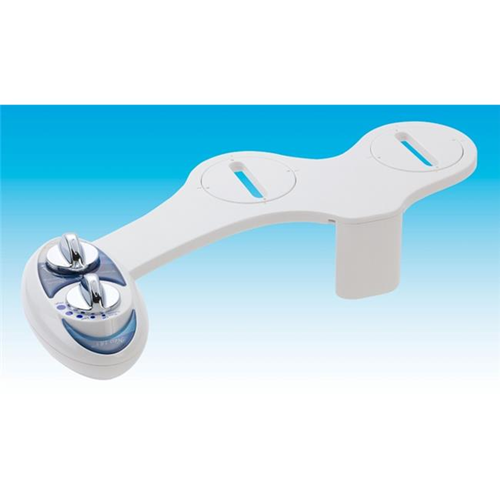 Your price for this item is $200.83
-
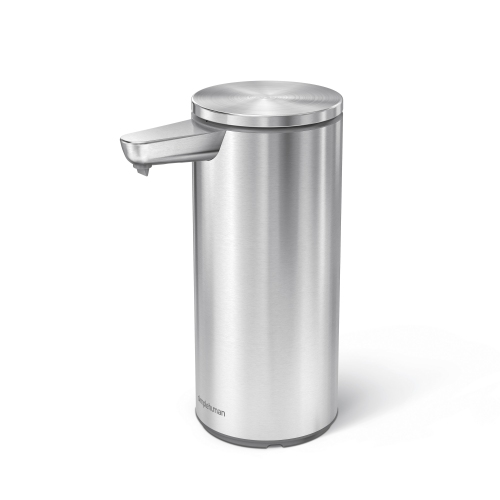 Your price for this item is $90
-
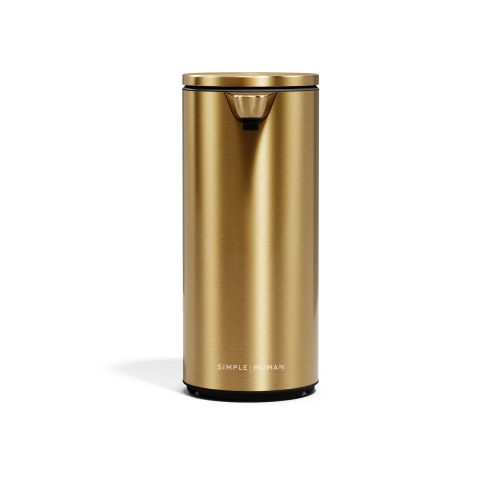 Your price for this item is $100
-
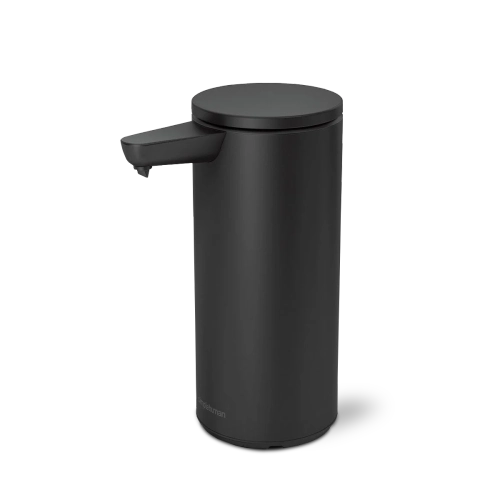 Your price for this item is $100
-
 Your price for this item is $426.55
-
 Your price for this item is $300
-
 Your price for this item is $120
Discover more categories related to Shower Bench Canada

Top Collections:
Pokemon Centers, Kindle Devices, Best Budget Office Chairs, Canon G7X Cameras, Apple iPhones 16, Samsung Galaxy Phones, Refurbished Apple Laptops, Laptops for Students, iPhone 15 Apple, Budget Smartphones
Some products may be subject to Environmental Handling Fees
(EHF) depending on your province.
Learn more about EHFs.