Shower Head
Upgrade your shower experience with our selection of high-quality shower heads. From luxurious rainfall shower heads to water-saving handheld options, we have everything you need to create a spa-like oasis in your own bathroom. Choose from a variety of styles and finishes to match your decor and enjoy a refreshing and invigorating shower every day. With easy installation and durable construction, our shower heads are designed to provide you with years of relaxation and comfort. Elevate your daily routine with a new shower head today.
Sort

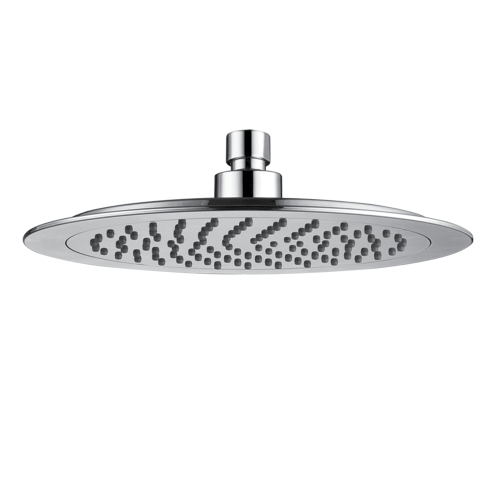
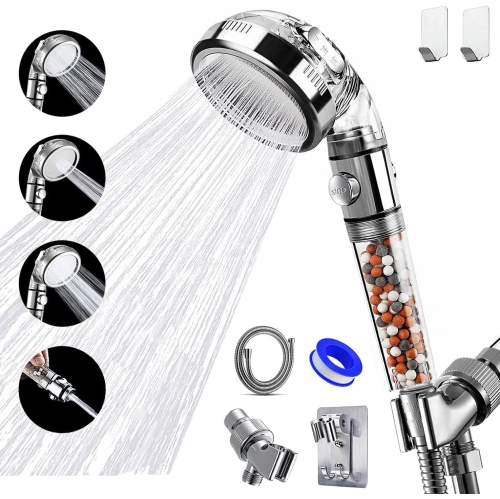

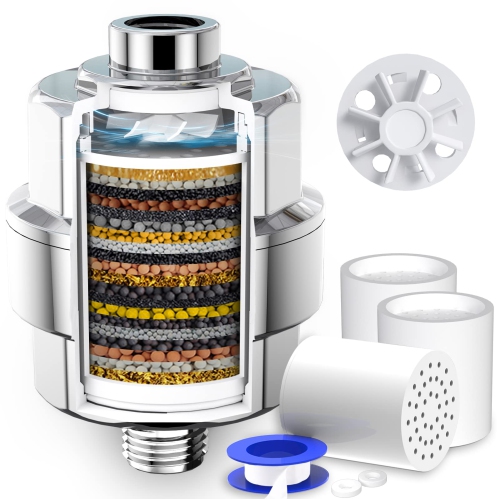
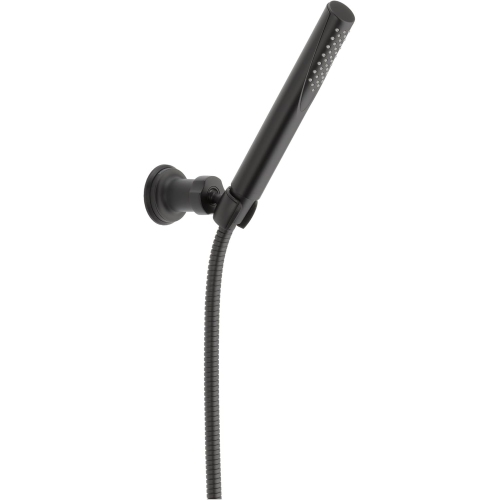
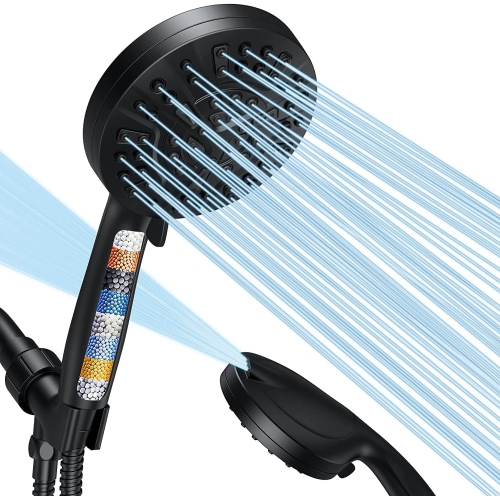
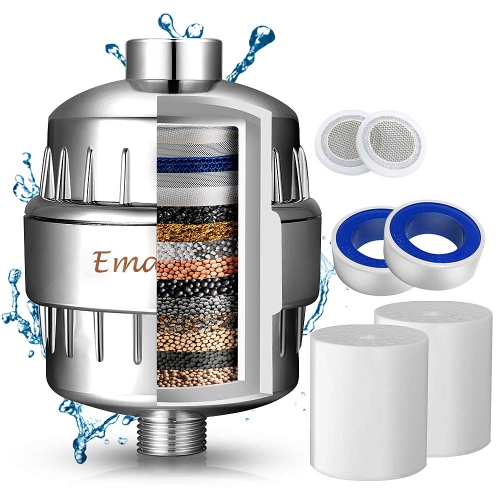
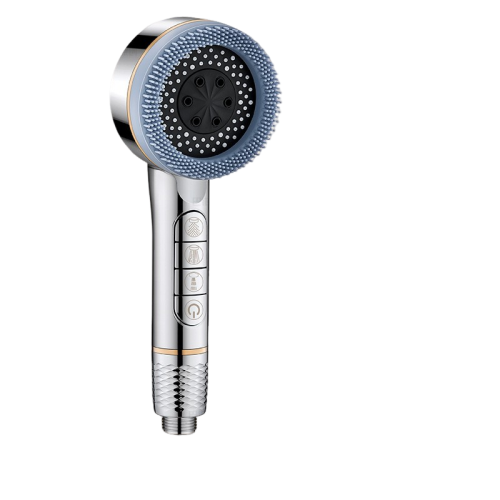
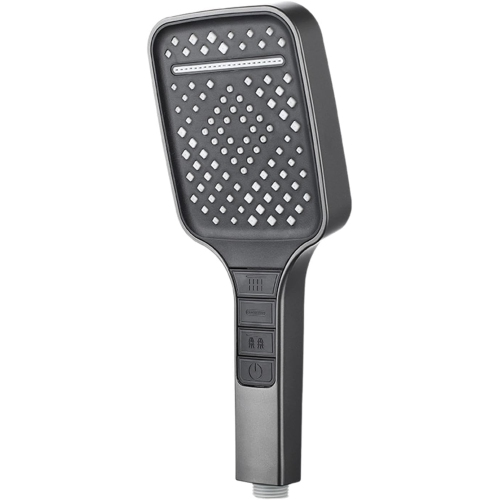
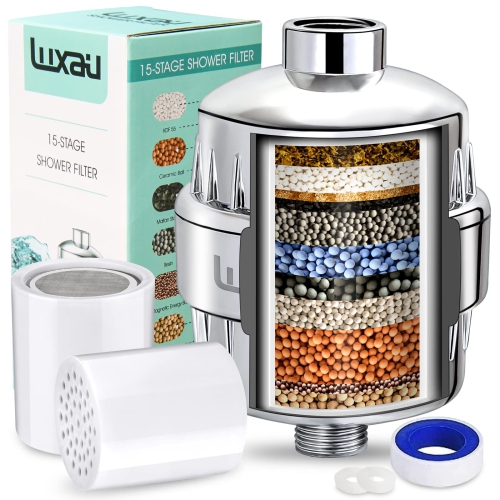
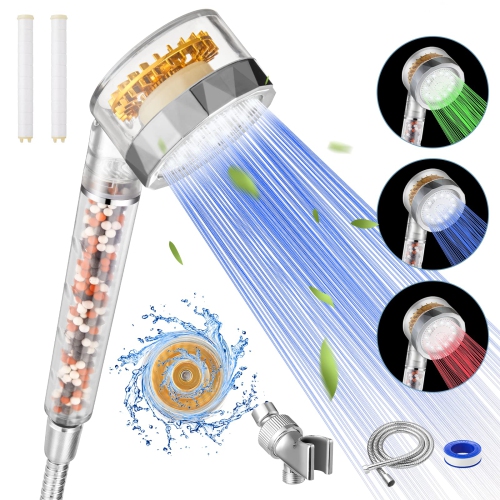
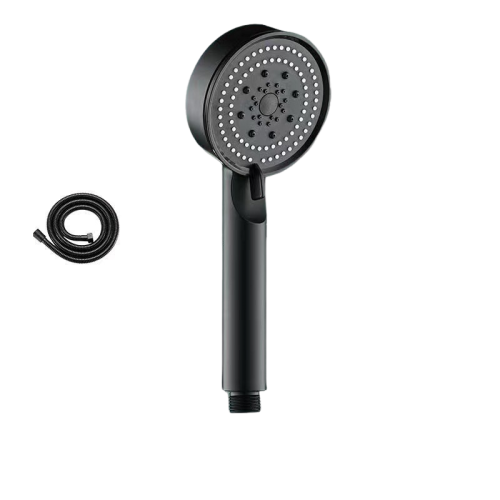
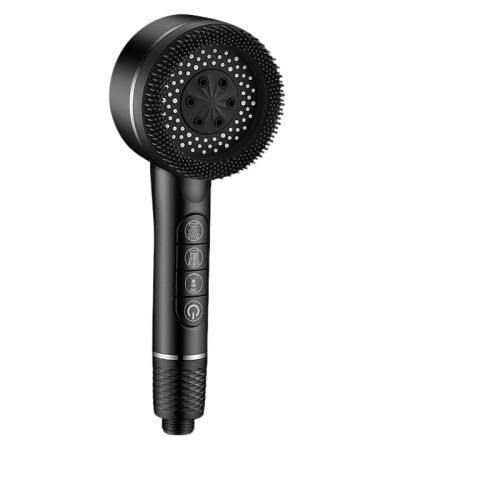

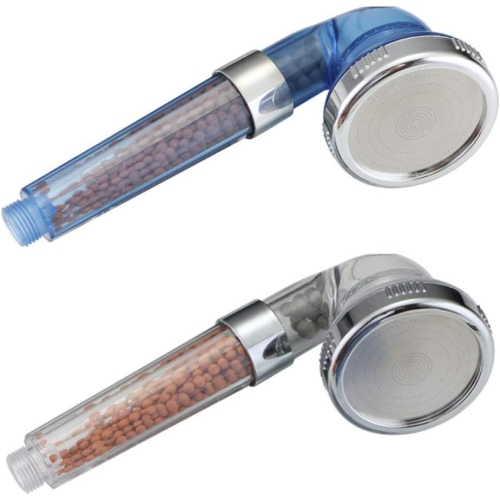

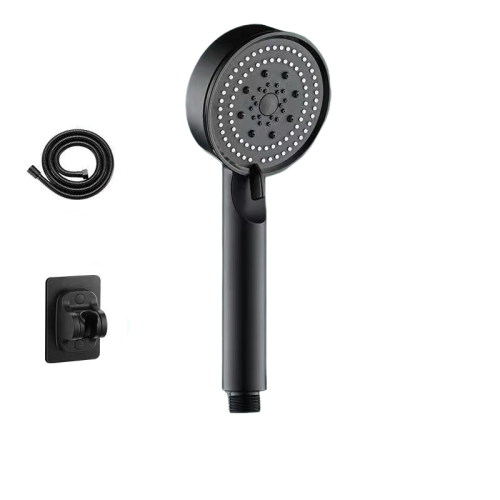
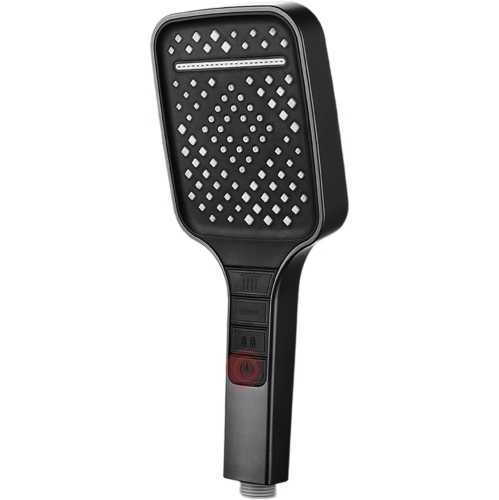
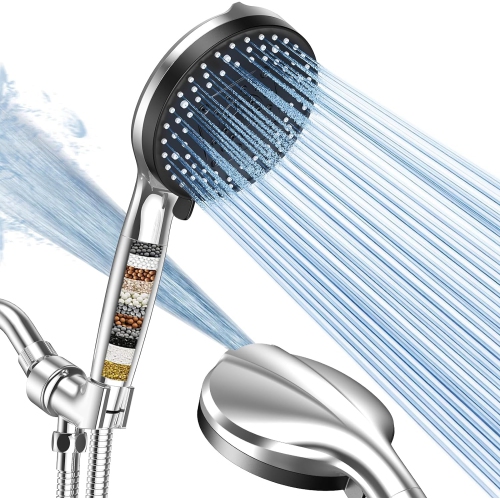
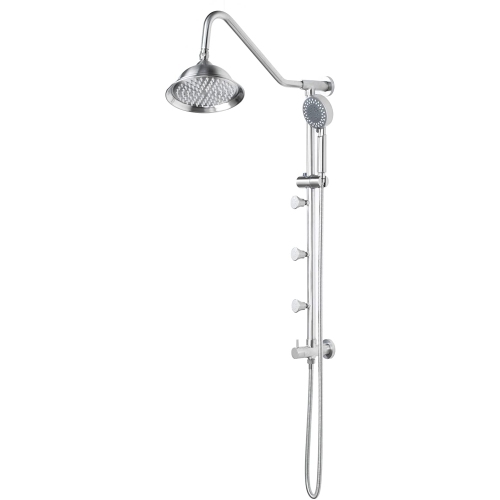
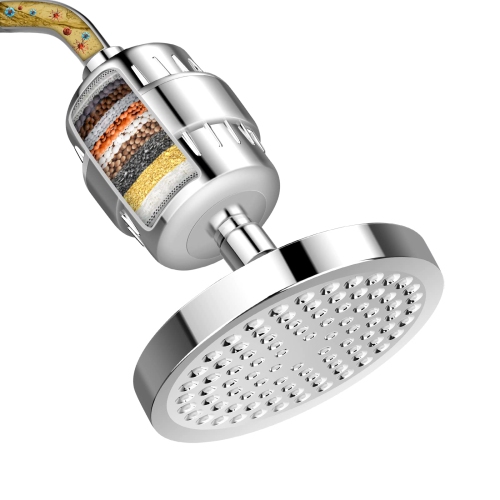

How spray style and reach shape your shower
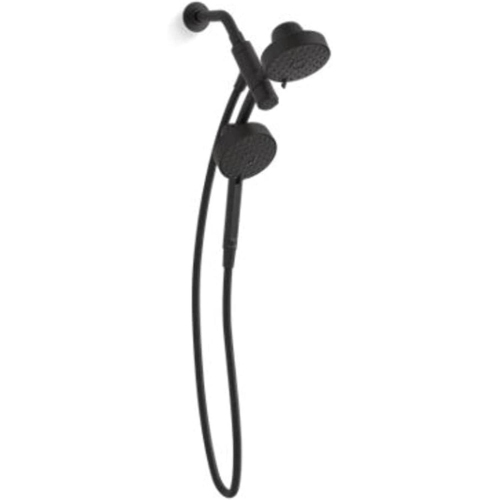
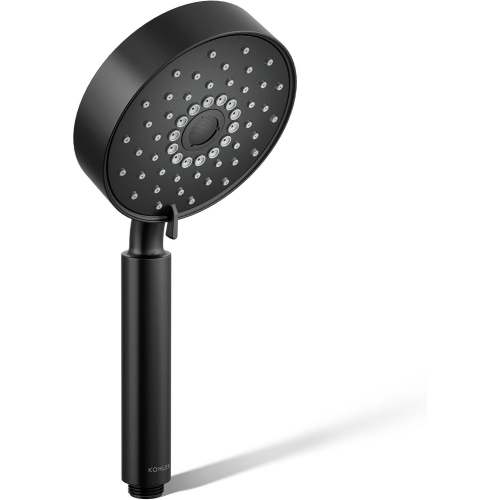
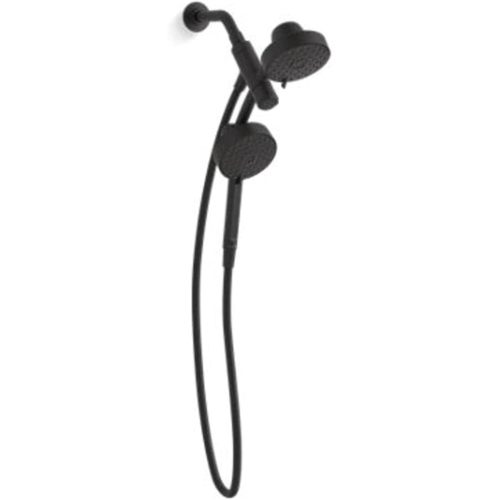
A shower head shapes the feel of an everyday shower, from the width of the spray across the shoulders to the ease of rinsing shampoo from thick hair. Replacement shower heads generally fall into three familiar styles: fixed heads that stay on the shower arm, handheld heads that lift out of a bracket, and combination designs that offer both. A fixed shower head keeps the setup simple and suits a bathroom where a consistent spray position is all that is needed. A handheld shower head adds reach, making it easier to rinse the far side of a bathtub, wash a child’s hair, or direct water while seated. Combination designs suit shared bathrooms where different people prefer different ways to shower, although their brackets and hose connections need enough room to sit comfortably above the taps. Rain shower heads typically provide a broad spray intended to fall from overhead, while smaller heads can offer a more concentrated spray area. Spray settings may range from a steady rinse to a gentler mist or pulsing massage pattern, depending on the design. The number of settings matters less than how useful those settings are in daily routines: a straightforward, easy-to-turn selector may be more practical than a wide range of patterns that rarely get used. Someone rinsing after a workout may prefer a direct spray, while someone washing long hair may value a handheld head that can reach close to the roots. In a family bathroom, controls that are easy to identify and operate with wet hands can make the routine smoother for everyone. Shower head size also affects how the fixture feels in the space. A broad face can suit an open shower enclosure, but a compact design may be easier to position in a narrow tub surround without sending water towards the curtain or door.
Fit depends on more than the appearance of the shower head. Many replacement shower heads use a standard 1/2-inch threaded connection, but the stated connection size and compatibility should still match the existing shower arm or hose. A wall-mounted arm, a ceiling-mounted outlet, and an adjustable rail each place the spray differently, so the intended mounting position matters. A large rain shower head attached to a short wall arm may not reach far enough into the enclosure to deliver the expected overhead spray. An extension arm can change that position, but its length, weight limits, and clearance need to suit the fixture. Handheld designs bring their own practical details: hose length determines reach, while bracket height affects whether the handle can be lifted out easily. A hose that hangs neatly in a full-height enclosure may rest against the tub floor in a smaller bathroom. For taller users, the combined height of the bracket and head can make a noticeable difference; for a seated user, a reachable holder and manageable handle weight may be more important. A shower head is separate from the valve that controls water temperature, so replacing the head alone does not add thermostatic control or change the existing tap arrangement. For a more integrated fixture layout, a Shower Column brings attention to the supporting assembly as well as the spray outlet, with configurations that vary in their mounting and plumbing requirements. Water delivery is another part of compatibility. Flow rate, usually expressed in litres per minute, describes water use rather than household water pressure. Spray performance depends on the head’s design, the available supply, and the condition of the plumbing. A head described as providing a stronger spray cannot correct every cause of weak flow, such as a restricted supply or a blocked pipe. Dual-outlet designs may divide the available flow when both outlets run together. Threaded joints and hose connections can also use different sealing methods, including washers or thread-sealing tape where specified by the manufacturer, making the supplied fittings and installation requirements worth checking before a replacement.
Materials and finishes influence both the look of a shower head and how it stands up to regular handling. Common construction materials include ABS plastic, brass, and stainless steel, sometimes used together within the same assembly. A metallic-looking finish does not necessarily mean the entire head is metal. Lightweight plastic can be comfortable in a handheld design, particularly during longer rinsing tasks, while metal components may offer a more substantial feel. Durability also depends on the quality of the joints, the hose, the selector mechanism, and the surface finish rather than weight alone. Chrome pairs easily with many existing taps and reflects light in a smaller bathroom, though water spots may be visible on its polished surface. Brushed finishes have a softer appearance, while matte black creates a stronger contrast against pale tile and may make dried mineral marks more noticeable. Matching the shower head to nearby taps, towel bars, and door hardware helps the room feel coordinated, but finish names are not always identical in tone across manufacturers. Care is especially relevant in homes with hard water, where mineral deposits can gradually collect around spray openings. Flexible nozzles can make routine cleaning easier, and a soft cloth helps remove residue without scratching the surface. Cleaning products should be suitable for the stated finish; acidic descalers, abrasive pads, and prolonged soaking can damage some coatings or components. Keeping the spray openings clear and checking the hose and connections for drips supports consistent performance over time. In a busy household, a smooth hose that wipes clean and a head with fewer awkward recesses can make bathroom upkeep less fussy. For a guest bathroom, a simple fixed spray may be easy for visitors to use without explanation. A handheld design can offer useful flexibility in a main bathroom, especially where the tub also serves for children’s baths or washing a muddy dog. As a practical housewarming gift, a shower head makes the most sense when the recipient’s fittings, preferred finish, and installation permissions are known. The most suitable choice fits the bathroom, feels comfortable to use, and makes ordinary routines easier without adding unnecessary complexity.
Fit depends on more than the appearance of the shower head. Many replacement shower heads use a standard 1/2-inch threaded connection, but the stated connection size and compatibility should still match the existing shower arm or hose. A wall-mounted arm, a ceiling-mounted outlet, and an adjustable rail each place the spray differently, so the intended mounting position matters. A large rain shower head attached to a short wall arm may not reach far enough into the enclosure to deliver the expected overhead spray. An extension arm can change that position, but its length, weight limits, and clearance need to suit the fixture. Handheld designs bring their own practical details: hose length determines reach, while bracket height affects whether the handle can be lifted out easily. A hose that hangs neatly in a full-height enclosure may rest against the tub floor in a smaller bathroom. For taller users, the combined height of the bracket and head can make a noticeable difference; for a seated user, a reachable holder and manageable handle weight may be more important. A shower head is separate from the valve that controls water temperature, so replacing the head alone does not add thermostatic control or change the existing tap arrangement. For a more integrated fixture layout, a Shower Column brings attention to the supporting assembly as well as the spray outlet, with configurations that vary in their mounting and plumbing requirements. Water delivery is another part of compatibility. Flow rate, usually expressed in litres per minute, describes water use rather than household water pressure. Spray performance depends on the head’s design, the available supply, and the condition of the plumbing. A head described as providing a stronger spray cannot correct every cause of weak flow, such as a restricted supply or a blocked pipe. Dual-outlet designs may divide the available flow when both outlets run together. Threaded joints and hose connections can also use different sealing methods, including washers or thread-sealing tape where specified by the manufacturer, making the supplied fittings and installation requirements worth checking before a replacement.
Materials and finishes influence both the look of a shower head and how it stands up to regular handling. Common construction materials include ABS plastic, brass, and stainless steel, sometimes used together within the same assembly. A metallic-looking finish does not necessarily mean the entire head is metal. Lightweight plastic can be comfortable in a handheld design, particularly during longer rinsing tasks, while metal components may offer a more substantial feel. Durability also depends on the quality of the joints, the hose, the selector mechanism, and the surface finish rather than weight alone. Chrome pairs easily with many existing taps and reflects light in a smaller bathroom, though water spots may be visible on its polished surface. Brushed finishes have a softer appearance, while matte black creates a stronger contrast against pale tile and may make dried mineral marks more noticeable. Matching the shower head to nearby taps, towel bars, and door hardware helps the room feel coordinated, but finish names are not always identical in tone across manufacturers. Care is especially relevant in homes with hard water, where mineral deposits can gradually collect around spray openings. Flexible nozzles can make routine cleaning easier, and a soft cloth helps remove residue without scratching the surface. Cleaning products should be suitable for the stated finish; acidic descalers, abrasive pads, and prolonged soaking can damage some coatings or components. Keeping the spray openings clear and checking the hose and connections for drips supports consistent performance over time. In a busy household, a smooth hose that wipes clean and a head with fewer awkward recesses can make bathroom upkeep less fussy. For a guest bathroom, a simple fixed spray may be easy for visitors to use without explanation. A handheld design can offer useful flexibility in a main bathroom, especially where the tub also serves for children’s baths or washing a muddy dog. As a practical housewarming gift, a shower head makes the most sense when the recipient’s fittings, preferred finish, and installation permissions are known. The most suitable choice fits the bathroom, feels comfortable to use, and makes ordinary routines easier without adding unnecessary complexity.
Top selling and popular products
-
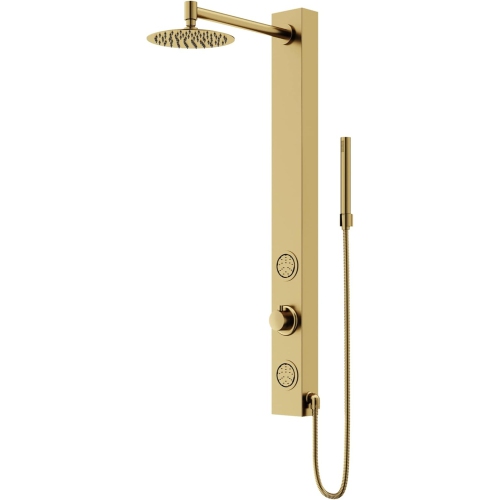 Your price for this item is $426.55
 -
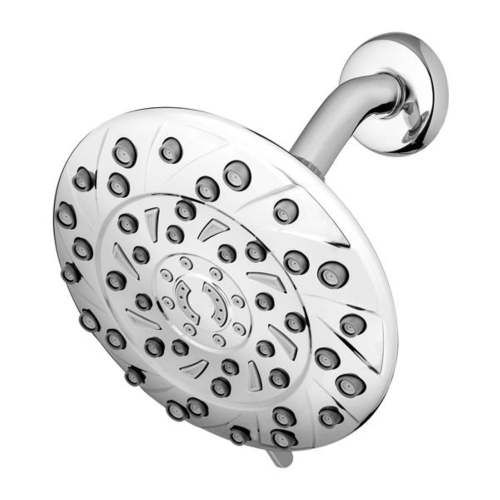 Your price for this item is $56.3
 -
 Your price for this item is $407.55
 -
 Your price for this item is $344.85
 -
 Your price for this item is $474.05
 -
 Your price for this item is $456
 -
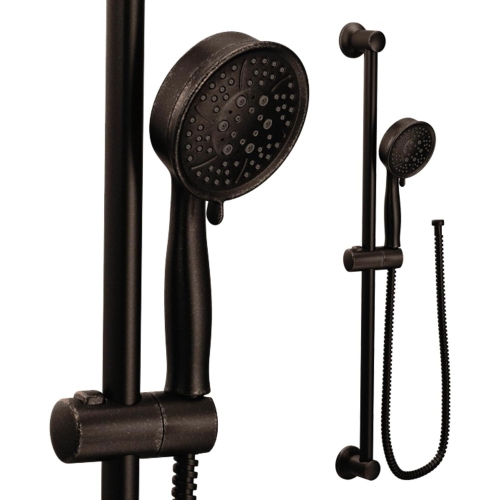 Your price for this item is $635.55
 -
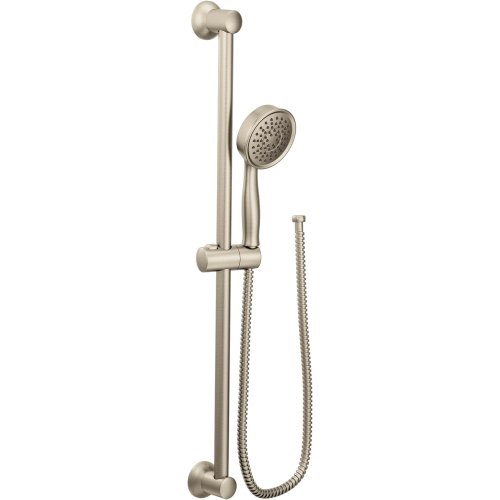 Your price for this item is $274.55
Discover more categories related to Shower Head

Top Collections:
Pokemon Centers, Kindle Devices, Best Budget Office Chairs, Apple iPhones 16, Best Laptops for Writers, iPhone 15 Apple, Canon G7X Cameras, Refurbished Apple Laptops, Alarm Clock, Motorola Razr Phones
Some products may be subject to Environmental Handling Fees
(EHF) depending on your province.
Learn more about EHFs.