Waterfall Shower Head
Elevate your daily routine with a Waterfall Shower Head, designed to bring a touch of luxury and relaxation to any bathroom. Explore a wide selection of styles and finishes that seamlessly blend with your décor while enhancing your shower experience. Whether you’re updating your space or completing a new build, finding the right Waterfall Shower Head can transform an ordinary shower into a rejuvenating escape. Discover options that combine modern design with easy installation for a refreshing upgrade to your home.
Sort
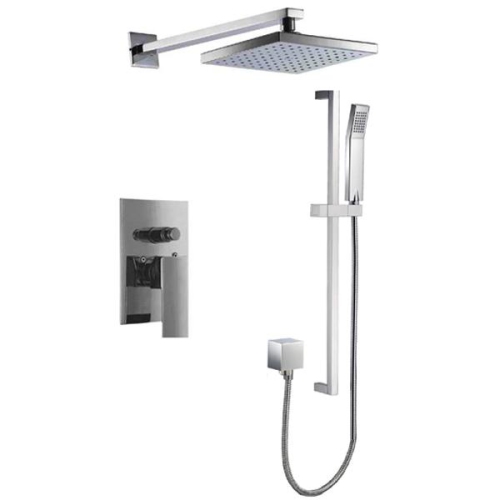
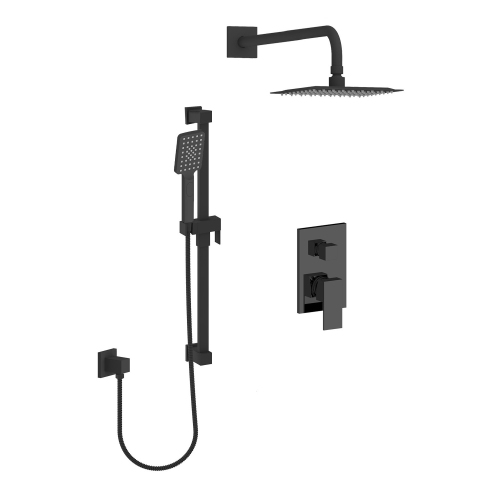
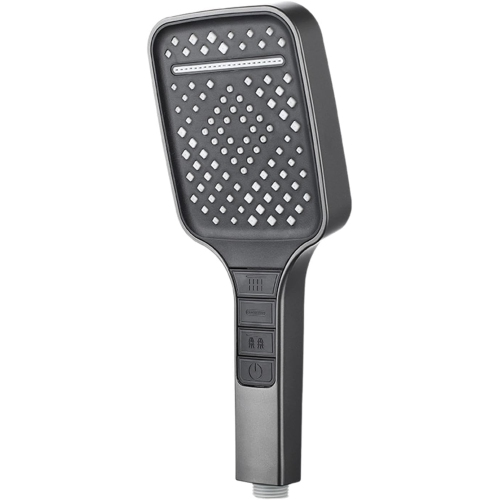
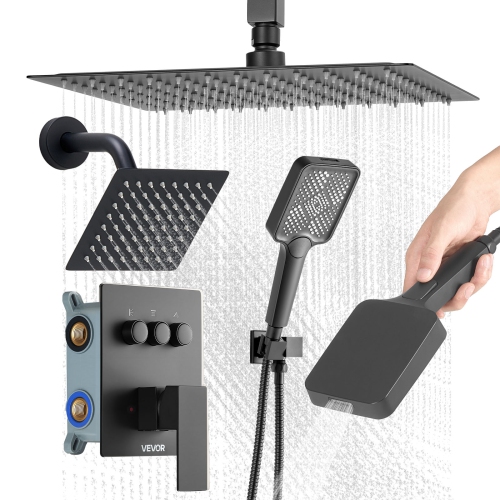

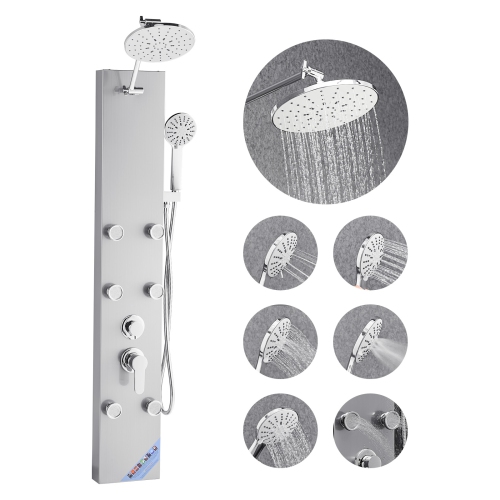
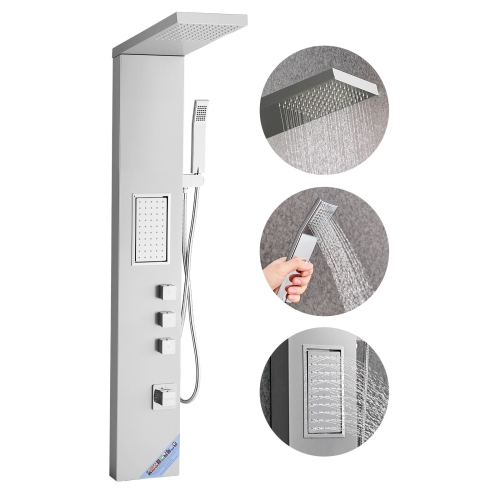
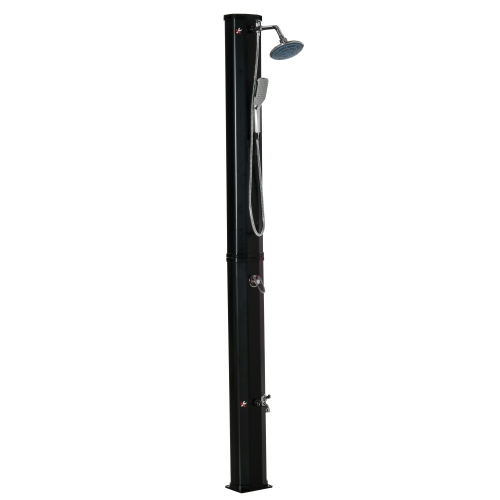
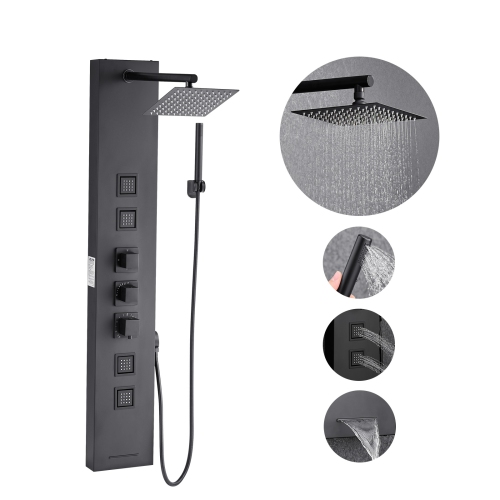
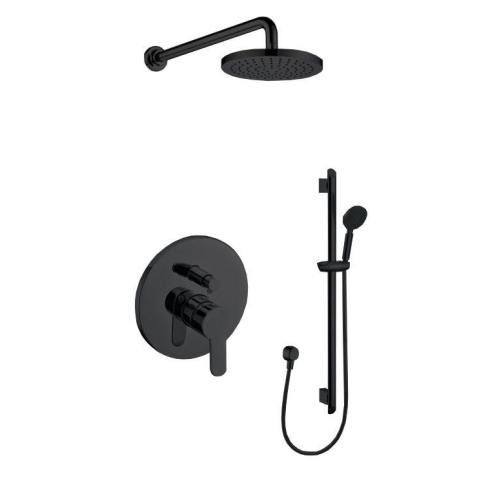
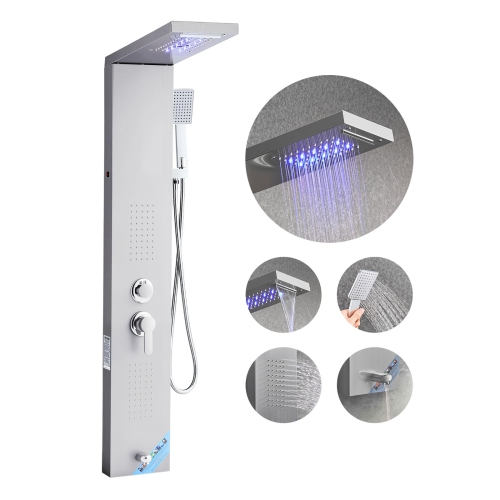
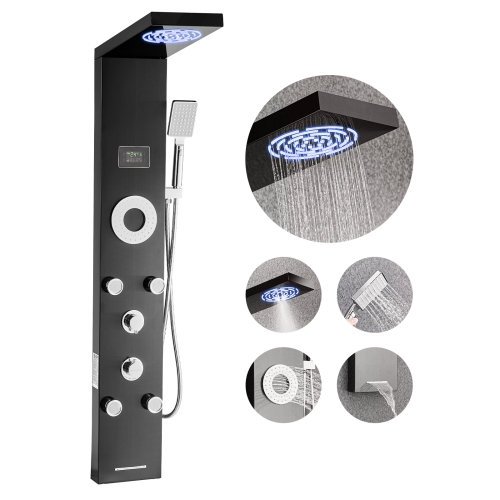
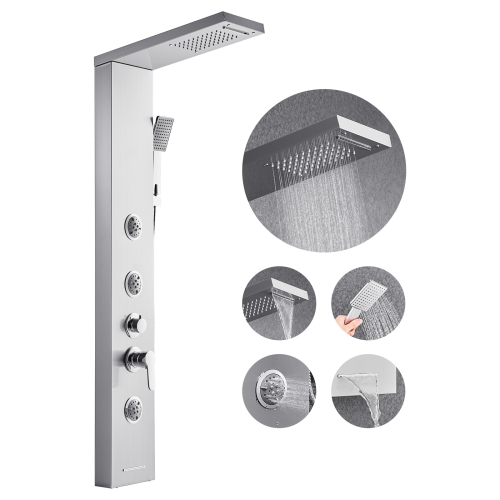

How a cascading flow differs from a rainfall spray
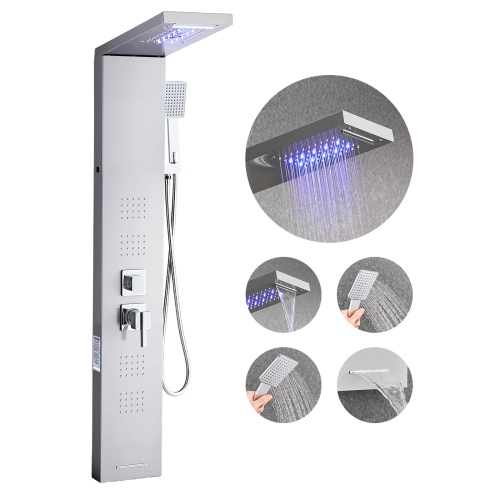
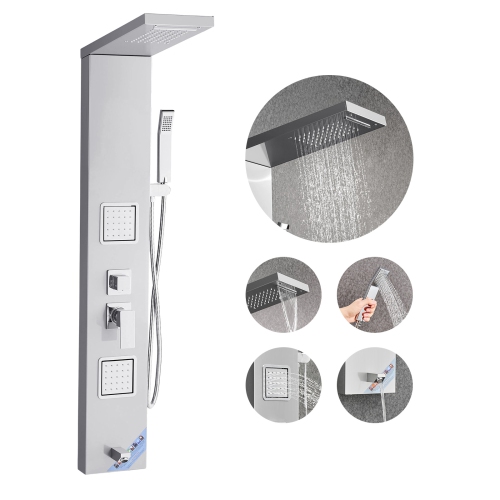
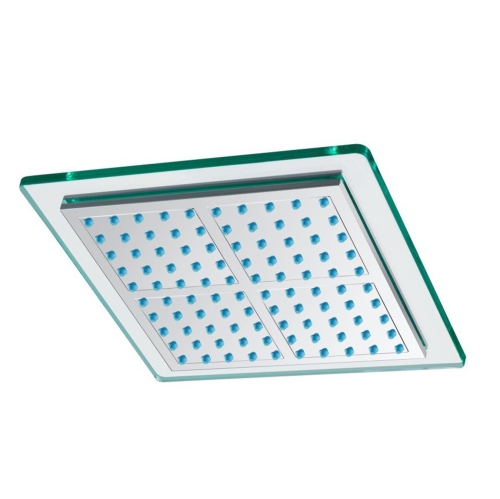
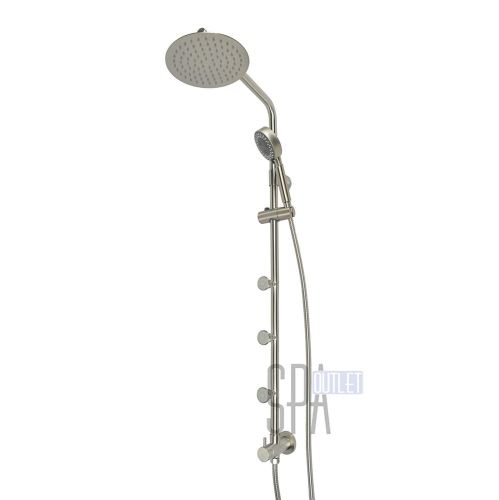
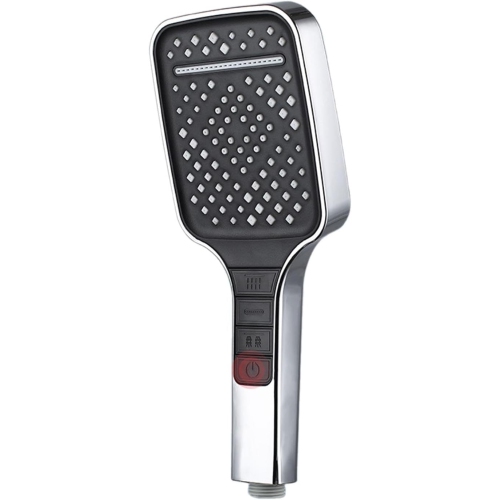
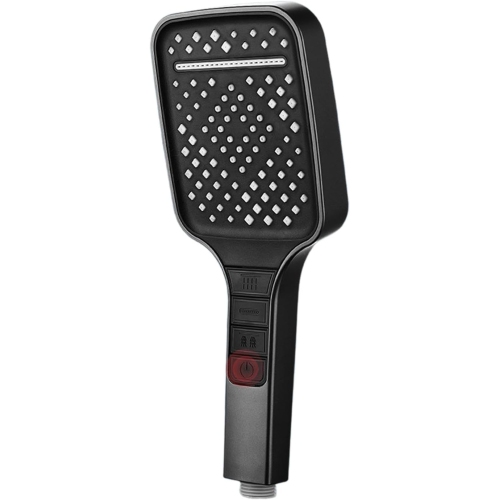
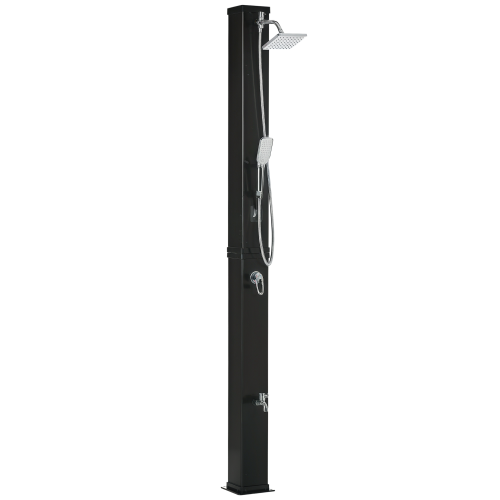
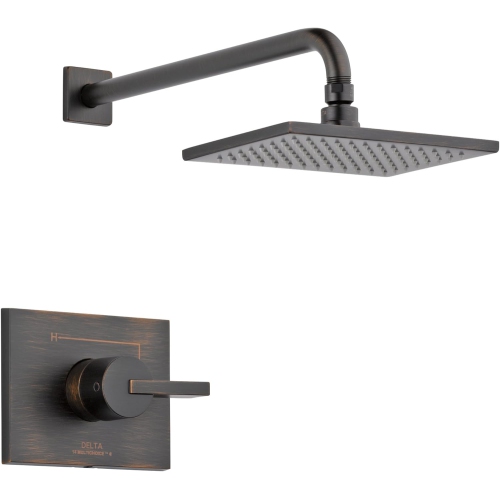
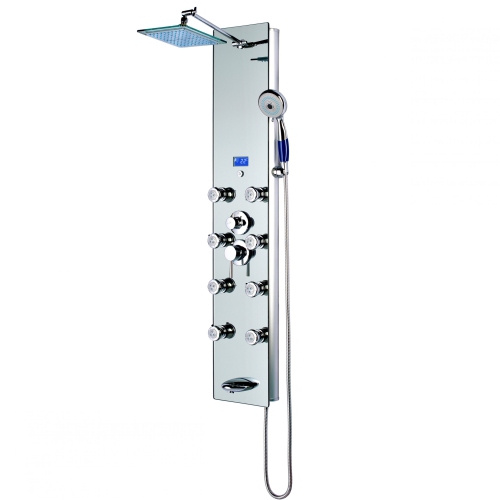
A waterfall shower head delivers water through a broad opening to create a sheet-like cascade, rather than the separate streams produced by a conventional spray head. This wider flow can give a shower a distinctive feel, with water falling across the shoulders or upper back in a continuous band. Waterfall and rainfall shower heads are sometimes described interchangeably, but their spray patterns are different: a true waterfall outlet produces a ribbon of water, while a rainfall head distributes water through multiple nozzles over a larger area. Some shower systems combine both patterns, letting the user alternate between an overhead spray and a cascading outlet. The strength and fullness of either pattern depend on the fixture’s design, its rated flow, and the home’s water supply; a wider head does not automatically create higher pressure. Waterfall shower heads suit bathrooms where the shower is both a practical part of the daily routine and a place to pause, whether in a compact ensuite or a larger walk-in enclosure. Their shapes range from slim rectangular outlets to broader overhead fixtures, with wall-mounted designs projecting into the shower and ceiling-mounted designs positioning the flow directly above. Some are standalone heads, while others form part of a shower panel or coordinated system with separate controls and a handheld attachment. The distinction matters for everyday use: an overhead cascade offers broad coverage, while a handheld spray can make targeted rinsing and cleaning the enclosure more convenient. For households where people prefer different spray sensations, selectable modes provide flexibility without making every shower feel the same. Shape alone does not determine the water pattern, either. A circular fixture may deliver rainfall, a concentrated spray, or several settings, so Round Shower Heads offer another design direction for bathrooms with curved taps and accessories. The outlet description and spray settings give a clearer picture of the experience than the silhouette alone.
Fit involves more than matching a shower head to an existing connection. The position of the outlet, its projection from the wall, and the height of the shower arm all affect where the water lands and how comfortably someone can stand beneath it. In a shallow enclosure, a long projecting head can place the cascade too close to the door; in a deeper shower, a short wall-mounted outlet may leave the user standing near the controls. Clearance also matters for taller users and for anyone who prefers to keep their hair out of the stream during a quick rinse. Adjustable joints can help direct some shower heads, but fixed waterfall outlets offer less flexibility once installed. A replacement head designed for an exposed shower arm is a different undertaking from a recessed ceiling fixture or a panel that connects to multiple supply points. Connection size, thread compatibility, mounting requirements, and included fittings should align with the existing setup, rather than being assumed from appearance. Larger or heavier fixtures may also need support beyond what an existing arm can safely carry. Systems with waterfall outlets, body sprays, and a handheld attachment introduce another consideration: whether those functions operate separately or together. Running several outlets at once increases the demand on the water supply and may reduce the fullness of each stream. Rated flow and operating pressure requirements are useful specifications, especially in a home where shower performance already changes when another tap is running. A broad cascade needs adequate water volume as well as suitable pressure to maintain its intended pattern. Changes to concealed plumbing, valves, or structural mounting are best assessed by a qualified plumber. For a shared bathroom, reachable controls and an accessible handheld attachment can make the setup more practical for users of different heights or mobility needs. A fixed overhead waterfall head by itself may be less convenient for seated showering, washing a child’s hair, or rinsing only part of the body.
Materials and finish influence both the appearance of a waterfall shower head and how it holds up to regular use. Stainless steel and brass are common choices for metal components, while some designs use plated plastic for a lighter construction. A fixture’s exterior finish does not necessarily reveal the material underneath, and durability also depends on the quality of its joints, seals, internal parts, and mounting hardware. Chrome provides a bright, reflective surface that pairs easily with many bathroom fittings, while brushed finishes soften reflections and may make small water marks less noticeable. Matte black creates a defined outline against pale tile, though mineral residue can be more visible on a dark surface. Matching the finish to taps, door handles, and towel bars creates a coordinated bathroom without requiring every piece to have the same shape. Care requirements deserve equal attention, particularly where hard water leaves deposits around outlets. Mineral buildup can interrupt a sheet-like flow, causing uneven edges or separate streams where the cascade should be continuous. Accessible outlet slots and flexible nozzles, where fitted, can make routine cleaning easier. A soft cloth and a manufacturer-approved cleaning method help protect the surface; abrasive pads and strong cleaners may damage plating or coatings. Acidic descaling solutions are not suitable for every finish, so care directions matter before treating stubborn residue. Periodic checks around connections can also reveal small leaks before they leave persistent marks on the shower wall. For a bathroom used several times a day, straightforward controls, accessible cleaning surfaces, and serviceable parts can matter more over time than an elaborate set of spray modes. A waterfall shower head can be a thoughtful housewarming or renovation gift when the recipient’s preferred finish and plumbing compatibility are already known, but it is rarely a one-size-fits-all accessory. The most satisfying fit brings together a comfortable water pattern, suitable proportions, and a construction that matches the demands of the household, giving the shower a distinct character without sacrificing everyday usefulness.
Fit involves more than matching a shower head to an existing connection. The position of the outlet, its projection from the wall, and the height of the shower arm all affect where the water lands and how comfortably someone can stand beneath it. In a shallow enclosure, a long projecting head can place the cascade too close to the door; in a deeper shower, a short wall-mounted outlet may leave the user standing near the controls. Clearance also matters for taller users and for anyone who prefers to keep their hair out of the stream during a quick rinse. Adjustable joints can help direct some shower heads, but fixed waterfall outlets offer less flexibility once installed. A replacement head designed for an exposed shower arm is a different undertaking from a recessed ceiling fixture or a panel that connects to multiple supply points. Connection size, thread compatibility, mounting requirements, and included fittings should align with the existing setup, rather than being assumed from appearance. Larger or heavier fixtures may also need support beyond what an existing arm can safely carry. Systems with waterfall outlets, body sprays, and a handheld attachment introduce another consideration: whether those functions operate separately or together. Running several outlets at once increases the demand on the water supply and may reduce the fullness of each stream. Rated flow and operating pressure requirements are useful specifications, especially in a home where shower performance already changes when another tap is running. A broad cascade needs adequate water volume as well as suitable pressure to maintain its intended pattern. Changes to concealed plumbing, valves, or structural mounting are best assessed by a qualified plumber. For a shared bathroom, reachable controls and an accessible handheld attachment can make the setup more practical for users of different heights or mobility needs. A fixed overhead waterfall head by itself may be less convenient for seated showering, washing a child’s hair, or rinsing only part of the body.
Materials and finish influence both the appearance of a waterfall shower head and how it holds up to regular use. Stainless steel and brass are common choices for metal components, while some designs use plated plastic for a lighter construction. A fixture’s exterior finish does not necessarily reveal the material underneath, and durability also depends on the quality of its joints, seals, internal parts, and mounting hardware. Chrome provides a bright, reflective surface that pairs easily with many bathroom fittings, while brushed finishes soften reflections and may make small water marks less noticeable. Matte black creates a defined outline against pale tile, though mineral residue can be more visible on a dark surface. Matching the finish to taps, door handles, and towel bars creates a coordinated bathroom without requiring every piece to have the same shape. Care requirements deserve equal attention, particularly where hard water leaves deposits around outlets. Mineral buildup can interrupt a sheet-like flow, causing uneven edges or separate streams where the cascade should be continuous. Accessible outlet slots and flexible nozzles, where fitted, can make routine cleaning easier. A soft cloth and a manufacturer-approved cleaning method help protect the surface; abrasive pads and strong cleaners may damage plating or coatings. Acidic descaling solutions are not suitable for every finish, so care directions matter before treating stubborn residue. Periodic checks around connections can also reveal small leaks before they leave persistent marks on the shower wall. For a bathroom used several times a day, straightforward controls, accessible cleaning surfaces, and serviceable parts can matter more over time than an elaborate set of spray modes. A waterfall shower head can be a thoughtful housewarming or renovation gift when the recipient’s preferred finish and plumbing compatibility are already known, but it is rarely a one-size-fits-all accessory. The most satisfying fit brings together a comfortable water pattern, suitable proportions, and a construction that matches the demands of the household, giving the shower a distinct character without sacrificing everyday usefulness.
Top selling and popular products
-
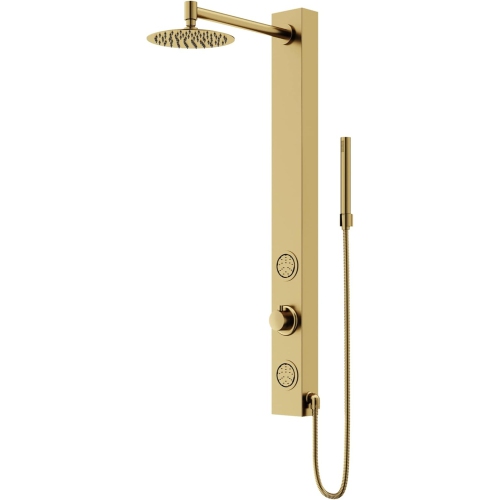 Your price for this item is $426.55
 -
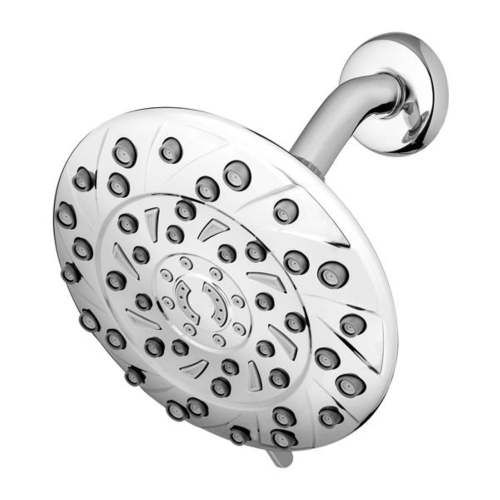 Your price for this item is $56.3
 -
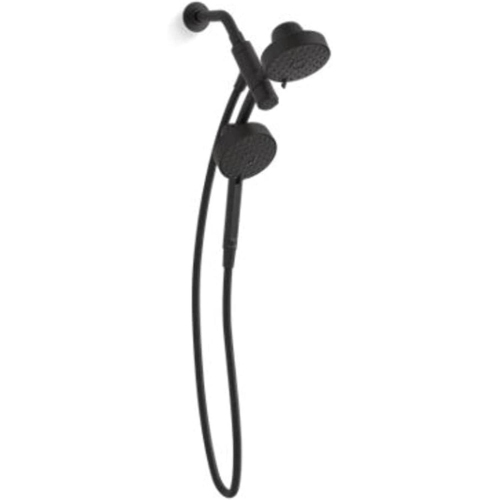 Your price for this item is $407.55
 -
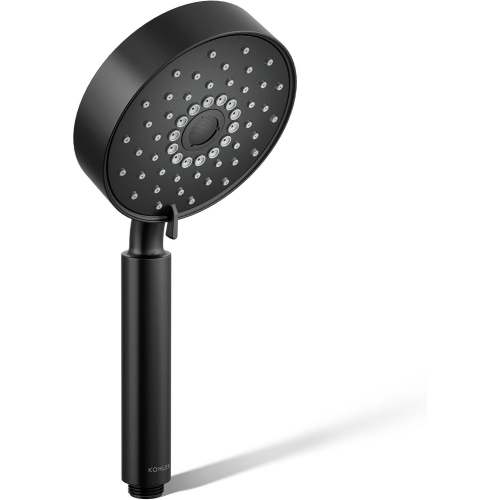 Your price for this item is $344.85
 -
 Your price for this item is $474.05
 -
 Your price for this item is $456
 -
 Your price for this item is $635.55
 -
 Your price for this item is $274.55
Discover more categories related to Waterfall Shower Head
Top Collections:
Pokemon Centers, Kindle Devices, Best Budget Office Chairs, Apple iPhones 16, Best Laptops for Writers, iPhone 15 Apple, Canon G7X Cameras, Refurbished Apple Laptops, Alarm Clock, Motorola Razr Phones
Some products may be subject to Environmental Handling Fees
(EHF) depending on your province.
Learn more about EHFs.