Side Awnings
Enhance your outdoor living space with the perfect side awning. Whether you're looking to create a cozy nook for relaxation or seeking privacy from prying eyes, our collection of side awnings has got you covered. Designed to effortlessly blend functionality and style, these versatile additions are ideal for patios, decks, balconies, and more.
Sort
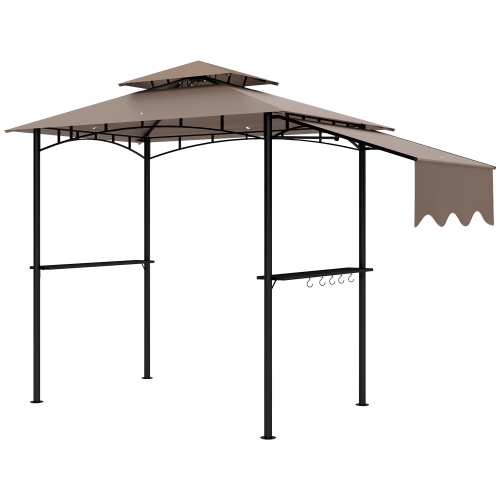
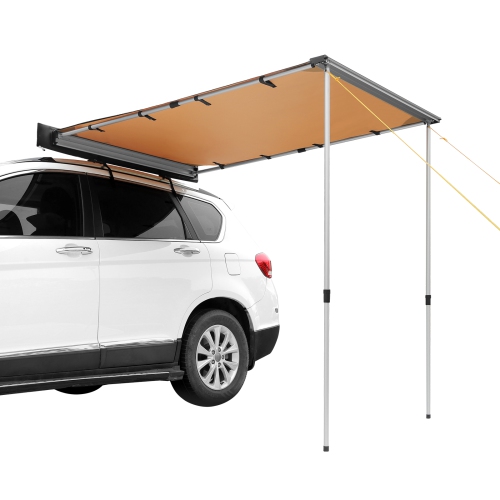
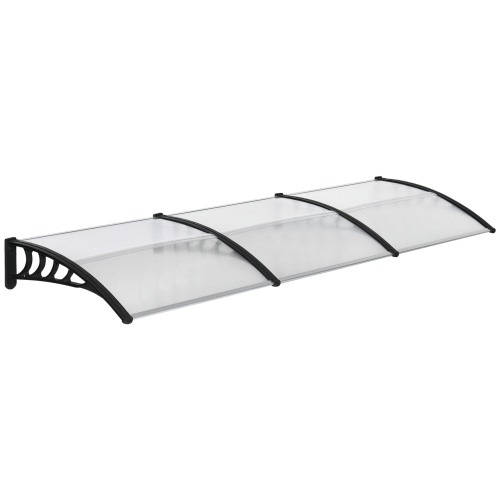
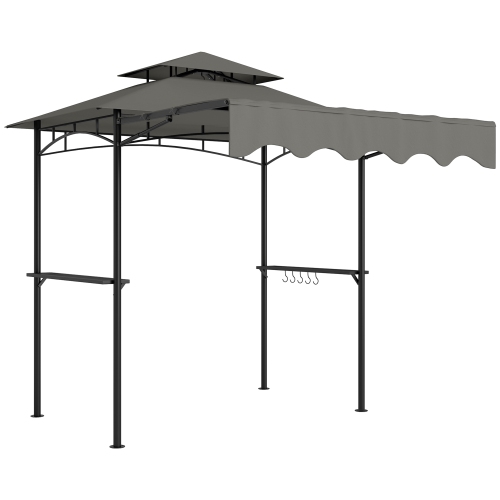
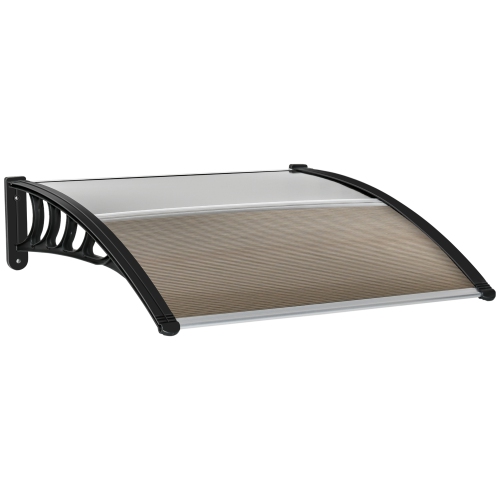
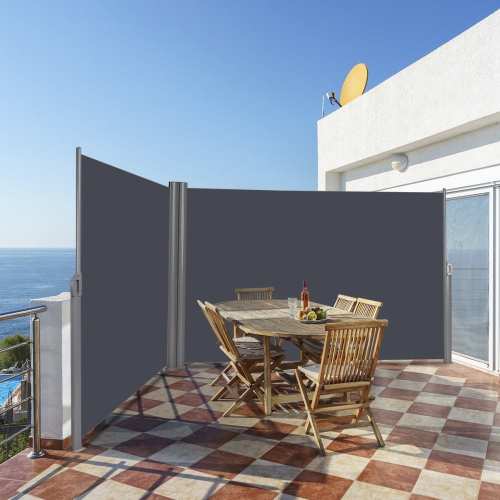
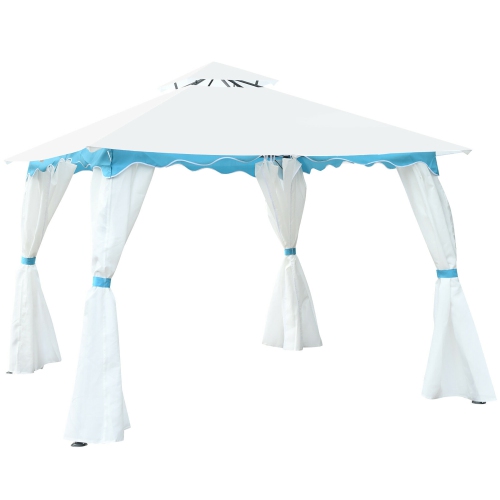
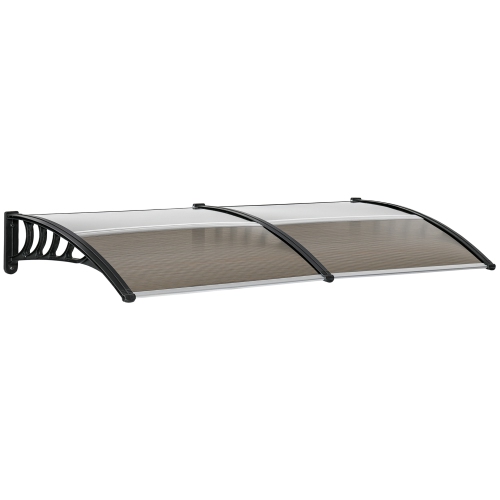
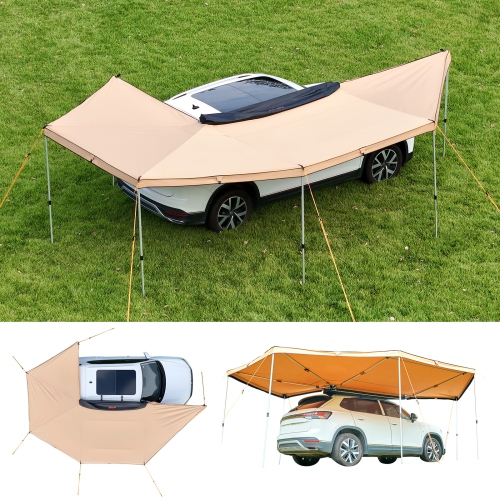
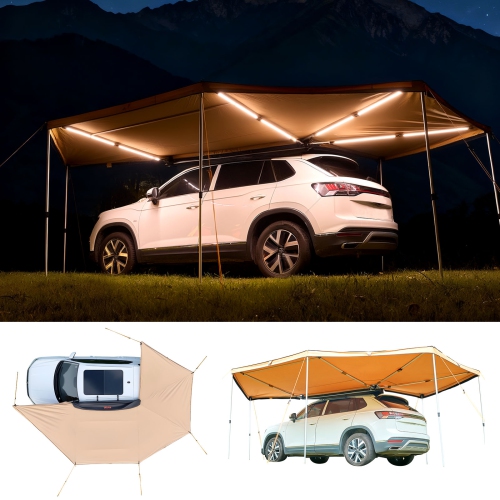
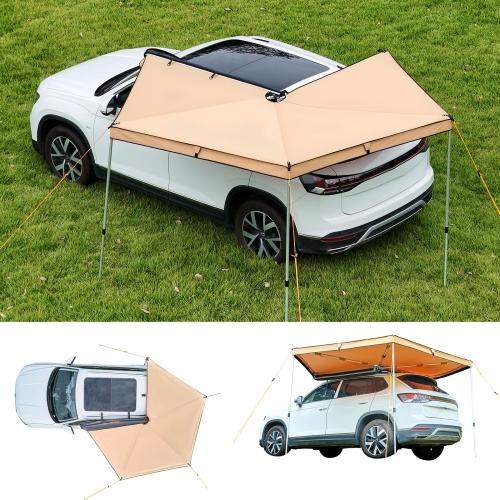
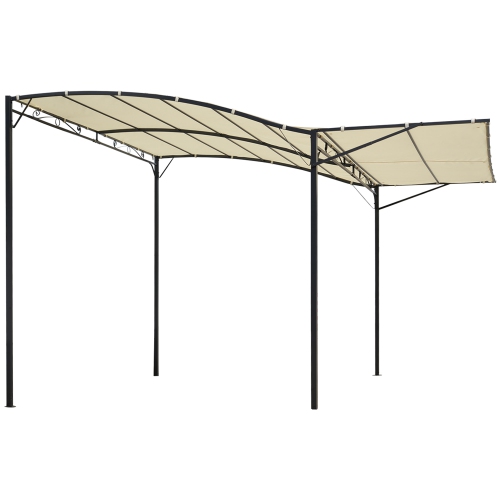
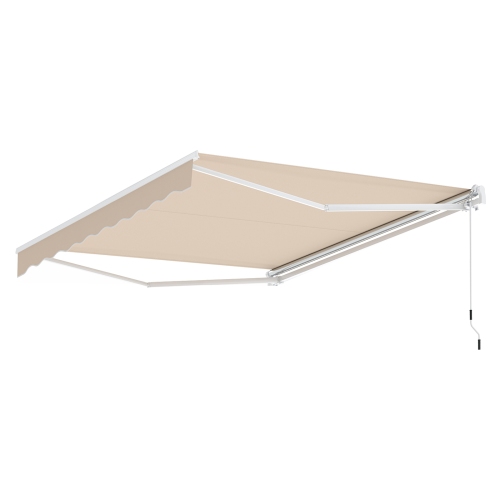
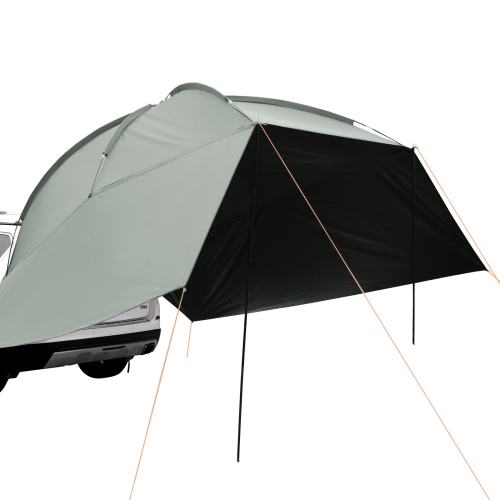

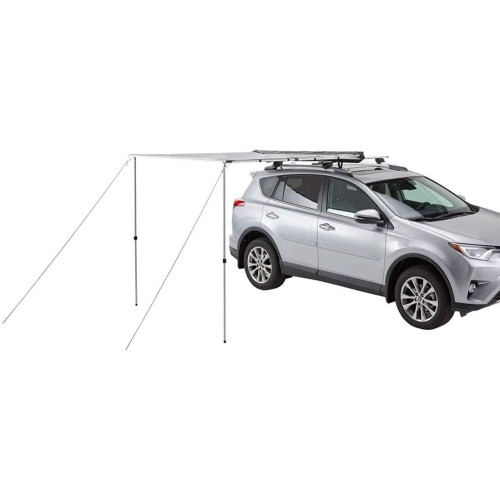
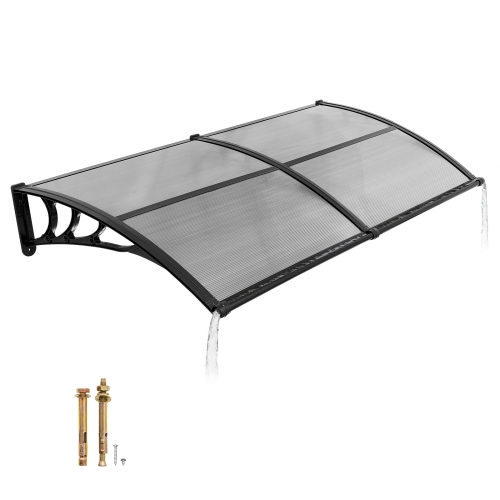
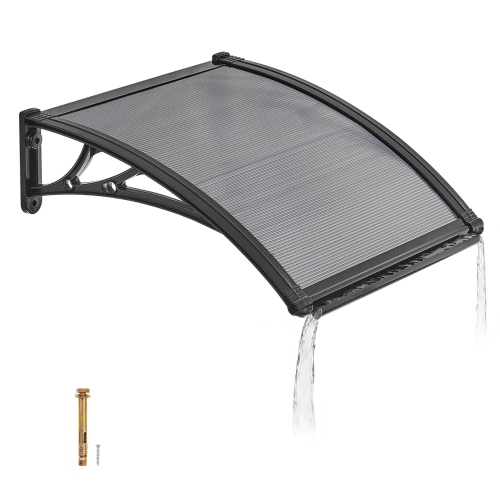
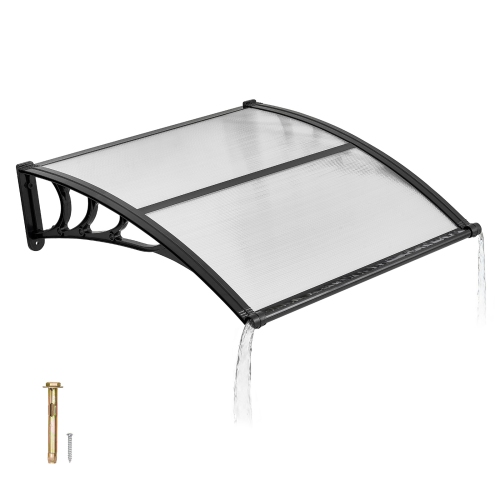
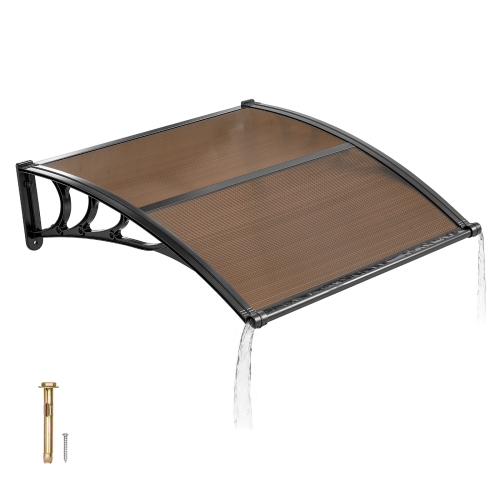
More patio privacy without permanent walls
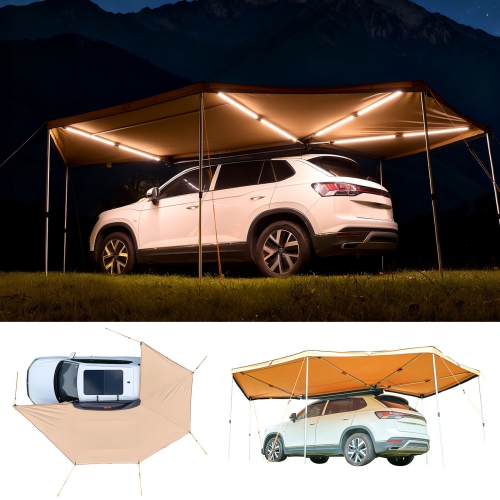
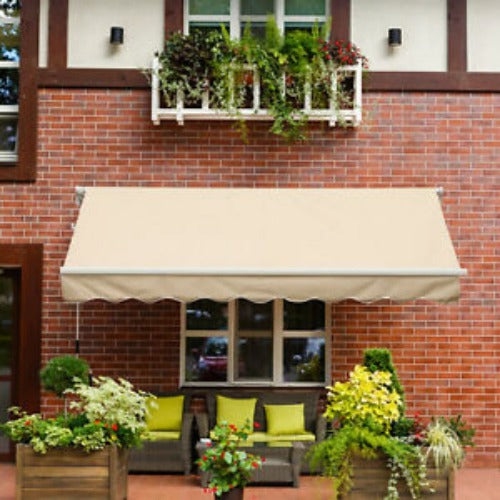
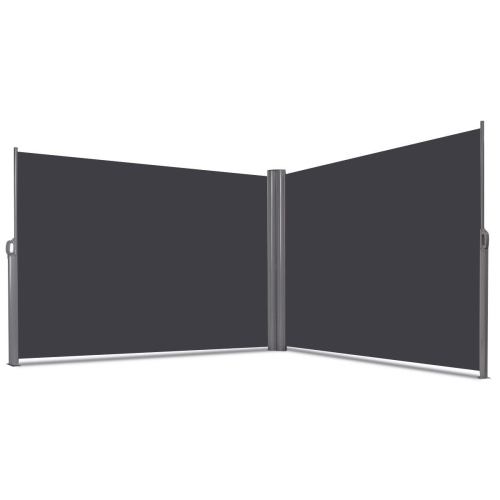
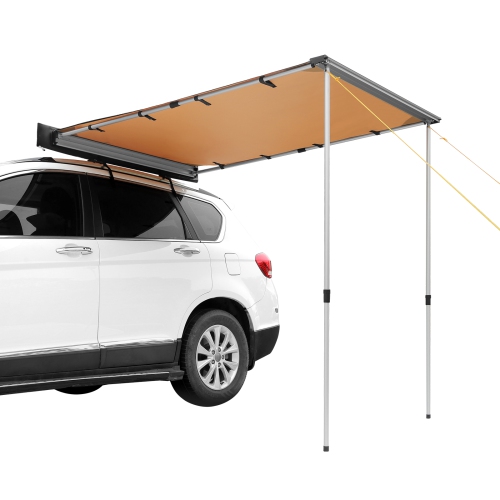
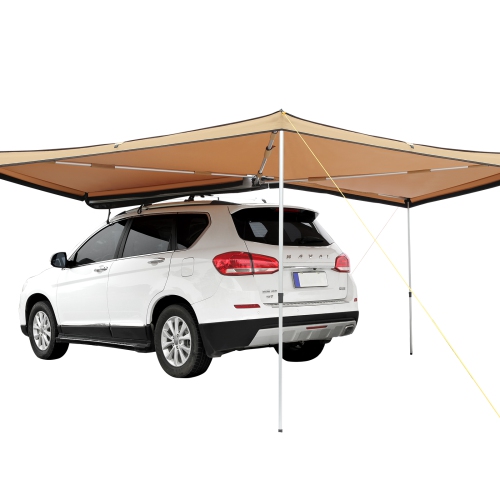
Side awnings are vertical screens that add privacy, reduce low-angle sunlight, and help shelter outdoor seating areas from light breezes. Often used along the open edge of a patio, deck, or terrace, they create a more defined space without enclosing it with permanent walls. A screen beside a dining table can soften the glare of late-afternoon sun, while one beside a lounge chair can interrupt a direct sightline from a neighbouring property. Unlike an overhead canopy, a residential side awning extends sideways rather than out above the seating area. Retractable designs typically store the fabric inside a protective housing, sometimes called a cassette, with a handle that pulls across to a receiving post or bracket. Many use a spring-loaded roller to draw the fabric back into the housing when released and guided by hand. Fixed designs remain in position, making them better suited to spaces where an ongoing divider is wanted. Single retractable screens cover one opening, while double retractable designs use two fabric panels to divide a wider area or screen two directions, depending on their mounting arrangement. The right layout depends as much on how the space is used as on its dimensions. A narrow balcony may need privacy along just one side, whereas a larger patio might benefit from a divider between a dining area and a nearby walkway. Renters, condominium residents, and homeowners should confirm any restrictions on exterior attachments before choosing a mounting style. Side awnings can also complement shade awnings when an outdoor space needs both overhead coverage and protection from sunlight coming in at an angle. Together, these structures can make a seating arrangement feel more comfortable, but their roles remain different: a side screen addresses exposure from the side rather than providing a roof over the space. The term also appears in vehicle accessories, where a roof-rack-mounted side awning generally extends outward to create overhead shelter beside a parked vehicle. Those designs have different mounting requirements and should not be confused with residential privacy screens.
Fabric and frame construction influence how a side awning looks, handles, and holds up outdoors. Polyester is a common screen material because it can be woven into a substantial fabric that rolls neatly into a housing. Fabric weight, often expressed in grams per square metre, gives some indication of its density, but weight alone does not establish tear strength, opacity, or sun protection. The weave, coating, stitching, and edge reinforcement all contribute to performance. A tightly woven panel may offer greater visual privacy than an open weave, although silhouettes can still be visible when the screened area is brightly lit from behind. Polyurethane or other protective coatings may improve water resistance, but water-resistant fabric is not necessarily waterproof. A vertical screen also cannot keep rain from entering over the top or around the sides. Where sun protection is important, a stated ultraviolet protection rating is more useful than assuming that a dark or thick fabric will provide a particular level of protection. Colour affects the overall appearance of the space: pale grey or beige can sit quietly against light siding, while charcoal can create a stronger boundary beside paving stones or a metal railing. The frame deserves equal attention. Aluminum is relatively lightweight and resists rust, while powder-coated steel can provide a sturdy structure when its protective finish remains intact. Fasteners, brackets, the receiving post, and the housing all need to suit the installation location, especially where moisture or salt exposure may accelerate corrosion. For fit, measure the intended screen height and the full distance between mounting points, then check the specified usable extension rather than relying only on the overall dimensions. Leave room for the housing, handle, brackets, and any clearance required to operate the panel. A screen that fits on paper can still obstruct a door swing, a step, or the route between a table and the garden. Mounting into masonry, wood framing, or a suitable concrete base requires different hardware and preparation. Deck boards, thin cladding, and balcony rails should not be assumed to provide adequate support; the mounting surface must meet the awning manufacturer’s requirements.
Everyday convenience often comes down to how easily the screen can be opened, secured, and put away. A comfortable handle and an accessible latch matter when the awning is used frequently, particularly if the receiving post sits behind a chair or close to a planter. With a spring-loaded design, controlled retraction helps prevent the handle from snapping back and keeps the fabric tracking properly into its housing. Furniture should leave a clear path for both the person operating the awning and the moving panel. For shared patios or compact outdoor spaces, a retractable divider offers flexibility: it can create privacy during a meal and disappear when an open layout is preferred. It is not a safety barrier, however, and cannot replace a guardrail, pool fence, or other required protective structure. Children and pets should be kept clear of moving parts, and fabric panels should remain well away from barbecues, fire pits, heaters, and other heat sources. Wind exposure is another important consideration because a broad vertical panel catches moving air. Side awnings may reduce an occasional light breeze, but they are not storm barriers; follow any stated wind limits and retract them when conditions exceed the intended use or when they will be left unattended. Snow and ice can damage fabric and mechanisms, so cold-weather storage and operating limits should follow the manufacturer’s directions. Routine care is usually straightforward: remove loose dirt with a soft brush, clean permitted surfaces with mild soap and water, and avoid harsh chemicals or abrasive tools unless specifically approved. Let the fabric dry fully before leaving it rolled up for an extended period, since trapped moisture can encourage mildew and odours. Periodically check brackets, fixings, seams, and latches for looseness or wear, and keep the housing opening free of debris. A well-fitted side awning with suitable materials and manageable care requirements can give an outdoor reading corner, breakfast table, or conversation area a useful sense of separation while preserving the option of a more open space.
Fabric and frame construction influence how a side awning looks, handles, and holds up outdoors. Polyester is a common screen material because it can be woven into a substantial fabric that rolls neatly into a housing. Fabric weight, often expressed in grams per square metre, gives some indication of its density, but weight alone does not establish tear strength, opacity, or sun protection. The weave, coating, stitching, and edge reinforcement all contribute to performance. A tightly woven panel may offer greater visual privacy than an open weave, although silhouettes can still be visible when the screened area is brightly lit from behind. Polyurethane or other protective coatings may improve water resistance, but water-resistant fabric is not necessarily waterproof. A vertical screen also cannot keep rain from entering over the top or around the sides. Where sun protection is important, a stated ultraviolet protection rating is more useful than assuming that a dark or thick fabric will provide a particular level of protection. Colour affects the overall appearance of the space: pale grey or beige can sit quietly against light siding, while charcoal can create a stronger boundary beside paving stones or a metal railing. The frame deserves equal attention. Aluminum is relatively lightweight and resists rust, while powder-coated steel can provide a sturdy structure when its protective finish remains intact. Fasteners, brackets, the receiving post, and the housing all need to suit the installation location, especially where moisture or salt exposure may accelerate corrosion. For fit, measure the intended screen height and the full distance between mounting points, then check the specified usable extension rather than relying only on the overall dimensions. Leave room for the housing, handle, brackets, and any clearance required to operate the panel. A screen that fits on paper can still obstruct a door swing, a step, or the route between a table and the garden. Mounting into masonry, wood framing, or a suitable concrete base requires different hardware and preparation. Deck boards, thin cladding, and balcony rails should not be assumed to provide adequate support; the mounting surface must meet the awning manufacturer’s requirements.
Everyday convenience often comes down to how easily the screen can be opened, secured, and put away. A comfortable handle and an accessible latch matter when the awning is used frequently, particularly if the receiving post sits behind a chair or close to a planter. With a spring-loaded design, controlled retraction helps prevent the handle from snapping back and keeps the fabric tracking properly into its housing. Furniture should leave a clear path for both the person operating the awning and the moving panel. For shared patios or compact outdoor spaces, a retractable divider offers flexibility: it can create privacy during a meal and disappear when an open layout is preferred. It is not a safety barrier, however, and cannot replace a guardrail, pool fence, or other required protective structure. Children and pets should be kept clear of moving parts, and fabric panels should remain well away from barbecues, fire pits, heaters, and other heat sources. Wind exposure is another important consideration because a broad vertical panel catches moving air. Side awnings may reduce an occasional light breeze, but they are not storm barriers; follow any stated wind limits and retract them when conditions exceed the intended use or when they will be left unattended. Snow and ice can damage fabric and mechanisms, so cold-weather storage and operating limits should follow the manufacturer’s directions. Routine care is usually straightforward: remove loose dirt with a soft brush, clean permitted surfaces with mild soap and water, and avoid harsh chemicals or abrasive tools unless specifically approved. Let the fabric dry fully before leaving it rolled up for an extended period, since trapped moisture can encourage mildew and odours. Periodically check brackets, fixings, seams, and latches for looseness or wear, and keep the housing opening free of debris. A well-fitted side awning with suitable materials and manageable care requirements can give an outdoor reading corner, breakfast table, or conversation area a useful sense of separation while preserving the option of a more open space.
Top selling and popular products
-
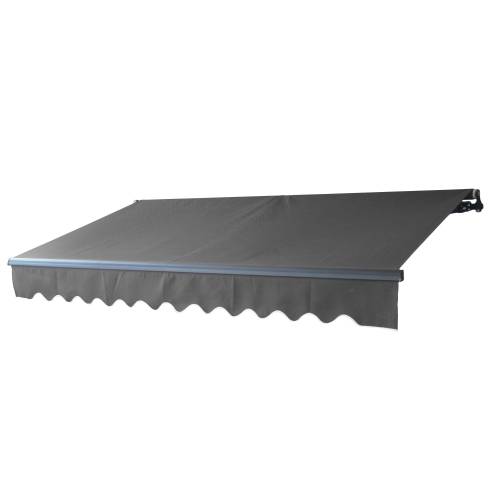 Your price for this item is $819
 -
 Your price for this item is $625
 -
 Your price for this item is $749
 -
 Your price for this item is $176
 -
 Your price for this item is $819
 -
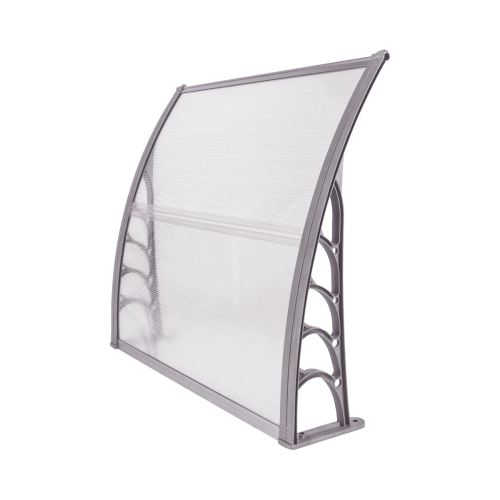 Your price for this item is $68.99
 -
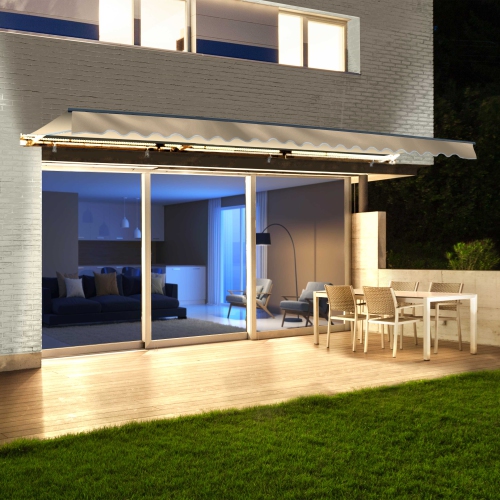 Your price for this item is $1029
 -
 Your price for this item is $321.99
Discover more categories related to Side Awnings
Top Collections:
Pokemon Centers, Kindle Devices, Best Budget Office Chairs, Apple iPhones 16, Canon G7X Cameras, iPhone 15 Apple, Alarm Clock, Refurbished Apple Laptops, Flip Phones, Best Laptops for Writers
Some products may be subject to Environmental Handling Fees
(EHF) depending on your province.
Learn more about EHFs.