Door Awnings
Enhance the curb appeal of your home while providing protection from the elements with our selection of door awnings. These stylish and functional additions are perfect for adding a touch of sophistication to your entryway, all while keeping you sheltered from rain, snow, and harsh sunlight. Whether you're looking for a modern metal design or a classic fabric option, we have a variety of door awnings to suit your style and needs. Explore our collection today and elevate the look and functionality of your home's exterior.
Sort
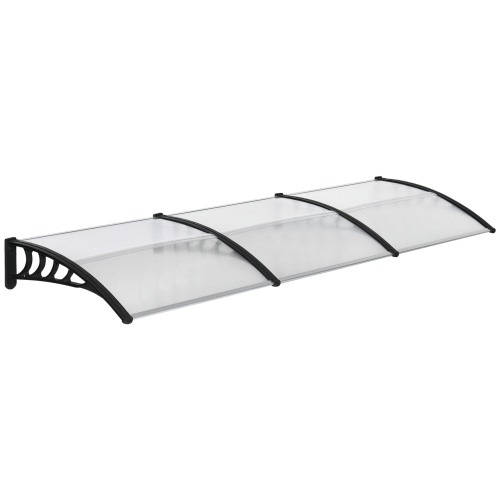
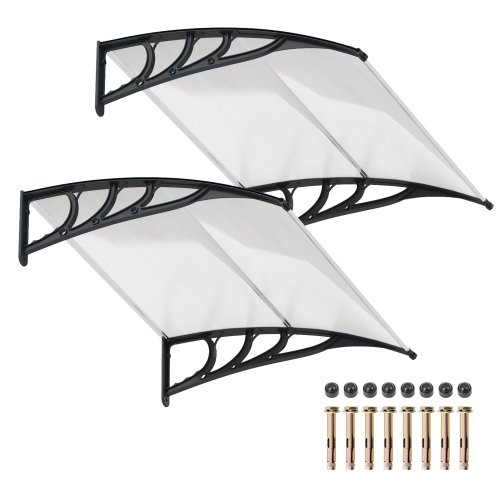
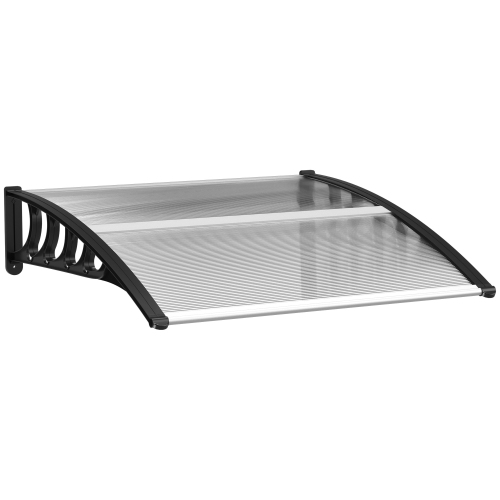
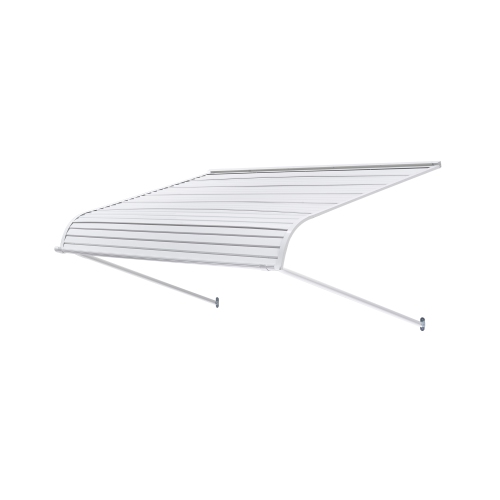
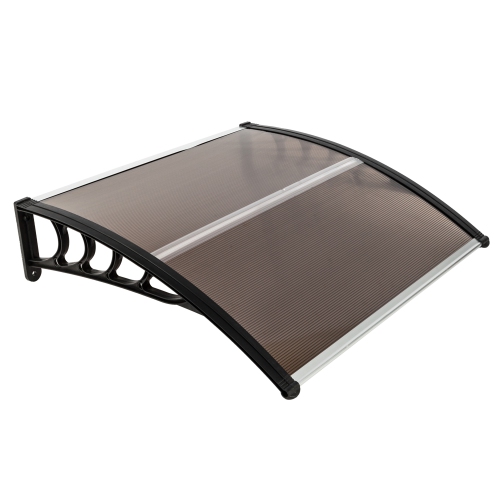
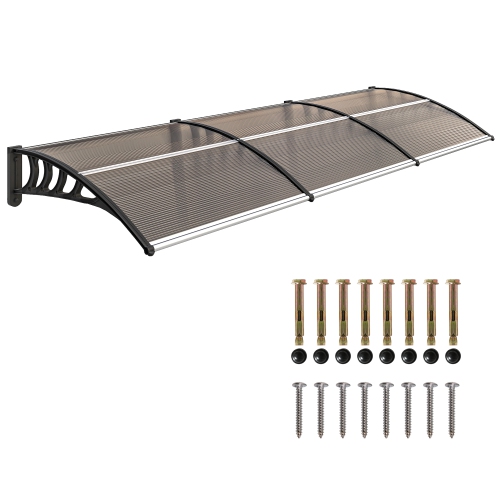
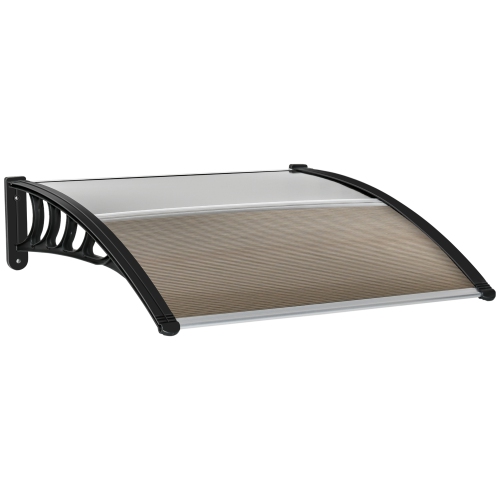
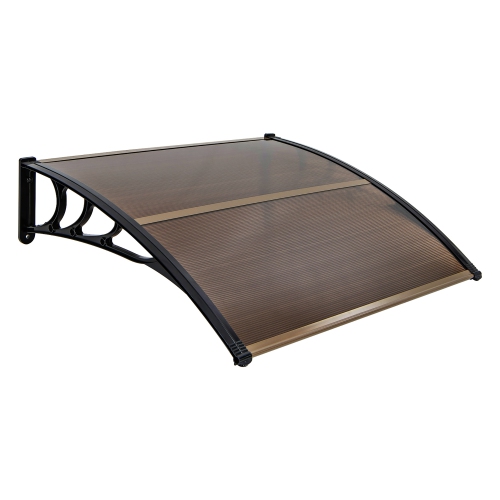
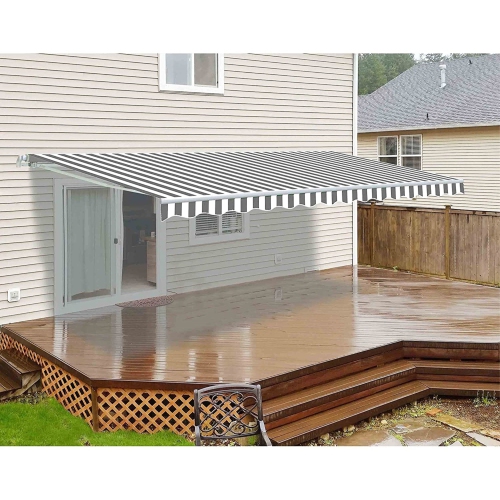
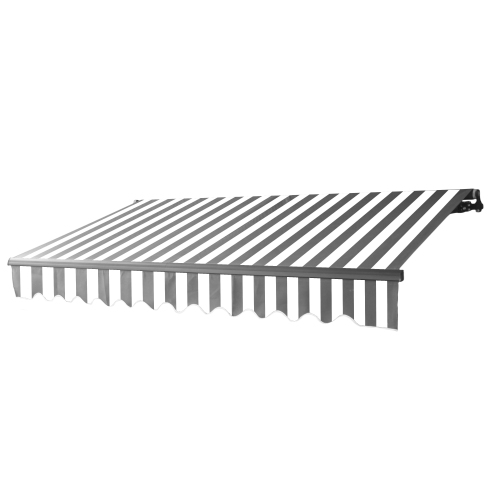
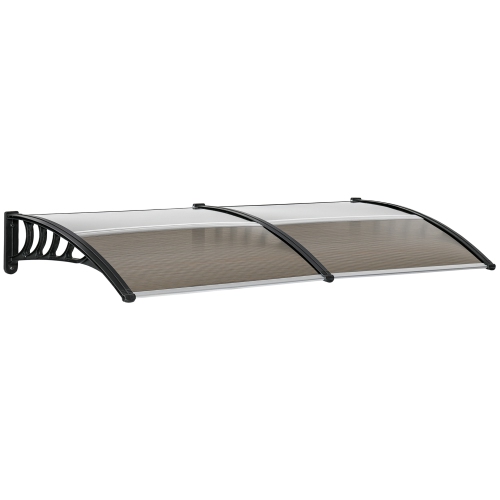
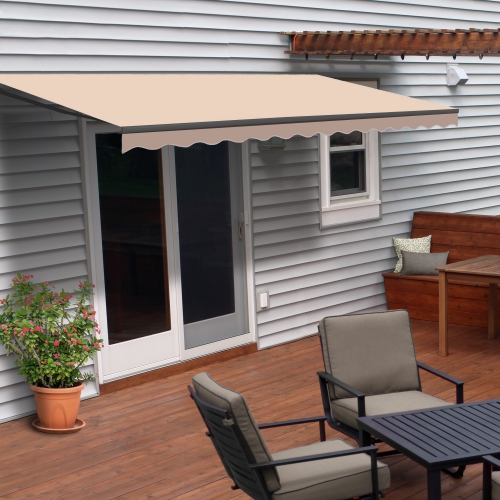
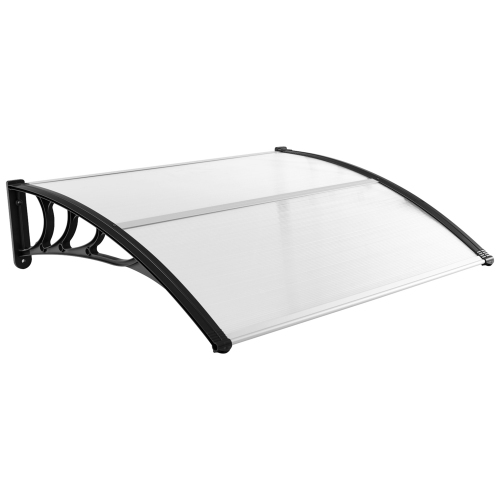
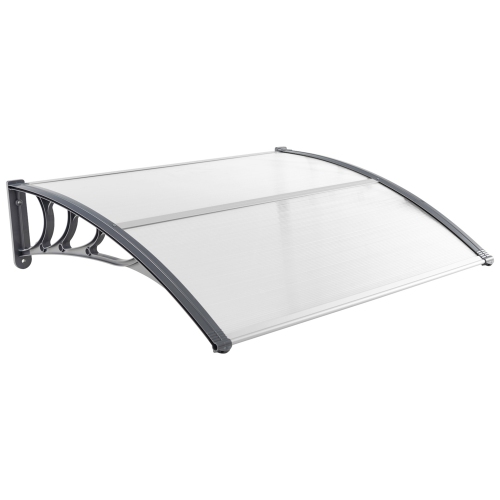
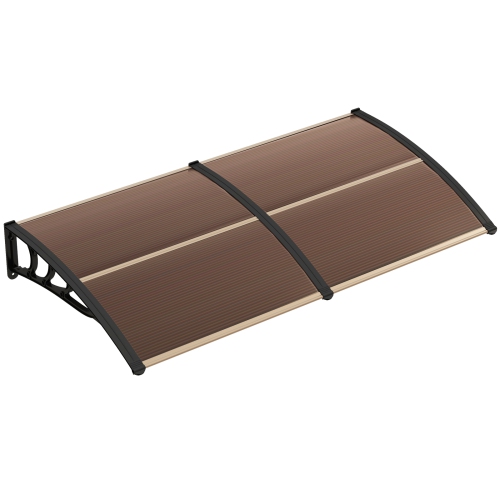
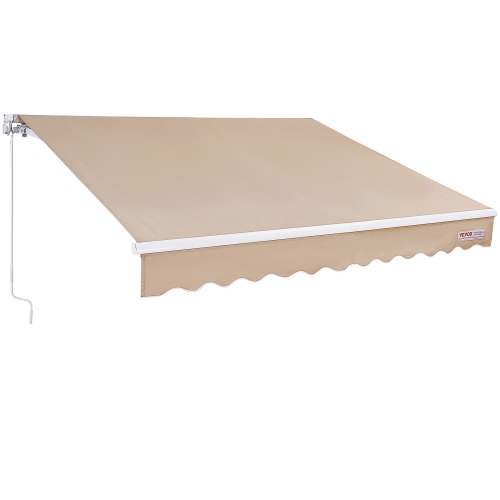
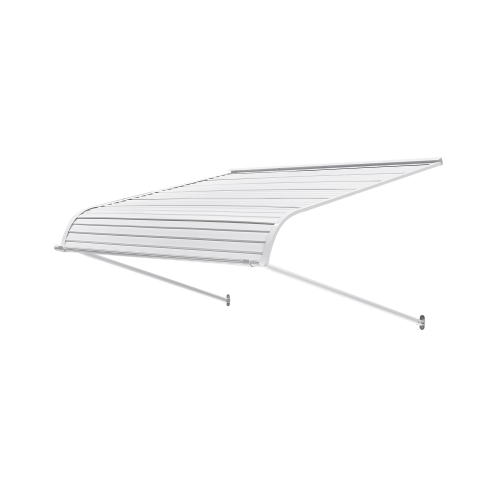
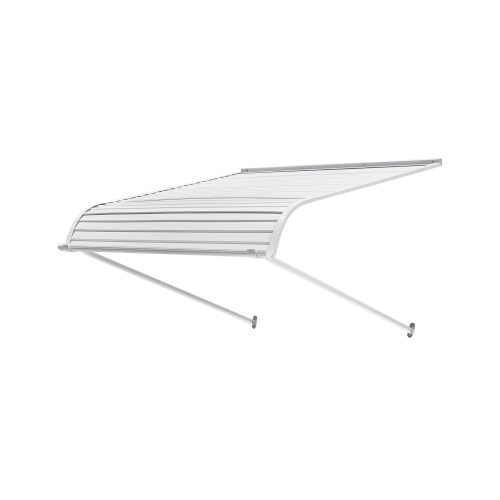
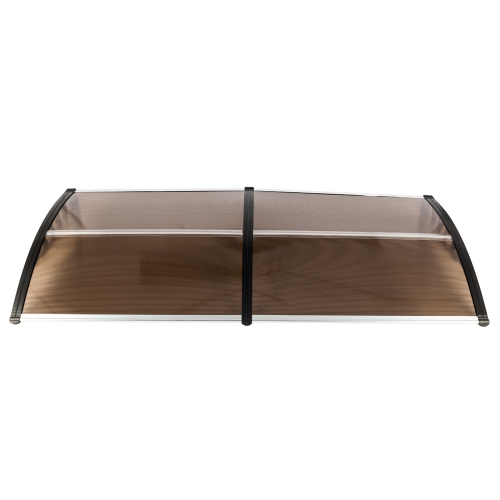
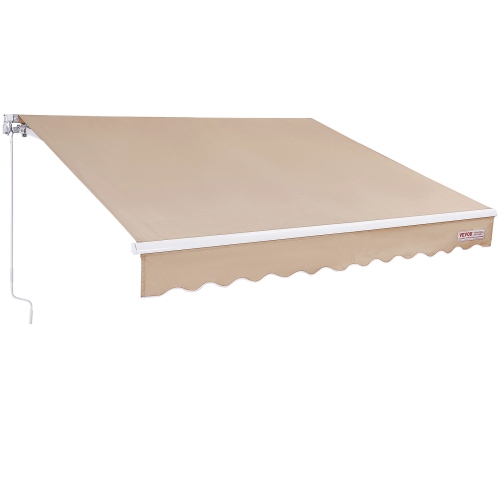
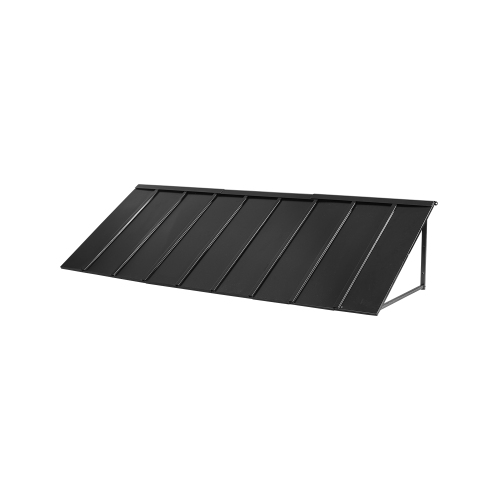
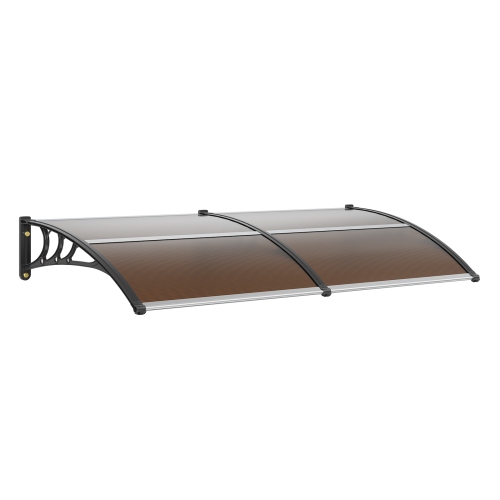

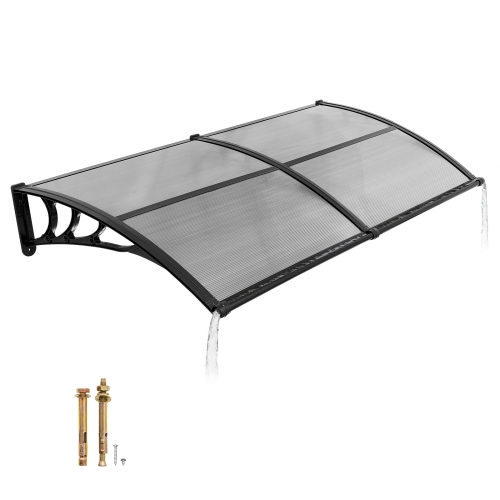
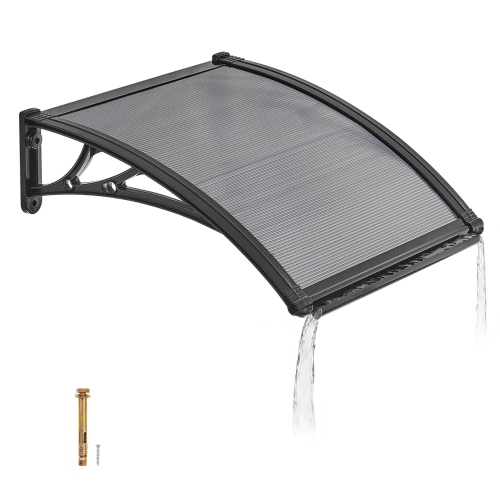
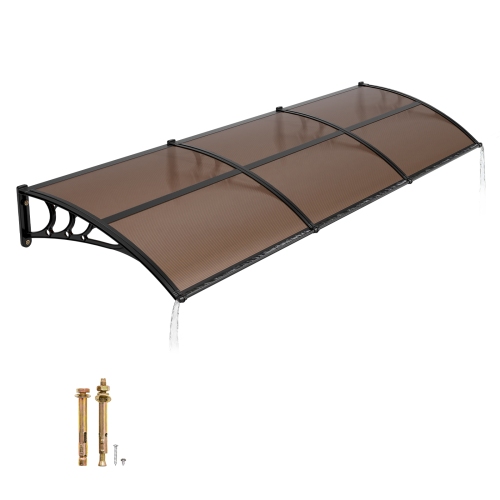
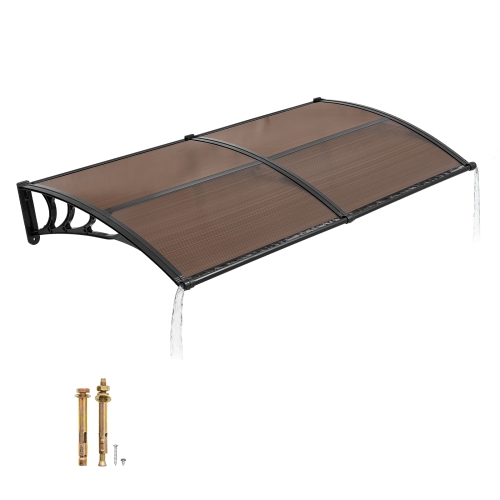
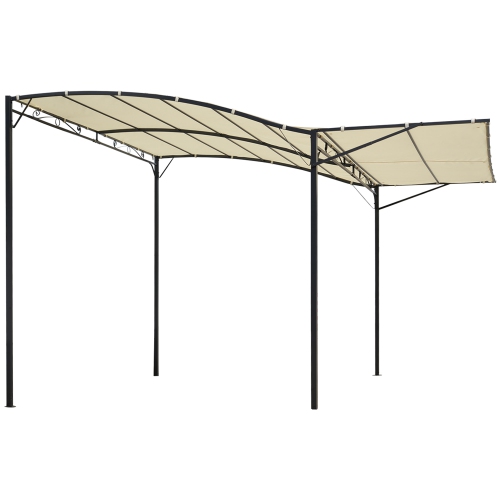
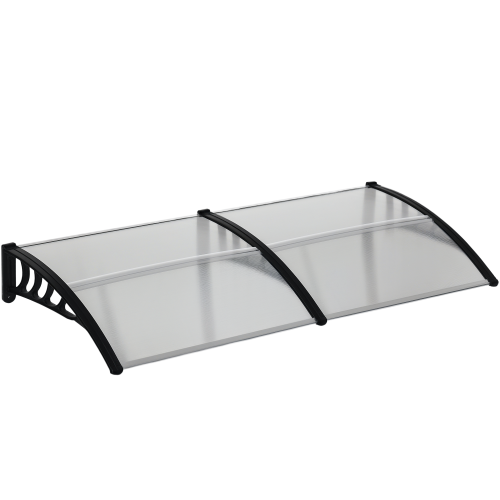
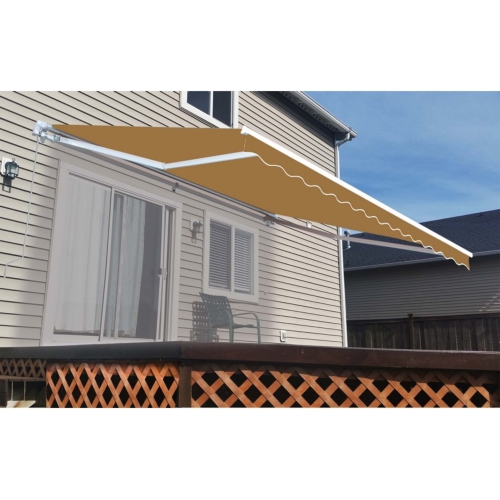
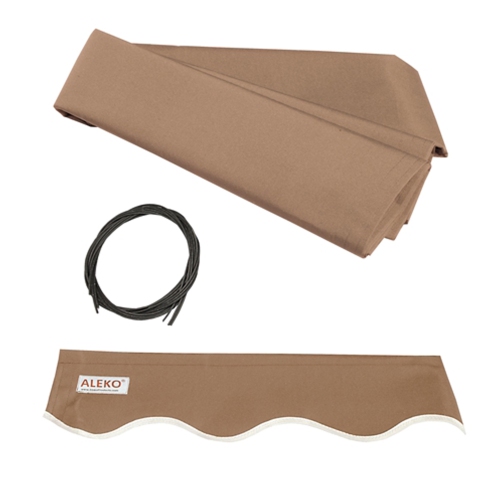
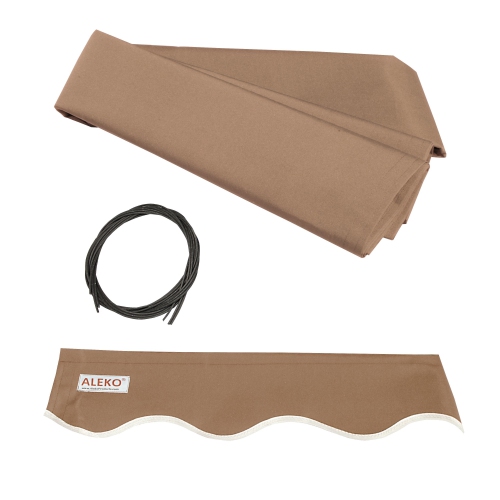
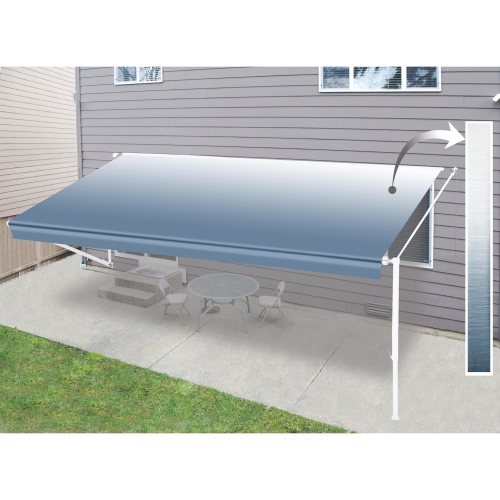
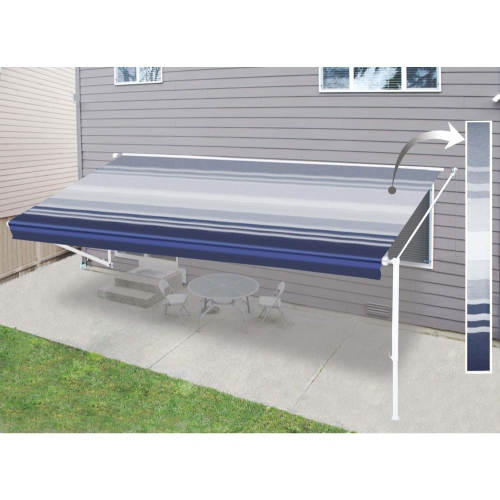
A little overhead shelter while you reach for keys
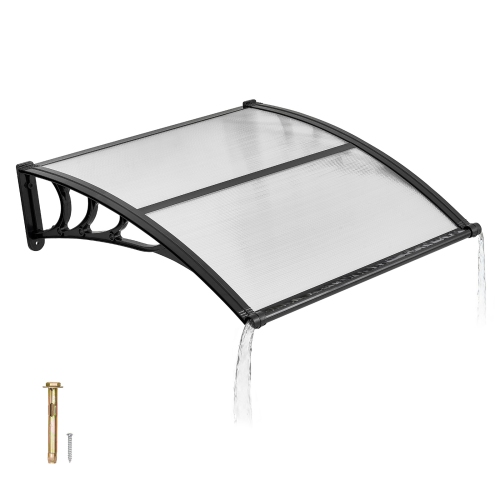
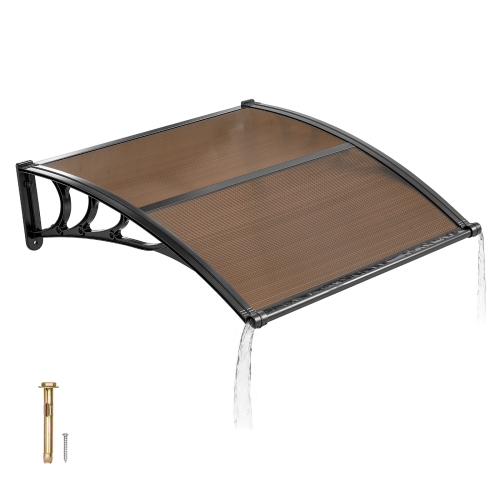
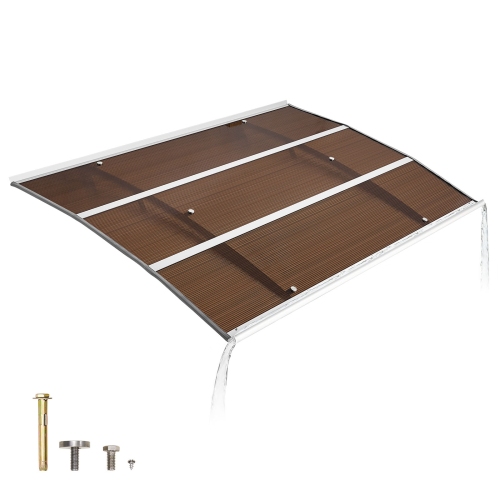
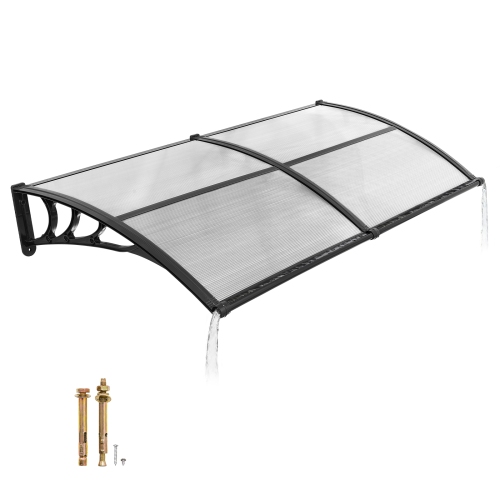
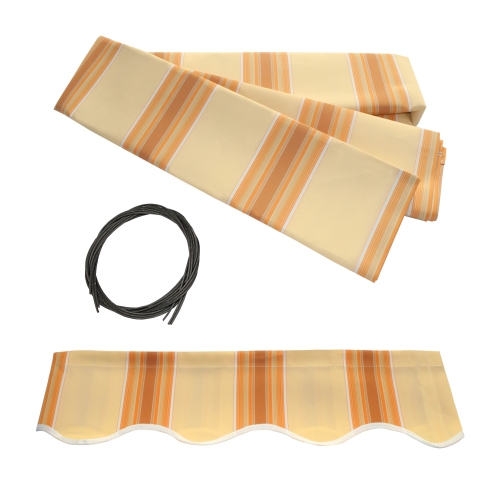
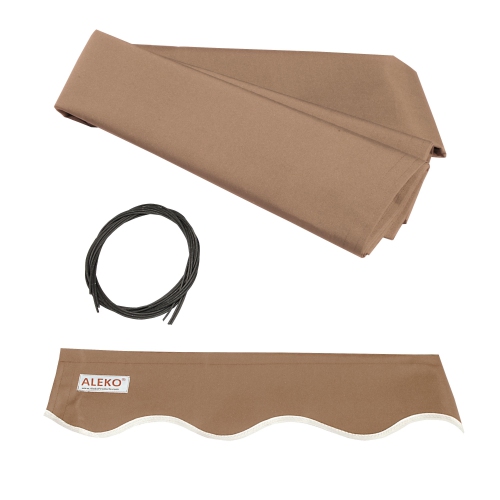
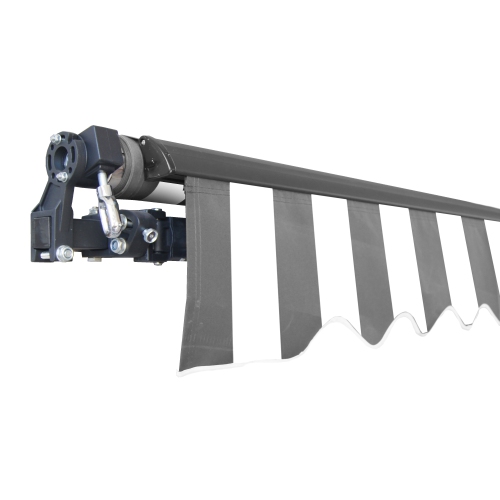
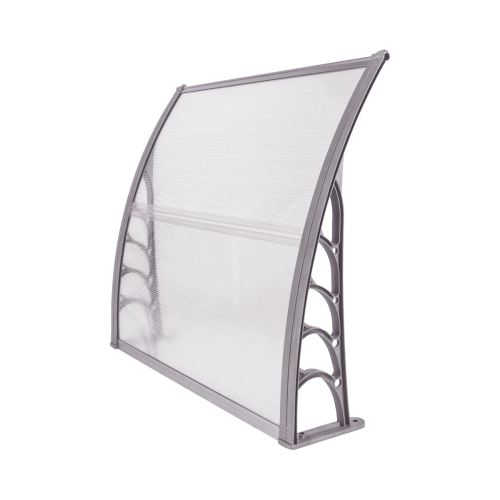
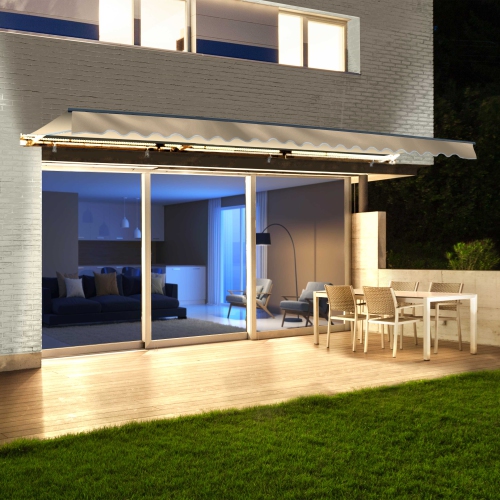
Door awnings are overhead coverings mounted above an exterior doorway to provide shade and help shelter the entrance from rain and falling snow. Also called door canopies, they add a defined architectural feature to a front entrance, side door, back step, or garage access door without enclosing the space beneath them. Their everyday value is easy to picture: a little overhead shelter while finding keys, setting down grocery bags, or waiting for someone to open the door. Coverage depends on the canopy’s width, projection, shape, and mounting height; an awning cannot keep an open landing completely dry when wind drives rain sideways. Polycarbonate, metal, and fabric are common material choices, each with a different appearance and maintenance profile. Clear polycarbonate panels allow daylight to reach glazed doors and nearby windows, while tinted panels soften the light and change the look of the entrance. UV protection varies by panel construction and coating, so transparency or tint alone does not establish how much protection a canopy provides. Solid and multiwall polycarbonate also differ in appearance, with multiwall panels showing internal channels rather than a glass-like surface. Aluminum awnings offer a lightweight, corrosion-resistant option, while steel designs may use protective finishes to help resist rust. Neither material alone establishes an awning’s strength: panel thickness, bracket design, fasteners, and the mounting surface all contribute to its performance. Fabric door awnings bring a softer profile, with colours and patterns that can coordinate with shutters, siding, or outdoor furnishings. Their suitability for prolonged rain or snow exposure depends on the fabric, frame, slope, and stated use. Fixed canopies provide a permanent overhead feature, whereas retractable designs allow the covering to be extended or put away as conditions permit. For homeowners updating an entrance, the best fit balances the doorway’s proportions with the amount of shelter needed and the character of the building.
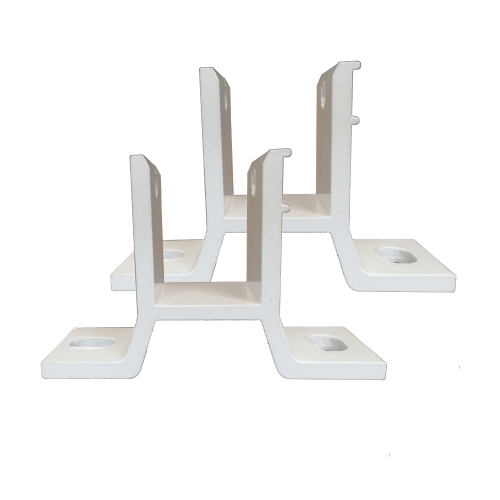
Fit involves more than matching the width of the door slab. The full door frame, surrounding trim, landing, and usable wall area determine how naturally a door awning sits above an entrance. Extending the canopy beyond both sides of the frame generally provides more useful coverage than aligning it exactly with the opening, but there is no single extra width that suits every doorway. A narrow side passage may limit the span, while a broad front step may benefit from coverage that includes the area where visitors stand. Projection describes how far the canopy reaches out from the wall and helps determine how much of that standing area sits beneath it. A deeper projection can offer greater overhead shelter, but it also places different demands on the supports and attachment points. Mounting height affects both coverage and clearance: an outward-opening storm door needs enough room to swing without touching the brackets or canopy, including the door closer at the top. Porch lights, address numbers, cameras, vents, and downspouts can also affect placement. Curved, sloped, and peaked profiles direct water differently, and some designs include an integrated front gutter or drainage channel. Runoff is most useful when it is directed away from the threshold, steps, and main walking path rather than discharged where people enter. The wall construction matters just as much as the measurements. Brick veneer, concrete, wood framing, and siding require suitable attachment methods, and the exterior finish alone should not be assumed to provide adequate support. Proper anchoring and sealing around wall penetrations help protect both the canopy connection and the building behind it. Installation complexity varies with the awning’s size, weight, access height, and the condition of the wall; a compact assembly is not necessarily a simple installation on every home. Professional assessment can be particularly useful where structural attachment points are uncertain or exterior finishes need special treatment. Renters and condominium residents may also need permission before adding a permanent exterior fixture, while local building requirements can affect larger or more substantial installations.
Durability is especially important for door awnings exposed to Canadian rain, snow, wind, and repeated freezing and thawing. A stated snow-load or wind rating is more meaningful than descriptions such as heavy-duty, and those ratings apply only within the manufacturer’s specified installation and use conditions. A metal canopy should not automatically be treated as suitable for heavy snow, nor should a polycarbonate canopy be judged solely by how light its panels feel. Exposure varies considerably between a sheltered side entrance and a doorway facing an open street. Snow or ice sliding from a roof above can create additional loads that an entrance canopy may not be designed to withstand, making the location beneath existing eaves an important consideration. Maintenance needs are usually straightforward but remain material-specific. Many rigid panels can be washed with mild soap, water, and a soft cloth, provided the cleaning method follows the manufacturer’s directions. Abrasive pads and incompatible solvents can damage clear surfaces or protective coatings. Drainage channels need to remain clear of leaves and debris so water can leave the canopy as intended. Metal finishes benefit from periodic checks for scratches, corrosion, or loose connections, particularly around joints and fasteners. Fabric coverings may need gentle cleaning and thorough drying before storage, and retractable awnings should be operated or put away according to their wind and precipitation limits. Snow removal, where required, also needs to follow the stated care instructions rather than improvised scraping or striking of the panels. Beyond upkeep, the canopy’s shape and finish influence how well it suits the entrance over time. A slim clear canopy can keep an ornate doorway visible, while an opaque roof creates a stronger visual outline above a plain door. Bracket colour can tie the installation to railings, window frames, or exterior lighting. For an adjoining patio or seating area, Side Awnings provide a different type of screening, complementing rather than replacing overhead doorway coverage. A well-proportioned door awning gives the entrance a purposeful finish while keeping its practical role clear: shelter over the place where people arrive, pause, and step inside.
Fit involves more than matching the width of the door slab. The full door frame, surrounding trim, landing, and usable wall area determine how naturally a door awning sits above an entrance. Extending the canopy beyond both sides of the frame generally provides more useful coverage than aligning it exactly with the opening, but there is no single extra width that suits every doorway. A narrow side passage may limit the span, while a broad front step may benefit from coverage that includes the area where visitors stand. Projection describes how far the canopy reaches out from the wall and helps determine how much of that standing area sits beneath it. A deeper projection can offer greater overhead shelter, but it also places different demands on the supports and attachment points. Mounting height affects both coverage and clearance: an outward-opening storm door needs enough room to swing without touching the brackets or canopy, including the door closer at the top. Porch lights, address numbers, cameras, vents, and downspouts can also affect placement. Curved, sloped, and peaked profiles direct water differently, and some designs include an integrated front gutter or drainage channel. Runoff is most useful when it is directed away from the threshold, steps, and main walking path rather than discharged where people enter. The wall construction matters just as much as the measurements. Brick veneer, concrete, wood framing, and siding require suitable attachment methods, and the exterior finish alone should not be assumed to provide adequate support. Proper anchoring and sealing around wall penetrations help protect both the canopy connection and the building behind it. Installation complexity varies with the awning’s size, weight, access height, and the condition of the wall; a compact assembly is not necessarily a simple installation on every home. Professional assessment can be particularly useful where structural attachment points are uncertain or exterior finishes need special treatment. Renters and condominium residents may also need permission before adding a permanent exterior fixture, while local building requirements can affect larger or more substantial installations.
Durability is especially important for door awnings exposed to Canadian rain, snow, wind, and repeated freezing and thawing. A stated snow-load or wind rating is more meaningful than descriptions such as heavy-duty, and those ratings apply only within the manufacturer’s specified installation and use conditions. A metal canopy should not automatically be treated as suitable for heavy snow, nor should a polycarbonate canopy be judged solely by how light its panels feel. Exposure varies considerably between a sheltered side entrance and a doorway facing an open street. Snow or ice sliding from a roof above can create additional loads that an entrance canopy may not be designed to withstand, making the location beneath existing eaves an important consideration. Maintenance needs are usually straightforward but remain material-specific. Many rigid panels can be washed with mild soap, water, and a soft cloth, provided the cleaning method follows the manufacturer’s directions. Abrasive pads and incompatible solvents can damage clear surfaces or protective coatings. Drainage channels need to remain clear of leaves and debris so water can leave the canopy as intended. Metal finishes benefit from periodic checks for scratches, corrosion, or loose connections, particularly around joints and fasteners. Fabric coverings may need gentle cleaning and thorough drying before storage, and retractable awnings should be operated or put away according to their wind and precipitation limits. Snow removal, where required, also needs to follow the stated care instructions rather than improvised scraping or striking of the panels. Beyond upkeep, the canopy’s shape and finish influence how well it suits the entrance over time. A slim clear canopy can keep an ornate doorway visible, while an opaque roof creates a stronger visual outline above a plain door. Bracket colour can tie the installation to railings, window frames, or exterior lighting. For an adjoining patio or seating area, Side Awnings provide a different type of screening, complementing rather than replacing overhead doorway coverage. A well-proportioned door awning gives the entrance a purposeful finish while keeping its practical role clear: shelter over the place where people arrive, pause, and step inside.
Top selling and popular products
-
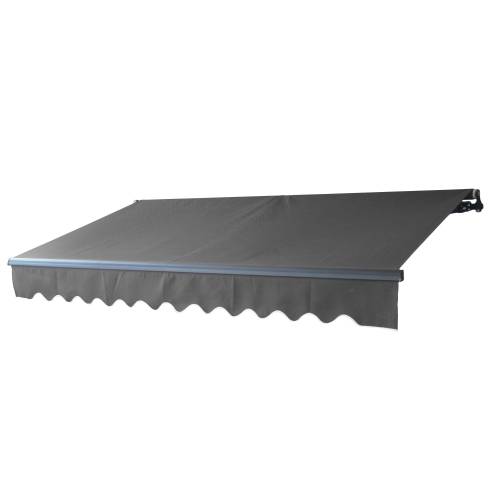 Your price for this item is $819
 -
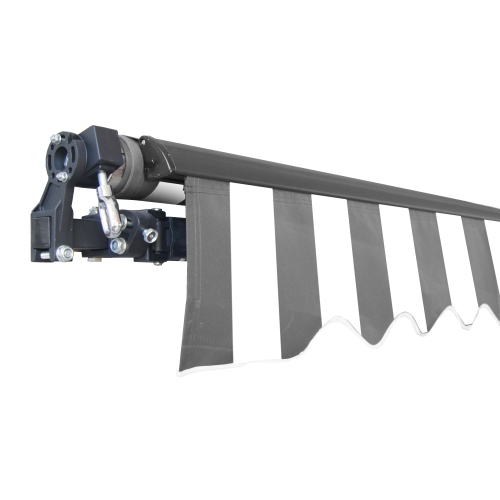 Your price for this item is $625
 -
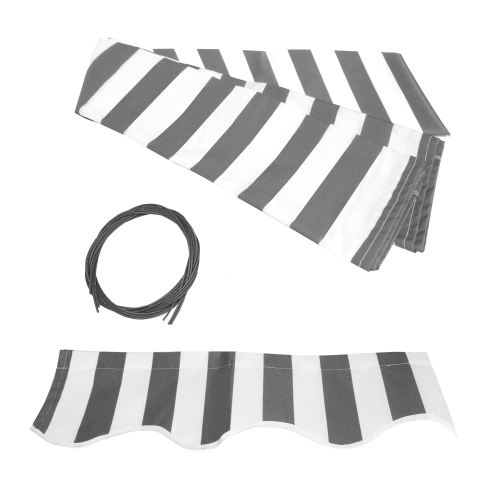 Your price for this item is $749
 -
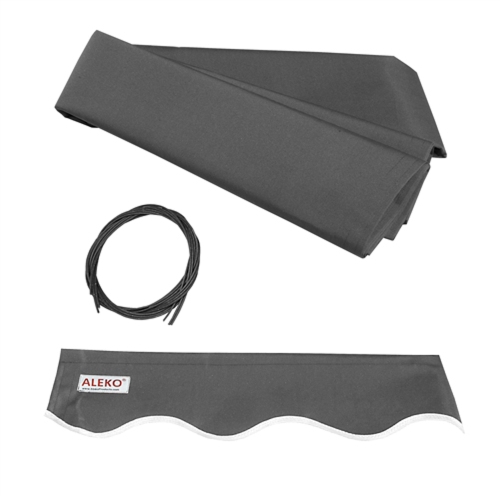 Your price for this item is $176
 -
 Your price for this item is $819
 -
 Your price for this item is $68.99
 -
 Your price for this item is $1029
 -
 Your price for this item is $321.99
Discover more categories related to Door Awnings
Top Collections:
Pokemon Centers, Kindle Devices, Best Budget Office Chairs, Apple iPhones 16, Canon G7X Cameras, iPhone 15 Apple, Alarm Clock, Refurbished Apple Laptops, Flip Phones, Best Laptops for Writers
Some products may be subject to Environmental Handling Fees
(EHF) depending on your province.
Learn more about EHFs.