Side Table Lamps
If you're looking to add a touch of light and style to your living room, a side table lamp is the perfect choice. These lamps come in a variety of shapes, sizes, and styles to fit almost any decor. They are also a great way to provide extra lighting for reading or other tasks while adding a decorative touch to your space. Here are some of the great options.
Sort


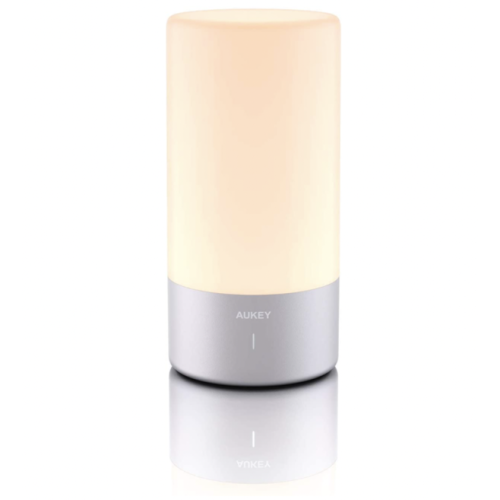


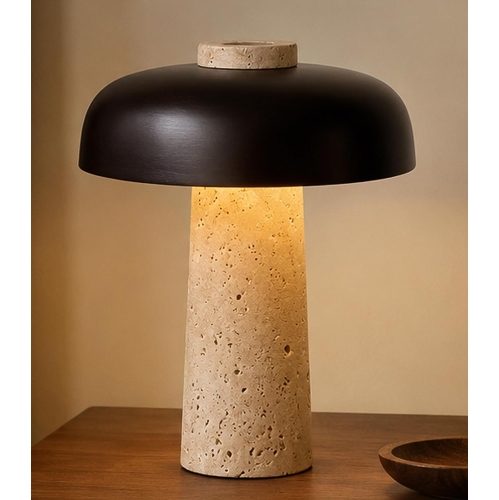


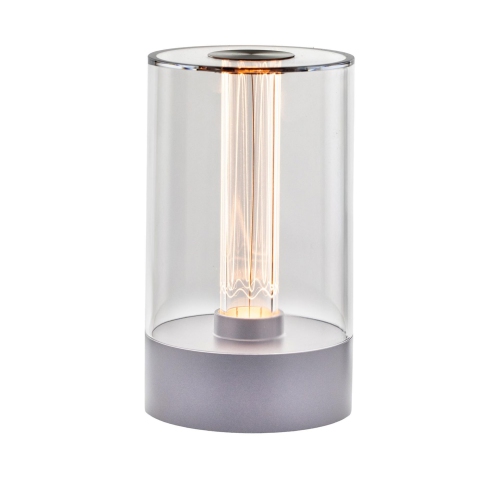

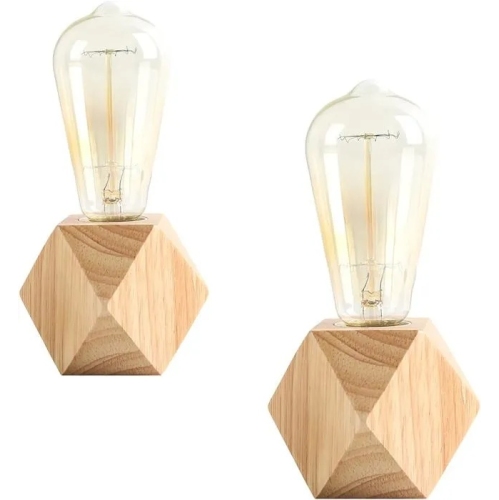










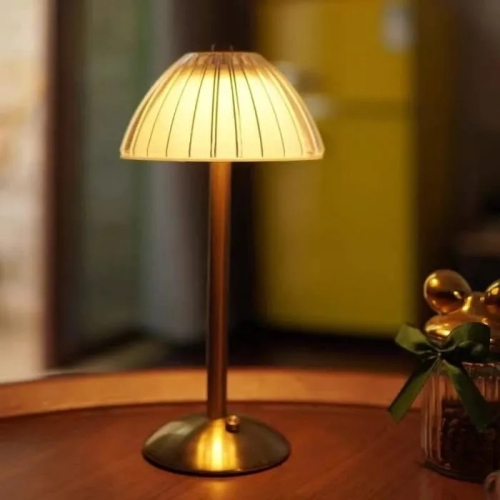


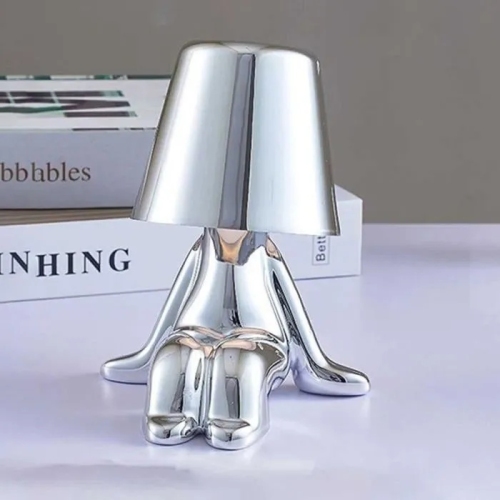


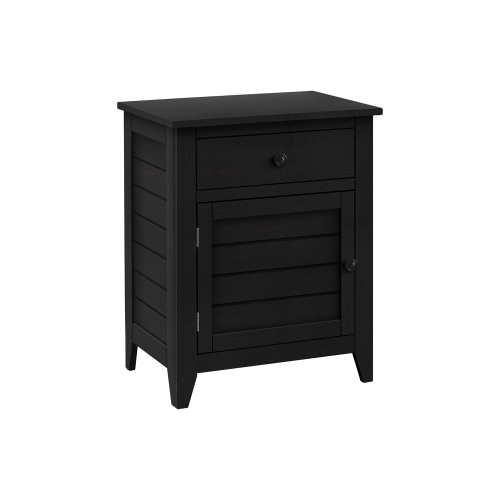
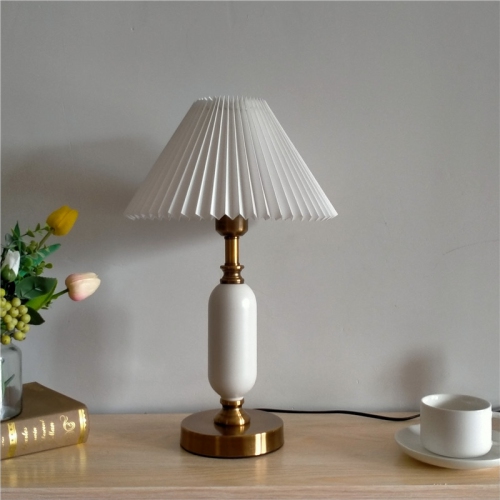
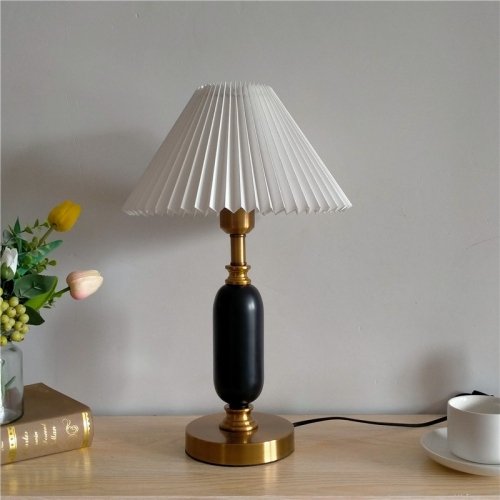

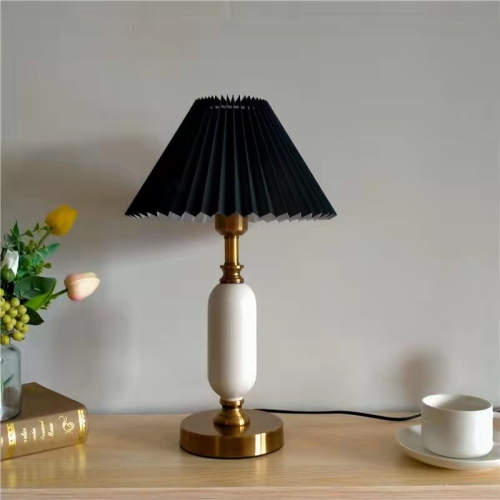

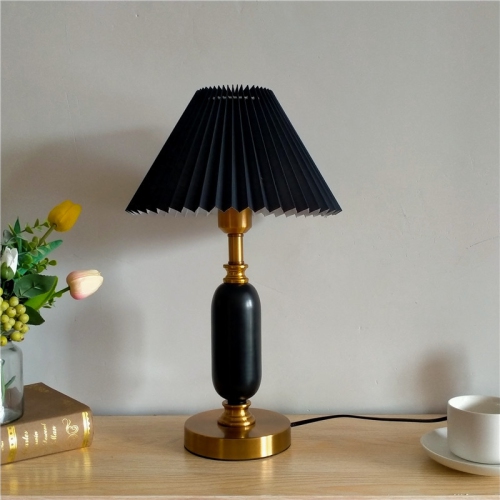
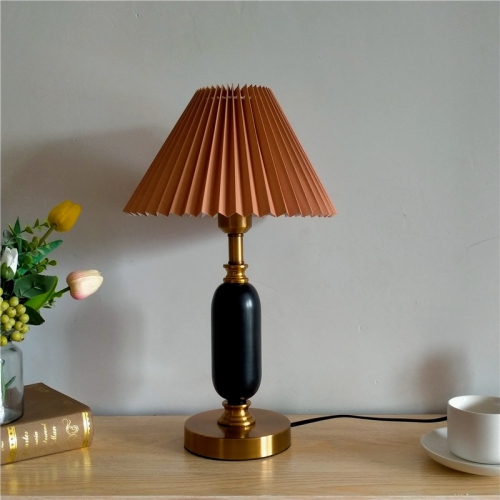
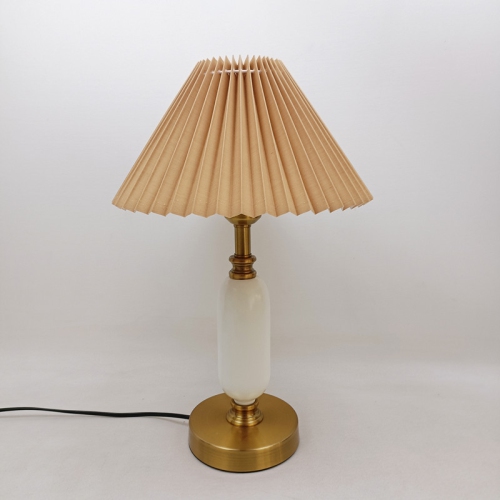
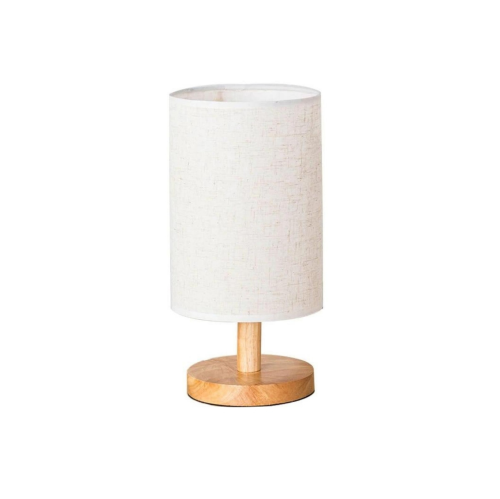




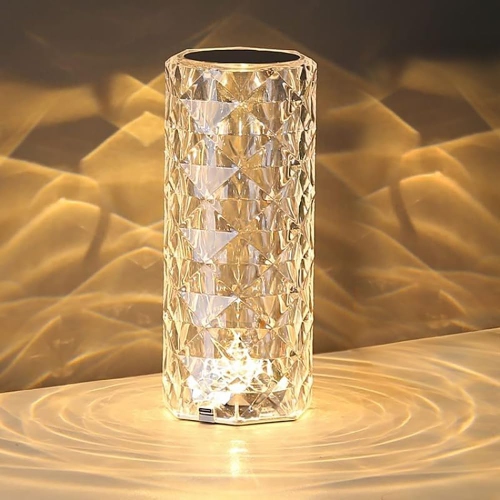







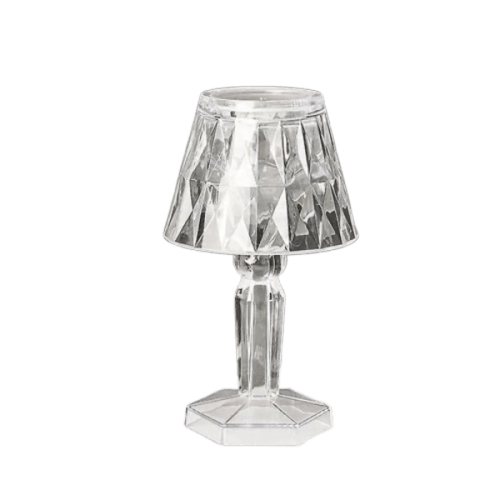


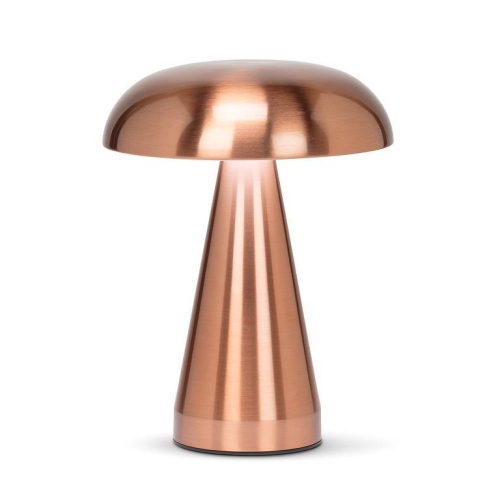
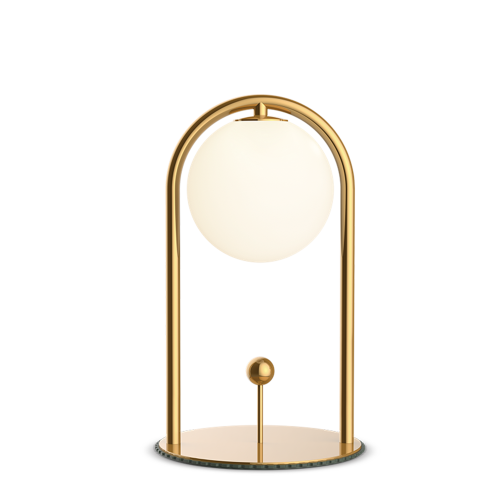
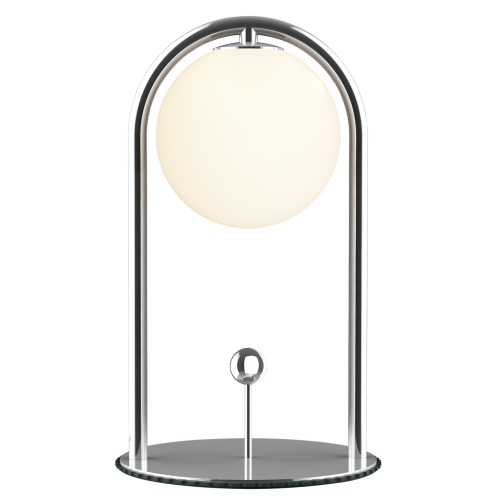


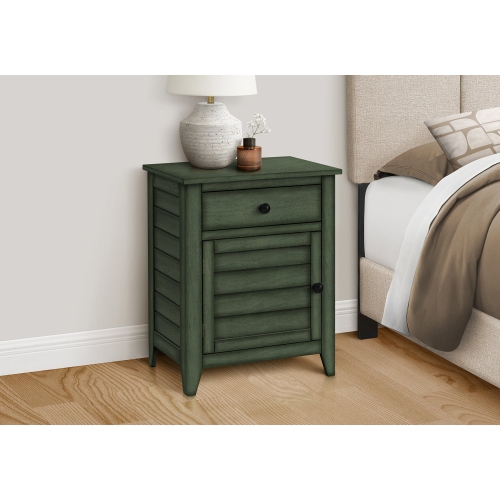
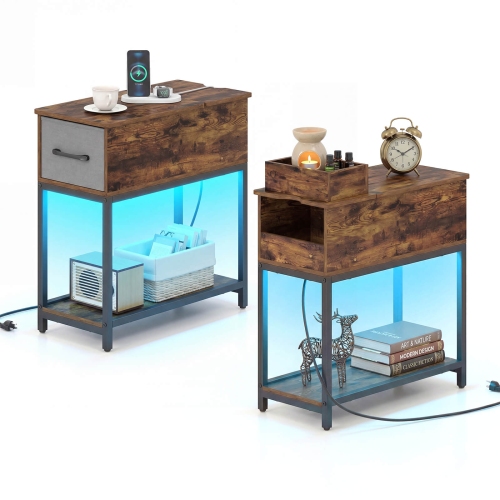


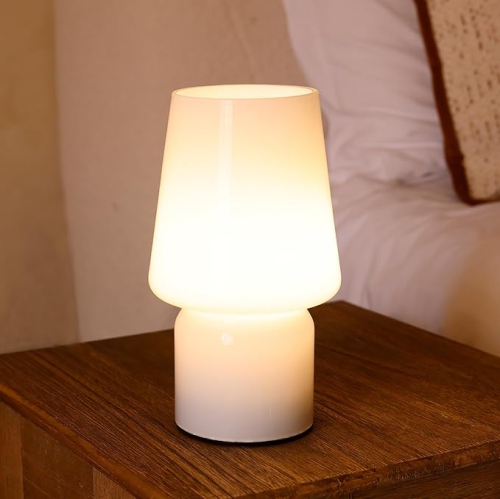
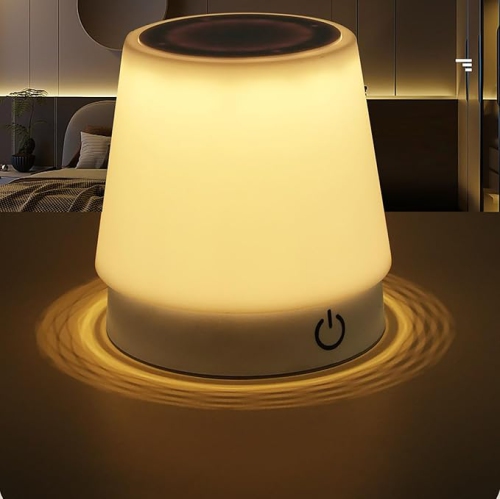

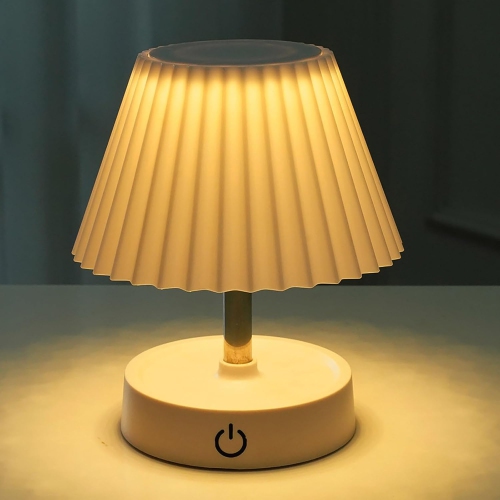
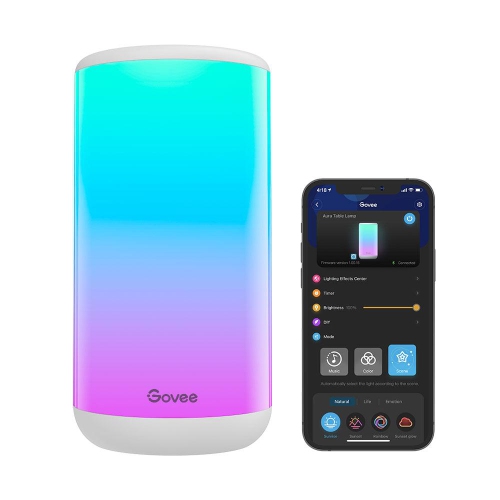
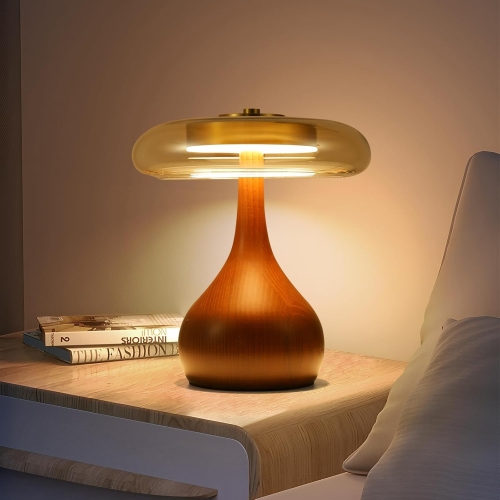
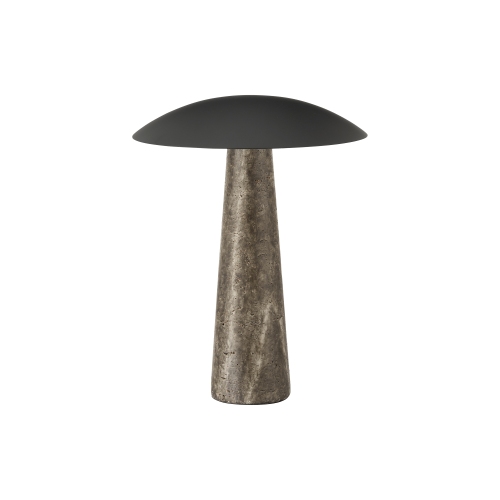


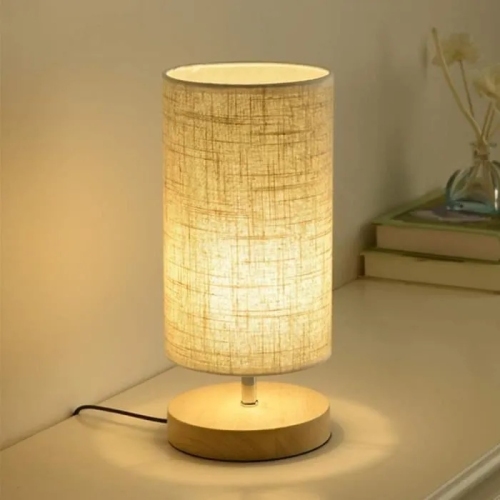


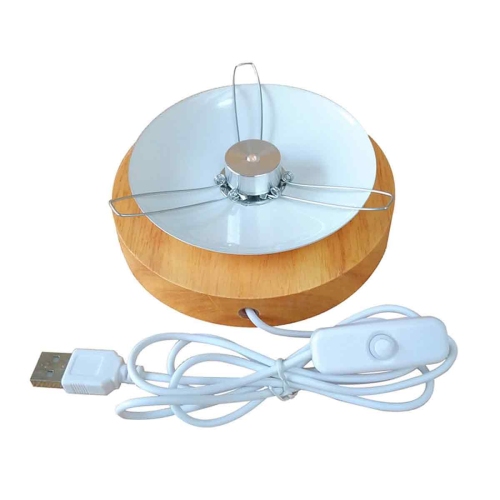


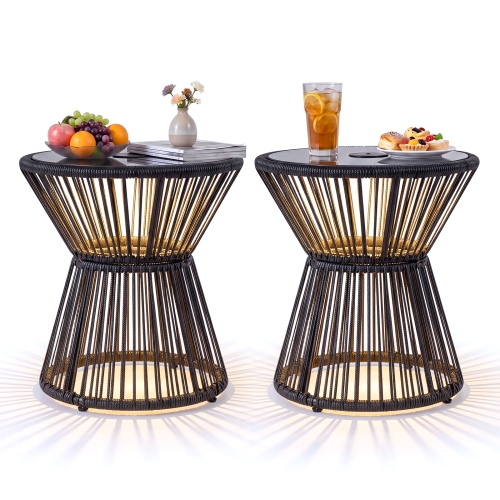


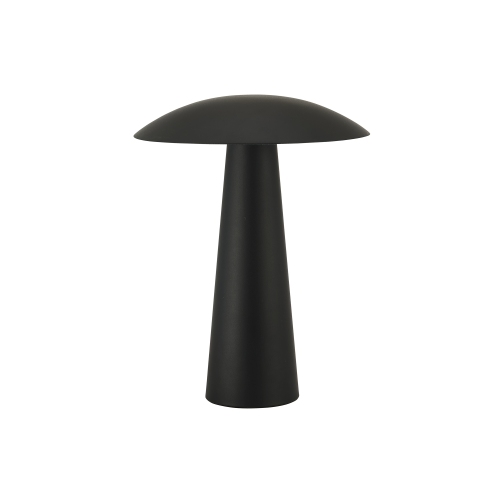
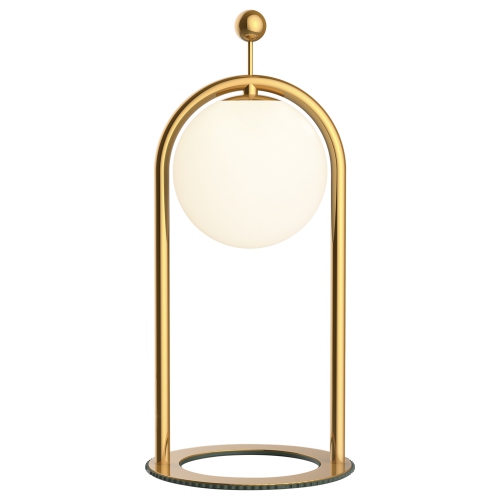

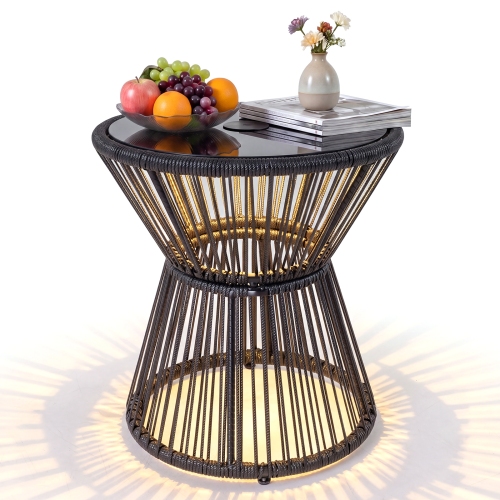

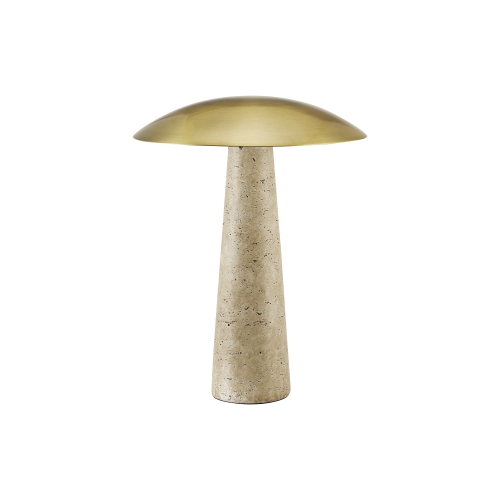


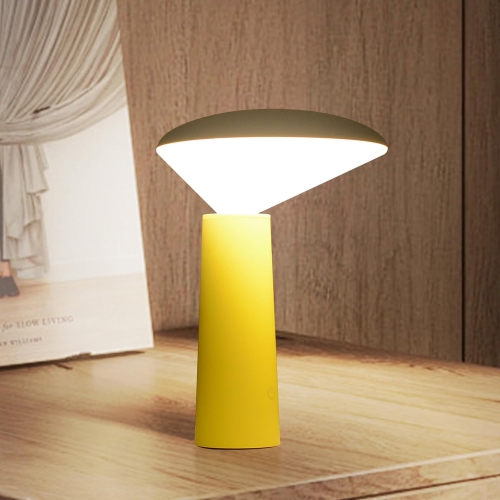





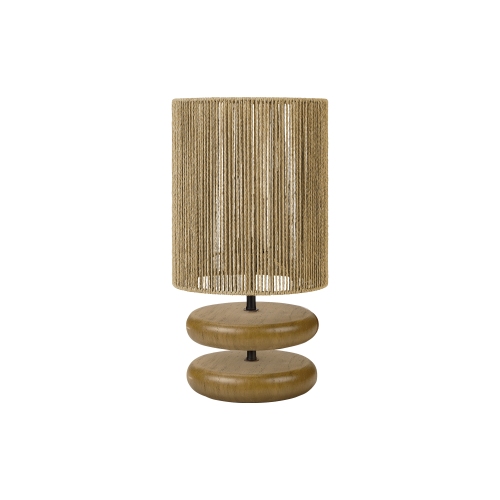
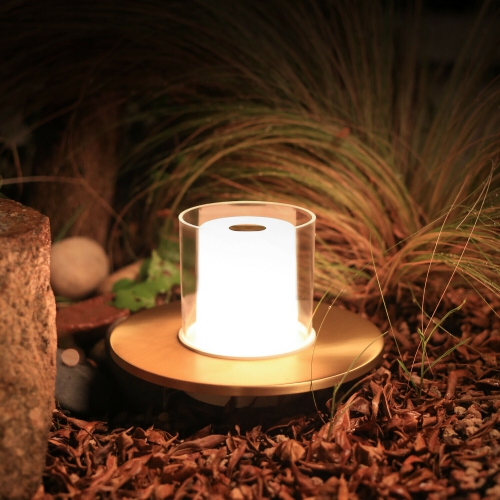


Why lamp height matters beside your favourite seat
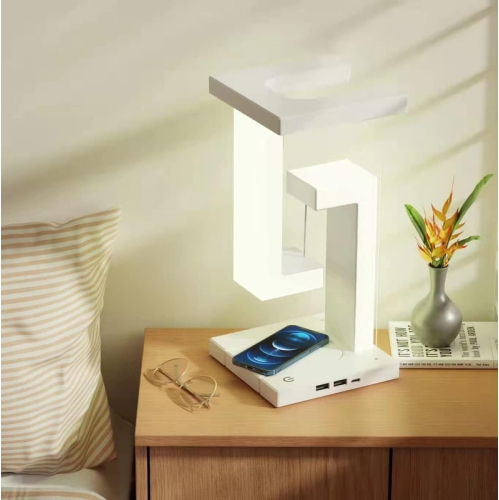
Side table lamps bring light closer to the places where everyday life happens: the end of a sofa, a favourite reading chair, or a bedside table with room for a book and a glass of water. Unlike overhead lighting, a table lamp creates a smaller pool of light that can make a seating area feel more inviting without illuminating the entire room. Its role can be practical, decorative, or both. A shaded lamp beside an armchair supports reading, while a softly diffused bedside lamp provides gentle illumination for winding down. In a living room, lamps at opposite ends of a sofa can give separate seats their own light; in a bedroom, a pair can create visual balance while allowing each person to control their own lighting. Size matters as much as style. The base needs enough space to sit securely without crowding the table’s other essentials, and the shade should not project into a walkway or interfere with opening a nearby drawer. A slender lamp can suit a narrow end table, while a broad ceramic base generally needs a more generous surface. Lamps in the 24- to 30-inch height range can work with many standard-height nightstands, but the combined height of the furniture and lamp matters more than either measurement alone. For a shaded reading lamp, having the lower edge of the shade close to seated eye level can help shield the bulb from direct view. Bed height, sofa arms, and a person’s usual reading position all affect that relationship. A low lounge chair may call for a different proportion than an upright armchair, even when the tables beside them are identical. The most comfortable fit leaves the switch within easy reach and directs useful light towards the page rather than into the eyes. Keeping space around the base also makes a side table easier to use, whether it holds reading glasses, a remote control, or a morning cup of coffee.
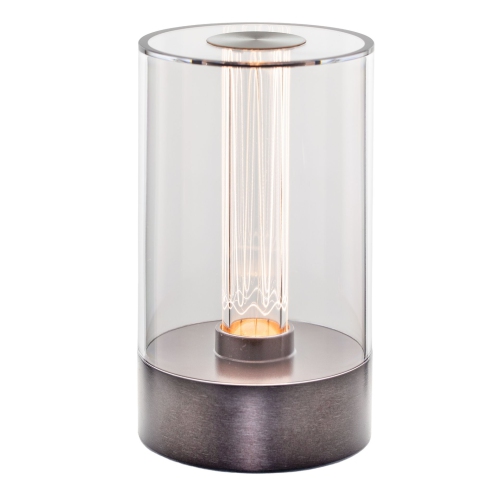
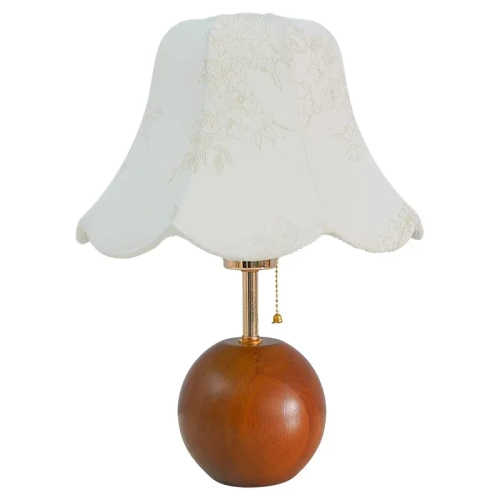
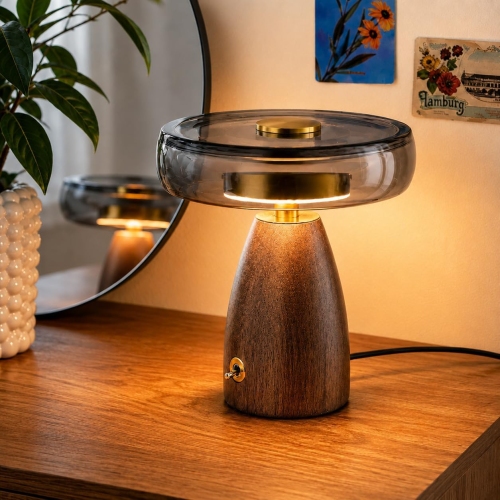
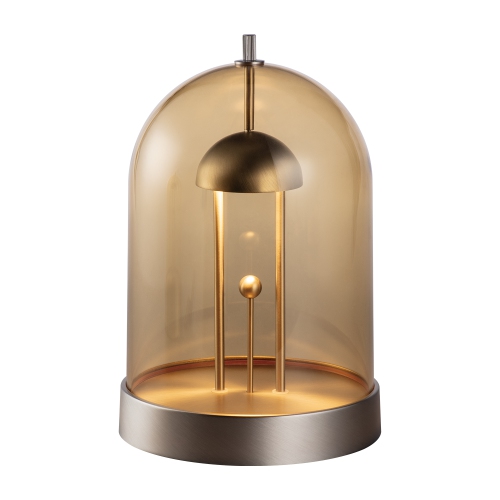
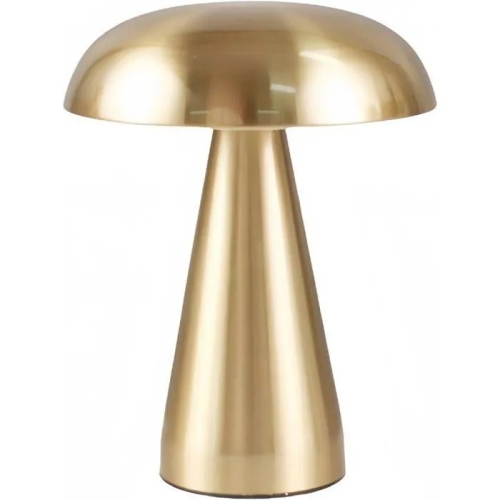
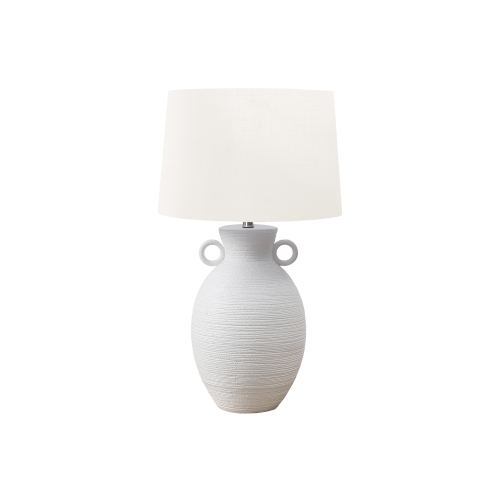
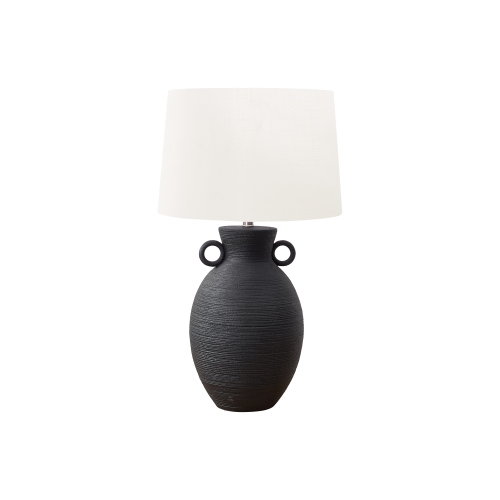
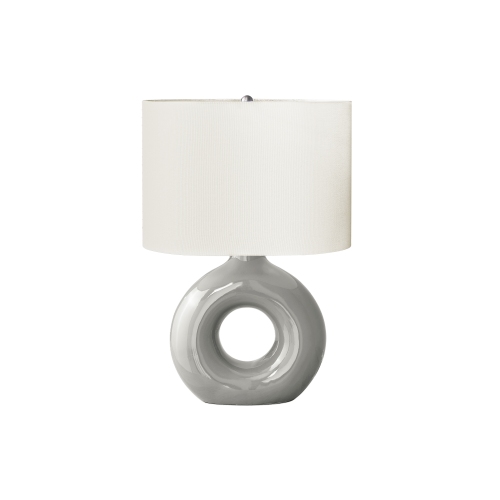
Materials, finishes, and shade shapes give side table lamps much of their character. Ceramic bases can introduce rounded forms, subtle texture, or a concentrated accent of colour against neutral furniture. Clear or tinted glass can feel visually lighter, particularly on a small table where an opaque base might appear bulky. Metal lamps range from slender, understated designs to substantial shapes with an industrial influence, while wood bases bring visible grain and a softer contrast to glass or metal furniture. Resin can support sculptural forms, although its weight and finish vary between designs. A substantial appearance does not always mean a heavy base, so construction and stability deserve attention alongside the material description. Shade choices also influence how a lamp looks and performs. Linen and cotton shades typically soften light and reveal some fabric texture when illuminated; opaque metal shades usually direct more light through their openings, creating a more defined pool below or above. A pale fabric shade often gives broader, gentler illumination than a dark, densely lined shade, although the lining and weave make a difference. Drum shades offer a clean outline, tapered shades suit many traditional settings, and compact dome shades can keep the silhouette contained beside a chair. For rooms with simple furniture, Modern Table Lamps offer a related direction, with streamlined forms that can complement an uncluttered side table. Matching lamps are not essential for a coordinated room: different bases can sit comfortably together when they share a finish, shade colour, or similar overall height. Durability depends on details such as secure shade fittings, a stable base, and a finish suited to regular handling. A lamp near a busy sofa may be touched and moved more often than one on a seldom-used accent table. Households with children or pets may favour a low centre of gravity, fewer projecting details, and cord placement that keeps loose lengths out of walking routes. Breakable glass or ceramic deserves a particularly secure position away from table edges.
Light quality and everyday controls determine how comfortably a side table lamp fits into a routine. Warm white light around 2700K to 3000K tends to suit relaxed living spaces and bedrooms, while a more neutral white can provide a crisper appearance for close tasks. Colour temperature describes the appearance of the light, not its brightness; lumens are the more useful measure when comparing light output. A dense shade can absorb a noticeable amount of light, so two lamps using bulbs with the same lumen rating may illuminate a reading corner differently. Dimming makes it possible to move between brighter task lighting and a softer glow, provided the lamp, bulb, and dimmer are compatible. Touch controls can reduce the need to reach under a shade, while a base-mounted switch may be easier to find from a seated position than an inline switch along the cord. Built-in USB-A or USB-C ports can keep a phone charging beside the bed, though charging speed and whether the port works with the light switched off depend on the lamp’s specifications. Cordless rechargeable lamps offer placement flexibility where a nearby outlet is inconvenient, with operating time varying by brightness setting and battery capacity. Replaceable-bulb lamps allow the light source to be changed within the fixture’s stated limits; integrated LED lamps have built-in light sources, making serviceability and warranty details useful considerations. Wi-Fi-enabled controls can support schedules or remote operation when compatible with the household’s network and devices. For routine care, lamps should be switched off, unplugged, and allowed to cool before cleaning. A soft, dry cloth suits many bases, while fabric shades may need gentle dusting according to their care instructions. Moisture should stay away from sockets, switches, and charging ports, and replacement bulbs must match the required base type and permitted wattage. As a housewarming gift or a useful addition to a first apartment, a side table lamp can offer both function and personality, especially when its footprint, controls, and light output suit the recipient’s space.
Top selling and popular products
-
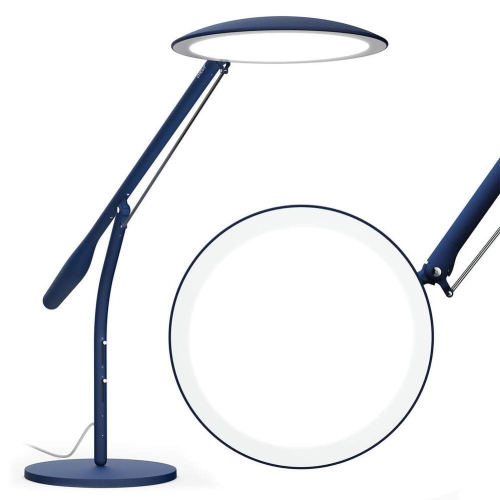 Your price for this item is $198.55
-
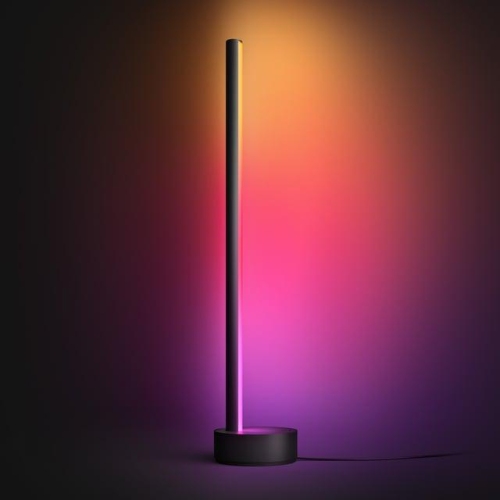 Your price for this item is $199.99
-
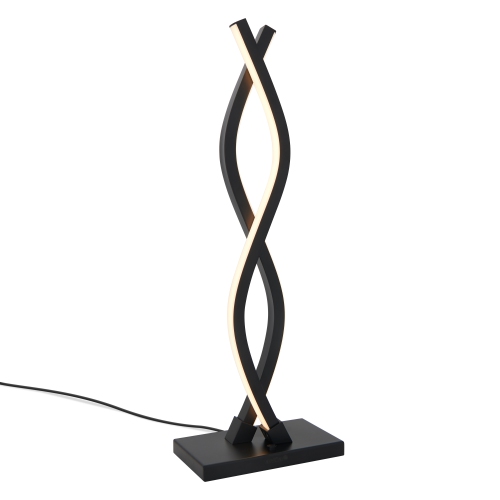 Your price for this item is $79.99
-
 Your price for this item is $119.99
-
 Your price for this item is $119.18
-
 Your price for this item is $141.68
-
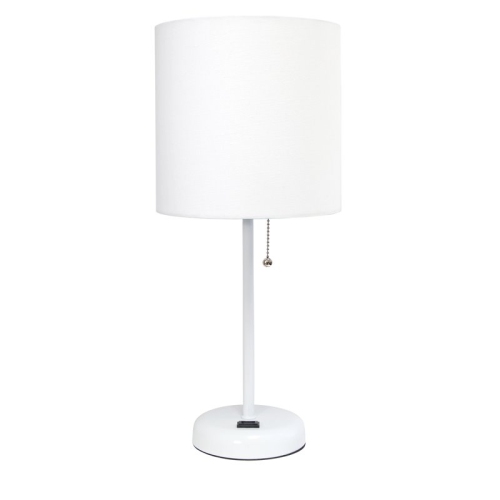 Your price for this item is $108.6
-
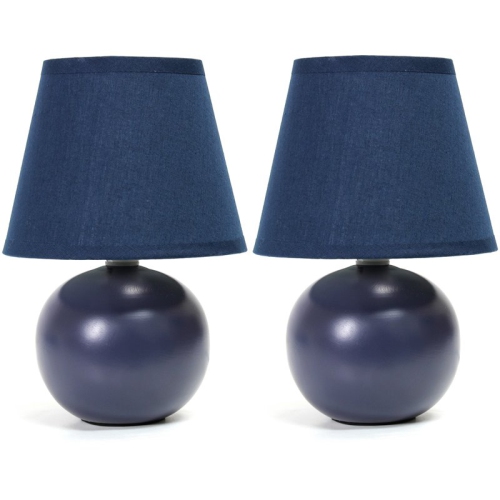 Your price for this item is $95.28
Discover more categories related to Side Table Lamps

Top Collections:
Pokemon Centers, Kindle Devices, Best Cameras for Sports Photography, Pokémon 30th Celebration Cards, Apple iPhones 16, Canon G7X Cameras, iPhone 15 Apple, Flip Phones, Samsung Galaxy Phones, Alarm Clock
Some products may be subject to Environmental Handling Fees
(EHF) depending on your province.
Learn more about EHFs.