Sideboard Storage
Sideboard Storage offers a stylish and practical solution for organizing your living space. Perfect for dining rooms, living areas, or entryways, these versatile pieces help keep essentials neatly tucked away while enhancing your home’s decor. With a range of designs and finishes available, finding the right sideboard storage to complement your interior has never been easier. Discover options that blend seamlessly with any style and make everyday organization simple and elegant.
Sort
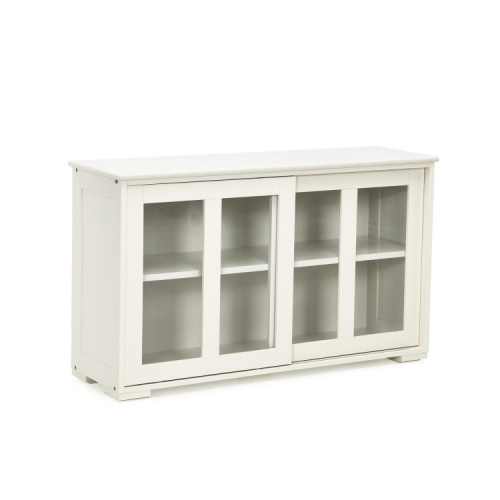
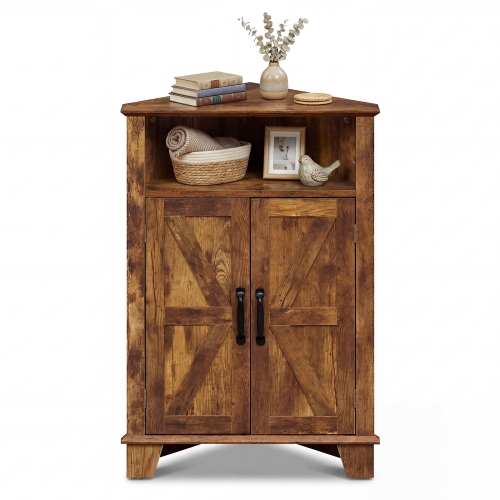
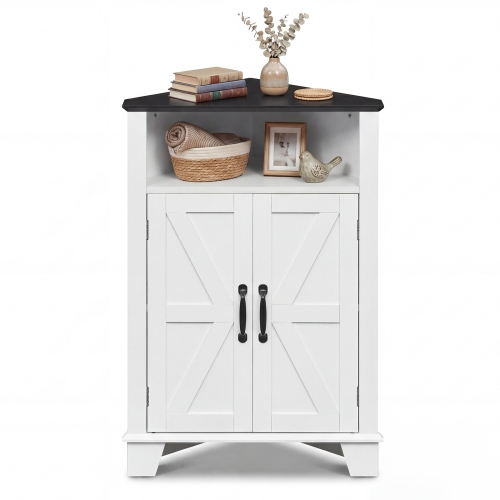
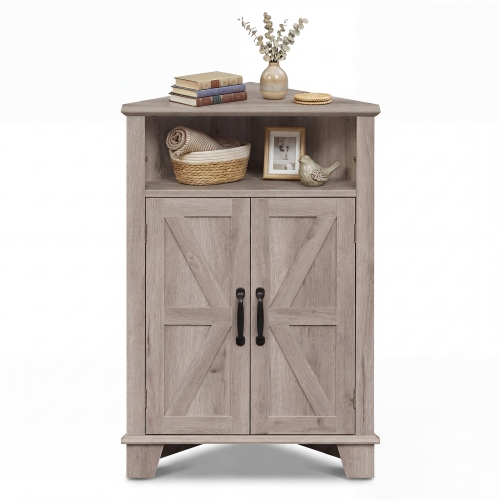
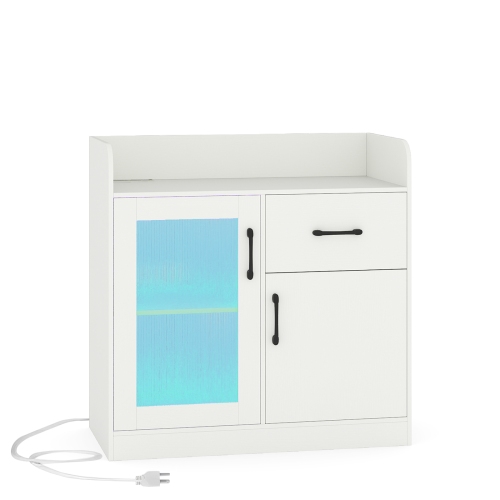
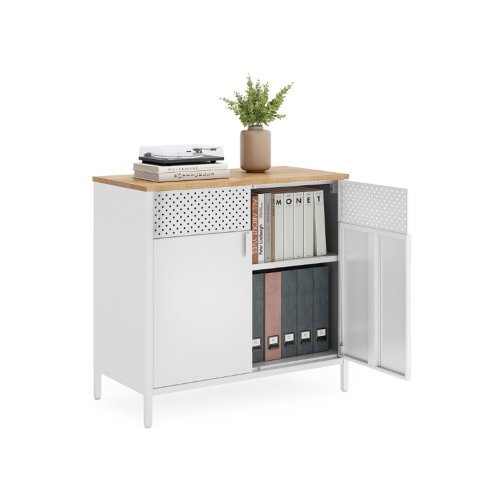
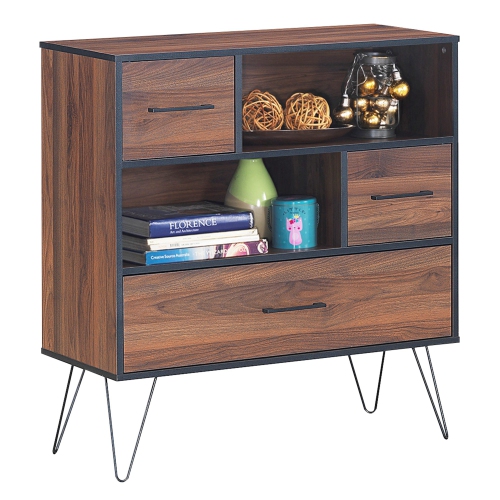
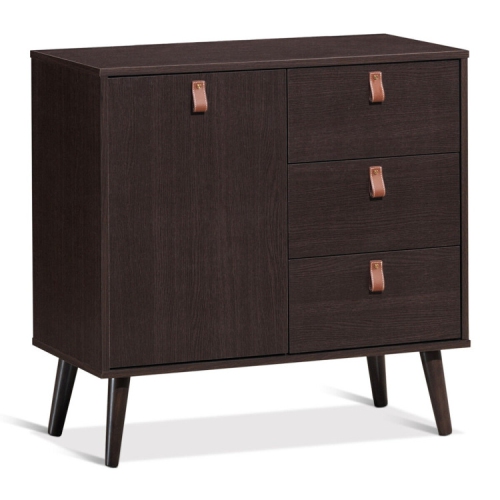
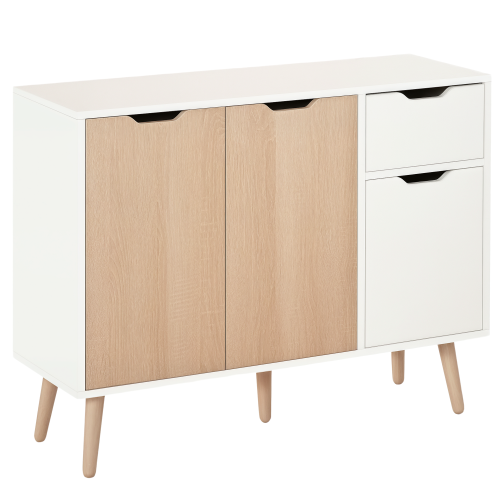
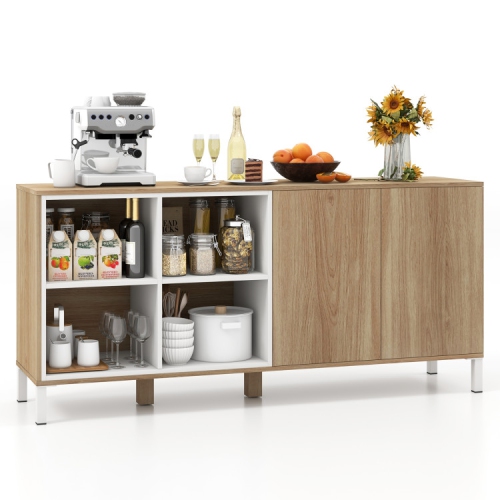
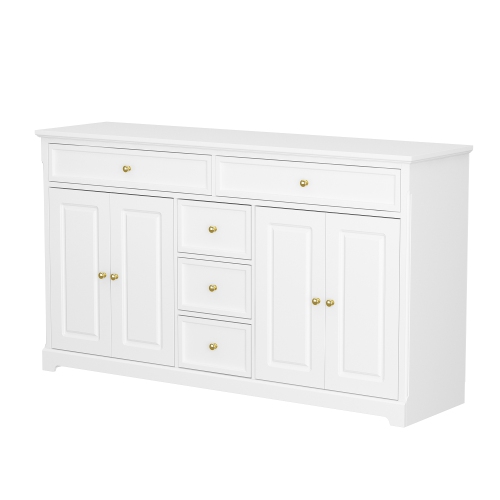
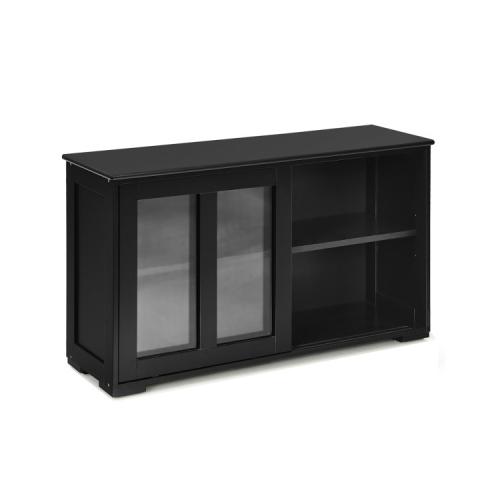
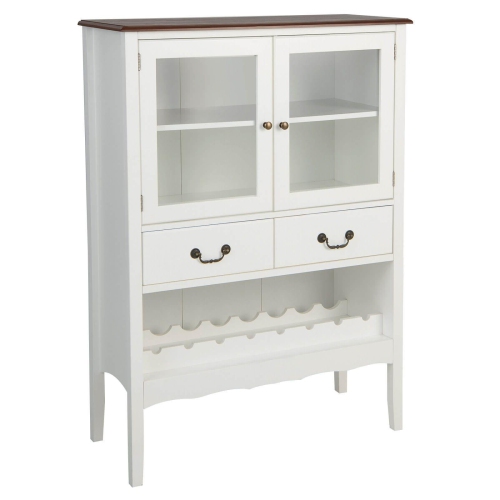
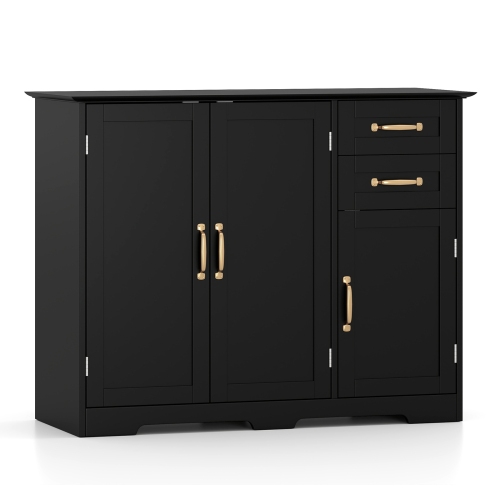
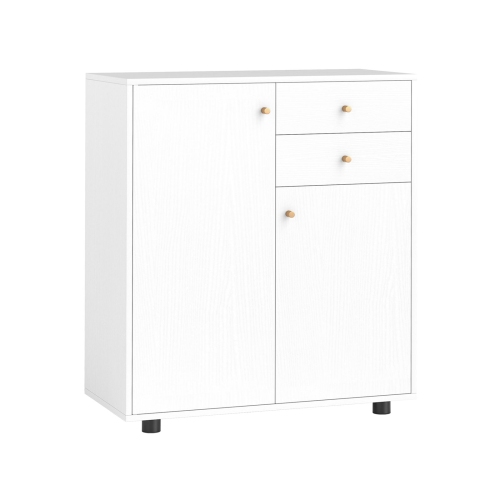
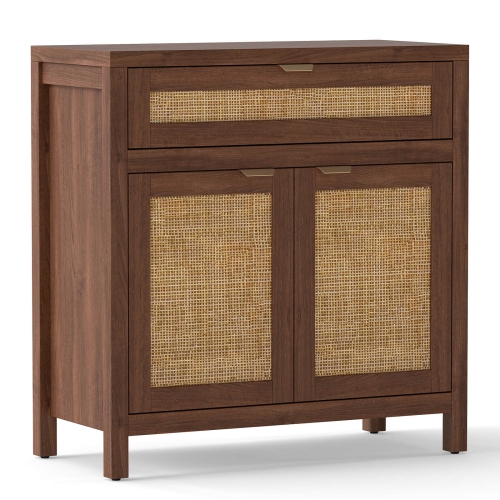
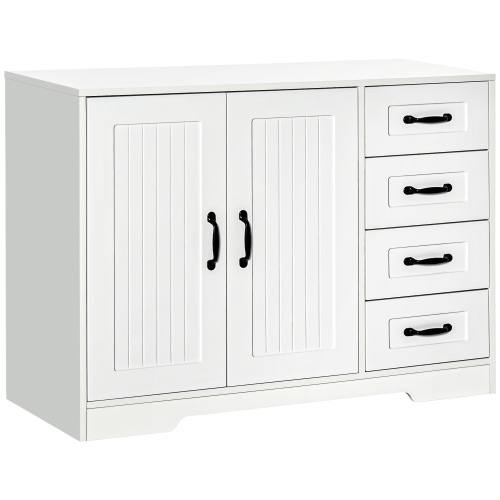
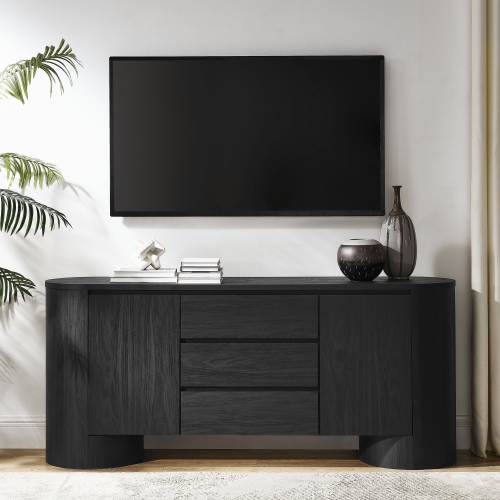
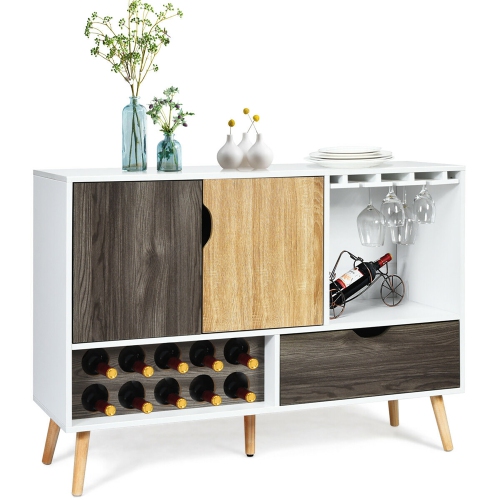
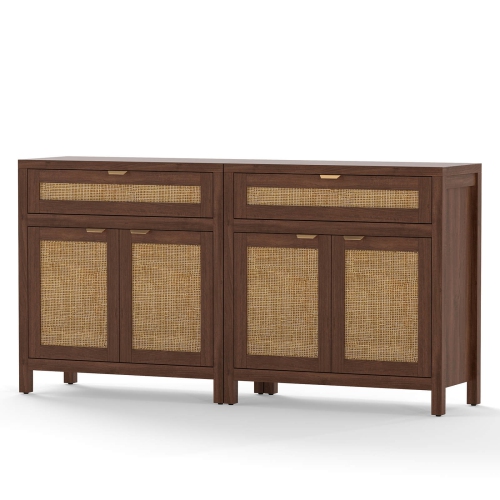
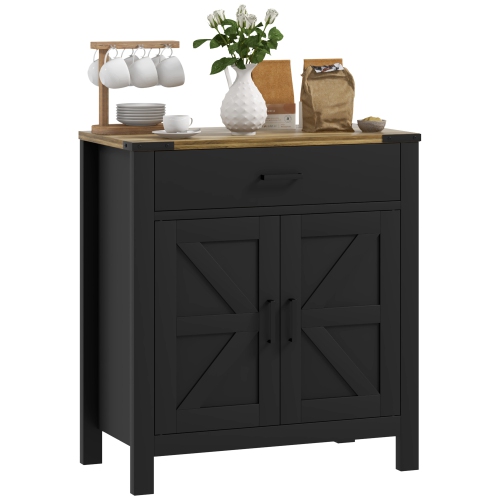
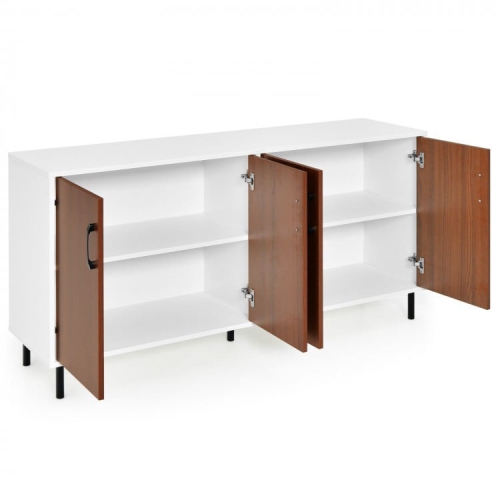
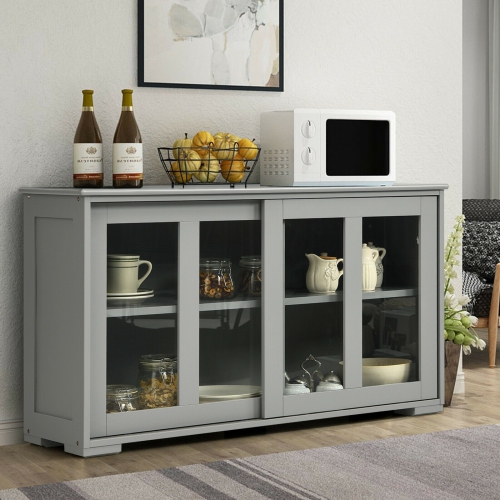
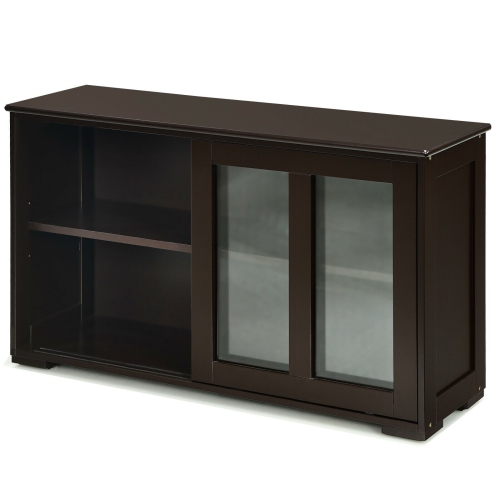
Hidden storage below and room to serve above
Sideboards bring enclosed storage and a useful display surface together in one piece of furniture, helping dining rooms, living areas, and entryways feel more organized without putting every household essential on show. Typically wider than they are tall, these cabinets can combine cupboards, drawers, and open shelving in layouts suited to different routines. In a dining room, sideboard storage keeps plates, serving bowls, table linens, and flatware close to the table, leaving kitchen cupboards free for cookware and food preparation supplies. The top can hold a lamp and a favourite framed print between meals, then provide space for serving dishes when guests gather. In a living room, closed cabinets can conceal board games, craft supplies, and spare charging cables, while an open compartment gives frequently used books or baskets an accessible home. An entryway sideboard can create a landing place for keys and mail, provided its depth leaves enough room to move comfortably past it. The internal arrangement matters as much as the overall size: drawers suit smaller belongings that would otherwise disappear behind stacks of dishes, while cupboards accommodate taller or bulkier pieces. Adjustable shelves offer flexibility for pitchers, upright serving platters, and storage bins, although shelf dimensions and weight limits still determine what will fit. A household that hosts meals often may benefit from a broad top and generous cabinet space; someone furnishing a condo might find a shallower cabinet with a mix of drawers and doors more practical. Glass-front doors make contents visible and can suit neatly arranged glassware, whereas solid fronts give mixed household belongings a quieter backdrop. Open shelves are convenient for daily essentials but leave them exposed to dust. Sideboard, buffet, and credenza are overlapping furniture terms, so the most useful distinctions are the cabinet’s measurements, storage layout, and suitability for the room rather than its name alone.
A good fit begins with the space the cabinet occupies and the space needed to use it. Width determines how much wall area a sideboard fills, but depth can have a greater effect on movement through a narrow dining room or hallway. With dining chairs pulled out, there should still be comfortable passage between the table and cabinet. Doors and drawers also need room to open without striking nearby furniture, and a hinged cupboard may require more front clearance than its closed dimensions suggest. Sliding doors can help where swing space is limited, though they generally expose only part of the interior at a time. Height influences how easily the top works as a serving surface and how it sits beneath artwork, a mirror, or a window. Measuring skirting boards, projecting window ledges, nearby outlets, and the delivery route can prevent an otherwise suitable cabinet from becoming awkward to place. Materials contribute to both appearance and everyday performance. Solid wood brings grain variation and may be suitable for refinishing, depending on its construction and finish; it can also respond to changes in indoor humidity. Wood veneer provides a real wood surface over a supporting core, but its thinner outer layer calls for care around scratches and refinishing. Engineered wood with a laminate or other applied finish can offer a consistent appearance and a surface that is straightforward to wipe, although exposed edges and joints need protection from moisture. Metal frames can create a slender profile, while glass panels introduce visibility and require regular attention to fingerprints. Durability depends on the whole construction, including shelf supports, door alignment, drawer runners, and stable joints, rather than material alone. Style can then follow the room: pale wood and simple fronts sit comfortably alongside light upholstery, darker finishes add contrast, and fluted doors or visible hardware introduce texture. Coordinating one or two details with the dining table or nearby furniture usually feels more natural than matching every finish exactly.
Everyday usefulness comes from giving the interior a clear purpose while keeping the top easy to maintain. Drawers with dividers can separate cutlery, napkin rings, and small serving utensils; deeper compartments can hold folded runners or placemats without forcing them into tight stacks. Heavy dinnerware belongs on shelves rated for the load, preferably lower in the cabinet, while delicate glasses need enough space to be removed without knocking neighbouring pieces. Shelf liners may help protect surfaces, but they should be compatible with the cabinet’s finish, since some backing materials can leave marks. A sideboard used near a dining area benefits from coasters, placemats, and suitable protective pads beneath serving dishes. Its furniture finish should not be assumed to tolerate hot cookware, standing water, or direct food preparation. If the top becomes a coffee station, the appliance needs a stable, protected surface, access to a suitable outlet, and the clearances specified by its manufacturer. Steam should not collect beneath shelving or against a surface that could be damaged by moisture. For enclosed electronics, cable openings alone do not establish adequate ventilation; the equipment’s requirements still apply. Routine care is generally simplest with a soft cloth and prompt attention to spills, followed by cleaning methods approved for the particular material. Abrasive cleaners, excess water, and dragging rough-bottomed objects across the top can damage many finishes. Glass doors may need separate cleaning, with care to keep the cleaner off adjoining wood or finished edges. During assembly, level positioning and correctly fitted hardware help doors align and drawers move smoothly. Anti-tip restraints should be installed as directed, particularly in homes with children, and drawers should never be treated as steps. With these practical details considered, sideboard storage can suit a first apartment, a busy family dining room, or a shared living space where several activities happen in one room. The most useful layout keeps frequently reached-for belongings accessible, hides the less presentable necessities, and leaves enough clear surface for the cabinet to serve more than one purpose.
Top selling and popular products
-
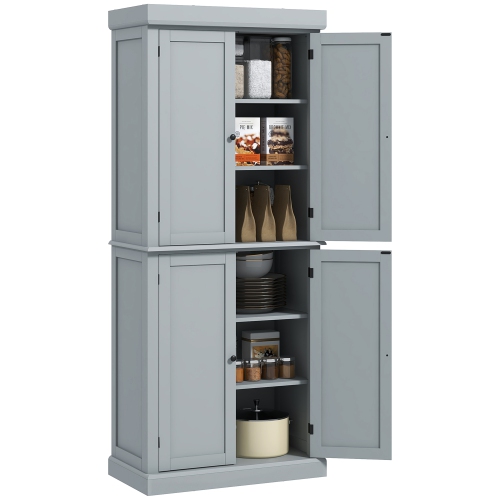 Your price for this item is $285
-
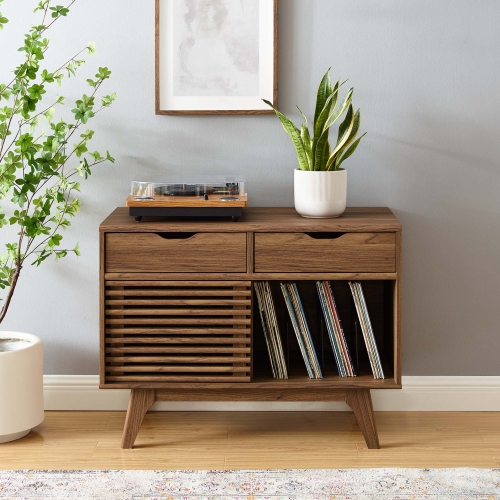 Your price for this item is $452.93
-
 Your price for this item is $155.99
-
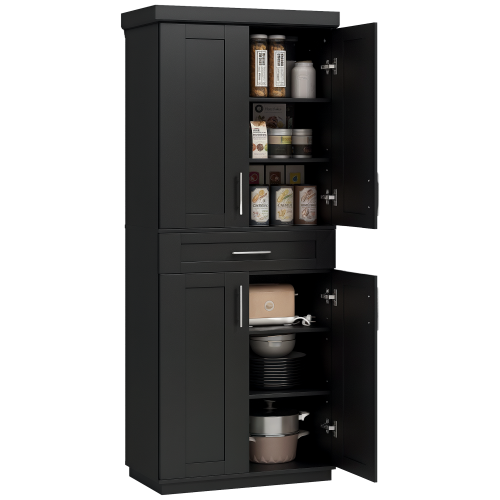 Your price for this item is $269.99
-
 Your price for this item is $12.97
-
 Your price for this item is $155.99
-
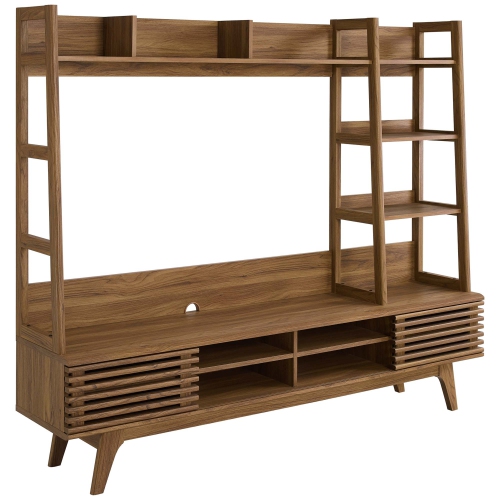 Your price for this item is $885.06
-
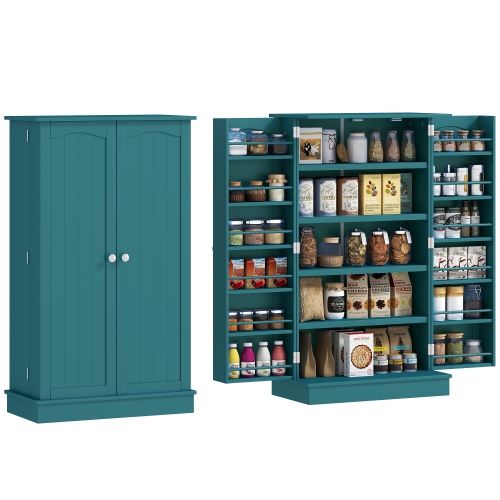 Your price for this item is $132.99
Discover more categories related to Sideboard Storage
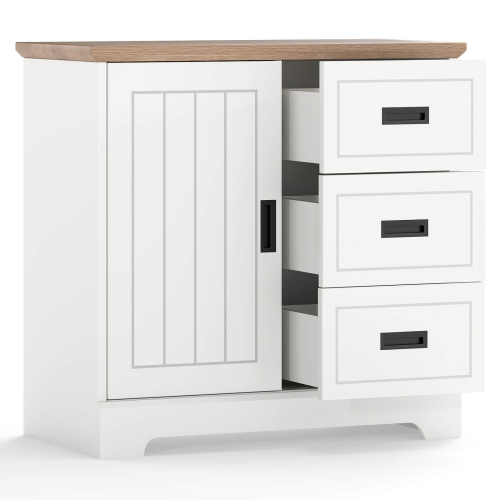
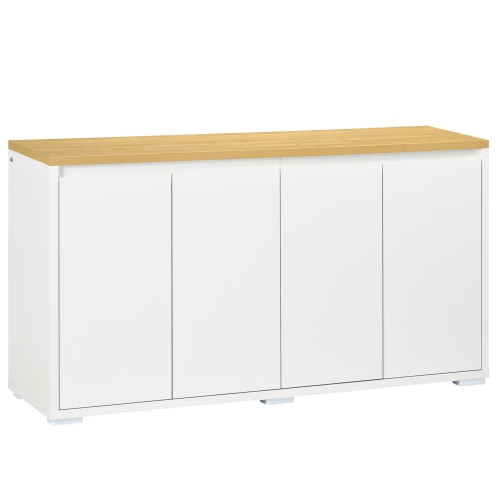
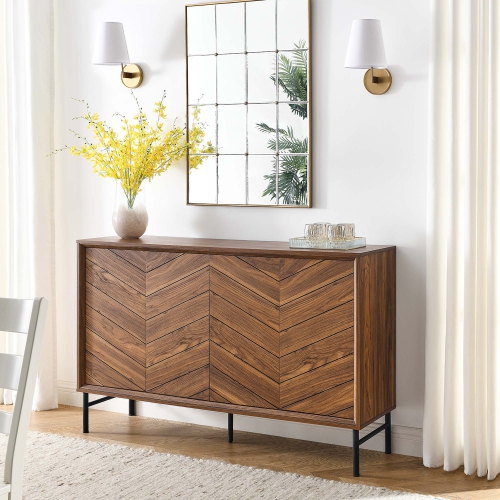
Top Collections:
Best Black Friday Deals This Year, Best Black Friday Deals On Electronics, Kindle Devices, Dyson Airwrap, Best Cameras for Sports Photography, Best Budget Office Chairs, Canon G7X Cameras, PS5 Pro Consoles, Best Black Friday Deals On Apple Products, XBOX One S Consoles
Some products may be subject to Environmental Handling Fees
(EHF) depending on your province.
Learn more about EHFs.