Silicone Trays
Discover the versatility and convenience of silicone trays, a must-have addition to any kitchen or craft space. These flexible and durable trays are perfect for a variety of uses, from baking and freezing to organizing and crafting. With their non-stick surfaces and easy-to-clean design, silicone trays offer a practical solution for everyday tasks while adding a touch of modern style to your home. Whether you're a culinary enthusiast or simply looking for efficient storage solutions, explore our selection of silicone trays to find the perfect fit for your needs at Best Buy Canada.
Sort

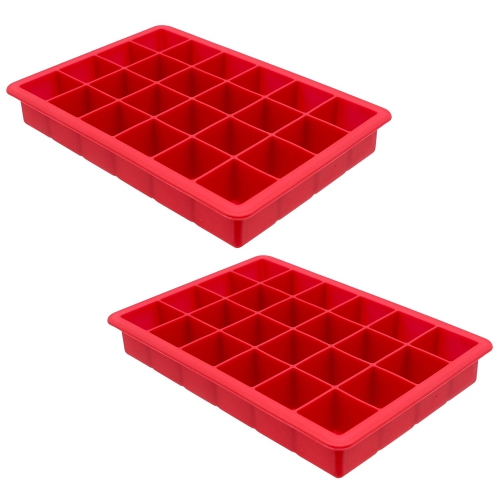
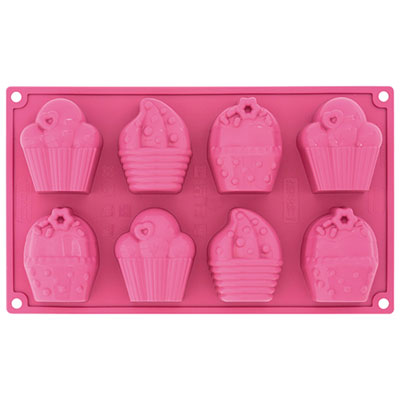
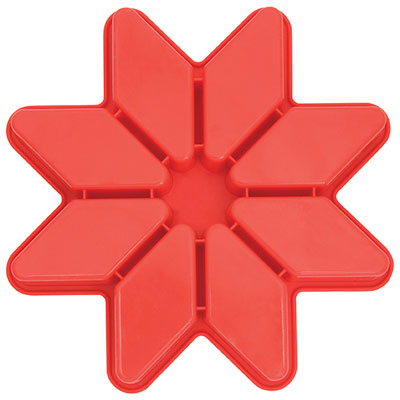
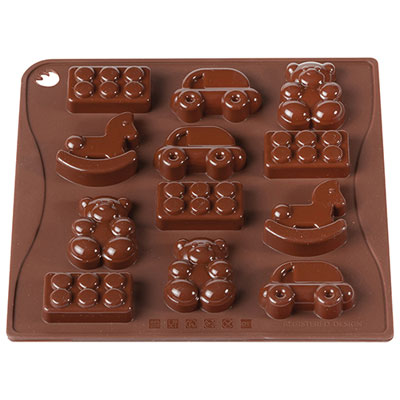
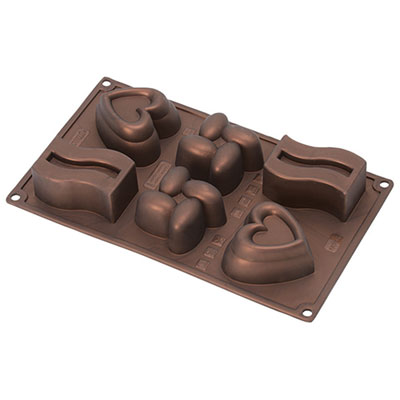
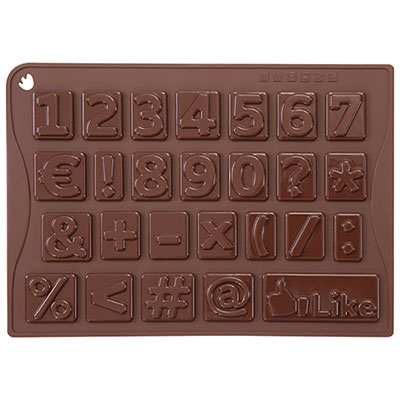
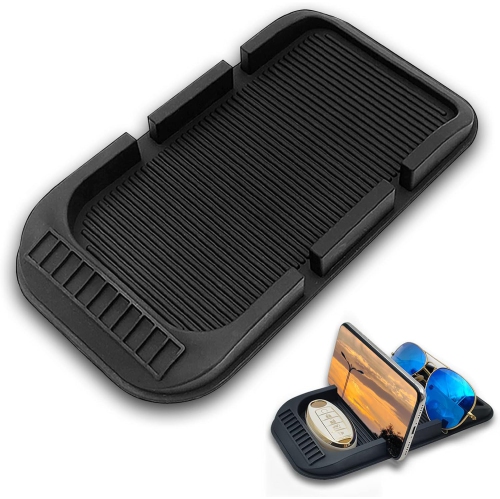



Practical guidance for portioning, freezing, and reheating homemade foods
Silicone trays are practical kitchen tools for freezing, storing, portioning, and reheating a wide range of foods. Made from flexible, food-grade silicone, they are especially useful for turning a large batch of soup, stock, sauce, stew, purée, or cooked grains into neat portions that can be used one at a time. Instead of balancing a half-filled container in the freezer or trying to break apart a solid block of leftovers, you can divide food into individual compartments before freezing. Once frozen, the flexible material makes it easy to release each portion by gently pressing from the underside or twisting the tray slightly. This can make weekday meals feel more manageable, particularly during the cooler months when hearty soups, pasta sauces, and slow-cooked dishes are regular parts of the menu. Silicone trays can also be useful for freezing small amounts of chopped herbs, lemon juice, pesto, baby food, or homemade broth, helping you keep convenient portions ready for recipes and snacks. Look for clear fill lines if accurate portions matter to you; measurements marked in tablespoons, cups, or millilitres can be helpful when following recipes, planning servings, or preparing food for a baby. Smaller compartments may suit purées, sauces, and ice, while larger sections are better for a single serving of soup or a meal component. If you often prepare food in batches, a tray with a combination of practical portion sizes can give you more flexibility than a single-purpose mould. Silicone trays may also be a thoughtful gift for someone setting up a kitchen, welcoming a baby, cooking for one, or trying to make homemade meals easier to organize. For households that use silicone in several areas of food preparation, Silicone Bowls can complement trays for mixing, serving, and storing prepared foods.
When comparing silicone trays, pay close attention to the tray’s capacity, compartment shape, dimensions, and overall construction. A tray filled with liquid can become awkward to carry, so a firm rim or embedded steel frame can provide extra stability and help prevent spills as it travels from the counter to the freezer. A rigid base is particularly helpful when portioning thin liquids such as stock or soup. Fitted lids can protect food from freezer odours, dust, and accidental spills, while also making it easier to stack trays or place them in a crowded freezer. Check that the lid fits securely without being difficult to remove, and confirm whether it is made for freezer or microwave use; many lids should be removed before heating and should not go in the oven. The silicone tray itself may be rated for the freezer, microwave, dishwasher, and oven, but temperature limits vary by design. Always review the manufacturer’s instructions before exposing a tray to high heat, and remember that oven-safe ratings generally apply to the tray only, not the lid. Do not place silicone directly on a burner, under a broiler, or over an open flame. For microwave use, leave room for expansion, loosen or remove the lid as directed, and handle the tray carefully because hot food and steam can cause burns. Oven use also calls for a stable baking sheet underneath, especially when the compartments contain liquid. This extra support makes the tray easier to move and helps protect against tipping. For freezer storage, consider how much room the tray will occupy from front to back and whether the filled compartments can be stacked without pressing on the lids. Smooth, rounded compartments are generally easier to clean, while measurement markings can make repeated meal preparation more consistent. If you are preparing food for a young child, choose a tray that is easy to wash thoroughly and use it only according to its care instructions. Avoid assuming that every silicone tray is suitable for every food, temperature, or storage method simply because it feels flexible.
Care and storage can have a noticeable effect on how useful a silicone tray remains over time. Wash it before first use, and clean it soon after emptying so oils, tomato-based sauces, and rich soups do not leave a lingering film. Many trays are dishwasher-safe, although a top-rack position may be recommended, particularly for flexible lids or smaller accessories. Hand washing with warm water and mild dish soap can be helpful when food collects around reinforced rims or measurement marks. Allow the tray and lid to dry completely before putting them away, as trapped moisture can create unpleasant odours. Silicone can sometimes retain the smell of strongly flavoured foods or freezer contents. If that happens, wash the tray thoroughly and follow the care directions; some manufacturers recommend a dishwasher cycle or warming the empty tray in an oven at a specified temperature, but this should only be done when the instructions permit it. Avoid sharp knives and abrasive scrubbers that could damage the surface, and do not force frozen food out with metal utensils. Flexible compartments release frozen portions most effectively after a brief moment at room temperature or a quick rinse of the outside with cool-to-warm water, depending on the tray’s instructions. Think about your own routine when choosing a design: a compact tray may suit small kitchens and occasional batch cooking, while a larger, reinforced tray may be more useful for regular family meal preparation. During warmer weather, trays can hold frozen fruit portions, flavoured water, or smoothie ingredients; as the weather cools, they can shift naturally into a system for soups, gravies, and make-ahead meals. With the right size, secure storage, clear portions, and care requirements for your kitchen, silicone trays can help turn leftovers and prepared ingredients into orderly, ready-to-use servings.
When comparing silicone trays, pay close attention to the tray’s capacity, compartment shape, dimensions, and overall construction. A tray filled with liquid can become awkward to carry, so a firm rim or embedded steel frame can provide extra stability and help prevent spills as it travels from the counter to the freezer. A rigid base is particularly helpful when portioning thin liquids such as stock or soup. Fitted lids can protect food from freezer odours, dust, and accidental spills, while also making it easier to stack trays or place them in a crowded freezer. Check that the lid fits securely without being difficult to remove, and confirm whether it is made for freezer or microwave use; many lids should be removed before heating and should not go in the oven. The silicone tray itself may be rated for the freezer, microwave, dishwasher, and oven, but temperature limits vary by design. Always review the manufacturer’s instructions before exposing a tray to high heat, and remember that oven-safe ratings generally apply to the tray only, not the lid. Do not place silicone directly on a burner, under a broiler, or over an open flame. For microwave use, leave room for expansion, loosen or remove the lid as directed, and handle the tray carefully because hot food and steam can cause burns. Oven use also calls for a stable baking sheet underneath, especially when the compartments contain liquid. This extra support makes the tray easier to move and helps protect against tipping. For freezer storage, consider how much room the tray will occupy from front to back and whether the filled compartments can be stacked without pressing on the lids. Smooth, rounded compartments are generally easier to clean, while measurement markings can make repeated meal preparation more consistent. If you are preparing food for a young child, choose a tray that is easy to wash thoroughly and use it only according to its care instructions. Avoid assuming that every silicone tray is suitable for every food, temperature, or storage method simply because it feels flexible.
Care and storage can have a noticeable effect on how useful a silicone tray remains over time. Wash it before first use, and clean it soon after emptying so oils, tomato-based sauces, and rich soups do not leave a lingering film. Many trays are dishwasher-safe, although a top-rack position may be recommended, particularly for flexible lids or smaller accessories. Hand washing with warm water and mild dish soap can be helpful when food collects around reinforced rims or measurement marks. Allow the tray and lid to dry completely before putting them away, as trapped moisture can create unpleasant odours. Silicone can sometimes retain the smell of strongly flavoured foods or freezer contents. If that happens, wash the tray thoroughly and follow the care directions; some manufacturers recommend a dishwasher cycle or warming the empty tray in an oven at a specified temperature, but this should only be done when the instructions permit it. Avoid sharp knives and abrasive scrubbers that could damage the surface, and do not force frozen food out with metal utensils. Flexible compartments release frozen portions most effectively after a brief moment at room temperature or a quick rinse of the outside with cool-to-warm water, depending on the tray’s instructions. Think about your own routine when choosing a design: a compact tray may suit small kitchens and occasional batch cooking, while a larger, reinforced tray may be more useful for regular family meal preparation. During warmer weather, trays can hold frozen fruit portions, flavoured water, or smoothie ingredients; as the weather cools, they can shift naturally into a system for soups, gravies, and make-ahead meals. With the right size, secure storage, clear portions, and care requirements for your kitchen, silicone trays can help turn leftovers and prepared ingredients into orderly, ready-to-use servings.
Top selling and popular products
-
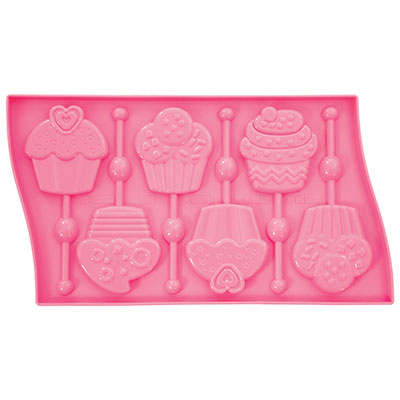 Your price for this item is $29.99
 -
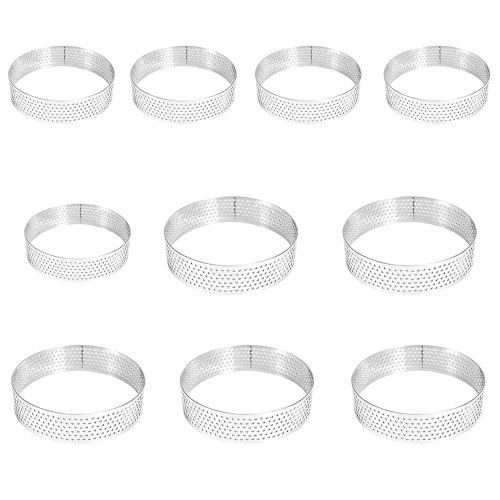 Your price for this item is $32.77
 -
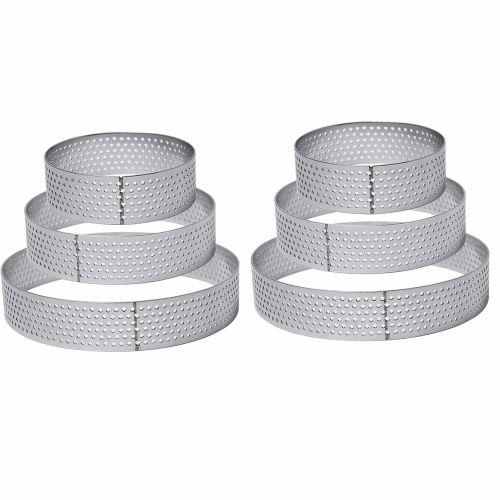 Your price for this item is $26.77
 -
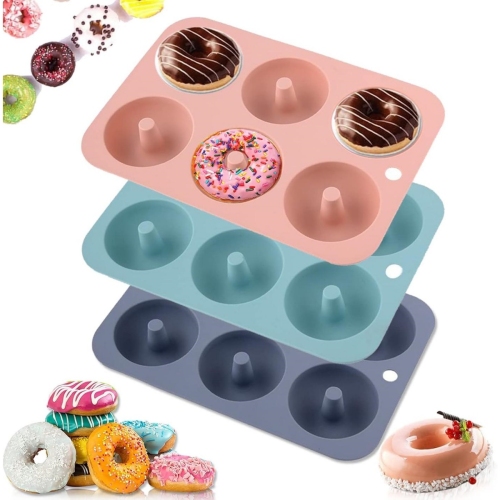 Your price for this item is $31.7
 -
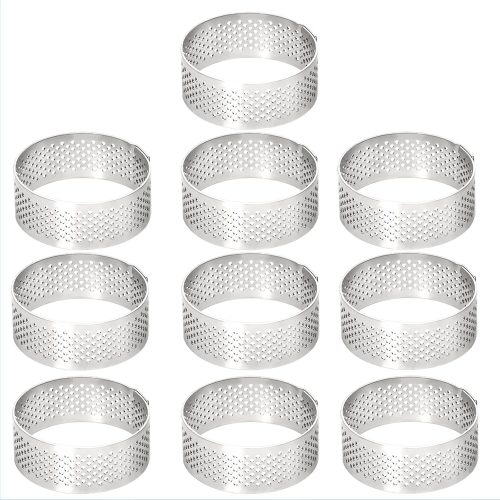 Your price for this item is $20.89
 -
 Your price for this item is $30
 -
 Your price for this item is $33.04
 -
 Your price for this item is $33.54
Discover more categories related to Silicone Trays
Top Collections:
Pokemon Centers, Kindle Devices, Best Budget Office Chairs, Apple iPhones 16, Best Laptops for Writers, iPhone 15 Apple, Canon G7X Cameras, Refurbished Apple Laptops, Alarm Clock, Motorola Razr Phones
Some products may be subject to Environmental Handling Fees
(EHF) depending on your province.
Learn more about EHFs.