Silver Dining Chairs
Silver dining chairs add a touch of elegance and sophistication to almost any dining space. Whether in a formal dining room, a casual breakfast nook, or even a home office, silver dining chairs can be the perfect choice for a stylish and comfortable seating solution. Here are some great options available.
Sort

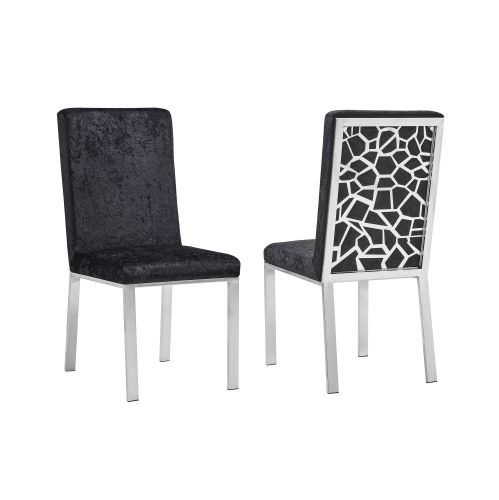
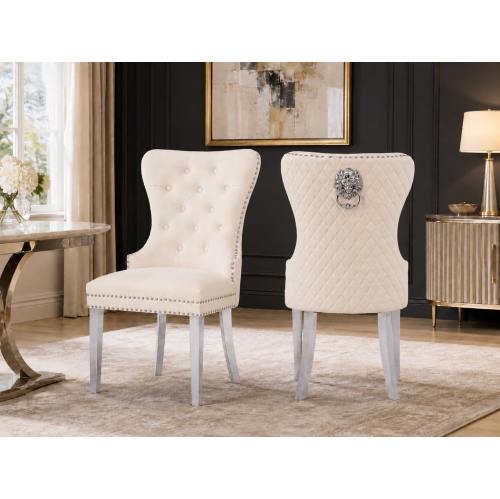
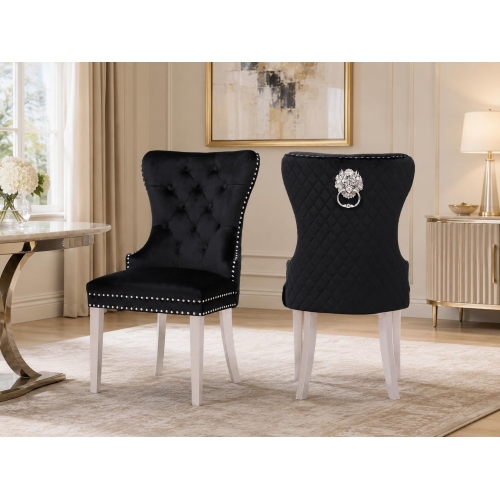


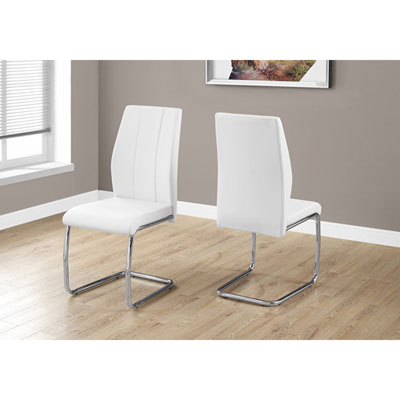
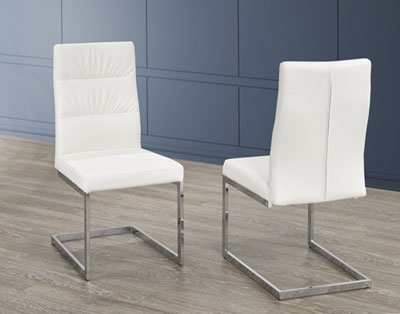
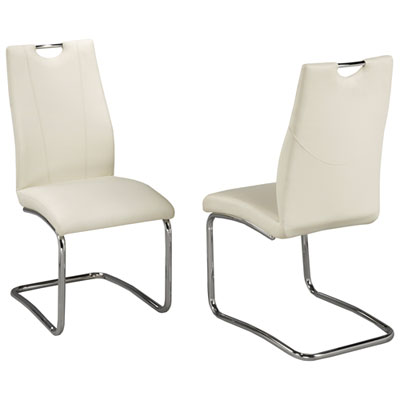
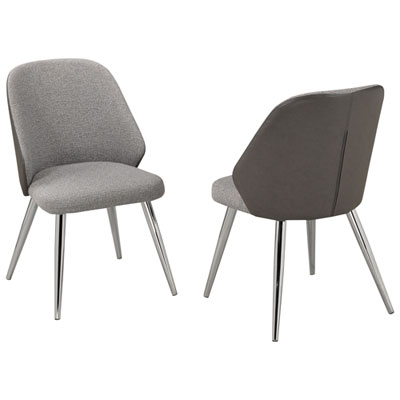

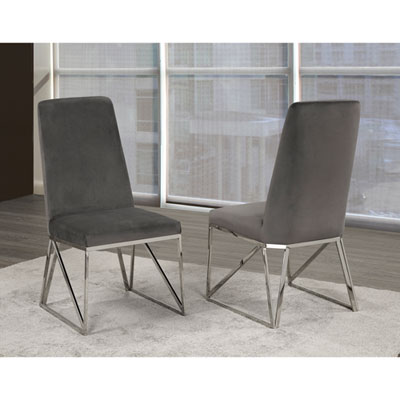



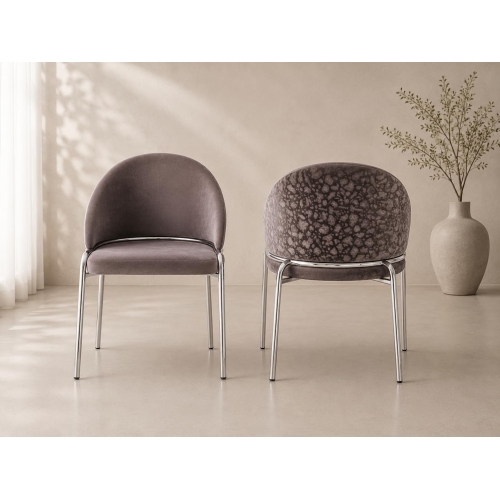
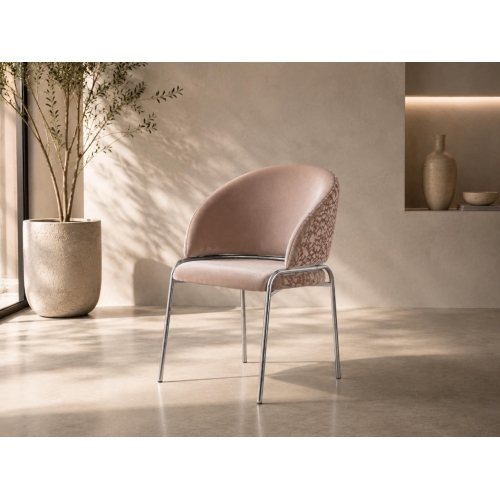

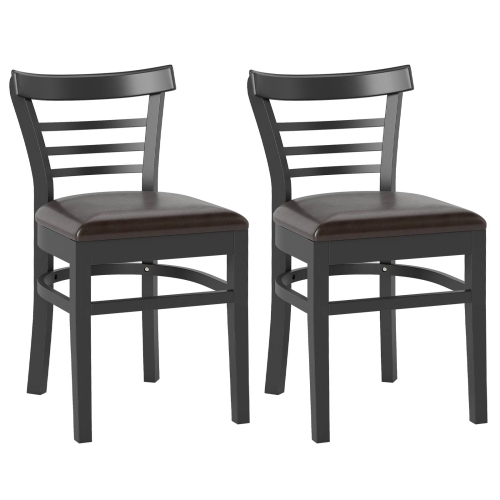

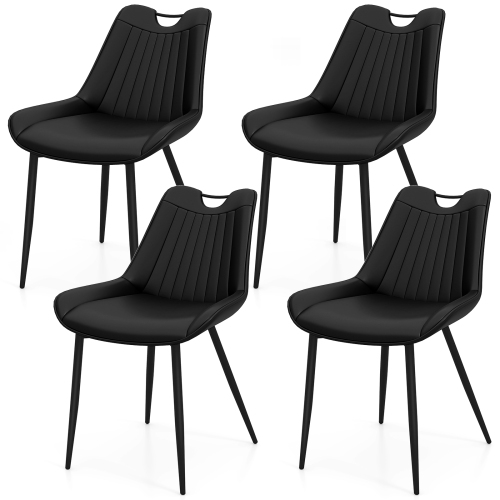
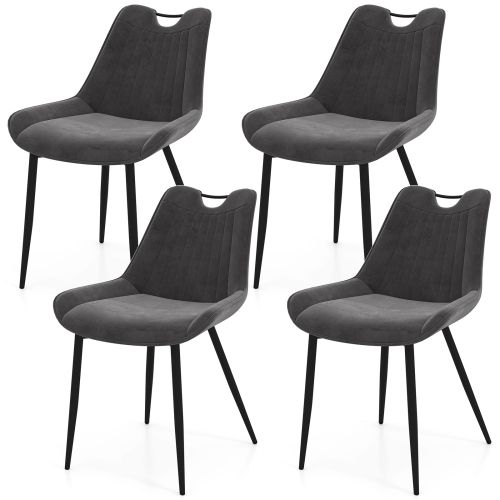
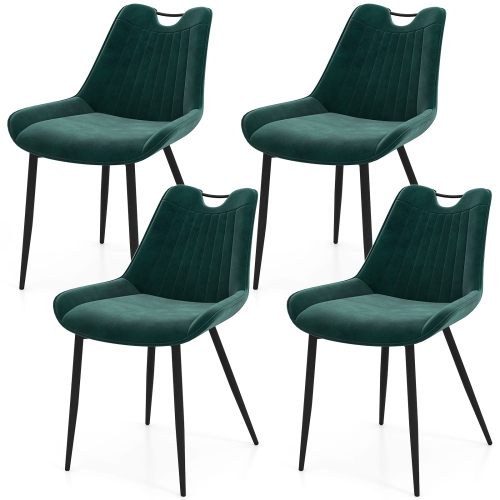

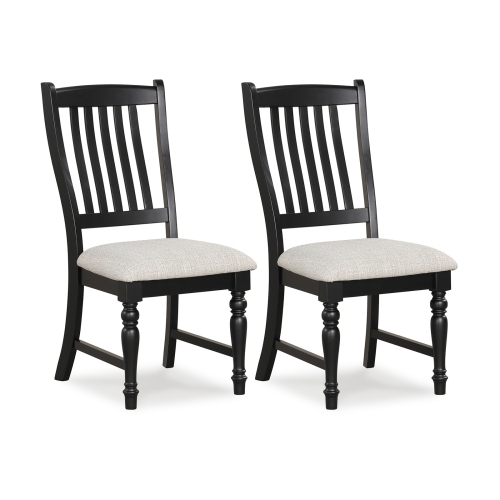

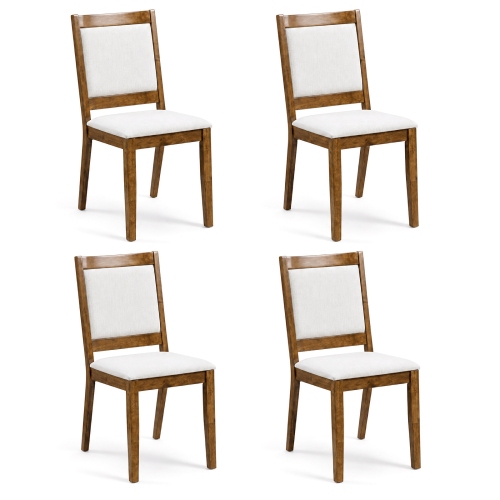


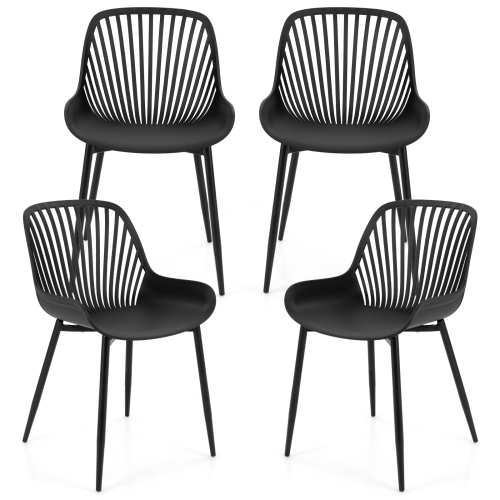
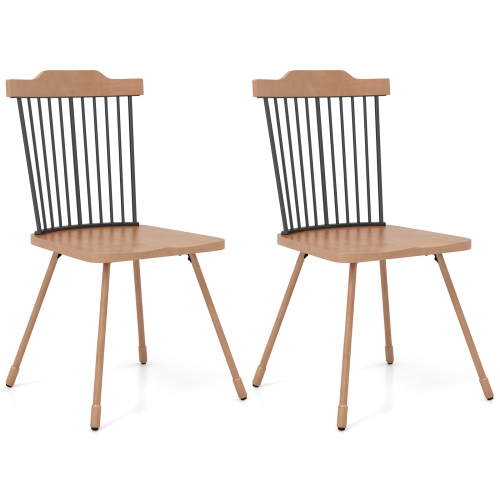
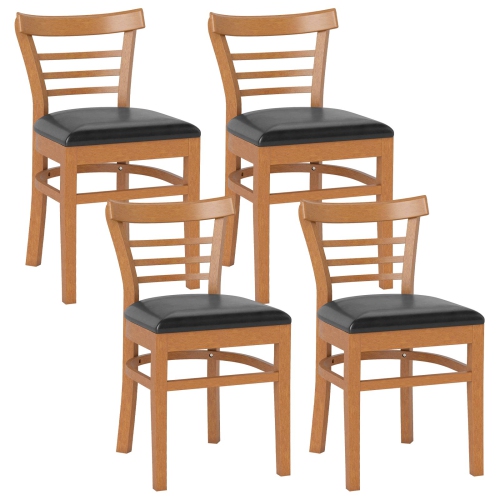
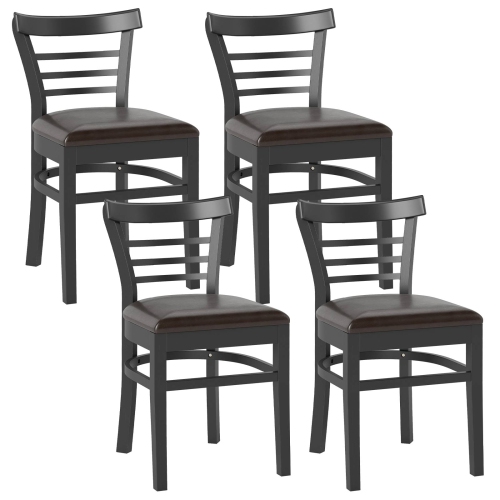


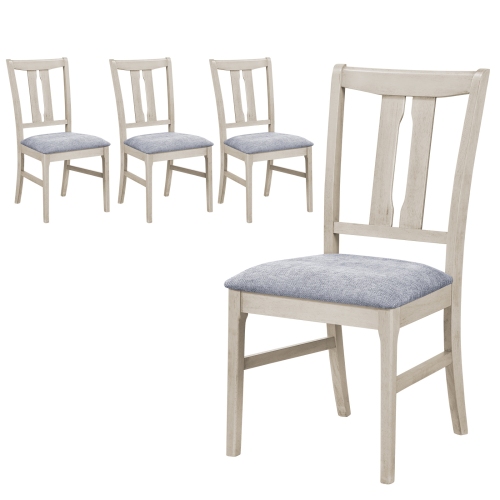
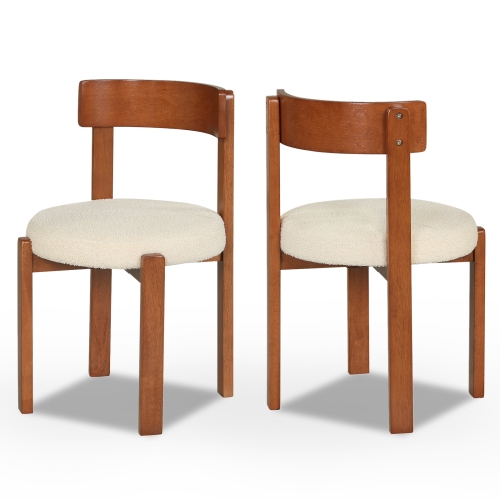
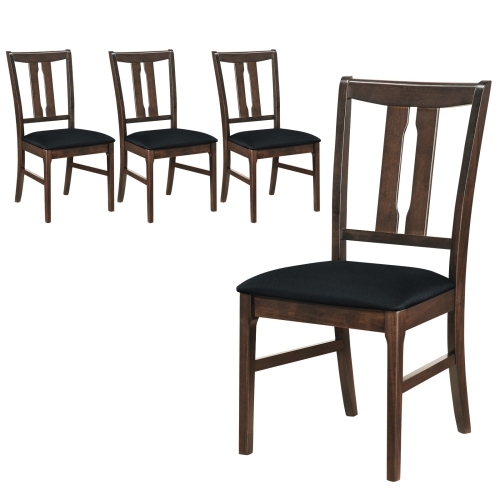
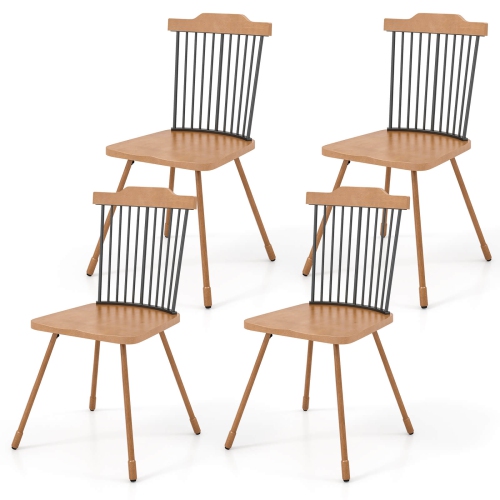
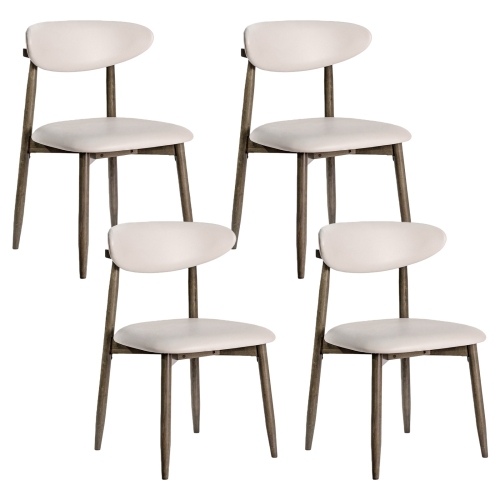
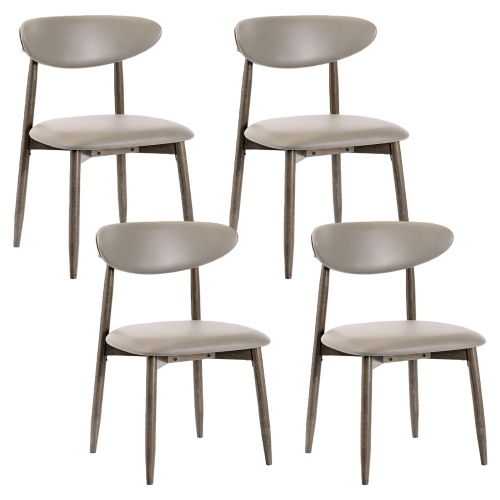
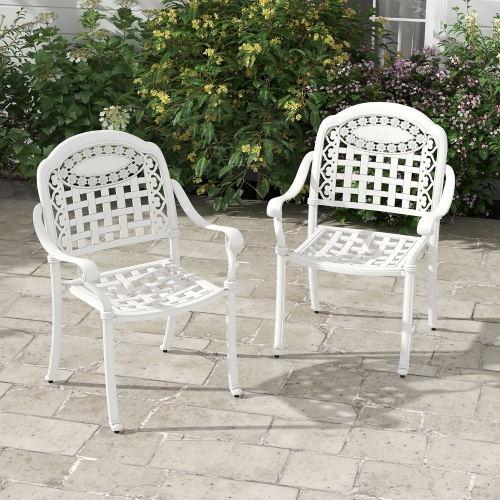
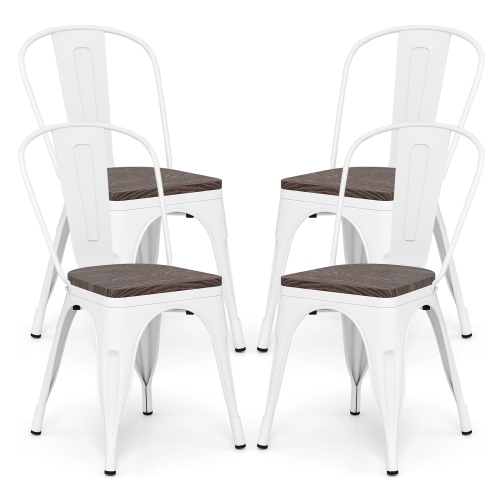

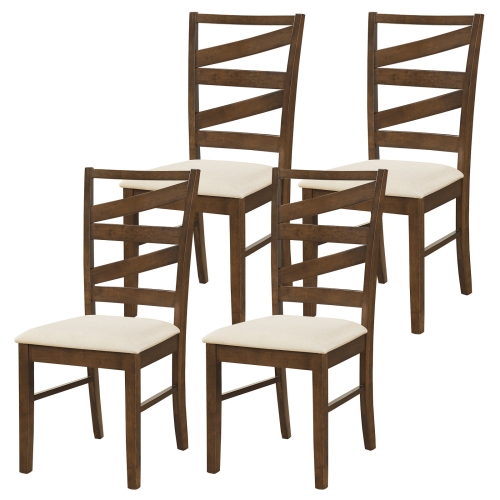
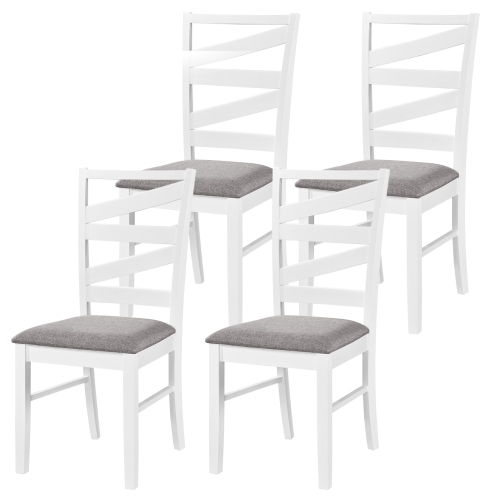
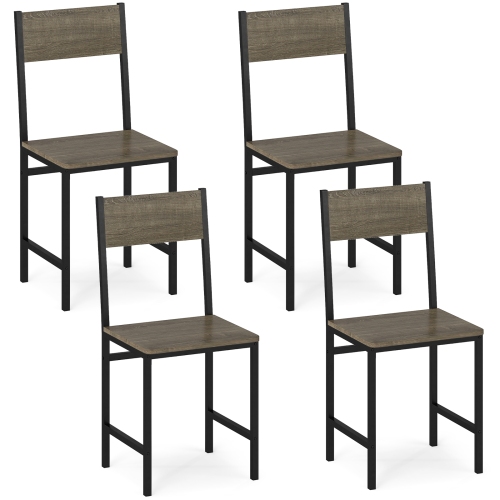


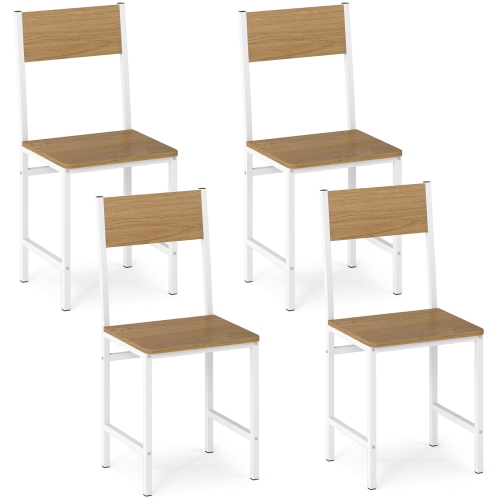


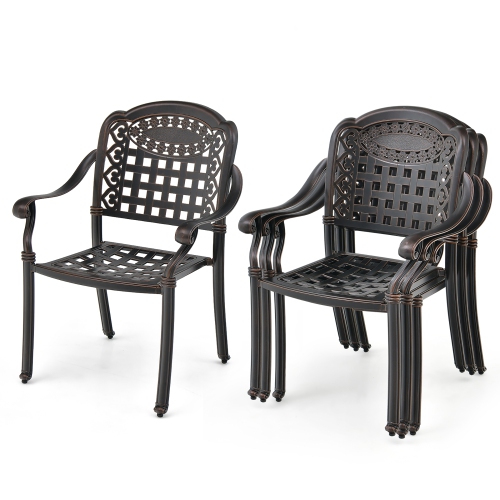

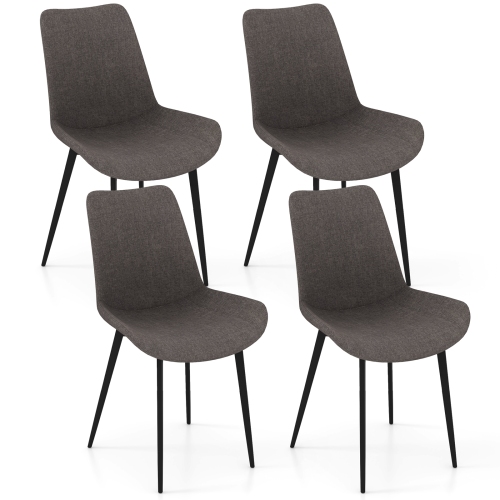
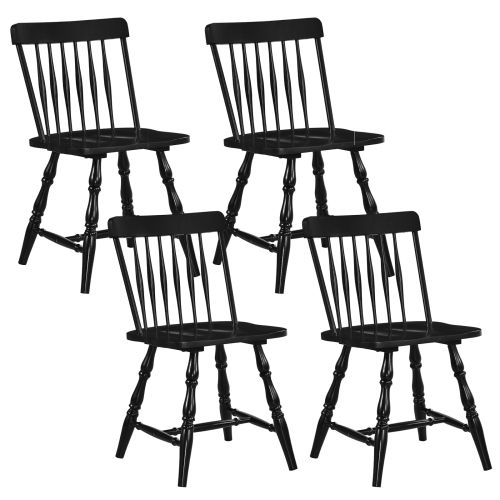
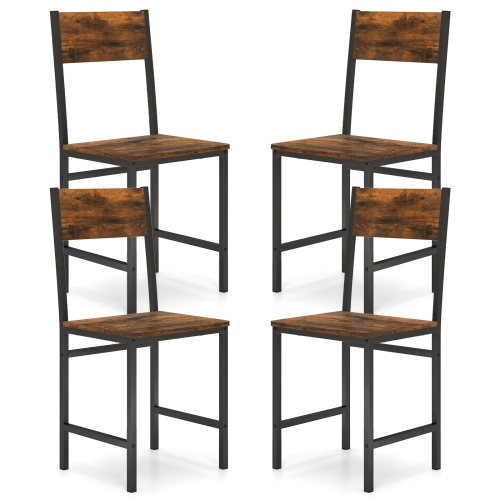

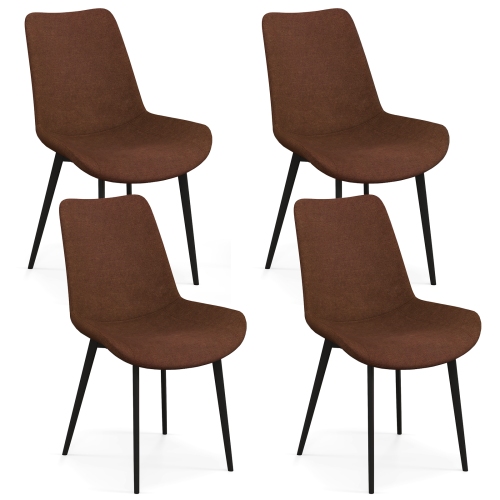
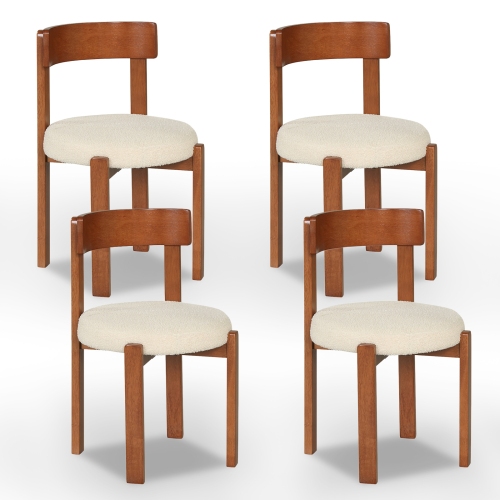
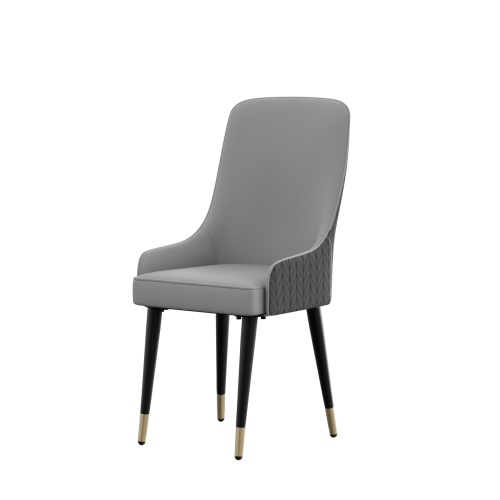

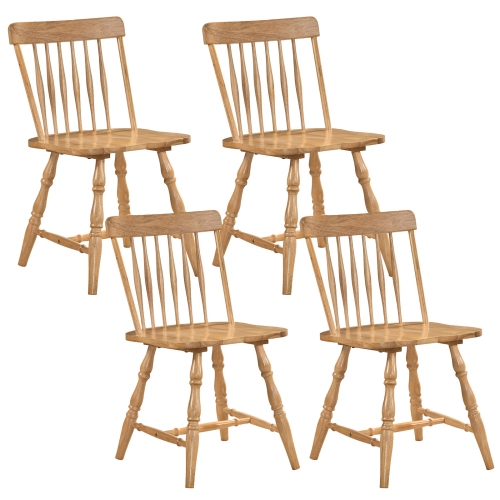


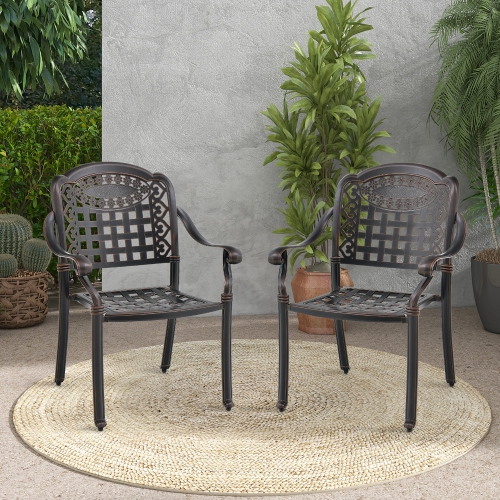
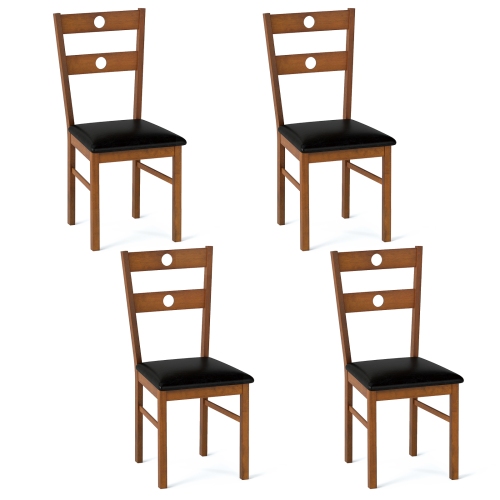

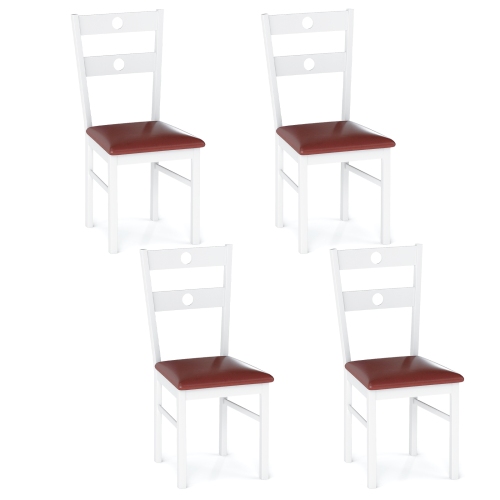


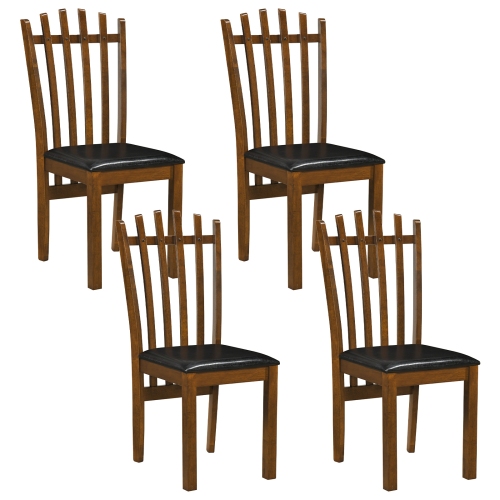


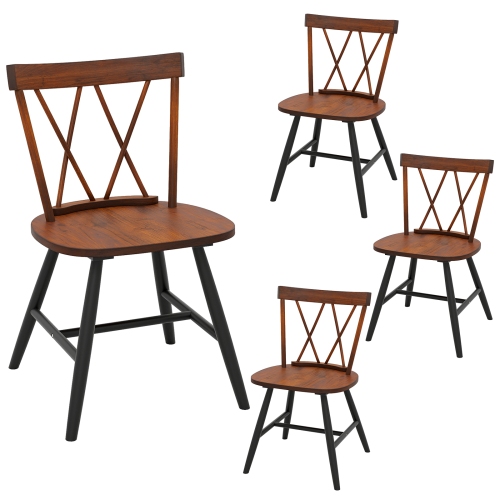
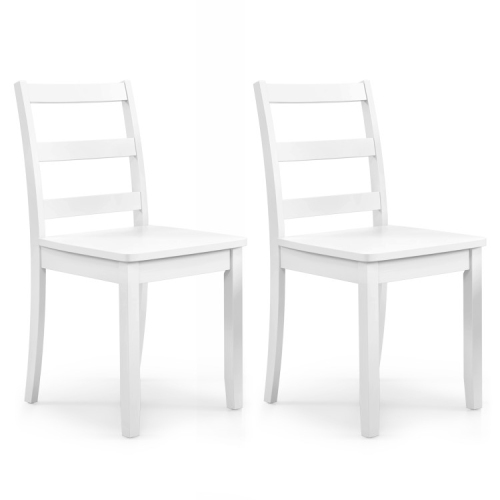
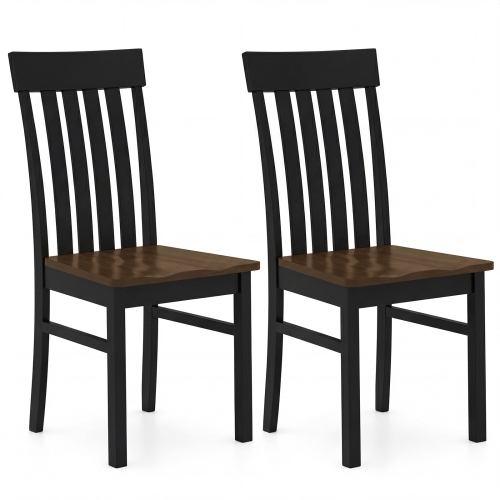

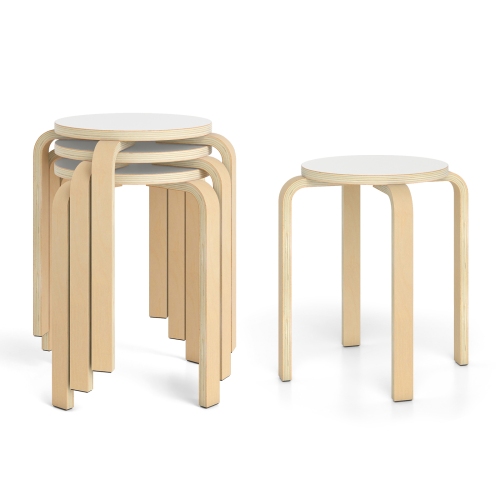
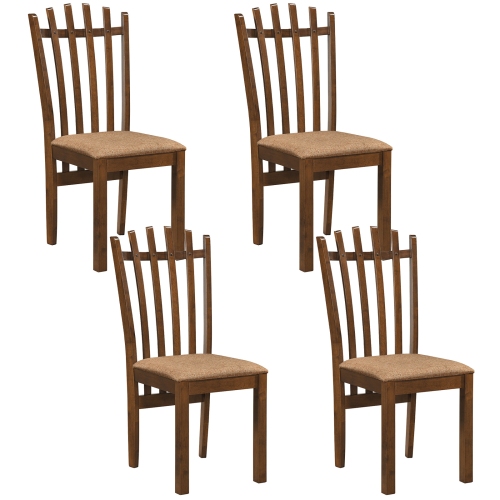


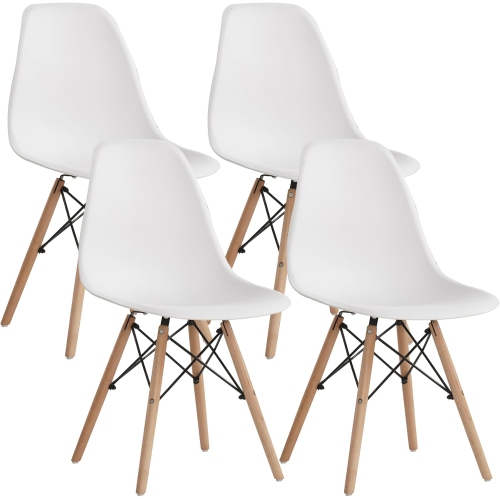


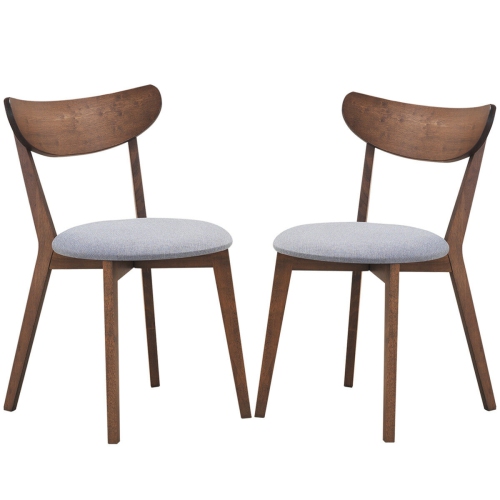


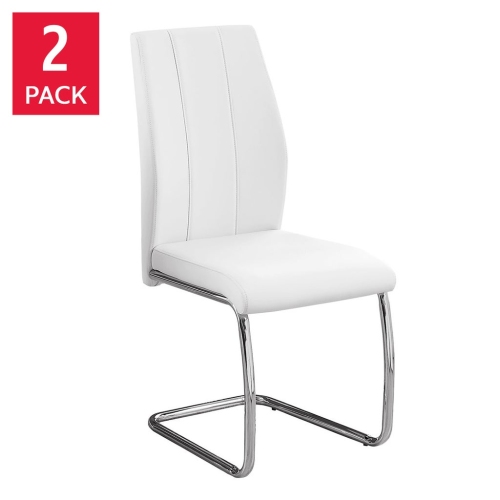


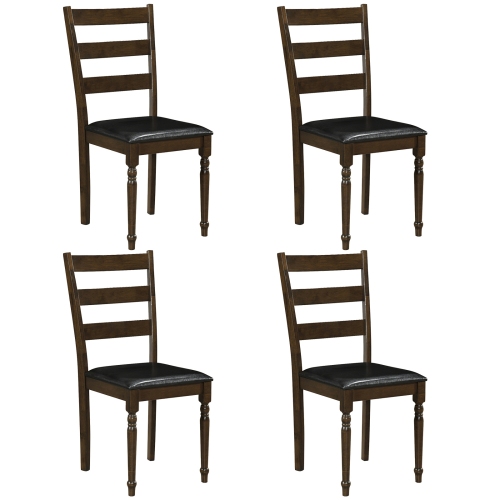
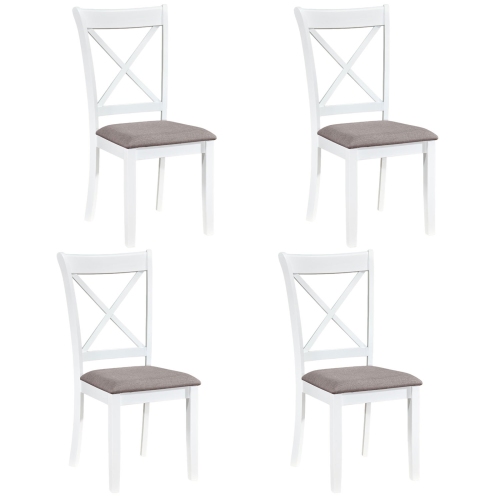


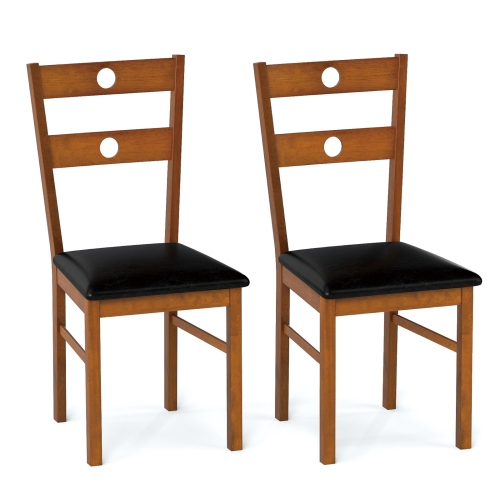
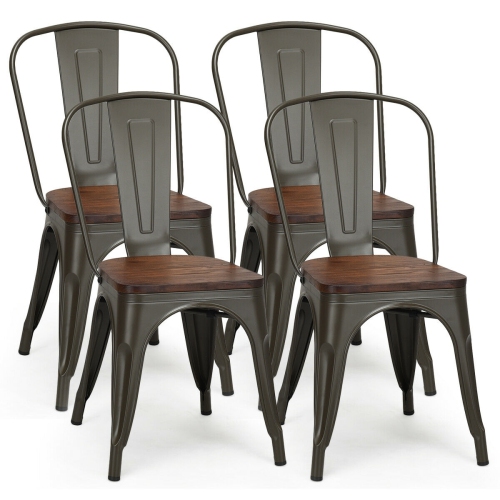
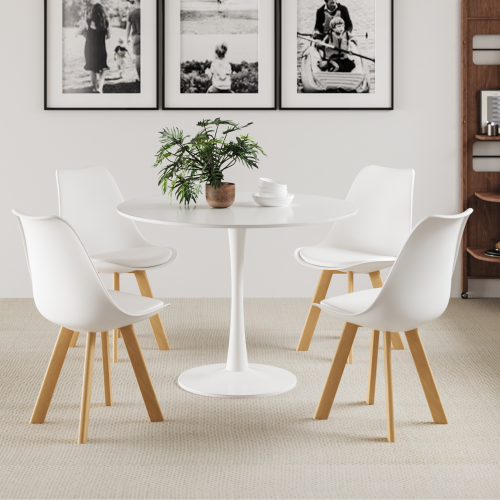


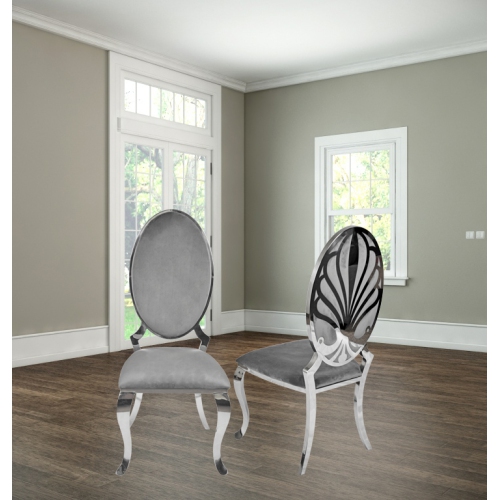


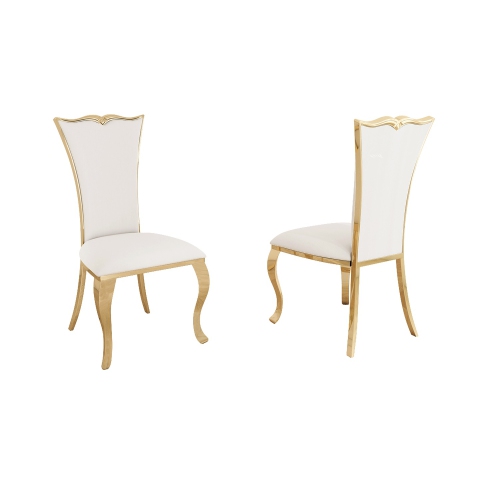
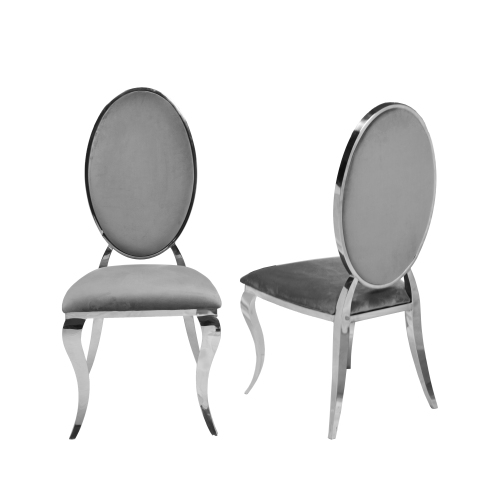
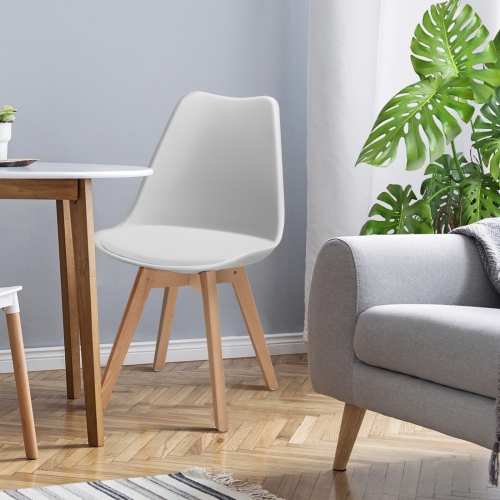


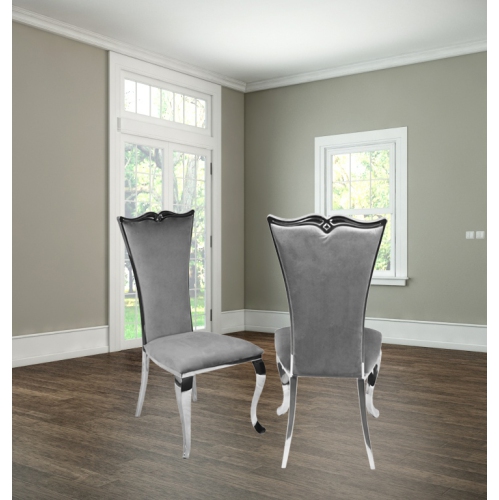


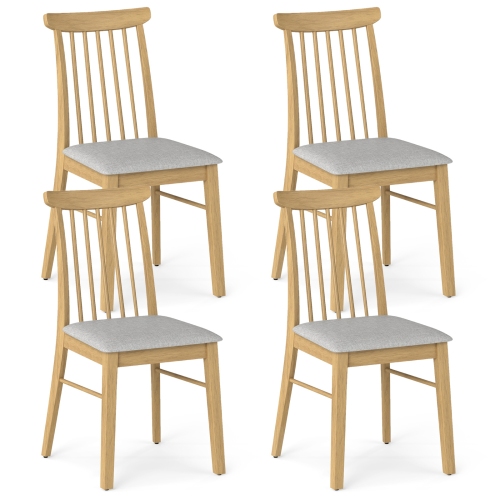


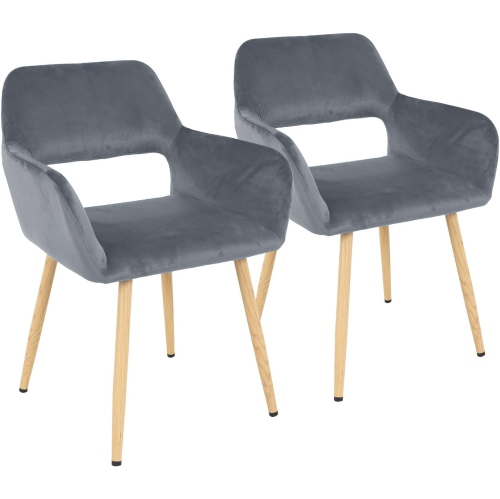
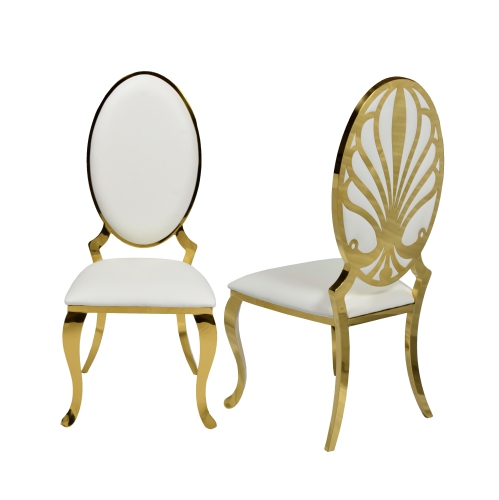


There’s more to silver seating than its shine
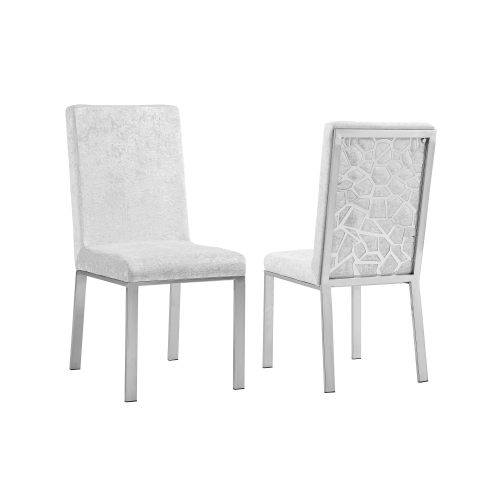
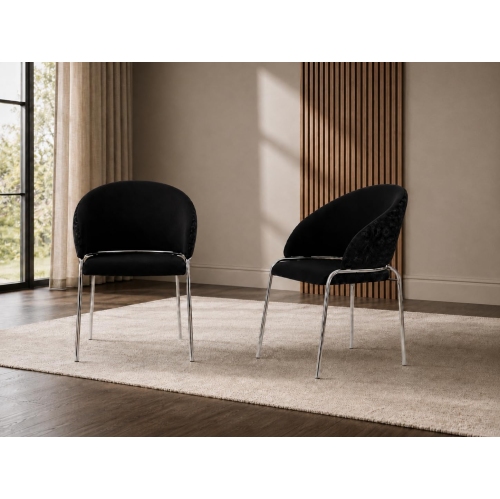
Silver dining chairs bring a crisp metallic accent to a dining space without requiring every surface in the room to match. The effect depends on how much silver is visible and how the finish catches the light. A polished frame creates bright reflections beside a glass tabletop, while a brushed or satin finish gives a quieter impression against wood, stone, or a painted table. Silver can lean cool and contemporary, but it also works with traditional details such as curved backs, tufted upholstery, and gently tapered legs. Against a dark table, a silver frame makes the outline of each chair more noticeable; beside pale oak or white cabinetry, it can blend into a lighter, more understated arrangement. Upholstery changes the character just as much as the frame does. Grey fabric creates a tonal look, cream softens the contrast, and deep blue or charcoal gives the metallic details a stronger presence. For a look that keeps the silver accent below the seat, dining chairs with silver legs can complement a table without making metal the dominant feature. Material descriptions matter because a silver appearance does not necessarily mean the chair is made entirely from metal. The colour may come from a plated steel frame, an aluminium component, a painted finish, or metallic detailing on an otherwise upholstered chair. Those differences affect weight, texture, and care. A reflective surface can show fingerprints more readily, while a textured finish may make small marks less noticeable. The shape of the frame also influences the room: slender legs leave more of the floor visible, whereas a broad base gives the seating a more substantial presence. In an open-plan home, repeating a silver detail from nearby cabinet handles or a light fixture can connect the dining area to the kitchen. An exact match is not essential; a consistent level of shine often creates a more comfortable connection than trying to make every metal surface identical.
A good fit involves more than whether a chair can slide beneath the tabletop. Seat height, overall width, back height, and the position of the table legs all affect how comfortably people can gather. Many dining arrangements work well with approximately 25 to 30 cm between the seat surface and the underside of the tabletop, although a thick table apron or a deeply cushioned seat can change that relationship. Armrests need their own clearance, especially beneath tables with substantial framing. A chair that looks compact from the front may still need considerable space behind it when someone sits down or pushes away from the table. Around a round table in a condo, narrower armless chairs can make it easier to move between seats; at a longer table, upholstered armchairs at the ends can provide a more relaxed place to settle in. Seat depth is worth considering for the people who will use the chairs most often. A very deep seat may leave a shorter person sitting forward without back support, while a shallow one may feel restrictive to someone taller. A gently shaped back and a supportive seat can make a noticeable difference when dinner stretches into conversation or the table doubles as a place for homework. Cushioning should feel comfortable without making the chair awkward to get in and out of. Upholstered seats also introduce practical differences: tightly woven fabric has a different feel and cleaning routine from velvet, leather, or a synthetic covering. Households with young children may place more importance on accessible seams and surfaces that can be wiped clean according to the care instructions. For frequent entertaining, chair weight matters too. Seating that is easy to pull out, reposition, and return to the table makes a shared dining space simpler to use, while a heavier frame may be better suited to a layout that rarely changes.
Durability comes from the whole construction, not simply the presence of a metal frame. Secure joints, even contact with the floor, well-supported upholstery, and an appropriate weight capacity all contribute to dependable everyday seating. Crossbars or reinforced connections can add support, but their placement should leave room for feet and comfortable movement. On cantilever-style chairs, the base and the way it responds to a seated person are particularly important; any intended flexibility should not be confused with loose fittings or uneven assembly. Following the assembly instructions and checking fasteners at the recommended intervals helps maintain the chair’s fit over time. Floor protection deserves equal attention, especially where dining chairs move repeatedly across hardwood, laminate, or tile. Glides or pads should suit both the chair base and the flooring, and they need to stay clean so trapped grit does not scratch the surface. A dining rug adds another consideration: all chair legs should remain supported when the seat is pulled back for use, rather than catching at the edge. For routine care, a soft cloth and the manufacturer’s recommended cleaning method are generally a better starting point than abrasive pads or strong cleaners that could dull a silver finish. Upholstery spills are best addressed promptly, with the care label determining whether a damp cloth, a suitable cleaner, or professional attention is appropriate. These practical details help silver dining chairs suit more than a formal dining room. They can provide comfortable seating at an eat-in kitchen table, bring definition to a compact apartment dining area, or give a larger family table a coordinated appearance without relying on identical finishes throughout the room. The most successful arrangement balances the visual brightness of silver with the realities of daily use: enough room to sit comfortably, materials that suit the household, and a shape that feels at home beside the table.
Top selling and popular products
-
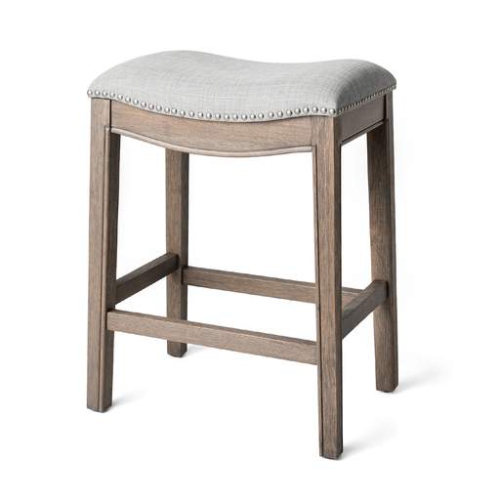 Your price for this item is $176.99
-
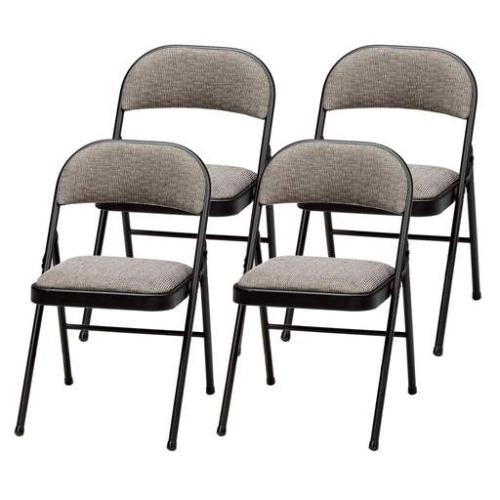 Your price for this item is $270.99
-
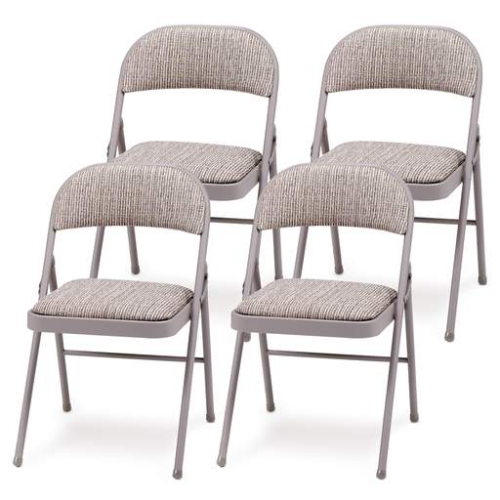 Your price for this item is $317.99
-
 Your price for this item is $430.14
-
 Your price for this item is $498.07
-
 Your price for this item is $155.99
-
 Your price for this item is $274.99
-
 Your price for this item is $431.99
Discover more categories related to Silver Dining Chairs
Top Collections:
Pokemon Centers, Kindle Devices, Best Cameras for Sports Photography, Pokémon 30th Celebration Cards, Apple iPhones 16, Canon G7X Cameras, iPhone 15 Apple, Flip Phones, Samsung Galaxy Phones, Alarm Clock
Some products may be subject to Environmental Handling Fees
(EHF) depending on your province.
Learn more about EHFs.