Simple White Desks With Drawers
A simple white desk with drawers offers a versatile solution for any home office, study space, or bedroom. Its clean design blends effortlessly with a variety of décor styles, making it easy to create a functional and organized workspace. With practical storage options, a simple white desk with drawers helps keep essentials within reach while maintaining a tidy appearance. Whether you’re working from home, studying, or managing daily tasks, this desk is an ideal choice for enhancing productivity and style.
Sort
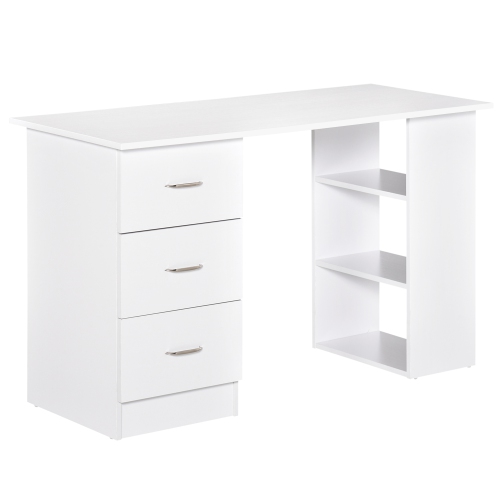
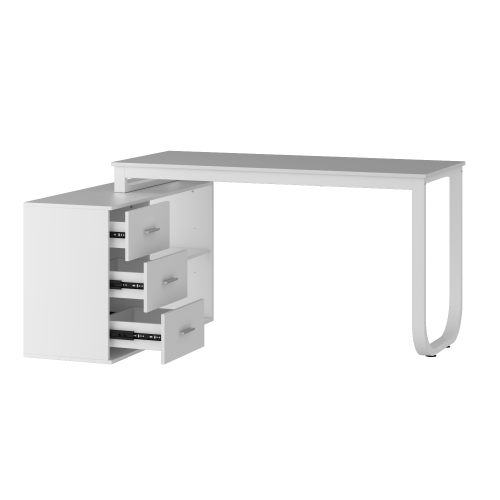
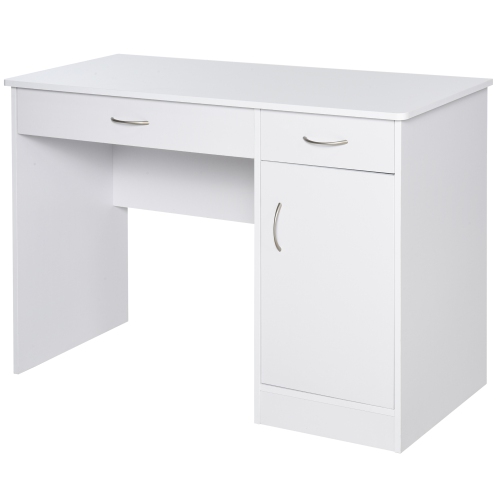

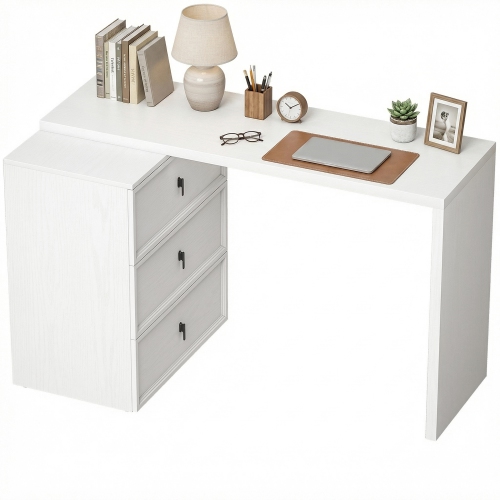

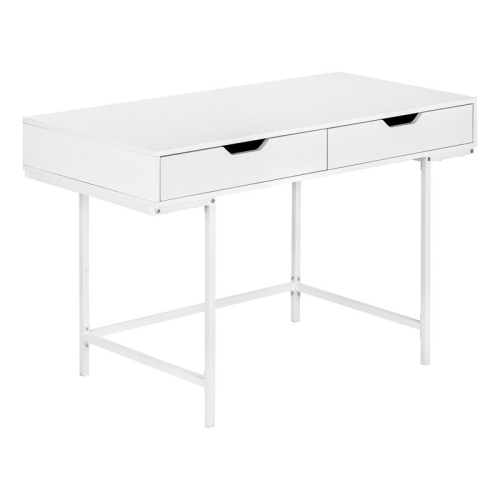
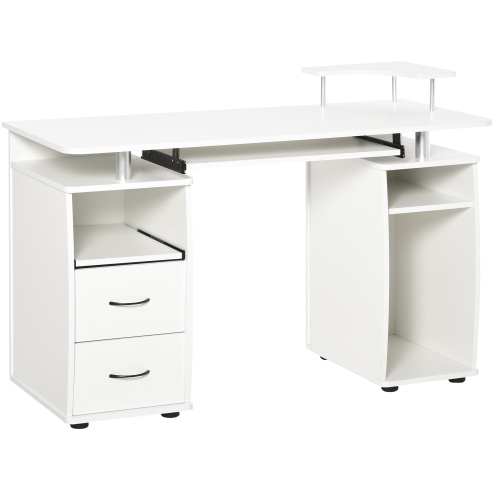
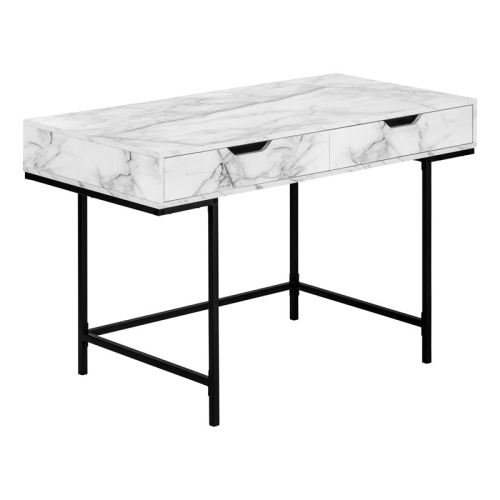
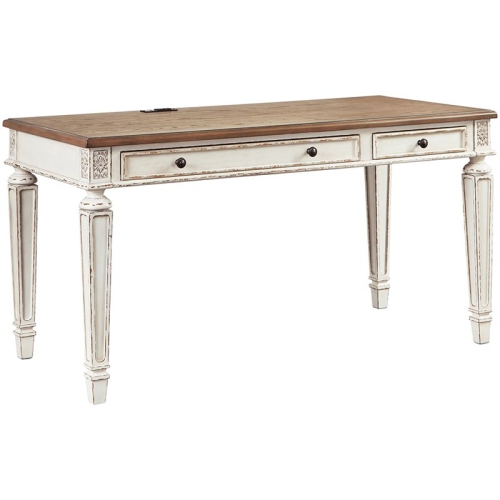
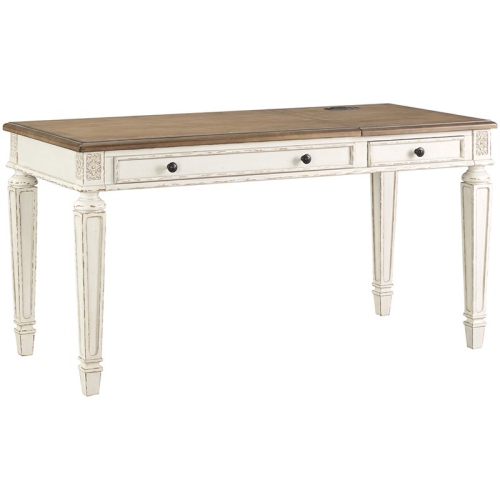
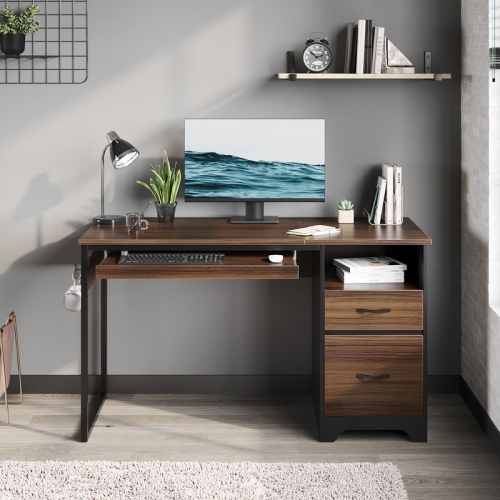
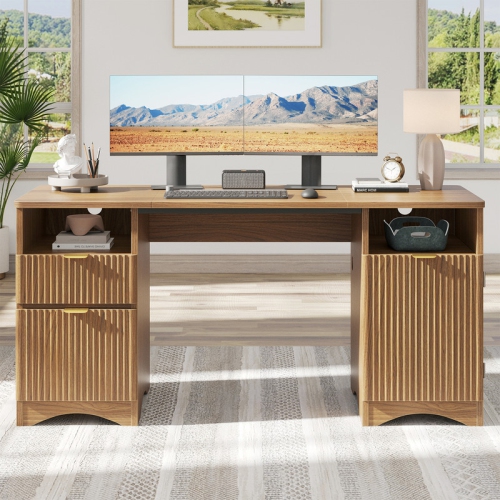
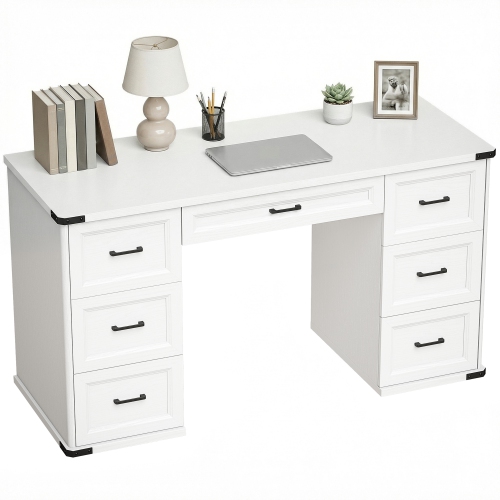
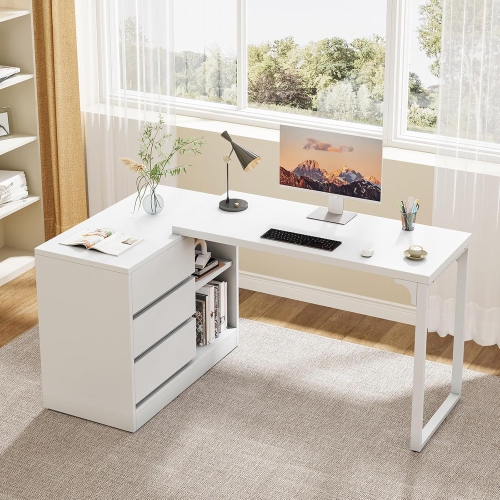
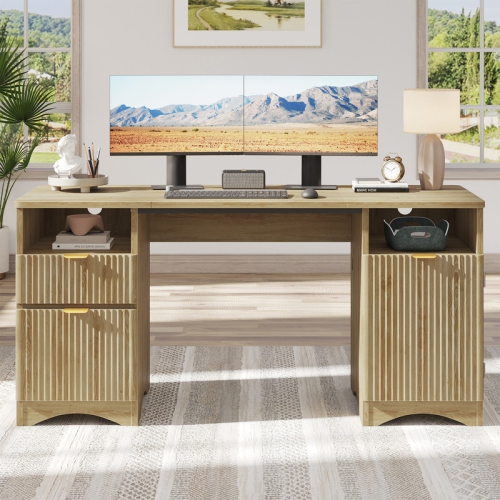
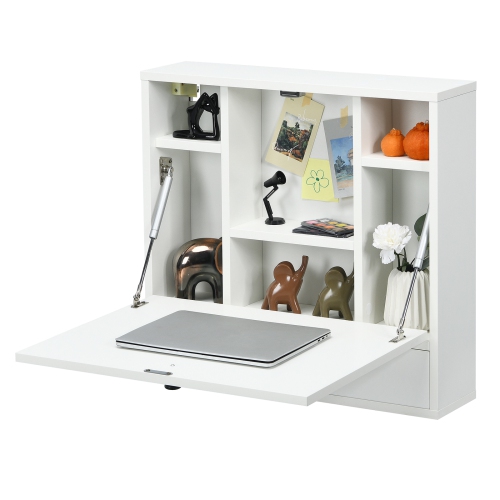
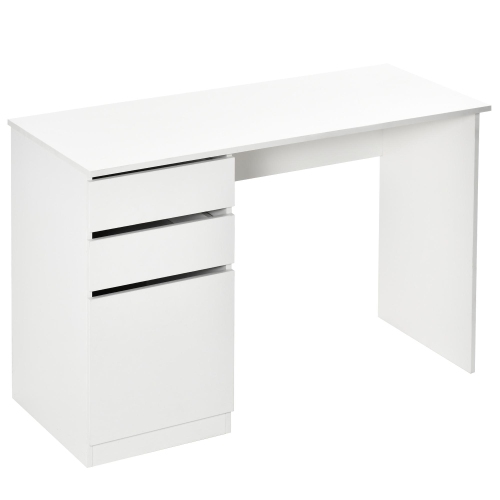
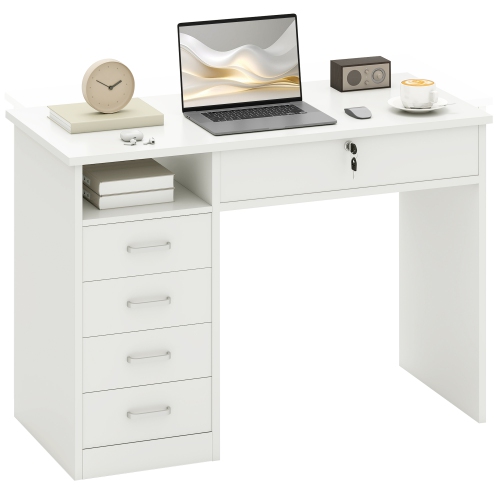
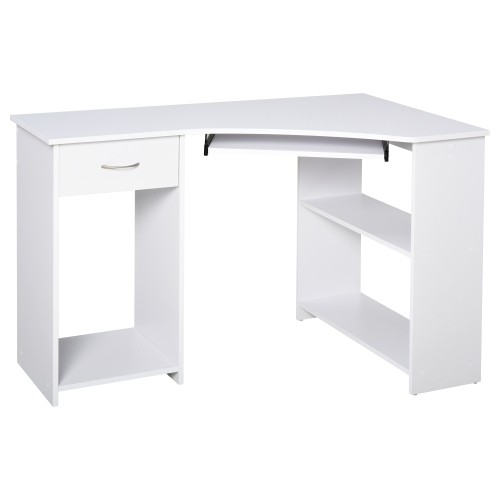
A tidy desktop starts with storage that fits
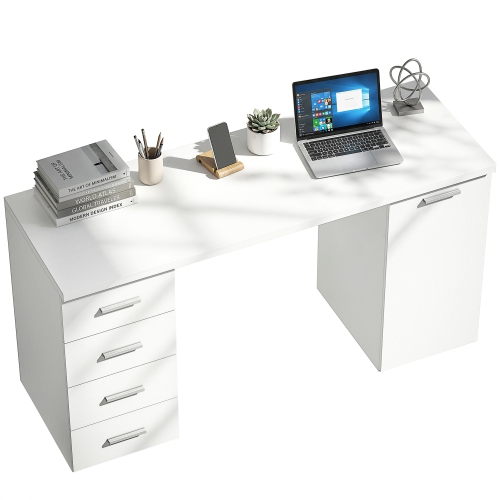
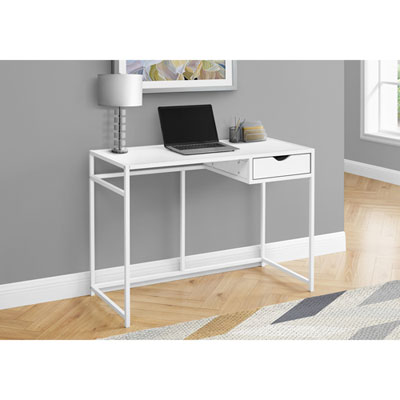
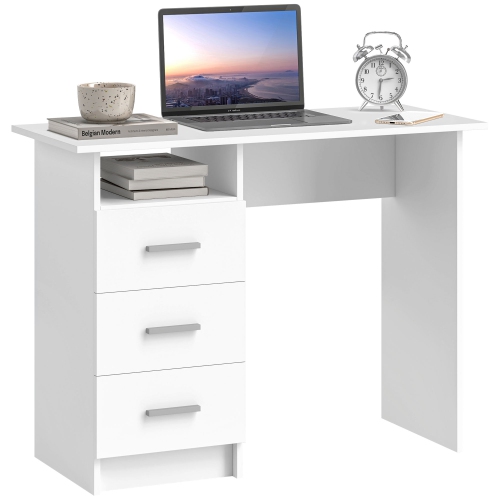
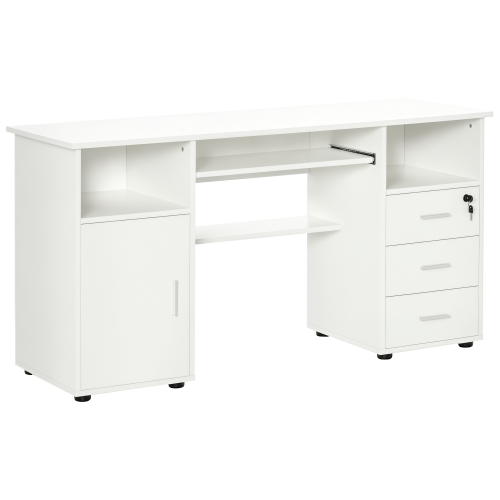
Simple white desks with drawers combine a clean, uncluttered look with enclosed storage for everyday work and study essentials. Their appeal lies in the balance: a straightforward desktop provides room for a laptop, notebook or monitor, while drawers keep pens, charging cables and loose papers out of sight. A white finish can sit comfortably alongside pale wood, dark shelving, colourful accessories or neutral upholstery, making these desks easy to work into a bedroom, home office or shared living space. Slim legs and understated drawer fronts tend to give a desk a lighter appearance, while panel sides and deeper drawer units create a more substantial presence. Neither approach needs elaborate detailing to feel finished. In a bedroom, a compact writing desk can provide a dedicated place for assignments without dominating the room; in a home office, a wider surface can accommodate a monitor, keyboard and open reference book. The useful footprint includes more than the desktop itself. Drawer clearance, chair movement and space for comfortably reaching an outlet all affect how well a desk fits into daily life. A desk that fits neatly between a bed and a wall still needs enough room for its drawers to open without catching the bedding or blocking a doorway. Baseboard depth can also keep the back edge slightly away from the wall. Beneath the desktop, clear knee space matters just as much as storage capacity, especially when drawers sit on both sides of the seating position. Surface depth deserves attention, too: a shallow desk may suit handwriting and occasional laptop use, while a deeper desktop offers more flexibility for a separate screen and keyboard. Measurements that account for the chair, nearby furniture and the equipment being used give a clearer picture than desktop width alone. This balance of usable space and restrained design makes a simple white desk a practical choice for rooms that serve more than one purpose.
Materials and construction shape both the appearance of a white desk and how it handles regular use. Solid wood can bring visible grain and natural variation beneath a painted finish, while engineered wood allows for smooth surfaces and consistent shapes. Laminated and melamine surfaces are common options for everyday furniture, although their resistance to scratches, moisture and heat depends on the finish and construction. Metal legs or frames can add support without much visual bulk, while wood-based side panels can conceal the drawer structure for a more enclosed look. White finishes also vary: a warm white may blend with cream textiles and natural wood, whereas a cooler white can look crisp beside grey furniture and metal accents. A matte surface offers a subdued appearance; a glossier finish catches more light and may show fingerprints differently. For durability, details such as secure leg connections, well-supported drawer bases and smoothly operating runners deserve attention alongside the desktop material. Drawer load limits and desktop weight limits serve different purposes, so a surface suitable for a monitor does not necessarily mean its drawers can support heavy stacks of books. Handles should be comfortable to grip, and drawers should move without requiring a sharp pull. Where assembly is required, correctly aligned panels and properly tightened fittings help the finished desk feel steady. Care is usually straightforward, but the finish determines the right method. A soft cloth and the cleaning approach specified by the manufacturer help protect the surface; excess water, abrasive pads and harsh cleaners can damage some coatings or exposed edges. Spills are best wiped up promptly, particularly around seams and drawer fronts. A desk mat can reduce direct contact from a mouse, pen or frequently moved keyboard, while a coaster keeps drink condensation away from the desktop. Protecting the working surface and using drawers within their stated limits helps preserve the desk’s appearance and function through ordinary daily use.
Drawer layout often makes the biggest difference between a desk that simply looks tidy and one that stays organized. A shallow drawer near the seating position keeps frequently used supplies close at hand, while deeper compartments can accommodate notebooks, small accessories or other materials that would otherwise spread across the desktop. Dividers help separate small objects, and checking the interior dimensions is useful when storage needs include larger notebooks or stationery trays. An ordinary storage drawer is not necessarily designed for hanging files. For paperwork that needs to remain upright and sorted, White Desks With File Drawers are a more focused option, with compatibility for letter-size or legal-size folders depending on the design. Keeping paperwork storage distinct from general supply storage can make a meaningful difference in a home office used for household records, coursework or administrative tasks. Other details support different routines: cable openings can help route cords toward an outlet, while a finished back gives more freedom to position a desk away from the wall. For a student, the most useful arrangement may leave space for a textbook beside a laptop, with a drawer reserved for calculators and writing supplies. For someone working from home, sufficient depth for a screen and a comfortable keyboard position may take priority. A shared desk benefits from clearly divided storage so that one person’s charging cable or paperwork does not disappear beneath someone else’s materials. The chair should also fit beneath the desk without its arms striking the drawer unit, and the desktop height should allow a relaxed working position. In a multipurpose room, enclosed drawers make it easier to put work away at the end of the day without clearing an entire shelving unit. The strongest fit comes from matching the desk’s proportions, drawer arrangement and surface finish to the tasks it will support, leaving enough open desktop space to work comfortably.
Top selling and popular products
-
 Your price for this item is $97.99
-
 Your price for this item is $89.99
-
 Your price for this item is $84.99
-
 Your price for this item is $97.99
-
 Your price for this item is $649
-
 Your price for this item is $749
-
 Your price for this item is $649
-
 Your price for this item is $649
Discover more categories related to Simple White Desks With Drawers
Top Collections:
Best Black Friday Deals This Year, Best Black Friday Deals On Electronics, Kindle Devices, Pokemon Centers, Best Black Friday Deals On Apple Products, Best Cameras for Sports Photography, Dyson Airwrap, Pokémon 30th Celebration Cards, Apple iPhone 17 Pro, Canon G7X Cameras
Some products may be subject to Environmental Handling Fees
(EHF) depending on your province.
Learn more about EHFs.