Single Hole Bathroom Faucets
Upgrade your bathroom with a sleek and modern single-hole bathroom faucet. Perfect for adding a touch of elegance and functionality to any sink, these stylish faucets are designed to save space while making a statement. With their streamlined silhouette and easy one-handle operation, single-hole bathroom faucets are not only practical but also elevate the overall look of your bathroom decor. Explore our selection of single-hole bathroom faucets to find the perfect match for your style and needs.
Sort
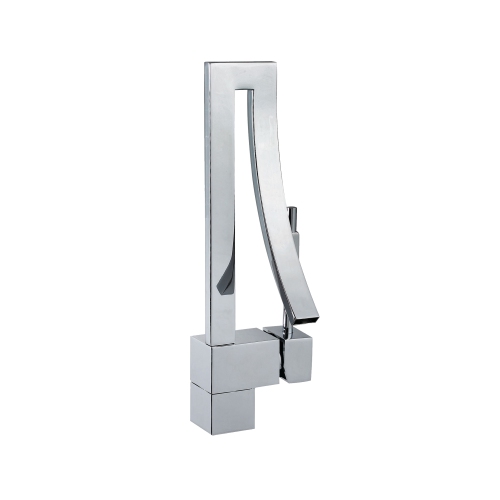
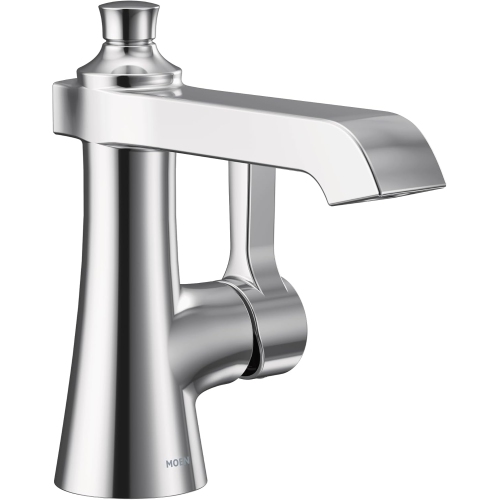
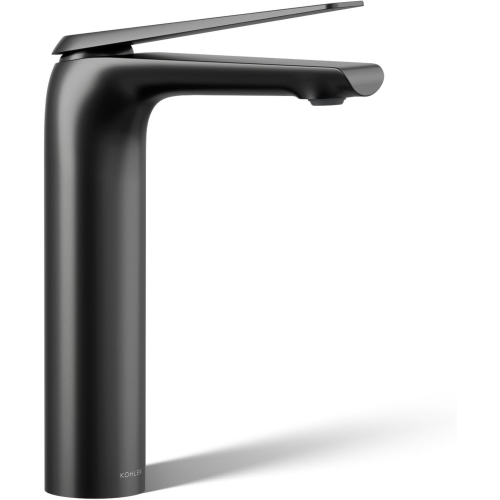
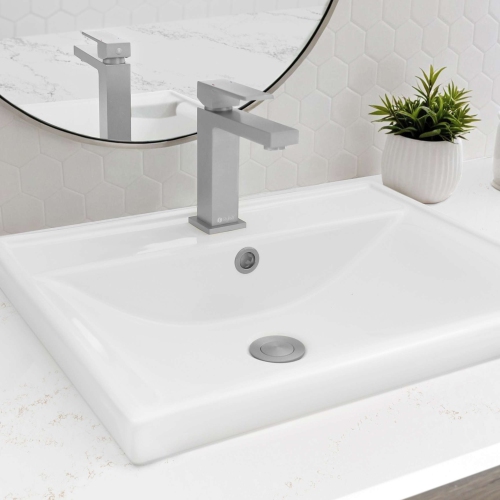
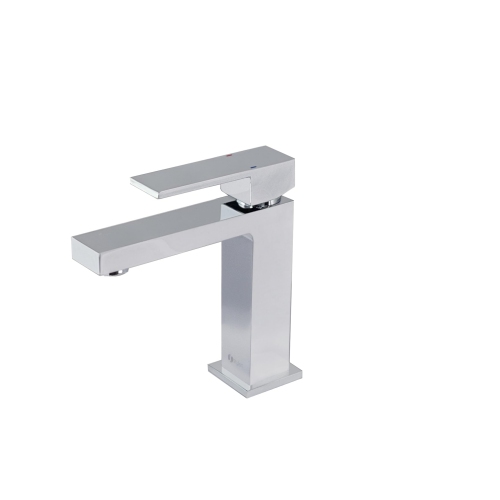
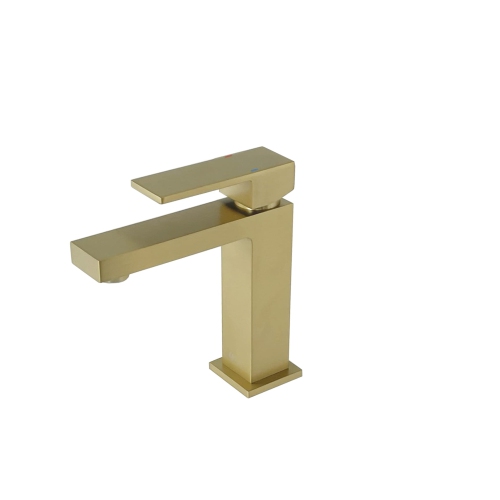
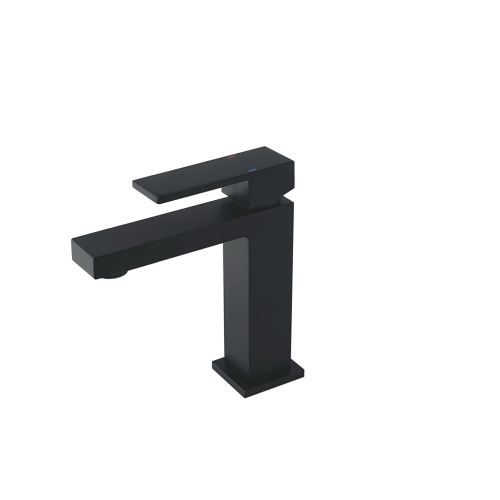
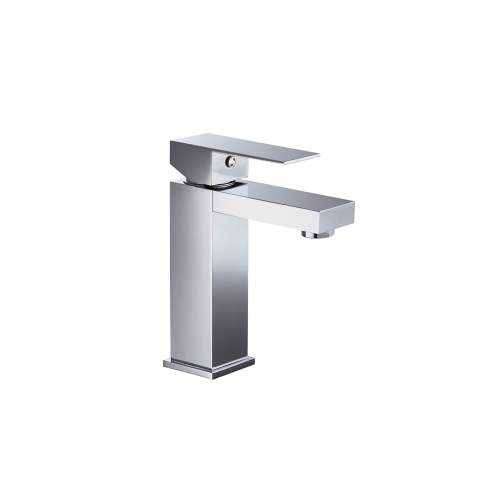


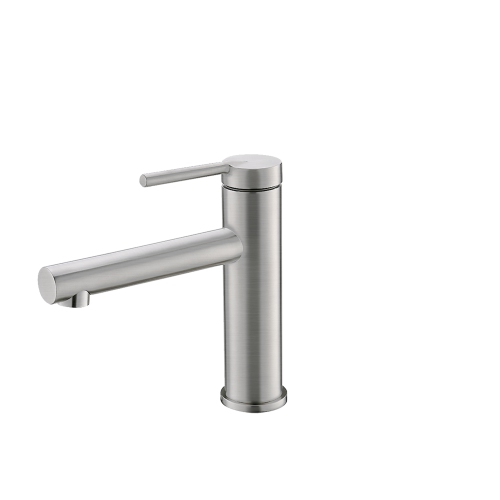
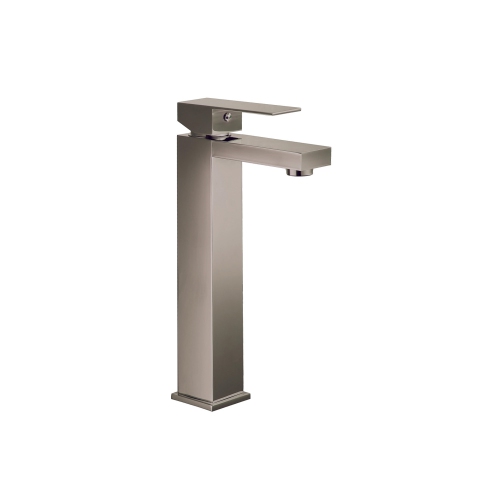
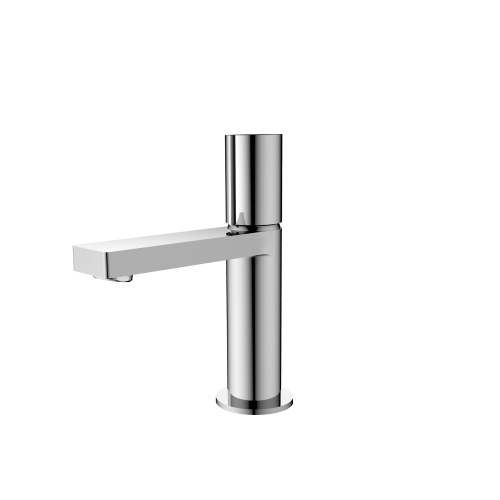
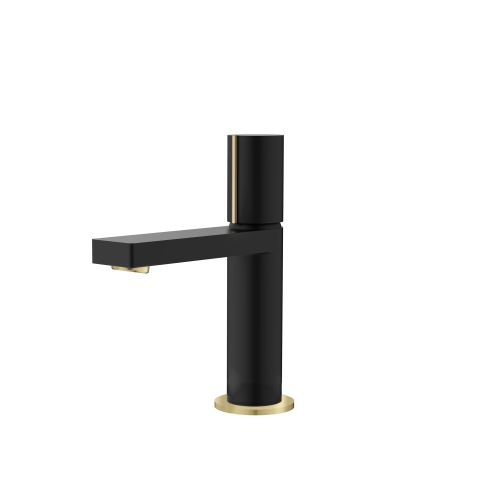
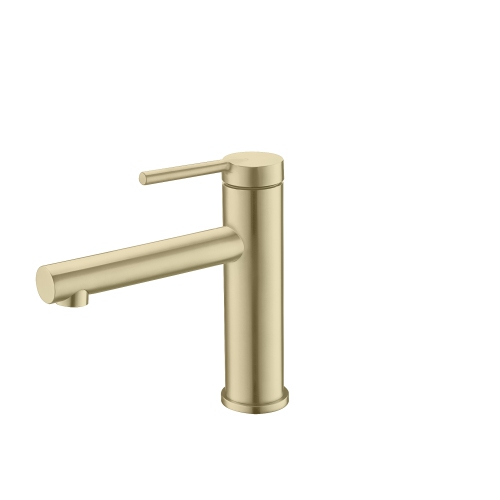
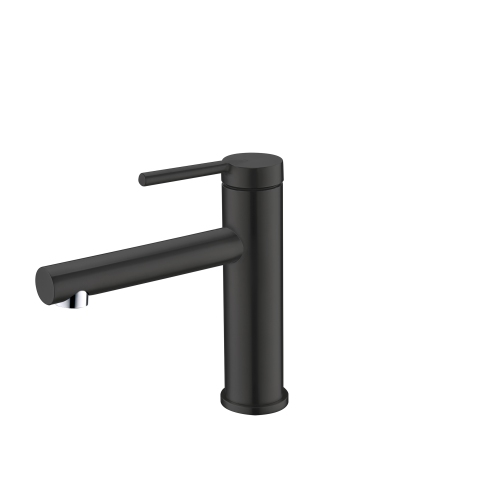
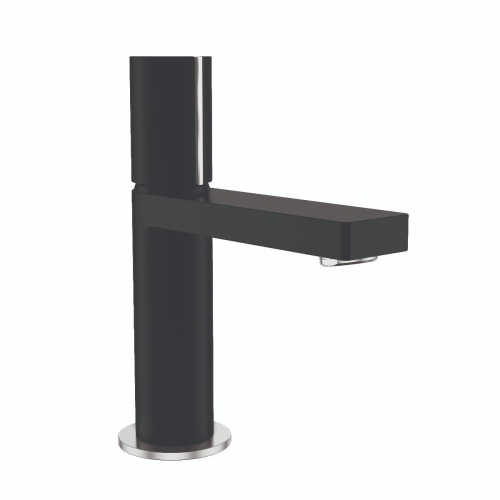
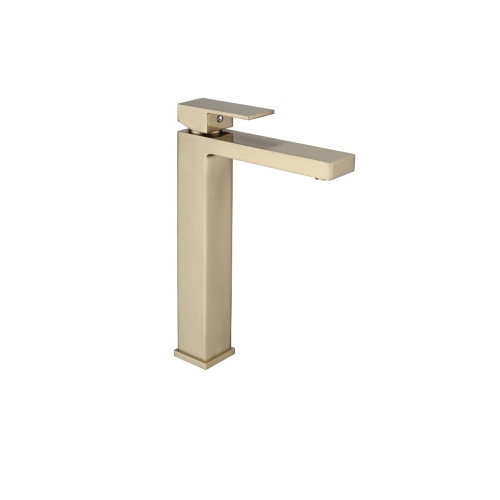
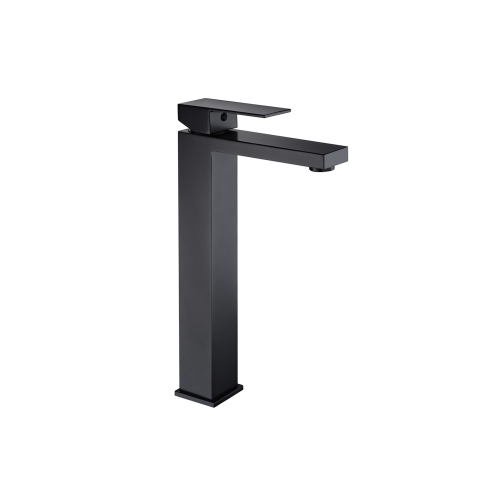
Compact hardware leaves more room around the sink
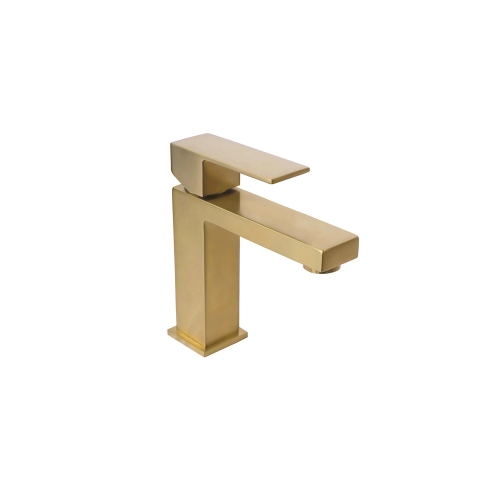
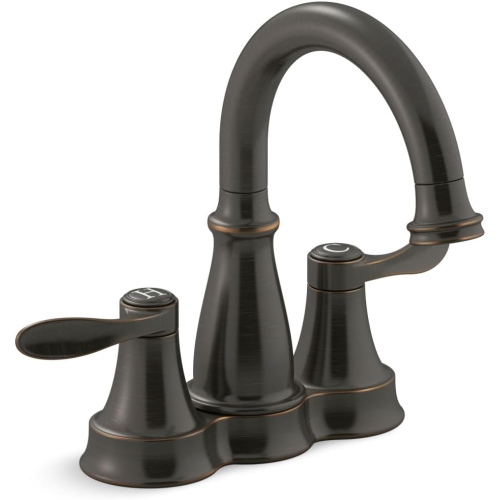
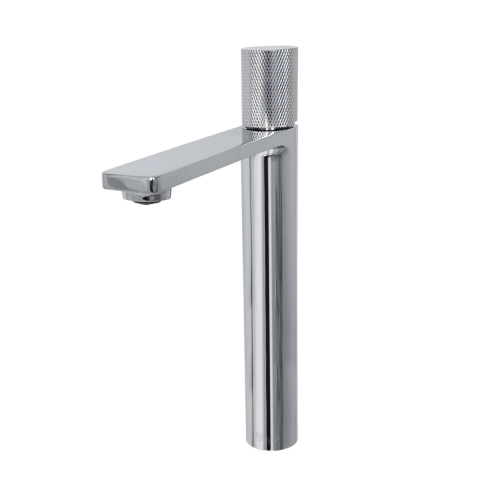
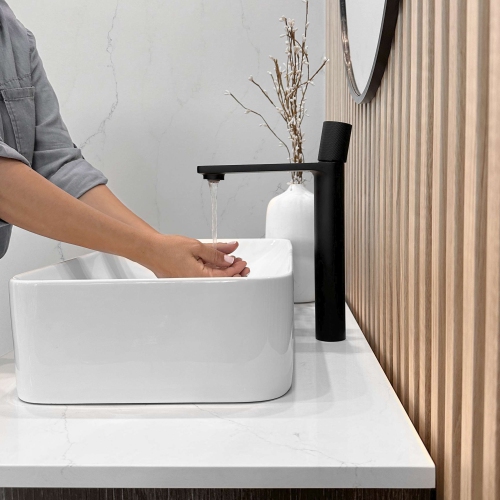
Single hole bathroom faucets mount through one opening in a sink or countertop, bringing the spout and water controls together in a compact fixture. Most use a single lever to adjust both flow and water temperature, although the number of mounting holes and the type of control are separate features worth checking. Their small footprint leaves more of the sink deck clear for soap, a toothbrush holder, or simply a less crowded vanity. That makes them a practical choice for powder rooms and narrow bathrooms, but their clean proportions also suit larger vanities with generous counter space. Unlike widespread faucets, which have separate mounting points for the spout and handles, a single hole design keeps the visible hardware grouped in one place. The result can feel understated or sculptural depending on the shape: a straight cylindrical body looks crisp against a rectangular basin, while a curved spout softens the lines of a more angular vanity. Low-profile designs sit close to the sink and can work well beneath a mirror cabinet, provided there is enough room for the handle to move freely. Taller designs create clearance above raised vessel sinks, but height alone does not establish a good fit. The spout also needs to extend far enough over the basin to give hands comfortable washing space without directing water onto the rim. In a shared family bathroom, an easy-to-grip lever can make everyday routines simpler for people with limited hand strength, though accessibility depends on the complete installation rather than handle style alone. For a guest bathroom, straightforward controls and a well-positioned stream help make an unfamiliar space easy to use. Whether the aim is to replace a worn fixture or finish a full vanity update, the strongest match balances appearance with the dimensions and habits of the household using it.
Fit starts with the sink’s mounting arrangement, including the hole diameter, the thickness of the sink deck or countertop, and the space underneath for securing the faucet. A sink drilled with three holes may accept a single hole bathroom faucet when a compatible deck plate covers the unused openings; the plate’s dimensions and whether it is included vary by design. A single hole fixture cannot automatically replace every existing faucet without additional parts or changes to the sink. Behind the faucet, clearance matters just as much as the visible footprint. A lever that tilts backwards may hit a backsplash, and a side-mounted handle needs room to operate without brushing a wall or neighbouring fixture. Below the counter, a deep basin, drawer box, or tight cabinet opening can limit access to the mounting hardware and supply connections. Matching the faucet’s connection requirements to the existing shut-off valves helps avoid surprises during installation, while a qualified plumber can assess unfamiliar fittings or ageing plumbing. For the basin itself, consider spout reach, outlet height, and bowl depth together. A high outlet above a shallow sink can increase splashing, especially if the stream strikes a sloped surface rather than falling cleanly into the bowl. A spout that barely clears the back edge can leave too little room to rinse hands comfortably. Vessel sinks generally need either a suitable tall deck-mounted faucet or another mounting arrangement designed for that basin, whereas inset and undermount sinks often pair with standard-height fixtures. The drain is another separate detail: some faucets include a drain assembly, while others do not, and the assembly must suit a sink with or without an overflow. Lift-rod drains also need space behind the faucet for operation. Checking these relationships helps the finished sink feel natural in use, with enough clearance to wash hands, rinse a face cloth, and wipe the basin without awkward reaching. Keeping the sink and faucet measurements together is especially useful when replacing only one part of an existing vanity.
Materials, internal components, and surface finishes all contribute to how a bathroom faucet holds up to daily use. Brass and stainless steel are common body materials, but the visible finish does not necessarily identify what is underneath; a chrome-coloured faucet, for example, may have a different base material. Construction details, the warranty, and access to replacement cartridges or aerators can be more useful indicators of long-term serviceability than weight or shine alone. Ceramic disc cartridges are commonly used to control water flow and can provide smooth operation, though sediment and mineral buildup can still affect performance. An aerated outlet mixes air into the stream to give it a softer feel, while an open waterfall spout produces a broader ribbon of water with a different appearance and splash pattern. The right choice depends partly on the basin beneath it and the way the sink is used. Finish brings another layer of character: polished chrome reflects surrounding light, brushed finishes offer a softer sheen, and black creates a defined outline against pale porcelain or stone. For a darker accent that ties in with a mirror frame, cabinet pulls, or a towel bar, Single Hole Black Bathroom Faucets offer a focused variation on the same compact mounting style. Matching finish names across different manufacturers does not guarantee an identical colour or sheen, so visible undertones matter when coordinating hardware. Care should suit the finish rather than rely on a harsh all-purpose cleaner. A soft cloth, mild soap where permitted, and drying after cleaning usually support a tidy appearance; abrasive pads and strong cleaners can damage some coatings. Follow the manufacturer’s cleaning directions, particularly when removing mineral deposits around the outlet or base. In a busy bathroom, leaving enough space to wipe around the faucet is a small installation detail with lasting value. A comfortable handle, a stream that stays inside the basin, and a finish that suits everyday upkeep make these fixtures useful well beyond their first impression.
Fit starts with the sink’s mounting arrangement, including the hole diameter, the thickness of the sink deck or countertop, and the space underneath for securing the faucet. A sink drilled with three holes may accept a single hole bathroom faucet when a compatible deck plate covers the unused openings; the plate’s dimensions and whether it is included vary by design. A single hole fixture cannot automatically replace every existing faucet without additional parts or changes to the sink. Behind the faucet, clearance matters just as much as the visible footprint. A lever that tilts backwards may hit a backsplash, and a side-mounted handle needs room to operate without brushing a wall or neighbouring fixture. Below the counter, a deep basin, drawer box, or tight cabinet opening can limit access to the mounting hardware and supply connections. Matching the faucet’s connection requirements to the existing shut-off valves helps avoid surprises during installation, while a qualified plumber can assess unfamiliar fittings or ageing plumbing. For the basin itself, consider spout reach, outlet height, and bowl depth together. A high outlet above a shallow sink can increase splashing, especially if the stream strikes a sloped surface rather than falling cleanly into the bowl. A spout that barely clears the back edge can leave too little room to rinse hands comfortably. Vessel sinks generally need either a suitable tall deck-mounted faucet or another mounting arrangement designed for that basin, whereas inset and undermount sinks often pair with standard-height fixtures. The drain is another separate detail: some faucets include a drain assembly, while others do not, and the assembly must suit a sink with or without an overflow. Lift-rod drains also need space behind the faucet for operation. Checking these relationships helps the finished sink feel natural in use, with enough clearance to wash hands, rinse a face cloth, and wipe the basin without awkward reaching. Keeping the sink and faucet measurements together is especially useful when replacing only one part of an existing vanity.
Materials, internal components, and surface finishes all contribute to how a bathroom faucet holds up to daily use. Brass and stainless steel are common body materials, but the visible finish does not necessarily identify what is underneath; a chrome-coloured faucet, for example, may have a different base material. Construction details, the warranty, and access to replacement cartridges or aerators can be more useful indicators of long-term serviceability than weight or shine alone. Ceramic disc cartridges are commonly used to control water flow and can provide smooth operation, though sediment and mineral buildup can still affect performance. An aerated outlet mixes air into the stream to give it a softer feel, while an open waterfall spout produces a broader ribbon of water with a different appearance and splash pattern. The right choice depends partly on the basin beneath it and the way the sink is used. Finish brings another layer of character: polished chrome reflects surrounding light, brushed finishes offer a softer sheen, and black creates a defined outline against pale porcelain or stone. For a darker accent that ties in with a mirror frame, cabinet pulls, or a towel bar, Single Hole Black Bathroom Faucets offer a focused variation on the same compact mounting style. Matching finish names across different manufacturers does not guarantee an identical colour or sheen, so visible undertones matter when coordinating hardware. Care should suit the finish rather than rely on a harsh all-purpose cleaner. A soft cloth, mild soap where permitted, and drying after cleaning usually support a tidy appearance; abrasive pads and strong cleaners can damage some coatings. Follow the manufacturer’s cleaning directions, particularly when removing mineral deposits around the outlet or base. In a busy bathroom, leaving enough space to wipe around the faucet is a small installation detail with lasting value. A comfortable handle, a stream that stays inside the basin, and a finish that suits everyday upkeep make these fixtures useful well beyond their first impression.
Top selling and popular products
-
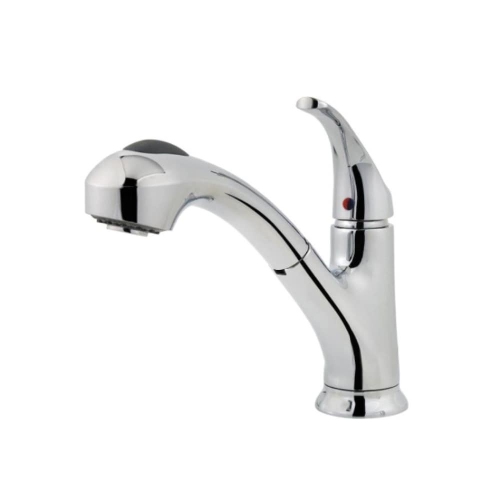 Your price for this item is $129.99
 -
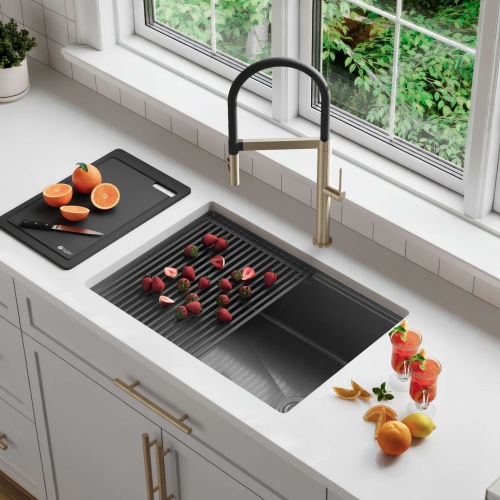 Your price for this item is $602
 -
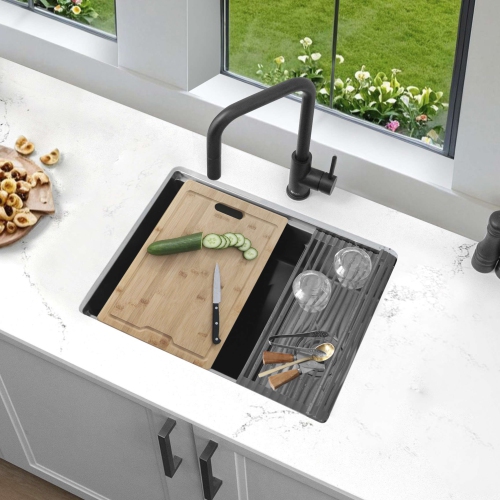 Your price for this item is $763
 -
 Your price for this item is $620
 -
 Your price for this item is $475
 -
 Your price for this item is $236.55
 -
 Your price for this item is $379.05
 -
 Your price for this item is $728
Discover more categories related to Single Hole Bathroom Faucets
Top Collections:
Pokemon Centers, Budget 4K TVs, Kindle Devices, Canon G7X Cameras, Apple iPhones 16, iPhone 15 Apple, Laptops for Business Work, Flip Phones, Xiaomi Phones, Refurbished Apple Laptops
Some products may be subject to Environmental Handling Fees
(EHF) depending on your province.
Learn more about EHFs.