Sink Faucets
Upgrade the style and functionality of your kitchen or bathroom with our collection of sink faucets. From sleek modern designs to classic styles, we offer a wide range of options to suit any decor preference. Whether you're looking for a touchless option for added convenience or a high-arc faucet for easier dishwashing, we have the perfect solution for your needs. Explore our selection of durable and stylish sink faucets to find the ideal addition to your home today.
Sort




























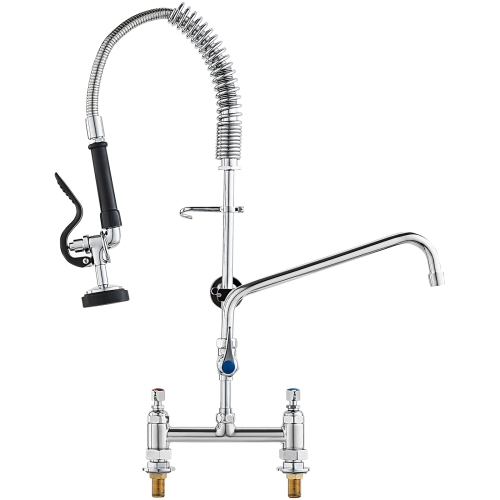


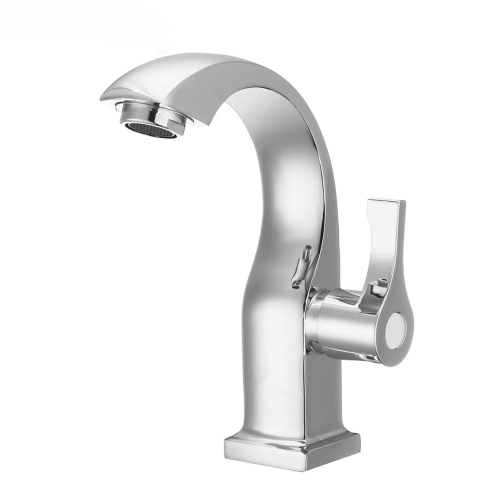
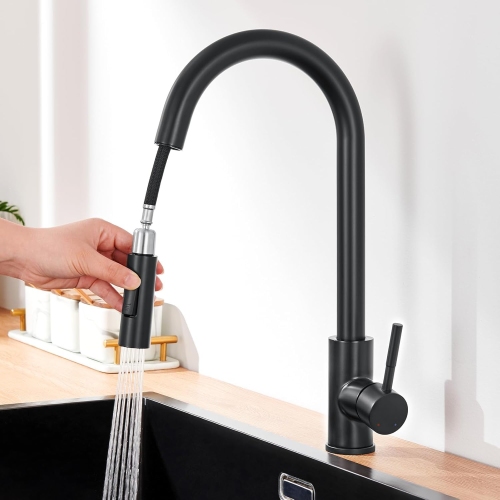


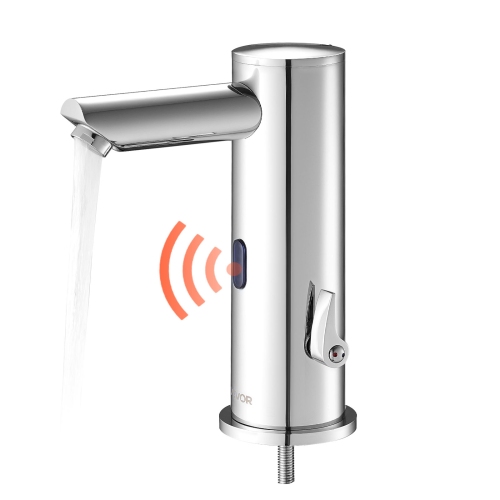
















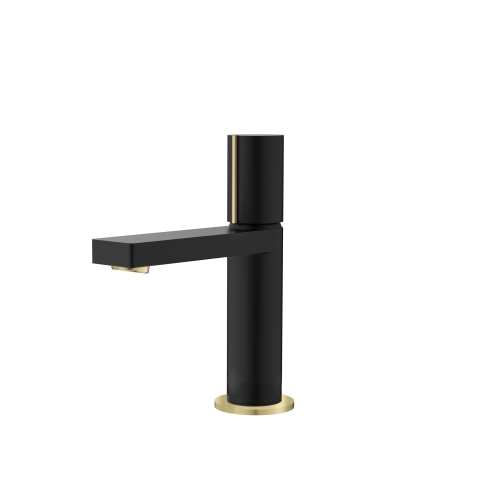
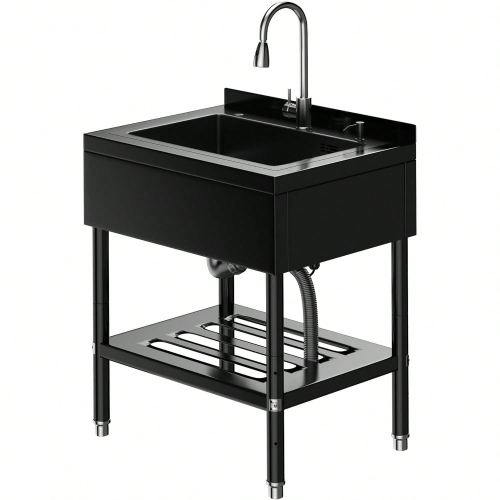

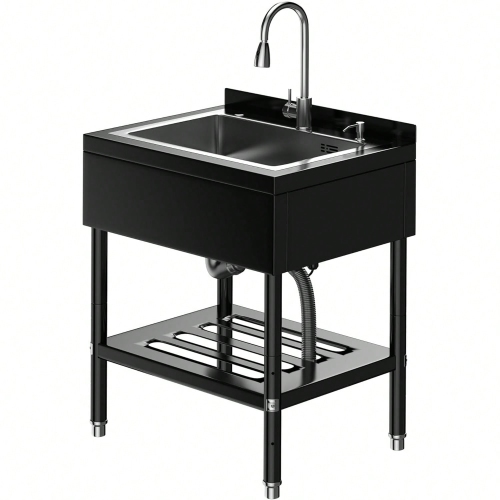
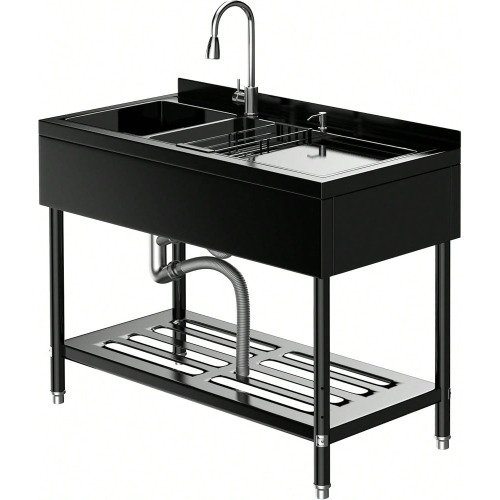





Why faucet fit matters beyond the finish
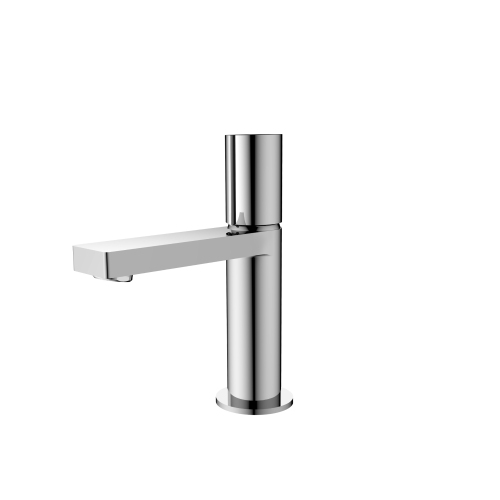
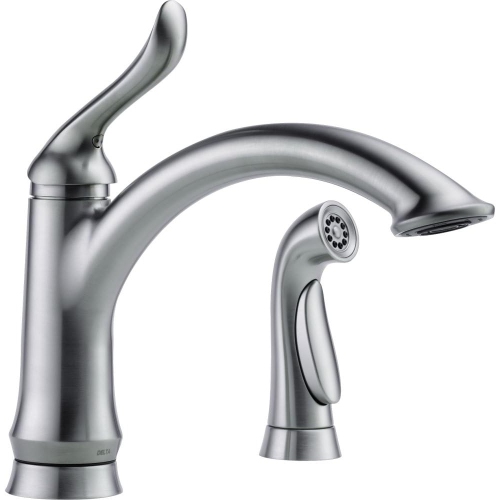
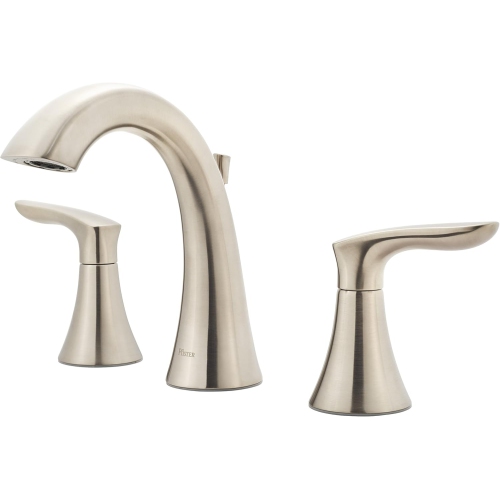
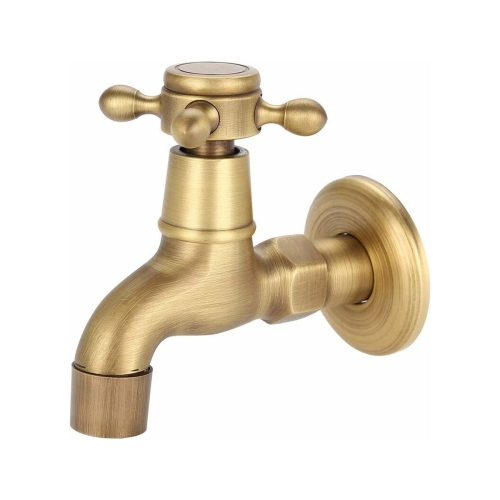
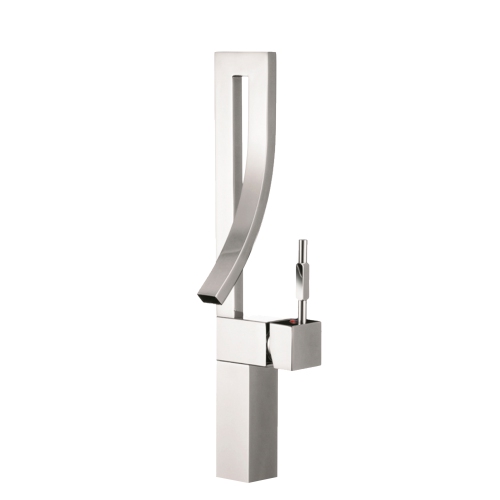
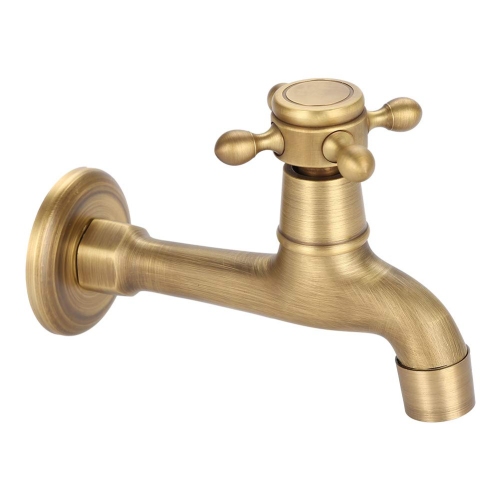
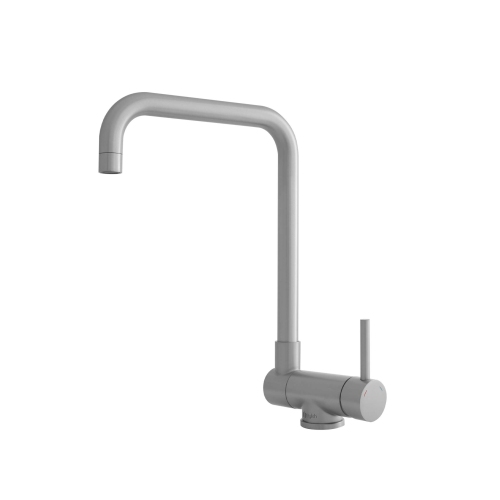
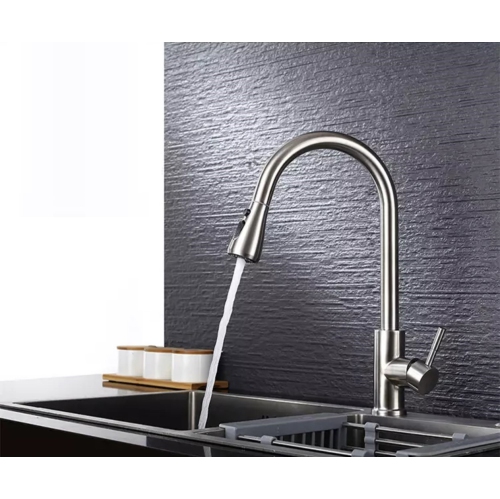
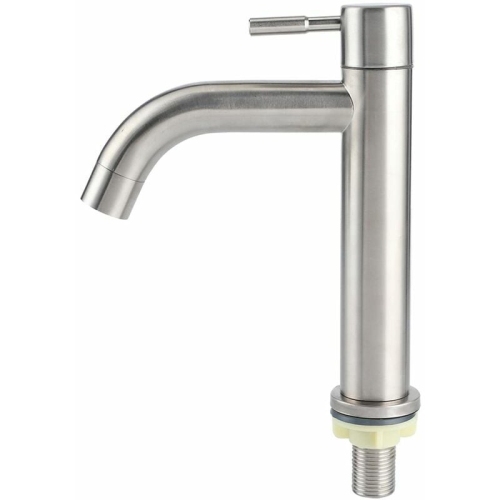
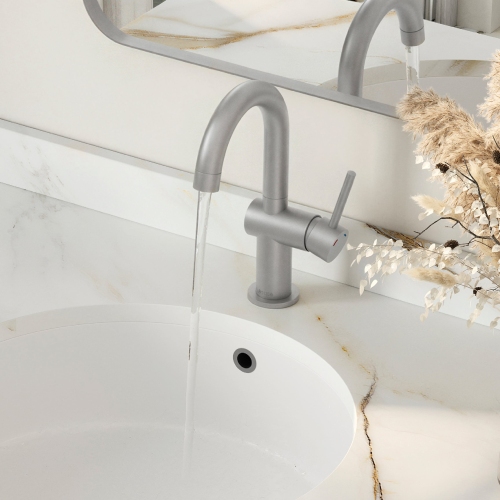
Sink faucets are among the most frequently handled fixtures in a home, bringing together everyday comfort, reliable water control, and a finish that helps define the room. In a kitchen, the faucet needs to accommodate food preparation, handwashing, and cleanup, sometimes within the same busy stretch of countertop. In a bathroom, proportions and comfortable access matter just as much as appearance, particularly around a shallow basin or a compact vanity. Laundry and utility sinks place different demands on a faucet, with space needed for buckets, cleaning tools, and occasional bulky washing tasks. These differences make the relationship between the faucet and the sink more important than either feature on its own. A tall, curved spout can provide useful clearance, while a lower profile may feel better balanced over a small basin beneath a medicine cabinet. Straight lines and angular handles suit a streamlined room, whereas rounded spouts and cross handles can complement more traditional cabinetry. Finish contributes to that overall effect without requiring every metal surface in the room to match exactly. Chrome offers a bright, reflective appearance; brushed finishes have a softer look; and black or brass-toned finishes can create contrast against pale sinks, tile, and countertops. How a finish shows fingerprints, dried droplets, and soap residue depends on its colour, texture, and the water in the home. Beneath the surface, construction matters as well. Brass and stainless steel are common faucet materials, though the body, spout, handles, and internal parts may use different materials within the same assembly. A finish name alone does not identify what the faucet is made from. Ceramic disc cartridges are often used to control water flow, and a well-made handle should move smoothly without feeling loose. For households refreshing a room without replacing the sink or cabinetry, a faucet with suitable dimensions and compatible connections can make the washing area feel noticeably different while keeping the surrounding layout intact.
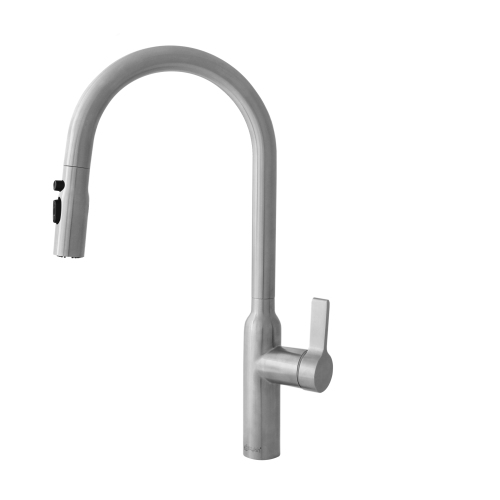
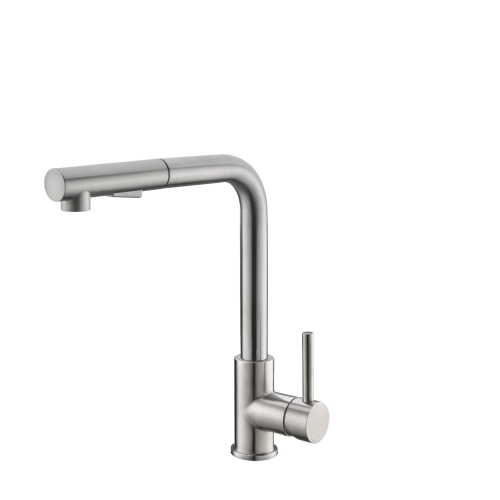
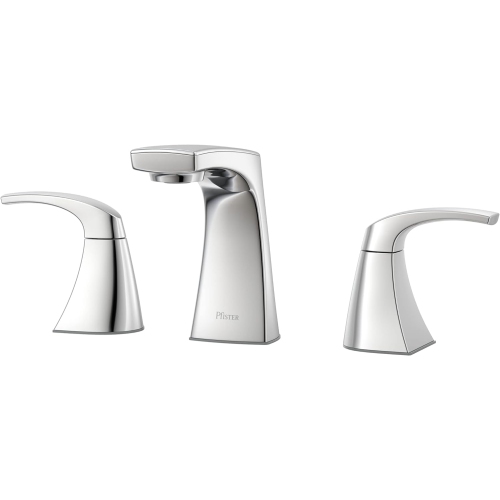
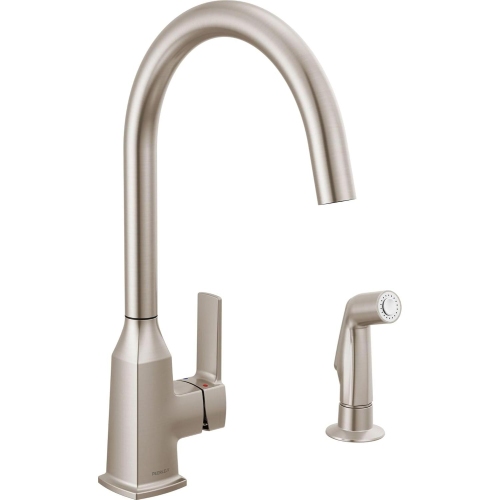
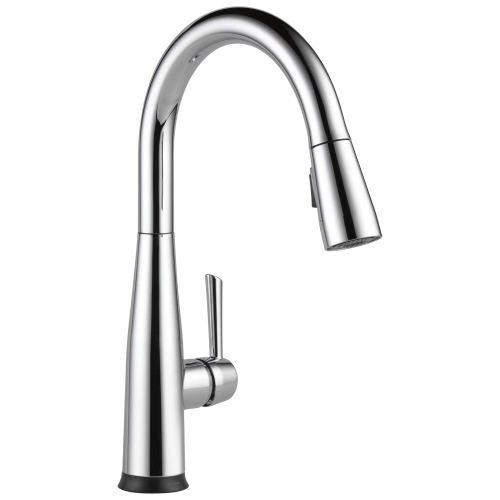
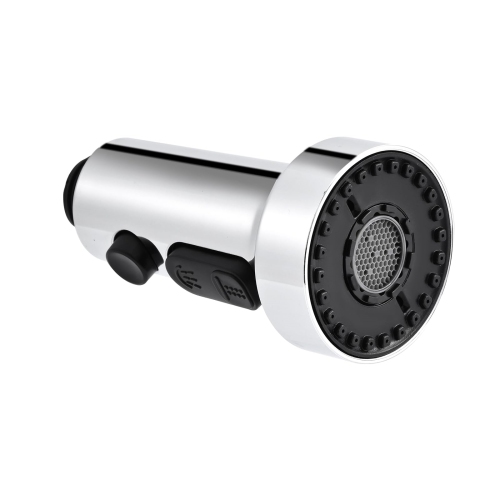
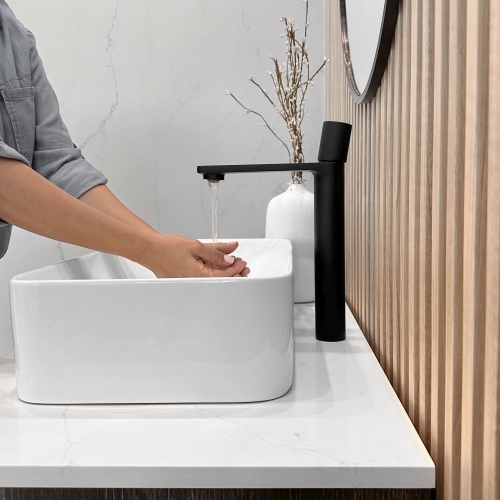
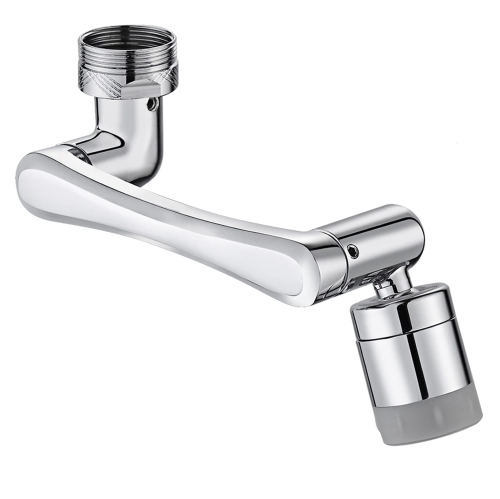
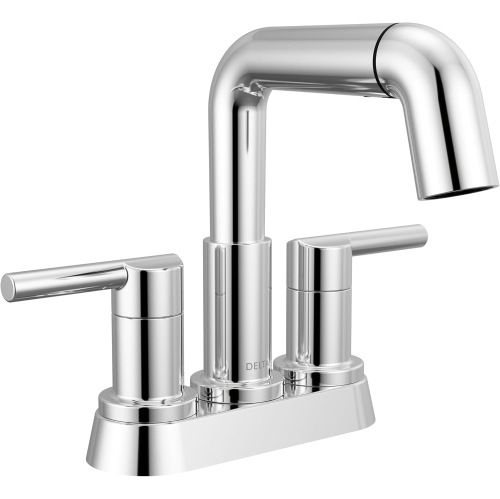
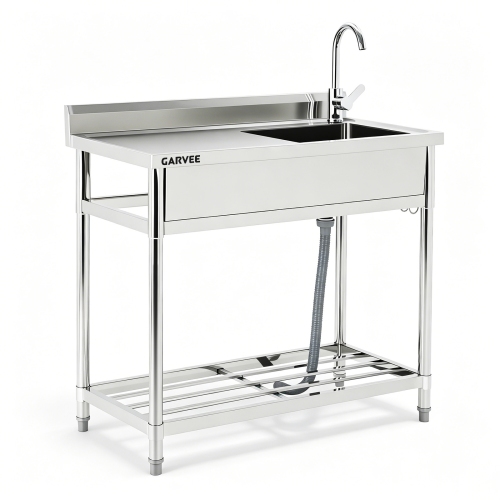
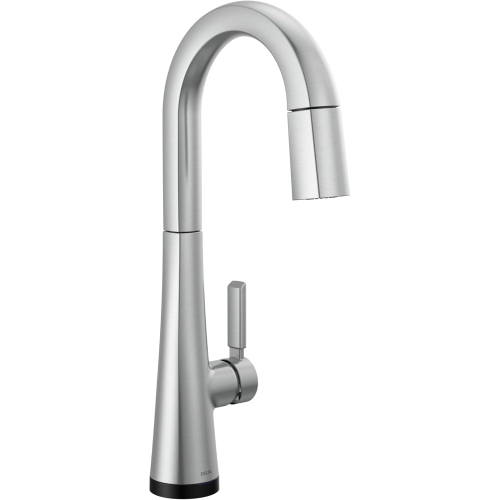
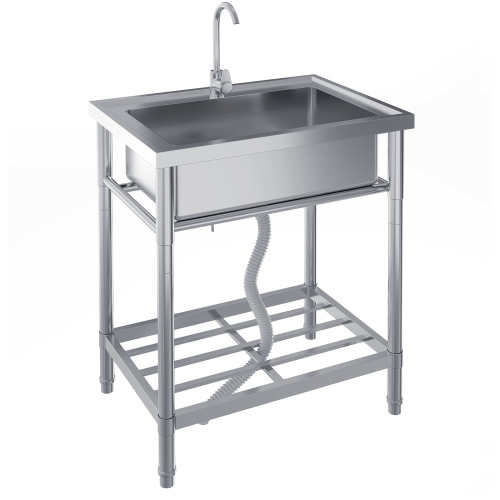
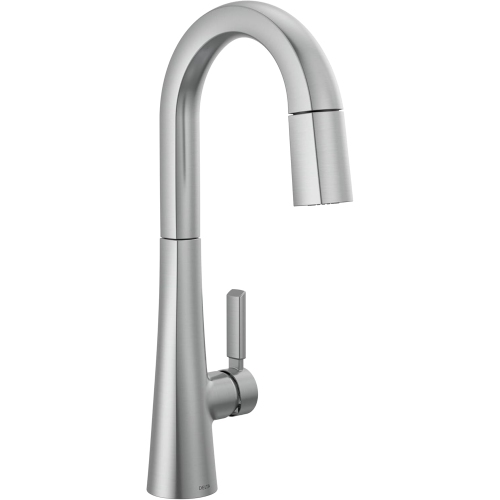
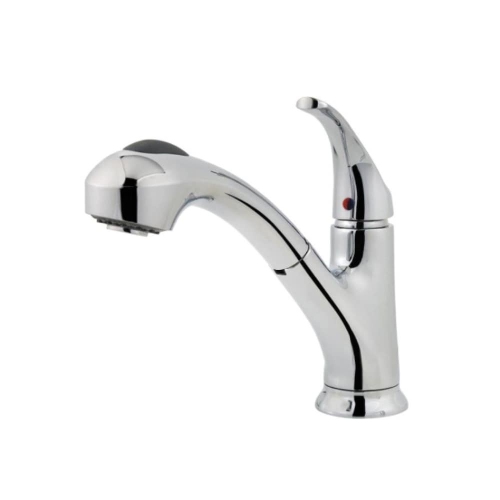
Fit starts with the mounting arrangement already present in the sink, vanity top, or countertop. A single-hole faucet has different requirements from a centreset or widespread design, and the number of visible handles does not always reveal how many mounting holes are needed underneath. A deck plate may cover unused holes when it is compatible with the faucet and the mounting surface. For widespread designs, the distance between the handle centres needs to fall within the faucet’s supported range. Countertop thickness also matters because the mounting hardware must extend far enough to secure the fixture properly. Above the sink, spout height and reach work together: there should be room for hands or cookware, but the water stream should land comfortably inside the basin rather than close to an edge. An extra-tall spout over a shallow bowl can increase splashing, while a short spout over a deep sink may leave someone leaning forward to wash. Vessel sinks generally need a taller deck-mounted faucet or a suitable wall-mounted arrangement, with enough clearance above the rim. Wall-mounted faucets also depend on the position of plumbing inside the wall, making their installation different from a straightforward deck-mounted replacement. In a kitchen, a swivel spout can serve more than one bowl, and a pull-down or pull-out spray head can help reach corners or rinse a large roasting pan. The space beneath the sink needs to allow the hose and its retraction mechanism to move without catching on pipes, storage bins, or cleaning supplies. For designs centred on food preparation and dishwashing, Kitchen Faucets offers a more focused category to explore. Bathroom installations bring their own details, including whether the faucet has a lift rod and whether the drain assembly suits a basin with or without an overflow. Supply connections, clearance behind the handles, and access to shut-off valves also affect compatibility. Professional installation can be helpful when plumbing needs to move, existing connections are difficult to reach, or the mounting surface requires alteration.
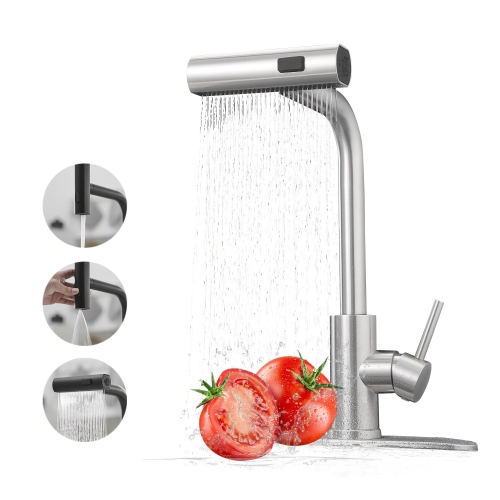
The way a faucet operates becomes especially noticeable through repeated daily use. A single lever allows flow and water temperature to be adjusted with one hand, which can be convenient when the other hand is holding a toothbrush cup or a mixing bowl. Separate handles provide distinct hot and cold controls, though reaching a comfortable mix may involve adjusting both. Handle shape and operating resistance matter for anyone with reduced grip strength, sore joints, or limited reach; a broad lever may be easier to manage than a small knob. Touch-activated and touchless designs offer other ways to start and stop the flow, but they also introduce power requirements, sensor placement considerations, and different cleaning routines. These features do not replace appropriate temperature controls or supervision for young children. Spray functions are another practical distinction, with a steady stream suited to filling and a broader spray useful for rinsing, depending on the design. Long-term satisfaction also depends on straightforward care and serviceable parts. A soft cloth and mild soap are generally a sensible starting point for cleaning, followed by rinsing and drying, although the manufacturer’s finish-specific directions should take priority. Abrasive pads and harsh cleaners can damage some coatings, and leaving cleaner around the base or handle joints may cause discolouration. Mineral buildup at the aerator can affect the shape or strength of the stream; removable aerators should be cleaned only by the method recommended for that fixture. Pull-out hoses, spray-head docking points, and handle movement also benefit from occasional attention before a small change becomes an inconvenience. Accessible cartridges, clear care instructions, and identifiable replacement parts are useful considerations for a fixture expected to stay in daily service. Whether the sink serves a shared family bathroom, an apartment kitchen, or a hardworking laundry room, the most suitable faucet balances comfortable operation, sound construction, and dimensions that make ordinary tasks feel easy.
Top selling and popular products
-
 Your price for this item is $355
-
 Your price for this item is $566
-
 Your price for this item is $717
-
 Your price for this item is $129.99
-
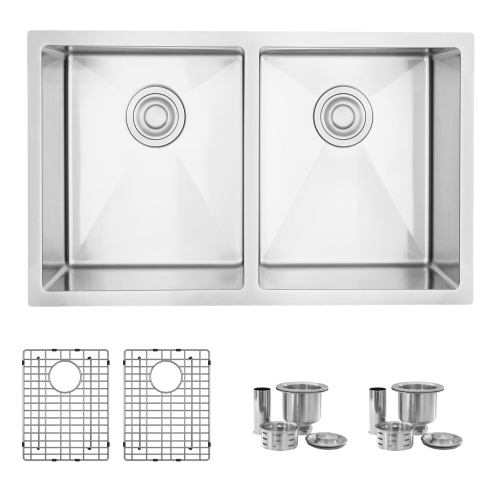 Your price for this item is $595
-
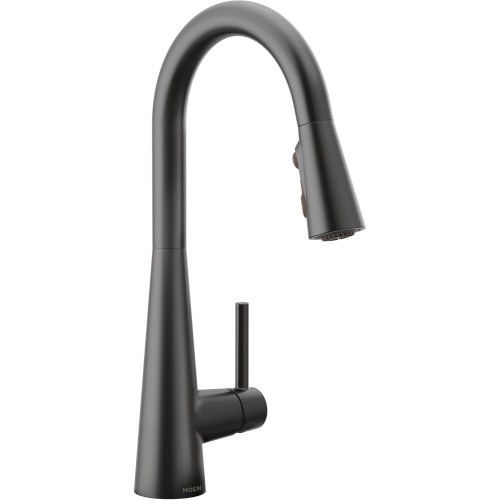 Your price for this item is $475
-
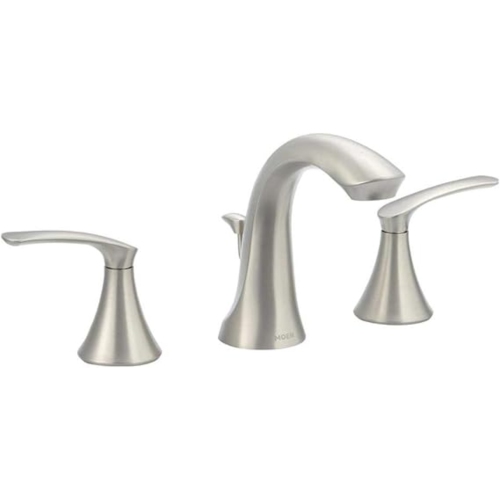 Your price for this item is $236.55
-
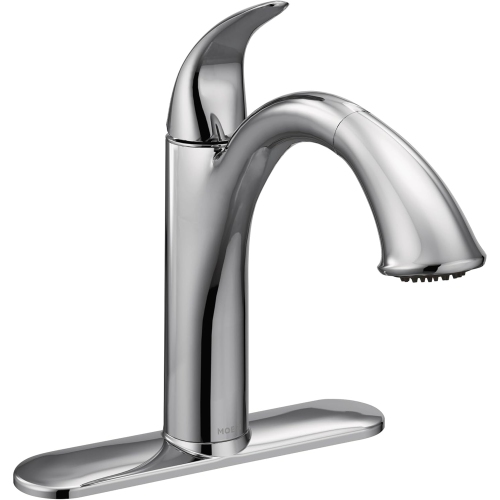 Your price for this item is $379.05
Discover more categories related to Sink Faucets


Top Collections:
Best Black Friday Deals This Year, Best Black Friday Deals On Electronics, Kindle Devices, Pokemon Centers, Best Black Friday Deals On Apple Products, Best Cameras for Sports Photography, Dyson Airwrap, Pokémon 30th Celebration Cards, Apple iPhone 17 Pro, Canon G7X Cameras
Some products may be subject to Environmental Handling Fees
(EHF) depending on your province.
Learn more about EHFs.