Small Brown Writing Desks
If you're looking for a desk that's small enough to fit in a small apartment or condo, but still big enough to hold your computer and other essentials, you might want to consider a writing desk. These desks are ideal for students, professionals, or anyone who wants a place to do some writing without taking up too much space. Brown is a warm color that adds personality to your room. Here are some great options.
Sort
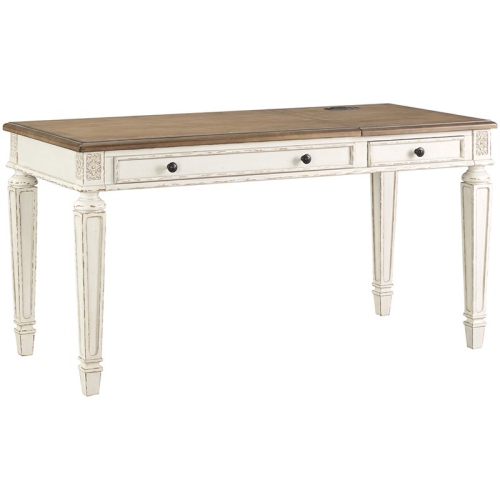
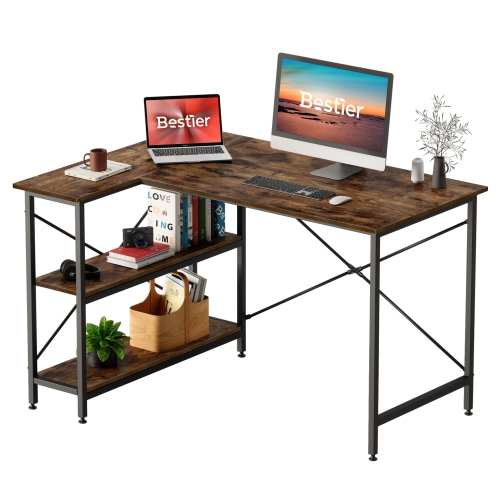
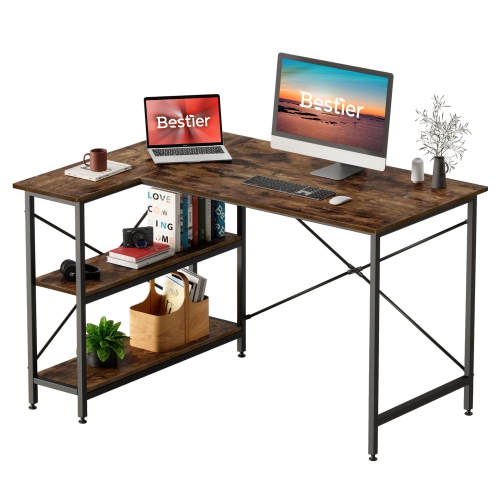
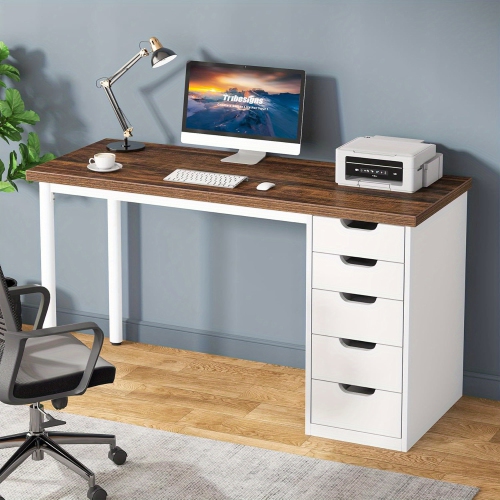
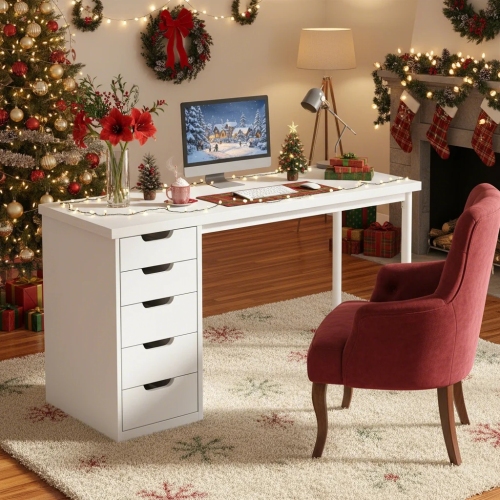
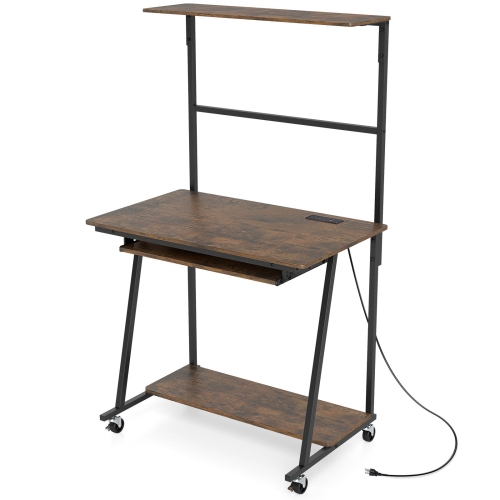
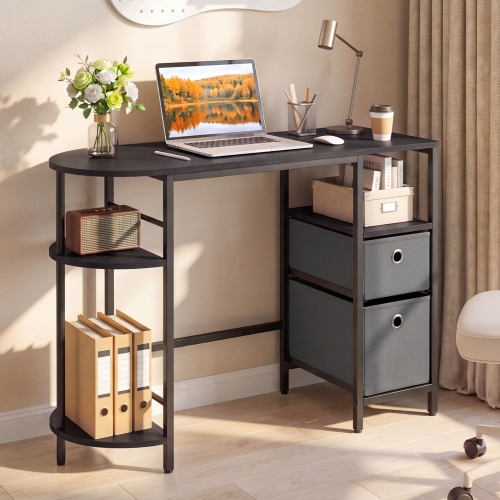
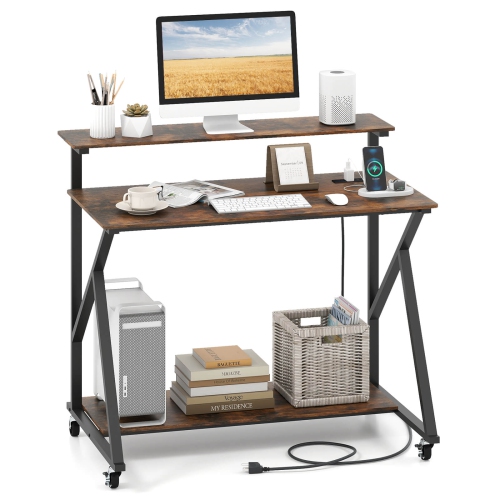
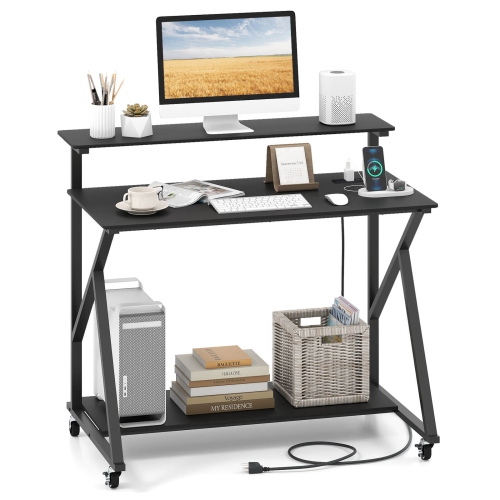
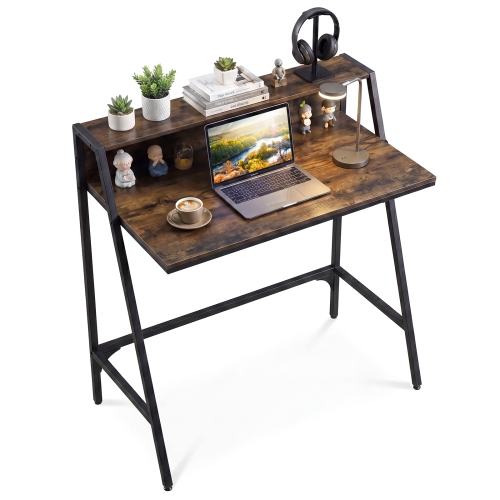
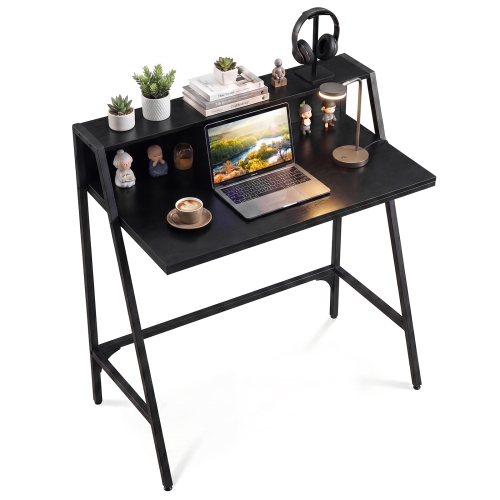
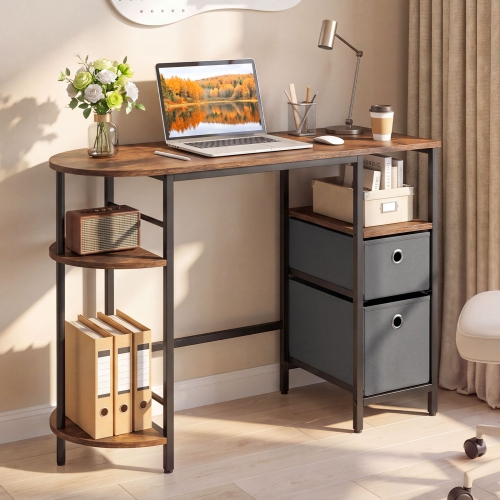
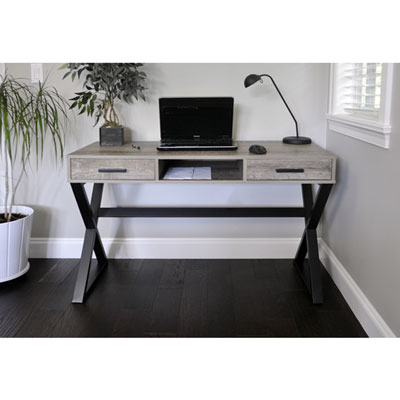
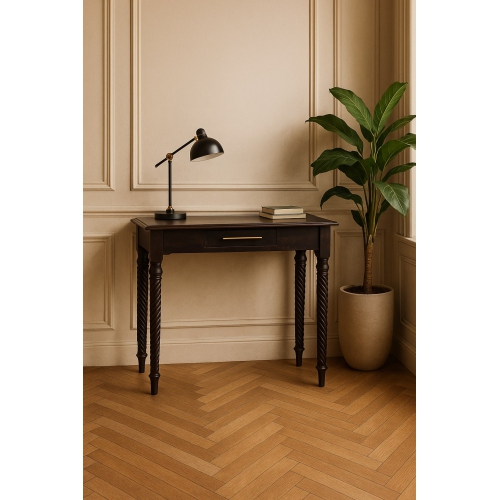

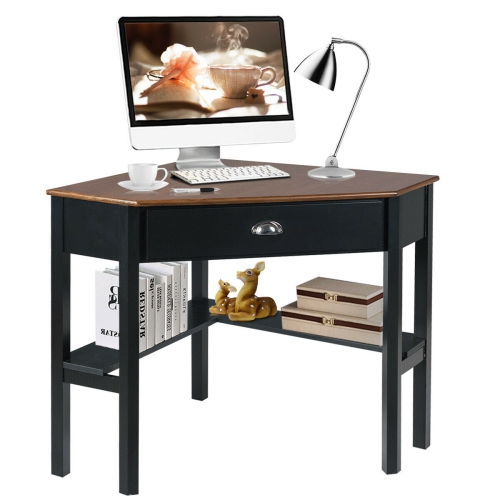
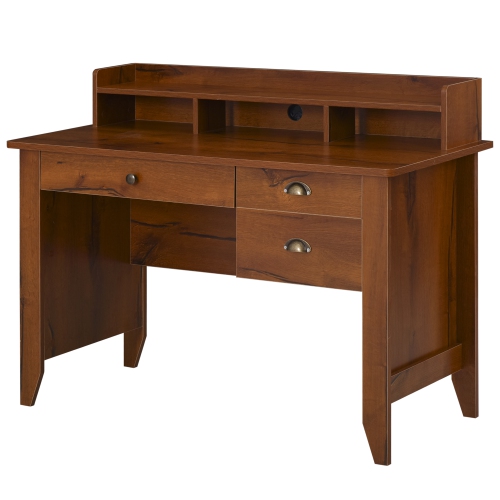
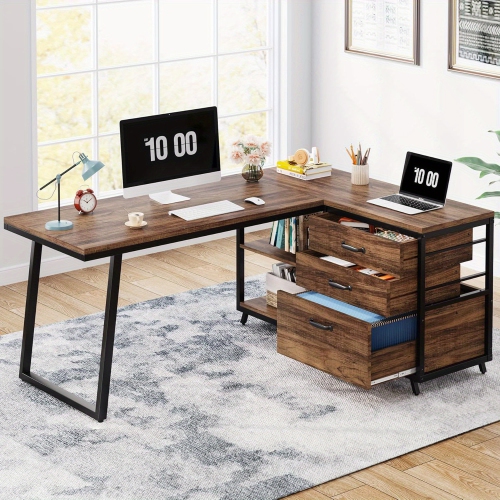
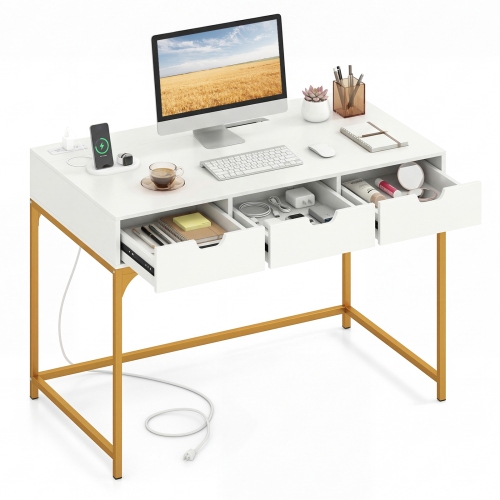
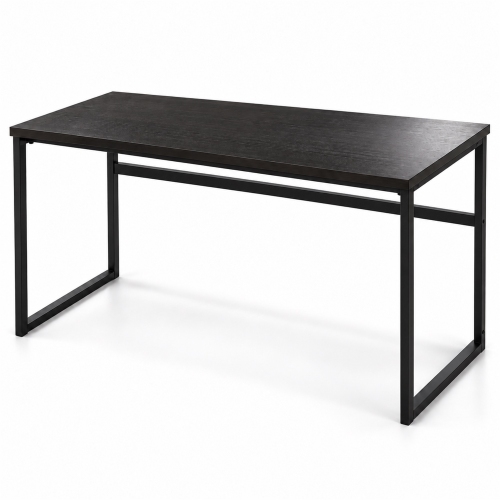

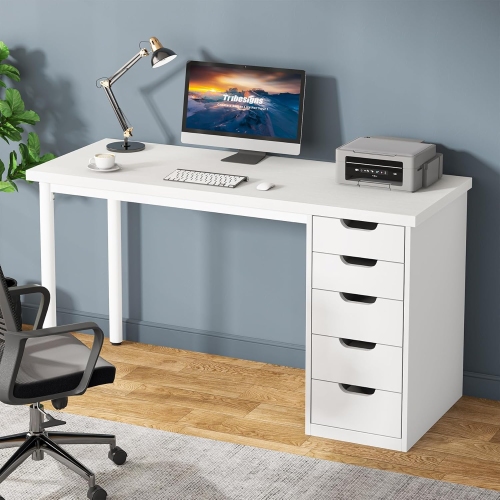
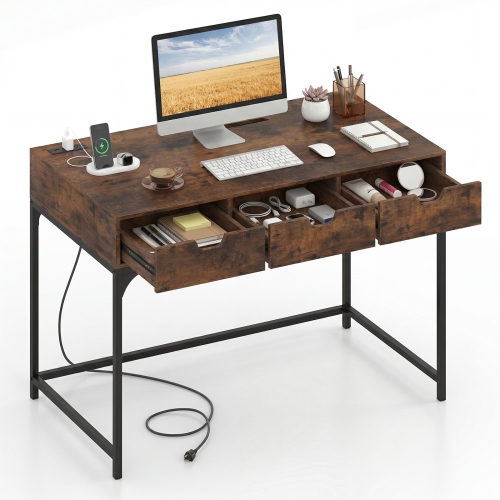
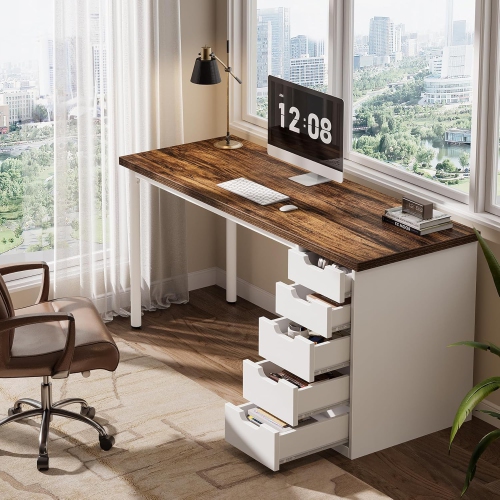
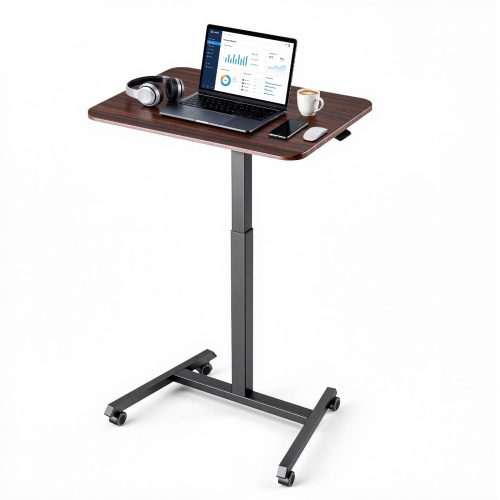
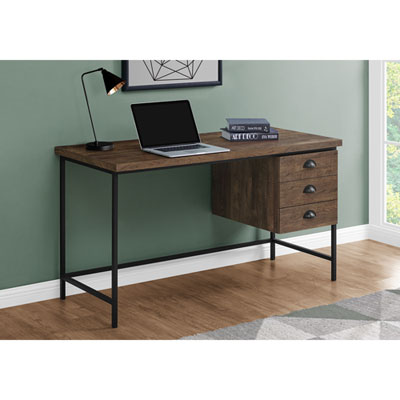
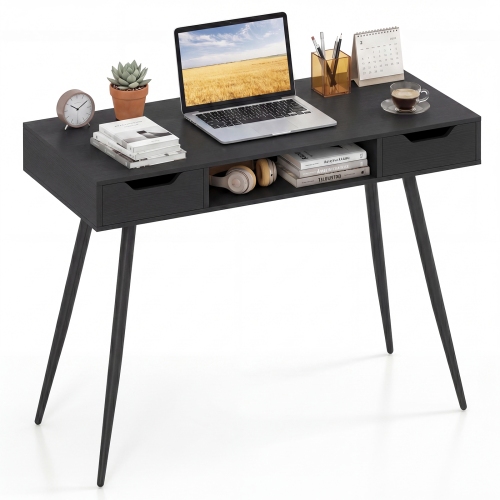
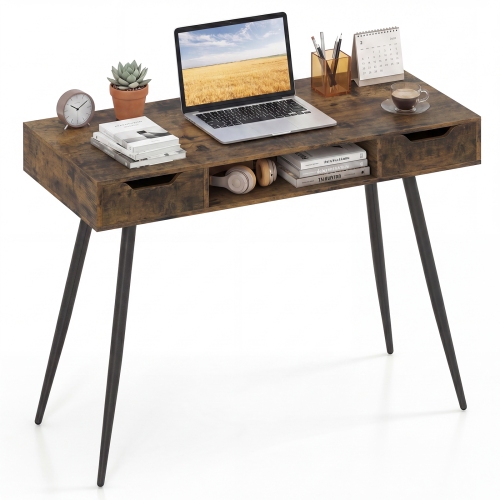
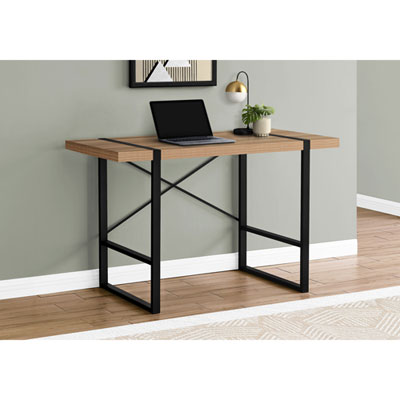
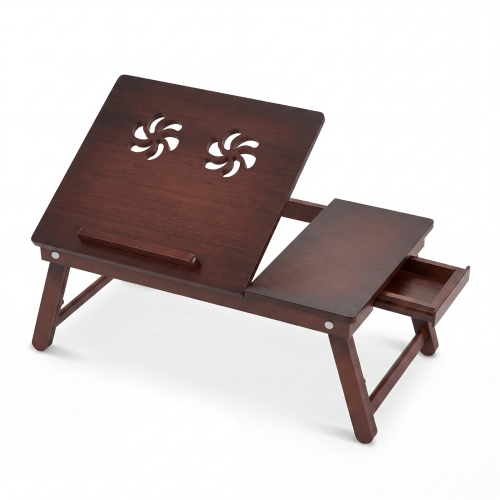
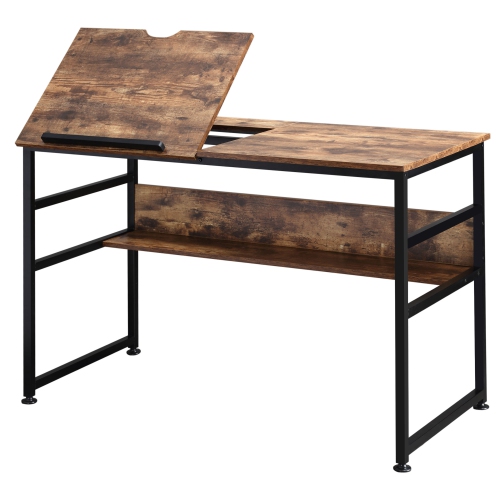
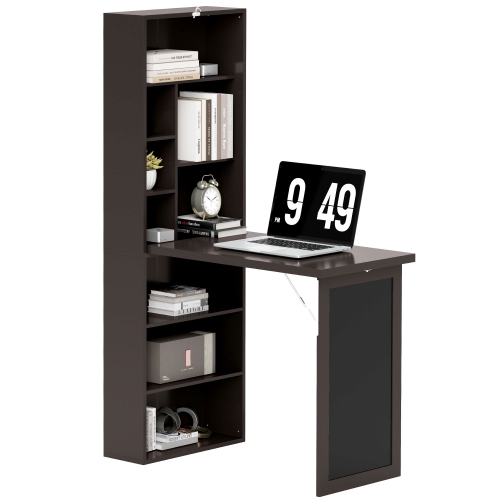

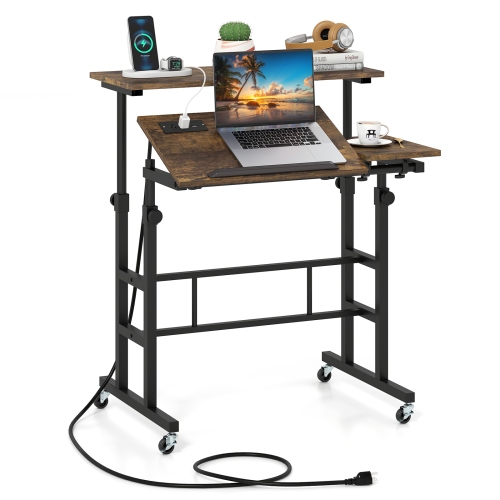
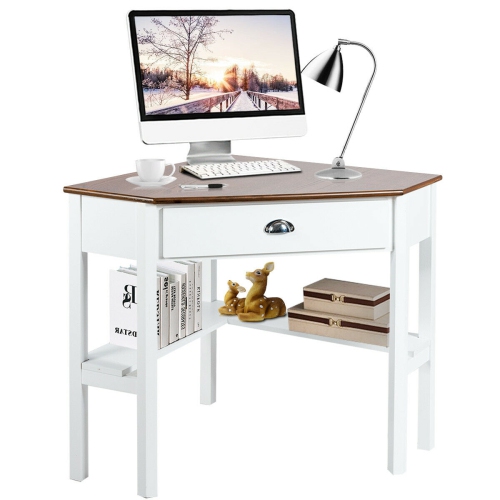
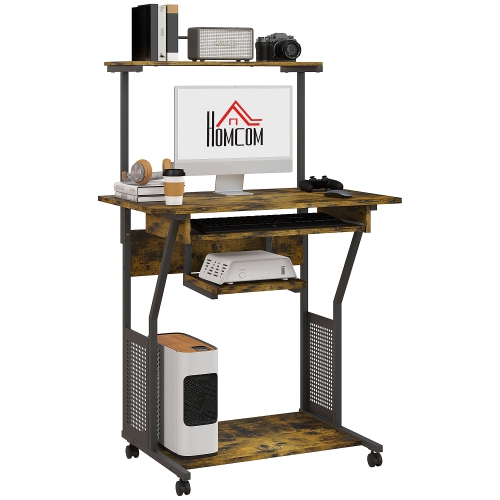
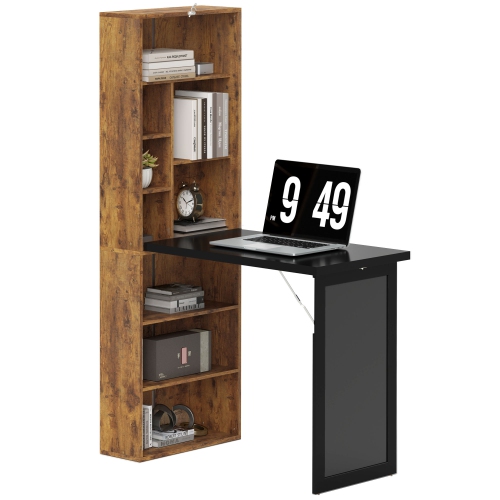
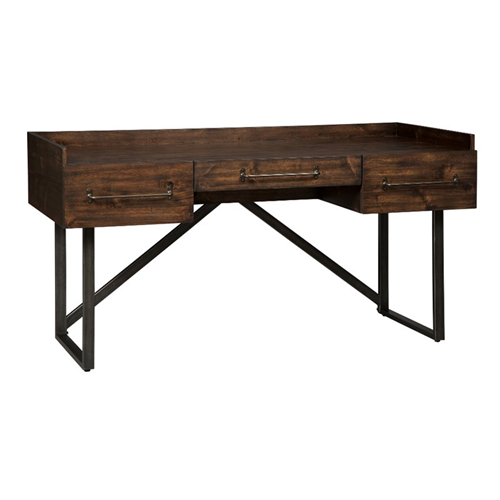
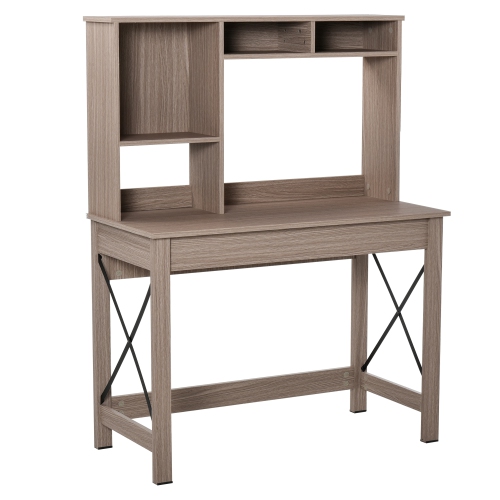
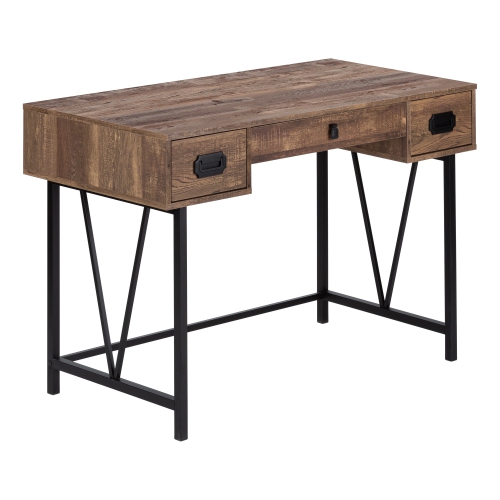
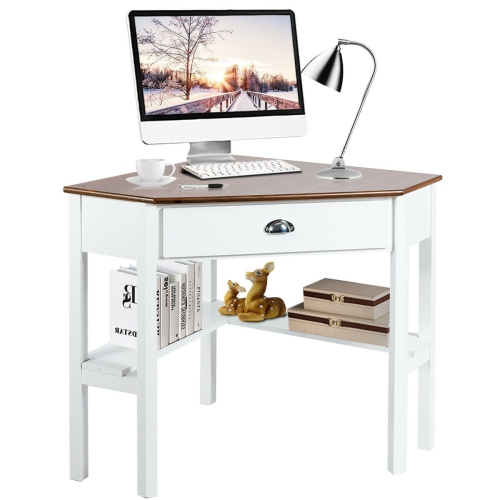
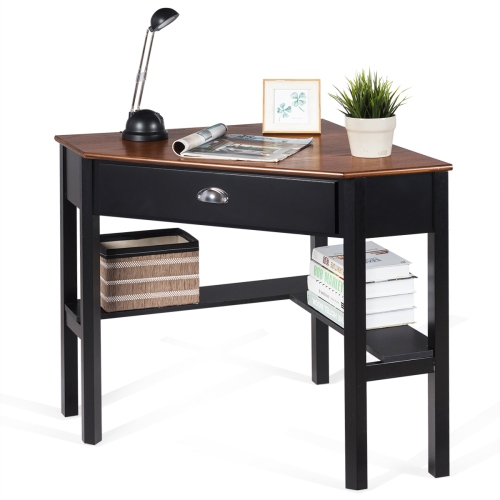
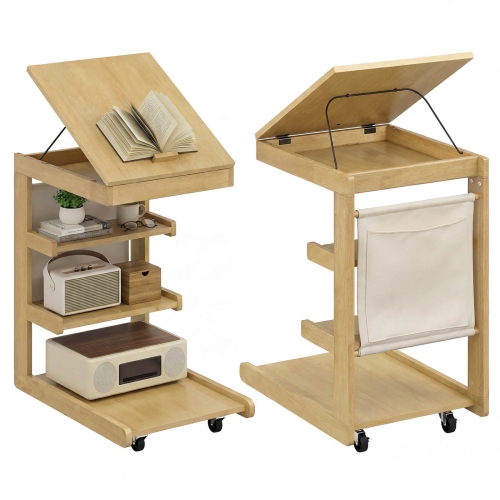
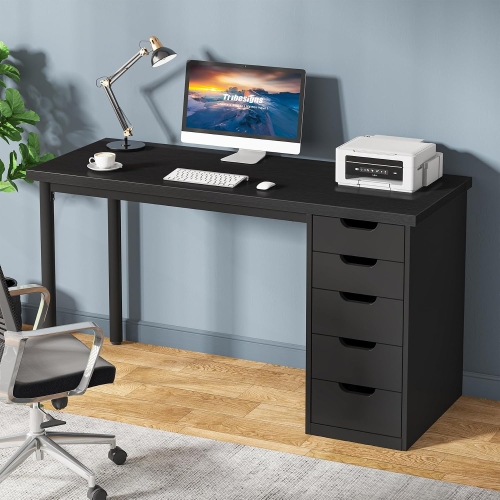
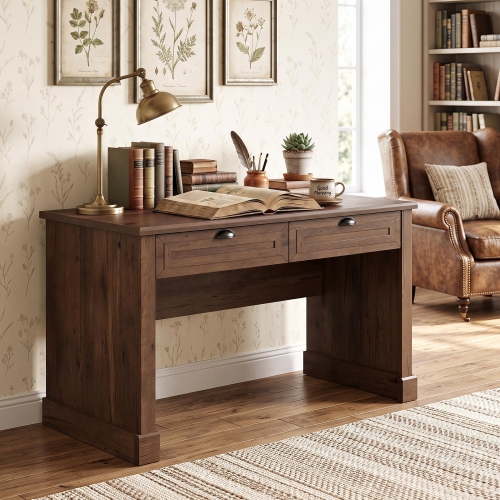
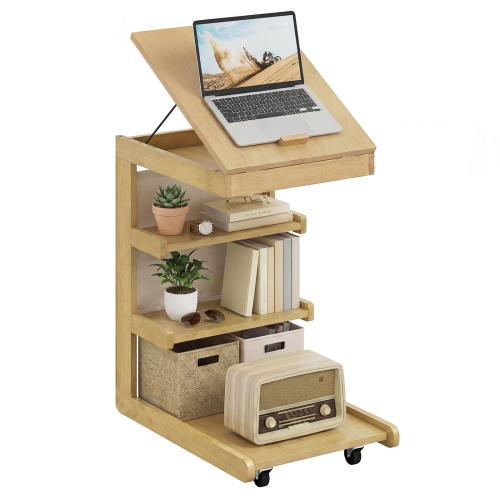
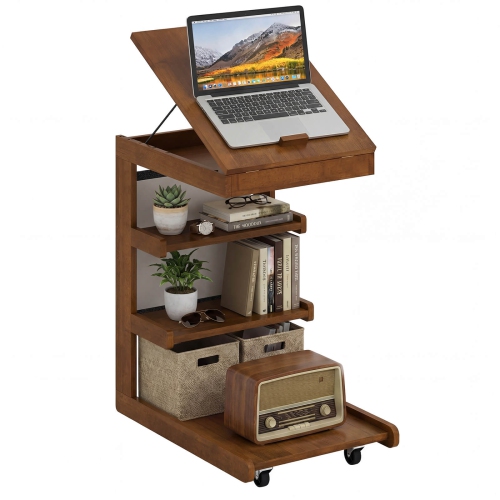
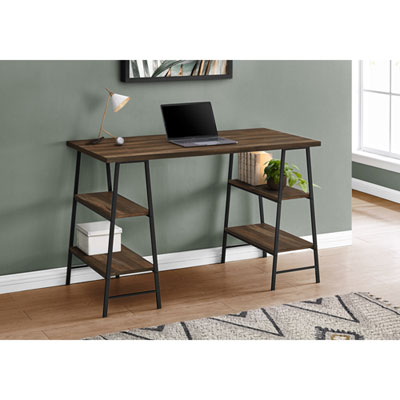
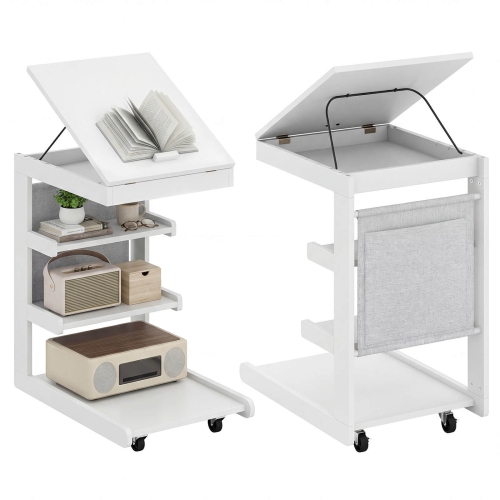
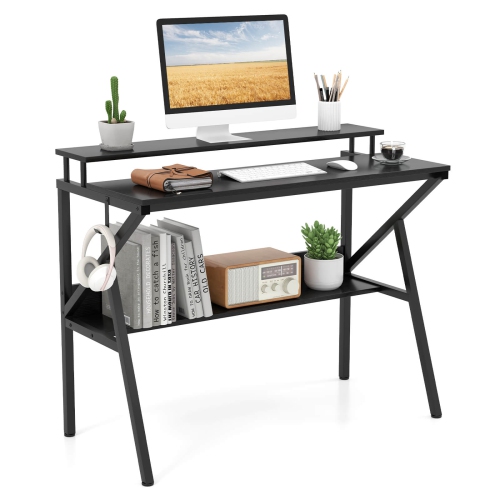
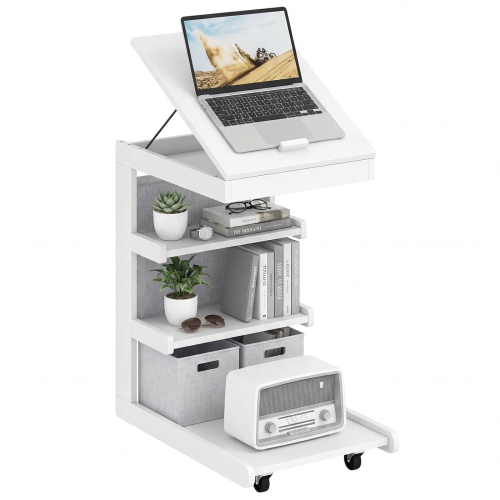
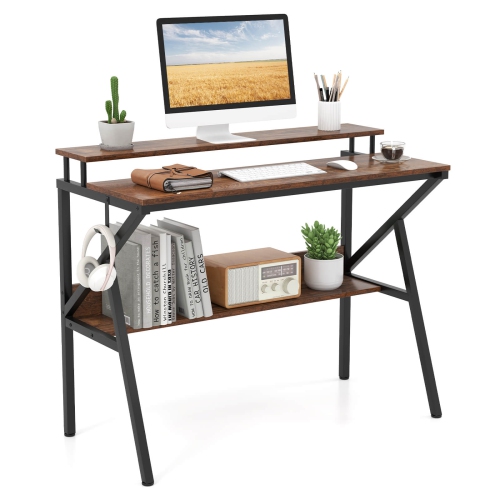
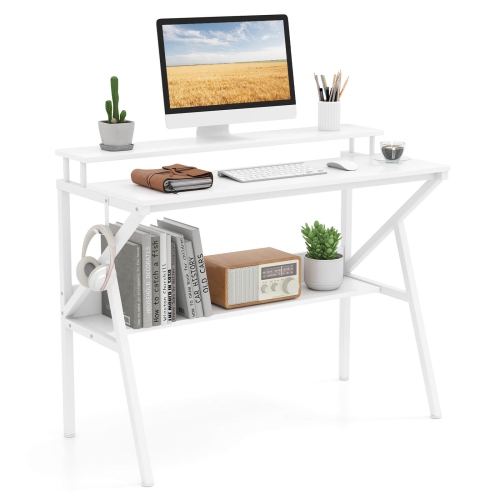
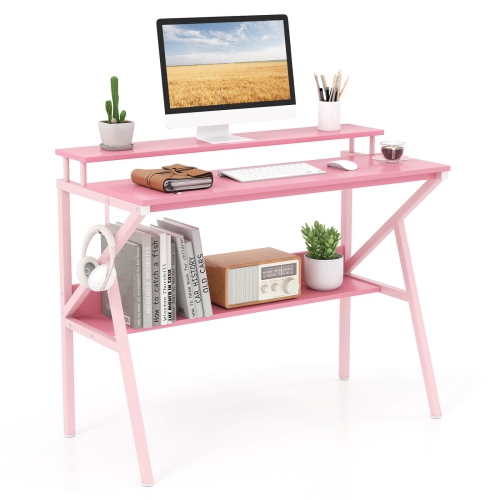
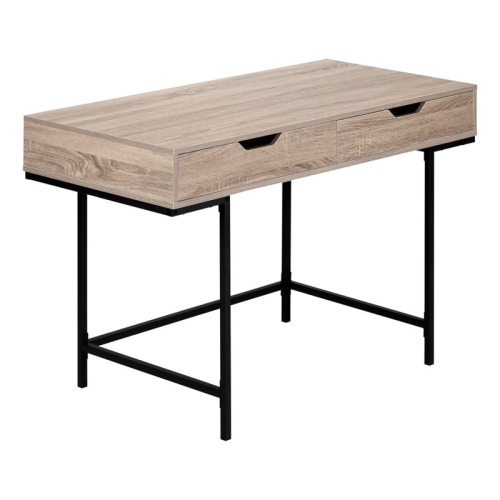
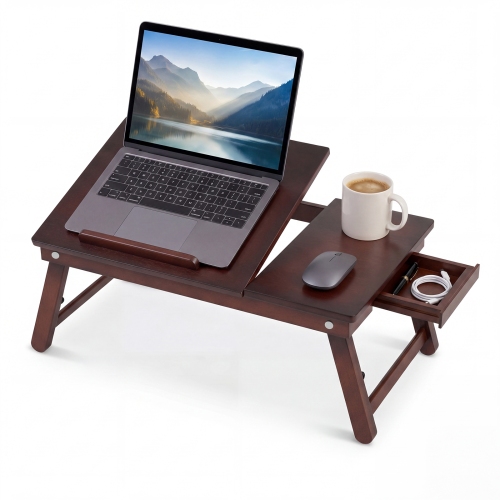
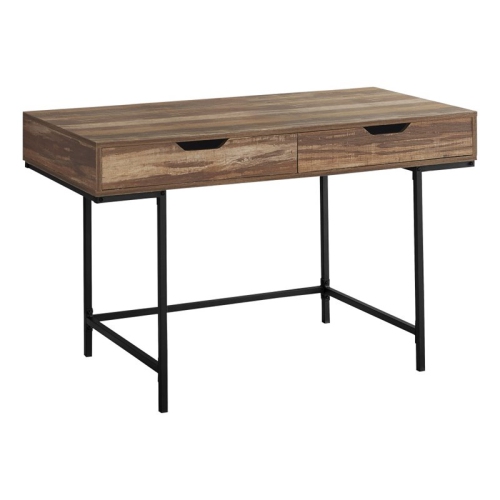
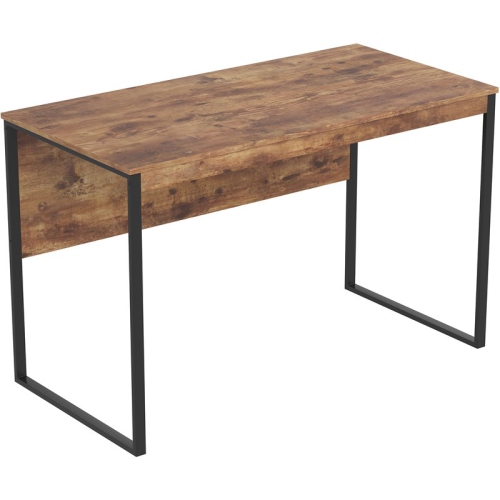
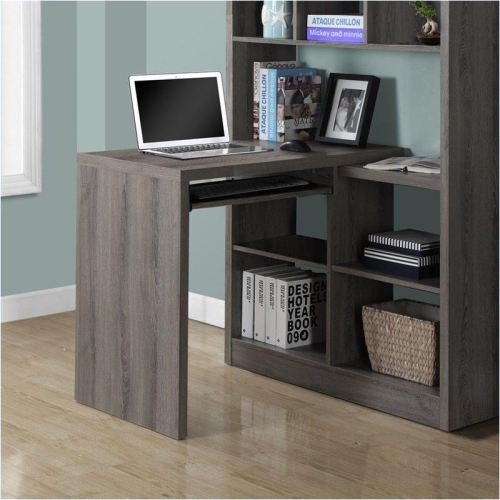

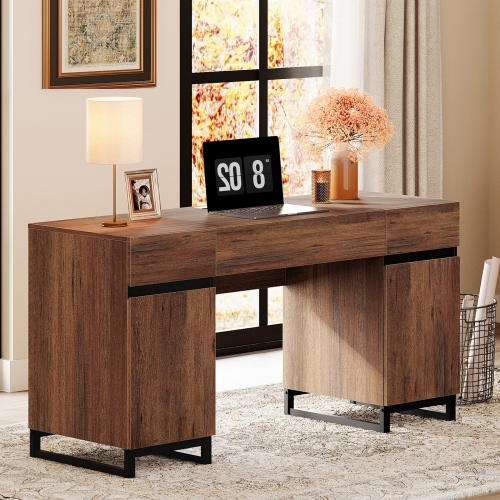
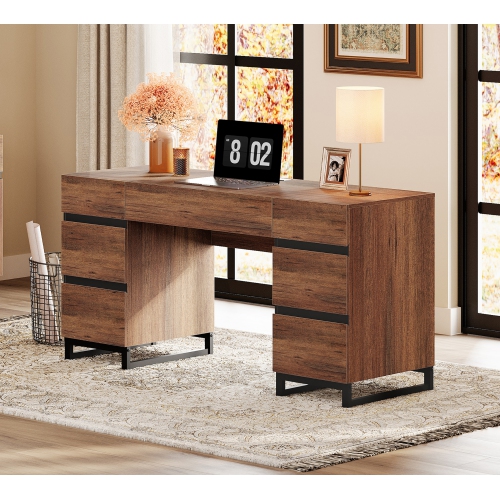
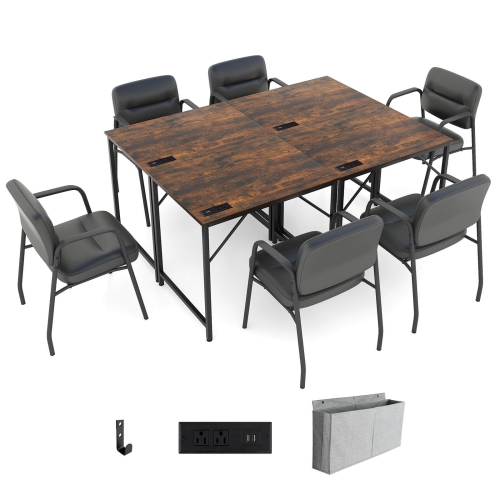
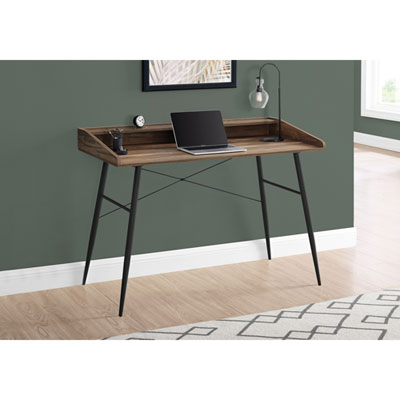
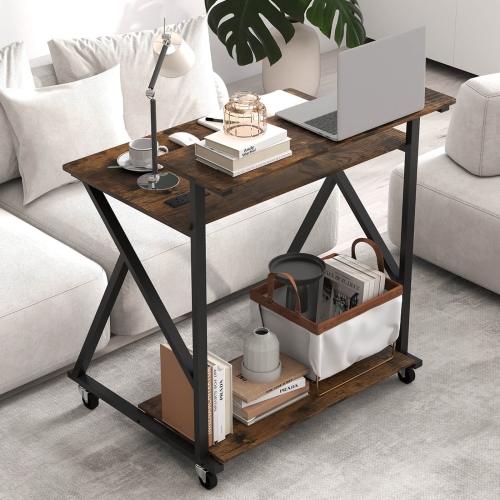
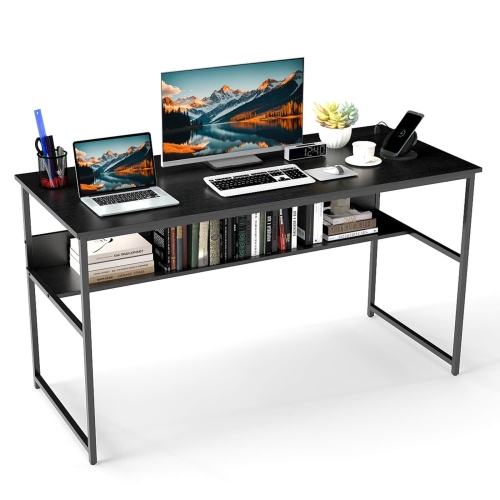

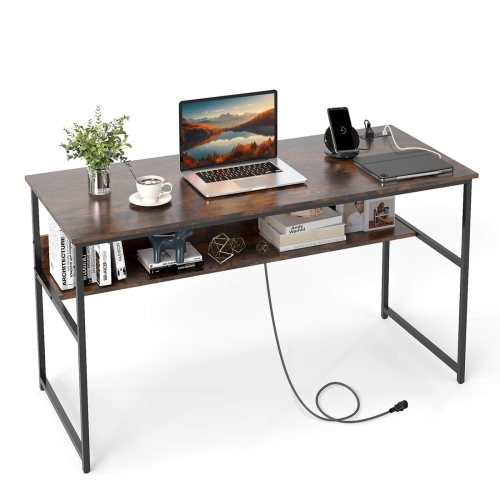
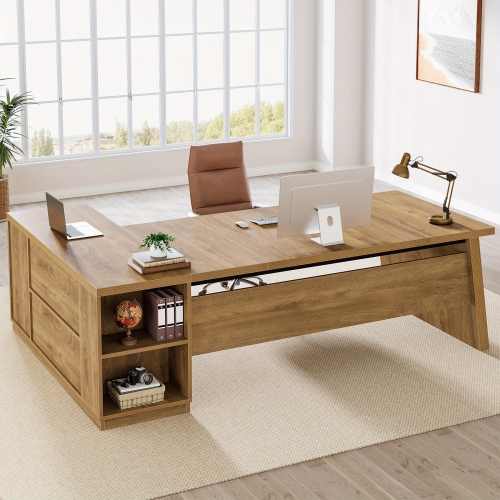
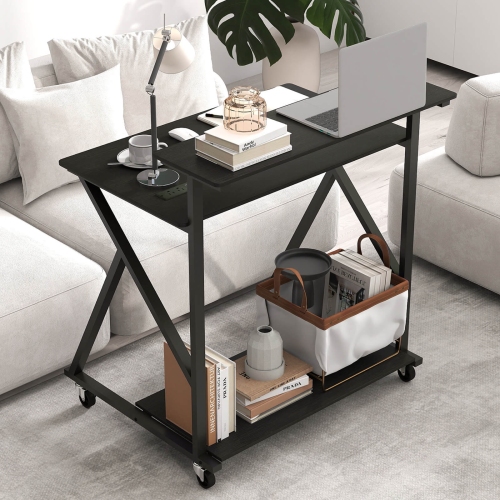
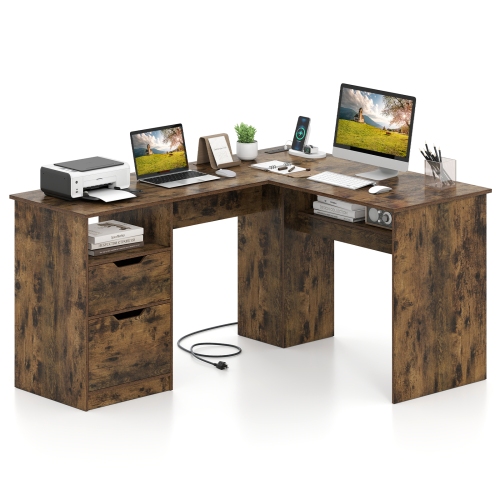
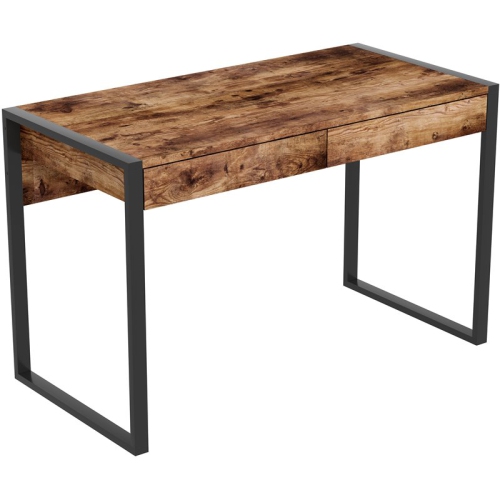
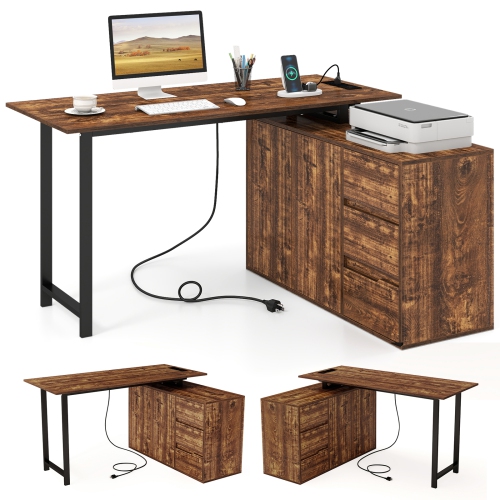
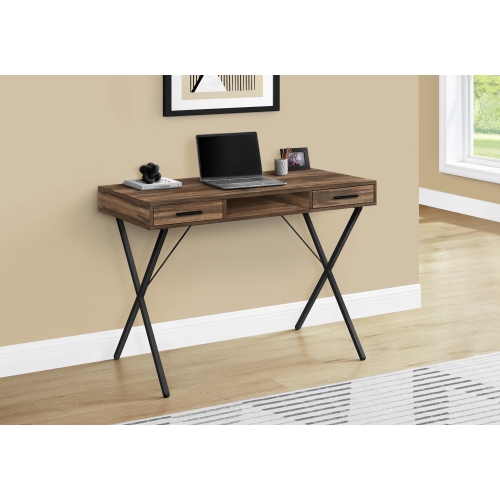
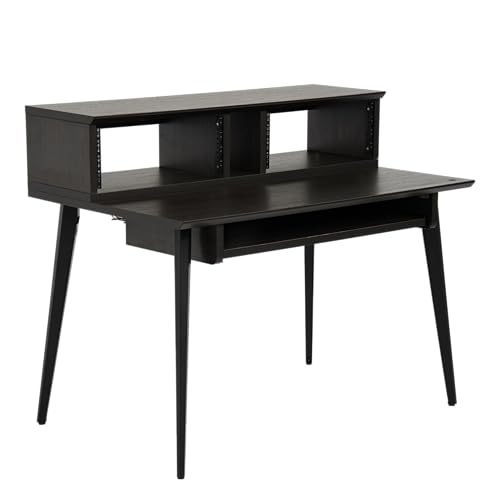
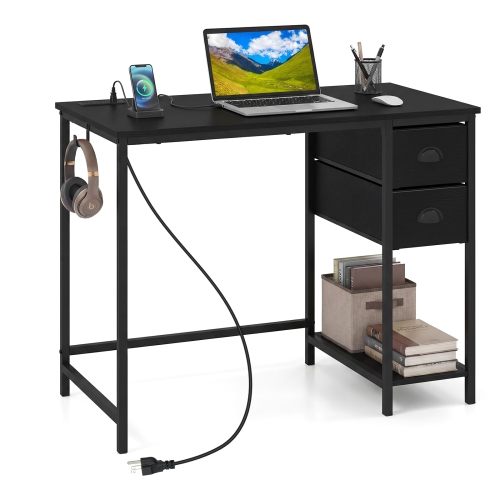
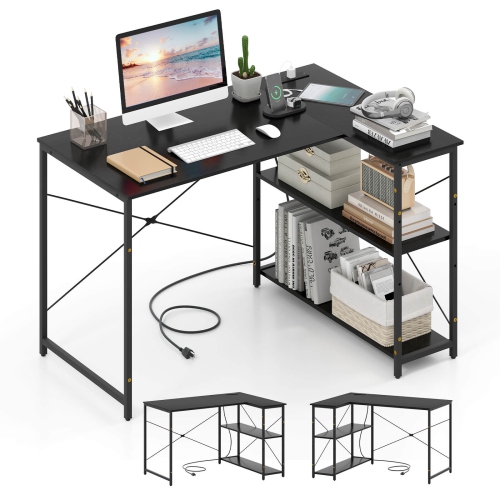
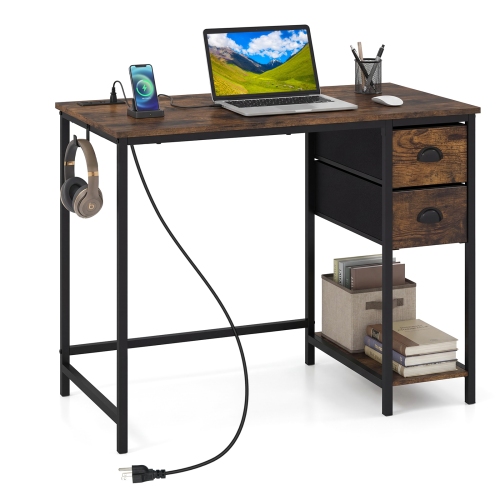
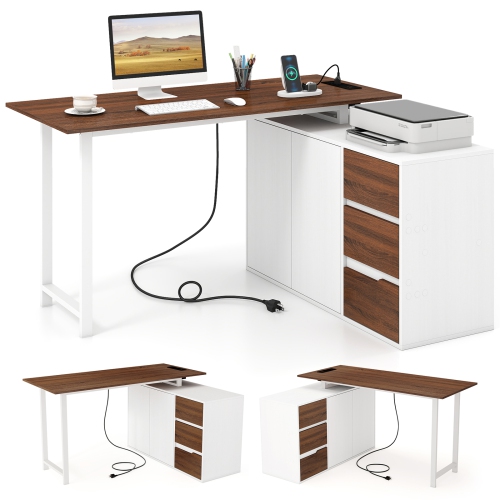
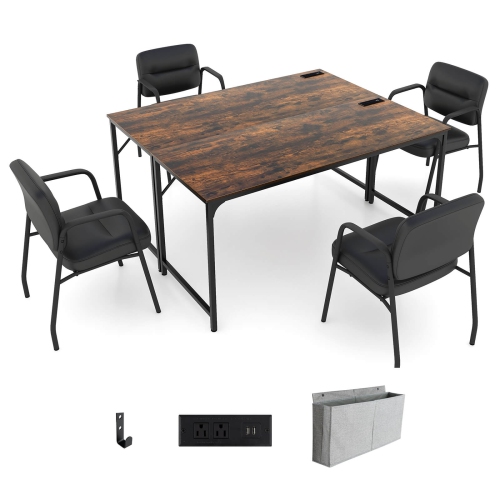
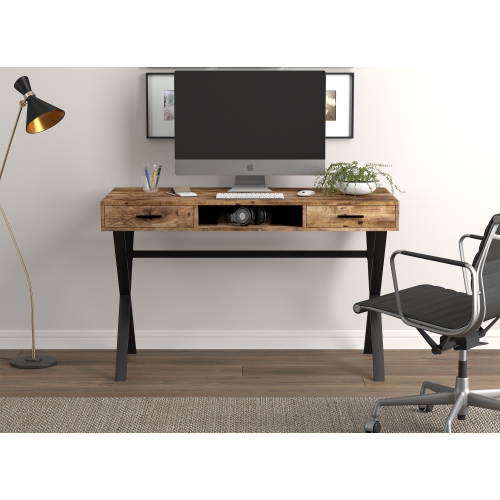
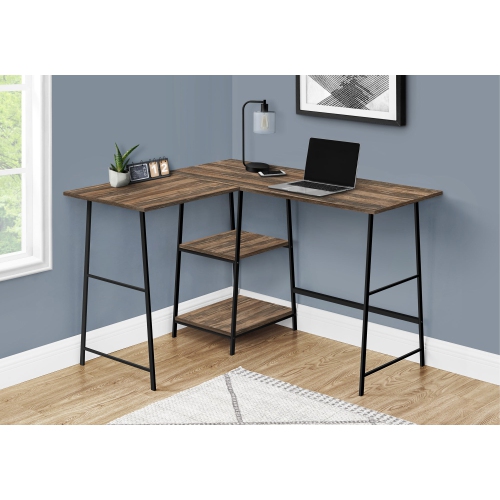


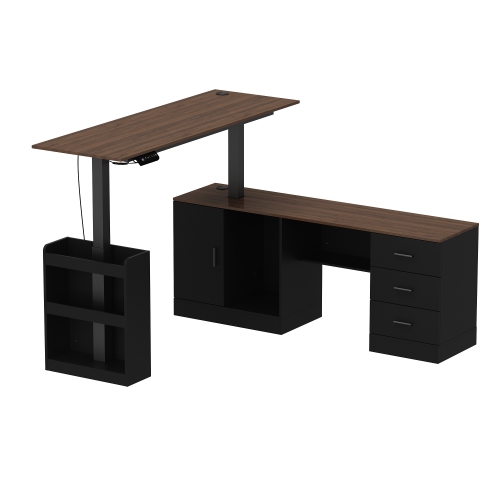
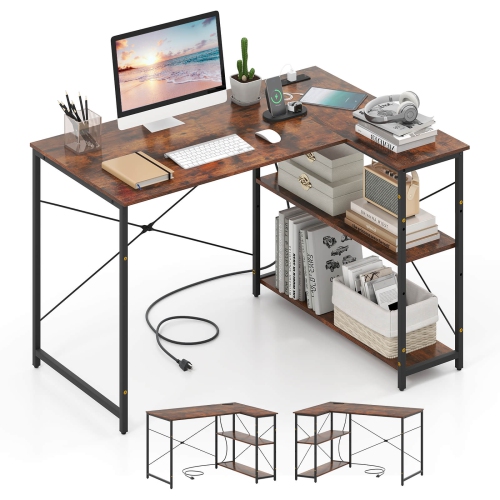
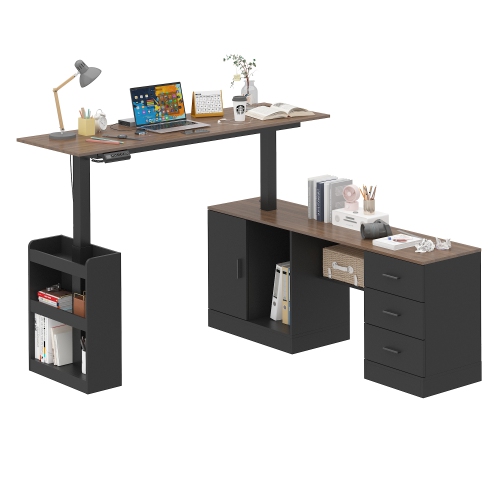
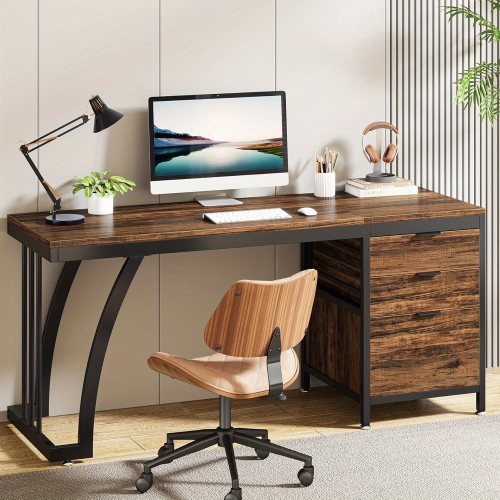
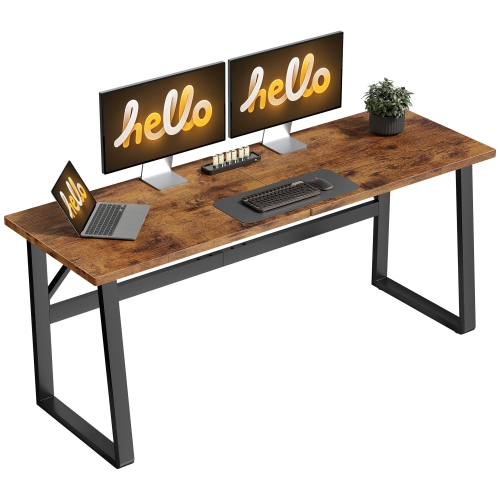
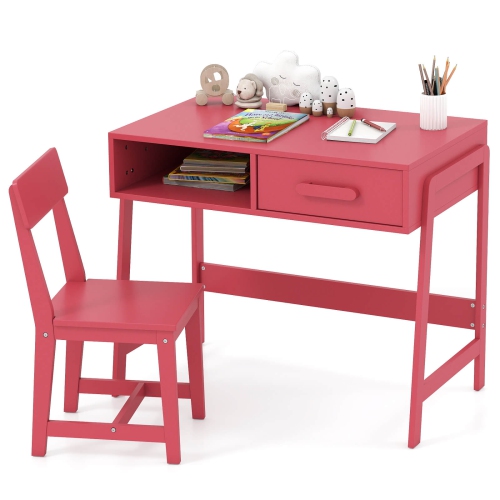
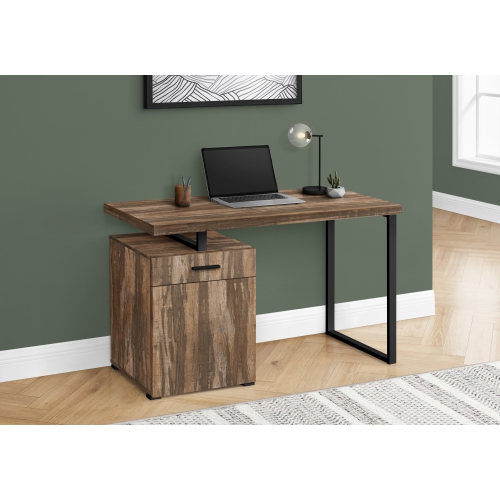
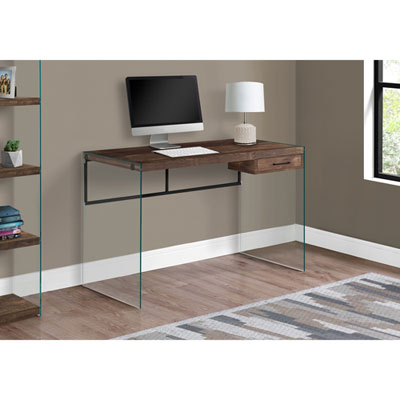
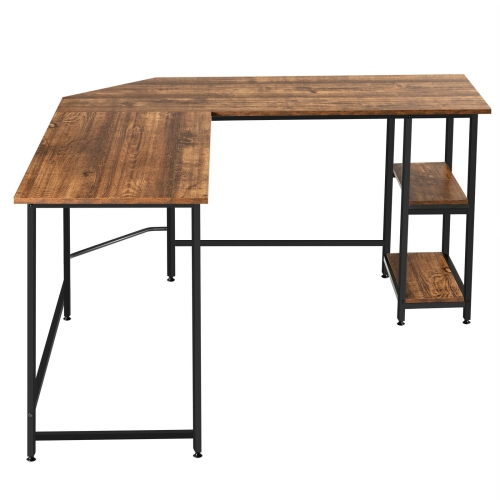
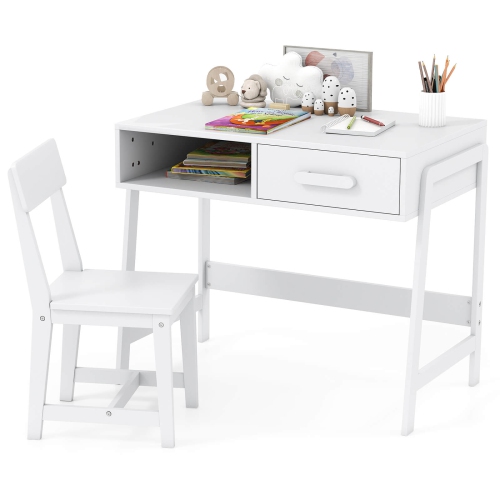
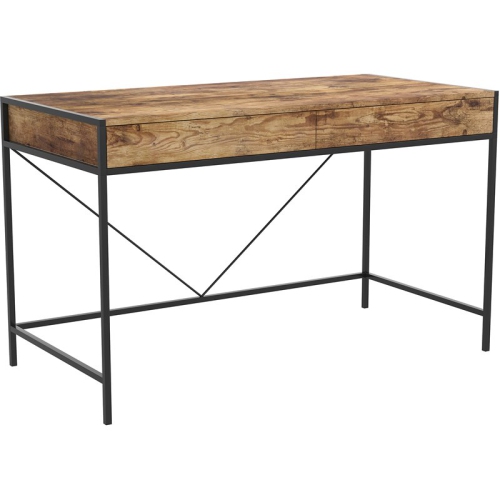

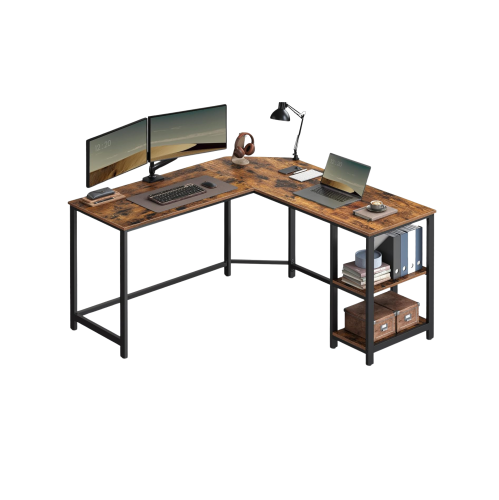
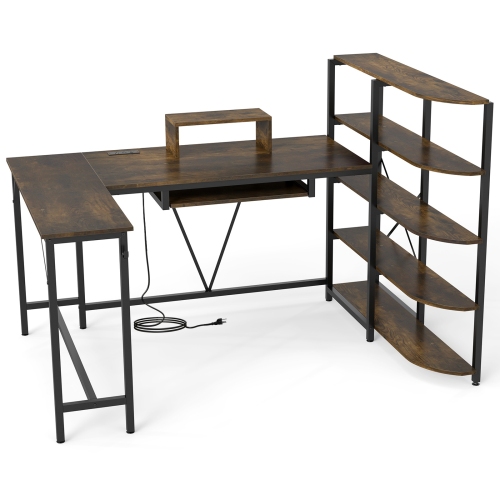
A warm workspace without overwhelming your room
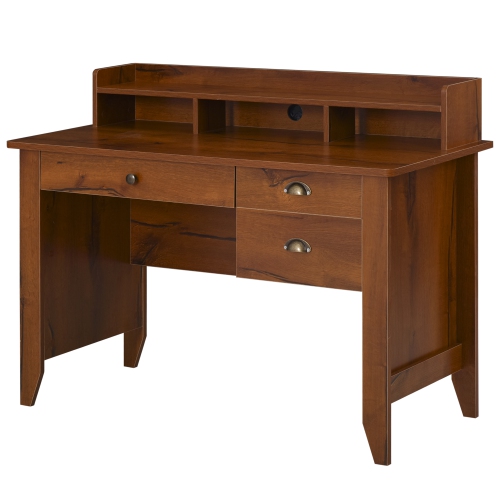
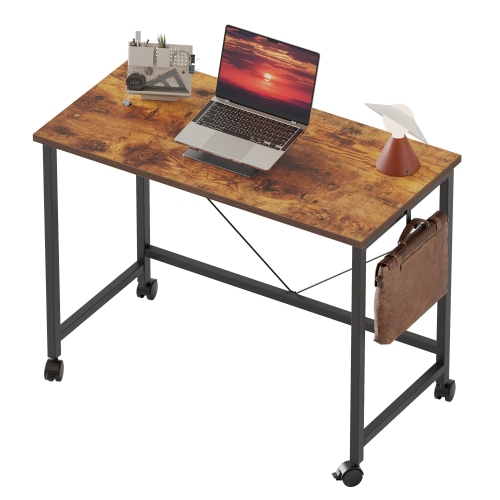
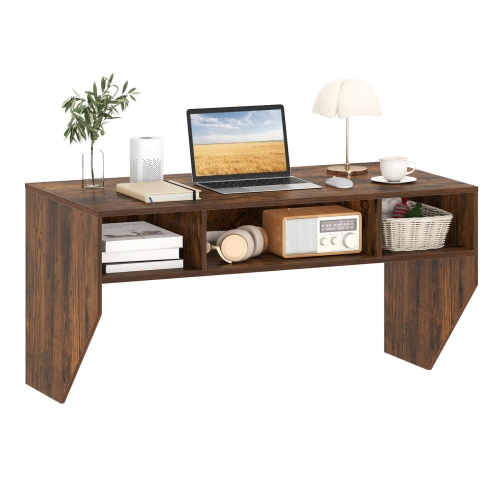
Small brown writing desks are compact work surfaces designed for writing, studying, paperwork, and light laptop use, with brown finishes that range from pale oak tones to rich walnut shades. Their appeal lies in having a dedicated place to work without making a room feel dominated by office furniture. A modest desktop can hold an open notebook, a laptop, and a small lamp, while leaving enough space nearby for a chair to tuck away between tasks. In an apartment living room, a narrow writing desk can sit beside a bookcase; in a bedroom, it can turn an unused stretch of wall into a quiet study area. Brown brings warmth to these settings and pairs easily with cream upholstery, black metal accents, colourful artwork, or other wood furniture. The finish does not have to match every nearby piece exactly: similar undertones often create a more cohesive look than identical colours alone. A reddish brown desk has a different presence from one with a muted, grey-brown finish, even when their dimensions are alike. Size also involves more than the desktop width. Depth determines whether a notebook can sit comfortably in front of a laptop, and the space beneath the surface affects how freely someone can move their knees or pull in a chair. A compact desk with thick side panels may offer less usable legroom than an equally wide design with slender legs. Drawers, crossbars, and storage shelves can further influence that fit. The desk’s overall footprint matters in rooms where a door needs to swing open or a walkway runs behind the chair. Measuring the intended spot with the chair pulled out gives a clearer sense of everyday comfort than measuring the wall alone. Writing desks generally favour a simple, open surface over the larger footprint and equipment storage of a full workstation, making them particularly useful for handwritten notes, reading assignments, correspondence, and focused tasks that do not require a permanent spread of office equipment.
Materials and construction shape both the appearance and the everyday feel of a small brown writing desk. Solid wood can display natural variations in grain and colour, with each panel contributing its own character. Wood veneer places a thin layer of real wood over a supporting core, giving the surface a genuine grain pattern without requiring every component to be solid timber. Engineered wood with a laminate or other applied finish can offer a consistent brown tone, while wood-look surfaces may reproduce the appearance of grain rather than use a natural wood facing. These differences are worth distinguishing because a brown finish alone does not identify the underlying material. A darker stain can emphasize grain, while a more uniform finish can suit a clean, understated room. Metal legs or frames introduce a lighter visual profile and can complement industrial or contemporary furnishings; wood legs and framed drawer fronts tend to create a more traditional impression. Durability depends on the complete construction, including secure joints, stable legs, suitable hardware, and the support beneath the desktop. A desk used for daily handwriting benefits from a steady surface that does not shift under ordinary pressure. Drawer operation matters too, especially when stationery or a notebook is reached for several times a day. Smooth movement and comfortable handles make storage easier to use, while the interior dimensions determine whether larger papers fit flat. Care should follow the manufacturer’s directions, since finishes respond differently to cleaning products and moisture. For many finished surfaces, routine dusting and prompt attention to spills help preserve their appearance, but soaking the desktop or using abrasive cleaners can cause damage. A coaster beneath a drink and a desk pad under frequently used writing tools can reduce everyday marks. Pads are also useful when the surface has a pronounced texture that makes writing on a single sheet of paper less comfortable. Keeping adhesive tape, hot mugs, and sharp objects away from the finish helps protect the part of the desk that receives the most contact.
The best fit for a small brown writing desk depends on what needs to remain on the surface and what can be put away after use. A student working with a textbook and loose papers may value an uninterrupted desktop more than several small compartments. Someone handling household paperwork might prefer a shallow drawer for pens, envelopes, and receipts, leaving the top clear between sessions. Open shelves can keep notebooks within reach, although their position should not interfere with seated legroom. A simple drawer-free design offers flexibility for different chairs and makes it easier to place a separate storage unit nearby. For laptop work, the available depth should accommodate the device along with any keyboard, mouse, or notes used regularly. A raised laptop stand takes up space too, even when it improves the screen position. Setups centred on a separate monitor and more permanent equipment may be better served by browsing Small Brown Computer Desks, particularly when comparing room for accessories and cable routing. A writing desk remains a practical choice when the main priority is a comfortable place to read, write, or complete occasional digital tasks. Placement can make that modest workspace feel more settled: a nearby outlet reduces the need for trailing cords, and a lamp with a compact base preserves room for papers. Natural light can be pleasant for reading, provided the desk’s position does not create distracting glare on a screen. Chair height and armrest clearance deserve attention alongside the desk itself, since an otherwise suitable chair may not slide beneath a low drawer. These compact desks can suit students, apartment dwellers, and people who want a separate spot for personal projects without furnishing an entire home office. They can also make a thoughtful gift for someone setting up a first study space or furnishing a new home, provided the room measurements and preferred style are known. A well-proportioned brown writing desk offers a useful balance: enough surface for purposeful work, a finish that feels at home among everyday furnishings, and a footprint that leaves the rest of the room usable.
Top selling and popular products
-
 Your price for this item is $97.99
-
 Your price for this item is $89.99
-
 Your price for this item is $84.99
-
 Your price for this item is $97.99
-
 Your price for this item is $649
-
 Your price for this item is $749
-
 Your price for this item is $649
-
 Your price for this item is $649
Discover more categories related to Small Brown Writing Desks
Top Collections:
Best Black Friday Deals This Year, Best Black Friday Deals On Electronics, Kindle Devices, Pokemon Centers, Best Black Friday Deals On Apple Products, Best Cameras for Sports Photography, Dyson Airwrap, Pokémon 30th Celebration Cards, Apple iPhone 17 Pro, Canon G7X Cameras
Some products may be subject to Environmental Handling Fees
(EHF) depending on your province.
Learn more about EHFs.