Small Chests
Organize your space efficiently with our selection of small chests, perfect for adding storage and style to any room in your home. Whether you're looking to declutter a bedroom, living room, or hallway, these compact yet functional chests offer a practical solution for keeping your essentials neatly stowed away. Discover a range of designs, from sleek modern finishes to classic wood constructions, that cater to various tastes and decor preferences. Upgrade your organization game with these versatile small chests that blend seamlessly into your living space while providing ample storage solutions.
Sort
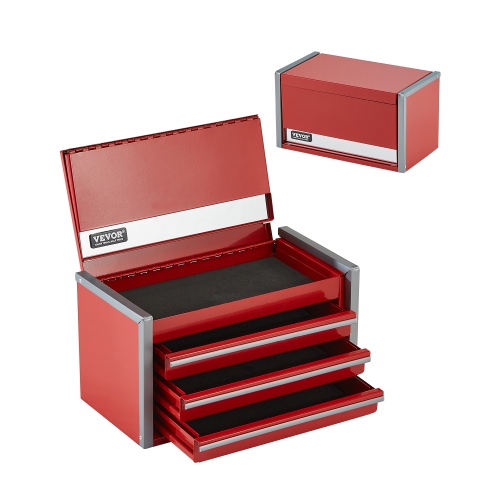
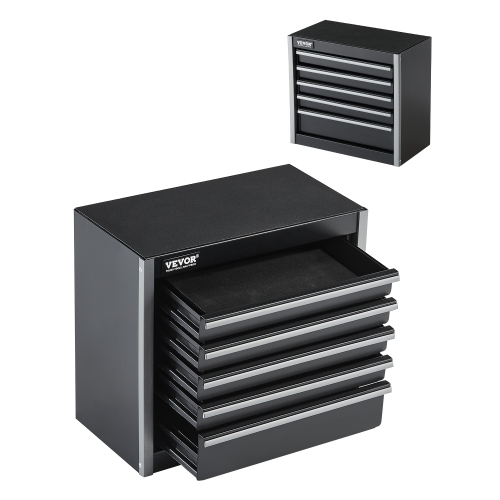
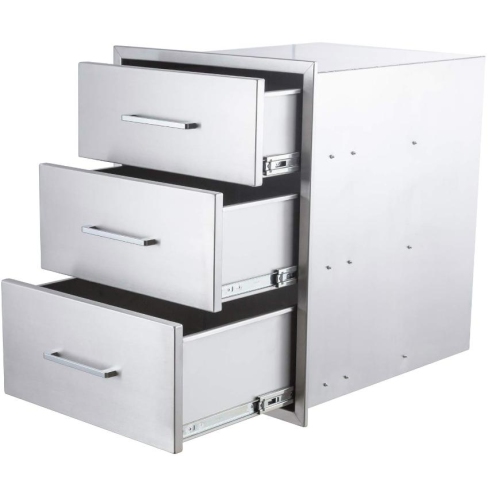
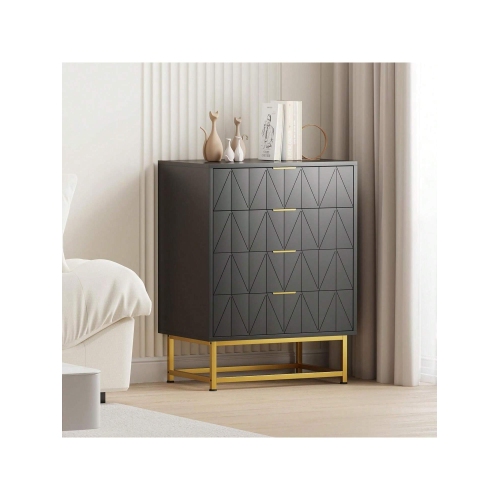

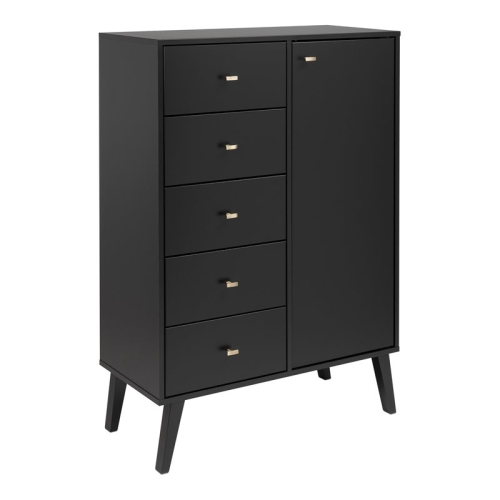
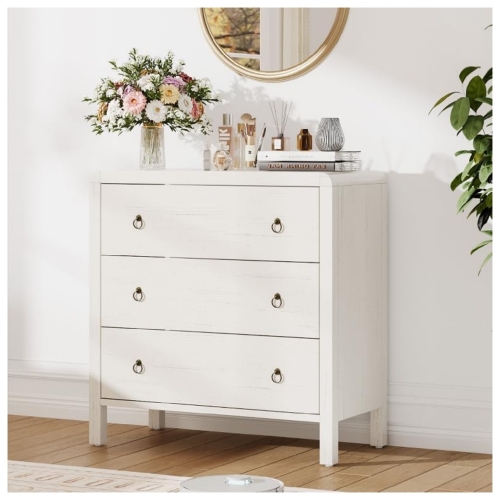
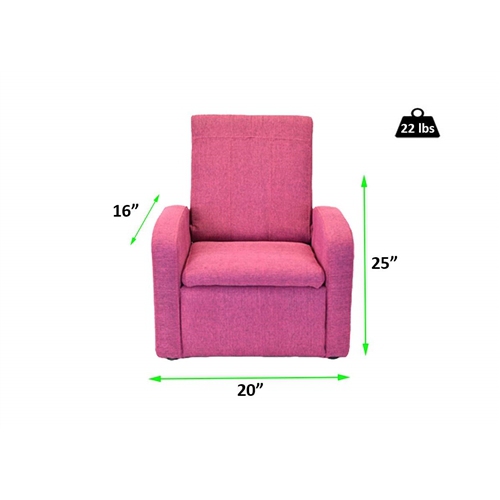
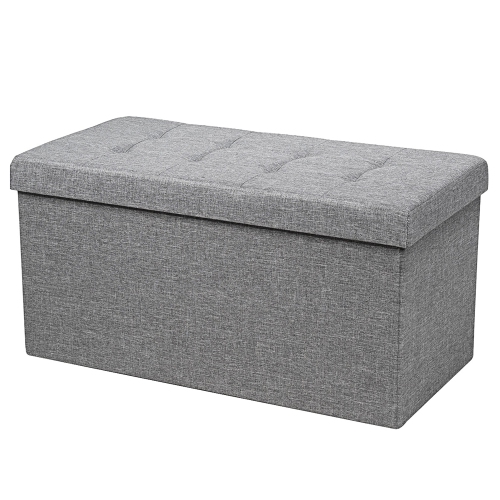
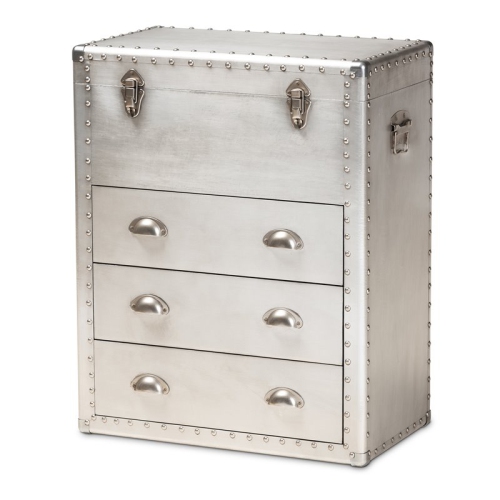
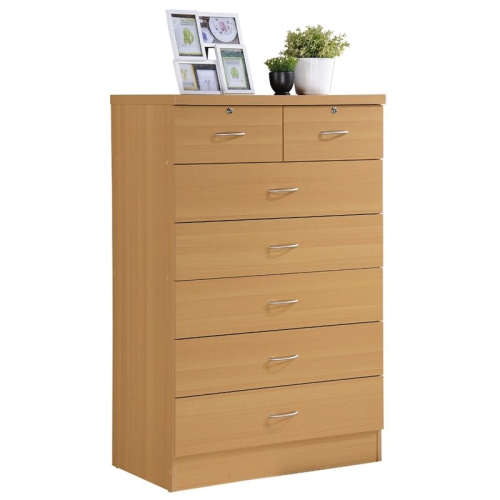
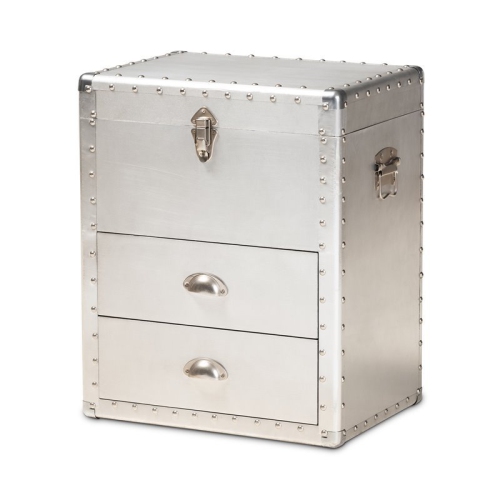
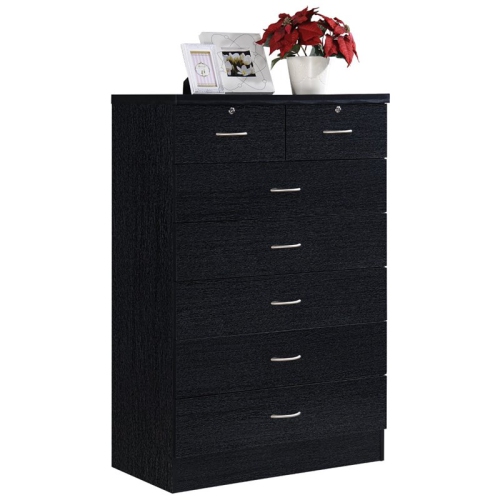
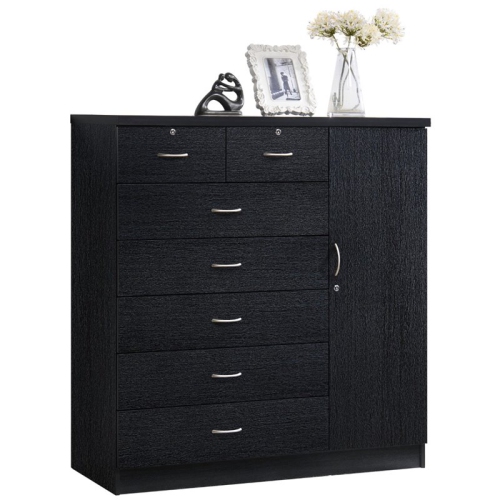
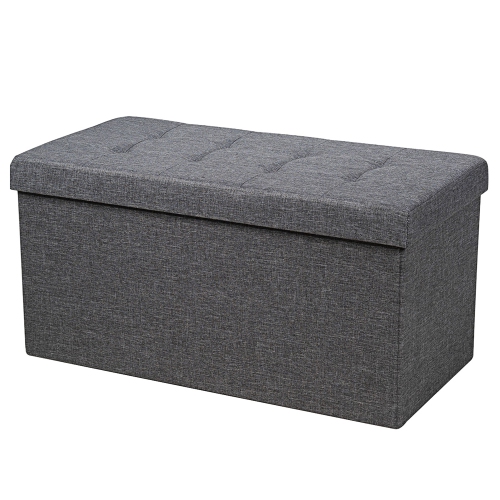

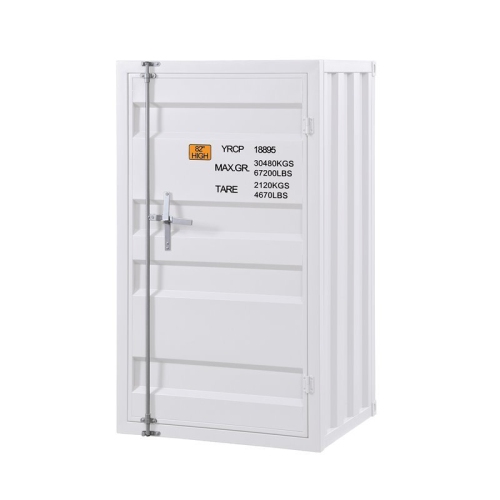
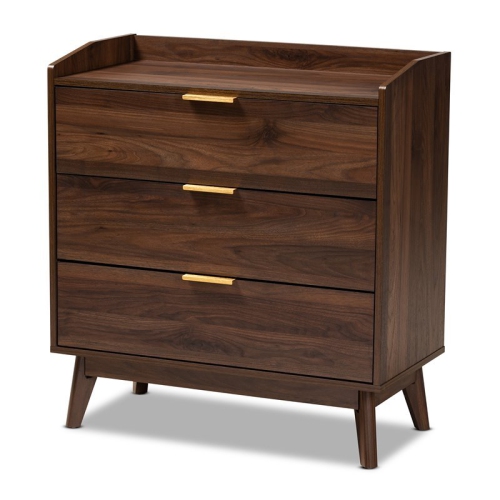
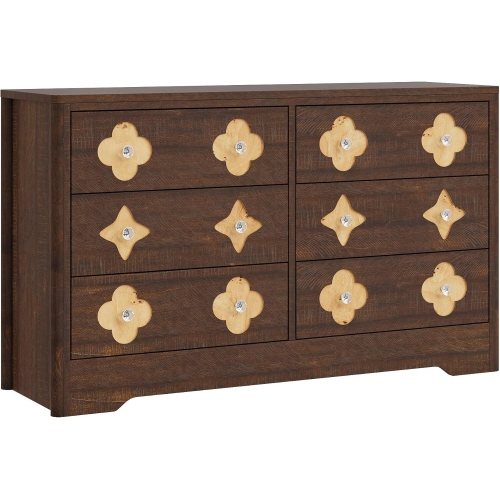
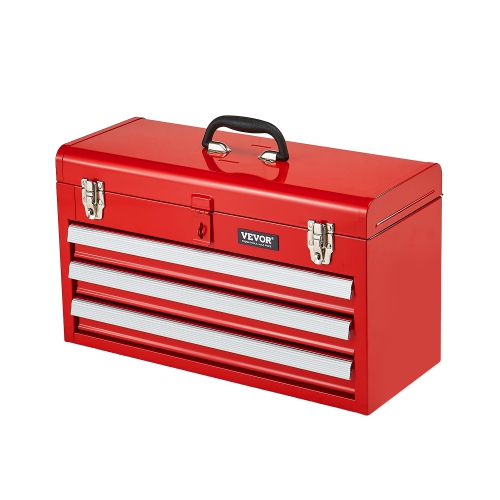
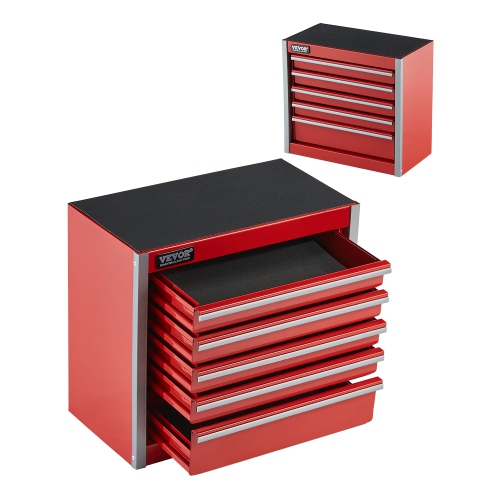
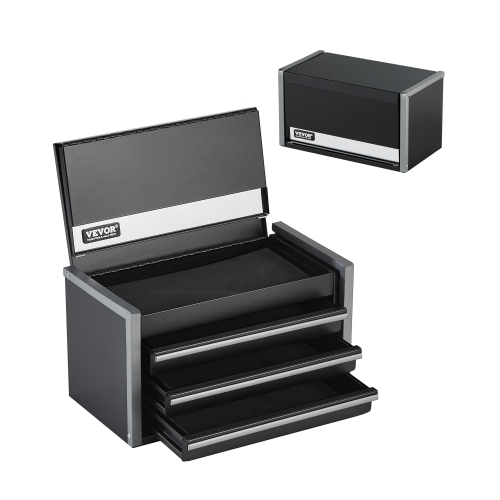
Compact storage that leaves room for everyday living
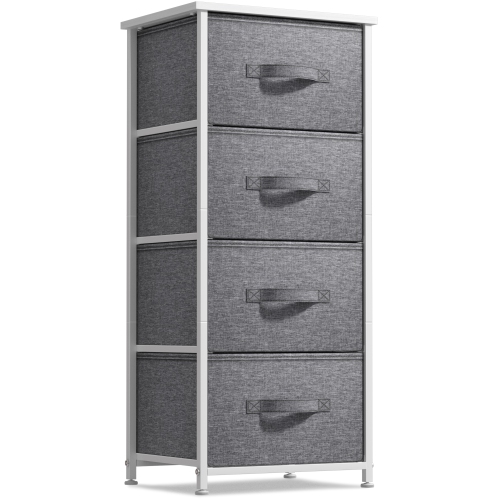
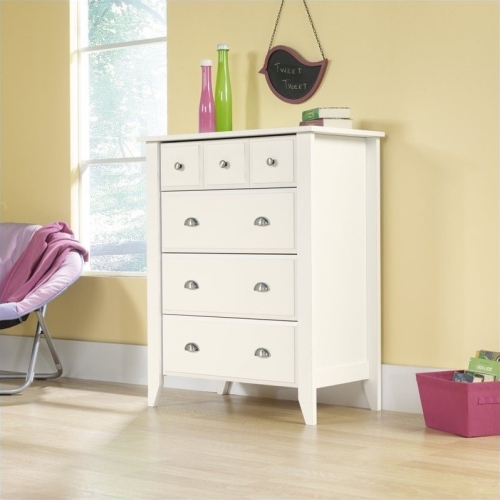
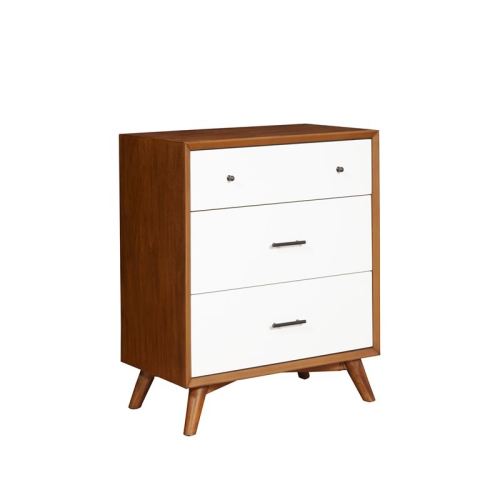
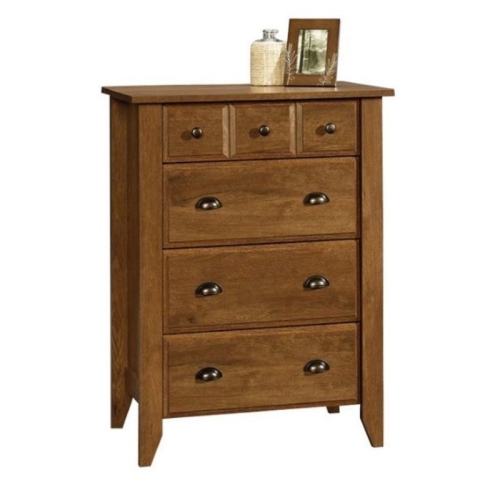
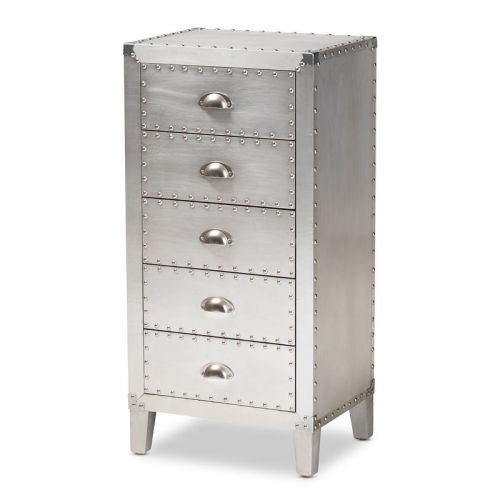
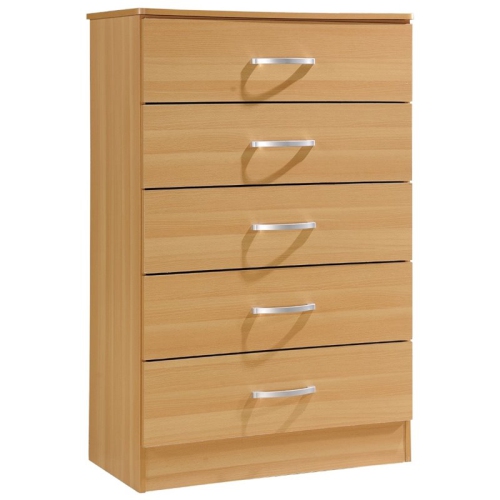
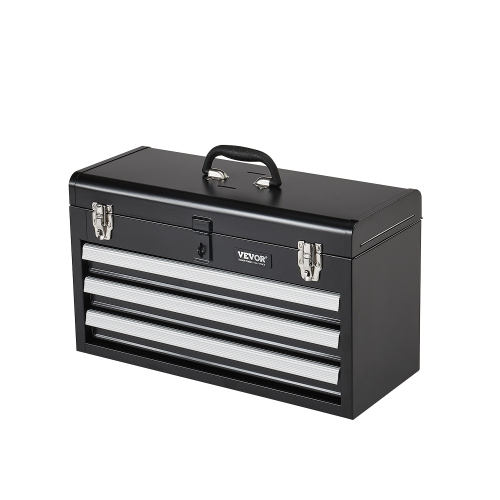
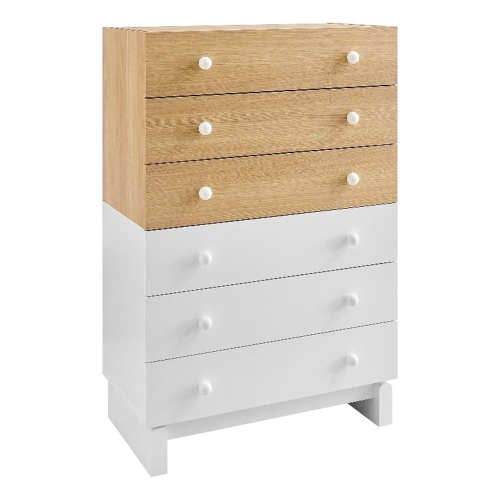
Small chests are compact storage furniture designed to keep everyday belongings organized without taking up the floor space of a full-size dresser or cabinet. The term can describe small chests of drawers, low storage boxes with hinged lids, and smaller keepsake chests for personal treasures. Each shape suits a different kind of storage: drawers separate clothing and accessories, while an open compartment accommodates bulkier contents such as folded throws or extra bedding. A small chest of drawers, sometimes called a bachelor chest, can work beside a bed, along a short bedroom wall, or in a guest room where a larger dresser would crowd the space. In an entryway, shallow drawers give gloves, scarves, and reusable shopping bags a place close to the door. A compact lidded chest at the foot of a bed can hold spare linens, leaving wardrobe shelves free for clothing. These pieces are especially useful in condos, apartments, shared homes, and rooms that serve more than one purpose. A home office that doubles as a guest bedroom, for example, benefits from enclosed storage that keeps personal belongings separate from work supplies. The broader family of Storage chests includes different proportions and layouts, with small designs emphasizing a manageable footprint rather than one standard set of dimensions. Some are narrow and upright; others sit low and extend horizontally. The most useful shape depends on both the room and the belongings inside it. Socks and charging cables are easier to sort in divided drawers, while a stack of winter blankets needs a wider, deeper compartment. Smaller keepsake chests serve a more personal purpose, holding photographs, letters, or mementos together on a shelf or dresser. For someone furnishing a first apartment or settling into a smaller home, a thoughtfully chosen chest can also make a practical housewarming gift, provided its dimensions and finish suit the recipient’s space.
Materials and construction influence how a small chest looks, feels, and stands up to daily use. Solid wood offers visible grain and natural variation, with finishes that can range from pale and understated to dark and richly textured. Wood veneer provides a real wood surface over a supporting core, while laminated engineered wood can offer a smooth, uniform appearance that works well with simple room furnishings. Painted surfaces bring a softer or more defined contrast, depending on the colour, and metal frames or hardware can add a crisp outline to an otherwise plain piece. Material alone does not determine durability: secure joints, a stable base, properly fitted hardware, and drawers that travel smoothly all matter. A drawer used every morning should open comfortably without rubbing against its neighbours, and its base needs to support the intended contents within the stated weight limit. Deep drawers may suit folded sweaters, but depth is less helpful for small accessories that disappear beneath other belongings. Internal measurements are therefore just as important as the chest’s outer dimensions. The same applies to lidded designs, where wall thickness, hinges, and interior fittings can reduce usable space. Hardware deserves attention, too. Protruding handles need clearance beside a doorway or walkway, while recessed pulls can make a narrow passage feel less crowded. For a hinged chest, the lid needs room to open without hitting a wall, windowsill, or bed frame. A soft-close feature may reduce abrupt movement, but it does not replace a purpose-designed lid support or other safety features needed around children. Drawer chests should be secured according to the manufacturer’s instructions using suitable wall fixings, particularly in homes where children might climb or pull on open drawers. A flat lid should never be assumed to function as a seat; sitting is appropriate only when the chest is expressly designed and rated for that use.
Fit is about more than finding an empty patch of floor. A chest can slide neatly between a bed and a wall yet still be awkward if there is no room to stand in front of an open drawer. Measuring the width, depth, and height of the intended position, along with drawer extension or lid clearance, helps reveal how the piece will function in daily routines. Nearby skirting boards, heating vents, electrical outlets, and door swings can all affect placement. In a bedroom, a low chest can keep folded clothing within reach without blocking a window; in a living room, a compact box can hold throws near a reading chair. During the cooler months, an entryway chest gives frequently used accessories a contained home, though wet mittens and damp scarves should dry fully before being put away. Inside, removable dividers can separate small belongings, and washable liners may help protect suitable compartments from everyday marks. Care depends on the material and finish, so the manufacturer’s cleaning directions should take priority. Regular dusting with a soft cloth and prompt attention to spills help preserve surfaces; excess water, abrasive cleaners, and prolonged direct heat can damage many finishes. Coasters or protective pads are useful beneath suitable objects placed on top, especially where a bedside chest holds a glass of water or a lamp. Wood furniture also benefits from reasonably steady indoor conditions, since pronounced changes in humidity can affect fit and movement. Over time, checking handles, hinges, drawer fittings, and wall attachments helps keep the piece comfortable and secure to use. Evenly distributed contents and respect for drawer and top-surface weight limits reduce unnecessary strain. Whether the chest holds everyday clothing, guest bedding, craft supplies, or treasured letters, the best fit is one that makes those belongings easy to reach and easy to put away, while leaving the surrounding room comfortable to move through.
Materials and construction influence how a small chest looks, feels, and stands up to daily use. Solid wood offers visible grain and natural variation, with finishes that can range from pale and understated to dark and richly textured. Wood veneer provides a real wood surface over a supporting core, while laminated engineered wood can offer a smooth, uniform appearance that works well with simple room furnishings. Painted surfaces bring a softer or more defined contrast, depending on the colour, and metal frames or hardware can add a crisp outline to an otherwise plain piece. Material alone does not determine durability: secure joints, a stable base, properly fitted hardware, and drawers that travel smoothly all matter. A drawer used every morning should open comfortably without rubbing against its neighbours, and its base needs to support the intended contents within the stated weight limit. Deep drawers may suit folded sweaters, but depth is less helpful for small accessories that disappear beneath other belongings. Internal measurements are therefore just as important as the chest’s outer dimensions. The same applies to lidded designs, where wall thickness, hinges, and interior fittings can reduce usable space. Hardware deserves attention, too. Protruding handles need clearance beside a doorway or walkway, while recessed pulls can make a narrow passage feel less crowded. For a hinged chest, the lid needs room to open without hitting a wall, windowsill, or bed frame. A soft-close feature may reduce abrupt movement, but it does not replace a purpose-designed lid support or other safety features needed around children. Drawer chests should be secured according to the manufacturer’s instructions using suitable wall fixings, particularly in homes where children might climb or pull on open drawers. A flat lid should never be assumed to function as a seat; sitting is appropriate only when the chest is expressly designed and rated for that use.
Fit is about more than finding an empty patch of floor. A chest can slide neatly between a bed and a wall yet still be awkward if there is no room to stand in front of an open drawer. Measuring the width, depth, and height of the intended position, along with drawer extension or lid clearance, helps reveal how the piece will function in daily routines. Nearby skirting boards, heating vents, electrical outlets, and door swings can all affect placement. In a bedroom, a low chest can keep folded clothing within reach without blocking a window; in a living room, a compact box can hold throws near a reading chair. During the cooler months, an entryway chest gives frequently used accessories a contained home, though wet mittens and damp scarves should dry fully before being put away. Inside, removable dividers can separate small belongings, and washable liners may help protect suitable compartments from everyday marks. Care depends on the material and finish, so the manufacturer’s cleaning directions should take priority. Regular dusting with a soft cloth and prompt attention to spills help preserve surfaces; excess water, abrasive cleaners, and prolonged direct heat can damage many finishes. Coasters or protective pads are useful beneath suitable objects placed on top, especially where a bedside chest holds a glass of water or a lamp. Wood furniture also benefits from reasonably steady indoor conditions, since pronounced changes in humidity can affect fit and movement. Over time, checking handles, hinges, drawer fittings, and wall attachments helps keep the piece comfortable and secure to use. Evenly distributed contents and respect for drawer and top-surface weight limits reduce unnecessary strain. Whether the chest holds everyday clothing, guest bedding, craft supplies, or treasured letters, the best fit is one that makes those belongings easy to reach and easy to put away, while leaving the surrounding room comfortable to move through.
Top selling and popular products
-
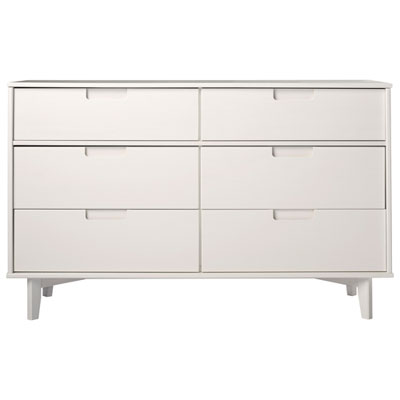 Your price for this item is $569.99
 -
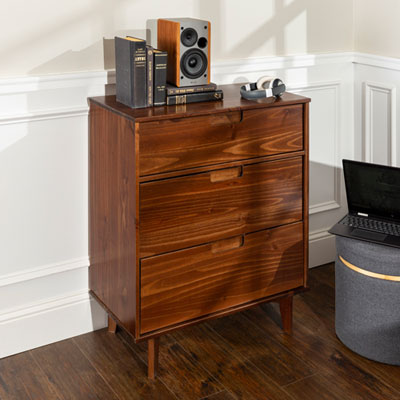 Your price for this item is $364.99
 -
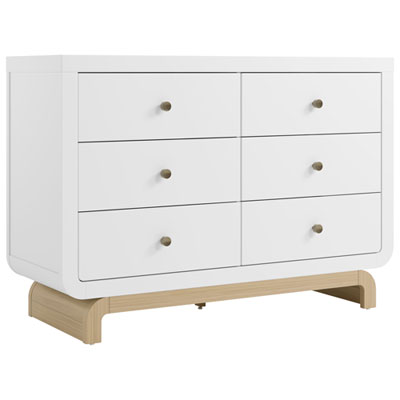 Your price for this item is $899.99
 -
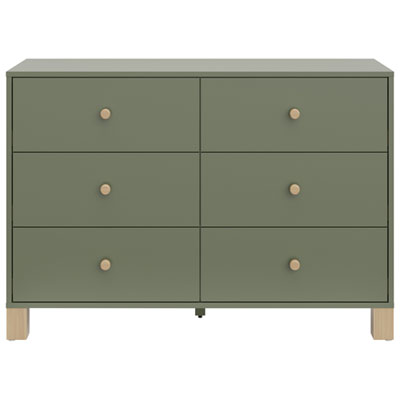 Your price for this item is $699.99
 -
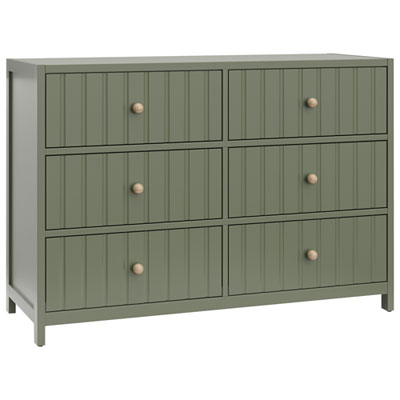 Your price for this item is $699.99
 -
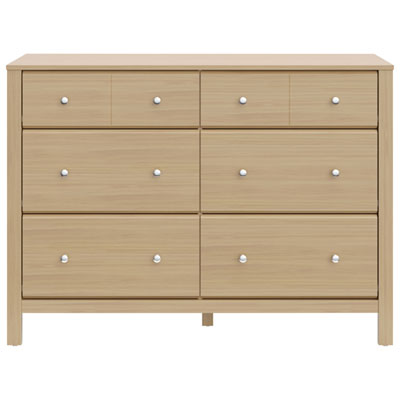 Your price for this item is $399.99
 -
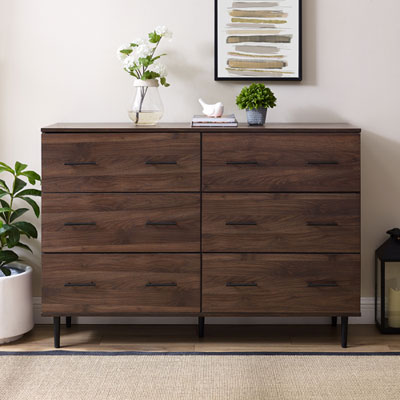 Your price for this item is $886.99
 -
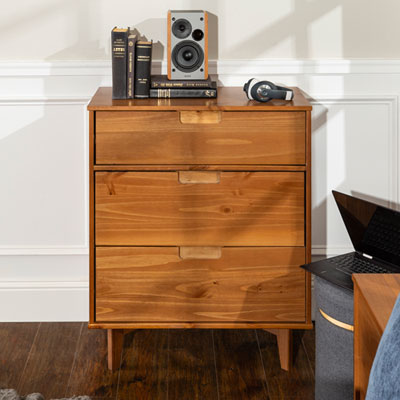 Your price for this item is $364.99
Discover more categories related to Small Chests

Top Collections:
Pokemon Centers, Budget 4K TVs, Best Budget Office Chairs, Kindle Devices, Canon G7X Cameras, Apple iPhones 16, iPhone 15 Apple, Laptops for Business Work, Xiaomi Phones, Flip Phones
Some products may be subject to Environmental Handling Fees
(EHF) depending on your province.
Learn more about EHFs.