Small Dog Carriers
Traveling with your furry companion just got a whole lot easier with our selection of small dog carriers. Whether you're heading out for a quick trip to the vet or embarking on a weekend getaway, these carriers are designed to keep your small pup safe, comfortable, and secure while on the go. With various styles, sizes, and features to choose from, finding the perfect carrier to suit your needs and your pet's preferences is a breeze. Transporting your little four-legged friend has never been more convenient or stylish!
Sort
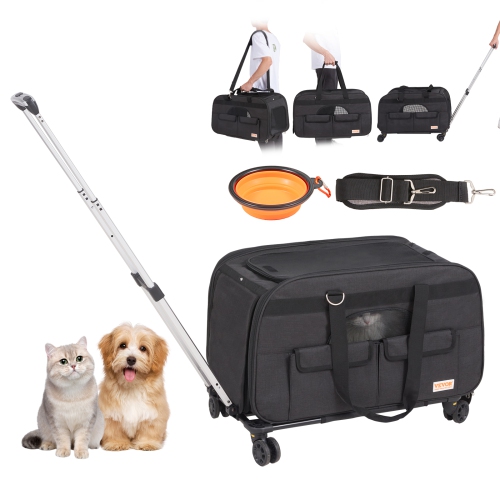
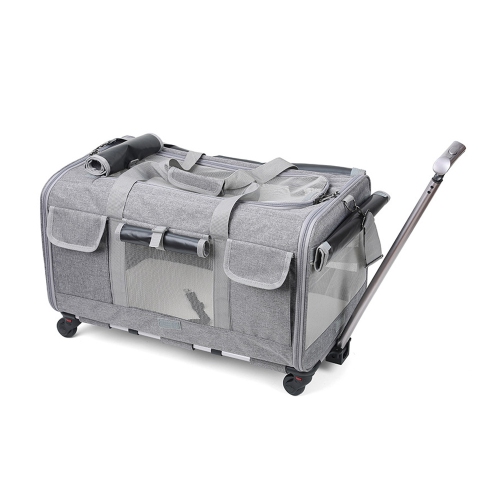
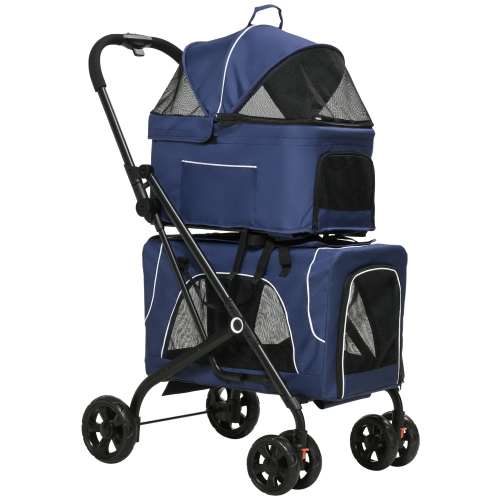
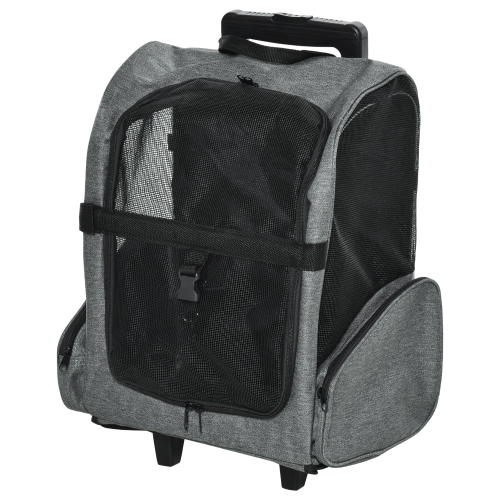
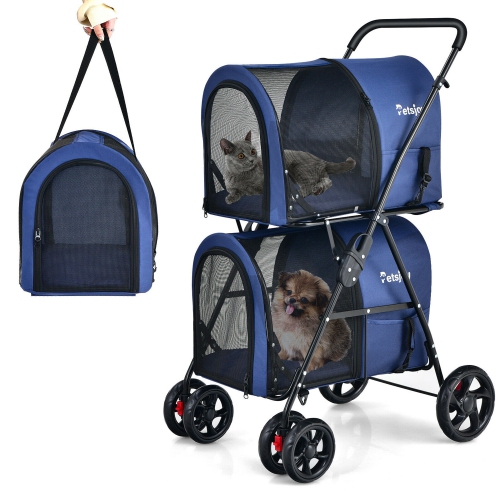
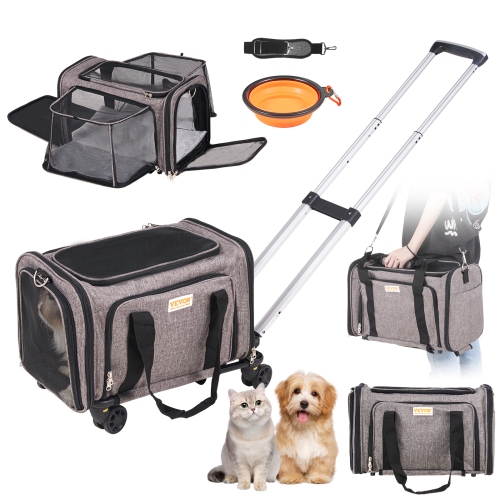
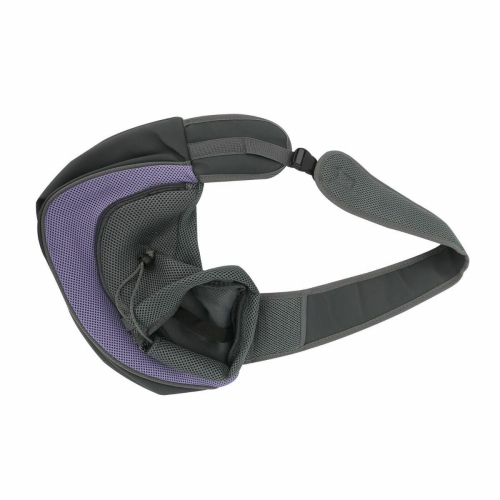
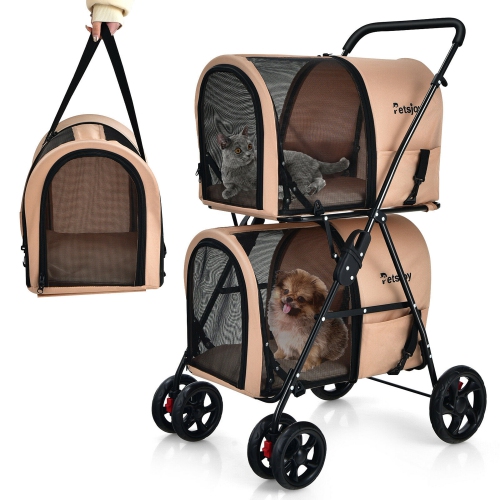
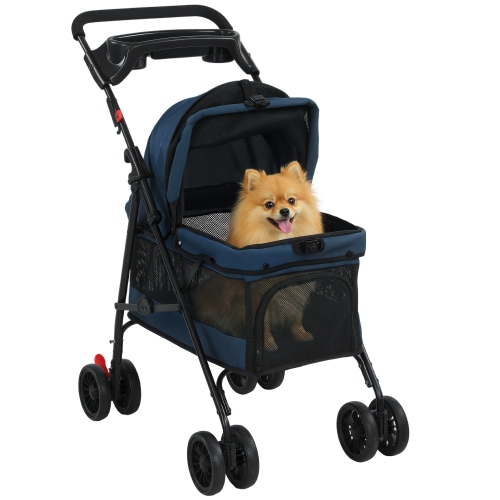
A comfortable carrier fit goes beyond your dog’s weight
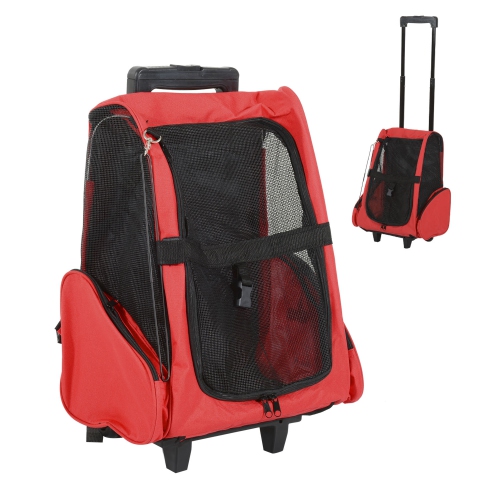
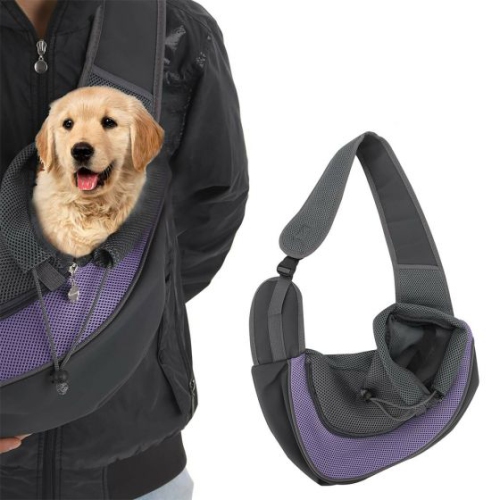
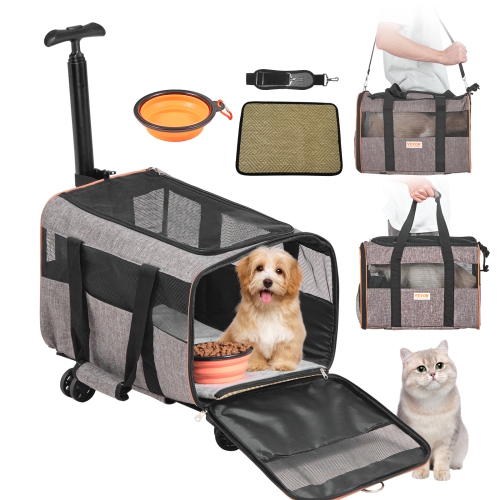
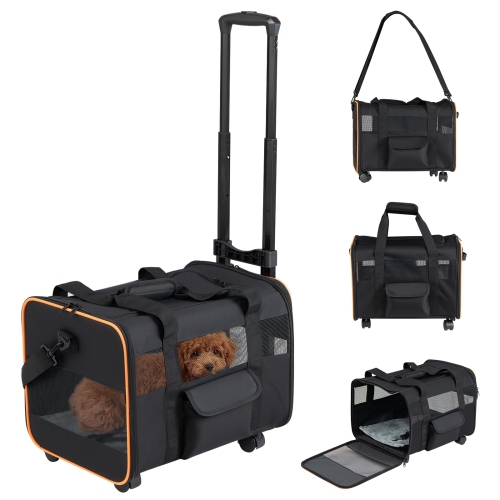
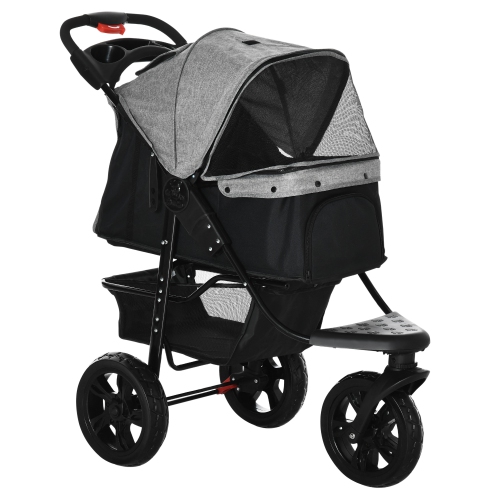
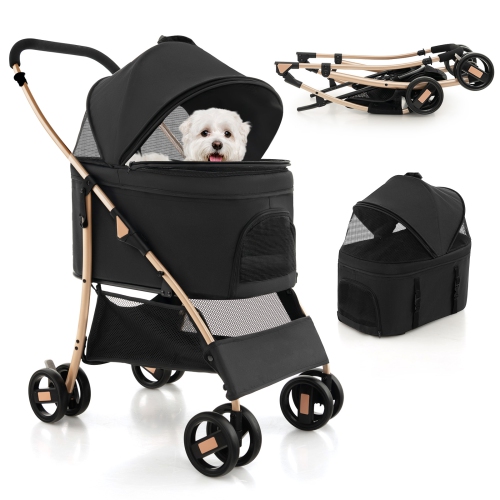
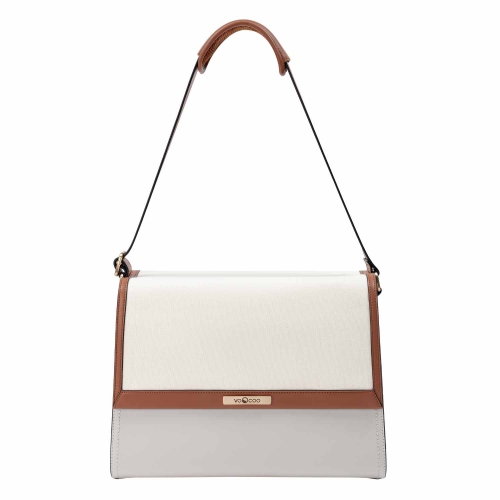
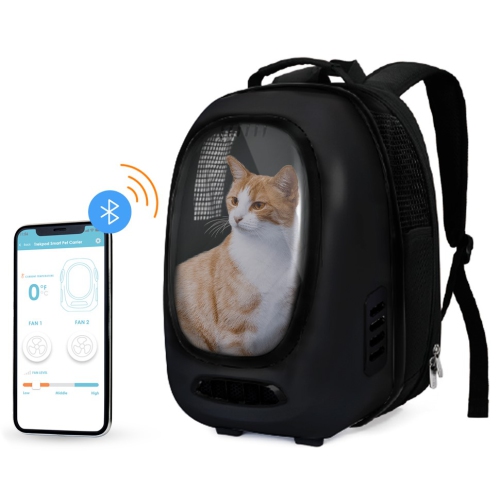
Small dog carriers give smaller pets a contained place to rest while accompanying their people on outings, trips, and visits to the veterinarian. Designed to be carried by hand, over a shoulder, or on the back, they can make it easier to move through a busy lobby or transit station without a small dog having to navigate feet and bags. The right style depends on the dog’s size, comfort with enclosure, and the length and purpose of the trip. Soft-sided dog carriers generally combine fabric panels with mesh windows and a supportive base, offering a balance of structure and carrying comfort. A carrier that opens from both the top and the side can be especially practical: the side opening lets a willing dog walk inside, while top access can make placing or lifting a pet less awkward. Structured pet totes suit shorter outings when a dog prefers to remain close, although open-top designs offer less containment than fully enclosed bags. Dog carrier backpacks leave the wearer’s hands free and may be useful when walking involves stairs or longer distances. Their suitability depends on a stable base, a comfortable carrying position, and enough space for the pet to sit naturally rather than being held upright. Sling carriers provide close contact for some very small dogs, but they need to support the body securely without crowding the neck or leaving the dog able to jump out. Hard-sided carriers provide a more rigid enclosure and a surface that is often easier to wipe clean, though their shape can be less convenient to carry against the body. Beyond travel, a carrier may help a senior dog take breaks during an outing or support transport for a pet whose movement is restricted under veterinary advice. For a puppy settling into a new routine, a familiar pad and an accessible entrance can help the carrier become a comfortable resting spot rather than something associated only with appointments.
Fit matters more than a breed label or a weight limit alone. Two dogs of the same weight can have quite different body lengths, chest widths, and standing heights, so small dog carriers need to be assessed against the individual pet’s measurements. For an enclosed carrier, the usable interior should allow the dog to stand in a natural posture, turn around, and lie down comfortably. The manufacturer’s measurement instructions and maximum supported weight both matter; meeting the weight rating does not necessarily mean a tall or long-bodied dog has enough room. External dimensions can also differ from usable interior space because padding, sloped sides, and the frame take up room. A firm, level base helps prevent the carrier from sagging around the dog, while a fitted, removable pad adds cushioning without sliding into a heap. Mesh panels should provide airflow without being easily pushed aside, and closures should remain secure when the pet leans against them. Dogs that paw, scratch, or chew at an enclosure may need a different construction from dogs that settle quietly. Where an internal safety tether is included, it should be used as directed with a suitable harness rather than attached to a collar, and it should not replace closing the carrier properly. For air travel, carrier requirements vary by airline, aircraft, and route. A bag described as suitable for cabin travel is not automatically accepted on every flight; permitted dimensions, pet eligibility, and under-seat placement requirements need to be confirmed with the operating airline before departure. For car journeys, carrying handles and luggage straps should not be assumed to provide crash protection. Vehicle use calls for a carrier and securing method intended for that purpose, with clear manufacturer instructions. A dog should not ride loose on a lap or in an unsecured bag. If the main need is a more stationary resting or confinement space, a small dog crate serves a different role from a carrier chosen chiefly for portability. Keeping that distinction in mind helps match the enclosure to the pet’s daily routine.
Materials and construction influence how a small dog carrier feels in use and how well it handles repeated trips. Woven nylon or polyester shells are common in soft-sided designs, with reinforced seams and securely anchored handles helping support the load. Mesh needs a close look at its attachment points, particularly around doors where paws may press against the edges. Smooth zipper movement, covered interior seams, and a base insert that stays in place can make a noticeable difference when a dog shifts position. For the person carrying the pet, a broad padded shoulder strap distributes pressure more comfortably than a narrow strap, while adjustable backpack straps help hold the load close to the body. The carrier’s own weight also contributes to the total carried weight, especially on a longer walk between a parking area and an appointment. Exterior pockets can keep waste bags, paperwork, or a lead within reach, provided they are not packed in a way that blocks mesh panels or reduces the dog’s space. Care requirements deserve equal attention. Removable bedding is useful after a muddy-paw outing or an accident, but washing instructions vary: some liners can be machine washed, while frames, inserts, and outer shells may require spot cleaning. Thorough drying before reassembly helps prevent lingering odours, and regular checks can catch loose stitching, cracked panels, or damaged fasteners before another trip. A carrier is not a substitute for supervision, exercise, water, or toilet breaks, and time inside should suit the dog’s needs and tolerance. Brief, calm introductions at home, with the door open and familiar bedding inside, can make later travel less unsettling. As a gift for someone welcoming a small dog, a carrier is most useful when the recipient can confirm the pet’s measurements and preferred carrying style first. Whether the routine involves occasional appointments or frequent shared outings, thoughtful proportions, accessible openings, and straightforward cleaning tend to matter more than decorative details.
Fit matters more than a breed label or a weight limit alone. Two dogs of the same weight can have quite different body lengths, chest widths, and standing heights, so small dog carriers need to be assessed against the individual pet’s measurements. For an enclosed carrier, the usable interior should allow the dog to stand in a natural posture, turn around, and lie down comfortably. The manufacturer’s measurement instructions and maximum supported weight both matter; meeting the weight rating does not necessarily mean a tall or long-bodied dog has enough room. External dimensions can also differ from usable interior space because padding, sloped sides, and the frame take up room. A firm, level base helps prevent the carrier from sagging around the dog, while a fitted, removable pad adds cushioning without sliding into a heap. Mesh panels should provide airflow without being easily pushed aside, and closures should remain secure when the pet leans against them. Dogs that paw, scratch, or chew at an enclosure may need a different construction from dogs that settle quietly. Where an internal safety tether is included, it should be used as directed with a suitable harness rather than attached to a collar, and it should not replace closing the carrier properly. For air travel, carrier requirements vary by airline, aircraft, and route. A bag described as suitable for cabin travel is not automatically accepted on every flight; permitted dimensions, pet eligibility, and under-seat placement requirements need to be confirmed with the operating airline before departure. For car journeys, carrying handles and luggage straps should not be assumed to provide crash protection. Vehicle use calls for a carrier and securing method intended for that purpose, with clear manufacturer instructions. A dog should not ride loose on a lap or in an unsecured bag. If the main need is a more stationary resting or confinement space, a small dog crate serves a different role from a carrier chosen chiefly for portability. Keeping that distinction in mind helps match the enclosure to the pet’s daily routine.
Materials and construction influence how a small dog carrier feels in use and how well it handles repeated trips. Woven nylon or polyester shells are common in soft-sided designs, with reinforced seams and securely anchored handles helping support the load. Mesh needs a close look at its attachment points, particularly around doors where paws may press against the edges. Smooth zipper movement, covered interior seams, and a base insert that stays in place can make a noticeable difference when a dog shifts position. For the person carrying the pet, a broad padded shoulder strap distributes pressure more comfortably than a narrow strap, while adjustable backpack straps help hold the load close to the body. The carrier’s own weight also contributes to the total carried weight, especially on a longer walk between a parking area and an appointment. Exterior pockets can keep waste bags, paperwork, or a lead within reach, provided they are not packed in a way that blocks mesh panels or reduces the dog’s space. Care requirements deserve equal attention. Removable bedding is useful after a muddy-paw outing or an accident, but washing instructions vary: some liners can be machine washed, while frames, inserts, and outer shells may require spot cleaning. Thorough drying before reassembly helps prevent lingering odours, and regular checks can catch loose stitching, cracked panels, or damaged fasteners before another trip. A carrier is not a substitute for supervision, exercise, water, or toilet breaks, and time inside should suit the dog’s needs and tolerance. Brief, calm introductions at home, with the door open and familiar bedding inside, can make later travel less unsettling. As a gift for someone welcoming a small dog, a carrier is most useful when the recipient can confirm the pet’s measurements and preferred carrying style first. Whether the routine involves occasional appointments or frequent shared outings, thoughtful proportions, accessible openings, and straightforward cleaning tend to matter more than decorative details.
Top selling and popular products
-
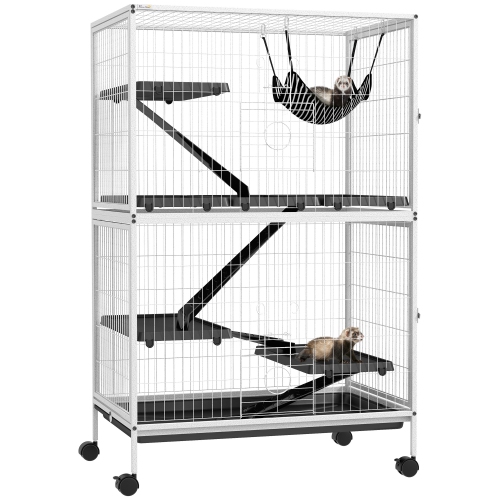 Your price for this item is $177.99
 -
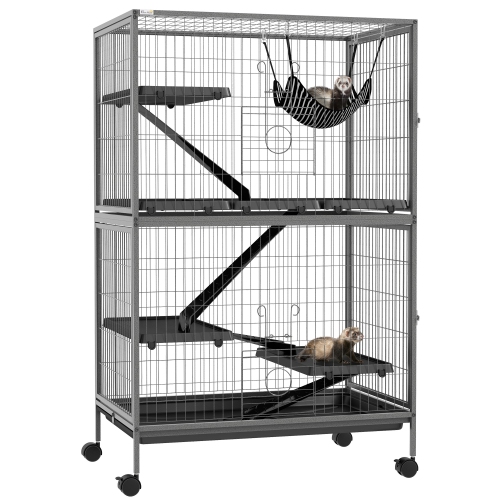 Your price for this item is $159.99
 -
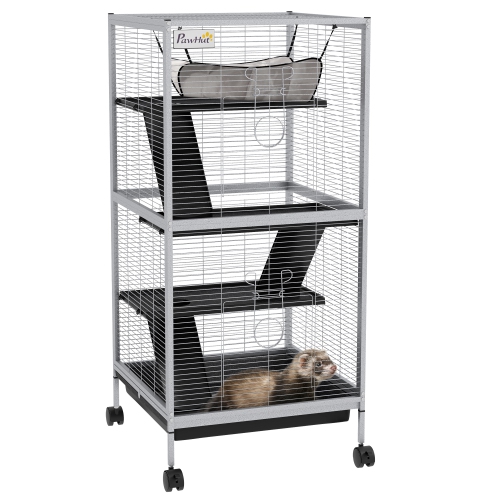 Your price for this item is $154.99
 -
 Your price for this item is $94.99
 -
 Your price for this item is $91.99
 -
 Your price for this item is $453.79
 -
 Your price for this item is $66.9
 -
 Your price for this item is $134.99
Discover more categories related to Small Dog Carriers
Top Collections:
Pokemon Centers, Kindle Devices, Best Budget Office Chairs, Apple iPhones 16, Canon G7X Cameras, iPhone 15 Apple, Alarm Clock, Refurbished Apple Laptops, Flip Phones, Best Laptops for Writers
Some products may be subject to Environmental Handling Fees
(EHF) depending on your province.
Learn more about EHFs.