Small Kitchen Storage Cabinets
Maximize your kitchen's potential with a small kitchen storage cabinet, the perfect solution for organizing and decluttering compact spaces. Whether you're dealing with a cozy apartment kitchen or simply need extra storage in a bustling family home, these cabinets offer versatile options to keep your essentials neatly tucked away. Designed to blend seamlessly with various decor styles, they provide both functionality and style, turning any cramped corner into a well-organized haven. Explore a range of designs that cater to your unique needs, ensuring every inch of your kitchen is utilized efficiently.
Sort
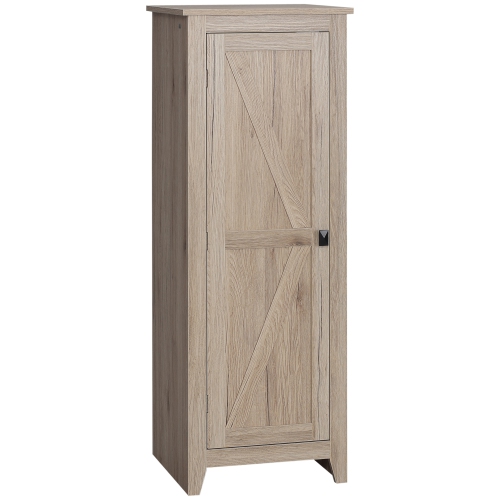
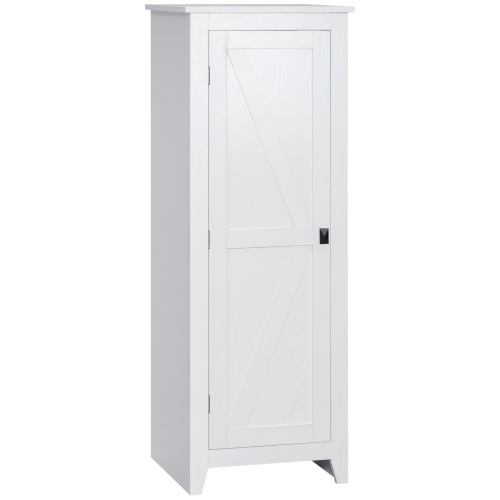
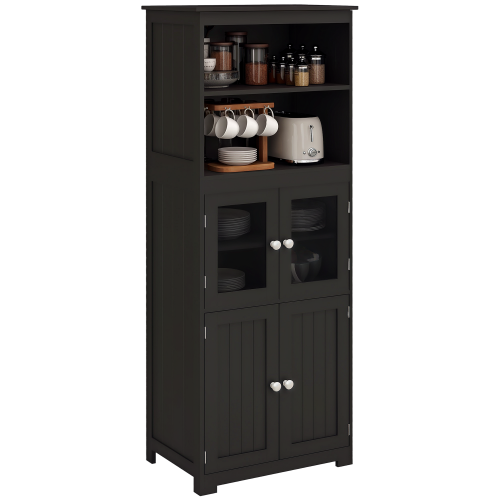
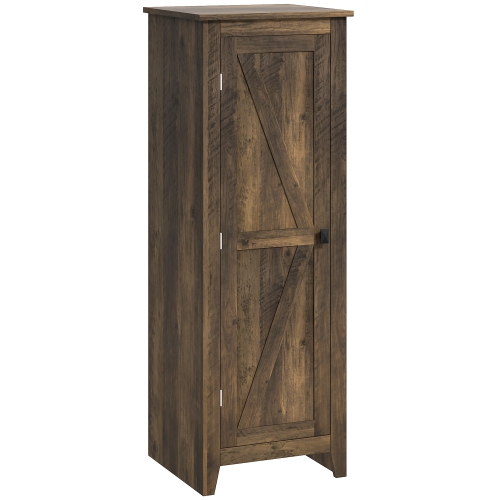
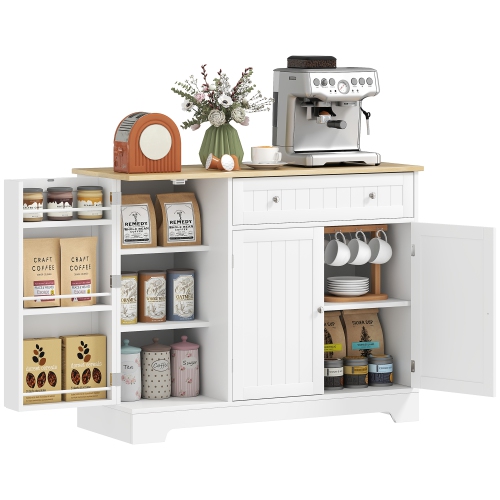
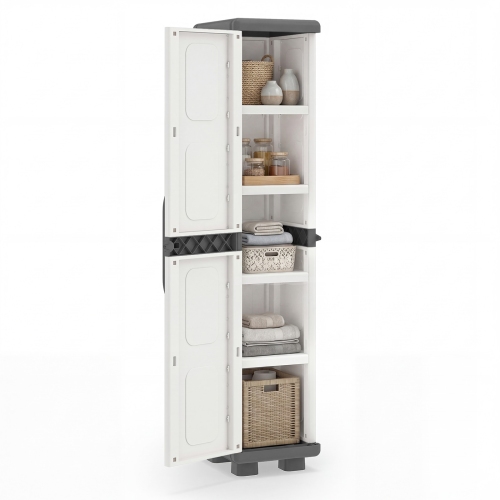
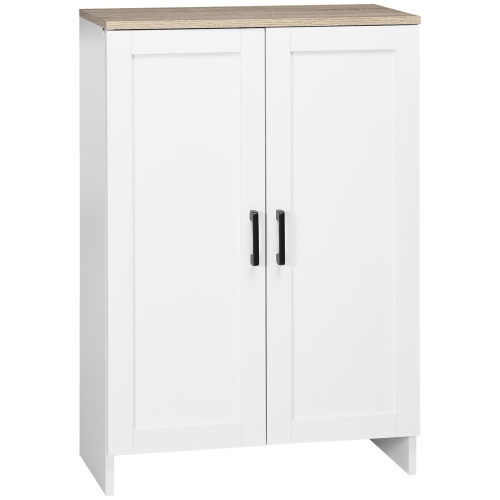
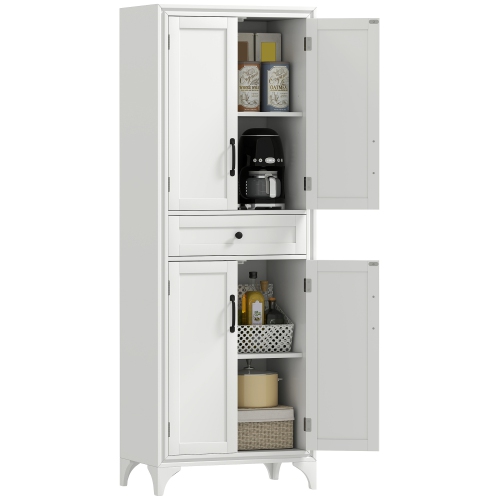
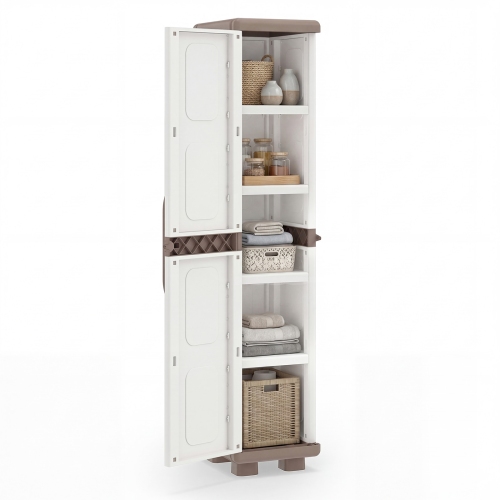
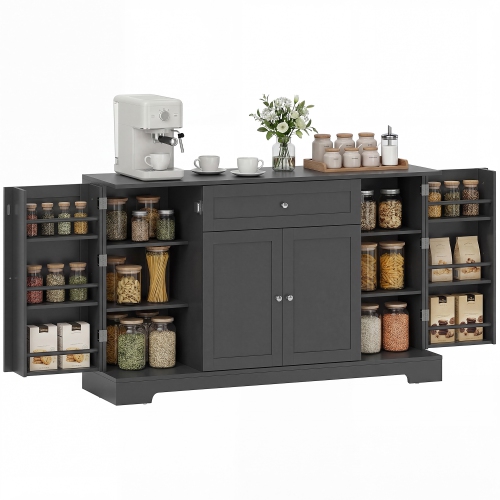
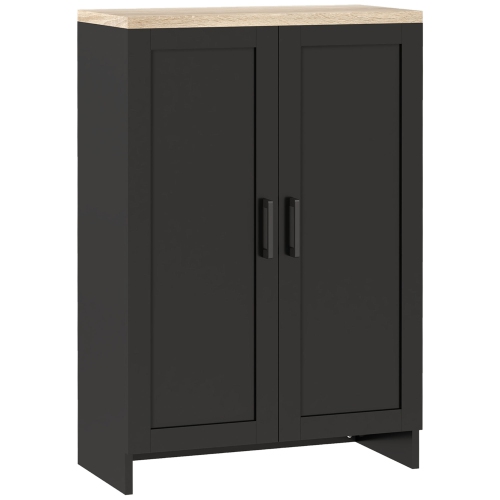
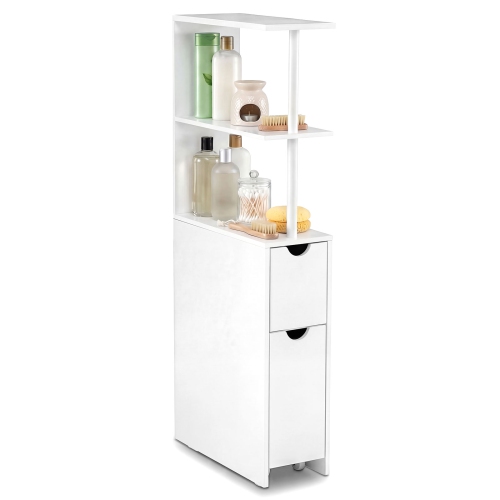
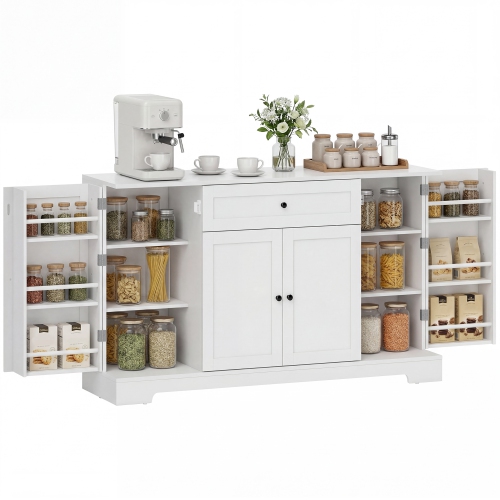
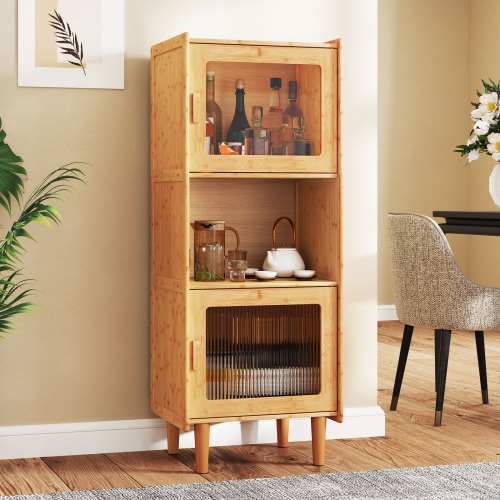
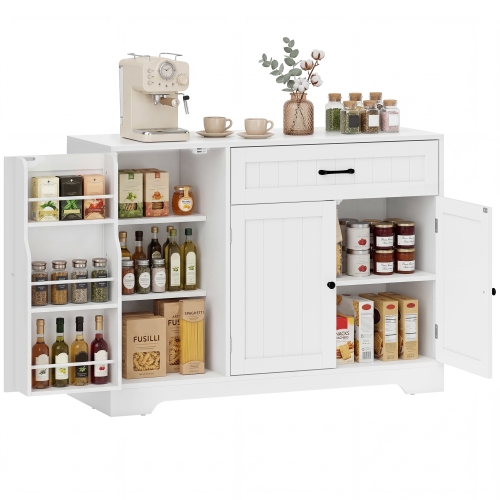
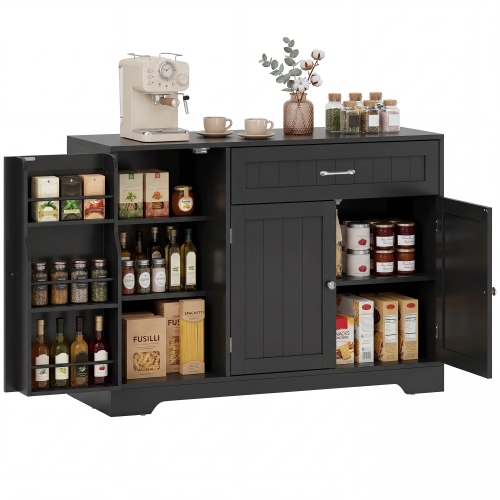
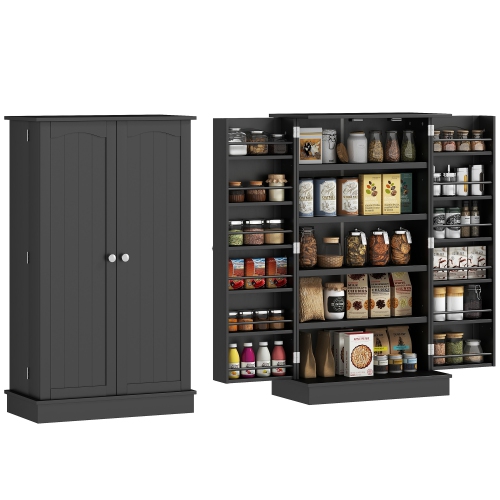
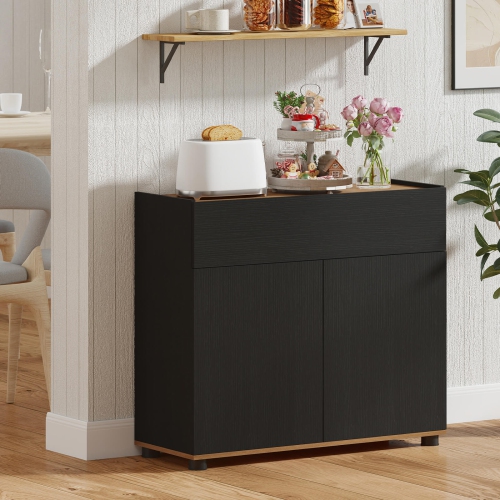

More room for pantry staples without a kitchen renovation
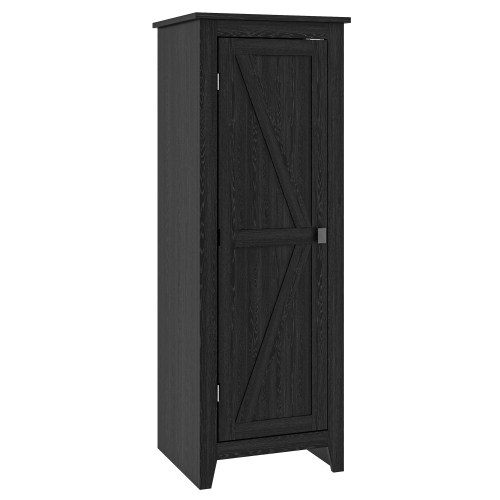
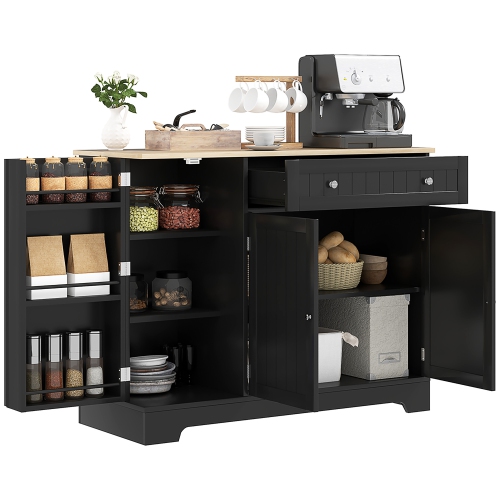
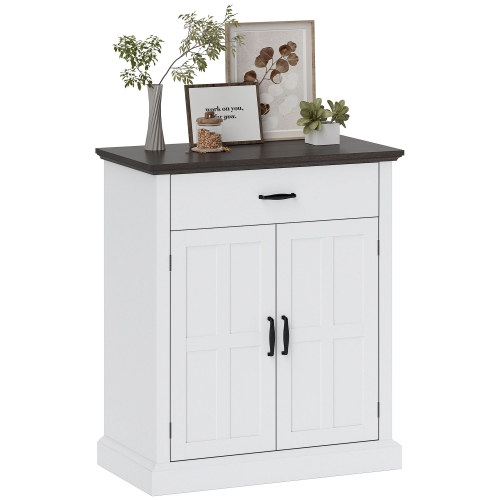
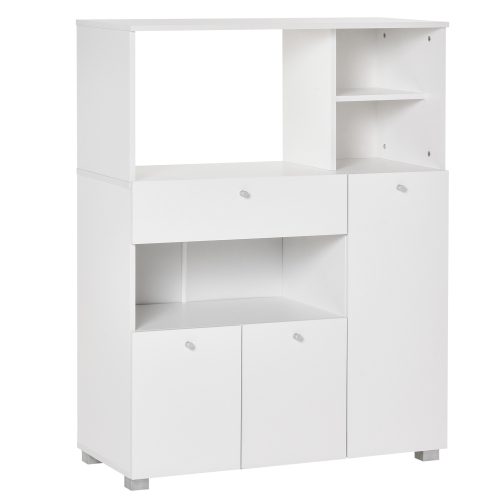
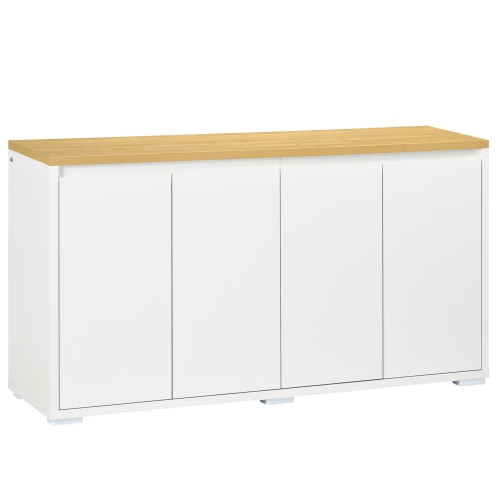
Small kitchen storage cabinets add enclosed storage to compact kitchens without requiring a full renovation or a large run of cabinetry. Their narrow widths, shallow depths, or tall profiles make them useful for storing dry goods, dishes, cookware, and everyday kitchen essentials in spaces that might otherwise go unused. A slim pantry cabinet can turn an empty stretch of wall into a place for cereal boxes and baking supplies, while a low cabinet beside a dining nook can keep placemats, serving bowls, and table linens close to where they are needed. Compact freestanding cabinets sit on the floor and can suit apartments, condos, and smaller homes where built-in storage is limited. Wall-mounted cabinets use vertical space without taking up floor room, although they require suitable wall support and secure installation. Short sideboard-style cabinets combine enclosed compartments with an upper surface that may be useful for arranging frequently used accessories, provided its intended use and weight capacity allow it. Some shallow pantry designs measure approximately 12 to 16 inches deep, but dimensions vary, and the usable interior will be smaller than the outside measurements. The best fit depends as much on the contents as the footprint: dinner plates need sufficient shelf depth, tall bottles need vertical clearance, and a countertop appliance needs a compartment wide enough to accommodate its handle and cord. Closed doors keep packaging out of sight and help protect stored dishes from everyday dust, while a combination of doors, drawers, and open shelving allows different essentials to have their own places. For households with limited counter space, moving spare mugs, food containers, and unopened pantry staples into a separate cabinet can leave more room for meal preparation. These cabinets also work well in shared kitchens, where dedicated shelves make it easier to separate groceries and keep communal cookware organized. A modest cabinet that holds the things used every day can be more practical than a larger piece with awkward compartments or shelves that are difficult to reach.
Fit involves more than finding a cabinet narrow enough for a gap. The overall width, height, and depth need to work with baseboards, nearby doorways, electrical outlets, and the route through the kitchen. Handles and knobs can project beyond the cabinet body, and hinged doors need room to open without striking a refrigerator, table, or adjacent cupboard. Drawers and pull-out shelves also require clearance in front, particularly in a galley kitchen where two people may need to pass each other. A shallow cabinet can preserve walking space, while a taller design adds storage above the same footprint; upper shelves are generally better suited to lightweight supplies used less often. Adjustable shelves make a compact pantry more adaptable, allowing one section for tall cereal boxes and another for stacked bowls or shorter jars. Fixed shelves offer a set layout, so their spacing matters when storing appliances or unusually shaped cookware. Door-mounted racks can keep small bottles and spice jars visible, but they also occupy interior space and must clear the shelves when the door closes. Pull-out components bring contents forward, reducing the need to reach behind several rows of groceries. Drawers are useful for tea towels, wraps, and smaller utensils that can become jumbled on a broad shelf. For a busy breakfast corner, a cabinet with separate sections for mugs, tea, and dry ingredients can keep the routine contained without spreading supplies across the counter. A cabinet intended to hold a small appliance should accommodate storage without trapping or pinching its cord; operating that appliance inside an enclosed compartment is not appropriate unless both the appliance and cabinetry are expressly designed for it. For complementary ways to organize cupboard interiors and nearby spaces, Kitchen Cabinet Storage offers a broader view of kitchen storage solutions. Across cabinet styles, an arrangement that keeps frequently used essentials within comfortable reach usually makes better use of limited space than simply adding more shelves.
Materials, construction, and finish influence how a small kitchen storage cabinet looks, feels, and stands up to daily use. Solid wood brings natural grain and variation, while wood veneer provides a real-wood surface over a supporting core. Engineered wood cabinets with laminate or painted finishes can offer a smooth, consistent appearance that coordinates with existing cabinetry. Metal designs have a more utilitarian character, and glass-panel doors make it easier to see dishes or pantry contents without opening the cabinet. Each material has its own care requirements, so the manufacturer's instructions remain important. For many finished surfaces, a soft cloth and prompt attention to spills help prevent residue from building up around handles and shelf edges. Excess moisture can damage wood-based panels, especially at exposed seams, and abrasive cleaners may scratch or dull a finish. Removable shelves can make cleaning easier, provided they are reinstalled securely on their supports. Durability also depends on the details: stable joints, firmly attached hinges, well-supported shelves, and smoothly operating drawer runners all matter when doors and drawers are opened repeatedly. Shelf weight limits deserve particular attention when storing stacks of stoneware, canned goods, or heavy cookware. Placing heavier contents lower down improves access and helps avoid a top-heavy arrangement, but it does not replace any required anchoring. Tall freestanding cabinets should be secured as directed, and wall-mounted cabinets need hardware and mounting methods appropriate to the wall construction and expected load. In homes with children, suitable cabinet locks can help restrict access to contents, though they are not a substitute for safe storage. Visually, a light-coloured finish can sit quietly alongside pale cabinetry, while darker wood tones or metal accents can connect a separate storage piece to dining furniture. Simple door fronts tend to blend into compact rooms; glass or open sections put the contents on display and reward a tidier arrangement. Whether serving a first apartment, a family kitchen, or a downsized home, a well-proportioned cabinet earns its place by keeping everyday essentials accessible without making the room harder to move through.
Top selling and popular products
-
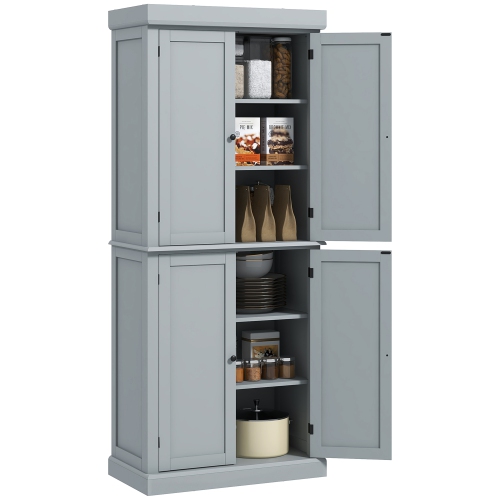 Your price for this item is $285
-
 Your price for this item is $155.99
-
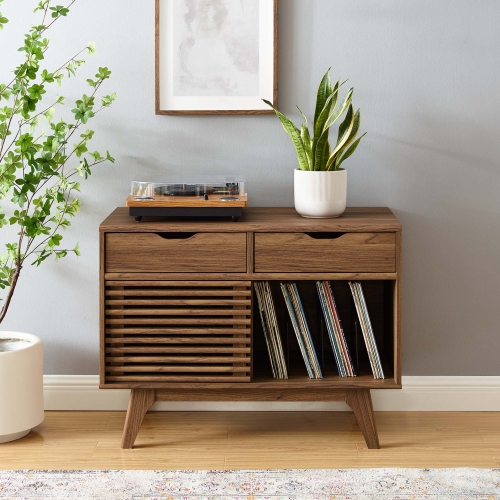 Your price for this item is $452.93
-
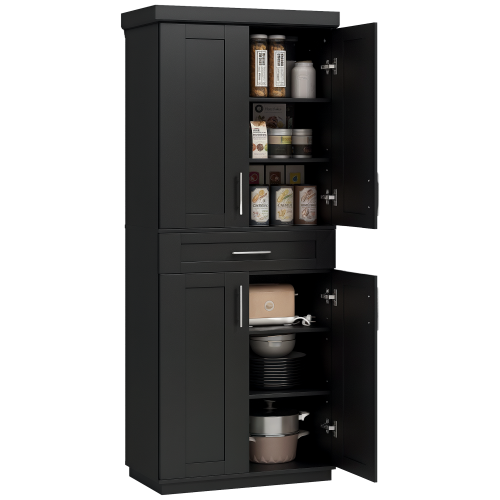 Your price for this item is $269.99
-
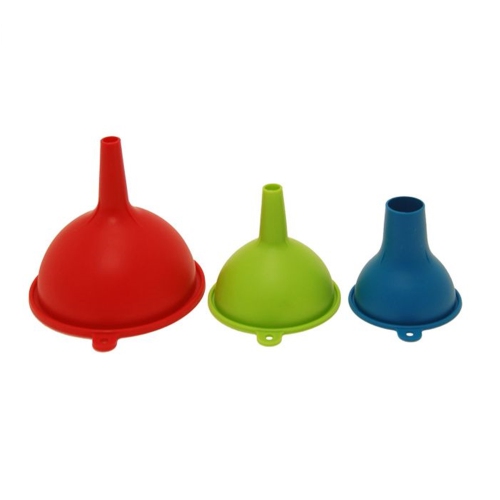 Your price for this item is $12.97
-
 Your price for this item is $155.99
-
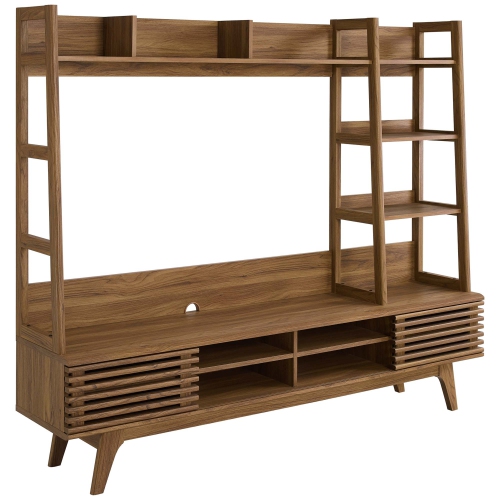 Your price for this item is $885.06
-
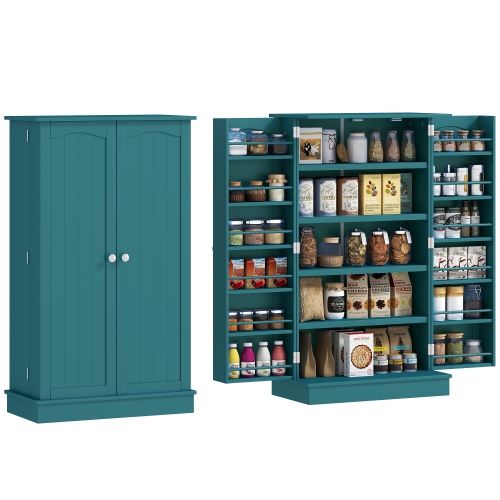 Your price for this item is $132.99
Discover more categories related to Small Kitchen Storage Cabinets
Top Collections:
Best Black Friday Deals This Year, Best Black Friday Deals On Electronics, Kindle Devices, Dyson Airwrap, Best Cameras for Sports Photography, Best Budget Office Chairs, Canon G7X Cameras, PS5 Pro Consoles, Best Black Friday Deals On Apple Products, XBOX One S Consoles
Some products may be subject to Environmental Handling Fees
(EHF) depending on your province.
Learn more about EHFs.