Small Media Cabinet
A small media cabinet is a great way to store your entertainment equipment and keep them organized. It can also be a great way to display your favorite photos and artwork. Here are some of the best small media cabinets on the market today.
Sort
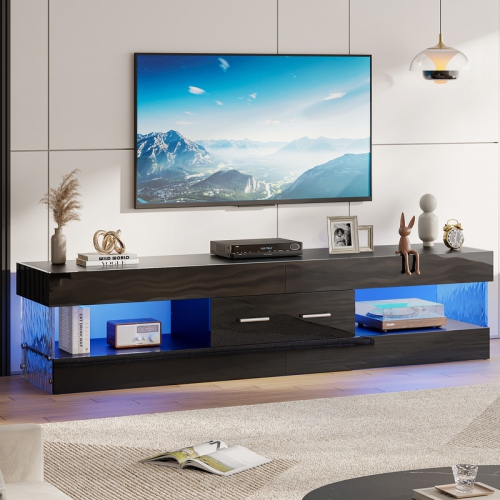
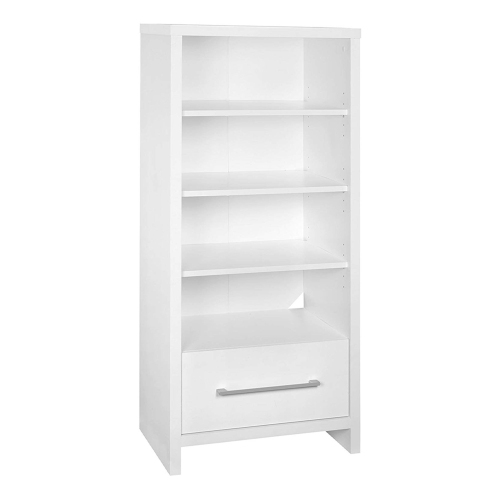
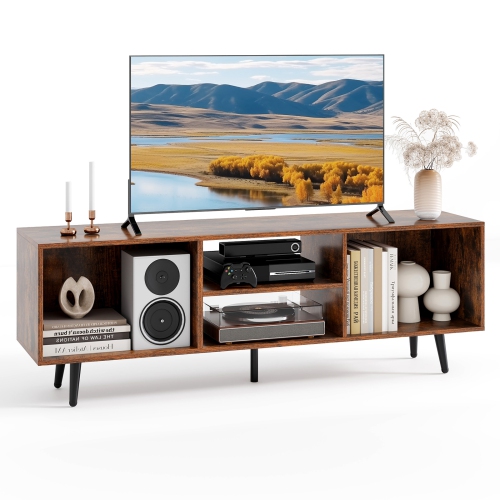
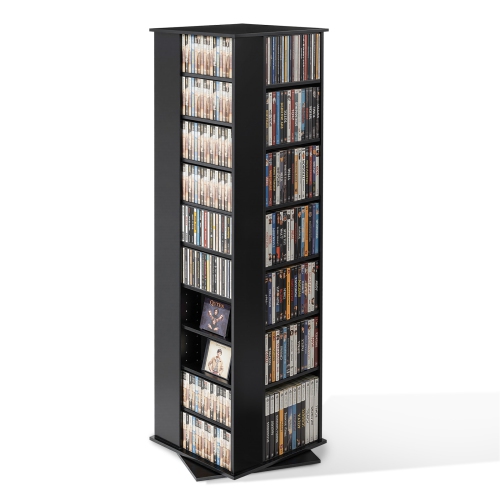


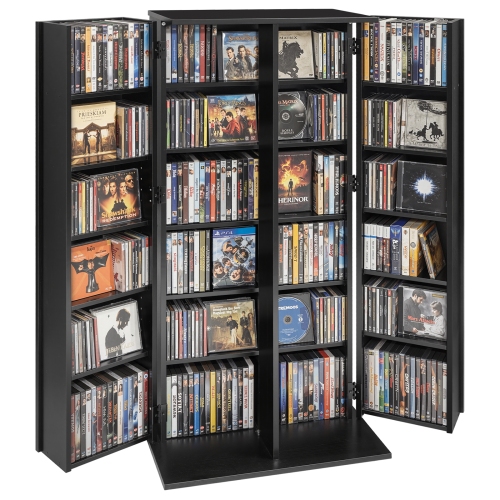
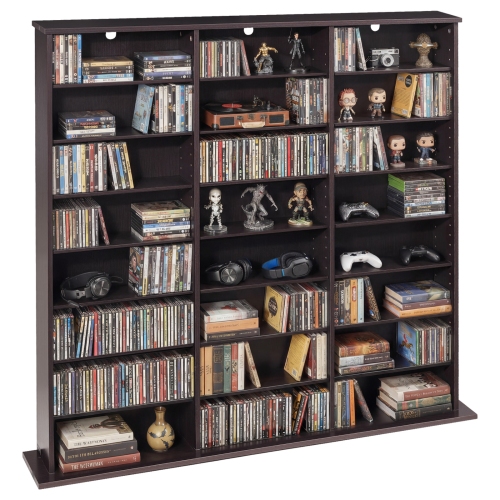
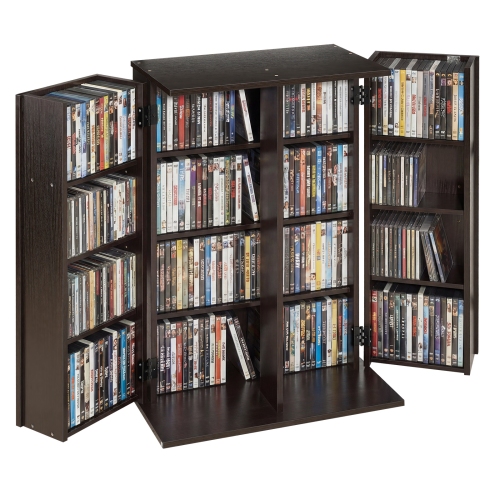
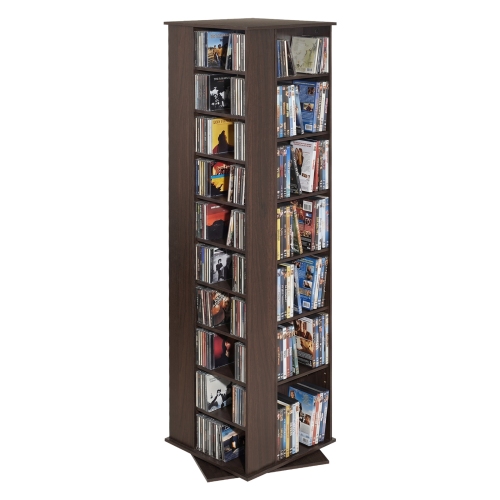

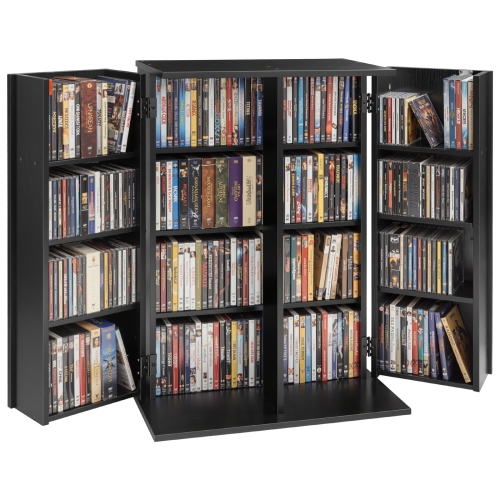
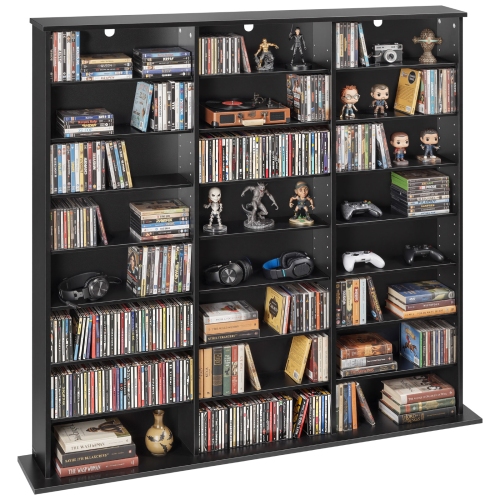
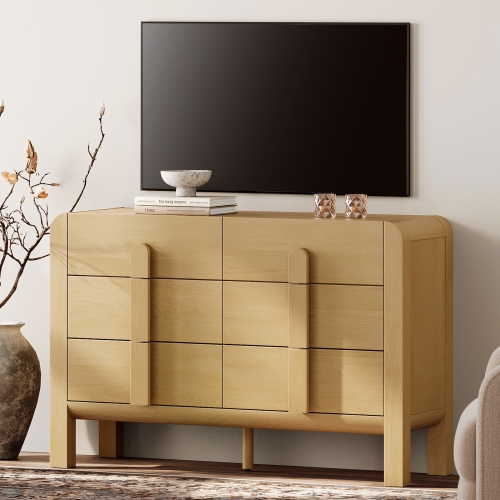


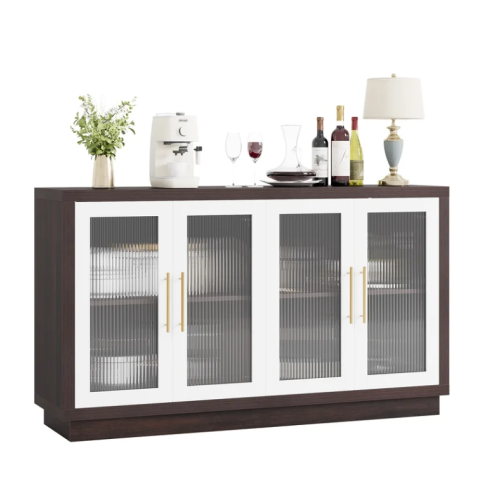
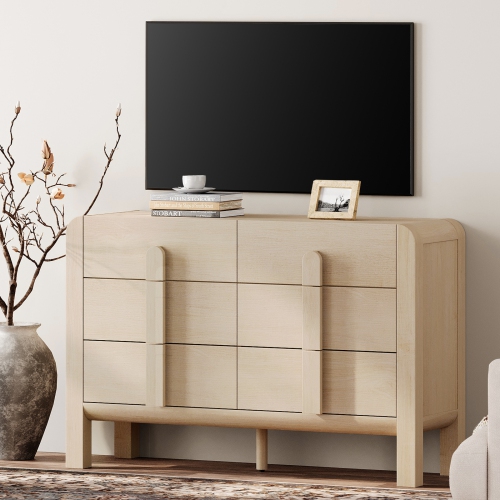


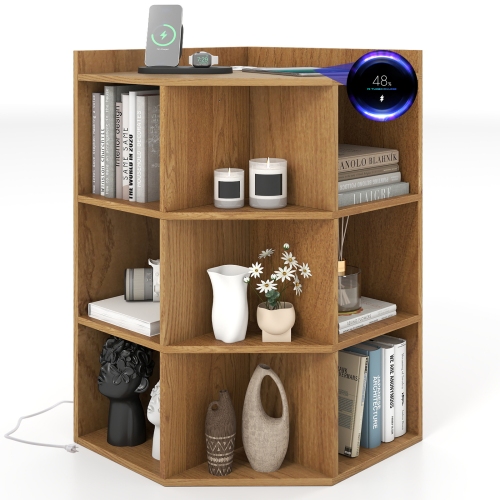
Entertainment storage that leaves room for everyday living
A small media cabinet brings entertainment equipment and everyday storage together without taking over the room. Its compact footprint suits condos, apartments, bedrooms, home offices, and living rooms where a full-width entertainment unit would leave little space for other furniture. Within that smaller footprint, the layout makes a meaningful difference: an open shelf keeps frequently used equipment accessible, drawers contain remotes and charging cables, and doors conceal the odds and ends that gather around a television. Compact TV stands work well as self-contained entertainment hubs when their dimensions and weight ratings suit the screen above them. Cabinets with doors offer discreet storage, while sleek consoles create a lighter visual presence with simple fronts and uncluttered lines. Floating media cabinets leave the floor visible beneath them and can complement a wall-mounted television, provided the cabinet and its mounting system are suitable for the wall construction and intended load. A small media cabinet does not have to hold a television to be useful, either. Positioned below a separately mounted screen or beside a reading chair, it can organize audio equipment, gaming accessories, and a modest media collection. The best fit depends on what needs to stay within reach and what can sit behind a closed door. A household that uses a game console daily may appreciate an accessible equipment compartment, while someone with a simple streaming setup may prefer more enclosed storage and fewer open shelves. Low, horizontal cabinets can help a compact seating area feel less crowded; taller, narrower designs make different use of floor space but require attention to stability and comfortable equipment access. In a multipurpose room, a cabinet with restrained hardware and a furniture-like finish can sit comfortably alongside a desk or bookcase rather than making the entire space feel centred on a screen. That balance of usable storage, manageable proportions, and a considered appearance gives small media cabinets a role well beyond simply filling the space beneath a television.
Fit involves more than checking the width of an empty wall. Cabinet depth affects walking space, door clearance, and how far the furniture projects beyond nearby shelving or a sofa arm. In a narrow room, Slim Media Cabinets can be relevant where front-to-back depth matters as much as overall size. A shallow cabinet still needs enough interior room for equipment, connectors, and the clearances specified by each device manufacturer. Measurements taken from the outside of a cabinet do not necessarily describe its usable storage space: backs, hinges, shelf supports, and drawer runners all take up room. A game console that fits between the side panels may leave too little clearance for ventilation, and a receiver can need additional space behind it for plugged-in cables. Adjustable shelves offer flexibility, especially when equipment heights vary, but each shelf has its own load limit. Cable openings are useful when they align with the equipment layout and allow cords to reach outlets without sharp bends or tension. Open backs and ventilated compartments can support airflow, although neither replaces the clearance requirements for heat-producing electronics. Closed doors also affect everyday operation. Some infrared remotes need a clear line of sight, so a solid door may have to remain open while equipment is in use; glass compatibility can vary with its finish and the device. For a television resting on the cabinet, the full stand or both feet must fit securely on the top, and the cabinet must be rated for the combined load it supports. A screen’s diagonal measurement alone cannot establish that fit. Height matters, too: a low cabinet may suit a seated viewing position, while a taller storage unit could place a tabletop television uncomfortably high. Leaving room for doors and drawers to open fully makes the storage practical, particularly beside a bed, near a doorway, or opposite a closely placed coffee table.
Materials and construction influence how a small media cabinet looks, feels, and stands up to regular use. Solid wood brings natural grain and variation, while wood veneer provides a real-wood surface over a different core material. Engineered wood with a laminate or other applied finish can offer a consistent appearance and a surface that is straightforward to wipe clean, depending on the finish. Metal frames can create a slim outline, and glass panels keep enclosed compartments visually open, though fingerprints and dust may be more noticeable on them. No single material determines durability on its own. Secure joints, appropriately supported shelves, well-fitted hinges, and drawers that move smoothly all contribute to a cabinet that remains useful through repeated opening, closing, and equipment changes. Finished edges deserve attention in busy rooms, where bags, toys, or a vacuum head may brush against the furniture. Raised legs can make cleaning underneath easier if there is enough clearance, while a plinth base reduces the open space where loose cables and small objects might gather. For homes with children or pets, stable placement, controlled cable routing, and any manufacturer-specified anti-tip hardware are important parts of the setup. A wall-mounted cabinet requires appropriate fixings and installation; its top should not be treated as a television support unless it is explicitly designed and rated for that use. Routine care is usually simple but should follow the cabinet’s instructions. A soft cloth removes surface dust, spills are best wiped up promptly, and abrasive cleaners or excessive moisture can damage some finishes. Dust around electronics and ventilation openings also needs regular attention, with equipment cleaned according to its own care directions. Visually, lighter finishes can blend into pale walls, darker wood tones can add definition, and textured fronts can soften the appearance of an equipment-heavy corner. Matching every piece of furniture is not necessary; repeating a wood tone, metal finish, or simple shape can make the cabinet feel at home. With storage arranged around daily habits, a compact media cabinet keeps entertainment essentials close without asking the rest of the room to make way.
Top selling and popular products
-
 Your price for this item is $46.37
-
 Your price for this item is $81.06
-
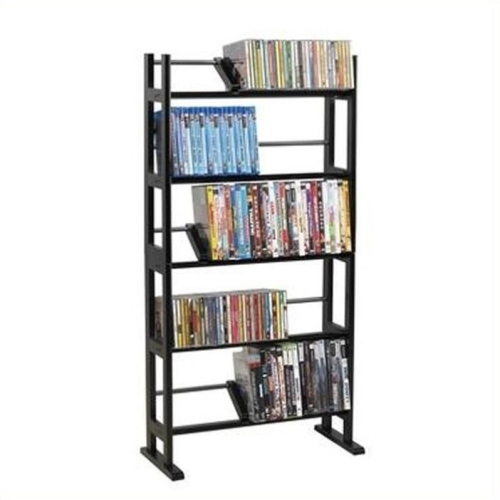 Your price for this item is $158.29
-
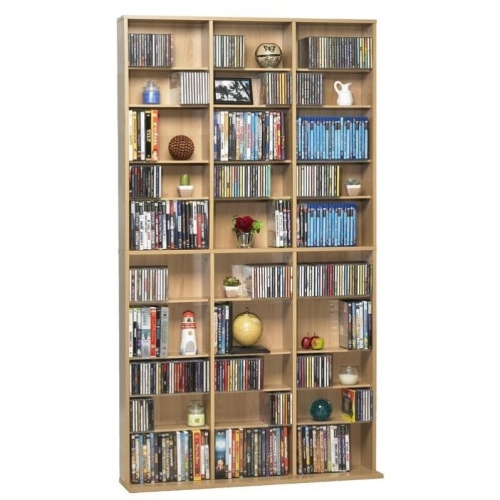 Your price for this item is $346.11
-
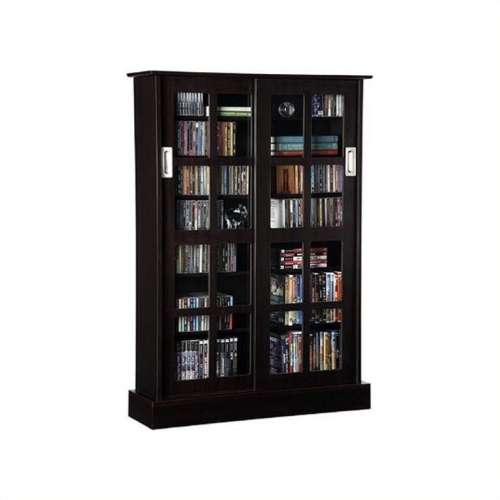 Your price for this item is $478.86
-
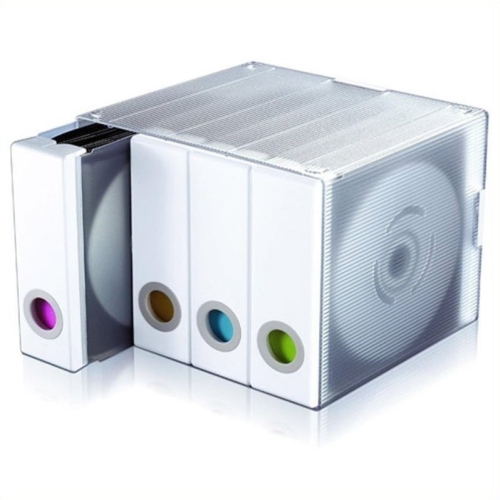 Your price for this item is $115.51
-
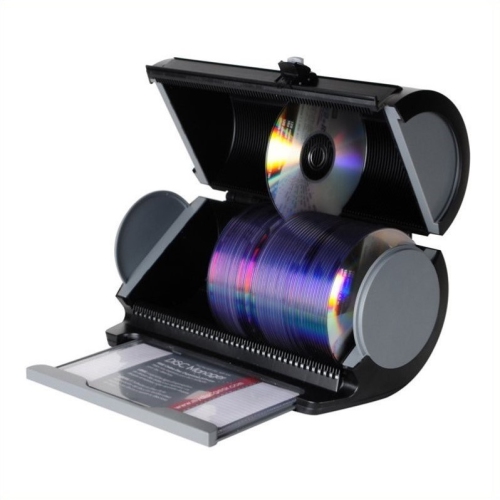 Your price for this item is $118.36
-
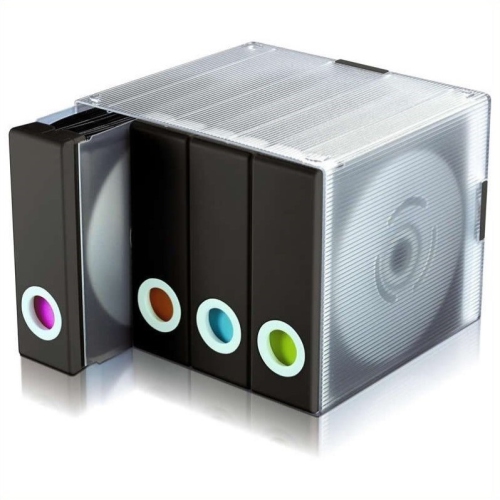 Your price for this item is $116.49
Discover more categories related to Small Media Cabinet

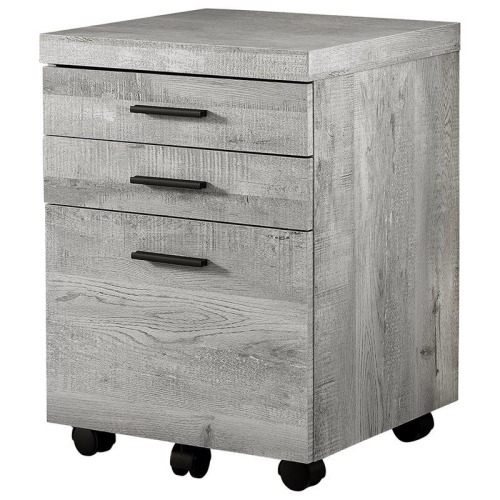
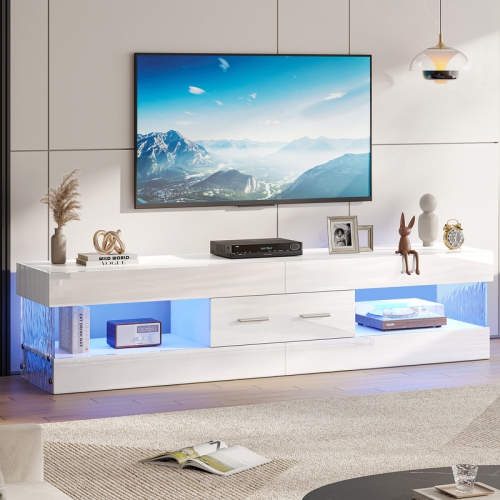
Top Collections:
Pokemon Centers, Best Cameras for Sports Photography, Kindle Devices, Samsung Galaxy Phones, Canon G7X Cameras, Pokémon 30th Celebration Cards, Refurbished Apple Laptops, iPhone 15 Apple, Laptops for Students, Budget Smartphones
Some products may be subject to Environmental Handling Fees
(EHF) depending on your province.
Learn more about EHFs.