Small Metal Outdoor Table
A small metal table is a great way to add some rustic charm to your outdoor space. It's also an excellent surface for eating, drinking, and playing games. Here are some great options for small metal outdoor tables.
Sort

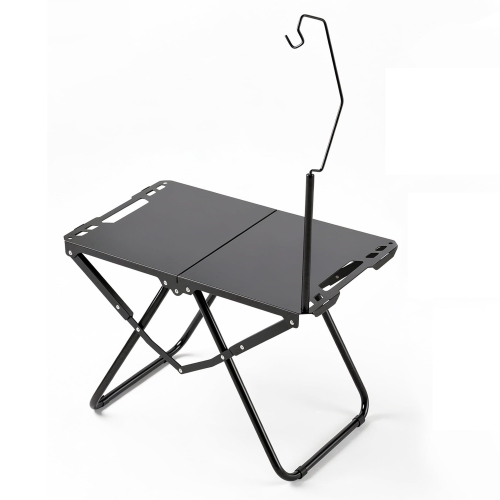


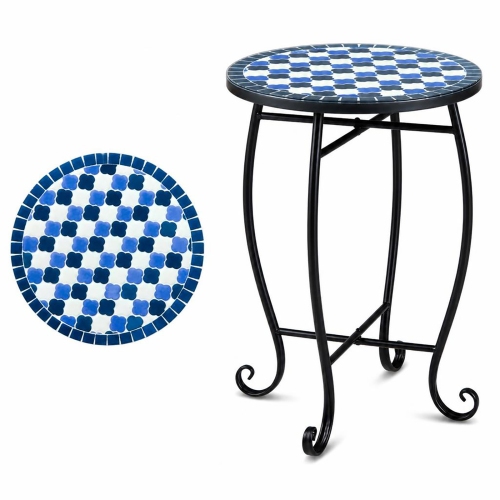

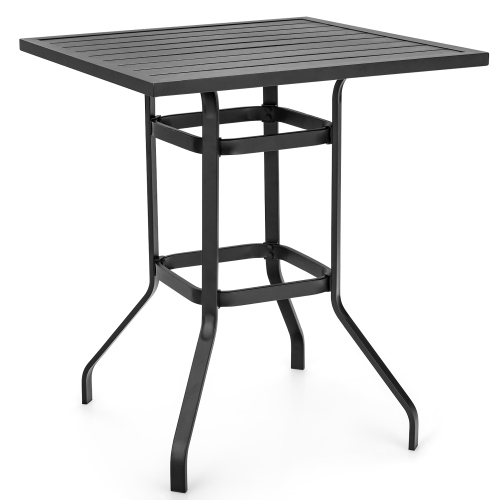

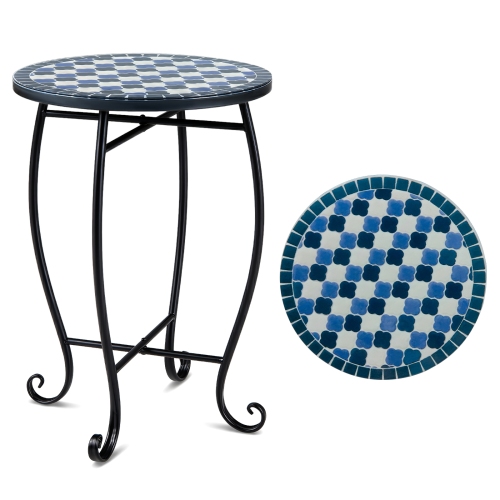
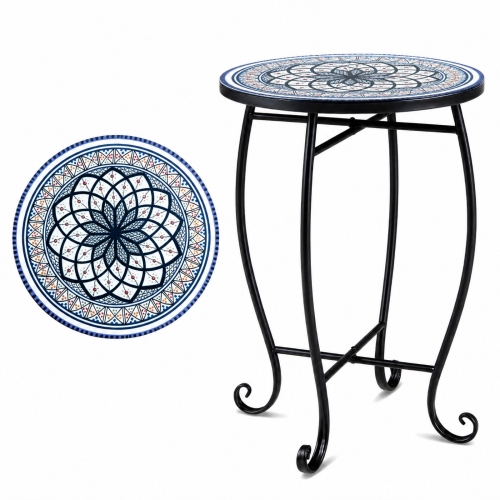


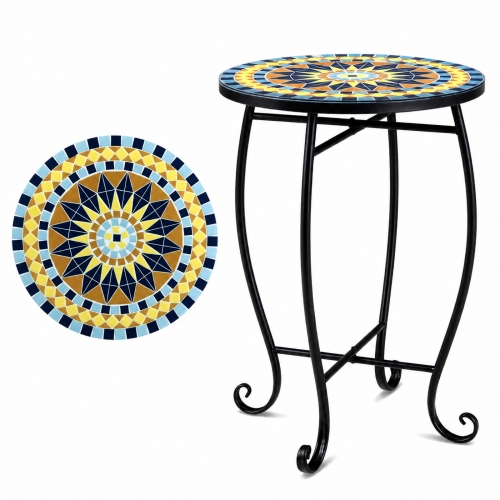


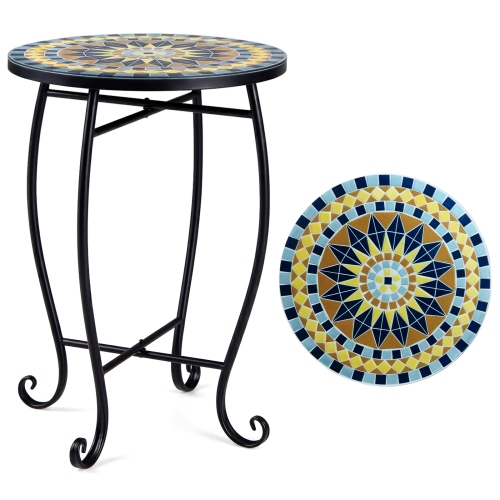

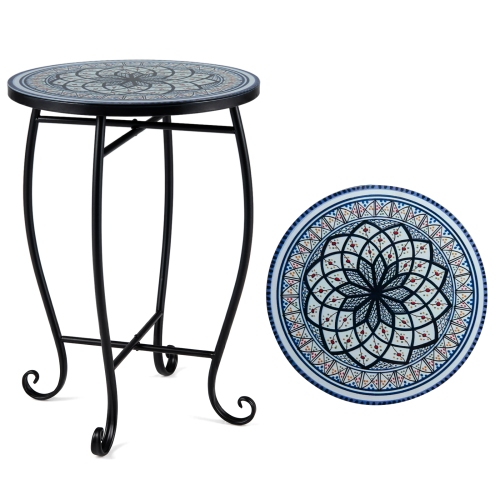


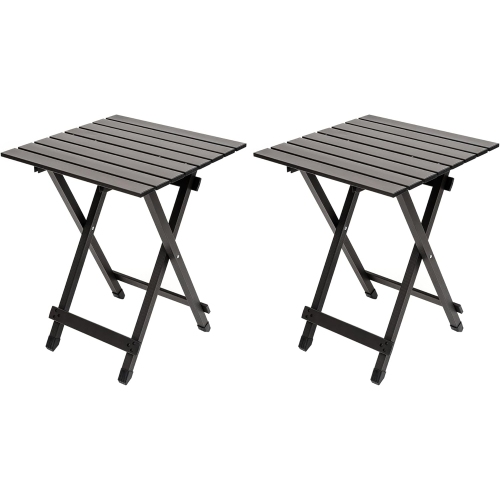


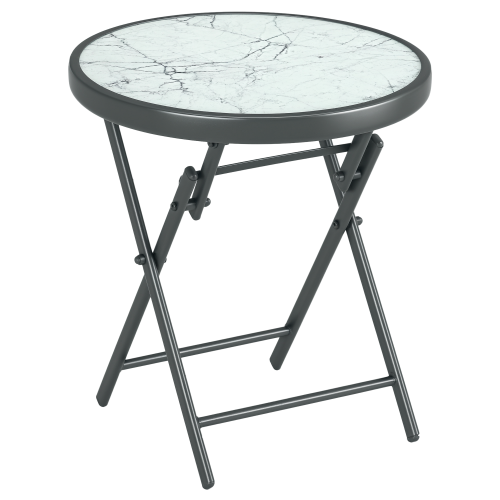
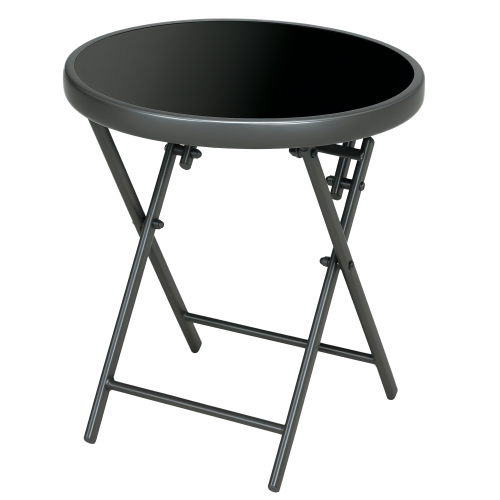


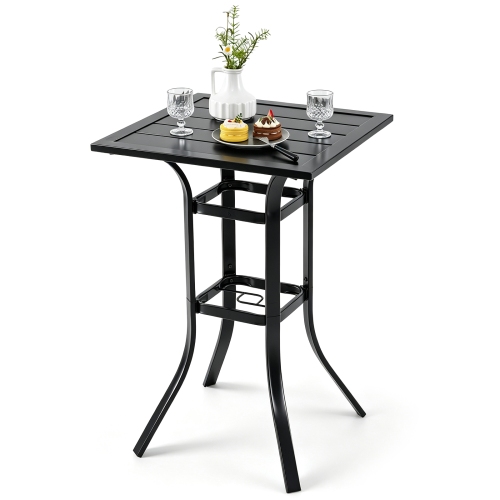

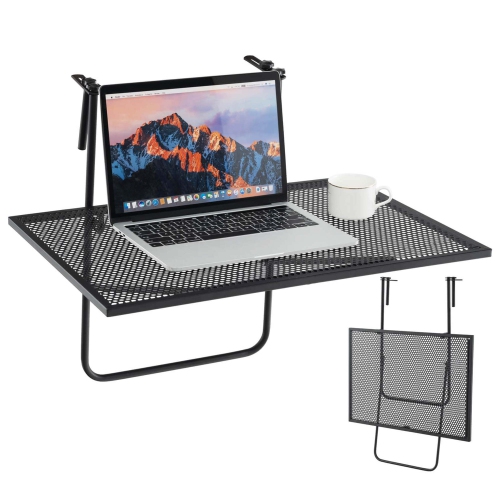


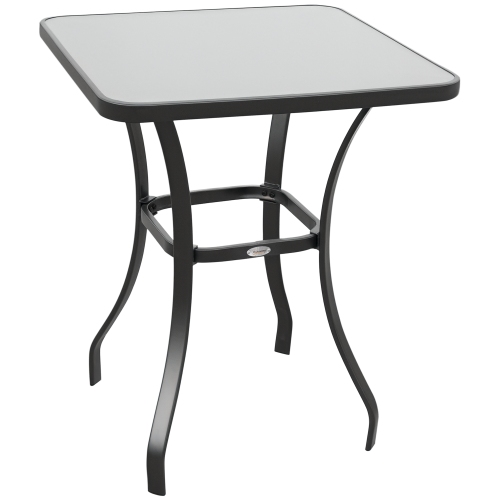


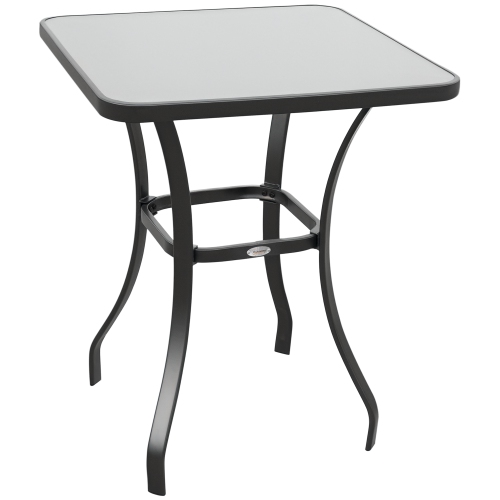


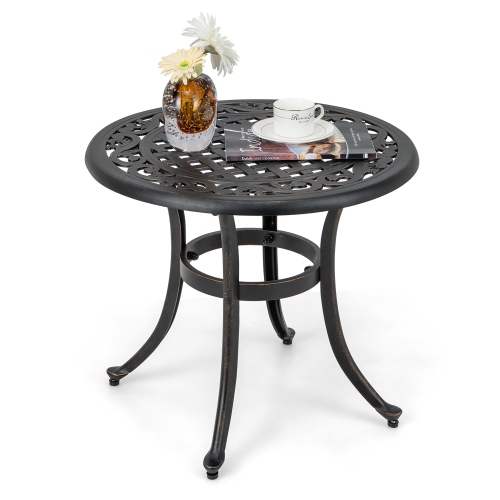


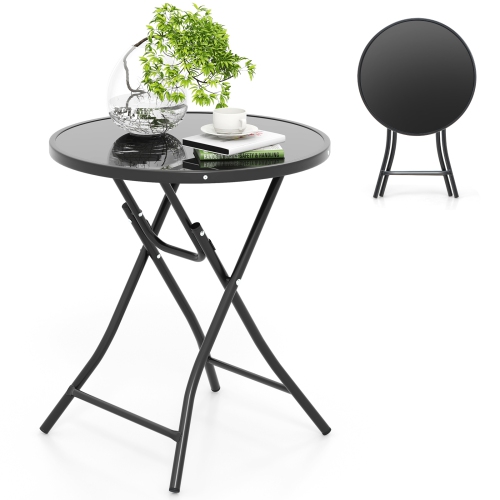


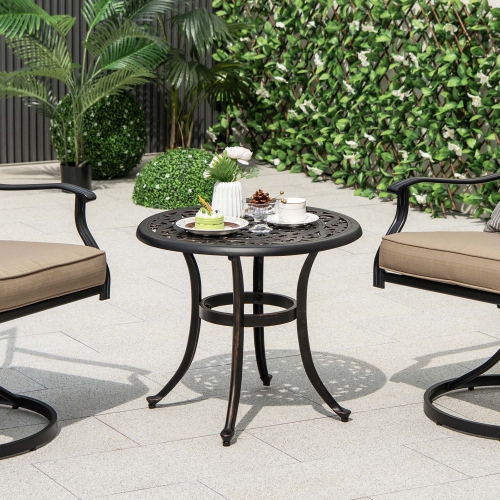


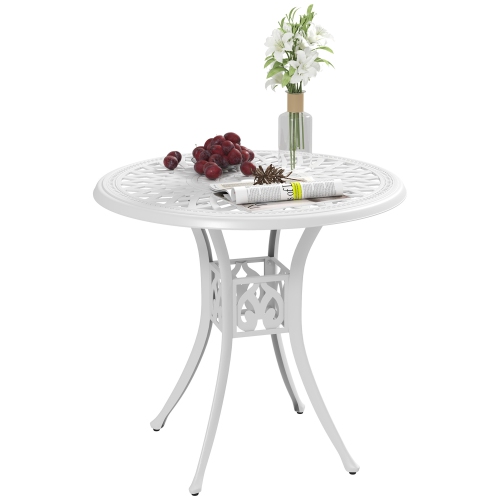
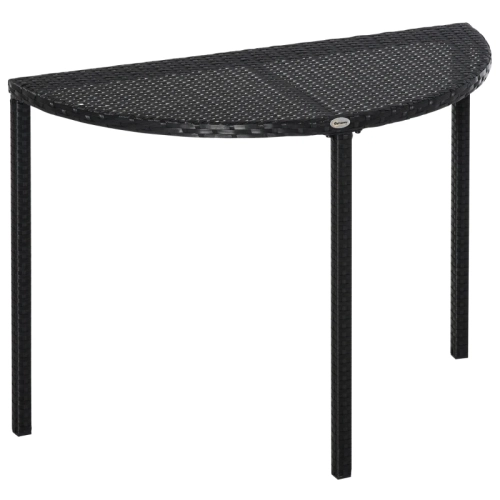

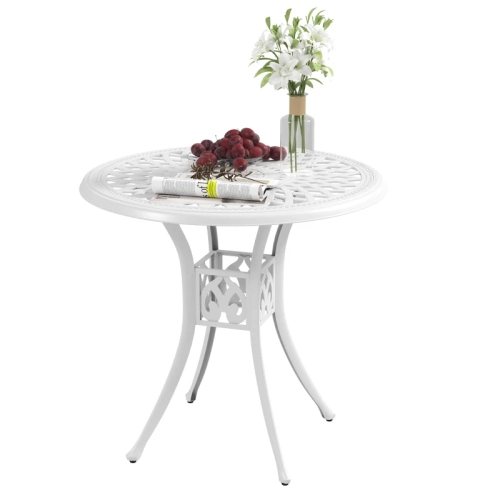


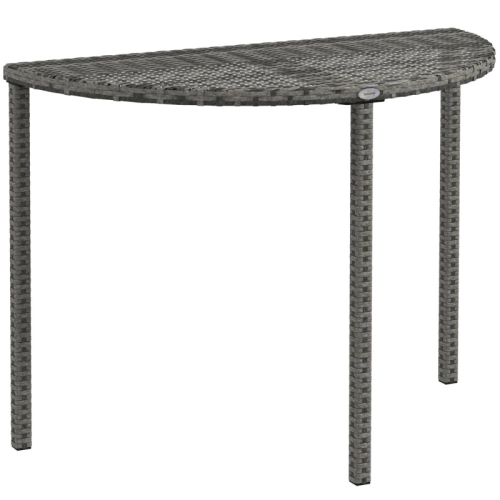
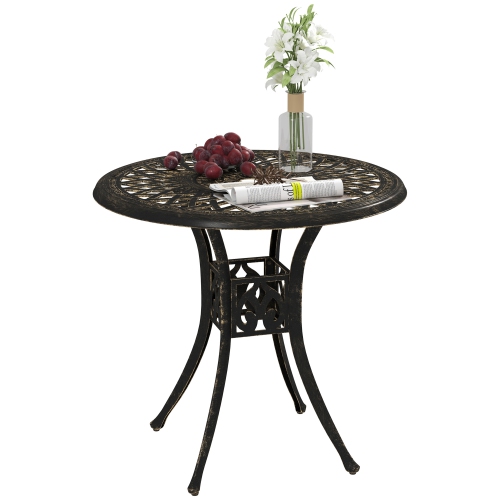
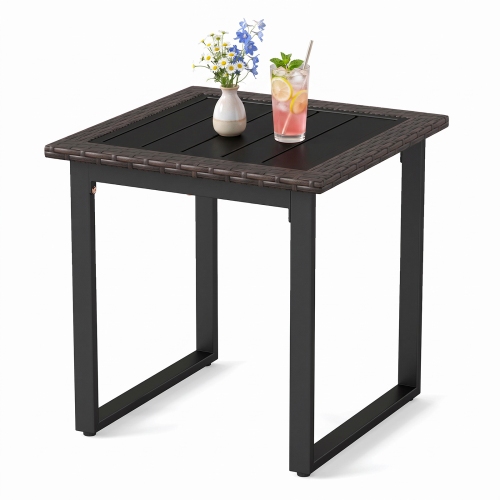

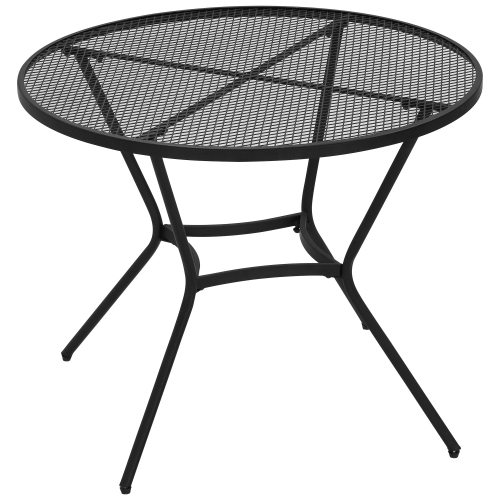
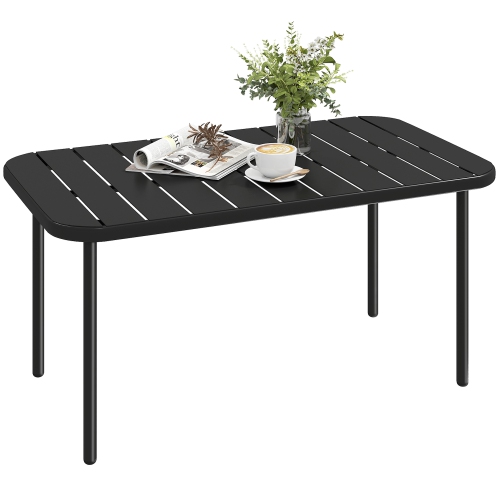


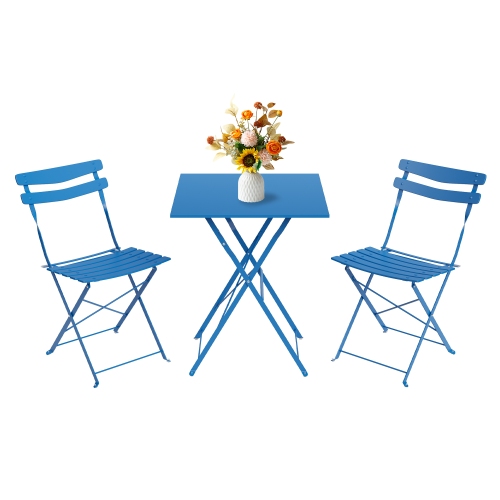
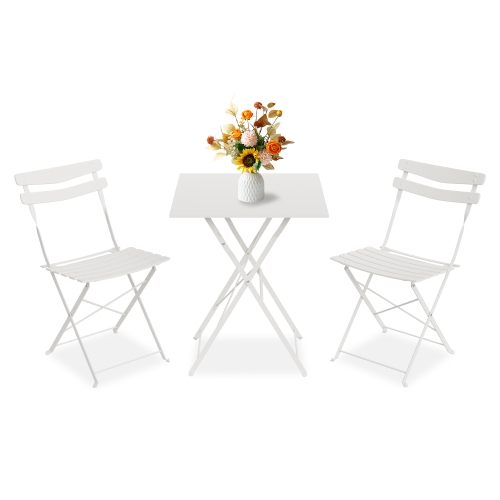
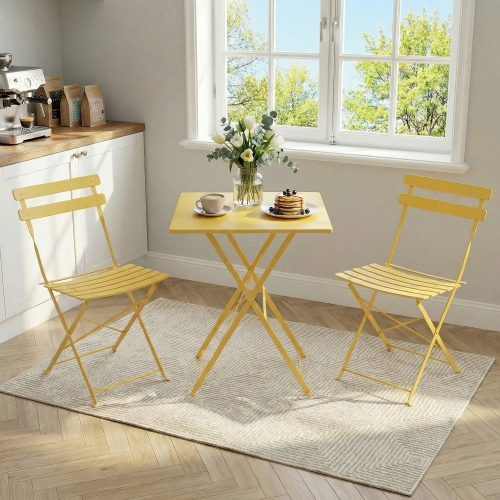


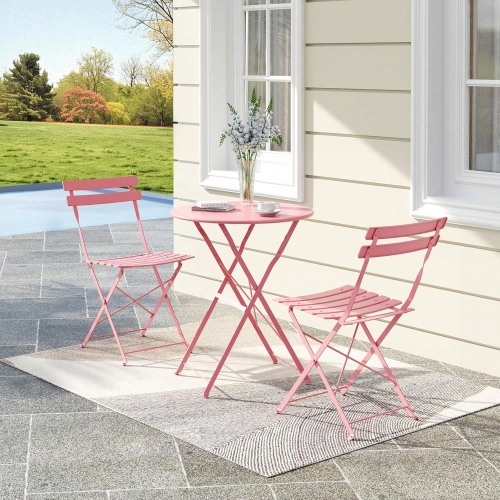
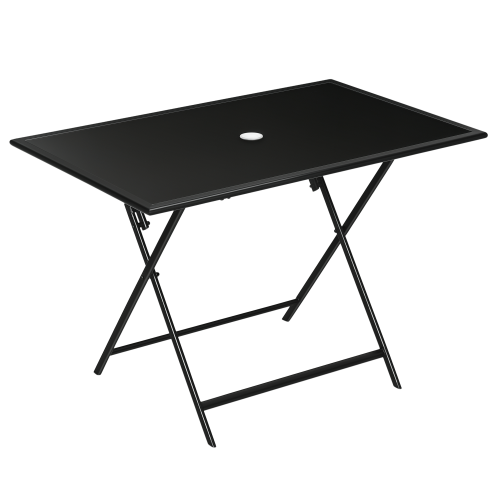

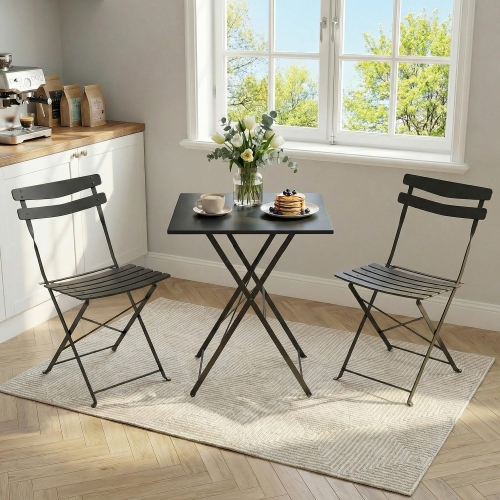


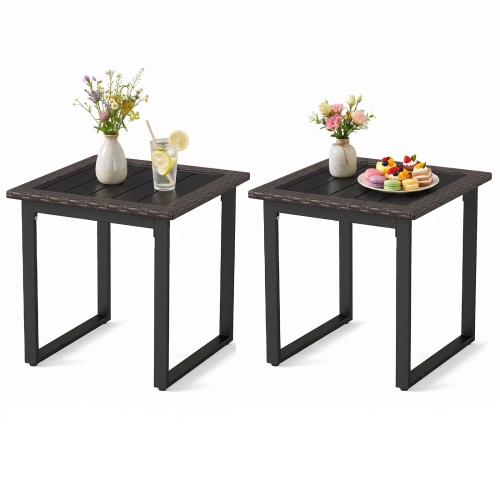
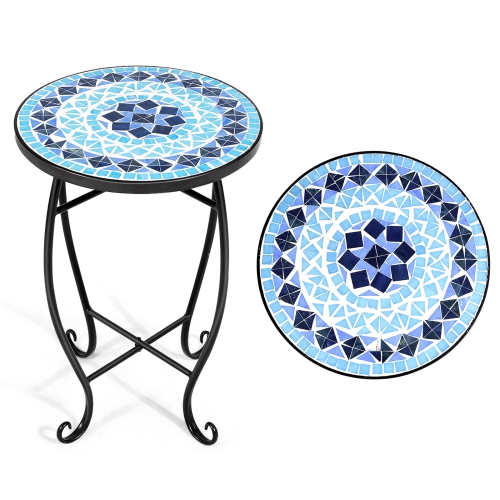


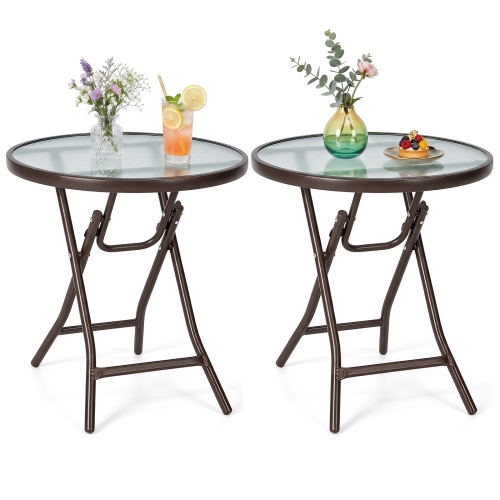


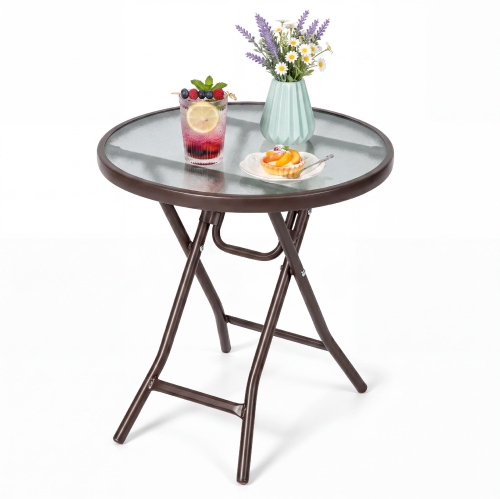


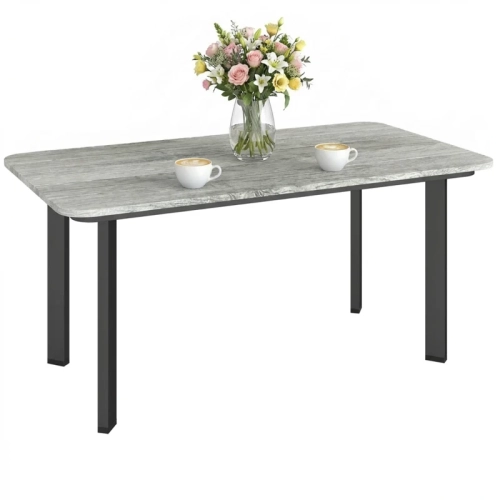


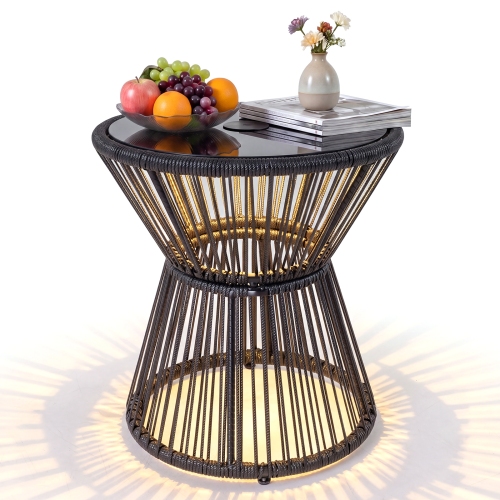


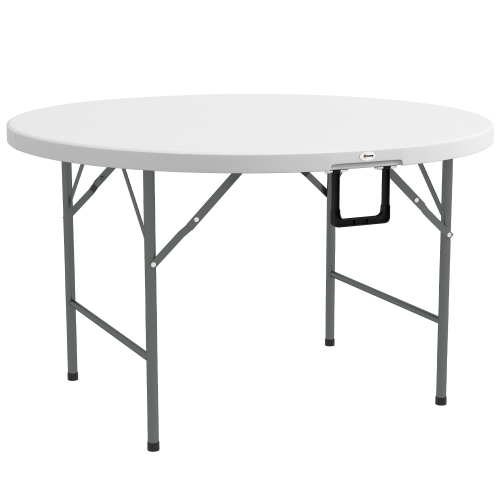

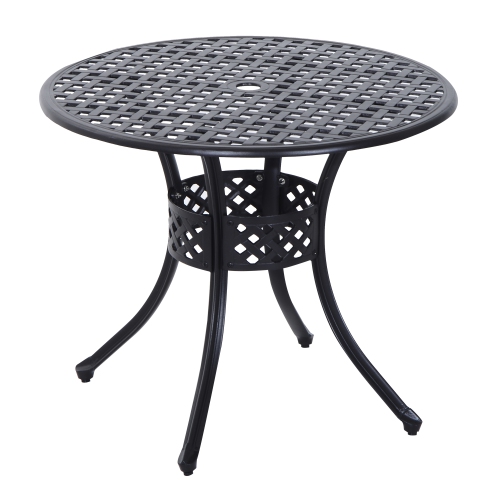


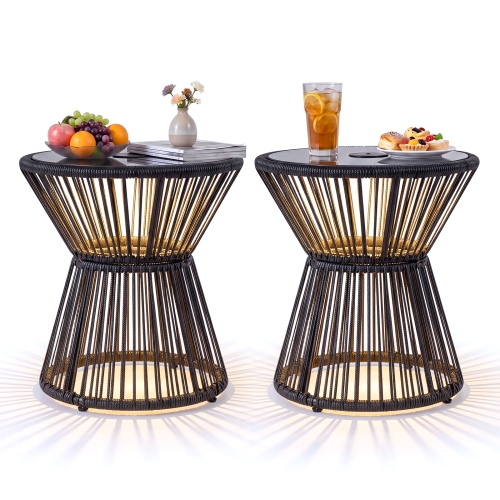
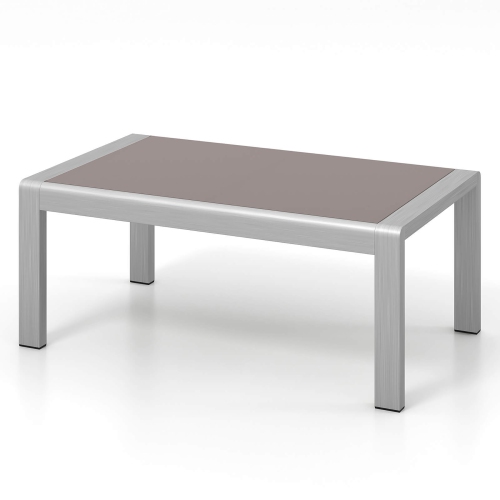

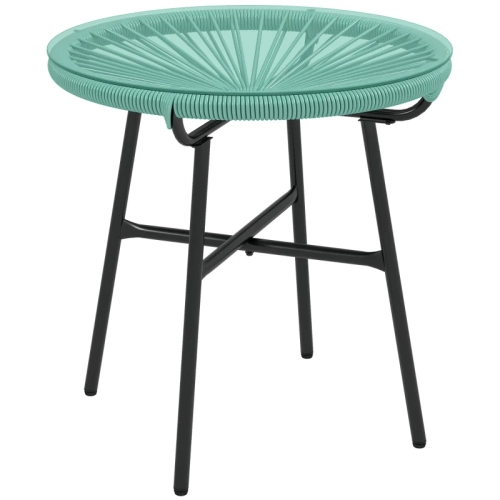


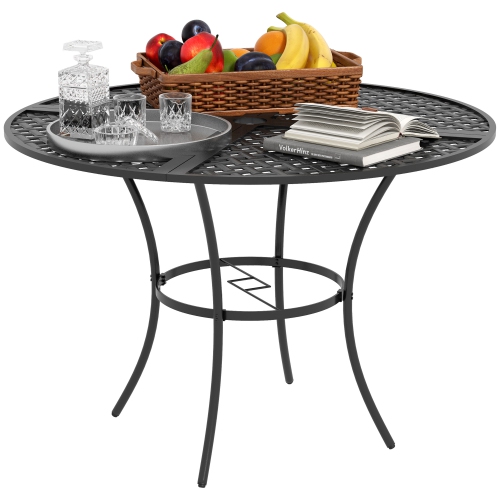




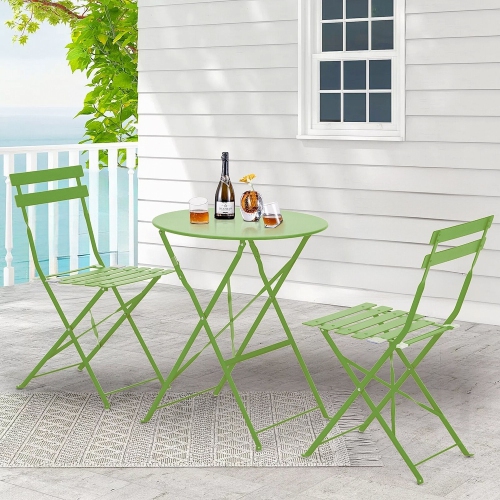


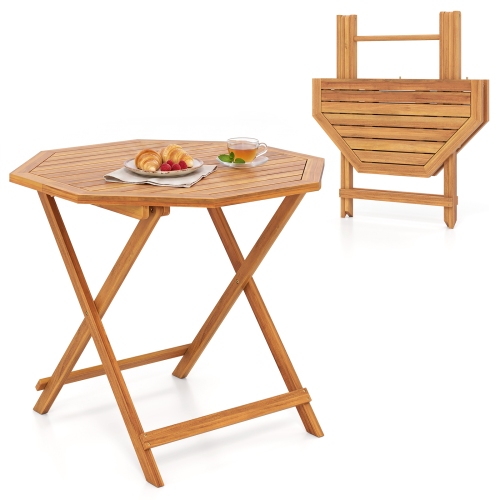


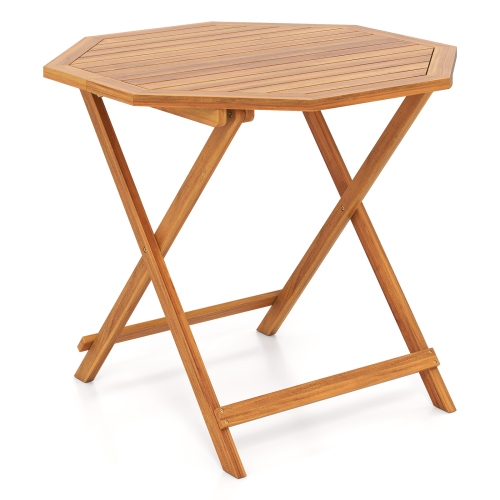


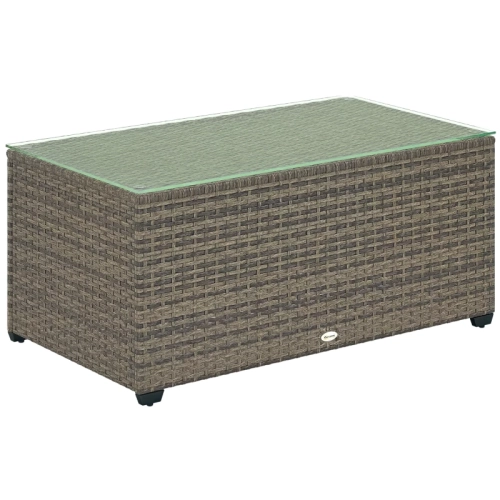

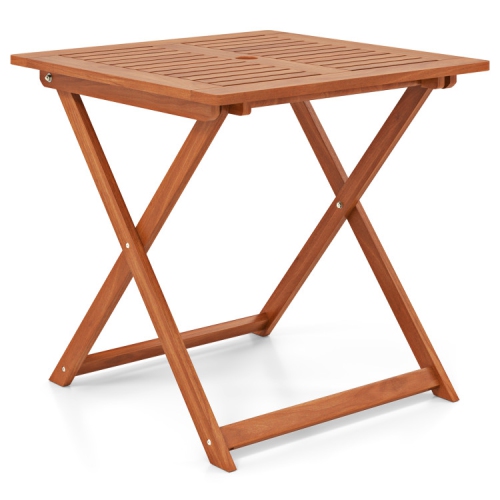


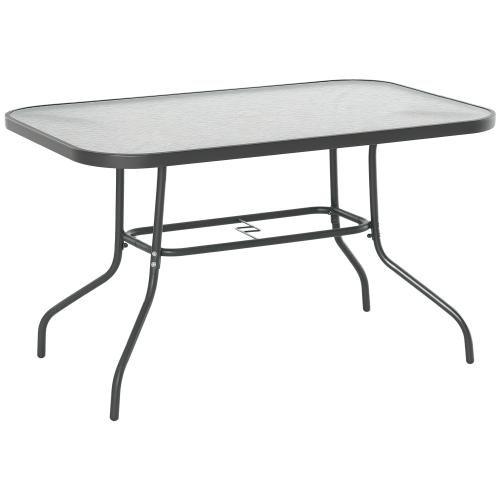

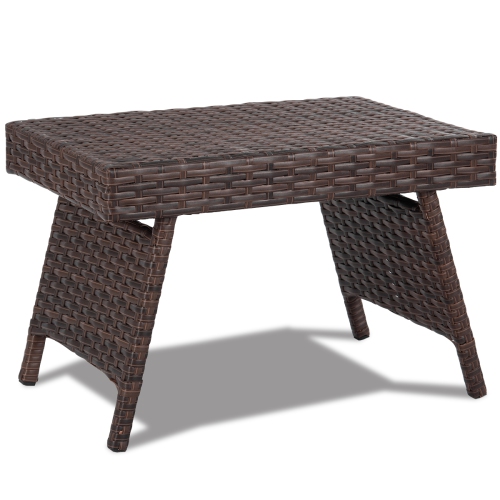
Small-space comfort depends on more than tabletop size
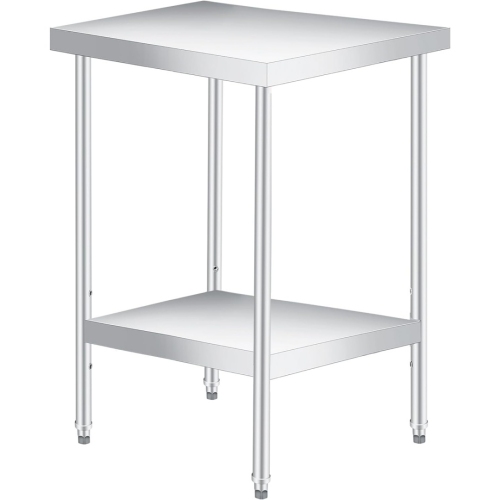
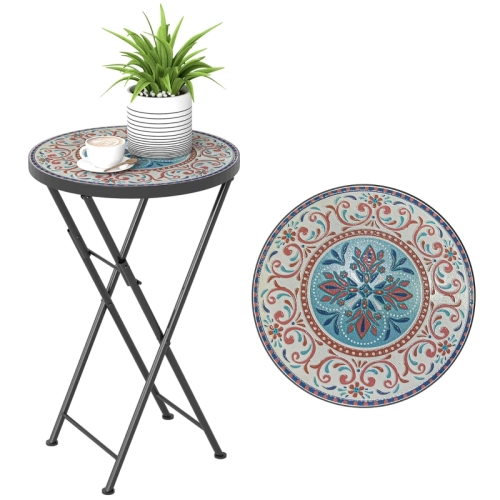
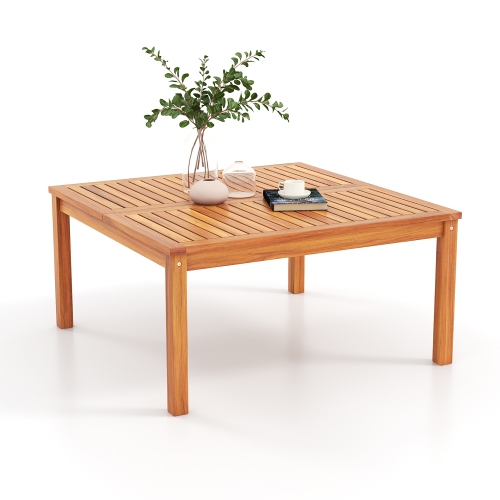
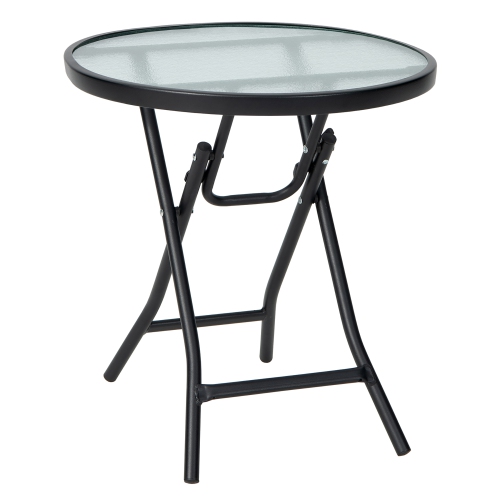
Small metal outdoor tables bring a useful surface to balconies, patios, porches, and compact courtyards without taking over the space. Beside a lounge chair, a small side table keeps a book, sunglasses, and a cold drink within reach; between two chairs, it creates a shared spot for snacks and conversation. A compact metal bistro table serves a different purpose, offering enough height and surface area for coffee or a casual meal while leaving room for seating. The distinction matters because a table that works well beside a low armchair may feel awkward with upright dining chairs. Tabletop height, leg placement, and the size of the base all influence how comfortably the table fits into everyday use. Round tops can make it easier to move through a narrow seating area, while square or rectangular designs often sit neatly alongside a wall or balcony railing. Neither shape guarantees a smaller footprint: a wide pedestal or splayed legs may extend beyond the tabletop. Space for chair movement, an opening door, and a clear walking route is just as important as the table’s stated dimensions. For someone furnishing a first apartment balcony or making a modest patio more practical, these details can turn an unused corner into a comfortable place to sit. Tables with folding frames or removable legs can also suit shared spaces where furniture needs to move aside, provided their joints lock securely when in use. A lower shelf adds room for a few everyday essentials, although it can reduce legroom beneath a dining-height table. The broader selection of Small Outdoor Tables offers context for comparing shapes and layouts, while metal designs have particular appeal for their slim profiles, varied finishes, and straightforward pairing with outdoor seating.
The type of metal makes a noticeable difference to weight, upkeep, and how a table handles outdoor exposure. Aluminum is relatively lightweight and does not develop the red rust associated with iron and steel, making it a practical material for a table that moves between a seating area and a storage space. It can still corrode, particularly around damaged finishes or with prolonged exposure to salt, so surface protection and routine cleaning remain important. Cast aluminum allows for shaped legs, decorative patterns, and textured tabletops, often giving a compact table a substantial appearance without the weight of a comparable iron design. Its durability depends on the quality of the casting, finish, and connections rather than the material name alone. Steel can provide a sturdy frame with slender legs, but it needs suitable protection against rust. Powder coating creates a protective finish over the metal; chips, scratches, exposed fasteners, and poorly protected joints can become vulnerable points where moisture reaches the steel underneath. Stainless steel generally offers better rust resistance than ordinary steel, though its grade, surface finish, and exposure conditions affect performance. Even stainless steel can develop staining or corrosion, especially near salt water or when deposits remain on its surface. Iron tables, including designs described as wrought iron, tend to be heavier and can bring a traditional look to a small seating arrangement. That weight may help a table feel settled, but it also makes frequent repositioning less convenient and does not replace the need for a level base. Across these materials, stable construction matters as much as appearance. Secure joints, evenly seated legs, and a tabletop that does not flex excessively help a small table feel dependable in use. Adjustable feet can compensate for minor surface irregularities, while protective foot caps help limit scraping on suitable decking or paving. A lightweight table is easier to carry, but an exposed balcony may call for sheltered placement and secure storage when strong winds are expected.
Finish and tabletop design help determine how naturally a small metal outdoor table fits with the rest of a seating area. Matte black pairs easily with woven chairs, pale cushions, and simple planters, creating a defined outline without adding much visual clutter. A matte finish can make fingerprints less obvious than a glossy surface, although dust and pale water marks may still show on darker colours. White and soft neutral finishes can give a compact arrangement a lighter appearance, while yellow, red, or blue can turn a modest side table into a cheerful accent. Curved legs and patterned metalwork suit a courtyard setting with flowering pots; clean edges and restrained details sit comfortably beside more contemporary furniture. Practical surface details deserve equal attention. A smooth, solid top supports cups and small objects more evenly, while mesh, slats, and decorative openings can let water drain through. Those openings may also leave narrow glassware or small plant pots less steady, depending on their spacing. Raised rims can help contain minor spills but may hold water unless drainage is built in. Care usually starts with a soft cloth, mild soap, and a thorough rinse, followed by drying where water collects around joints or beneath the tabletop. Abrasive pads and harsh cleaners can damage protective finishes, and any repair to a chipped coating should follow the manufacturer’s directions. Outdoor-rated construction does not mean a table needs no protection: suitable covers and dry storage can limit unnecessary exposure, provided the table is clean and dry before being covered and the cover allows ventilation. Cushioned feet, intact fasteners, and occasional checks for loose connections also help preserve everyday usability. For households that entertain, a small table can become a flexible extra surface beside the main seating group; for a quieter corner, it may hold little more than a mug and a paperback. The most useful design combines the right height and footprint with a material, finish, and care routine that suit the way that space is used.
Top selling and popular products
-
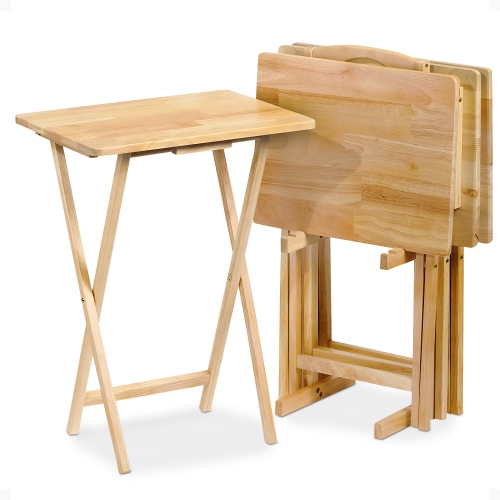 Your price for this item is $172.99
-
 Your price for this item is $121.99
-
 Your price for this item is $224.99
-
 Your price for this item is $149
-
 Your price for this item is $279.99
-
 Your price for this item is $386.99
-
 Your price for this item is $499.95
-
 Your price for this item is $379.95
Discover more categories related to Small Metal Outdoor Table


Top Collections:
Best Black Friday Deals This Year, Best Black Friday Deals On Electronics, Kindle Devices, Pokemon Centers, Best Black Friday Deals On Apple Products, Best Cameras for Sports Photography, Dyson Airwrap, Pokémon 30th Celebration Cards, Apple iPhone 17 Pro, Canon G7X Cameras
Some products may be subject to Environmental Handling Fees
(EHF) depending on your province.
Learn more about EHFs.