Small Propane Fire Pit
Transform your outdoor space into a cozy retreat with a small propane fire pit, perfect for adding warmth and ambiance to any setting. These compact yet stylish fire pits are designed to fit seamlessly into patios, balconies, or backyards, offering the perfect solution for those chilly evenings when you want to enjoy the fresh air without sacrificing comfort. Easy to ignite and adjust, small propane fire pits provide a clean-burning flame that requires minimal maintenance, allowing you to focus on relaxation and enjoyment. Whether you're hosting friends or unwinding after a long day, these fire pits create an inviting atmosphere that enhances any outdoor gathering.
Sort
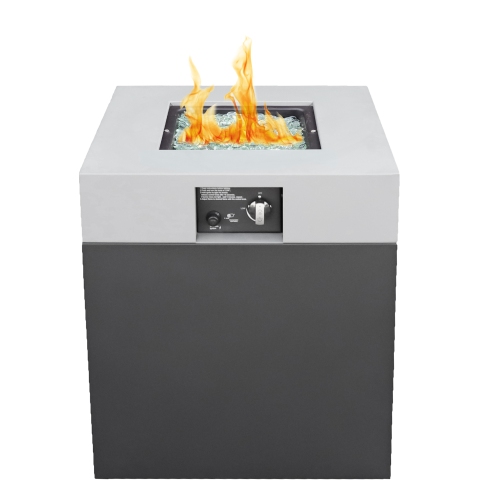
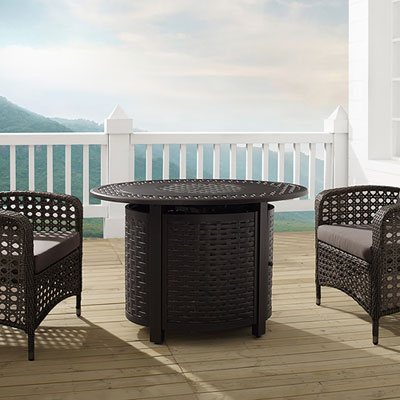
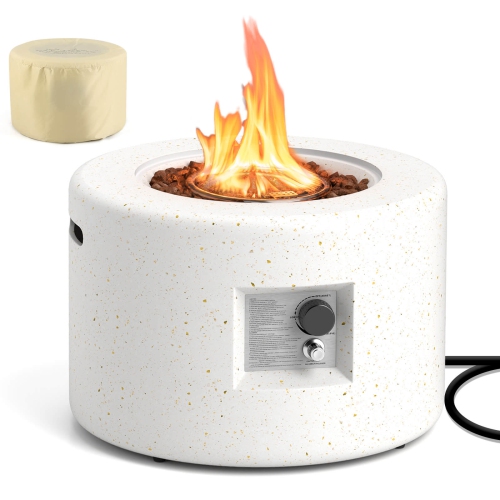
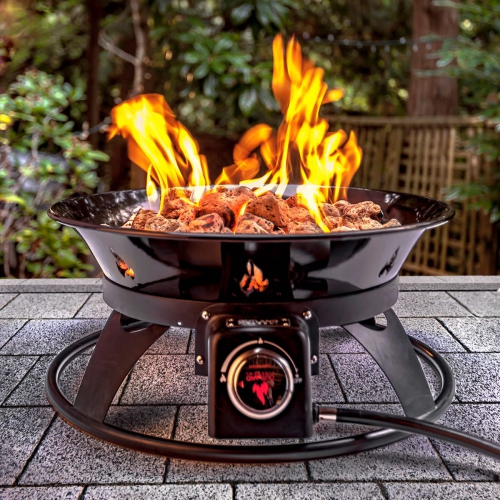
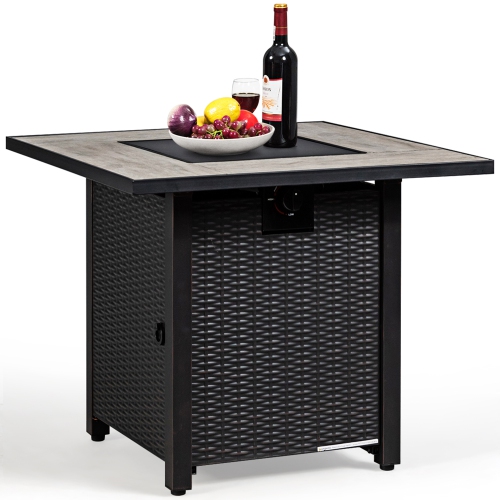
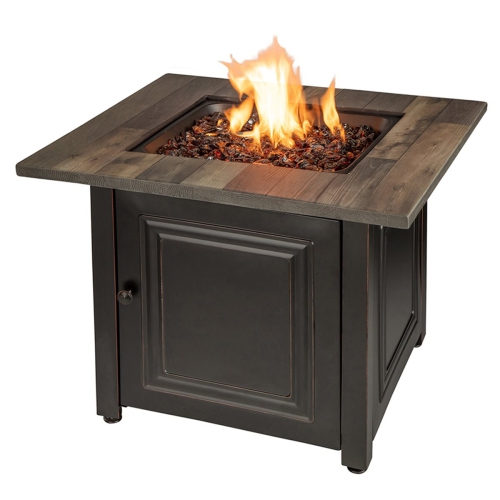
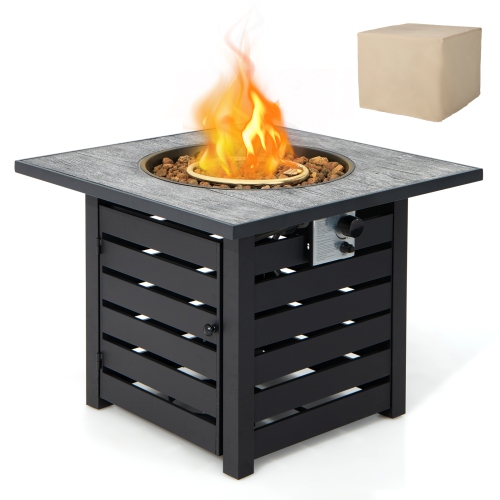

Patio atmosphere without hauling logs or clearing ash
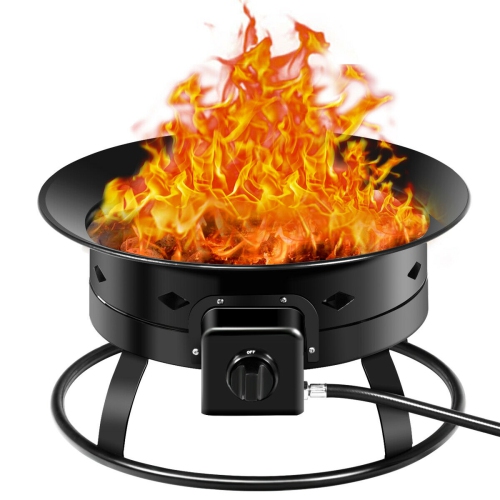
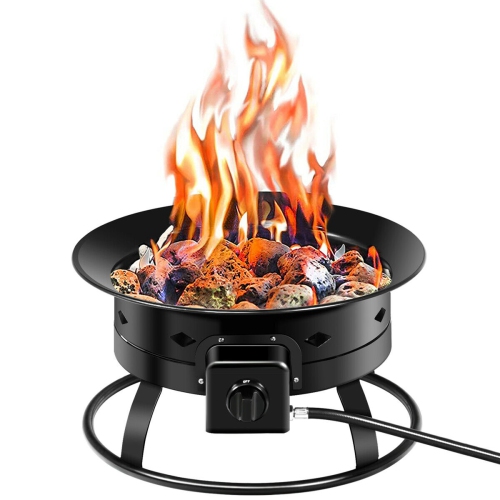
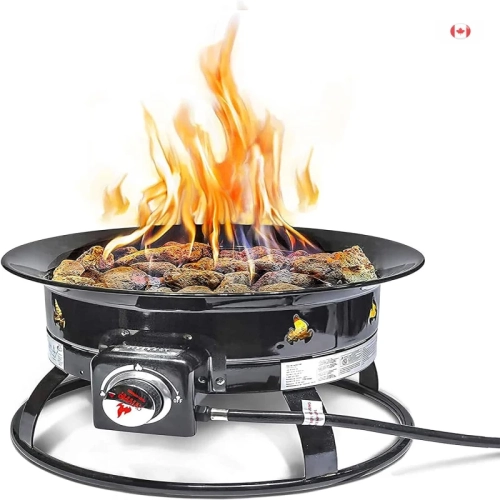
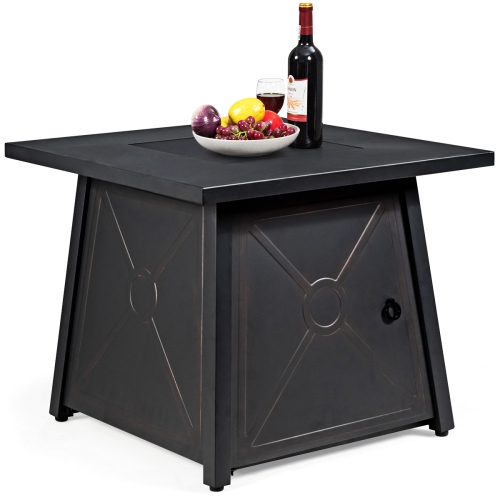
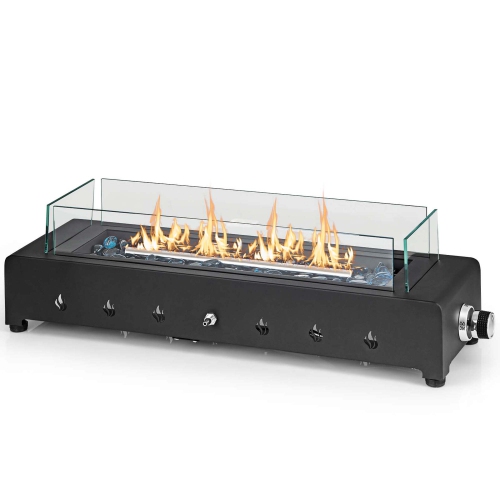
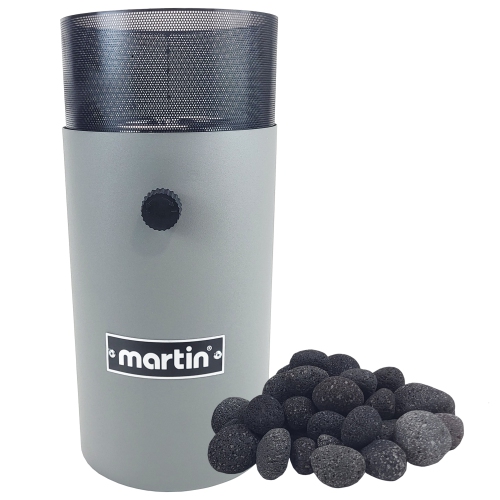
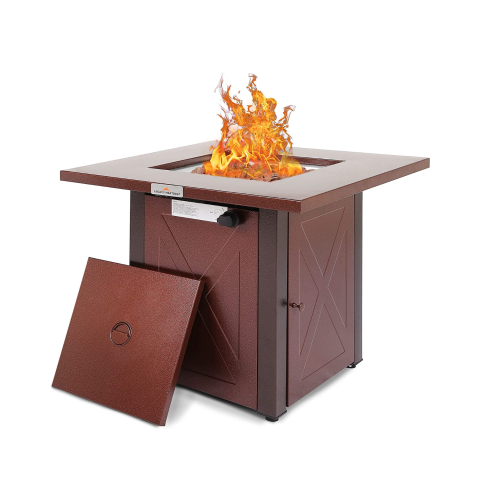
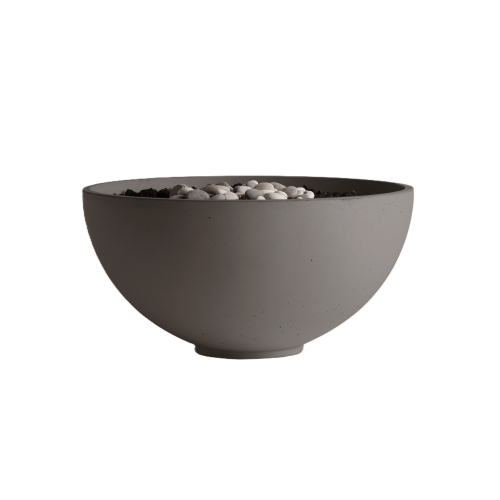
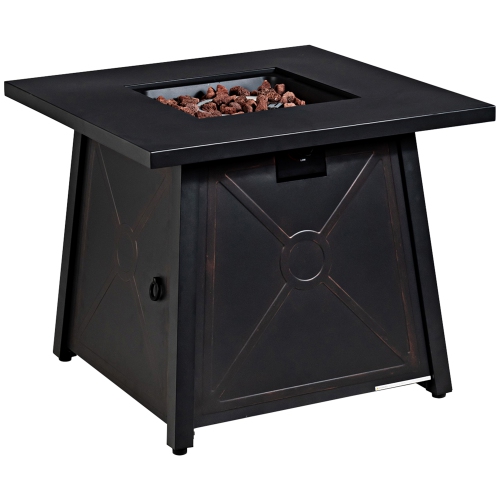
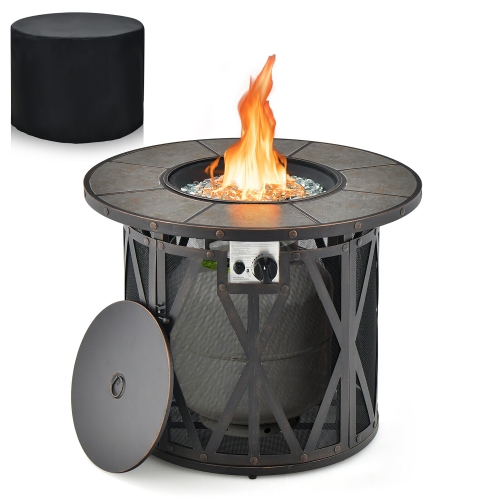
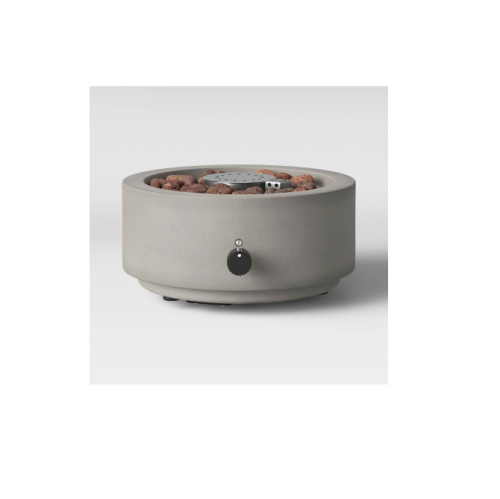
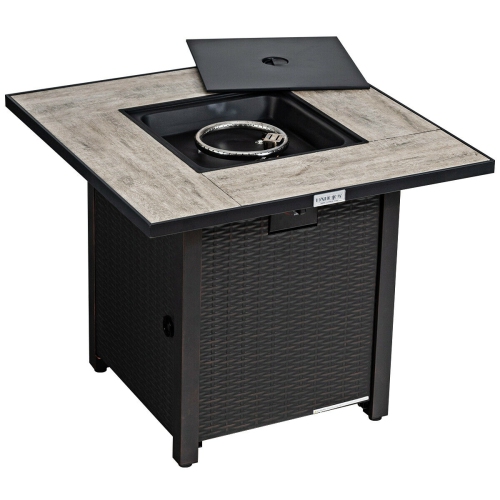
A small propane fire pit brings a visible flame and a comfortable gathering point to an outdoor seating area without the space requirements of a large fire table. Compact designs range from low fire bowls that sit on an approved ground surface to tabletop models intended for use on suitable outdoor tables. Portable versions suit campers and RV travellers who want a familiar place to gather at the end of the day, while a compact stationary design can anchor a modest backyard patio. Propane feeds a burner beneath approved fire media, such as lava rock or fire glass, creating the appearance of a fire without loading logs or clearing wood ash. These fire pits generally produce no wood smoke or flying embers, though they still create heat and combustion gases and require open-air use with adequate ventilation. Their appeal is as much about atmosphere as warmth: a small flame beside a pair of patio chairs can make an evening conversation feel more inviting during the cooler months. Heat coverage depends on burner output, flame height, wind, and the distance between the fire pit and the seating. A tabletop unit may provide mainly visual interest and gentle nearby warmth, whereas a larger portable bowl can give off more noticeable heat. Neither should be treated as a substitute for heating an enclosed space. For a broader view of shapes and layouts, the Propane Fire Pit collection provides a related starting point. Within the small-format category, the most useful distinction is often how the fire pit will be used: carried between permitted campsites, left beside an outdoor lounge set, or placed on a table designed to accommodate it. A compact footprint makes placement easier, but the complete setup also needs room for the fuel cylinder, hose, and required clearances.
Size matters beyond the width of the bowl. Overall height affects how the flame sits in relation to chairs, while base dimensions determine whether the unit fits securely on its intended surface. A low bowl can feel natural beside lounge seating, but it should not end up where someone could step over it or brush against its hot edges. Tabletop propane fire pits need a stable table with sufficient load capacity and a surface approved by the fire pit manufacturer; a small burner is not automatically suitable for every outdoor dining table. Materials also influence weight, appearance, and long-term care. Powder-coated steel is common in portable bodies and frames, offering a practical balance of strength and weight, although chipped finishes need attention because exposed steel can rust. Stainless steel is often used for burners because it resists corrosion, but it still benefits from cleaning and protection against prolonged moisture. Cast concrete and stone-look composite housings offer a substantial appearance, though their weight and handling requirements may make them better suited to staying in one place. Burner media must be rated for the appliance; ordinary stones or unapproved glass should never be substituted. Controls deserve equal attention, especially for anyone who prefers straightforward operation. Ignition may be electronic, piezoelectric, or manual, and some systems require a battery. An adjustable flame makes it easier to change the mood and fuel use, but British thermal unit ratings describe fuel input rather than guaranteeing a particular heating radius. Higher output generally consumes propane faster at the maximum setting. Run time depends on the cylinder capacity, burner setting, and operating conditions, so a compact unit does not necessarily mean a small fuel requirement. Some designs use small cylinders, while others connect to a separate refillable tank. Only the cylinder type, regulator, and hose arrangement specified for the appliance should be used. An external tank can occupy more space than expected, particularly on a narrow patio, and its hose needs a route away from feet and hot surfaces.
For portable use, manageable weight, secure handles, and a fitted lid can matter as much as the flame itself. A fire pit that is easy to lift when empty may feel quite different once its approved media is in place, so packed dimensions and total carrying weight help distinguish a genuinely travel-friendly design from one that is merely small. Carry bags and protective covers serve different purposes; a transport bag is not necessarily weatherproof, and neither belongs on an appliance that is still warm. After use, the burner and housing need to cool fully before handling or packing, with the fuel supply shut off as directed by the manufacturer. Routine care includes clearing debris from the burner area, checking that ventilation openings remain unobstructed, and inspecting the hose and connections for wear. Leak checks should follow the supplied instructions and use an approved leak-detection solution, never a flame. A cover can reduce exposure to rain and debris once the fire pit is cool and dry, but it does not replace suitable storage or regular inspection. During freezing weather, trapped water can damage some housings and finishes; keeping the appliance dry helps protect its appearance and function. Propane cylinders need upright outdoor storage in accordance with local requirements, not storage inside a home, garage, or shed. Safe placement remains essential throughout the year. Use a propane fire pit only outdoors, on a stable surface permitted by the manufacturer, with the specified clearance from furniture, railings, walls, and overhead structures. Tents, garages, and enclosed balconies are not suitable operating spaces. Certification from a recognized body, such as CSA, is a useful safety consideration, but it does not override municipal bylaws, building rules, campground policies, or fire restrictions. A small propane fire pit can make a thoughtful gift for someone who enjoys outdoor evenings or camping, provided their intended setting allows its use. The best fit leaves comfortable room for people to move around it, keeps children and pets safely away from hot surfaces, and matches the owner’s willingness to handle fuel, cleaning, and storage.
Size matters beyond the width of the bowl. Overall height affects how the flame sits in relation to chairs, while base dimensions determine whether the unit fits securely on its intended surface. A low bowl can feel natural beside lounge seating, but it should not end up where someone could step over it or brush against its hot edges. Tabletop propane fire pits need a stable table with sufficient load capacity and a surface approved by the fire pit manufacturer; a small burner is not automatically suitable for every outdoor dining table. Materials also influence weight, appearance, and long-term care. Powder-coated steel is common in portable bodies and frames, offering a practical balance of strength and weight, although chipped finishes need attention because exposed steel can rust. Stainless steel is often used for burners because it resists corrosion, but it still benefits from cleaning and protection against prolonged moisture. Cast concrete and stone-look composite housings offer a substantial appearance, though their weight and handling requirements may make them better suited to staying in one place. Burner media must be rated for the appliance; ordinary stones or unapproved glass should never be substituted. Controls deserve equal attention, especially for anyone who prefers straightforward operation. Ignition may be electronic, piezoelectric, or manual, and some systems require a battery. An adjustable flame makes it easier to change the mood and fuel use, but British thermal unit ratings describe fuel input rather than guaranteeing a particular heating radius. Higher output generally consumes propane faster at the maximum setting. Run time depends on the cylinder capacity, burner setting, and operating conditions, so a compact unit does not necessarily mean a small fuel requirement. Some designs use small cylinders, while others connect to a separate refillable tank. Only the cylinder type, regulator, and hose arrangement specified for the appliance should be used. An external tank can occupy more space than expected, particularly on a narrow patio, and its hose needs a route away from feet and hot surfaces.
For portable use, manageable weight, secure handles, and a fitted lid can matter as much as the flame itself. A fire pit that is easy to lift when empty may feel quite different once its approved media is in place, so packed dimensions and total carrying weight help distinguish a genuinely travel-friendly design from one that is merely small. Carry bags and protective covers serve different purposes; a transport bag is not necessarily weatherproof, and neither belongs on an appliance that is still warm. After use, the burner and housing need to cool fully before handling or packing, with the fuel supply shut off as directed by the manufacturer. Routine care includes clearing debris from the burner area, checking that ventilation openings remain unobstructed, and inspecting the hose and connections for wear. Leak checks should follow the supplied instructions and use an approved leak-detection solution, never a flame. A cover can reduce exposure to rain and debris once the fire pit is cool and dry, but it does not replace suitable storage or regular inspection. During freezing weather, trapped water can damage some housings and finishes; keeping the appliance dry helps protect its appearance and function. Propane cylinders need upright outdoor storage in accordance with local requirements, not storage inside a home, garage, or shed. Safe placement remains essential throughout the year. Use a propane fire pit only outdoors, on a stable surface permitted by the manufacturer, with the specified clearance from furniture, railings, walls, and overhead structures. Tents, garages, and enclosed balconies are not suitable operating spaces. Certification from a recognized body, such as CSA, is a useful safety consideration, but it does not override municipal bylaws, building rules, campground policies, or fire restrictions. A small propane fire pit can make a thoughtful gift for someone who enjoys outdoor evenings or camping, provided their intended setting allows its use. The best fit leaves comfortable room for people to move around it, keeps children and pets safely away from hot surfaces, and matches the owner’s willingness to handle fuel, cleaning, and storage.
Top selling and popular products
-
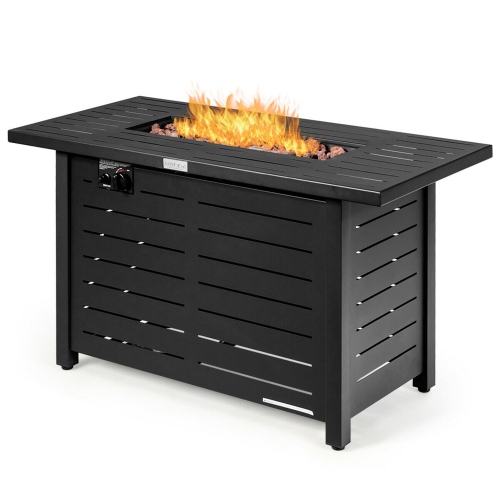 Your price for this item is $329.99
 -
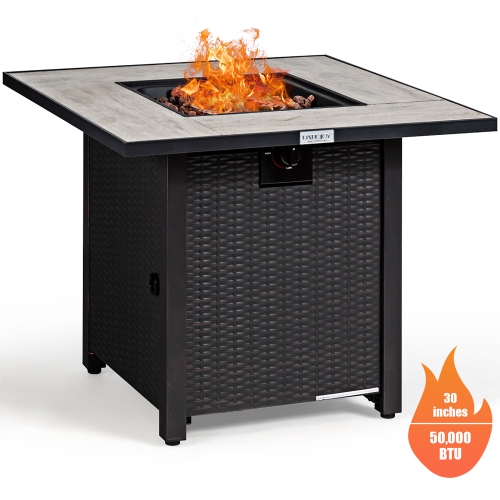 Your price for this item is $239.99
 -
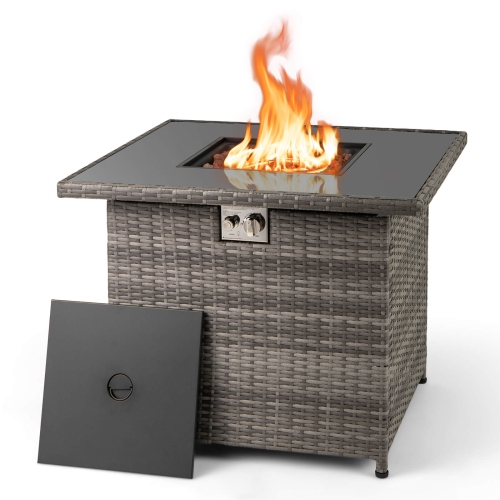 Your price for this item is $269.99
 -
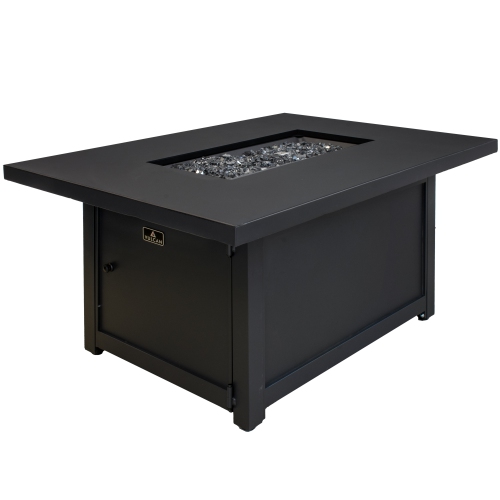 Your price for this item is $515
 -
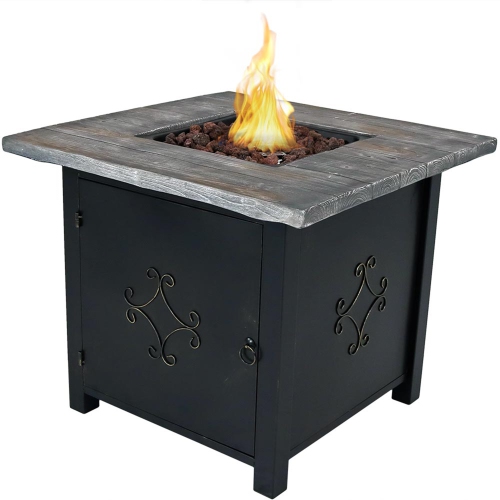 Your price for this item is $484.75
 -
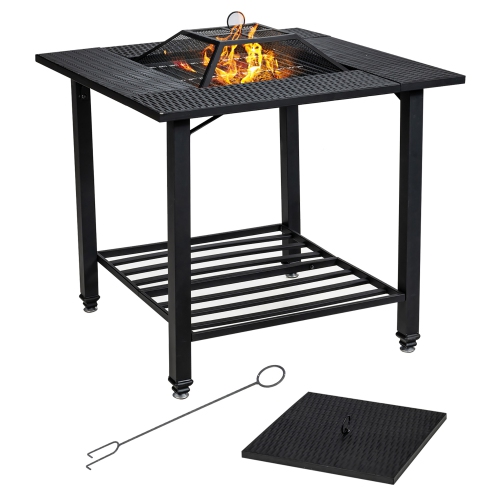 Your price for this item is $143.99
 -
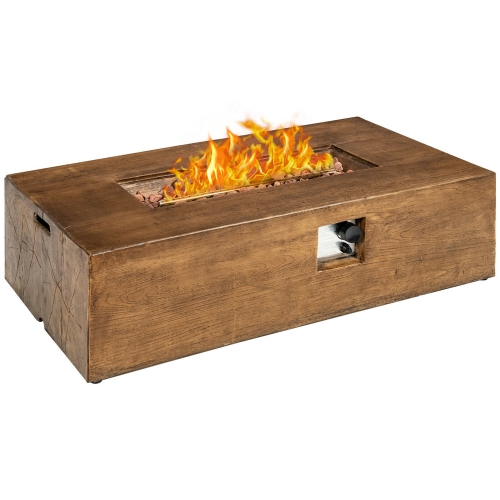 Your price for this item is $599.99
 -
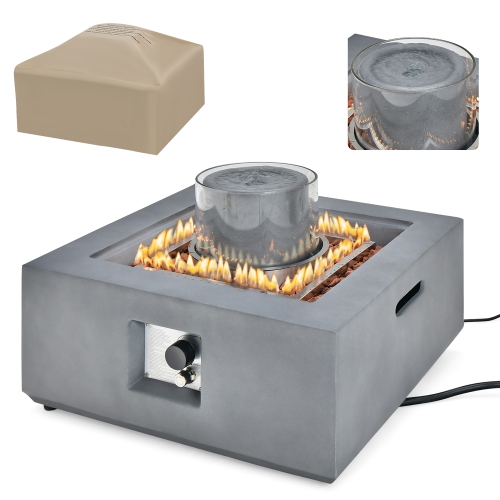 Your price for this item is $315.99
Discover more categories related to Small Propane Fire Pit
Top Collections:
Pokemon Centers, Kindle Devices, Best Budget Office Chairs, Apple iPhones 16, Best Laptops for Writers, iPhone 15 Apple, Canon G7X Cameras, Refurbished Apple Laptops, Alarm Clock, Motorola Razr Phones
Some products may be subject to Environmental Handling Fees
(EHF) depending on your province.
Learn more about EHFs.