Small Safes
Keep your valuables secure and protected with our selection of small safes. Whether you need a compact safe for your important documents, jewelry, or other precious items, we have a variety of options to suit your needs. With features like digital locks, fireproof construction, and compact designs, these small safes offer peace of mind without taking up too much space in your home or office. Explore our range of small safes to find the perfect security solution for your valuable belongings.
Sort
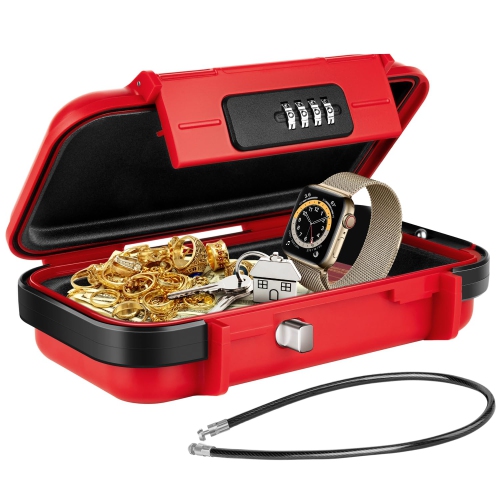
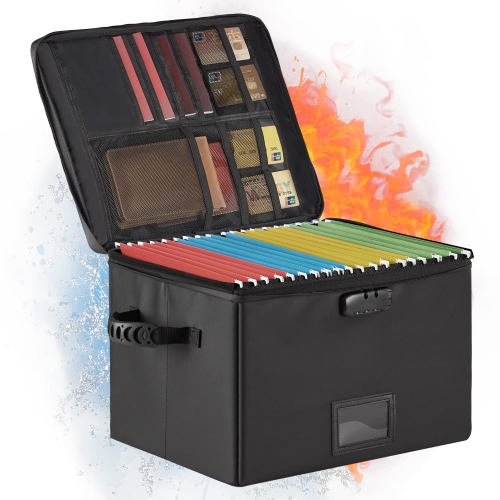
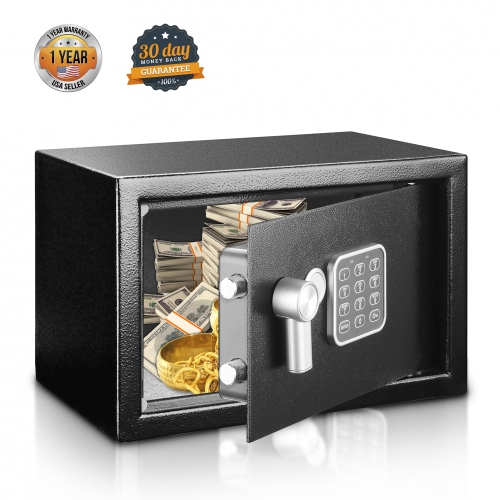
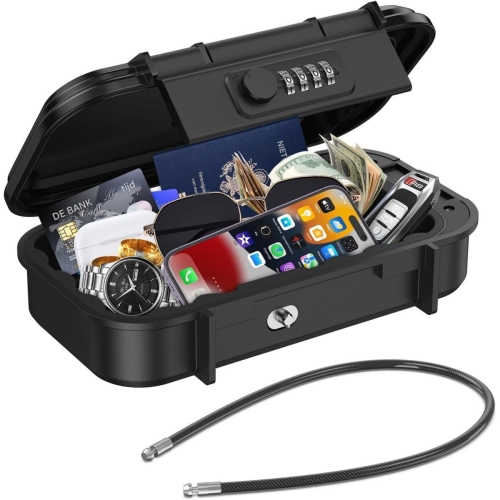
Why safe size and protection ratings both matter
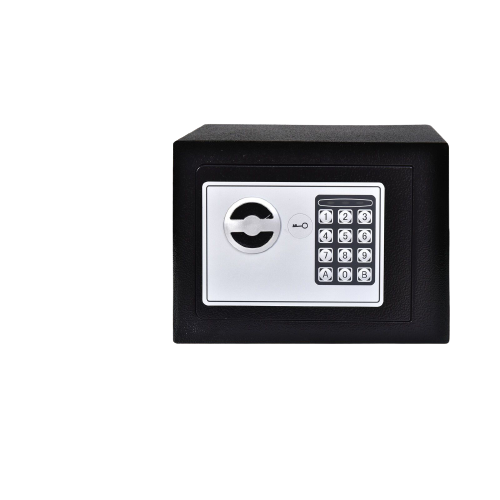
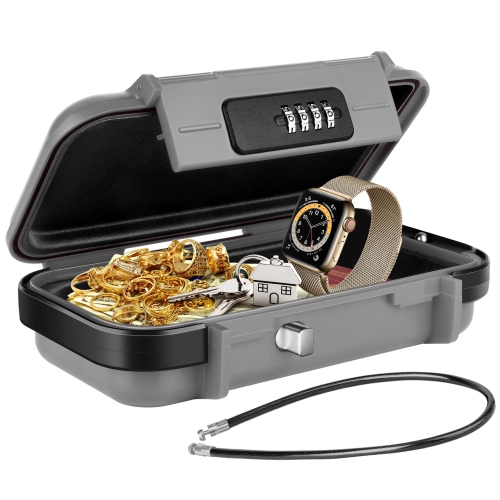
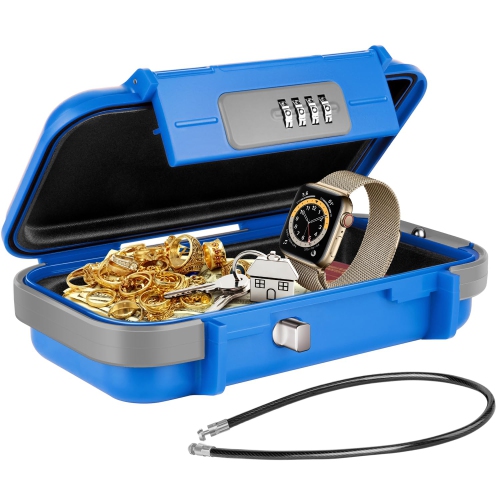
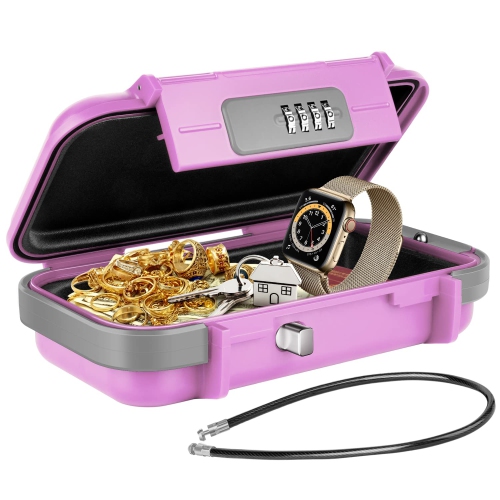
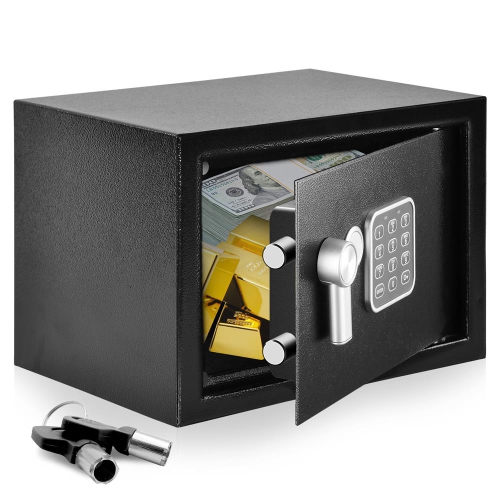
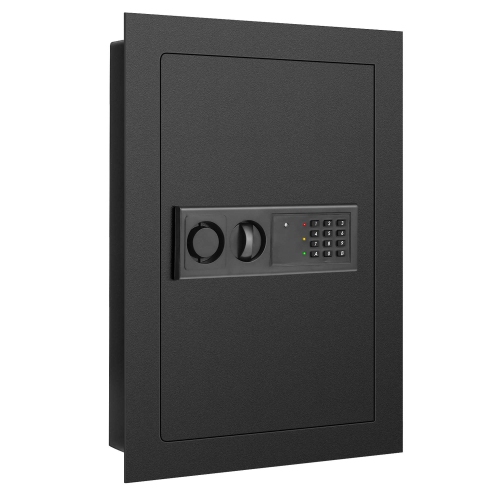
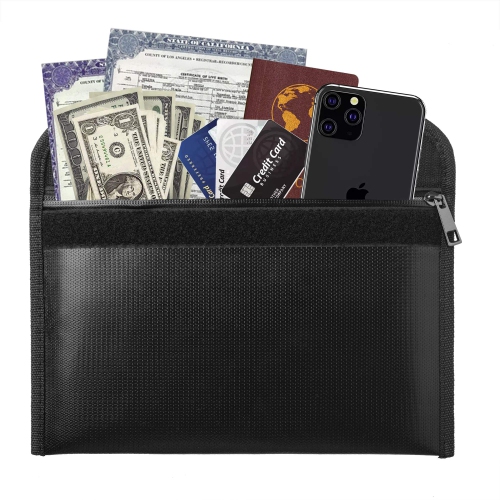
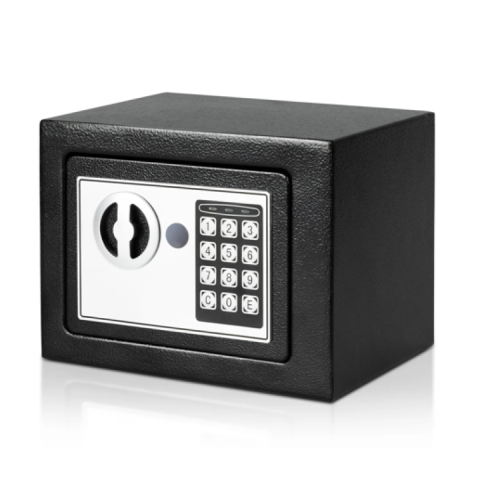
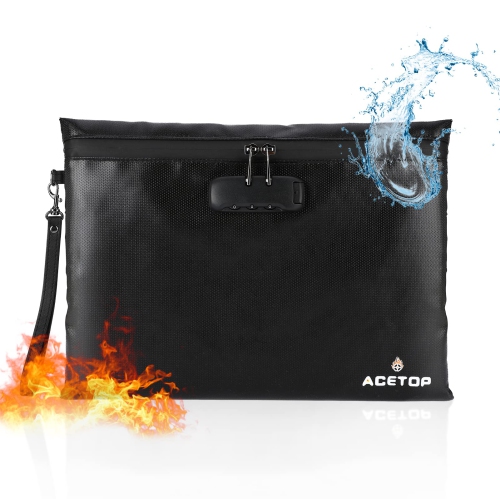
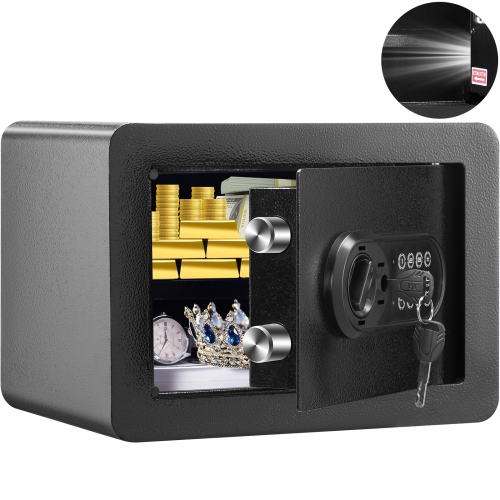
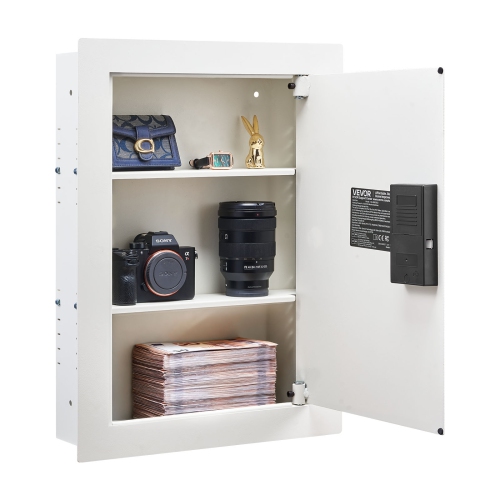
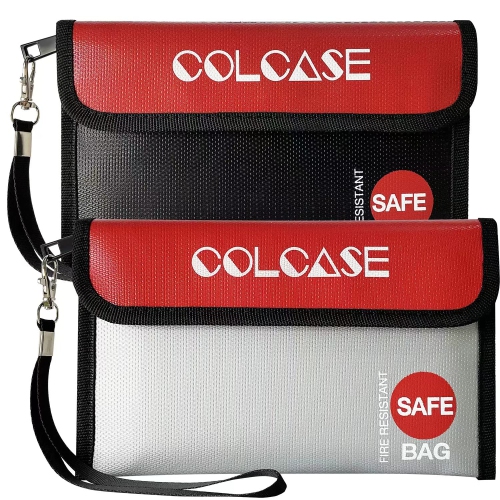
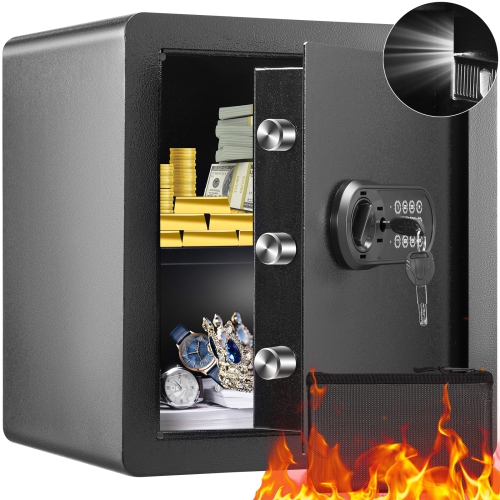
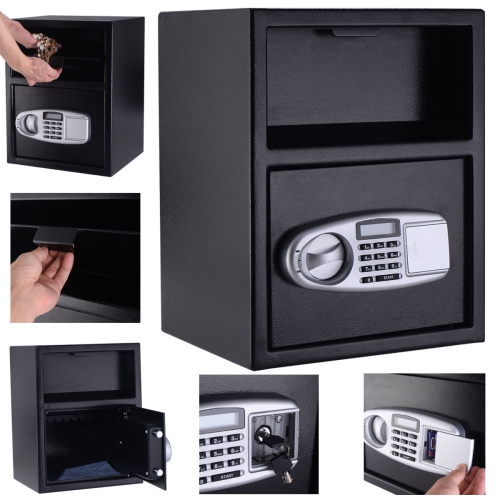
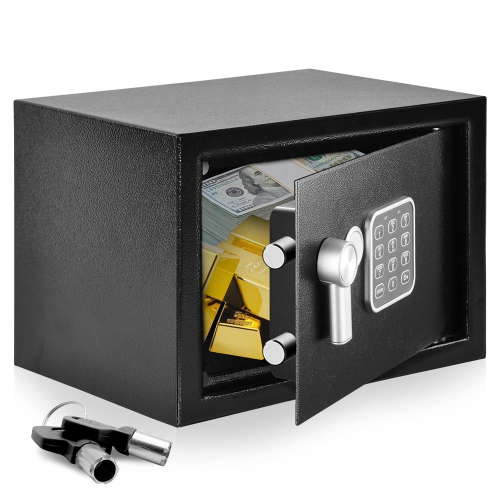
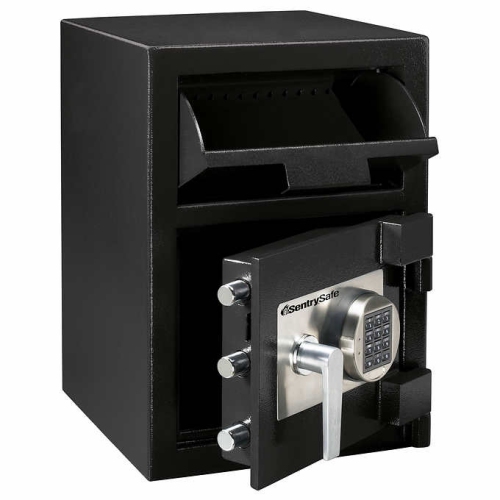
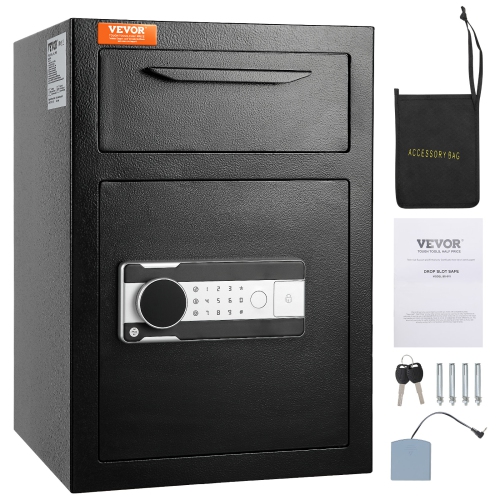
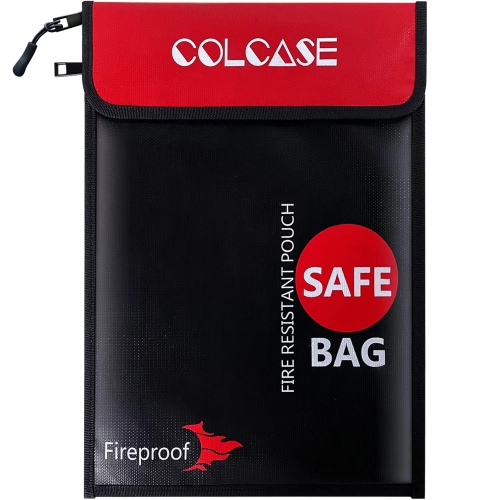
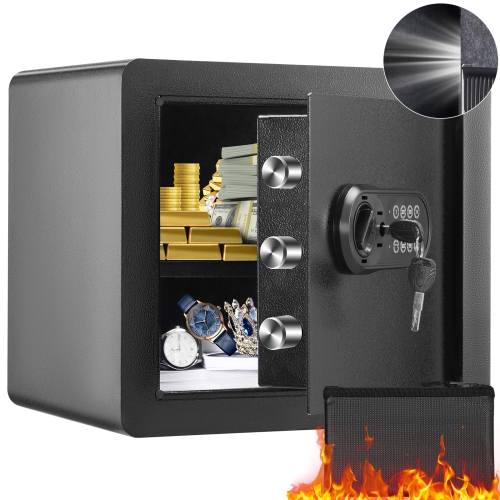
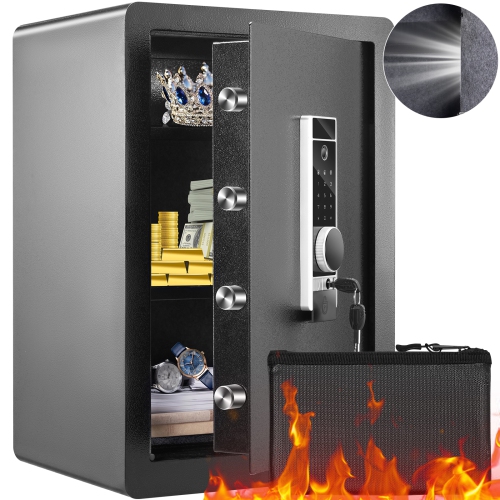
Small safes are compact security containers designed to keep valuables and important belongings together while limiting unauthorized access. Depending on their construction and tested ratings, they may also provide protection against fire or water exposure. Their smaller footprint makes them practical for bedrooms, home offices, condos, and other spaces where a full-size safe would be difficult to accommodate. A passport tucked behind a drawer, jewellery resting on a dresser, and emergency cash kept in an envelope can all have a dedicated place inside a suitably sized safe. For households with shared living spaces, a small lockable compartment can also establish a clear boundary around personal possessions. The most useful design depends on what goes inside and what kind of protection matters most. A basic locking box offers organization and a barrier to casual access, but it should not be confused with a burglary-resistant safe. Likewise, a steel body does not automatically mean that the contents are protected from heat or flooding. Fire resistance, water resistance, and resistance to forced entry are separate qualities, and each needs to be supported by the manufacturer's specifications or applicable independent testing. Compact safes can suit renters, students, couples combining households, or people setting up a dedicated workspace at home, provided the placement and installation meet any property restrictions. They can also make a practical housewarming or graduation gift when the recipient's storage needs are understood. For someone who travels, room for passports and spare keys may be the priority; for someone safeguarding inherited jewellery, interior lining and a suitable level of theft resistance may matter more. The broader range of Home Safes can provide context for how compact designs compare with larger household storage options. Small safes are best understood as one part of a household's security arrangements, alongside secure doors, sensible placement, and careful control of keys or access codes. No portable box can guarantee protection against every threat, so matching the safe to its intended use is more meaningful than choosing by appearance alone.
Size involves more than finding a safe that fits beneath a desk or on a closet shelf. Exterior dimensions determine where the unit can sit, while interior dimensions determine whether the contents fit comfortably. Thick walls, insulation, hinges, and locking components can reduce usable space, particularly in compact fire-resistant designs. A stated capacity does not necessarily mean that a document folder will lie flat, so the width and depth of the interior deserve attention as well as its overall volume. Passports, folded papers, and small keepsakes need less space than letter-size documents stored without creasing. Leaving a little room around the contents makes it easier to retrieve a single envelope without emptying the safe. Door clearance matters too: a front-opening model needs space for the door to swing, while a top-opening chest needs unobstructed space above it. Shelves, removable trays, and lined bases can help separate delicate jewellery from keys or other hard objects, although dividers also take up room. Steel is a common material for compact security safes, but durability and resistance to attack depend on the complete design, including body thickness, door fit, hinges, locking bolts, and the strength of the mounting arrangement. Weight alone is not a reliable measure of theft protection, since some heavy chests owe much of their weight to fire insulation. A portable safe is convenient to move, but that same portability can make it easier to remove without opening. Where the design permits anchoring, installation into a suitable structural surface with the specified hardware can help reduce that risk. A thin furniture panel is not equivalent to a sound wall or floor attachment, and rented spaces may require permission before drilling. Manufacturer-approved mounting points are especially important on models with protective seals or insulation; making additional holes can compromise performance. Placement should also support everyday use. A safe pushed behind stacked storage bins may be discreet, yet inconvenient enough that valuables end up left outside it. A dry, accessible location that supports the safe's weight often provides a better balance.
Lock style shapes how a small safe feels to use day after day. A keyed lock avoids keypad batteries and code entry, but the key needs a secure location away from the safe. An electronic keypad allows access without carrying a key and may make shared household access simpler, although battery replacement, code management, and lockout behaviour vary by design. Fingerprint access can be convenient, but enrolment, sensor care, and an approved backup method still matter. Backup keys and instructions should remain accessible without being stored inside the locked compartment they are meant to open. For frequent use, the location and readability of the controls can be just as relevant as the locking method, especially in a dim closet or a low cabinet. Protection ratings deserve equally close attention. A fire-resistance rating generally applies to specified test conditions and a stated duration, not unlimited exposure to a house fire. Paper documents and digital storage media can require different levels of heat protection, so a rating intended for paper should not be assumed suitable for every type of content. Water protection may be tested for particular depths, durations, or exposure methods; a water-resistant claim does not necessarily cover prolonged submersion. Independent burglary ratings, where provided, address another set of test conditions and should be considered separately from fire and water claims. Ongoing care is usually straightforward but remains specific to the design. A soft cloth, clean door edges, and unobstructed locking components help maintain normal operation, while harsh cleaners or unapproved lubricants can damage finishes, seals, or mechanisms. Battery-powered locks need the battery type and replacement schedule specified by the manufacturer. Before placing important belongings inside, testing the locking sequence with the door open, where the instructions allow, can help prevent an avoidable lockout. Some insulated safes also call for periodic airing or approved moisture-control measures to protect sensitive contents. Keeping paperwork dry before storage, avoiding an overfilled interior, and checking that nothing catches in the door help preserve both the belongings and the safe's everyday usability.
Size involves more than finding a safe that fits beneath a desk or on a closet shelf. Exterior dimensions determine where the unit can sit, while interior dimensions determine whether the contents fit comfortably. Thick walls, insulation, hinges, and locking components can reduce usable space, particularly in compact fire-resistant designs. A stated capacity does not necessarily mean that a document folder will lie flat, so the width and depth of the interior deserve attention as well as its overall volume. Passports, folded papers, and small keepsakes need less space than letter-size documents stored without creasing. Leaving a little room around the contents makes it easier to retrieve a single envelope without emptying the safe. Door clearance matters too: a front-opening model needs space for the door to swing, while a top-opening chest needs unobstructed space above it. Shelves, removable trays, and lined bases can help separate delicate jewellery from keys or other hard objects, although dividers also take up room. Steel is a common material for compact security safes, but durability and resistance to attack depend on the complete design, including body thickness, door fit, hinges, locking bolts, and the strength of the mounting arrangement. Weight alone is not a reliable measure of theft protection, since some heavy chests owe much of their weight to fire insulation. A portable safe is convenient to move, but that same portability can make it easier to remove without opening. Where the design permits anchoring, installation into a suitable structural surface with the specified hardware can help reduce that risk. A thin furniture panel is not equivalent to a sound wall or floor attachment, and rented spaces may require permission before drilling. Manufacturer-approved mounting points are especially important on models with protective seals or insulation; making additional holes can compromise performance. Placement should also support everyday use. A safe pushed behind stacked storage bins may be discreet, yet inconvenient enough that valuables end up left outside it. A dry, accessible location that supports the safe's weight often provides a better balance.
Lock style shapes how a small safe feels to use day after day. A keyed lock avoids keypad batteries and code entry, but the key needs a secure location away from the safe. An electronic keypad allows access without carrying a key and may make shared household access simpler, although battery replacement, code management, and lockout behaviour vary by design. Fingerprint access can be convenient, but enrolment, sensor care, and an approved backup method still matter. Backup keys and instructions should remain accessible without being stored inside the locked compartment they are meant to open. For frequent use, the location and readability of the controls can be just as relevant as the locking method, especially in a dim closet or a low cabinet. Protection ratings deserve equally close attention. A fire-resistance rating generally applies to specified test conditions and a stated duration, not unlimited exposure to a house fire. Paper documents and digital storage media can require different levels of heat protection, so a rating intended for paper should not be assumed suitable for every type of content. Water protection may be tested for particular depths, durations, or exposure methods; a water-resistant claim does not necessarily cover prolonged submersion. Independent burglary ratings, where provided, address another set of test conditions and should be considered separately from fire and water claims. Ongoing care is usually straightforward but remains specific to the design. A soft cloth, clean door edges, and unobstructed locking components help maintain normal operation, while harsh cleaners or unapproved lubricants can damage finishes, seals, or mechanisms. Battery-powered locks need the battery type and replacement schedule specified by the manufacturer. Before placing important belongings inside, testing the locking sequence with the door open, where the instructions allow, can help prevent an avoidable lockout. Some insulated safes also call for periodic airing or approved moisture-control measures to protect sensitive contents. Keeping paperwork dry before storage, avoiding an overfilled interior, and checking that nothing catches in the door help preserve both the belongings and the safe's everyday usability.
Top selling and popular products
-
 Your price for this item is $98.99
 -
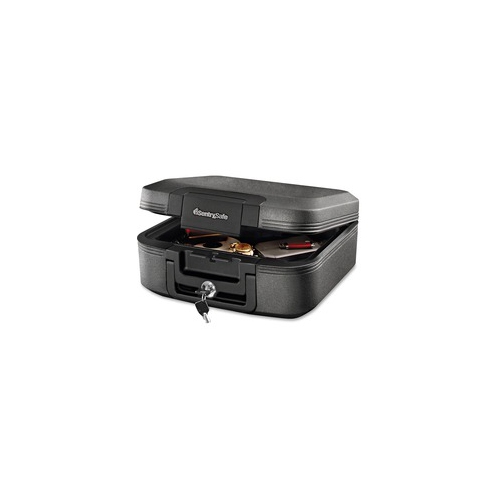 Your price for this item is $85.99
 -
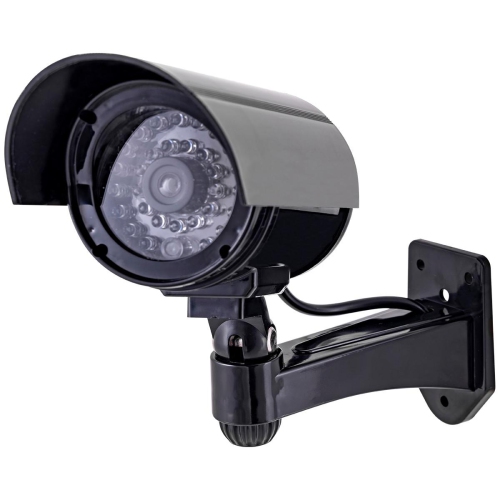 Your price for this item is $19.99
 -
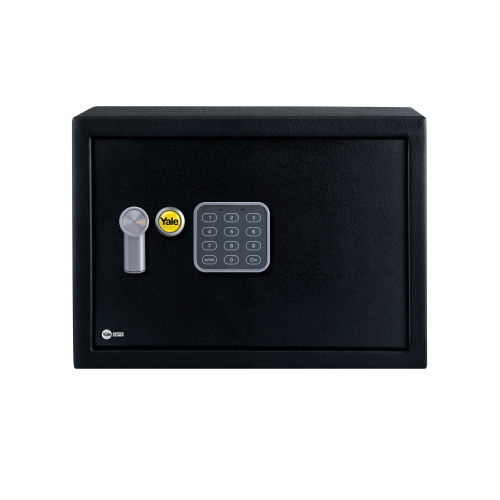 Your price for this item is $154.98
 -
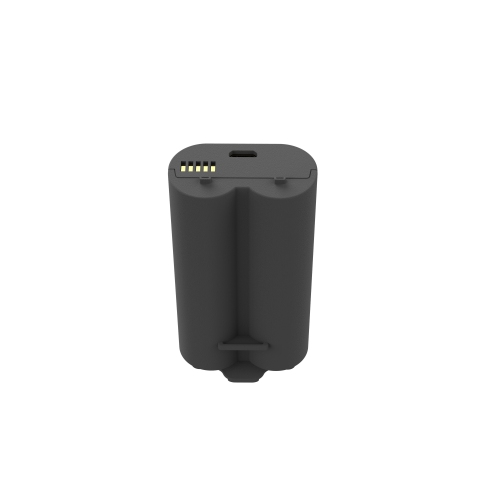 Your price for this item is $49.99
 -
 Your price for this item is $189.99
 -
 Your price for this item is $259
 -
 Your price for this item is $125.9
Discover more categories related to Small Safes
Top Collections:
Pokemon Centers, Kindle Devices, Best Budget Office Chairs, Apple iPhones 16, Best Laptops for Writers, iPhone 15 Apple, Canon G7X Cameras, Refurbished Apple Laptops, Alarm Clock, Motorola Razr Phones
Some products may be subject to Environmental Handling Fees
(EHF) depending on your province.
Learn more about EHFs.