Personal Safes
Keep your valuables secure with our selection of personal safes. Whether you need a compact safe for your important documents or a larger safe to protect your jewelry and electronics, we have a variety of options to suit your needs. Our personal safes are designed with advanced security features to give you peace of mind knowing that your belongings are safe and protected. Explore our range of personal safes to find the perfect one for your home or office.
Sort
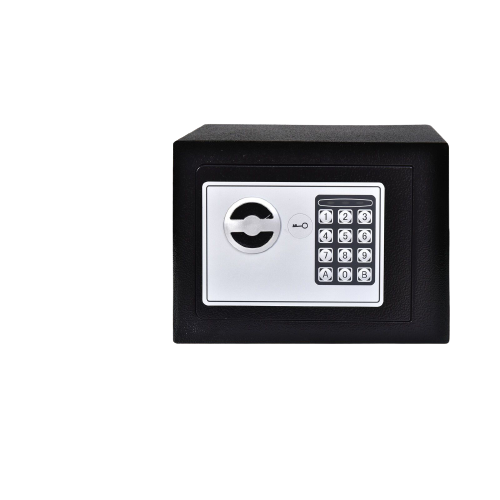
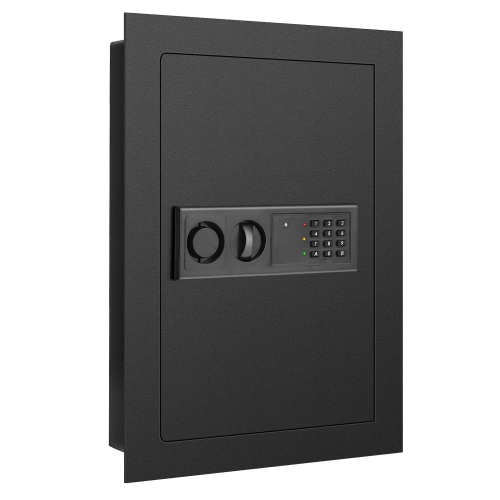
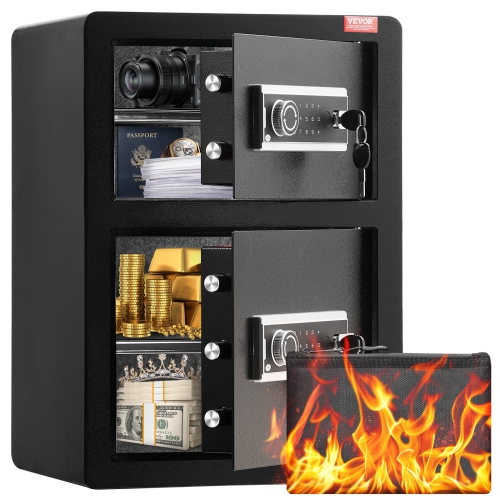
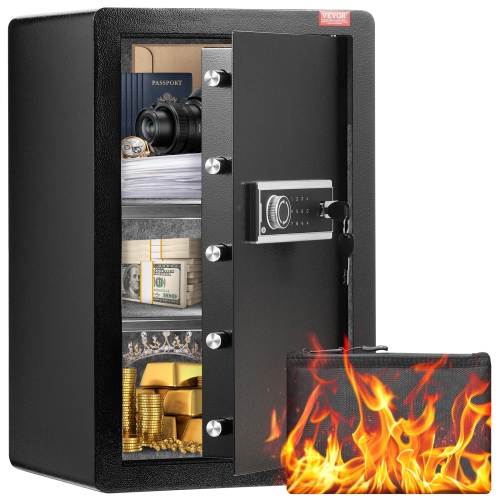
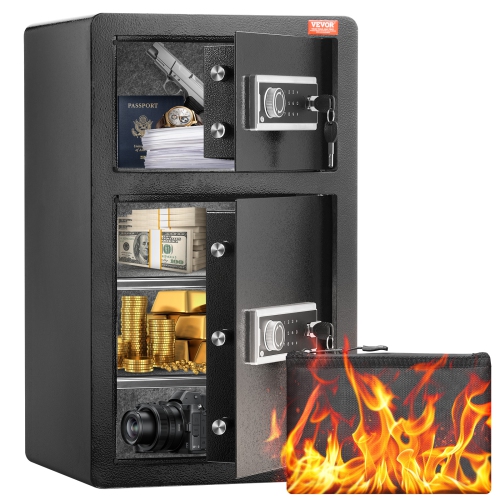
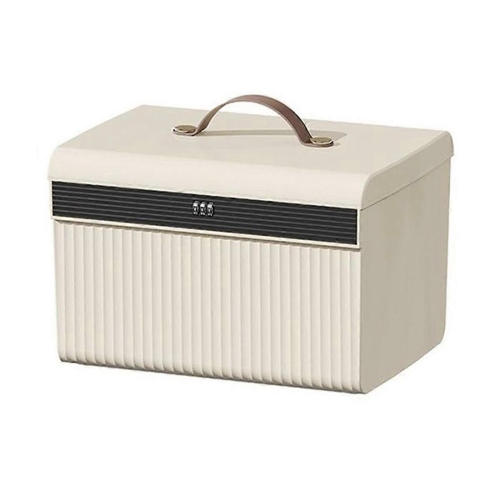
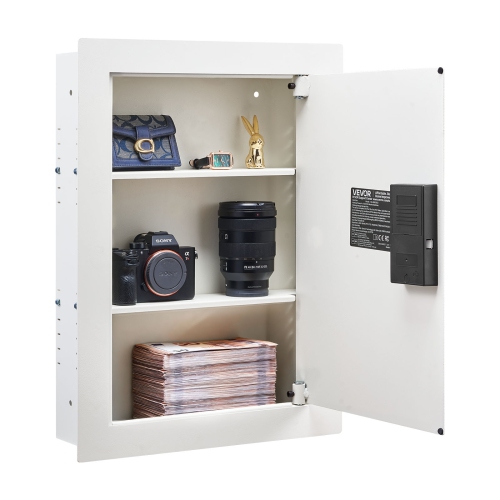
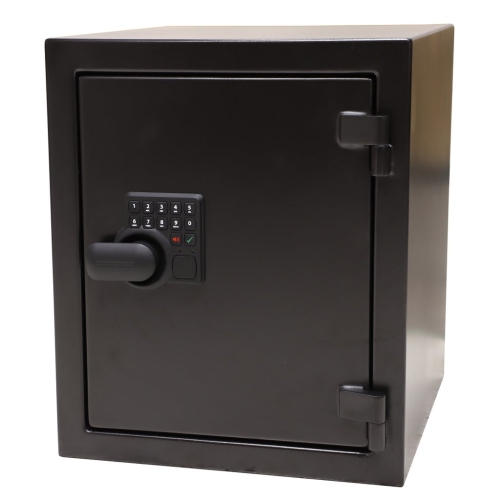
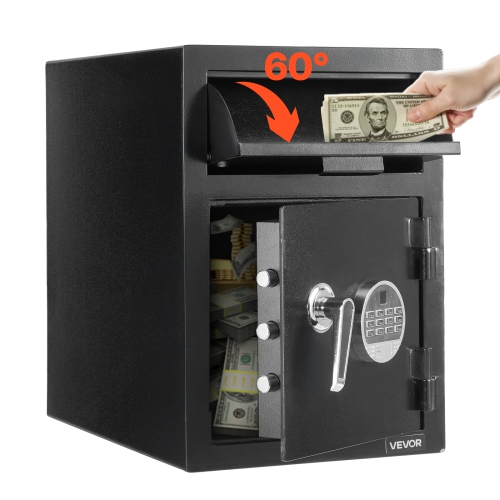
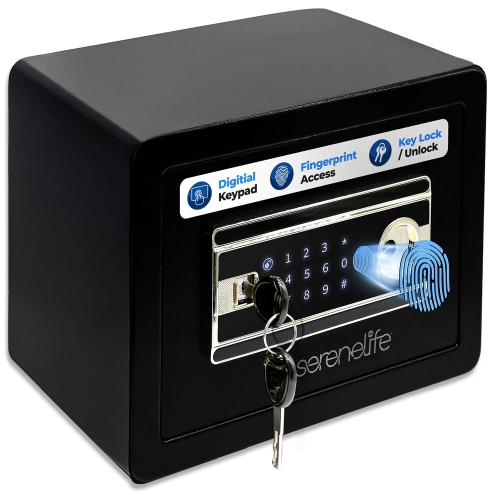
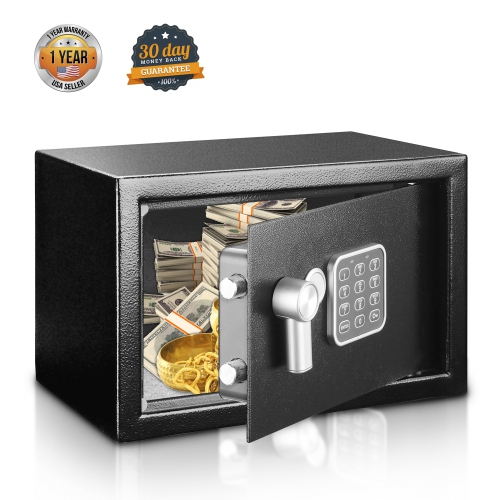

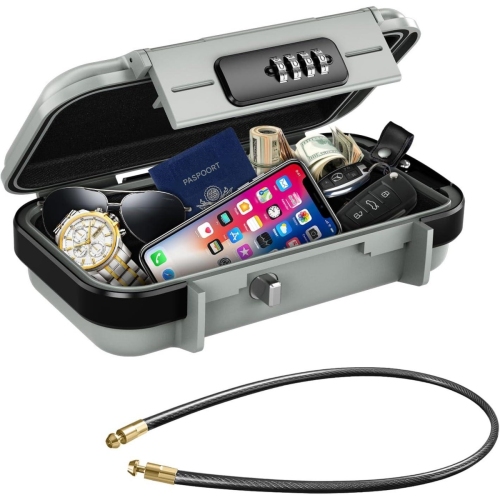
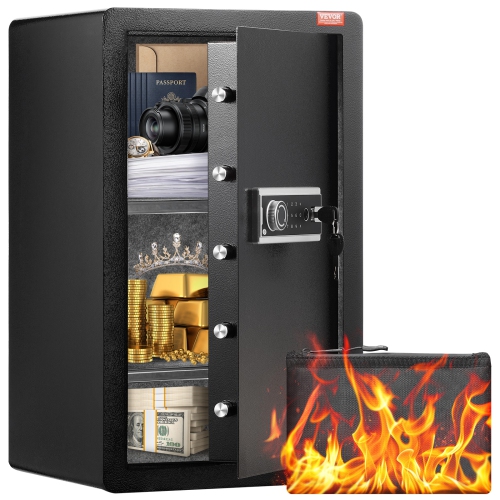
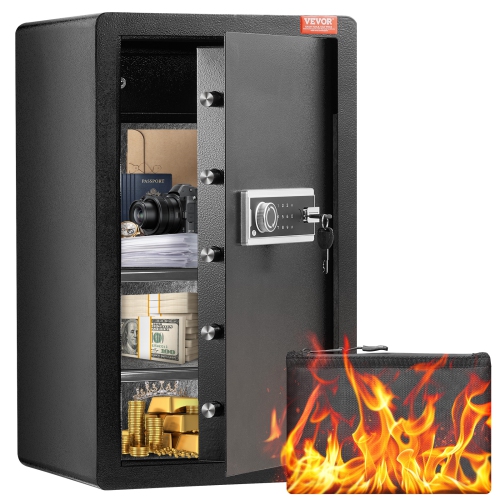
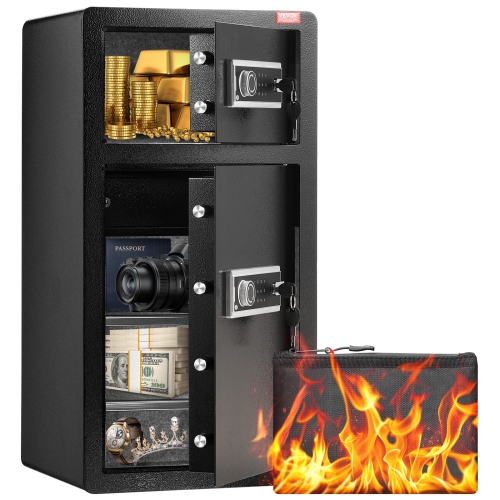
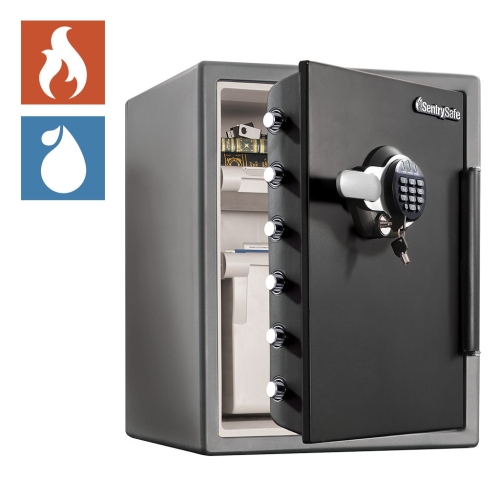
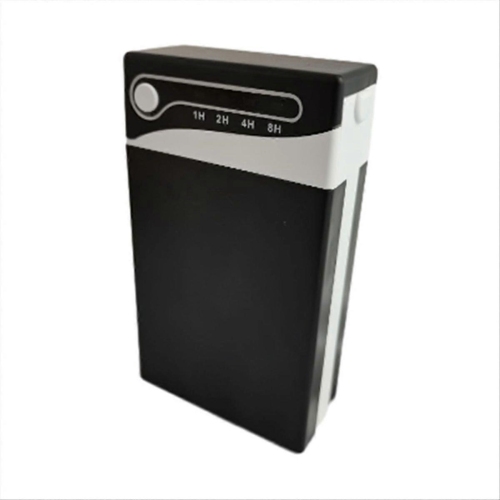

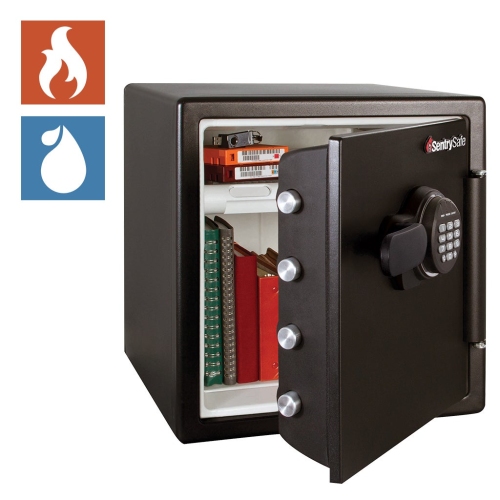
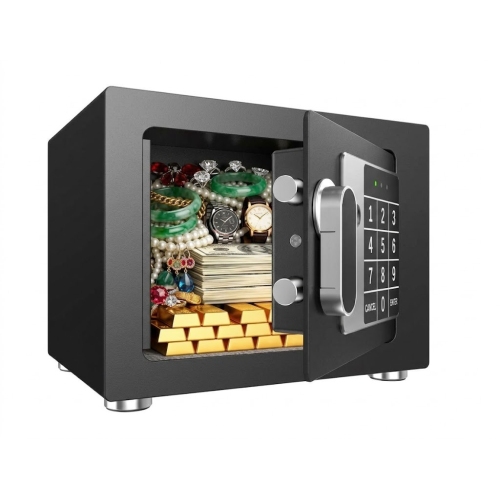
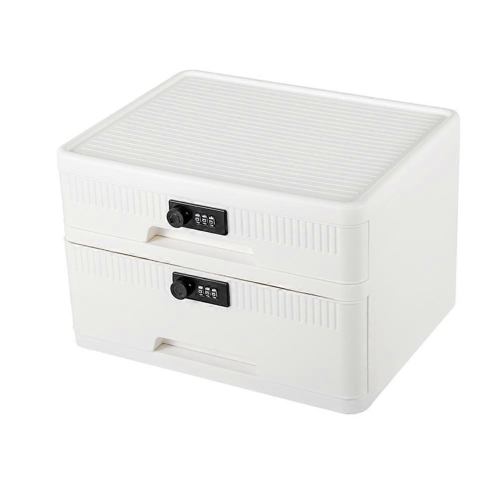
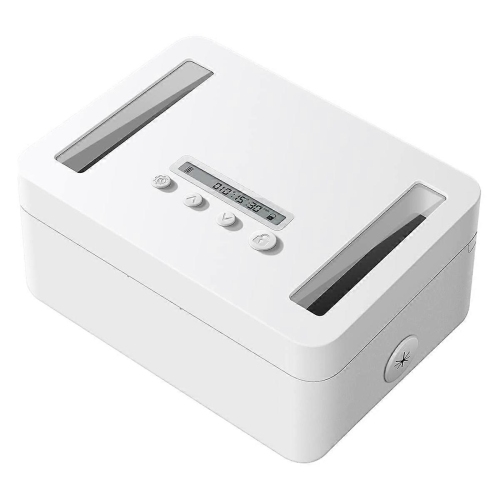
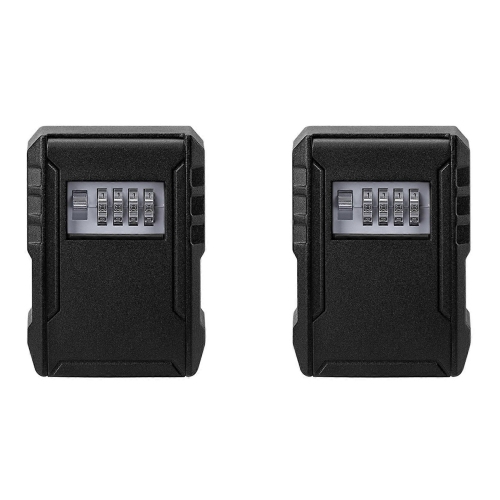
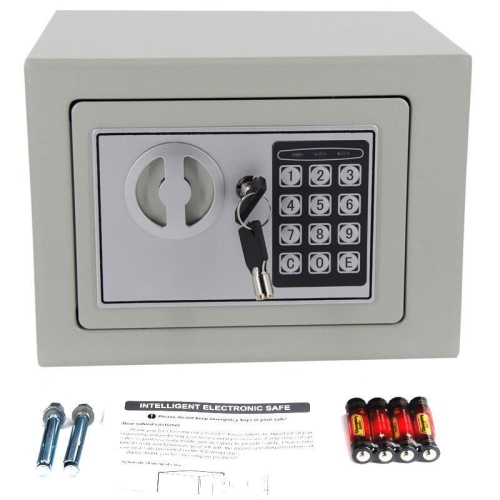
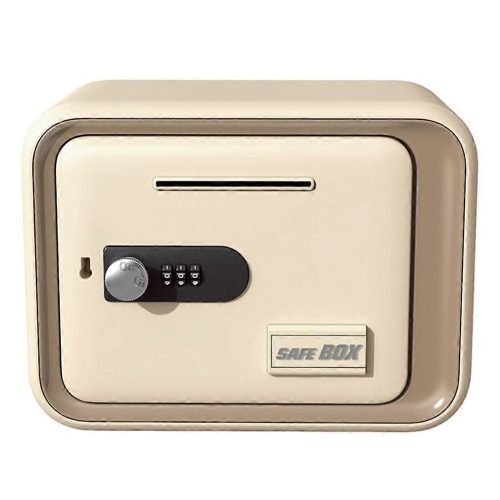
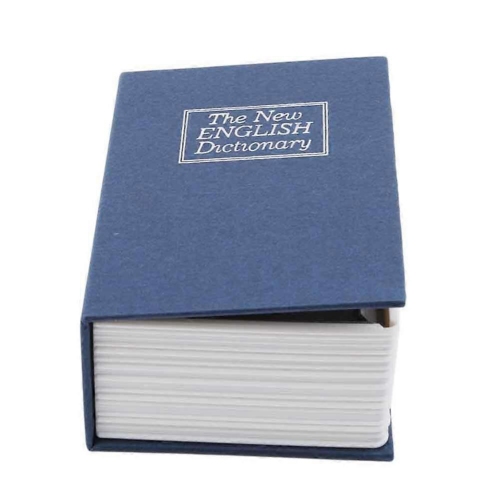
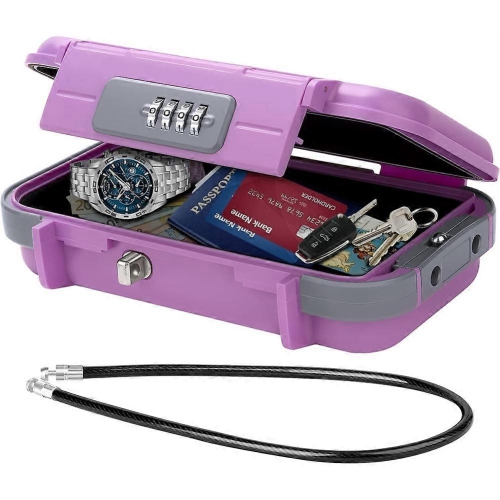
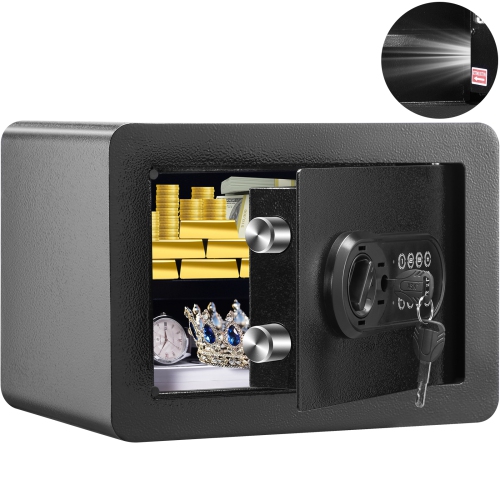
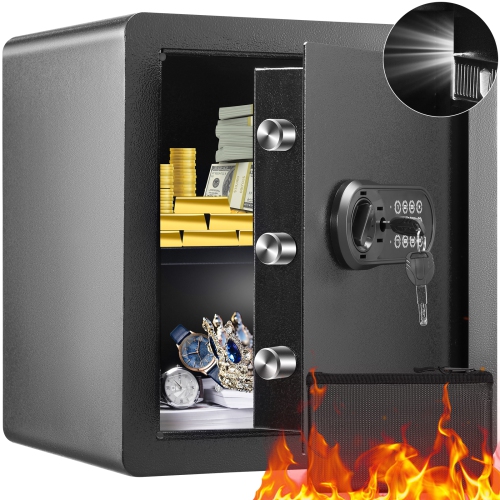
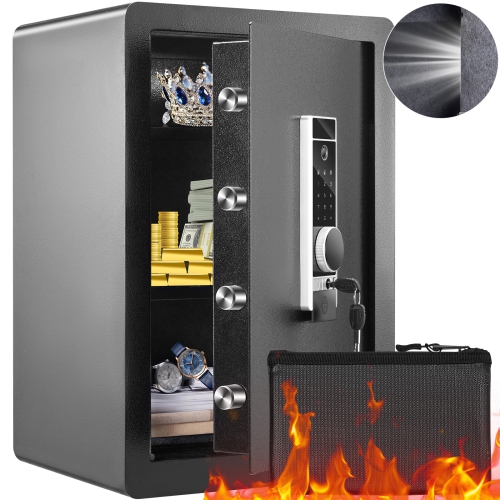
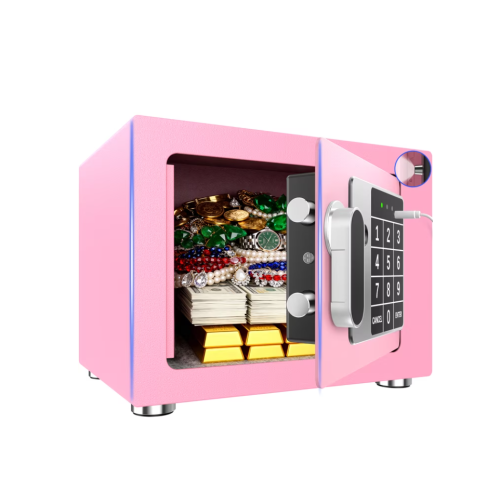
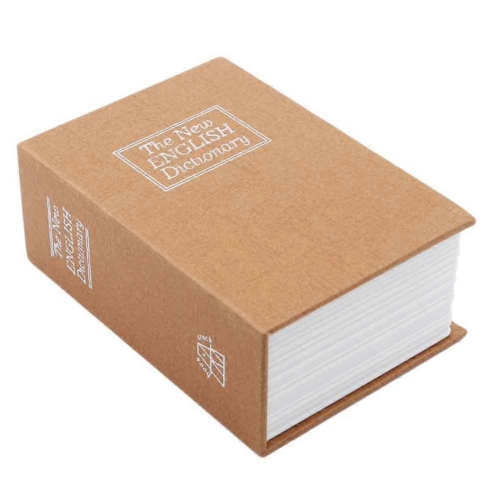
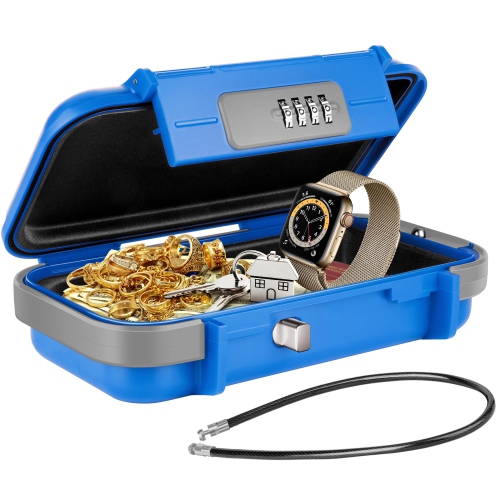
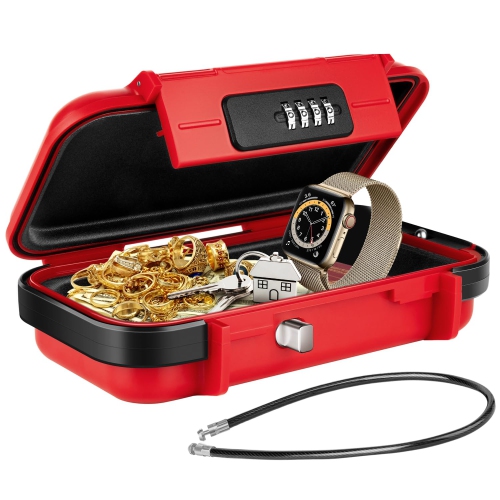
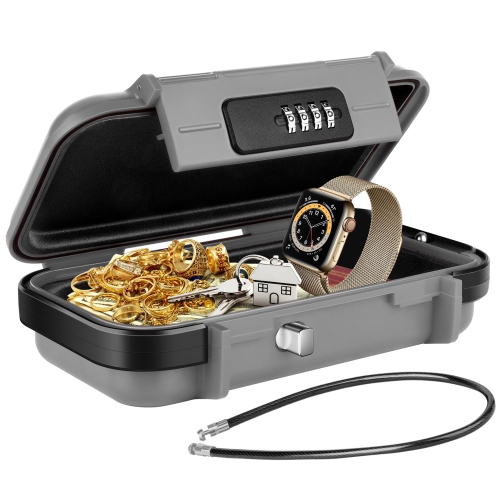
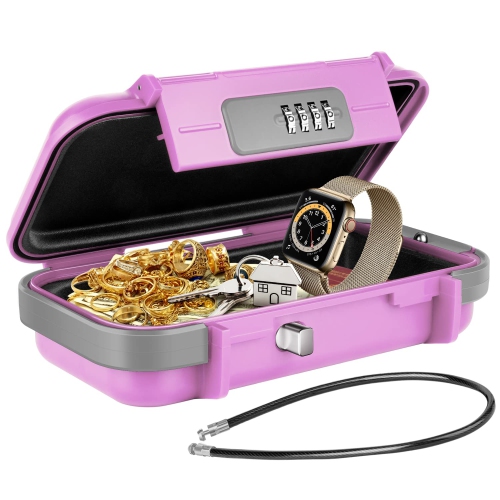
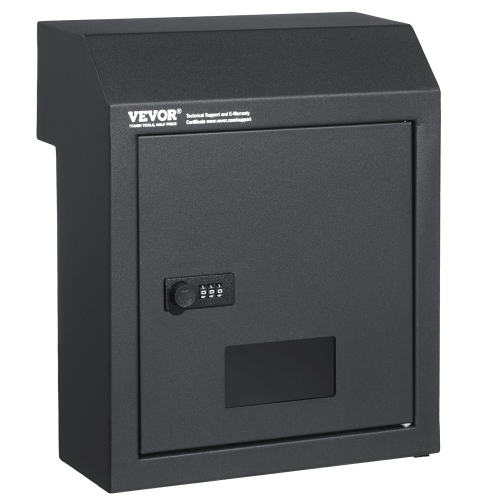

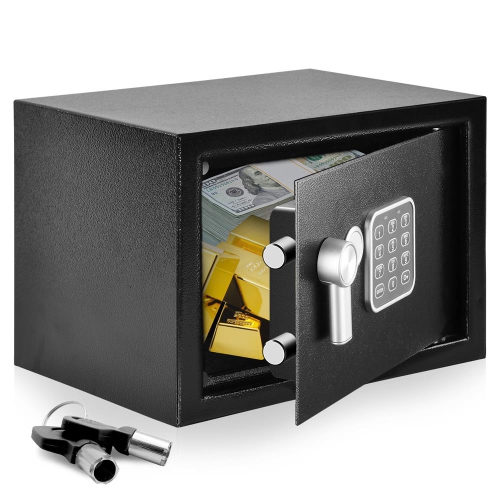
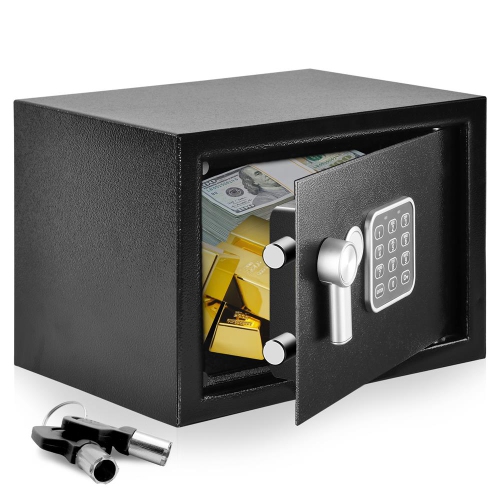
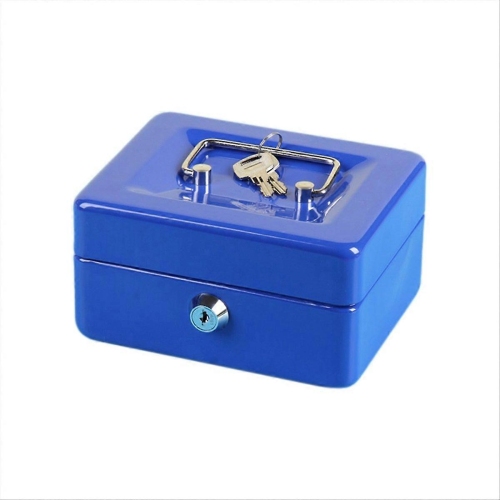
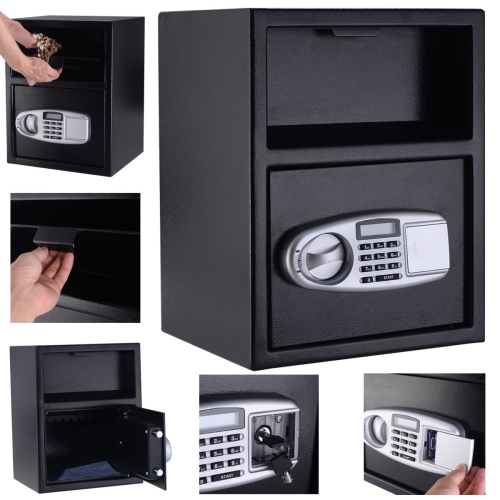

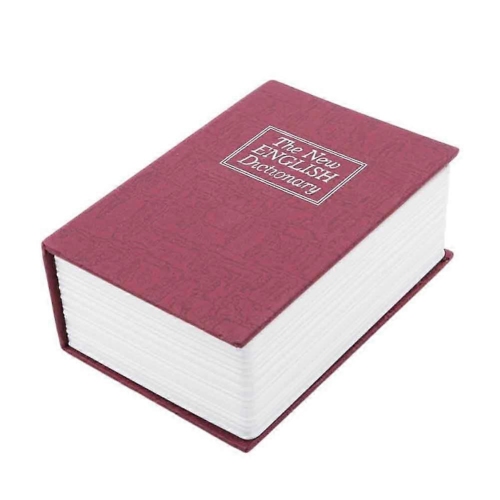

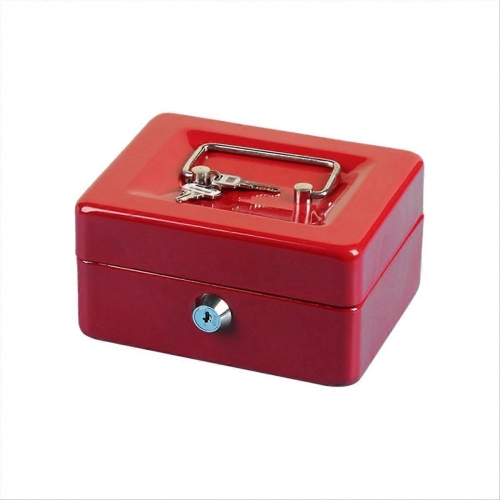
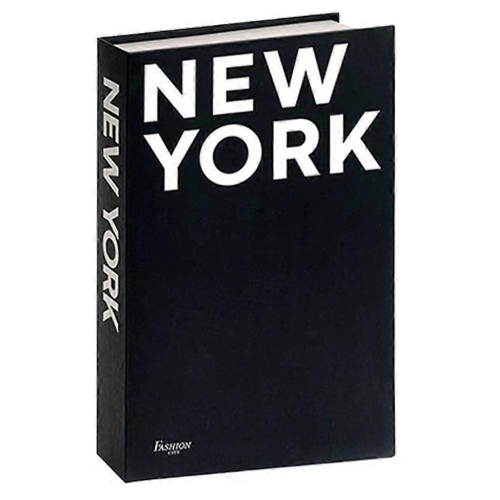

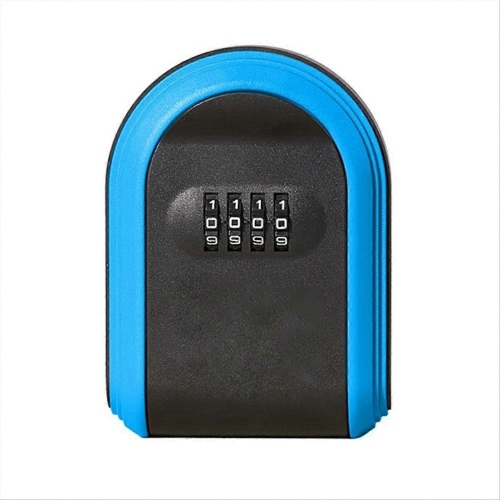
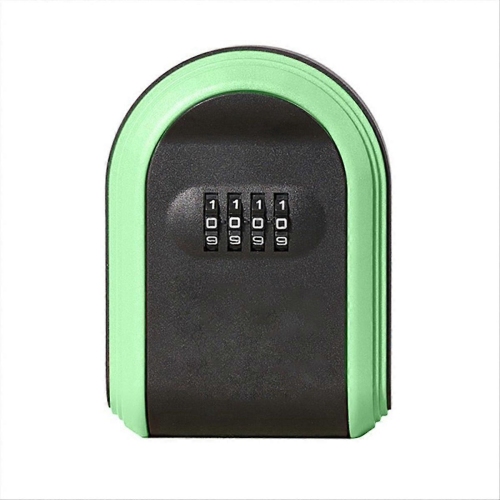
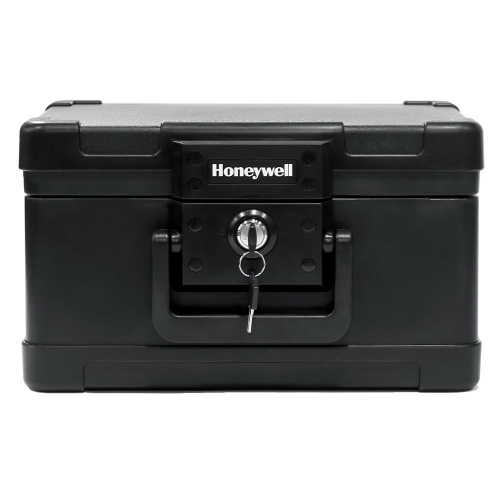
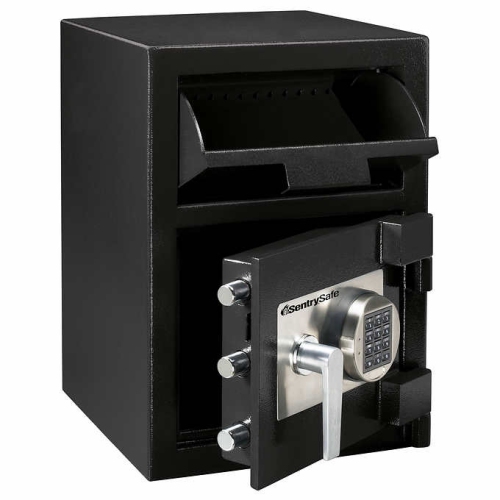
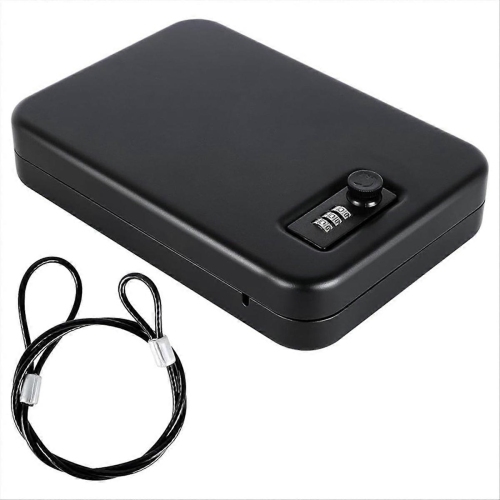
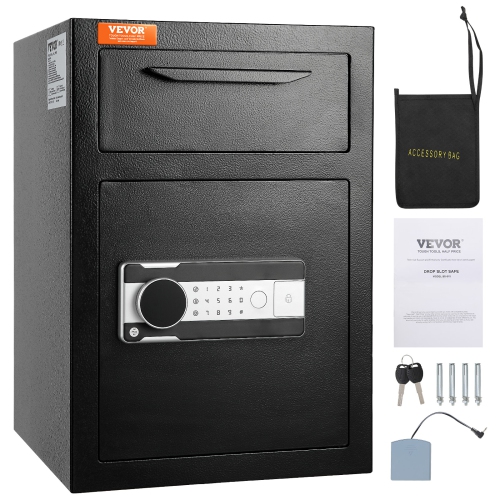
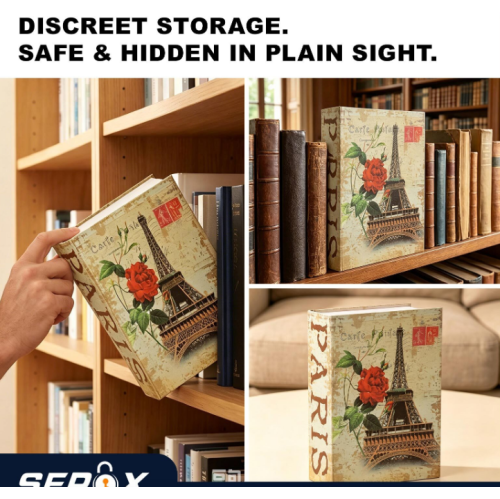

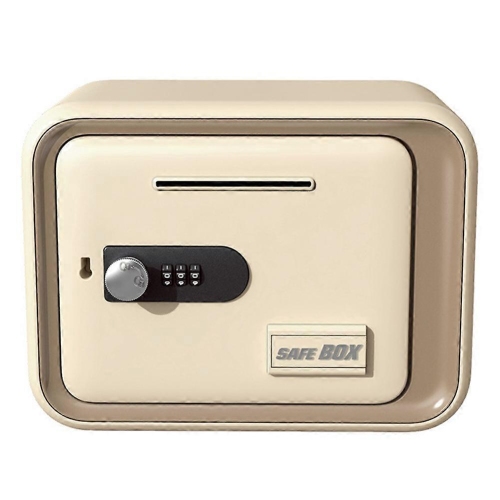
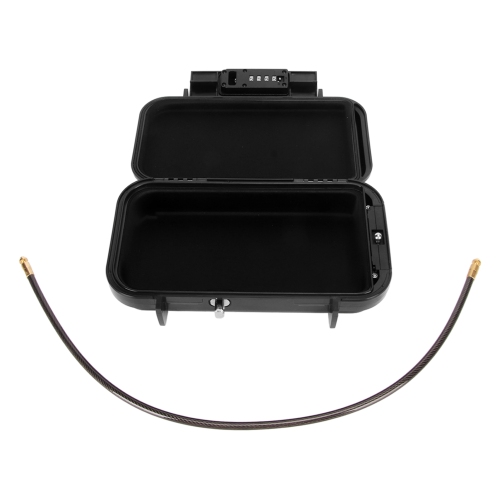
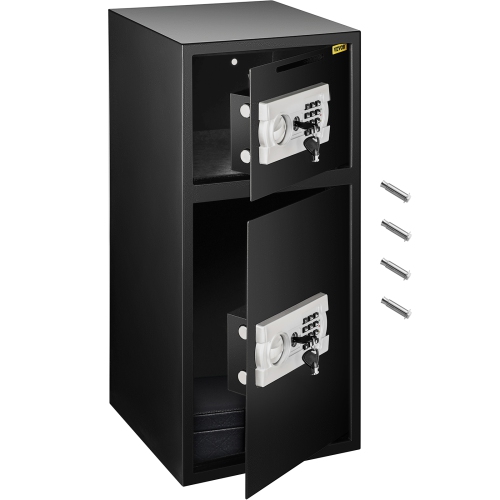
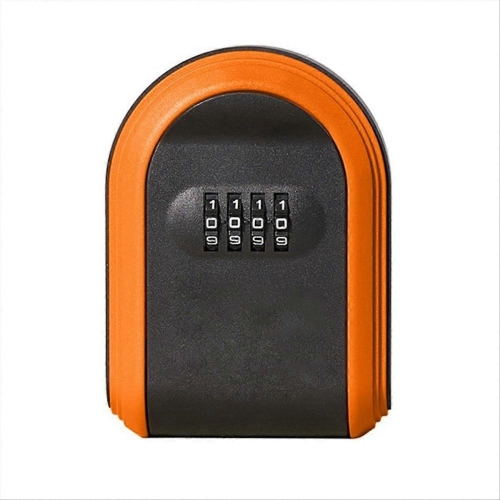
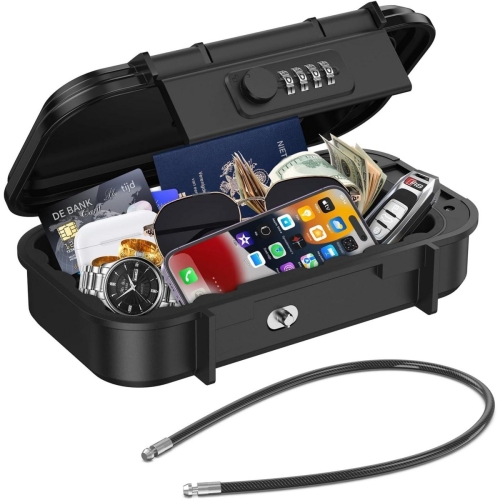
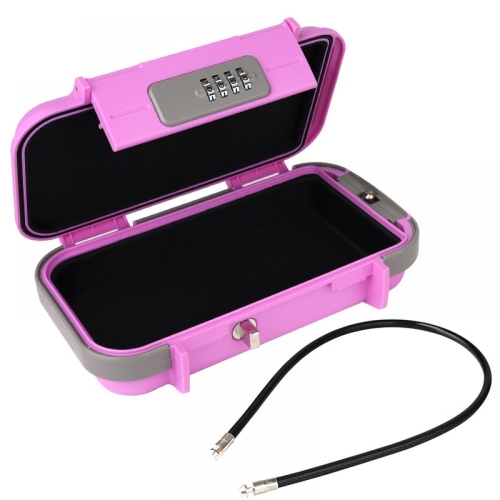
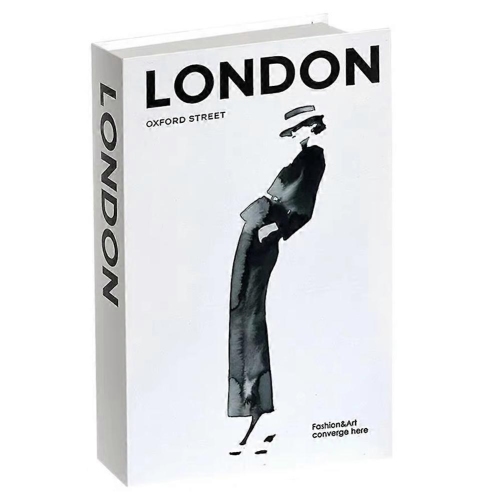
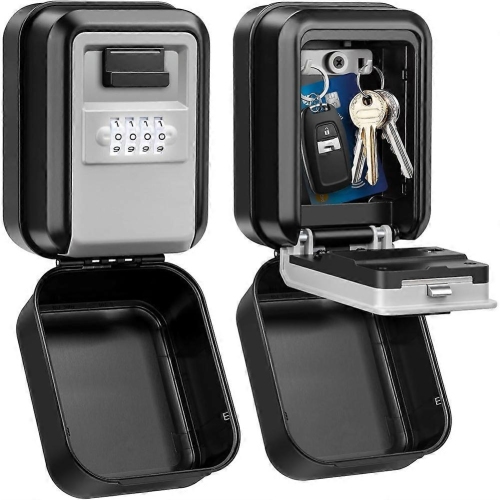
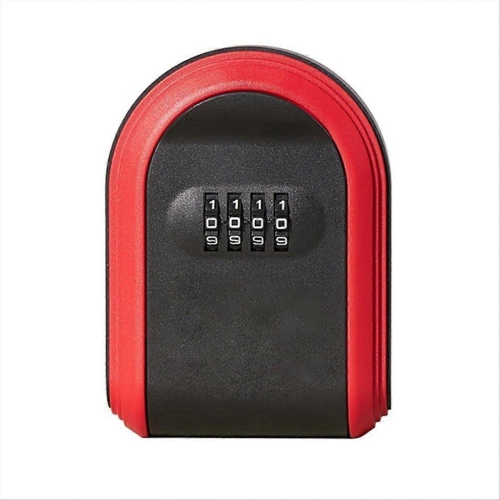
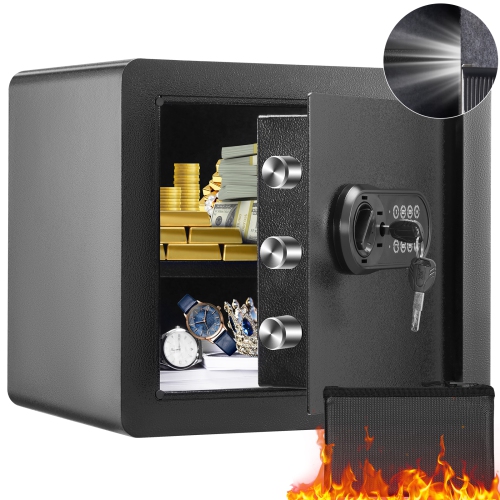
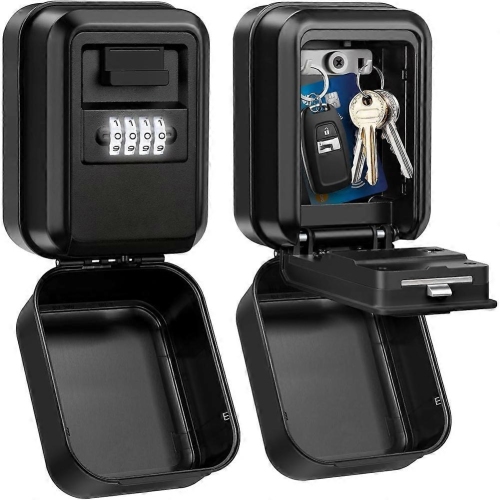
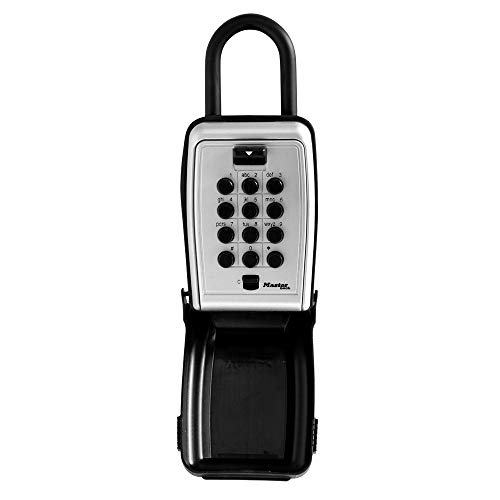
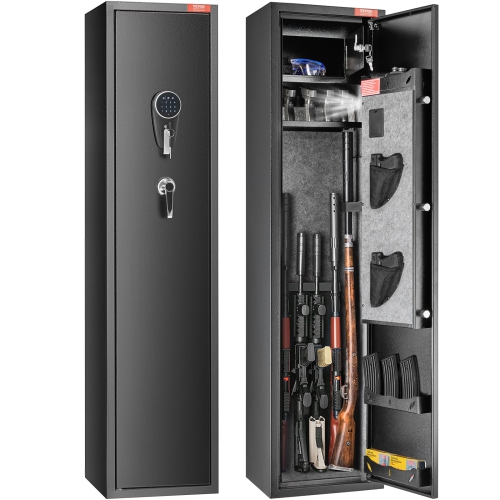
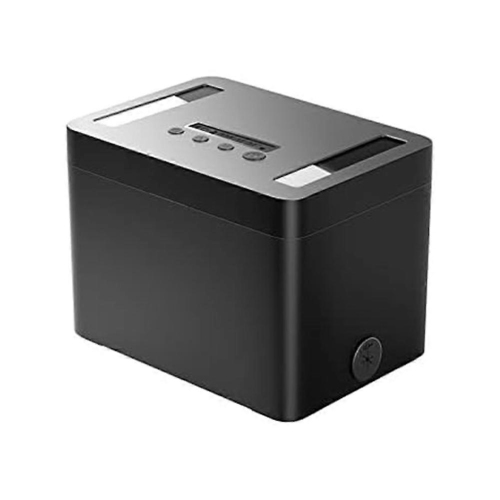
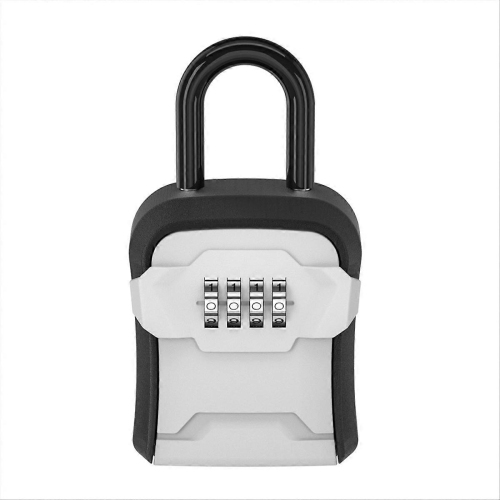
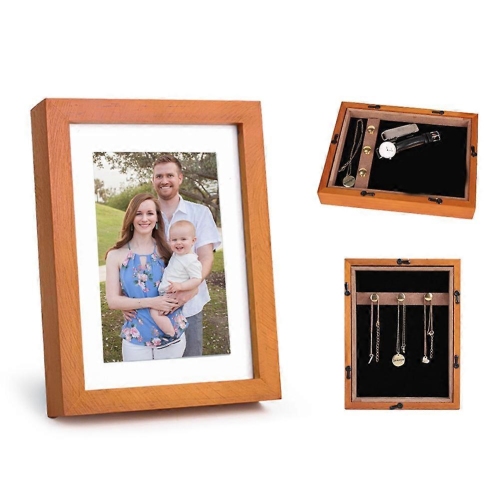
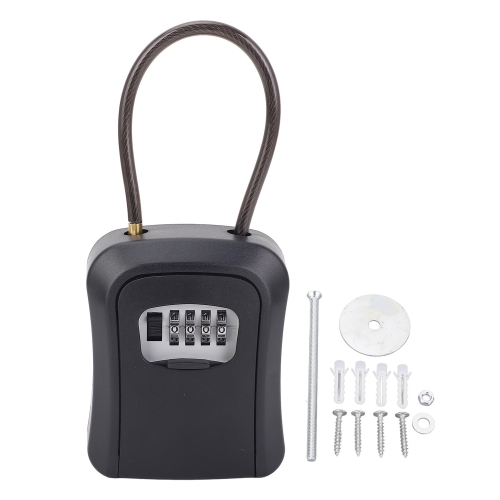
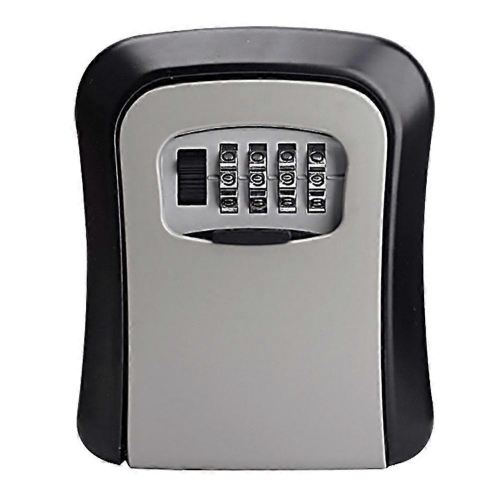
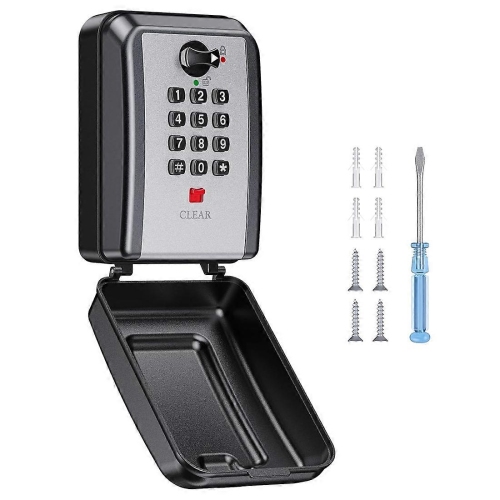


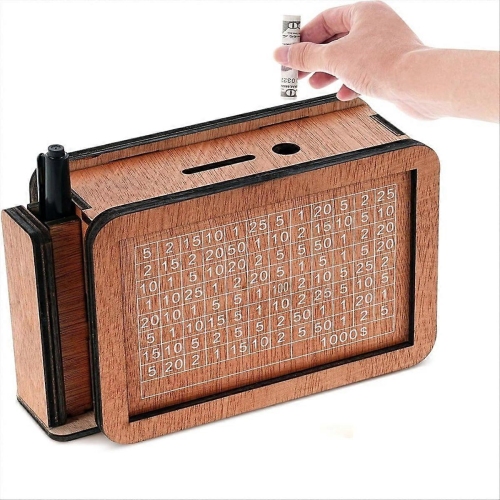
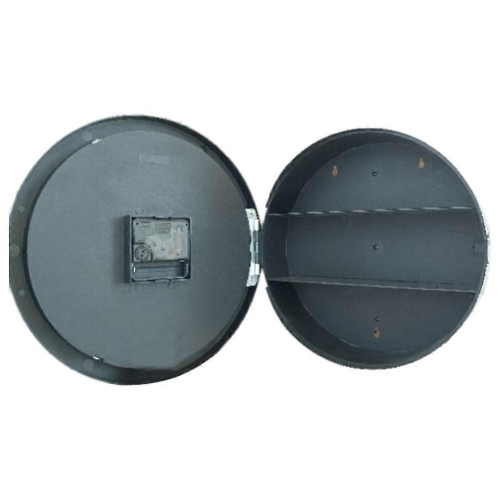

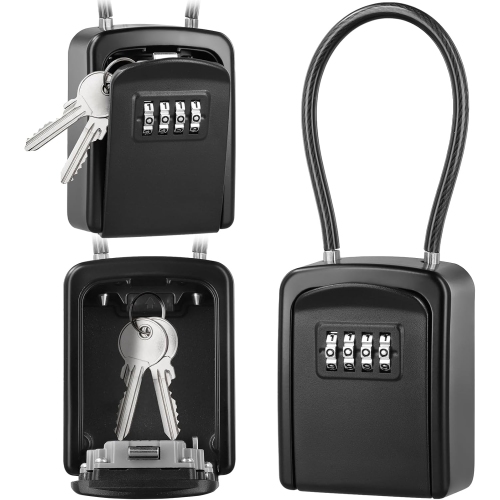
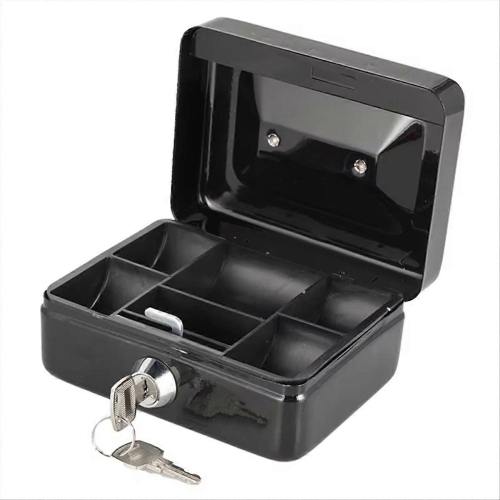
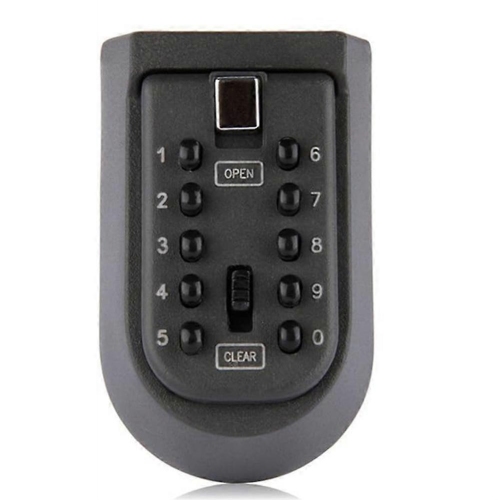
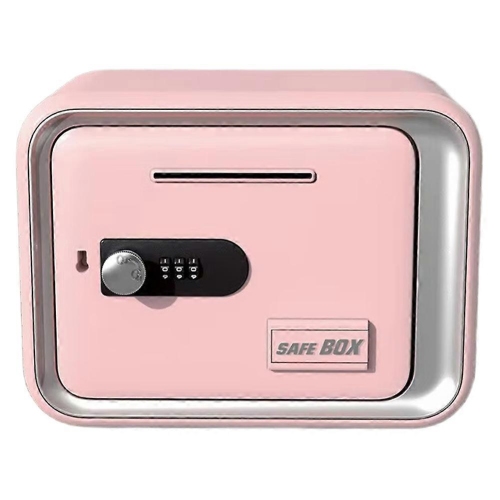
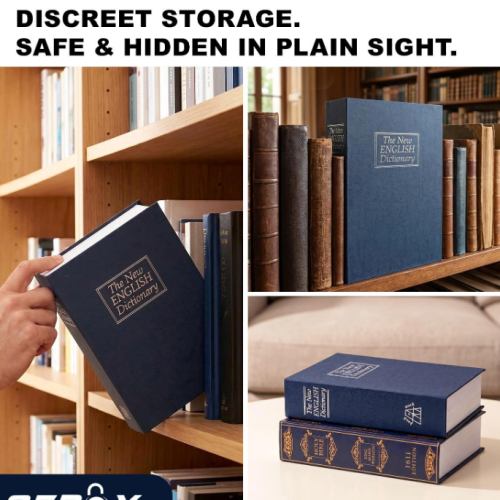
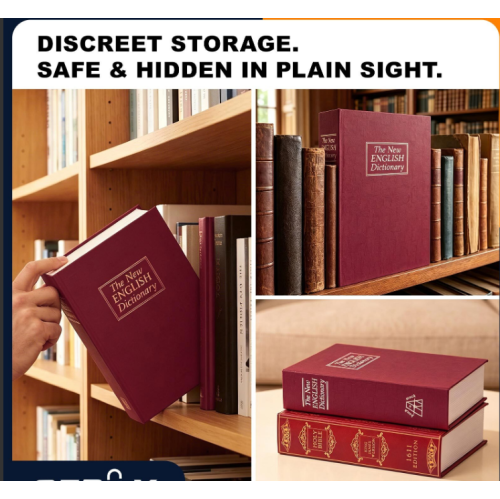
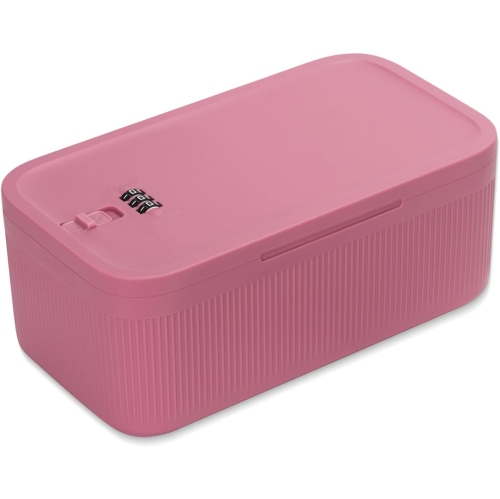
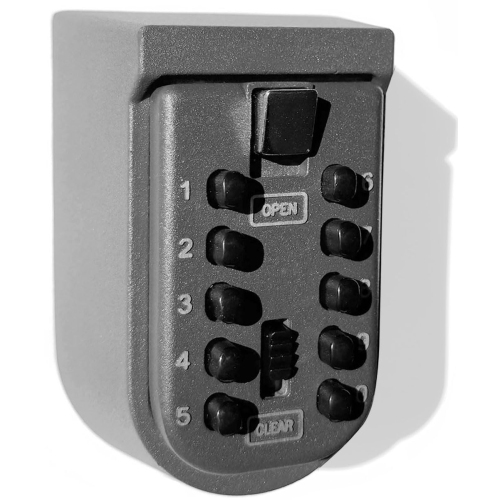
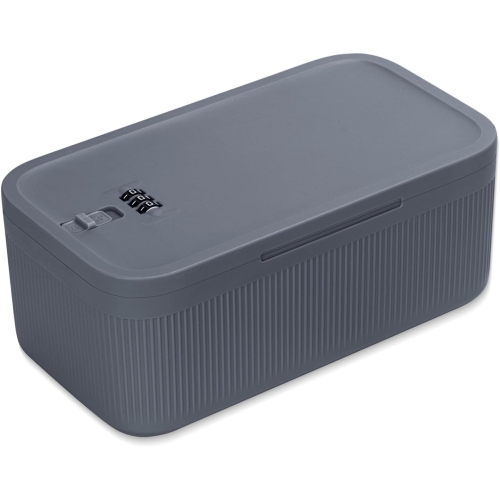
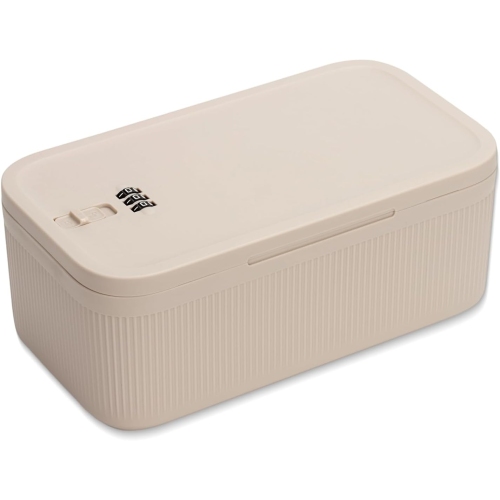
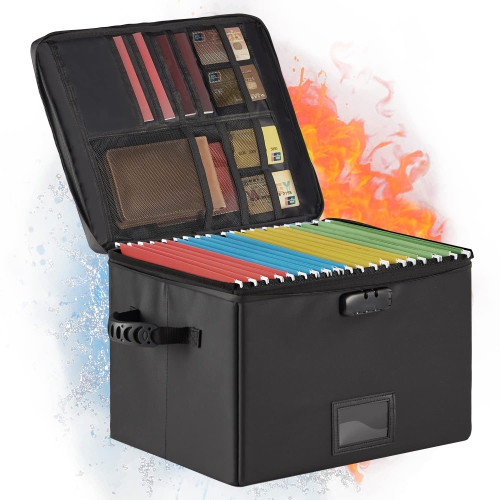
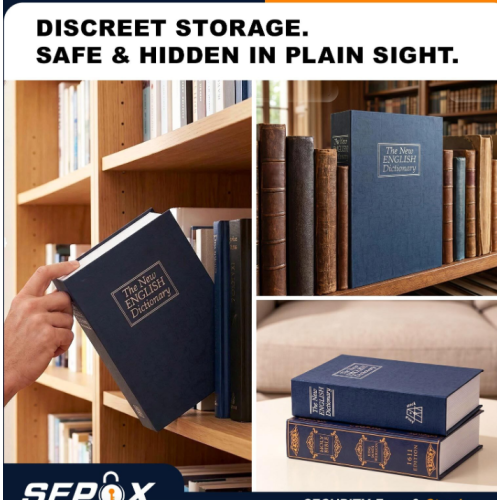
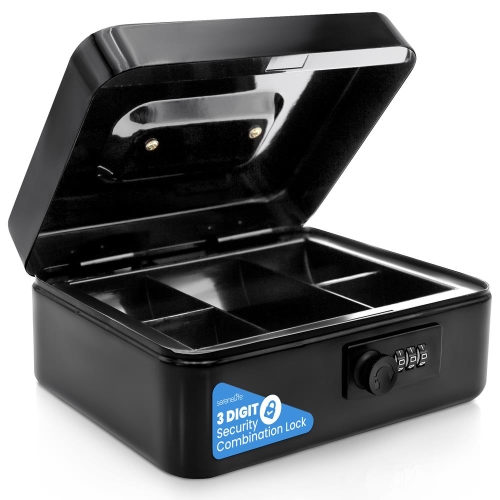

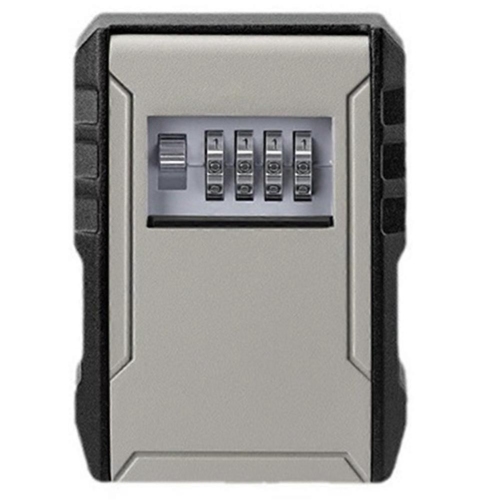
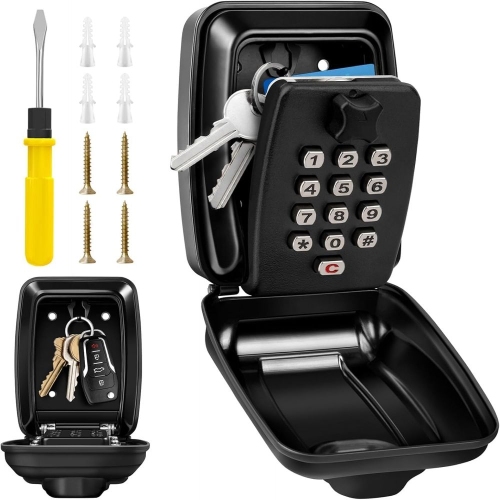
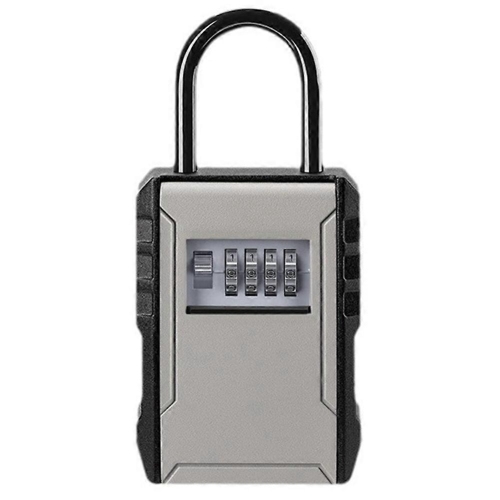
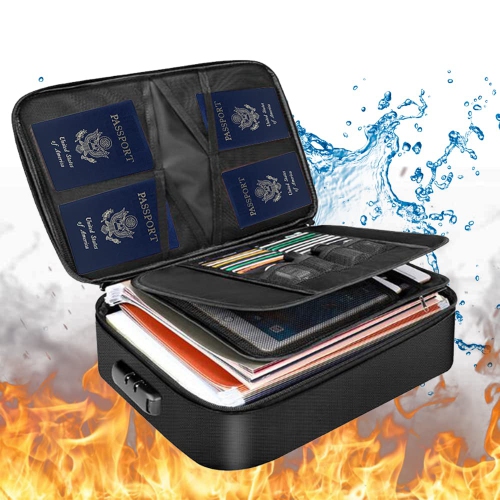
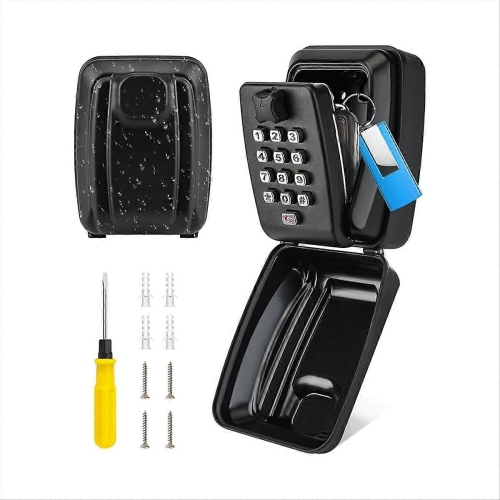
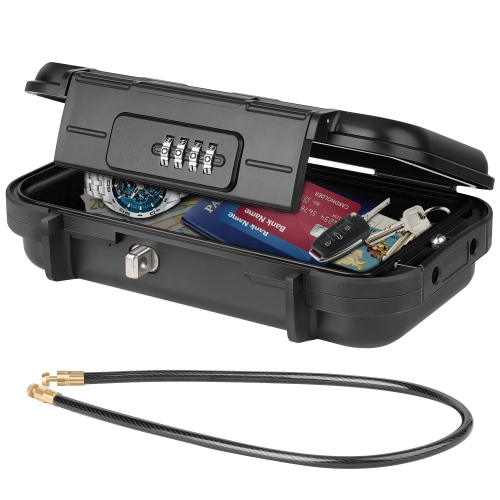

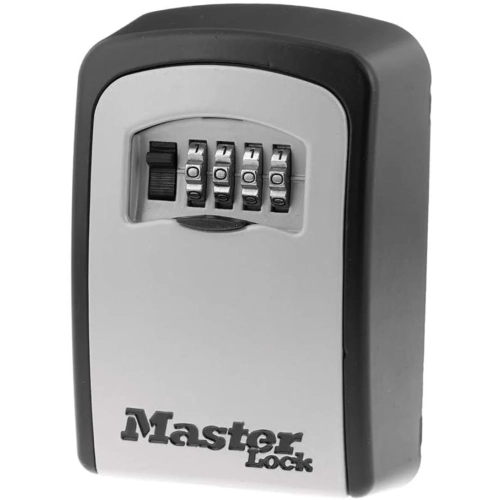
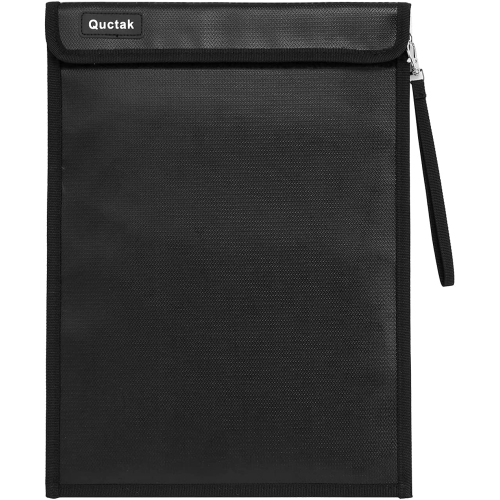
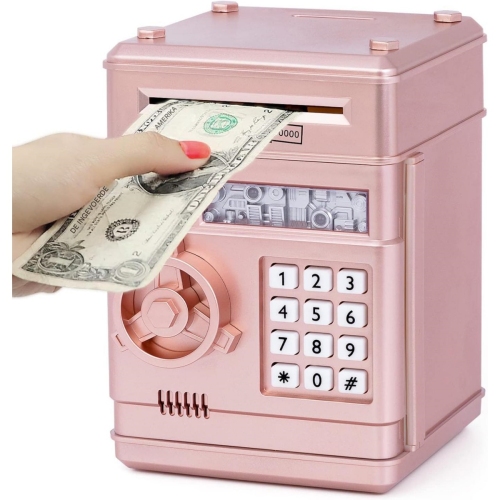
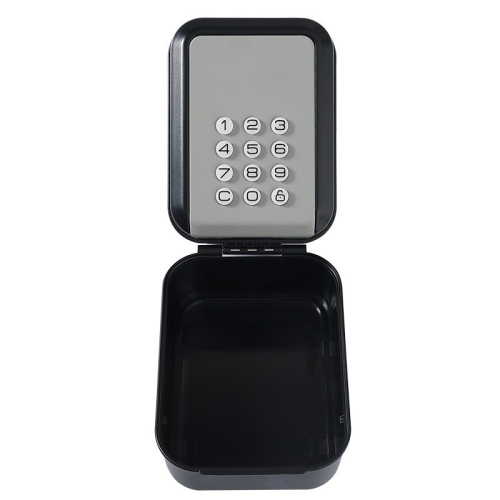
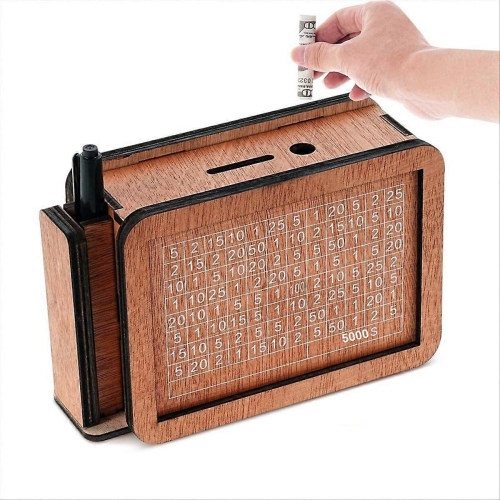
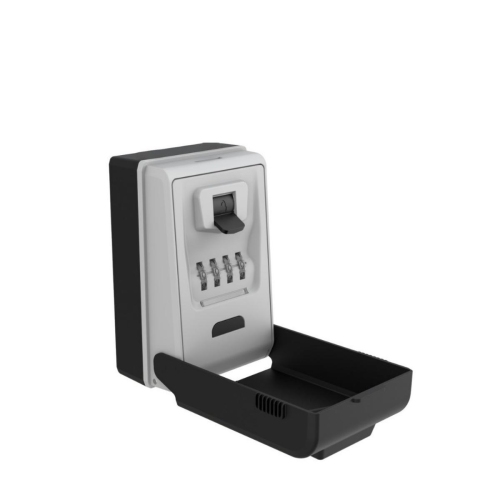
Lockable storage that fits your valuables and your space
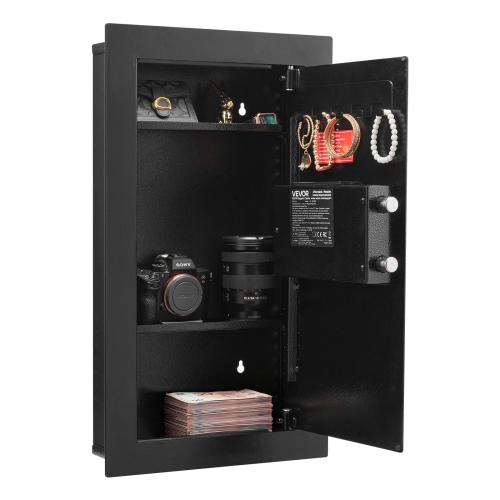
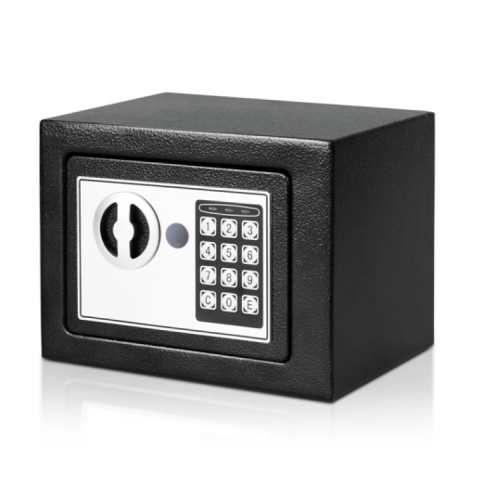
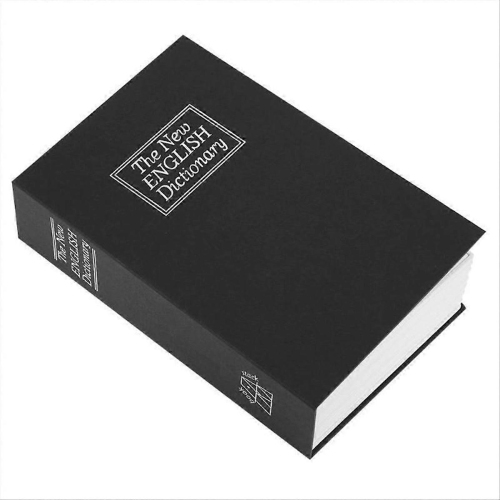
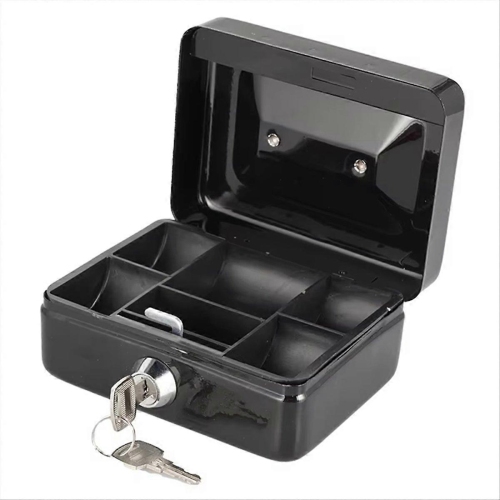
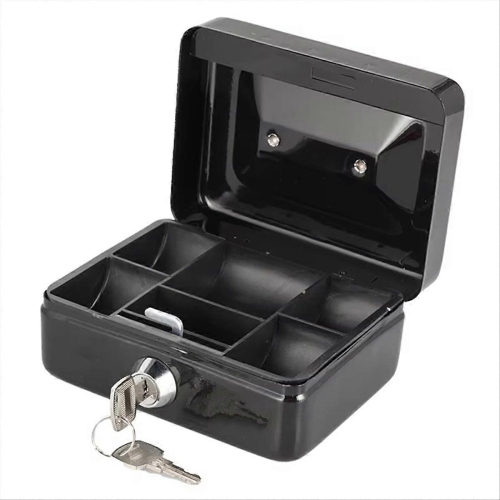
Personal safes provide lockable storage for important documents, cash, jewellery, and other small valuables, helping keep everyday essentials together while limiting access. Their level of protection depends on their construction, locking mechanism, installation, and any independently tested fire or water resistance. A compact steel safe tucked into a wardrobe serves a different purpose from a fire-resistant document chest or a larger cabinet secured to the floor. For many households, the appeal starts with simple organisation: passports stay in one place between trips, spare keys no longer disappear into a kitchen drawer, and treasured pieces have a designated home when they are not being worn. Personal safes can also suit shared accommodation, home offices, and smaller living spaces where private storage matters. The most useful size depends on both the contents and the space around the safe. Interior measurements determine whether documents can lie flat, a jewellery case can sit upright, or a folder can fit without bent corners; exterior measurements determine whether the safe fits beneath a desk or inside a cupboard. Shelves, door pockets, and the thickness of protective walls can reduce usable space, so capacity alone does not tell the whole story. Clearance for the door to swing open is equally important, particularly beside furniture or inside a narrow wardrobe. For modest storage needs, Small Safes can offer a practical footprint without taking over a room. A little extra interior space can accommodate another passport, a new set of documents, or a small pouch of keepsakes later on. Removable shelves help separate paperwork from valuables, while a soft lining can reduce contact between delicate surfaces and bare metal. Separate pouches or cases add another layer of protection against scratches. For someone setting up a first home or organising family paperwork, a personal safe can be a thoughtful, practical gift when its size, weight, and access method suit the recipient’s space and habits.
Construction and locking design shape how a personal safe works in daily life. Steel bodies are common, but material alone does not establish security: the thickness of the body and door, the fit around the opening, the locking bolts, and resistance to tampering all matter. A painted or powder-coated finish helps protect exposed surfaces from ordinary wear, while hinges and moving parts need to remain properly aligned for smooth operation. Weight can make a safe less convenient to move, but a heavy safe is not automatically a tested burglary-resistant safe. Key locks offer straightforward access without batteries, making them useful for people who prefer a simple mechanical arrangement. Their practicality depends on keeping keys secure and accessible to authorised users rather than leaving them in a nearby drawer. Digital keypad locks allow access with a code and can be convenient when more than one trusted adult needs entry. Features such as low-battery alerts, temporary lockouts after incorrect entries, and backup access vary by design. Biometric locks use a registered fingerprint for entry, which can reduce the need to enter a code during routine use, though sensor performance and backup methods still deserve attention. A dependable access plan matters more than any single convenience feature. Backup keys and instructions belong somewhere secure outside the safe, and access codes should not be easy-to-guess dates. Placement also affects how useful the safe feels over time. A keypad positioned too low in a dark cupboard can be awkward, while a door blocked by a bed frame may discourage regular use. Portable lockboxes are easier to relocate, but that portability also makes them easier to carry away. Where the safe is designed for anchoring, installation according to the manufacturer’s directions can make removal more difficult. The mounting surface must be suitable, and renters may need permission before drilling. Only designated mounting points should be used, since altering the body can compromise protective features or affect the warranty. Discreet placement adds privacy, but it does not replace sound construction and proper installation.
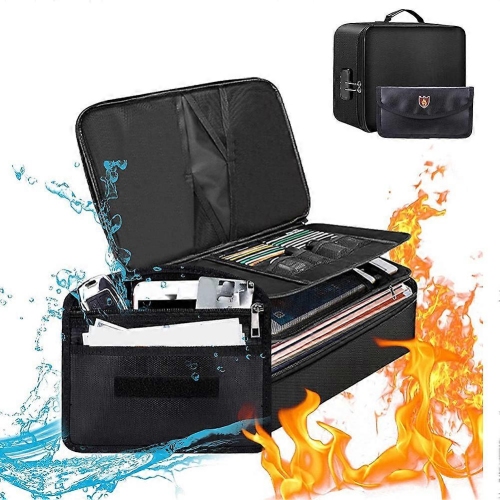
Fire resistance, water resistance, and theft resistance are separate qualities, and a personal safe may provide one without the others. A basic security safe is not necessarily designed to protect paperwork during a fire, even when its walls feel substantial. Fire-resistant designs use protective construction to limit the temperature inside for a specified period under test conditions. A meaningful rating identifies the testing standard or classification, the duration, and the type of contents the protection covers. Paper documents and digital storage media have different heat tolerances, so a rating intended for paper should not be assumed to protect memory cards, external drives, or other sensitive contents. Recognised independent testing, such as an applicable UL classification or ETL verification, provides more useful information than a broad claim of protection on its own. Water protection also needs a close reading: resistance to splashes differs from protection during temporary submersion, and any stated depth, duration, or closure requirements matter. These distinctions become especially relevant when storing insurance documents, property paperwork, or family keepsakes that would be difficult to replace. Even a well-chosen safe works best as part of a broader plan that includes suitable copies of essential documents and insurance where appropriate. Day-to-day care is usually uncomplicated, but it should follow the instructions for the particular construction and lock. A soft cloth helps keep the exterior and keypad clean; harsh cleaners, excess moisture, and unapproved lubricants can damage finishes or interfere with components. Battery-powered locks need the specified batteries and timely replacement when a low-power warning appears. Hinges, locking bolts, and any seals benefit from occasional visual checks for dirt, obstruction, or damage. In some fire-resistant designs, moisture can accumulate inside, making manufacturer-recommended airing or moisture-control measures important for paper and metal valuables. A dry indoor location away from obvious leak risks can further support good storage conditions. With appropriate capacity, comfortable access, and clearly understood protection ratings, a personal safe becomes a useful part of the home: a consistent place for the documents and possessions that deserve more care than an open shelf or an unlocked drawer.
Top selling and popular products
-
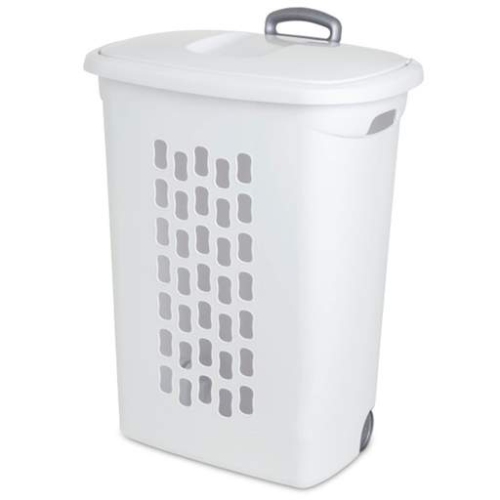 Your price for this item is $517.99
-
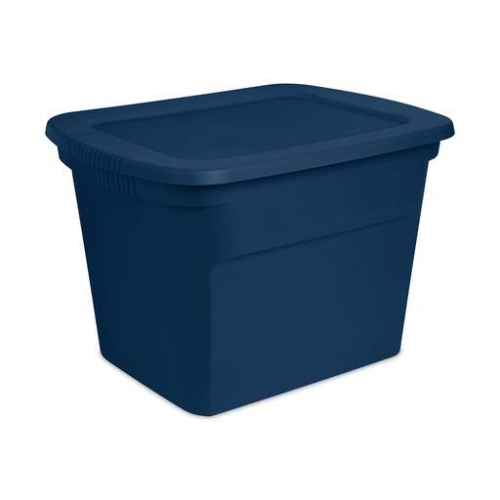 Your price for this item is $881.99
-
 Your price for this item is $227.99
-
 Your price for this item is $661.99
-
 Your price for this item is $440.99
-
 Your price for this item is $132.99
-
 Your price for this item is $260.99
-
 Your price for this item is $64.98
Discover more categories related to Personal Safes
Top Collections:
Pokemon Centers, Best Cameras for Sports Photography, Kindle Devices, Samsung Galaxy Phones, Canon G7X Cameras, Pokémon 30th Celebration Cards, Refurbished Apple Laptops, iPhone 15 Apple, Laptops for Students, Budget Smartphones
Some products may be subject to Environmental Handling Fees
(EHF) depending on your province.
Learn more about EHFs.